
Vintage cars have a special place in automotive history, representing a time when design, engineering, and driving experience were given equal attention. Owning a vintage car can be a rewarding experience, offering a sense of nostalgia and the satisfaction of maintaining a piece of history.
However, one of the main challenges many enthusiasts face is finding vehicles that are not only enjoyable to drive but also practical to maintain. Some vintage cars have scarce parts, expensive repairs, or require specialized knowledge that can make ownership difficult. Fortunately, some models strike a balance between classic appeal and practicality.
These vehicles offer reliable parts support, making them accessible even for those who are not full-time restorers or mechanics. They are easier to own because their maintenance is manageable, and replacement components are still available through suppliers, second-hand markets, or enthusiast networks.
When selecting a vintage car, it is essential to consider factors such as the availability of spare parts, the simplicity of mechanical systems, and the general reputation of the model in terms of reliability. Cars that have had large production runs often benefit from a strong parts network, which ensures that repairs and replacements can be done without excessive cost or effort.
Some vehicles also benefit from communities of owners who share knowledge, tips, and sources for parts, further easing the ownership experience. Beyond practicality, these cars often provide timeless style, smooth driving experiences, and the unique character that modern vehicles sometimes lack.
This article highlights ten vintage cars that remain popular due to their combination of style, reliability, and ease of maintenance. Each of these models is recognized for having good parts support, meaning owners can keep them running with relative ease.
They offer an ideal entry point for enthusiasts looking to enjoy the charm of a vintage vehicle without facing endless mechanical challenges. Whether someone is looking for a weekend cruiser, a restoration project, or a daily driver with historical appeal, these cars provide a perfect blend of accessibility and classic character.
By considering these ten vehicles, prospective owners can focus on enjoying the experience of vintage car ownership rather than dealing with the frustrations of rare parts or overly complicated repairs.
The cars listed here are not only attainable and maintainable but also embody the spirit of their respective eras, making them excellent candidates for collectors and hobbyists alike. They stand as examples of how timeless design can meet practical ownership considerations, allowing more people to appreciate the joy of driving a vintage automobile.
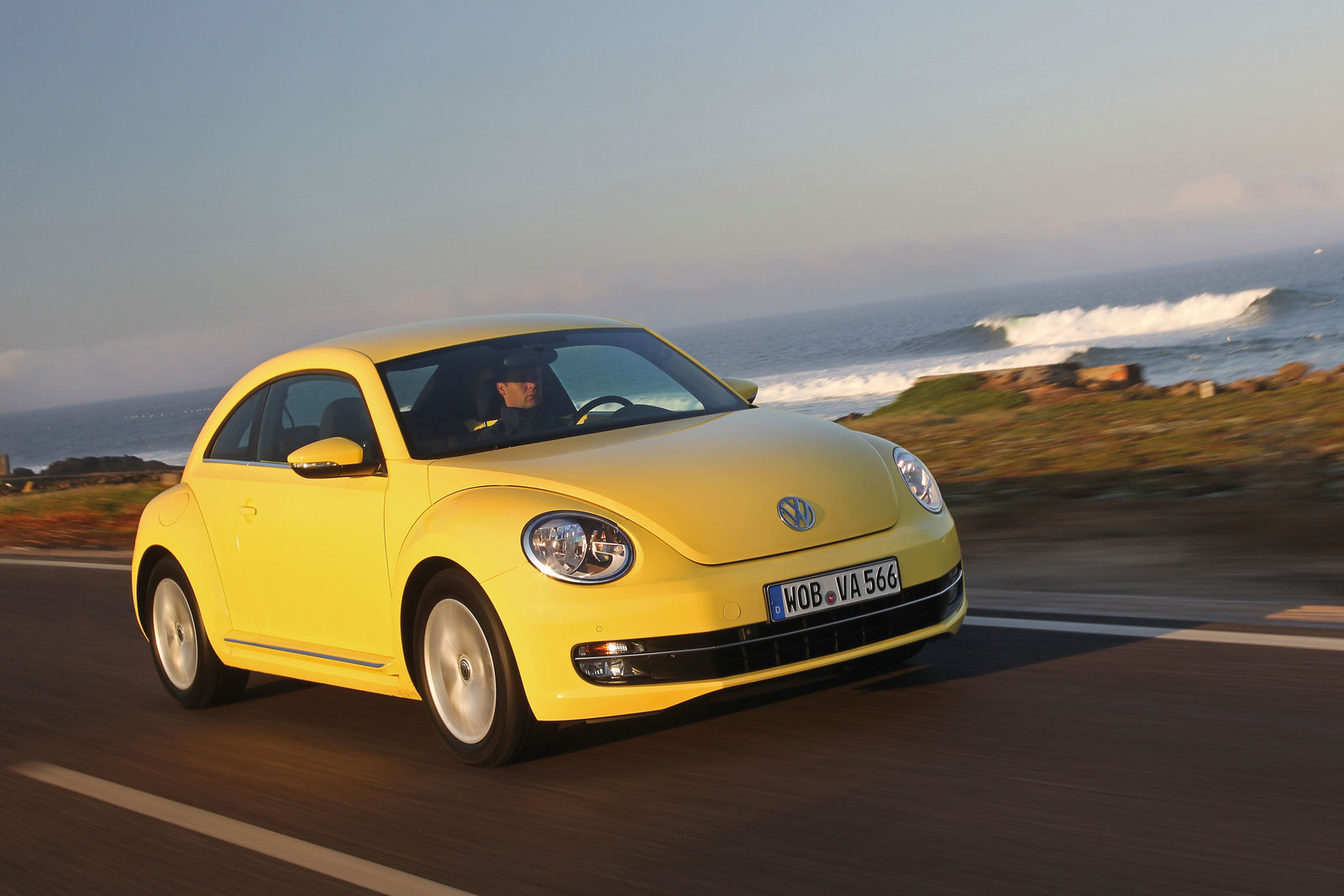
1. Volkswagen Beetle
The Volkswagen Beetle is one of the most recognizable vintage cars in history. Its rounded, compact design and unique silhouette have made it a cultural icon. Beyond its visual appeal, the Beetle has earned a reputation for reliability and simplicity.
The air-cooled engine is easy to work on, and many owners have found that routine maintenance can often be done at home with basic tools. Its mechanical simplicity ensures fewer breakdowns and makes sourcing replacement parts relatively straightforward.
Parts availability is a major advantage for Beetle owners. Because it was produced in large numbers over several decades, there is an extensive aftermarket network supplying both new and refurbished components. From engines to suspension parts, almost every component is still obtainable, often at reasonable prices.
Enthusiast communities also provide advice on repairs and modifications, further enhancing the ownership experience. This strong support system reduces the stress of maintaining a vintage car.
The Beetle is also noted for its ease of driving. Its lightweight design and simple controls make it forgiving for new drivers while still offering a satisfying driving experience. Many owners appreciate the combination of simplicity and durability, which allows them to enjoy the car without worrying about frequent mechanical failures. Its parts support and straightforward engineering contribute to its status as an accessible classic car.
Finally, the Beetle has a dedicated following worldwide. Clubs, online forums, and meetups provide resources for learning, sharing, and obtaining parts. This community aspect is invaluable for owners, as it ensures that advice and assistance are never far away. The combination of iconic design, mechanical simplicity, and strong parts support makes the Volkswagen Beetle a standout choice for vintage car enthusiasts seeking a car that is easy to own.
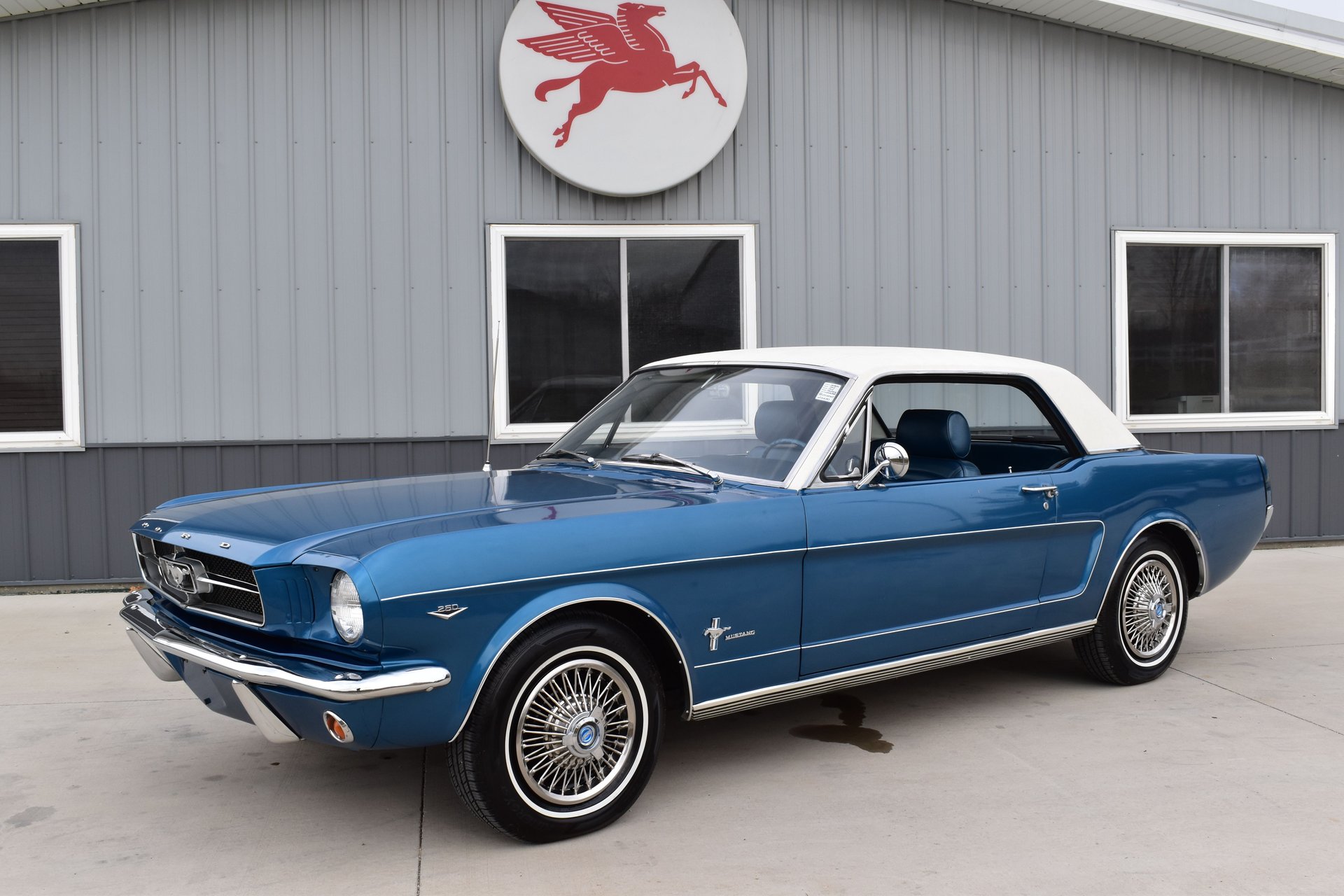
2. Ford Mustang (1960s Models)
The first-generation Ford Mustang is widely celebrated for its sporty design and cultural significance. It was designed to be affordable and practical, which makes it more accessible than many other vintage sports cars.
Early Mustangs feature straightforward mechanical systems, which means that repairs and maintenance can often be handled by a competent amateur or a local mechanic. Its widespread popularity ensures that parts remain readily available.
Replacement parts for the Mustang are abundant due to its massive production numbers and enduring popularity among collectors. From engines and transmissions to body panels and trim, almost everything can be found through OEM suppliers or aftermarket vendors. The strong network of parts providers makes restoring and maintaining a classic Mustang a manageable task. Owners can focus more on enjoying the car rather than struggling to source components.
Mustangs from the 1960s are also known for their driving pleasure. The cars offer responsive handling, lively engines, and a connection to the road that modern vehicles often lack. They are not only practical to maintain but also fun to drive, striking a balance that few vintage cars achieve. The ease of ownership extends to their affordability, as even complete vehicles can be obtained at reasonable prices compared to rarer classics.
Additionally, the Mustang enjoys a robust community of enthusiasts who provide guidance, technical support, and shared knowledge. This network is invaluable for sourcing hard-to-find parts, troubleshooting issues, and learning proper maintenance techniques.
The combination of widespread parts availability, mechanical simplicity, and strong community support ensures that the 1960s Ford Mustang remains a practical and enjoyable vintage car choice.
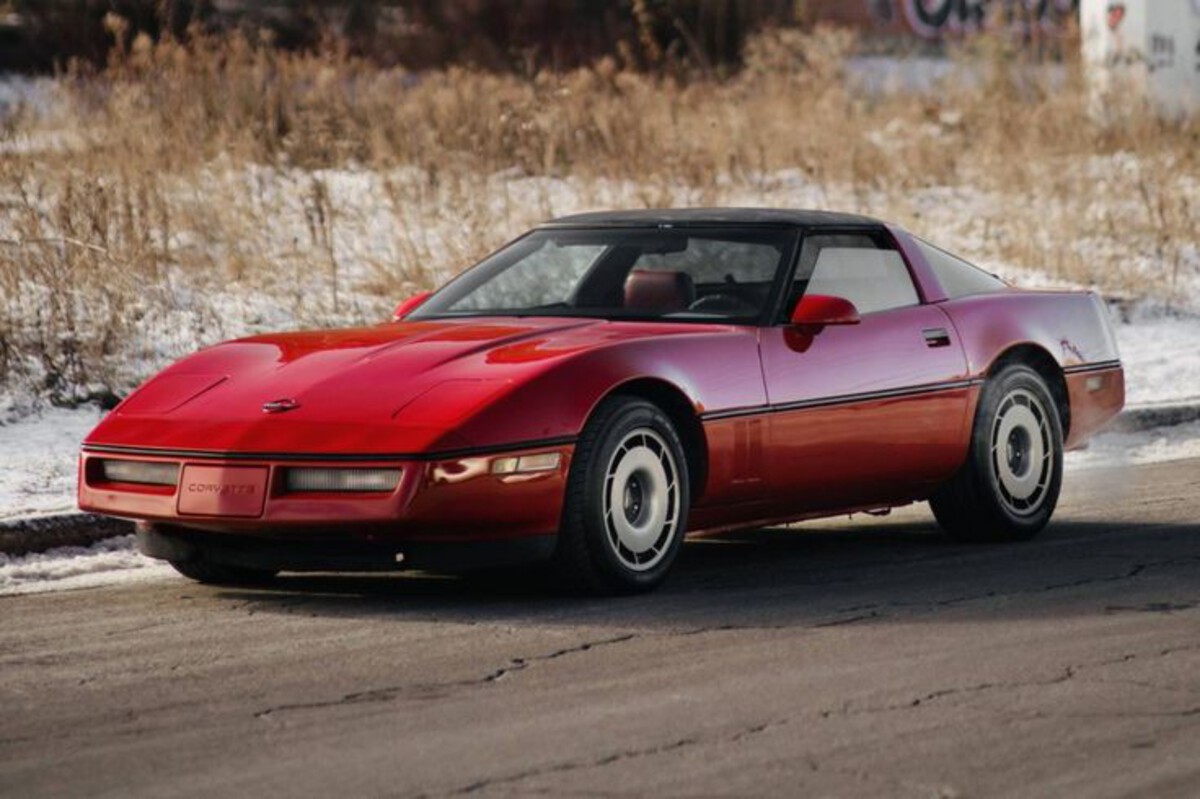
3. Chevrolet Corvette (C2 and C3)
The Chevrolet Corvette from the second and third generations has a reputation for style and performance. These models introduced curves and a distinctive look that remains popular among collectors.
Despite their exotic appearance, these Corvettes are relatively easy to maintain, particularly the C3 models, which were produced in large numbers. Parts are widely available for engines, brakes, and body components, which simplifies restoration and upkeep.
Engines in the C2 and C3 Corvettes are relatively straightforward V8s, and many mechanics are familiar with their design. Routine maintenance such as oil changes, brake servicing, and suspension work can be performed without specialized equipment. The car’s widespread popularity during its production years means that many aftermarket suppliers produce high-quality components, which keeps costs manageable.
Another benefit of these Corvette models is that their systems are largely mechanical rather than electronic. Unlike more modern cars, owners do not have to navigate complex electrical systems or computerized diagnostics. This simplicity makes it easier to diagnose and repair problems, contributing to an sense of reliability. Even less experienced mechanics can tackle repairs with confidence.
Finally, the Corvette community is extensive. Owners’ clubs, online forums, and specialized workshops provide resources for parts, maintenance advice, and event participation. Whether someone is interested in preserving the original vehicle or modifying it slightly, support is plentiful.
The combination of iconic style, accessible mechanics, and widespread parts availability makes the C2 and C3 Corvette excellent choices for those seeking a vintage car that is relatively simple to own and maintain.
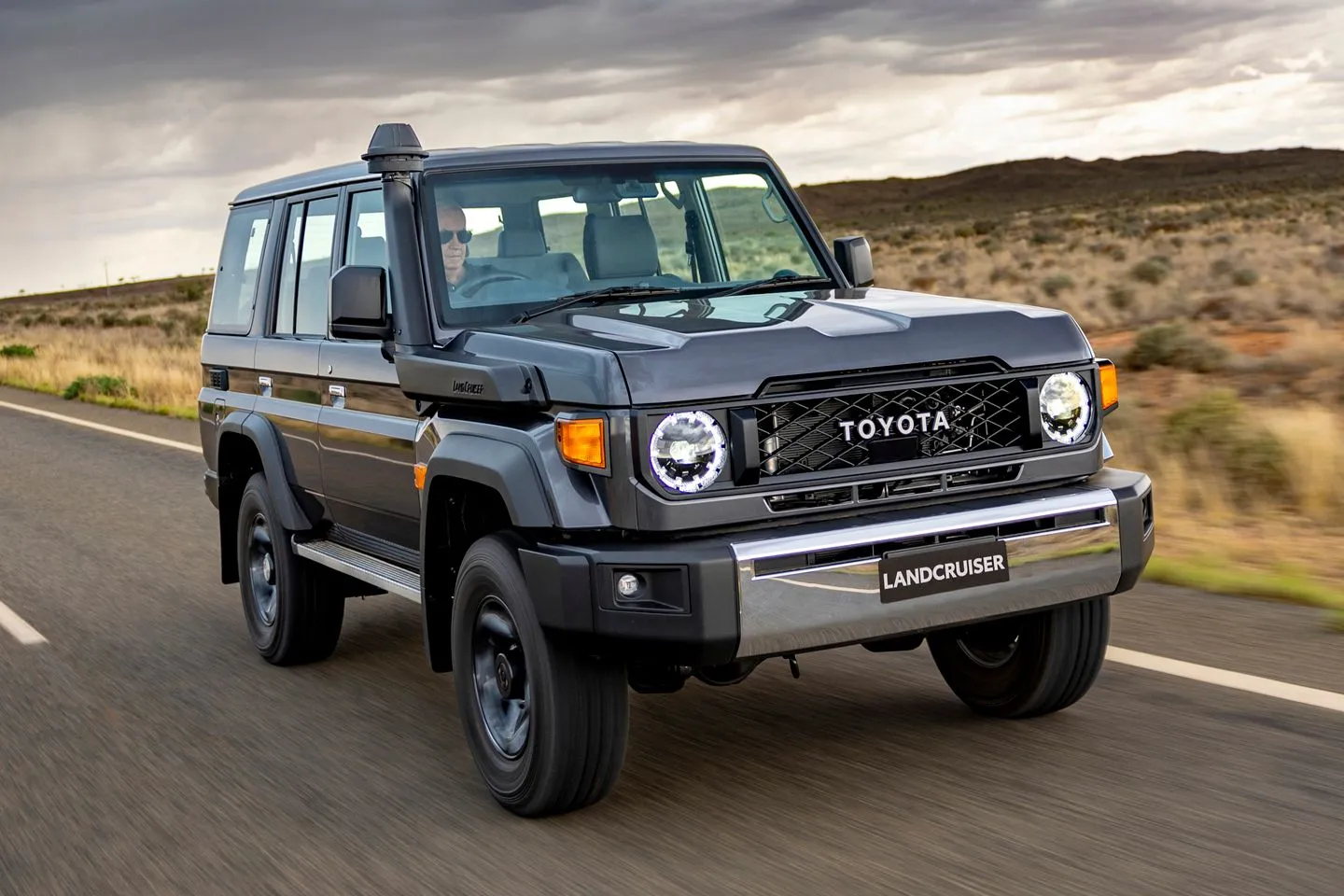
4. Toyota Land Cruiser (FJ40)
The Toyota Land Cruiser FJ40 is a legendary off-road vehicle known for its toughness and reliability. Built during the 1960s and 1970s, it was designed to handle challenging terrain while requiring minimal maintenance. Its rugged construction and mechanical simplicity make it an ideal candidate for vintage car enthusiasts who want a vehicle that is both practical and durable.
Parts support for the FJ40 is impressive. Toyota produced large quantities of these vehicles for decades, and a strong aftermarket network ensures that replacement parts are widely available. Engines, transmissions, axles, and body panels can often be sourced easily, reducing the challenge of maintaining a vintage vehicle. Enthusiast clubs also guide sourcing rare parts and performing restorations.
The FJ40 is also relatively easy to own due to its mechanical simplicity. The vehicle’s engine, drivetrain, and suspension are straightforward and durable, allowing many repairs to be performed without specialized tools. Its body-on-frame construction and solid axles further enhance durability and make repairs simpler. Many owners find that routine maintenance can be accomplished at home, which adds to its practicality.
Lastly, the Land Cruiser’s enduring reputation as a reliable off-road vehicle contributes to its ease of ownership. The vehicle’s design and engineering have stood the test of time, meaning that even decades after production, it remains dependable. Whether used as a daily driver or a weekend adventure vehicle, the FJ40 offers a combination of rugged charm, accessibility, and parts support that few other vintage cars can match.
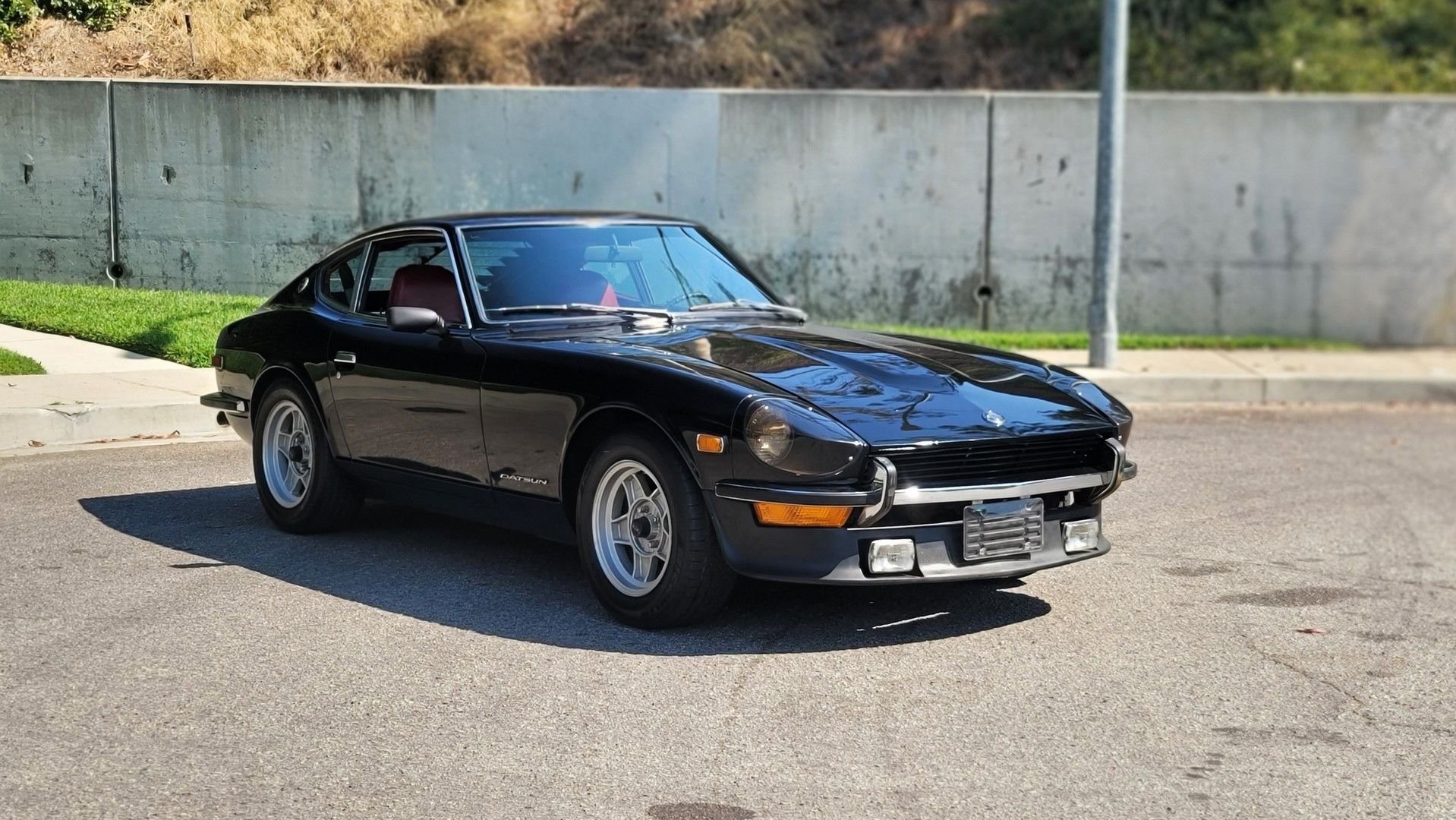
5. Datsun 240Z
The Datsun 240Z is a Japanese sports car from the early 1970s that quickly gained popularity due to its performance, styling, and affordability.
It combined a lightweight body with a capable inline-six engine, creating a car that was both fun to drive and relatively easy to maintain. Its growing popularity among collectors has kept parts readily available, which makes ownership more accessible than other vintage sports cars.
Parts for the 240Z are widely supported through both OEM suppliers and aftermarket companies. Engines, suspensions, body panels, and interior components are still produced or salvaged from donor vehicles, which reduces the difficulty and cost of restoration. Enthusiast groups provide extensive documentation and advice, making maintenance straightforward even for first-time vintage car owners.
The mechanical simplicity of the 240Z also contributes to its ease of ownership. With minimal electronics and a focus on traditional mechanical systems, owners can perform many repairs themselves. Its lightweight design and balanced handling provide an engaging driving experience, and it does so without requiring constant mechanical attention.
Finally, the 240Z benefits from a dedicated following worldwide. Enthusiast networks help owners locate parts, share maintenance tips, and organize events. This support ensures that even rare or less common components can be tracked down efficiently. The combination of reliable parts support, straightforward mechanics, and classic sports car performance makes the Datsun 240Z a practical choice for vintage car enthusiasts who want a blend of style and usability.
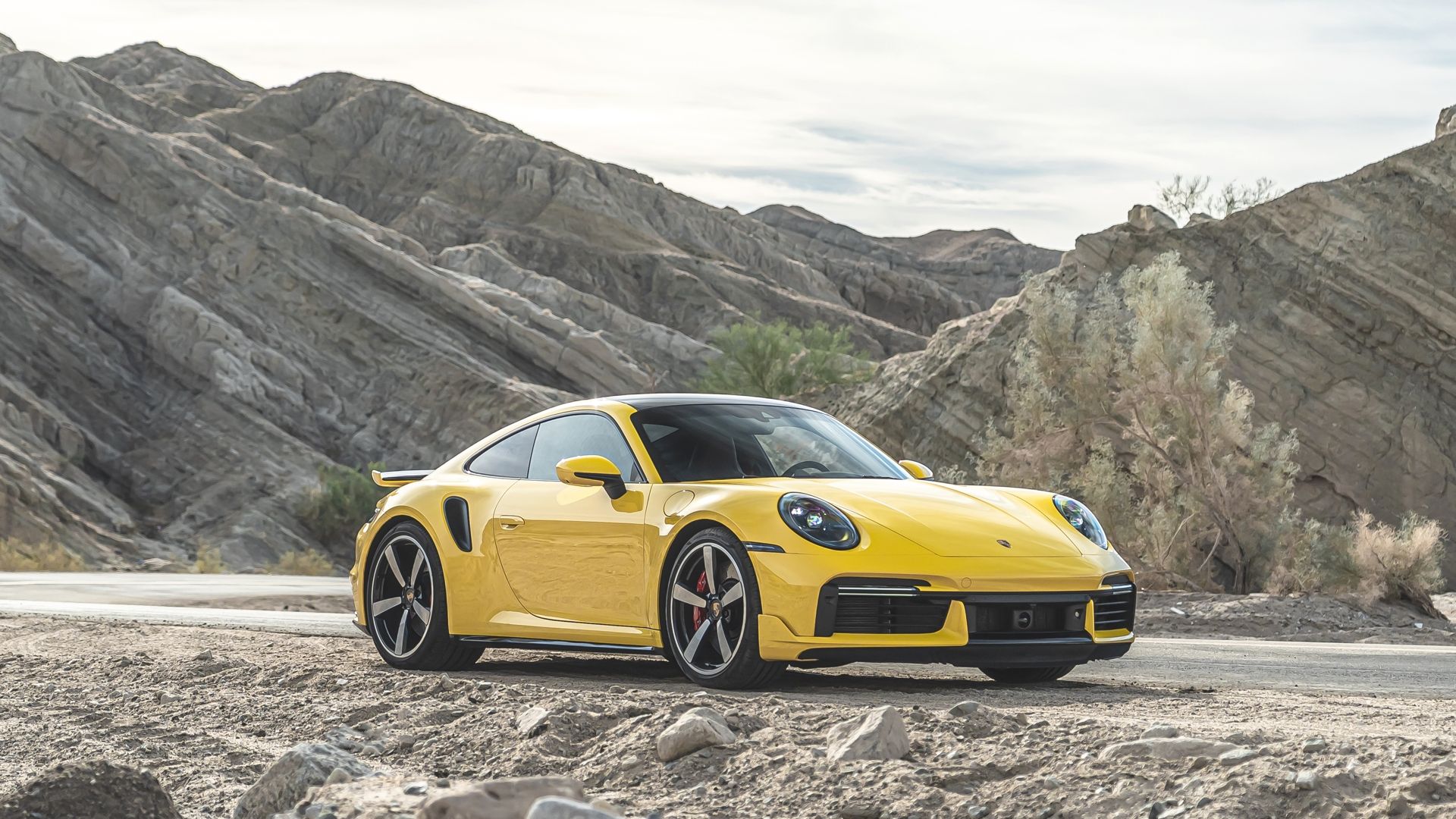
6. Porsche 911 (Classic Models, 1960s–1970s)
The classic Porsche 911 from the late 1960s and 1970s is a symbol of precision engineering and timeless design. Its iconic silhouette, sloping rear, and distinctive headlights have made it one of the most recognizable sports cars in history.
Despite its reputation as a high-performance vehicle, certain early 911 models are surprisingly manageable for owners who want a vintage car that is both enjoyable to drive and maintain.
The air-cooled flat-six engine, while sophisticated, is mechanically straightforward compared to modern turbocharged systems, which means repairs can be accomplished with standard tools and basic mechanical knowledge. This simplicity allows owners to focus on driving enjoyment rather than constantly addressing mechanical complications.
Parts support for classic 911s is strong, particularly for popular models such as the 911T, 911E, and 911S. Porsche’s enduring reputation and dedicated enthusiast community have created a thriving aftermarket market, where engine components, suspension parts, and body panels are still available in large quantities.
In addition, many specialty suppliers focus exclusively on vintage Porsche components, producing high-quality replacements that meet or exceed original specifications. This combination of OEM availability and aftermarket options ensures that owners can maintain their vehicles without being limited by scarce or prohibitively expensive parts.
Maintenance of the classic 911 is facilitated by its well-documented service history and widespread technical knowledge. Owners’ manuals, repair guides, and online forums provide detailed instructions for common issues, including valve adjustments, timing maintenance, and suspension repairs.
The simplicity of its mechanical systems means that even enthusiasts with moderate experience can perform significant repairs themselves, avoiding costly trips to specialized workshops. Furthermore, the 911’s design encourages preventative maintenance, which contributes to its long-term reliability and makes ownership more manageable than many might expect from a vintage sports car.
Finally, the Porsche 911’s combination of iconic styling, strong parts support, and accessible engineering ensures that it remains a viable option for collectors and enthusiasts. Its status as a performance car does not mean it is out of reach for those seeking a practical vintage vehicle.
With proper attention and a reliable network of suppliers and experts, the 911 offers an engaging driving experience, a tangible connection to automotive history, and a sense of accomplishment that comes with maintaining such a celebrated classic. For anyone seeking a vintage car that balances excitement with practicality, the classic 911 stands out as a premium yet attainable choice.
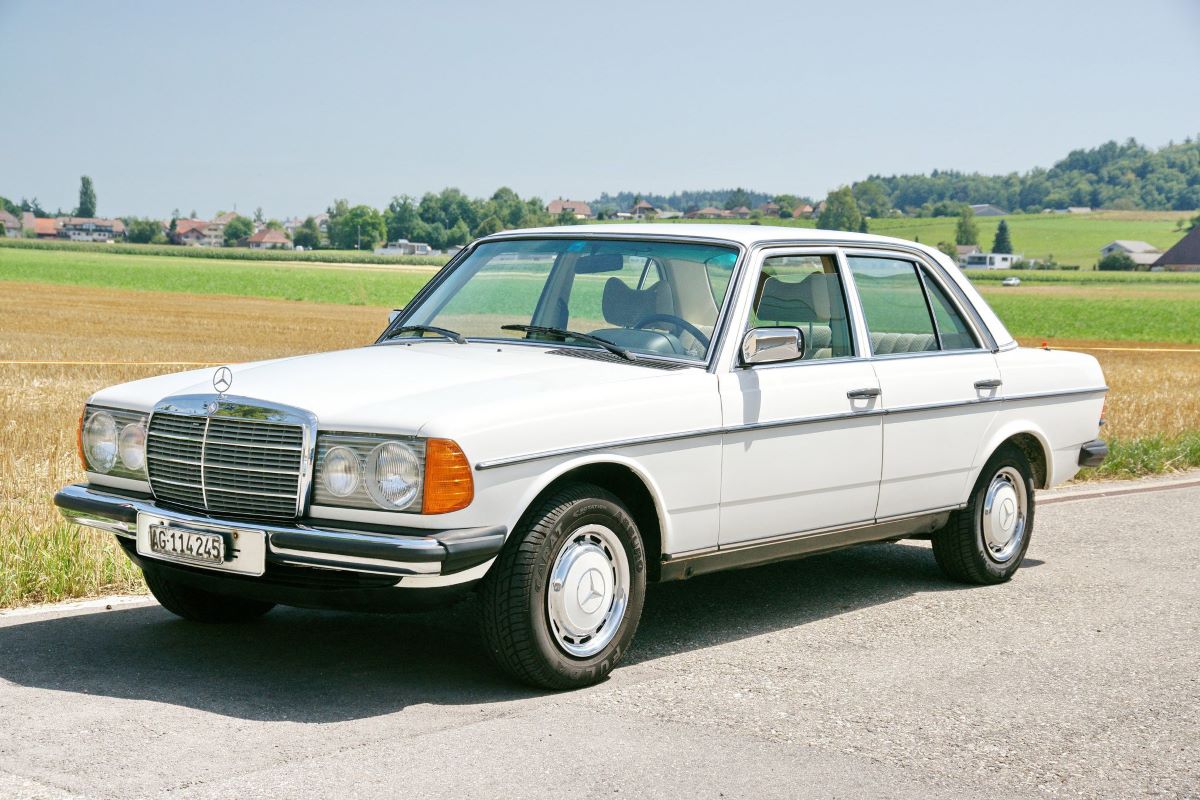
7. Mercedes-Benz W123
The Mercedes-Benz W123, produced between the mid-1970s and mid-1980s, is widely regarded as one of the most reliable and durable cars of its era. It combines understated elegance with mechanical resilience, making it a favorite among both collectors and everyday drivers seeking a dependable vintage vehicle.
The W123’s design emphasizes practicality and longevity, with robust engines, strong chassis construction, and straightforward mechanical systems. Its reputation for reliability ensures that owners can enjoy classic car ownership without the constant concern of breakdowns or difficult repairs.
Parts availability for the W123 is impressive, thanks to its high production numbers and enduring popularity around the globe. Replacement engines, transmissions, suspension components, and even interior trim are readily obtainable, either through Mercedes-Benz authorized suppliers, aftermarket manufacturers, or salvage networks.
Enthusiast groups and online communities also provide invaluable guidance on sourcing parts and performing repairs. This extensive support network significantly reduces the challenges typically associated with maintaining a vintage car.
Mechanically, the W123 is straightforward and approachable for owners with basic automotive knowledge. Routine maintenance tasks, including oil changes, brake servicing, and clutch replacements, can be performed without specialized tools or advanced expertise.
Its durable engineering means fewer unexpected failures, and the car’s longevity is well-documented, with many vehicles exceeding 300,000 miles when properly maintained. The combination of mechanical simplicity and reliability makes the W123 a rare example of a vintage luxury vehicle that remains practical for regular use.
Additionally, the W123’s driving experience is comfortable and predictable. Its suspension is tuned for smooth rides, and its steering and braking systems are intuitive, providing a confident driving experience.
The car’s understated styling and solid construction ensure that it continues to hold value and appeal among collectors and enthusiasts. The Mercedes-Benz W123 offers a rare blend of classic design, dependable engineering, and widespread parts support, making it one of the easiest vintage luxury cars to own and maintain.
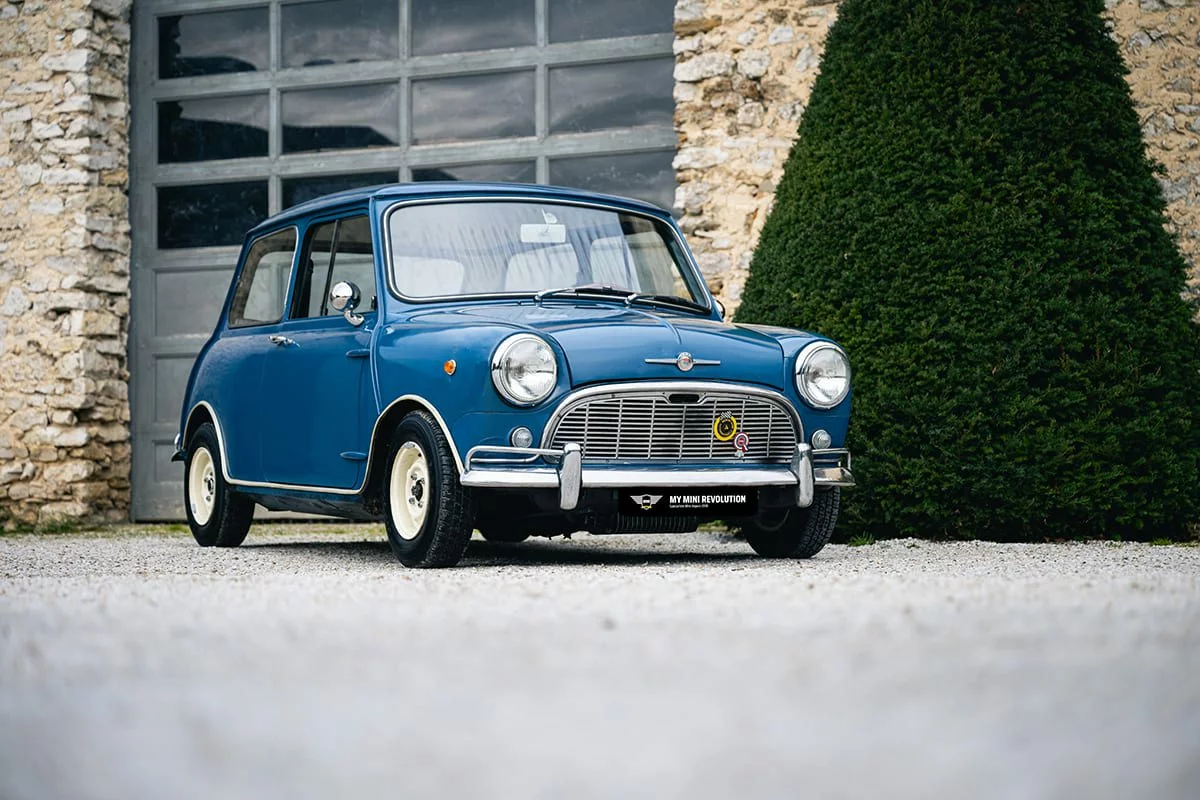
8. Mini Cooper (Classic, 1960s–1970s)
The classic Mini Cooper is a small, nimble car with enormous charm. Introduced in the late 1950s and continuing through the 1970s, it quickly became a cultural icon, known for its compact size, distinctive shape, and surprisingly agile handling.
Its small engine and simple mechanical layout make it very approachable for owners who want a vintage car that is easy to maintain and repair. The Mini’s compact design also makes it ideal for city driving and maneuvering in tight spaces, adding practical value to its vintage appeal.
Parts support for the Mini Cooper remains strong decades after production ended. Replacement components for engines, brakes, suspensions, and even body panels are widely available through a combination of OEM suppliers, aftermarket vendors, and enthusiast networks.
Classic Mini clubs and online forums provide extensive guidance on repairs, sourcing rare parts, and performing upgrades, which ensures that owners are never left without assistance. The combination of high parts availability and active community support contributes greatly to the Mini Cooper’s accessibility.
Mechanically, the Mini is relatively simple. Its A-series engine is easy to work on, and its front-wheel-drive layout eliminates many of the more complex systems found in rear-wheel-drive cars of the era. Routine maintenance, such as timing chain adjustments, carburetor tuning, and brake servicing, can be done without specialized tools.
The car’s simplicity makes it a favorite among first-time vintage car owners, as it allows them to learn about automotive mechanics without feeling overwhelmed by complex systems or hard-to-source components.
Finally, the driving experience of a Mini Cooper is both engaging and distinctive. Its low center of gravity, tight turning radius, and responsive handling make it an enjoyable car to drive on both city streets and winding country roads.
Coupled with strong parts support and straightforward maintenance, the Mini Cooper provides a rare combination of fun, reliability, and practicality. Its status as a cultural icon only enhances its appeal, making it a must-consider option for enthusiasts looking for a vintage car that is both easy to own and rewarding to drive.
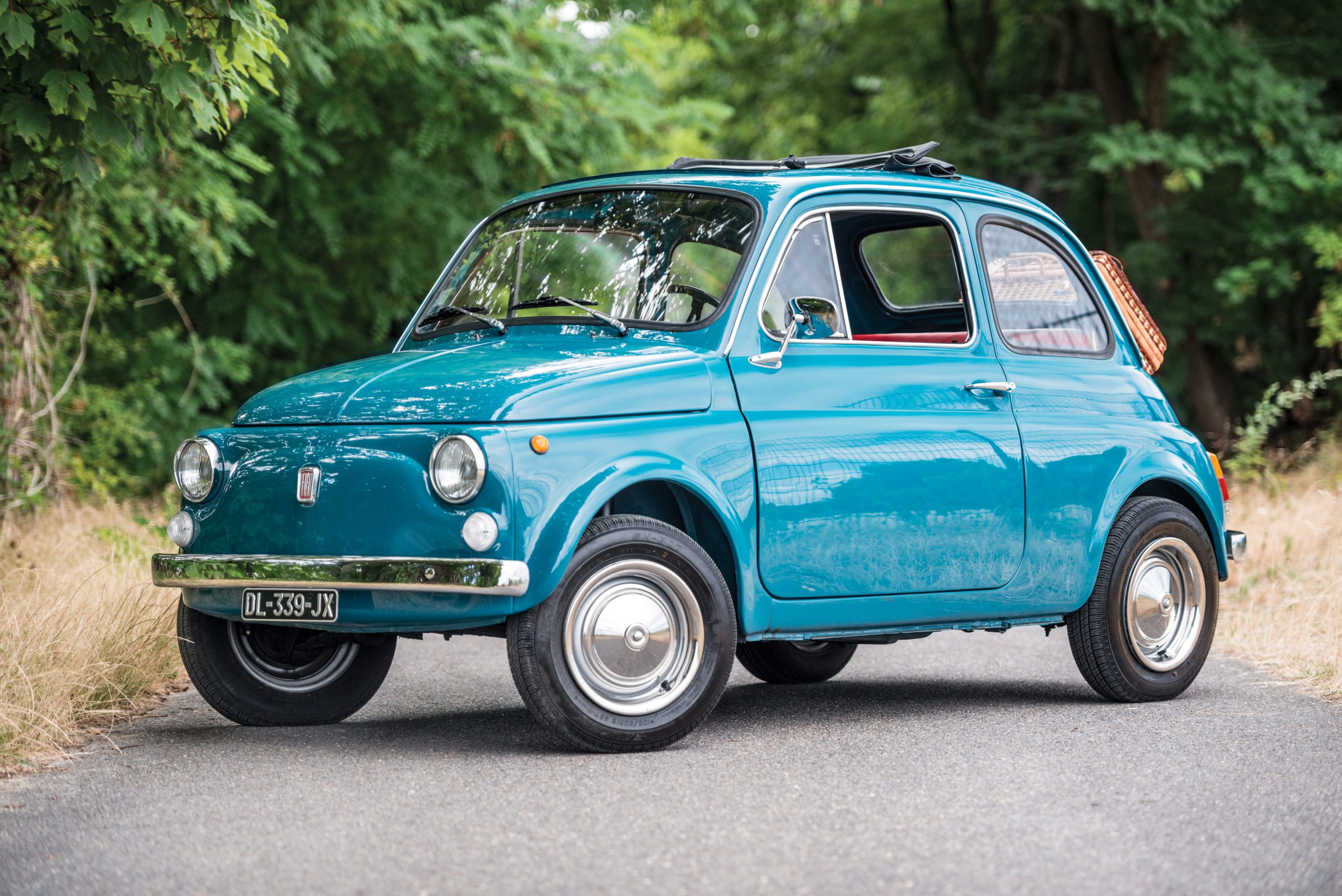
9. Fiat 500 (Classic, 1957–1975)
The classic Fiat 500 is a small, stylish car that epitomizes practical urban mobility. Produced in the late 1950s through the mid-1970s, it offered economical motoring in a compact, attractive package. Its small, air-cooled engine is mechanically simple, making maintenance and repairs accessible to owners who are not professional mechanics.
The Fiat 500’s lightweight construction and minimalistic design also contribute to its ease of ownership, as it requires fewer specialized tools and parts than many larger or more complex vintage cars.
Parts support for the Fiat 500 is surprisingly good. Thanks to its enduring popularity in Europe and among collectors worldwide, replacement components for engines, body panels, brakes, and interiors remain obtainable.
Enthusiast communities guide sourcing both new and refurbished parts, while numerous suppliers specialize in reproducing vintage Fiat components. This widespread availability ensures that restoration and maintenance projects can be completed without excessive cost or effort.
The Fiat 500’s mechanical simplicity further enhances its practicality. Its air-cooled engine and basic drivetrain allow owners to perform routine maintenance such as oil changes, brake servicing, and carburetor tuning without difficulty.
The vehicle’s compact design also simplifies mechanical work, as components are easily accessible and less cumbersome to handle. Many owners find that maintaining a classic Fiat 500 is a manageable and rewarding experience, offering both a sense of accomplishment and the enjoyment of a fully functional vintage vehicle.
Additionally, the Fiat 500 offers a unique and charming driving experience. Its small size, nimble handling, and distinct styling make it a joy to drive in urban environments and on scenic roads alike.
The combination of ease of maintenance, parts support, and engaging driving characteristics ensures that the Fiat 500 remains a highly practical and appealing choice for vintage car enthusiasts. It is an ideal option for those seeking a small, reliable, and historically significant classic car that is simple to own.
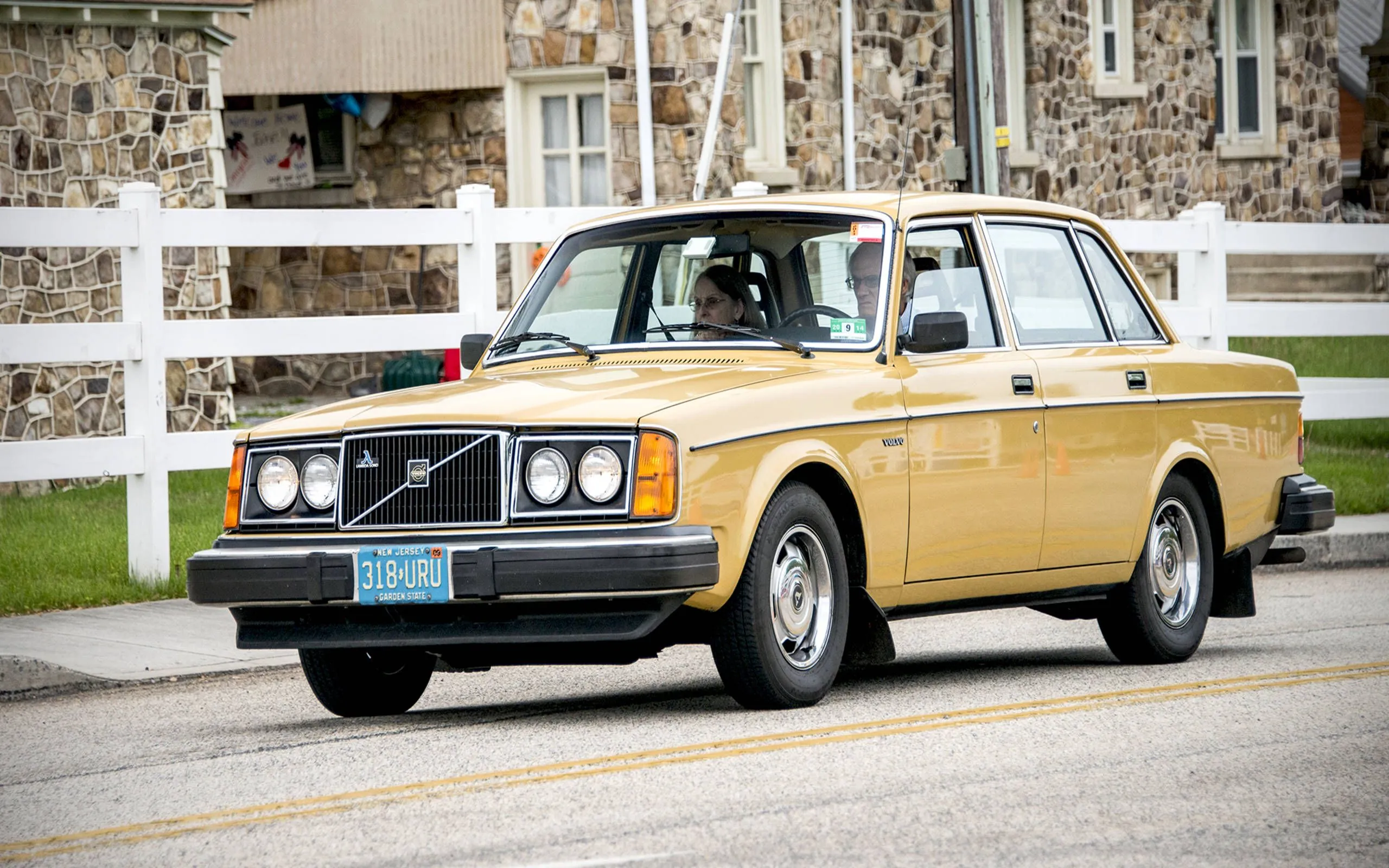
10. Volvo 240
The Volvo 240 is a classic Swedish car known for its legendary reliability, safety, and practicality. Produced from the mid-1970s to the early 1990s, it became a favorite among families and enthusiasts who wanted a durable, dependable vehicle that could withstand high mileage and challenging conditions. Its mechanical systems are straightforward, consisting of durable engines, simple suspensions, and basic electronics, which makes the car approachable for owners who want a vintage car that is easy to maintain.
Parts support for the Volvo 240 is excellent, as these cars were produced in large numbers and remain popular in many markets.
Replacement engines, transmissions, brake components, and body parts are still widely available from both OEM suppliers and aftermarket vendors.
Enthusiast forums and Volvo clubs provide extensive support, offering guidance on sourcing parts, performing repairs, and troubleshooting common issues. This accessibility ensures that owners can keep their vehicles running smoothly without facing the difficulties associated with rare vintage cars.
The 240’s mechanical simplicity adds to its practicality. Tasks such as oil changes, brake servicing, suspension repairs, and minor engine work can be performed by owners with basic mechanical knowledge.
The car’s durable construction and robust components mean that it can endure regular use without frequent breakdowns, making it a realistic option for those who want a reliable vintage daily driver. Its straightforward engineering also encourages preventative maintenance, which extends the car’s lifespan and reduces the need for expensive repairs.
Finally, the Volvo 240 offers a comfortable and predictable driving experience. Its spacious interior, solid handling, and safety-oriented design make it suitable for both city and highway driving.
The combination of durability, widespread parts support, and ease of maintenance makes the Volvo 240 one of the most practical vintage cars to own. It represents a rare blend of reliability, classic design, and accessibility that appeals to both collectors and owners seeking a functional, low-stress classic vehicle.
