
There was a time when cars weren’t just about getting from one place to another. They were about presence, confidence, and a statement of comfort that seemed limitless. The great American land yachts of the mid-twentieth century represented the peak of excess and elegance on the road.
These cars were designed to make long journeys feel like floating on air, wrapped in luxury materials and surrounded by power that came from massive V8 engines. They were longer, wider, and far more extravagant than most vehicles produced today. Their gleaming chrome, endless hoods, and soft suspensions were built for the open highways that stretched across America, allowing drivers to glide for hundreds of miles with minimal effort.
Vintage American land yachts have become more than just classic cars; they are symbols of a culture that celebrated abundance and freedom. The people who drove them weren’t in a hurry. They cruised. These cars were not about efficiency or practicality but about enjoyment, pride, and a certain timeless sense of style.
Today, collectors and enthusiasts still seek them out, not only because of their beauty but because they represent a chapter in automotive history that will never return.
Whether it was the soft hum of the engine, the glow of the dashboard at night, or the feeling of an endless hood stretching ahead, every element contributed to an experience that defined classic American luxury.
Here are ten of the best vintage American land yachts ever built, chosen for their style, comfort, engineering, and road presence. These cars remain iconic examples of an age when cruising was an art, and size, power, and elegance ruled the highway.
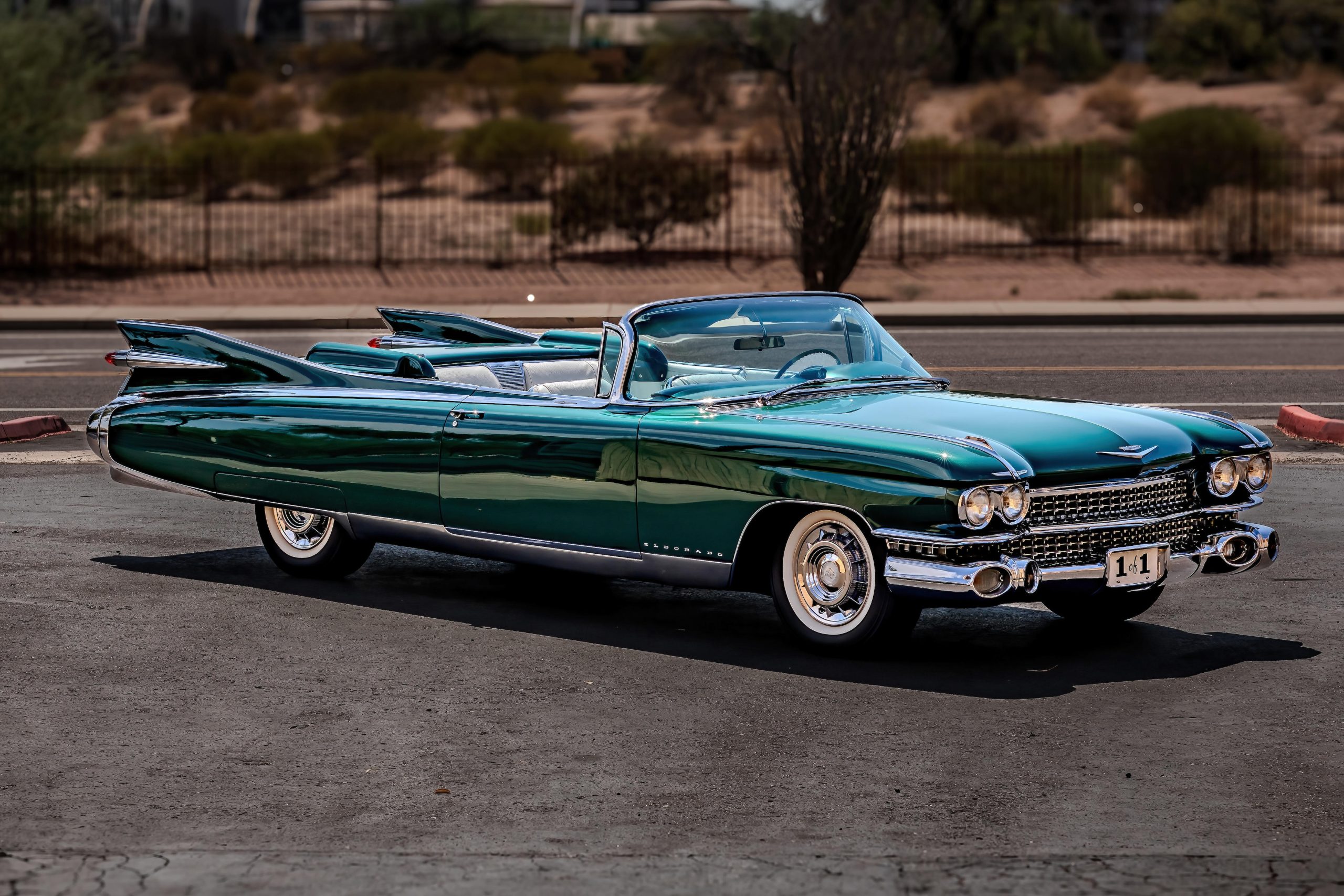
1. 1976 Cadillac Eldorado
The 1976 Cadillac Eldorado stands as one of the final symbols of America’s unrestrained luxury car era. It represented everything that defined the term “land yacht”: immense size, bold design, and a sense of comfort that seemed almost excessive by modern standards. With a body that stretched nearly 19 feet long and a weight surpassing two and a half tons, it was a car that dominated the road both visually and physically.
The convertible version of this model was especially important because it marked the end of large American convertibles for many years. Cadillac even promoted it as the “last American convertible,” a claim that carried sentimental weight for buyers who wanted to own a piece of history. Its 500-cubic-inch V8 engine, the largest production engine of its time, gave the Eldorado the power to move its massive frame with effortless grace, gliding down highways like a luxury liner at sea.
Stepping inside the Eldorado was like entering another world. The cabin was a combination of thick carpets, plush leather seating, and an abundance of chrome and wood-grain trim. Every detail reflected Cadillac’s obsession with comfort and refinement.
The seats were wide enough to allow passengers to shift positions easily during long drives, and the ride itself was whisper-quiet thanks to Cadillac’s advanced suspension and soundproofing.
The dashboard layout was designed to convey both control and ease, placing every feature within comfortable reach. Power windows, automatic climate control, and an AM/FM stereo system were standard features, ensuring that the driver and passengers experienced nothing short of total relaxation during their journey.
On the outside, the Eldorado’s styling carried a sense of pride and dignity. Its long hood and squared-off rear deck gave it a formal presence, while the signature vertical taillights and broad chrome grille communicated confidence and luxury. The convertible top folded neatly into the rear compartment, preserving the car’s sleek lines even when open.
The Eldorado looked equally at home pulling up to a luxury hotel as it did cruising down an empty coastal road. It was a car meant to be admired, not rushed, and those who owned one understood that its appeal lay in its quiet authority.
Today, the 1976 Cadillac Eldorado remains a favorite among collectors and enthusiasts. It represents the final chapter in Cadillac’s reign as the undisputed king of American luxury before the industry shifted toward smaller, more efficient designs.
Owning and driving one today is like holding onto a piece of American history, a reminder of a time when excess was celebrated and comfort was king. For many, it remains the very definition of a land yacht: graceful, powerful, and unforgettably grand.
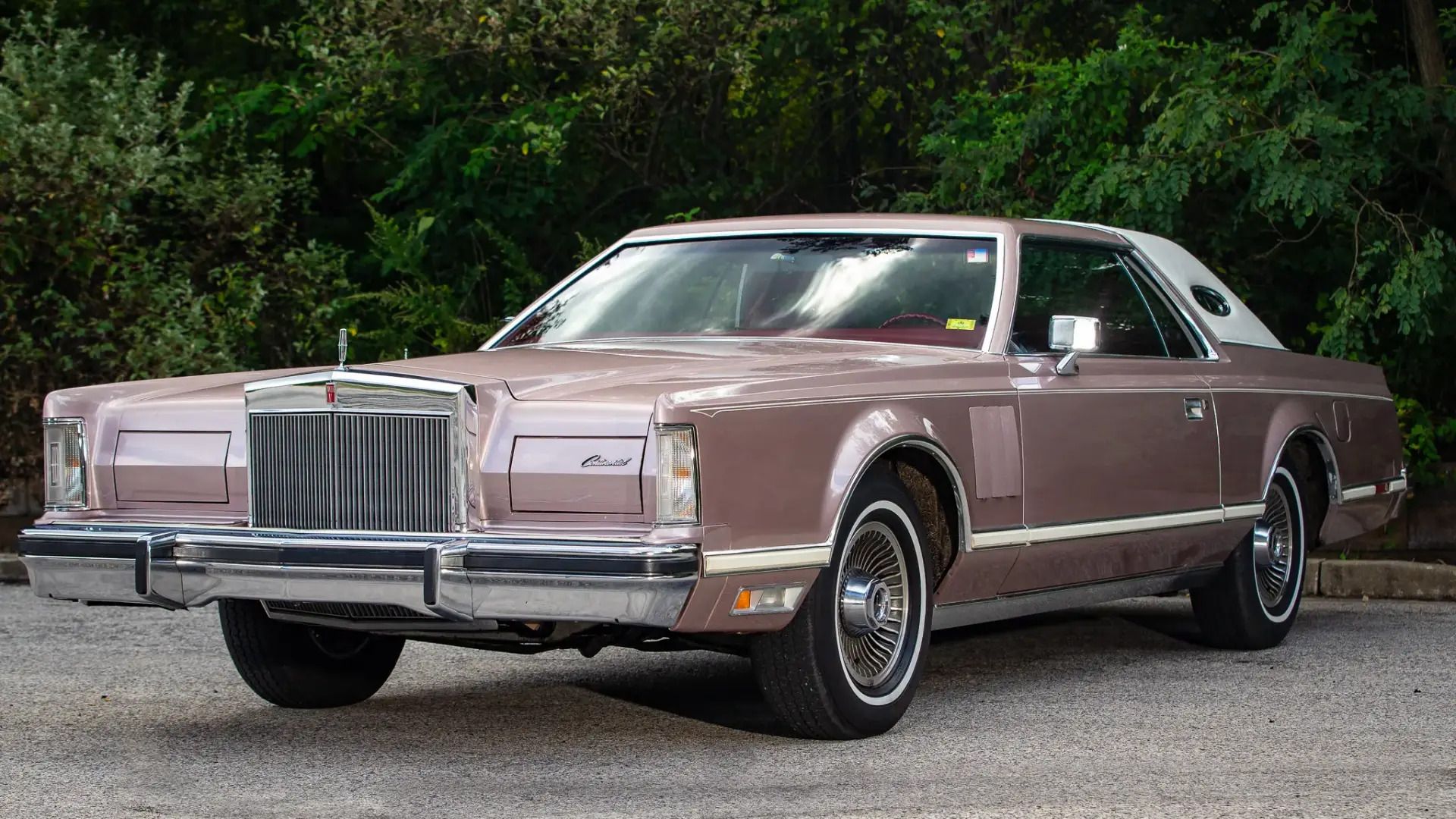
2. 1973 Lincoln Continental Mark IV
The 1973 Lincoln Continental Mark IV was a masterpiece of American design and engineering, created for those who demanded style, comfort, and authority in equal measure. It embodied the spirit of the 1970s luxury scene, when cars were judged by their size, quietness, and presence rather than their performance numbers.
The Mark IV shared its platform with Ford’s Thunderbird but was distinguished by its more formal styling, distinctive features, and Lincoln’s commitment to craftsmanship. Its long, sweeping hood, sharp-edged fenders, and upright front fascia gave it an unmistakable silhouette. The car’s design was bold but refined, conveying a sense of power and dignity that made it a favorite among executives and celebrities.
Under its hood rested a 460-cubic-inch V8 engine, a powerhouse that delivered smooth and abundant torque, perfect for the effortless kind of cruising the car was built for. The Mark IV wasn’t about quick acceleration or sharp handling; it was about composure.
The suspension was tuned to absorb every imperfection in the road, and the steering was soft and deliberate, allowing the driver to relax completely during long journeys. Lincoln engineers focused heavily on insulation, creating one of the quietest cabins ever produced. The car’s interior noise level was so low that conversations could be held at a whisper, even at highway speeds.
The interior itself was a display of 1970s luxury at its finest. Plush velour or leather upholstery, thick carpeting, and real wood trim gave the Mark IV a feeling of richness that rivaled European sedans. The dashboard was wide and elegant, with clearly marked instruments and chrome accents that caught the light just right.
Features such as automatic headlamps, power seats, and a Cartier-branded clock added to the sense that the driver was piloting something extraordinary. Each Mark IV could also be customized with unique color and trim combinations, allowing owners to express personal taste through their vehicle, something that added to the model’s exclusivity.
The Mark IV’s distinctive design feature, the “Continental hump” on the rear deck, paid homage to the brand’s heritage, giving the car a recognizable profile even from a distance. Collectors today appreciate how the Mark IV bridges the classic Lincoln styling of the 1960s with the more modern luxury of the late 1970s.
It remains a true representation of American automotive confidence, a vehicle that refused to compromise on space or style. To drive one is to experience the essence of quiet power and timeless grace.
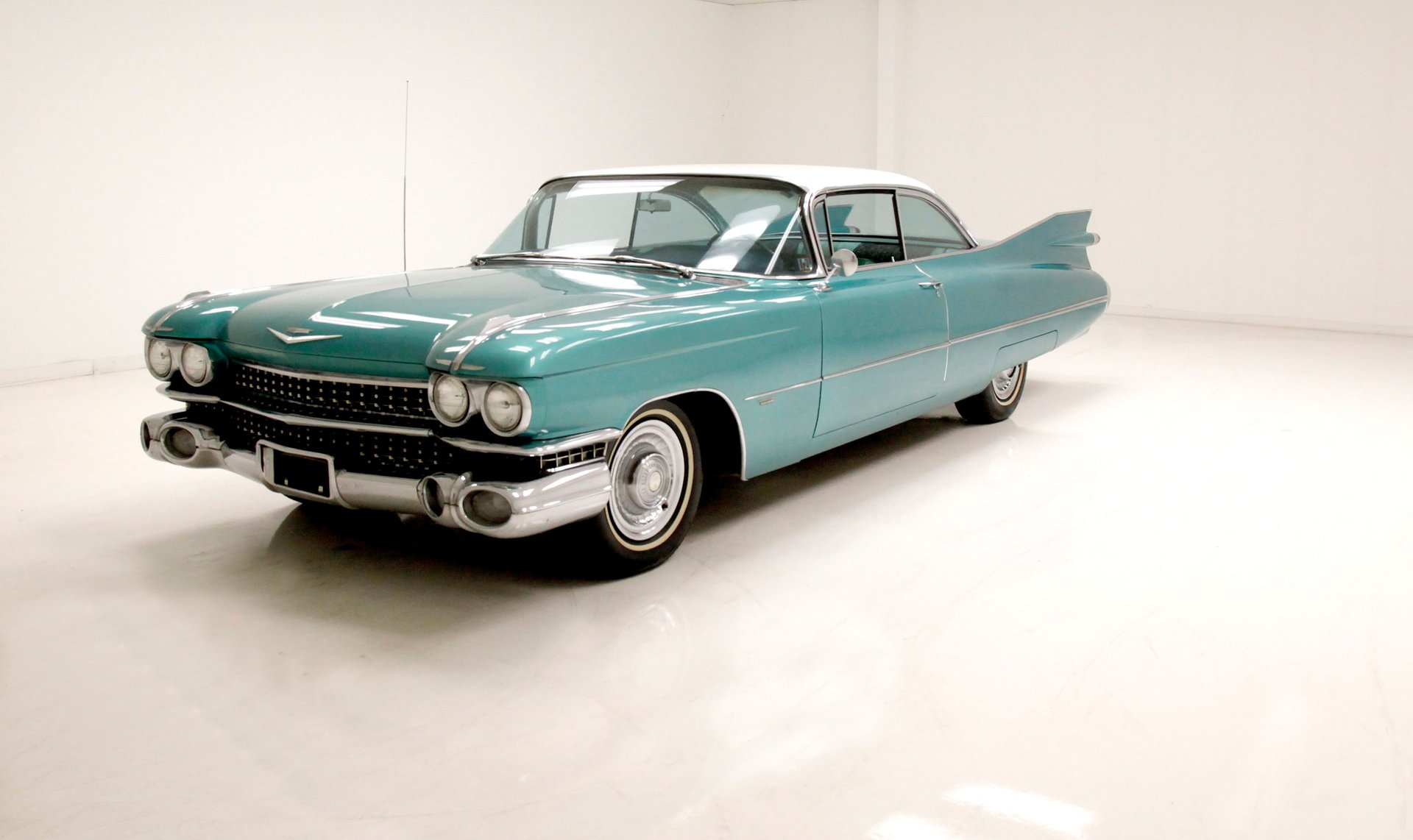
3. 1959 Cadillac Series 62
When it comes to the grandest and most iconic of all American land yachts, the 1959 Cadillac Series 62 often sits at the very top of the list. This car didn’t just symbolize success, it defined it. Everything about the Series 62 was exaggerated, dramatic, and unapologetically American.
Its massive tailfins, adorned with rocket-inspired taillights, became one of the most famous design statements in automotive history. At over 18 feet long and draped in chrome, it was a car that demanded attention wherever it went. To own one was to declare that you had made it, and to drive one was to experience the peak of 1950s optimism and luxury.
The 1959 Cadillac wasn’t just about looks, though its styling remains unforgettable. Beneath that impressive sheet metal sat a 390-cubic-inch V8 engine paired with a smooth automatic transmission, delivering power calmly and confidently. The suspension was soft and forgiving, turning every road into a gentle glide.
Cadillac engineers focused on isolating passengers from vibration and noise, making the cabin feel more like a moving parlor than a vehicle. It was a car built for long, open highways, where its power and smoothness could be fully appreciated.
Inside, the Series 62 offered an environment of unmatched sophistication for its time. The seats were wide, supportive, and wrapped in fine materials. The dashboard was a work of art, featuring polished chrome, sweeping lines, and instruments that seemed to glow in the dark.
Every control had a substantial, quality feel, reinforcing the sense that no expense had been spared in creating the luxury experience. Power windows and seats were available, and Cadillac’s attention to detail extended even to the smallest trim pieces and lighting elements.
What truly made the 1959 Cadillac legendary, however, was its impact on culture. It became an icon not only of design but of the American dream itself. It represented ambition, creativity, and the desire to go bigger and better in every way.
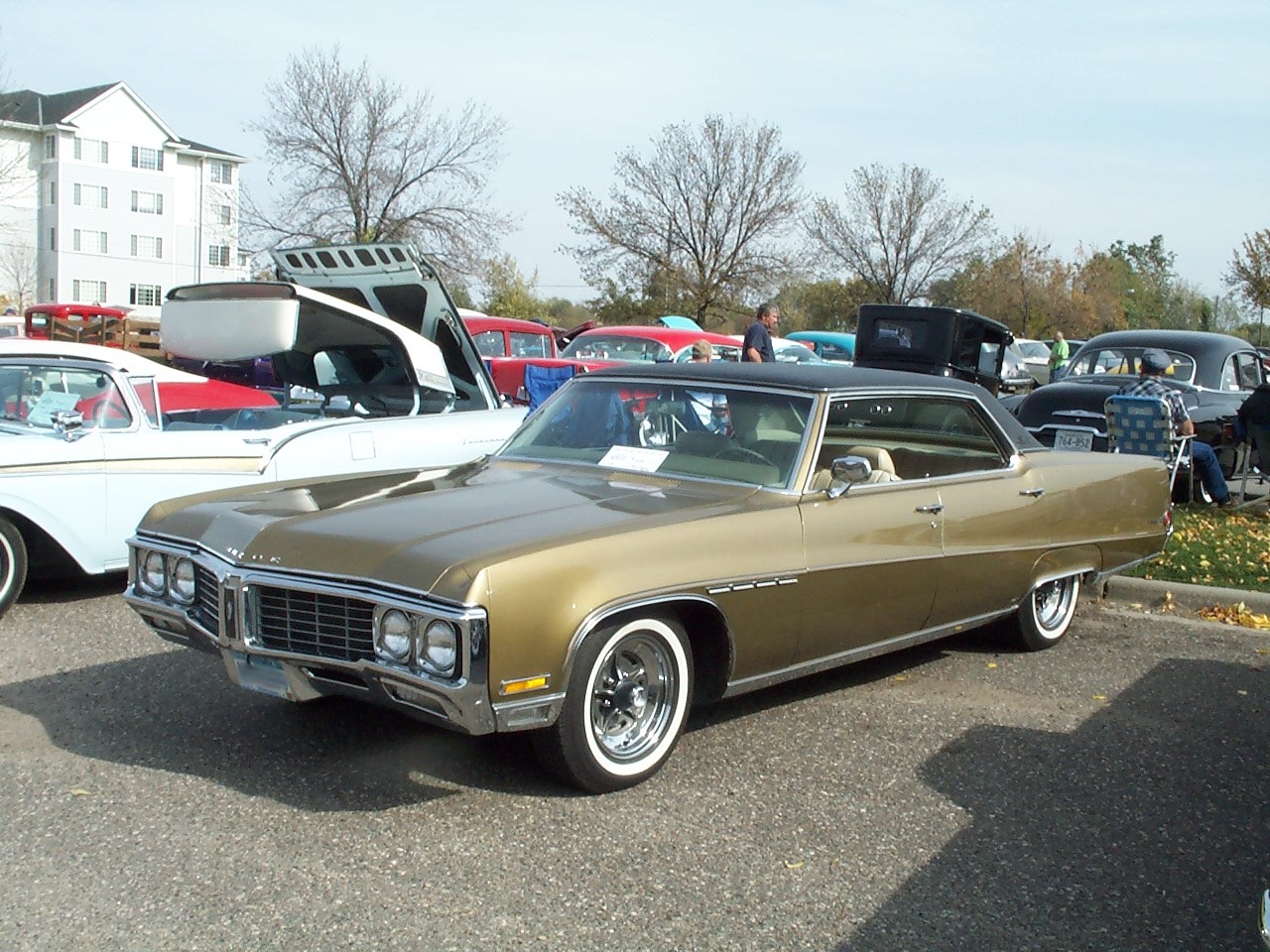
4. 1970 Buick Electra 225
The 1970 Buick Electra 225 was the embodiment of quiet strength and subtle sophistication. Known affectionately as the “deuce and a quarter,” this full-size luxury car was Buick’s flagship model and one of the finest examples of restrained American opulence. It didn’t rely on flashy design or excessive chrome to make its point.
Instead, it exuded confidence through refinement, precision, and sheer quality. The Electra was powered by Buick’s mighty 455-cubic-inch V8, which produced abundant torque for easy cruising and smooth acceleration. Whether gliding down city boulevards or stretching its legs on the interstate, the Electra moved with an effortlessness that made driving it a calm and composed experience.
Inside, the Electra 225 was designed with comfort as its highest priority. The seats were deep and supportive, upholstered in fine materials that held up beautifully over time.
The cabin was vast, with generous legroom both front and rear, allowing passengers to stretch out fully. Buick engineers took pride in creating one of the quietest rides available, employing extensive insulation and careful suspension tuning to block out road noise. The dashboard was laid out in a logical and elegant fashion, giving the driver a sense of control without unnecessary complexity. This was a car that felt expensive without having to shout about it.
The exterior styling of the 1970 Electra balanced grace and authority. It featured clean lines, a long hood, and a well-proportioned rear deck that gave it an air of understated class. Chrome accents were used sparingly but effectively, enhancing the car’s appearance without overwhelming it.
The Electra’s front grille carried a bold yet dignified look, while its side profile emphasized length and fluidity. Unlike some of its louder contemporaries, the Electra didn’t try to dominate attention, it simply exuded it naturally.
Collectors today appreciate the Electra 225 for its durability and its perfect combination of comfort and performance. It represents an era when Buick was building some of the best luxury cars in America, rivaling Cadillac and Lincoln in craftsmanship while offering a more subtle kind of prestige.
The Electra’s reliability, smooth ride, and timeless design make it one of the most respected land yachts of its generation, an enduring symbol of American automotive grace.
5. 1972 Chrysler Imperial LeBaron
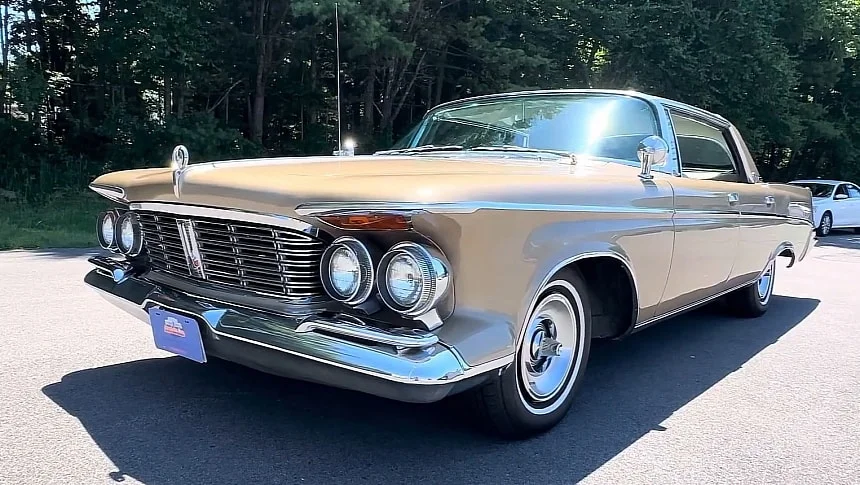
The 1972 Chrysler Imperial LeBaron was Chrysler’s proud statement that it could compete at the very highest level of American luxury. While Cadillac and Lincoln often dominated the headlines, the Imperial LeBaron quietly impressed those who took the time to experience it.
It combined power, elegance, and craftsmanship in a package that few cars could match. The 1972 model year introduced a refined version of the car, with a dignified appearance that reflected its role as Chrysler’s most prestigious offering. Its massive body, elegant lines, and rich chrome detailing made it a commanding presence on the road, while its 440-cubic-inch V8 engine provided effortless power and near-silent cruising.
The Imperial’s interior was a showcase of Chrysler’s engineering pride. Passengers were treated to broad, deeply cushioned seats trimmed in fine leather or cloth, depending on the buyer’s preference. The dashboard was wide and stately, filled with luxury touches such as wood-grain accents, soft lighting, and high-quality switches.
Every element inside the cabin was designed to enhance comfort and serenity. Power accessories, advanced climate control, and even a factory-installed stereo system contributed to an atmosphere of true refinement. When seated inside, one could forget entirely about the outside world.
One of the most impressive aspects of the Imperial LeBaron was its ride quality. Chrysler’s engineers spent significant time perfecting its suspension to deliver a floating sensation that still maintained a sense of stability. The car seemed to glide over uneven roads, with the engine humming softly in the background.
It was the kind of vehicle meant for long, unhurried journeys, where time felt suspended. Its large size might have made it challenging to park, but once on the open highway, it came alive with a grace that few cars could match.
Today, the 1972 Chrysler Imperial LeBaron is recognized as one of the finest examples of American engineering ambition. It represents a moment in history when Chrysler refused to compromise on comfort, quality, or size. Collectors admire it for its solid construction, elegant styling, and the quiet confidence it exudes.
It may not have been the most famous luxury car of its era, but those who know it understand that the Imperial LeBaron was every bit the equal of its more celebrated rivals. It remains a true American masterpiece, a grand expression of craftsmanship and comfort on wheels.
6. 1965 Lincoln Continental Convertible
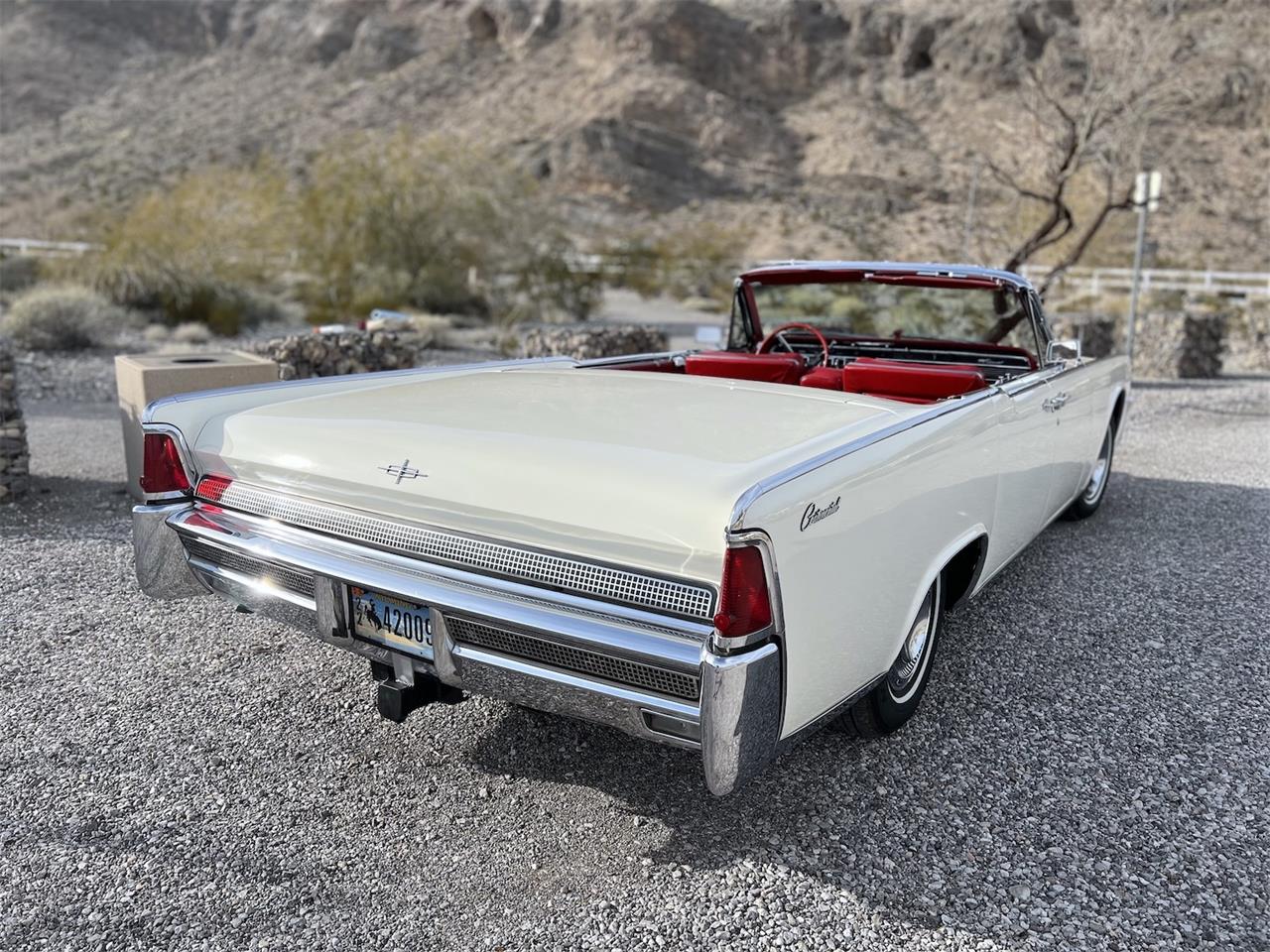
The 1965 Lincoln Continental Convertible remains one of the most graceful and instantly recognizable luxury cars ever built. Its design was revolutionary when introduced, featuring crisp, clean lines and a sense of proportion that balanced simplicity with authority.
Unlike many of its contemporaries that relied on extravagant fins and chrome, the Continental projected confidence through restraint. Its long, low stance and slab-sided profile made it appear powerful yet dignified. The rear-hinged suicide doors became its most famous feature, offering easy access and a unique visual drama when all four doors were open. It was a design that didn’t need excess, it achieved elegance through precision.
Under the hood, the Continental packed a 430-cubic-inch V8 engine that delivered ample torque for smooth, effortless cruising. The focus wasn’t on acceleration but on refinement. The car was built to glide over highways for hours on end, maintaining composure and quiet even at higher speeds.
Its body structure was exceptionally solid, which contributed to its whisper-quiet cabin and solid feel on the road. Lincoln engineers prioritized quality and longevity, ensuring that every Continental left the factory feeling substantial and meticulously finished. The convertible top was power-operated and folded neatly into the rear compartment, preserving the car’s clean lines whether up or down.
Inside, the 1965 Continental was a model of sophistication. The materials were luxurious but tasteful, real wood trim, fine leather upholstery, and thoughtful details that spoke to craftsmanship rather than flashiness. The dashboard was simple yet elegant, and all controls were placed for easy use without distraction.
The seating was designed to provide long-distance comfort for up to six passengers, with an emphasis on quietness and relaxation. Riding in one felt like being in a private salon on wheels, a sensation that appealed to the most discerning buyers of the time.
The Continental Convertible was more than just a car; it was a cultural symbol. It was used by statesmen, celebrities, and dignitaries who valued its combination of refinement and prestige. Today, it remains one of the most sought-after classic American luxury cars.
Its timeless design continues to inspire admiration from collectors and automotive historians alike. The 1965 Continental represents the perfect balance of simplicity and sophistication, a reminder that true luxury doesn’t need excess, only excellence.
7. 1971 Oldsmobile Ninety-Eight Regency
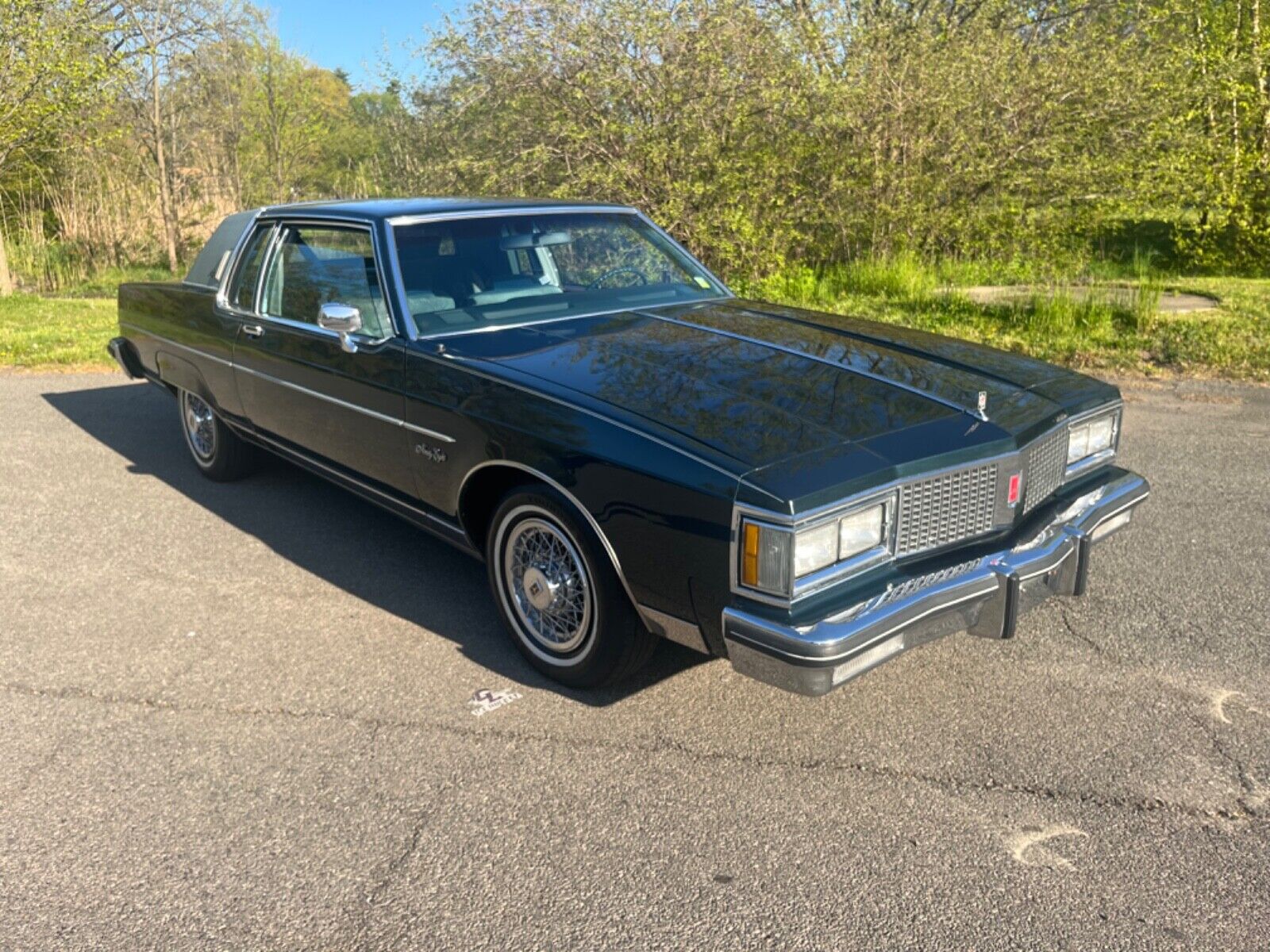
The 1971 Oldsmobile Ninety-Eight Regency exemplified the peak of Oldsmobile’s luxury craftsmanship. Built on General Motors’ largest platform of the time, it was a vehicle that combined enormous size with grace and refinement. Measuring over 225 inches in length, it easily fit into the land yacht category, yet it carried its proportions with elegance rather than bulk.
The car’s styling was modern and confident, with smooth lines, a formal roofline, and subtle chrome accents that enhanced its stately presence. It was unmistakably a car for those who valued both comfort and prestige.
Power came from Oldsmobile’s legendary 455-cubic-inch Rocket V8 engine, known for its reliability and torque. This powerplant delivered ample performance, making the Ninety-Eight Regency effortless to drive, even at highway speeds. Despite its size, it handled predictably and offered one of the smoothest rides available in its class.
The suspension was tuned for maximum comfort, soaking up road imperfections and keeping passengers cocooned in tranquility. Combined with Oldsmobile’s attention to sound insulation, the car created a serene atmosphere ideal for long-distance cruising.
The interior of the Ninety-Eight Regency was pure indulgence. The seats were available in plush velour or leather, offering a level of softness that rivaled living room furniture. Every surface inside the cabin was covered in fine materials, and the layout was designed to make every passenger feel pampered.
The dashboard blended practicality with style, featuring elegant wood-grain finishes and large, easy-to-read instruments. Even the smallest touches, such as the door handles and window switches, had a sense of substance and quality.
The Ninety-Eight Regency was Oldsmobile’s way of showing that luxury didn’t have to be ostentatious to be impressive. It was a car built for those who appreciated craftsmanship and quiet power. Today, it stands as one of the most respected American cruisers of its era.
Collectors admire its combination of comfort, durability, and smooth performance. The 1971 Regency captures the spirit of an age when American cars prioritized ease, silence, and spaciousness above all else, values that make it a true land yacht classic.
8. 1969 Pontiac Bonneville
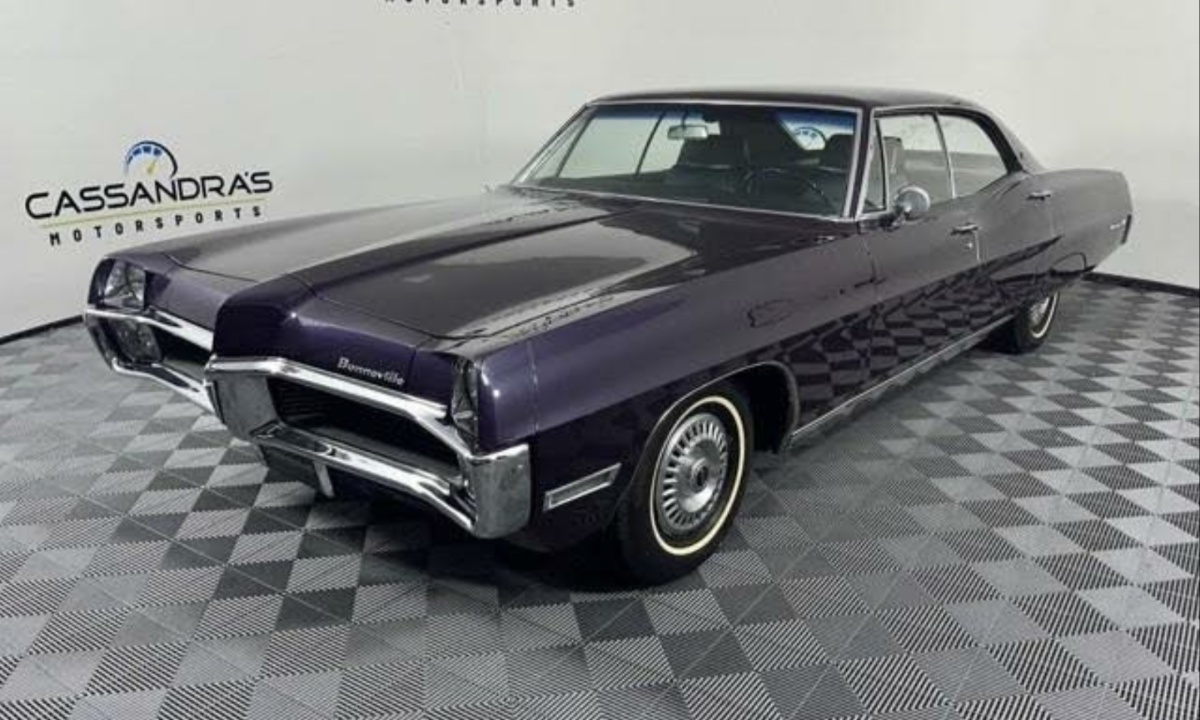
The 1969 Pontiac Bonneville represented a perfect blend of style, performance, and comfort. It stood as the flagship of Pontiac’s full-size lineup and carried an air of prestige that few other cars in its price range could match. The Bonneville was designed for those who wanted more than just a comfortable cruiser, they wanted a statement of taste and capability.
With its long, sleek profile and tastefully sculpted body lines, the 1969 model managed to look both powerful and elegant at once. It struck a balance between performance-oriented design and luxury-car refinement, giving it a unique place in American automotive history.
The Bonneville was powered by Pontiac’s robust 428-cubic-inch V8 engine, producing smooth and responsive performance. This engine gave the car the muscle to move confidently despite its size, making it one of the more engaging land yachts to drive.
The combination of generous torque and refined automatic transmission allowed for relaxed cruising, while still delivering the kind of authority that drivers expected from a Pontiac. The suspension setup achieved a remarkable balance between comfort and control, giving the Bonneville a level of agility that set it apart from some of its heavier competitors.
Inside, the Bonneville was a showcase of late-1960s luxury. The dashboard was both futuristic and functional, with sweeping lines and chrome accents that emphasized sophistication. The seats were wide and deeply cushioned, offering first-class comfort for all occupants.
High-quality materials were used throughout, from the soft upholstery to the polished trim pieces. Optional features such as air conditioning, an AM/FM stereo, and power accessories ensured that the car delivered a complete luxury experience. Driving or riding in the Bonneville felt like an occasion, it was a car built for people who enjoyed the journey as much as the destination.
Collectors today hold the 1969 Bonneville in high regard for its blend of elegance, performance, and dependability. It captures the essence of Pontiac’s golden years, when the brand was known for producing cars that combined excitement with sophistication.
Its styling remains timeless, its presence commanding. For anyone who values the fusion of classic American muscle with luxury, the Bonneville remains one of the finest land yachts ever built.
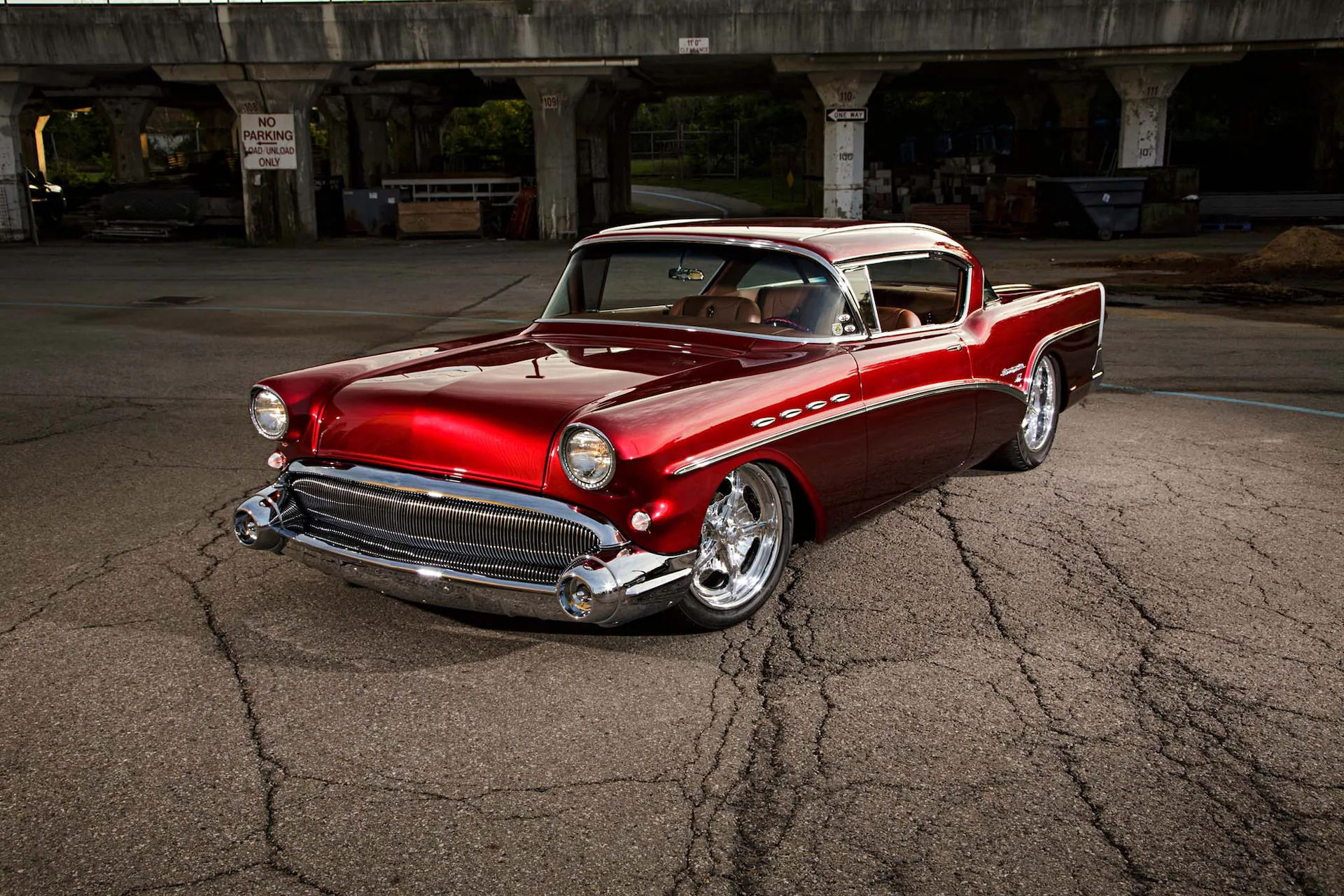
9. 1958 Buick Roadmaster
The 1958 Buick Roadmaster was a triumph of 1950s American design, bold, confident, and striking from every angle. It represented the height of Buick’s luxury lineup, sitting just below Cadillac in prestige but offering a distinct character of its own.
The 1958 model year was one of the most visually expressive, featuring massive amounts of chrome, sculpted body panels, and an unmistakable grille that seemed to stretch across the entire front of the car. Its proportions were monumental, making it one of the most imposing vehicles on the road. Every detail, from the sweeping fenders to the intricate taillights, reflected the optimism and artistic ambition of its time.
Underneath its extravagant exterior, the Roadmaster was a well-engineered luxury cruiser. Powered by a 364-cubic-inch V8 engine paired with Buick’s smooth Dynaflow automatic transmission, it delivered quiet, refined performance.
The engine’s torque provided effortless acceleration, while the transmission’s seamless operation made driving an exercise in relaxation. Buick’s engineers were famous for tuning their suspensions to provide a plush ride, and the Roadmaster was no exception. It absorbed road imperfections with grace, creating the sensation of gliding rather than driving.
The interior of the Roadmaster continued the theme of opulence. It was lavishly appointed with thick upholstery, detailed chrome trim, and elegant instrumentation. The seats were wide enough to accommodate passengers comfortably, and the dashboard wrapped around the driver in a way that made the car feel advanced for its era.
Buick’s craftsmanship was evident in every switch and surface. Even the lighting and texture of the materials were chosen to enhance the atmosphere of luxury. To sit inside a 1958 Roadmaster was to understand what true automotive extravagance felt like.
Today, the 1958 Buick Roadmaster stands as one of the most collectible symbols of postwar American design. It represents a time when carmakers expressed creativity without restraint, crafting vehicles that looked as grand as they felt. Its combination of engineering, artistry, and presence ensures its place among the finest land yachts ever produced.
Owning one is not merely about nostalgia; it’s about experiencing the craftsmanship and pride of an age that built cars as rolling works of art.
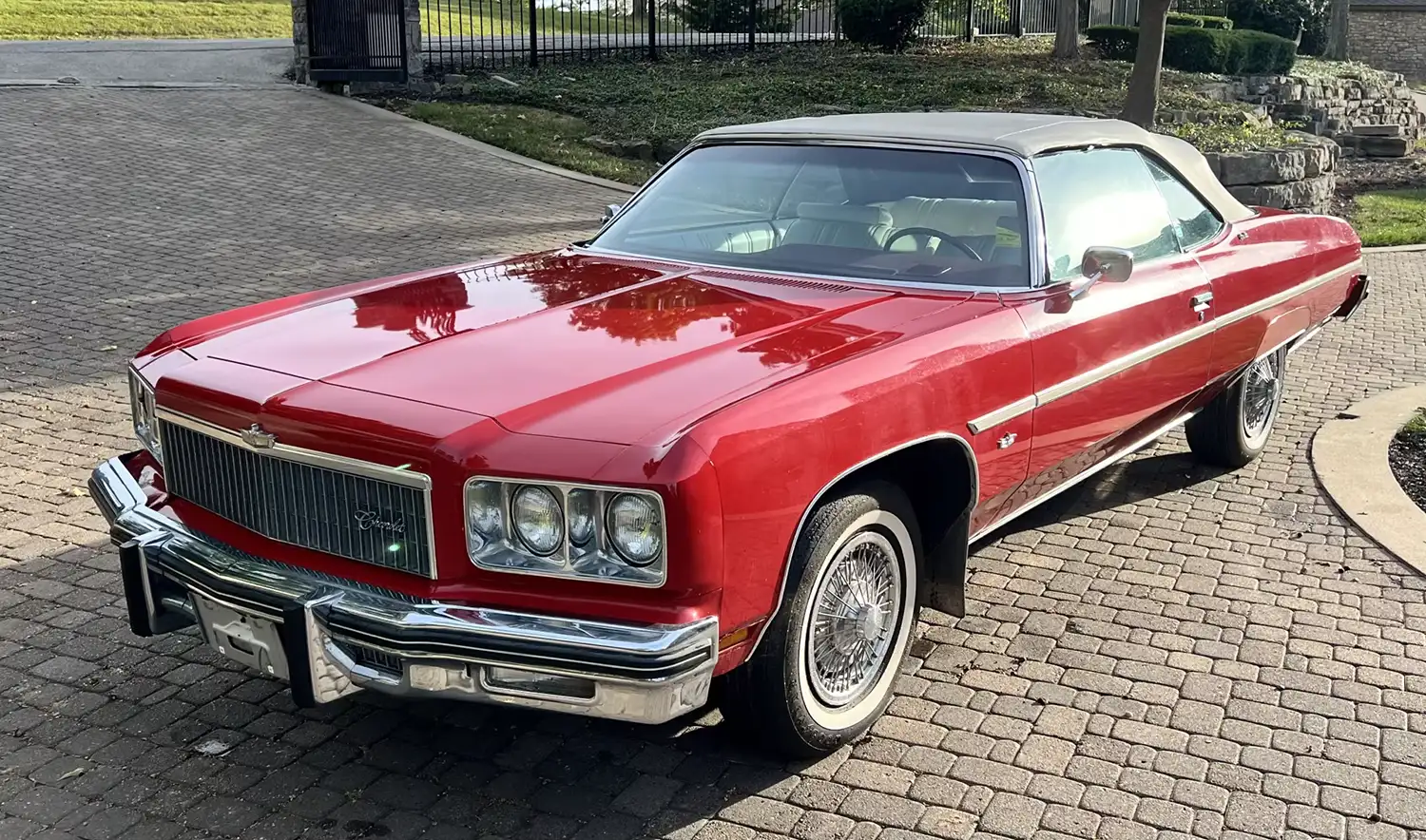
10. 1975 Chevrolet Caprice Classic
The 1975 Chevrolet Caprice Classic symbolized the final years of the great American land yacht before the industry shifted toward smaller, more efficient vehicles. It was Chevrolet’s top full-size model, offering a blend of comfort, dependability, and understated luxury.
The design reflected the era’s transition, with squared-off lines and restrained chrome use that conveyed strength without excess. Despite its modest appearance compared to some rivals, the Caprice Classic was every bit as spacious and comfortable, earning its reputation as the family luxury cruiser of the 1970s.
The Caprice was powered by a range of dependable V8 engines, including the 350- and 400-cubic-inch options. These engines provided steady, effortless power and were known for their reliability.
The car’s suspension was tuned for smoothness, allowing it to soak up bumps and irregularities with ease. On the highway, it glided quietly and confidently, offering passengers a calm, composed ride. Its power steering and soft suspension made it easy to handle despite its large size, making it one of the most user-friendly full-size cars of its time.
Inside, the Caprice Classic delivered the kind of comfort that made it ideal for long trips. Plush seating, deep carpeting, and wide interior space created an environment that felt inviting and homelike. The dashboard layout was clean and intuitive, featuring large gauges and controls that were easy to reach.
Collectors and enthusiasts now recognize the 1975 Caprice Classic as one of the last authentic American land yachts. It represents a turning point in automotive history, when full-size comfort began to give way to practicality and economy.
Yet the Caprice’s charm endures because it delivers what made American cars special in the first place, space, comfort, and a sense of freedom. To this day, seeing one glide smoothly down the road evokes nostalgia for an era when driving was as much about relaxation as it was about getting somewhere.
