
The 1980s and 1990s were decades of transformation for the automotive industry, a time when practicality began to merge seamlessly with performance and style. Hatchbacks, once seen as simple and functional city cars, suddenly became symbols of innovation and youth culture.
They were affordable, compact, and efficient, yet capable of stirring emotions that rivaled more expensive sports coupes.
For many drivers, their first car was a hatchback, a small but dependable companion that represented independence and mobility. Manufacturers across Europe, Japan, and America sought to redefine what a small car could be, leading to a remarkable lineup of vehicles that became legends in their own right.
During these years, technological experimentation was high. Turbocharging, fuel injection, and lighter materials started to filter into the mainstream, allowing these compact vehicles to perform far beyond expectations.
The hatchback body style, with its clever packaging and versatile layout, became a testing ground for innovation. Designers realized they could blend practicality with performance without compromising either. As a result, hatchbacks evolved from mere family runabouts into icons of culture and engineering.
The 1980s saw the rise of hot hatchbacks, cars that delivered exhilarating performance without sacrificing daily usability. By the 1990s, this movement matured, and the hatchback segment offered everything from practical commuters to genuine driver’s cars.
Each manufacturer had its own philosophy: some focused on raw speed, others on refinement and comfort, while a few managed to strike a perfect balance between the two.
The influence of these cars extended beyond the showroom floor. They appeared in films, on rally stages, and in the dreams of teenagers who pinned their posters to bedroom walls.
This article revisits ten classic hatchbacks that defined those two decades. Each one played a unique role in shaping automotive culture. Some were technological pioneers, others cultural icons, and a few were simply too good to forget.
Whether they came from Japan, Europe, or America, they all shared a spirit of creativity and ambition. These cars proved that small could indeed be mighty and that the hatchback was not just a practical choice but a statement of style and individuality.
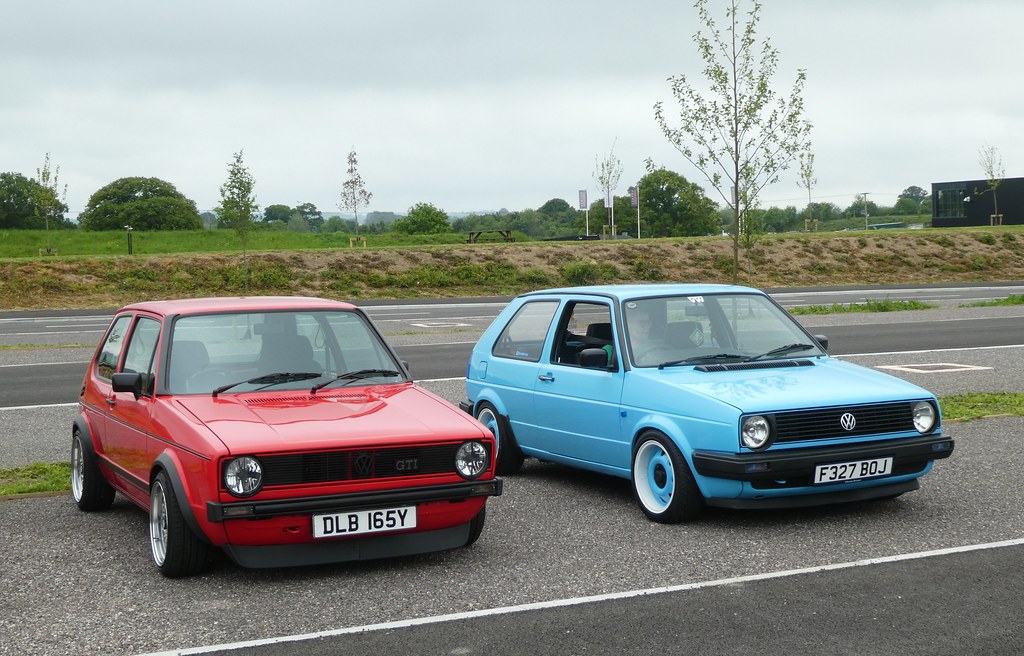
1. Volkswagen Golf GTI (Mk1 and Mk2)
The Volkswagen Golf GTI was not only the car that launched the hot hatch movement but also one that set the standard by which every subsequent model would be judged. Introduced in the late 1970s, it transformed the compact car industry by proving that practicality could coexist with passion.
By the time the 1980s rolled in, the Mk1 GTI had evolved into a cultural phenomenon. It was fast but frugal, sporty yet usable, and sophisticated without pretension. Its boxy design, marked by red grille trim and tartan-patterned seats, became instantly recognizable. The car’s charm was rooted in its simplicity: a fuel-injected 1.6-liter engine mated to a lightweight chassis that delivered an honest and engaging driving experience.
When the Mk2 GTI arrived in the mid-1980s, it refined this formula without losing what made the original so special. The Mk2 was slightly larger and heavier but offered better build quality, improved safety, and a more mature character. It maintained its sharp handling, precise steering, and that unmistakable German solidity.
The GTI badge symbolized not just performance but a certain lifestyle, one that valued control, balance, and precision over brute force. Enthusiasts loved how it managed to be civilized on the weekday commute and thrilling on weekend backroads.
Culturally, the Golf GTI was more than a car, it was a statement. It represented a generation of drivers who wanted excitement without excess, who appreciated engineering excellence in a compact, everyday package.
The GTI became an aspirational model that bridged the gap between youthfulness and maturity. It appeared in magazines, advertisements, and even in motorsport, where its DNA proved capable of competition. The Mk2’s longevity and influence ensured that Volkswagen’s formula became a blueprint followed by countless others.
Even today, both the Mk1 and Mk2 GTI models remain highly desirable. Their mechanical simplicity makes them easy to maintain, and their timeless design continues to turn heads at classic car gatherings.
More importantly, they embody a philosophy that many modern cars have lost: the idea that driving enjoyment should come from balance and feedback rather than technology and excess power. The Golf GTI taught the world that the perfect driver’s car could also be a perfect daily driver.
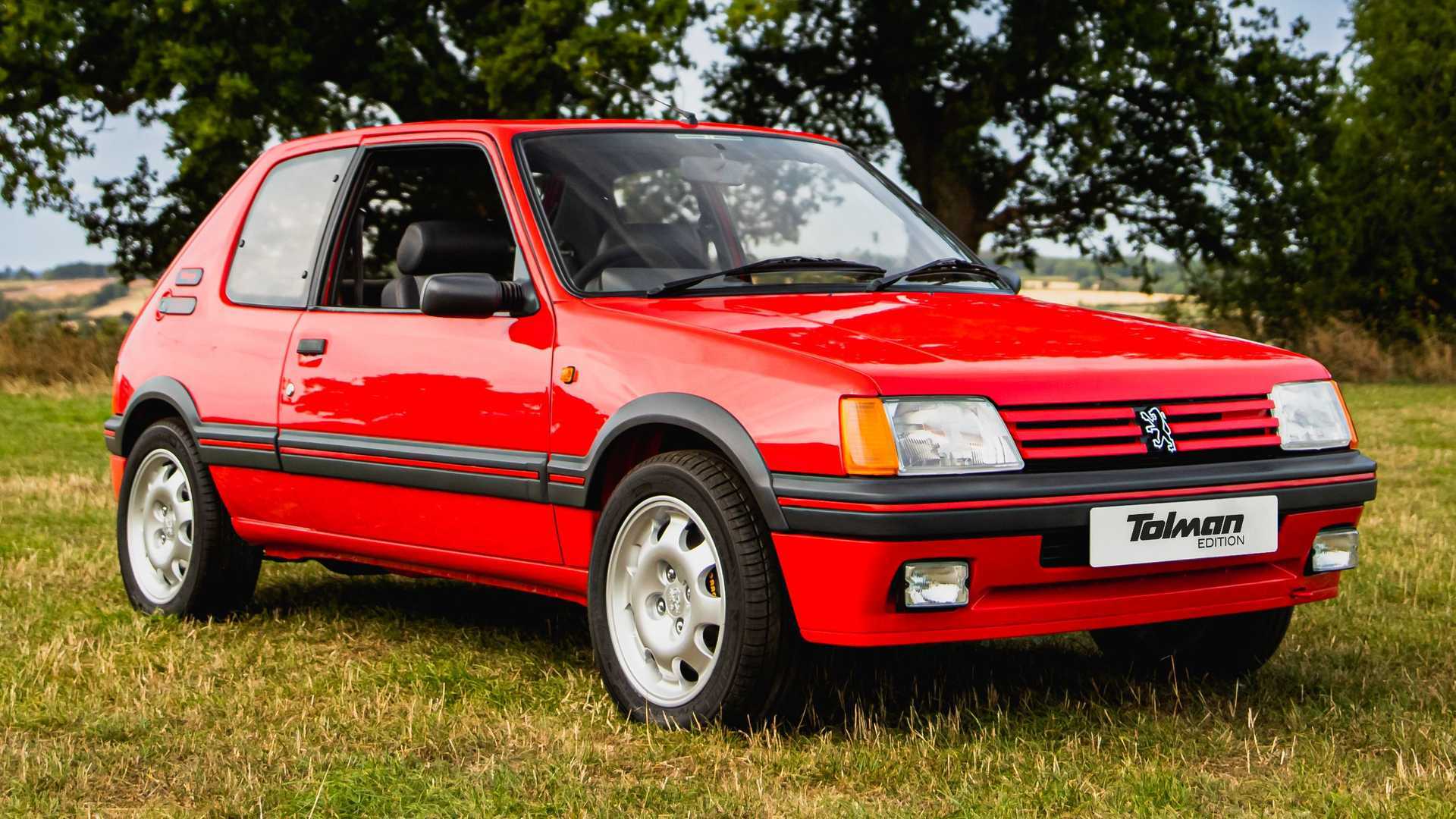
2. Peugeot 205 GTI
Few cars have achieved the legendary status of the Peugeot 205 GTI. When it debuted in the mid-1980s, it instantly became the benchmark for what a hot hatch should be. Peugeot engineers took the lightweight and stylish 205 platform and gave it an attitude adjustment, fitting it with responsive engines, a tight chassis, and quick steering.
The result was a car that didn’t just perform, it communicated. Every input from the driver translated directly to movement, making it feel alive and eager to please. The 1.6 and later 1.9-liter engines delivered brisk acceleration, but it was the car’s handling balance that stole the spotlight.
Driving a 205 GTI was an emotional experience. It cornered with sharpness and agility that rivaled sports cars of the time. The rear end was famously lively, making it playful in the hands of experienced drivers but demanding respect from beginners.
The connection between car and driver was unmatched. It rewarded smooth inputs and punished clumsiness, teaching drivers the art of balance and precision. Its suspension setup allowed it to feel both planted and responsive, giving confidence whether on city streets or winding countryside roads.
Visually, the 205 GTI embodied understated performance. It didn’t rely on exaggerated spoilers or flashy body kits. Instead, subtle touches like wider arches, alloy wheels, and red trim gave it a purposeful stance. Inside, the sporty bucket seats and clean dashboard layout emphasized simplicity and function.
Every element served the driver’s experience. The car felt light on its feet because it was light in construction, a feature that modern hot hatches rarely replicate.
Decades later, the 205 GTI remains the gold standard for driving purity in a small car. It symbolizes the essence of 1980s automotive enthusiasm, a time when manufacturers prioritized feedback and character over horsepower figures.
Owning a 205 GTI today is like holding a piece of automotive history, one that still delivers excitement every time the key turns. It reminds drivers that true performance lies not in technology, but in the bond between man and machine.
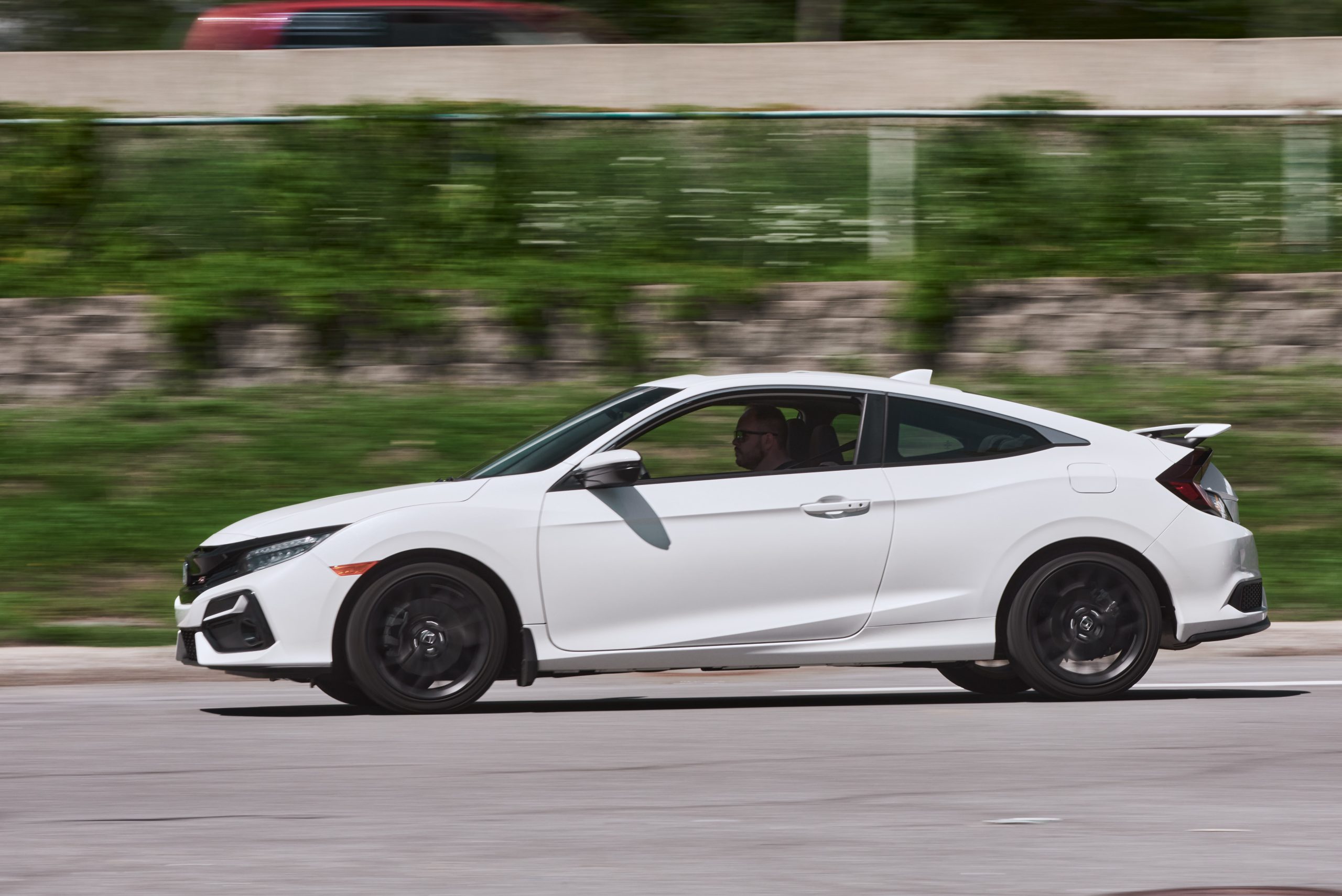
3. Honda Civic Si and CRX Si
Honda’s Civic Si and its sporty sibling, the CRX Si, brought a distinctly Japanese flavor to the hot hatch scene. During the 1980s and 1990s, Honda was at the peak of its engineering creativity, and these models showcased the brand’s precision craftsmanship.
The Civic Si combined everyday practicality with an engine that encouraged enthusiastic driving. Its 1.6-liter four-cylinder with VTEC technology was both efficient and thrilling, rewarding drivers who enjoyed revving it to the redline. The sensation of the VTEC cam profile switching was exhilarating, delivering a smooth surge of power that became a hallmark of Honda performance.
The CRX Si took this formula and refined it into a lightweight two-seater package. Weighing less than most competitors, it handled with an agility that made it a favorite among autocross and track enthusiasts. Despite its small size, it felt planted and composed even at high speeds.
The combination of razor-sharp steering, perfectly matched gear ratios, and precise throttle response made it a driver’s dream. Unlike some European rivals, it didn’t rely on turbocharging. Instead, it achieved excitement through mechanical efficiency and meticulous engineering.
Reliability was another key advantage. These cars could handle daily commutes, long trips, and spirited drives without complaint. Their engines were famously durable, capable of enduring high revs and years of hard use. The interiors reflected Honda’s attention to detail, clean, ergonomic, and built to last. The driving position felt natural, and visibility was excellent, enhancing confidence on the road.
Culturally, the Civic Si and CRX Si also laid the groundwork for the tuning movement that would dominate the 1990s and 2000s. Their engines responded beautifully to upgrades, and their affordability made them accessible to younger drivers eager to personalize their cars.
Today, they are celebrated not only for their performance but for what they represent: innovation, precision, and enduring fun. They captured the optimistic spirit of the 1990s, showing that technology and emotion could coexist in harmony within a small, humble hatchback.
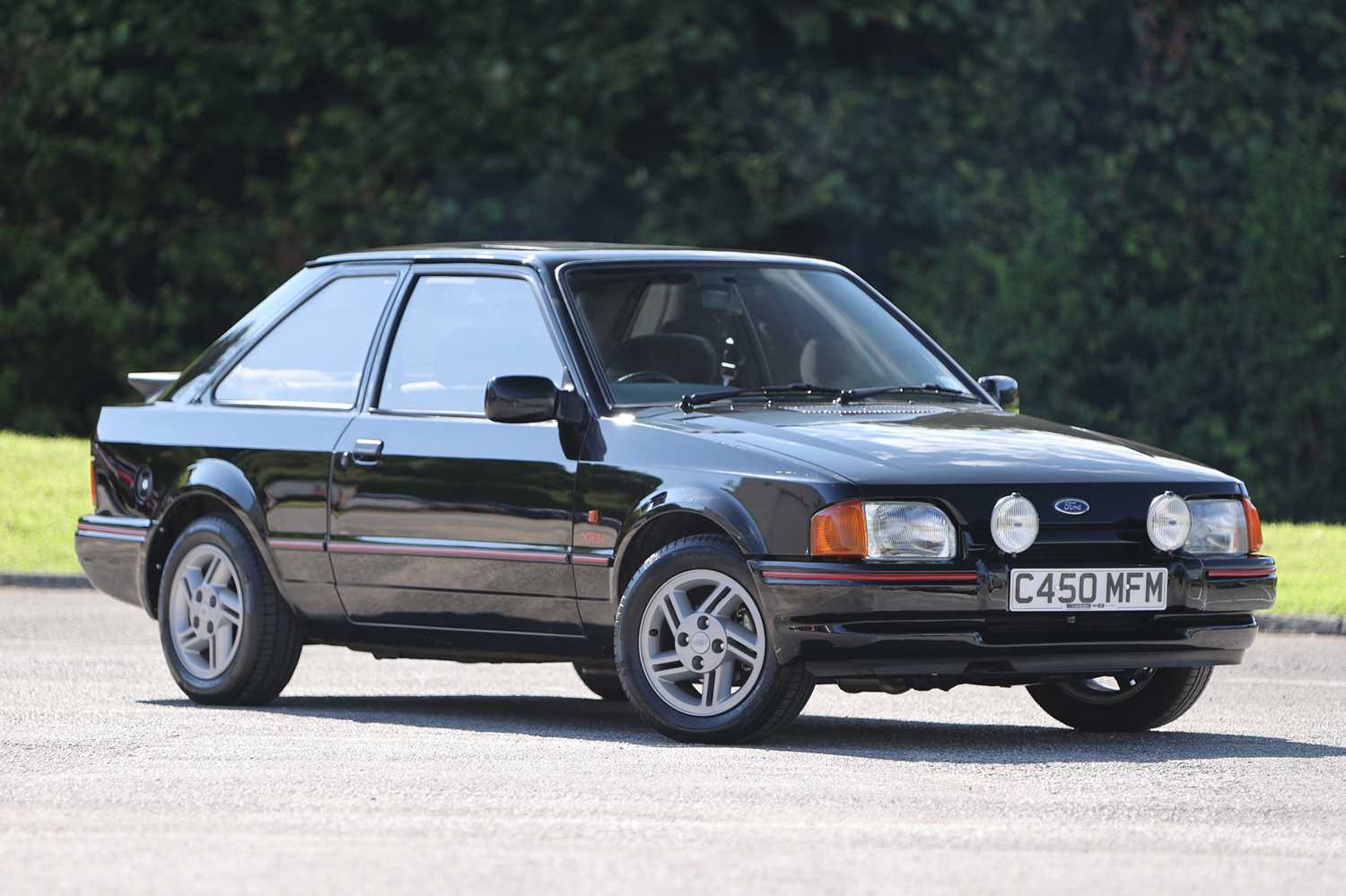
4. Ford Escort XR3i and RS Turbo
The Ford Escort XR3i and RS Turbo marked a bold step for Ford as it embraced the hot hatch revolution of the 1980s. Before these models, Ford was primarily associated with family cars and rugged work vehicles.
The XR3i, it set out to appeal to a younger generation looking for excitement behind the wheel. The XR3i’s fuel-injected 1.6-liter engine offered eager performance, and its chassis was tuned for agility. It may not have been the fastest hatchback on paper, but it was engaging, responsive, and full of character.
The RS Turbo took the concept further, adding a turbocharger that transformed the humble Escort into a genuine performance car. The 1.6-liter turbo engine produced an intoxicating mix of torque and boost, creating thrilling acceleration once the turbo spooled up. It had a distinct personality, raw, unpredictable, and exciting.
Ford fitted it with a stiffer suspension and aerodynamic body kit, giving it the presence of a car built for speed. The RS Turbo was unapologetically aggressive, both in looks and in driving style.
The Escort’s interior reflected the design sensibilities of its era, digital displays, sporty seats, and plenty of charm. Drivers appreciated its simplicity and straightforward nature. It felt approachable, not intimidating, which made it appealing to a broad audience.
However, those who pushed it to its limits discovered a car with genuine potential, capable of rewarding skill and punishing overconfidence. It became a favorite among enthusiasts and a regular sight in tuning circles and motorsport events across Europe.
Today, the XR3i and RS Turbo are remembered with affection. They encapsulate a time when performance cars were attainable, analog, and unapologetically bold. These Escorts played a vital role in shaping Ford’s performance image, paving the way for later icons like the Focus RS. They serve as a reminder that passion and driving enjoyment can emerge from even the most everyday platforms when engineered with imagination and purpose.

5. Renault 5 GT Turbo
The Renault 5 GT Turbo was one of the most charismatic hatchbacks of the 1980s, combining French flair with turbocharged excitement. Based on the modest Renault 5, it underwent a dramatic transformation to become a pocket-sized performance machine.
Beneath its compact exterior lay a 1.4-liter turbocharged engine that delivered lively acceleration, and at just under 900 kilograms, the car’s power-to-weight ratio made it feel faster than many rivals with larger engines. Its size and lightness gave it a distinctive character, eager, twitchy, and full of energy.
Driving the 5 GT Turbo was a thrill. The turbo lag was significant, but when the boost arrived, it came with a rush that made every drive exciting. It required a steady hand and quick reactions, especially on uneven roads, where its short wheelbase made it lively.
Yet this very liveliness was what made it fun. It demanded engagement, rewarding those who took the time to understand its quirks. On narrow European streets, it felt perfectly at home, darting through traffic, responding instantly to inputs, and making every journey feel like a rally stage.
The styling of the Renault 5 GT Turbo captured the spirit of 1980s design. Its boxy shape, flared wheel arches, and distinctive decals gave it an unmistakable identity. The alloy wheels, lower stance, and subtle aerodynamic tweaks made it look purposeful without being over the top. Inside, the car featured simple but supportive seats, a driver-focused dashboard, and that unmistakable French charm that valued individuality over conformity.
Though not as polished as some of its contemporaries, the Renault 5 GT Turbo’s raw appeal continues to attract enthusiasts. It represented a time when manufacturers were willing to experiment and create cars with real personality. Its success also helped inspire future Renault performance models, proving that small cars could deliver big thrills. Decades later, it stands as one of the defining examples of what made 1980s hatchbacks so special: lightness, simplicity, and an untamed spirit.
6. Toyota Corolla GT-S (AE86)
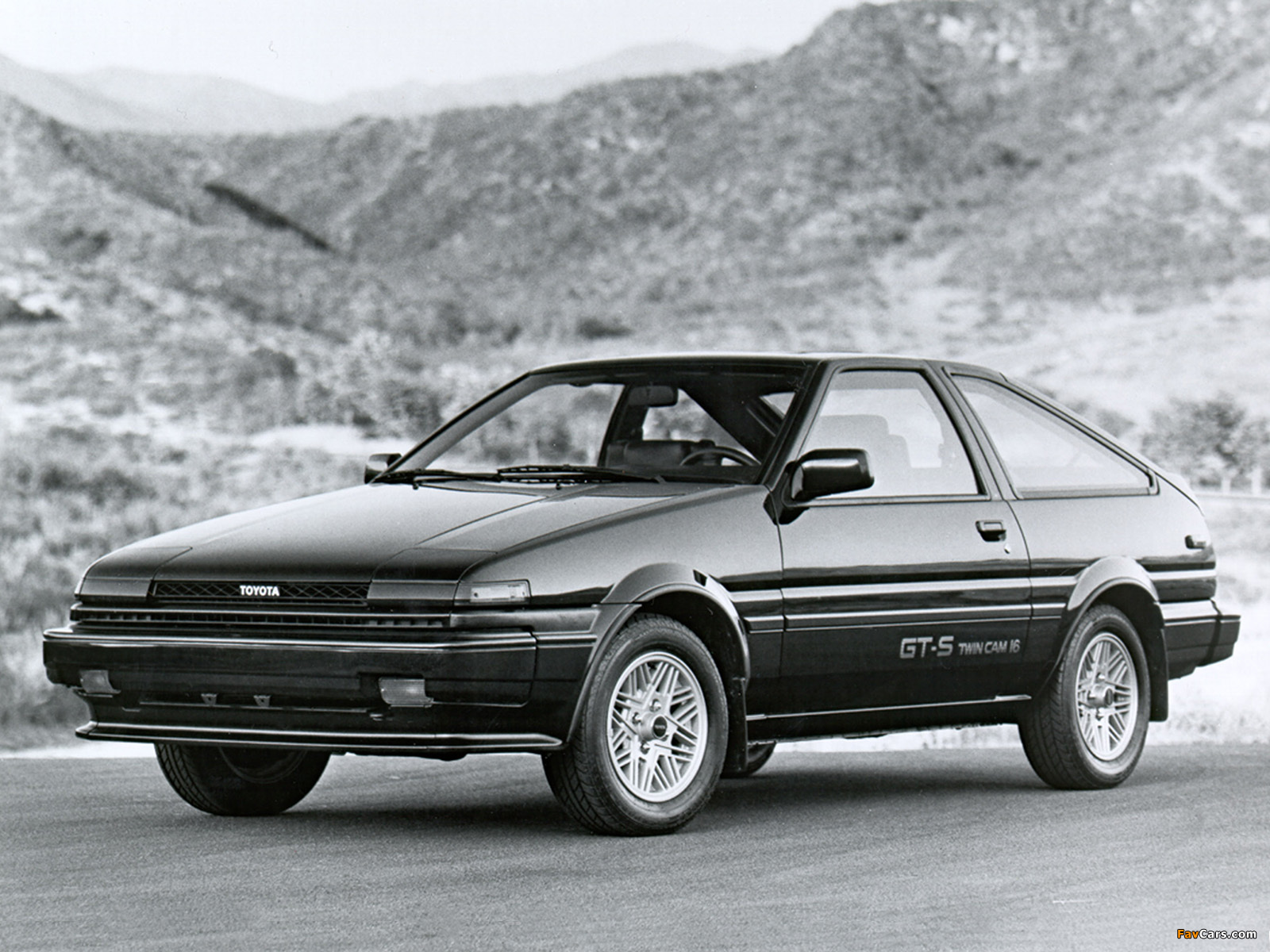
The Toyota AE86, also known as the Corolla GT-S in several markets, stands as one of the most influential compact cars ever built. Unlike most hatchbacks of its time, it featured a rear-wheel-drive layout, which instantly gave it a unique character.
It was lightweight, simple, and perfectly balanced, and its 1.6-liter twin-cam engine was both durable and eager to rev. The car wasn’t built for luxury or speed records, it was designed to deliver pure, mechanical satisfaction. Toyota engineers focused on making a driver’s car first and foremost, and the AE86 succeeded spectacularly at that.
One of the most remarkable aspects of the AE86 was its adaptability. It could serve as a reliable daily driver during the week and a competitive racer on weekends. Its chassis dynamics made it an instant favorite among amateur racers, drifters, and rally drivers.
The car’s predictable handling and near-perfect weight distribution made it a joy to drive hard. Unlike many modern vehicles, it didn’t rely on electronic aids or complex systems. Every movement came directly from the driver’s skill, the car’s feedback, and the road’s surface.
Its simple design became iconic over time. The pop-up headlights, clean lines, and subtle proportions gave it a timeless quality. Inside, the AE86 was functional rather than fancy. The cabin layout prioritized driver focus, with a low seating position and clear visibility. Every switch and dial was placed with purpose, emphasizing the car’s no-nonsense philosophy.
Owners often customized their AE86s, adding to their individuality and helping create a passionate community that still thrives decades later.
The AE86’s legacy extends far beyond its production years. It played a pivotal role in shaping car culture across the globe, especially in Japan’s drift and street racing scenes. It symbolized the belief that driving pleasure comes from balance, feedback, and connection rather than sheer horsepower. Even today, the AE86 remains a benchmark for enthusiasts who value purity of design and the thrill of driving as an art form.
7. Mazda 323 GTX
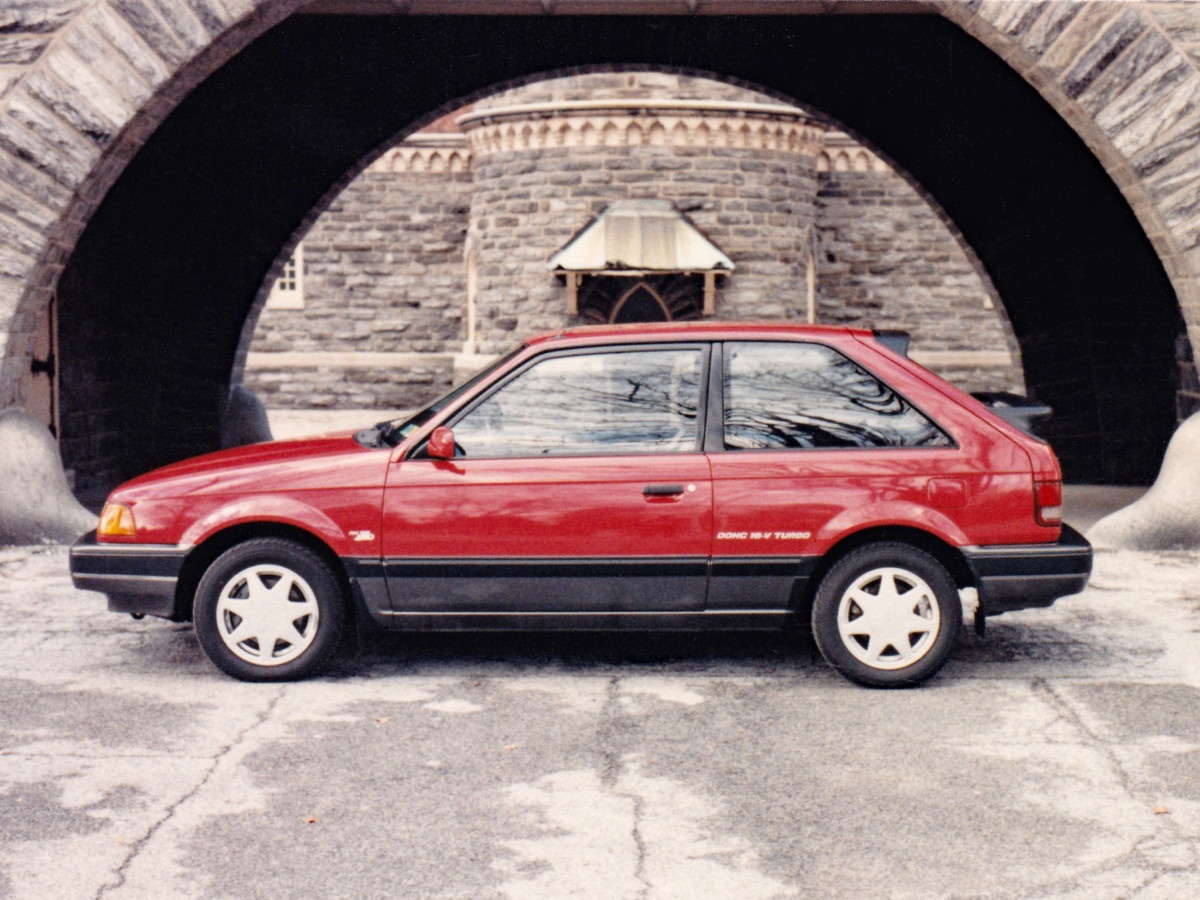
The Mazda 323 GTX is one of the most underappreciated gems of the 1980s. Built as a homologation model for the World Rally Championship, it combined the practicality of a family hatchback with the advanced technology of a rally car.
At its core was a 1.6-liter turbocharged engine paired with a full-time all-wheel-drive system, an incredible setup for its size and time period. The GTX may have looked modest, but under the surface it was a machine designed for performance. Its grip, agility, and durability made it a favorite among those who discovered its hidden potential.
Driving the 323 GTX was an experience that stood apart from other hatchbacks of its time. The turbocharged engine produced a strong surge of power that could be felt through the lightweight chassis, while the all-wheel-drive system provided immense traction.
Whether on gravel roads or city streets, the GTX felt confident and composed. It gave drivers the feeling that they could tackle any condition with ease. The suspension was firm yet compliant enough to handle rough terrain, making it a true all-weather performer.
Inside, the car remained understated. The interior was functional and focused on the essentials, with supportive seats and a clear instrument cluster. It didn’t need luxury to impress, it relied on capability. The mechanical refinement and sense of purpose were what set it apart. Those who owned a 323 GTX often developed a deep attachment to it, recognizing its mix of practicality, rarity, and rally-bred excitement.
Though it never reached mainstream popularity, the Mazda 323 GTX’s influence is undeniable. It foreshadowed the success of later all-wheel-drive performance cars and helped establish Mazda’s reputation for engineering creativity.
Today, it’s remembered fondly by enthusiasts who value cars that deliver genuine driving engagement without pretense. It may have been a sleeper in its day, but history has revealed it as one of the most forward-thinking hatchbacks of its generation.
8. Nissan Pulsar GTI-R
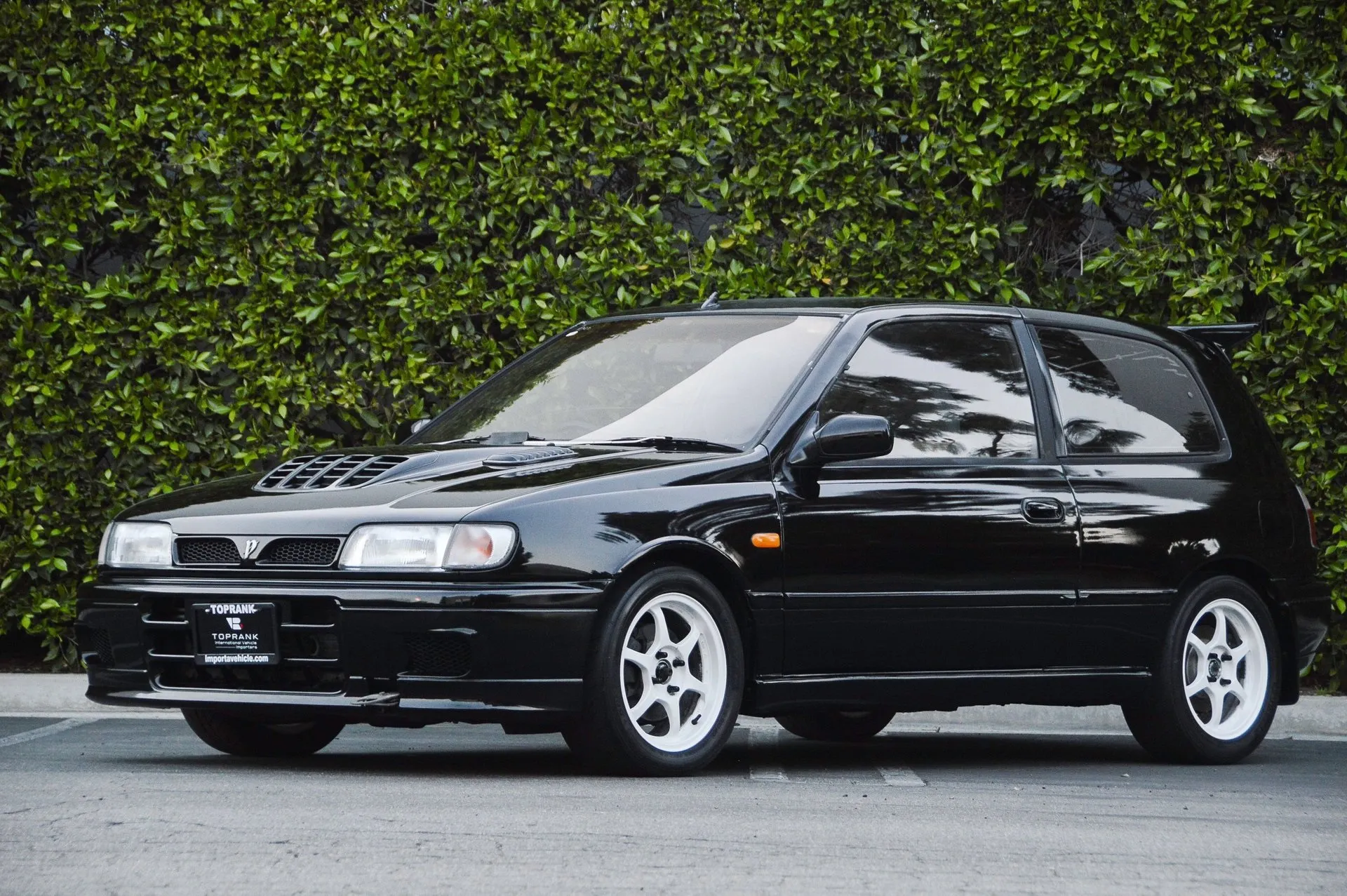
The Nissan Pulsar GTI-R was a powerhouse disguised as a compact hatchback. Built to meet homologation requirements for Group A rallying, it came equipped with an advanced all-wheel-drive system and a turbocharged 2.0-liter engine that produced more than 220 horsepower.
For a small car in the early 1990s, those numbers were staggering. It quickly earned a reputation as one of the most formidable hot hatches ever made. Its aggressive styling, with a vented hood, wide stance, and rally-inspired bodywork, left no doubt about its intentions.
Driving the GTI-R was a thrilling and intense experience. The turbocharged engine delivered explosive acceleration, and the all-wheel-drive system allowed the car to grip fiercely even on slippery surfaces. It was a car that encouraged spirited driving, but it also demanded respect.
The steering was heavy, and the turbo lag could catch drivers off guard. Yet once mastered, it provided a sense of control and satisfaction few others could match. It was as if the GTI-R challenged drivers to rise to its level rather than accommodating them.
Its engineering was equally impressive. The SR20DET engine was robust and capable of handling significant power increases, which made it popular among tuners and motorsport teams.
The suspension and braking systems were designed for competition use, making the car feel taut and focused. Inside, the GTI-R featured a no-nonsense layout with deeply bolstered seats and simple controls. It wasn’t built for comfort, it was built for performance, and it delivered that in abundance.
Although the Pulsar GTI-R didn’t achieve major success in rallying due to reliability issues under extreme conditions, it became a legend among enthusiasts. It represented a period when Nissan was willing to take bold risks and push boundaries. Today, it’s remembered as one of the most intense and rewarding hatchbacks ever produced. For those lucky enough to experience it, the GTI-R remains an unforgettable symbol of raw, unfiltered performance.
9. Fiat Uno Turbo i.e.
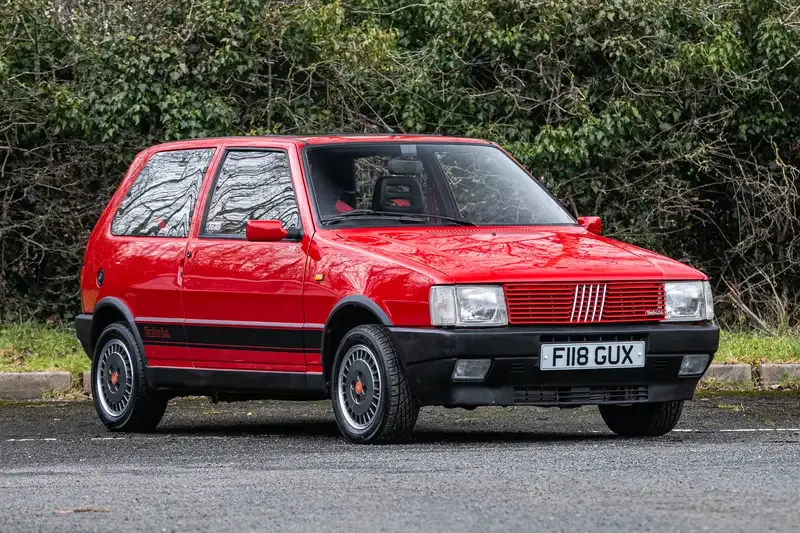
The Fiat Uno Turbo i.e. was a masterclass in Italian ingenuity. Fiat took its humble city car and transformed it into one of the most spirited hot hatches of the 1980s. Under the hood was a small but potent 1.3-liter turbocharged engine that delivered lively acceleration and an infectious sense of energy. Later models received a 1.4-liter version, improving both performance and reliability. Despite its modest displacement, the Uno Turbo could embarrass larger cars thanks to its light weight and quick responses.
What made the Uno Turbo special was its combination of practicality and personality. It retained the practicality of the standard Uno, spacious interior, compact dimensions, and good visibility, but added a fiery soul.
The turbocharged engine came alive at higher revs, providing an exhilarating surge of power once the boost built up. It handled corners with confidence, aided by its short wheelbase and responsive steering. Every drive felt engaging, and even mundane commutes became opportunities for fun.
Aesthetically, the Uno Turbo captured the boldness of 1980s design with its angular lines, unique graphics, and subtle yet sporty details. Inside, Fiat added flair through distinctive upholstery, bright instrumentation, and a driver-oriented cockpit. The ergonomics were simple, and the feel was energetic and youthful. It was a car designed for those who wanted something fun without breaking the bank.
The Uno Turbo i.e. holds a special place in the hearts of enthusiasts because it embodied Fiat’s ability to infuse everyday cars with genuine character. It might not have had the refinement of a German hatchback or the precision of a Japanese one, but it had charm, spirit, and authenticity.
Even today, surviving examples attract admiration for their rarity and unique personality. It remains a symbol of how creativity and courage can turn an ordinary platform into something extraordinary.
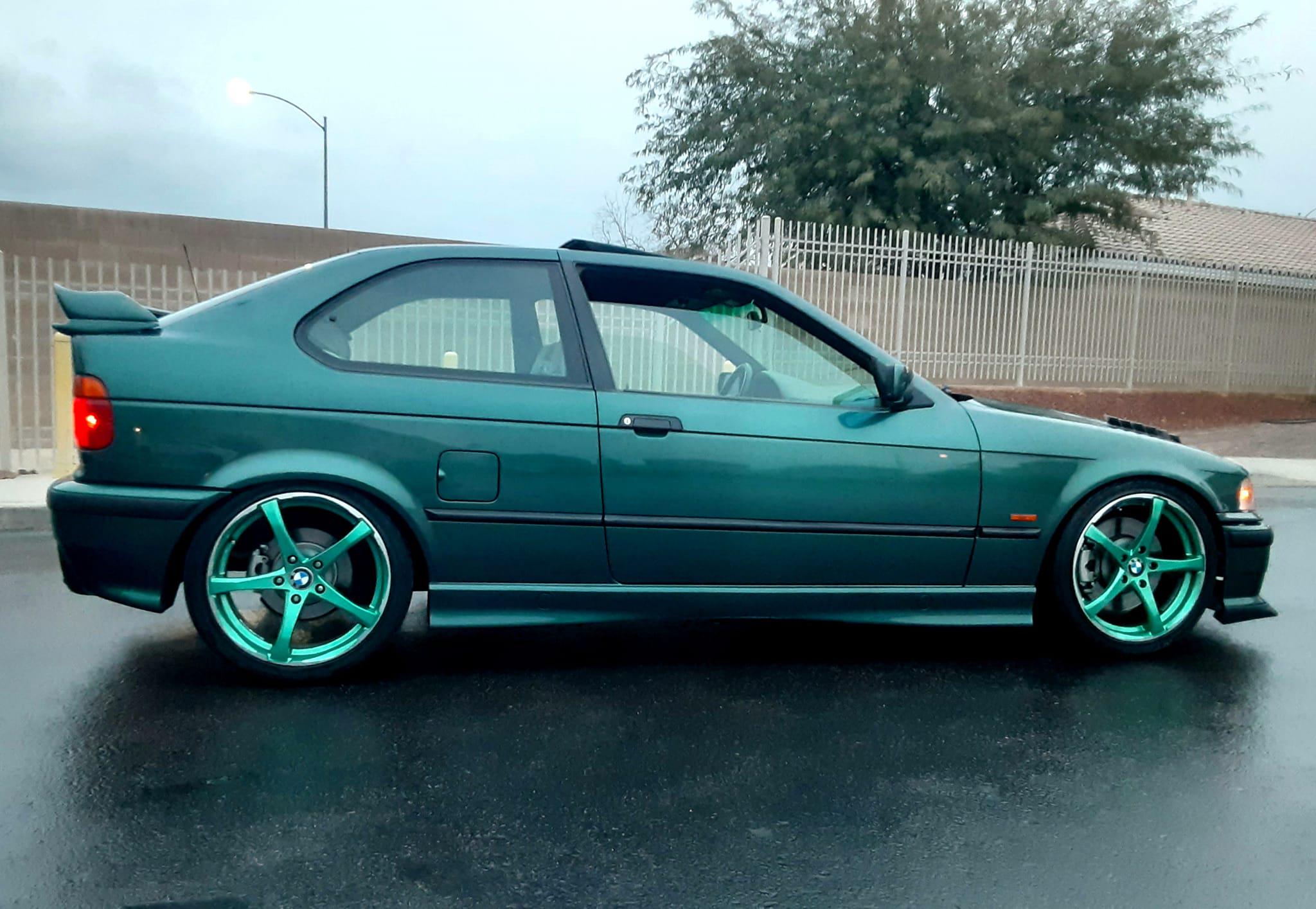
10. BMW 318ti Compact
The BMW 318ti Compact brought a different dimension to the hatchback formula. Introduced in the 1990s as part of BMW’s 3 Series lineup, it aimed to offer the brand’s signature driving dynamics in a more accessible and practical form. With its short, hatchback-style rear end, it stood out from other BMWs of the era. While its design divided opinion, it offered a combination of rear-wheel drive and premium build quality that was virtually unheard of in the compact segment.
Performance came from a 1.8 or 1.9-liter engine, which emphasized smoothness and balance over outright power. What made the 318ti special was its chassis. Sharing components with the 3 Series, it delivered precise steering and excellent handling.
The rear-wheel-drive layout provided the kind of balance and feedback that most front-wheel-drive rivals couldn’t match. It allowed drivers to enjoy classic BMW handling characteristics in a smaller, more manageable package.
Inside, the 318ti carried the same attention to detail found in larger BMWs. The materials were high-quality, and the driving position was perfectly judged. It offered the refinement of a premium car with the practicality of a hatchback.
The rear seats folded down to create a surprisingly versatile cargo area, proving that sportiness and utility could coexist. This blend of practicality and sophistication gave it a unique appeal to younger buyers who wanted a taste of luxury performance without the expense of a full-sized 3 Series.
Though it never achieved the cult status of other hot hatches, the BMW 318ti remains an important part of the 1990s automotive industry. It demonstrated that the hatchback form could be elevated without losing its essence.
For those who valued balance, comfort, and engineering precision, it offered a distinctive alternative to the louder and flashier competitors of its time. Today, it stands as a reminder of when BMW experimented boldly, giving drivers an approachable entry point into the brand’s driving philosophy.
