
Special-edition classic cars have always carried a mystique that ordinary models rarely achieve. They represent a unique combination of automotive artistry, engineering experimentation, and cultural influence.
Unlike mass-produced vehicles, these rare editions often carry distinct styling cues, performance upgrades, or historical significance that set them apart from the standard models of their time.
While some special editions are widely celebrated and remembered, others have quietly slipped through the cracks of automotive history, leaving only devoted enthusiasts aware of their existence.
These forgotten gems are fascinating because they reflect the ambition and creativity of automakers who were willing to take risks or indulge collectors’ desires for exclusivity.
Special-edition cars can be created for a variety of reasons. Some commemorate milestones in a manufacturer’s history, such as anniversaries of iconic models, racing victories, or technological breakthroughs. Others are born from partnerships with designers, celebrities, or high-profile events.
Limited production runs, sometimes as few as a handful of vehicles, create a scarcity that makes them highly sought after among collectors today. The rarity of these cars often means that many people never encounter them, even if they follow classic car culture closely.
These special editions also demonstrate how subtle changes can transform an ordinary model into something extraordinary. Unique paint schemes, upgraded interiors, enhanced engines, and distinctive badges are common hallmarks. Even minor visual changes can give the car a personality that resonates with enthusiasts decades later.
For collectors, these editions are not just vehicles; they are pieces of history, representing a time, a trend, or a design philosophy that may no longer exist.
This article highlights ten rare, special-edition classic cars that most people have likely forgotten. Each entry showcases a vehicle that has a story, unique characteristics, and a level of rarity that makes it stand out among its peers.
From understated European sedans to flamboyant American muscle cars, these forgotten classics deserve recognition for their place in automotive history and their enduring appeal among those who know where to look.
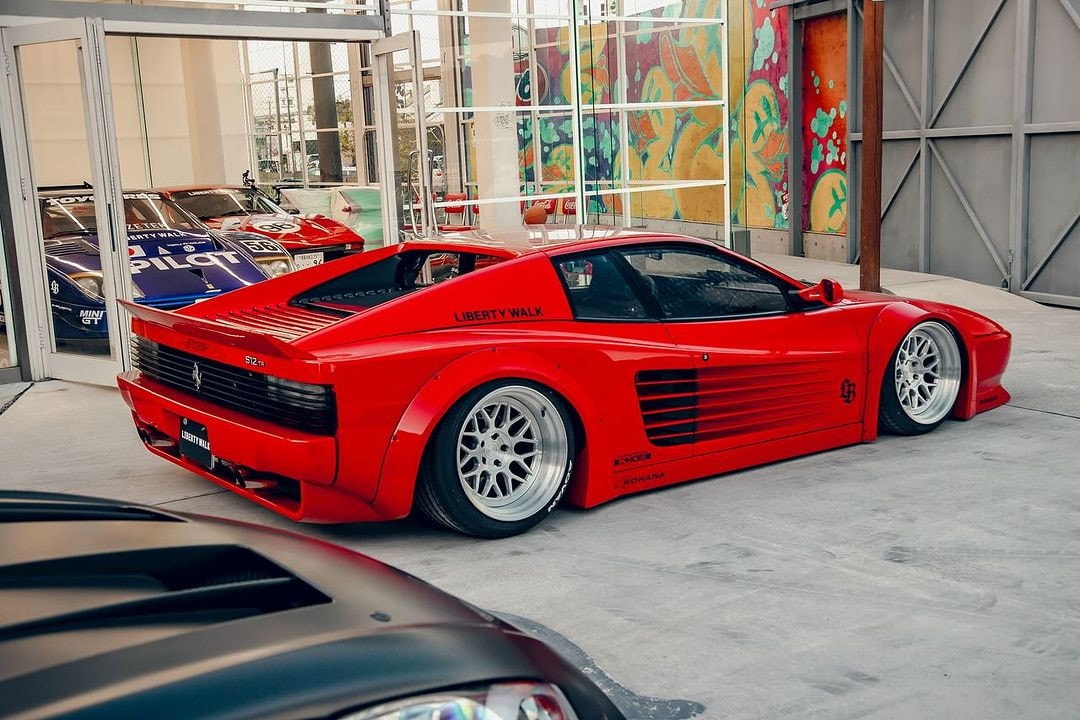
1. Ferrari 512 TR “Speciale” Edition
The Ferrari 512 TR was already a highly coveted model when it was introduced in the early 1990s. Known for its naturally aspirated V12 engine and its refined performance over the 1980s Testarossa, it captured the essence of Ferrari’s supercar philosophy.
However, a handful of “Speciale” versions were produced with additional features that made them even more exceptional. These modifications included lightweight components, improved suspension setups, and unique interior trims designed to appeal to collectors who wanted something beyond the standard 512 TR experience.
Visually, the Speciale edition distinguished itself with subtle but noticeable styling tweaks. Certain body panels were either carbon fiber or painted in exclusive colors, giving the car a more aggressive and bespoke presence.
Even the wheels and exhaust configurations were different from the standard models, further emphasizing the individuality of these rare cars. Ferrari’s attention to detail in these special editions highlighted its commitment to delivering both performance and exclusivity.
Performance improvements were modest but meaningful. The engine received slight tuning adjustments, and suspension revisions improved handling and feedback at higher speeds.
This made the Speciale edition not just a collector’s item, but also a more capable sports car on twisty roads and tracks. Drivers who experienced the car noted the difference in responsiveness and the sharper, more engaging feel compared to standard 512 TRs.
Today, fewer than 50 of these Speciale editions are believed to exist. Their rarity, combined with the prestige of the Ferrari name, makes them highly desirable among collectors and investors alike.
Auctions occasionally bring one to light, reminding enthusiasts that the 512 TR was more than just a mainstream Ferrari of the early 1990s; it could also be a canvas for Ferrari’s most discerning customers to request something extraordinary.
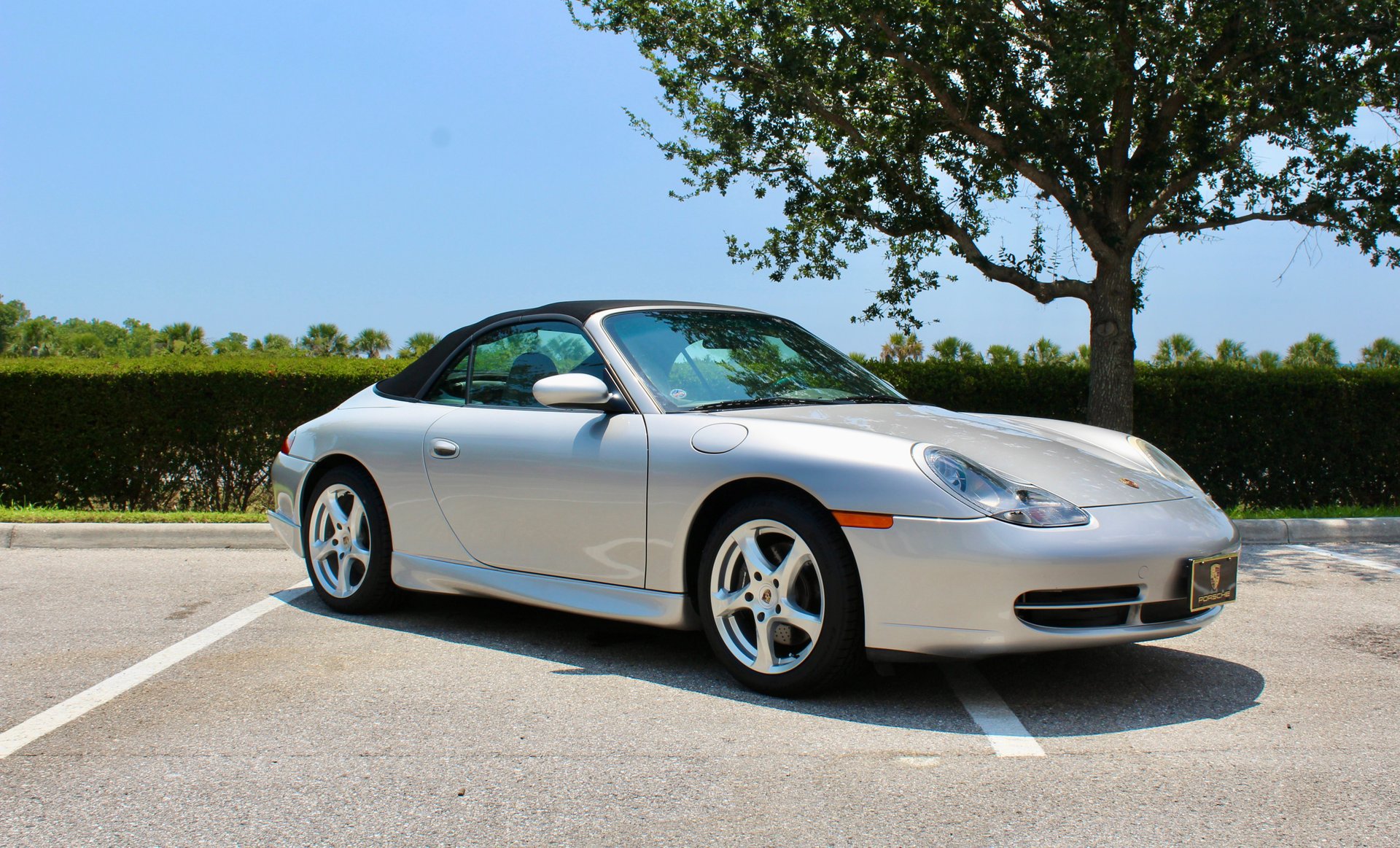
2. Porsche 911 SC “Clubsport”
Porsche produced the 911 SC Clubsport in limited numbers as a model aimed at enthusiasts who wanted a more track-focused variant of the already capable 911 SC. Unlike the standard SC, which balanced everyday usability with performance, the Clubsport emphasized lightweight construction and driver engagement.
Many interior comforts were removed or simplified, reducing weight and creating a more raw driving experience. This approach attracted a small but passionate following who appreciated Porsche’s ability to create a car that could excel on both public roads and racetracks.
The exterior of the Clubsport was simple but purposeful. Lightweight bumpers, minimal chrome trim, and a functional rear spoiler gave the car a distinct profile. Unique color options were available, including some exclusive shades that were rarely seen on other SC models.
The focus was clearly on performance rather than visual flamboyance, which is part of why the Clubsport remains a sleeper gem in the Porsche catalog.
Under the hood, the 911 SC Clubsport shared the familiar flat-six engine of the standard SC, but tuning and chassis adjustments made it feel sharper and more responsive.
Suspension and braking upgrades enhanced cornering abilities, making the Clubsport a surprisingly nimble car for its era. The combination of low weight and precise engineering made it a favorite among Porsche enthusiasts who valued driving experience above status.
Despite its strengths, the Clubsport remained relatively obscure. Porsche produced only a small number, and its understated design meant it did not receive the same attention as more flamboyant special editions.
Today, surviving examples are highly sought after by collectors who recognize their unique place in the 911 lineage. Their rarity, combined with the focus on pure driving pleasure, ensures that the 911 SC Clubsport is a true classic for those who remember it.
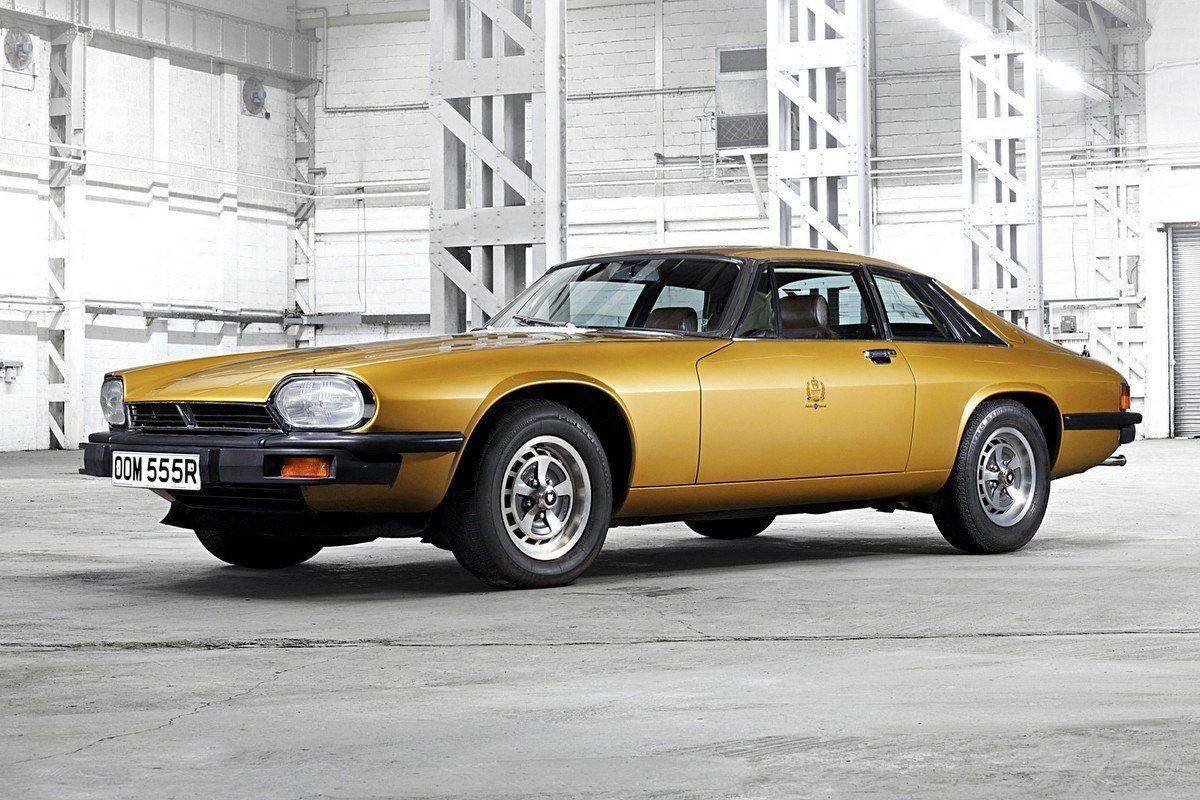
3. Jaguar XJ-S “Celebration” Series
Jaguar released the XJ-S Celebration Series in the late 1980s to commemorate milestones in the model’s production. These special editions combined luxury features with unique styling cues that differentiated them from standard XJ-S cars.
While the XJ-S often received criticism for being somewhat conservative in appearance, the Celebration Series added touches that reflected Jaguar’s design sensibilities and attention to exclusivity. Collectors today often regard these editions as some of the most elegant examples of the XJ-S.
The Celebration Series featured distinctive interior options. Leather trims, unique wood veneers, and upgraded sound systems elevated the comfort level to match the exclusivity implied by the model’s name.
Even small details, such as embroidered headrests and exclusive badging, contributed to the vehicle’s special identity. Jaguar understood that part of a limited edition’s appeal lies in creating a sense of privilege for the owner.
Mechanically, the Celebration Series remained largely consistent with the standard XJ-S platform, although some cars received subtle suspension improvements and upgraded brakes. The focus was not on extreme performance but on refinement and the ownership experience. Drivers appreciated the smoother ride and slightly enhanced handling, which made long journeys more pleasurable while retaining the distinctive Jaguar character.
Few of these Celebration Series cars were produced, making them rare today. Many have been lost to time or converted to standard specifications, further increasing the value of surviving examples. For enthusiasts who recognize their significance, these models represent a blend of Jaguar tradition, luxury, and collectible rarity that has not been widely acknowledged outside of devoted Jaguar circles.
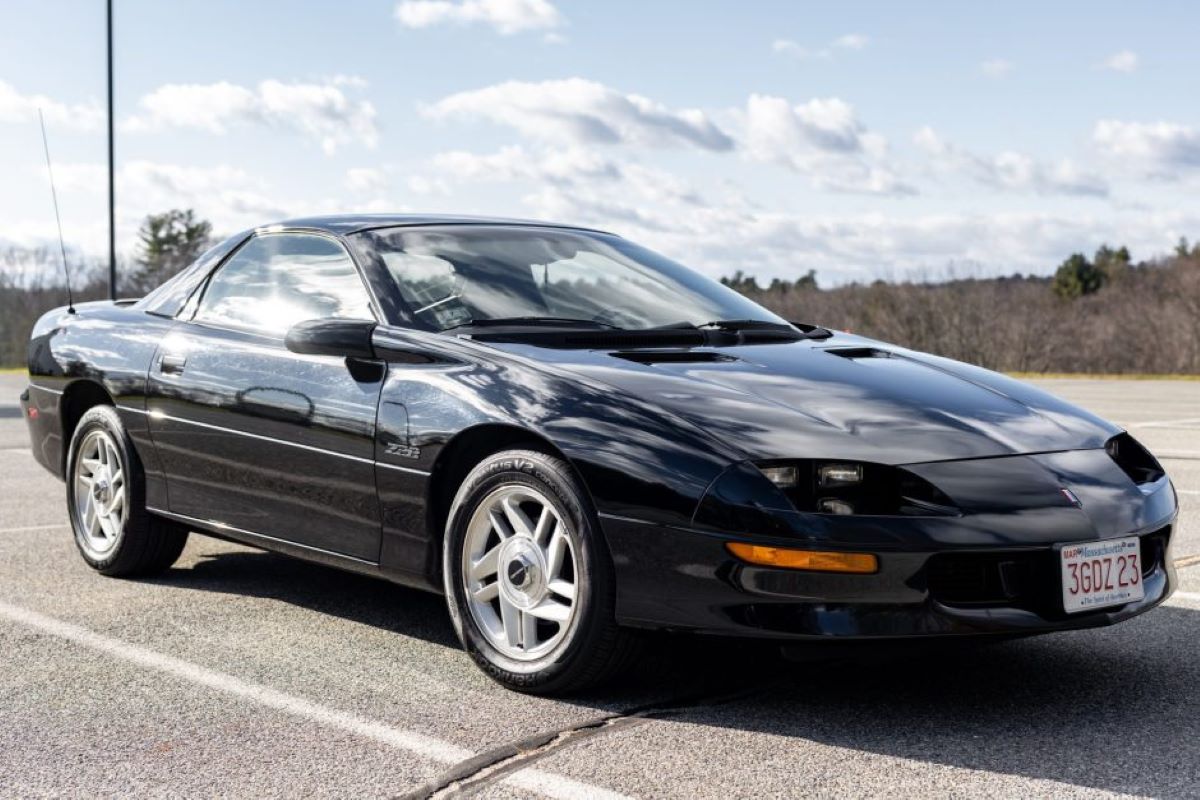
4. Chevrolet Camaro Z28 “35th Anniversary Edition”
Chevrolet produced a 35th Anniversary Edition of the Camaro Z28 to celebrate the iconic muscle car’s long-standing place in American automotive culture.
Released in limited numbers, these cars combined familiar Camaro performance with visual and mechanical enhancements that made them distinct. They included exclusive paint colors, badging, and interior treatments, marking them as collectible variants that appealed to fans of both classic and modern muscle cars.
The exterior styling incorporated subtle changes that signaled the car’s special status. Unique stripes, emblems, and trim pieces differentiated the anniversary edition from standard Z28s, while performance-related features, such as upgraded suspension components, enhanced the driving experience. This balance of visual distinction and mechanical improvement created a car that was both beautiful and functional.
Under the hood, the 35th Anniversary Edition Z28 featured a tuned V8 engine. While not drastically different from regular Z28 models, slight modifications to exhaust and intake systems improved responsiveness and gave the car a distinctive sound.
The combination of engine performance and chassis tuning ensured that the anniversary edition remained enjoyable to drive, whether on the highway or the track.
Today, surviving examples of this edition are highly prized among collectors who appreciate limited-production Camaros. Many owners maintain them carefully, understanding that their rarity and historical significance make them important parts of Chevrolet’s legacy. The 35th Anniversary Edition serves as a reminder that even well-known models like the Camaro can harbor hidden rarities that only a few enthusiasts ever experience.
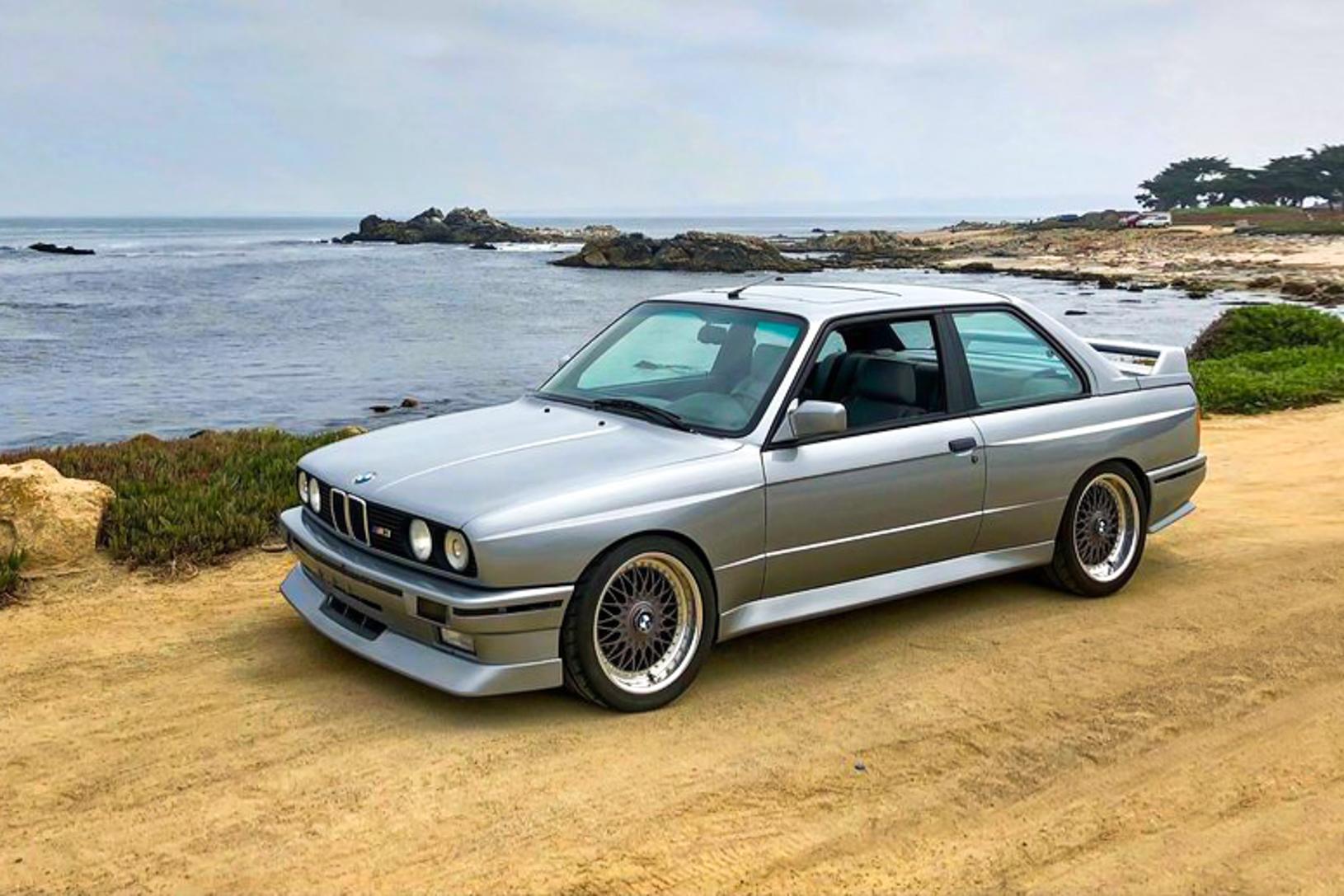
5. BMW M3 “Sport Evolution” (E30)
The BMW M3 E30 is one of the most revered sports cars in automotive history, but even among M3 enthusiasts, the Sport Evolution variant is often overlooked. Produced in extremely limited numbers in the early 1990s, this edition was designed to push the boundaries of BMW’s already legendary motorsport-inspired M3 platform.
What set the Sport Evolution apart was not merely its performance upgrades but its purpose: it was intended as a homologation special for racing while also appealing to collectors who valued extreme engineering and exclusivity.
Visually, the Sport Evolution retained the classic M3 silhouette but with distinct enhancements. Wider fender flares accommodated a broader wheel track, giving the car a more aggressive stance. Unique alloy wheels, lightweight bumpers, and subtle aerodynamic modifications differentiated it from standard M3s.
Inside, BMW upgraded the interior with Recaro racing-style seats, a minimalist dashboard design, and weight-saving measures that emphasized function over comfort. The combination of performance-oriented tweaks and aesthetic refinement created a car that was unmistakably rare and purposeful.
Under the hood, the M3 Sport Evolution featured an enlarged 2.5-liter four-cylinder engine capable of producing more power than its predecessors. The engine was paired with a close-ratio gearbox and a finely tuned suspension setup that improved handling precision, cornering stability, and responsiveness.
Drivers familiar with standard E30 M3s noticed an unmistakable difference: the Sport Evolution felt sharper, more connected, and uncompromising in its focus on delivering an exhilarating driving experience. Even today, it is regarded as one of the purest expressions of BMW’s motorsport DNA in a road car.
The rarity of the M3 Sport Evolution contributes heavily to its allure. Only a few hundred units were ever built, making it a treasure for collectors and enthusiasts who understand its significance.
While standard M3s are widely recognized and celebrated, the Sport Evolution represents the pinnacle of E30 development and the extremes BMW was willing to pursue for performance, exclusivity, and motorsport heritage. Its understated presence and formidable capability make it a forgotten gem that is slowly gaining the attention it deserves.
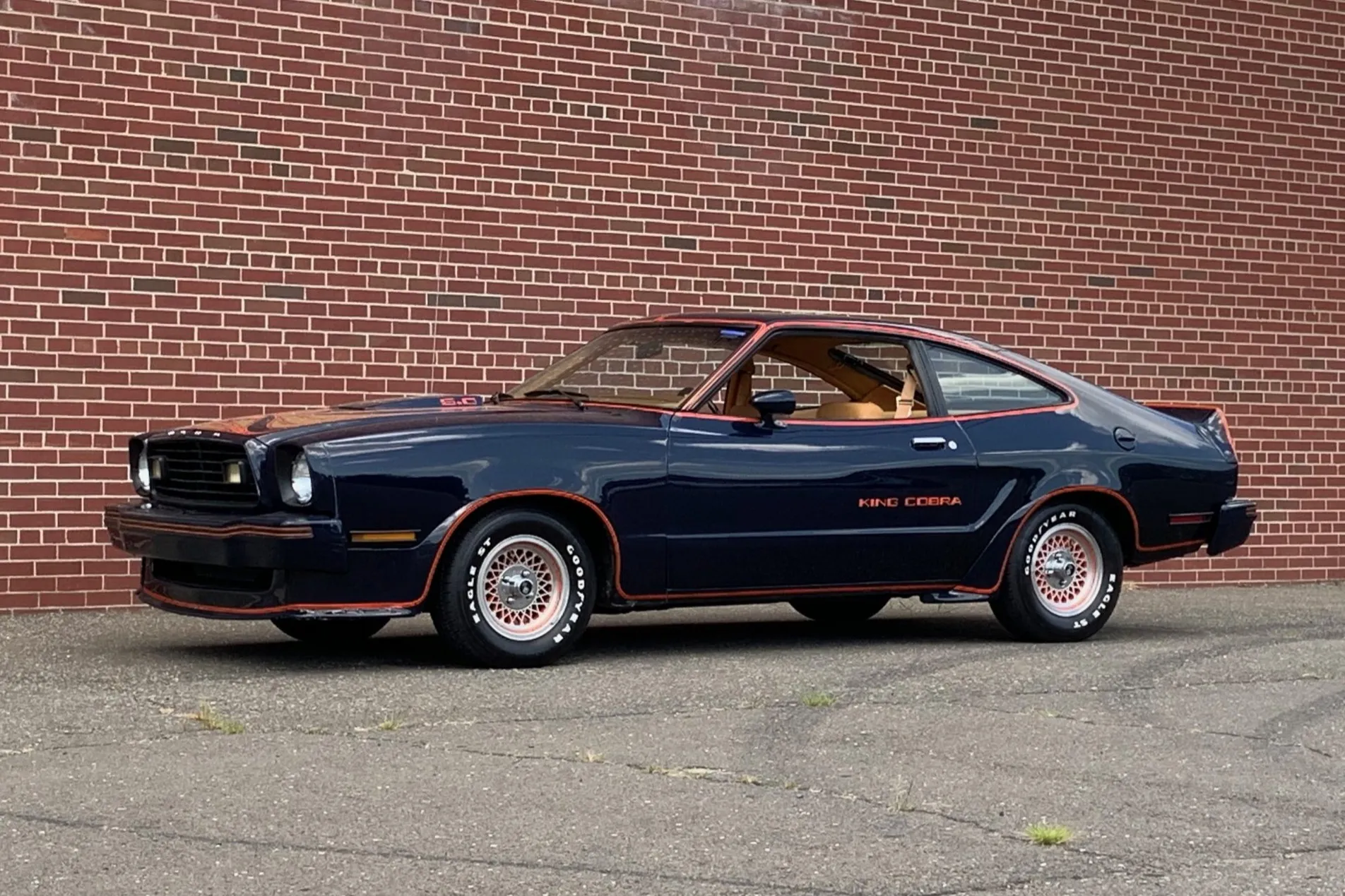
6. Ford Mustang “King Cobra” (SVT 1990s Edition)
The Ford Mustang King Cobra, produced by Ford’s Special Vehicle Team in the early 1990s, is a muscle car that many casual enthusiasts forget exists. Unlike the popular Cobra or SVT Mustang GTs of the era, the King Cobra was a limited-edition model designed to showcase Ford’s engineering and performance capabilities. Only a few hundred were ever made, primarily in specific regions, which has contributed to its obscurity despite its impressive specifications and bold styling.
The exterior of the King Cobra was aggressive and purposeful. Wide hood scoops, unique graphics, and exclusive badging immediately distinguished it from standard Mustangs. The paint schemes often included metallic and two-tone options exclusive to this edition, creating a striking visual identity.
Coupled with lightweight alloy wheels and performance tires, the King Cobra projected an image of power and sophistication that was rare among American muscle cars of the period.
Mechanically, the King Cobra featured an upgraded V8 engine that produced more horsepower than the base GT model. Paired with performance-tuned suspension and reinforced braking components, it handled corners with surprising agility for a car of its size and era.
Enthusiasts noted that the King Cobra was not just about straight-line acceleration; its chassis improvements made it a more complete performance vehicle that could compete on both street and track.
Despite its performance and striking design, the King Cobra remains relatively obscure today. Its limited production, combined with the overshadowing popularity of other SVT Mustangs, has made it a rare sight on the collector market. For those who value forgotten muscle cars with distinctive character and performance pedigree, the King Cobra is a perfect example of a hidden gem that rewards those willing to search beyond mainstream models.

7. Alfa Romeo Spider “Quadrifoglio”
Alfa Romeo has always been synonymous with passion, style, and performance, yet the Spider Quadrifoglio edition is a model that often escapes mainstream recognition.
Produced in small numbers in the late 1980s and early 1990s, this special edition celebrated Alfa’s racing heritage while enhancing the Spider’s signature blend of elegance and sportiness. Its design was understated compared to flashier sports cars, but every detail was meticulously crafted to appeal to collectors who valued both performance and Italian automotive artistry.
The Quadrifoglio featured subtle visual upgrades that set it apart. Exclusive paint options, a unique front grille design, and distinct badging allowed it to stand out without compromising Alfa’s refined styling. Inside, the cabin received upgraded leather seating, wood accents, and sport-oriented gauges. These touches emphasized a balance between comfort and driver engagement, reflecting Alfa Romeo’s commitment to creating cars that appealed to both the senses and the soul.
Performance improvements were modest but carefully executed. The engine was tuned to provide more responsive power delivery, while suspension modifications enhanced handling agility and road feel.
Alfa Romeo’s engineers focused on creating a lightweight, balanced vehicle capable of delivering a rewarding driving experience rather than chasing raw speed. For drivers, the Quadrifoglio retained the lively, communicative nature of the standard Spider but with a slightly sharper, more connected character that made it distinct.
Today, the Spider Quadrifoglio remains a sought-after collector’s piece, though it is often overshadowed by more prominent Alfa classics. Its rarity and refinement make it a car that appeals to enthusiasts who understand the brand’s racing and design philosophy.
As a special edition, it embodies Alfa Romeo’s ability to produce vehicles that are both beautiful and engaging, rewarding those who seek out automotive history beyond the well-known models.
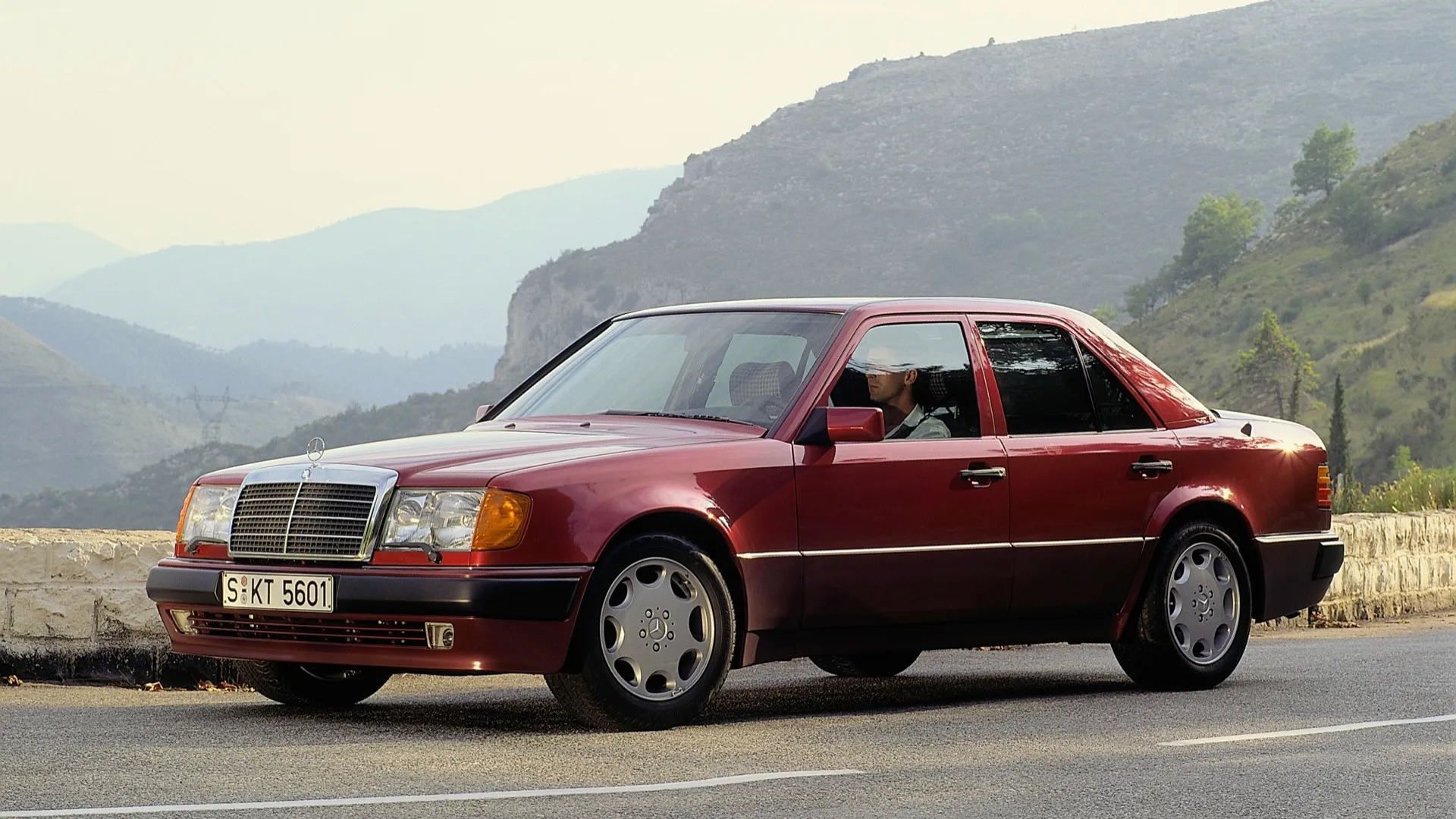
8. Mercedes-Benz 500 E “W124 Special Edition”
The Mercedes-Benz 500 E, produced in the early 1990s in collaboration with Porsche, was already a rare and potent performance sedan, but certain special editions of the model are almost forgotten today.
These cars combined understated Mercedes luxury with a level of performance that few sedans of the era could match. Limited production numbers and the exclusive nature of these special editions have ensured that only dedicated collectors recognize their significance in Mercedes history.
Externally, the 500 E special editions were nearly identical to standard W124 500 E models, though subtle enhancements differentiated them. Special paint colors, unique alloy wheels, and minor trim modifications were used to signal exclusivity without compromising the car’s elegant, understated presence.
These cars demonstrated Mercedes’ philosophy that performance and refinement could coexist harmoniously, even in a discreet package.
Mechanically, the 500 E featured a naturally aspirated V8 engine tuned for smooth yet potent performance. Upgraded suspension components and brake systems allowed the car to handle spirited driving with confidence, making it an exceptionally balanced vehicle.
Unlike flashier sports sedans, the 500 E maintained its composure at all times, giving drivers a sense of control and sophistication while delivering impressive speed and agility.
Collectors today value these special editions not just for their rarity but for their embodiment of a unique era in Mercedes-Benz history. The collaboration with Porsche, combined with limited production runs and exclusive features, makes these models highly desirable among enthusiasts who appreciate the balance of luxury, performance, and craftsmanship.
Despite their significance, many casual Mercedes fans remain unaware of the special 500 E variants, keeping them as hidden treasures within the brand’s illustrious lineup.
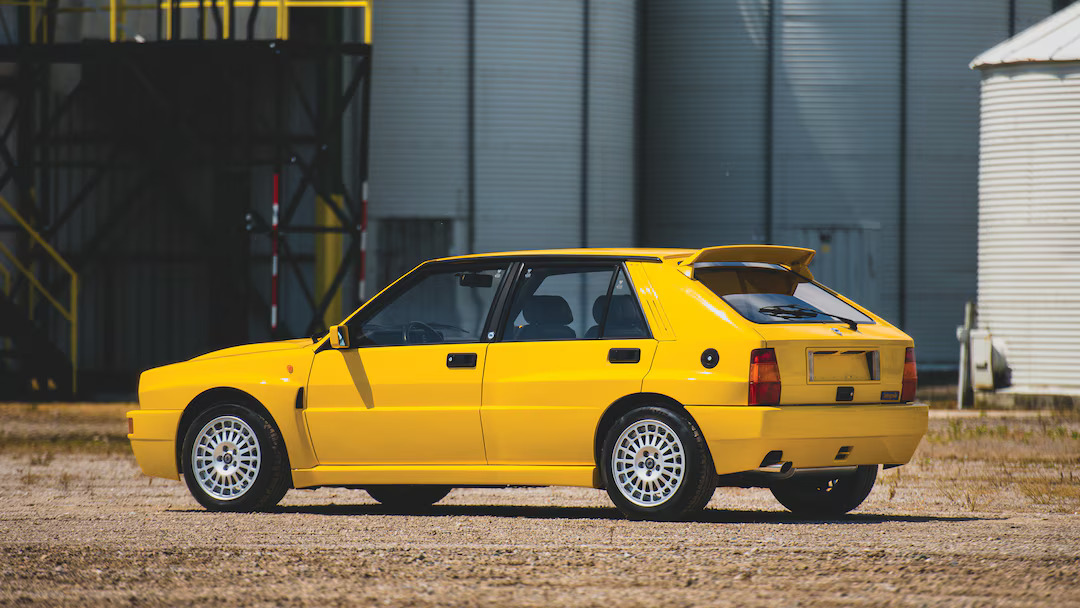
9. Lancia Delta Integrale “Martini Racing Edition”
The Lancia Delta Integrale is celebrated among rally enthusiasts, but the Martini Racing Edition is a rare version that often escapes mainstream recognition. Produced in limited numbers during the late 1980s and early 1990s, this special edition commemorated Lancia’s dominance in the World Rally Championship.
Unlike standard Integrales, the Martini Racing Edition featured unique visual cues, improved handling characteristics, and a direct connection to motorsport heritage, making it a highly collectible car for those familiar with rally history.
The exterior design of the Martini Racing Edition was immediately recognizable to fans. The iconic Martini stripes adorned the hood and sides, while exclusive wheels and badging further distinguished the car. Subtle aerodynamic improvements were also implemented, enhancing both performance and stability at high speeds. These cars were not merely aesthetic statements; every detail was intended to echo Lancia’s racing pedigree.
Inside, the cabin received sporty touches such as upgraded seats, rally-inspired instrumentation, and lightweight materials. The interior emphasized driver engagement, creating a cockpit feel that mirrored the racing cars from which it was derived.
While retaining some level of comfort, the Martini Racing Edition clearly prioritized performance-oriented elements to appeal to enthusiasts who valued authenticity over luxury.
Mechanically, the car featured the same turbocharged engine as other Integrales but with tuning enhancements for sharper throttle response and better handling. The suspension system was optimized for both street and track use, delivering remarkable agility and feedback.
Today, surviving Martini Racing Editions are extremely sought after, with collectors valuing them as both a nod to Lancia’s rally success and a rare example of a car that seamlessly blended performance and historical significance.
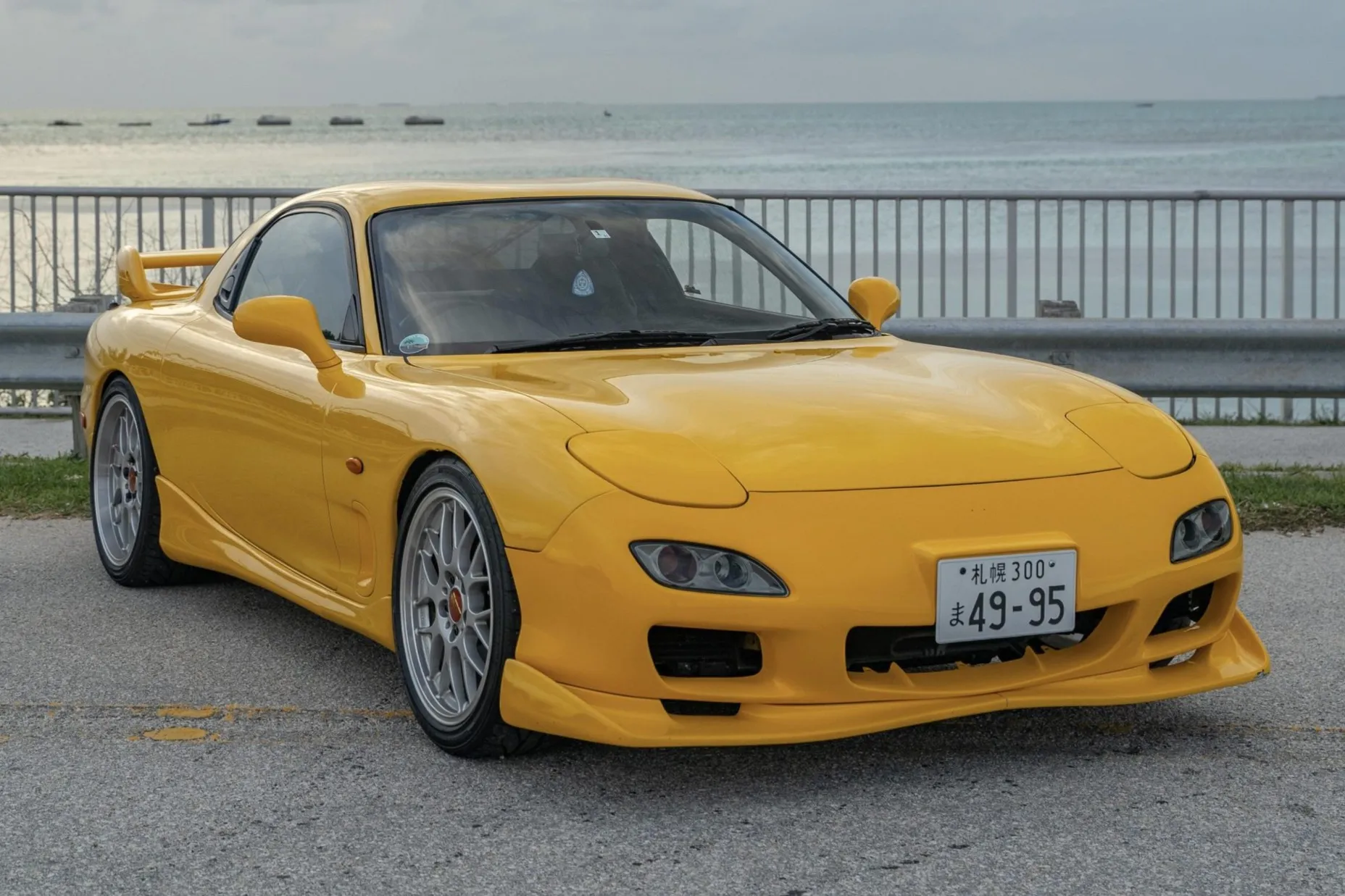
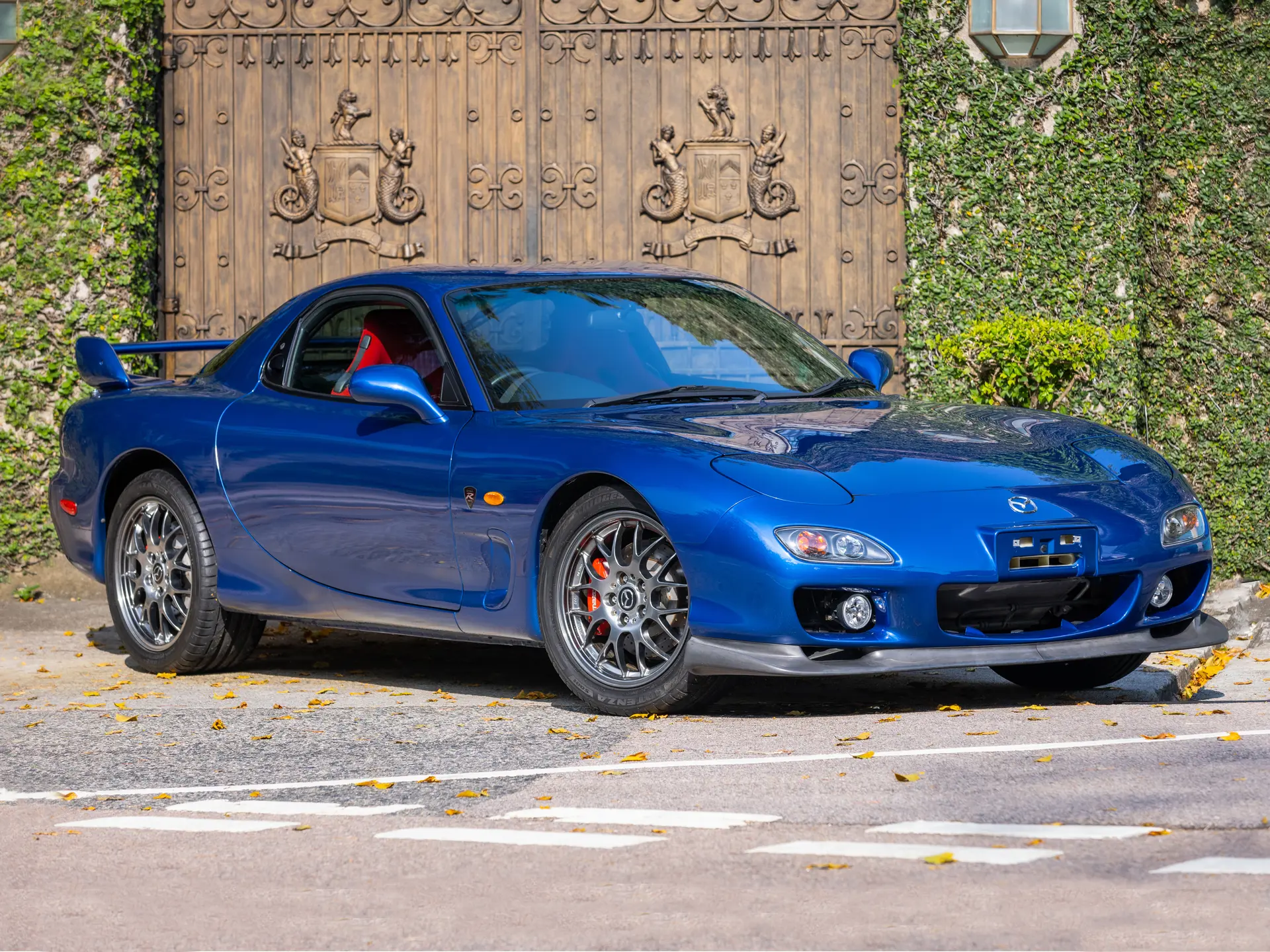
10. Mazda RX-7 “Spirit R”
The Mazda RX-7 Spirit R represents the pinnacle of the third-generation RX-7, produced in the early 2000s as a farewell edition before the model was discontinued. While the standard RX-7 is widely recognized for its rotary engine and handling prowess, the Spirit R took the car to a new level of refinement, performance, and collectibility.
Its rarity and technical sophistication make it one of the most forgotten yet highly prized special editions among Japanese sports car enthusiasts.
Externally, the Spirit R was distinguished by subtle but purposeful modifications. Exclusive paint colors, lightweight alloy wheels, and unique badging signaled its special status. Aerodynamic tweaks improved stability at high speeds, while the design maintained the RX-7’s timeless sports car silhouette.
Unlike some special editions that rely heavily on flashy visuals, the Spirit R’s aesthetic enhancements were understated yet meaningful, reflecting Mazda’s commitment to performance-oriented design.
Under the hood, the Spirit R featured the naturally aspirated rotary engine with improved tuning and reliability enhancements. Suspension and brake upgrades were implemented to maximize cornering precision and responsiveness, ensuring that the car remained highly engaging for drivers.
The combination of light weight, balanced chassis, and powerful engine made the Spirit R one of the most dynamic sports cars of its era, embodying the RX-7’s ethos in a refined, final form.
Inside, the cabin received premium materials, racing-inspired seats, and unique trim pieces to commemorate the final iteration of the RX-7. Every detail emphasized the car’s position as the expression of the model, blending comfort, functionality, and driver focus.
Today, the Spirit R is highly collectible, commanding attention among enthusiasts who recognize its place as a rare and significant farewell to one of Japan’s most iconic sports cars. Its status as a forgotten special edition underscores the fact that even legendary models can harbor hidden gems.
