Let’s be honest wheels can make or break a car’s personality. You can have a beautiful vintage coupe with curves straight out of an art gallery, but if it’s sitting on dull, basic rims, the whole vibe falls apart.
They tell a story about the era, the craftsmanship, and the taste that went into designing the car from the ground up.
Back in the day, automakers didn’t just slap on wheels for function. They treated them like jewelry for their machines, often crafting designs that were so unique, they became visual trademarks for the models themselves.
Today, enthusiasts go to extreme lengths to track down original factory wheels sometimes spending more on them than on an entire modern set of aftermarket alloys. Because those wheels are part of history.
They represent a time when aesthetics were not sacrificed for convenience, when designers pushed the limits of steel, aluminum, and chrome to make a statement.
Whether it was the intricate wire spokes of a British roadster, the turbine-style alloys of a muscle car, or the minimalist precision of a German coupe, vintage wheels have their own cult following.
This list isn’t about the biggest engines or the flashiest paint jobs. It’s about the details those factory wheels that made vintage cars look complete, even when parked.
We’ll go through eight classics that nailed the art of wheel design straight from the showroom. From elegant European icons to American muscle legends, each car here stood out not just for performance, but for rolling on some of the most beautifully crafted wheels ever to leave the factory floor.
If you’ve ever found yourself staring at a vintage car’s wheels longer than the car itself, this one’s for you. Get ready to revisit some legendary rides that proved wheels aren’t just a necessity they’re an art form on their own.
8 Vintage Cars With Gorgeous Factory Wheels
Every decade had its own wheel trends. The ‘60s loved chrome and spoke artistry, the ‘70s went bold with turbine and honeycomb patterns, and the ‘80s started flirting with lightweight alloys that looked as sharp as they performed.
What makes these factory wheels special isn’t just how they look, but how they reflected the character of the cars they came with.
Think of the 1961 Jaguar E-Type’s intricate wire wheels elegant yet purposeful, perfectly complementing the car’s seductive curves.
Or the Pontiac Trans Am’s snowflake wheels, which turned an American muscle coupe into a rolling piece of pop culture. Even Porsche got in on the style game, with its Fuchs alloys redefining how minimalism could be beautiful.
These weren’t mass-produced afterthoughts; they were carefully designed components that balanced form and function.
Some wheels, like those on the Alfa Romeo Montreal or BMW 2002 Turbo, still influence modern wheel designs today. They carried personality a visual statement before the engine even started.
In this piece, we’ll look at eight standout examples where the factory didn’t just deliver performance it nailed the aesthetics, too.
Each car represents a unique story of design, innovation, and how something as simple as a wheel could elevate an entire vehicle’s presence.
So let’s roll back through time and see which vintage rides wore their wheels like crowns.
ALSO READ: 10-affordable-cars-that-feel-german-engineered
1. Jaguar E-Type (1961–1974)
If there’s one car that effortlessly blended art with engineering, it’s the Jaguar E-Type. Enzo Ferrari himself once called it “the most beautiful car ever made,” and honestly, he wasn’t wrong.
But here’s the thing the E-Type’s magic wasn’t just in that long, flowing bonnet or its delicate chrome accents. Its signature wire-spoke wheels were a big part of its visual identity, completing the car’s grace in a way modern alloys just can’t match.
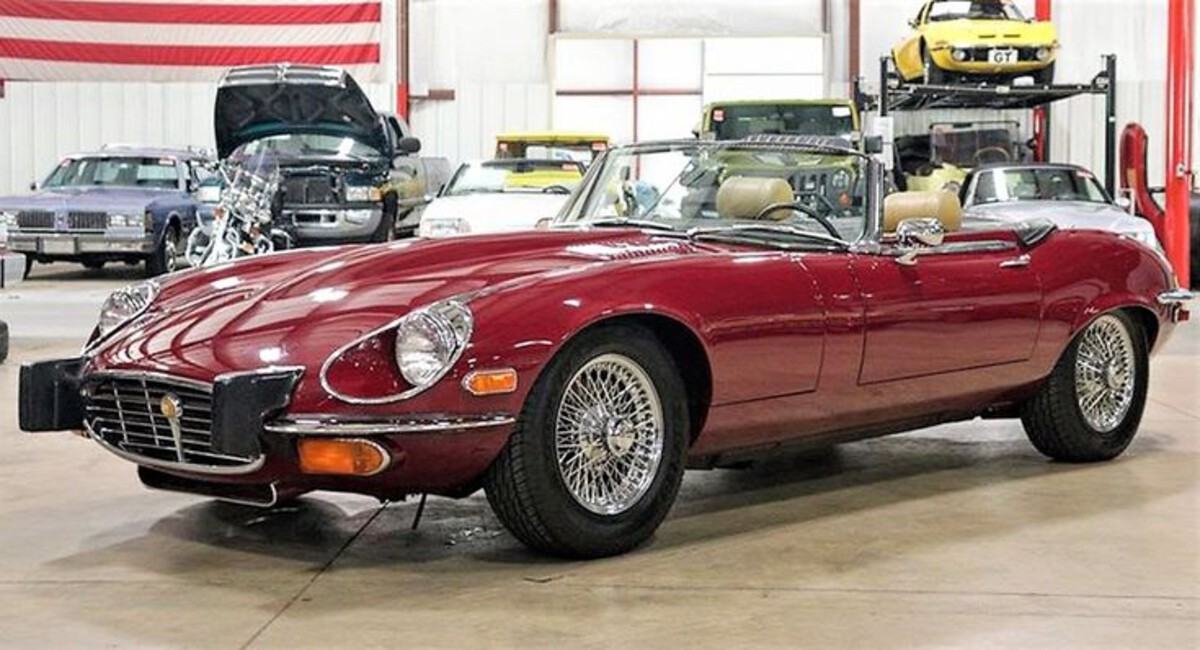
The E-Type’s factory wheels were hand-laced 15-inch wire spokes, typically finished in chrome or silver. They weren’t just eye candy these wheels were functional, too.
The wire design offered strength while keeping weight down, helping the E-Type maintain its balanced handling and quick response.
Each spoke was tensioned by hand, which gave these wheels a kind of craftsmanship you rarely see anymore. They shimmered under sunlight, giving off that perfect mix of class and sportiness.
What made them iconic, though, was how well they played with the car’s proportions. Those deep-dish wheels tucked neatly under curvaceous fenders, giving the E-Type a poised stance even at a standstill.
The knock-off spinners at the center a racing-inspired detail added to its authentic British sports-car charm.
Today, those factory wires remain one of the most sought-after OEM wheel sets in the classic car scene.
Restorers pay a premium to find original Dunlop or Dayton sets because replicas rarely capture the same elegance. On the E-Type, those wheels didn’t just support the car; they finished the sculpture.
2. Pontiac Firebird Trans Am (1977–1981)
When it comes to muscle cars that turned heads as much as they smoked tires, the late-‘70s Pontiac Trans Am stands tall. You could spot one a block away the shaker hood, screaming chicken decal, and of course, those unforgettable factory “snowflake” wheels.
Pontiac really went all in on design during this era. The snowflake alloys were a bold break from traditional steel wheels, blending geometric complexity with solid construction.
Made by Honeycomb or WS6 variations, they came in gold, silver, or machined finishes that gave the Trans Am its unmistakable flair.
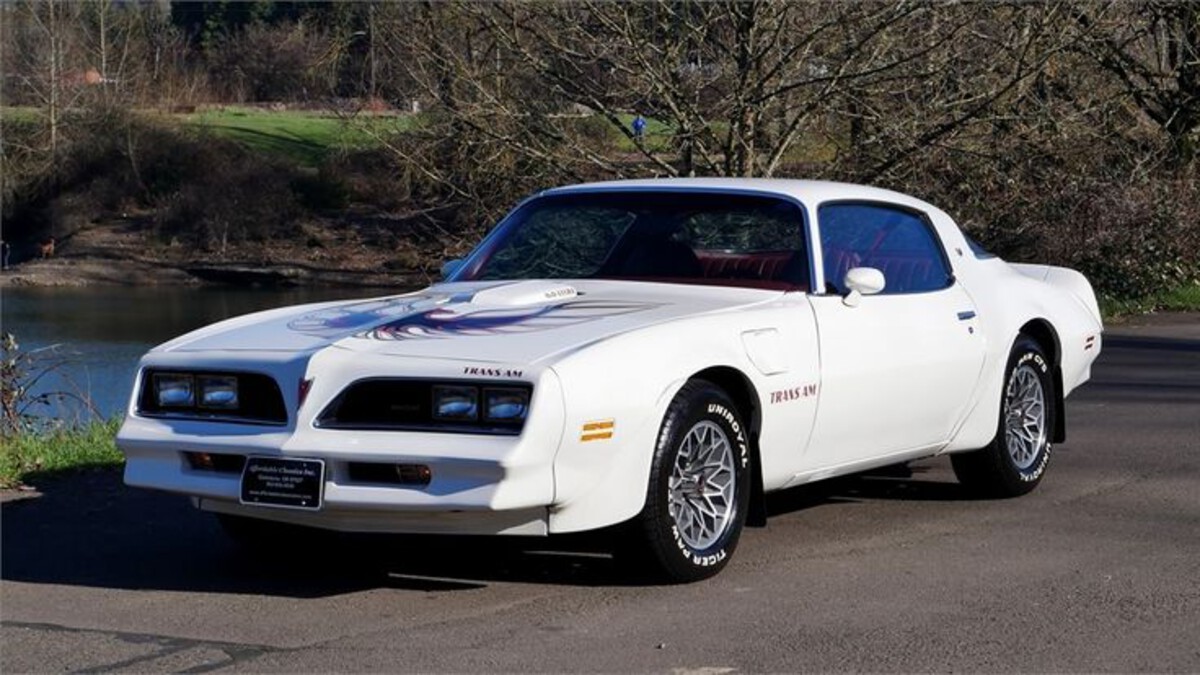
And the best part? They weren’t just for looks. These 15×8-inch wheels were engineered to improve handling and grip, a rare claim among muscle cars of the time.
Their star-shaped design, resembling a flurry of snowflakes, was instantly recognizable and perfectly complemented the Trans Am’s aggressive body lines.
They matched the vibe of a car built for attitude, a car that screamed power even while parked at the curb. The gold versions, paired with the black or white body paint, became pop-culture icons after Smokey and the Bandit hit theaters in 1977.
Decades later, those factory snowflake wheels are still one of the most replicated designs in the muscle car world.
But purists will tell you nothing beats the look and feel of the originals. They’re tough, flashy, and pure ‘70s Americana. On the Trans Am, they didn’t just support performance; they defined its character.
3. Porsche 911 (1967–1989) – Fuchs Alloys
Minimalist perfection that’s what the Porsche Fuchs wheel represented. Introduced in the late ‘60s for the 911S, these forged aluminum wheels were unlike anything else on the road.
Where most manufacturers were still relying on steel or heavy cast alloys, Porsche and Otto Fuchs created something revolutionary lightweight, durable, and stunningly simple.
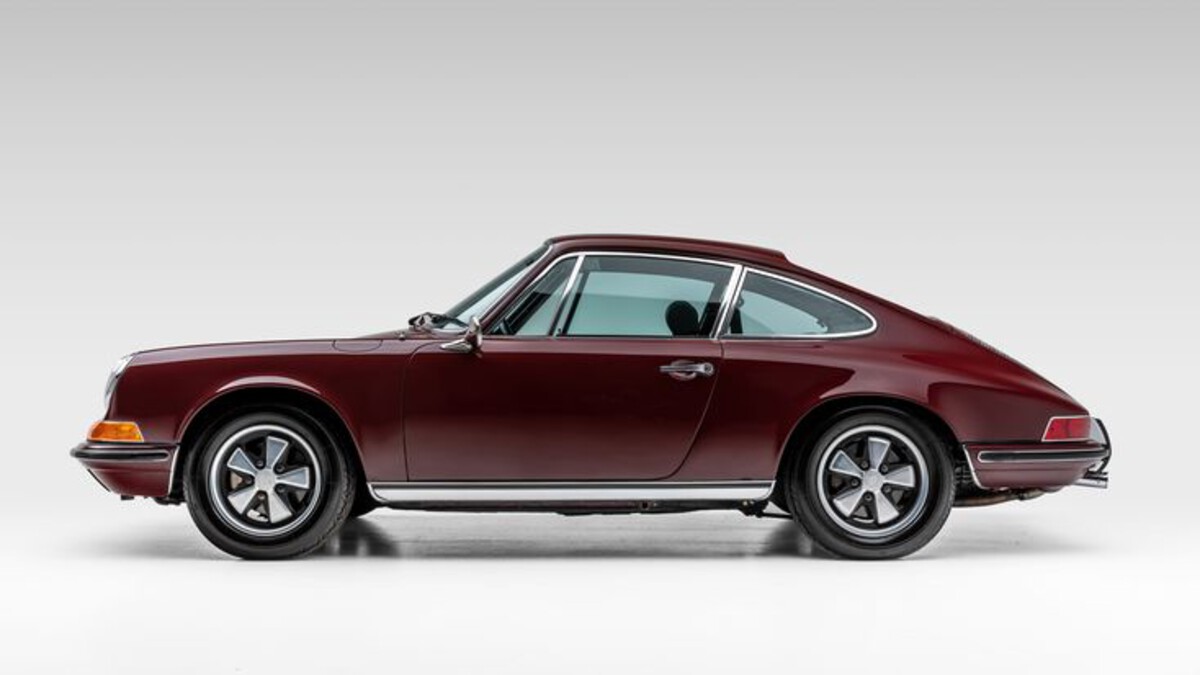
The Fuchs wheel had a signature five-petal design, with each spoke gently curved like a turbine blade. Finished in black with polished lips, it gave the 911 an understated yet aggressive stance.
The design wasn’t just pretty it was functional. The forging process reduced unsprung weight, improving ride quality and cornering. In true Porsche fashion, beauty and engineering went hand-in-hand.
Over the years, Fuchs wheels became inseparable from the 911’s identity. They aged like fine wine timeless, purposeful, and distinctly German.
You could spot those polished lips and satin black centers from miles away. Whether on a classic 911 Carrera RS or a simple 911T, the Fuchs design elevated every model’s visual punch.
Even today, enthusiasts chase original Fuchs wheels, not just for nostalgia but because they still look modern.
They embody everything that made Porsche different precision, restraint, and confidence without trying too hard. In an era when others went flashy, Porsche showed that less really could be more.
4. Alfa Romeo Montreal (1970–1977)
Few cars scream ‘70s Italian cool like the Alfa Romeo Montreal. Designed by Marcello Gandini at Bertone, it was a car that mixed supercar vibes with daily-driving manners.
But beyond the scooped headlights and muscular rear, one of the Montreal’s most striking features was its factory wheel design an absolute masterpiece that perfectly balanced flair and function.
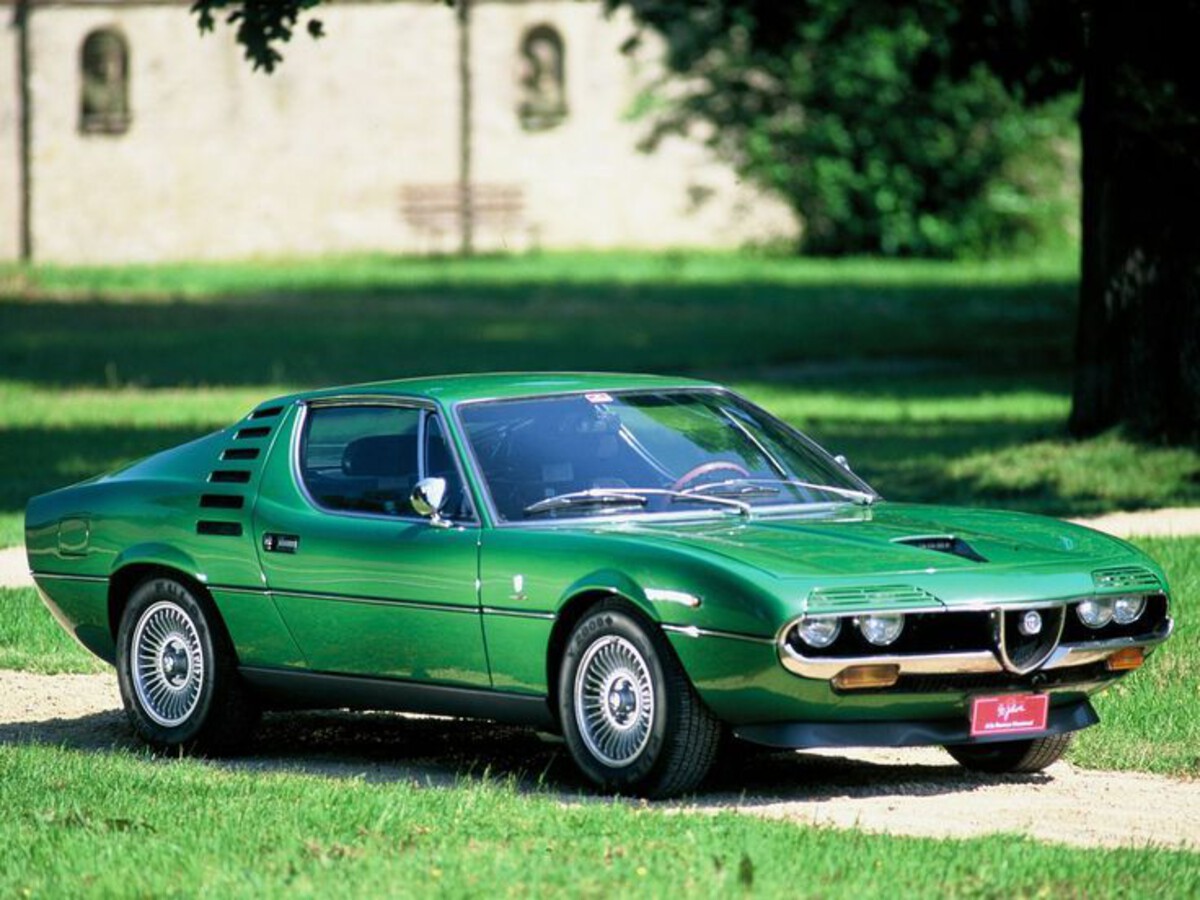
The Montreal rolled on unique 14-inch Campagnolo alloy wheels, crafted from magnesium and finished in a satin silver tone.
Each wheel had a deep dish and a set of teardrop-shaped cutouts that gave it a sculpted, aerodynamic look almost like the fins of a jet turbine. These weren’t just decorative; the design helped with brake cooling while keeping weight impressively low.
What really made these wheels iconic was how seamlessly they tied into the Montreal’s body language.
The car was full of small, bold design decisions the slatted headlamp covers, the hood NACA ducts, the twin vents behind the doors and the wheels echoed that creative energy. They looked powerful but not overdone, technical yet stylish.
Even in today’s sea of aftermarket alloys, Montreal’s factory wheels remain head-turners. They’re hard to replicate because of their magnesium composition and unusual offset.
Restorers often hunt down original Campagnolos to keep that authentic stance and period-correct aura alive.
On the Montreal, those wheels didn’t just add beauty they completed its futuristic vision. It was Alfa’s way of saying performance and aesthetics should roll together, literally.
5. BMW 2002 Turbo (1973–1975)
Before BMW became a global symbol of luxury performance, it was small, punchy machines like the 2002 Turbo that built its legacy.
And along with its flared arches and wild graphics, the 2002 Turbo’s factory wheels were part of what gave it that compact, aggressive charm that enthusiasts still drool over.
BMW equipped the 2002 Turbo with lightweight 13-inch alloy wheels, designed by Mahle and later refined for Alpina variants.
They featured a simple but bold turbine-like pattern a set of curved spokes radiating from the center, finished in silver or gray. These wheels weren’t just chosen for looks; their design improved brake cooling, making them perfect for spirited driving.
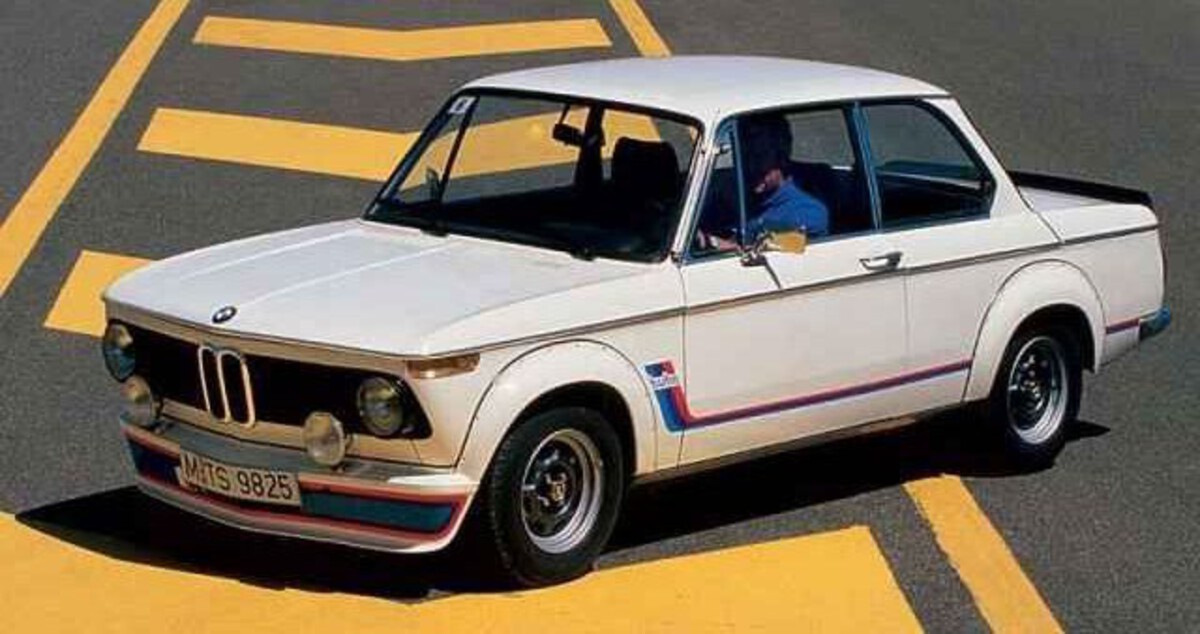
What made them memorable was how they transformed the car’s proportions. The 2002 was small and boxy, but those alloys, paired with wide tires and flared fenders, gave it an athletic stance that screamed performance.
They hinted that this wasn’t your average commuter this was a turbocharged pocket rocket that meant business.
Over time, the 2002 Turbo’s wheels became iconic symbols of early BMW Motorsport design. They inspired many future BBS and Alpina wheel designs that defined the brand through the ‘80s and ‘90s.
Original Mahle wheels are now collector gold, often restored rather than replaced because their visual balance is impossible to beat.
In a world full of flashy multi-spokes and oversized alloys, the 2002 Turbo’s factory wheels still look timeless. Compact, purposeful, and brilliantly engineered they were BMW’s first real step into motorsport-inspired wheel design.
ALSO READ: 10-cars-that-will-still-be-cool-in-2030
6. Chevrolet Corvette Stingray (1963–1967)
The second-generation Corvette the Sting Ray, wasn’t just a leap forward in performance; it was an icon of American automotive art.
And the factory wheels that came with it? Pure muscle elegance. While most people remember the split rear window and shark-like body, the wheels played a subtle but crucial role in defining the Stingray’s attitude.
The early C2 Stingrays came with 15-inch knock-off aluminum wheels, designed to mimic the style of European sports cars but with a distinctly American edge.
Each wheel featured five deep, turbine-style spokes and a highly polished lip that contrasted perfectly with the brushed aluminum center. The centerpiece, of course, was the spinner-style cap a nod to race cars of the era.
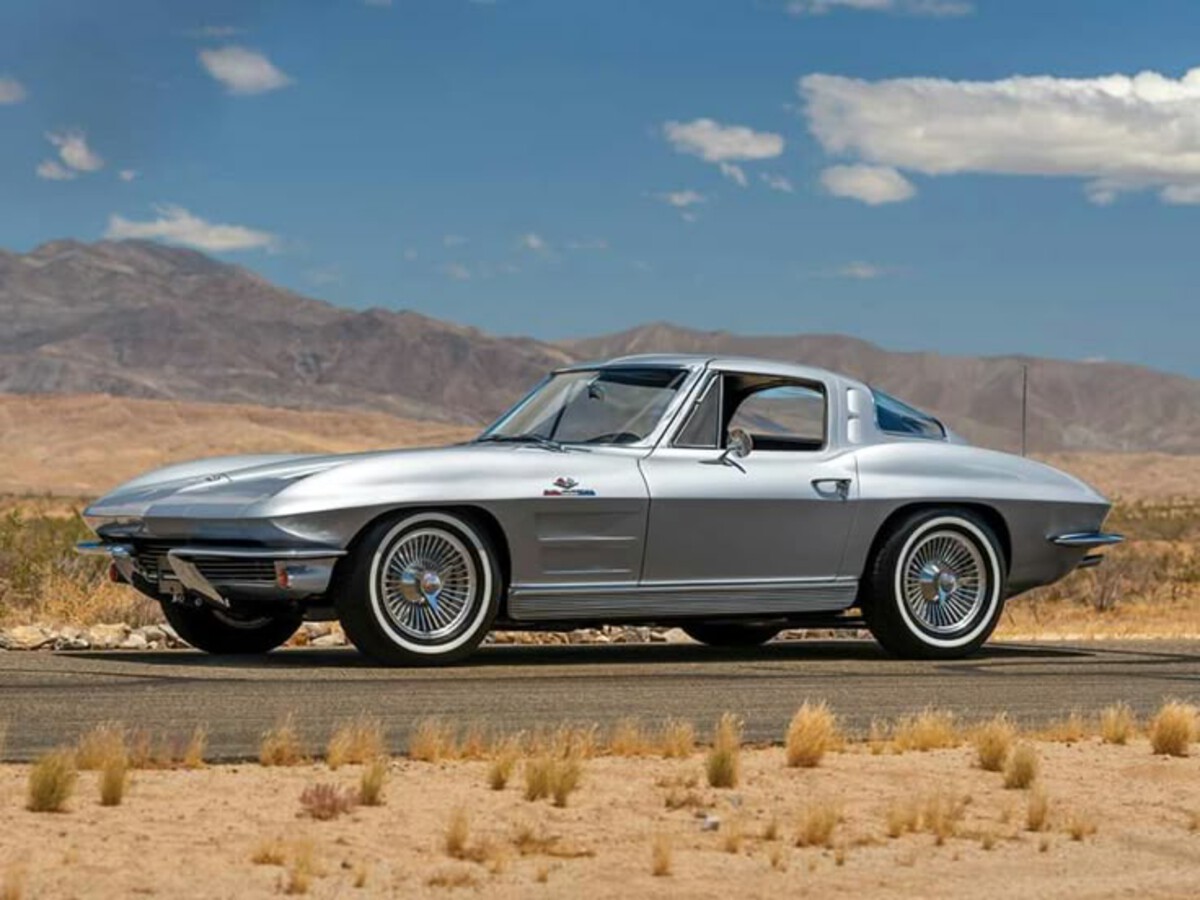
These weren’t just about looks. The aluminum construction shaved off significant weight compared to steel, giving the Stingray better handling and ride comfort.
Corvette engineers designed them for both performance and prestige something that perfectly matched the car’s new independent rear suspension and improved chassis balance.
Visually, those wheels gave the Stingray a poised stance, balancing its long hood and muscular fenders. Even parked, it looked ready to pounce. The turbine design caught light beautifully, emphasizing motion even at rest.
Today, those original factory wheels are some of the most sought-after in the classic Corvette community.
Restored sets can fetch thousands, not just because of rarity but because they represent peak ‘60s design thinking aggressive, functional, and timeless. The Stingray’s wheels weren’t accessories; they were attitude on rims.
ALSO READ: 10-cars-mechanics-secretly-love-owning-over-decades
7. Mercedes-Benz 300SL Gullwing (1954–1957)
Few cars in history have achieved the mythical status of the Mercedes-Benz 300SL Gullwing. It wasn’t just ahead of its time it practically created the idea of a supercar.
Those upward-swinging doors stole the spotlight, sure, but look closer and you’ll see that even the wheels played their part in making the 300SL a design icon.
The 300SL came with 15-inch steel wheels dressed in polished chrome hubcaps featuring the three-pointed star a symbol of German engineering perfection.
But these weren’t plain wheels. The hubcaps were domed and slightly concave, giving off a shimmering effect that changed with the light.
Around them sat slender whitewall tires that added contrast and sophistication. Together, they gave the car a visual balance few vehicles could match.
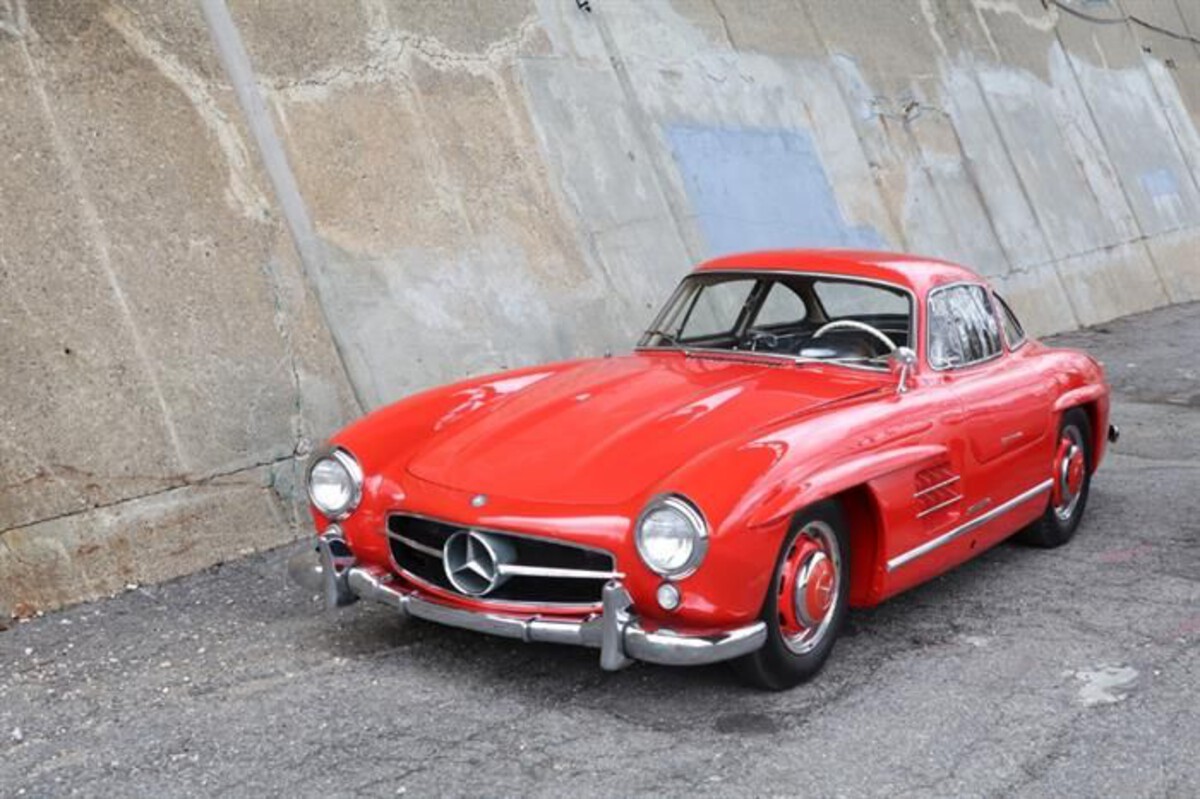
Underneath, those wheels hid innovative engineering. The 300SL featured Rudge knock-off hubs, allowing quick removal during endurance races a rare touch on a production road car.
This blend of elegance and motorsport practicality was peak Mercedes thinking. They didn’t just want the car to perform; they wanted it to look like performance art.
The result? A car that looked stately yet fast, refined yet fearless. The smooth, minimalist wheels amplified the Gullwing’s sculptural body, highlighting its curves and chrome accents rather than competing with them.
Even today, you’ll see collectors and restorers go to obsessive lengths to find genuine Rudge wheels for authenticity.
Because on a 300SL, the wrong wheels ruin the whole aesthetic. These factory originals are proof that Mercedes understood something most don’t subtlety can be more powerful than flash.
8. Ferrari 365 GTB/4 Daytona
When Ferrari introduced the 365 GTB/4 Daytona, it instantly became the face of ‘60s Italian grand touring brutal power dressed in sophistication.
But what really tied its low-slung stance together were those stunning factory five-spoke alloy wheels that seemed purpose-built to flaunt both elegance and aggression.
The Daytona’s factory wheels were designed by Cromodora, cast in lightweight magnesium alloy.
Their design was simple yet bold five curved spokes that looked muscular and graceful at the same time, radiating from a large center hub with a prancing horse emblem. Each wheel had a deep-dish profile that made the car look grounded and ready to attack the road ahead.
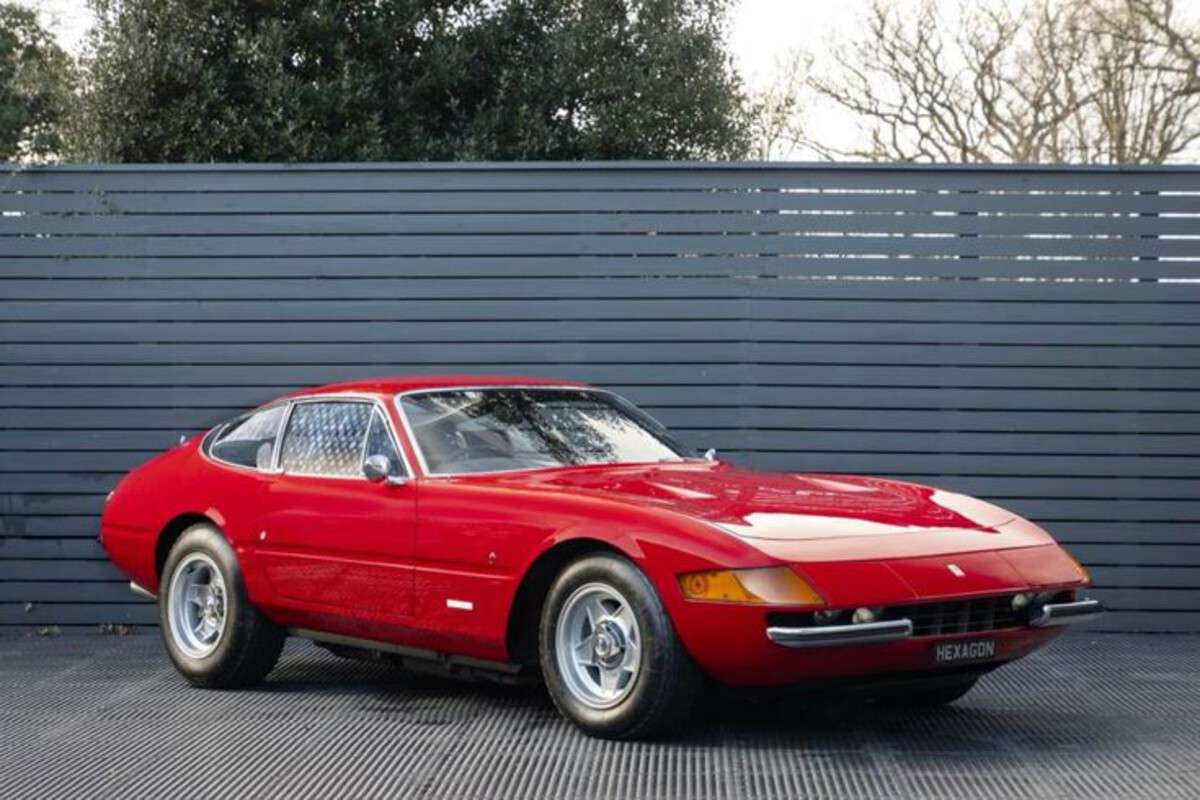
Unlike the wire-spoke wheels seen on earlier Ferraris, the Daytona’s alloys signaled a new design era one that embraced modernity and performance over ornamentation.
They were wider, stronger, and more aerodynamic, built to handle the car’s monstrous 4.4-liter V12 power. The smooth silver finish contrasted beautifully with the car’s dramatic color palette from Rosso Corsa red to jet black and even deep yellow.
In motion, those wheels caught the light, making the car look alive. Standing still, they gave the Daytona its iconic “ready to pounce” look. Ferrari nailed the visual equilibrium mechanical purpose wrapped in pure Italian style.
Collectors today consider original Cromodoras sacred. They’re not just wheels they’re pieces of design history that marked Ferrari’s transition into the modern age. On the Daytona, they weren’t just supporting performance; they defined the future of Ferrari styling.
When Wheels Became Works of Art
Wheels often get overlooked in car design conversations, but for these vintage legends, they were nothing short of essential.
Each of these cars from the Jaguar E-Type’s delicate spokes to the Ferrari Daytona’s powerful alloys, shows how the right wheel design can elevate an entire vehicle from great to unforgettable.
Back then, automakers didn’t treat wheels as an afterthought or a cheap accessory. They were engineered to match the soul of the car.
Every spoke, dish, and finish carried intent whether it was elegance, aggression, or innovation. The wire wheels of the ‘50s spoke of craftsmanship; the alloys of the ‘70s hinted at progress and speed. You can almost trace automotive history just by studying how factory wheels evolved.
Even now, these original designs carry unmatched charm. Restorers hunt for authentic sets not out of nostalgia, but because they complete the car’s story. Swap them out for replicas or modern alternatives, and something intangible gets lost that period-correct connection to the designer’s vision.
What makes these eight cars timeless isn’t just their engines or fame; it’s the details. The wheels were their handshake with the world the part that met the road, caught the eye, and told you everything about what kind of car you were looking at.
In an era of oversized rims and mass-produced designs, these vintage wheels remind us that beauty once rolled on subtle craftsmanship, not size. They weren’t just made to spin they were made to speak.