
Cars have always been more than just machines for transportation. They represent freedom, innovation, style, and sometimes even a way to express one’s personality. Over the decades, the automotive industry has seen countless models come and go, with some vehicles gaining legendary status because of their design, performance, or cultural impact.
Looking ahead to 2030, it’s interesting to consider which cars will continue to hold their appeal. The cars that remain “cool” are typically those that combine timeless design, groundbreaking technology, strong cultural resonance, or simply a reputation for being fun to drive.
While many newer models will come and go, there are certain cars from today and the near future that are positioned to maintain their desirability. These cars will be admired for their blend of performance, style, and a certain spirit that transcends time.
Some of these cars are already iconic, having proven themselves through decades of fan devotion, while others are newer but have already made a significant impression due to their innovation or design philosophy.
The list includes a mix of sports cars, electric vehicles, and even some that focus on luxury and practicality. What unites them is a unique blend of attributes that suggest they won’t just be relics but will still feel relevant, exciting, and desirable in 2030.
They might not all be the fastest or most futuristic on the road, but they will be cars people want to own, talk about, and show off. This article highlights ten such vehicles, explaining why each is expected to retain its cool factor even as the world and automotive technology evolve.
From legendary muscle cars to cutting-edge electric sports cars, these vehicles have earned their place in the future of cool. Some have transformed how we think about performance and style, while others have set new standards in technology or sustainability.
Whether it’s through cultural significance, design that refuses to age, or a driving experience that continues to thrill, these ten cars stand out as models that will still be turning heads and sparking enthusiasm in 2030.
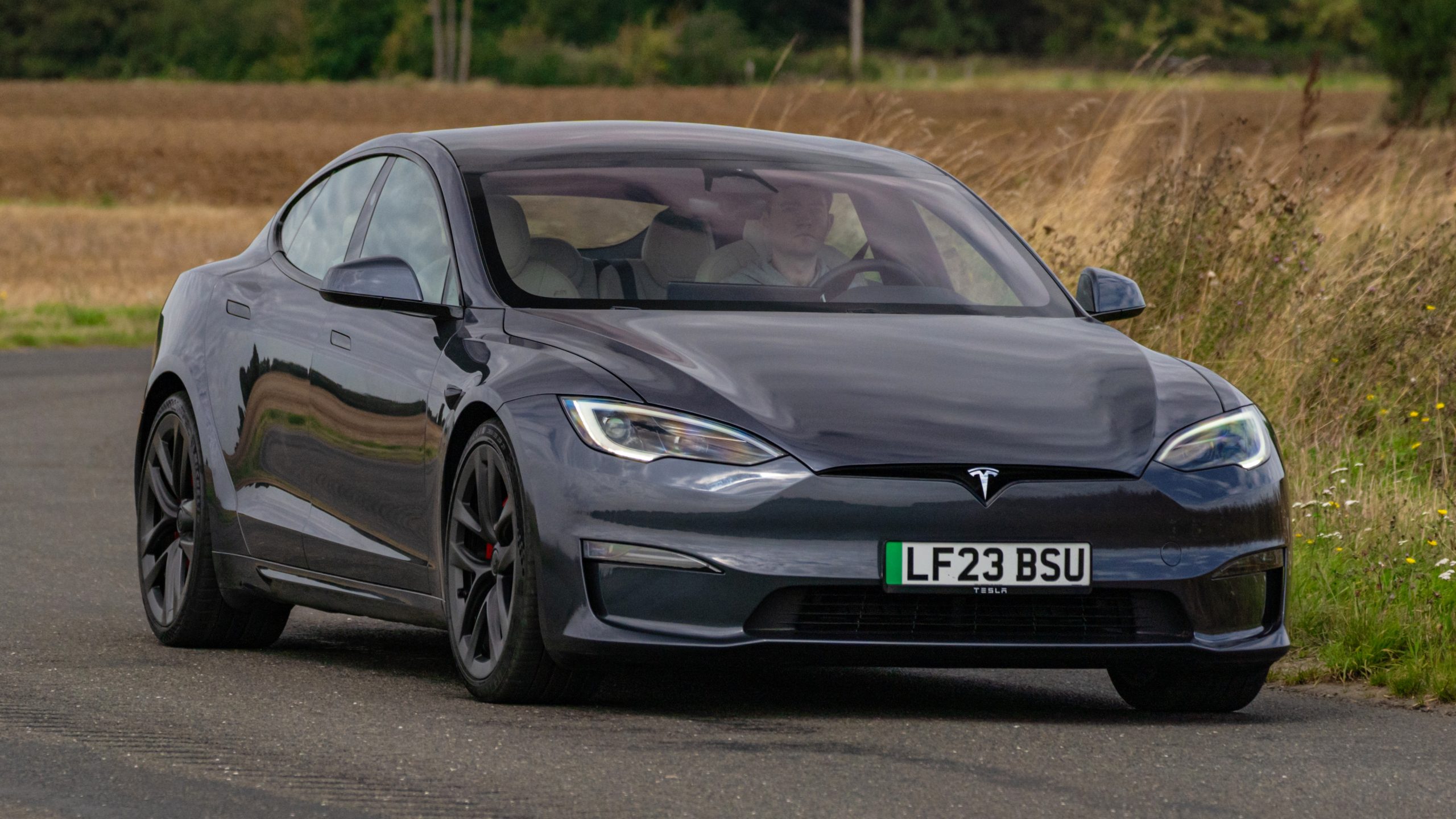
1. Tesla Model S Plaid
The Tesla Model S Plaid is more than just a high-performance electric car; it’s a statement about the future of transportation. When it launched, the Model S Plaid stunned the automotive world with its remarkable acceleration, going from zero to 60 mph in under two seconds, a feat that rivaled and even surpassed many supercars.
This kind of performance in a four-door sedan was unprecedented, and it challenged long-held perceptions about electric vehicles being slow or uninspiring. Beyond the raw speed, the Model S Plaid also offers one of the longest ranges available in an electric car, exceeding 390 miles on a single charge, which makes it practical for long-distance travel.
This combination of speed and range is crucial to its lasting appeal, ensuring it isn’t just a novelty but a serious contender for daily driving and spirited road trips alike.
Tesla’s emphasis on software has transformed the Model S Plaid into a constantly evolving vehicle. Its over-the-air updates allow the car to gain new features, improve performance, and even fix issues without requiring a trip to the dealership.
This dynamic approach to automotive technology means the car can feel fresh and relevant for years after purchase, a rare quality in the car industry.
Features like Autopilot and Full Self-Driving capabilities position the Model S Plaid at the forefront of autonomous driving technology. As these systems improve over time, the driving experience may become safer and more convenient, adding another layer of appeal to this model well into the future.
The interior design of the Model S Plaid also sets it apart from many other luxury sedans. Its minimalist layout centers around a large, curved touchscreen that controls almost every function, from navigation to climate control. This modern and uncluttered approach appeals to buyers who value technology and simplicity.
The spacious cabin, combined with quiet electric motors, makes the car feel more like a futuristic lounge than a traditional vehicle. These qualities resonate with those who seek both luxury and innovation, ensuring that the Model S Plaid remains a desirable option for tech-savvy drivers.
Looking ahead to 2030, the Tesla Model S Plaid’s pioneering role in electric performance and technology integration secures its place as a vehicle that will be remembered and respected. While many automakers will release new electric models with improved features, the Model S Plaid’s unique combination of speed, range, and software-driven functionality will give it a special status.
It will be seen as one of the early icons of the electric age, a car that showed what was possible and helped push the entire industry forward. For those who want a blend of luxury, performance, and cutting-edge tech, the Model S Plaid will still hold considerable appeal more than a decade after its introduction.
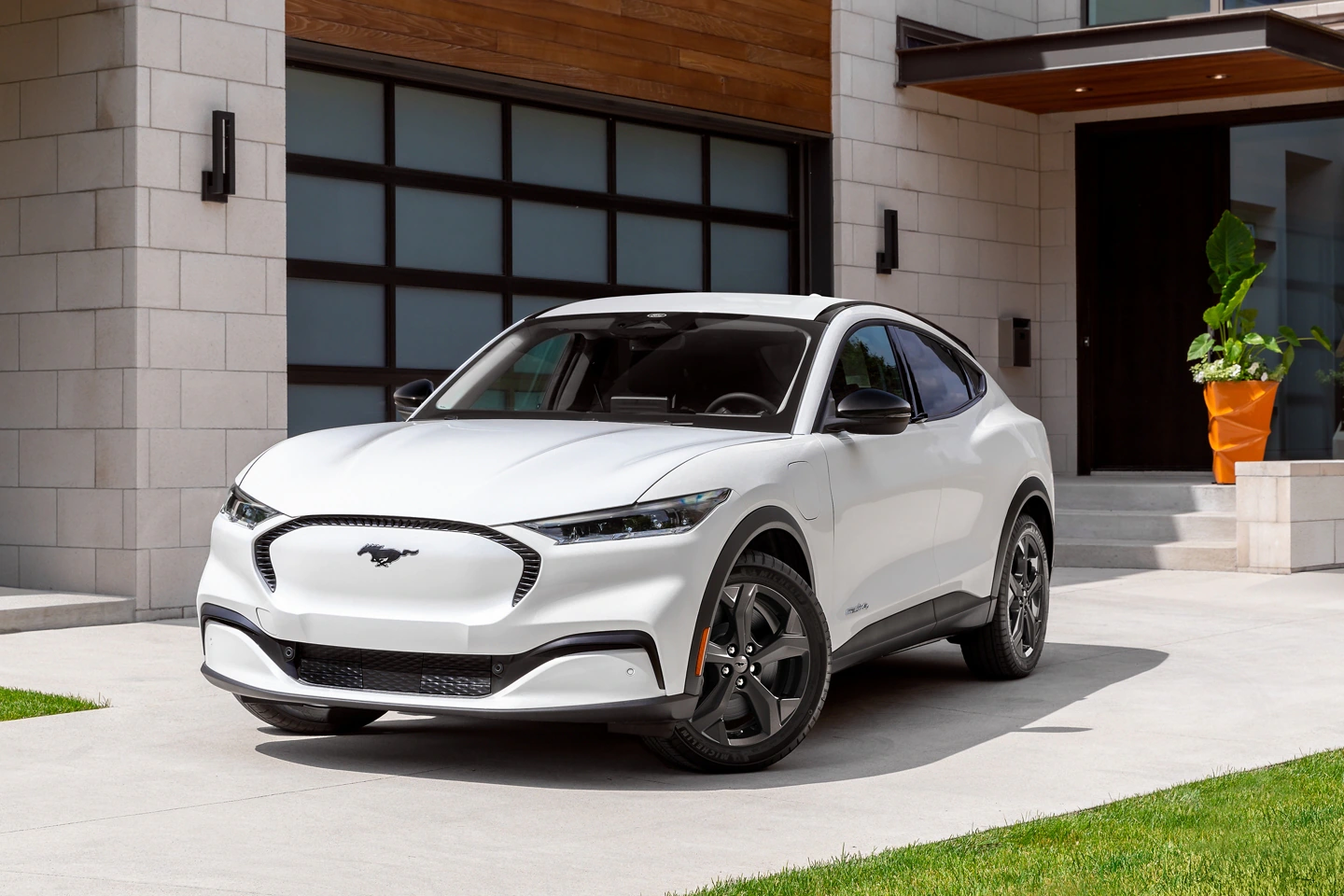
2. Ford Mustang Mach-E
The Ford Mustang Mach-E is a bold reinterpretation of an automotive legend, combining Mustang heritage with a fully electric powertrain and crossover practicality. The Mach-E represents a shift in mindset for Ford, signaling a willingness to embrace the electric future while still honoring the performance and style associated with the Mustang name.
Early skeptics questioned whether an electric crossover could live up to the Mustang legacy, but the Mach-E has proven that it can be a fun and capable vehicle in its own right. By blending sharp styling with impressive performance metrics, it has carved out a space for itself in the competitive electric SUV market.
One of the reasons the Mustang Mach-E will remain relevant and cool in 2030 is its ability to bridge two distinct automotive worlds. It retains muscular styling cues such as the aggressive front grille shape, signature tri-bar taillights, and sporty stance, which evoke the spirit of traditional Mustangs.
Yet, its electric drivetrain offers instant torque and smooth power delivery, creating a driving experience that feels modern and exciting. The Mach-E’s practical crossover body style also appeals to families and individuals looking for utility without sacrificing sportiness, making it an accessible entry point into electric performance cars.
Ford’s commitment to making the Mach-E a tech-forward vehicle also adds to its lasting appeal. The car features a large, vertically oriented touchscreen with an intuitive interface, wireless phone charging, and over-the-air updates that keep the software current.
The inclusion of driver assistance features like adaptive cruise control and lane-keeping assist aligns the Mach-E with the expectations of modern buyers who prioritize safety and convenience. These features position the Mach-E as a well-rounded electric vehicle that meets the demands of everyday use while still delivering thrills when desired.
The Mustang Mach-E has helped broaden Ford’s electrification efforts and demonstrated that the Mustang name can evolve with changing times without losing its essence. As electric vehicles become more dominant in the market, models like the Mach-E will help introduce new generations to Mustang’s performance heritage in a fresh, relevant way.
Its blend of style, innovation, and practicality ensures it will remain a sought-after electric vehicle long into the future, appealing to both traditional Mustang enthusiasts and newcomers looking for a dynamic EV.
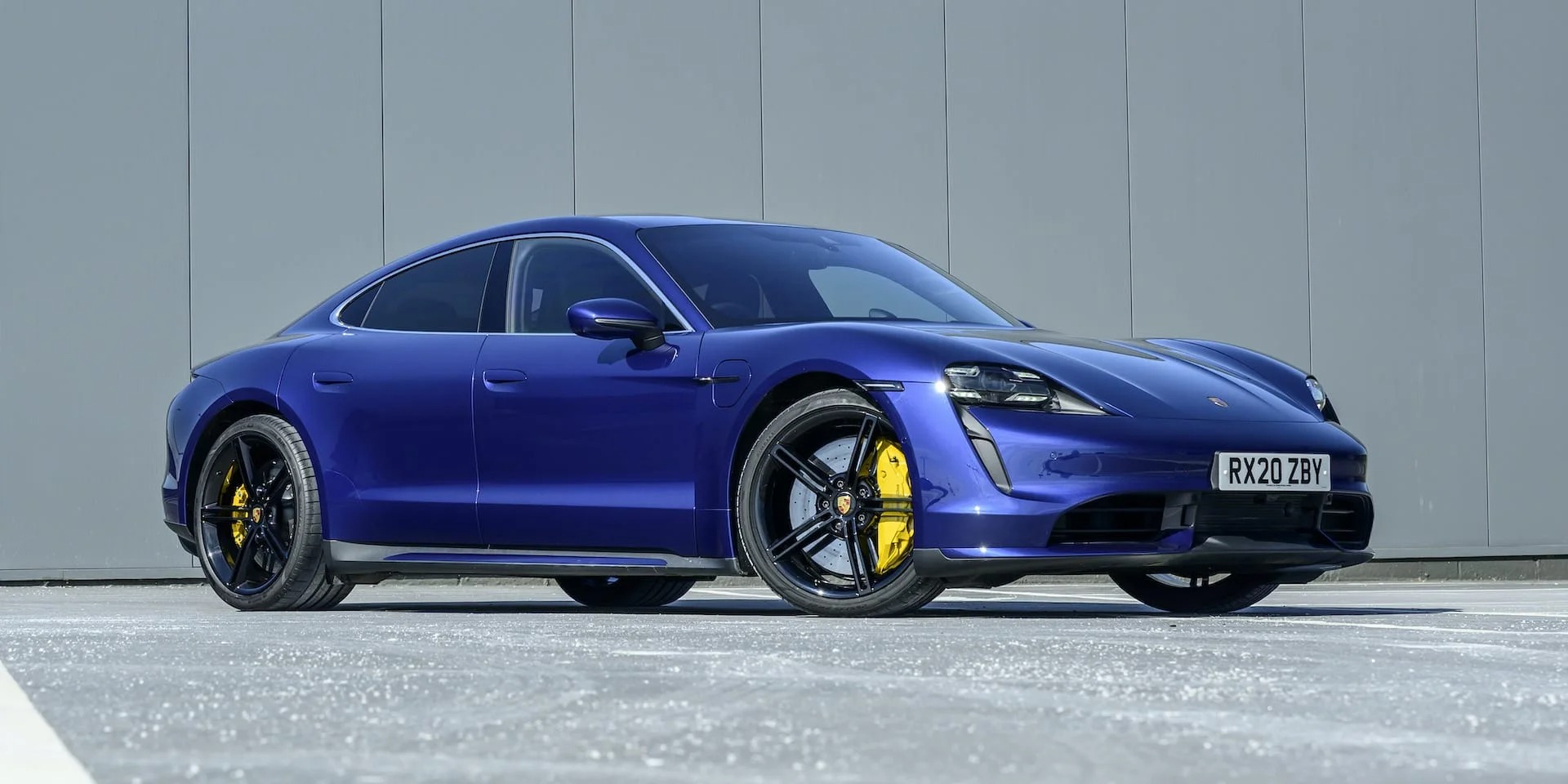
3. Porsche Taycan
The Porsche Taycan marks a significant milestone in the automotive world, being one of the first true sports cars designed from the ground up as an electric vehicle by a prestigious performance brand. Porsche, known for its precise engineering and driving dynamics, managed to maintain the spirit of its sports cars while fully embracing electric powertrains.
The Taycan’s rapid acceleration, sharp cornering, and controlled handling have earned it praise from critics and enthusiasts alike, making it a benchmark for other electric sports cars to aspire to. Its blend of performance and luxury is carefully crafted, allowing drivers to experience both the thrill of speed and the comfort of a high-end vehicle.
A standout feature of the Taycan is its ability to mimic the feel of traditional gasoline-powered Porsches while offering the unique benefits of electric driving. The car features a low center of gravity thanks to its battery placement, enhancing stability and cornering precision.
The instant torque available from its electric motors allows the Taycan to accelerate with incredible quickness, matching or surpassing many internal combustion engine sports cars. Porsche’s engineers worked diligently to ensure the regenerative braking system feels natural and smooth, preserving the driving engagement that Porsche customers expect.
Beyond the driving dynamics, the Taycan’s design reflects a successful marriage of heritage and modernity. Its sleek, aerodynamic shape echoes the classic 911 silhouette but is optimized for electric efficiency.
Inside, the cabin features high-quality materials, a sophisticated infotainment system, and advanced digital displays that provide an immersive driving environment. The attention to detail and build quality underscore Porsche’s commitment to luxury, making the Taycan as comfortable on long drives as it is exciting on twisty roads.
For buyers who want a luxurious, exhilarating, and technologically advanced electric sports car, the Taycan’s combination of pedigree and innovation will ensure it remains a standout choice for years to come.
4. Jeep Wrangler
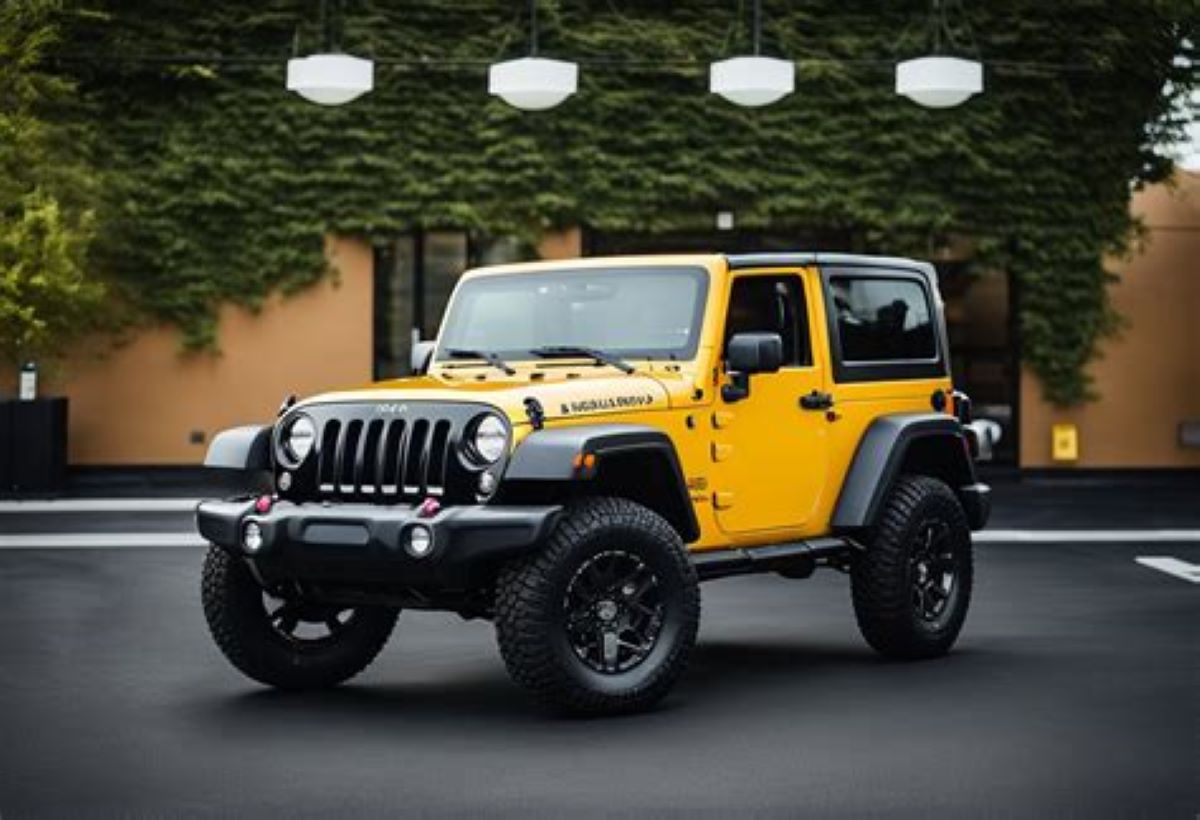
The Jeep Wrangler is one of the most recognizable and iconic vehicles in the world, embodying a spirit of adventure and ruggedness that few other vehicles can match. With its distinct boxy shape, removable roof panels, and ability to handle nearly any terrain, the Wrangler has maintained a loyal following for decades.
Its timeless design hasn’t strayed far from its military origins, and this sense of continuity appeals to those who want a vehicle that symbolizes freedom, exploration, and the great outdoors. Unlike many modern SUVs that prioritize luxury or city driving, the Wrangler remains focused on delivering genuine off-road capability and a no-nonsense approach to adventure.
One of the reasons the Wrangler will remain cool in 2030 is its authenticity. It’s a vehicle built for people who want to disconnect from the urban hustle and engage with nature on their own terms.
The rugged body-on-frame construction, solid axles, and high ground clearance make it one of the few vehicles capable of tackling challenging off-road environments with confidence. Enthusiasts appreciate the Wrangler’s mechanical simplicity, which allows for easy modifications and repairs, further enhancing its appeal to outdoor adventurers and off-road fans.
Jeep’s recent introduction of the 4xe plug-in hybrid model adds a modern twist to the Wrangler’s rugged character. This version combines traditional Jeep capability with improved fuel efficiency and reduced emissions.
It allows drivers to enjoy quiet, electric-only driving on paved roads while maintaining the power and durability needed for off-road trails. This blend of old-school toughness and modern technology positions the Wrangler well for the future, appealing to environmentally conscious buyers who don’t want to compromise on capability.
Culturally, the Jeep Wrangler has transcended its role as a simple vehicle to become a symbol of freedom and lifestyle. Its appearance in movies, off-road events, and social media has helped build a community around the brand, one that values exploration, resilience, and individuality.
This connection ensures that the Wrangler will continue to be a beloved choice for those seeking both function and identity in their vehicle, keeping it cool and relevant well into the next decade.
5. BMW M3
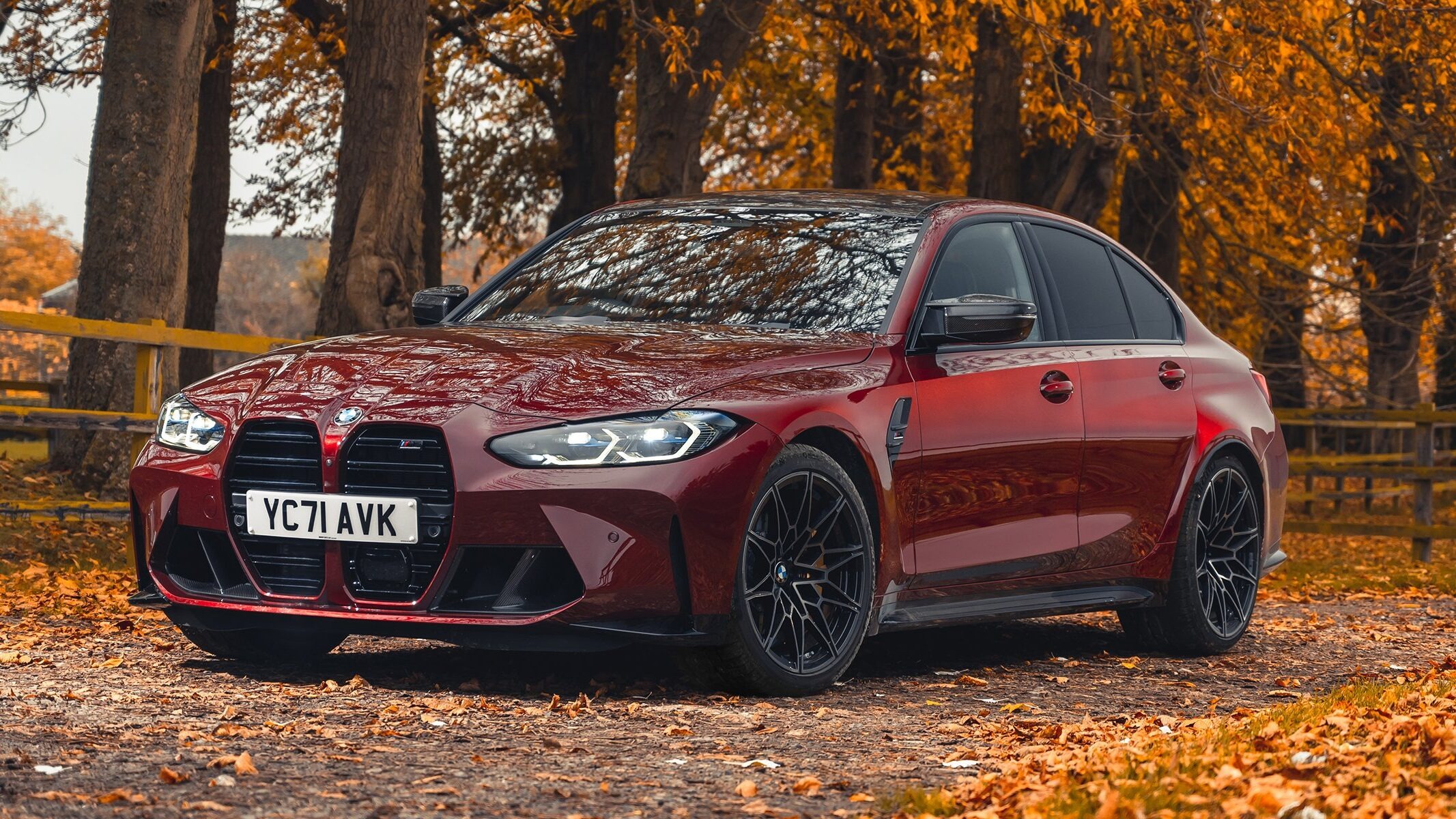
The BMW M3 has long been revered as one of the best sports sedans available, earning a reputation for its perfect balance between daily usability and thrilling performance. Since its debut in the 1980s, the M3 has set standards for what a driver-focused car should be, combining powerful engines, precise handling, and a driver-centric cockpit.
Each generation has brought advancements in technology and refinement while staying true to the car’s core mission: to deliver an engaging and dynamic driving experience that appeals to enthusiasts without sacrificing comfort or practicality.
What will keep the M3 relevant and cool in 2030 is its unwavering commitment to driver engagement. BMW has consistently engineered the M3 to be agile, responsive, and powerful, with engines that provide a strong blend of horsepower and torque.
The chassis tuning and suspension setup are designed to provide confidence and precision, whether on a winding back road or a racetrack. Even as the automotive industry shifts towards electrification, the M3’s traditional internal combustion engine variants remain highly valued for their sound, character, and the emotional connection they create with the driver.
The M3 also offers a combination of luxury and technology that appeals to a wide audience. Its interior blends high-quality materials, sport seats, and advanced infotainment systems, creating a cockpit designed around the driver’s needs.
Modern features such as adaptive cruise control, driver assistance, and customizable driving modes provide convenience and safety without detracting from the car’s sporty nature. This balance between performance and comfort ensures the M3 remains a practical option for daily driving and spirited outings alike.
Looking to the future, BMW’s ongoing exploration of hybrid and potentially fully electric performance models suggests that the M3’s spirit will continue, even if its powertrain evolves.
The M3’s legacy as a symbol of sporty luxury and driving enjoyment will endure, keeping it desirable for a wide range of drivers. Its status as an icon of performance sedans means that it will likely remain a favorite choice for enthusiasts who value precision, power, and style for years to come.
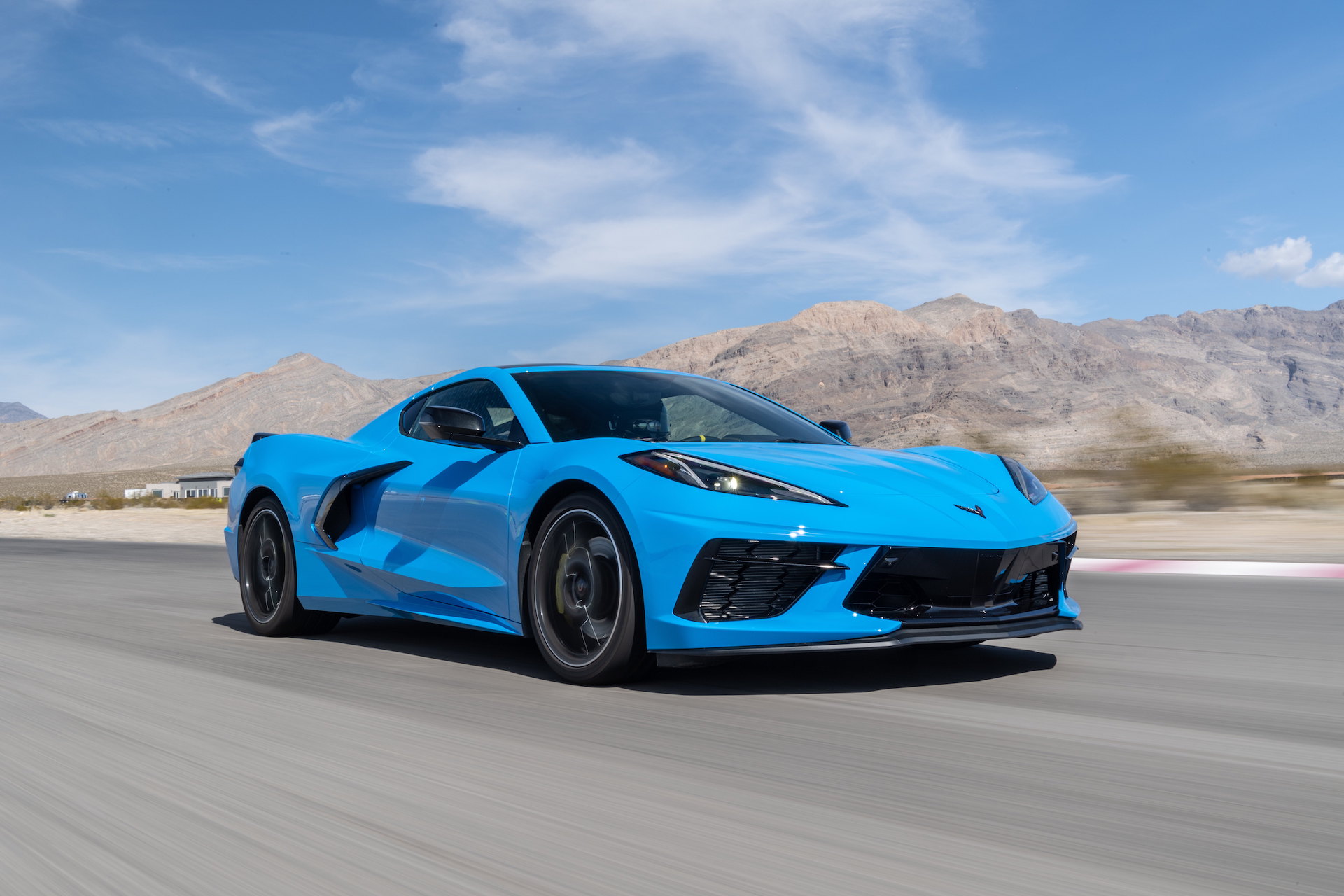
6. Chevrolet Corvette C8
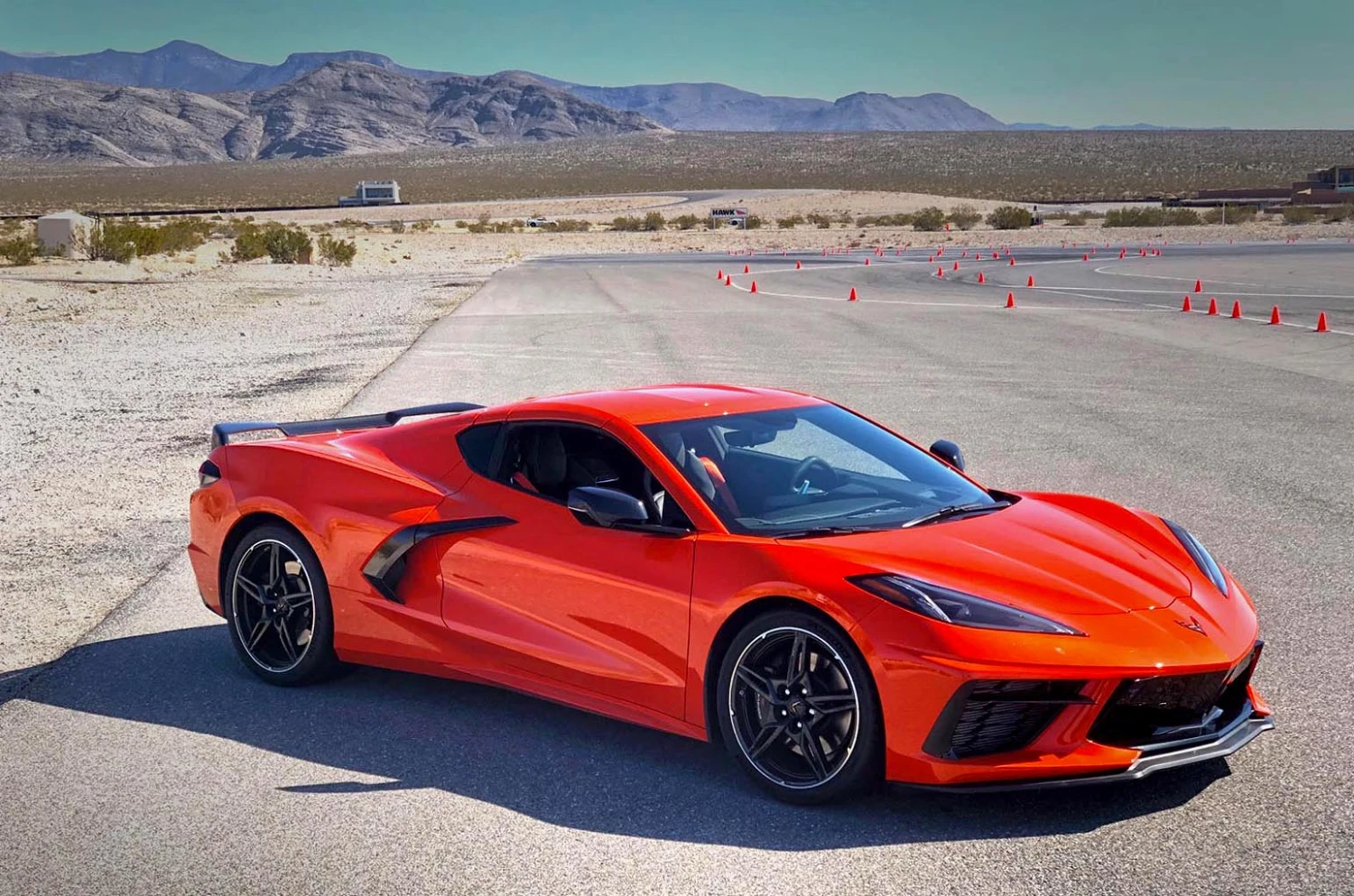
The Chevrolet Corvette C8 represents a major leap forward for America’s sports car icon. For decades, the Corvette was known for its front-engine layout, but the C8 introduced a mid-engine design that fundamentally changed the car’s balance and handling dynamics.
This new configuration places the engine behind the driver, allowing for improved weight distribution and sharper cornering abilities. The result is a sports car that offers a driving experience closer to exotic supercars at a fraction of the price.
The C8’s aggressive styling, featuring sharp lines, large air intakes, and a wide stance, signals its serious performance credentials while still honoring the Corvette’s rich history.
Performance is at the heart of the C8’s appeal. Its naturally aspirated V8 engine produces exhilarating horsepower and torque figures, providing instant throttle response and a throaty exhaust note that fans crave. The car’s acceleration is blistering, with a zero to 60 mph time that challenges many higher-priced competitors.
Beyond straight-line speed, the C8 excels in handling thanks to features like a dual-clutch transmission, magnetic ride control suspension, and performance tires. These elements combine to deliver a driving experience that is both accessible for everyday use and thrilling on a race track. The C8 redefines what American sports cars can do and raises the bar for its segment.
Inside the cockpit, the C8 has undergone a transformation as well. The interior blends driver-focused ergonomics with modern technology and upscale materials. A digital instrument cluster, large touchscreen infotainment system, and premium audio options make it a comfortable and connected place to spend time.
Despite its sporty intentions, the C8 doesn’t sacrifice comfort or convenience, making it a well-rounded package. The interior design echoes the exterior’s aggressive lines, emphasizing the car’s performance heritage while creating an inviting environment that appeals to both enthusiasts and daily drivers.
Looking ahead to 2030, the Corvette C8’s combination of performance, technology, and value will keep it relevant and desirable. Its mid-engine design puts it on par with some of the world’s best sports cars, and Chevrolet’s ongoing commitment to enhancing the platform through special editions and performance upgrades will sustain interest over time.
As electric vehicles gain ground, the C8’s combustion-powered thrill and raw character will continue to attract drivers who appreciate the visceral feedback of a traditional sports car. Its status as a modern classic ensures it will still be seen as cool and influential well into the next decade.
7. Toyota Tacoma
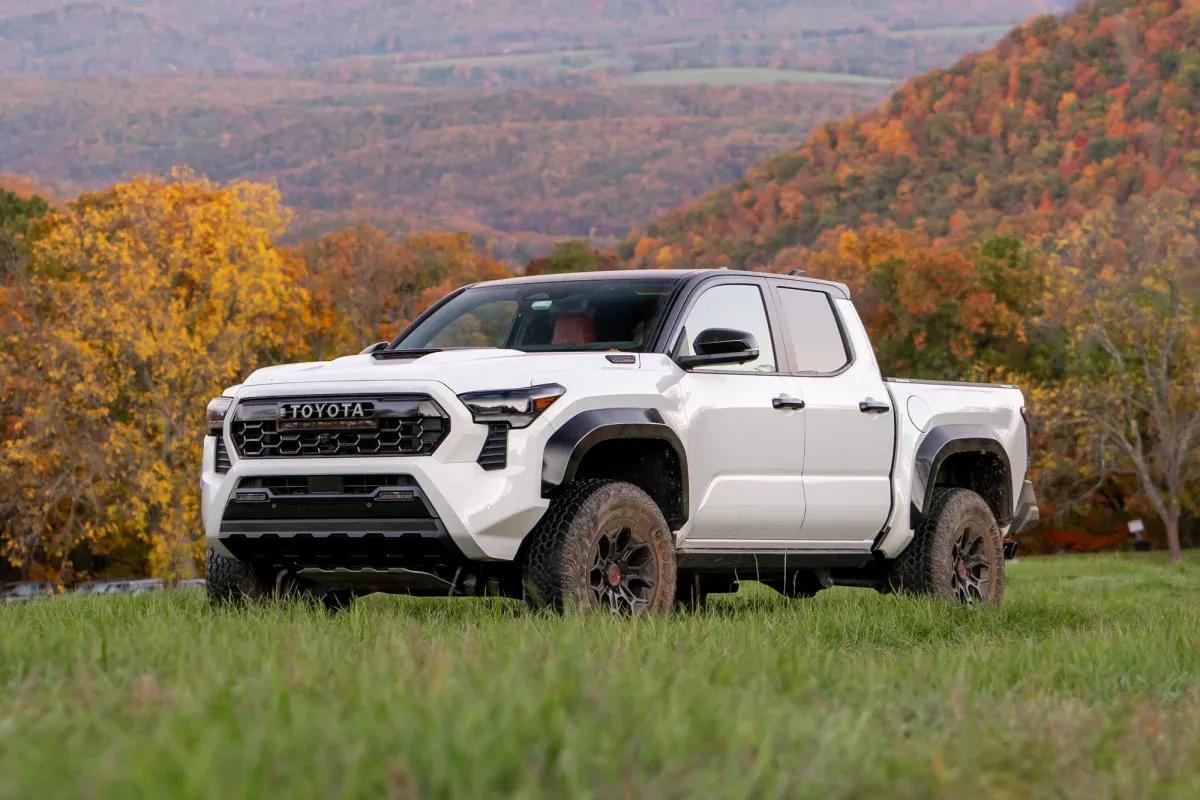
The Toyota Tacoma has built a reputation as one of the most reliable and durable midsize trucks on the market, making it a favorite among outdoor enthusiasts and work truck buyers alike. Its rugged construction, off-road capability, and strong resale value contribute to its long-lasting popularity.
The Tacoma’s design balances toughness with practicality, offering a comfortable interior and a bed size suitable for a variety of tasks. It’s not the biggest truck in its class, but it’s highly respected for its ability to handle rough terrain and tough conditions, which makes it a staple for those who need a dependable vehicle that can go anywhere.
One of the reasons the Tacoma will remain relevant in 2030 is its versatility. It’s available in multiple trims, including off-road-focused variants like the TRD Pro, which come equipped with features like skid plates, upgraded suspension, and all-terrain tires. These models appeal to buyers who prioritize capability and adventure.
The Tacoma’s off-road credentials have been tested and proven in real-world conditions, and its ability to tackle trails, mud, and rocky paths with ease makes it a go-to choice for outdoor adventures. Additionally, Toyota’s attention to safety features and modern technology helps keep the Tacoma competitive in a rapidly evolving truck market.
The Tacoma’s reputation for reliability is another key factor that contributes to its lasting appeal. Known for its ability to withstand years of hard use without significant issues, the Tacoma is often regarded as a vehicle that owners can count on for the long haul.
This reputation is supported by Toyota’s track record of engineering durable engines and robust components. Many Tacomas on the road today have logged well over 200,000 miles, underscoring the truck’s longevity.
This kind of dependability appeals to buyers who want peace of mind and a truck that won’t let them down, making the Tacoma a sensible choice for both work and recreation.
Culturally, the Tacoma has developed a loyal fanbase and a strong aftermarket community that supports customization and personalization. Owners often modify their trucks with lift kits, lighting upgrades, and other accessories to enhance both aesthetics and off-road performance.
This enthusiasm helps keep the Tacoma fresh and exciting, even as newer models enter the market. The combination of proven capability, reliability, and a passionate community ensures that the Tacoma will continue to be cool and relevant as a midsize pickup truck in the years to come.
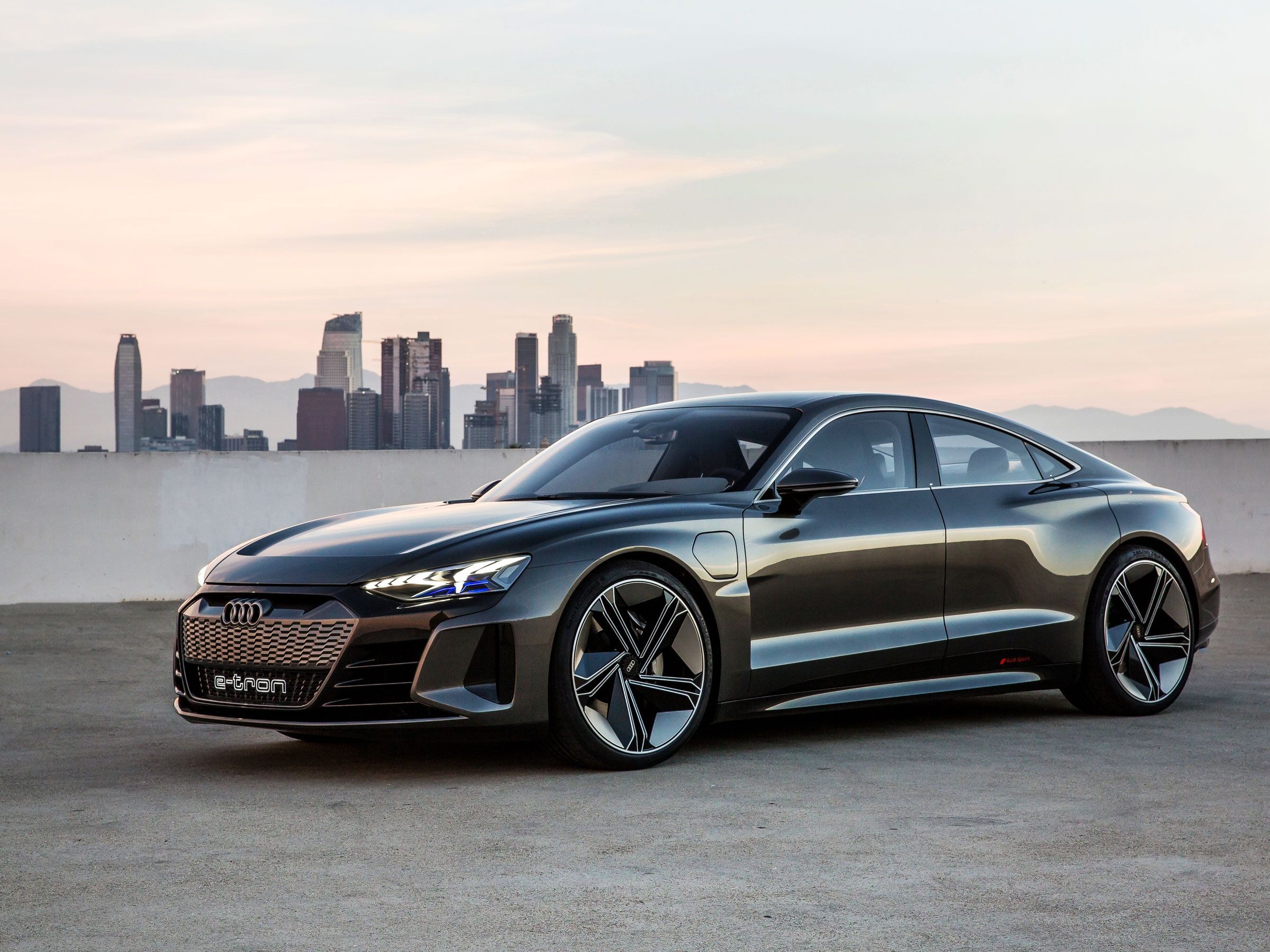
8. Audi e-tron GT
The Audi e-tron GT represents the luxury brand’s ambitious push into the electric vehicle market, combining elegant design, advanced technology, and impressive performance in a sleek four-door coupe body style.
Audi has crafted the e-tron GT to compete directly with other high-performance electric vehicles, offering strong acceleration, excellent handling, and a comfortable, high-tech interior.
This car blends Audi’s hallmark attention to detail with the benefits of electric propulsion, creating a driving experience that feels both refined and exhilarating. The e-tron GT’s design features clean lines, a low roofline, and distinctive lighting elements that communicate sophistication and modernity.
Performance-wise, the e-tron GT delivers a powerful electric drivetrain that generates impressive horsepower and torque, allowing it to accelerate rapidly from a standstill. Its handling is sharp and composed, aided by an advanced suspension system and a low center of gravity thanks to the battery placement.
The car offers various driving modes that adjust power delivery, suspension stiffness, and steering feel, enabling drivers to tailor the experience to their preferences. Audi’s commitment to combining comfort and sportiness means that the e-tron GT is as suitable for long highway journeys as it is for spirited drives on twisty roads.
The interior of the e-tron GT is a showcase of modern luxury and technology. Premium materials, including leather, aluminum, and carbon fiber accents, create an upscale ambiance. The cabin is dominated by dual digital displays that provide clear information and seamless control over navigation, media, and vehicle settings.
Audi’s user interface is designed to be intuitive, with haptic feedback and voice control adding to the convenience. The spaciousness and quietness of the electric platform further enhance passenger comfort, making the e-tron GT an attractive option for those who want luxury combined with sustainable driving.
Looking forward to 2030, the Audi e-tron GT’s blend of performance, luxury, and electric efficiency ensures it will remain a compelling choice in the premium EV market. Audi’s continuous advancements in battery technology and software updates will keep the car relevant and competitive.
As more buyers seek environmentally conscious yet stylish vehicles, the e-tron GT will appeal to those who do not want to compromise on performance or refinement. Its place as a symbol of Audi’s electric future means it will continue to be admired and sought after well into the next decade.
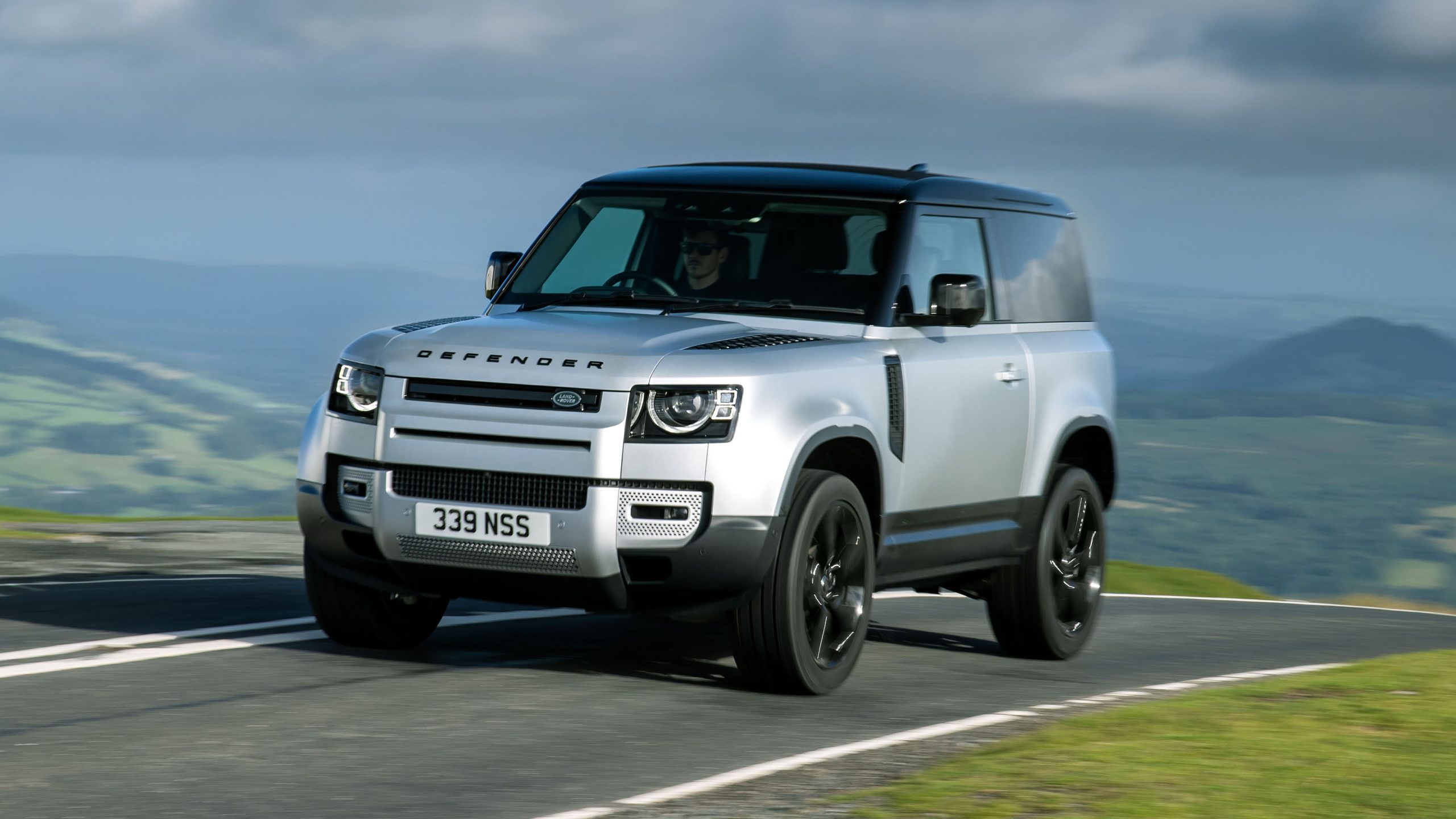
9. Land Rover Defender
The Land Rover Defender is a legendary off-roader with a history stretching back over seven decades, known for its unmatched capability and rugged charm. The latest generation has successfully combined the Defender’s traditional toughness with modern technology and comfort, allowing it to compete in today’s premium SUV market while retaining its core identity.
The Defender’s boxy, utilitarian design echoes its roots, but under the skin, it features a sophisticated chassis, advanced all-wheel-drive systems, and a range of engines that provide strong performance both on and off the road. Its ability to tackle extreme terrain while offering a refined ride is one of the reasons it remains a standout choice for adventurers and luxury buyers alike.
The Defender’s off-road capabilities are among the best in its class, supported by features like adjustable air suspension, multiple terrain response modes, and a locking center differential. These technologies allow the vehicle to adapt to various conditions, from deep mud and sand to rocky trails and steep inclines.
The Defender also offers impressive wading depth, making it suitable for crossing streams and rivers without hesitation. This combination of traditional ruggedness and modern engineering ensures the Defender can take on challenges that few other SUVs can match, maintaining its reputation as a true explorer’s vehicle.
Inside, the Defender balances durability with luxury. Its interior is designed to withstand tough conditions while providing comfort and convenience. High-quality materials, waterproof seating options, and configurable storage solutions make it practical for outdoor use.
At the same time, the latest infotainment systems, digital displays, and connectivity features ensure that drivers and passengers stay connected and entertained. This mix of utility and refinement appeals to buyers who want a vehicle capable of both rugged adventure and comfortable daily driving.
As the Defender moves toward 2030, it will continue to embody the spirit of exploration and capability. Land Rover’s commitment to electrification, including plug-in hybrid and fully electric variants, means the Defender will evolve to meet stricter environmental regulations without sacrificing its essential character.
Its iconic status, combined with its ability to adapt to modern demands, guarantees that the Defender will remain cool and relevant, appealing to those who want a blend of heritage, luxury, and unmatched off-road prowess.
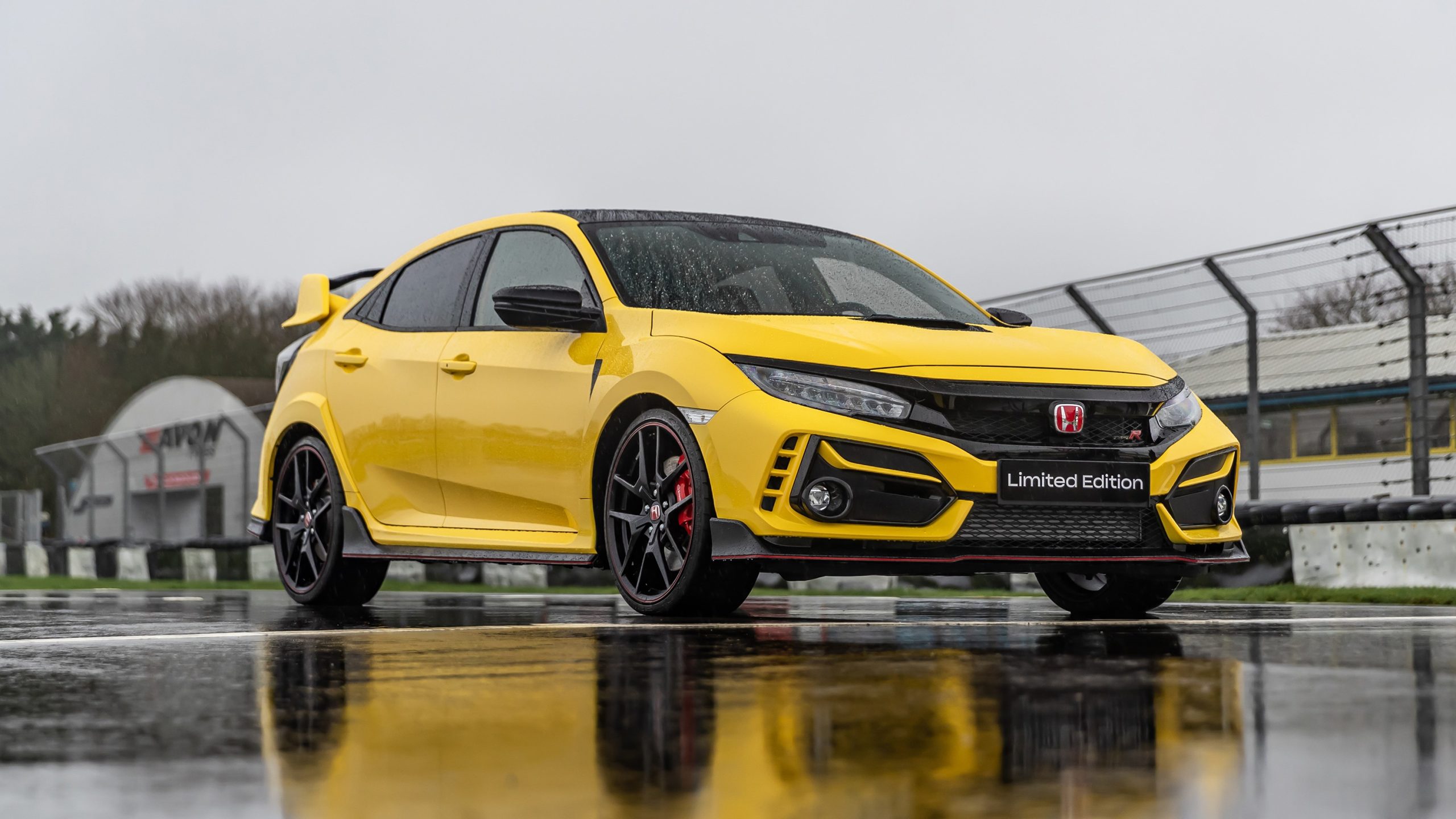
10. Honda Civic Type R
The Honda Civic Type R is a high-performance version of one of the world’s most popular compact cars, known for its sharp handling, aggressive styling, and thrilling driving experience. The Type R has a devoted fanbase that appreciates its focus on delivering pure driving enjoyment, often at a price point that is more accessible than many other performance cars.
Its turbocharged four-cylinder engine offers strong power output and a distinctive exhaust note that enhances its sporty appeal. The Type R’s track-tuned suspension, precise steering, and aerodynamic enhancements all contribute to a car that feels planted and responsive on both road and track.
What sets the Civic Type R apart is its ability to blend everyday usability with race-inspired performance. It has a practical hatchback design that offers ample cargo space and comfortable seating for four adults, making it a versatile option for daily driving.
Despite its aggressive demeanor, the Type R is known for its reliability and ease of maintenance, qualities that appeal to enthusiasts who want a car that can perform well without excessive upkeep. Its sporty exterior features, such as a large rear wing, wide fenders, and bold front grille, signal its performance intentions while maintaining a level of sophistication.
Inside, the Type R’s cabin reflects its performance focus with supportive sport seats, red accents, and a driver-centric layout. Modern technology, including touchscreen infotainment, smartphone integration, and safety features, ensures the car meets the expectations of contemporary buyers.
The balance between comfort and sportiness means the Type R is as suitable for weekend track days as it is for daily commuting. This duality makes it a compelling choice for drivers who want a car that can do it all without compromise.
Looking to 2030, the Honda Civic Type R’s reputation as a fun, practical, and affordable performance car will help it maintain its appeal. Honda’s continued dedication to engineering refinement and potential electrification options will likely keep the Type R competitive in a market increasingly leaning toward electric powertrains.
Its combination of heritage, performance, and usability ensures it will remain a favorite among driving enthusiasts and practical buyers alike, securing its place as a cool and relevant car well into the future.
