
Roof rails are an often-overlooked feature on sport utility vehicles, yet they serve as a crucial component for those who need to carry extra cargo.
For many SUV owners, the presence of roof rails can determine whether a vehicle is suitable for trips that require additional gear, from bicycles and kayaks to luggage carriers and rooftop tents.
However, not all roof rails are created equal. Some are engineered to bear significant weight, allowing for the secure attachment of cargo, while others serve purely aesthetic purposes, giving the vehicle a rugged appearance without any real functional capacity.
Understanding this distinction can save owners from damage, ensure safe transportation of cargo, and influence purchase decisions depending on lifestyle needs. Roof-rail weight ratings indicate the maximum load a manufacturer guarantees the rails can support.
Vehicles equipped with robust roof rails are often intended for active lifestyles and are tested for strength, durability, and impact resistance. On the other hand, decorative rails may appear similar but are typically weaker, unable to support anything beyond light accessories, and are primarily included for styling.
Choosing between these two types involves more than just appearance; it is about safety, utility, and long-term usability. When evaluating SUVs, one must consider the practical implications of roof rail design, from how they affect vehicle handling to the ease of attaching roof-mounted equipment.
Some owners may prioritize design elements to complement their vehicle’s exterior, while others require functional rails to maximize the SUV’s versatility. This article will compare six SUVs equipped with strong, weight-bearing roof rails to six SUVs that offer decorative-only rails.
By examining each, readers can make informed decisions based on their transportation needs, ensuring both safety and functionality without compromising style.
The discussion will focus on design, load capacity, usability, and overall performance, highlighting the practical differences between truly functional roof rails and those that serve merely as visual enhancements.
SUVs with Robust Roof-Rail Weight Ratings
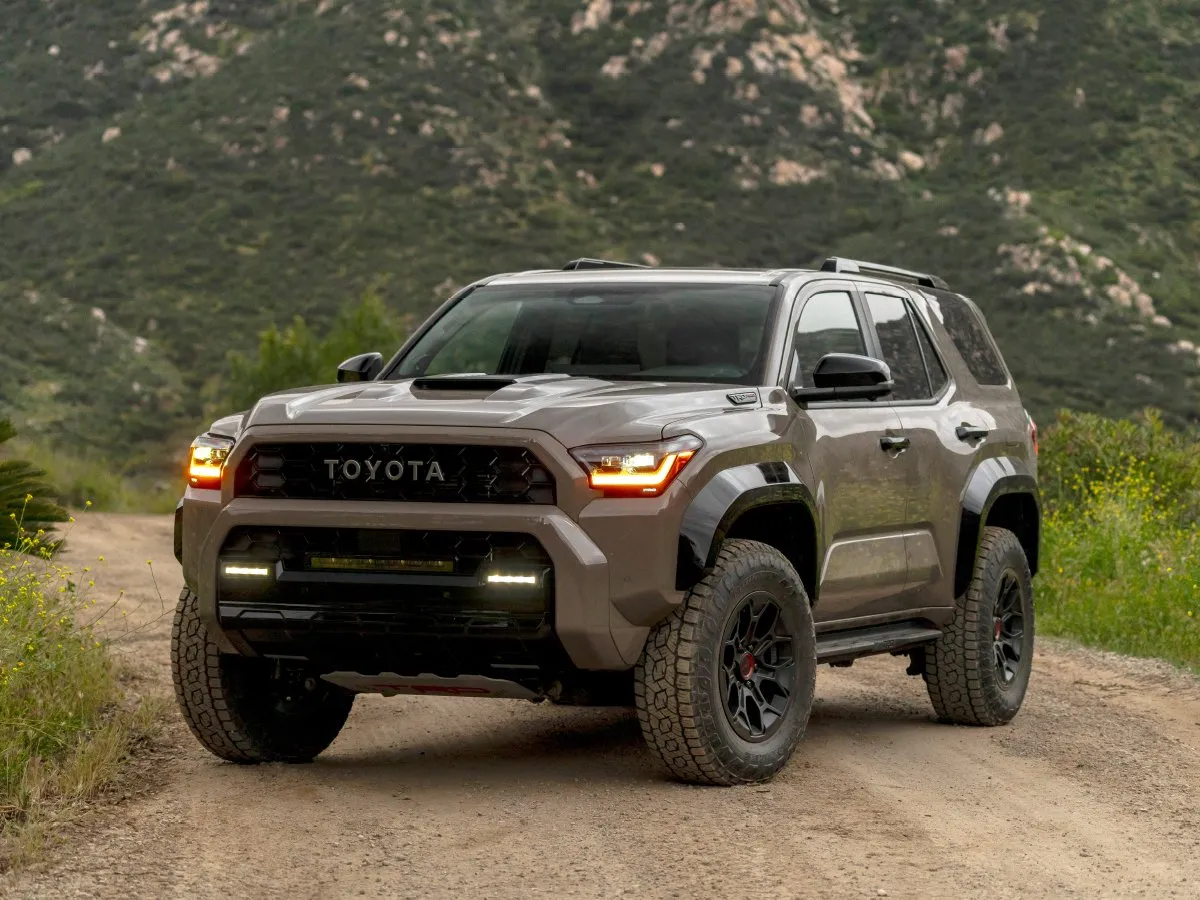
1. Toyota 4Runner
The Toyota 4Runner has long been recognized as a durable and versatile SUV, and its roof rails are no exception. These rails are engineered to carry significant weight, making the vehicle suitable for outdoor enthusiasts who require extra cargo space.
The weight rating on the 4Runner’s rails supports roof-mounted tents, bike racks, and even heavy cargo boxes without compromising the vehicle’s stability.
The design ensures that weight is evenly distributed, minimizing stress on the roof and preserving vehicle integrity over time. This makes it particularly appealing for long trips or off-road adventures where additional storage is essential.
Beyond functionality, the rails are designed to integrate seamlessly with factory accessories, allowing for secure attachment of specialized mounts and carriers.
Their durability also comes from reinforced materials that resist bending and wear, ensuring reliability under harsh conditions. Owners often appreciate the balance between utility and aesthetics, as the 4Runner’s roof rails maintain a rugged look without sacrificing performance.
Installation of the roof-mounted gear is straightforward, with clear weight guidelines provided in the owner’s manual, promoting safety during use.
The practical application of these rails makes the 4Runner a top choice for families or individuals who frequently transport bulky equipment.
Regular testing and engineering adjustments have allowed the rails to maintain their strength while fitting the SUV’s overall design. For many, the roof rails enhance not just cargo capacity but the overall adventure-ready nature of the 4Runner, allowing it to compete effectively in the midsize SUV segment.
The 4Runner’s roof rails are reinforced at critical points to handle dynamic loads that occur during driving, such as sudden stops or high-speed travel. This feature is particularly important when carrying heavy gear, as it prevents the rails from bending or detaching.
The design also accommodates aftermarket accessories without voiding warranties, giving owners flexibility in how they utilize the roof. Whether carrying kayaks, skis, or rooftop cargo boxes, the 4Runner offers peace of mind through its robust construction.
The attention to these engineering details separates functional roof rails from decorative ones and highlights why the 4Runner consistently appears on lists of adventure-ready SUVs. Beyond performance, the rails also serve as a visual cue to the vehicle’s capabilities, signaling its readiness for rugged activity.
The integration of roof rails into the 4Runner’s design emphasizes practicality without unnecessary complexity.
The rails are positioned to maximize usable space while maintaining aerodynamics, reducing drag compared to aftermarket solutions. Their height and width accommodate a wide variety of cargo carriers, including full-length roof boxes and specialized racks.
Installation of accessories is made easier by the standardized spacing of mounting points, eliminating guesswork and ensuring compatibility with third-party equipment. This thoughtful design allows owners to quickly adjust or remove gear depending on needs, increasing the vehicle’s versatility.
Furthermore, the roof rails’ weight rating is backed by manufacturer testing, meaning the stated capacity reflects real-world usage scenarios, not just theoretical calculations.
The 4Runner thus demonstrates that functional roof rails can enhance both utility and user confidence, allowing drivers to transport heavy loads safely and securely. For anyone prioritizing both practicality and durability, the 4Runner represents an excellent choice in the midsize SUV segment.
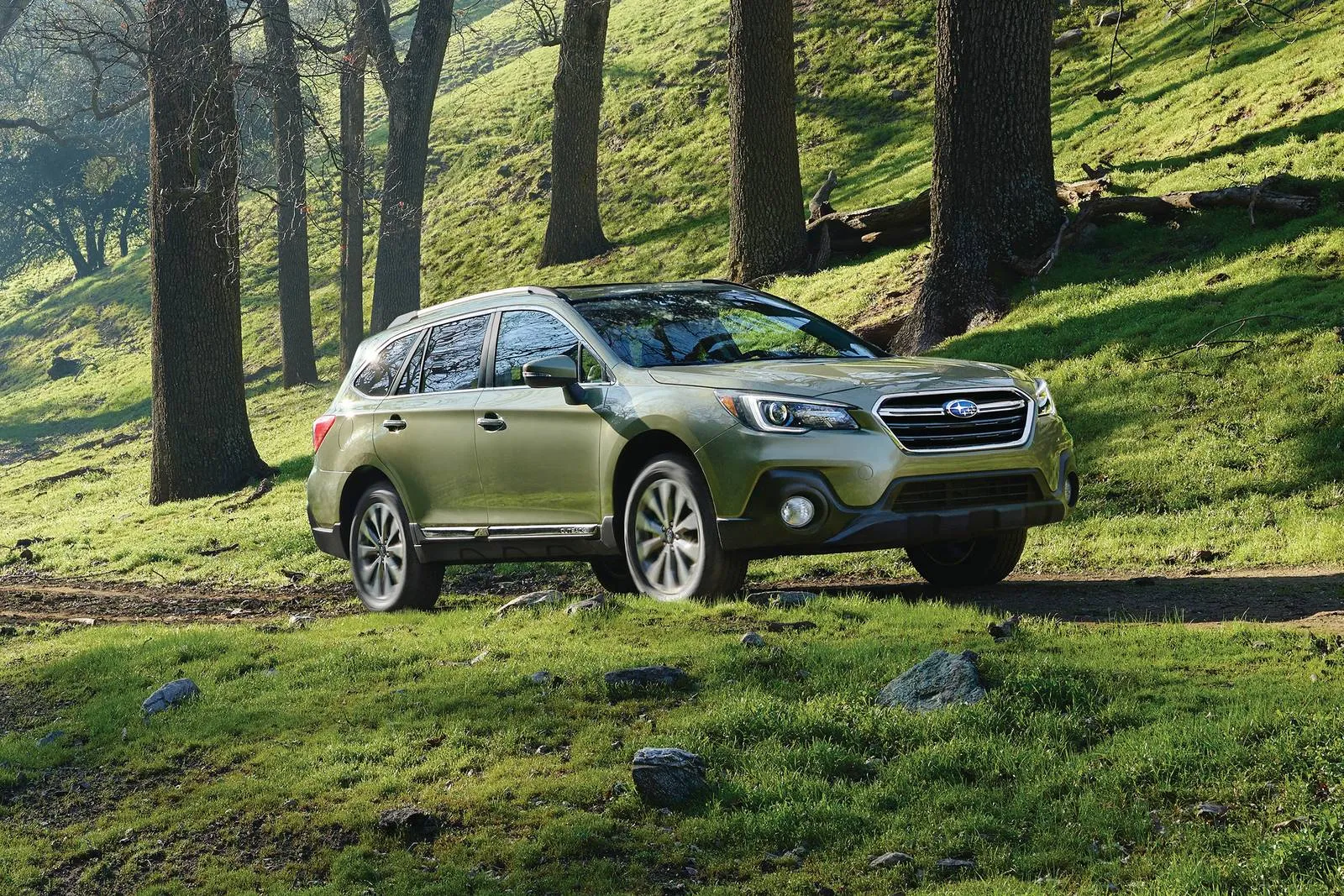
2. Subaru Outback
The Subaru Outback, although technically a crossover, offers impressive roof-rail capabilities comparable to larger SUVs. Its rails are designed to handle weight efficiently, accommodating a range of roof-mounted cargo.
These rails are an integral part of the Outback’s utility, allowing for the secure attachment of bikes, cargo boxes, or roof tents without compromising vehicle handling.
The rails are engineered to distribute load evenly, preventing undue stress on the roof and frame, and they meet rigorous manufacturer standards. Their robust construction ensures durability across various driving conditions, from highways to rugged backroads.
The Outback’s rails also provide flexibility with factory-integrated crossbars, giving owners the ability to carry specialized equipment without additional modifications.
Many owners rely on these rails for long-distance travel and outdoor recreation, where extra storage capacity is essential. The combination of functional design and structural integrity makes them a standout feature in a segment often focused on appearance rather than practical utility.
These rails are not only strong but also designed for ease of use. Quick attachment mechanisms allow users to install and remove crossbars and accessories efficiently. The Outback’s rails maintain a low profile while offering a high weight rating, preserving aerodynamic performance and reducing wind noise.
Owners benefit from both the visual appeal of a well-integrated roof design and the practical advantages of load-bearing capability. Subaru’s engineering ensures that even when fully loaded, the vehicle remains stable, with minimal impact on handling.
This feature is particularly important for those who carry heavy gear or transport bulky items regularly. By providing robust support for roof-mounted accessories, the Outback allows drivers to expand the vehicle’s utility without compromising safety or comfort.
Durability is another strong point of the Outback’s roof rails. Constructed from corrosion-resistant materials, they can endure exposure to moisture and outdoor elements over extended periods. Reinforced attachment points provide confidence that heavy loads will remain secure during travel.
Finally, Subaru’s design philosophy emphasizes versatility, and the roof rails reflect this approach. The rails accommodate a variety of aftermarket accessories, including ski racks, bike carriers, and cargo boxes, without the need for extensive modification.
They are engineered to handle dynamic loads that occur during travel, such as sharp turns or sudden stops, reducing the risk of damage or accidents.
This versatility makes the Outback a reliable companion for adventure, commuting, or long-distance travel. For drivers who prioritize utility without sacrificing comfort, the roof rails contribute significantly to the vehicle’s overall value, offering functionality that decorative-only rails cannot provide.
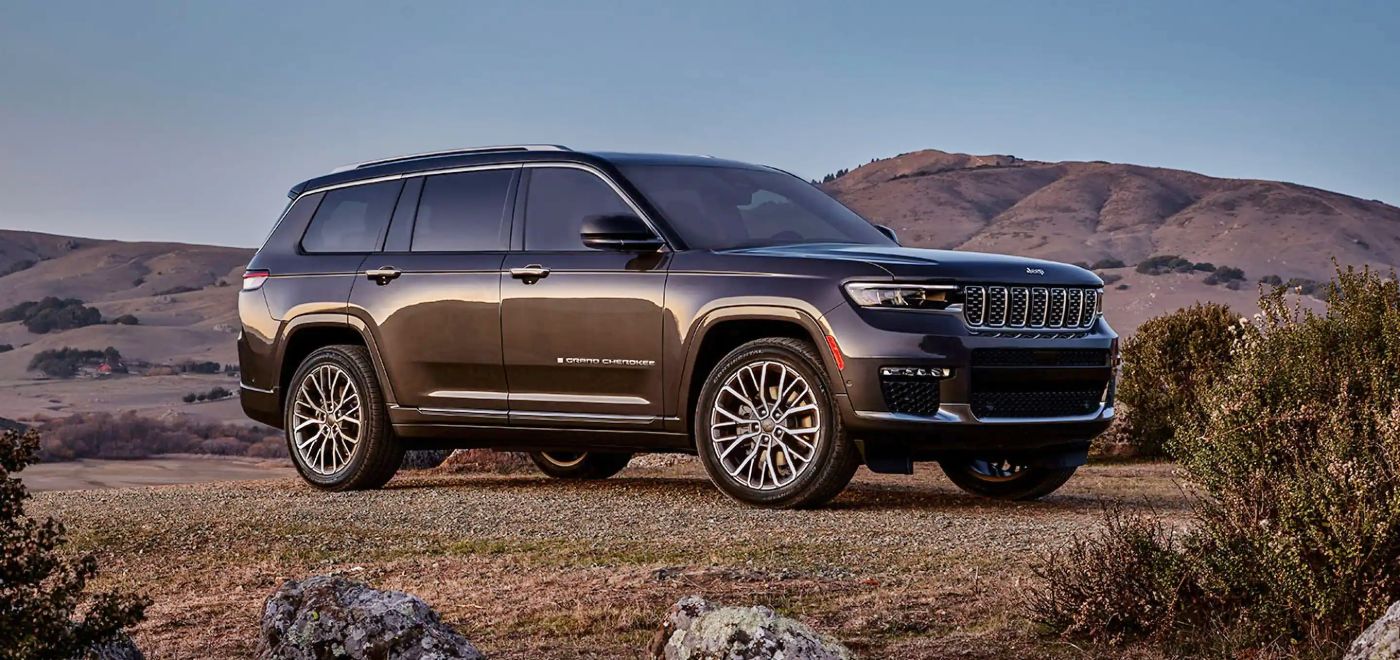
3. Jeep Grand Cherokee
The Jeep Grand Cherokee has earned a reputation as both a capable off-road SUV and a practical daily driver. Its roof rails are designed to support significant weight, allowing the vehicle to handle rooftop cargo such as luggage boxes, bicycles, or even rooftop tents for camping trips.
Built with reinforced materials, these rails are tested to withstand stresses encountered during both highway driving and rugged terrain.
The Grand Cherokee’s design ensures that weight distribution across the roof does not compromise the vehicle’s stability or handling, which is particularly important when navigating sharp turns or uneven surfaces.
Factory-installed crossbars and accessories integrate seamlessly with the roof rails, simplifying the installation process for additional gear.
Owners often appreciate this combination of functionality and convenience, as it allows them to prepare for extended trips without relying on aftermarket modifications. The Grand Cherokee demonstrates that robust roof rails can enhance versatility without sacrificing style or comfort.
The durability of the Grand Cherokee’s roof rails is another key factor that sets them apart. Constructed with corrosion-resistant materials, the rails remain strong and reliable even when exposed to harsh weather conditions such as snow, rain, or road salt.
Reinforced attachment points prevent loosening over time, reducing the risk of rattling or accidental damage during travel.
Ease of use is also a highlight of the Grand Cherokee’s roof rail system. The rails are designed to accommodate a variety of aftermarket and factory accessories, from cargo boxes to bike racks, without requiring complicated modifications.
Quick-release crossbars make installation and removal straightforward, allowing users to switch between different types of equipment with minimal effort.
The roof rails also maintain a relatively low profile, preserving aerodynamics and minimizing wind noise while driving. This balance between accessibility, weight capacity, and performance demonstrates thoughtful engineering that prioritizes real-world functionality over purely aesthetic considerations.
Finally, the roof rails on the Grand Cherokee enhance the vehicle’s overall utility, expanding the types of trips and activities it can support. Families, outdoor enthusiasts, and adventure travelers benefit from the added storage capacity, which allows them to carry bulky gear safely and securely.
Whether embarking on a weekend camping trip or transporting sports equipment for an extended excursion, these rails provide a dependable solution that decorative alternatives cannot match.
The combination of strength, reliability, and versatility makes the Grand Cherokee a strong contender for buyers who value both rugged capability and everyday practicality in an SUV.
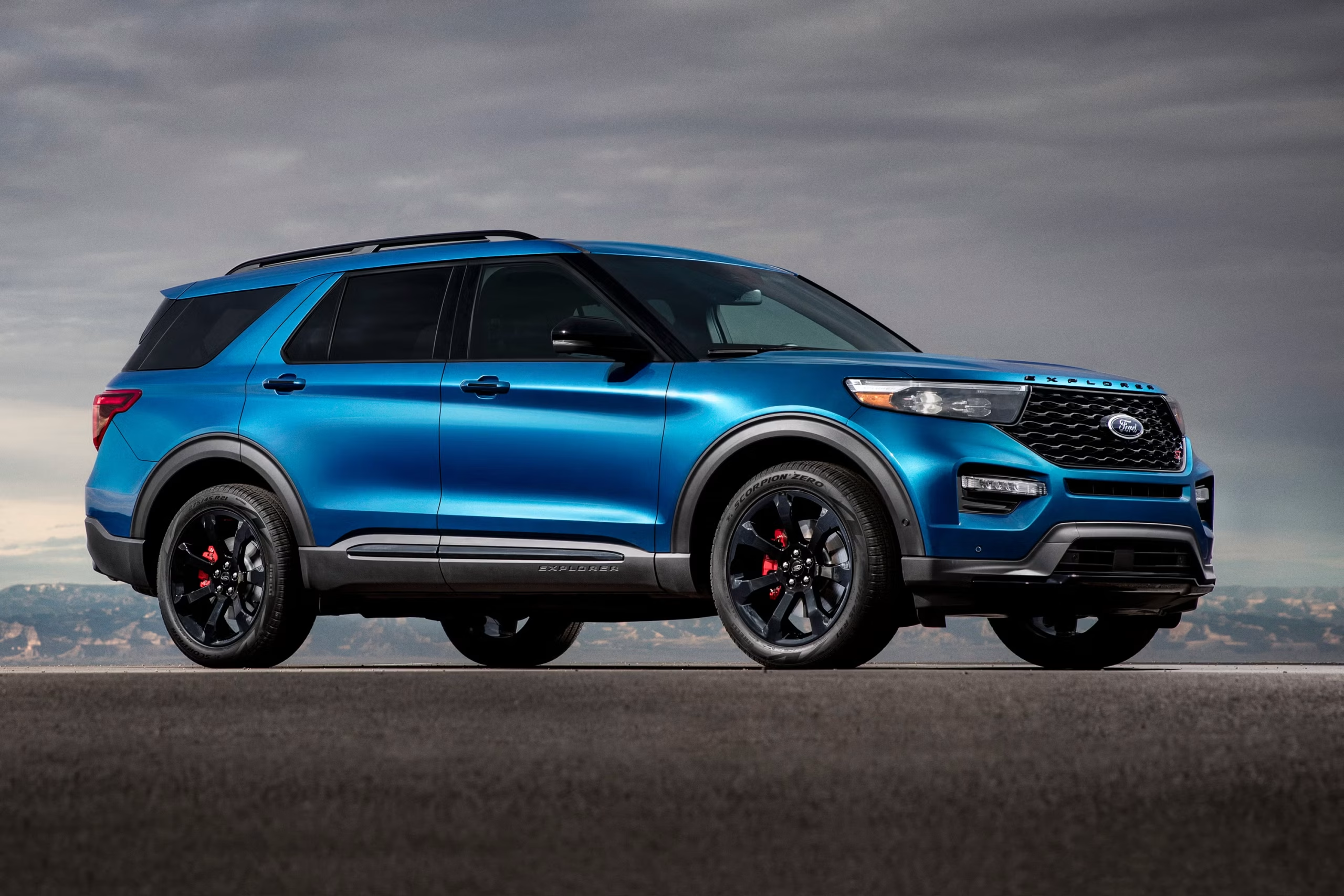
4. Ford Explorer
The Ford Explorer is a midsize SUV that balances comfort and utility, with roof rails engineered to handle substantial weight. These rails are designed to support various cargo, including rooftop boxes, bicycles, and other gear essential for family trips or recreational activities.
The Explorer’s roof rails are reinforced and strategically integrated into the vehicle’s frame, ensuring that heavy loads do not compromise safety or handling. Owners benefit from a system that not only looks sleek but also provides real-world utility, accommodating both factory and aftermarket accessories.
The Explorer’s roof rails reflect Ford’s attention to engineering detail, making the vehicle suitable for outdoor adventures and long-distance travel. This functionality is particularly appealing to buyers who need an SUV capable of carrying more than just passengers.
Strength and durability are emphasized in the Explorer’s roof rail design. Reinforced mounting points and corrosion-resistant materials allow the rails to withstand heavy use over time, including exposure to the elements.
The vehicle’s suspension and chassis are engineered to maintain stability when the roof is loaded, ensuring that handling and braking performance remain predictable.
The Explorer’s roof rails are also user-friendly. The system is compatible with a wide range of accessories, and installation of crossbars and other equipment is straightforward. This versatility allows owners to carry a variety of cargo types without compromising safety.
The rails maintain a low-profile design that preserves the vehicle’s aerodynamics, helping to reduce wind noise and fuel consumption while maximizing storage options. Ford has focused on making these rails practical and easy to use, which sets them apart from competitors that offer rails mainly for style.
Finally, the roof rails expand the Explorer’s versatility significantly. They allow families and adventure seekers to carry equipment that would otherwise require a trailer, making trips simpler and more efficient.
From transporting camping gear to carrying large sports equipment, the Explorer’s weight-bearing rails enhance the SUV’s value by adding practical utility.
In combination with interior cargo space, these rails make the Explorer a highly adaptable vehicle, meeting the needs of drivers who require both comfort and load-carrying capability.
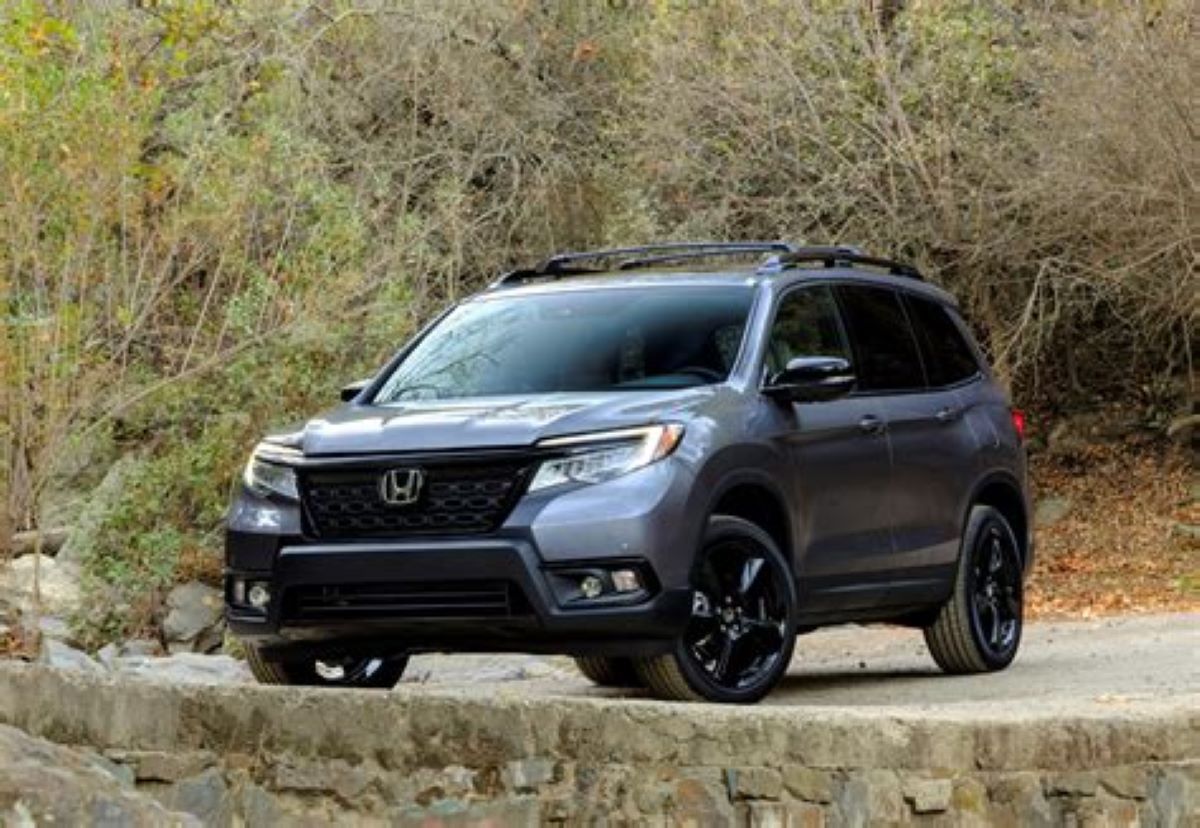
5. Honda Passport
The Honda Passport is built for a combination of rugged capability and family-oriented functionality. Its roof rails are engineered to carry heavy loads, making the SUV suitable for outdoor enthusiasts who need to transport bulky items.
The weight-bearing capacity allows for secure attachment of roof boxes, bike racks, and other gear without affecting handling or safety. Honda designed these rails with reinforced mounting points and durable materials, ensuring long-term reliability under regular use.
The integration of the rails into the vehicle’s overall design maintains aerodynamics and reduces wind noise, providing a smooth driving experience even with roof-mounted cargo. This focus on practicality makes the Passport a solid choice for buyers who frequently travel with additional gear.
Durability is central to the Passport’s roof rail design. The materials are resistant to corrosion, ensuring the rails remain functional in diverse weather conditions over time. Reinforced attachment points prevent loosening, rattling, or bending, even under heavy loads.
These design features enhance safety, particularly during long trips or off-road excursions, where dynamic forces can place significant stress on the roof rails.
Honda’s attention to weight distribution ensures that the added cargo does not compromise vehicle stability, which is critical for maintaining control under varying driving conditions.
The roof rails on the Passport are also convenient to use. Factory-installed crossbars can be easily added or removed, accommodating a wide range of accessories. The rails’ spacing and positioning support easy installation of rooftop tents, cargo boxes, and sports equipment, enhancing the SUV’s versatility.
Their low-profile design balances functionality with aesthetics, allowing the Passport to maintain a stylish appearance while offering real-world utility. For drivers who need both form and function, the roof rails provide a practical solution.
Finally, the Passport’s roof rails increase the SUV’s overall usability. Families, outdoor adventurers, and weekend travelers benefit from the ability to carry larger or heavier items safely on the roof, freeing up interior space for passengers.
This functionality allows owners to undertake trips that might otherwise require renting additional vehicles or trailers. By combining strength, convenience, and long-term durability, the Passport’s roof rails demonstrate the advantages of true weight-bearing designs compared to decorative alternatives.
SUVs with Decorative-Only Roof Rails
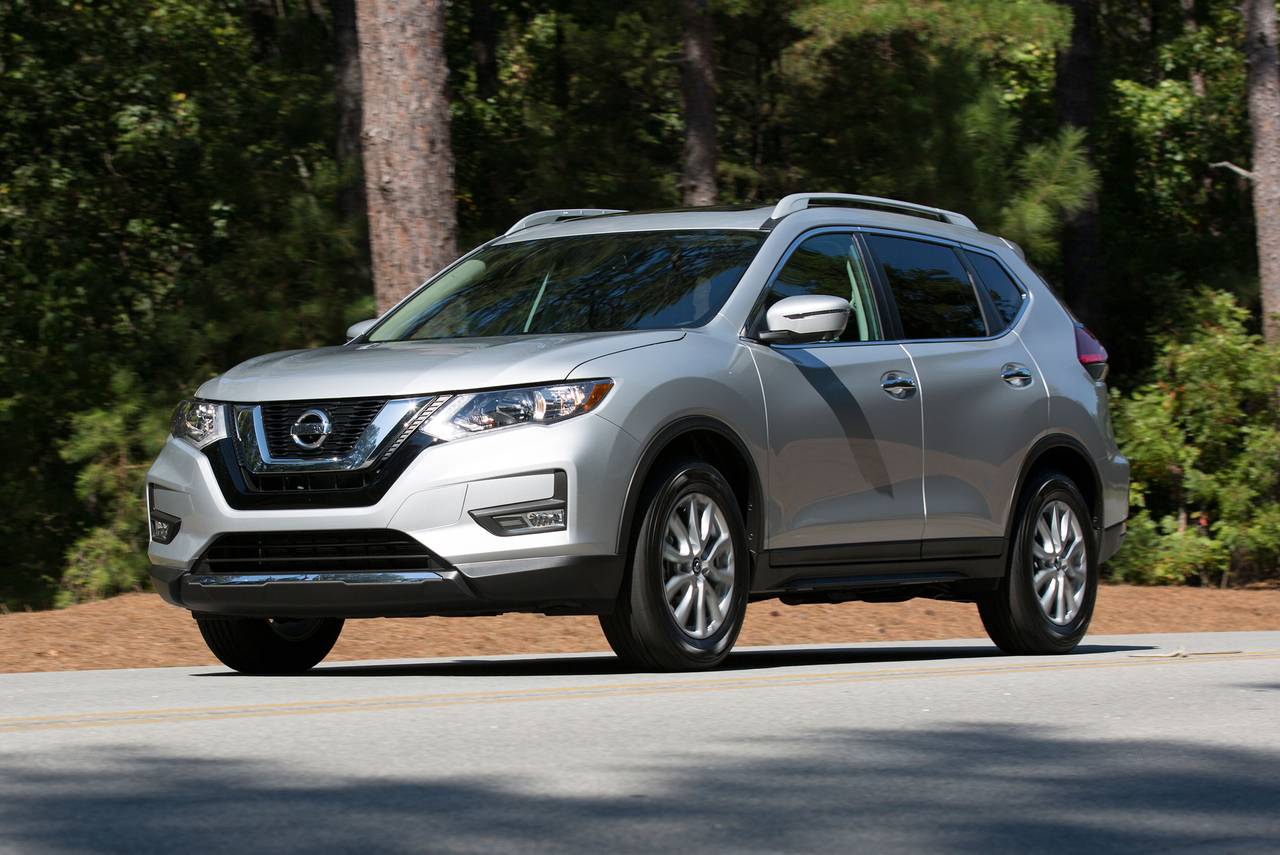
1. Nissan Rogue
The Nissan Rogue is a compact SUV that includes roof rails primarily for style rather than heavy-duty functionality. These rails give the vehicle a rugged appearance, complementing its modern exterior design, but they are not engineered to support significant weight.
Most owners are limited to attaching lightweight accessories such as small cargo nets or soft bags. Attempting to mount heavy gear or rooftop boxes could damage the roof or compromise safety, making these rails unsuitable for serious cargo transport.
Manufacturers often emphasize aesthetics over functionality in these designs, and this is evident in the Rogue’s slim and lightly reinforced rail structure. While they enhance the vehicle’s visual appeal, their practical limitations can be a surprise for buyers expecting full utility.
The decorative rails on the Rogue are typically mounted using minimal attachment points, meaning they cannot evenly distribute weight or withstand dynamic loads during driving. Even moderate weight can cause bending or loosening over time, which could lead to rattling or damage to the vehicle’s roof.
This limitation restricts the vehicle’s use for outdoor or recreational purposes where heavy gear transport is required. For buyers, it is important to understand that these rails serve more as a visual cue of ruggedness rather than a functional cargo solution.
The Rogue’s appeal lies more in its interior comfort, technology, and fuel efficiency rather than its ability to carry rooftop cargo.
Ease of use is also affected by the decorative nature of the rails. While the rails might accommodate a small strap or lightweight carrier, they are not compatible with most factory or aftermarket crossbars designed for heavy loads.
Finally, while the decorative rails maintain the Rogue’s sleek profile and styling, they offer no significant advantage in terms of load-carrying capability. Outdoor enthusiasts or families planning long trips will likely find these rails insufficient for transporting sports equipment or luggage safely.
The Nissan Rogue demonstrates that some SUVs prioritize appearance over utility in roof rail design, making it essential for buyers to distinguish between decorative and functional rails before purchasing. These rails create the illusion of ruggedness without the practical benefits associated with weight-bearing designs.
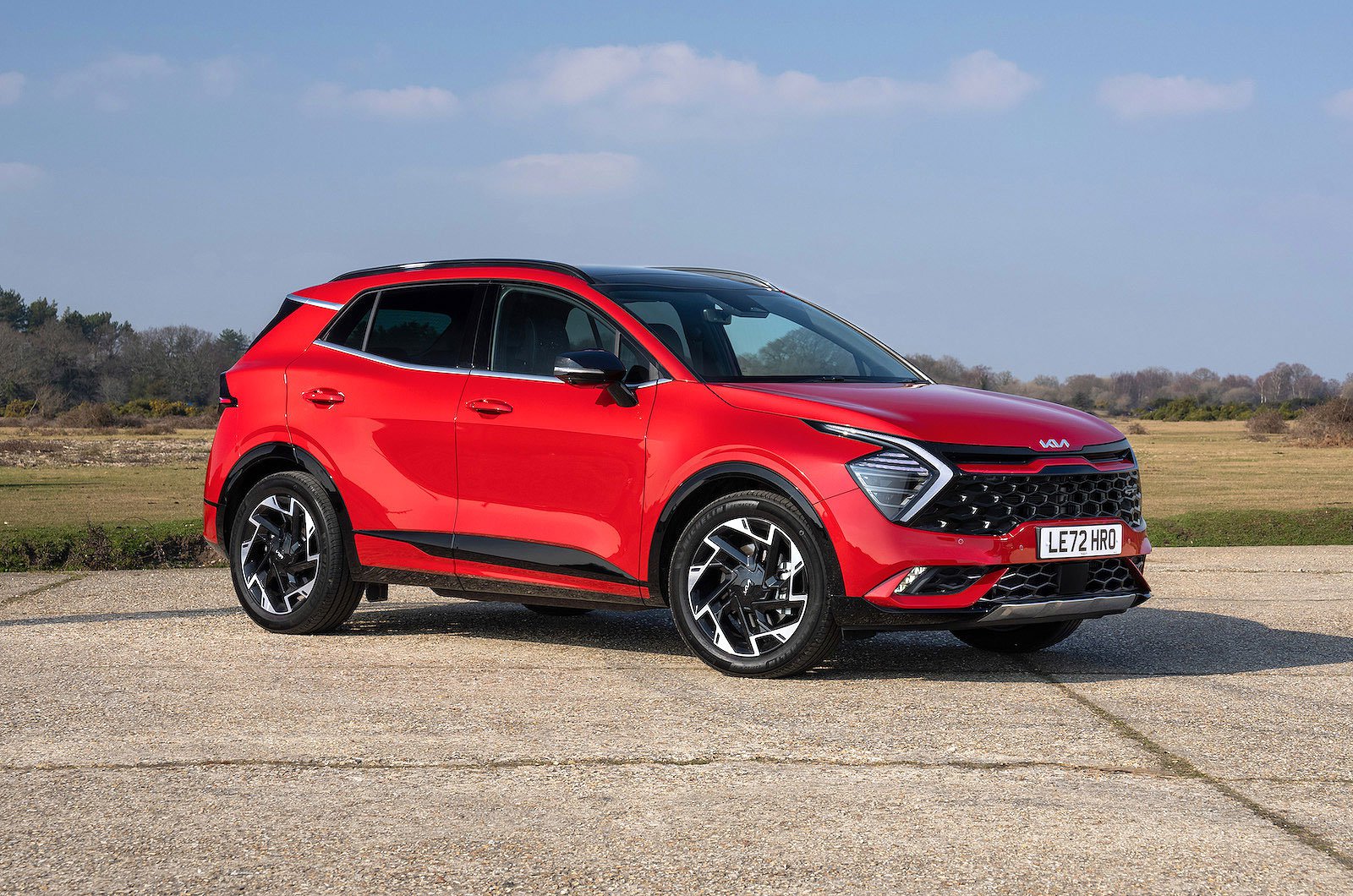
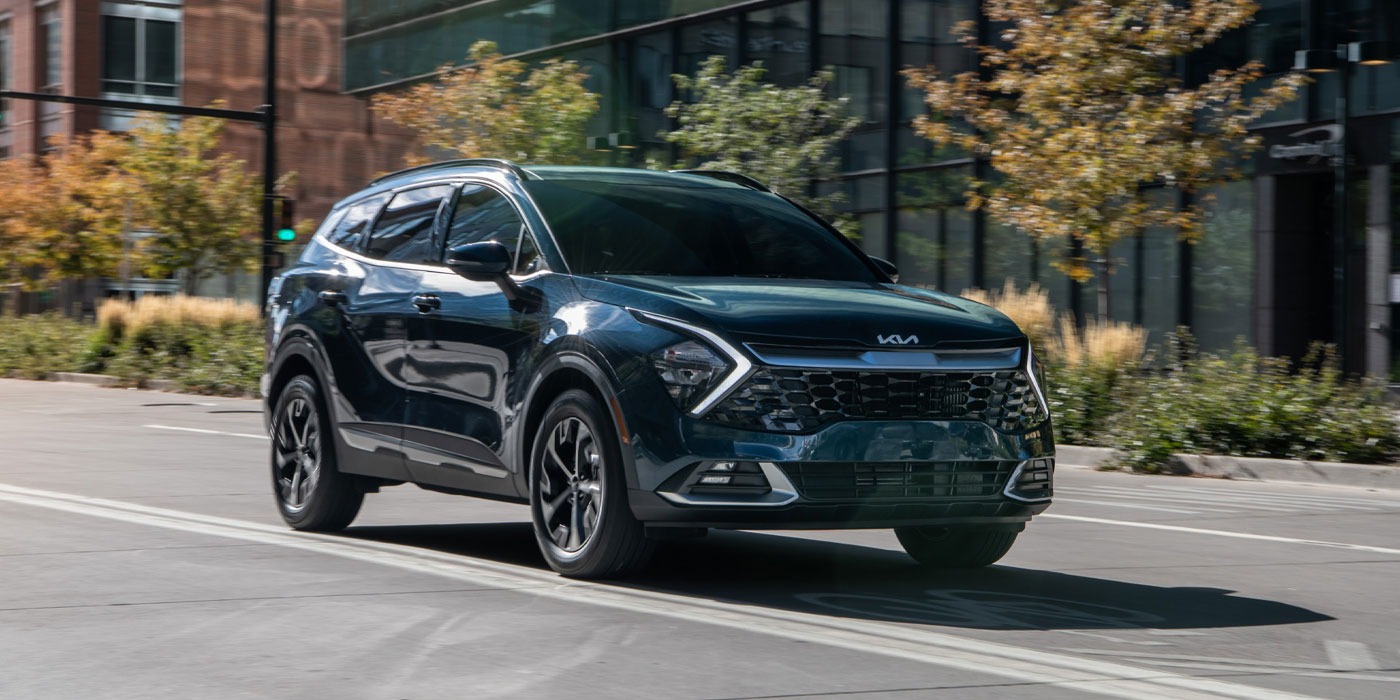
2. Kia Sportage
The Kia Sportage is another compact SUV featuring roof rails primarily intended to enhance visual appeal rather than provide heavy load support. These rails mimic the look of a traditional utility vehicle, adding a stylish touch without significantly increasing cargo-carrying capacity.
Their weight limits are low, making them suitable only for lightweight items such as small soft bags or decorative carriers.
Attempting to mount larger rooftop equipment can risk damaging the rails or the roof itself, which is a common misconception among buyers who are drawn to the sporty exterior. The design is more about complementing the vehicle’s silhouette than providing functional storage solutions.
The structural limitations of the Sportage’s decorative rails are evident in their attachment points, which are minimal and not reinforced. Unlike true weight-bearing rails, these cannot distribute load efficiently, making them prone to bending or loosening under stress.
This restricts the vehicle’s utility for transporting heavy gear, and it is important for owners to follow manufacturer guidelines closely. While they provide some convenience for light items, the decorative rails are largely aesthetic, reflecting trends in SUV design where form is sometimes prioritized over function.
From a usability perspective, the Sportage’s rails do not allow easy integration of crossbars or rooftop cargo systems designed for heavier loads. Owners may find themselves limited to lightweight, temporary solutions if they need to transport gear on the roof.
This reduces the vehicle’s versatility compared to SUVs with robust rails that can safely carry bicycles, cargo boxes, or rooftop tents. For short trips or casual use, decorative rails can suffice, but for extended travel or outdoor activities, their limitations become apparent.
Finally, the decorative rails on the Kia Sportage do contribute to a more rugged appearance, enhancing visual appeal for buyers who value style.
However, this comes at the cost of practical functionality. The vehicle maintains its aerodynamic profile and sleek lines, but the rails do not provide meaningful cargo-carrying benefits.
For individuals looking to transport equipment frequently or safely on the roof, the Sportage’s rails cannot replace true weight-bearing systems. This SUV exemplifies the distinction between design-focused and utility-focused roof rail options.
3. Hyundai Tucson
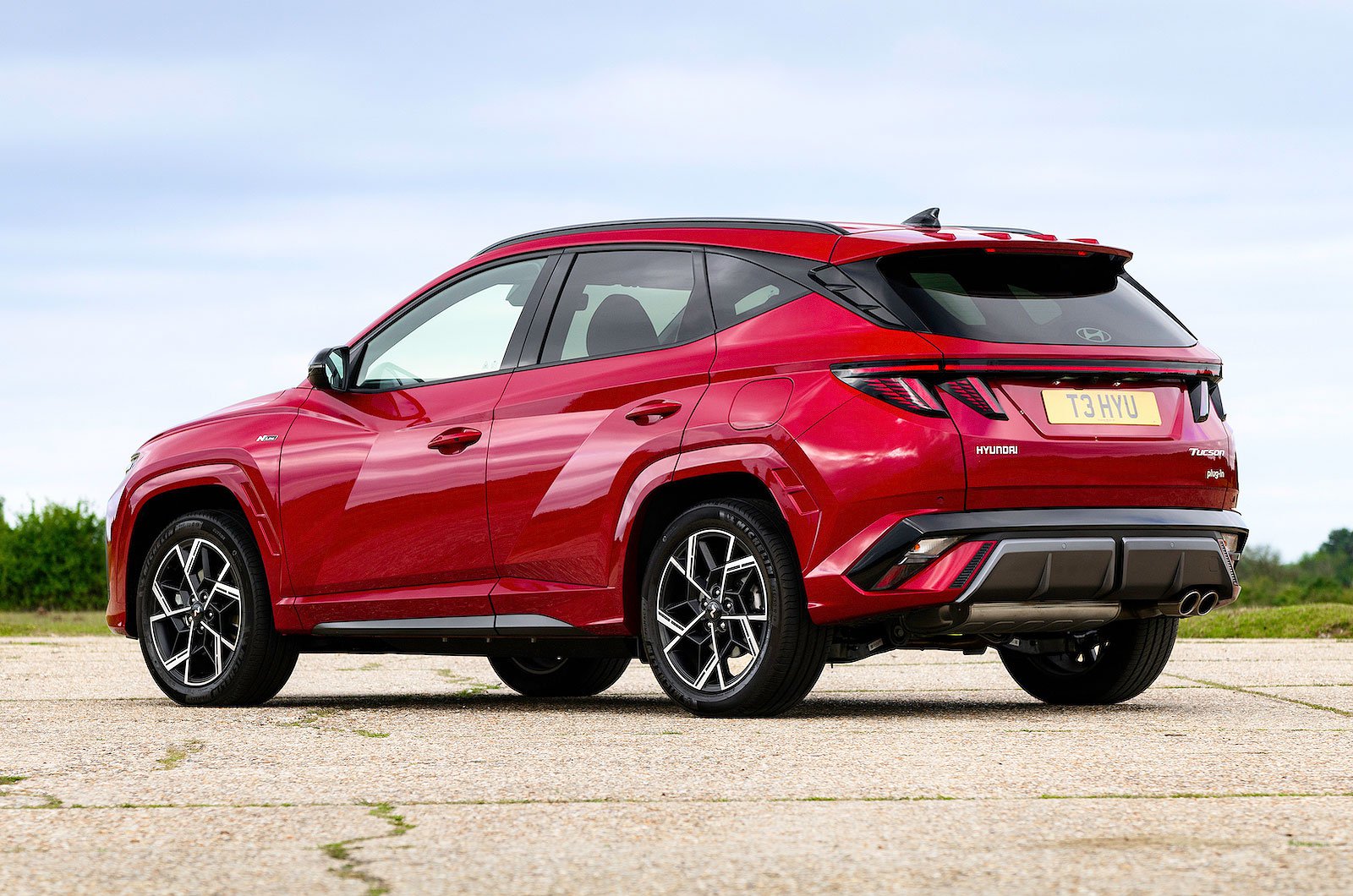
The Hyundai Tucson offers roof rails that are primarily decorative, designed to enhance the SUV’s styling rather than provide substantial load-bearing capacity. These rails appear sturdy but are not reinforced for heavy use, limiting their ability to accommodate rooftop boxes, bikes, or tents.
Their main role is to give the vehicle a sportier, adventure-ready look, which aligns with modern trends in SUV aesthetics. The Tucson’s roof rails are an example of how manufacturers often prioritize exterior design while providing minimal functional benefit.
While lightweight accessories can be mounted safely, heavier equipment risks damaging the rails or roof, making them unsuitable for outdoor enthusiasts who require reliable cargo support.
The structural integrity of Tucson’s decorative rails is limited by the number of attachment points and the materials used. Unlike functional rails, they are not tested for dynamic loads that occur during driving, such as sudden braking or uneven terrain.
This means the roof can be compromised if overloaded. Decorative rails are generally attached using shallow brackets and minimal reinforcements, sufficient only to support visual appeal and light cargo.
Buyers may assume they are functional, which underscores the importance of understanding weight limits and manufacturer recommendations.
From a practical perspective, Tucson owners have restricted options for integrating crossbars or rooftop storage systems. While lightweight carriers may be used for convenience, the rails cannot safely support heavier gear.
This limitation reduces versatility for families or travelers who rely on roof-mounted storage for vacations or outdoor equipment. For casual use, decorative rails serve adequately, but their capabilities are far below those of SUVs equipped with robust, weight-bearing systems.
Finally, the Tucson’s decorative rails enhance its appearance without compromising aerodynamics. The rails follow the roofline closely, maintaining smooth lines and minimal wind resistance. They provide a visual cue of ruggedness without offering practical cargo utility.
For buyers focused on aesthetics rather than load-carrying capacity, Tucson’s rails deliver value, but anyone seeking genuine roof storage will need to look elsewhere. This distinction highlights the difference between SUVs designed for style and those built for functional utility.
4. Honda HR-V
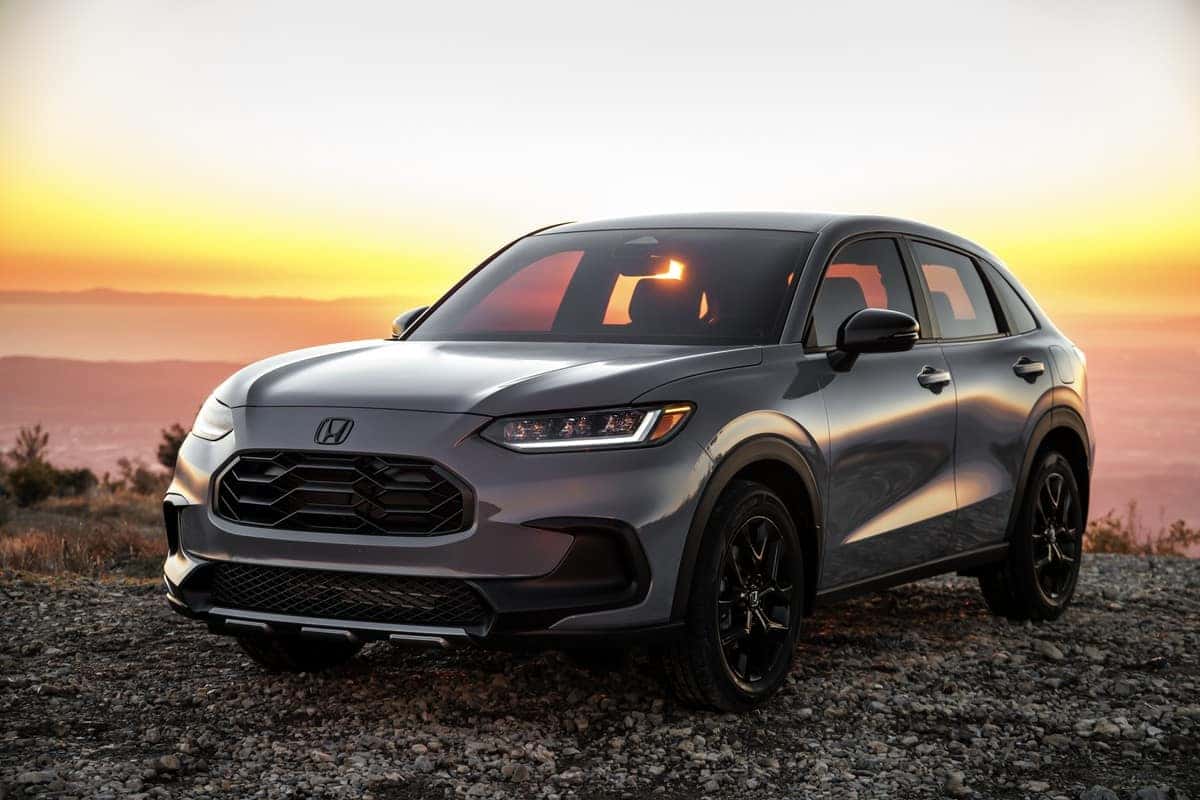
The Honda HR-V is a subcompact SUV that features slim, decorative roof rails. These rails are intended to provide a stylish accent rather than serve as functional support for heavy cargo.
They can hold lightweight items such as small bags or soft carriers, but attempting to mount rooftop boxes, bicycles, or other heavy equipment is not recommended.
Their minimal reinforcement and limited attachment points make them unsuitable for substantial weight, reflecting a design priority focused on aesthetics.
Buyers drawn to the HR-V for its compact size and fuel efficiency may not expect robust roof rail functionality, but it is important to recognize the practical limitations before attempting to carry heavy cargo on the roof.
The HR-V’s decorative rails are lightweight and primarily attached for visual impact. They lack the structural support necessary for dynamic load-bearing, meaning that sudden movements or weight beyond manufacturer recommendations can damage the roof or rails.
This distinction is crucial for owners considering the vehicle for outdoor activities. While the rails enhance the SUV’s exterior styling and provide a minimal convenience for lightweight storage, they are not a substitute for a fully functional, weight-bearing system.
Finally, while the HR-V’s roof rails provide an attractive design feature, their primary value lies in visual appeal. They maintain the SUV’s aerodynamic shape and offer a sense of ruggedness without adding practical utility for heavy equipment transport.
For urban or casual users, this design works well, but for families or outdoor enthusiasts requiring roof-mounted storage, the HR-V’s rails fall short. This highlights the clear distinction between decorative-only and functional roof rails in smaller SUVs.
5. Chevrolet Trax
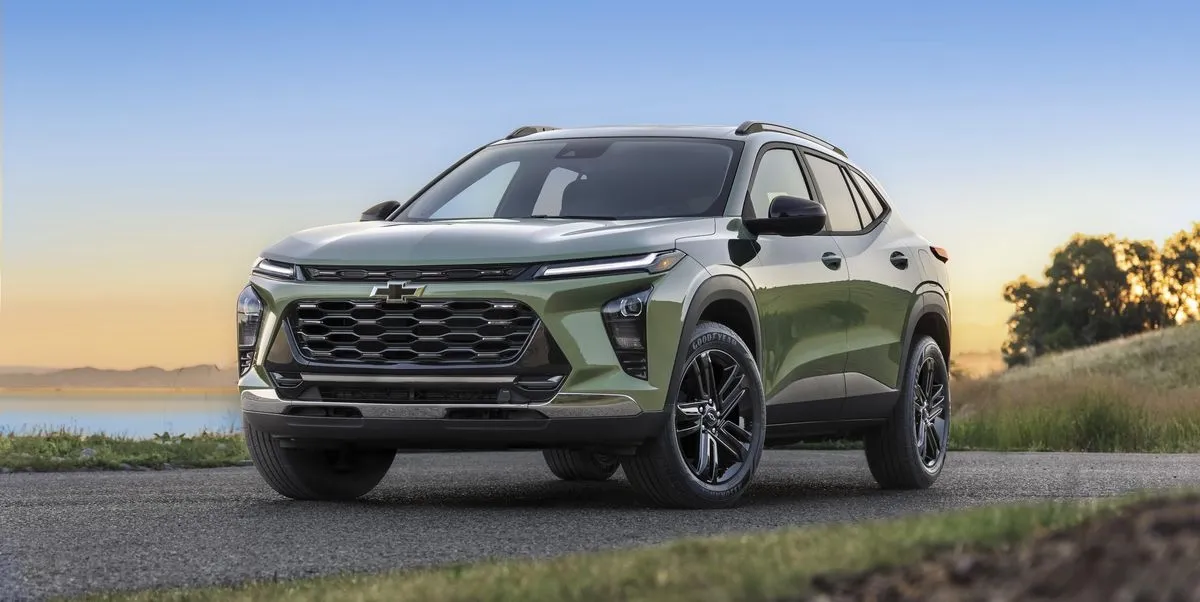
The Chevrolet Trax is a subcompact SUV with roof rails designed mainly for appearance. These rails provide a sporty, utility-inspired look but cannot safely support heavy cargo. Lightweight items may be attached temporarily, but any attempt to carry substantial gear risks bending the rails or damaging the roof.
The Trax demonstrates how some manufacturers prioritize design aesthetics over functional engineering in roof rail construction. Buyers may be drawn to the SUV’s style, but they must be aware of the practical limitations when considering rooftop storage.
Decorative rails on the Trax are minimally reinforced and feature limited mounting points. This makes them incapable of supporting dynamic or static heavy loads without risk of failure.
They are ideal for light-use applications such as carrying small bags, but they cannot replace true cargo systems. For individuals planning outdoor activities or needing reliable rooftop storage, the Trax’s rails are insufficient. The focus is clearly on style rather than load-bearing functionality.
Finally, the decorative rails enhance the Trax’s exterior design while maintaining a low-profile appearance. They give the SUV a rugged aesthetic without adding functional utility.
These rails are most valuable to buyers who prioritize looks over cargo capacity, and they highlight the distinction between decorative and functional roof rails.
For transporting significant gear or outdoor equipment, the Trax’s roof rails are not suitable, underscoring the importance of verifying rail capabilities before relying on them for practical use.
