
Advanced Driver Assistance Systems, or ADAS, have become an increasingly common feature in modern vehicles. These systems provide a range of functions designed to improve driving safety, from lane departure warnings and blind spot detection to adaptive cruise control and automatic emergency braking.
While these technologies enhance driver awareness and can prevent accidents, they also introduce additional costs when it comes to maintenance and repair. Unlike traditional vehicle components, ADAS sensors are highly specialized, often incorporating radar, lidar, cameras, or ultrasonic technology, and any damage to these sensors can necessitate not only replacement but also recalibration.
Many drivers may not realize that the cost of replacing a sensor is only part of the total expense; calibration after a replacement can add significant amounts to a repair bill.
Some vehicles have sensors that are relatively easy and inexpensive to replace, and the recalibration process may be straightforward or even avoided in certain cases if the system allows self-calibration. These vehicles are often from manufacturers who have standardized parts across multiple models or provide affordable aftermarket components.
Conversely, some vehicles are notorious for creating unexpected expenses due to costly calibration procedures. Certain luxury or newer models require dealership-only recalibrations, specialized equipment, or extensive labor hours to ensure the ADAS functions correctly after replacement.
For car owners, this distinction can mean the difference between a few hundred dollars in repair costs and several thousand dollars, even if the sensor itself is reasonably priced.
Understanding which vehicles fall into these two categories can help consumers make informed choices, whether buying new, used, or deciding which car to insure or maintain. It also highlights the hidden costs that many drivers fail to consider when evaluating total ownership costs.
Insurance and collision repair decisions can hinge on these differences, as some models can rapidly escalate in cost after even minor fender benders. Moreover, the complexity of ADAS calibration procedures can vary not only by manufacturer but also by model year, the specific sensor type, and even the vehicle trim level, making it essential for owners and mechanics to be aware of potential pitfalls.
This article will compare two sides of the ADAS equation: first, six vehicles where ADAS sensor replacement remains relatively affordable and practical for the average consumer, and second, six vehicles that are known for expensive calibration processes that can trap owners into high repair costs.
By examining both sides, car owners can better anticipate repair expenses, plan maintenance budgets, and make choices that balance advanced safety technology with practical cost considerations.
6 Vehicles with Cheap ADAS Sensor Replacements
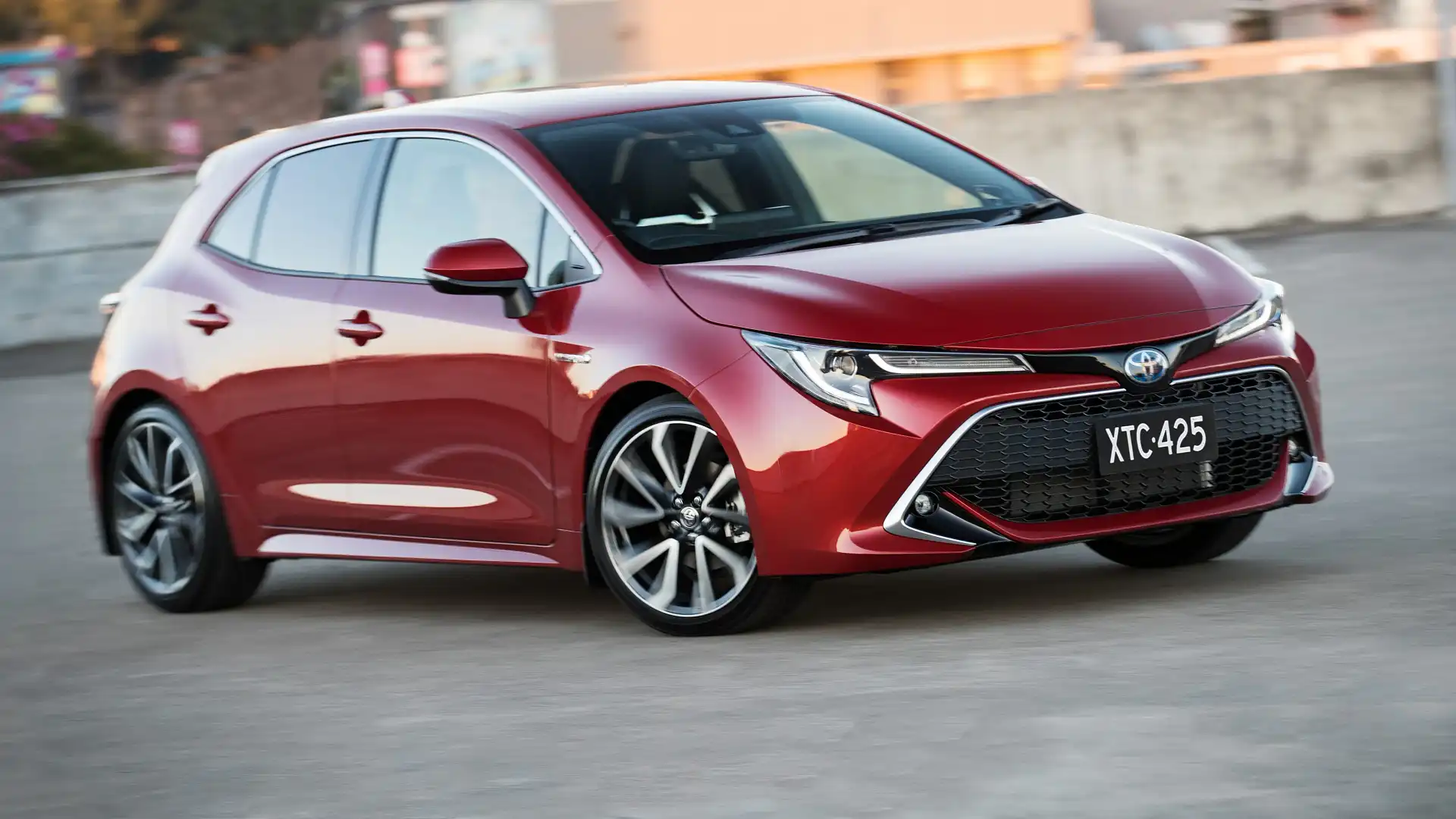
1. Toyota Corolla
The Toyota Corolla is one of the most popular compact cars worldwide, and it has earned a reputation for being economical, reliable, and practical. One of the key factors in this affordability extends to its ADAS components, which include forward-facing cameras for lane departure warning and radar-based adaptive cruise control sensors.
Unlike certain luxury brands that use proprietary designs or brand-specific parts, the Corolla uses standardized sensors compatible across multiple model years, reducing replacement costs. Additionally, Toyota has partnered with various suppliers for these components, enabling both OEM and high-quality aftermarket options at reasonable prices.
This widespread availability ensures that even independent repair shops can source and install the necessary parts without the premium costs often associated with high-tech sensors.
Calibration requirements for the Corolla’s ADAS systems are generally manageable. Some of the camera-based systems can recalibrate automatically as the car is driven over a certain distance or at specific speeds. This built-in flexibility eliminates the need for expensive, time-consuming dealer recalibrations in many cases.
For radar-based sensors, basic alignment procedures are usually sufficient and can often be performed using standard diagnostic tools available in most well-equipped workshops. The simplicity of these calibration procedures not only saves money on labor costs but also reduces downtime for vehicle owners, who can quickly return to normal use after a minor collision or sensor replacement.
Insurance considerations also favor the Corolla in terms of ADAS repair costs. Because replacement sensors are inexpensive and calibration procedures are straightforward, insurers often classify the Corolla as a low-risk vehicle for collision repairs.
This translates into lower premiums for comprehensive and collision coverage, which can be a significant factor for younger drivers, first-time buyers, and budget-conscious families. The combination of affordable parts, simple calibration, and insurance benefits reinforces the Corolla’s appeal as a vehicle where advanced safety features do not come with hidden financial burdens.
Finally, Toyota’s engineering philosophy contributes to the durability and reliability of ADAS components. Sensors are mounted in locations that minimize exposure to damage from minor bumps or debris, and the modular nature of the systems means that a single component can be replaced without affecting other parts.
This reduces the likelihood of additional costs from cascading failures that can occur in some vehicles where sensors are tightly integrated. In practical terms, the Corolla provides a balance of safety, convenience, and financial predictability, making it a clear example of a car where ADAS technology is both effective and economically feasible.
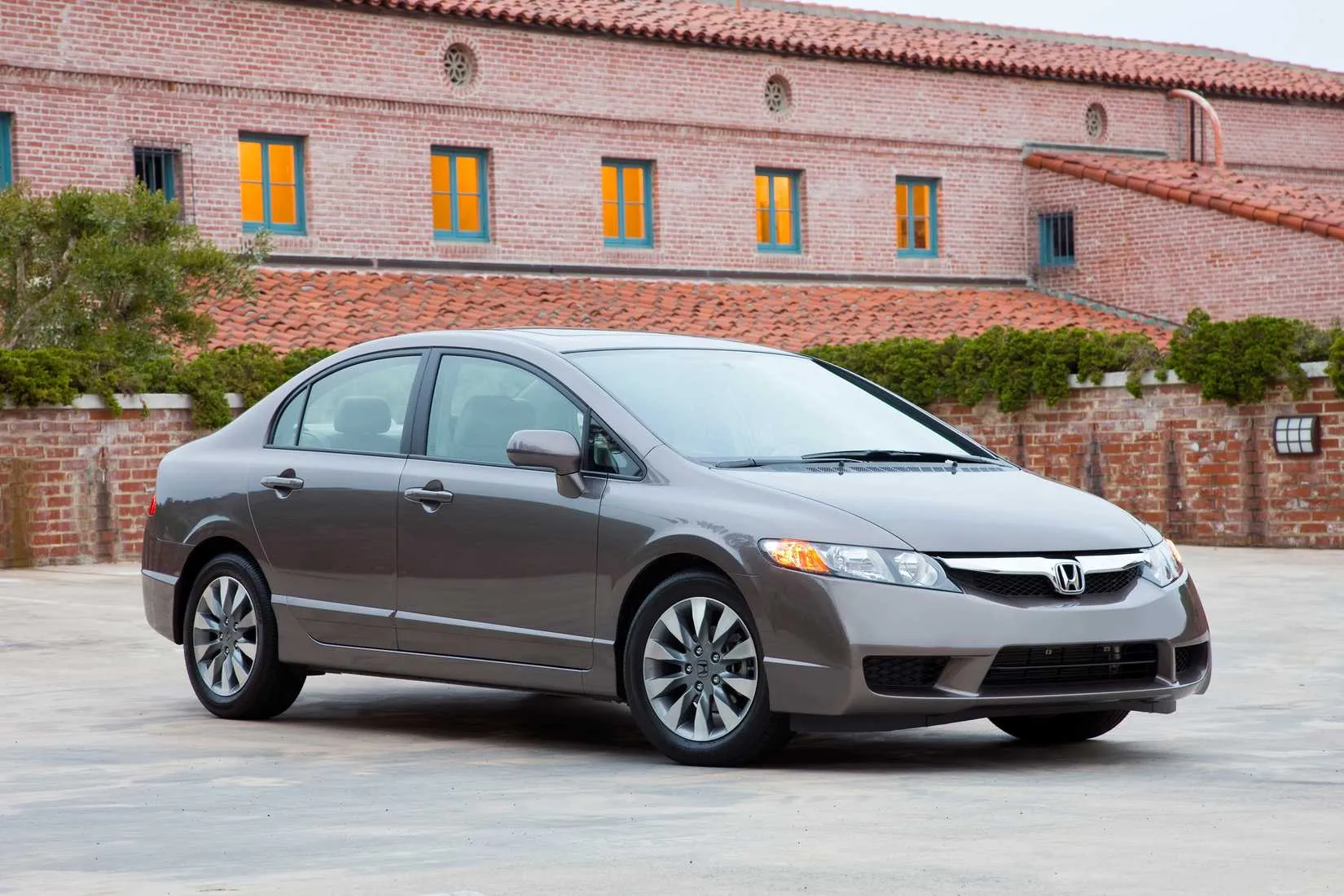
2. Honda Civic
The Honda Civic has long been celebrated for its balance of affordability, performance, and technology, and this extends to its ADAS systems. Components such as forward collision warning cameras, lane-keeping assist sensors, and radar units for adaptive cruise control are generally priced reasonably compared with similar features in luxury sedans.
One reason for this is the Civic’s popularity, which ensures a large supply of replacement parts through both OEM and aftermarket channels. Independent repair shops can often source these parts quickly and install them without the need for expensive dealership-only tools, which makes the total repair process more accessible and less intimidating for everyday car owners.
The Civic’s calibration procedures are generally manageable for technicians and often do not require extensive labor hours. Many workshops equipped with standard automotive diagnostic tools can perform these calibrations without proprietary Honda software.
For example, camera systems may only require a straightforward adjustment process, while radar sensors can often recalibrate themselves over a short driving period. This accessibility contrasts sharply with some newer luxury models, where even minor sensor damage can lead to multi-hour dealership appointments at premium labor rates. For Civic owners, this translates into predictable repair costs and faster turnaround times.
Honda also emphasizes modularity in its ADAS system design, meaning individual sensors can typically be replaced without triggering the need for system-wide recalibration. This approach reduces both parts and labor costs while minimizing the risk of unexpected failures.
For instance, if a lane departure warning sensor on one side of the vehicle is damaged, it can usually be replaced independently without impacting other systems such as adaptive cruise control or blind spot monitoring. This design consideration is particularly important for cost-conscious drivers who wish to maintain advanced safety technology without worrying about cascading expenses.
From a broader ownership perspective, the Civic’s combination of low-cost parts, simplified calibration, and modular design offers tangible financial benefits. Insurance companies often recognize the lower risk associated with vehicles where repairs are affordable and straightforward, which can result in reduced premiums.
For drivers seeking a reliable and technologically capable vehicle that balances safety and cost-effectiveness, the Civic represents a clear example of how ADAS systems can be both advanced and economical.
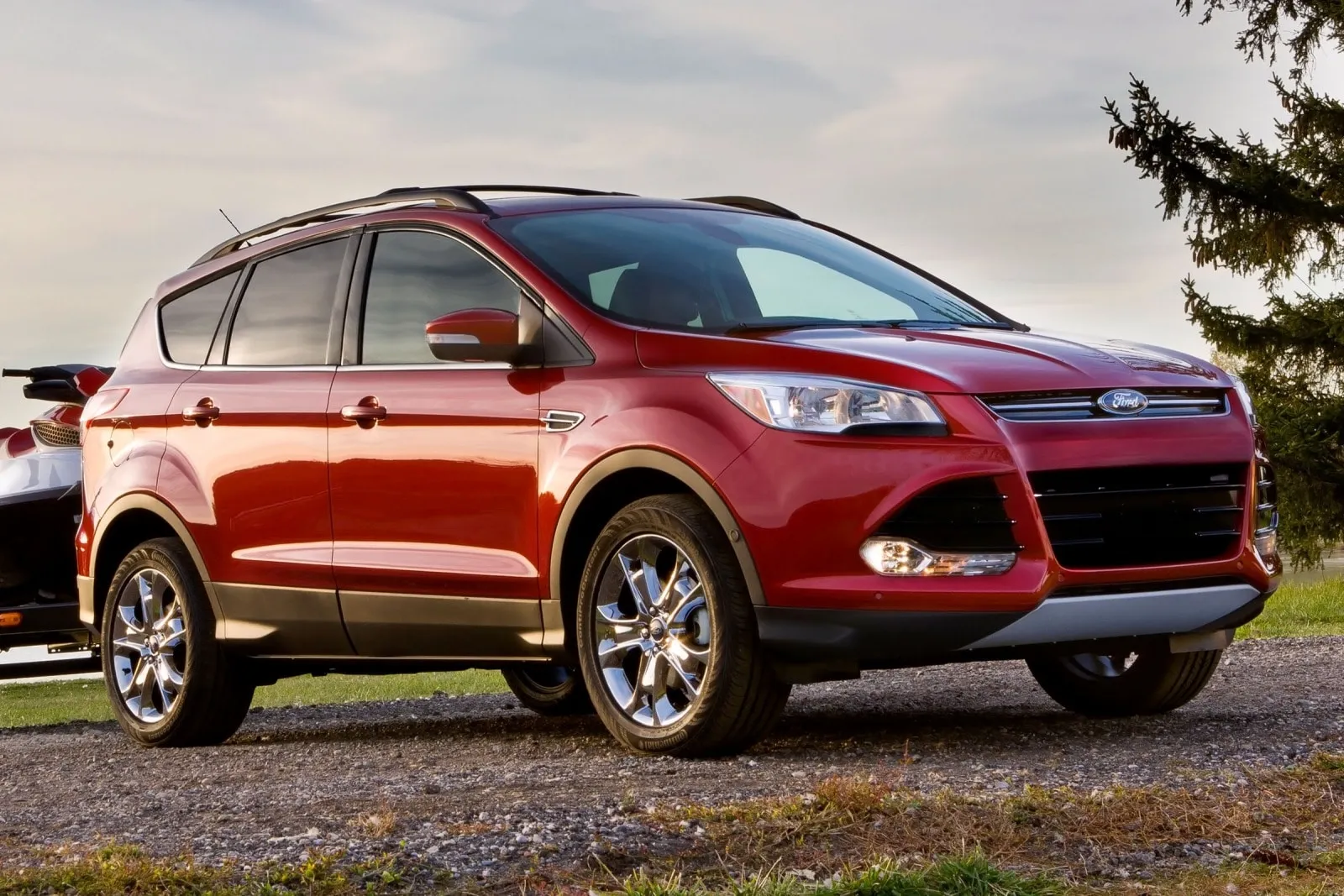
3. Ford Escape
The Ford Escape is an SUV that blends modern technology with affordability, making it an attractive choice for many drivers who prioritize both safety and cost-consciousness. Its ADAS components, such as blind spot detection sensors, forward collision radars, and lane-keeping cameras, are priced competitively relative to other vehicles in its class.
One reason for these lower costs is Ford’s extensive supply chain and dealer network, which ensures that both OEM and high-quality aftermarket parts are widely available. Independent repair shops can access these components without incurring the premium costs associated with proprietary parts, making sensor replacement more accessible for everyday drivers.
Calibration procedures on the Escape are generally straightforward. Some sensors can recalibrate automatically after installation through normal driving, while others require relatively simple adjustments using standard diagnostic tools. This simplicity reduces labor hours and total repair costs.
For example, replacing a forward-facing camera may only require minor alignment procedures rather than full system recalibration. The Escape’s design prioritizes ease of maintenance, which benefits both repair shops and vehicle owners by limiting costs and reducing time spent off the road.
The Escape also benefits from thoughtful engineering in terms of sensor placement and accessibility. Sensors are mounted in locations that minimize the risk of damage in minor collisions, and the modular design ensures that replacing one sensor does not necessitate adjustments to the entire system.
This reduces the likelihood of cascading repair costs, a common problem in vehicles with highly integrated sensor networks. The practical advantage is that even minor accidents or sensor malfunctions can be addressed efficiently and cost-effectively.
For owners, the combination of affordable parts, simplified calibration, and modular design makes the Escape a reliable option for families and commuters seeking an SUV with advanced safety features. Insurance premiums may also reflect this lower risk, as insurers often consider vehicles with manageable repair costs less likely to generate high claims.
The Escape demonstrates how modern ADAS technology can be effectively implemented without burdening the vehicle owner with excessive maintenance expenses.
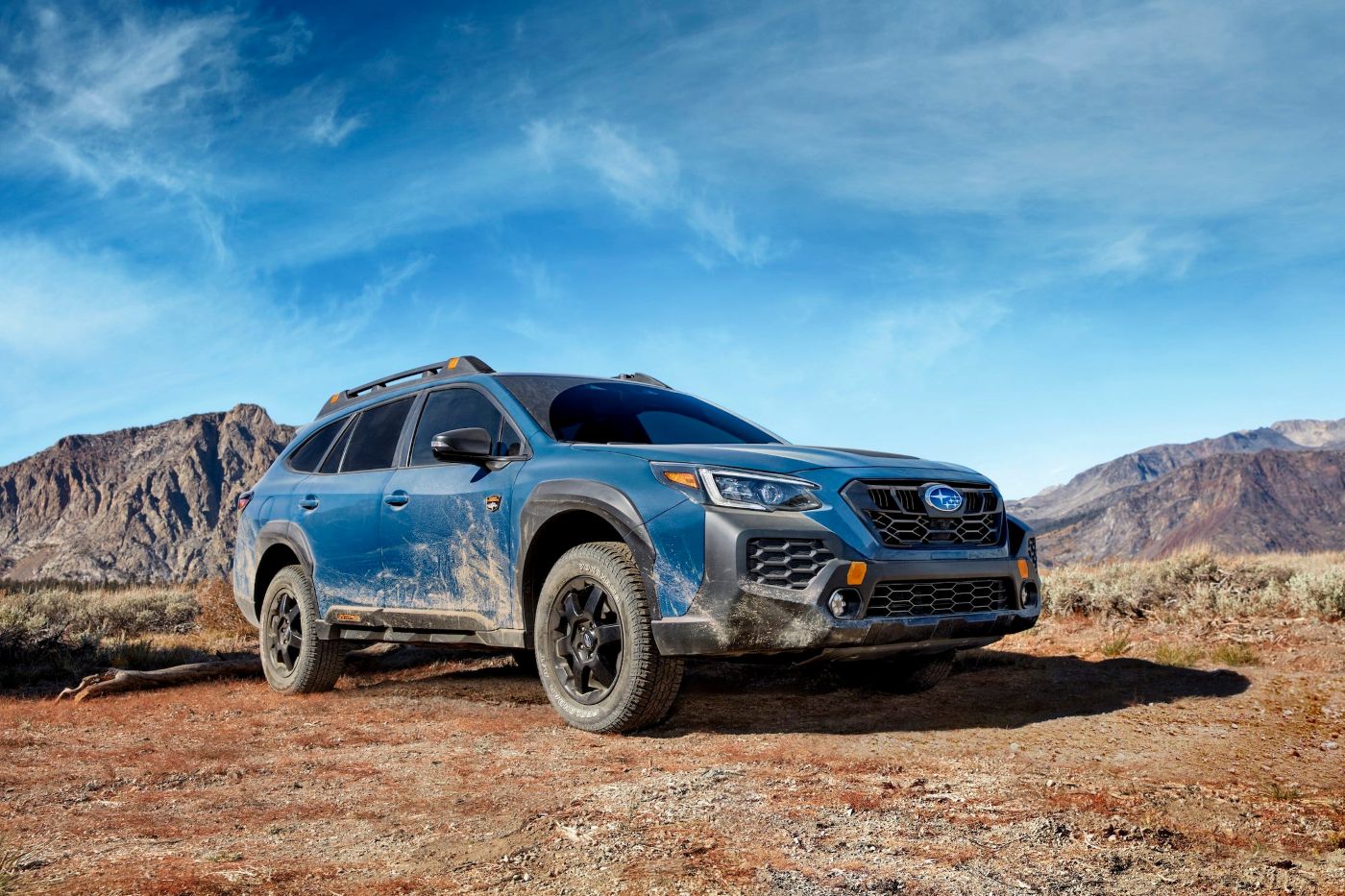
4. Subaru Outback
Subaru’s Outback is well-regarded for its focus on driver safety, which is exemplified through its EyeSight system and other ADAS technologies. Sensors in the Outback, including cameras for lane departure warnings and radars for adaptive cruise control, are generally affordable to replace.
Subaru’s strategy emphasizes simplicity and reliability in sensor design, ensuring that replacement parts are accessible not only through dealerships but also from independent repair shops. This widespread availability helps keep costs down and allows repairs to be completed more quickly, which is especially valuable for drivers in regions with limited dealership access.
Calibration procedures for the Outback are designed to be practical and efficient. Many ADAS components require only short manual adjustments or can recalibrate automatically through regular driving cycles.
Unlike some luxury vehicles that demand expensive dealer-only recalibration, the Outback’s systems minimize labor costs while maintaining high performance. This approach reduces financial strain on vehicle owners and allows them to maintain the vehicle’s safety features without significant inconvenience or unexpected bills.
Subaru also focuses on system modularity and durability. Sensors are mounted with protection against minor impacts, and the modular setup ensures that replacing one sensor does not require recalibrating the entire ADAS system. This prevents minor damages from escalating into complex and costly repairs.
Furthermore, Subaru frequently uses sensors that are interchangeable across multiple model years, increasing the availability of replacement components and making independent repairs more affordable.
From a broader perspective, the combination of affordable replacement parts, simple calibration procedures, and robust engineering makes the Outback a smart choice for drivers who prioritize both safety and long-term cost control. Insurance companies may also view the vehicle favorably due to predictable repair costs.
For consumers, this balance of technological sophistication and affordability makes the Outback a practical and reliable vehicle for families, outdoor enthusiasts, and anyone seeking advanced safety features without hidden financial risks.
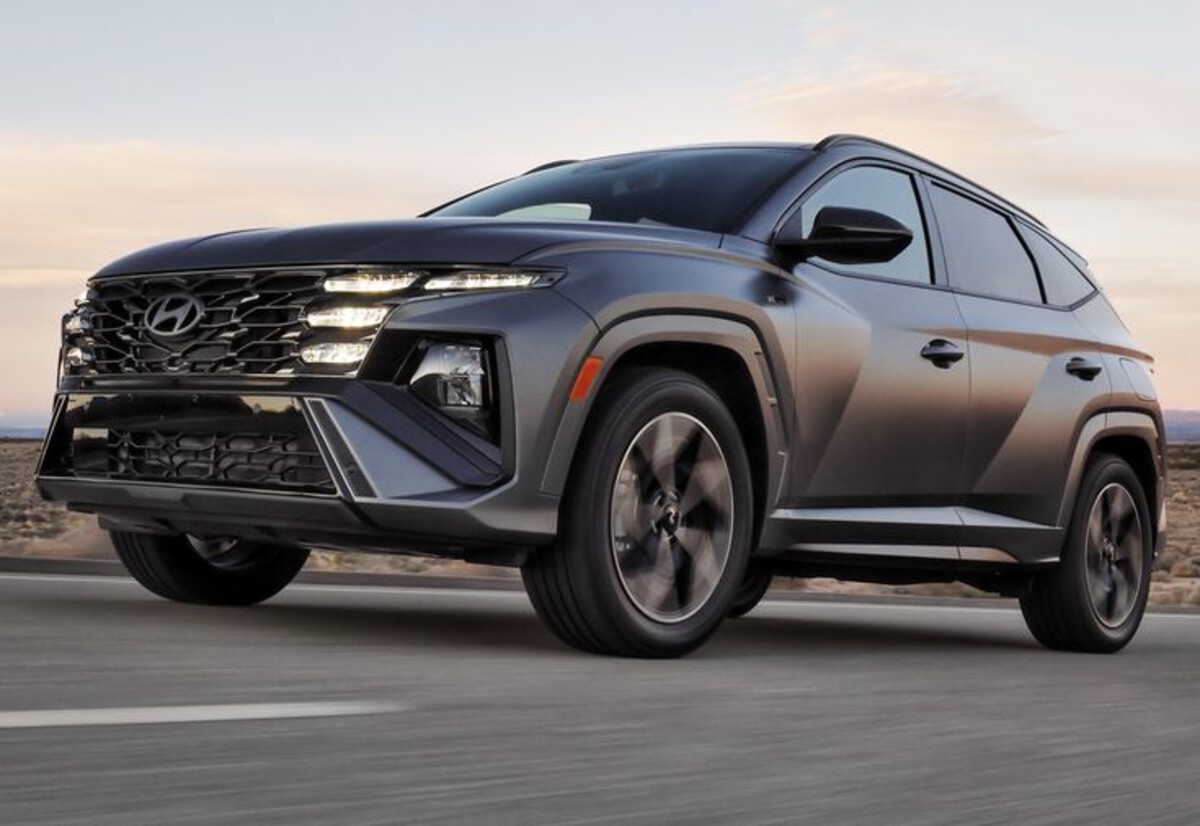
5. Hyundai Tucson
The Hyundai Tucson has gained a reputation for offering advanced safety features at an affordable price point. Its ADAS components, including forward collision sensors, blind spot detection, and parking assist cameras, are priced reasonably and are widely available in both OEM and aftermarket markets.
This accessibility makes sensor replacement straightforward and reduces the financial burden on vehicle owners. Independent repair shops can source these components easily, avoiding the need to rely exclusively on dealership networks, which often charge higher prices for parts and labor.
Calibration procedures for the Tucson are generally simple and efficient. Some sensors recalibrate automatically once installed, while others require only brief manual adjustments using standard diagnostic tools. This reduces labor costs and minimizes downtime for the vehicle owner. Unlike some high-end vehicles that require proprietary software and extensive calibration routines, the Tucson allows technicians to complete repairs quickly without sacrificing accuracy or system performance.
The vehicle’s design emphasizes modularity, enabling individual sensors to be replaced independently without impacting other systems. This prevents minor sensor failures from triggering complex, system-wide recalibrations that can significantly increase repair costs.
For example, replacing a single blind spot sensor rarely affects the functionality of forward collision or lane-keeping assist systems. This modularity ensures that repairs are predictable, both in cost and duration, which is essential for owners seeking practical, budget-conscious maintenance solutions.
For drivers, the combination of affordable parts, manageable calibration procedures, and modular system design makes the Tucson a compelling option. Insurance premiums often reflect the lower financial exposure associated with these repairs, contributing to cost savings.
In addition, Hyundai’s attention to reliability and accessibility ensures that ADAS technologies can be maintained effectively without causing frustration or financial strain, making the Tucson a practical choice for safety-conscious consumers.
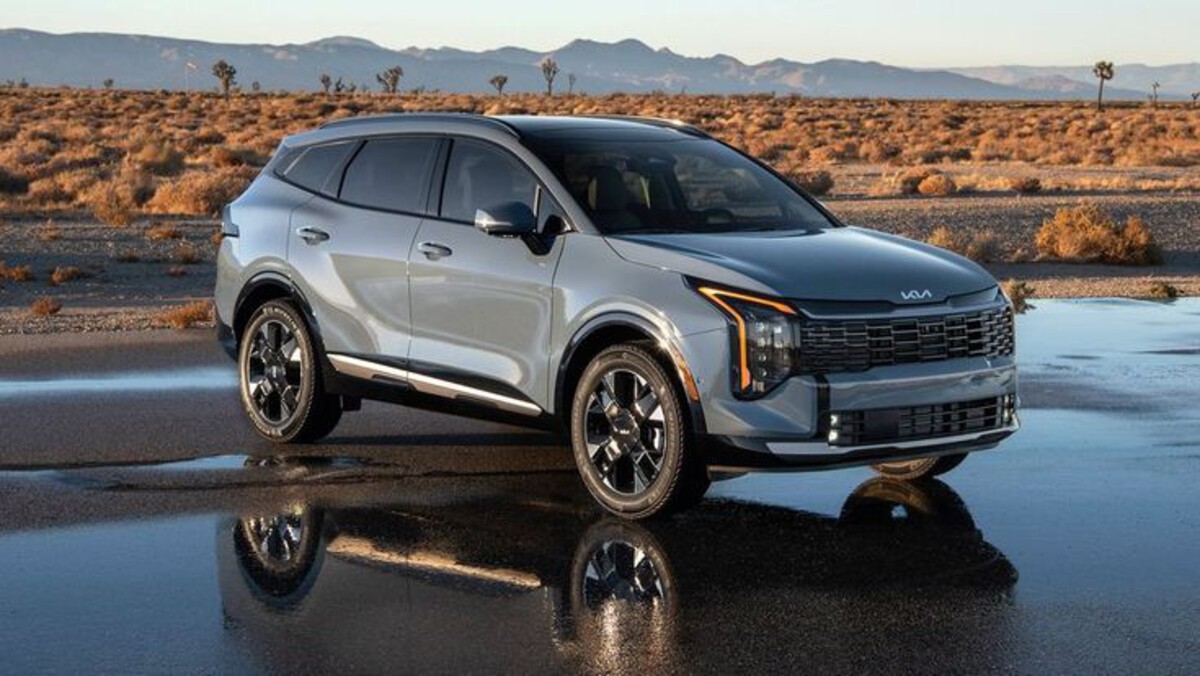
6. Kia Sportage
The Kia Sportage integrates advanced safety technologies while maintaining affordability and accessibility. ADAS components, such as forward collision cameras, lane departure sensors, and parking assist units, are competitively priced, and replacement parts are readily available through both OEM and aftermarket channels.
This broad availability ensures that sensor replacements can be handled by independent repair shops, reducing dependency on dealerships and lowering repair costs. The design of these components emphasizes accessibility, allowing mechanics to perform replacements with minimal disruption and expense.
Calibration procedures for the Sportage are generally straightforward. Many sensors recalibrate automatically during driving or with minor adjustments in a workshop, eliminating the need for costly dealership-only calibration processes.
This practical design keeps labor costs down and ensures that repairs can be completed efficiently, reducing the time a vehicle spends off the road. The combination of automatic and simple manual calibration routines makes maintaining the Sportage’s ADAS systems manageable even for budget-conscious owners.
The modular design of the Sportage is another factor that contributes to affordability. Individual sensors can often be replaced without affecting other components, preventing minor damage from escalating into larger repair bills.
For instance, a single parking assist sensor failure does not require recalibrating forward collision or blind spot monitoring systems, making repairs predictable and cost-effective. This modular approach is especially valuable for drivers who prioritize practicality and cost control alongside advanced safety features.
Insurance premiums may also reflect this lower risk, making the Sportage a smart choice for families, commuters, and anyone looking for an SUV that combines safety, convenience, and financial predictability.
6 Calibration Cost Traps
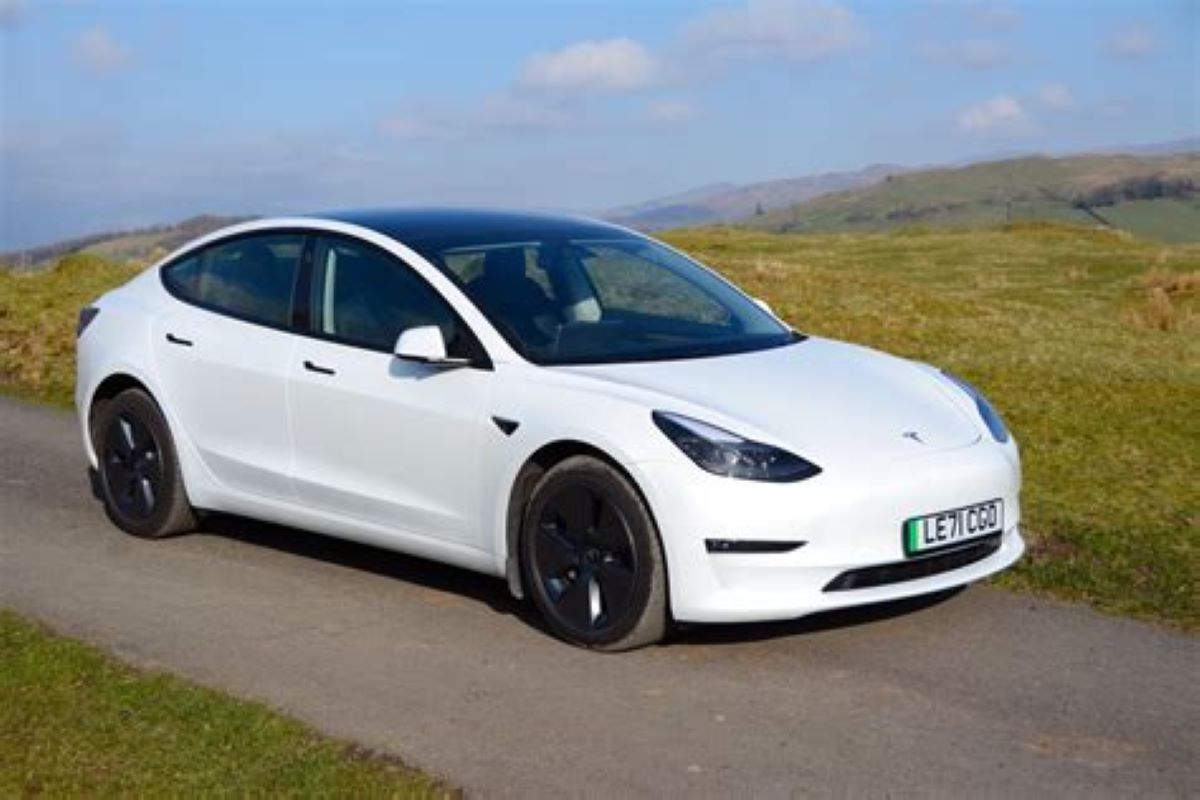
1. Tesla Model 3
The Tesla Model 3 is often praised for its cutting-edge technology and impressive autonomous driving capabilities, but this sophistication comes with substantial maintenance considerations. Its ADAS system, known as Autopilot, relies on a complex network of cameras, ultrasonic sensors, and radar units.
While the sensors themselves can sometimes be sourced through aftermarket channels, the calibration process is highly intricate and usually requires specialized Tesla diagnostic software. Independent mechanics often cannot perform these calibrations, which forces vehicle owners to rely on Tesla service centers that charge premium labor rates.
Calibration on the Model 3 is particularly demanding because Tesla employs continuous software updates that adjust how sensors interact with each other and the vehicle’s control systems. After replacing a sensor, technicians must ensure that each camera, radar, and ultrasonic unit is precisely aligned according to Tesla’s current calibration protocols.
Even a minor misalignment can cause warnings, system errors, or partial functionality loss in features such as lane keeping, automatic braking, or adaptive cruise control. This reliance on proprietary software and exact calibration specifications increases labor time and costs, often dramatically.
Another challenge for Model 3 owners is that the sensors are tightly integrated into the vehicle’s body panels, bumpers, and structural components. Replacing a single radar or camera sensor can sometimes require removal of multiple adjacent components to maintain proper alignment.
The complexity of the installation combined with Tesla’s strict recalibration procedures means that total repair costs can escalate quickly, even if the sensor itself is moderately priced. Minor collisions, fender benders, or parking lot incidents can therefore become unexpectedly expensive events.
Finally, insurance considerations for Tesla vehicles reflect these realities. Because repair and calibration costs are high, insurers often view Model 3 collisions as high-risk for generating costly claims. Consequently, insurance premiums tend to be higher than for vehicles with more accessible ADAS systems.
For owners, this combination of expensive calibration, proprietary repair requirements, and higher insurance costs creates a clear example of how advanced technology can become a financial trap if repairs are needed.
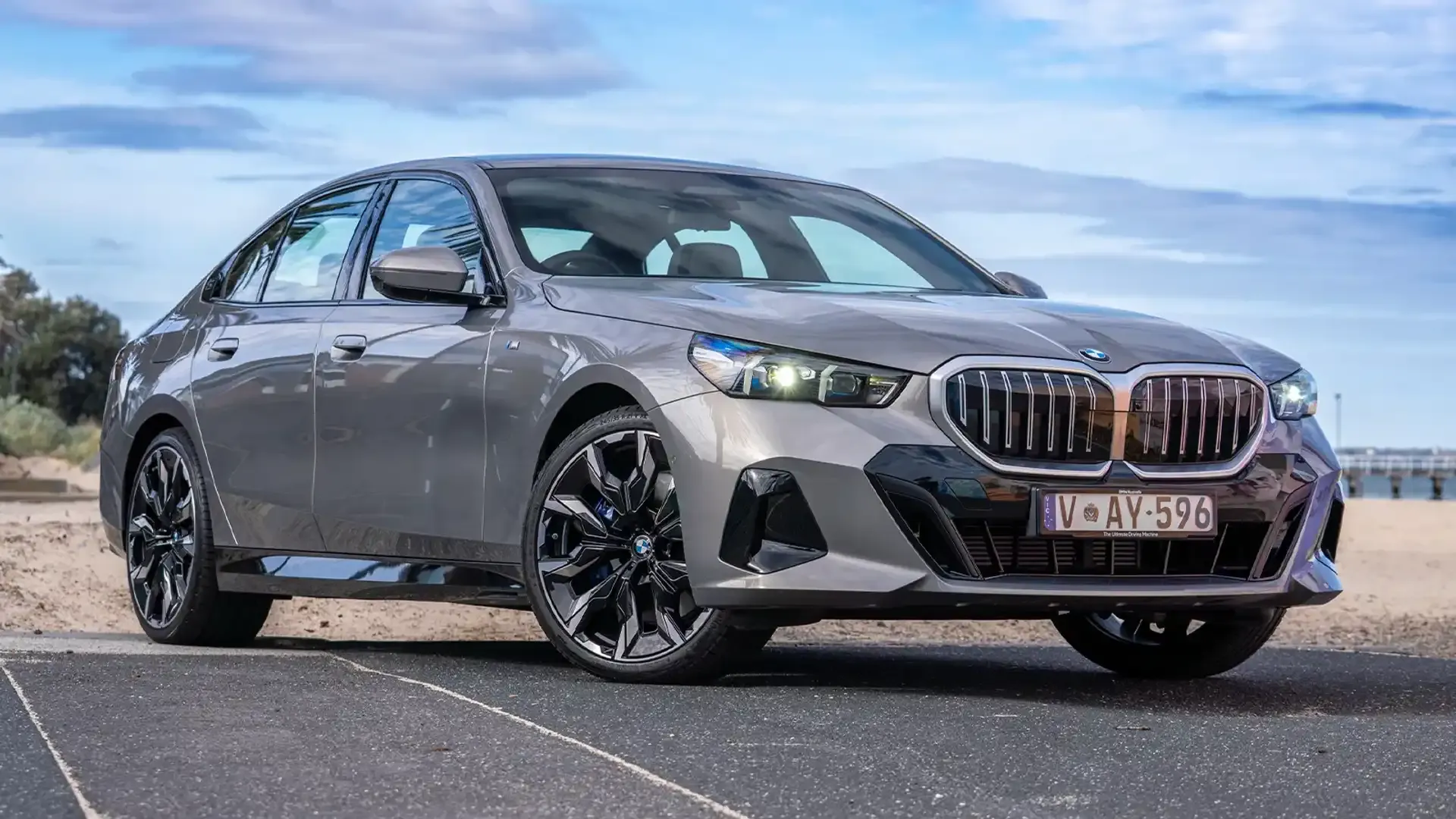
2. BMW 5 Series
The BMW 5 Series is a luxury sedan that features an array of ADAS technologies, including adaptive cruise control, lane departure warnings, and parking assist sensors. While these systems provide excellent safety and convenience, replacing and calibrating these sensors is notoriously expensive.
BMW requires dealership-level equipment for recalibration, and many independent shops do not have access to the proprietary software and alignment tools necessary to restore full functionality.
Calibration on the 5 Series is often time-consuming because sensors are integrated into the front grille, bumper, and windshield in ways that demand precision. Cameras and radar units cannot simply be swapped; each must be aligned and verified against the vehicle’s central control system to ensure proper operation.
If even one sensor is slightly misaligned, it can trigger system errors or compromise safety functions, necessitating repeated calibration attempts. Labor costs can quickly rise, especially for vehicles with multiple damaged sensors after a collision.
BMW also frequently implements complex interdependencies between ADAS systems. For instance, replacing a forward-facing radar sensor may require recalibration of the lane departure camera, blind spot sensors, and adaptive cruise modules.
These dependencies make even minor repairs costly because technicians must perform comprehensive checks and calibrations for multiple systems. In practical terms, this means that a small accident could lead to thousands of dollars in total repair costs due to cascading recalibration requirements.
The 5 Series exemplifies how luxury vehicle ADAS systems can trap owners into high maintenance expenses. Insurance rates tend to reflect these potential repair costs, as insurers anticipate more expensive claims. For drivers seeking the prestige and technology of a BMW, this represents a trade-off: advanced features provide convenience and safety but can result in substantial financial burdens in the event of sensor damage.
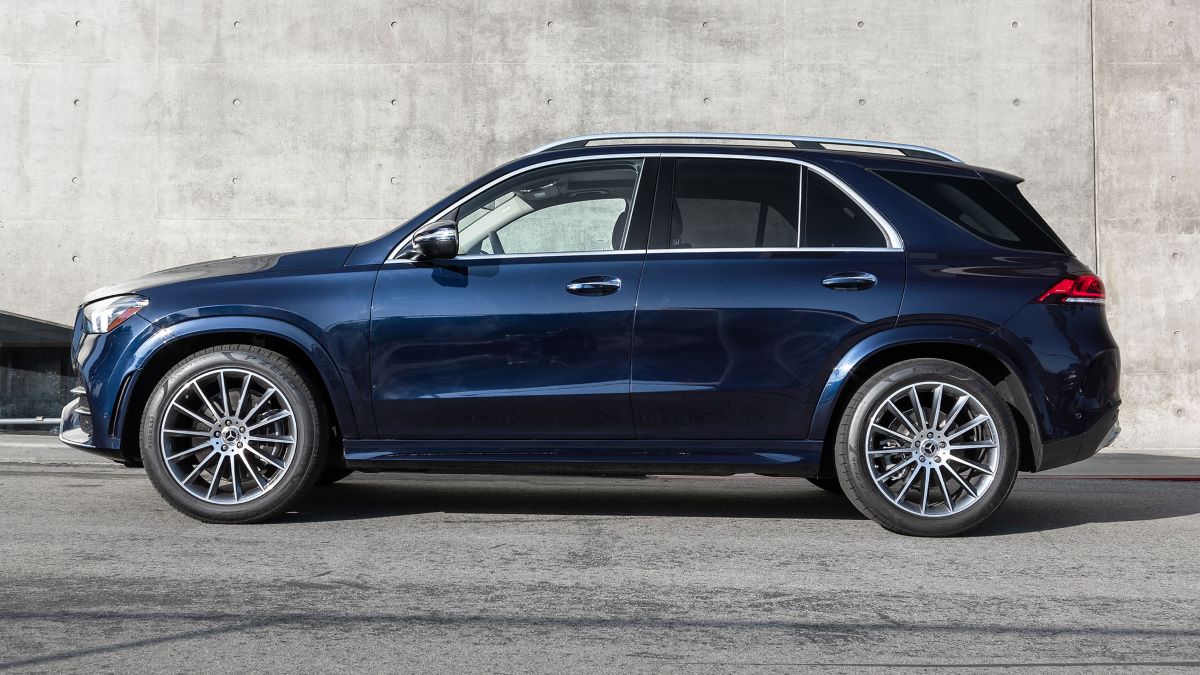
3. Mercedes-Benz GLE
The Mercedes-Benz GLE is a mid-to-large luxury SUV packed with ADAS features, including active lane assist, adaptive cruise control, and multiple forward and rear-facing sensors. While these systems enhance safety and driving experience, replacing damaged components can quickly become costly due to calibration requirements.
Mercedes often requires the use of proprietary Star Diagnostic tools and trained technicians to recalibrate each sensor accurately. Independent shops rarely have access to the full suite of necessary equipment, effectively locking owners into dealership repairs at premium rates.
Calibration for the GLE is particularly challenging because sensors are interconnected across multiple vehicle systems. For example, replacing a front-facing radar unit can require recalibrating the active cruise control, lane departure assist, collision warning, and emergency braking systems simultaneously.
Each system depends on the precise alignment of sensors and cameras, and even a minor error can trigger warnings or prevent certain functions from operating correctly. This complexity increases labor hours and costs, making even seemingly minor repairs surprisingly expensive.
The physical design of the GLE also contributes to high calibration costs. Sensors are often embedded within bumpers or behind trim panels that require partial disassembly of the vehicle.
Additionally, some ADAS sensors are paired with electronic control units that must be synchronized after replacement. The combination of specialized tools, time-intensive calibration, and system interdependencies results in total repair bills that can far exceed the initial sensor cost.
Insurance considerations reflect the GLE’s high repair potential. Collision or comprehensive claims can be much more expensive than for mainstream vehicles, and premiums are generally higher to account for the anticipated costs of parts and calibration labor. For owners, the GLE demonstrates that while luxury SUVs deliver cutting-edge technology and comfort, the maintenance and recalibration requirements of ADAS sensors can create a significant financial trap.
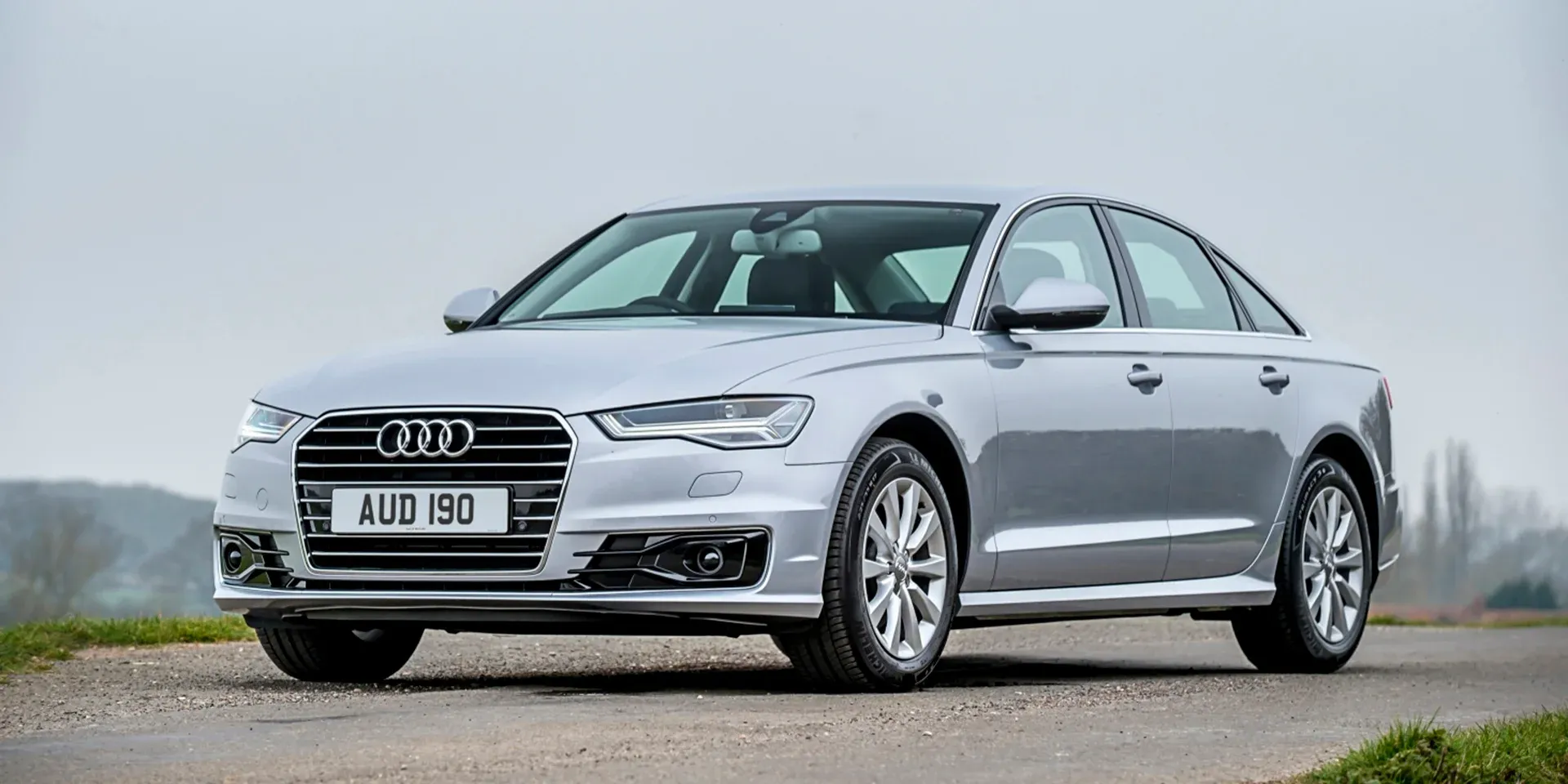
4. Audi A6
The Audi A6 is a technologically advanced luxury sedan with ADAS features including adaptive cruise control, traffic sign recognition, and multiple cameras and radars for semi-autonomous driving functions. Despite the sophistication of these systems, replacing and recalibrating sensors is both expensive and highly specialized.
Audi’s sensors often require dealer-level calibration tools and software that are not available to most independent mechanics, leaving vehicle owners with few affordable options.
Calibration on the A6 is intensive because sensors are interconnected and require precise alignment to the vehicle’s frame and control systems. Cameras, lidar, and radar units must work in perfect harmony to ensure correct operation.
Any misalignment can result in warning lights, error messages, or partial system failures, making it necessary to repeat calibration procedures. These technical requirements translate into high labor costs and extended repair times, even if the sensor itself is moderately priced.
Another factor contributing to high costs is Audi’s design approach, which integrates sensors into bumpers, fenders, and even the hood. Replacing a single sensor can involve removing multiple panels and recalibrating adjacent components, effectively multiplying the cost of what might seem like a simple repair.
In some cases, the replacement of one sensor triggers recalibration of the entire ADAS suite, significantly increasing both labor and time.
Insurance considerations further highlight the financial impact of sensor replacement on vehicles like the A6. Because repair costs are high and calibration is specialized, insurers may classify such vehicles as higher risk, resulting in elevated premiums. Owners must weigh the safety and convenience benefits of advanced ADAS features against the potential for unexpectedly large repair bills following even minor collisions or parking lot incidents.
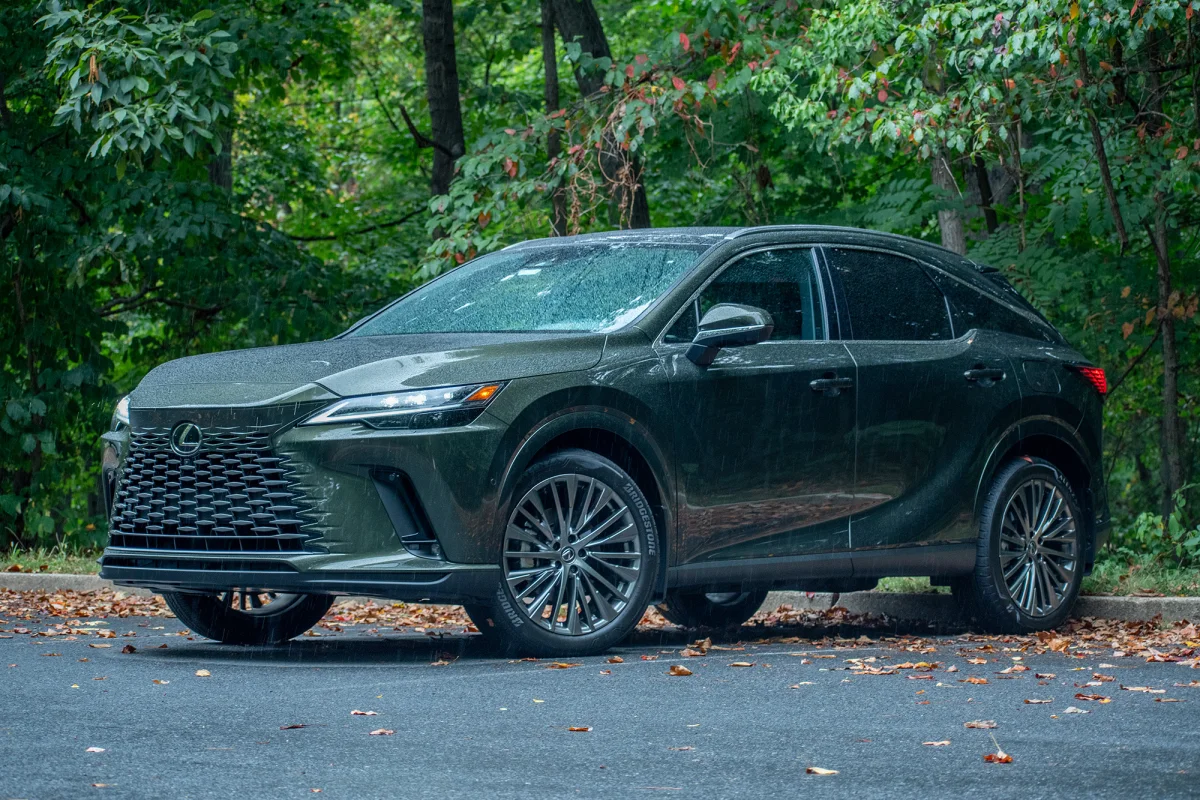
5. Lexus RX
The Lexus RX is a premium SUV that integrates a suite of ADAS technologies including pre-collision systems, lane departure alerts, and radar-based adaptive cruise control. While Lexus emphasizes reliability and safety, sensor replacement can be costly, and calibration requirements amplify expenses.
Many sensors must be recalibrated using Lexus-approved software, and independent repair shops often cannot perform these procedures. This reliance on dealership services makes labor costs significantly higher than for mainstream vehicles with more accessible systems.
Calibration for the RX is complicated because multiple systems are interconnected. For example, replacing a forward-facing radar sensor might also require recalibration of the lane-keeping assist system, collision avoidance module, and adaptive cruise control sensors.
Each system must be precisely synchronized with the others to ensure proper functionality. The intricate calibration process demands both specialized equipment and extensive technician expertise, which contributes to high labor costs and long repair timelines.
The vehicle’s physical design also contributes to increased repair expenses. Many sensors are mounted behind bumpers, grilles, and other trim components that require partial disassembly for access. Additionally, the ADAS sensors often work in conjunction with electronic control modules that must be recalibrated or synchronized after replacement. The complexity of these procedures makes even minor sensor replacements expensive and time-consuming.
From an insurance perspective, the RX falls into a higher-cost category due to these calibration and repair complexities. Collision claims often result in higher payouts, and premiums are typically adjusted accordingly.
While the RX delivers excellent safety and comfort, its ADAS maintenance requirements illustrate how advanced technology can create financial challenges for vehicle owners.
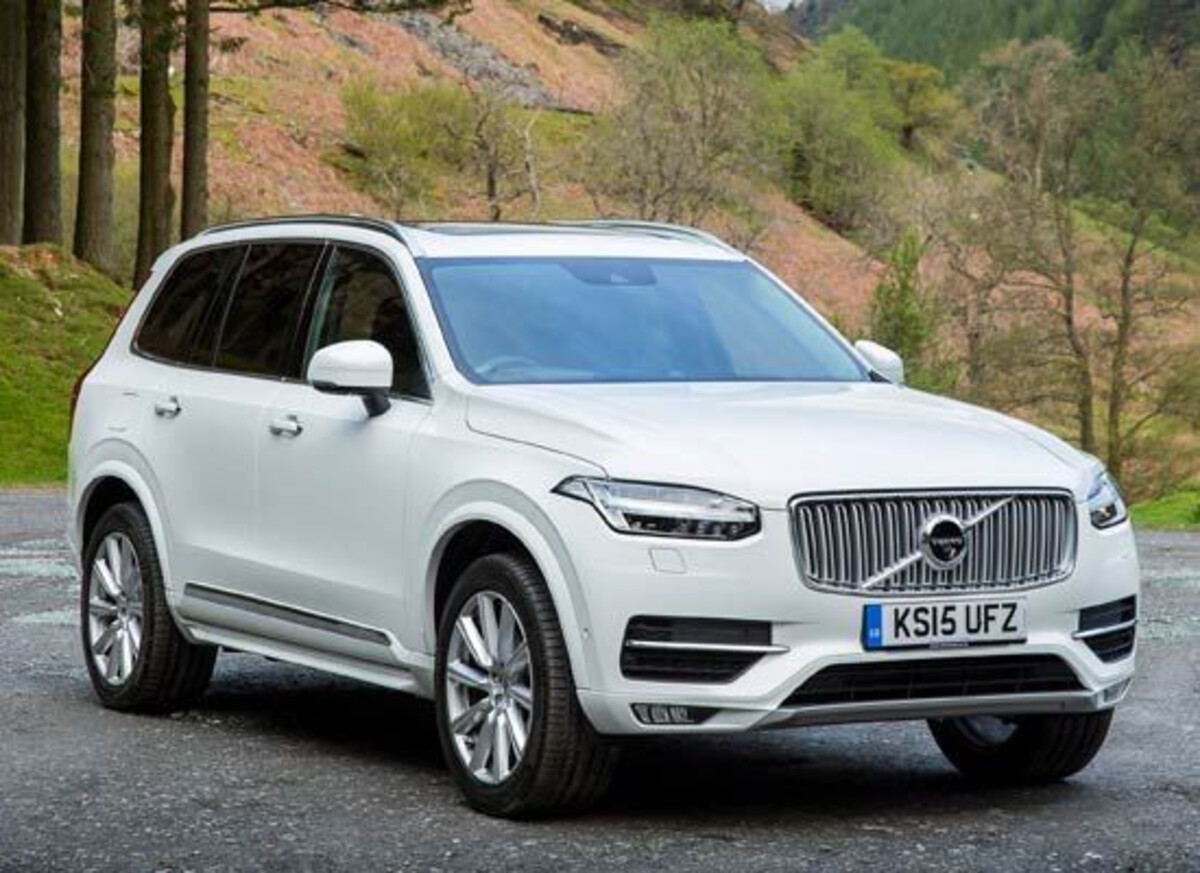
6. Volvo XC90
The Volvo XC90 is a luxury SUV known for its emphasis on safety, with an extensive ADAS suite including adaptive cruise control, pilot assist, blind spot monitoring, and collision mitigation systems.
While these systems are highly effective, replacing sensors is expensive and calibration is particularly demanding. Volvo typically requires the use of proprietary diagnostic tools and dealership-trained technicians, making independent repairs costly or infeasible in some regions.
Calibration of the XC90’s ADAS sensors is labor-intensive because multiple systems rely on precisely aligned cameras and radar units. A single sensor replacement often necessitates recalibration of several interdependent systems to ensure correct operation.
Any misalignment can compromise safety functions, trigger warning lights, or reduce the effectiveness of advanced driver assistance features. This interdependence adds significant labor costs and extends repair timelines, making the total expense of sensor replacement much higher than the cost of the component itself.
The XC90’s design further contributes to high costs. Sensors are often integrated into bumpers, the windshield, and other structural areas, which may require partial disassembly for access. Moreover, replacing one sensor can sometimes affect adjacent systems, requiring recalibration of multiple sensors to restore full functionality.
This complexity creates a financial trap for owners, as even minor accidents or sensor damage can result in thousands of dollars in repair costs.
