
Tires are a component of vehicles that often receive less attention than engines or styling, yet they are one of the most crucial elements in determining a vehicle’s performance, safety, and cost of maintenance.
For car owners, the size and type of tires can have a substantial impact on their budget, particularly when replacements become necessary.
Tires are not created equal; while some sizes are widely used and readily available, others are unique to certain models and can carry a significantly higher price tag.
Understanding which vehicles use common, affordable tire sizes versus those with unusual, expensive options can help buyers make informed decisions not only at the time of purchase but also over the lifetime of the vehicle.
The cost difference is driven by supply and demand, manufacturing complexity, and sometimes the need for specialized materials or construction methods.
Common sizes benefit from mass production, competition among tire brands, and widespread availability, making it easy for drivers to find replacement tires at reasonable prices.
On the other hand, vehicles with odd sizes often require custom manufacturing or come from manufacturers with proprietary standards, resulting in higher costs and fewer choices. In addition to price, tire size can affect ride quality, handling, fuel efficiency, and compatibility with aftermarket options.
Vehicle owners who prioritize practicality often gravitate toward models with standard tire sizes because they reduce both the immediate cost of replacement and the logistical challenges of maintenance.
Conversely, those attracted to high-performance, luxury, or niche vehicles might face a trade-off, enjoying unique driving experiences while accepting higher maintenance costs.
By comparing vehicles across these two categories, it is possible to better understand how tire size affects affordability and practicality.
This comparison not only highlights cost differences but also provides insight into how everyday choices in vehicle selection can influence long-term ownership expenses, making it a critical consideration for those planning their budgets or evaluating overall vehicle value.
Through this analysis, the advantages of standardization and the challenges of specialized equipment become evident, offering guidance to potential car owners who wish to balance performance, style, and economic sense.
Vehicles with Affordable, Common Tire Sizes
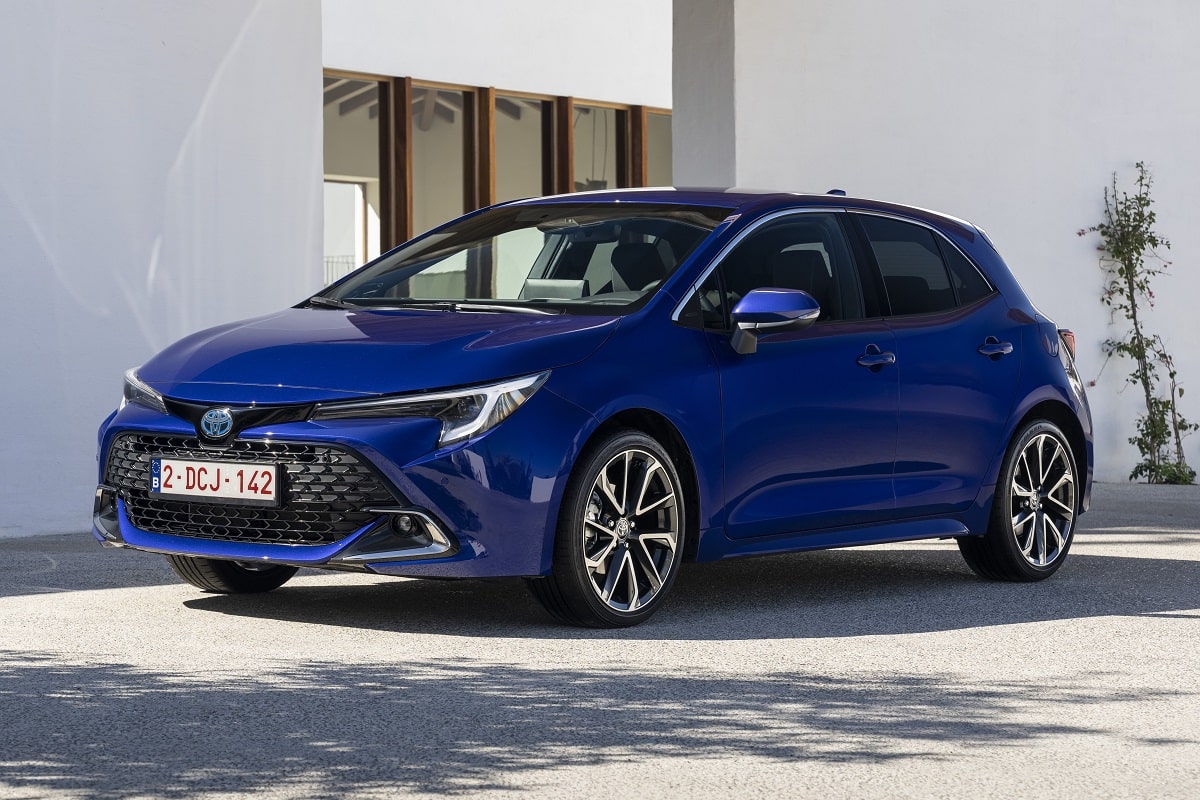
1. Toyota Corolla
The Toyota Corolla is widely recognized as a practical, reliable, and economical vehicle. One key factor contributing to its low overall maintenance costs is its use of common tire sizes, such as 195/65R15 or 205/55R16.
These dimensions are standard across many compact and midsize vehicles, which means replacement tires are readily available from nearly all major brands.
Owners can shop at local tire stores, large retail chains, or online platforms and expect competitive prices. Because these sizes are mass-produced, the cost per tire remains relatively low compared to more specialized or uncommon sizes. This affordability allows drivers to budget for tire replacements without facing unexpected financial strain.
Additionally, having a common tire size increases convenience, as most service centers have these tires in stock and can perform installations promptly without requiring special orders or extended waiting periods.
The availability of multiple brands and models for the Corolla’s tire sizes gives owners flexibility in choosing tires that suit their driving habits.
Drivers who prioritize longevity can select durable all-season tires designed for higher mileage, while those focused on ride comfort may opt for tires with lower road noise and softer sidewalls.
For individuals who drive in areas with snow or rain, there are options for specialized tires that maintain safety and traction without being prohibitively expensive.
The variety ensures that the Corolla’s tire replacements are not just affordable but also versatile, allowing owners to balance performance, comfort, and cost efficiently.
This adaptability makes the Corolla particularly attractive to budget-conscious buyers, students, or commuters who need a reliable car with predictable maintenance expenses.
Another advantage of the Corolla’s common tire sizes is the impact on resale value and long-term ownership costs. Vehicles with standard tire dimensions are easier to sell, as potential buyers are not concerned about the expense or inconvenience of replacing unusual tires.
The ease of replacement and lower costs contribute to higher perceived value over time, making the Corolla a wise choice for those planning to keep the car for many years.
Routine maintenance, such as tire rotations and wheel alignments, is simpler and cheaper as well, because service centers are accustomed to these sizes. The predictability of costs reduces stress and ensures that owners can maintain optimal safety and performance without spending more than necessary.
Finally, standard tire sizes also support consistent performance characteristics across different trims and model years. The tires are selected to complement the Corolla’s weight, suspension, and engine performance, providing a comfortable and stable ride for daily driving.
Owners benefit from balanced handling and reliable traction, whether navigating city streets or highways. By using widely available sizes, Toyota ensures that owners can maintain the vehicle at minimal expense while still achieving optimal safety and comfort.
The combination of cost-efficiency, performance reliability, and convenience makes the Corolla an exemplary vehicle for anyone seeking a dependable and practical daily driver.
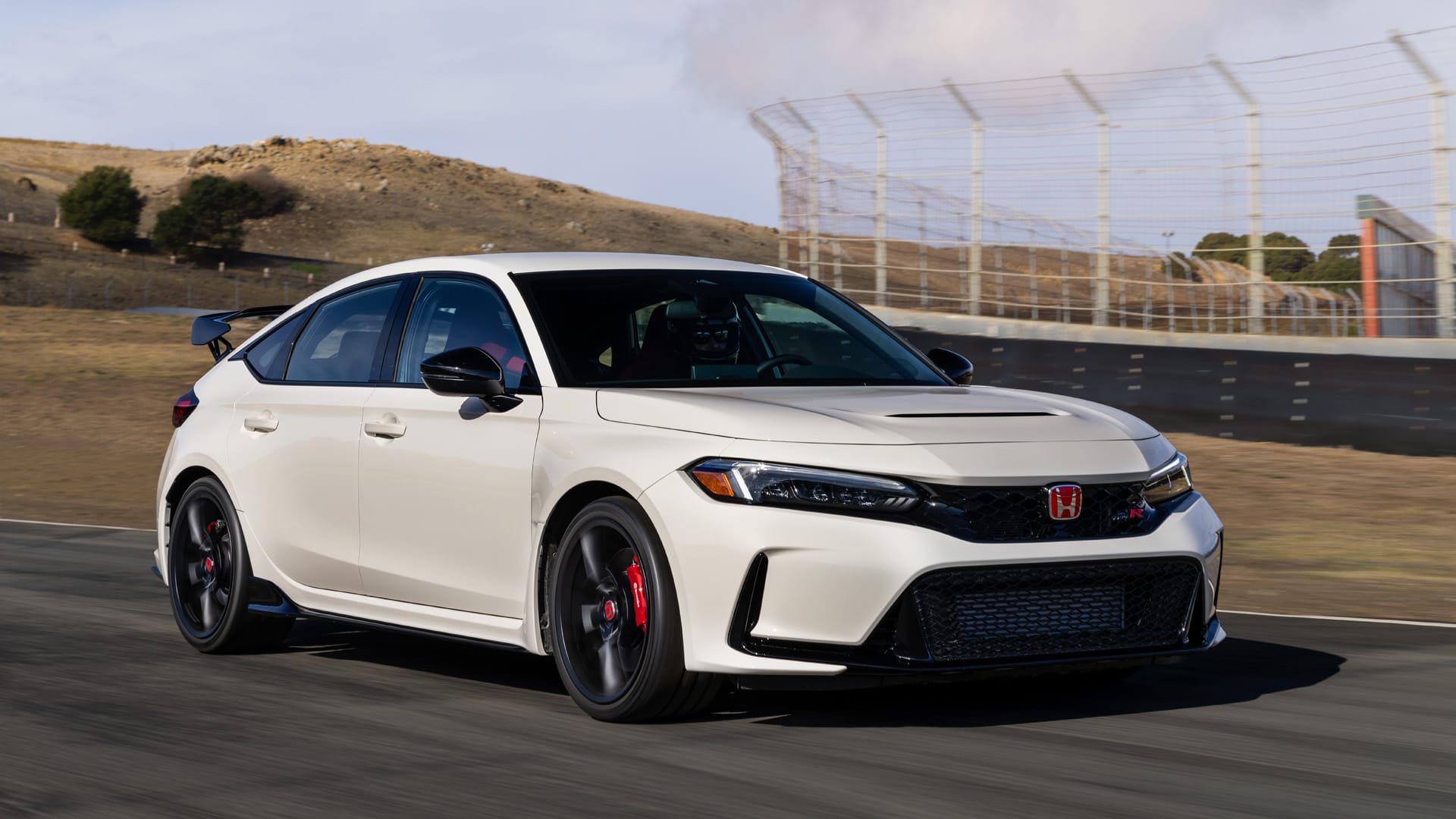
2. Honda Civic
The Honda Civic is another compact car that benefits from standardized tire sizes such as 205/55R16 or 215/50R17.
These sizes are prevalent in the automotive market, which means tires are both accessible and affordable. Drivers can often find multiple options across different brands, ranging from economy to premium models.
The competition among manufacturers ensures that prices remain reasonable and that replacement tires are widely available.
Standard sizes also make installation easier, as virtually all service centers are familiar with the dimensions and performance requirements. For Civic owners, this translates to convenience, cost savings, and the ability to replace tires quickly when necessary.
Beyond affordability, the standard tire sizes provide a balance between performance and comfort. Civic owners can select tires that improve fuel efficiency, reduce road noise, or offer better traction in adverse weather conditions.
The ability to customize performance characteristics without significantly increasing cost is a major advantage over vehicles with rare or high-performance tires.
Additionally, the common size allows owners to rotate or replace individual tires as needed without concern for compatibility, which extends the life of the tire set. For city drivers, commuters, and families, these factors make the Civic practical and cost-effective over long-term ownership.
The predictability of cost and maintenance for the Civic extends to long-term planning. Common tires reduce the risk of encountering unexpected price spikes, and widespread availability ensures that owners are not forced to wait for specialized shipments.
This is particularly valuable for drivers in rural or remote areas, where access to rare tire sizes might be limited. The combination of affordability and convenience contributes to the Civic’s strong reputation as a dependable, low-maintenance vehicle suitable for a wide range of drivers.
Finally, standard tire sizes also enhance resale potential. Prospective buyers are reassured by the ease of maintenance and the low cost of replacement tires, which is often a significant consideration when evaluating a used vehicle.
The Civic’s tires are matched to the car’s weight, suspension, and performance characteristics, ensuring that handling, stability, and ride quality remain consistent across different trims and model years.
By using widely available sizes, Honda provides both economic and practical benefits, making the Civic a smart choice for cost-conscious drivers who do not want to sacrifice comfort or safety.
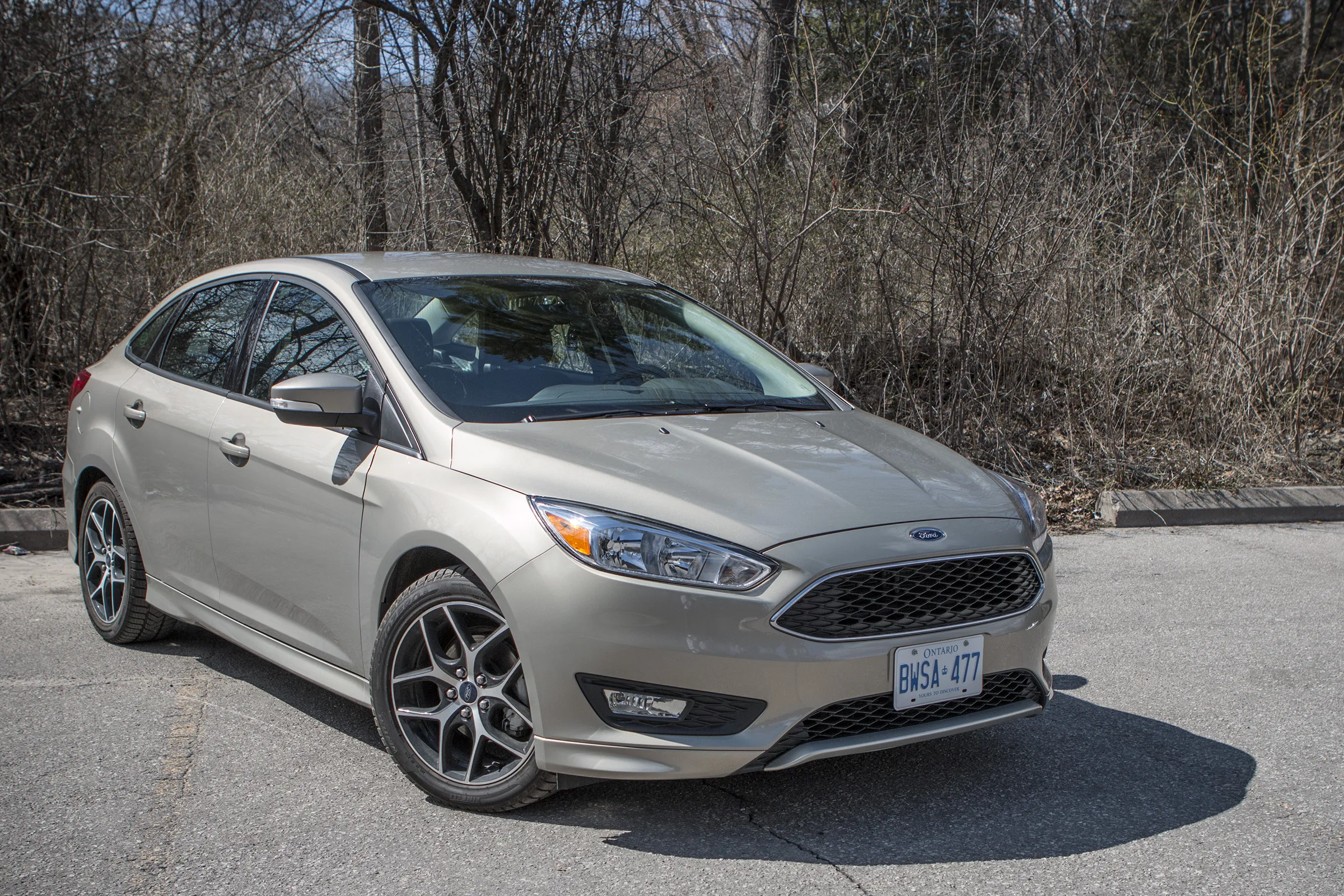
3. Ford Focus
The Ford Focus has long been praised for its combination of affordability, handling, and everyday practicality. One aspect that contributes to its low maintenance costs is its use of standard tire sizes, such as 205/55R16 and 215/50R17.
These dimensions are highly common among compact vehicles, making replacement tires both inexpensive and easy to source.
Drivers benefit from competitive pricing across multiple brands, whether they choose budget all-season options or mid-range performance tires. The wide availability also ensures that service centers can perform tire replacements quickly and efficiently, avoiding delays or higher costs associated with rare tire sizes.
Standard tire sizes on the Focus offer versatility that allows owners to tailor their driving experience without excessive cost. Economical all-season tires improve fuel efficiency, while premium tires enhance traction and cornering performance.
Drivers can also select tires suited for specific climates, such as snow-rated or rain-optimized tires, without being forced to pay a premium for uncommon sizes.
This flexibility helps the Focus maintain a practical advantage over vehicles with more specialized dimensions, where options are limited and replacement costs are high.
The use of common tires also simplifies routine maintenance and extends tire longevity. Rotation, alignment, and balancing are straightforward and widely understood by service technicians.
Owners can expect consistent performance from commonly available tires, reducing the risk of unexpected wear patterns or compatibility issues.
Furthermore, the Focus’s standard tire sizes help preserve resale value, as buyers recognize the cost and convenience advantages associated with readily available tires.
The predictability of replacement costs adds a layer of financial planning security, particularly for drivers who plan to keep the vehicle for several years.
Finally, the balance of performance and affordability provided by common tire sizes aligns with the Focus’s reputation as a well-rounded compact car. Standard tires support the vehicle’s handling characteristics and comfort, allowing it to perform reliably in urban, suburban, and highway driving conditions.
By combining low cost, widespread availability, and reliable performance, the Focus offers a practical solution for drivers who seek a dependable vehicle with manageable long-term maintenance expenses.
The standardization of tire sizes ensures that drivers do not face unexpected challenges or costs, making the Focus a wise choice for everyday transportation.
4. Volkswagen Jetta
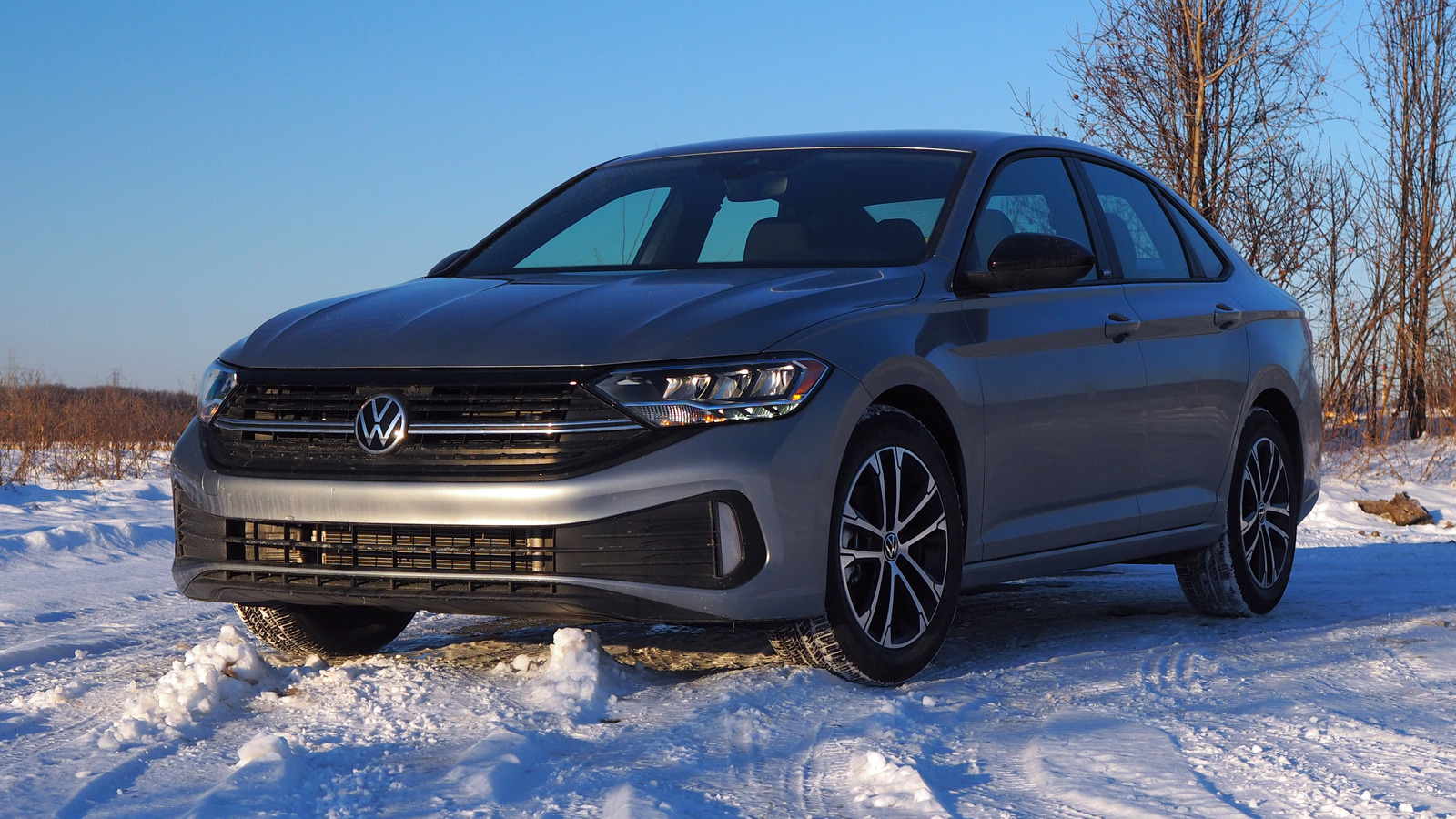
The Volkswagen Jetta is a compact sedan that pairs efficiency and German engineering with practical maintenance costs. The use of common tire sizes, such as 205/55R16 or 225/45R17, plays a significant role in keeping ownership expenses manageable.
These sizes are widely used across multiple brands and models, which means replacement tires are readily available at competitive prices. The mass production of these sizes encourages competition among manufacturers, helping to drive down costs while offering a variety of tire options.
Drivers benefit from a balance of affordability, availability, and performance, which reduces the stress associated with tire replacement and maintenance.
The range of options for Jetta tires allows owners to choose tires that match their priorities. For example, economy tires can reduce monthly driving costs through improved fuel efficiency, while higher-performance options provide better grip and cornering capabilities.
Seasonal options, such as snow tires, are also easily available in these standard sizes, allowing drivers to maintain safety in various weather conditions.
This variety ensures that the Jetta remains flexible and practical for different driving environments without forcing owners to pay premiums associated with unusual sizes.
Standard tire sizes also simplify service and maintenance. Tire rotation, alignment, and balancing are routine for mechanics, which keeps labor costs low.
Predictable tire performance ensures that handling and comfort remain consistent across different tire brands and models, contributing to a positive ownership experience.
Additionally, the wide availability of tires helps preserve the resale value of the vehicle, as prospective buyers recognize the cost advantages of standard replacements. The simplicity of maintenance, combined with low tire costs, reinforces the Jetta’s reputation as a practical and economical sedan.
Finally, the Jetta’s tire sizes are selected to support its balance of ride comfort and handling. Tires provide stability, responsive steering, and smooth road performance, complementing the car’s suspension and overall design.
By using standard, affordable sizes, Volkswagen ensures that the vehicle’s handling characteristics remain consistent without imposing high costs on the owner.
This combination of reliability, practicality, and cost-efficiency makes the Jetta a strong choice for drivers seeking a well-engineered vehicle with manageable maintenance expenses.
Common tire sizes support long-term financial planning and reduce the stress of ownership, making the Jetta a practical and dependable daily driver.
5. Hyundai Elantra
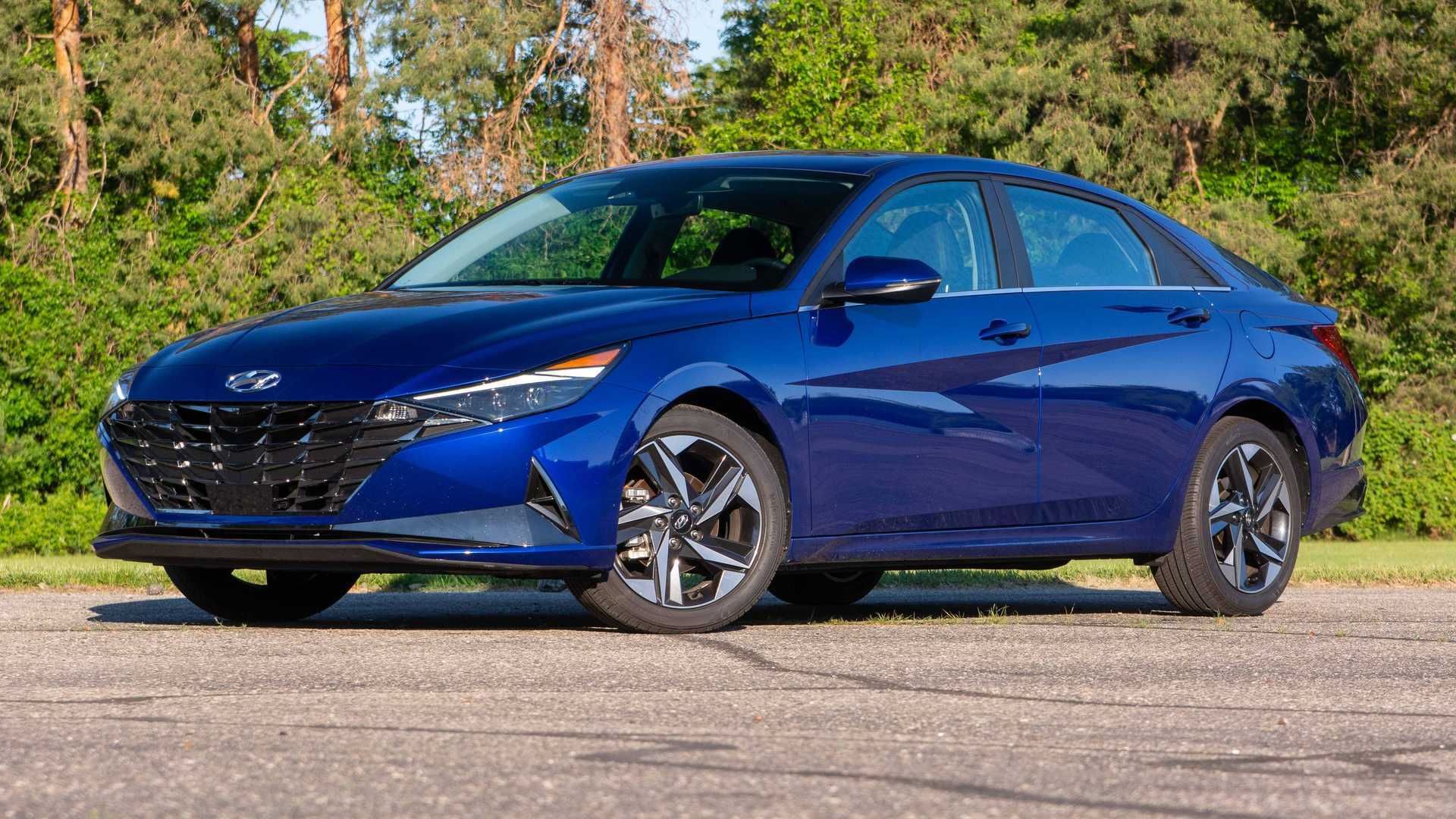
The Hyundai Elantra employs widely used tire sizes, such as 205/55R16 or 215/45R17, which makes replacements accessible and affordable. These dimensions are standard across many compact and midsize vehicles, ensuring that tires are easy to find from multiple brands and retailers.
The availability of common sizes drives competition among manufacturers, lowering costs and providing a variety of quality options.
Owners can choose tires suited for fuel efficiency, comfort, or performance without worrying about paying excessive prices or waiting for specialized orders. This ease of access makes routine maintenance and emergency replacements straightforward and predictable.
Common tire sizes also allow Hyundai Elantra owners to customize their driving experience to meet individual needs.
Economy tires reduce fuel consumption, while premium tires improve handling and grip. Seasonal options are plentiful, including winter tires and rain-specific designs, allowing the vehicle to perform safely in diverse climates.
The variety and accessibility of tires ensure that owners do not compromise safety or comfort when seeking affordability, supporting the Elantra’s reputation as a practical and cost-conscious choice.
Maintenance simplicity is another advantage of common tire sizes. Routine services such as rotations, balancing, and alignment are familiar to most service centers, which reduces labor costs and time. Tire longevity is easier to manage when replacements and maintenance can be performed without complications.
Furthermore, widely available tire sizes help preserve the vehicle’s resale value, as buyers recognize the convenience and affordability of standard replacements. This predictability makes long-term ownership financially manageable and reduces potential stress associated with unexpected tire costs.
Finally, the Elantra’s tires are matched to its suspension and performance characteristics to deliver a comfortable, stable, and efficient ride. Owners enjoy balanced handling, smooth road response, and safe traction without the need for specialized tires.
By using common, widely available sizes, Hyundai ensures that the Elantra remains a low-maintenance vehicle over its lifetime.
The combination of affordability, practicality, and reliable performance makes the Elantra a strong contender in the compact car segment, particularly for drivers who prioritize cost-effective ownership without compromising comfort or safety.
Vehicles with Odd, Expensive Tire Sizes
1. BMW 7 Series
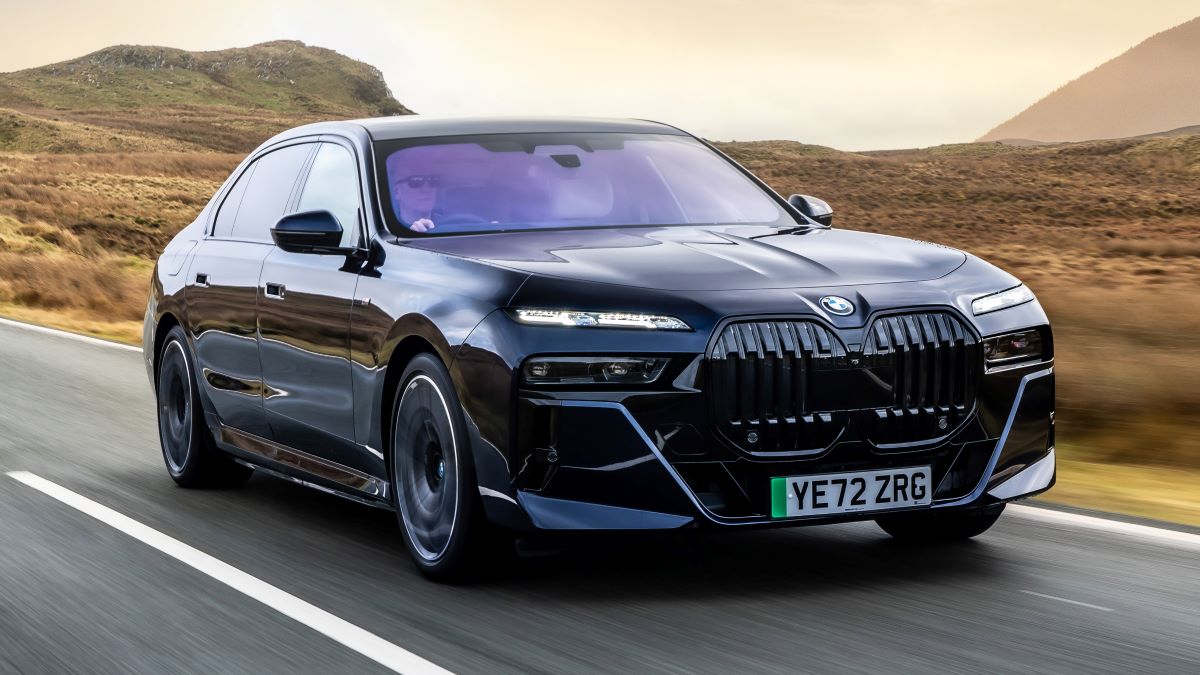
The BMW 7 Series is a full-size luxury sedan that exemplifies premium engineering, comfort, and performance. However, one area where ownership costs can quickly rise is tire replacement, due to the use of uncommon and wide tire sizes, such as 245/45R19 for the front and 275/40R19 for the rear.
These dimensions are not standard across most vehicles, meaning that replacement tires are produced in smaller quantities and are therefore more expensive. In addition to a higher cost per tire, fewer brands manufacture them, limiting choices for performance, comfort, or all-season capabilities.
This scarcity can result in higher shipping fees and longer wait times for certain models, particularly specialty tires designed for luxury performance sedans.
The premium nature of BMW tires also reflects advanced technology, such as run-flat construction or specialized tread patterns, which further increases their price compared to common passenger car tires.
Owners of the BMW 7 Series also face challenges in finding tires suitable for specific driving conditions. While standard tires offer multiple options for varying weather, the limited availability of wider, low-profile tires makes selecting an ideal tire a more expensive endeavor.
Winter or snow tires are especially costly, as they must be manufactured in the same specialized dimensions to maintain proper handling and safety.
Even with proper maintenance, the performance characteristics of high-end tires designed for luxury sedans can wear differently than standard tires, requiring more frequent replacement to sustain optimal ride quality.
This adds to the overall cost of ownership, as tire maintenance becomes a notable recurring expense rather than a minor routine cost.
Another consideration is the effect on maintenance and repair logistics. Not all tire shops stock or can easily source 19-inch or larger performance tires for luxury vehicles. Owners may need to rely on dealership service centers or specialty shops, which typically charge higher labor rates.
Additionally, wheel alignment and balancing for staggered tire sizes, where the front and rear tires are different widths, can be more complex and time-consuming.
While the BMW 7 Series is renowned for its smooth handling and precise ride, maintaining this performance requires investing in proper tires and service. For many owners, these considerations represent a trade-off between luxury driving experience and cost efficiency.
Finally, the premium tire sizes of the BMW 7 Series have implications for resale value and long-term ownership planning. While the car itself retains value due to brand reputation and luxury features, prospective buyers are often aware of the high costs associated with replacing oversized, specialized tires.
These costs can influence purchasing decisions or negotiation during resale. The combination of limited availability, high unit price, and specialized maintenance makes tire ownership for the 7 Series significantly more expensive compared to vehicles with standard tire sizes.
Buyers who prioritize comfort and performance over cost accept this trade-off, but it underscores how tire selection can dramatically impact overall vehicle expenses.
2. Porsche 911
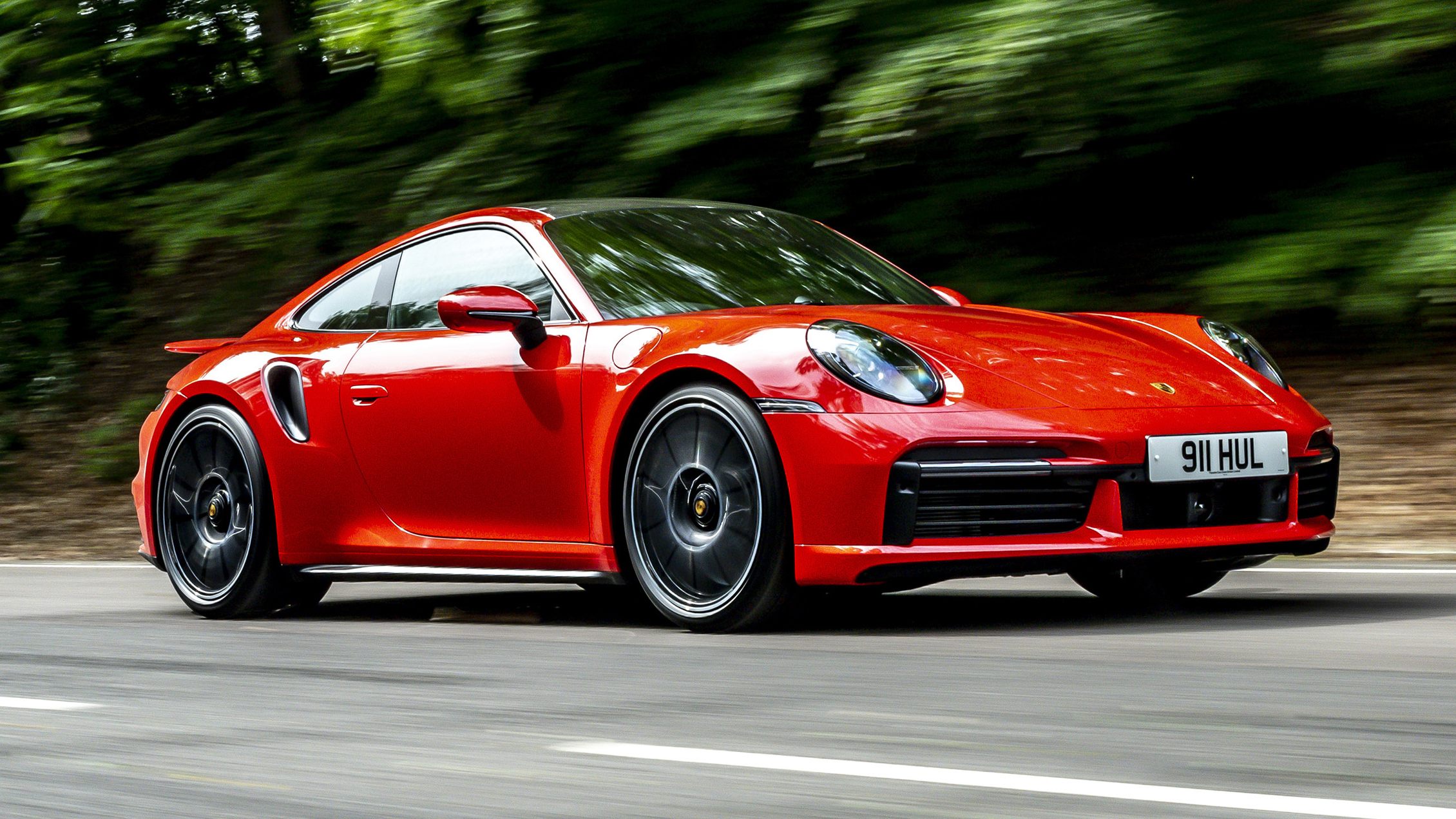
The Porsche 911 is an iconic sports car that delivers exceptional handling, acceleration, and precision engineering. However, this high-performance design comes with unique challenges, particularly in tire maintenance.
The 911 often uses very wide, low-profile tires such as 245/35R20 on the front and 305/30R20 on the rear, which are uncommon in the automotive market.
These specialized sizes are manufactured in limited quantities, significantly increasing their price compared to standard passenger car tires.
Additionally, these performance tires are designed to maximize traction and handling at high speeds, often using proprietary compounds and tread designs that further contribute to their elevated cost. For owners, replacing tires on the 911 is an expensive but necessary investment to maintain optimal performance and safety.
The rarity of 911 tire sizes also limits brand and model choices. While standard car tires offer dozens of brands and models at various price points, Porsche owners are typically restricted to performance-focused tires from a few manufacturers. This limitation reduces flexibility in balancing cost, longevity, and comfort.
Seasonal tires, such as winter or rain-specific performance models, are even more limited and expensive.
For drivers who live in regions with diverse weather conditions, maintaining year-round safety while preserving performance requires careful budgeting, often making tire replacement a significant portion of annual maintenance costs.
Another factor is the labor and service required for these specialized tires. Larger, low-profile, wide tires are more difficult to mount, balance, and align properly. Many standard service centers are not equipped to handle tires of this size and construction, requiring visits to specialty shops or authorized Porsche dealers.
Labor costs are correspondingly higher, and improper installation can negatively affect handling, stability, and tire longevity.
Even minor errors in mounting or alignment can compromise the vehicle’s dynamic performance, meaning that high-quality service is essential. The combination of expensive tires and labor-intensive maintenance makes tire upkeep for a 911 both a financial and logistical consideration.
Finally, the specialized nature of 911 tires also influences resale and long-term ownership. Prospective buyers are well aware of the high replacement costs associated with the vehicle’s performance tires, which can affect perceived value.
Owners must plan for periodic tire replacement more proactively than with common vehicles, particularly because the tires wear faster under high-performance driving conditions.
Despite these challenges, enthusiasts accept the expense in exchange for the unmatched handling, acceleration, and driving experience that the Porsche 911 delivers. The cost of tires becomes part of the ownership experience, reflecting a trade-off between exceptional performance and higher maintenance expenses.

3. Mercedes-Benz G-Class
The Mercedes-Benz G-Class, particularly models like the G550 or AMG variants, is a luxury SUV with a distinctive boxy design and off-road capability. One major factor that increases ownership costs is its use of oversized tires, such as 275/55R20 or larger.
These tire sizes are not only uncommon but also designed to handle the vehicle’s substantial weight, high center of gravity, and all-terrain capabilities.
Unlike standard SUV tires, G-Class tires are built for both luxury ride comfort and off-road durability, which requires advanced compounds and reinforced construction. The combination of size, specialty engineering, and limited production drives up the price significantly compared to mainstream SUV tires.
Availability is another challenge for G-Class tires. Unlike mid-size SUVs that share common dimensions, the G-Class uses tires that are more niche, resulting in limited stock and fewer brands to choose from.
Replacement tires may require ordering through dealerships or specialty retailers, and shipping costs can add to the total expense.
Seasonal or terrain-specific tires, such as winter or off-road variants, are also scarce in these sizes and tend to cost a premium. This scarcity not only increases the price but also affects convenience, as tire replacements may take longer than with more common vehicles.
Maintenance and installation of G-Class tires can be more complex due to their size and weight. The tires are larger and heavier than those on standard vehicles, requiring specialized equipment for mounting, balancing, and alignment. Service centers familiar with these dimensions are less common, and labor costs are generally higher.
Additionally, the SUV’s weight and high torque output put extra stress on tires, causing them to wear faster than lighter vehicles. Owners must monitor tire condition more frequently, adding both time and cost to regular maintenance routines.
Finally, the expensive and oversized tire sizes of the G-Class affect long-term ownership and resale. Potential buyers consider the recurring cost of replacement tires when evaluating the vehicle, especially because all four tires often need to be replaced simultaneously to maintain proper handling and safety.
While the G-Class retains strong resale value due to its iconic design and capabilities, the high cost of tires can influence purchasing decisions and financial planning for ownership.
For many owners, the premium tire sizes are simply part of the price of luxury and performance, reflecting the trade-off between exclusivity, off-road ability, and maintenance expense.
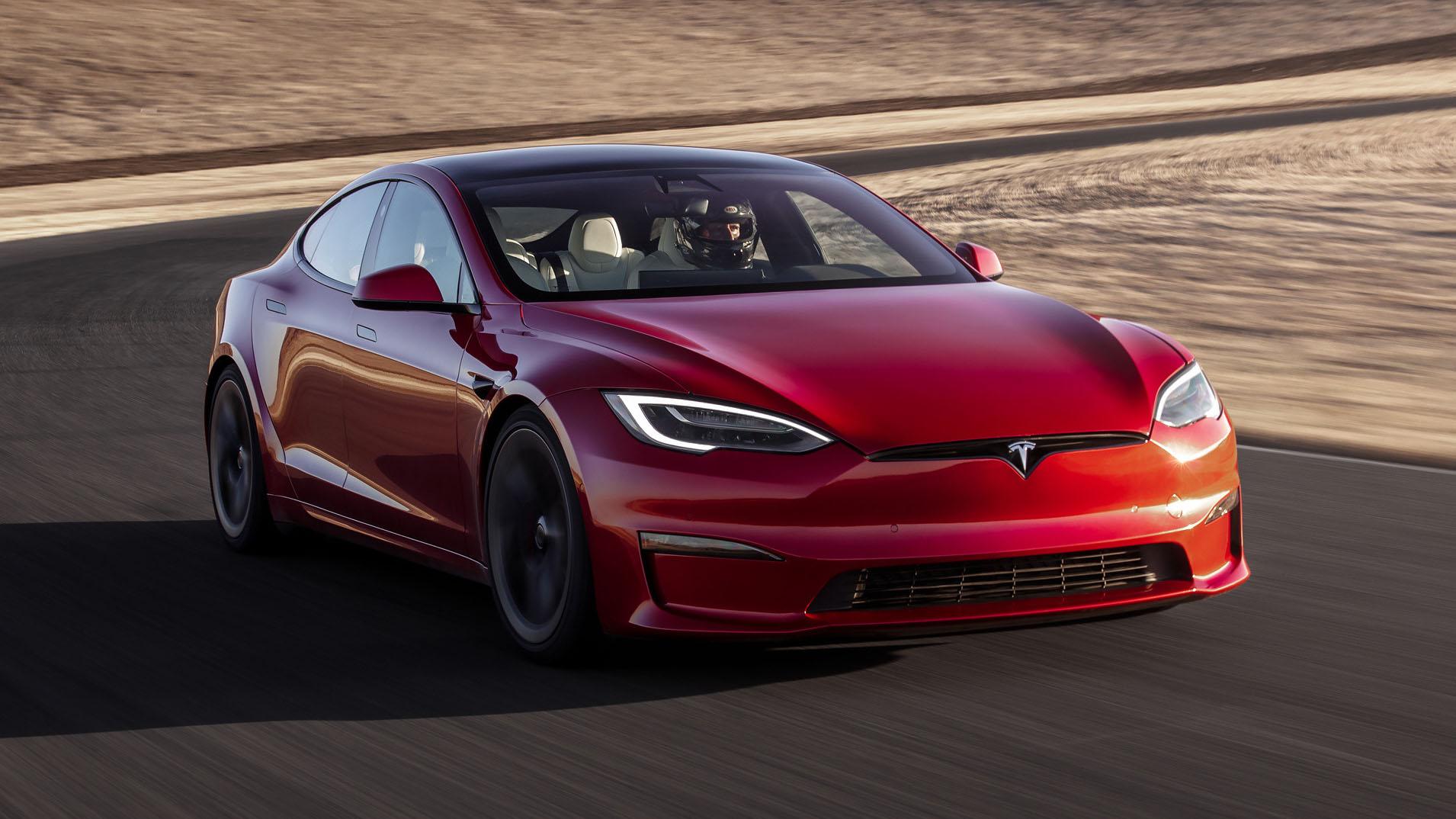
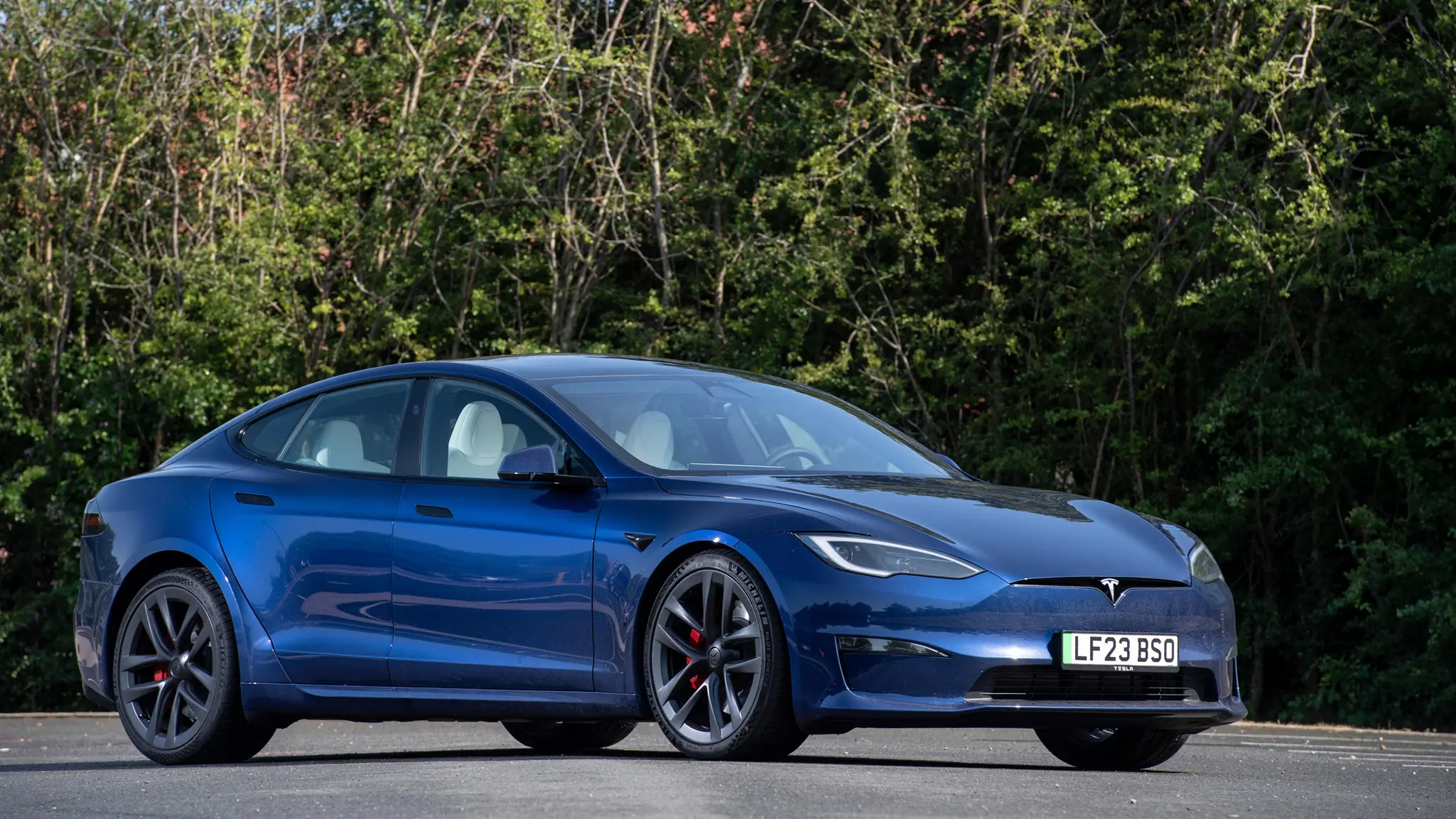
4. Tesla Model S Plaid
The Tesla Model S Plaid is an electric luxury performance sedan known for its extreme acceleration, long-range battery, and advanced technology. One of the hidden costs of ownership comes from the unusual tire sizes it uses, such as 245/35R21 for the front and 275/30R21 for the rear.
These large, low-profile tires are designed to handle the high torque and speed capabilities of the vehicle while maintaining efficient rolling resistance to maximize range.
Their specialized construction, combined with the limited production volume, leads to significantly higher prices compared to standard tire sizes. Replacement tires are therefore both costly and less widely available, making tire maintenance a notable component of ownership expense.
In addition to price, availability and choice are limited for the Model S Plaid. Performance tires suitable for high-speed handling are produced by only a few manufacturers, reducing options for owners who want specific trade-offs between comfort, longevity, and traction.
Seasonal options such as winter tires are even more expensive due to the limited production of compatible sizes, and switching between summer and winter setups can involve additional costs.
The need to maintain tire safety and performance is particularly important for electric vehicles, as the heavy battery weight increases stress on tires, accelerating wear compared to conventional vehicles.
Installation and service for Tesla Plaid tires are more challenging than for average sedans. The large wheels and low-profile tires require specialized equipment and expertise to mount, balance, and align properly.
Many standard tire shops are not equipped to handle such dimensions, pushing owners toward Tesla service centers or specialized tire shops.
Labor costs are therefore higher, and improper installation can compromise handling, range efficiency, and tire longevity. The combination of high-performance requirements and limited service access makes tire maintenance for the Model S Plaid a more involved and expensive process than for typical vehicles.
Finally, these expensive and specialized tire sizes influence long-term planning and resale value. Potential buyers are aware of the high costs associated with maintaining the vehicle’s tires, which can affect the perceived cost of ownership.
Frequent replacements may be necessary due to wear from aggressive acceleration, heavy weight, and low-profile construction.
Despite these costs, the Tesla Model S Plaid’s extraordinary performance and technology justify the expense for enthusiasts and luxury buyers.
The unusual tire sizes highlight how maintaining peak performance in high-end vehicles can be significantly more expensive than for cars with standard, affordable tires.
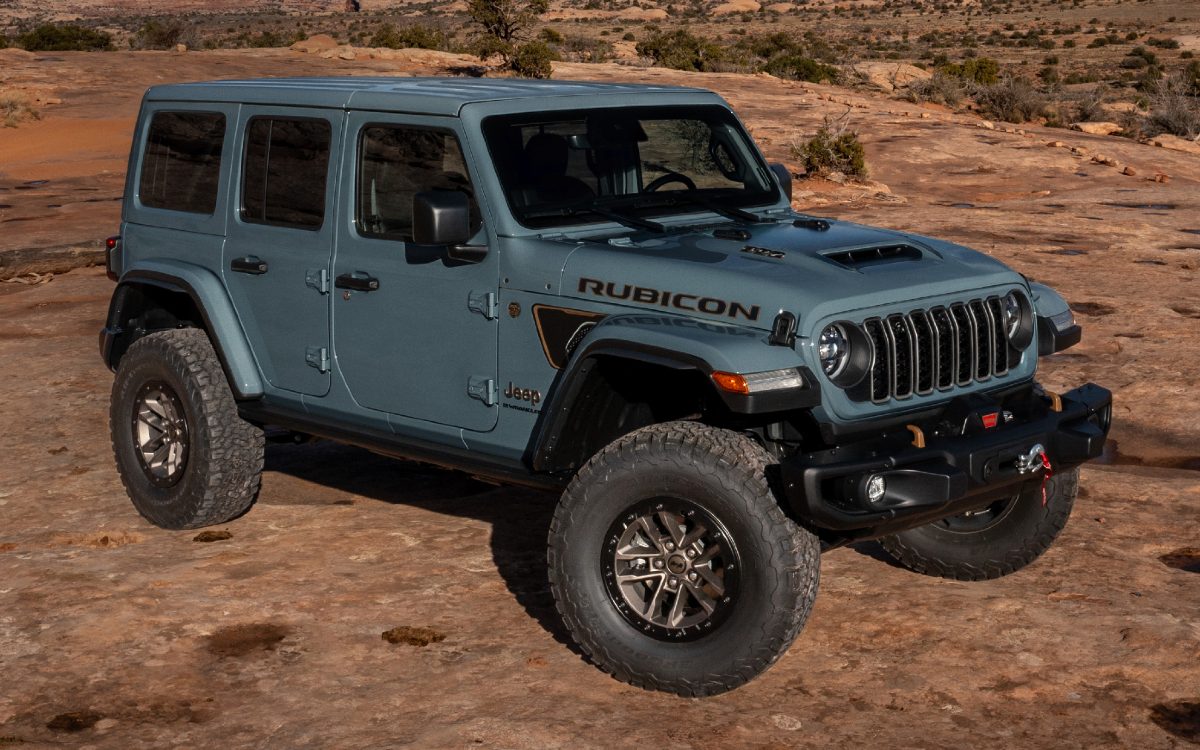
5. Jeep Wrangler Rubicon (Lifted/Aftermarket)
The Jeep Wrangler Rubicon, particularly in lifted or heavily modified configurations, often uses oversized, off-road-focused tires such as 35×12.50R17 or larger. These tires are far from standard and are engineered to provide extreme traction, durability, and ground clearance in off-road conditions.
Because these dimensions are uncommon and demand specialized tread patterns, they are considerably more expensive than tires for standard vehicles.
In addition to higher per-tire cost, these tires are heavier and bulkier, adding complexity to installation, maintenance, and vehicle performance. Owners must accept the higher expense as a necessary trade-off for superior off-road capability.
The availability of these tires is limited, particularly for advanced or specialty designs. While mainstream tire shops carry standard SUV or truck sizes, oversized off-road tires are typically stocked by specialty retailers, online suppliers, or dedicated off-road shops.
This scarcity increases both cost and lead time for replacements. Seasonal or terrain-specific variants, such as mud-terrain or snow-rated off-road tires, are also expensive due to limited production.
Owners who want to maintain versatility for all driving conditions must invest significant money to keep their Rubicon equipped for safety and performance.
Maintenance and installation of oversized off-road tires require additional labor and care. The weight and size make mounting and balancing more difficult than standard tires. Alignments may need adjustment to accommodate suspension modifications, such as lifts, further increasing service costs.
Moreover, the added stress on drivetrain components from larger tires may necessitate additional maintenance, making the total cost of ownership higher than with standard Jeep configurations.
Finally, expensive, oversized tires affect resale and long-term planning. Prospective buyers are aware that maintaining a lifted Rubicon involves higher tire costs, as well as potential added wear on suspension and drivetrain components.
Despite this, enthusiasts are willing to pay for the combination of rugged capability and unique appearance, valuing the trade-off between extraordinary off-road performance and increased ownership expense.
The Rubicon demonstrates how specialized tires, while significantly more costly, are often essential for vehicles designed for extreme or customized performance.
