Choosing a car often involves balancing comfort, performance, and personality, but noise levels can make a world of difference. Some drivers prioritize serenity, craving cabins that block road and wind noise while providing a refined, luxury-like experience without a luxury price tag.
Vehicles like the Honda CR-V, Kia K5, Hyundai Elantra, Chrysler Pacifica, and Volkswagen Jetta show that quiet, well-engineered cabins are attainable on a budget, offering smooth rides, supportive seating, and thoughtful soundproofing features.
On the other hand, there is undeniable thrill in a car that roars, whistles, or sings under acceleration. Sports cars and high-performance machines such as the Nissan 350Z, Mazda RX-7 FC, Audi S8, Pontiac GTO, and Ford Shelby GT500 deliver excitement in spades, but that comes with buzzy, loud cabins that let every engine note and exhaust crackle fill the interior.
Exploring these two extremes highlights how differently cars can feel and sound, even when priced within reach of everyday enthusiasts.
5 Budget Cars with Luxury-Quiet Cabins
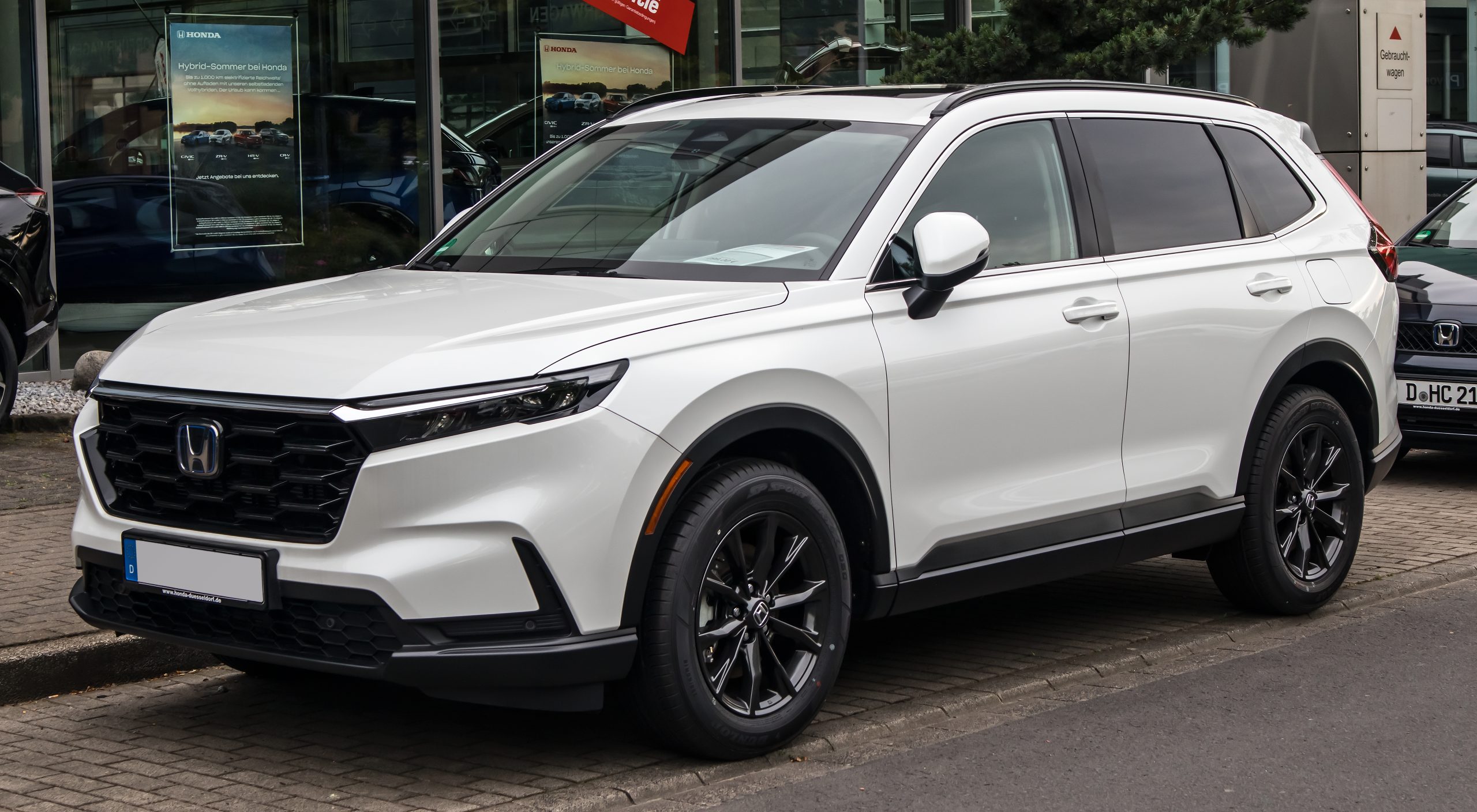
1. Honda CR-V
The 2024 Honda CR-V is a compact SUV that combines quiet comfort, solid driving dynamics, and practical features. It comes with a base 1.5-liter turbocharged inline-4 engine producing 190 horsepower and 179 lb-ft of torque, paired with a CVT transmission.
Fuel economy is rated at 28 mpg city and 34 mpg highway for the gas-only model, while hybrid variants offer up to 40 mpg combined, dropping to 37 mpg with all-wheel drive. Pricing ranges from approximately $29,500 to $40,200, depending on trim and options.
One of the CR-V’s standout traits is its exceptionally quiet cabin. Honda has equipped it with noise-reducing features, including Active Noise Cancellation (ANC) via the audio system, noise-reducing wheel resonators, and a floating rear subframe.
Hard plastics are used throughout the interior, but rattles are minimal even at higher speeds. The gas-only version is recommended for those prioritizing cabin quietness, as the hybrid can be slightly noisier on inclines.
Interior comfort is excellent for the class. Both rows offer generous space, and large windows enhance the sense of openness. Front seats are highly adjustable and supportive, while rear seating provides above-average legroom and ease of access for adults or car seats.
Large door openings and seats positioned at a convenient height make entry and exit simple. Controls are logically arranged, with physical climate controls easily operated without looking.
The CR-V is composed and responsive, though not sporty. The hybrid Sport Touring model accelerates from 0–60 mph in about 8 seconds, a typical performance figure for compact SUVs. Braking is reliable, while steering offers decent feedback.
Ride quality is one of the SUV’s strengths, providing a smooth and controlled experience over most road conditions. Cornering stability is solid, although visibility varies well upfront but is limited in the rear, mitigated by effective parking cameras.
Honda equips the CR-V with usable tech, though it trails some rivals in sophistication. A 9-inch infotainment screen is standard, supporting wireless Apple CarPlay and Android Auto, as well as wireless charging and multiple USB ports (excluding the base trim).
While functional and responsive, it is smaller than screens found in competitors like the Accord. Advanced driver-assist features work well, though the SUV lacks some higher-end options offered by other brands.
Cargo space is above average for the segment, though hybrid models sacrifice some capacity and omit a spare tire. The cargo area is wide and tall, making it easier to accommodate bulky items. Interior storage is practical, with ample phone storage, cupholders, door pockets, and a sizable under-armrest bin. Despite minor setbacks in storage design, usability remains strong.
The CR-V is a well-built SUV, offering smooth, quiet driving and a solid-feeling cabin. Hard plastics are balanced by thoughtful design, making the interior feel durable. Pricing is slightly higher than some competitors, but quality and reliability justify the cost.
Warranty coverage is average, with some rivals providing more extensive support. Fuel economy is competitive, with hybrids outperforming gas-only models under city driving, though real-world highway performance can fall short of EPA estimates.
The Honda CR-V is a practical, well-rounded compact SUV. It prioritizes comfort, quietness, and solid handling over flashy design, offering responsive controls and a pleasant driving experience. Its restrained styling may feel generic, but its reliability, interior quality, and efficiency make it a dependable choice for buyers seeking a comfortable and functional crossover.
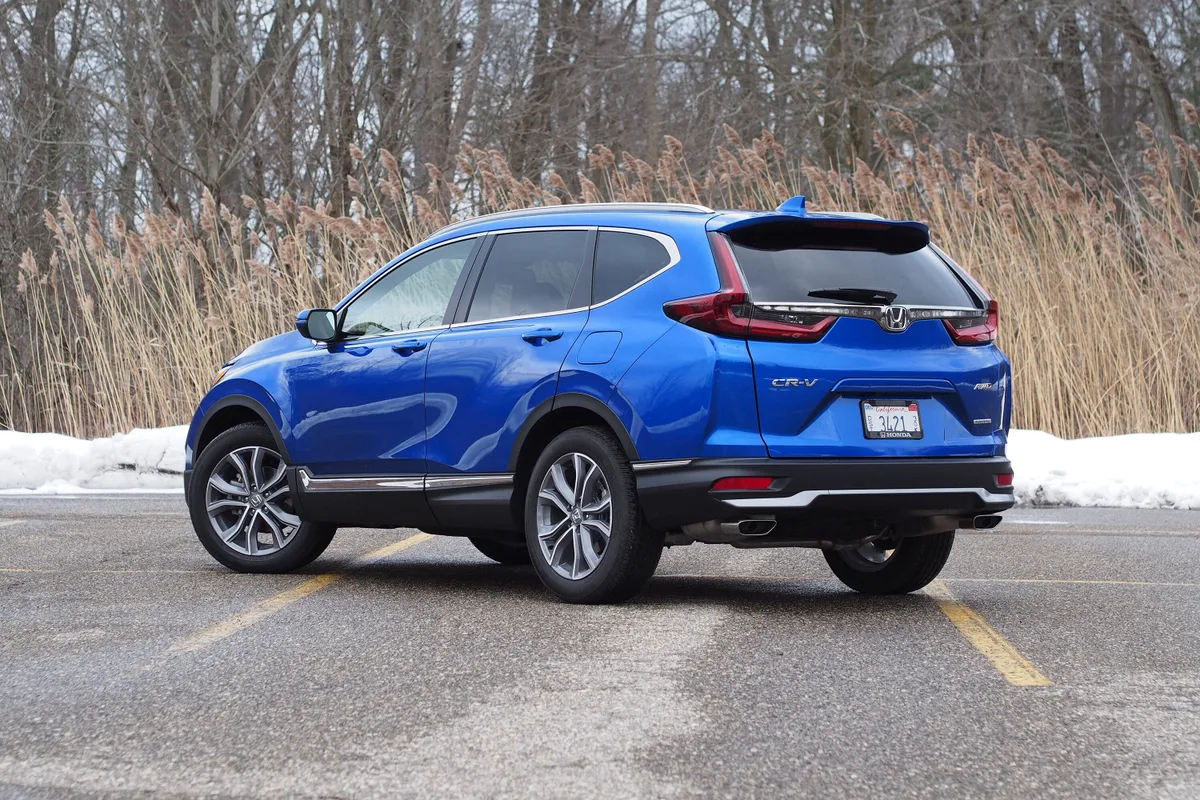
2. Kia Optima/K5
The Kia Optima, rebranded as the K5 from 2021 onward, is a mid-size sedan that balances style, comfort, and value. The base model comes with a 1.6-liter turbocharged inline-4 engine producing 180 horsepower and 195 lb-ft of torque, paired with an 8-speed automatic transmission.
Fuel economy is rated at 27 mpg city and 37 mpg highway. Pricing varies significantly depending on year and trim, with 2020 Optima models ranging from $13,994 to $23,990, while 2024 K5 models are priced between $25,590 and $31,990.
Both the Optima and the K5 benefit from Kia’s improvements in reducing noise, vibration, and harshness (NVH). Features like Active Noise Control, acoustic laminated glass, upgraded engine mounts, and sound-deadening carpets contribute to a surprisingly quiet cabin for the price.
Engine noise is slightly noticeable at idle or low speeds but remains acceptable. The K5’s cabin rivals some luxury sedans in highway quietness, with front seats offering good cushioning and support, while the rear bench accommodates large infant seats comfortably. Interior design is logical and user-friendly, though additional physical controls would be appreciated by some drivers.
The K5 provides a smooth and composed driving experience suitable for daily use, though it is not a performance-focused sedan. The base engine delivers adequate power, but acceleration from 0–60 mph takes around 8.5 seconds, making highway passing less brisk than some competitors.
Suspension tuning effectively absorbs road imperfections without feeling too soft, and body roll is moderate around corners. Forward visibility is excellent due to narrow front pillars, while rear visibility is slightly limited by the tall rear decklid.
Advanced driver-assist features, including a blind-spot camera system, 360-degree parking camera, adaptive cruise control, and lane-keeping assistance, work reliably. Sportier GT trims offer more powerful engines for drivers seeking enhanced performance.
Kia equips the K5 with modern tech features, making it a class leader in connectivity. The standard 12.3-inch touchscreen is driver-oriented and complemented by an optional digital instrument cluster.
Wireless Apple CarPlay and Android Auto are standard, with an optional wireless charging pad featuring a cooling fan and a secure spring-loaded section. Optional features include a digital key for keyless access. Controls are intuitively placed, reducing the need to consult the owner’s manual.
Despite its fastback styling, the K5 uses a traditional trunk rather than a hatchback. Trunk capacity is 15.6 cubic feet, slightly above average for the class, with a wide, low opening and convenient rear seatback releases for longer items. The cabin also provides multiple storage solutions, including a charging pad, phone tray, and large center armrest bin.
The K5 represents strong value, offering a favorable price-to-feature ratio across trims. Synthetic leather upholstery is standard, with higher-end options such as genuine leather or a head-up display unavailable. Interior materials are solid, with hard plastics used sparingly in low-touch areas.
Kia’s warranty coverage is excellent, offering 10 years/100,000 miles for the powertrain and five years/60,000 miles for basic coverage. Base-engine models achieve an EPA-estimated 30 mpg combined, competitive with other mid-size sedans.
The Kia Optima/K5 is a stylish, well-equipped mid-size sedan that offers a quiet and comfortable cabin, solid handling, and excellent technology for its price. While acceleration is not class-leading, its ride quality, advanced safety features, and strong warranty make it a compelling choice for buyers seeking a practical yet visually appealing sedan.
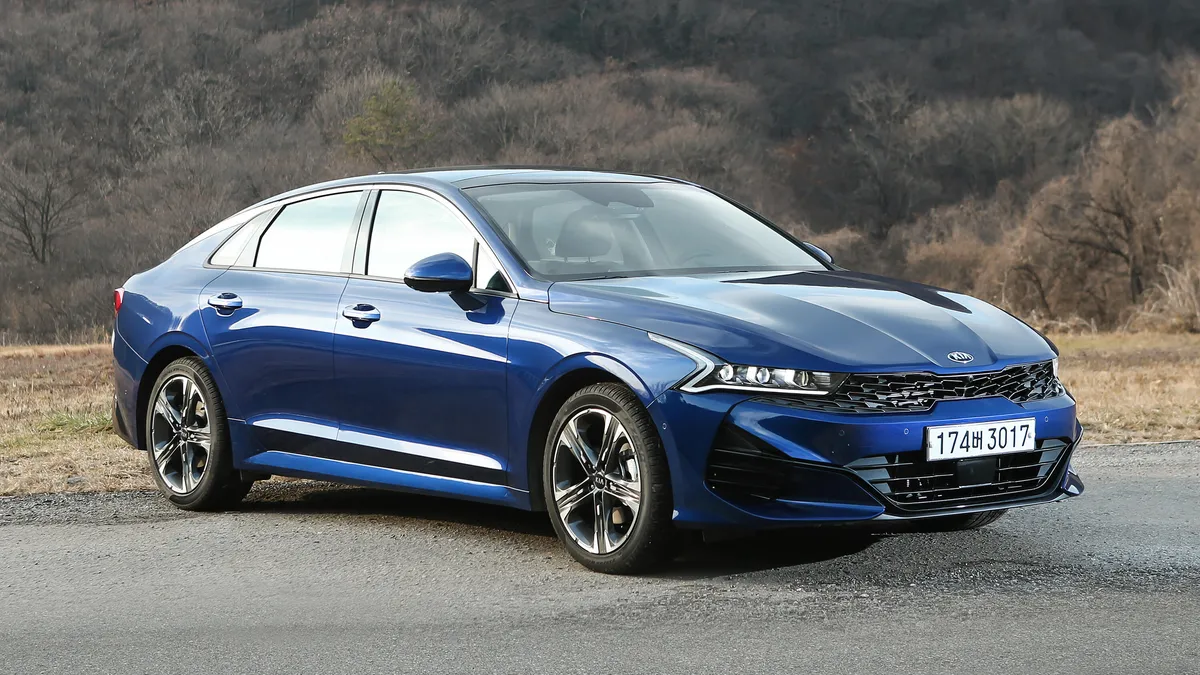
3. Hyundai Elantra
The Hyundai Elantra is a compact sedan offering a quiet, comfortable, and fuel-efficient driving experience at an affordable price. The 2024 base model features a 2.0-liter inline-4 engine producing 147 horsepower and 132 lb-ft of torque, paired with a continuously variable transmission (CVT).
Fuel economy is rated at 32 mpg city and 41 mpg highway, with real-world testing exceeding 40 mpg. Pricing ranges from $21,625 to $28,465, depending on trim and options.
The Elantra’s cabin is designed for a serene driving experience. Foam-layered carpeting, insulated wheel wells, and a thick windshield help reduce road and wind noise. Engine noise is minimal during standard driving, though hard acceleration can reveal the limits of the base 2.0-liter engine.
Front seats offer adequate support and wide adjustability, though seat bottoms feel slightly flat on long trips. Rear seating provides generous legroom and easy access for child safety seats. Climate controls are user-friendly, and dual-zone settings and heated seats enhance comfort. Wind noise at higher speeds is noticeable, keeping the Elantra behind some class competitors in refinement.
The base Elantra is tuned for smooth and predictable driving rather than high performance. Acceleration from 0–60 mph takes about 9.4 seconds, slower than many rivals. The CVT prioritizes fuel efficiency and delivers a smooth driving experience, with only minor droning under load.
Suspension absorbs bumps well, and cornering is stable, though the vehicle does not offer a sporty feel. Drivers seeking more dynamic handling can select the N Line variant, which features a sport-tuned suspension.
The Elantra includes a suite of driver-assist features, though some require higher trims. Adaptive cruise control and lane centering operate smoothly without false alerts, contributing to a safe and confidence-inspiring drive.
Technology in the Elantra is modern and functional. Available twin display screens include a digital instrument cluster and an infotainment screen. The standard 8-inch touchscreen supports wireless Apple CarPlay and Android Auto, while the larger 10.25-inch screen requires wired connections.
Additional tech features include multiple USB-C ports, a wireless charging pad, and a digital key for high-end trims. Menus are intuitive, responsive, and easy to navigate.
The Elantra provides slightly above-average trunk space at 14.2 cubic feet. Rear seats fold flat for additional cargo capacity, and interior storage includes cupholders, center console bins, and small cubbies suitable for daily use.
The Elantra is competitively priced, with base trims offering good value compared to rivals. Cabin materials include some hard plastics, but the build quality is solid.
Warranty coverage is impressive, with five years/60,000 miles for basic coverage, 10 years/100,000 miles for the powertrain, and three years/36,000 miles of complimentary maintenance. Fuel economy is a strong point, with real-world driving confirming EPA estimates and even achieving up to 41.8 mpg. Hybrid versions offer even better efficiency.
The Hyundai Elantra delivers efficient operation, a quiet cabin, and modern technology at an accessible price. Base trims focus on comfort and practicality, while the N Line variant provides sportier performance for enthusiasts. Its fuel efficiency, spacious interior, and strong warranty make it a practical and appealing choice for compact sedan buyers.
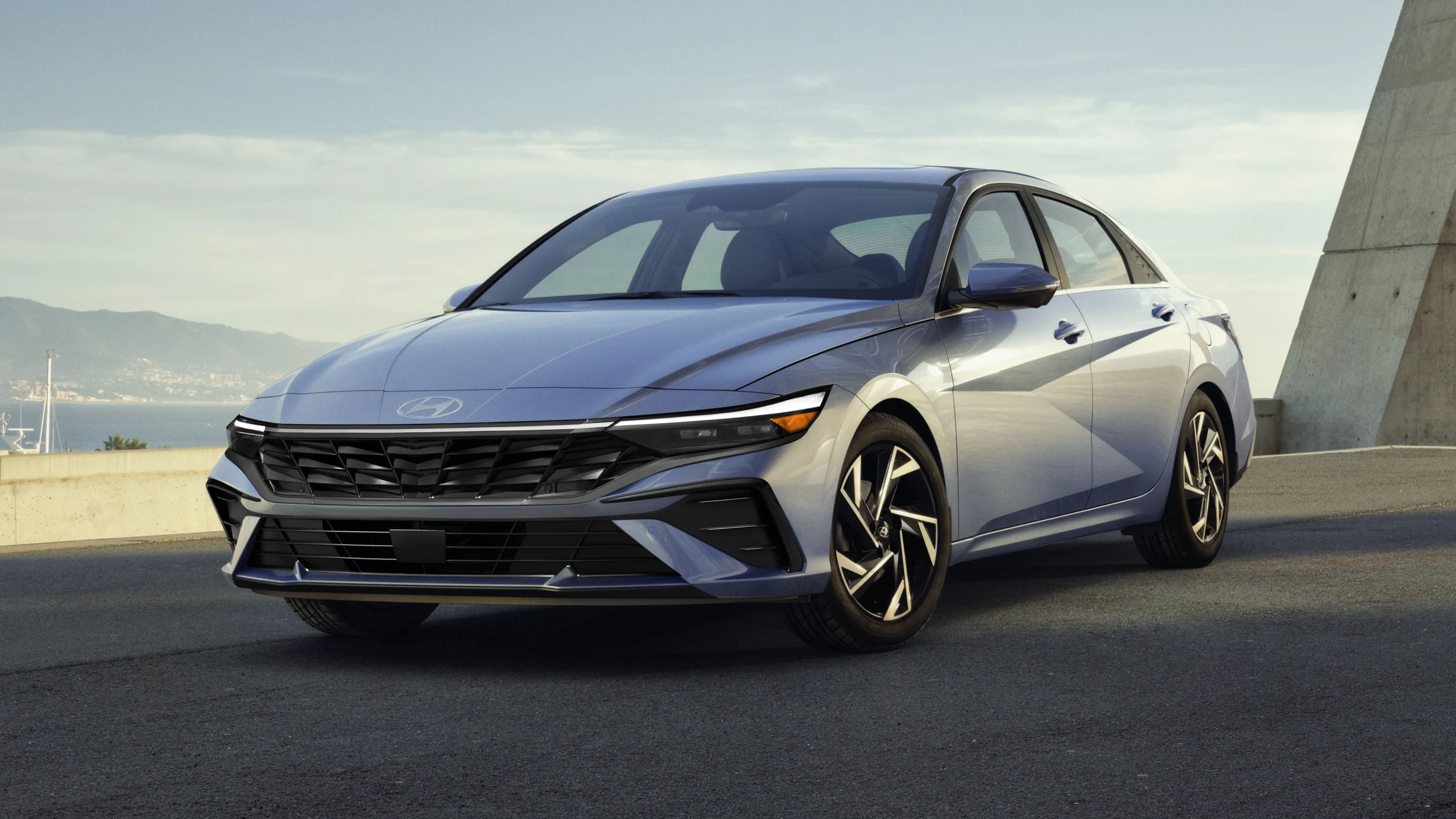
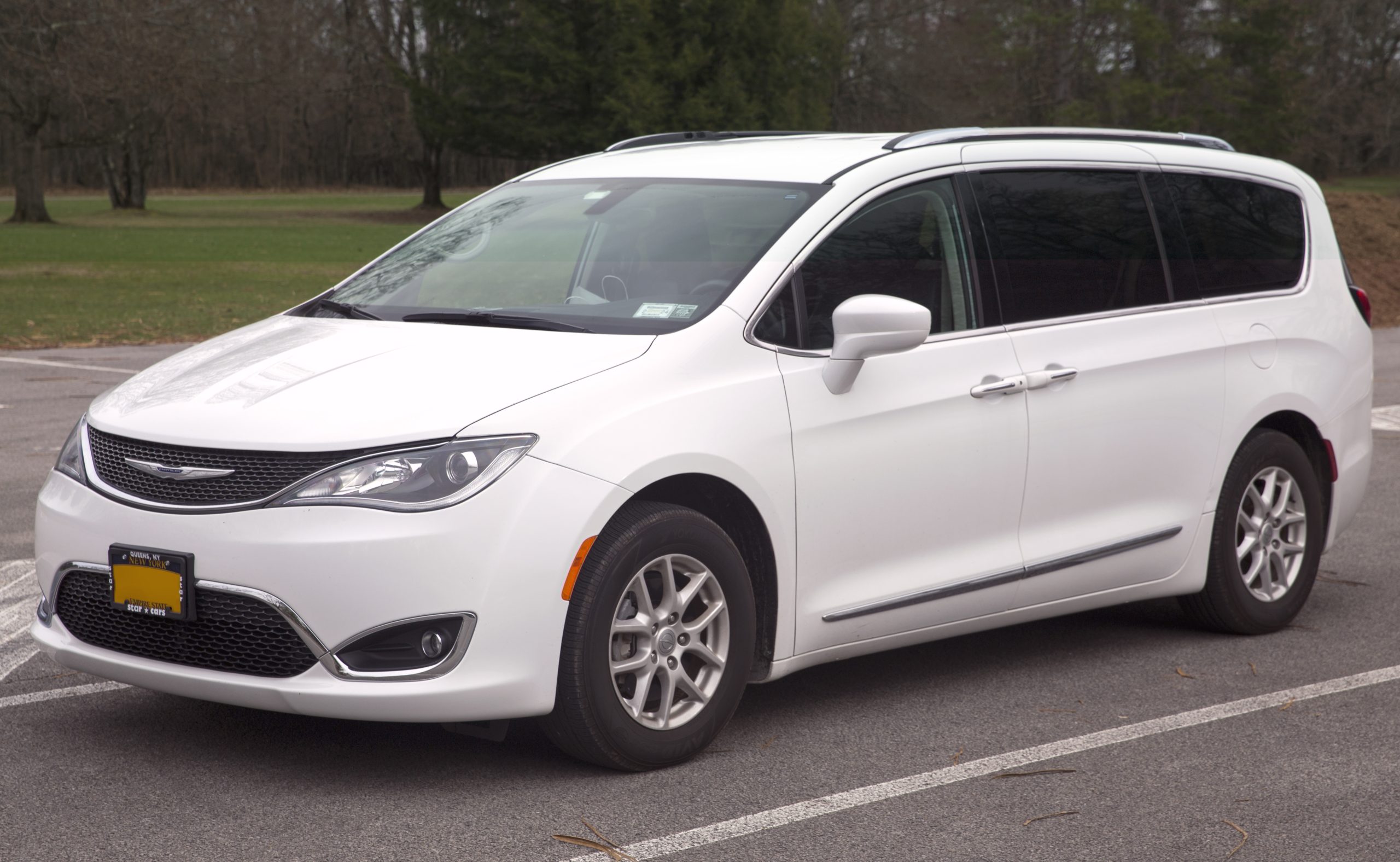
4. Chrysler Pacifica
The Chrysler Pacifica is a versatile minivan offering a quiet, spacious, and family-friendly driving experience. The 2024 base model comes with a 3.6-liter V6 engine producing 287 horsepower and 262 lb-ft of torque, paired with a 9-speed automatic transmission.
Fuel economy is rated at 19 mpg city and 28 mpg highway, while front-wheel-drive models achieve slightly better efficiency. Pricing ranges from $18,911 to $36,878 for 2020 models and $39,400 to $59,495 for 2024 models. Older model years, particularly 2020, strike a good balance between affordability, reliability, and noise reduction.
The Pacifica is known for its low NVH (Noise, Vibration, and Harshness) levels, with minimal road and wind noise compared to competitors. Some minor interior creaks can occur in the third row, and occasional clunky shifts from the transmission are audible. However, the minivan’s rigid body structure and high build quality contribute to a mostly silent driving experience.
Front seats are firm yet comfortable for long drives, with available heating and cooling functions. Second-row Stow ‘n Go seats are less cushioned and offer limited adjustability, reducing legroom slightly, while the third row remains suitable for adults on short trips.
Ride quality is compliant and smooth, though body lean is noticeable on twisty roads. Engine noise is generally unobtrusive, except when the nine-speed transmission downshifts unexpectedly.
The Pacifica delivers adequate performance for daily driving rather than sporty handling. Acceleration is average, and braking performance is consistent with class standards.
The V6 engine provides reliable power, but the nine-speed automatic transmission can sometimes select an inappropriate gear on steep inclines, requiring driver attention. Steering and handling are functional but not particularly engaging, with competitors like the Toyota Sienna and Honda Odyssey providing a more dynamic driving experience.
The Pacifica offers a practical, user-friendly interior. Controls for climate and audio are intuitive and within easy reach. Large door openings, low door sills, and a tall roofline facilitate easy entry and exit, while generous legroom and large windows enhance visibility. The available 360-degree camera simplifies parking and maneuvering.
The Uconnect infotainment system is one of the most intuitive in the segment, featuring a large touchscreen with crisp graphics, responsive controls, and smartphone integration through wireless Apple CarPlay and Android Auto.
Optional features include a rear-seat video system, Alexa pairing, and remote vehicle control via the Uconnect app. Standard driver-assist features include forward collision warning, adaptive cruise control with stop-and-go functionality, and lane-keeping assistance.
The Pacifica excels in utility, with a deep trunk behind the third row and foldable second-row Stow ‘n Go seats offering flexible cargo solutions. Underfloor storage in the second row, multiple cupholders, and numerous cubbies enhance everyday usability. Car seat installation is straightforward with accessible LATCH anchors, and the minivan supports a maximum towing capacity of 3,600 pounds.
Fuel efficiency is modest for the segment, with all-wheel-drive models averaging 20 mpg combined and front-wheel-drive versions slightly better at 22 mpg combined. The Pacifica’s pricing varies widely with trim and options, and while interior materials mix soft-touch surfaces with some hard plastics, the cabin design remains attractive. Chrysler’s warranty coverage is average, including five years of roadside assistance.
The Chrysler Pacifica is a practical, family-focused minivan with a quiet cabin, flexible interior, and solid tech features. While performance and fuel efficiency are not class-leading, its comfort, versatility, and intuitive technology make it a strong choice for families needing a capable and spacious vehicle.
5. Volkswagen Jetta
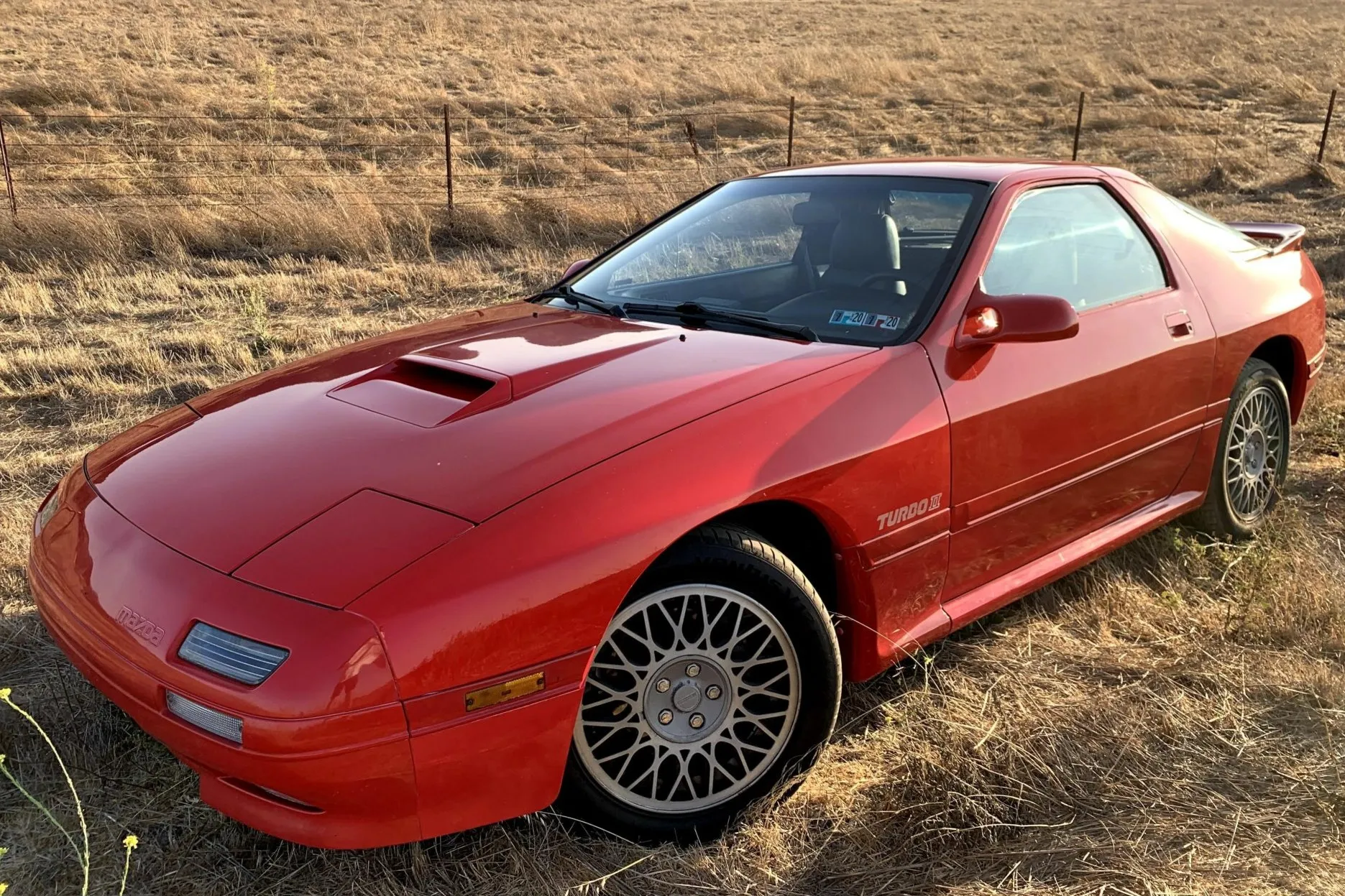
The Volkswagen Jetta is a compact sedan that combines quiet refinement, European styling, and practical features at an entry-level price. The 2024 model comes with a 1.5-liter turbocharged inline-4 engine producing 158 horsepower and 184 lb-ft of torque.
Transmission options include a 6-speed manual or an 8-speed automatic. Fuel economy is strong, rated at 29 mpg city and 42 mpg highway. Pricing ranges from $21,435 to $28,825, making it competitive among compact sedans.
The Jetta boasts one of the quietest interiors in its class, thanks to extensive soundproofing and a well-refined chassis. In sound-level tests, it ranked as the quietest of 15 compact cars, although rougher roads can still reveal some tire and road noise. Wind noise at highway speeds is present but generally well-managed.
Front seats are firm and supportive, while rear seating offers more legroom than most competitors, although taller passengers may notice slightly compromised headroom. Entry and exit are comfortable, and car seat installation is straightforward with clearly marked LATCH anchors and accessible top tethers.
Acceleration is adequate but not thrilling, with a 0–60 mph time of approximately 8.4 seconds for the SEL trim. The 8-speed automatic transmission can feel sluggish under hard acceleration, though engaging Sport mode helps improve responsiveness.
Handling is a strong point, with the Jetta staying stable and composed around corners, while braking is precise and smooth. Ride quality is acceptable, though larger wheels on higher trims can make the ride firmer than base models. Advanced driver-assist features function reliably, though the rearview camera resolution is lower than expected.
The Jetta’s technology is functional but has some drawbacks. The SEL trim includes four USB-C ports, a wireless charging pad, and seamless smartphone integration with wireless Apple CarPlay and Android Auto.
While these features are convenient, the native infotainment system is dated, with confusing menus and limited options compared to some rivals. Most other interior controls, however, are intuitive and easy to use.
Cargo space is generous for a compact sedan, with a 14.1-cubic-foot trunk and a wide opening for easy loading. Rear seats do not fold completely flush with the trunk floor, limiting the ability to carry longer items. Interior storage is adequate, with a deep center console bin, cupholders, door pockets, and a tray that doubles as a wireless charging pad. Smaller objects can rattle in the unlined door pockets.
The Jetta offers a spacious cabin, solid fuel economy, and a refined design for its segment. Interior quality mixes hard plastics with more premium materials on common touchpoints.
Feature content is competitive, though some rivals offer additional options such as all-wheel drive, which the Jetta does not provide. Warranty coverage is standard for the class, with four years/50,000 miles for both bumper-to-bumper and powertrain protection.
The Volkswagen Jetta is a practical and quiet compact sedan with European styling, a spacious interior, and good fuel efficiency.
Its refined driving dynamics and supportive seats make it comfortable for daily commuting and longer drives, while technology and storage options meet most family and commuter needs. Sportier trims like the GLI cater to buyers seeking a more dynamic driving experience, though base models prioritize comfort and efficiency.
5 Buzzy, Loud Rides
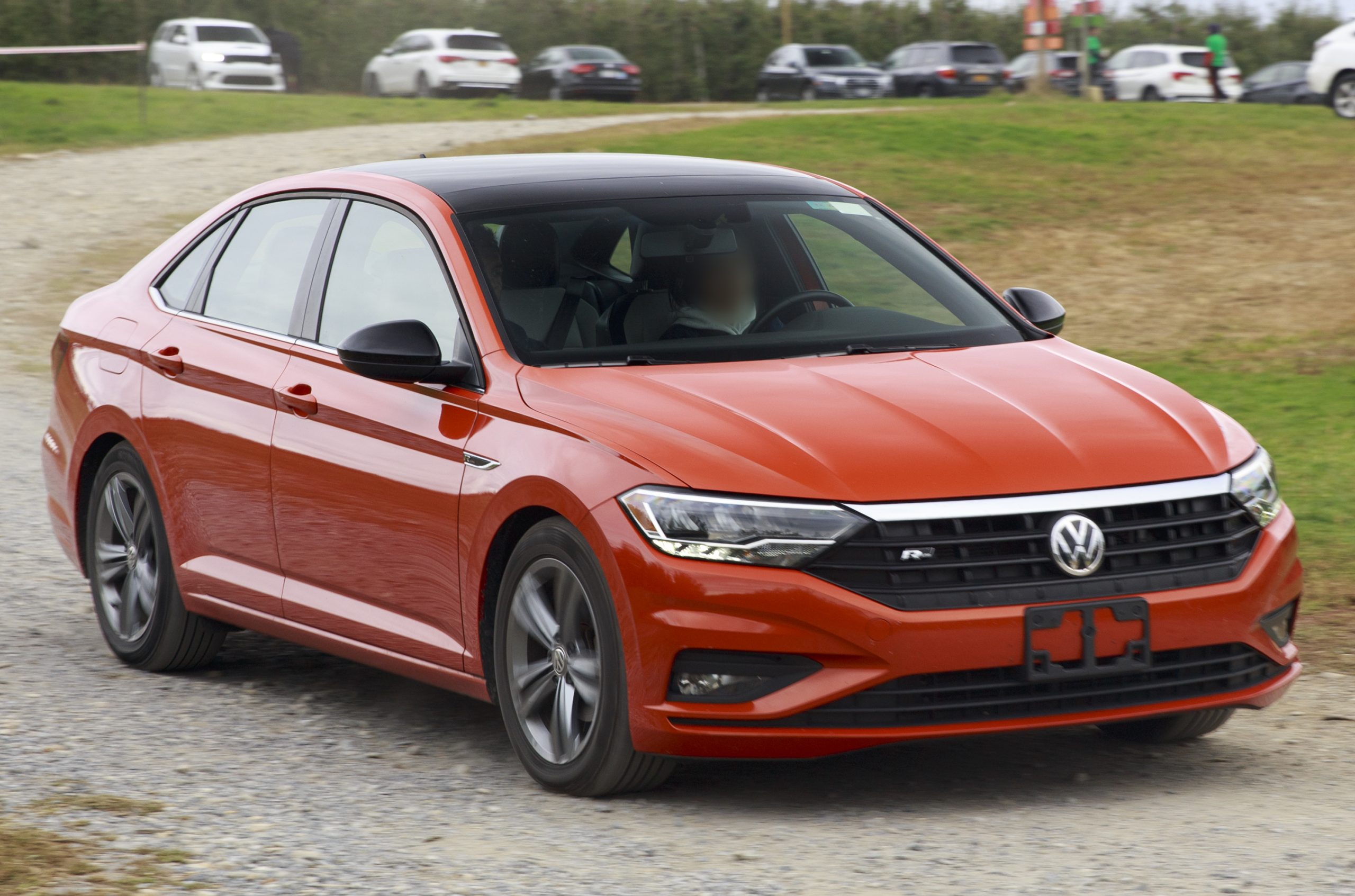
1. 2009 Nissan 350Z
The 2009 Nissan 350Z is an affordable, fun-to-drive sports car powered by the legendary VQ35 V6 engine, producing 306 horsepower and 268 lb-ft of torque.
Part of the 350Z lineup produced from 2003 to 2009, it shares its engine with the Infiniti G35 and is known for its distinctive “VQ Trumpet” exhaust note, a unique tone that adds character and appeal for enthusiasts. Starting used prices hover around $12,000, making it a popular choice for those seeking performance without breaking the bank.
The 350Z’s driving experience is defined by its sporty engine and rear-wheel-drive layout. Its exhaust sound is loud and aggressive from stock setups, though it can be further enhanced with aftermarket mufflers. This tone, while celebrated by fans, can also be perceived as intrusive or “noisy” by some drivers.
Potential sources of noise in the 350Z include the exhaust system, wheel bearings, drivetrain, transmission, and engine. Loose or damaged exhaust hangers, failing catalytic converters, or aftermarket modifications can create rattling or clanking sounds.
Worn wheel bearings may produce a humming or growling noise, often increasing with speed, while uneven tire wear from suspension issues can add to the effect.
Axle clicks, grinding transmissions, and clutch problems can further contribute to unusual noises. Engine-related sounds, including ticking or knocking, may result from low or old oil, worn components, or internal bearing issues.
The 2009 Nissan 350Z remains a sought-after sports car for its performance, distinctive exhaust note, and wide availability of aftermarket support, though buyers should remain aware of potential noise sources that can affect driving comfort and maintenance needs.
2. 1990 Mazda RX-7 FC
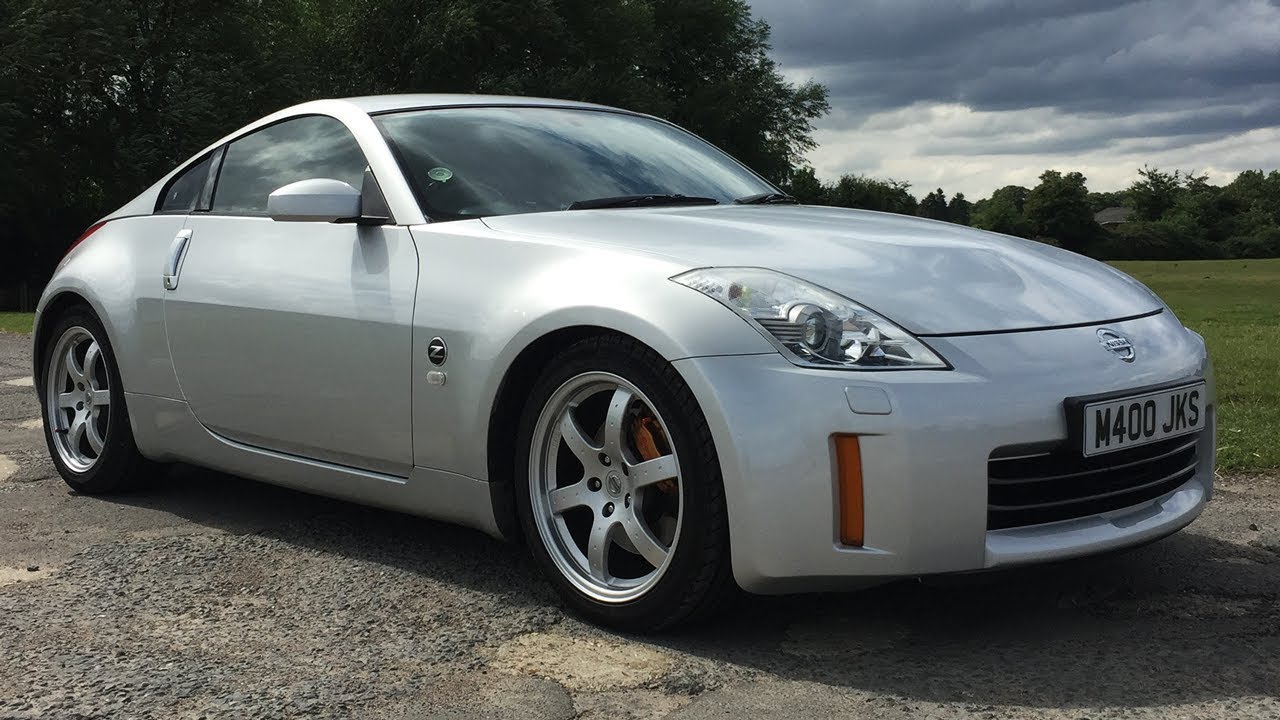
The 1990 Mazda RX-7 FC is an iconic sports car powered by a 1.3-liter twin-rotor rotary engine, producing 160 horsepower and 140 lb-ft of torque. Produced from 1985 to 1991, the FC generation is celebrated for its lightweight chassis, sharp handling, and high-revving engine that delivers a sound unlike traditional piston engines.
Starting used prices are around $12,500, making it an accessible classic for enthusiasts seeking a unique driving experience.
The RX-7’s rotary engine is inherently loud due to its design, producing a distinctive exhaust note at both idle and high RPMs. Even stock exhausts generate a sporty, throaty tone, which becomes more pronounced with aftermarket modifications such as custom piping or less restrictive mufflers. The engine’s high heat output and lack of traditional exhaust pulsing further contribute to its unique and aggressive sound.
Potential sources of additional noise include mechanical and structural issues. Worn suspension components, loose heat shields, or failing pulleys can create rattling or clanking noises. Transmission problems, such as worn input or output shaft bearings, can lead to grinding or unusual sounds. Loose interior items may also mimic mechanical noises, complicating diagnosis.
To address noise concerns, it is important to inspect the exhaust system for leaks or modifications, check for loose parts in the suspension and cabin, and carefully listen to pinpoint the noise source. Consulting a mechanic experienced with rotary engines can help ensure proper diagnosis.
The Mazda RX-7 FC remains a beloved choice for enthusiasts, offering thrilling performance, a high-revving rotary engine, and a characterful exhaust note that stands out among classic sports cars.
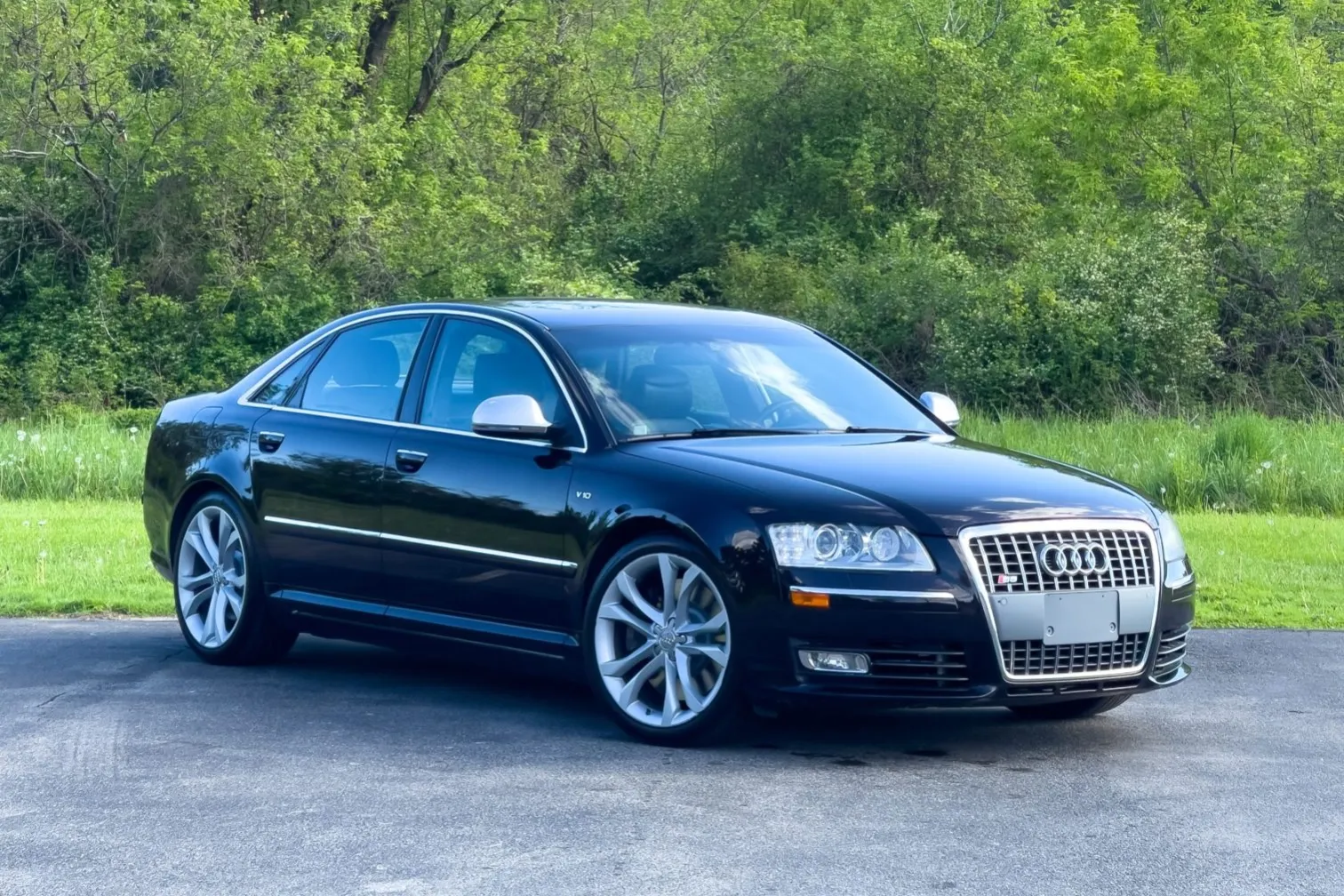
3. 2009 Audi S8
The 2009 Audi S8 is a high-performance luxury sedan powered by a 5.2-liter V10 engine producing 444 horsepower and 398 lb-ft of torque. Part of the D3 generation produced from 2006 to 2009, it was Audi’s answer to the BMW E60 M5, offering blistering acceleration and a deep, aggressive exhaust note.
The S8 could reach 60 mph in just over five seconds, making it one of the fastest sedans of its era. Starting used prices are around $9,000, providing an accessible entry point into high-performance German luxury.
The S8’s V10 delivers a distinctive engine sound, while the performance-oriented exhaust system with multiple resonators, an X-pipe, and active mufflers adds to its presence. Additionally, Audi’s direct-injection fuel injectors produce a continuous ticking noise that is normal for this engine. These sounds contribute to the S8’s character but can sometimes be mistaken for issues by new owners.
Potential sources of abnormal noise include exhaust leaks, a failing muffler, transmission or differential issues, and Quattro all-wheel-drive system problems. The air suspension may generate sounds in colder conditions, and the positive crankcase ventilation (PCV) system or power steering pump can produce screeches or squeals if components are worn or fluid levels are low.
To identify the source of any unusual noise, it is important to note when it occurs and the type of sound, check basic maintenance items like fluid levels, and consult a qualified mechanic if the cause is unclear.
The 2009 Audi S8 remains a sought-after luxury sedan for enthusiasts, combining blistering performance, a roaring V10, and the refinement expected from Audi, while requiring attention to maintenance and mechanical details.
4. 2005 Pontiac GTO
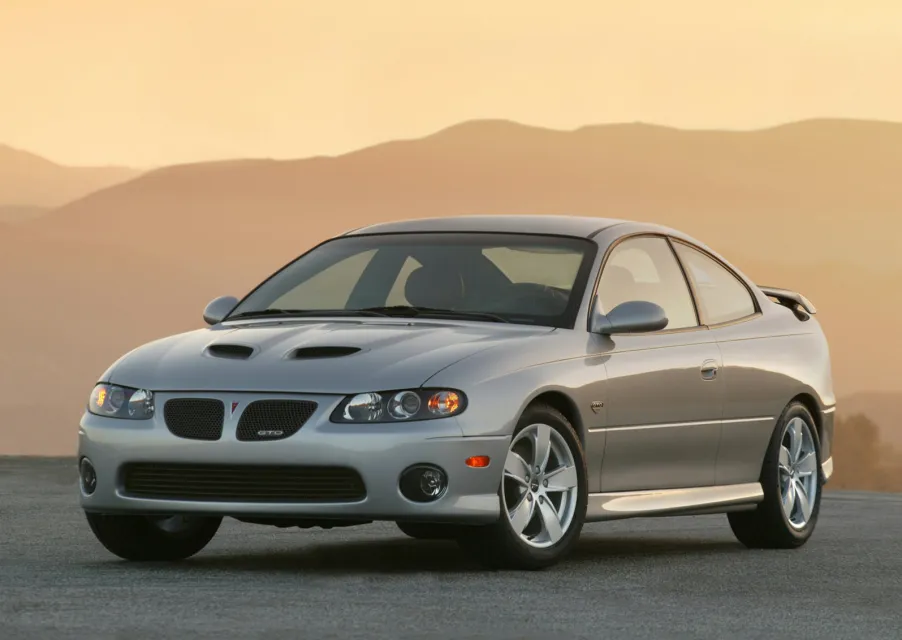
The 2005 Pontiac GTO, part of the fifth-generation GTO produced from 2004 to 2006, is a powerful American muscle car with a 6.0-liter V8 engine generating 400 horsepower and 400 lb-ft of torque. Despite its Australian roots and controversial styling, the GTO delivers impressive performance, capable of exceeding 180 mph.
Starting used prices are around $12,000, making it an accessible option for enthusiasts seeking V8 power and classic muscle car character. Its engine produces a rich, throaty exhaust note that becomes even more pronounced with aftermarket modifications.
The GTO can produce various noises due to mechanical wear or maintenance issues. The serpentine belt system may squeal or whir from worn tensioners or misaligned pulleys, especially at high RPMs. The rear differential can emit a whining sound, often between 45–55 mph, indicating worn gears or low fluid.
Transmission issues, including low fluid, worn synchronizers, or clutch release bearing problems, can generate squeaks or whining. Exhaust leaks from worn gaskets or seals can amplify engine noise, while a worn center bearing in the two-piece driveshaft may produce a “thunking” sound during acceleration.
Suspension and chassis components can also contribute to noise. Creaking or knocking over bumps may come from worn strut mounts, bushings, or coil springs, and loose control arms or sway bar links can exacerbate rattling. Engine-related sounds, including ticking or knocking, may signal bearing wear or valve train issues, particularly if the car has forced induction.
The 2005 Pontiac GTO combines high-performance V8 power, a bold exhaust tone, and classic muscle car driving dynamics, though buyers should remain mindful of potential mechanical and maintenance-related noises.
5. 2013 Ford Shelby GT500
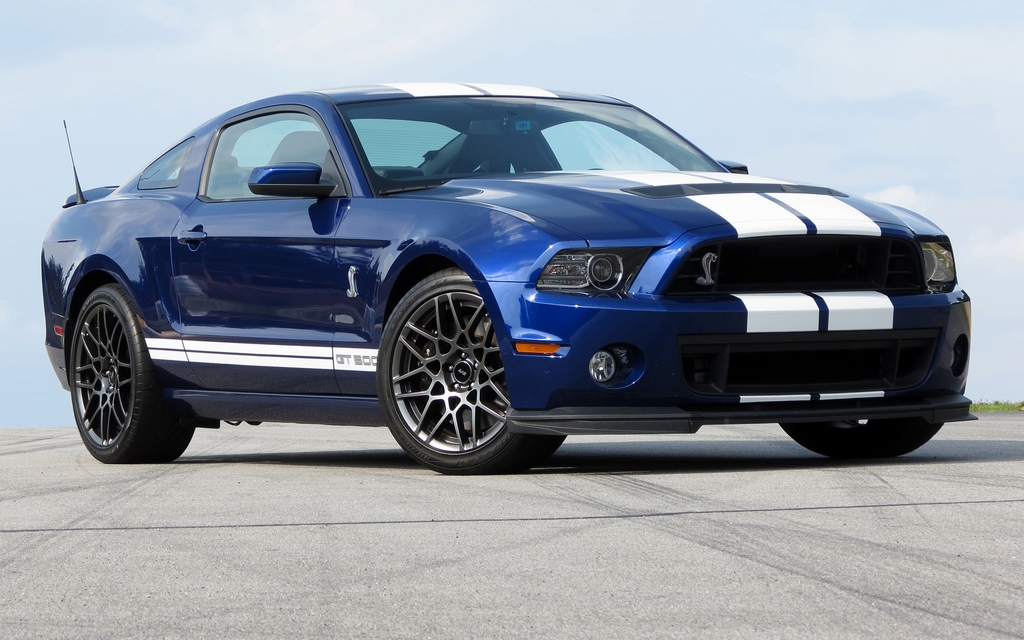
The 2013 Ford Shelby GT500 is a high-performance variant of the Mustang, equipped with a 5.8-liter supercharged V8 producing 662 horsepower and 631 lb-ft of torque. Part of the 2007–2014 generation, the GT500 offers aggressive performance and an unmistakable exhaust note, paired with the distinctive whine of its supercharger.
Starting used prices are around $35,000, making it one of the more expensive cars on this list, yet it delivers a performance experience that enthusiasts consider worth the investment.
The GT500’s engine and drivetrain are intentionally loud, with a powerful rumble and supercharger whine that define its character. Typical operational noises include the V8’s naturally aggressive exhaust tone and the whine under acceleration.
Specific mechanical noises may signal potential issues: rattling or knocking around 2,000 RPM can result from faulty cam phasers; valve lifter failure produces knocking sounds that require replacement; and a slipping supercharger pulley or worn belt can generate noise while reducing power.
Other sources of sound are not engine-related. The steering column boot may squeak or creak when turning, and interior noise can be more pronounced than in standard vehicles due to the car’s performance-oriented suspension and focus on driving dynamics rather than isolation.
The 2013 Shelby GT500 stands out as a track-capable, exhilarating muscle car, offering extraordinary power, a signature supercharged V8 roar, and thrilling performance. While its aggressive focus may compromise cabin quietness and comfort, it remains a celebrated choice for enthusiasts seeking raw American muscle and supercharged V8 excitement.
From serene and quiet to buzzy and aggressive, the contrast between these two groups of vehicles is striking. Budget-friendly, luxury-quiet cars prioritize refinement, comfort, and practicality, making long commutes or family trips peaceful and enjoyable. Meanwhile, the loud rides inject adrenaline, character, and unmistakable personality, rewarding drivers who crave engagement over tranquility.
Whether you favor the insulated calm of a Jetta or CR-V or the raw, attention-grabbing roar of a Shelby GT500 or RX-7, understanding a vehicle’s cabin character is key to choosing one that fits your lifestyle. By examining NVH levels, engine dynamics, and interior design, buyers can make informed decisions, ensuring they either embrace serenity or thrill, and sometimes, a little of both.
Also Read: 10 Cars Mechanics Secretly Love Owning Over Decades