
Pickup trucks are designed to be versatile, rugged, and practical for a wide range of tasks, from hauling equipment to towing trailers or carrying heavy loads. One of the most overlooked aspects of a pickup truck’s usability is the ease of accessing its cargo bed.
Loading and unloading materials can become challenging if the truck’s bed is difficult to reach, especially for taller vehicles or for people with limited mobility. Over time, manufacturers have introduced innovative solutions such as integrated bed steps, tailgate ladders, and retractable platforms, which transform a once-inconvenient climbing experience into a simple, quick action.
These features not only enhance functionality but also improve safety, as users no longer have to strain themselves or risk falling when entering or exiting the truck bed. Beyond work-related tasks, this accessibility can make recreational activities such as tailgating, camping, or transporting sports equipment more enjoyable.
However, not all pickups prioritize ease of access. Some models feature high tailgates, awkwardly shaped bed openings, or unconventional step placements that can make loading cumbersome. While these designs may look sleek or support specific cargo configurations, they often compromise the everyday usability that many drivers need.
This contrast between functional access and inconvenient tailgate design highlights how seemingly small engineering choices can significantly impact a truck’s practicality. Buyers increasingly consider bed access a critical factor when choosing a pickup, alongside performance, towing capacity, and interior comfort.
This article examines five pickups that have incorporated user-friendly bed-step or ladder systems and five that have struggled with awkward tailgate designs. Each truck will be evaluated in terms of ease of entry, safety, convenience, and general user experience.
By looking at these features side by side, readers can better understand how bed access innovations affect both work efficiency and daily usability. The discussion also underscores the importance of thoughtful design in vehicles that are otherwise praised for performance or durability but may fall short in practical details. Understanding these differences can help buyers make more informed decisions and appreciate the small details that enhance a pickup’s value.
Pickups with Easy Bed-Step or Ladder Access
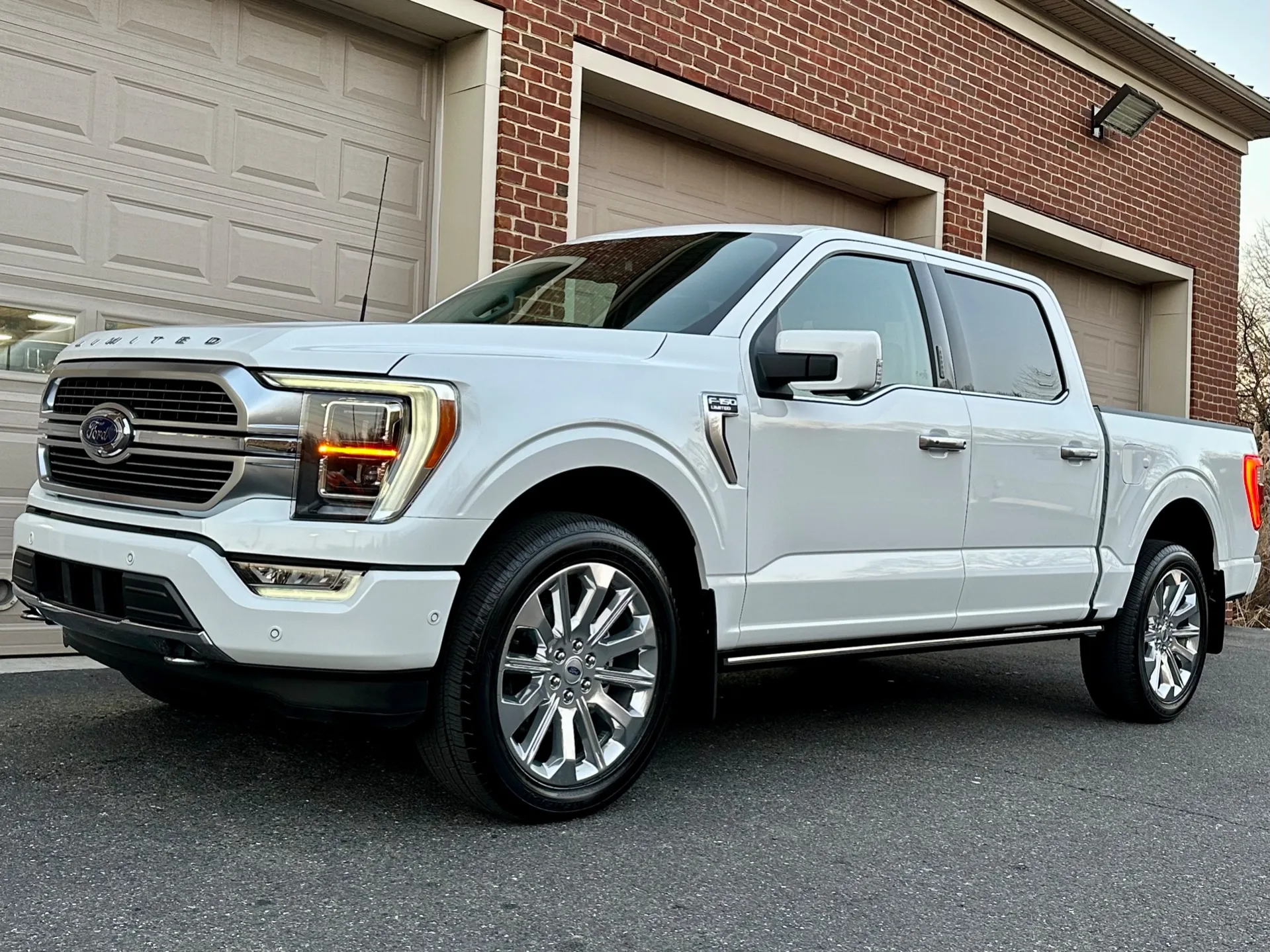
1. Ford F-150 with Integrated Bed Step
The Ford F-150 is widely recognized not only for its powerful engines and towing capabilities but also for its user-focused engineering innovations. One of its standout features is the integrated bed step system, which allows users to safely enter and exit the cargo area without the need for separate ladders or tools.
The system is cleverly built into the rear bumper and tailgate area, and it unfolds with a simple motion. The step itself has a textured surface to provide maximum grip, which is especially helpful in adverse weather conditions such as rain, snow, or mud.
For people who spend long hours on worksites, climbing into a truck bed can be physically demanding. By offering a step at an ergonomic height, the F-150 reduces the strain on the back, knees, and legs, while also saving time when multiple trips to the bed are necessary. It also allows smaller or younger users to access the bed without assistance, making the truck more universally usable.
In addition to the fold-out step, the F-150 includes a telescoping, secure handle that locks into place when the step is deployed. This handle ensures stability for the user, supporting both balance and confidence when entering or exiting the bed.
Unlike improvised methods such as climbing over the tailgate or using nearby objects for support, the handle provides a built-in, reliable solution that is always available. For tradespeople carrying heavy or awkward loads, this added support is invaluable.
The system is designed to be intuitive, so even first-time users can figure out how to deploy it within seconds. By integrating these features into the truck’s design rather than relying on aftermarket solutions, Ford addresses a problem that many pickup owners have long faced, transforming bed access from a chore into a simple, safe task.
Another advantage of the F-150’s system is its durability and resilience under demanding conditions. The step and handle are made from high-strength materials that resist corrosion, bending, and wear, ensuring that they remain functional for years, even with frequent use.
The system has been tested to endure thousands of cycles without loosening or failing, which is critical for a truck that is often exposed to construction debris, dust, and harsh outdoor elements. Importantly, the step is integrated without interfering with other key truck features, including the bed liner, tailgate opening, or hitch attachment.
This careful engineering allows the truck to maintain its structural integrity while offering maximum utility. Owners often report that having a reliable bed step reduces fatigue during workdays and improves efficiency when loading multiple trips of tools, materials, or recreational equipment.
Beyond convenience and durability, the F-150’s integrated bed step also enhances safety, which is often overlooked in pickup design. Climbing into a high truck bed without support increases the likelihood of slips, falls, and injuries. By providing a stable platform with an accompanying handle, Ford minimizes these risks, making the truck safer for all users.
Safety is especially important for those who use pickups as daily drivers, recreational vehicles, or family transport, where minor injuries could have significant consequences. The step has influenced the broader pickup market by showing that practical, user-centered design elements can complement traditional performance metrics.
The F-150 demonstrates that even a simple addition like a fold-out step can dramatically improve the usability, safety, and satisfaction of truck owners.
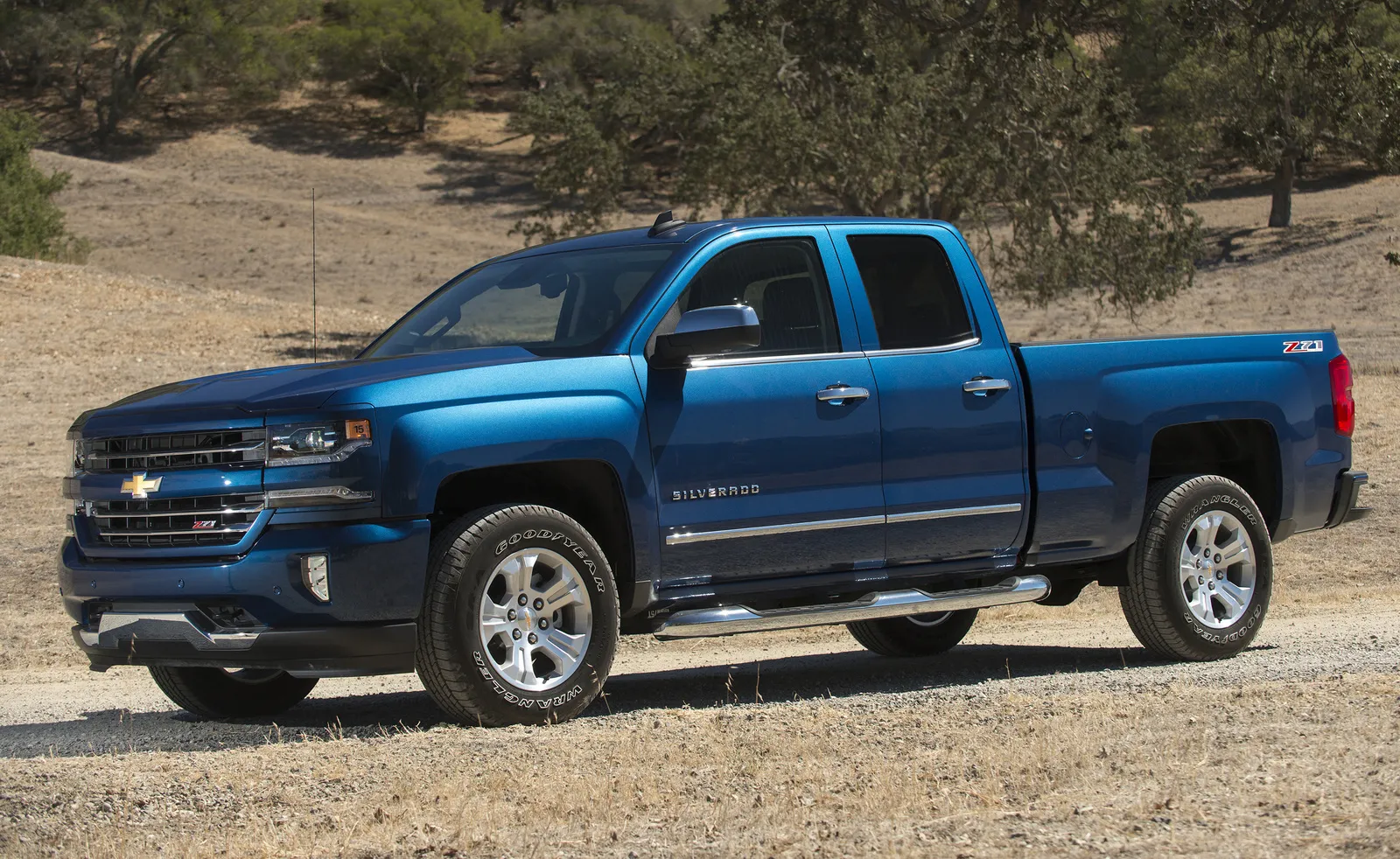
2. Chevrolet Silverado with Multi-Function Tailgate
The Chevrolet Silverado has long been known for combining toughness with thoughtful design, and one of its key innovations is the multi-function tailgate. Unlike traditional tailgates that only fold down flat, the Silverado tailgate offers multiple configurations that make bed access much easier.
One of its most features is the built-in step, which folds down to allow users to climb into the bed without needing an external ladder. The system also includes a sturdy handhold positioned for optimal support, ensuring stability during use.
This combination of step and handle improves usability for a wide range of users, from construction workers to weekend adventurers, allowing access to the truck bed without straining muscles or risking falls.
The Silverado’s multi-function tailgate also provides remarkable adaptability for different tasks. Users can deploy the step for everyday entry and exit, fold it away to accommodate oversized cargo, or use the split-opening feature to access materials from the side.
This versatility is especially useful for people who carry different types of loads, such as lumber, furniture, or recreational gear. The tailgate itself is reinforced to support the weight of users stepping on it, ensuring stability and reducing the risk of accidental tipping or collapse.
This thoughtful engineering approach demonstrates Chevrolet’s commitment to both practicality and safety, addressing a common pain point for truck owners who frequently need to enter the cargo bed.
The materials and construction of the step system also enhance reliability. Chevrolet uses high-quality, corrosion-resistant metals and non-slip surfaces, ensuring that the system remains safe and functional even after years of exposure to sun, rain, and snow.
The folding mechanism operates smoothly, requiring minimal effort to deploy or retract, which is critical for work environments where efficiency matters. By prioritizing ease of use and durability, the Silverado’s tailgate system adds tangible value to the truck, reducing time and effort for repetitive tasks and making the bed more accessible for users of all ages and strengths.
Beyond practicality, the multi-function tailgate makes the Silverado more versatile for recreational activities. Users can easily climb in and out when loading bicycles, camping gear, or sports equipment. Tailgating events, where trucks often serve as platforms for seating or food preparation, are also made simpler by the accessible design.
The convenience of this system enhances the experience of using the truck, highlighting how relatively small design innovations can have a large impact on daily usability. By integrating these features into a high-performing truck, Chevrolet demonstrates that efficiency and ruggedness can coexist with thoughtful ergonomics.
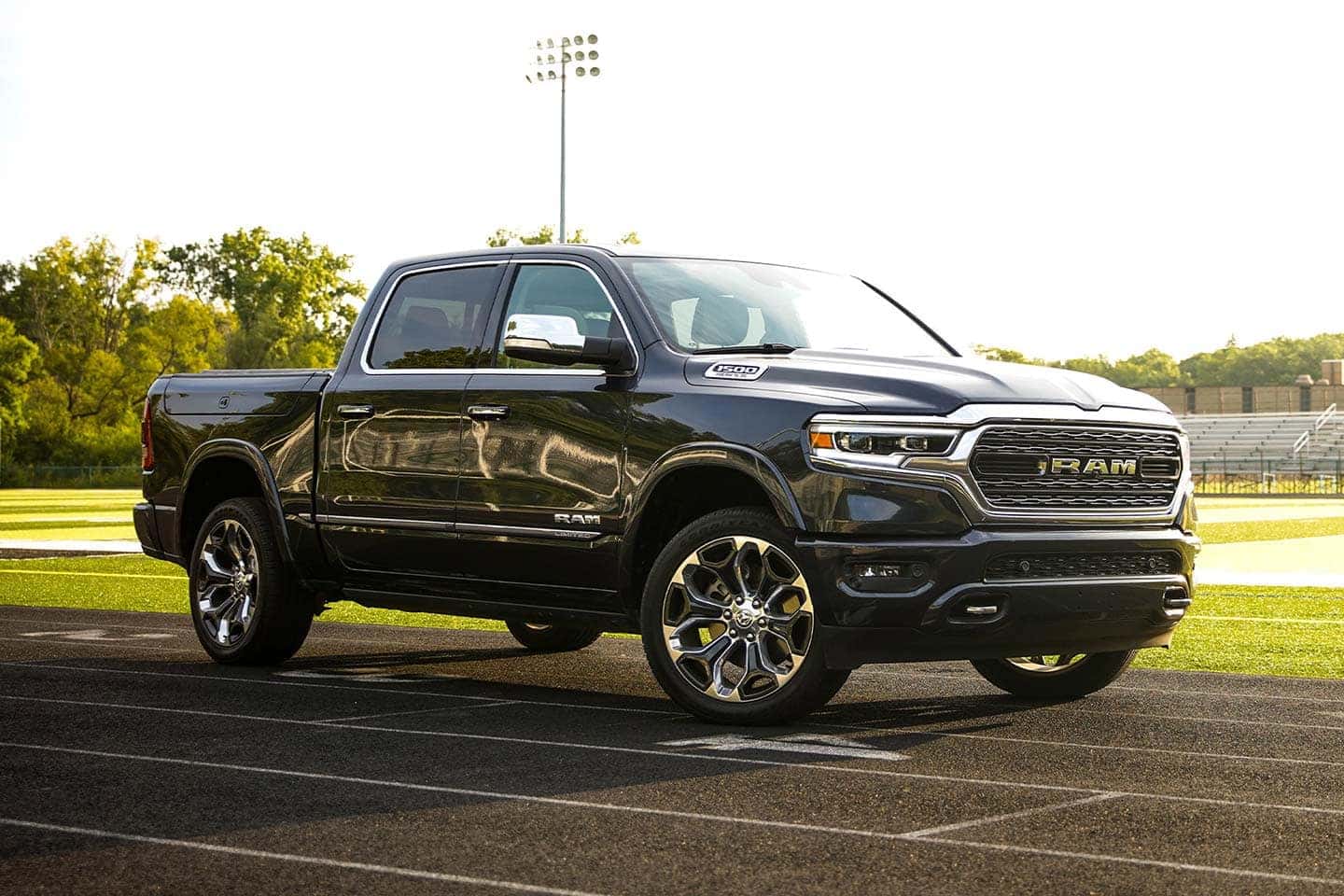
3. Ram 1500 with Drop-in Step Ladder
The Ram 1500 includes a drop-in step ladder in its tailgate, representing a practical solution for full-size truck owners who need frequent bed access.
The ladder folds neatly into the tailgate and locks securely in place, offering a stable platform to climb into the cargo area.
Space efficiency is one of the Ram’s ladder system’s strongest points. When not in use, it folds flush against the tailgate, ensuring that it does not interfere with cargo or towing activities. Unlike temporary or aftermarket solutions, the drop-in ladder is designed to integrate seamlessly with the truck, providing convenience without sacrificing structural integrity or aesthetics.
Its durable construction ensures that it can withstand repeated use, exposure to dirt, water, and heavy weight, maintaining functionality over years of work or recreational use. This reliability is essential for users who depend on their trucks daily.
The ladder system also excels in simplicity and usability. Deploying the ladder is straightforward, requiring minimal effort, while the accompanying handhold ensures that users can climb safely even while carrying objects.
By addressing a problem that many truck owners encounter, difficult access to a tall bed, the Ram 1500 enhances productivity, reduces fatigue, and minimizes potential accidents. The design also encourages proper climbing techniques, which reduces the risk of strains or slips, a small but significant benefit that underscores thoughtful engineering.
By combining convenience, safety, and durability, the Ram 1500 shows that even minor innovations can transform everyday interactions with the vehicle, making routine tasks quicker, easier, and safer.
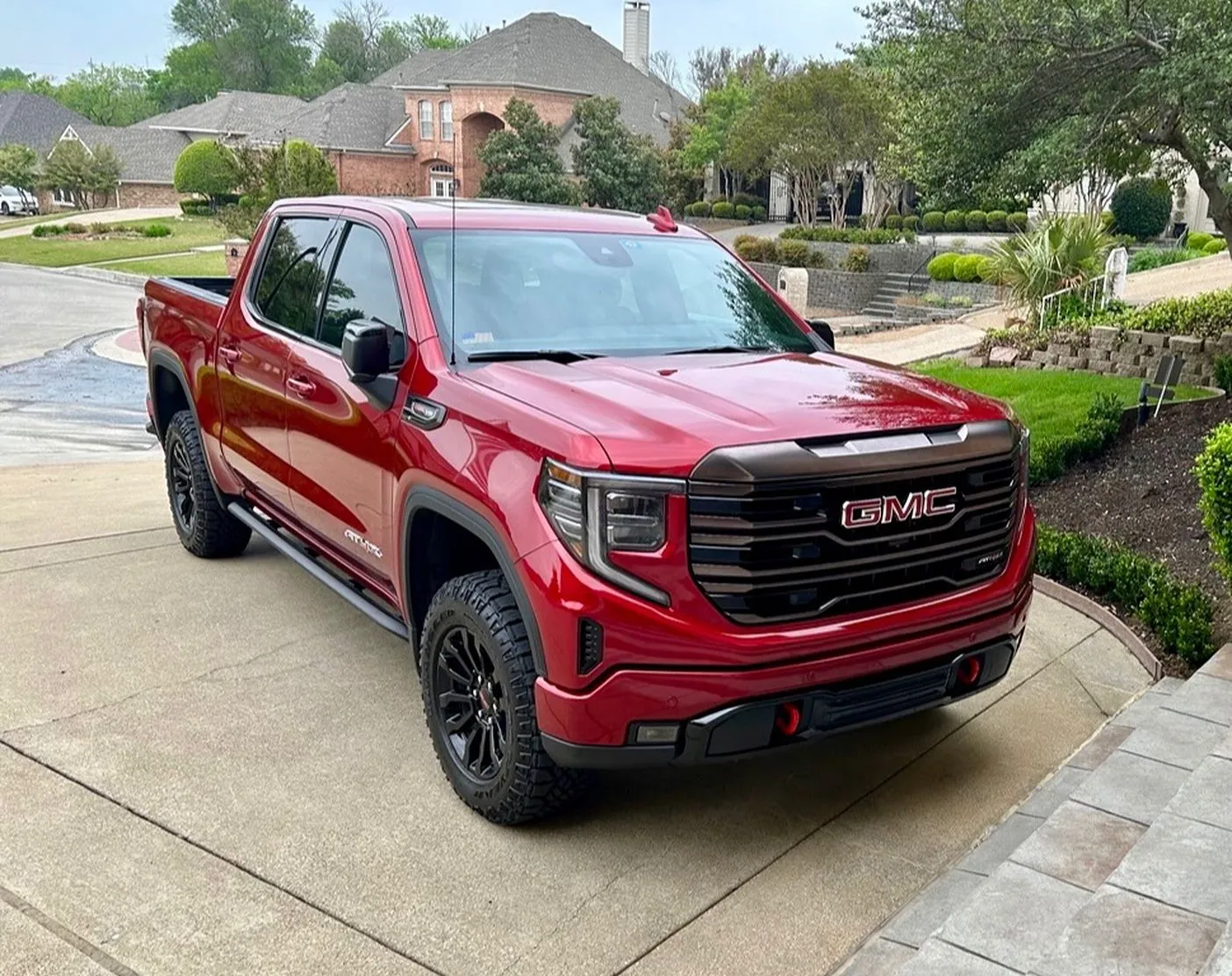
4. GMC Sierra with CornerStep Design
The GMC Sierra incorporates a cornerstep design that provides an alternative way to access the cargo bed without climbing over the tailgate. Positioned at the rear corners of the bumper, the steps create a natural stepping angle that reduces strain on the knees and back.
The surface is textured to prevent slipping, ensuring stability even in wet or muddy conditions. This design reflects an understanding of human ergonomics, allowing users to approach the bed from multiple angles while minimizing the physical effort required. By placing the steps at the corners rather than the center, GMC improves accessibility for people carrying heavy or awkward items, making it easier to distribute weight safely.
The cornerstep design is especially helpful for individuals who are shorter, older, or physically less agile. Traditional tailgates often require a jump or an awkward climbing motion, which can lead to injuries or discomfort. The corner step allows a controlled and balanced ascent, reducing stress on joints and muscles.
GMC has integrated the steps in a way that preserves the truck’s rugged aesthetic while providing practical functionality. Users can engage the steps with minimal effort, demonstrating how a small adjustment in design can have a major effect on daily usability.
Durability is another key feature. GMC manufactures the steps using high-strength, corrosion-resistant materials that withstand heavy use, exposure to moisture, and outdoor debris. The attachment points are reinforced to prevent loosening over time, ensuring that the steps remain secure even after thousands of uses.
This long-term reliability is crucial for trucks that are frequently used in construction, agriculture, or recreational activities, where constant access to the bed is required. The cornerstep design is a prime example of how practical engineering can complement a truck’s structural and performance capabilities.
From a functional standpoint, the corner step also improves efficiency when loading and unloading cargo. By offering easier access at multiple points, users can reach tools, equipment, and supplies more quickly, reducing the time and effort spent on repetitive tasks.
This feature also enhances safety, as it lowers the risk of accidental falls or strains. The Sierra’s cornerstep design demonstrates that ergonomic and thoughtful bed access can be a defining feature of a full-size pickup, elevating its usability beyond performance specifications alone.
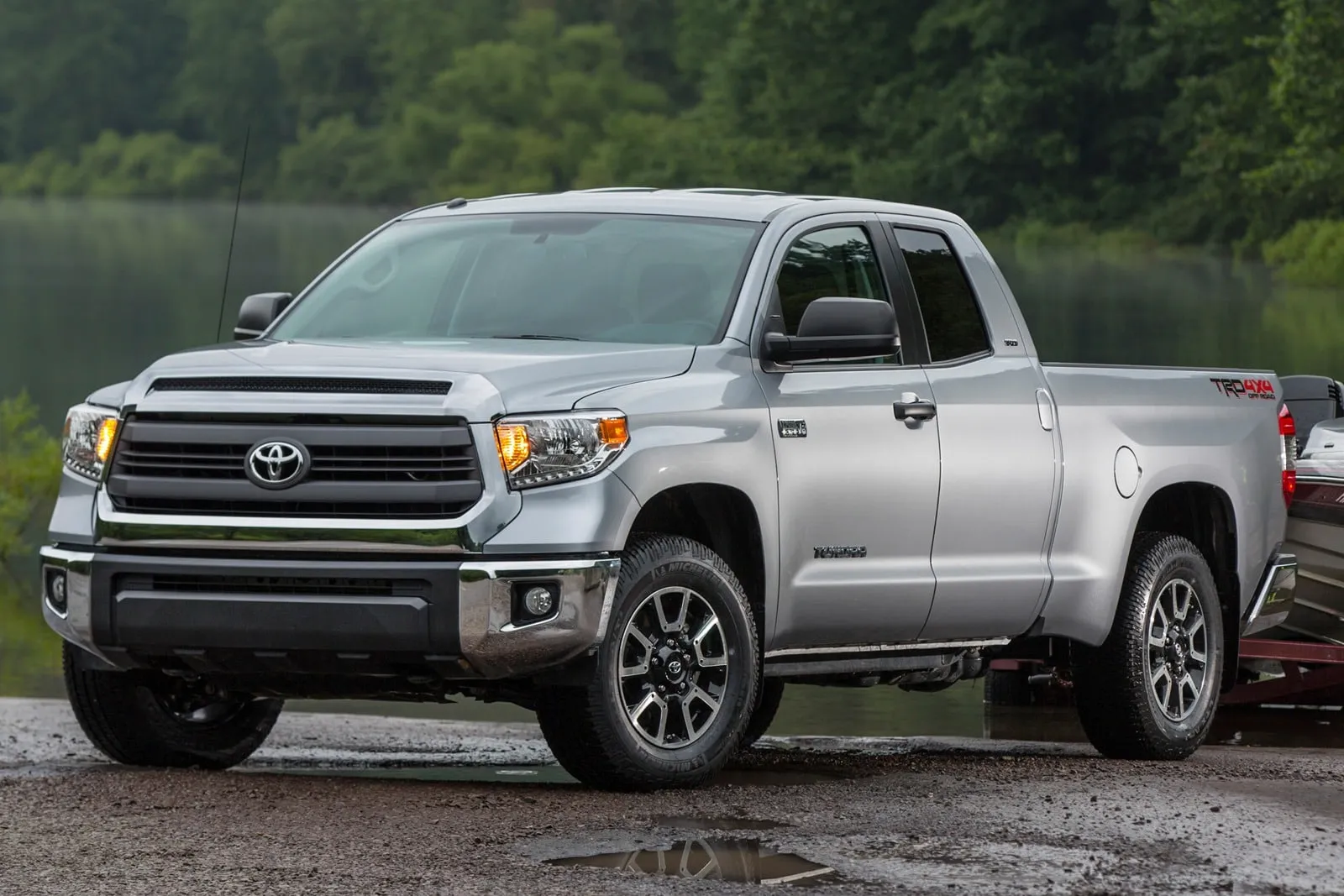
5. Toyota Tundra with Retractable Bed Step
The Toyota Tundra features a retractable bed step that slides out from the rear bumper, providing a stable platform for entering the cargo bed safely.
This simple yet highly effective mechanism eliminates the need for climbing over the tailgate or using external ladders.
The step is paired with a secure handle, offering users additional support for stability. This design makes the Tundra accessible for a wide range of users, including those who may be shorter, less mobile, or carrying heavy loads. It also benefits work environments where frequent bed access is necessary, improving efficiency and safety for daily tasks.
The retractable design is highly practical. The step slides back into the bumper when not in use, remaining flush with the truck and protected from damage. This keeps the step out of the way during towing or hauling and prevents interference with other operations.
The system is easy to operate, requiring minimal effort to deploy and retract, which makes it suitable for rapid loading and unloading. Its non-slip surface ensures confidence in various weather conditions, whether the ground is wet, icy, or muddy. This combination of convenience and reliability makes bed access faster and safer, particularly for people who use the truck in both professional and recreational capacities.
Durability is central to the Tundra’s design philosophy. The step is constructed with corrosion-resistant materials and tested for repeated cycles of use, ensuring long-term reliability. The locking mechanism is engineered to prevent accidental movement, providing a secure platform even when carrying weighty loads.
This reliability reduces the risk of accidents and ensures that the step continues to function optimally, even in challenging conditions. The focus on strength and usability reflects Toyota’s broader commitment to producing trucks that are both dependable and practical for everyday use.
From a user experience perspective, the retractable step transforms bed access into a straightforward, low-effort action. Users can reach the cargo area without assistance, saving time and reducing fatigue. Whether loading equipment for work, transporting recreational gear, or performing routine tasks, the step significantly improves convenience and safety.
By integrating this feature into the vehicle’s core design, Toyota demonstrates how thoughtful engineering can enhance usability without compromising the truck’s ruggedness, performance, or appearance. The retractable bed step stands as an example of how small innovations can have a major impact on everyday usability for pickup owners.
Awkward Tailgate Designs
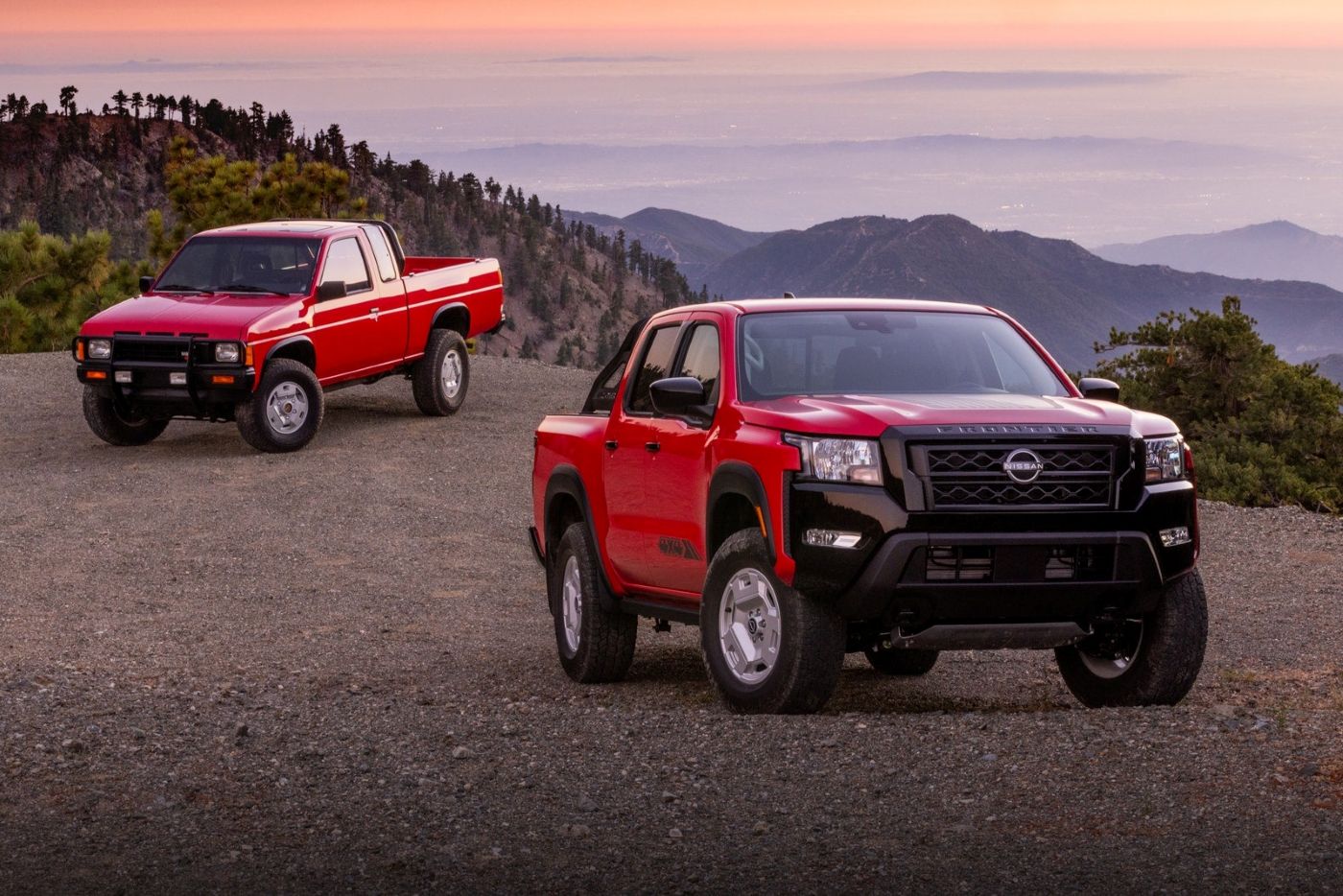
1. Nissan Frontier with Narrow Step Area
The Nissan Frontier has a tailgate design that often frustrates users due to its narrow step area. While it technically includes a step integrated into the bumper, the available width makes it difficult to position both feet comfortably when climbing into the bed.
This limitation becomes more apparent when carrying tools, equipment, or heavy boxes, as there is little room to maintain balance. For users who are taller, shorter, or less physically agile, the narrow step area increases the risk of slips or missteps. Unlike trucks with wider or fold-out steps, the Frontier requires careful foot placement, which slows down tasks and can lead to fatigue after repeated climbs.
The narrow step area also limits the type of loads that can be safely transported. For instance, when trying to reach cargo that is placed toward the center of the bed, users may have to stretch awkwardly or reposition themselves repeatedly.
Another issue is that the narrow step often feels less secure than alternative designs. When descending from the bed, there is minimal surface area for foot placement, which reduces confidence in the step. In adverse weather conditions, such as rain or snow, this problem becomes more pronounced because the small surface area increases the chance of slipping.
Compared to wider or telescoping steps found on trucks like the F-150 or Silverado, the Frontier’s step is basic and lacks additional safety features such as a supportive handle or textured surface designed for high-traction use. Users often find themselves compensating by using the tailgate itself or nearby objects for balance, which defeats the purpose of an integrated step.
The confined step area makes it difficult to adopt a smooth, safe climbing motion, which slows down work and increases fatigue over time. This demonstrates that even trucks with nominally convenient features can fall short if the dimensions and ergonomics of those features are not carefully considered.
For users seeking maximum usability and safety, the Frontier’s narrow step design highlights the challenges posed by awkwardly executed tailgate solutions.
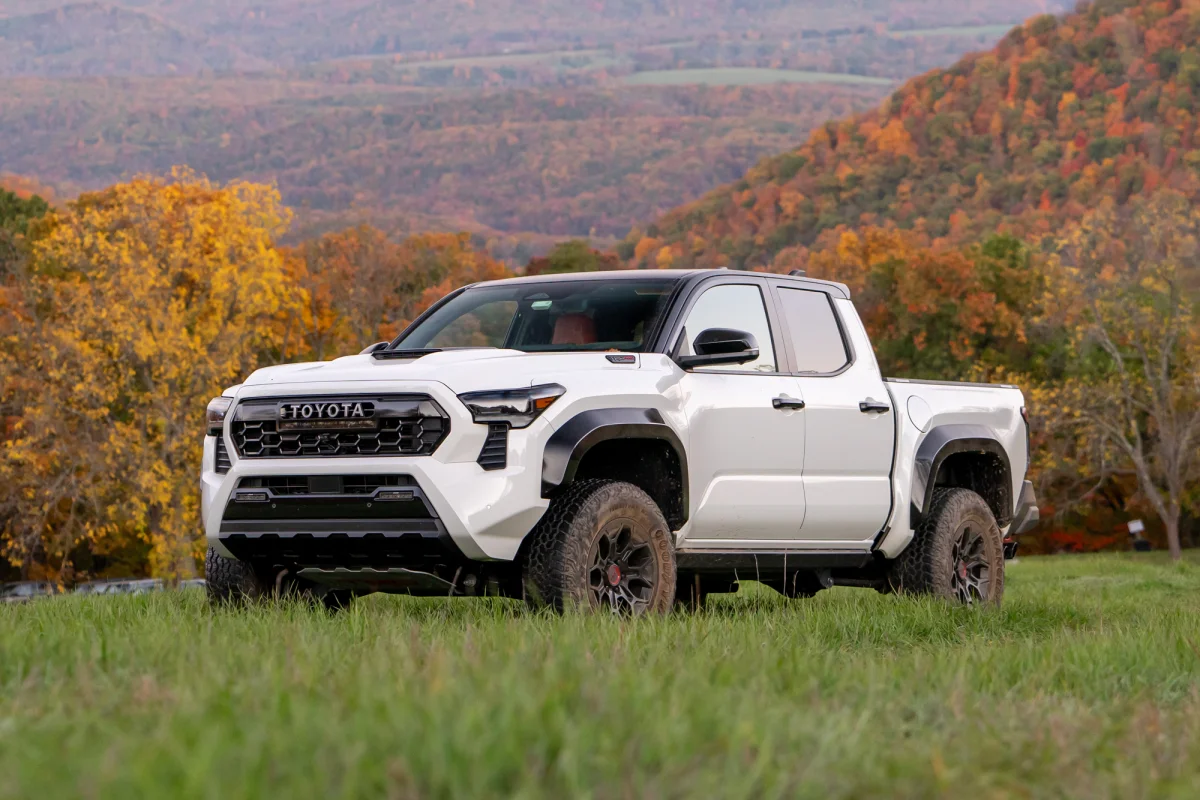
2. Toyota Tacoma with High Tailgate Step
The Toyota Tacoma is popular for its rugged build and off-road capability, but its tailgate step can feel awkward due to its relatively high placement. While the Tacoma does include a built-in step, it often requires users to exert extra effort to reach it, particularly if they are shorter or carrying heavy items.
Climbing into the bed without assistance may become challenging, especially when fully loaded with tools, materials, or recreational gear. Unlike fold-out or telescoping designs, the high step position can put stress on knees and back, making repeated access uncomfortable and potentially risky over time.
The height issue also affects safety. Users must lift their legs higher than they would with lower, ergonomically placed steps, which increases the chance of losing balance or straining muscles. When stepping down from the bed, the risk multiplies, as the descent is more difficult than on trucks with steps closer to the ground.
These challenges are further compounded in wet or slippery conditions, which are common in construction sites, outdoor activities, or inclement weather. Users must take extra care with each step, reducing efficiency and creating a need for caution that other designs minimize.
Another challenge with the Tacoma’s tailgate step is its lack of complementary support features. While some trucks provide telescoping handles or side grips to stabilize users as they climb, the Tacoma’s system offers limited or no assistance beyond the step itself.
This means users must rely solely on their balance, which can be difficult when carrying bulky or heavy items. Workers who load and unload cargo multiple times per day may find this particularly fatiguing, as it places additional strain on the upper and lower body. Even recreational users may notice discomfort when accessing gear such as bikes, coolers, or camping equipment repeatedly.
From a practical standpoint, the high tailgate step also restricts flexibility during loading and unloading. Users cannot easily access cargo placed at the far corners or underneath heavy items without awkward stretching or climbing maneuvers. This is particularly inconvenient when hauling construction materials, furniture, or other large objects that require careful handling.
The design’s limitations highlight how a feature that seems convenient in theory can become cumbersome in practice if ergonomics and real-world usage scenarios are not fully accounted for. The Tacoma’s high step exemplifies the trade-off between rugged aesthetics and practical usability.
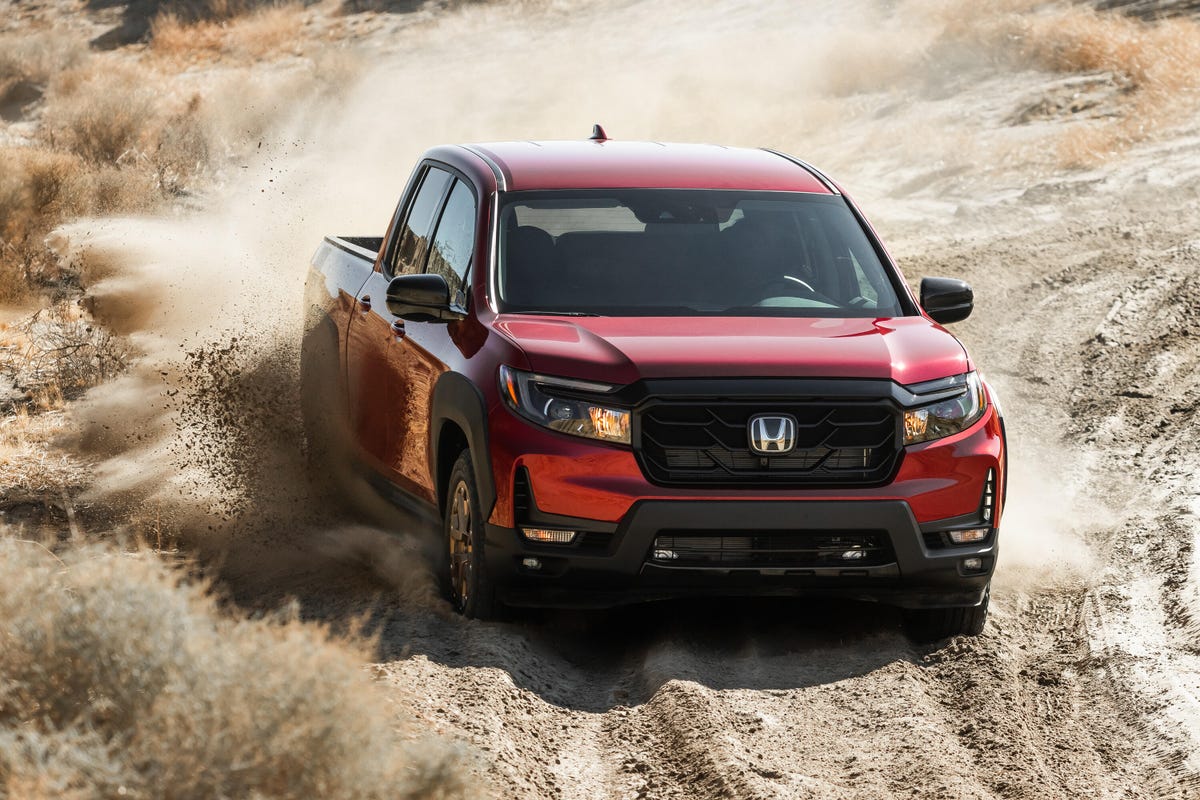
3. Honda Ridgeline with Shallow Step Angle
The Honda Ridgeline is often praised for its smooth ride and innovative features, yet its tailgate step suffers from an awkward shallow angle. While it does provide a step for accessing the bed, the angle is not as ergonomic as it could be, forcing users to lean forward or twist slightly while climbing.
This design flaw makes carrying heavy loads difficult and increases the risk of losing balance, especially for users who are shorter, older, or less agile. The shallow angle reduces the efficiency of movement, meaning tasks that would be quick on a better-designed step take longer and require more effort.
The step angle also has safety implications. Leaning forward or twisting to climb into the bed can strain the back, shoulders, and legs, potentially leading to injuries during repeated use. This is especially significant for work-related tasks, where users may need to enter and exit the bed multiple times per hour.
Unlike fold-out steps with integrated handles or wide platforms, the Ridgeline requires careful positioning and extra attention to maintain balance, which slows productivity and adds physical stress. Even in recreational use, such as loading camping gear or bicycles, the awkward climbing angle can be frustrating and inefficient.
The shallow step angle is compounded by the limited space available around the step. Users cannot comfortably position both feet side by side, which further reduces stability. This limitation forces users to make micro-adjustments with each step, creating a repetitive strain that becomes noticeable after a few trips.
Vehicles with wider, more ergonomic step designs allow users to climb naturally, without unnecessary twisting or bending, but the Ridgeline’s design does not provide this benefit. The cumulative effect of repeated awkward climbs can lead to discomfort or minor injuries over time, demonstrating that design details significantly impact long-term usability.
Finally, the Ridgeline’s shallow step angle affects its versatility. Accessing cargo from different positions, such as the corners of the bed, is challenging, requiring users to contort or reposition themselves repeatedly. The design does not accommodate larger or bulkier loads efficiently, limiting the truck’s practical usability for both work and recreational purposes.
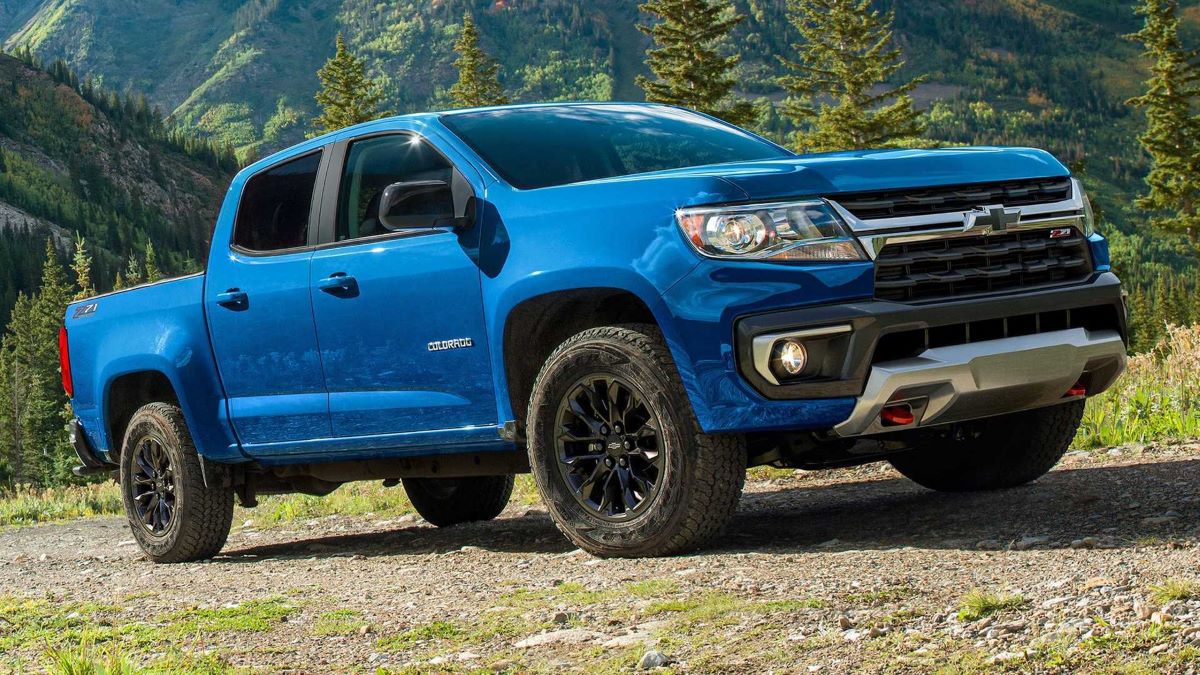
4. Chevrolet Colorado with Tailgate Height Issues
The Chevrolet Colorado is a popular midsize truck, but its tailgate design has height-related drawbacks. The step provided is positioned too high for comfortable use by many individuals, requiring a significant leg lift to reach the bed. This can make loading or unloading cumbersome, especially when carrying heavy or awkward items.
The high placement increases the risk of slips or falls, particularly when the step surface is wet, muddy, or icy. Compared to trucks with telescoping or fold-down lower steps, the Colorado requires more energy and careful maneuvering, which can quickly become tiring during repeated tasks.
The height of the step also reduces stability. Users must rely on balance alone, as Colorado does not provide a supportive handle in the same integrated manner as some competitors. This can be problematic when carrying tools, materials, or recreational equipment, as even a slight misstep can lead to minor injuries or strained muscles.
Another issue is the limited surface area of the step. Even if a user can lift themselves to the correct height, the narrowness of the step makes it difficult to position both feet securely. In combination with the elevated position, this increases the risk of slips or wobbles, particularly in outdoor or uneven conditions.
By contrast, trucks with wider, retractable, or corner steps provide a safer and more controlled ascent and descent. Colorado’s tailgate step, while functional in theory, demonstrates how dimensions and ergonomics play a critical role in user safety and convenience.
Finally, the tailgate design affects efficiency and usability when accessing cargo spread across the bed. Users may need to reach awkwardly or climb repeatedly to retrieve items from the corners, especially when hauling tools, equipment, or heavy recreational gear.
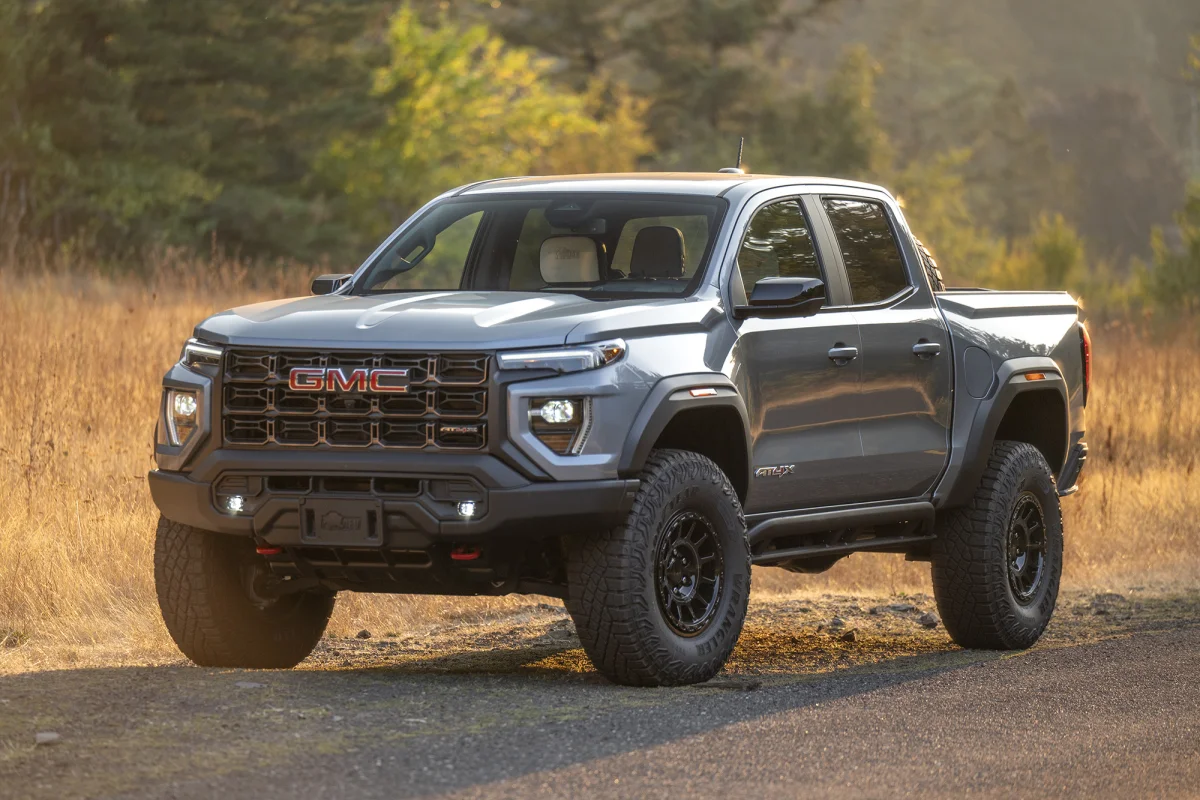
5. GMC Canyon with Fold-In Step Limitations
The GMC Canyon includes a fold-in step, but its design often makes bed access awkward due to a combination of limited width and placement. While the step does technically allow users to climb into the bed, the narrow platform requires careful foot positioning and provides minimal room for maneuvering.
This makes the step feel less secure, particularly when carrying heavy or bulky items. Users must pay close attention to balance, which slows down loading and unloading tasks and increases the potential for fatigue or minor injuries during repeated use.
The fold-in step’s positioning also introduces awkward body mechanics. Users must bend or twist slightly to align their feet correctly, which can strain the back and legs.
Unlike wider, telescoping, or corner steps with integrated handles, the Canyon’s design does not offer much ergonomic support. This can become especially problematic for individuals who are shorter, older, or physically less agile. Even small amounts of repeated awkward movement can accumulate, leading to discomfort or minor strain over time.
Durability is another concern. The fold-in mechanism, while space-saving, is exposed to dirt, water, and other environmental elements that can interfere with smooth operation over time. Frequent use can also stress the hinges and locking system, potentially reducing the stability of the step.
While the GMC Canyon is capable and reliable in many other respects, the fold-in tailgate step highlights the practical disadvantages of awkward design choices in full-size and midsize pickups.
