
Electric vehicles have become a significant part of the automotive industry, offering a cleaner alternative to traditional gasoline-powered cars. Despite their benefits, one challenge that continues to concern EV owners is how cold weather affects battery performance.
Batteries are sensitive to temperature fluctuations, and in colder climates, drivers often experience noticeable reductions in range. This can be a source of anxiety, especially for those who rely on their vehicles for longer commutes or frequent travel. While manufacturers continuously work on improving battery chemistry and thermal management systems, real-world performance can differ from laboratory results.
Some EVs, however, are designed in a way that minimizes this loss in range, making them more dependable during winter months. Factors such as battery thermal management, insulation, regenerative braking efficiency, and energy consumption for heating systems all contribute to how well an EV performs in cold conditions.
Additionally, driving habits, speed, terrain, and use of climate controls can influence the actual range drivers achieve. For those living in regions with harsh winters, understanding which vehicles maintain the most usable range in cold weather is crucial.
This article highlights ten electric vehicles that are recognized for experiencing the least amount of range loss under colder temperatures. These vehicles combine technological innovation, efficient design, and careful consideration of battery management to provide drivers with confidence even when the mercury drops.
By reviewing these vehicles, consumers can make more informed decisions, avoiding the frustration of unexpected range reductions and ensuring reliable performance throughout the year.
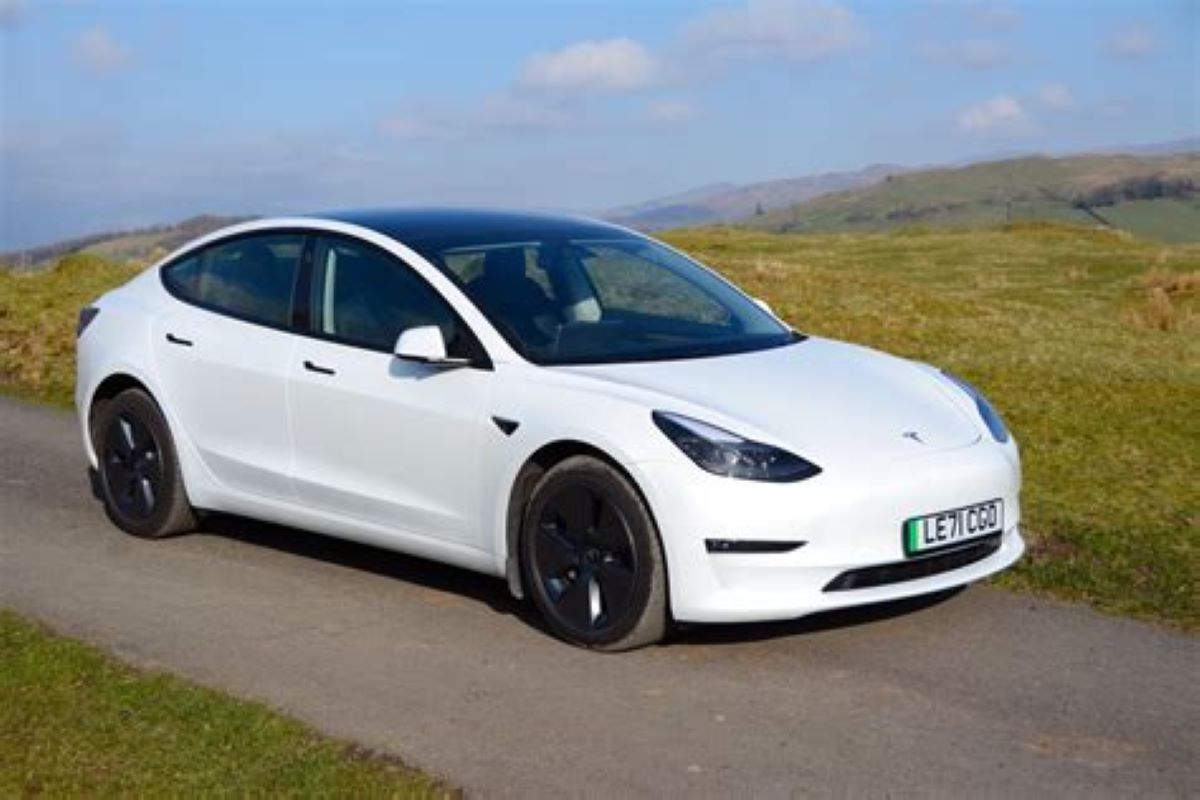
1. Tesla Model 3
The Tesla Model 3 stands out as one of the most efficient EVs in maintaining range under cold weather conditions. A primary reason for this is its sophisticated battery thermal management system, which is designed to keep the battery cells at an optimal operating temperature regardless of external conditions.
Cold weather typically increases internal resistance in lithium-ion batteries, reducing the amount of energy available for propulsion. Tesla addresses this with active heating elements, which can warm the battery even before the car begins moving. This ensures that energy losses are minimized and the vehicle continues to deliver predictable performance.
In practical terms, this means that drivers in areas with harsh winters can rely on their Model 3 to cover significant distances without worrying about sudden drops in range, which is a problem for many other EVs.
Another factor contributing to the Model 3’s winter resilience is its regenerative braking system. In many electric vehicles, regenerative braking is reduced in cold conditions to protect the battery, resulting in lost opportunities to recover energy during deceleration.
The Model 3, however, optimizes regenerative braking even in low temperatures, allowing the driver to recapture a meaningful amount of energy. This partially offsets the additional power consumed by the cabin heater or battery warming systems. When combined with Tesla’s precise software management, this makes city driving in winter more efficient, as repeated stopping and starting no longer translates into disproportionate energy loss.
Tesla also integrates preconditioning technology, which is a major advantage for cold-weather driving. Using the mobile app or the car’s interface, owners can schedule departure times so that both the battery and the cabin are heated while the car is still plugged in.
This reduces the immediate energy demand from the battery at the start of a journey, ensuring that more power is available for driving rather than heating. This feature is particularly valuable for drivers with long commutes or those planning highway trips in freezing temperatures. Preconditioning has the added benefit of improving battery health, as it reduces stress from rapid temperature fluctuations.
Finally, the Model 3 benefits from its aerodynamic and lightweight design, which indirectly improves performance in cold weather. Reduced air resistance means the motors require less energy to maintain cruising speeds, which is especially helpful when the battery is already under stress from low temperatures.
Additionally, the car’s low center of gravity and balanced weight distribution improve handling in slippery conditions, allowing drivers to maintain confidence even in snow or ice. The combination of thermal management, preconditioning, regenerative braking, and efficient design positions the Model 3 as a leading choice for minimizing range loss in winter climates.
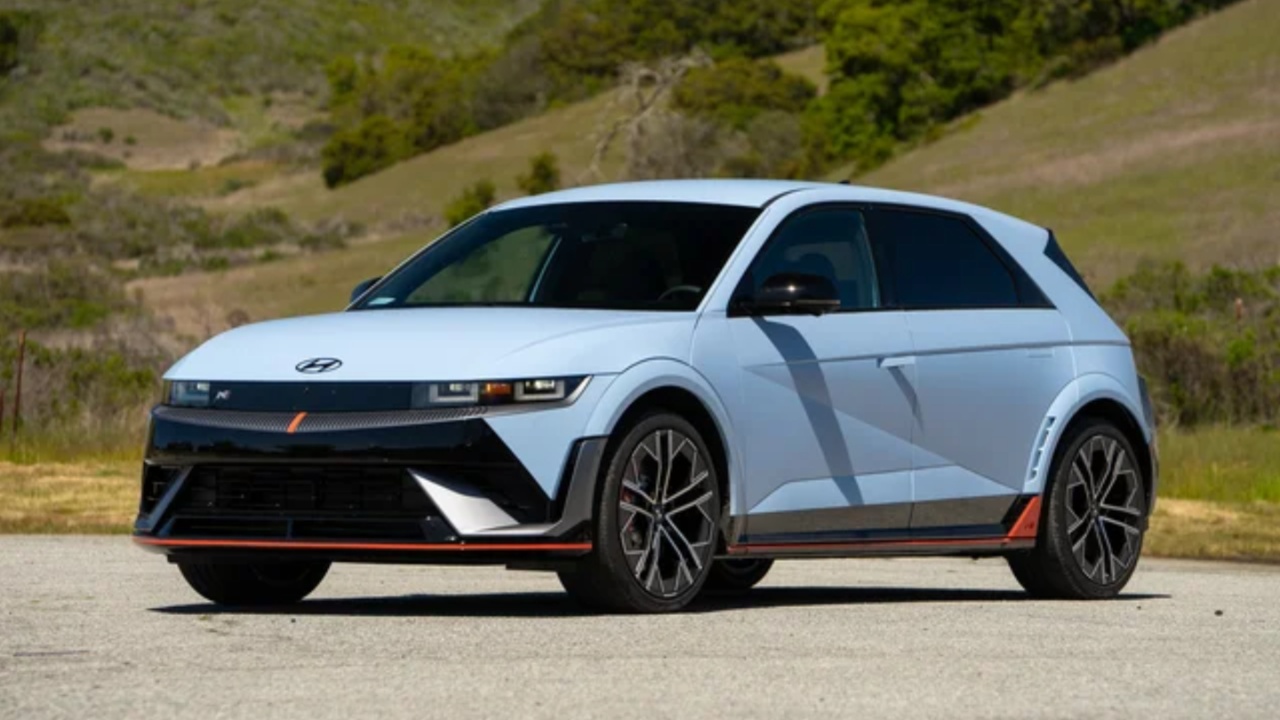
2. Hyundai Ioniq 5
The Hyundai Ioniq 5 is a strong performer in cold-weather efficiency, largely due to its innovative heat pump system. Unlike conventional resistive heaters, the Ioniq 5’s heat pump transfers thermal energy from the environment and the vehicle’s waste heat to warm the cabin.
This approach requires less energy from the battery, reducing the impact on driving range. In extremely cold conditions, where standard EVs can lose 30 percent or more of their range, the Ioniq 5 maintains more consistent performance. This makes it a reliable choice for those living in regions with prolonged winters.
In addition to its heat pump, the Ioniq 5’s battery pack is carefully insulated and equipped with integrated heating elements. Cold weather increases battery resistance and reduces efficiency, but the Ioniq 5 actively manages the battery temperature to prevent dramatic performance drops.
This ensures that the vehicle can sustain longer trips without unexpectedly draining the battery. The thermal management system also protects the battery from long-term degradation caused by repeated exposure to freezing temperatures. The result is a vehicle that retains both performance and longevity, a combination that is especially important for owners planning to use the EV year-round.
Regenerative braking plays a key role in the Ioniq 5’s winter performance as well. While many EVs limit regenerative energy recovery in cold temperatures, Hyundai’s system carefully adjusts the braking force based on battery condition. This allows the car to recapture energy efficiently while avoiding potential stress to the battery.
During stop-and-go city driving, this feature helps offset the additional energy used for heating the cabin or warming the battery, keeping the range more consistent. Drivers notice this difference in daily commutes, where small gains in efficiency accumulate over time and prevent range anxiety.
Another advantage of the Ioniq 5 in cold weather is its smart climate control software. The vehicle can dynamically adjust heating levels based on cabin temperature and occupancy, avoiding unnecessary energy consumption.
By combining thermal efficiency, adaptive regenerative braking, and battery management, the Ioniq 5 can provide reliable performance in winter months. For drivers who live in cold climates, this translates into fewer compromises, allowing the vehicle to remain both practical and enjoyable to drive, even during the coldest periods of the year.
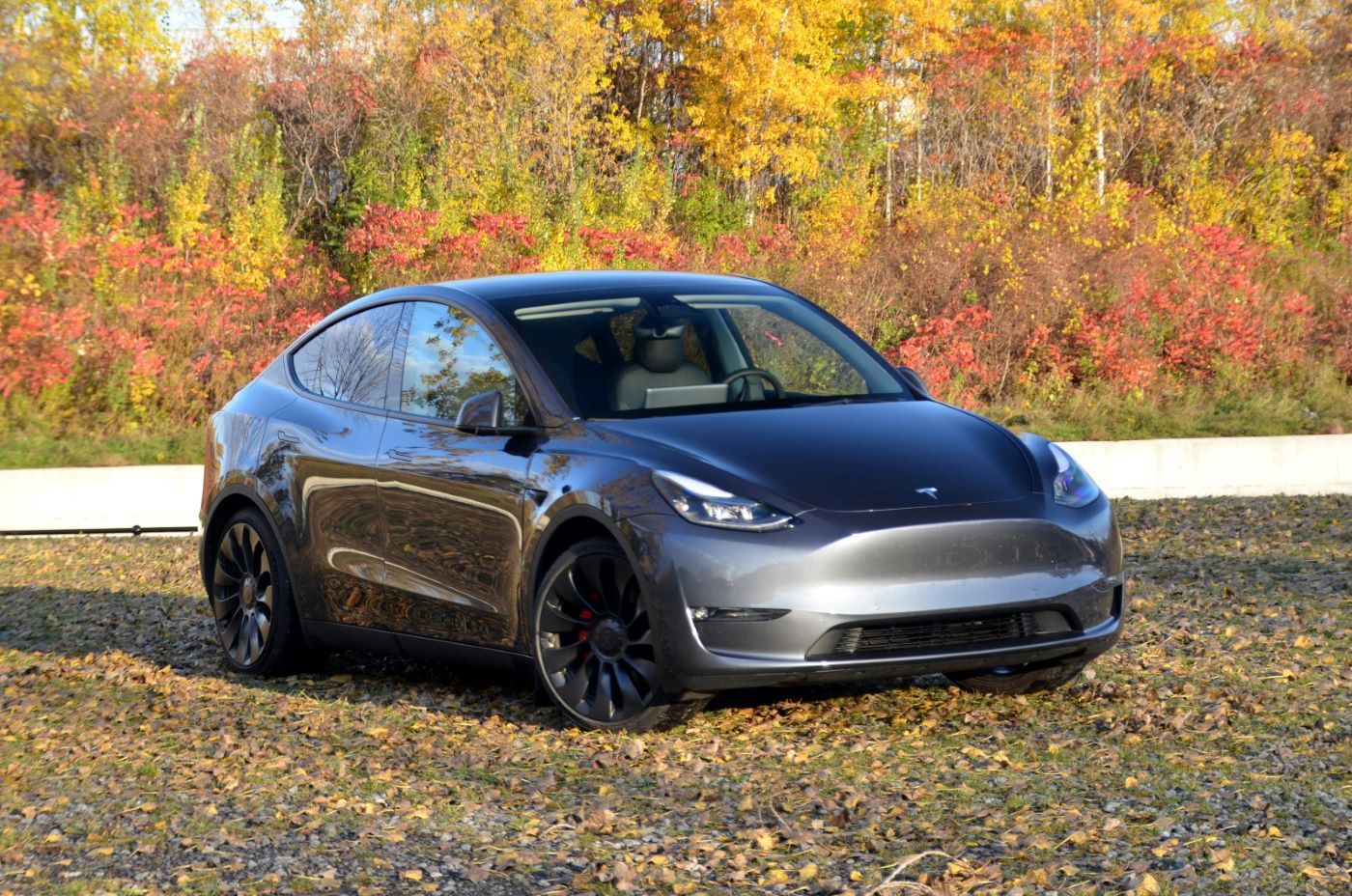
3. Tesla Model Y
The Tesla Model Y extends the range-retention strengths of the Model 3 into a slightly larger and more versatile package. Its advanced battery thermal management system ensures that both the battery and the cabin maintain optimal temperatures, reducing the losses typically associated with cold-weather driving.
In winter conditions, this allows the Model Y to deliver performance closer to its rated range compared with vehicles that lack such sophisticated thermal controls. Tesla’s attention to battery conditioning helps drivers avoid the frustrating experience of unexpectedly low mileage on the dashboard, a common issue for many EVs in sub-zero temperatures.
Preconditioning and heat pump systems play a crucial role in the Model Y’s winter efficiency. Drivers can schedule departure times so that the car warms the battery and cabin while still plugged in, ensuring that energy is not drawn unnecessarily from the battery while driving.
This is particularly helpful for longer trips or daily commutes where consistent range is essential. The heat pump system also reduces the energy needed to heat the cabin compared with traditional resistive heating, allowing the car to maintain comfort without sacrificing performance.
Regenerative braking in the Model Y is carefully calibrated to maximize energy recovery, even in colder temperatures. Unlike some EVs that reduce regenerative capability to protect the battery, Tesla’s system adapts dynamically, balancing braking efficiency with battery safety.
This provides both effective energy recapture and smooth driving dynamics, even on slippery roads or in stop-and-go traffic. The ability to recover energy in winter helps offset some of the consumption from heating, giving the vehicle a practical advantage over less optimized competitors.
Aerodynamics and vehicle efficiency also contribute to the Model Y’s performance in winter conditions. Despite being a crossover, the Model Y has a streamlined design that reduces air resistance, which lowers energy consumption at highway speeds.
Combined with its efficient thermal management and preconditioning features, this ensures that drivers can travel longer distances in cold weather without experiencing sudden drops in range. For those who need a family-friendly vehicle that is also winter-ready, the Model Y represents a compelling choice.
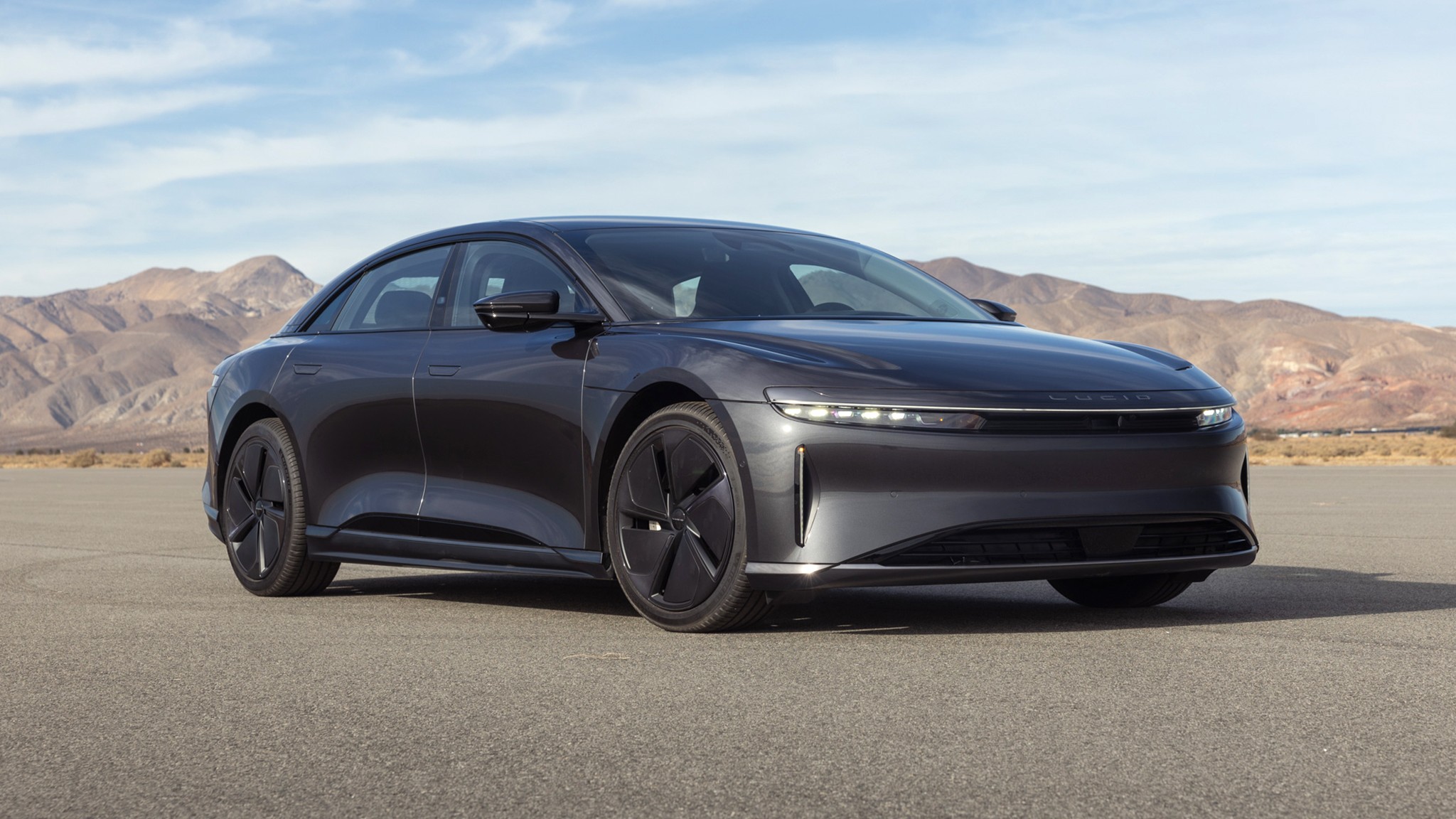
4. Lucid Air
The Lucid Air demonstrates how premium EVs can combine luxury and efficiency to excel in cold weather. Its large-capacity battery and advanced thermal management allow the vehicle to maintain a stable range even when temperatures drop.
By carefully controlling battery temperature, Lucid ensures that energy is primarily directed to propulsion rather than wasted heating or inefficiencies. This enables drivers to use the car confidently throughout winter months, knowing that range is less likely to be dramatically reduced.
Lucid’s cabin heating system is another factor in its winter performance. Using an efficient heat pump design, the vehicle recycles waste energy from the drivetrain and ambient air to warm the interior, significantly reducing battery drain.
Traditional resistive heaters consume a large amount of energy, often causing significant range loss in cold weather. The Lucid Air avoids this issue, allowing drivers to maintain comfort without sacrificing distance. This makes it an attractive option for long-distance travel in regions with harsh winters.
The car’s regenerative braking system is highly adaptive, even in cold conditions. It recaptures energy effectively while protecting the battery from stress caused by low temperatures. During city driving, where frequent stops could otherwise reduce the available range, this energy recovery helps maintain efficiency and contributes to winter performance.
Drivers often notice that the Lucid Air remains consistent in real-world conditions, an advantage that makes it more predictable and reliable than many competitors.
Finally, Lucid’s attention to aerodynamics and weight efficiency further enhances winter range. The sleek design reduces drag, while lightweight materials help lower energy consumption, particularly at higher speeds.
Together with advanced thermal management, preconditioning, and energy recovery systems, these design choices ensure that the Lucid Air delivers dependable winter performance. For those who prioritize both comfort and efficiency, the Lucid Air demonstrates that winter range does not have to be sacrificed for luxury or style.
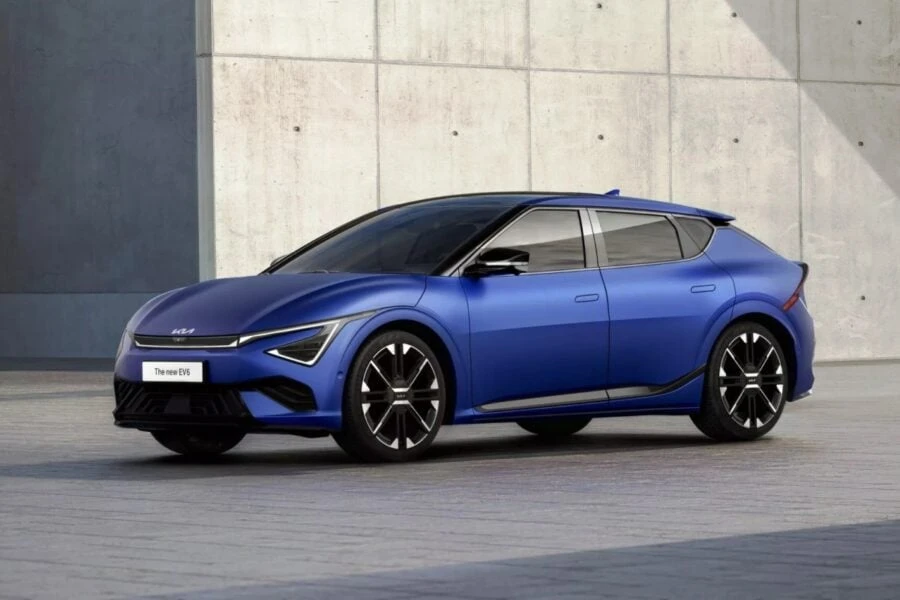
5. Kia EV6
The Kia EV6 shares several features with its Hyundai Ioniq 5 counterpart, including a heat pump system and insulated battery pack. These elements help the EV6 maintain stable range in cold conditions, where many vehicles experience drastic energy losses.
Cold weather typically causes batteries to operate less efficiently, but the EV6 actively manages cell temperature to ensure that energy remains available for driving. This allows drivers to make longer journeys without unexpected reductions in range, providing confidence during winter months.
The EV6 also benefits from adaptive regenerative braking. Energy recovery is optimized to the battery’s temperature, ensuring that braking remains effective without putting stress on cold cells.
This recovered energy helps offset some of the additional energy drawn for cabin heating, keeping the vehicle’s real-world range closer to its rated figures. For urban driving with frequent stops, this can make a noticeable difference in efficiency and daily usability.
Software optimization is another strength of the EV6. The vehicle can intelligently manage heating based on cabin conditions, using energy where it is most needed without wasting power. By controlling climate systems dynamically, the EV6 minimizes unnecessary consumption and allows the battery to focus on propulsion. This makes the car more practical for cold climates, where inefficient heating can otherwise erode range significantly.
Finally, the EV6’s aerodynamic design and efficient drivetrain reduce energy loss during travel. Smooth airflow and lightweight construction allow the vehicle to use less power for cruising, which complements the benefits of thermal management and regenerative braking. Combined, these systems ensure that the EV6 maintains reliable winter performance, providing drivers with a practical, stylish, and efficient vehicle for year-round use.
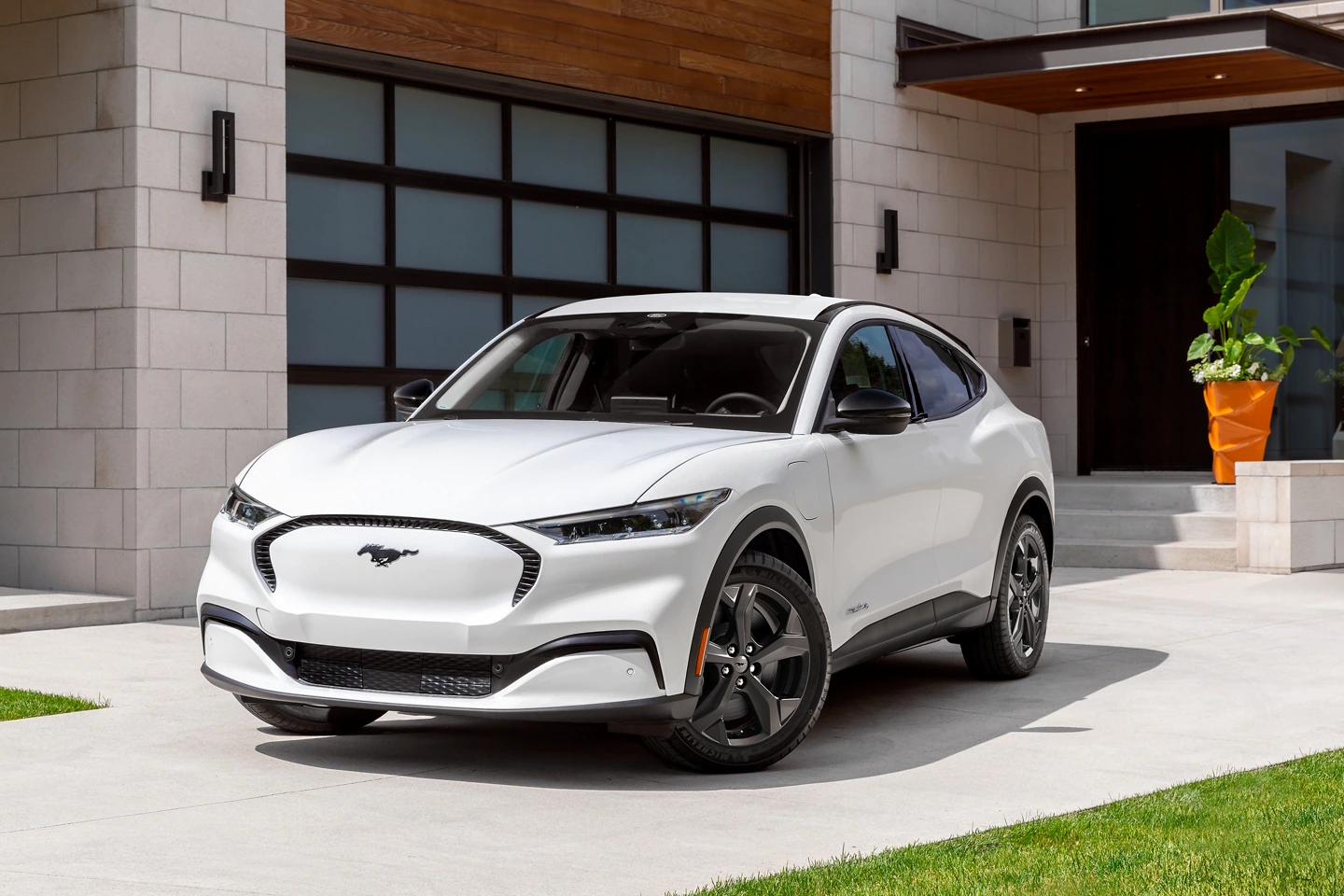
6. Ford Mustang Mach-E
The Ford Mustang Mach-E has become a contender for cold-weather efficiency, particularly due to its well-engineered battery management system. The vehicle features active thermal controls that maintain the battery within an optimal temperature range.
This is crucial in winter, as lithium-ion batteries lose efficiency when cold, directly reducing the driving range. The Mach-E’s battery system heats the cells evenly and quickly when temperatures drop, ensuring consistent energy output and protecting battery longevity. For drivers in regions with freezing conditions, this provides reassurance that the car can deliver reliable performance even on longer trips.
Another key factor in the Mach-E’s winter performance is its efficient cabin heating system. Using a combination of resistive elements and heat pump technology, the vehicle reduces the energy drawn directly from the battery for warming the interior. This is particularly important because cabin heating can be one of the largest contributors to range loss in cold weather.
The Mach-E also allows drivers to precondition the cabin while plugged in, so the car is warm and ready to go without significantly impacting battery power once the journey begins. This feature is especially useful for commuters and daily drivers facing sub-zero temperatures.
Regenerative braking in the Mach-E is designed to remain effective even when the battery is cold. The system recaptures energy during deceleration, helping to offset some of the additional energy used by the heating system. This is particularly noticeable in city driving, where frequent stops could otherwise erode range.
Ford’s approach balances energy recovery with battery safety, ensuring that winter driving does not compromise long-term performance. Drivers notice smoother braking and more predictable energy efficiency during cold-weather commutes.
The Mach-E also benefits from thoughtful aerodynamic design and efficient powertrain management. Reduced drag, combined with optimized motor efficiency, helps minimize energy consumption at higher speeds, further preserving range.
The combination of thermal management, regenerative braking, and preconditioning technology makes the Mustang Mach-E a dependable option for winter driving, giving drivers confidence that the vehicle will remain functional and efficient even in challenging cold conditions.
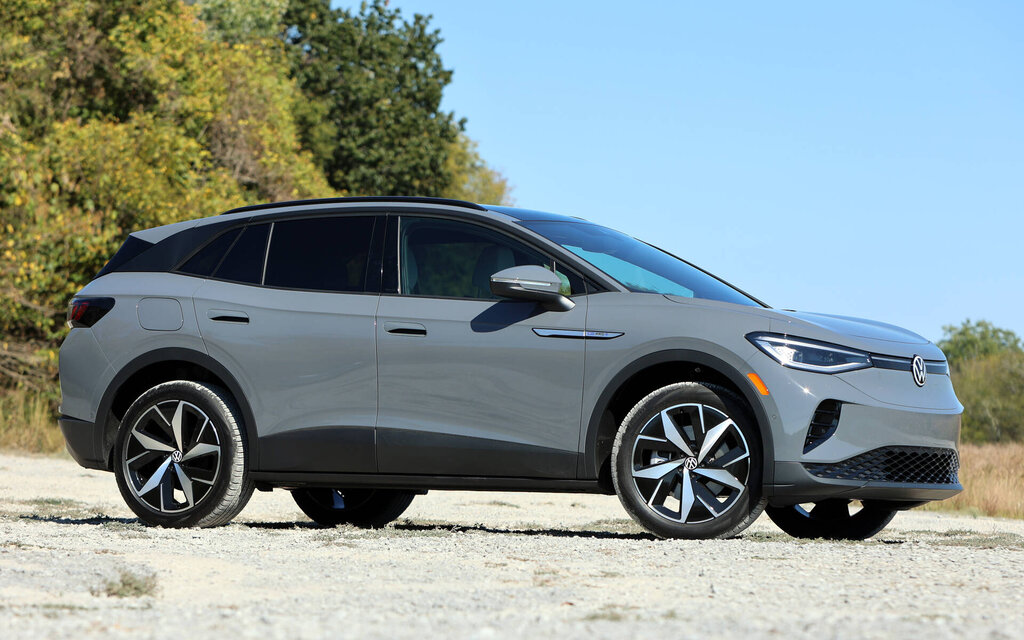
7. Volkswagen ID.4
The Volkswagen ID.4 has made strides in maintaining range in cold weather, primarily due to its battery heating and thermal management systems. The ID.4’s pack includes integrated heating elements that help the battery reach operating temperature quickly, minimizing energy losses typically experienced during sub-zero driving.
For EV owners living in northern climates, this ensures that range remains predictable and the vehicle stays responsive even in freezing conditions. Cold-weather performance is further enhanced by the car’s battery insulation, which reduces heat loss and allows the system to maintain stable temperatures longer.
Cabin heating is another area where the ID.4 demonstrates efficiency. Volkswagen employs a heat pump system that draws on waste energy to warm the cabin, significantly reducing the amount of electricity taken from the battery. This results in a more consistent range when driving in winter, as cabin heating can otherwise account for a substantial portion of energy consumption.
Preconditioning features allow drivers to warm the cabin and battery while the car is plugged in, meaning less energy is drawn from the battery while on the road. This makes commuting in cold climates more predictable and less stressful.
The ID.4 also features regenerative braking that adapts to battery temperature. While regenerative efficiency is naturally limited when the battery is very cold, Volkswagen’s system ensures that energy recovery is maximized when possible without compromising battery safety.
This can make a noticeable difference during stop-and-go city driving, where frequent braking allows recaptured energy to offset part of the heating load. Energy recovery combined with efficient thermal management allows the ID.4 to perform better than many competitors under similar conditions.
Finally, the ID.4’s design and drivetrain efficiency contribute to its winter performance. The vehicle’s relatively aerodynamic shape and efficient electric motors help reduce energy consumption, particularly at highway speeds.
Combined with its battery heating, preconditioning, and regenerative systems, the ID.4 remains a practical choice for drivers who want a midsize SUV capable of maintaining a usable range even during prolonged cold weather conditions.
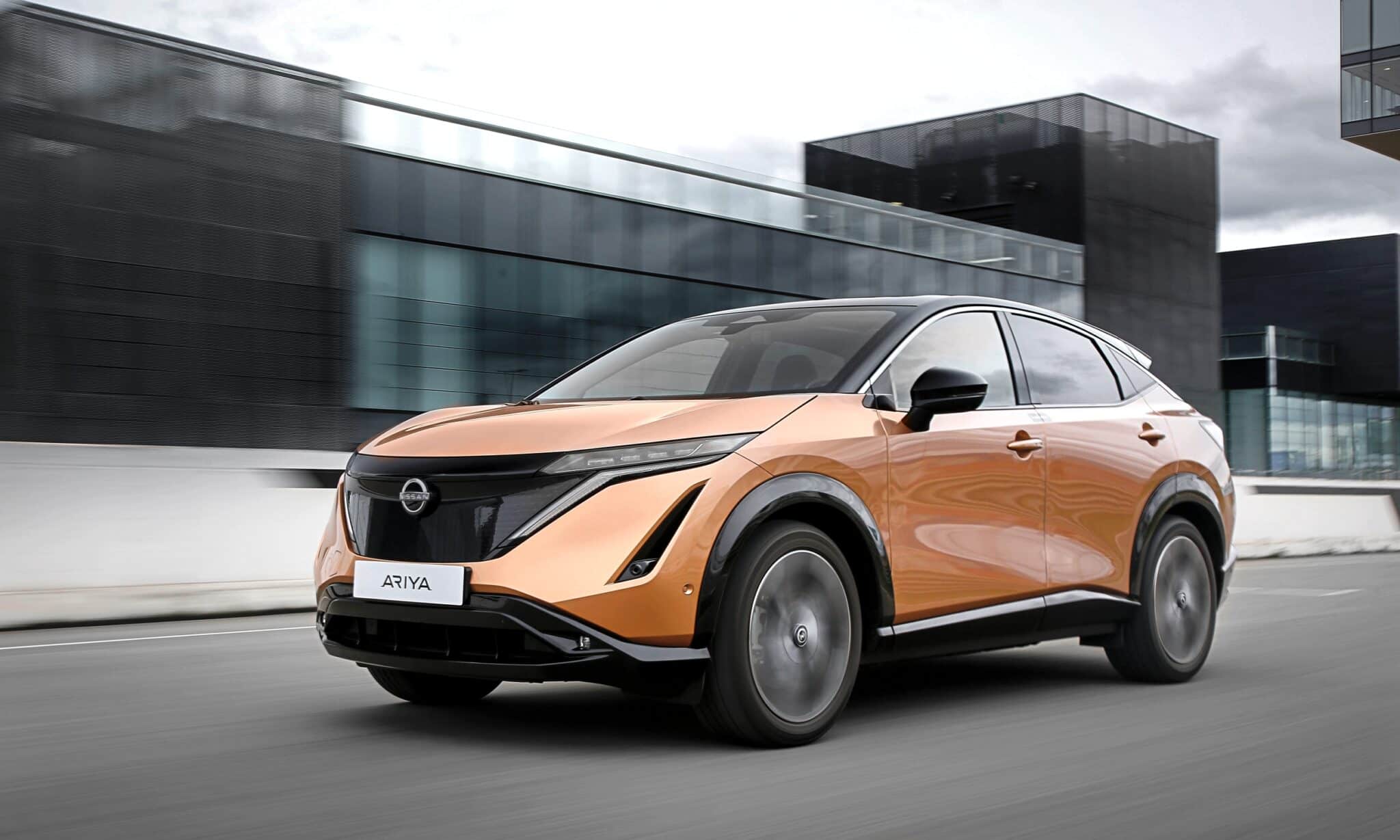
8. Nissan Ariya
The Nissan Ariya addresses cold-weather range loss through a combination of thermal management and intelligent climate systems. Its battery pack features heating elements and insulation to maintain cell temperature in sub-zero conditions.
Cold weather can reduce lithium-ion battery efficiency by up to 40 percent in some vehicles, but the Ariya’s active battery management system minimizes this effect, ensuring more predictable range and performance. This makes the Ariya well-suited for daily commuting or longer trips in colder climates where other EVs might see drastic reductions in real-world mileage.
Cabin heating in the Ariya is supported by a heat pump system that reduces reliance on battery power alone. Traditional resistive heating systems can consume a large portion of an EV’s energy in winter, but the Ariya’s heat pump draws energy efficiently, using ambient heat to warm the cabin.
Additionally, the car allows preconditioning while plugged in, which means the cabin and battery can reach optimal temperature before starting a journey. This reduces the immediate energy draw from the battery, preserving range for propulsion.
Regenerative braking in the Ariya is also designed to maintain efficiency in cold conditions. Energy recovery is adjusted based on battery temperature, allowing deceleration to contribute to range preservation without risking battery stress.
In urban driving environments, this feature helps offset some of the energy used for heating, resulting in more consistent winter performance. Drivers benefit from smoother braking and more predictable range when temperatures are low.
The Ariya’s aerodynamic design and balanced weight distribution also enhance efficiency in winter. Reduced drag and an optimized powertrain reduce energy consumption during highway travel, while the intelligent combination of thermal management and regenerative systems ensures the vehicle remains reliable even in extremely cold climates.
Together, these features make the Nissan Ariya a strong contender for drivers seeking an EV that can handle winter conditions with minimal range loss.
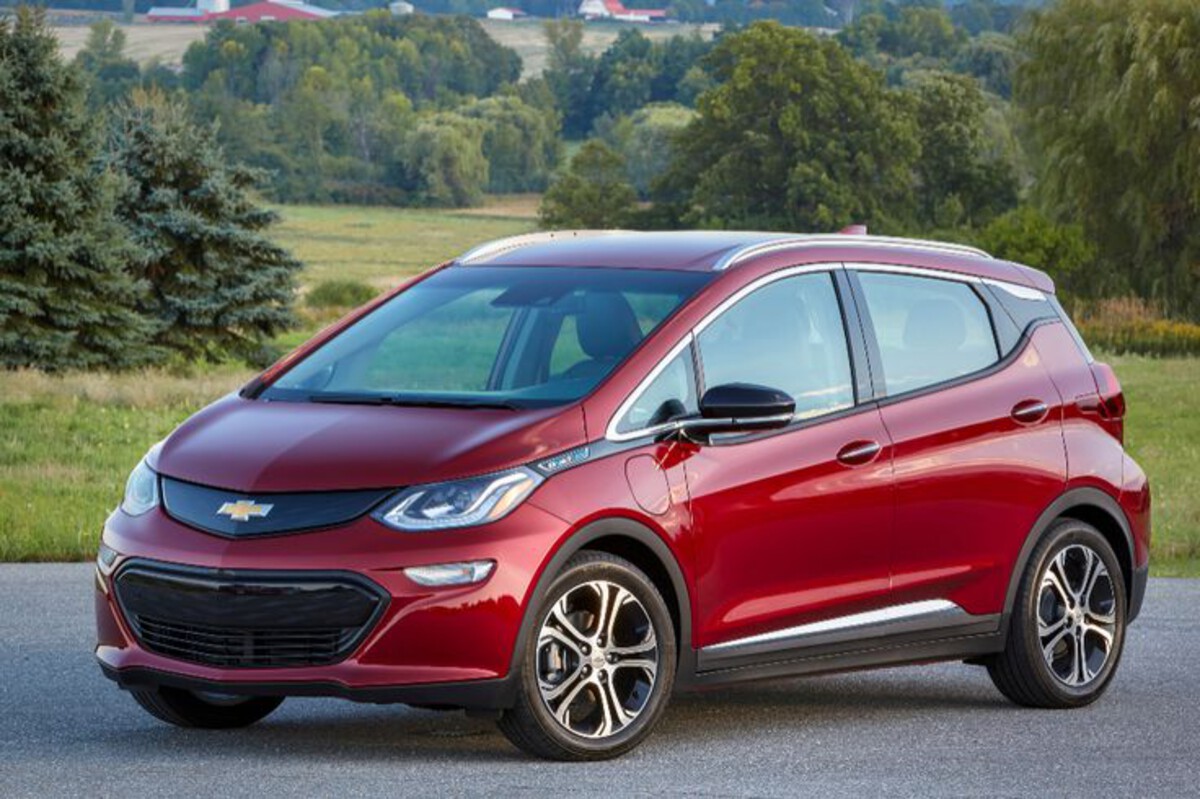
9. Chevrolet Bolt EV
The Chevrolet Bolt EV, while smaller than some competitors, demonstrates impressive cold-weather efficiency due to its battery and thermal management strategies. Its battery includes heating elements and an insulated pack to maintain operating temperature even in freezing conditions. Cold temperatures increase resistance in lithium-ion batteries, but the Bolt’s thermal controls help mitigate energy loss, allowing drivers to maintain closer to the advertised range during winter. This consistency is valuable for daily commuters and city drivers who rely on predictable performance.
Cabin heating in the Bolt EV is designed to be energy-conscious. While it does not feature a heat pump in older models, newer versions have improved systems that efficiently distribute warmth, reducing the amount of battery energy consumed for comfort. Preconditioning allows drivers to heat the cabin and battery while plugged in, minimizing energy loss during the first minutes of driving. This approach ensures that range reduction is less dramatic compared to vehicles without preconditioning, particularly in very cold climates.
The Bolt EV also benefits from regenerative braking to preserve energy. Even in cold temperatures, the system is calibrated to capture energy during deceleration without putting excessive strain on the battery. This is particularly helpful for urban driving, where frequent stops would otherwise consume more energy due to heating and propulsion needs. The recovered energy contributes to maintaining usable range and efficiency during winter months.
Finally, the Bolt EV’s compact size and efficient powertrain enhance winter performance. Its lighter weight and smaller frontal area reduce energy consumption, making the most of the battery’s capacity even under cold-weather conditions. While it may not have all the advanced thermal systems of larger, newer EVs, the Bolt remains a practical and affordable choice for drivers seeking minimal range loss in colder environments.
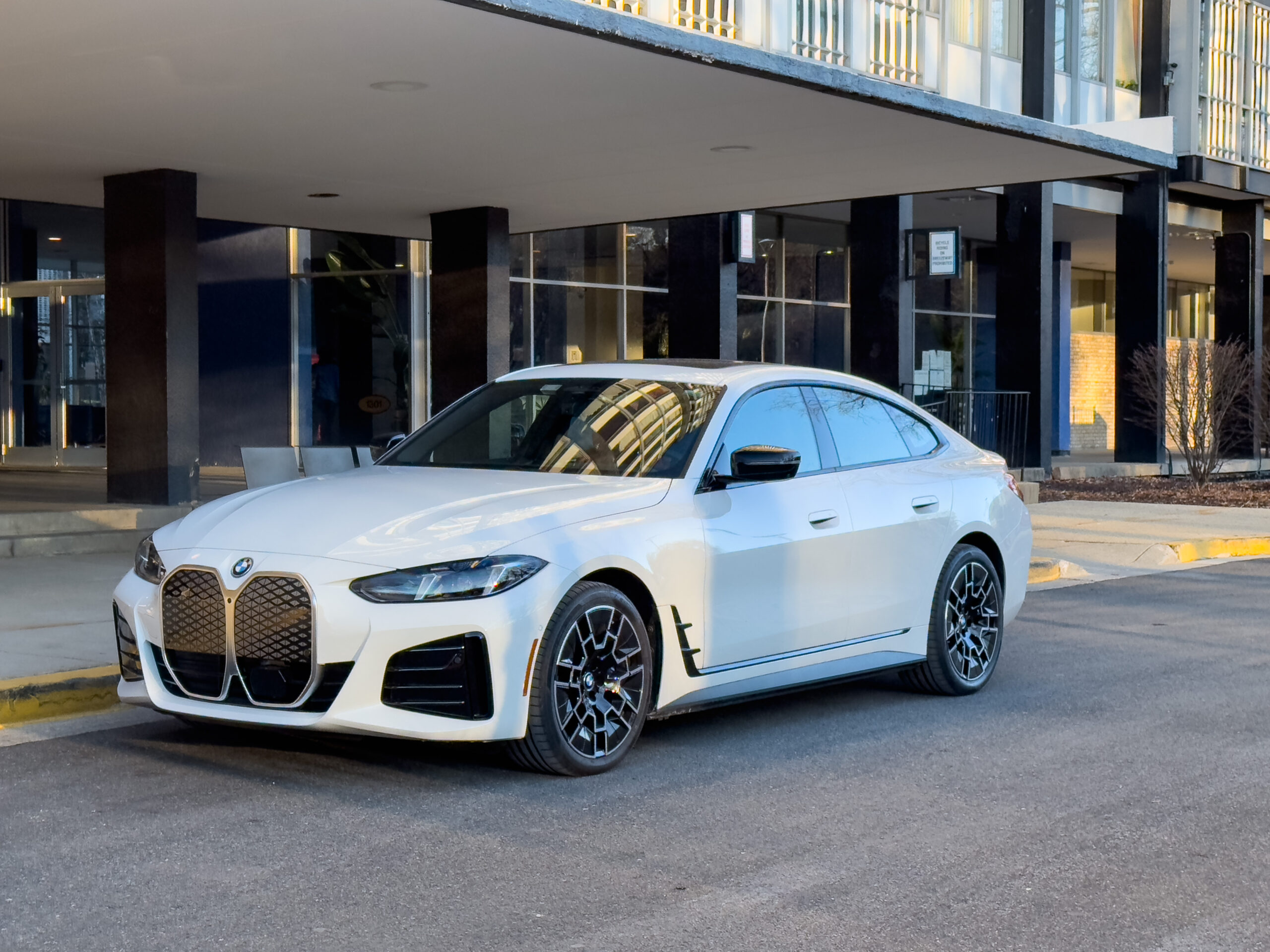
10. BMW i4
The BMW i4 combines luxury, performance, and winter efficiency through a sophisticated battery thermal management system. The car features active heating and cooling to maintain the battery within an optimal temperature range, reducing the energy lost due to cold weather.
This ensures that the vehicle delivers consistent range and predictable performance during sub-zero conditions. BMW has designed the i4 to balance driving dynamics with thermal efficiency, allowing drivers to enjoy both comfort and energy conservation.
Cabin heating in the i4 is highly efficient, utilizing a heat pump system that minimizes energy draw from the battery. Traditional resistive heating can dramatically reduce an EV’s range in winter, but the i4’s approach recycles energy from the drivetrain and uses ambient heat to warm the interior.
Preconditioning features allow the battery and cabin to reach optimal temperatures while the car is plugged in, preserving range for driving. This feature is especially beneficial for commuters or drivers embarking on longer journeys in cold climates.
Regenerative braking is another area where the i4 excels. The system is adaptive, ensuring energy recovery is maximized without stressing the battery during cold temperatures. City driving benefits significantly from this, as frequent stops provide opportunities to recapture energy and offset the extra power used for heating.
BMW’s attention to detail in managing energy flow ensures that the i4 remains both efficient and reliable even in harsh winter conditions.
Finally, the i4’s aerodynamic design, weight distribution, and efficient motors reduce energy consumption, further supporting winter range retention. Smooth airflow and optimized motor output minimize the power needed for high-speed travel, complementing thermal management and regenerative braking systems. These combined features make the BMW i4 a strong choice for drivers who want a luxury EV that maintains dependable winter range while offering performance and comfort.
