
The minivan has long stood as the practical choice for families, travelers, and anyone who values space and comfort over flash and showmanship. Among the many features that separate a good minivan from a frustrating one, the design of its seating and storage systems ranks near the top.
Fold-flat or stowable seats can make a huge difference in how a van performs day to day. Whether it is a parent juggling carpool duties or a road-trip enthusiast hauling gear, the ability to reconfigure the interior quickly can turn chaos into calm.
Yet not all fold-flat systems are created equal. Some work with the simple tug of a strap or the press of a lever, while others require physical strength, careful coordination, and patience that runs thin after a long day.
This discussion compares ten minivans: five that shine for their easy and intuitive fold-flat seating and five that leave owners wishing the automaker had spent more time on ergonomics and less on cost-cutting.
These comparisons are not just about convenience but also about how thoughtful design influences the rhythm of daily life. A family vehicle should feel like an assistant that anticipates your needs, not a puzzle that tests your endurance every time you load groceries or rearrange seats for weekend gear.
Practical seating matters beyond comfort. A smartly engineered fold-flat system opens up space for bulky cargo, ensures a level floor for easy cleaning, and reduces the number of steps between passenger and cargo configurations.
Minivans often double as moving vans, camping companions, or impromptu workstations, and a seamless fold-flat design enhances all these roles.
Conversely, a poor layout can turn even a high-end model into a burden. When seats get stuck or need to be removed entirely, the experience can feel outdated in a category known for convenience.
As we look at these ten models, the contrast between clever engineering and poor usability becomes clear. The following sections break down the five most successful examples of fold-flat simplicity, followed by five minivans whose seat-stow systems frustrate even patient owners.
Five Minivans with Truly Easy Fold-Flat Seating
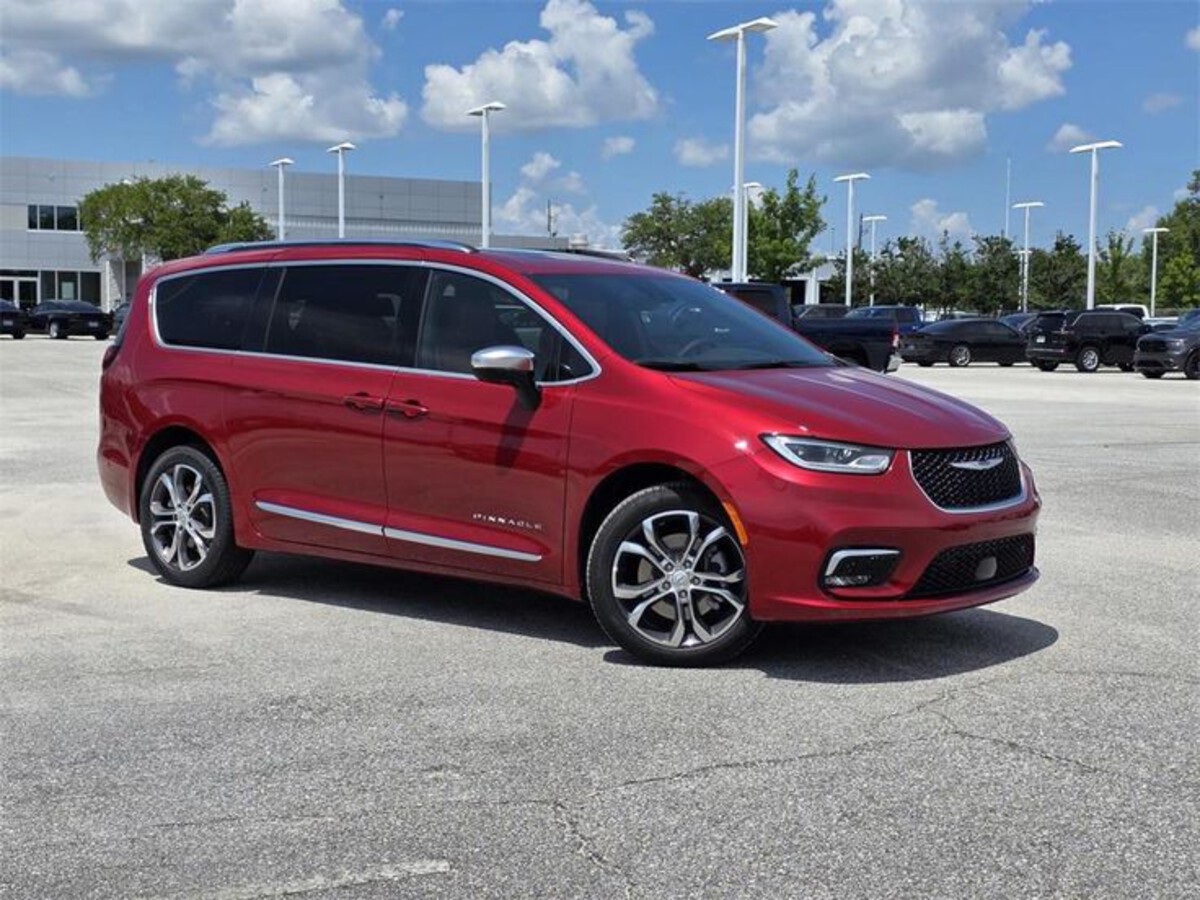
Chrysler Pacifica
Chrysler’s Pacifica remains the undisputed benchmark for practical seating flexibility. Its Stow ’n Go seating system has achieved legendary status among families who demand convenience without compromise.
The mechanism allows both second- and third-row seats to fold completely into recessed floor wells, producing a vast, level cargo area without requiring the removal of any seats.
This innovation saves time, energy, and the back strain that comes from hauling heavy seat frames out of the vehicle.
Unlike many competitors, the Pacifica’s design operates almost effortlessly: one pull of a strap sets the seats in motion, and they collapse smoothly into the floor. This ease of operation has made it a family favorite, particularly for parents juggling multiple responsibilities.
The beauty of the Pacifica’s fold-flat setup lies in its dual-purpose engineering. When the seats are upright, the same storage wells serve as hidden compartments that can store bags, tools, emergency kits, or children’s accessories. This flexibility transforms the vehicle into a truly modular space that adapts instantly to changing needs.
A family can go from carrying seven passengers to hauling furniture in a matter of minutes. Unlike systems that require complicated adjustments, the Pacifica’s operation can be done one-handed, which is an underrated advantage when someone is holding a child or groceries. This real-world usability makes the design stand out beyond its cleverness.
Another aspect that deserves attention is how refined the movement feels. The seats fold with a smooth, dampened motion rather than a jerky or forced collapse. This mechanical grace suggests long-term durability, as repeated use does not seem to wear the hinges or strain the levers.
Many owners report that even after years of operation, the system feels as fresh as the day it left the showroom.
This long-lasting functionality adds tremendous resale value and builds trust in the engineering. Chrysler’s emphasis on sturdiness without heaviness gives the Pacifica an edge that continues to define the segment.
When viewed holistically, the Pacifica embodies what people expect from a modern family vehicle. It balances sophistication with function, comfort with flexibility, and style with dependability.
Every detail of its seat-folding process shows attention to how families actually live: unpredictable schedules, constant adaptation, and limited time for unnecessary effort.
The Pacifica remains proof that practical innovation can be elegant when executed with care and empathy for the user’s experience.
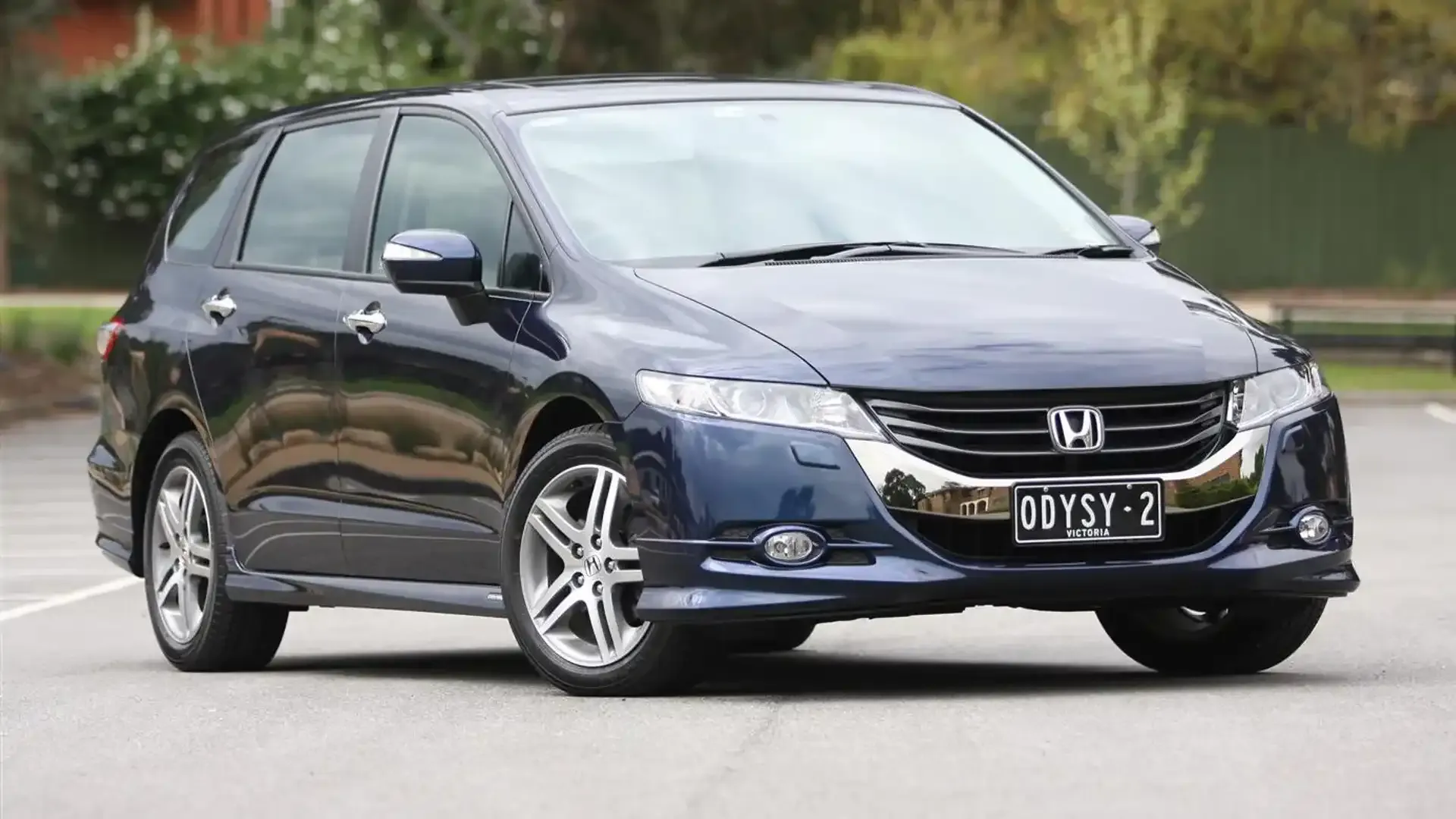
Honda Odyssey
Honda’s Odyssey takes a different but equally thoughtful approach to seating design, emphasizing smooth operation, flexibility, and comfort in equal measure.
While it does not use deep floor wells like the Pacifica, its “Magic Seat” concept for the third row folds neatly into a rear compartment, creating an impressively flat and usable surface.
The operation involves only two steps, and it can be completed easily with one hand. Parents especially value this simplicity because it turns what could be a chore into a quick, predictable routine.
The Odyssey’s design philosophy focuses on minimizing steps, reducing bending or twisting, and ensuring that users feel confident that the seat is properly latched every time.
What sets the Odyssey apart is the adaptability of its second row. Though not fully foldable, it is extremely modular.
The middle seat can be removed quickly, and the outer seats slide laterally as well as forward and backward. This flexibility makes it easy to create a wide center aisle for access to the third row or extra space for large items such as bicycles or strollers.
Each seat can also recline independently, which is rare among minivans. Honda’s engineers clearly understood that flexibility is not just about total cargo volume but about how easy it is to transition between passenger and cargo modes without needing to rearrange the entire cabin.
The Odyssey’s build quality further enhances the experience. The levers, latches, and hinges feel solid, with no sense of fragility or looseness. The effort required to move each seat is finely balanced, light enough for everyday convenience yet strong enough to inspire confidence.
The materials surrounding the seat mechanisms resist wear and staining, making it practical for long-term family use. This reliability ensures that the seating configuration remains functional even after years of repeated adjustments, an important factor for families who rely on the vehicle daily.
Honda also pays close attention to ergonomics and clarity. The handles and pull straps are clearly labeled, and the motions required to fold or slide the seats are logical and consistent across rows. There is no guessing, no hidden levers buried in odd corners, and no unnecessary steps.
These small but crucial design choices create a sense of trust and satisfaction. The Odyssey’s seating system reflects Honda’s long-standing reputation for intuitive engineering that makes complex functions feel simple.
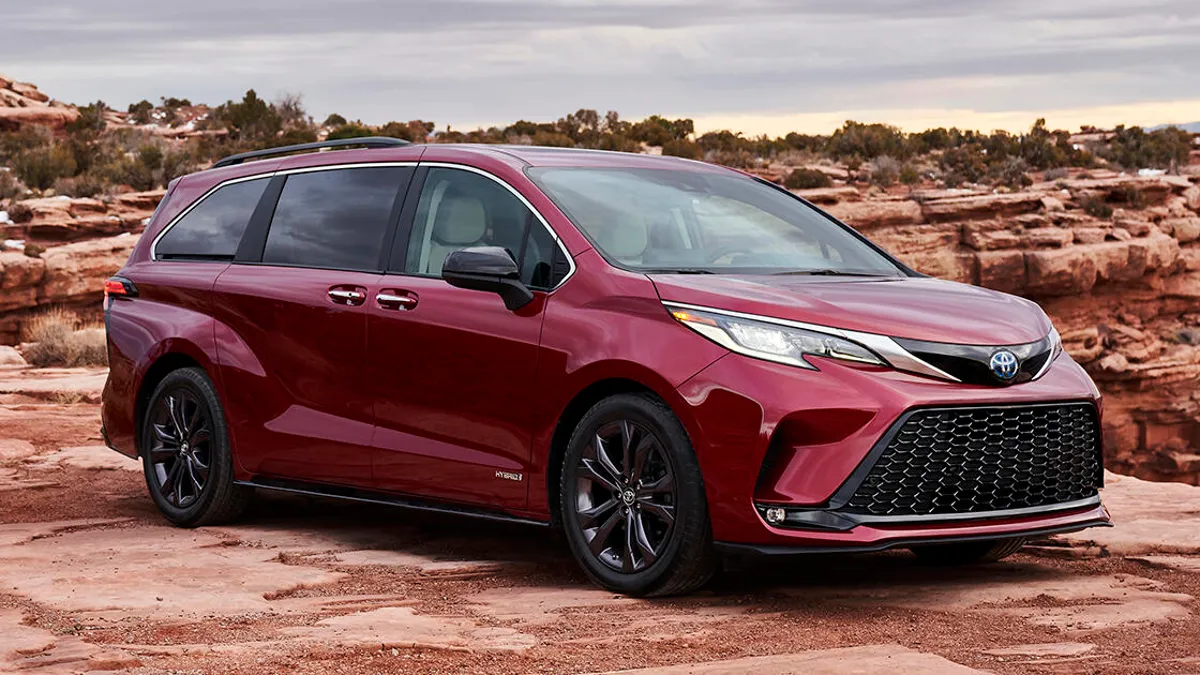
Toyota Sienna
Toyota’s Sienna delivers one of the most balanced seating systems in the minivan market, blending strength, comfort, and practical flexibility.
Its third-row seats fold easily into a recessed rear well, forming a nearly level cargo surface that can accommodate everything from luggage to home improvement supplies.
The operation feels refined and consistent, with a reassuring resistance that communicates quality rather than stiffness. The folding action can be performed smoothly without excessive bending or pulling, which is an essential detail for families that depend on efficiency during daily routines.
The second row, while not designed to sink into the floor, compensates through its exceptional range of motion. The seats can slide forward several inches farther than many competitors, freeing up additional space for bulky items.
This approach balances the need for comfort and versatility; passengers enjoy supportive, thickly padded seats while still benefiting from a spacious cargo configuration when necessary. Toyota’s design philosophy values human comfort as much as utility, ensuring that even long drives remain pleasant.
Another reason the Sienna’s fold-flat system earns praise is its longevity. Toyota’s precision manufacturing keeps the seat mechanisms tight and reliable, even after years of use. The hinges and latches rarely show signs of wear, and the structure resists wobbling or misalignment.
This is particularly important in family vehicles, where seats are folded and unfolded constantly. Unlike cheaper designs that loosen or squeak over time, the Sienna maintains its smooth motion, reflecting Toyota’s reputation for engineering that endures rather than degrades.
Moreover, the materials used in the seat backs and floor sections contribute to the experience. When folded, the surface is uniform and sturdy, without dips or weak spots. This uniformity makes loading easier, whether it’s suitcases, furniture, or camping equipment.
It prevents the awkward unevenness that sometimes plagues lesser designs. The Sienna’s attention to detail, from material quality to mechanical consistency, shows Toyota’s understanding of how a small convenience can make a big difference in everyday life.
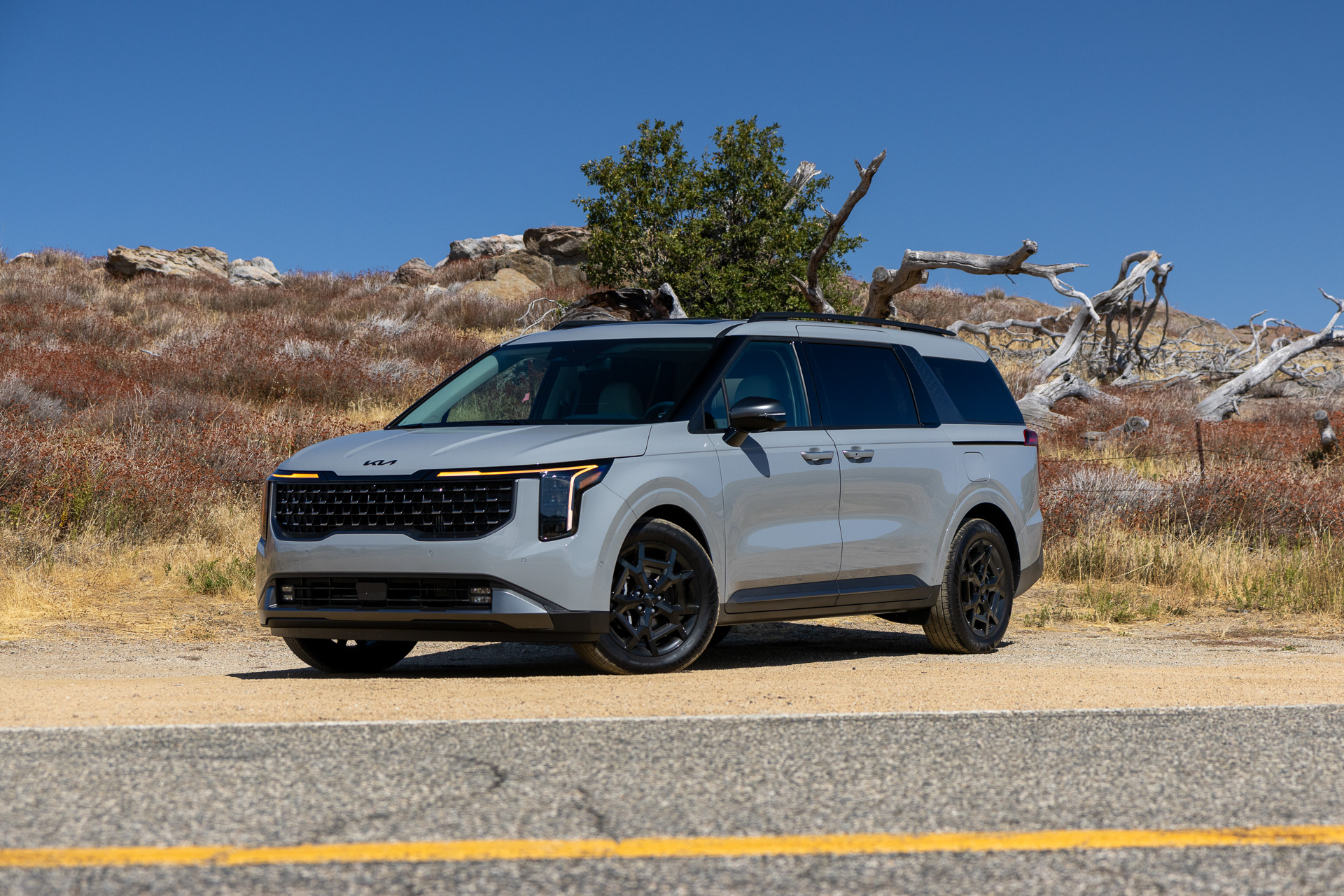
Kia Carnival
The Kia Carnival represents a new generation of minivan design that bridges the gap between utility and style.
Marketed as a “multi-purpose vehicle,” it combines the practicality of a minivan with the strong presence of an SUV. At the heart of its versatility is a thoughtfully engineered seating system that prioritizes user convenience.
The third row folds easily into a rear storage well, forming a clean, flat cargo area ideal for long trips, bulky loads, or family vacations.
The mechanism feels precise and balanced, requiring very little physical effort. A simple pull on the strap releases the seat, which then glides into position with a smooth, controlled motion.
The second row, while not fully stowable, is one of the most flexible in its class. Each seat can slide forward and backward independently, and in certain trims, the center seat can be removed altogether.
This configuration allows multiple combinations for both passengers and cargo. Families can configure the space to fit car seats, pets, or sports equipment with minimal adjustment.
The flexibility gives Carnival a sense of freedom and creativity, letting users decide what kind of vehicle they want it to be on any given day.
Kia also deserves credit for making the controls intuitive. Everything is labeled clearly and placed where it feels natural to reach. There is no learning curve; even new owners can reconfigure the seating layout within minutes.
The smoothness of the sliding and folding mechanisms reinforces the impression of quality. They feel deliberate and mechanical in the best sense, never cheap or rushed.
The Carnival’s engineers balanced precision with ease of use so effectively that the system invites interaction rather than discourages it.
Finally, the Carnival proves that comfort and practicality can coexist. The seat padding is generous, and even though the seats fold neatly, they do not compromise on cushioning.
The materials feel premium, and the structural integrity remains strong regardless of how often the seats are adjusted. This thoughtful balance of comfort, usability, and design aesthetics gives the Carnival a competitive advantage and positions it as one of the most convenient family vehicles available.
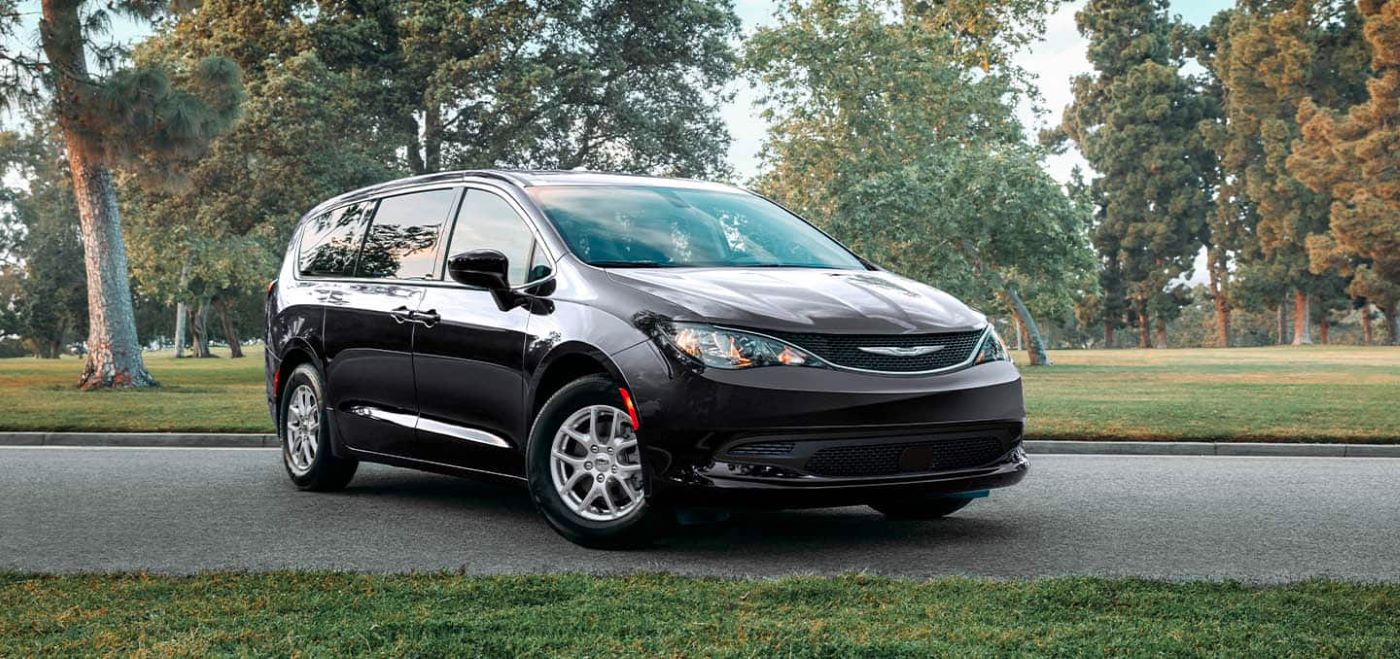
Chrysler Voyager
The Chrysler Voyager, essentially a more budget-friendly sibling of the Pacifica, delivers surprisingly impressive fold-flat functionality.
It inherits much of the Stow ’n Go engineering, allowing third-row seats to sink into recessed floor wells almost effortlessly. This design turns the rear of the vehicle into a large, flat platform in seconds, ideal for groceries, luggage, or even temporary work setups.
Unlike some minivans, where seat folding requires multiple steps or significant force, the Voyager’s seats respond to a simple pull mechanism.
The motion feels balanced, smooth, and reliable, giving users confidence that the seats will not jam or misalign over time. This ease of operation is particularly valuable for parents, caregivers, or anyone frequently shifting between passenger and cargo modes.
The second row of the Voyager continues the theme of practicality. The seats slide forward with minimal effort, and the center seat can be removed or repositioned depending on the desired layout. The resulting configurations can accommodate anything from three car seats to large shopping hauls.
Additionally, the storage wells beneath the folded seats serve as clever hidden compartments, allowing items to be stashed out of sight yet remain easily accessible.
These features demonstrate Chrysler’s attention to the everyday realities of family life: kids’ gear, sports equipment, and last-minute errands all demand flexibility, and the Voyager delivers with minimal fuss.
Durability is another area where the Voyager shines. The seat mechanisms are robust enough to handle frequent operation without loosening or squeaking, a common issue in lower-cost minivans.
The hinges, latches, and pull straps maintain their precision over years of use, ensuring the fold-flat system continues to function reliably even under heavy daily use.
Families who depend on their vehicle for commuting, school runs, and weekend trips appreciate that the Voyager’s practicality is backed by a sense of long-term quality. The confidence in knowing that seats will fold smoothly every time is a subtle but crucial benefit that adds to user satisfaction.
Comfort and user experience are not sacrificed for functionality. The Voyager’s seats remain supportive and well-padded, even while designed to fold into the floor. Unlike some minivans that trade cushioning for fold-flat ability, the Voyager balances practicality with passenger comfort.
The process is intuitive, the materials are durable, and the resulting cargo area is nearly level and exceptionally usable.
This combination of ease, comfort, and clever design makes the Voyager a standout in its class, showing that even a more affordable minivan can provide the same high-quality, stress-free fold-flat experience as its higher-end counterparts.
Five Seat-Stow Headaches
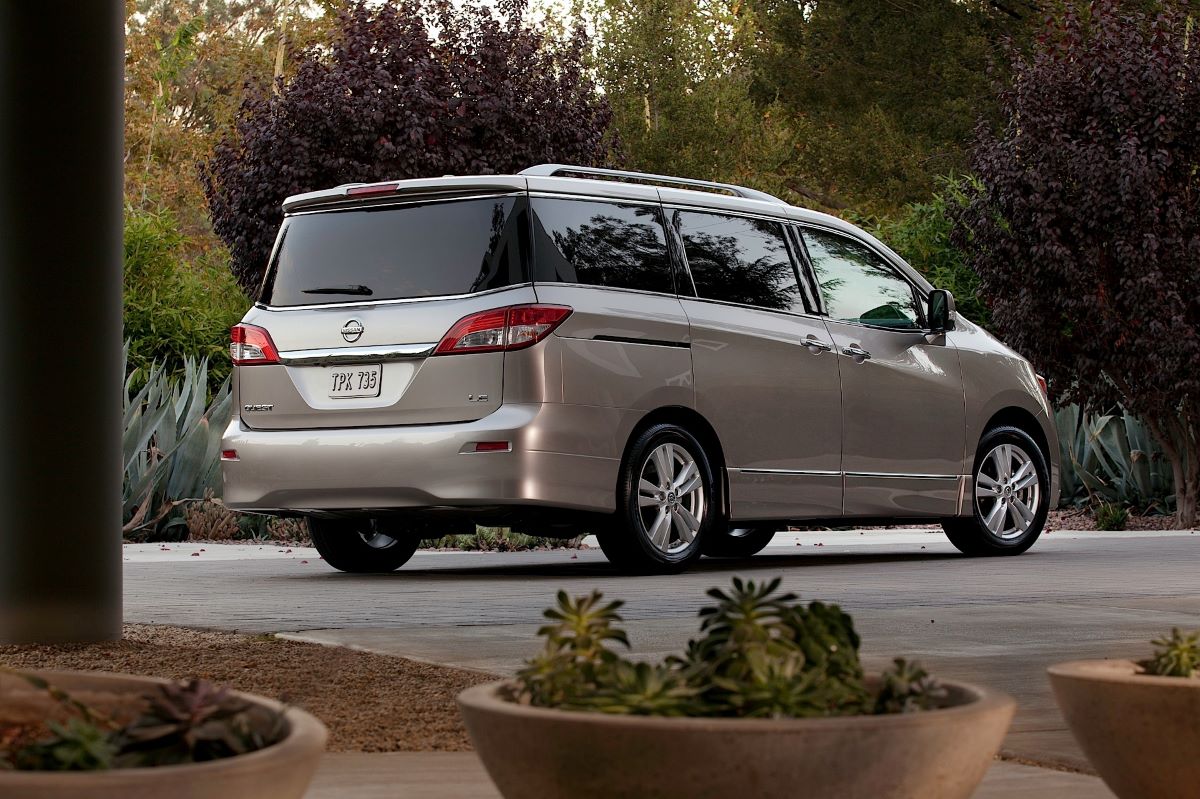
Nissan Quest
The Nissan Quest once held promise as a stylish alternative in the minivan market, but its seating design left much to be desired.
The process of folding the second and third rows is needlessly complicated, often requiring multiple steps and an uncomfortable amount of effort. Instead of sinking neatly into recessed compartments, the third-row seats fold forward, leaving an uneven floor that disrupts the cargo area.
The unevenness means luggage or boxes slide awkwardly, and heavy items never rest securely.
Owners often find themselves layering mats or cardboard just to create a level surface, which defeats the purpose of a supposed fold-flat system. What should be a moment of transformation instead becomes an exercise in patience.
Another major issue lies in the physical strength required to operate the mechanism. The seats are heavier than most users expect, especially when attempting to fold or lift them while reaching at awkward angles. This problem becomes apparent when smaller adults or older family members try to reconfigure the seating.
The levers and pull handles require precise timing to release, and missing one step can cause the seat to jam or lock halfway.
When the system works, it does so with clunky hesitation rather than smooth confidence. In an era when one-touch or strap-pull designs have become common, the Quest’s heavy-handed approach feels outdated and unnecessarily complex.
The third row, which folds into a shallow recess rather than a deep one, limits how much space can be gained. Even when both rear rows are down, the resulting cargo area fails to provide the flat, consistent platform found in rival vans.
This lack of usability is more than a small annoyance; it reduces the vehicle’s flexibility and makes it feel cramped compared to its competition.
Many families end up leaving the third row permanently folded or avoiding it altogether because restoring it to passenger mode takes too much effort. That sense of compromise undercuts the whole point of owning a minivan.
The Nissan Quest’s seat-fold system demonstrates how poor design execution can overshadow otherwise strong qualities. The vehicle rides comfortably and features a pleasant cabin, yet those positives are easily forgotten the moment one tries to convert it for cargo.
The effort and imbalance required create a lasting impression of frustration. A minivan should make family life easier, but in the Quest’s case, the design feels like a chore that stands in the way of convenience.

Dodge Grand Caravan
The Dodge Grand Caravan deserves recognition for introducing the concept of Stow ’n Go seating years ago, yet its older models illustrate how innovation without refinement can lead to ongoing frustration. On paper, the seats fold into the floor, promising a large flat cargo space.
In practice, the process often requires muscle and patience. The latches grow stiff with time, and the hinges lose their initial smoothness. Even when properly lubricated, the folding motion tends to feel heavy and uneven.
The entire process can feel more like wrestling with furniture than operating a feature designed for daily use. Families often find themselves avoiding the system altogether because it simply takes too much work.
One of the persistent issues involves how debris collects in the under-floor storage wells. Dirt, crumbs, and small objects easily accumulate in the compartments where the seats are meant to fold.
This buildup interferes with the mechanism, preventing the seats from collapsing fully or locking in place. Keeping the wells clean becomes an ongoing chore, adding an extra maintenance step to what should be an effortless process.
The heavy seat design also makes realignment tricky; users must often push or kick sections into place before the latch catches properly. This type of hassle defeats the purpose of a quick conversion between cargo and passenger space.
Comfort also suffers as a side effect of the fold-flat ambition. To make the seats thin enough to fit into the floor, Dodge had to sacrifice padding, leaving passengers with firmer, less supportive cushions.
Over long drives, this becomes uncomfortable, particularly in the second row where support is most needed.
Families often found themselves choosing between practicality and comfort, which should never be necessary in a vehicle marketed as versatile. The thinner seats also tend to show wear more quickly, especially on the edges, leading to a tired look even when the rest of the cabin remains well-kept.
While the Grand Caravan deserves credit for pioneering an important concept, its early versions reveal how design innovation can outpace engineering reliability.
Chrysler’s later refinements in the Pacifica corrected many of these problems, but the older Grand Caravan models remain a cautionary tale.
They remind designers that simplicity, durability, and user experience must evolve together. A clever feature means little if it frustrates the very people it was meant to serve.
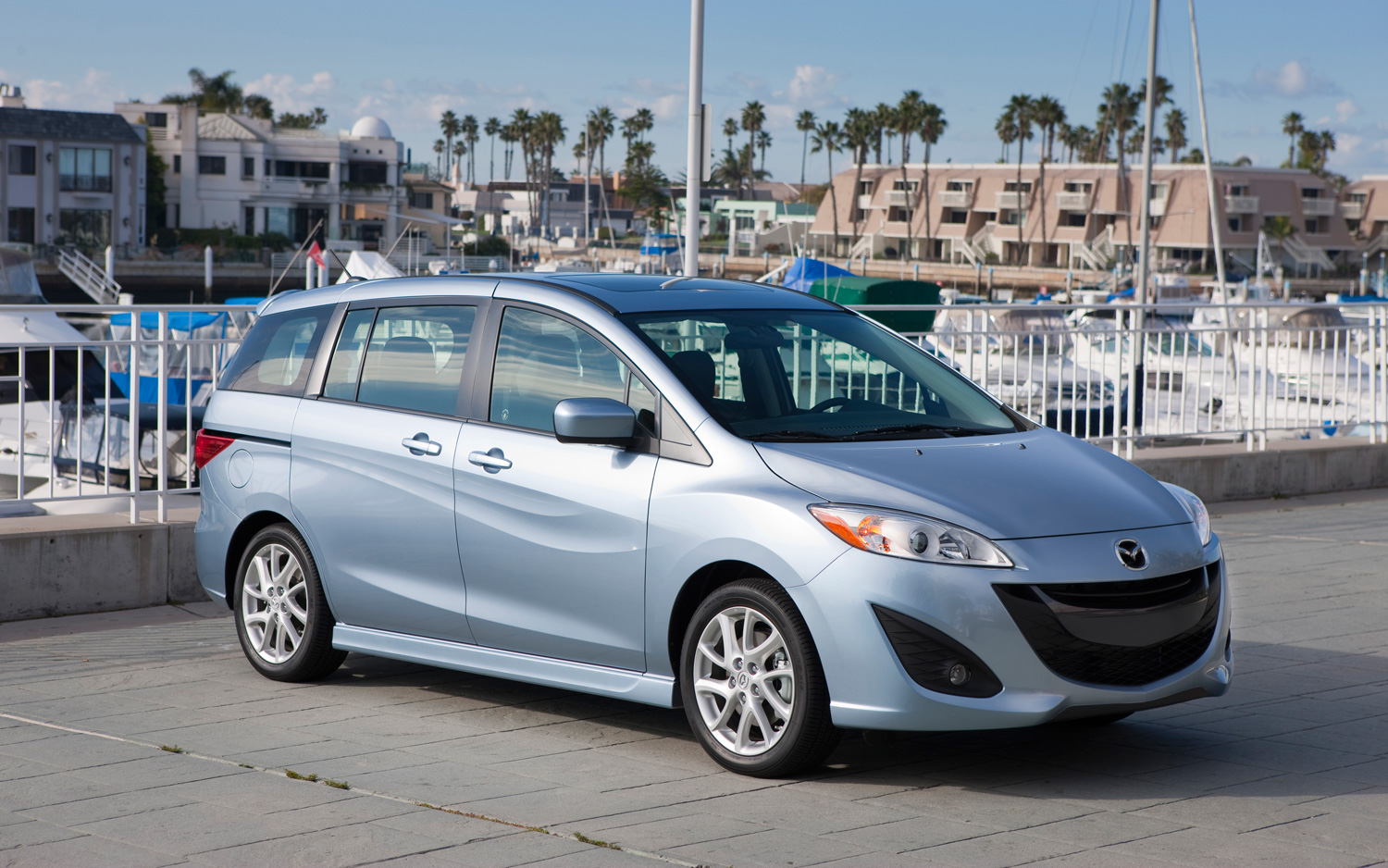
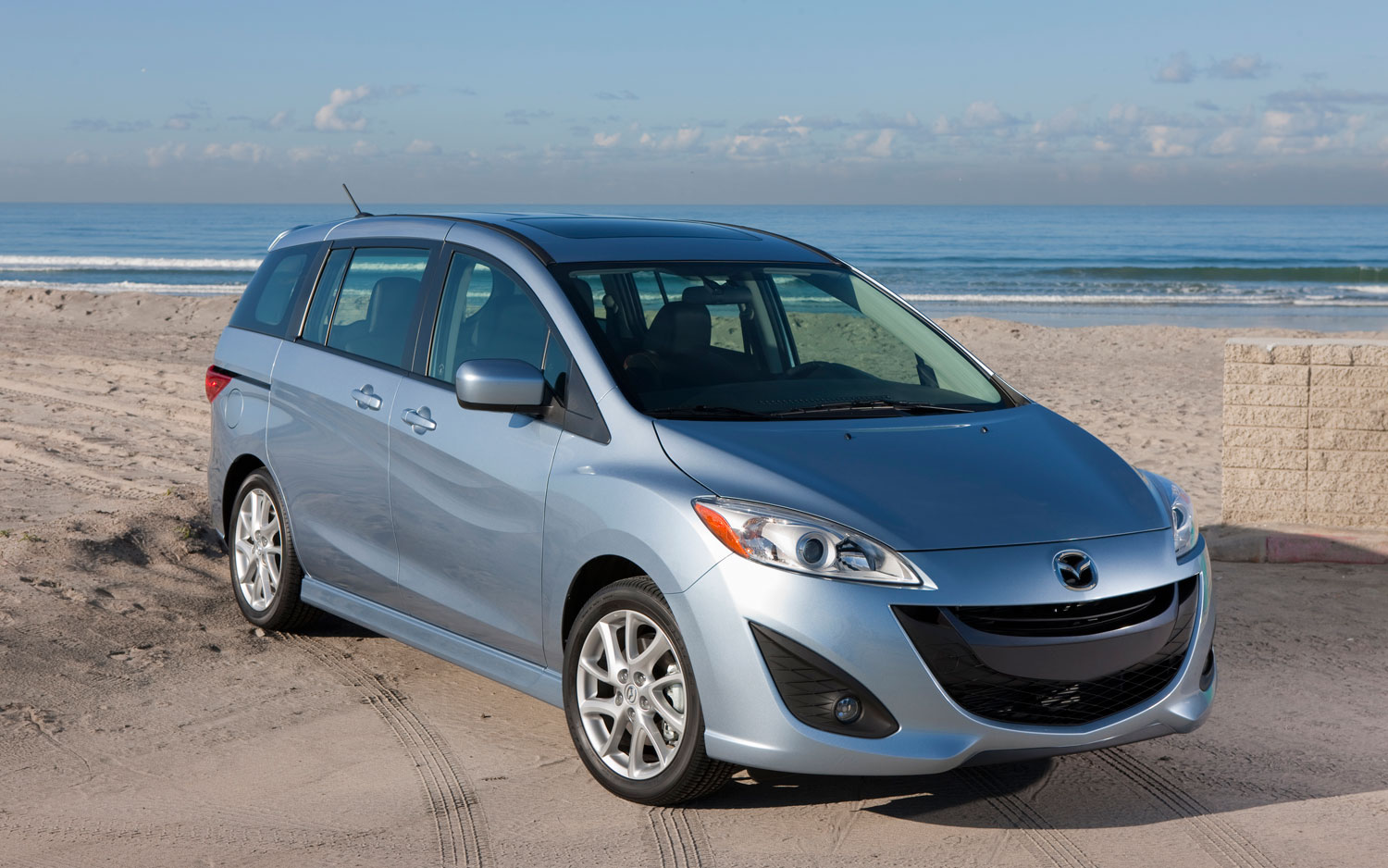
Mazda5
Mazda’s compact Mazda5 minivan occupies an interesting niche, straddling the line between a sporty small car and a family hauler.
Unfortunately, its seat-stowing system exposes the compromises that came with that ambition. While the vehicle handles beautifully on the road, the interior flexibility lags far behind true minivan standards.
The third-row seats fold forward rather than into a deep well, creating an incline instead of a flat floor. Even when folded, the result feels cramped and uneven.
The limited cargo height further reduces practicality, making it difficult to transport tall or bulky items. Owners quickly discover that while the Mazda5 drives like a charm, it behaves more like a wagon than a full-fledged van when it comes to space management.
The folding process itself feels mechanical and effortful. Each seat must be handled individually, and the levers require a firm pull.
There is no single, unified motion or intuitive release strap. Instead, users must remember a sequence: fold the seat back, then lift a latch, then push the base forward. Missing one step means starting over.
These repetitive actions turn what should be a simple transformation into a small chore. For families that constantly adjust configurations for sports gear, groceries, or strollers, this inefficiency becomes tiring very quickly.
A secondary problem is the lack of protection for folded surfaces. The seat backs expose small gaps and uneven edges that can scratch or snag delicate cargo. The resulting cargo area is not truly usable for large objects, since the slanted surface causes items to shift during driving.
It is clear that Mazda prioritized compactness and driving dynamics over functionality. For people who only occasionally need more space, this might be acceptable, but for busy families, the compromise becomes evident after a few weeks of ownership.
Even though the Mazda5 offers strong reliability and a pleasant driving experience, its seat-folding mechanism feels like an afterthought. It lacks the polish, speed, and logic that define successful designs in larger vans.
The model shows that being small and nimble cannot substitute for well-engineered interior adaptability. While the vehicle may appeal to city drivers who rarely need full cargo mode, those seeking true convenience are left wishing for a more user-friendly approach.
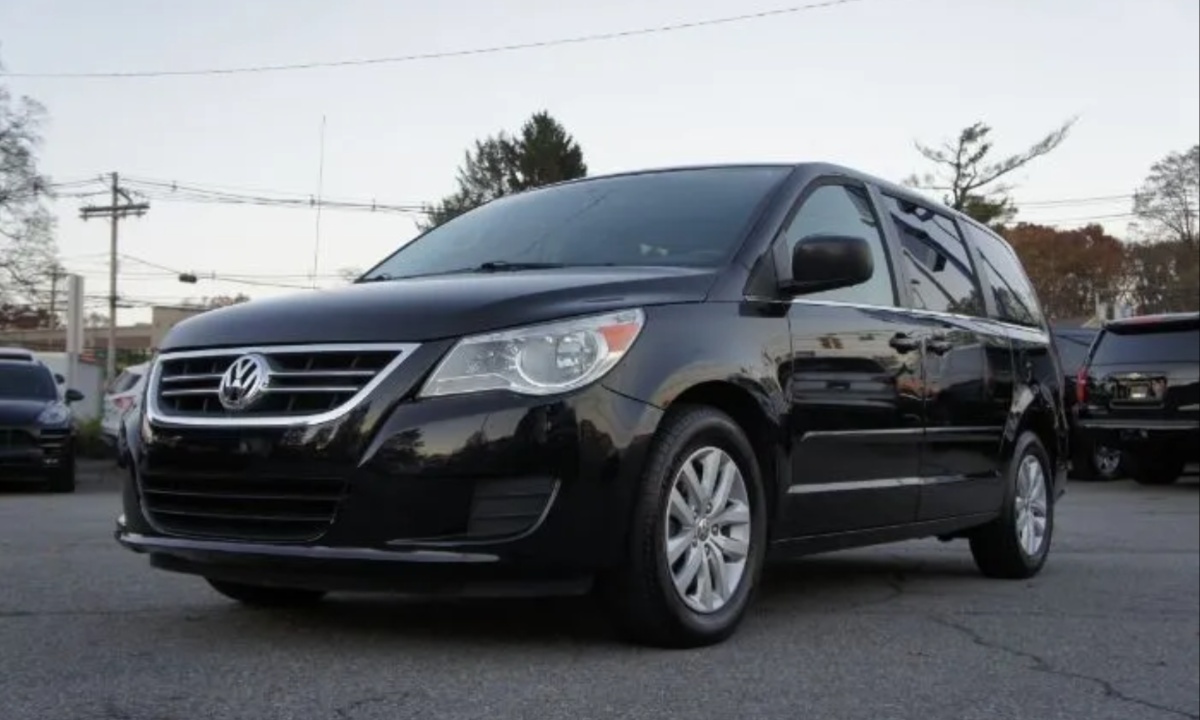
Volkswagen Routan
Volkswagen’s Routan presents an interesting case of shared design gone wrong. Built in collaboration with Chrysler, it borrowed much of its structure and mechanical layout from the Dodge Grand Caravan, including the Stow ’n Go-style seating.
However, where Chrysler eventually refined the system, Volkswagen’s adaptation introduced stiffness, uneven operation, and questionable durability. The seats technically fold into the floor, but the process requires substantial effort.
Users often find themselves tugging repeatedly to release the locking mechanisms, and even when successful, the motion feels jerky. This lack of smoothness makes an otherwise premium-looking van feel oddly unfinished.
The materials used in the seat base and hinges compound the issue. Volkswagen’s choice of upholstery and padding, while luxurious in texture, creates added friction that makes the folding motion less fluid. Over time, this friction causes resistance, forcing users to apply more pressure.
It’s a subtle but irritating flaw that undermines the vehicle’s image of precision and quality. Many owners have noted that the folding action feels inconsistent: one side latches securely while the other side sticks, leaving the seat crooked or misaligned.
Correcting this misalignment requires getting back into the cargo area to push or adjust manually, which quickly grows tiresome.
Another frustrating detail is the poor placement of release handles. Instead of being visible and reachable, they are tucked into corners or beneath seat cushions, forcing users to crouch or twist awkwardly.
This is especially problematic in tight parking spaces where movement is already limited. A well-designed system should accommodate human motion, but in the Routan, the seats feel like they were built first and user comfort was considered later. The result is a system that works on paper but disappoints in daily life.
For a brand renowned for engineering precision, the Routan’s seat-stow design stands out as a rare misstep. It lacks the refined feel associated with Volkswagen interiors and offers little improvement over the models it was based on.
While the vehicle delivers solid driving performance and good ride quality, its folding seats remain a constant reminder of compromise. It demonstrates how even small oversights in usability can diminish an otherwise capable vehicle’s reputation.
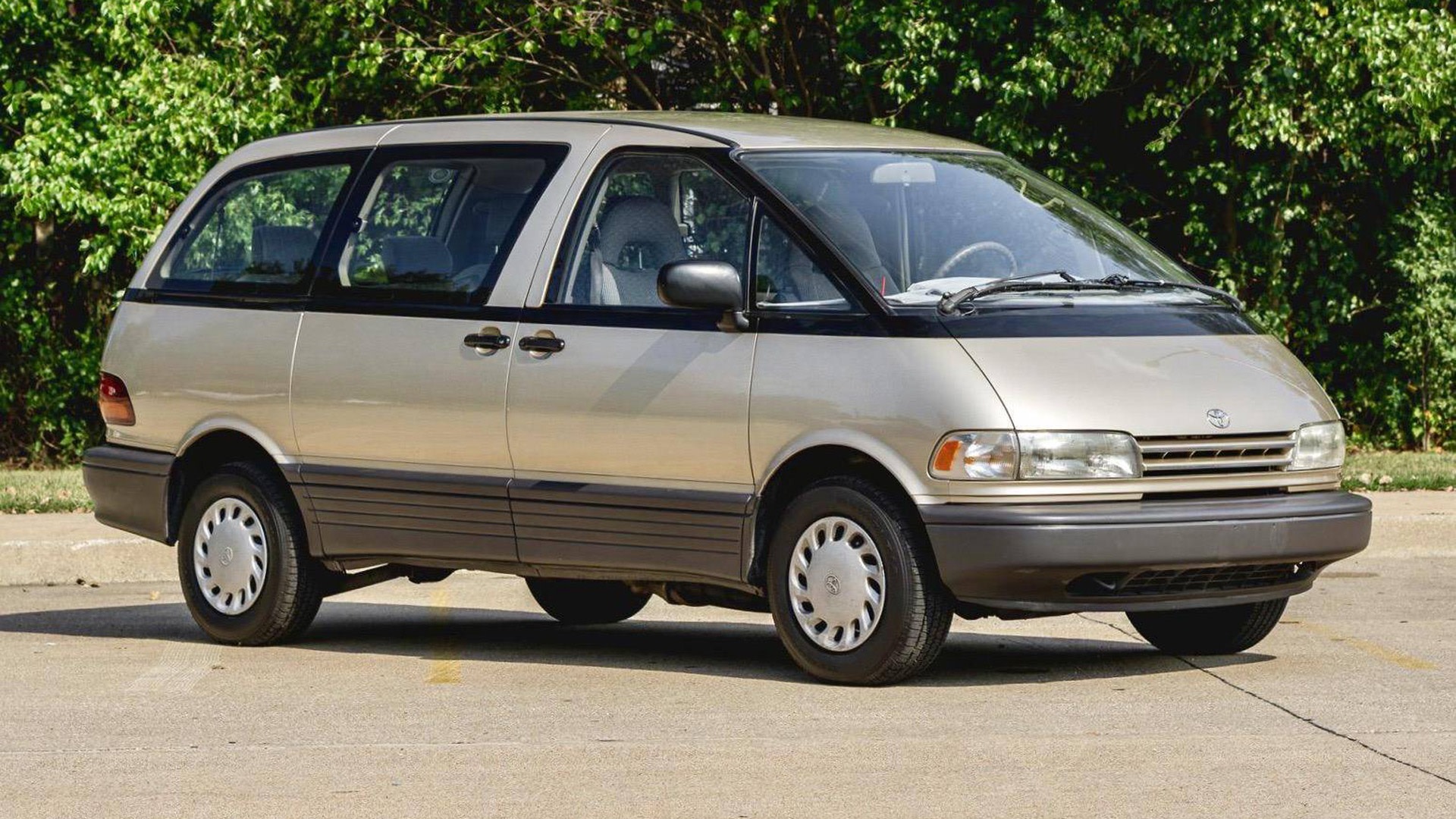
Toyota Previa (Older Models)
The Toyota Previa from the 1990s and early 2000s serves as an important example of how far seating technology has evolved.
During its time, the Previa’s interior felt futuristic, but its seat-folding design now seems cumbersome and outdated. Instead of collapsing neatly into the floor, the second- and third-row seats folded sideways or forward, depending on the configuration.
This created an irregular surface that made cargo loading awkward. For users wanting a completely flat space, the only option was to physically remove the heavy seats, a task that could easily take ten minutes and considerable strength. This level of effort no longer fits modern expectations for convenience.
The seats themselves were sturdy but bulky. Removing or reinstalling them required at least two people because of their weight and size.
Once removed, the seats had to be stored somewhere, usually taking up valuable garage space. Owners frequently mentioned that the process discouraged spontaneous use of the cargo area.
Instead of quickly folding the seats down for large items, people often avoided it altogether, choosing to rent a truck or use a different car. That lack of flexibility limited the Previa’s practicality, even though it was otherwise reliable and well-engineered.
Another challenge was the uneven floor left behind once the seats were folded or removed. Exposed brackets and rails created raised ridges that prevented smooth cargo placement.
Over time, these metal fittings also developed rust or wear, which made sliding cargo risky for both the car and the items being transported.
The absence of a true fold-flat design made the Previa less appealing for tasks like moving furniture, camping, or long road trips, where sleeping inside the vehicle might have been desirable.
Despite these shortcomings, the Previa played an essential role in inspiring later innovations. Its limitations pushed Toyota engineers to create the seamless systems now found in the Sienna.
The contrast between old and new reveals how quickly design priorities evolved once convenience became a defining factor in family transportation.
The Previa remains a nostalgic favorite, but it also stands as a reminder that true usability depends on anticipating how people want to interact with their vehicles rather than just offering mechanical possibilities.
