
Pickup trucks are built with a purpose. They are designed to haul, tow, and take punishment that would make an ordinary car wilt.
Yet, most truck owners spend more time driving with an empty bed than carrying a load. That’s when the differences in suspension tuning, frame design, and chassis refinement really start to show.
Some trucks glide over cracked pavement with an unexpected smoothness, keeping their occupants comfortable and composed.
Others, when unladen, tend to hop and bob along the road, their rear ends bouncing from every expansion joint or pothole. This difference often comes down to how engineers balance utility and comfort.
A smooth ride in a pickup depends on several factors. The type of rear suspension plays a major role, especially whether the truck uses traditional leaf springs, coil springs, or independent setups. Weight distribution and frame stiffness also affect how a pickup behaves when it has no cargo.
Trucks built primarily for heavy towing or carrying tend to have stiff rear suspensions designed to handle high payloads.
When there’s no load in the bed, that stiffness makes the back end react sharply to bumps. On the other hand, trucks that use coil springs or well-calibrated shocks can keep the tires planted and the cabin calm, even without extra weight pressing down on the rear axle.
Automakers have been improving this balance for years. What used to be a category defined by work trucks with rough rides has turned into a segment where some models rival full-size SUVs in comfort.
Yet, not every pickup gets it right. Some still cling to old-school setups that are great for durability but punishing on empty runs.
In this article, we’ll look at five pickups that are known for smooth, composed rides even when their beds are empty, and then five that are known to bounce and porpoise when unloaded.
Understanding why these differences exist helps highlight how far truck design has come, and how choosing the right suspension philosophy affects everyday driving comfort.
5 Pickups That Ride Smoothly Unloaded
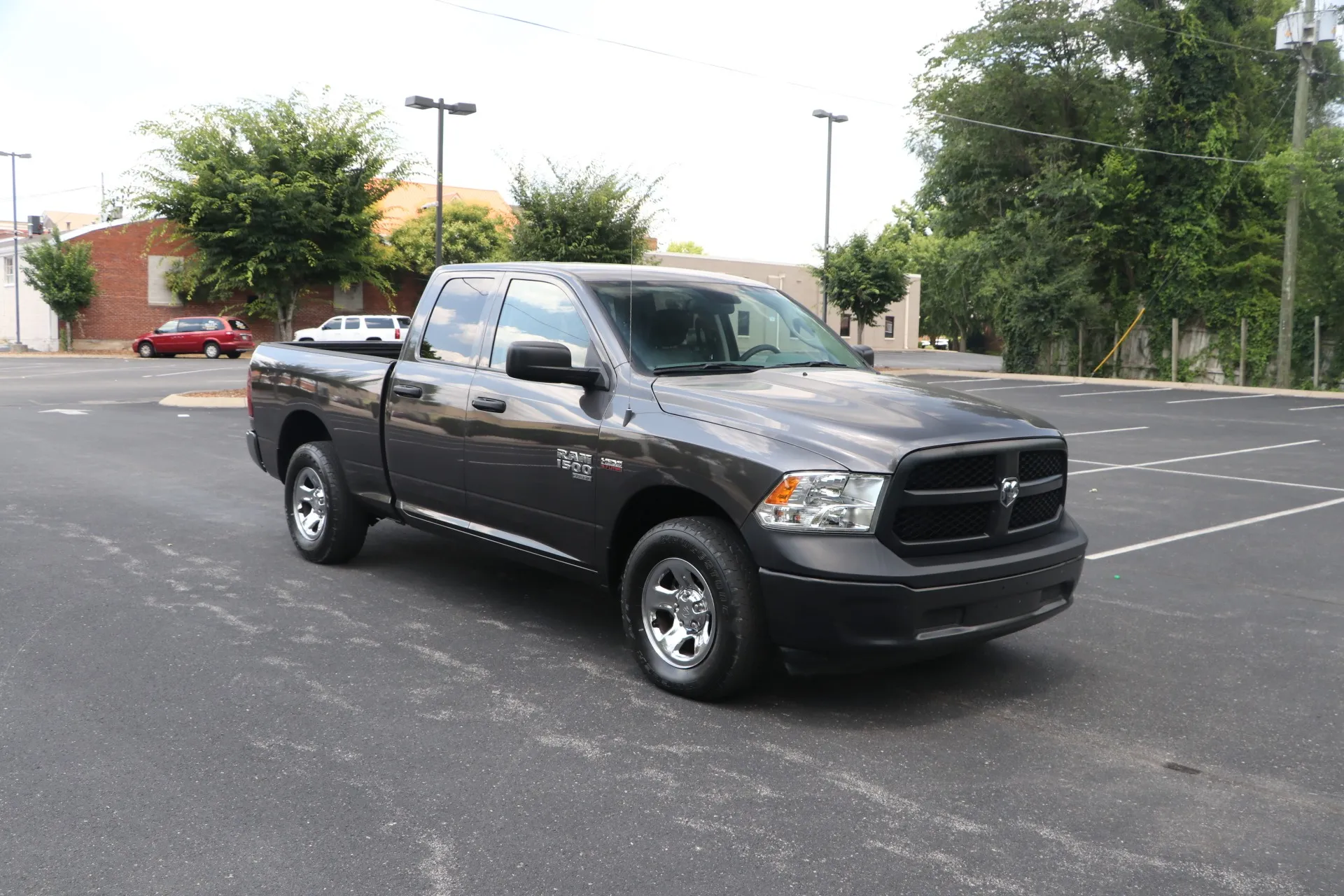
1. Ram 1500
The Ram 1500 stands out as one of the most comfortable pickups available today, largely because of its unique rear suspension setup.
Instead of the traditional leaf springs found on most trucks, it uses a multi-link coil-spring design. This change significantly reduces harshness and gives the rear end a much more planted feel when the bed is empty.
Drivers often notice that the Ram glides over potholes and expansion joints with a level of composure more common to large SUVs than work trucks.
The suspension soaks up small imperfections in the road rather than transmitting them through the cabin, creating a stable, confident ride even on broken pavement.
Another reason the Ram 1500 maintains smoothness is its optional air suspension system, which can automatically adjust ride height and stiffness. This feature not only improves comfort but also enhances aerodynamics and fuel efficiency at higher speeds.
The truck lowers slightly on the highway, reducing drag, while offering softer damping for a relaxed drive. Many owners appreciate how composed the Ram feels during daily use, as it doesn’t jitter or hop when crossing rough surfaces or rolling over gravel roads. Even without any load, the truck maintains its poise, keeping passengers comfortable across long distances.
Inside, the quiet cabin complements the smooth ride. Noise insulation and a well-tuned suspension make the Ram feel more refined than its competitors, blurring the line between a pickup and a luxury SUV.
The driver and passengers can hold conversations at normal volume even on coarse asphalt, something not always possible in other trucks.
The suspension tuning works equally well on city streets and highways, making it an ideal choice for drivers who value comfort as much as capability.
Lastly, the Ram’s weight distribution and frame design contribute to its calm road manners. The rear coil springs are engineered to support both ride comfort and towing stability, so even when the truck is empty, it doesn’t exhibit the rear-end bounce that can plague others.
The result is a balanced and predictable ride that remains comfortable whether the bed is full or empty.
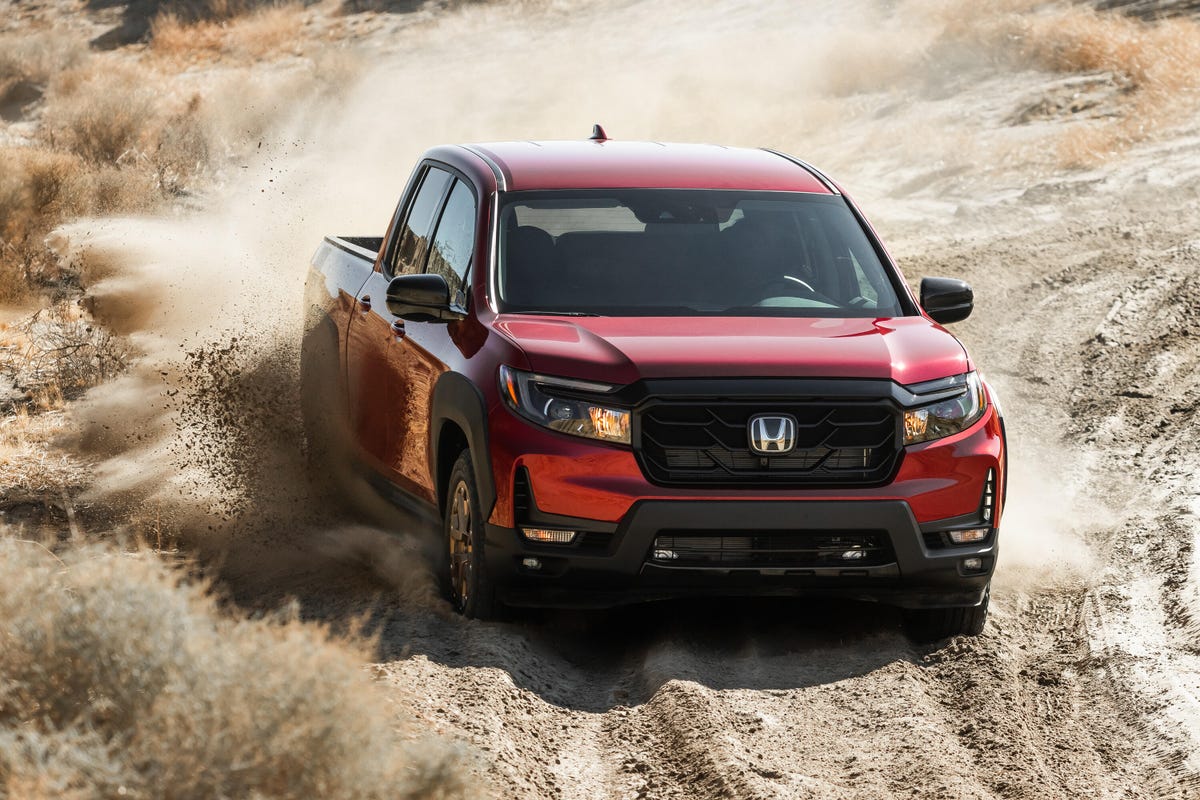
2. Honda Ridgeline
The Honda Ridgeline has always followed a different path from conventional pickups, using a unibody construction instead of a separate body-on-frame layout. This design gives it a structural rigidity advantage and allows its suspension to behave more like that of a crossover SUV.
The result is one of the smoothest rides in the pickup category, particularly when the truck is unloaded. Drivers often describe the Ridgeline as feeling composed and predictable, with minimal bouncing even on uneven pavement.
Its fully independent suspension system absorbs bumps gracefully and keeps the cabin level over undulating roads.
What makes the Ridgeline especially impressive is that it manages this refinement without losing its truck-like utility.
While it’s not meant for heavy-duty hauling, it can carry respectable payloads and tow moderate trailers without the ride deteriorating. The coil-sprung suspension and carefully tuned dampers strike a fine balance between comfort and control.
When empty, it never feels overly stiff, and the absence of leaf springs means the rear axle doesn’t hop around when hitting rough surfaces. This makes it a popular choice among drivers who use their trucks for commuting or light recreational purposes.
Cabin comfort plays a major role as well. The Ridgeline’s interior is insulated from vibration and noise, and the seats provide excellent long-distance support.
Honda engineers focused on minimizing body movement and secondary oscillations, which are the main causes of porpoising when a truck bed is empty. On curvy or uneven roads, the Ridgeline maintains a planted, secure feel that inspires confidence.
Even though some truck purists might question its unibody origins, the Ridgeline proves that a different engineering approach can yield outstanding results.
For everyday driving, especially when no cargo is in the bed, it feels composed and calm in ways that few traditional pickups can match. Its comfort-first tuning has made it a favorite among those who prioritize ride quality over raw towing capacity.
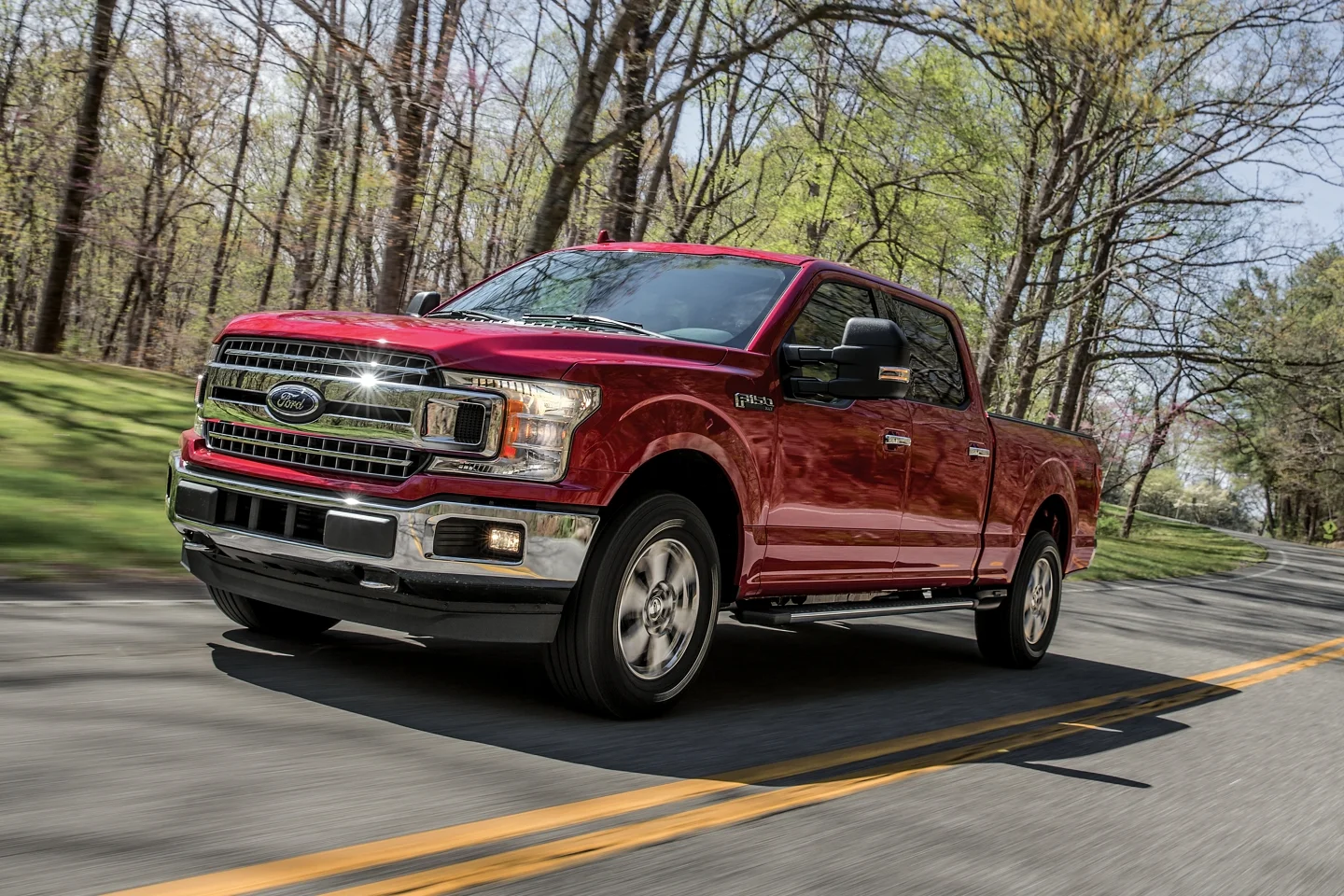
3. Ford F-150 (with adaptive suspension)
The Ford F-150 has long been America’s best-selling truck, and in recent years, it has become smoother and more refined, especially in trims equipped with adaptive suspension or optional continuously controlled damping.
These systems adjust the shock absorber stiffness in real time based on road conditions and driving behavior.
When the truck is unloaded, the sensors detect the lighter rear weight and soften the damping to maintain comfort. This helps the F-150 glide over rough surfaces rather than jarring the cabin with sharp impacts.
Even in its standard setup, the F-150’s ride is better than that of many rivals thanks to its aluminum body construction, which reduces weight and improves balance.
The lighter structure allows the suspension to respond more fluidly, absorbing small irregularities instead of transferring them through the frame.
On highways, the adaptive suspension keeps the truck steady, reducing body movement that could otherwise lead to porpoising. Drivers notice a composed, level feel even at higher speeds or on long trips without cargo.
Ford’s engineers also invested significant effort into isolating road noise and vibration. The result is a cabin that remains serene whether the truck is empty or fully loaded.
The seats and suspension geometry work together to provide excellent control without sacrificing comfort. Even large potholes or uneven concrete joints are handled with finesse.
Drivers who spend a lot of time commuting or traveling light often find that the F-150 strikes one of the best compromises between toughness and refinement in the full-size class.
The smoothness of the F-150 when unloaded underscores how far modern trucks have come. With the right suspension configuration, it delivers a ride quality that rivals some luxury SUVs. This makes it not only practical but also comfortable enough for daily family use, a key factor in its broad appeal.
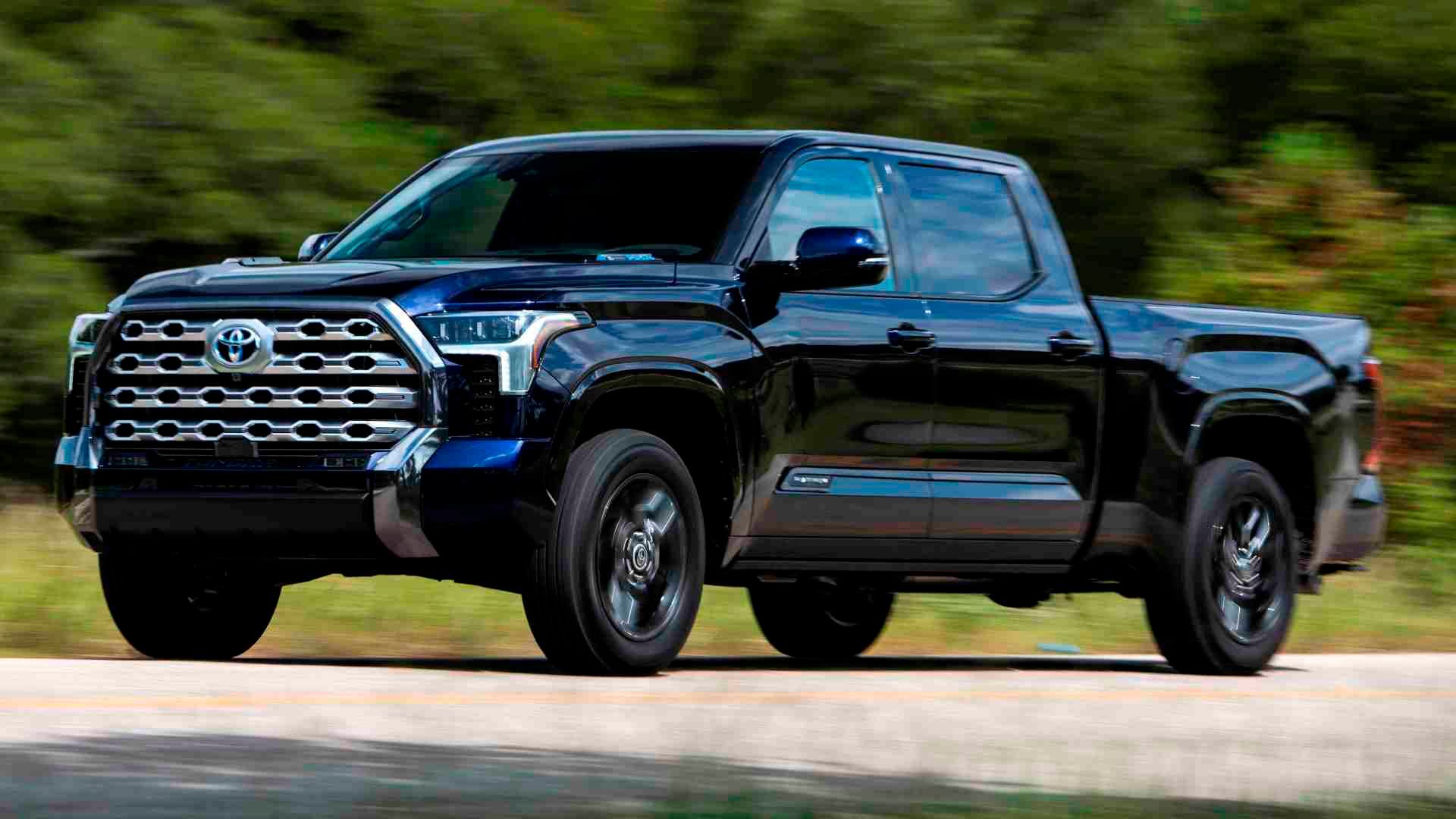
4. Toyota Tundra (with coil-spring rear suspension)
Toyota’s redesign of the Tundra marked a major improvement in ride comfort, primarily due to its switch from traditional leaf springs to a coil-spring rear suspension. This change brought a noticeable difference in how the truck behaves when empty.
Instead of the rear axle hopping over bumps, the coils allow more controlled movement, creating a smoother, more composed experience. Drivers immediately feel the benefit of this setup, especially during daily driving or when traveling over rough city streets.
The new Tundra’s suspension tuning was carefully balanced to provide both comfort and control. The truck remains stable on the highway, even without a load, and the suspension prevents excessive vertical motion that could lead to porpoising.
The change also improved cornering stability and reduced rear-end skittishness, making the Tundra one of the most refined full-size pickups available. This transformation shows how modern engineering can enhance both capability and comfort without compromising durability.
Another key factor is the way Toyota tuned its shock absorbers to work with the coil-spring layout. The dampers react quickly to road imperfections, preventing oscillation after impacts.
This means the truck recovers quickly from bumps rather than bouncing multiple times. Drivers who are used to older Tundras with leaf springs will immediately notice the improvement in body control. The smoother ride makes the truck more enjoyable for everyday use and long-distance driving.
Additionally, the Tundra benefits from improved cabin insulation and seat comfort, both of which complement its smoother suspension.
The ride feels cohesive and stable, making it ideal for drivers who often use their truck for personal rather than heavy-duty work. Toyota’s effort to modernize its suspension has paid off, positioning the Tundra among the top performers for comfort when unloaded.
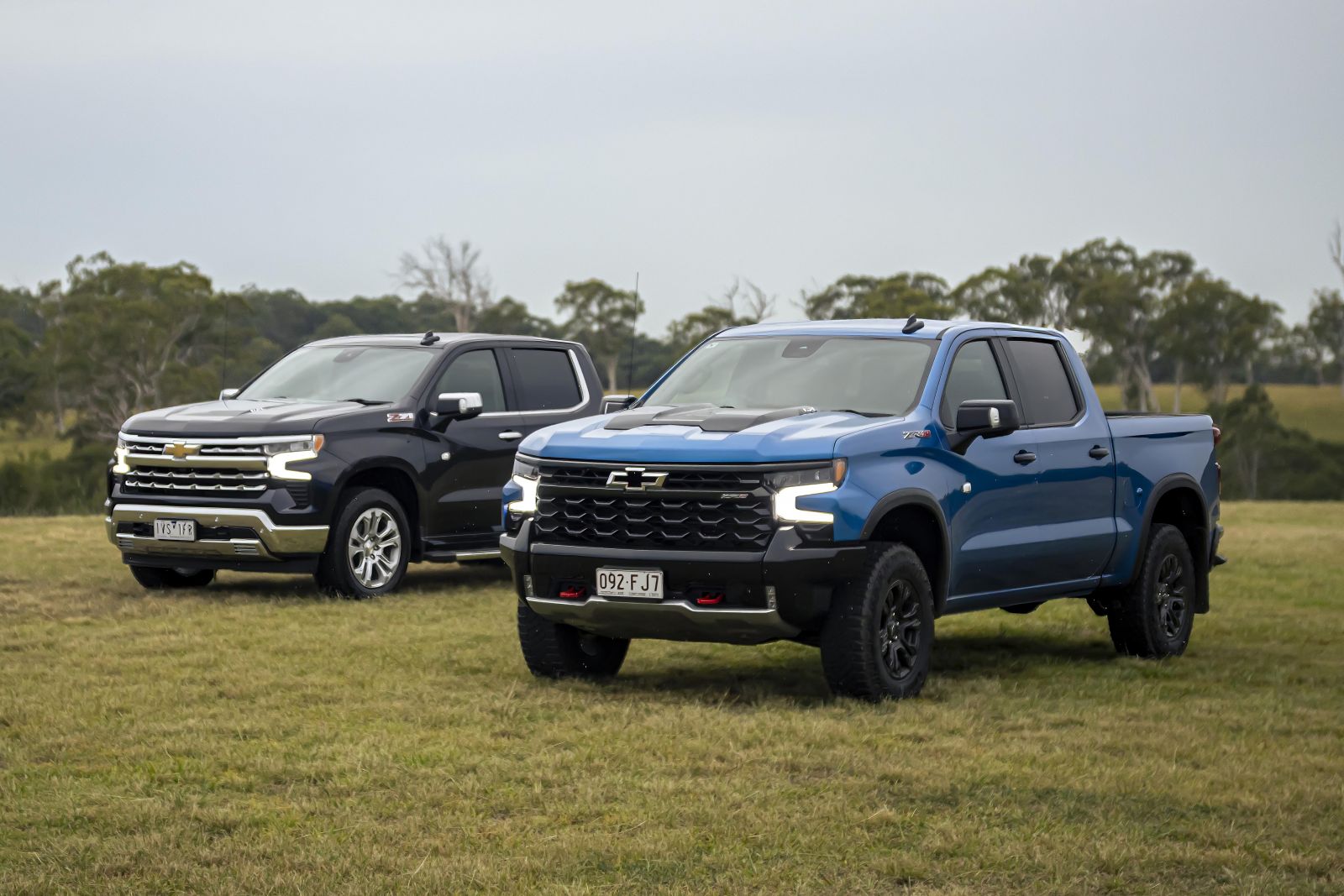
5. Chevrolet Silverado 1500 (High Country and LTZ trims)
The Chevrolet Silverado 1500, particularly in its higher trims, has made significant strides toward comfort and composure.
While the base models use conventional leaf springs, Chevrolet tuned its suspension more softly in the upper trims and improved damping characteristics for a more refined feel.
The result is a truck that rides with surprising smoothness even when there’s no weight in the bed. The front coil-over and rear leaf-spring combination has been carefully balanced to prevent harsh rebound or jitteriness on broken pavement.
In models equipped with the adaptive ride control system, the Silverado adjusts shock stiffness continuously, reducing body motion over rough surfaces. When unloaded, this system works to keep the truck level and stable, avoiding the choppy behavior common in older pickups.
On highways, the ride remains calm and settled, while city driving feels composed and confident. Drivers notice that the truck doesn’t bounce excessively after bumps, maintaining a steady rhythm that enhances comfort.
Chevrolet also put effort into noise and vibration isolation. The suspension geometry and bushing materials help minimize the impact of rough pavement, while the cabin remains quiet.
Combined with well-padded seats and solid steering feedback, the Silverado feels more premium than its work-truck origins might suggest.
This balance of comfort and capability appeals to owners who want a truck that can handle occasional towing without punishing them during daily commutes.
The Silverado’s ride quality shows how tuning and technology can make a traditional setup perform exceptionally well. It may not use coil springs at the rear like the Ram or Tundra, but its refinement proves that good engineering and adaptive damping can achieve similar smoothness.
For anyone who values comfort without giving up the familiar feel of a classic truck, the Silverado 1500 remains a strong contender.
5 Pickups That Bounce and Porpoise
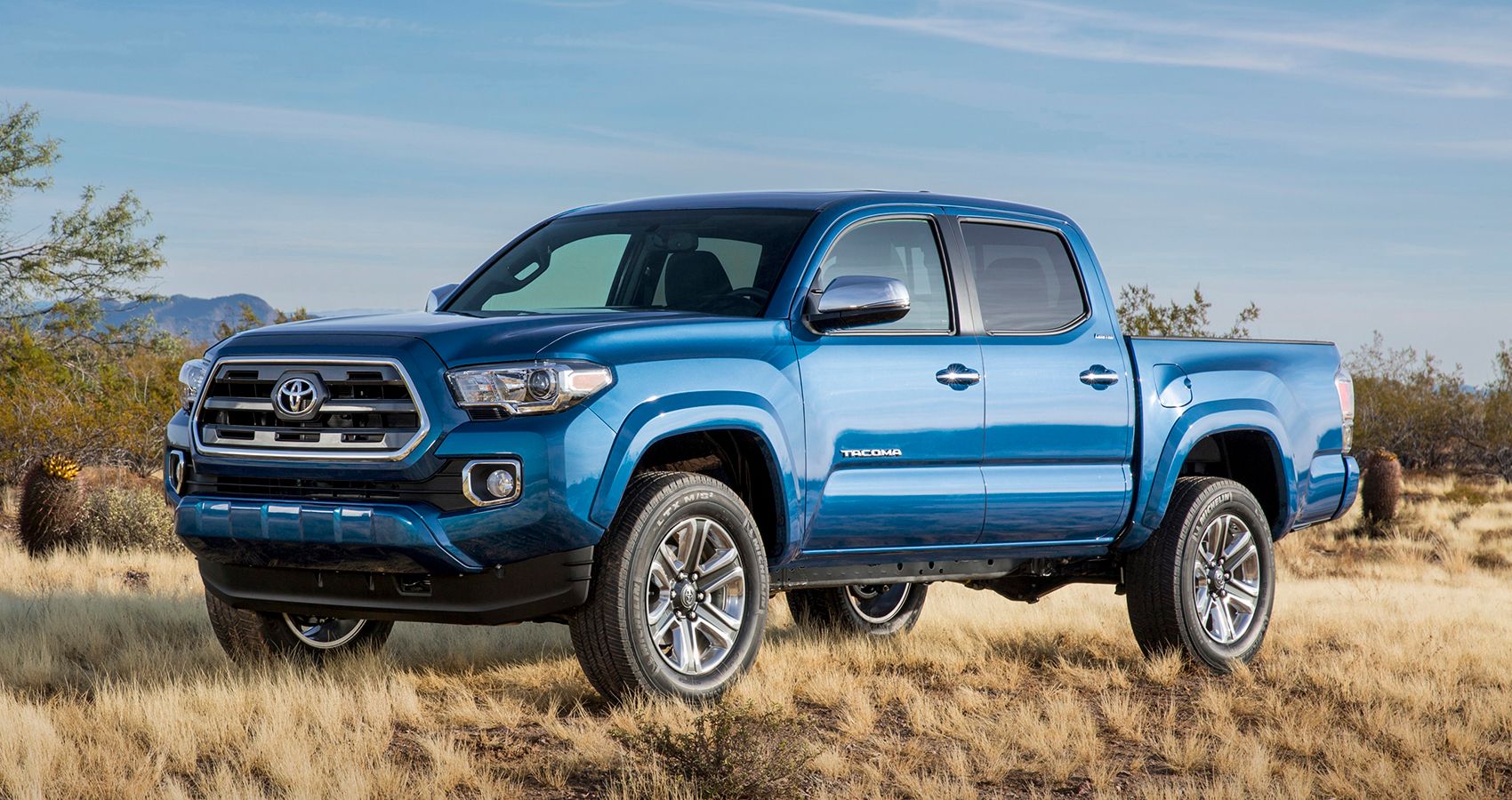
1. Toyota Tacoma
The Toyota Tacoma has earned a loyal following for its dependability and off-road strength, but when it comes to ride comfort, especially when unloaded, it shows its age and design priorities.
The Tacoma’s rear suspension uses traditional leaf springs, which are durable and excellent for hauling, yet they create a stiff and restless ride when the bed is empty.
On uneven pavement or broken concrete, the truck’s rear axle tends to bounce, sending sharp jolts into the cabin.
Drivers often describe the sensation as the truck “skipping” over small bumps rather than absorbing them. This behavior becomes more noticeable at highway speeds, where rhythmic motion or mild porpoising can occur over rolling surfaces.
The Tacoma’s shorter wheelbase compared to full-size trucks also contributes to its liveliness. Because there’s less distance between the front and rear axles, any disturbance to one end of the truck affects the other more directly.
This is especially evident on undulating roads, where the Tacoma can start to pitch forward and back as it moves over consecutive bumps.
Even though its suspension is tuned for toughness, the lack of weight in the rear means it cannot settle easily without some ballast in the bed. Some owners place sandbags or toolboxes in the back to help smooth out the ride, but that is only a partial fix.
Another reason for the Tacoma’s firm ride is its focus on off-road capability. The suspension needs to withstand large impacts and provide good ground clearance, which naturally requires stiffer spring rates and shocks.
While this helps when traversing trails or carrying equipment, it translates to a rougher experience on city streets and highways when no load is present.
Toyota prioritized ruggedness and reliability, and while that philosophy appeals to adventurers, it sacrifices some comfort for everyday driving.
Despite its firm manners, the Tacoma remains extremely durable and capable, which is why many drivers are willing to accept the trade-off. It is a truck built to take punishment rather than pamper passengers.
For those who frequently drive on rough terrain or need a dependable mid-size pickup for work, its toughness outweighs its lack of smoothness. But for anyone who spends more time on paved roads, the Tacoma’s bounciness can become tiring over long trips.
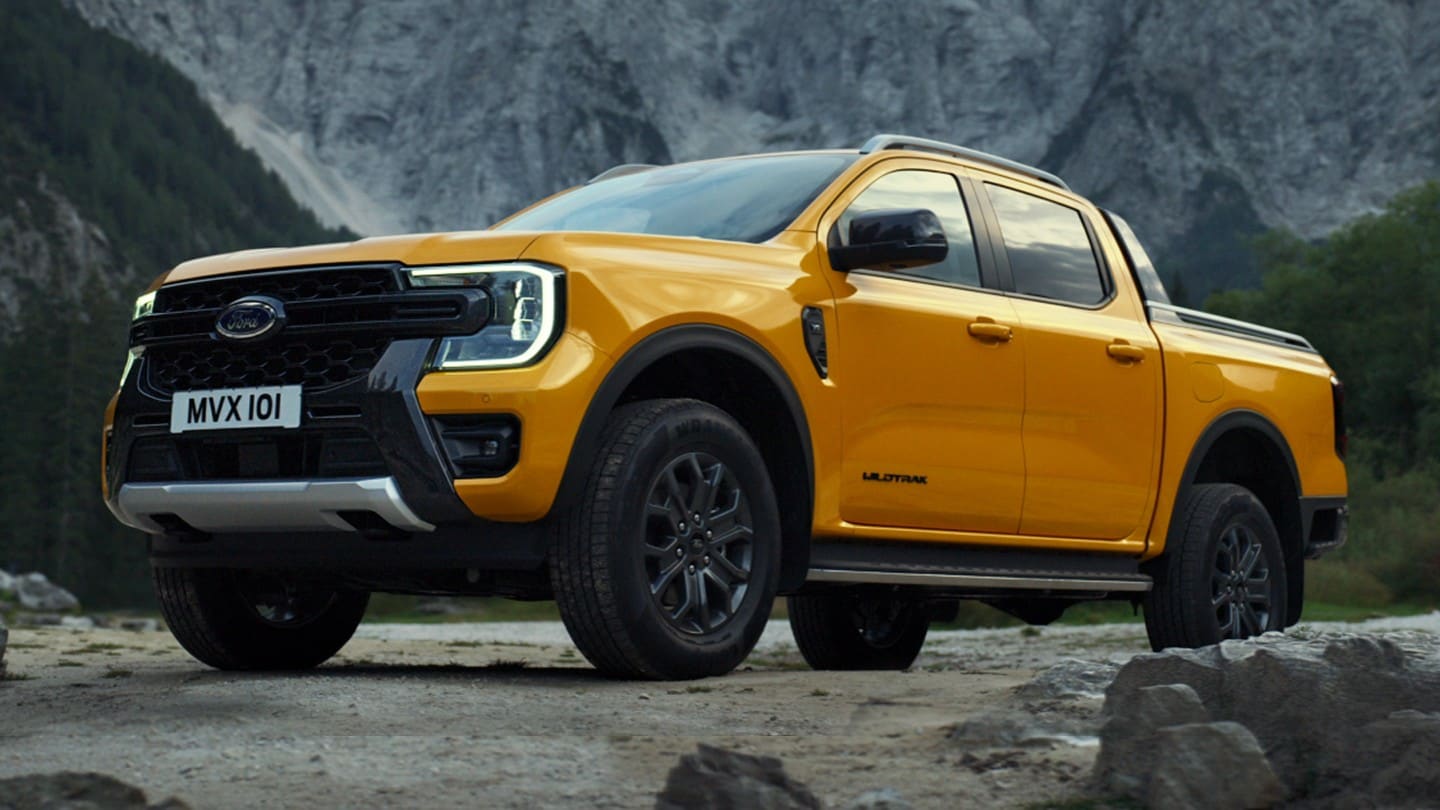
2. Ford Ranger
The Ford Ranger, though modern in design and technology, carries suspension traits that emphasize strength and towing stability over plush comfort. Its rear leaf-spring setup provides excellent load support but transmits noticeable motion into the cabin when the bed is empty.
Without cargo weight pressing down on the rear axle, the Ranger tends to hop and rebound after hitting bumps.
This behavior gives the sensation of the truck being slightly unsettled, especially over speed humps or cracked pavement. While it handles weight with confidence, the empty-bed experience feels taut and choppy.
At highway speeds, the Ranger’s suspension can cause a mild porpoising effect over long, undulating stretches of road. The truck will gently rise and fall as it cycles through each dip, creating a wave-like motion that requires the driver to stay attentive with throttle adjustments.
This is not dangerous, but it is fatiguing over time. The issue stems from how the suspension and shock absorbers are tuned for loads that the truck often isn’t carrying during daily use.
The springs are stiff enough to prevent sagging with heavy cargo but too rigid to absorb smaller imperfections when empty.
The Ranger’s solid rear axle also plays a role in its ride harshness. While this design provides durability and alignment stability under stress, it cannot react independently to road irregularities the way an independent suspension can.
The entire axle moves as one piece, which amplifies the feeling of bumps, especially when there is less weight over the rear tires. Drivers who compare it directly to softer-riding competitors like the Honda Ridgeline immediately notice the difference.
Despite these limitations, the Ranger still has a strong appeal for buyers who value power and versatility. It performs well under load and has excellent towing stability, which explains why its suspension is tuned on the firmer side.
But for those who rarely carry cargo, the constant jiggle and sharp rebound over uneven surfaces can make the ride feel restless. It’s a classic example of a truck engineered for hard work rather than passenger comfort.
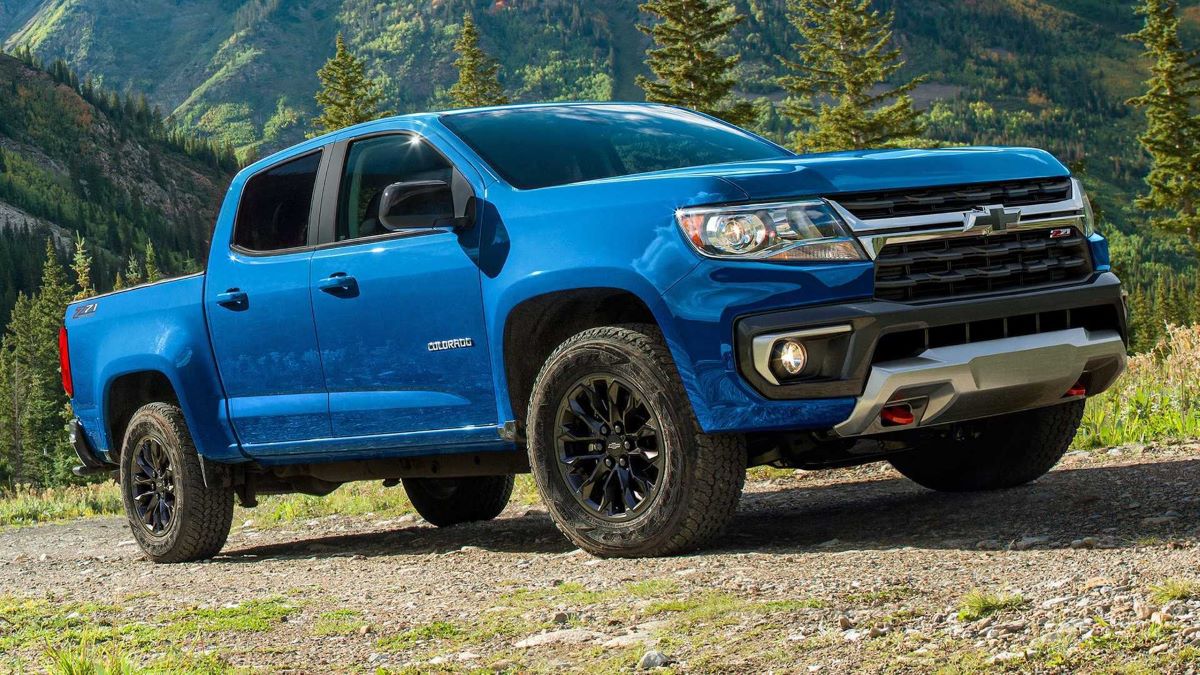
3. Chevrolet Colorado
The Chevrolet Colorado is one of the more versatile mid-size trucks available, but it shares the same challenge faced by most leaf-sprung pickups: an unsettled rear end when unloaded.
When the bed is empty, the truck’s stiff rear suspension, designed to handle payloads exceeding a thousand pounds, struggles to stay composed on bumpy roads.
The result is a bouncy, jittery sensation that makes passengers aware of every crack and expansion joint. On rough asphalt, the rear tires tend to skip slightly, reducing traction and creating a mild porpoising motion as the body oscillates.
Drivers often note that Colorado’s behavior improves significantly with weight in the bed, which highlights the issue’s root cause.
The suspension simply expects to be carrying something. Without that additional mass to compress the springs, every small road imperfection triggers a firm response.
The rear axle’s motion transfers directly through the frame, shaking the cabin and making long trips tiring. This becomes more pronounced on lightly traveled rural highways, where the truck can develop a repeating rhythm of bounce and settle.
Another factor contributing to the Colorado’s firmness is its tuning balance between capability and control. Chevrolet wanted the truck to handle well when loaded, so the rear shocks are valved more aggressively.
This helps stability with cargo but sacrifices comfort when the bed is empty. Even with improved damping in newer models, the difference in behavior between loaded and unloaded conditions is obvious.
When driven without cargo, the Colorado feels far less composed than its full-size counterpart, the Silverado 1500.
Still, many drivers appreciate the Colorado for its toughness and handling predictability. It stays level through corners, and the suspension’s stiffness helps prevent body roll. For work use or off-road conditions, the firm ride can be an advantage.
But for daily driving, particularly in urban settings where the roads are rough and the truck often runs empty, the constant movement can feel excessive. It’s a capable truck, but comfort simply isn’t its strongest trait.
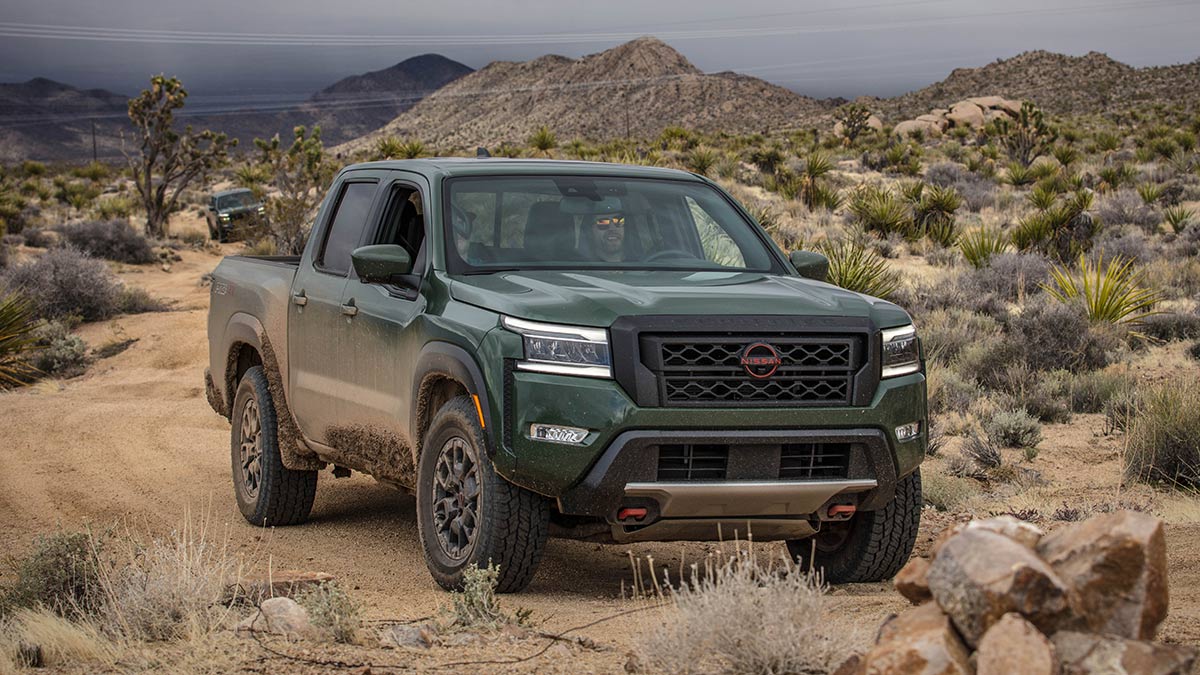
4. Nissan Frontier
The Nissan Frontier underwent updates to modernize its styling and technology, but its underlying suspension design remains traditional, and that shows in how it rides.
The rear leaf-spring suspension is tuned for durability, not softness, which means the truck feels firm and sometimes bouncy when there’s no load in the bed.
Over patchy pavement or gravel roads, the rear end can hop slightly, creating a sense that the truck is never completely settled. The leaf springs are strong and reliable, but they lack the compliance needed to absorb small bumps effectively without weight over them.
At low speeds, the Frontier’s ride can feel jittery, with the rear axle reacting sharply to imperfections.
On the highway, this transforms into a mild but noticeable up-and-down motion that can lead to porpoising on wavy sections of road. It is not a severe issue, but it does remind the driver that the suspension was designed primarily for utility rather than comfort.
The solid rear axle contributes to the lack of independence in wheel movement, amplifying vibration when the truck is unladen.
One of the main reasons the Frontier behaves this way is its focus on towing and payload capacity. Nissan engineered it to handle demanding work conditions, meaning the rear springs have to remain strong and consistent even with heavy cargo.
Unfortunately, this same stiffness makes it less forgiving when there is no weight to balance the setup. Some owners find that carrying a few hundred pounds in the bed transforms the ride from harsh to smooth, confirming how much difference load weight makes.
Despite these comfort shortcomings, the Frontier remains a dependable and straightforward pickup. It appeals to drivers who want simplicity and toughness rather than luxury.
The bouncy nature of the empty-bed ride is a trade-off for its durability, and while it may not glide over imperfections, it can take years of use without developing suspension problems.
For buyers focused on longevity and capability, it still offers good value, but comfort seekers will find it less satisfying.
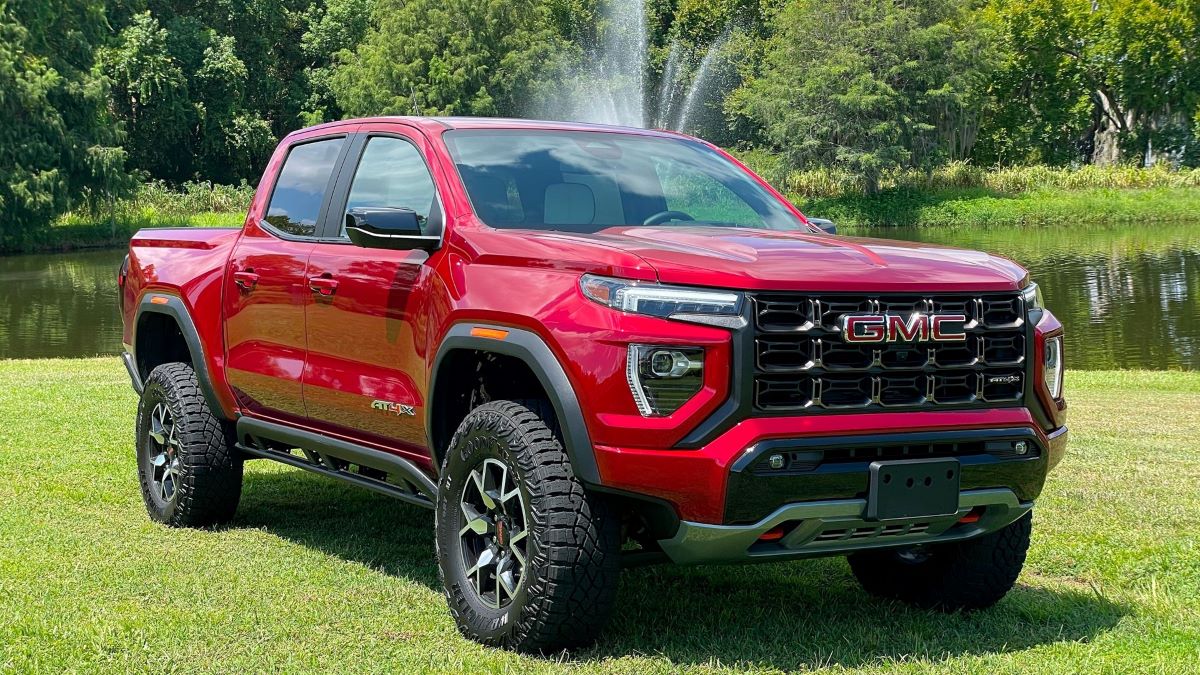
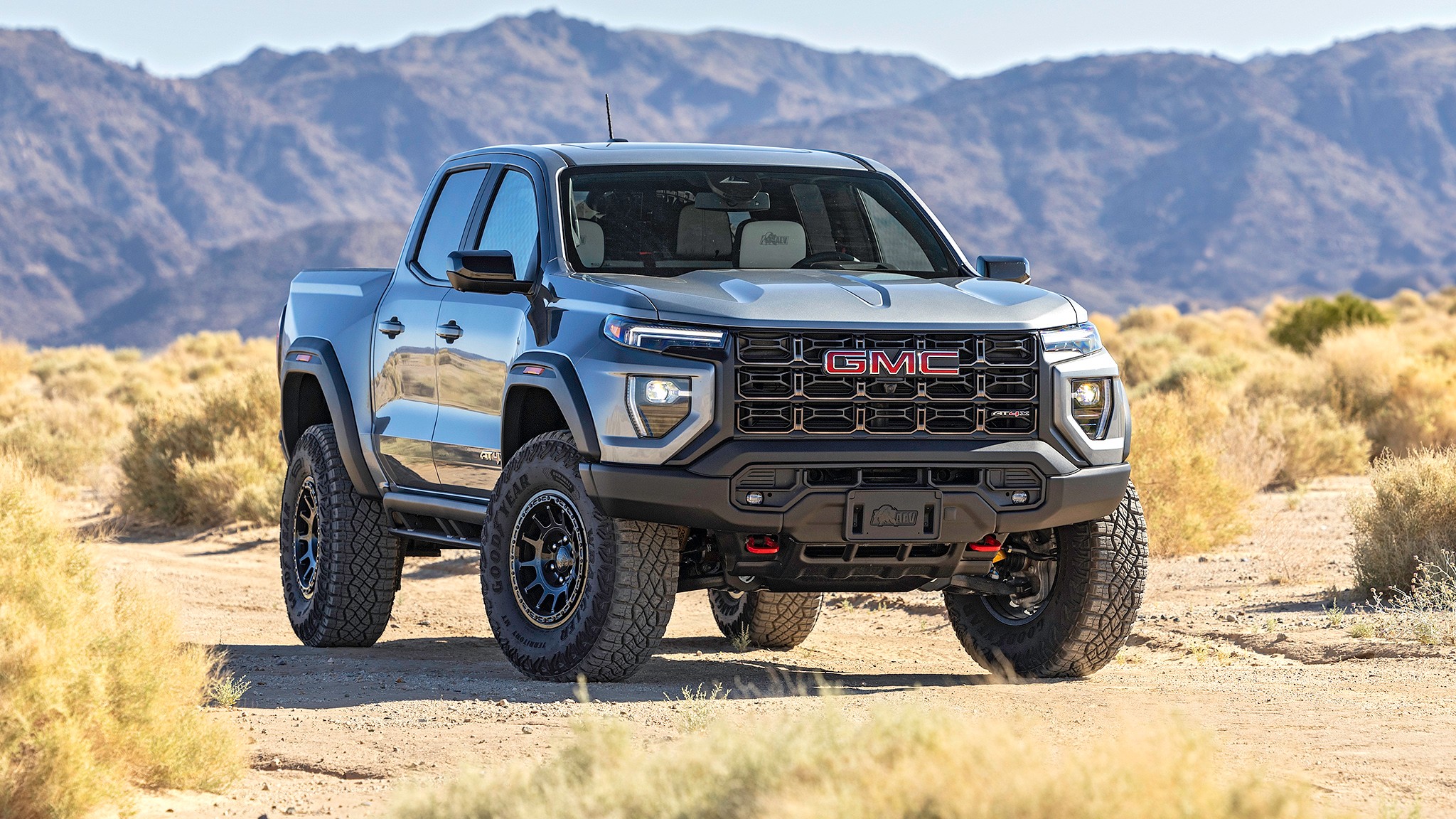
5. GMC Canyon
The GMC Canyon, though related to the Chevrolet Colorado, deserves separate mention because it targets a slightly more upscale audience. Despite that, its suspension characteristics remain largely the same, and it too can bounce noticeably when unloaded.
The Canyon’s leaf-spring rear setup, paired with firm shock tuning, creates a ride that feels solid but restless when there’s no cargo to calm the suspension.
On city streets, small cracks or expansion joints can cause a series of quick rebounds that shake the cabin slightly. Over long distances, this translates to mild porpoising that becomes tiring on rolling highways.
GMC aimed to differentiate the Canyon from its Chevrolet sibling by adding more insulation and slightly softer damping in higher trims, but physics remains unchanged.
The suspension is still designed to support payloads and towing, not comfort. When the truck is empty, the rear end feels light and reactive.
A small bump under one wheel can make the entire back of the truck rise and settle again before stabilizing. This behavior gives it a distinctly “truckish” feel, authentic, but far from plush.
The Canyon’s short wheelbase and firm rear suspension accentuate the bouncing sensation even more on rough surfaces. Without cargo weight to compress the springs, the shocks have to do most of the work controlling rebound.
This leads to quick, small oscillations that make the ride feel busy. The truck handles well for its class and maintains good steering precision, but the comfort level falls short of smoother rivals like the Honda Ridgeline or Ram 1500.
For some buyers, the firm and lively ride is part of the truck’s charm. It reinforces the impression of ruggedness and readiness for hard work. Yet for others, especially those who commute or drive mostly on paved roads, it can grow tiresome.
The Canyon remains capable and stylish, but when the bed is empty, it shows that a refined interior and premium features cannot fully mask a traditional, heavy-duty suspension.
