
SUVs have become increasingly popular over the last two decades, not just for their utility but also for their combination of comfort, performance, and style. Among the various features that attract buyers, the panoramic roof has gained significant attention.
These expansive glass panels allow sunlight to flood the cabin, creating a sense of openness that conventional roofs cannot replicate.
For families, adventurers, and city commuters alike, panoramic roofs offer an aesthetic and functional upgrade, providing a connection to the outside environment without compromising the shelter of an enclosed vehicle. However, the quality of panoramic roofs can vary drastically between models.
While some SUVs are engineered with robust construction and durable seals that resist weathering and creaks over time, others have a reputation for leaks, rattles, or structural weaknesses that become noticeable within a few years.
The differences often arise from engineering choices, material quality, and the attention given to assembly tolerances during production.
Durable panoramic roofs are typically associated with brands and models that emphasize long-term reliability, rigorous testing, and refined manufacturing processes.
These roofs tend to maintain their structural integrity under harsh weather conditions, reduce wind noise, and provide consistent insulation against temperature fluctuations.
On the other hand, some SUVs have panoramic roofs that, although visually striking, can be prone to imperfections. In these cases, the seals may degrade faster, the panels might flex under stress, and water intrusion or wind noise can become persistent issues.
For buyers who consider the panoramic roof a central feature of their SUV, understanding which vehicles offer the best long-term experience is crucial.
The balance between aesthetics and durability is particularly significant because a panoramic roof is not a minor component. Its exposure to UV light, rain, snow, and high-speed airflow means that even small engineering flaws can become magnified over time.
A roof that creaks or leaks can affect the driving experience, cause interior damage, and reduce the vehicle’s resale value.
Beyond that, addressing such issues post-purchase often requires costly repairs that can undermine the appeal of a vehicle that was initially chosen for its premium feel.
Consequently, a clear understanding of which SUVs feature well-engineered panoramic roofs and which models have a tendency toward defects can help consumers make informed decisions.
This article will provide a detailed comparison of ten SUVs, divided into two categories: five models known for their durable panoramic roofs and five that are more prone to creaks or leaks.
Each section will highlight the characteristics that contribute to a roof’s durability or vulnerability, including build quality, materials, sealing systems, and customer feedback patterns.
By the end of the discussion, readers will have a clearer perspective on how to prioritize panoramic roof quality when choosing their next SUV, combining practical insight with an understanding of long-term performance considerations.
Five SUVs with Durable Panoramic Roofs
1. Toyota RAV4
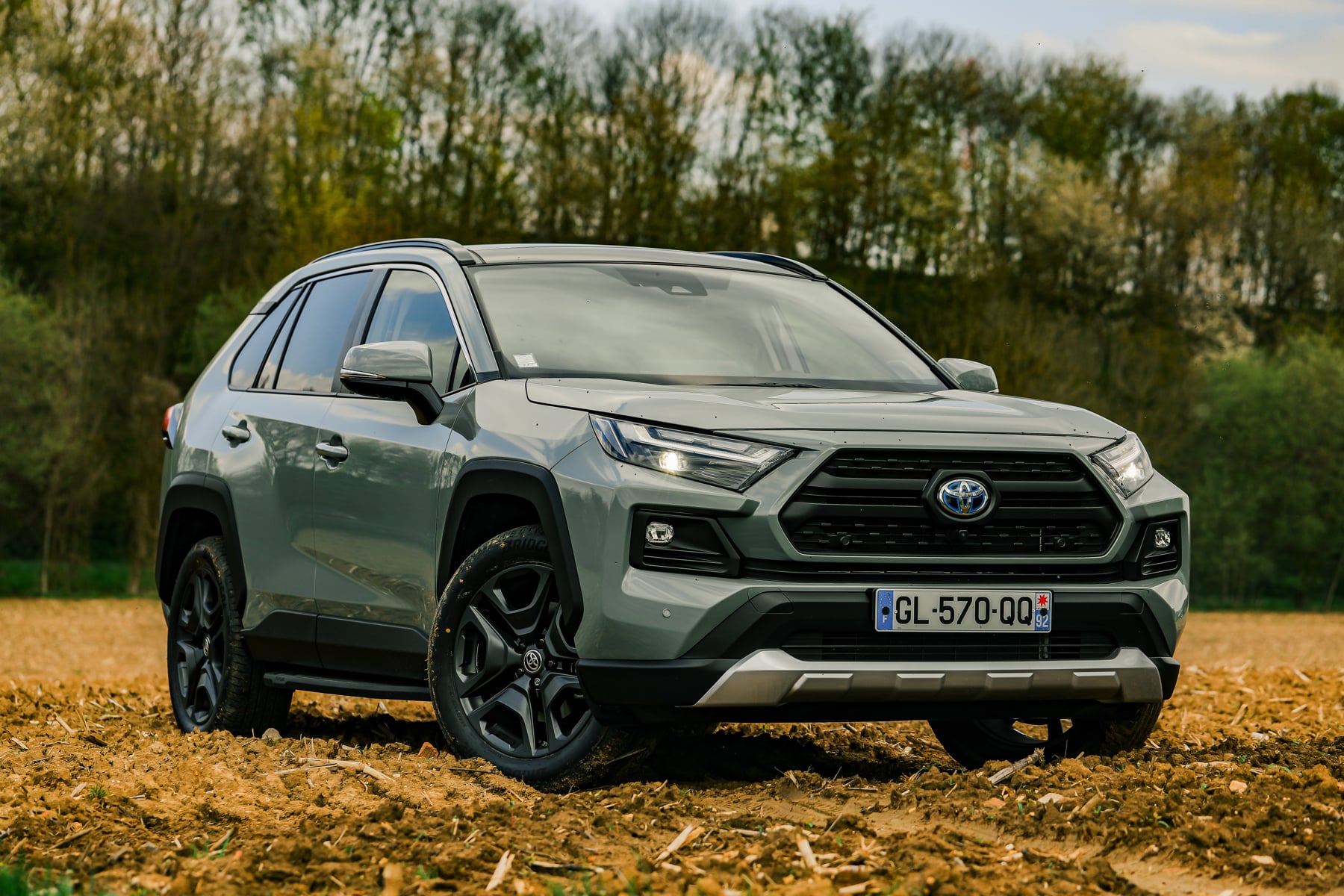
The Toyota RAV4 has consistently been praised for its reliability, and the panoramic roof is no exception. The design integrates strong tempered glass panels with reinforced steel frames that resist flexing even under heavy loads or high-speed driving.
This engineering ensures that the roof maintains structural integrity, which is crucial not just for comfort but also for safety in the event of a rollover.
The roof’s seals are made from high-quality rubber compounds that resist degradation from UV rays, extreme temperatures, and constant exposure to moisture.
Toyota has also designed these seals with overlapping edges to prevent capillary action, a common cause of leaks in lesser-engineered roofs.
This means that water runoff is efficiently channeled away from the cabin, even during heavy storms, keeping the interior dry and free from mold or water stains.
From a functional perspective, the RAV4’s panoramic roof comes with a sliding sunshade that operates smoothly, quietly, and without sticking. The sunshade itself is made from reinforced, heat-resistant fabric that prevents sagging or tearing over time.
The mechanism is guided along metal tracks with low-friction coatings, ensuring that it remains aligned perfectly after thousands of cycles.
Interior insulation around the edges of the roof is also carefully designed, providing a thermal barrier that reduces heat gain during hot summer months and heat loss during winter.
These features combine to enhance passenger comfort while maintaining the structural reliability of the roof over many years.
Maintenance for the RAV4 panoramic roof is straightforward, with accessible drainage channels that are easy to inspect and clean. Toyota’s engineers have taken care to ensure that these channels are wide enough to prevent clogging from leaves, dirt, or debris, reducing the likelihood of water accumulation.
Even in areas with heavy rainfall or frequent snow, the roof’s design minimizes the potential for leaks or water-related damage.
Additionally, the tempered glass used in the roof has been treated to resist minor scratches and chips, preserving both appearance and functionality over time. This long-term durability reinforces the RAV4’s reputation as a practical and dependable SUV.
For owners who prioritize reliability and low-maintenance features, the RAV4 offers a panoramic roof that can withstand years of daily use while remaining both functional and visually appealing. The RAV4’s combination of strength, quiet operation, and water management sets a high standard in its segment.
2. Honda CR-V
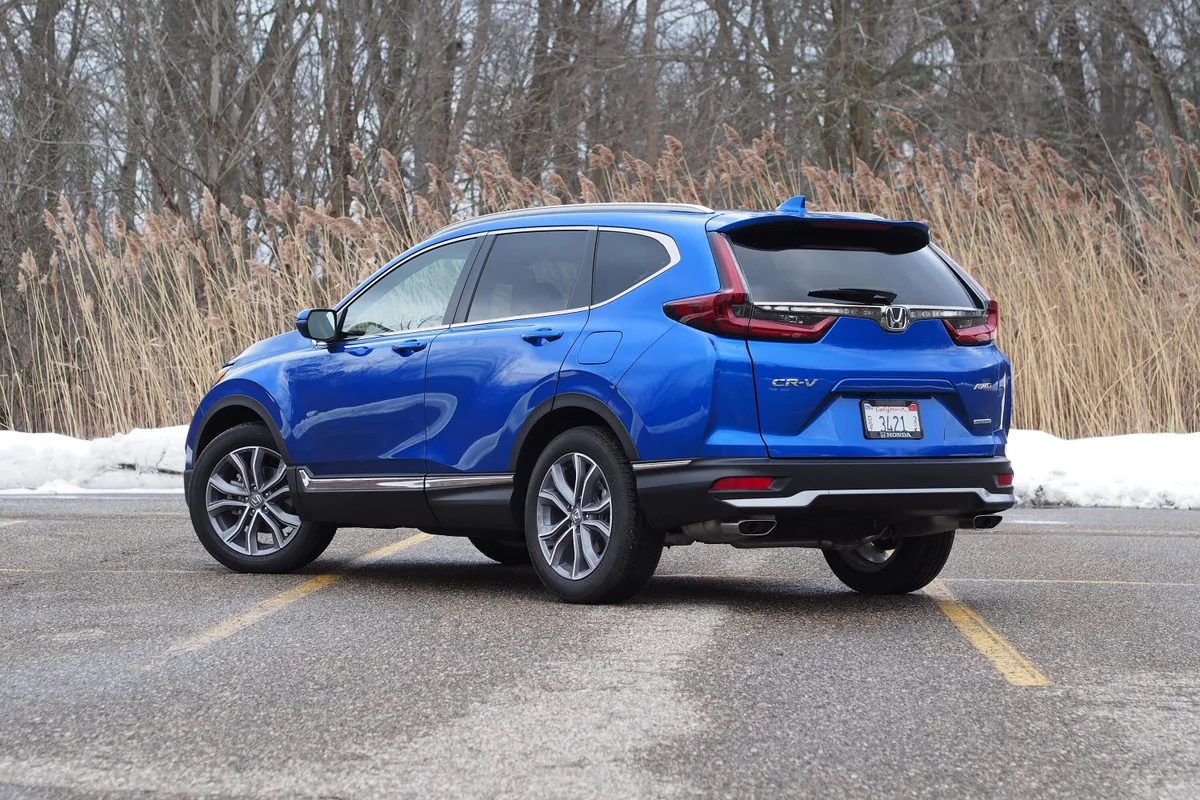
The Honda CR-V is another SUV known for its dependable panoramic roof. Honda emphasizes build quality in every aspect, from the tempered roof glass to the surrounding seals and frame structure.
The roof itself is reinforced with a rigid crossbar system that minimizes flexing during high-speed driving or when driving over uneven surfaces, which reduces the potential for creaks or rattles.
The seals are composed of a multi-layer design, with an inner water-resistant layer and an outer UV-resistant layer, allowing them to withstand years of exposure without cracking or warping.
This combination of rigidity and sealing excellence ensures that the panoramic roof remains a long-lasting feature rather than a weak point.
A particularly noteworthy feature of the CR-V’s panoramic roof is its advanced wind management design. The edges of the glass are carefully beveled and integrated with the vehicle’s aerodynamic contours, minimizing wind turbulence and whistling noises at highway speeds.
This attention to detail not only improves comfort but also reduces stress on the roof’s glass panel, preventing long-term fatigue and potential seal degradation.
Honda also applies high-tolerance manufacturing standards during assembly, ensuring that the roof aligns perfectly with the vehicle’s chassis and body panels, which further enhances its durability.
The operation of the sunroof is designed to be reliable and precise. The sliding panel moves effortlessly on metal tracks coated with self-lubricating materials, reducing friction and wear over time. The sunshade aligns exactly with the roof opening, leaving no gaps that could allow sunlight, wind, or moisture to enter.
Drainage channels are incorporated into the design to effectively manage water, reducing the likelihood of leaks even in prolonged heavy rain. By engineering the roof with these practical measures, Honda ensures that the panoramic roof will continue to perform reliably for years with minimal maintenance.
Long-term feedback from CR-V owners confirms that the panoramic roof remains structurally stable and quiet even after extended use. The combination of robust construction, high-quality seals, and refined mechanisms makes the CR-V a reliable choice for those seeking a panoramic roof that performs consistently.
3. Subaru Forester
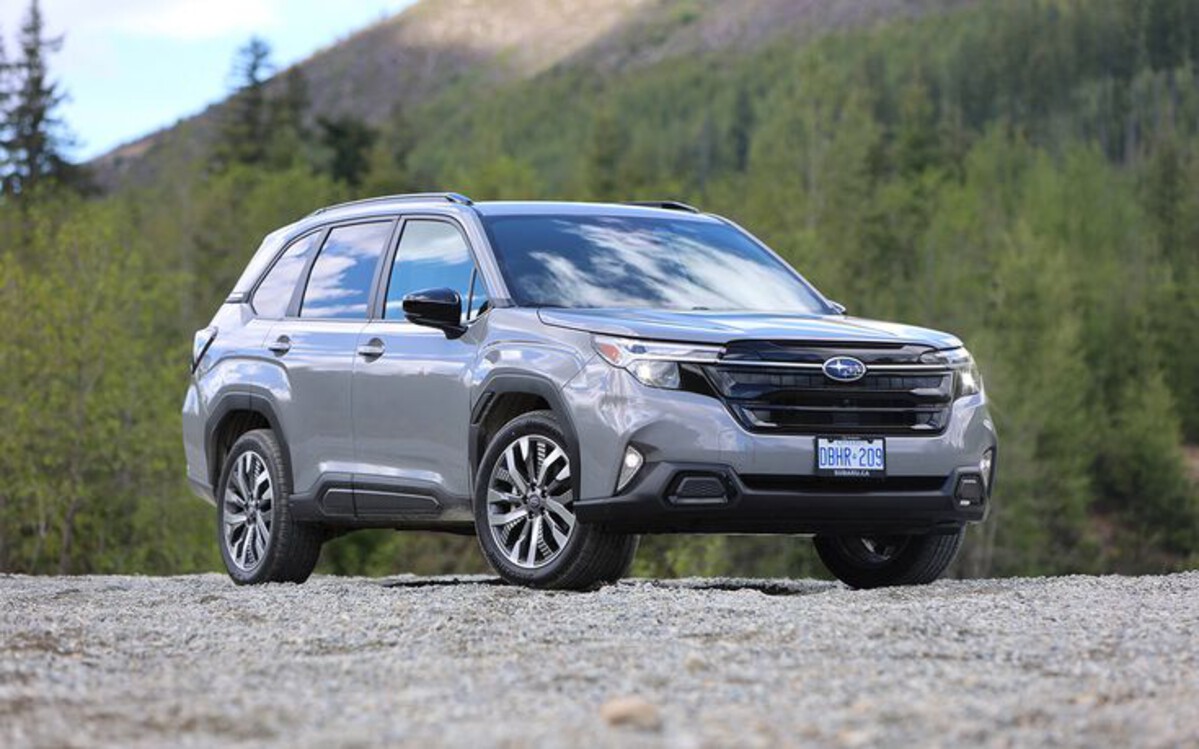
Subaru has earned a reputation for building vehicles that endure harsh conditions, and the Forester’s panoramic roof exemplifies this philosophy. The roof utilizes laminated safety glass, which not only improves passenger protection in case of impact but also significantly reduces noise from wind or rain.
The frame supporting the roof is reinforced with cross beams and high-strength steel, ensuring minimal flexing even when the vehicle is loaded or traveling on rough terrain
. Seals around the perimeter are designed to remain pliable across a wide temperature range, preventing leaks that could occur when rubber compounds become brittle in cold weather or overly soft in heat. These features make the Forester a practical choice for buyers in climates with frequent storms, snow, or intense sun.
Functionality and ease of use are also central to the Forester’s panoramic roof design. The sliding glass panel moves along reinforced tracks that prevent misalignment or jamming. Subaru engineers have optimized the opening and closing speed to reduce stress on the motor and mechanism, enhancing longevity.
Additionally, the roof integrates seamlessly with the vehicle’s chassis to reduce vibration, which contributes to a quieter ride and prevents rattling sounds that are common in lesser-engineered roofs.
The design reflects a balance between aesthetic appeal and off-road practicality, allowing drivers to enjoy natural light without compromising structural durability.
Water management is another area where the Forester excels. Multiple drainage channels run along the edges of the roof, ensuring that rainwater is efficiently guided away from the cabin.
These channels are wide enough to prevent clogging from dirt, leaves, or snow, which helps maintain a dry interior and protects electronic components near the roof.
Laminated glass also blocks harmful UV rays, reducing interior heat buildup and protecting the upholstery from fading. This combination of thoughtful engineering elements ensures that the panoramic roof remains functional and visually appealing over the long term.
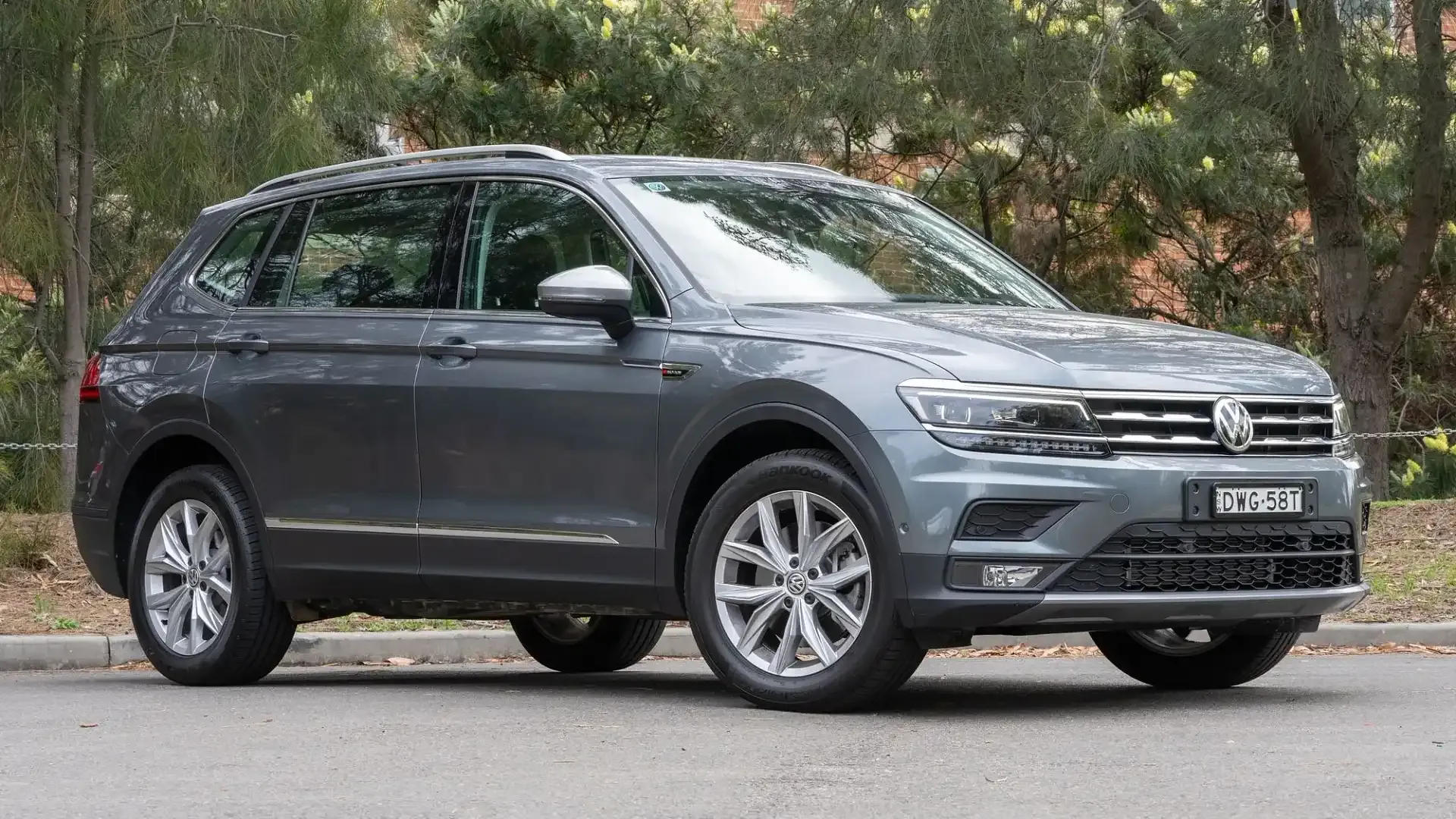
4. Volkswagen Tiguan
The Volkswagen Tiguan is widely recognized for offering a panoramic roof that combines durability, precision engineering, and aesthetic appeal.
The tempered glass panels are thick and reinforced, and the supporting frame is designed to minimize flexing and vibration, even when the vehicle is loaded or traveling at high speeds.
The seals are manufactured to tight tolerances, ensuring long-term resistance to water intrusion and air leaks.
This precision engineering reduces stress on the roof components, prolonging their life and maintaining a quiet cabin environment. Tiguan owners often report that the panoramic roof remains secure and free from leaks even after years of exposure to heavy rain or snow.
Functionality is a major highlight of the Tiguan’s roof. The sliding panel moves evenly and quietly along metal tracks, while the sunshade glides smoothly and aligns perfectly with the roof opening.
Volkswagen has engineered the mechanism to operate consistently even in cold weather, when components are more likely to contract or stiffen.
Drainage and water management are also carefully addressed in the Tiguan. The roof incorporates multiple drainage channels that prevent water accumulation around the edges of the glass. These channels are designed to handle heavy rainfall, directing water safely away from the interior.
High-quality seals and precise assembly reduce the likelihood of leaks developing over time, a common problem in less-engineered panoramic roofs.
This attention to detail ensures that the roof continues to function as intended, even after years of exposure to harsh weather conditions.
Long-term feedback from Tiguan owners emphasizes that the panoramic roof remains quiet, stable, and visually appealing for extended periods.
The combination of German engineering, premium materials, and meticulous assembly ensures that the roof performs consistently and requires minimal maintenance.
For buyers seeking an SUV with a panoramic roof that combines luxury, durability, and practicality, the Tiguan is a reliable and attractive option that meets these expectations.
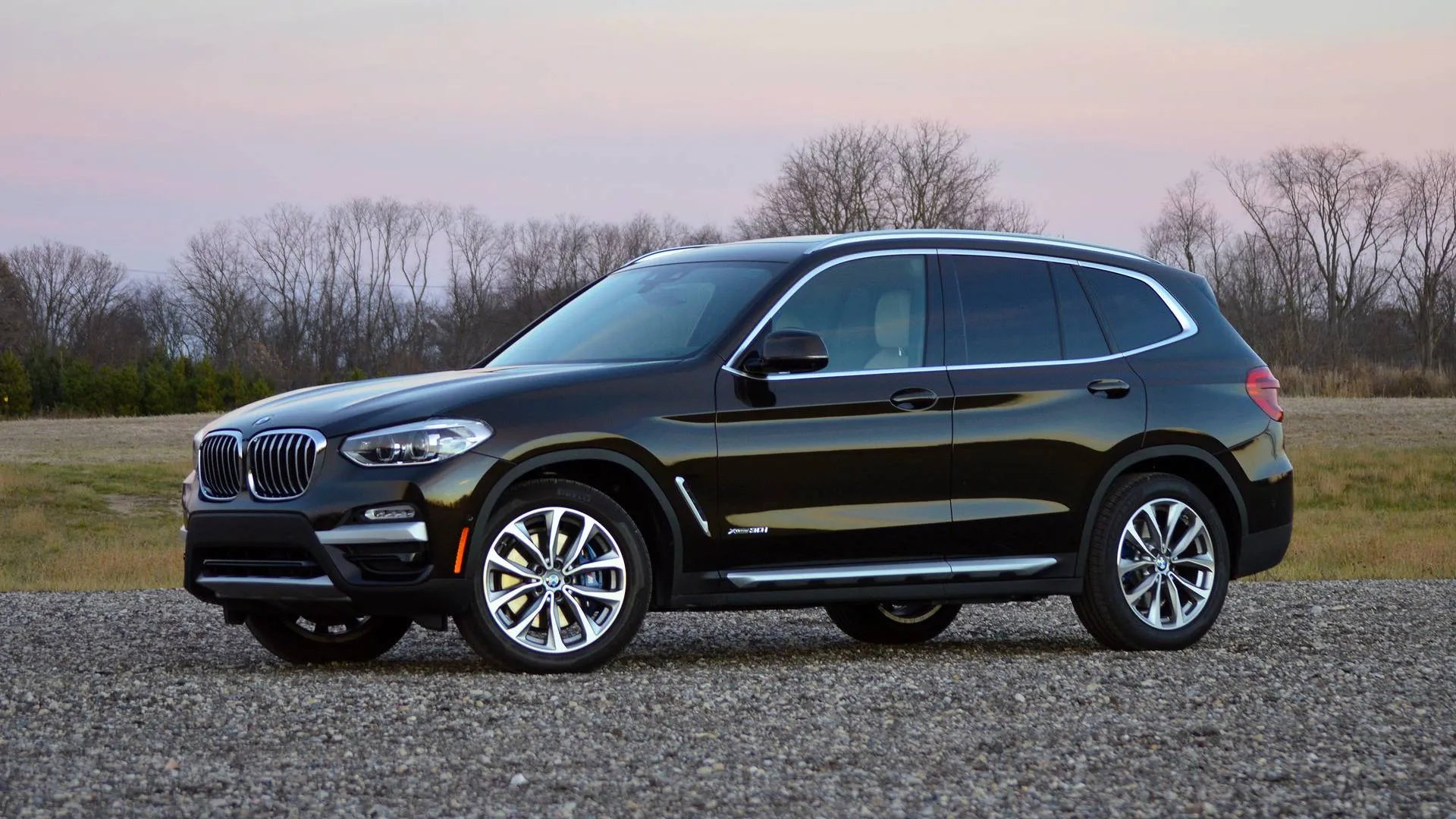
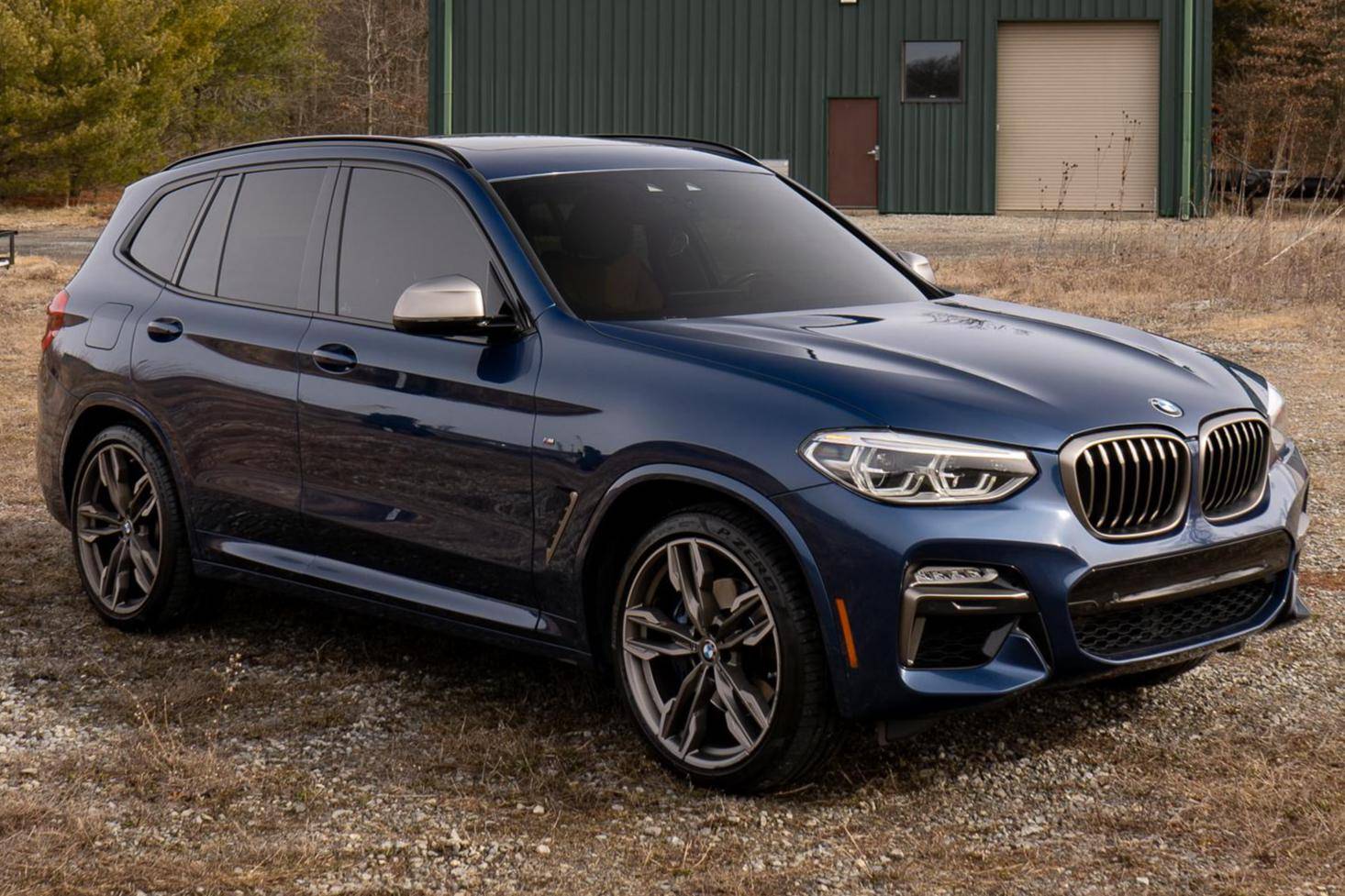
5. BMW X3
The BMW X3 offers a panoramic roof that reflects the brand’s focus on precision engineering, luxury, and long-term reliability. The glass panels are reinforced and mounted with precision to minimize flex and vibration, resulting in a quiet cabin even during high-speed travel.
Seals are designed to withstand extreme temperature fluctuations, preventing leaks or warping. BMW’s attention to fit and finish ensures that all components align perfectly, maintaining the premium feel of the roof over many years of use.
The combination of structural integrity, high-quality materials, and precise engineering makes the X3’s panoramic roof a benchmark for reliability in luxury SUVs.
The operation of the sunroof is smooth and responsive, offering incremental opening options to allow controlled airflow without creating turbulence. The sunshade aligns precisely with the roof opening, preventing gaps that could allow wind, light, or moisture to enter.
BMW engineers also use noise-dampening materials around the roof frame, which further enhances cabin quietness and comfort. This level of engineering ensures that the panoramic roof remains an attractive and functional feature rather than a source of noise or discomfort over time.
Water management is addressed through robust drainage channels that guide rainwater away from the cabin. The roof is designed to prevent pooling, which reduces the risk of leaks or damage to electronic components near the glass.
The glass itself is treated to limit UV exposure, protecting the interior from fading and heat buildup while maintaining a clear and open view for passengers.
BMW’s careful attention to drainage, seal integrity, and material quality ensures that the panoramic roof maintains its function and appearance even after years of regular use.
Owners consistently report that the X3’s panoramic roof remains stable, quiet, and free of leaks even after prolonged use and exposure to varying climates.
The combination of precise engineering, high-quality materials, and meticulous design makes the X3 one of the most reliable luxury SUVs in terms of panoramic roof performance.
For buyers who value both aesthetic appeal and long-term functionality, the BMW X3 offers a premium experience with minimal maintenance concerns.
Five SUVs Prone to Creaks and Leaks
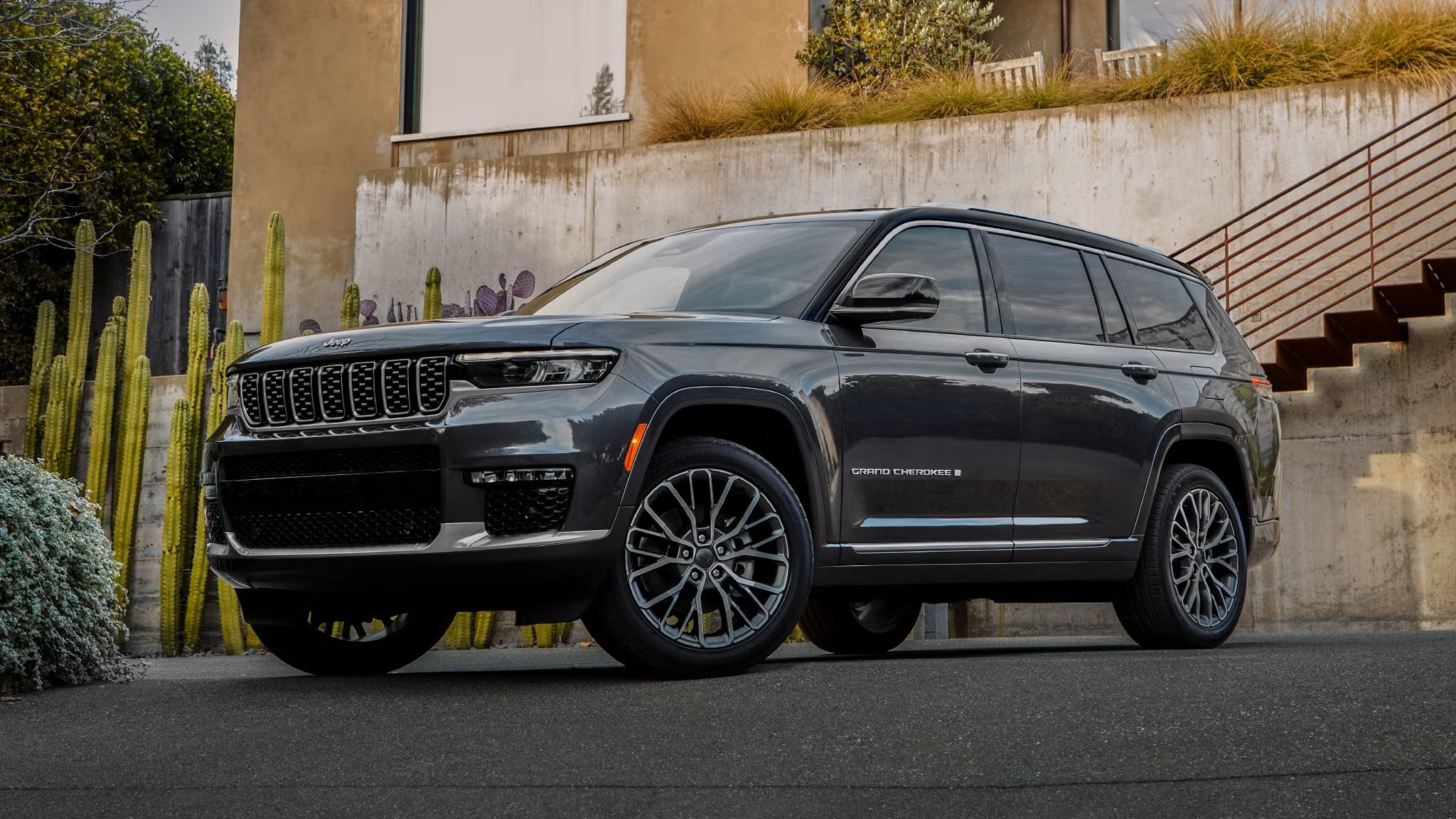
1. Jeep Cherokee
The Jeep Cherokee has a striking design and off-road reputation, but its panoramic roof has been reported to be prone to creaks and occasional leaks.
The primary issue stems from the roof’s mounting system, which, in some units, does not fully accommodate the natural flexing of the vehicle’s chassis during off-road use or uneven road surfaces.
When the SUV experiences twisting forces over rough terrain, the roof panel can shift slightly, causing rattling noises that worsen over time.
This tendency is compounded by the fact that some models use seals that are thinner or less resilient than those found on more durable SUVs, making them susceptible to wear from temperature fluctuations and repeated expansion and contraction.
Owners have frequently reported that water intrusion can occur around the edges of the roof, particularly during heavy rain or car washes.
The drainage channels, while present, are often narrow and easily blocked by debris such as leaves or small twigs. Once a blockage occurs, water can pool around the seals, increasing the risk of leaks.
In some cases, interior components such as headliners and trim near the roof become damp or develop stains, indicating that the seals and drainage system are unable to consistently manage water flow under all conditions. This can lead to further deterioration of the seals and accentuate the creaking noises over time.
The operation of the Cherokee’s panoramic roof has also been a point of frustration for some owners.
The sliding mechanism can develop resistance, particularly in cold weather when lubricants thicken, causing the panel to stick or operate unevenly. The sunshade may misalign after repeated use, leaving small gaps that let in light, wind, or water.
These functional shortcomings highlight that while the roof offers a visually appealing experience, it may not provide consistent long-term reliability.
Regular maintenance, including cleaning and lubricating the tracks, is often required to keep the roof functioning as intended, and even then, some issues may persist due to design limitations.
The combination of chassis flex, weaker seals, and mechanical sensitivity means that the Cherokee’s panoramic roof is one of the more problematic options in its class.
While it adds an attractive feature to the SUV, it can become a source of frustration and requires careful attention to prevent leaks and rattles.
Prospective buyers who prioritize a quiet and dependable roof may find that the Cherokee does not meet these expectations as reliably as some competitors. Understanding these limitations can help manage expectations and prevent costly repairs later on.
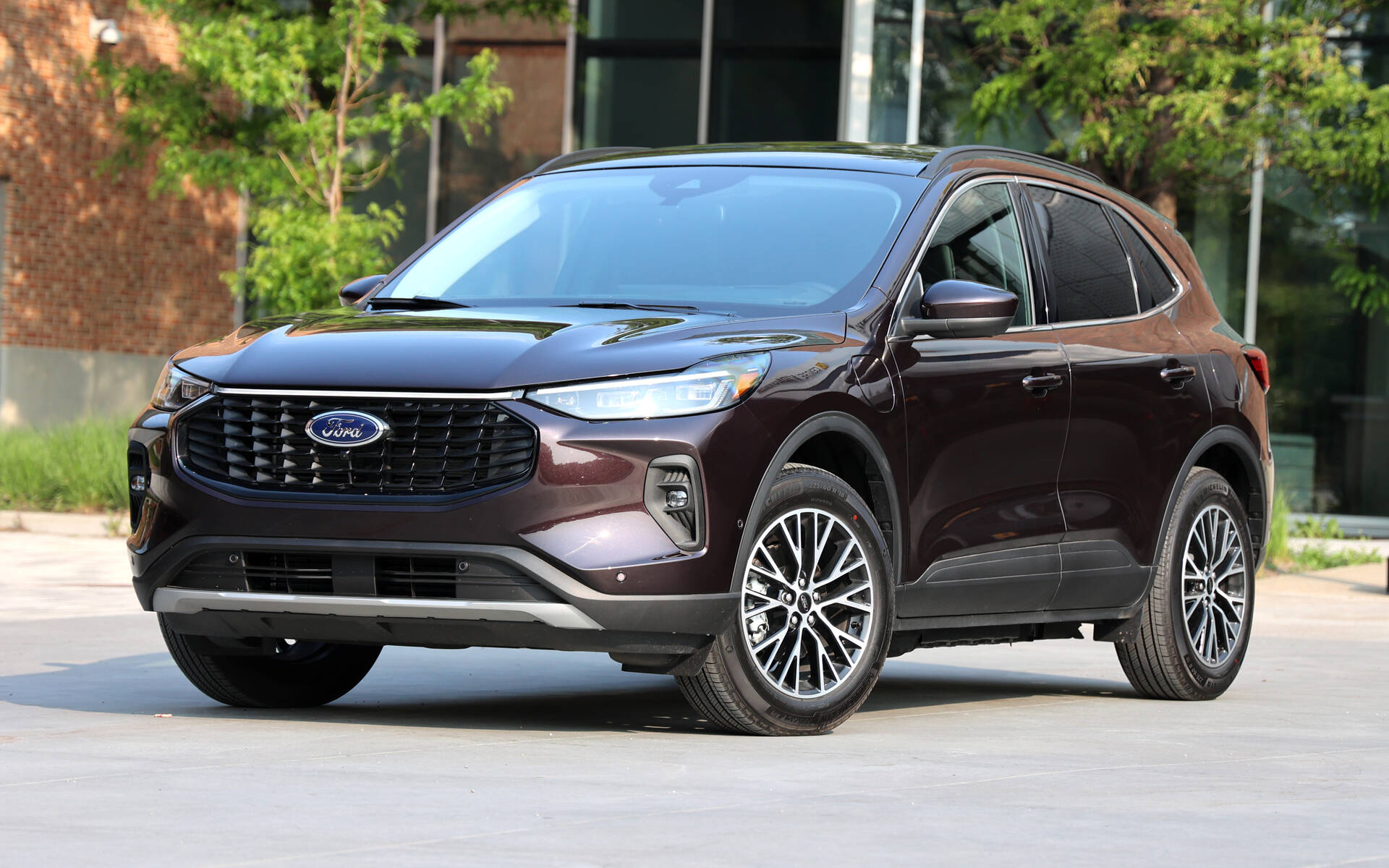
2. Ford Escape
The Ford Escape is a popular compact SUV, but its panoramic roof has gained a reputation for creaking noises and occasional water leaks.
One of the main issues lies in the roof panel’s mounting and sealing design, which may not adequately compensate for the body’s natural flex during driving.
When encountering potholes, uneven roads, or high-speed cornering, some units develop noticeable rattles as the roof panel moves slightly within its frame.
This is exacerbated by the use of thinner seals that can harden or shrink over time, especially in climates with extreme temperature swings, making the roof more vulnerable to wind noise and minor leaks.
Several Escape owners have reported that water intrusion can occur around the front and rear edges of the panoramic roof, particularly during heavy rainfall. The drainage system is relatively shallow, and the channels may become clogged with dirt, dust, or small debris.
Once this occurs, water tends to pool and eventually seep past the seals, resulting in wet headliners and trim pieces.
Repeated exposure to moisture can compromise the adhesive and rubber compounds in the seals, leading to accelerated degradation and increasing the likelihood of persistent leaks.
Functionally, the Escape’s roof mechanism can also be prone to problems. The sliding panel sometimes sticks or moves unevenly, particularly in cold weather when lubricants thicken and the sunshade may misalign.
Gaps between the roof and the sunshade can allow wind noise to enter at higher speeds, further diminishing the cabin’s quietness.
The combination of mechanical sensitivity, limited seal durability, and an easily obstructed drainage system makes the Escape’s panoramic roof prone to creaks and leaks over time.
While the roof provides an attractive aesthetic and allows natural light into the cabin, it may require more maintenance and attention than more robust competitors.
Buyers who prioritize long-term reliability and quiet operation should be cautious and consider these factors when choosing the Escape. Understanding the potential challenges can help manage expectations and prevent frustration after purchase.
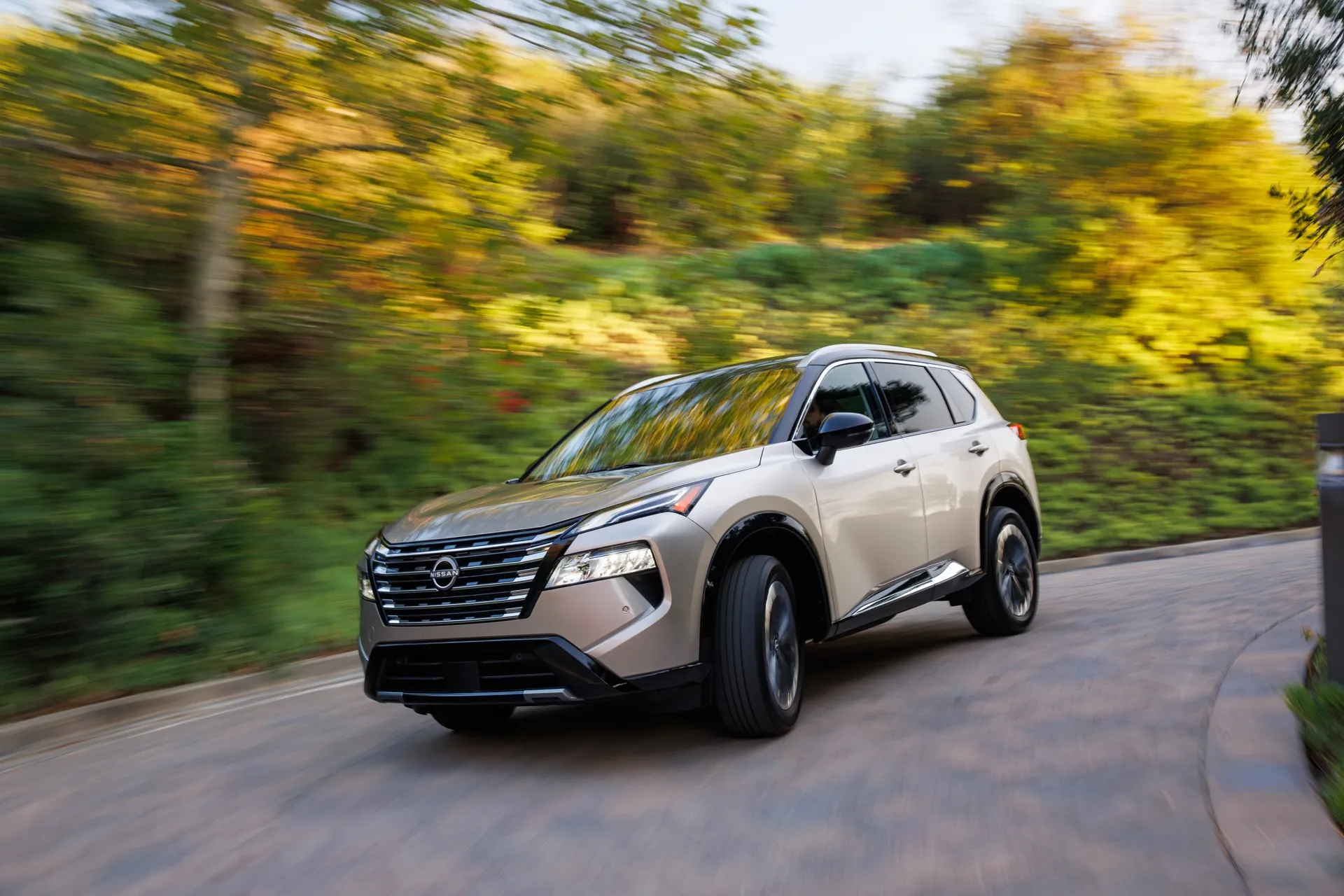
3. Nissan Rogue
The Nissan Rogue has a sleek design and popular features, but its panoramic roof has received criticism for noise and water-related issues.
The glass panel, while visually impressive, has a tendency to flex slightly when driving over uneven roads or under heavy load, resulting in occasional creaks.
The mounting frame, although sturdy, does not fully isolate the glass from chassis movement, which amplifies minor vibrations into audible rattles.
Additionally, the seals used in some models are prone to shrinking or losing elasticity over time, creating small gaps that allow wind and water to enter the cabin.
Water intrusion is a common problem for Rogue owners, particularly at the front and rear edges of the roof.
Drainage channels are present but narrow, making them susceptible to clogging by debris such as leaves, dirt, or road grime. Once blocked, water can seep past the seals and drip onto the headliner or other interior surfaces.
Persistent exposure to moisture may also affect nearby electronic components, particularly in later models with integrated lighting or sunroof controls, leading to both cosmetic and functional issues.
Owners report that even minor water leaks can be frustrating because they are difficult to detect until damage has occurred.
The operation of the sliding panel and sunshade in the Rogue has also been noted as inconsistent. The sliding mechanism can stick or move unevenly after repeated use, and the sunshade may misalign slightly, leaving gaps that let in sunlight, wind, or water.
Cold weather or lack of lubrication exacerbates these problems, requiring careful attention to maintain smooth operation.
Unlike some competitors with more refined engineering, the Rogue’s panoramic roof may show signs of wear more quickly, leading to increased maintenance requirements.
While it offers aesthetic appeal and a sense of openness, the long-term reliability of the roof is less assured, and owners may experience creaks, rattles, or minor leaks over time.
Buyers who value a quiet and watertight panoramic roof should approach the Rogue with caution and consider preventive maintenance to extend its functional lifespan.
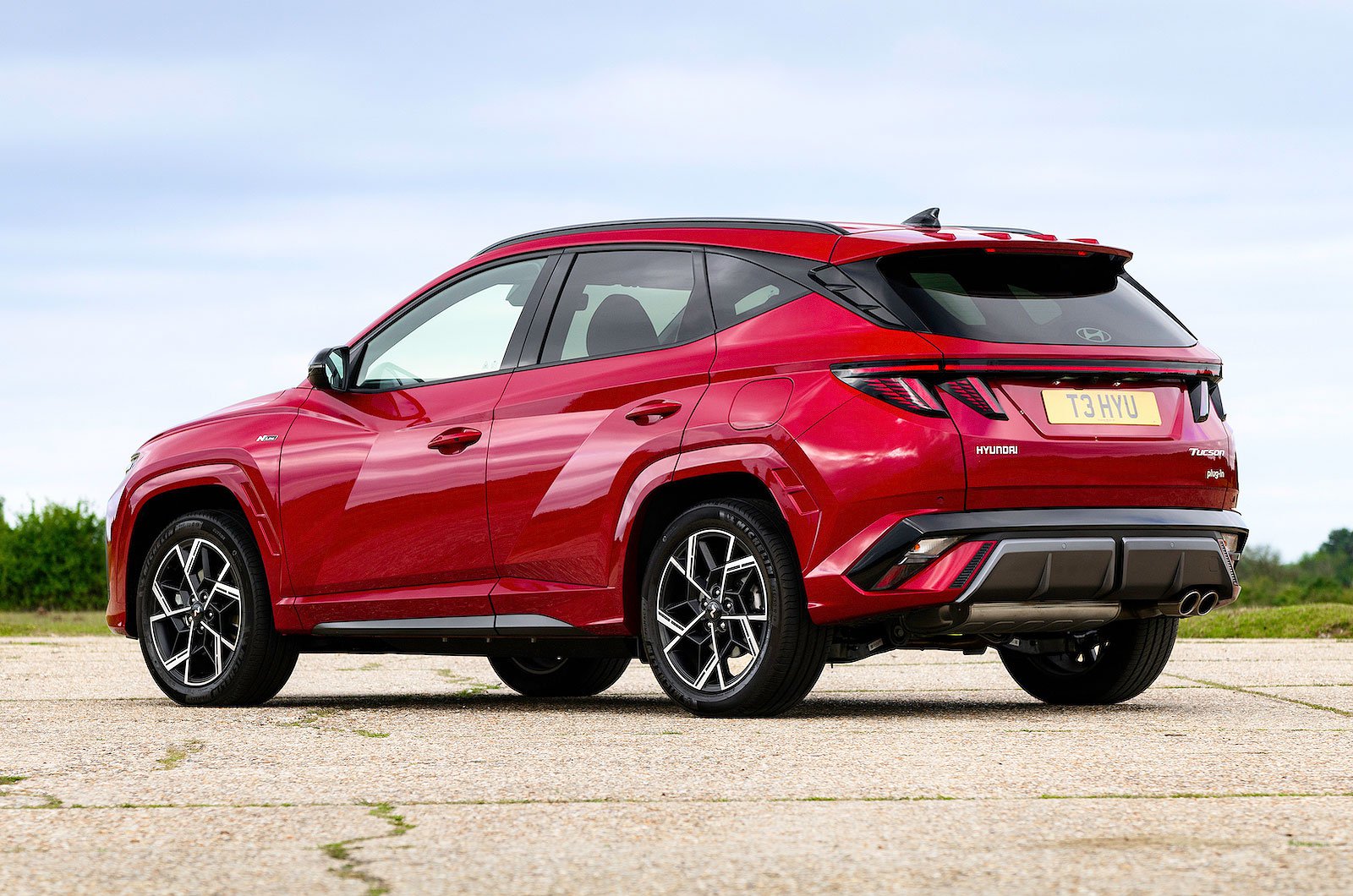
4. Hyundai Tucson
The Hyundai Tucson is a well-rounded SUV, but its panoramic roof has been identified by some owners as prone to creaks and occasional leaks.
The primary concern stems from the roof’s frame design, which may allow slight flex when the vehicle navigates rough roads or encounters torsional stress.
This movement can produce rattling or creaking noises, particularly at higher speeds or when cornering sharply. Some units have also reported seal degradation over time, especially in climates with extreme heat or cold, which can result in gaps that allow wind or water intrusion.
Water management has been a recurring issue for Tucson owners. The drainage channels beneath the roof are sometimes narrow and prone to clogging with dirt, leaves, or other debris.
When these channels are obstructed, water may pool around the edges of the roof and seep into the interior.
Headliner stains, damp upholstery, and water droplets on cabin surfaces are common complaints. Over time, repeated exposure to moisture can compromise rubber seals and adhesives, exacerbating the creaking and leakage problems and requiring more frequent attention from the owner.
The roof operation mechanism has also been criticized for inconsistent performance. The sliding panel may stick or operate unevenly after repeated use, and the sunshade can misalign slightly, leaving minor gaps. Cold weather may increase these problems as lubricants thicken and the roof components contract.
While regular maintenance can mitigate some of these issues, Tucson’s panoramic roof lacks the precision engineering found in more durable SUVs, which can lead to ongoing minor annoyances for drivers and passengers.
The combination of structural flex, vulnerable seals, and a drainage system susceptible to clogging makes the Hyundai Tucson’s panoramic roof prone to creaks and leaks.
While it offers an appealing design and plenty of natural light, the roof may require ongoing maintenance to maintain functionality and quiet operation.
Buyers who value a long-term, trouble-free panoramic roof may find the Tucson less reliable in this regard, particularly in harsh weather conditions. Awareness of these potential issues can help manage expectations and prevent frustration after purchase.
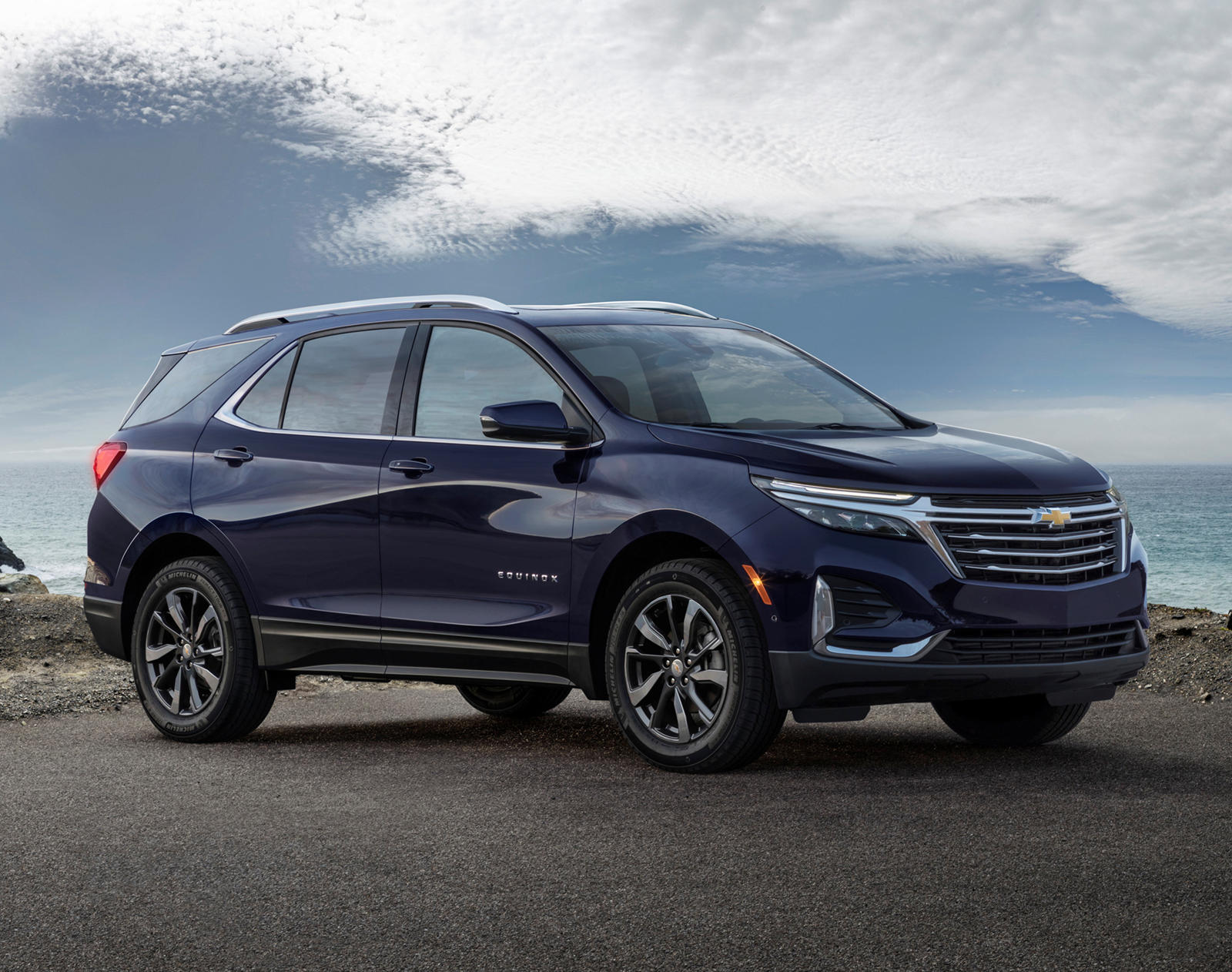
5. Chevrolet Equinox
The Chevrolet Equinox has been a popular SUV choice, but its panoramic roof has faced criticism for creaks, rattles, and occasional leaks. A key factor is the design of the roof mounting system, which can allow slight movement of the glass panel during driving over uneven surfaces.
This movement can produce audible creaks and rattles that worsen over time, particularly in older units where seals may have begun to shrink or lose elasticity.
The combination of flexing and seal wear makes the roof one of the more sensitive components of the Equinox, especially when compared to SUVs known for durable panoramic roofs.
Water intrusion is another recurring concern for Equinox owners. The roof drainage system, while present, is relatively shallow and easily obstructed by debris such as leaves, dust, or small gravel.
Once blocked, water can seep past the rubber seals, leading to damp headliners, water stains, and potential damage to nearby electronic components.
These leaks are often intermittent, making them difficult to detect until noticeable damage occurs. Even minor leaks can contribute to further seal deterioration and an increase in rattling noises, creating a cycle of ongoing maintenance issues.
The operation of the Equinox’s sliding panel and sunshade can also be problematic. The sunroof mechanism may stick or feel uneven after repeated use, especially in colder climates where lubricants may thicken or metal components contract slightly.
Misalignment of the sunshade can leave small gaps that allow sunlight, wind, or moisture to enter the cabin, which affects both comfort and long-term durability. Owners often need to manually adjust or lubricate the tracks to maintain smooth operation, adding to the maintenance burden.
Buyers who prioritize a long-lasting, low-maintenance panoramic roof should carefully consider these potential issues and be prepared for routine upkeep to maintain functionality and minimize noise.
