
When it comes to selecting a car, one aspect that is often overlooked by buyers is the level of noise, vibration, and harshness, or NVH, that a vehicle exhibits at highway speeds. NVH is more than just a measure of comfort, it influences driver fatigue, perception of build quality, and even long-term health on extended journeys.
Cars that maintain a low NVH level can feel much more refined and composed, making long commutes or road trips significantly more enjoyable.
Within a budget of $30,000, buyers have access to a variety of vehicles, ranging from sedans and hatchbacks to small SUVs, each with a distinct character when it comes to how they handle noise and vibrations at around 70 mph.
Understanding these differences requires looking closely at factors such as engine and exhaust tuning, chassis design, tire choice, and insulation techniques.
Vehicles that excel in keeping cabin noise low at highway speeds often use a combination of engineering strategies. High-quality insulation materials within doors and floors, double-pane windows, and carefully tuned engine mounts work together to isolate occupants from vibrations and external sound.
Even minor differences in tire tread patterns or wheel alignment can affect the cabin serenity, as road texture and wind resistance become the primary sources of sound once speeds exceed 60 mph.
Manufacturers who emphasize NVH control usually invest in extensive testing and refinement, sometimes borrowing techniques from premium brands to give budget models a more composed and mature feel.
Conversely, cars that exhibit a buzzy nature at 70 mph often reveal compromises in either design or cost-cutting measures. Engines may be louder due to less refined intake and exhaust systems, cabin insulation may be thinner, and tires may transmit more road noise.
While these vehicles might be acceptable for city driving or short trips, extended periods at highway speeds can lead to driver fatigue and a general perception of lower quality.
Interestingly, some cars with lively or buzzy character can appeal to enthusiasts who enjoy the raw feedback from the engine and road, but for the average commuter, quieter cabin dynamics are usually more desirable.
This article will provide a detailed comparison between 5 cars under $30,000 known for their quiet highway manners and 5 models that tend to feel buzzy at 70 mph.
Each car will be examined with attention to engine and exhaust characteristics, suspension behavior, cabin insulation, and tire contribution to NVH.
The goal is to give a practical perspective for buyers who want to balance cost, comfort, and driving enjoyment on the highway, offering guidance on what to expect when the speedometer hits 70 mph.
Quiet Highway Cars Under $30,000
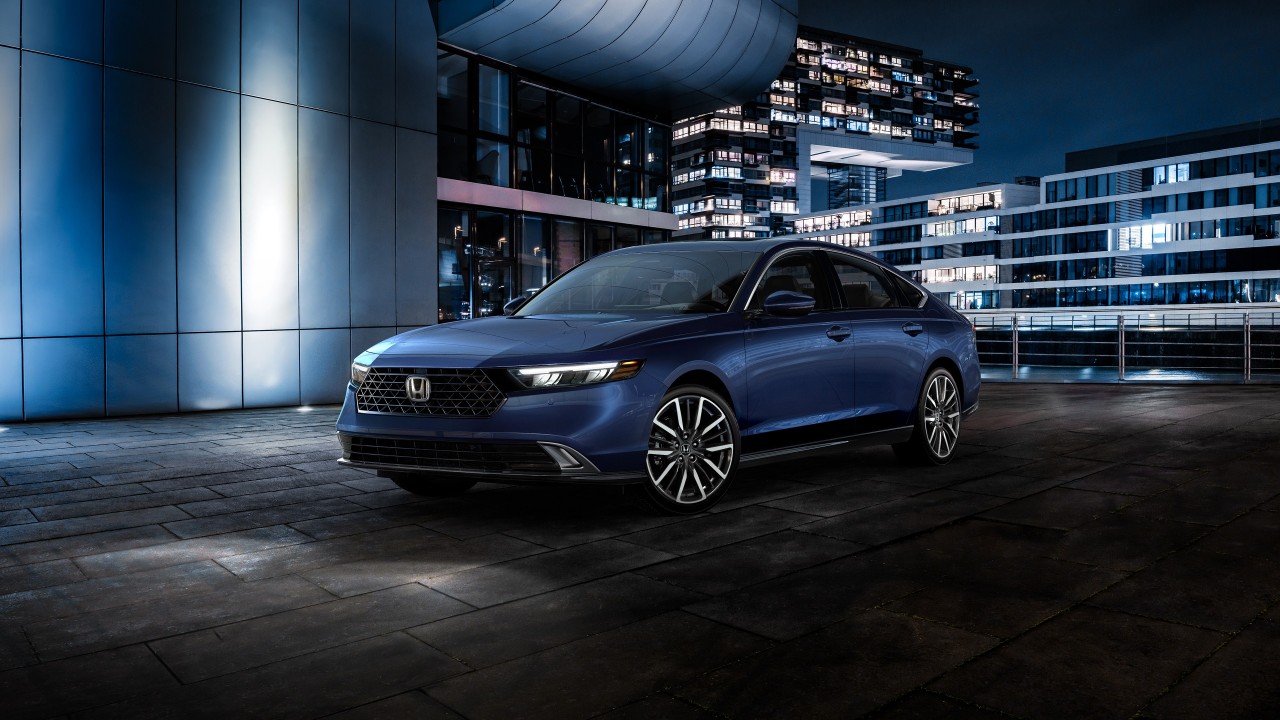
Honda Accord
The Honda Accord has long been regarded as one of the benchmarks for smooth, quiet highway cruising in the affordable midsize sedan segment.
Its four-cylinder engine, paired with either a continuously variable transmission or a traditional automatic, delivers power with remarkable smoothness, minimizing vibrations that can otherwise become noticeable at sustained speeds.
This refined performance is complemented by carefully engineered engine mounts and a chassis designed to isolate road imperfections from the cabin, resulting in a driving experience that feels mature and composed for a car under $30,000.
Beyond just mechanical refinement, the Accord’s interior is designed to maintain a sense of calm. Acoustic glass, tight-fitting door panels, and dense insulation materials help block external noise, keeping conversations and music clear even when traveling at 70 mph on rough or noisy highways.
The suspension system contributes further to the serenity, effectively absorbing bumps and uneven pavement while maintaining precise control around curves and corners.
From a practical perspective, this combination of comfort and stability reduces driver fatigue significantly during long journeys, making the Accord not just a functional daily driver but also a reliable companion for extended road trips.
Its quiet cabin environment, paired with a balanced blend of performance and comfort, creates a driving atmosphere that rivals cars in higher price brackets, demonstrating that attention to engineering details can elevate a vehicle’s highway manners well beyond expectations.
Occupants benefit from a sense of refinement in both tactile and auditory dimensions, as solid interior materials resist rattling over time and maintain a feeling of structural integrity.
The Accord shows that careful attention to NVH can dramatically enhance the driving experience without inflating the price tag, offering a premium-like environment within the reach of most budgets.
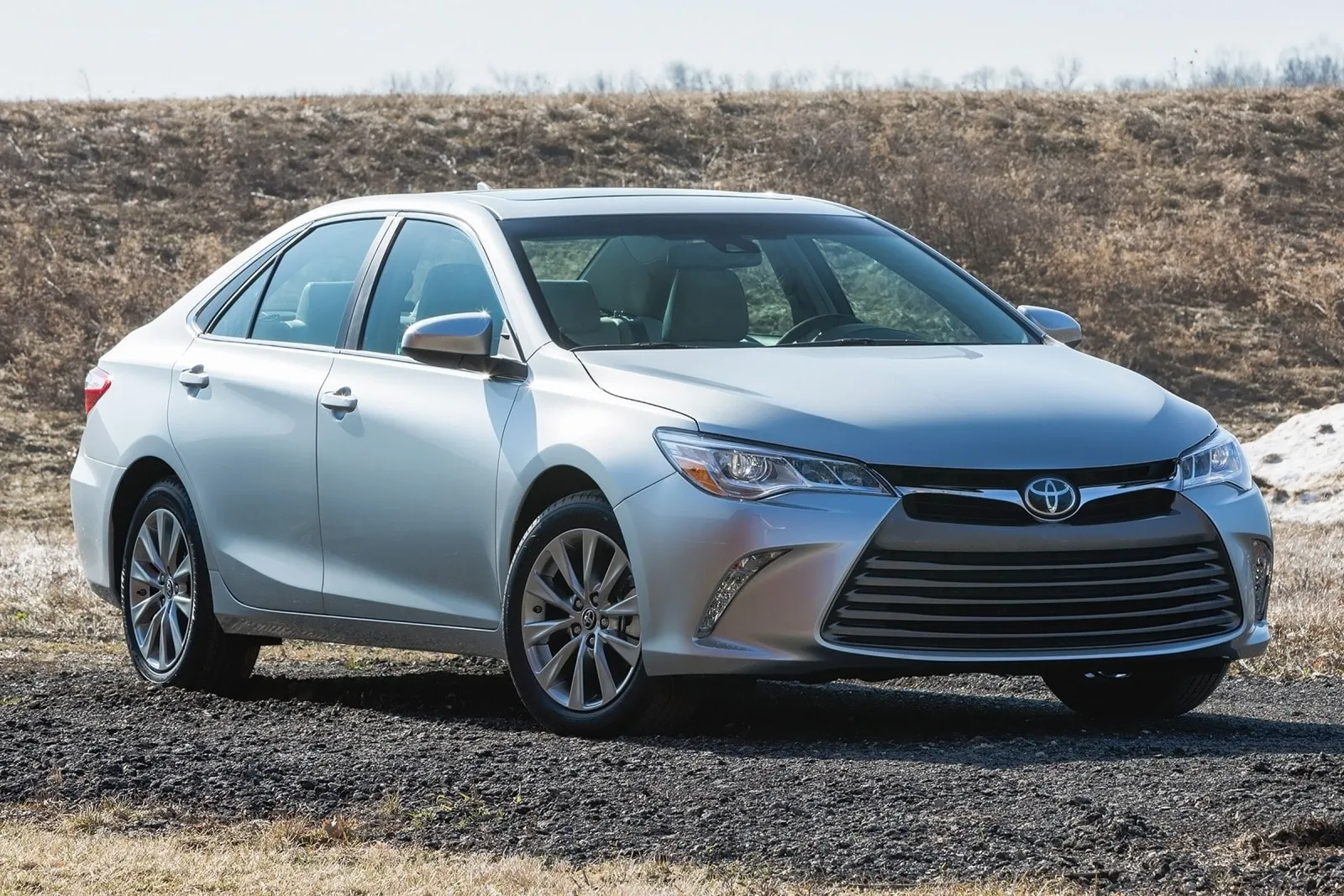
Toyota Camry
The Toyota Camry remains one of the quietest and most composed sedans under $30,000, particularly when cruising at high speeds. Its engine lineup, including naturally aspirated and turbocharged four-cylinder options, emphasizes smooth power delivery with minimal cabin intrusion.
Vibrations are well managed through precise engine mounting and a reinforced chassis, ensuring occupants experience consistent refinement even at freeway speeds.
In addition, the suspension is calibrated to absorb road irregularities without transmitting harshness to the interior, contributing to a serene and controlled ride.
Wind and road noise are subdued thanks to the application of dense insulation materials throughout the cabin, including strategically placed panels and acoustic treatments in the doors, roof, and firewall.
Tire selection also plays a crucial role in minimizing noise, as the Camry avoids aggressive tread patterns that would otherwise amplify road texture.
The interior itself feels solid and well-constructed, with panels that resist rattling over time, providing a long-term sense of quiet and quality. At 70 mph, the Camry maintains composure, allowing occupants to engage in conversation, listen to music, or simply enjoy the road without distraction.
Its quietness extends beyond mechanical or structural engineering, as the cabin design contributes to an environment that is relaxing and fatigue-reducing for both driver and passengers.
This combination of smooth drivetrain operation, carefully tuned suspension, and comprehensive noise insulation positions the Camry as a leader in affordable NVH performance, demonstrating that thoughtful design can provide a highly refined driving experience at a reasonable cost.
For buyers who prioritize calm and comfort over flashy styling, the Camry’s highway demeanor makes it an exceptionally appealing choice.
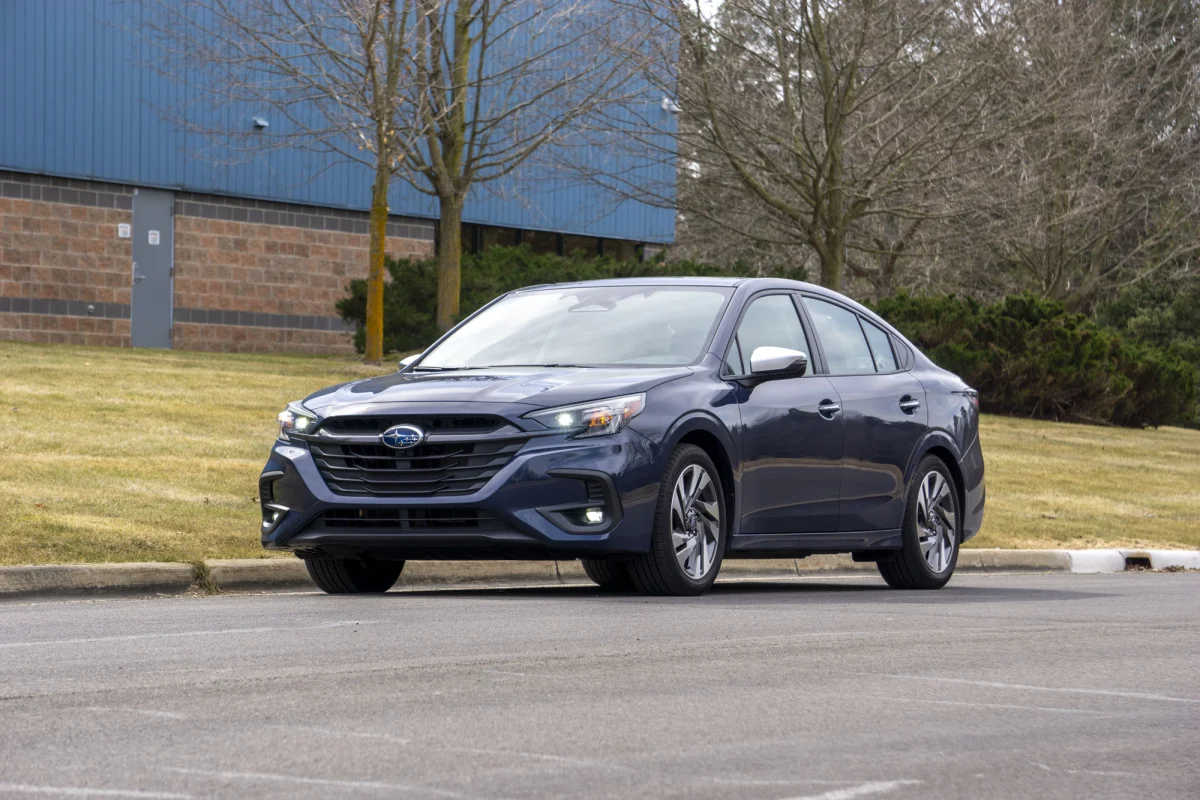
Subaru Legacy
The Subaru Legacy is a standout in the affordable midsize sedan segment for its ability to combine all-wheel-drive capability with a remarkably quiet and stable highway experience. Its horizontally opposed “boxer” engine is inherently smooth, with a low center of gravity that contributes to both handling and NVH performance.
Engine and transmission mounts are carefully engineered to isolate vibrations from the cabin, ensuring that road noise and mechanical hum remain subdued even when traveling at higher speeds. The suspension is tuned to absorb bumps, dips, and uneven pavement while maintaining a stable and controlled ride, preventing the sensation of harshness from reaching passengers.
Sound insulation is applied extensively, from underbody panels that reduce tire roar to thick door seals and headliner padding that block wind intrusion. Unlike many all-wheel-drive vehicles that sacrifice cabin serenity for traction and performance, the Legacy achieves a balance where its AWD system adds confidence without introducing additional vibration or noise.
Inside, seats provide generous support, and the dashboard and interior trim are designed to resist squeaks and rattles, further enhancing the perception of refinement. On long highway trips, the Legacy feels composed and fatigue-free, with conversations remaining easy and music clear despite sustained speeds.
Subaru’s thoughtful attention to structure, damping, and interior materials makes the Legacy a highly capable option for buyers seeking both safety and comfort.
It demonstrates that even vehicles with advanced drivetrain systems can prioritize quietness without compromising performance or handling, making it a practical and enjoyable choice for under-$30,000 buyers seeking serenity at 70 mph.
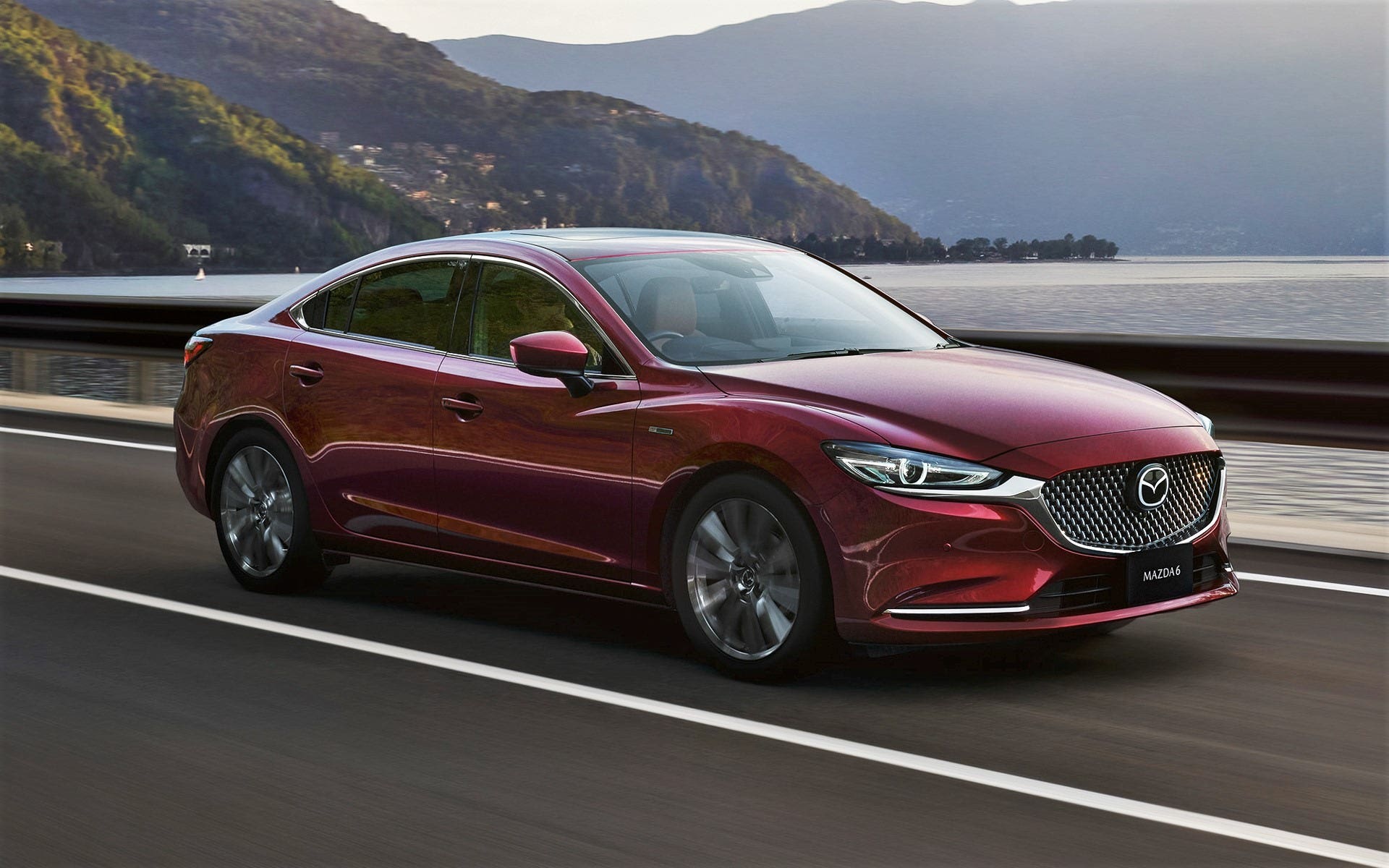
Mazda6
The Mazda6 manages to balance sporty driving dynamics with a quiet and comfortable cabin, making it one of the more refined choices in its price category for highway travel.
Its Skyactiv engines are engineered for smooth, consistent operation and combined with carefully tuned engine mounts, deliver minimal vibration to the cabin even at sustained speeds.
The chassis is designed for rigidity without sacrificing comfort, allowing the suspension to absorb bumps effectively while maintaining stability in corners and at freeway velocities.
Sound insulation has been thoughtfully implemented in key areas, including the firewall, door panels, and underbody, to reduce tire and wind noise.
At 70 mph, the Mazda6 offers a quiet environment where conversations are easy and audio systems perform well without interference from external sounds. The interior is solidly constructed, with high-quality materials that resist rattles over time, contributing to the sense of refinement.
Additionally, the steering feedback and road feel are tuned to deliver engagement without amplifying vibrations or harshness, which is a challenge in many sport-oriented sedans.
The Mazda6 proves that attentive engineering can reconcile sporty characteristics with highway comfort, providing a refined experience for occupants.
Its balance of quietness, handling, and structural integrity allows it to feel premium despite its affordable price tag, and the attention to NVH ensures that long trips are less tiring and more enjoyable.
Drivers benefit from a composed, calm cabin that complements the car’s dynamic capabilities, reinforcing Mazda’s reputation for blending performance and comfort seamlessly.
Additionally, the steering feedback and road feel are tuned to deliver engagement without amplifying vibrations or harshness, which is a challenge in many sport-oriented sedans.
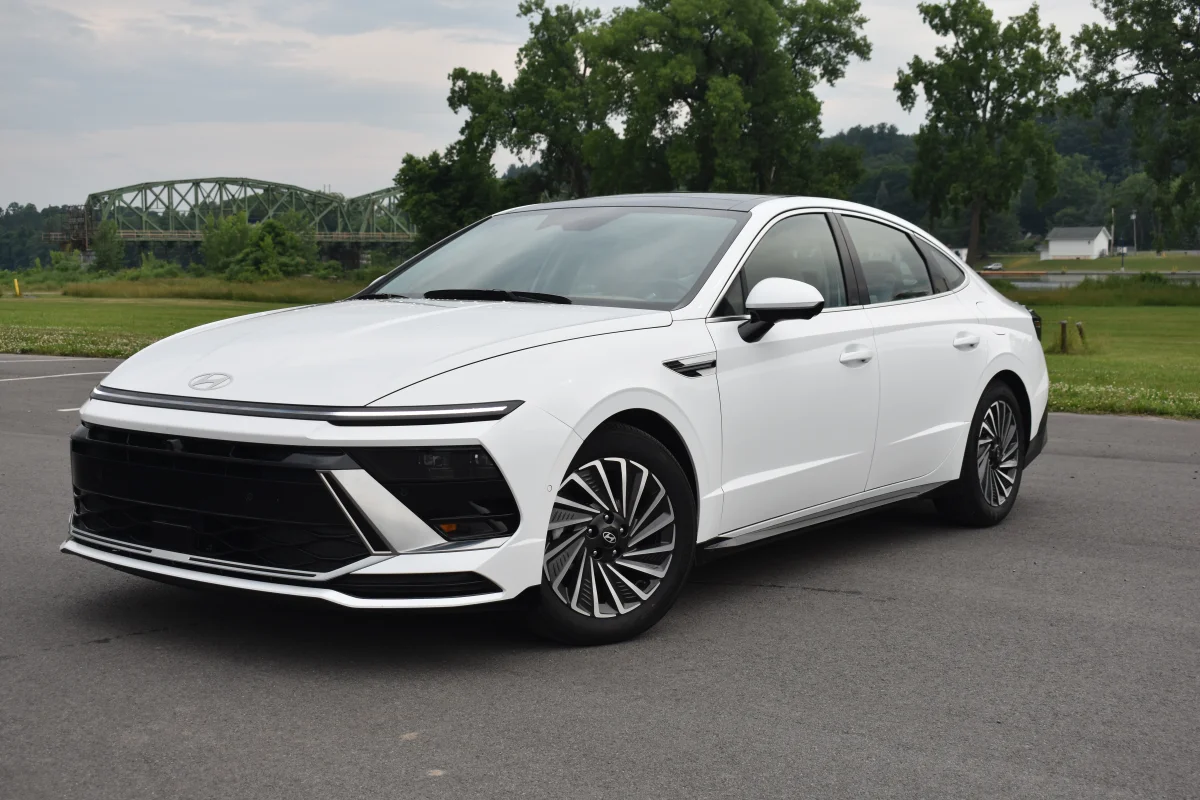
Hyundai Sonata
The Hyundai Sonata has made significant strides in refinement, placing it among the quietest midsize sedans under $30,000. Its engines, including naturally aspirated and turbocharged four-cylinder options, deliver smooth and linear power without introducing excessive vibrations into the cabin.
Engine mounts and chassis reinforcements work in concert to isolate mechanical disturbances, ensuring a serene environment for occupants at highway speeds.
The suspension has been tuned for comfort over long distances, absorbing irregularities in the pavement while maintaining composure around curves, preventing the jarring effects that can plague other sedans in this price range.
Inside, Hyundai has invested in acoustic insulation that significantly reduces wind and tire noise, with thick door seals, underbody panels, and multi-layered windshield glass contributing to a hushed interior.
At 70 mph, the Sonata’s cabin remains tranquil, making extended trips less fatiguing and more comfortable for both driver and passengers.
Beyond the mechanical and acoustic considerations, interior materials are carefully chosen for tactile satisfaction and long-term durability, reducing creaks, rattles, or vibrations over time.
The audio system performs exceptionally well due to the quiet cabin, allowing drivers and passengers to enjoy music or conversations without the need to raise volumes excessively.
Hyundai’s attention to detail in design and engineering ensures that the Sonata delivers a highway experience that rivals vehicles costing significantly more, making it an appealing option for buyers prioritizing comfort, refinement, and longevity in a budget-friendly package.
Buzzy Cars at 70 mph Under $30,000
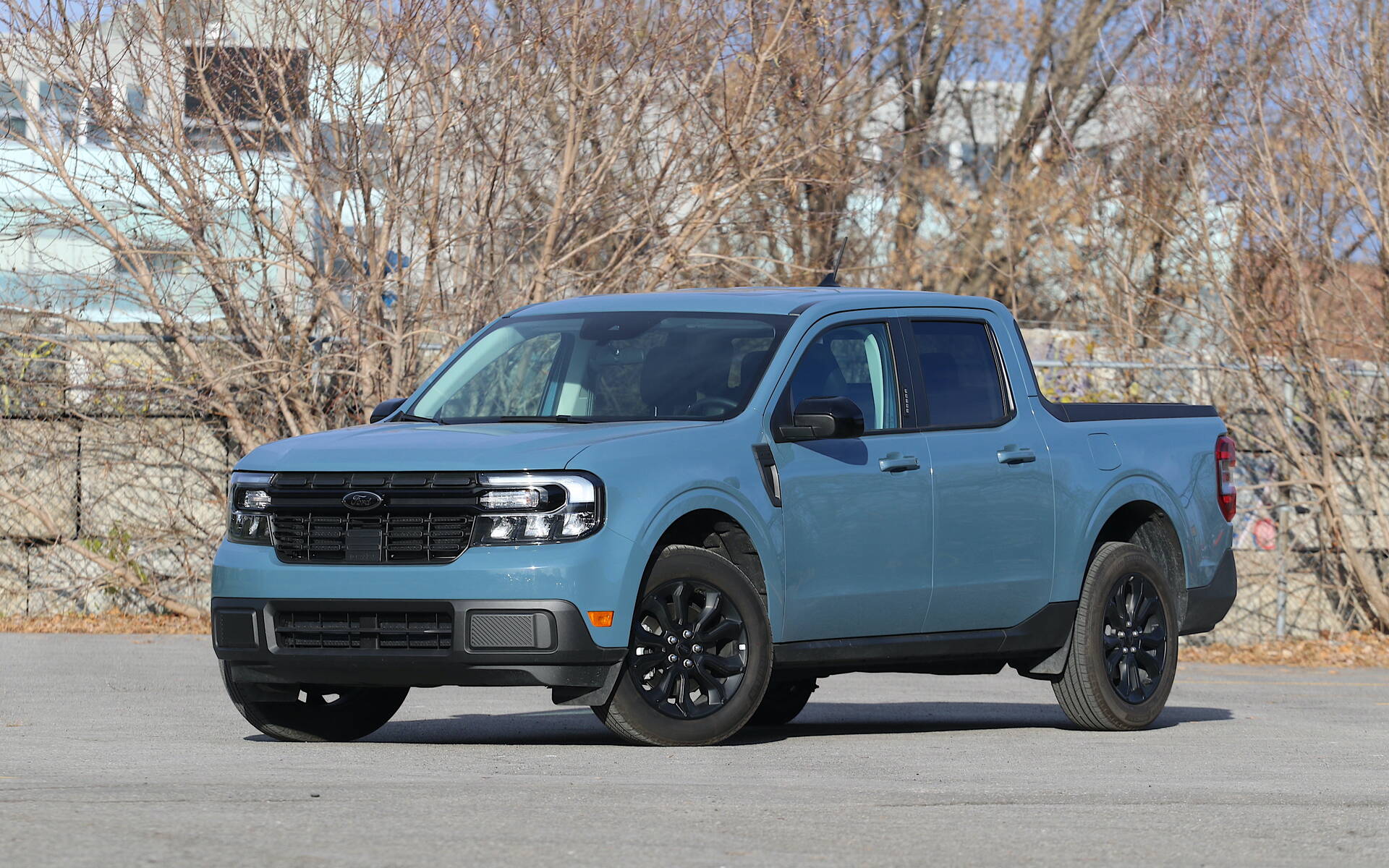
Ford Maverick
The Ford Maverick is a compact pickup designed primarily for practicality and affordability, and while it succeeds in those areas, its highway refinement leaves much to be desired.
At speeds around 70 mph, the Maverick’s turbocharged three-cylinder engine produces a noticeable hum that can dominate the cabin soundscape, particularly when maintaining steady freeway speeds for extended periods.
Even the hybrid variant, while smooth at low speeds, can transmit subtle vibrations into the cabin when the gasoline engine engages to supplement electric power.
The floor and seats seem to amplify these vibrations slightly, which, combined with a relatively firm suspension setup, can make long-distance driving feel fatiguing.
Tire noise is prominent as well, with the standard all-season tires transmitting road texture directly into the cabin, and wind noise creeps in around the mirrors and door seals, emphasizing the buzziness. The interior materials, while practical and durable, lack extensive soundproofing, allowing rattles and mechanical hum to remain audible.
Despite the Maverick’s solid engineering for utility and cost efficiency, it is clear that NVH refinement was not the highest priority, as the cabin does not provide the serene environment typical of midsize sedans.
Drivers accustomed to quieter vehicles may find themselves raising the audio volume or repeating conversations to overcome ambient noise, which can lead to increased fatigue over long drives. Even with features like active noise cancellation in some trims, the Maverick’s cabin remains fundamentally busy, reinforcing the idea that utility-oriented pickups often sacrifice comfort and serenity for versatility and affordability.
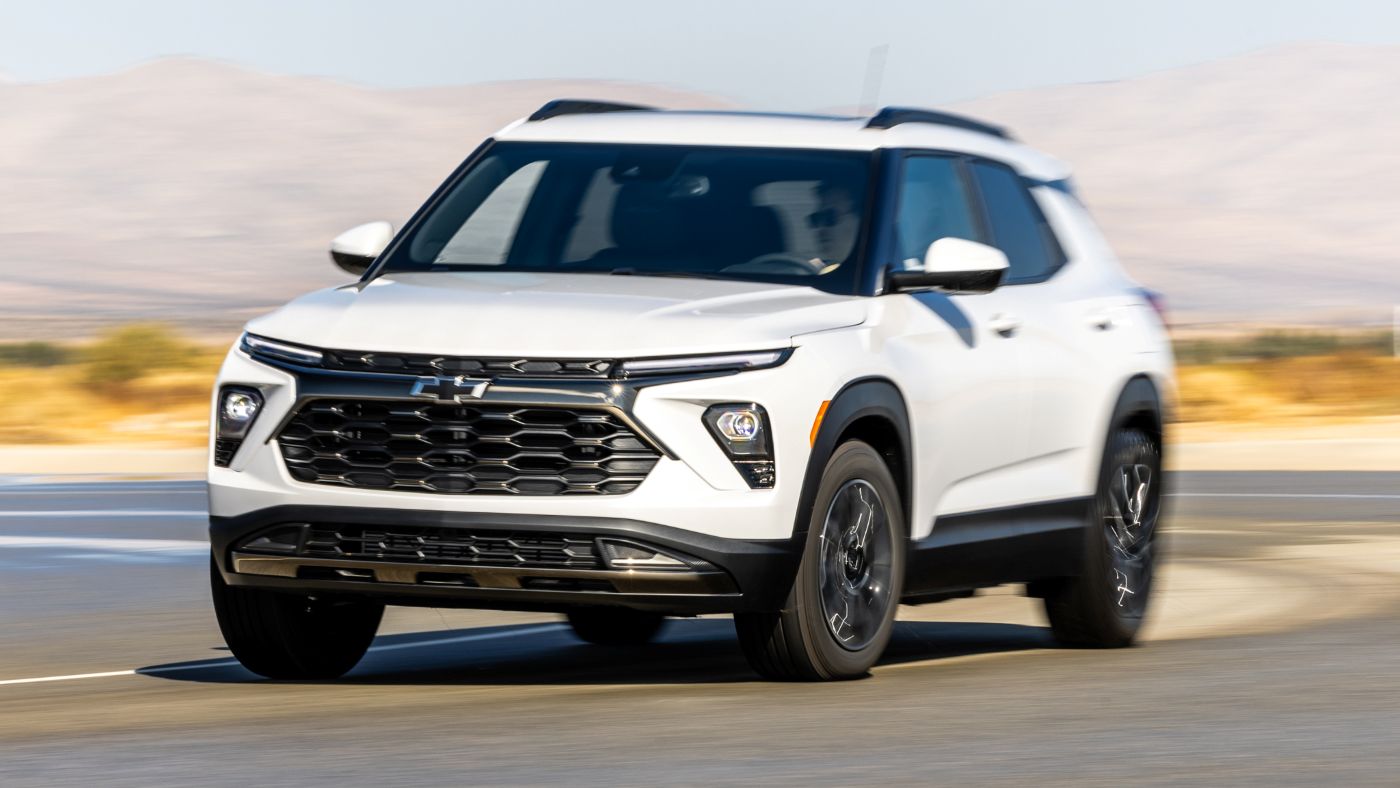
Chevrolet Trailblazer
The Chevrolet Trailblazer, a compact SUV targeted at urban drivers, offers practicality and styling but shows significant deficiencies in highway comfort and NVH management.
At 70 mph, the turbocharged three-cylinder engine produces a persistent, high-frequency drone that is difficult to ignore, and the continuously variable transmission, while improving fuel efficiency, adds a constant mechanical whine under sustained load.
Road vibrations are transmitted directly into the cabin, with a suspension system that prioritizes cost-effective handling over isolation from bumps and uneven pavement.
Tire noise is accentuated by minimal underbody insulation, and wind noise infiltrates the cabin around the roofline and side mirrors, further contributing to a buzzy environment.
The interior itself uses lightweight plastics and paneling that are prone to rattling, which amplifies the sense of mechanical unrest and detracts from perceived quality.
Even at a moderate 70 mph, conversations require a slightly raised voice to be heard clearly, and fatigue can set in sooner than expected during long trips.
The cumulative effect of engine drone, transmission whine, road vibrations, and wind intrusion makes the Trailblazer feel less refined than other sub-$30,000 SUVs, illustrating the compromises often made in the compact SUV segment to balance affordability, styling, and efficiency.
While the vehicle’s versatility and urban-friendly dimensions appeal to many buyers, those who value a composed and quiet highway experience will quickly notice the trade-offs in NVH performance.
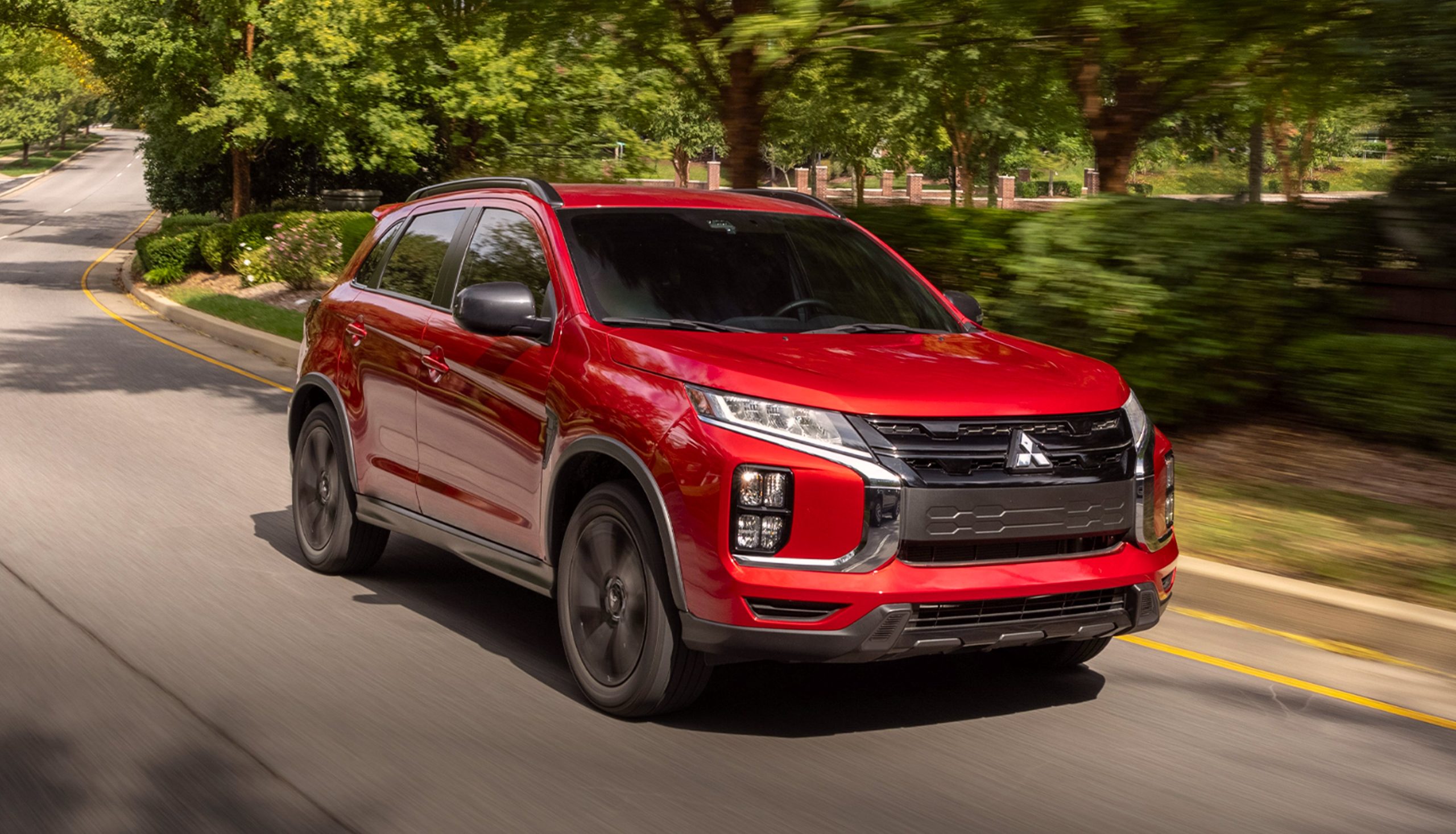
Mitsubishi Outlander Sport
The Mitsubishi Outlander Sport is an entry-level SUV that struggles with highway refinement, making it feel buzzy and less composed at freeway speeds.
Its four-cylinder engine produces vibrations that are easily felt through the seats, pedals, and steering wheel when cruising at 70 mph, and mechanical noise from the engine bay tends to dominate the cabin due to relatively thin firewall insulation and minimal soundproofing.
The suspension, while tuned for handling and budget constraints, transfers road irregularities directly into the cabin, making even minor bumps and cracks feel more pronounced.
Wind noise around the mirrors and roofline becomes increasingly noticeable at sustained speeds, contributing to a constant auditory reminder of velocity.
Inside, the lightweight plastics and thin paneling can rattle or creak over time, amplifying the perception of a buzzy environment, especially during long highway stretches.
The drivetrain, while reliable, does not mask mechanical sounds, meaning that engine vibrations, gear shifts, and transmission operation all contribute to a continuously active acoustic environment.
Even rear-seat passengers are affected, as vibrations and road noise permeate throughout the cabin, making extended trips less relaxing.
The cumulative impact of engine drone, road feedback, wind intrusion, and lightweight interior materials demonstrates that the Outlander Sport prioritizes affordability and compact SUV utility over highway serenity.
For buyers sensitive to cabin noise and vibration, this SUV illustrates the compromises often present in entry-level, cost-focused vehicles, where highway composure is sacrificed in favor of practicality and price.
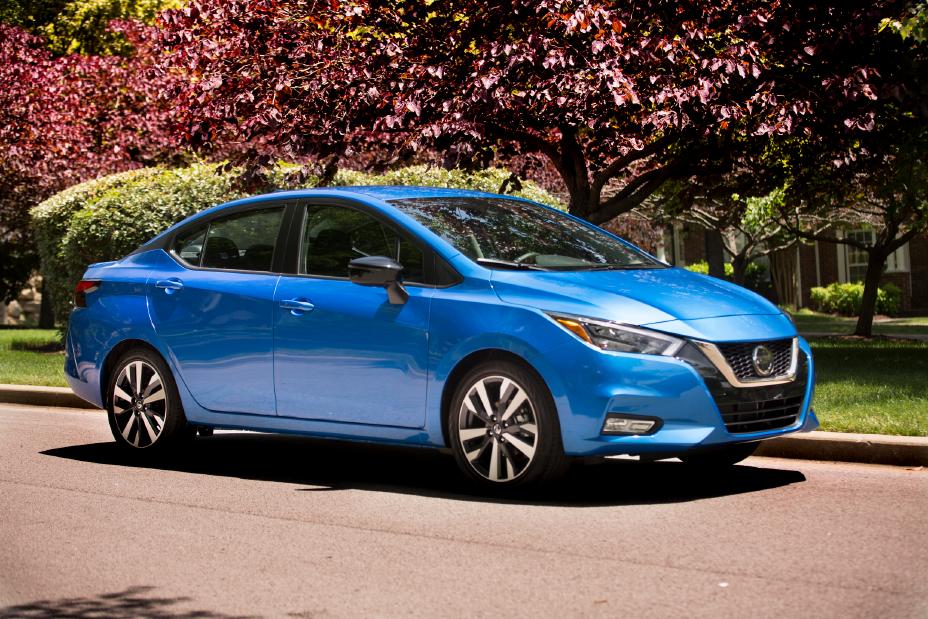
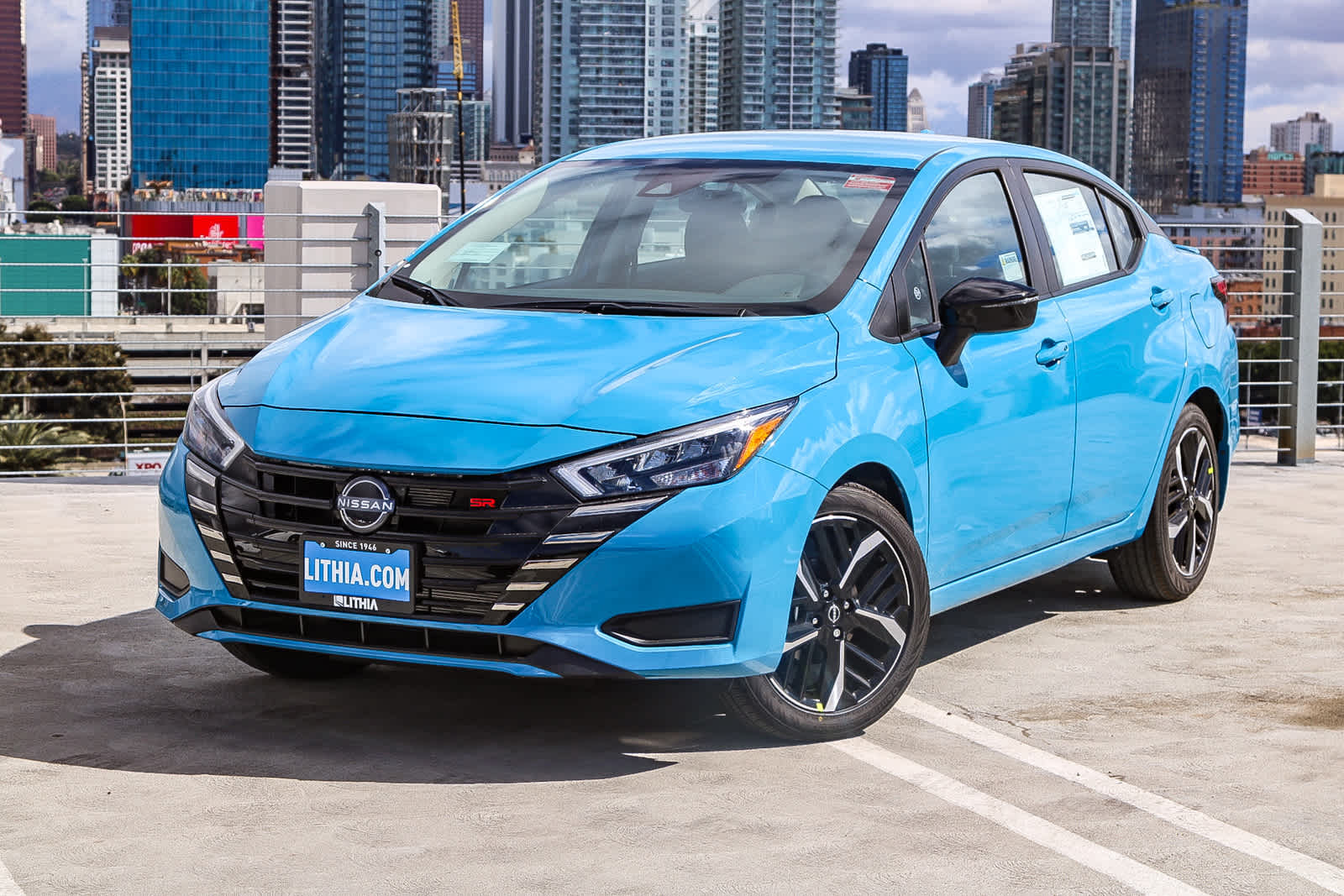
Nissan Versa
The Nissan Versa is widely recognized for its budget-friendly pricing and fuel efficiency, but these advantages come at a cost to highway refinement.
At 70 mph, the three-cylinder engine produces a high-pitched drone that can dominate the cabin, making long trips particularly fatiguing for the driver.
The continuously variable transmission, while effective in maintaining smooth acceleration and fuel efficiency, contributes to a sensation of mechanical monotony and adds to the audible hum, especially when the engine is under load or climbing slight inclines.
Road vibrations are transmitted directly into the seats and floor due to a basic suspension setup, and the tires, designed for cost-effective efficiency, amplify road texture rather than absorb it.
Wind noise also becomes increasingly prominent at higher speeds, particularly around the mirrors and window seals, which reduces serenity and makes conversation more difficult.
Interior panels, though functional, are constructed with lightweight materials that easily rattle or creak under minor vibrations, further amplifying the buzzy cabin character.
Extended highway driving in the Versa can be particularly taxing, as the combined effect of engine drone, tire feedback, wind intrusion, and panel rattles creates a cabin environment that demands attention and energy from occupants.
While the Versa offers unmatched affordability and practicality in the subcompact segment, its NVH profile clearly highlights the compromises inherent in ultra-budget vehicles, making it less suitable for drivers who prioritize a calm and quiet highway experience.

Jeep Renegade
The Jeep Renegade is a small SUV designed with rugged styling and off-road capability in mind, yet its highway NVH performance suffers considerably.
At 70 mph, the turbocharged engine emits a noticeable vibration that is felt through the seats and steering wheel, and the transmission adds to the auditory busyness of the cabin.
The suspension, built for off-road flexibility, does little to absorb small road imperfections, allowing bumps, cracks, and uneven pavement to transmit directly into the interior.
Its boxy shape increases aerodynamic drag and amplifies wind noise, particularly around the mirrors, roofline, and door seals, creating a constant hum and flutter at sustained speeds.
Lightweight interior plastics, combined with tight but somewhat rattle-prone paneling, exacerbate the perception of a buzzy and unsettled cabin. Tire noise is similarly pronounced, as budget-oriented tires transmit surface irregularities more aggressively than those in quieter, more refined crossovers or sedans.
Occupants on longer highway trips are likely to experience fatigue more quickly due to the cumulative effect of engine vibration, wind intrusion, and road feedback.
While the Renegade excels in off-road maneuverability and urban versatility, its highway composure clearly demonstrates the trade-offs made in favor of rugged styling and functional utility, rather than calmness or NVH refinement.
For buyers who prioritize serenity at freeway speeds, this SUV’s buzzy character may be a significant drawback, despite its other practical attributes.
