
The electric vehicle (EV) market has undergone rapid evolution in recent years, with car manufacturers focusing on various aspects of performance, including battery capacity, range, and charging efficiency.
One of the most crucial features for long-distance drivers is an EV’s ability to maintain a strong, efficient charging rate while on highways.
While many factors contribute to the highway driving experience, the charging curve, which describes how fast an EV can charge over time at a given rate, is a key metric that impacts how quickly drivers can get back on the road.
Highway charging is especially important for road trips or long commutes. If an EV charges too slowly or its charging rate drops sharply as the battery fills up, it can make longer trips frustrating. Conversely, a smooth and steady charging curve that holds a higher rate for longer can make the charging process much less time-consuming.
Several factors influence this charging curve, such as the EV’s battery size, the type of charging station, and the vehicle’s ability to manage temperature and charging protocols effectively. Manufacturers now pay close attention to these elements to ensure their cars remain competitive in the growing EV market.
In this article, we’ll examine 10 electric vehicles that stand out for their highway charging performance. These vehicles have been selected based on their ability to maintain high charging rates and ensure that drivers spend as little time as possible at charging stations while on the highway.
These EVs are perfect for road trips or long-distance driving, offering both high efficiency and excellent charging curves that help minimize downtime on the road.
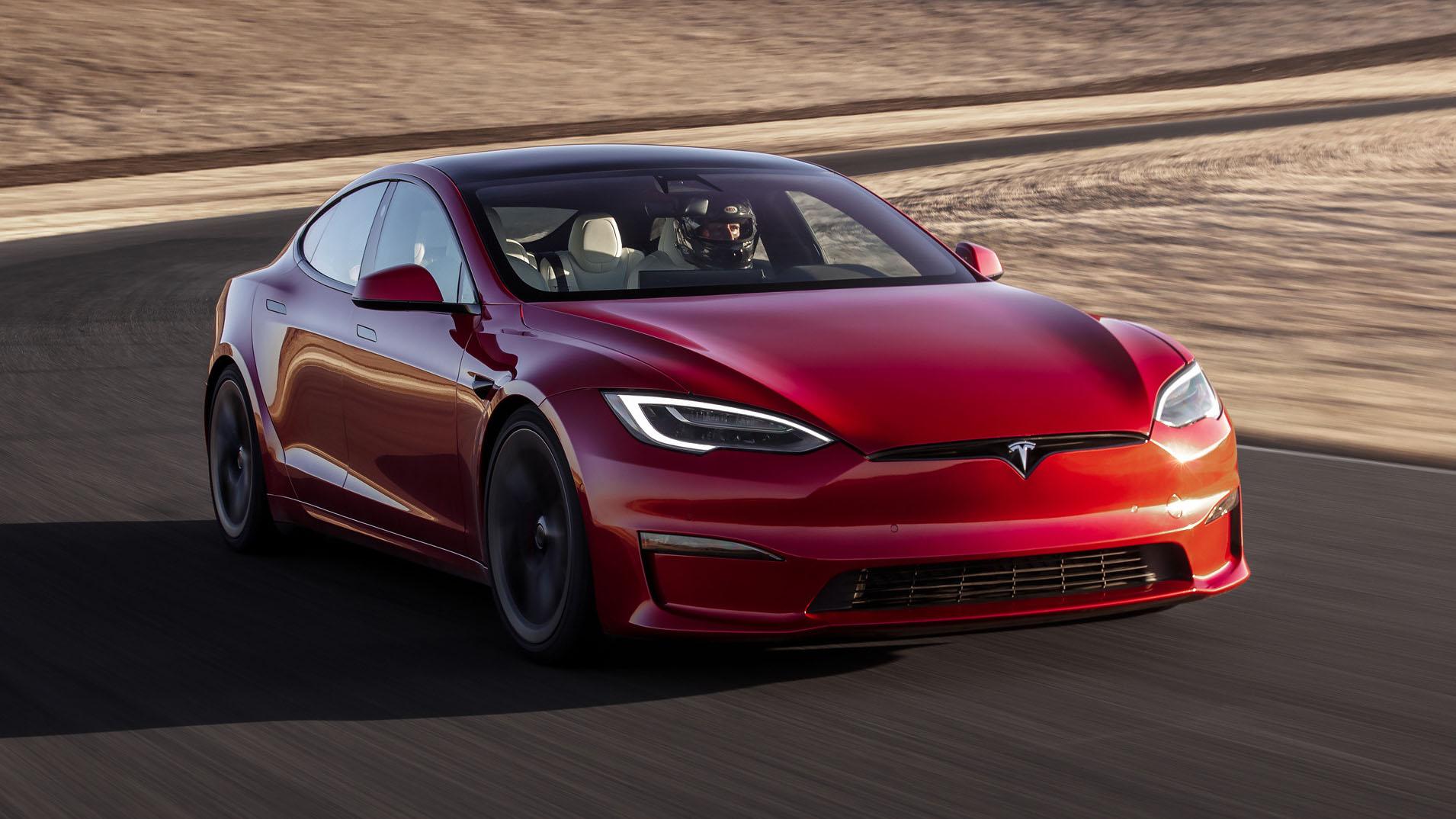
1. Tesla Model S Plaid
The Tesla Model S Plaid is not just a performance powerhouse, but it also excels in long-range and charging efficiency. Tesla’s Supercharger network is one of the most robust in the world, and the Model S Plaid takes full advantage of it. The charging curve on the Model S Plaid is impressive, maintaining a high charging rate for the majority of its charge session.
During a typical highway charge, the vehicle can reach an 80% charge in under 30 minutes when using Tesla’s V3 Superchargers. The battery management system (BMS) in the Model S Plaid is optimized to maintain high charging speeds, even as the battery fills up. This makes it one of the best choices for highway charging.
Tesla’s proprietary battery and charging technology contribute to this strong charging curve. The Model S Plaid features an advanced thermal management system that keeps the battery at an optimal temperature for fast charging.
Tesla’s Superchargers are known for their high-speed charging capabilities, often delivering up to 250 kW of power in ideal conditions. As a result, drivers can charge their Model S Plaid quickly, get back on the road, and continue their journey with minimal delay.
Tesla has continued to refine its Supercharger technology, which ensures that the charging experience is consistent and efficient. The car’s ability to sustain a higher charging rate as it reaches higher battery levels makes it especially valuable on highways, where charging stations are less frequent, and every minute counts.
With Tesla’s widespread network and excellent charging curve, the Model S Plaid is a top contender in the EV market for highway charging.
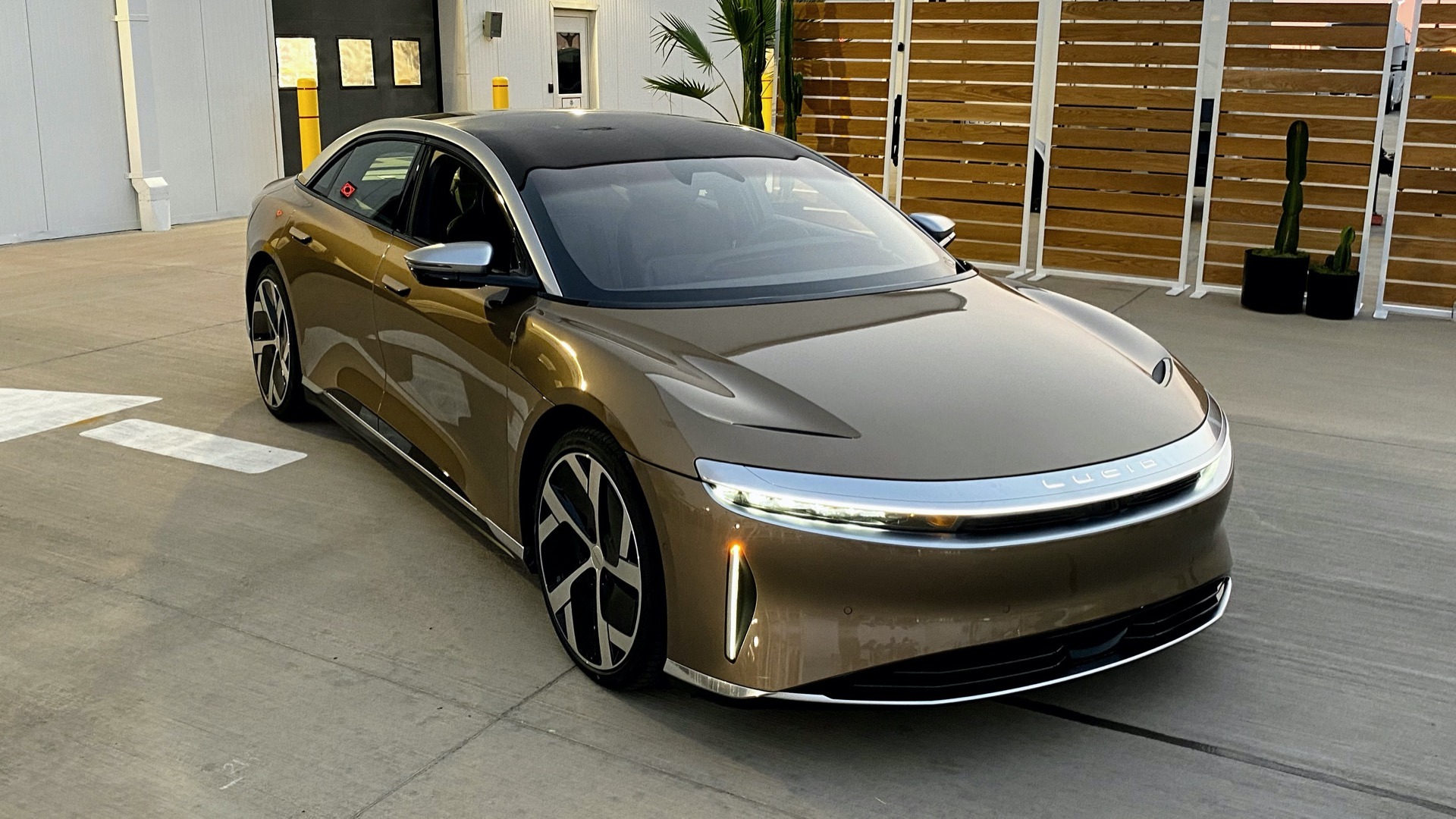
2. Lucid Air Dream Edition
Lucid Motors has garnered significant attention for its luxury EV offerings, with the Lucid Air Dream Edition being one of the most models. The Dream Edition is not only capable of long-range driving but also has an exceptional highway charging curve. It can charge from 10% to 80% in just 22 minutes using the fastest available charging infrastructure.
Lucid employs a state-of-the-art 924V electrical architecture, which allows the vehicle to accept higher power levels without compromising battery life or safety. This advanced charging technology allows the Lucid Air Dream Edition to maintain impressive charging speeds for longer periods, a crucial factor on the highway.
The Lucid Air Dream Edition also benefits from an efficient battery management system, which helps sustain a high charging rate, especially during long-haul drives. Lucid has integrated sophisticated temperature management systems to keep the battery in optimal conditions, helping to mitigate any potential loss in charging speed due to heat.
This feature is particularly beneficial for highway charging, where fast top-ups are needed. The 924V system allows for a higher voltage, which reduces the time spent waiting at charging stations and ensures that drivers can make their way to the next destination with minimal hassle.
Highway charging times can make or break the EV experience, and the Lucid Air Dream Edition is one of the best examples of a vehicle designed to keep charging times short and efficient. With its impressive charging curve, it stands as one of the most reliable vehicles for highway driving and long-distance trips.
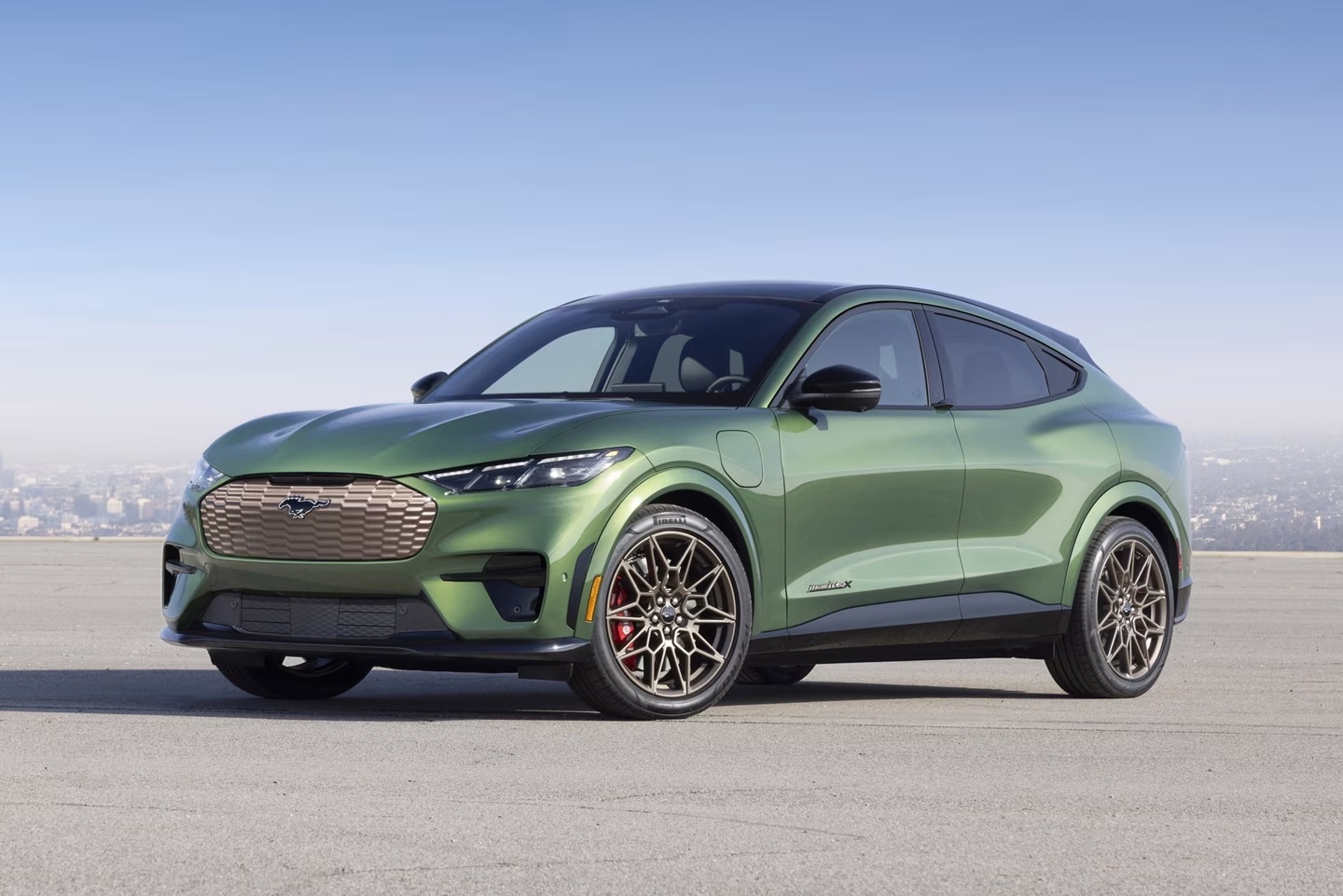
3. Ford Mustang Mach-E (Extended Range)
Ford’s Mustang Mach-E has quickly become a favorite in the EV market, offering a stylish, practical, and performance-oriented option for consumers. The extended-range version of the Mach-E stands out in particular when it comes to highway charging.
The vehicle is capable of rapid charging at stations that provide up to 150 kW of power, meaning it can reach 80% charge in about 45 minutes under optimal conditions. This makes it a great choice for drivers who need a balance of performance and efficiency, especially when heading out on long highway journeys.
Ford has partnered with a variety of charging networks, including the Electrify America network, to give Mach-E owners access to fast charging stations across the country.
The vehicle’s charging curve is steady, with a quick rate during the initial charging phase that slows down as it nears 80%. However, the Mach-E’s BMS works to ensure that the transition in charging speed is gradual, which minimizes delays on the road. This makes it a reliable choice for highway travel, where fast charging is essential.
The Mustang Mach-E’s ability to sustain a solid charging curve during highway charging can be attributed to its robust battery pack and thermal management system.
The car’s charging system is designed to adapt to different environmental conditions, making it suitable for use across various climates. Whether drivers are crossing arid deserts or navigating cooler mountain passes, the Mach-E delivers consistent charging speeds, ensuring a smooth road trip experience.
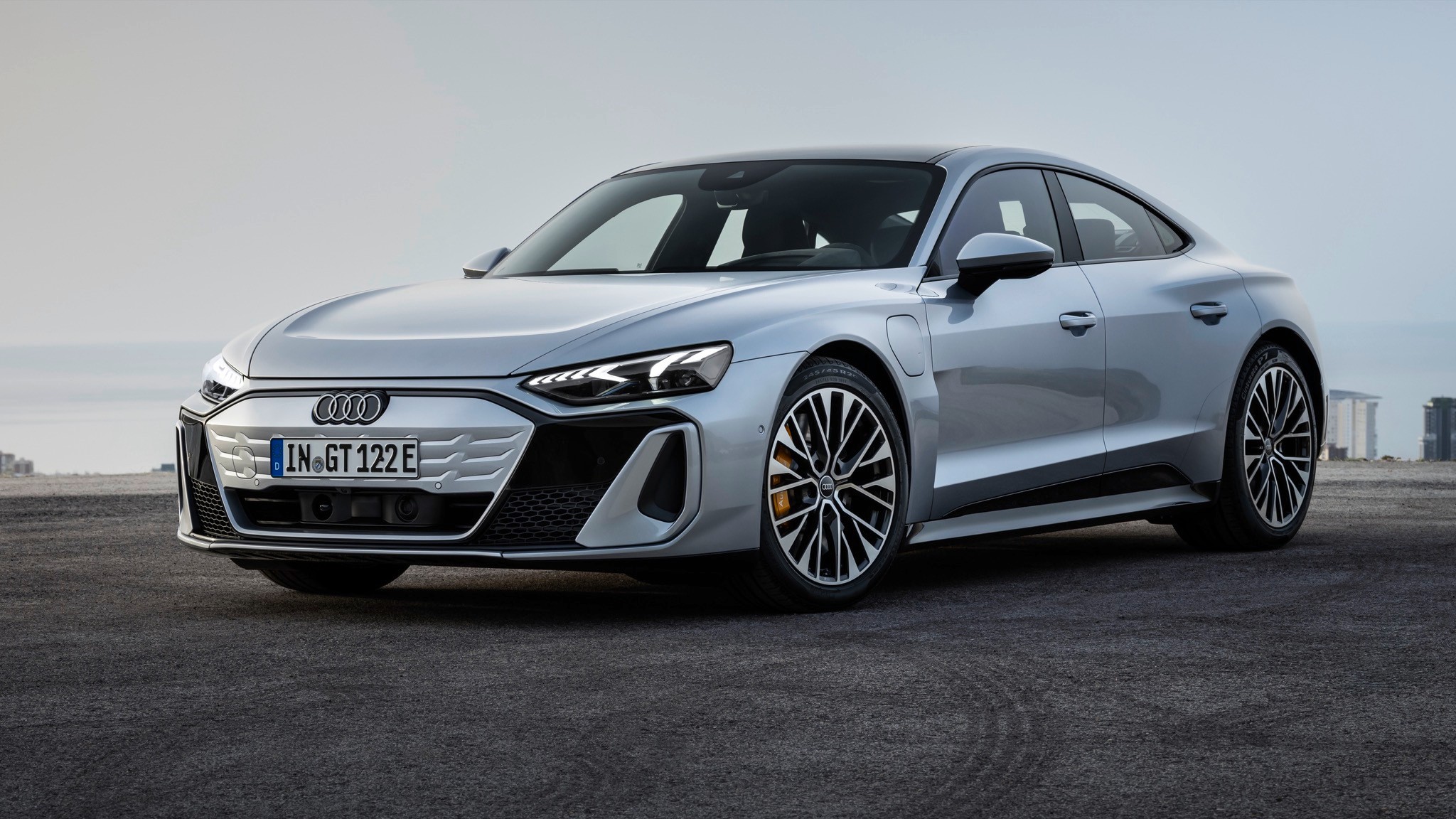
4. Audi e-Tron GT
Audi’s e-Tron GT has established itself as a performance-focused EV that doesn’t compromise on highway charging speed. The e-Tron GT uses an 800V architecture, which is similar to the Lucid Air’s design, and allows for ultra-fast charging speeds.
With the ability to charge from 5% to 80% in approximately 23 minutes at the right charging stations, the e-Tron GT is perfect for long highway drives. Audi’s expertise in electric drivetrains and thermal management systems contributes to the vehicle’s excellent highway charging curve, allowing it to maintain high speeds even as the battery reaches higher levels of charge.
The vehicle benefits from its use of Porsche’s platform, which also emphasizes high-speed charging. The e-Tron GT features sophisticated thermal control that helps prevent the battery from overheating during rapid charging, ensuring that drivers don’t have to wait for the car to cool down before continuing their journey.
Its efficient BMS also ensures that the charging curve remains stable, making it one of the top choices for highway travelers looking for speed and reliability.
As with other premium EVs, the Audi e-Tron GT features an array of high-end technologies, including a top-tier navigation system that can guide drivers to nearby fast-charging stations.
This makes it not only a capable EV on the highway in terms of charging but also a smart travel companion. Whether drivers are traveling on busy highways or quiet country roads, the Audi e-Tron GT delivers an efficient and quick charging experience that minimizes downtime.
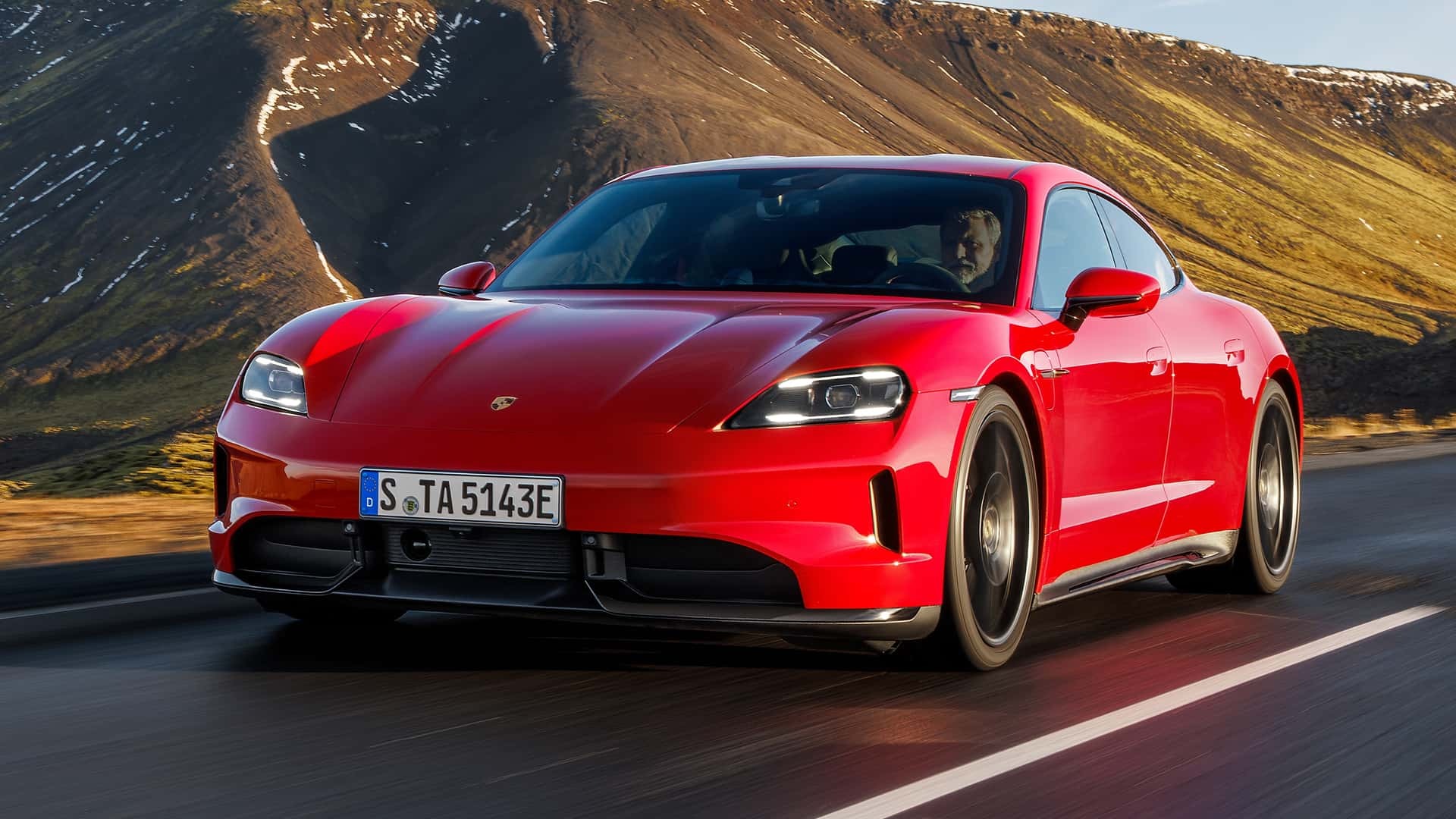
5. Porsche Taycan (Turbo S)
Porsche’s Taycan has quickly become a favorite for those who want a combination of performance and efficiency in an electric vehicle. The Taycan Turbo S, in particular, stands out for its highway charging curve.
With its 800V architecture, the Taycan is capable of ultra-fast charging, reaching 80% in just over 20 minutes when using high-power charging stations. This makes it an excellent option for long-distance driving, where fast charging is critical to keeping momentum on a road trip.
The Taycan’s advanced battery management system and active cooling mechanisms help keep the battery at the optimal temperature during charging, ensuring that the car maintains a high charging rate for a longer period.
The car is also equipped with a sophisticated DC fast-charging system that is capable of handling very high charging rates, making it an excellent choice for fast refills on the highway.
Another advantage of the Taycan is its widespread availability of fast-charging stations, especially within Porsche’s expanding network.
This makes it easier for owners to find convenient charging locations during long road trips, further enhancing its appeal as a highway-driving vehicle. The Porsche Taycan Turbo S combines rapid charging capabilities with its well-known performance credentials, making it a standout in the EV market.
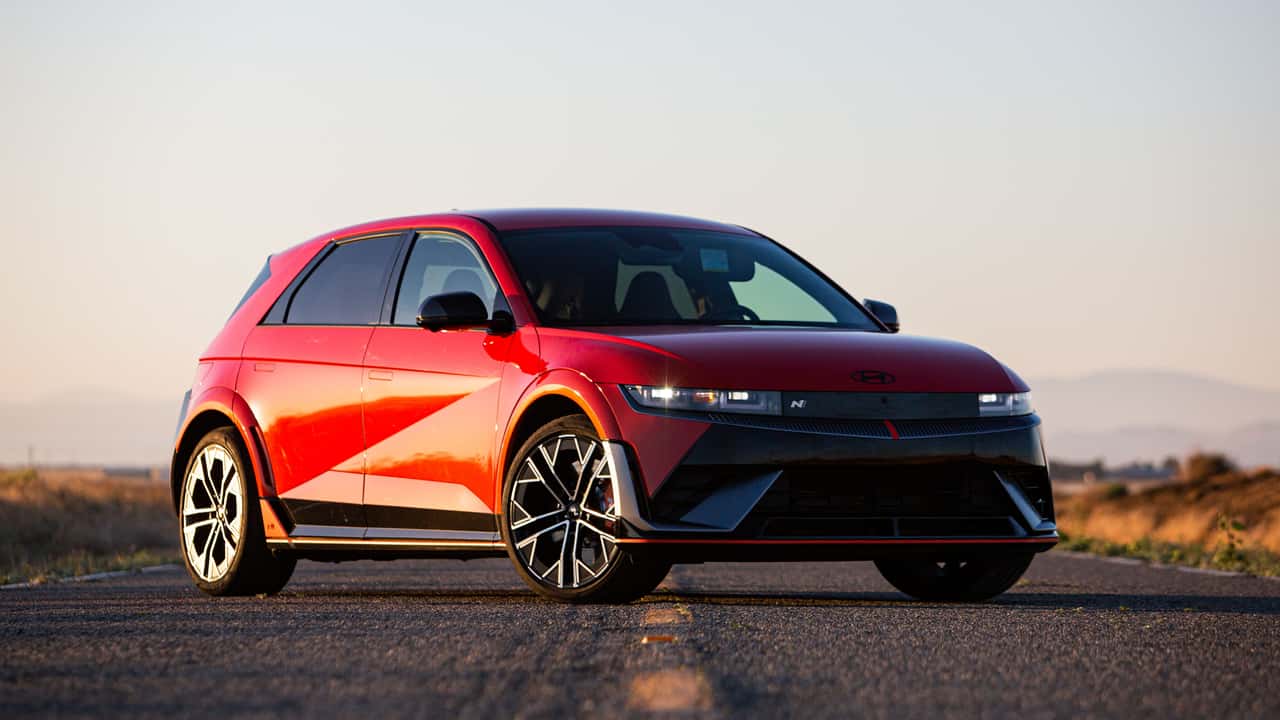
6. Hyundai Ioniq 5 (Long Range)
The Hyundai Ioniq 5 Long Range has earned a strong reputation for its fast and stable highway charging behavior, helped in large part by its 800V electrical platform. This system allows the vehicle to accept very high power levels when paired with the right charging station, often reaching peak speeds in a short amount of time before tapering off gently.
The result is a highway charging curve that feels smooth and predictable rather than erratic. For drivers who need quick energy top-ups during long travel days, this kind of consistency is extremely valuable because it reduces stress about timing and minimizes planning worries.
The Ioniq 5 also maintains its steady charging performance even when the battery is moderately warm or cold, thanks to its well-engineered thermal controls that help the car adjust in real time.
Hyundai took an interesting approach by designing the battery system to handle varying charge conditions without large drops in charging speed. During highway usage, when the battery may already be warm due to sustained driving, many EVs tend to throttle their charging rate more aggressively.
The Ioniq 5, however, manages to hold a strong charging rate for a longer portion of the session. Its battery pack seems to balance heat, power, and charging speed in a way that reassures the driver that they will get back on the highway without long delays.
Even during longer trips with multiple fast charging stops, the Ioniq 5 usually avoids major dips in charging performance, which helps reduce total travel time across the day.
The highway charging strength of the Ioniq 5 also integrates nicely with its driver-focused layout. The car provides clear information about estimated charging time, charging power, and projected range, which can improve confidence on unfamiliar routes.
Many drivers appreciate how transparent and predictable the charging experience feels, especially when they cannot afford unnecessary interruptions. The wide availability of compatible charging stations adds to the ease of planning long journeys, creating a strong combination of practicality and performance.
When considering the complete highway travel experience, the Ioniq 5 stands out because it blends its fast charging curve with comfort, quiet driving characteristics, and plenty of usable range. Long-distance travel feels manageable because time spent at a charger remains relatively short.
For drivers who take frequent road trips or travel for work across long stretches of highway, the Ioniq 5 Long Range offers an appealing combination of range, charging power, and dependable behavior during repeated fast charging cycles.
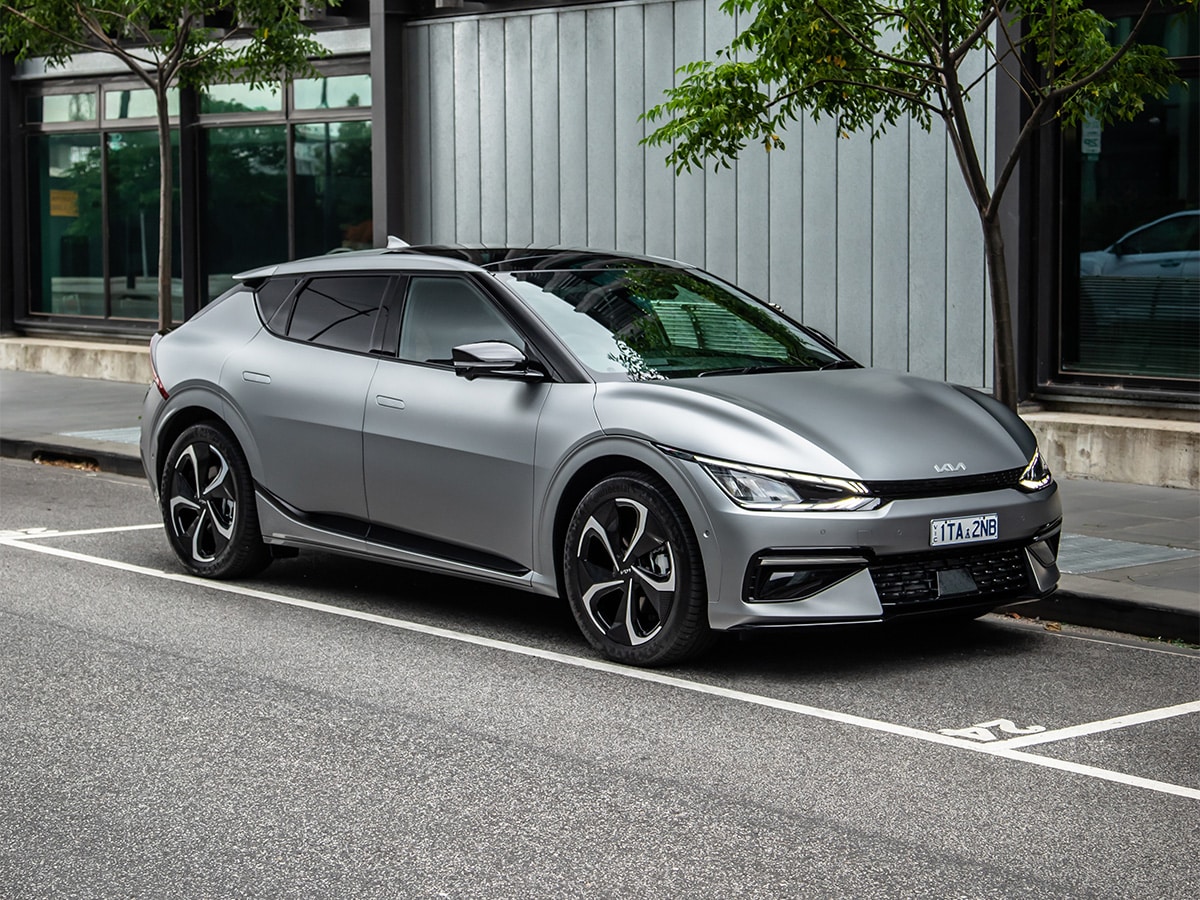
7. Kia EV6 GT Line
The Kia EV6 GT Line shares much of its charging architecture with the Hyundai Ioniq 5, yet it presents its own personality on the highway. Its strong charging curve allows it to take on energy very quickly at low battery levels and then taper slowly rather than abruptly, which keeps the whole session comfortable and predictable for drivers.
The EV6 GT Line often reaches a robust peak charging speed and then maintains impressive power levels for a larger portion of the charge window compared to many competitors that drop sharply after their initial surge. This is one key reason why many long-distance travelers consider the EV6 a dependable road partner for highway runs.
A well-controlled battery temperature strategy contributes heavily to the EV6’s stability. It is designed to precondition the battery when routed to a fast charger, which sets the car up for a powerful charge from the very moment the cable is inserted.
This proactive strategy is extremely important for highway drives because it removes unnecessary delays caused by the battery being too cold or too warm when the vehicle arrives at a station.
Once charging begins, the system actively monitors thermal conditions and adjusts cooling or heating as needed to keep the battery within its optimal operating window, preventing sudden drops in power that might frustrate drivers.
The EV6 GT Line also offers convenient interior features that enhance the charging experience. While drivers wait for the battery to replenish, they can rely on a comfortable cabin, easy access to charging information through the infotainment system, and clear range predictions.
These details might seem minor, but on longer trips, they contribute to reduced stress and better planning. Combined with the car’s generous range and smooth driving dynamics, the EV6 often wins over drivers who want a practical yet engaging vehicle for extended travel.
Because the EV6 GT Line balances speed, efficiency, and comfort, its highway charging curve feels almost tailored to travelers who value rhythm and predictability.
Time at chargers rarely feels disruptive because the vehicle works hard to keep charging intervals brief and consistent. This combination of thoughtful engineering and real-world reliability places the EV6 GT Line among the most capable EVs for long highway journeys.
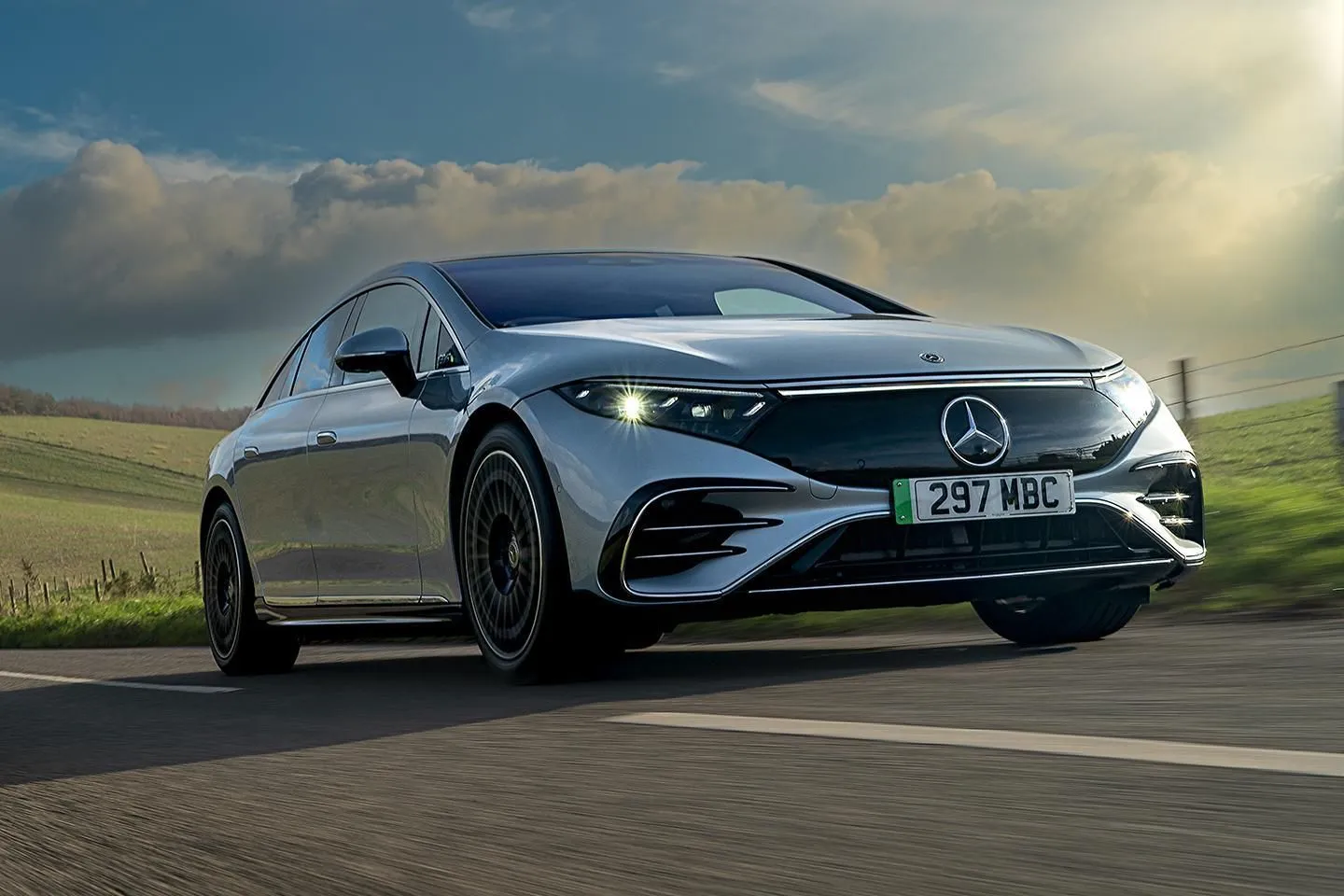
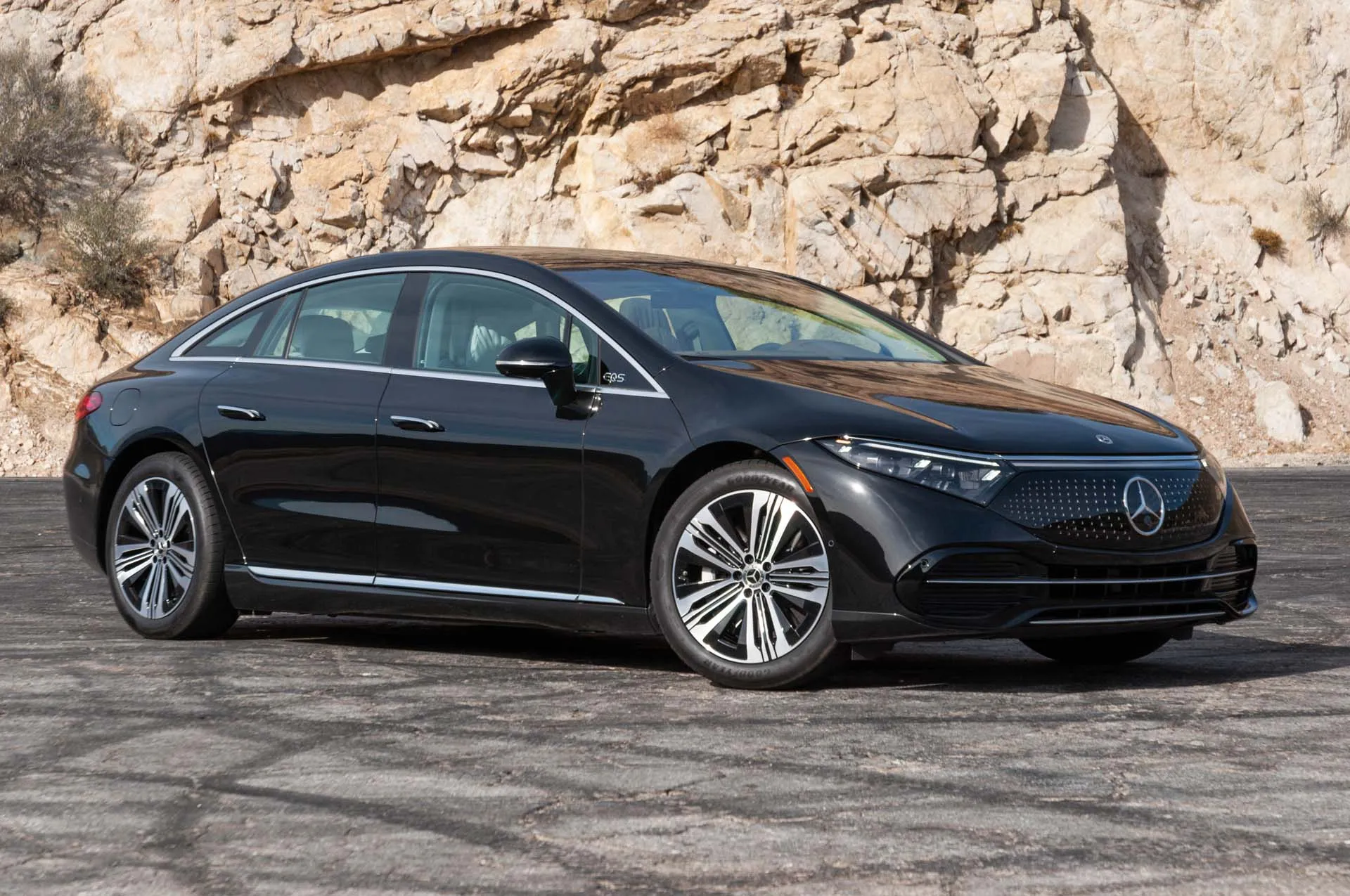
8. Mercedes EQS
The Mercedes EQS was built with long-distance comfort in mind, and its highway charging performance helps reinforce that reputation. The EQS features a battery system that tends to provide a calm and steady charging curve rather than a sharp spike and quick taper.
While its peak charging rate may not always be the highest among premium EVs, the consistency of its charging behavior ensures a smooth experience that fits the luxury character of the vehicle. On extended highway trips, this predictability is often more important than headline peak numbers because it allows drivers to chart their travel schedule with confidence.
A key strength of the EQS lies in its sophisticated thermal and battery management systems. These systems are designed to keep the battery pack at a controlled temperature even under heavy driving demand.
On highways, the battery can heat up during long stretches of high-speed travel, but the EQS uses advanced heat pumps and circulation systems to regulate it.
This results in a charging curve that remains strong without sudden dips that might increase charging time. The EQS also excels in preconditioning the battery when navigation is set to a fast charger, ensuring optimal readiness upon arrival.
The interior comfort during charging plays a significant role in making the EQS appealing for long journeys. Mercedes has always emphasized comfort, quietness, and refinement, and these qualities shine during charging stops.
Drivers often appreciate the opportunity to relax in a spacious and quiet cabin while the vehicle restores energy. Ambient lighting, supportive seats, and high-quality materials all contribute to making the charging stop feel like a brief, pleasant pause rather than an inconvenience.
For travelers who aim to cover hundreds of miles in a day, the EQS offers a blend of predictable charging, long range, and peaceful driving. It is designed to remove stress rather than add to it, and its smooth highway charging curve aligns perfectly with that intention. Whether crossing large regions or keeping to familiar routes, the EQS provides a dependable and serene highway travel experience.
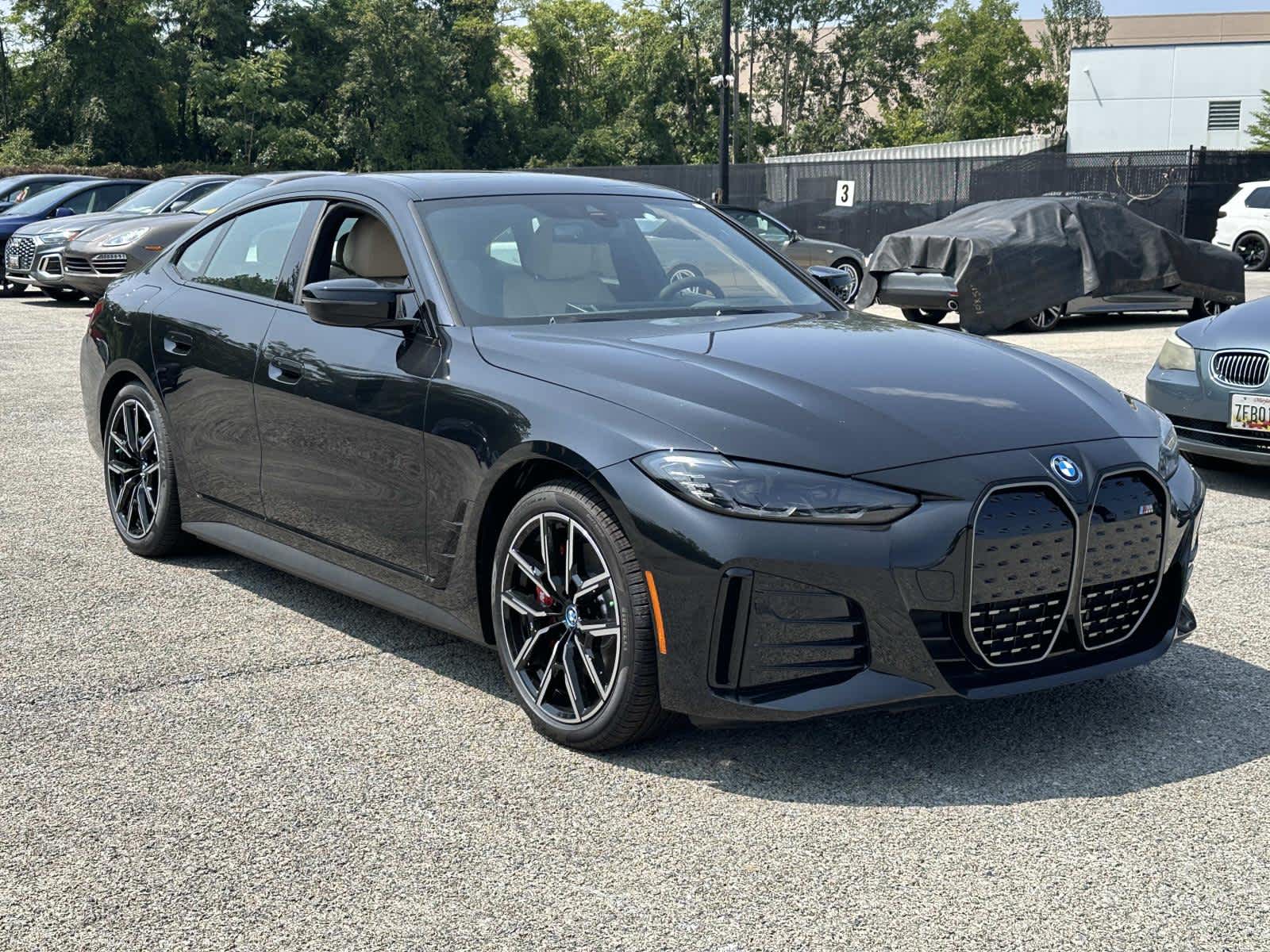
9. BMW i4 M50
The BMW i4 M50 showcases BMW’s approach to merging sporty character with practical electric operation. Its highway charging curve is shaped by a well-balanced battery system that supports fast charging without excessive power drops.
While the i4’s architecture differs from the 800V systems used by some rivals, it still achieves competitive charging speeds partly due to its efficient cooling systems and intelligent software control.
On highways, where drivers often arrive at charging stations after sustained high-speed travel, this ability to stabilize the battery temperature plays a central role in maintaining strong charging performance.
The i4 M50 offers a charging profile that gives drivers confidence in planning longer trips. The initial charging phase is strong, allowing the vehicle to gain significant range in a short time, which is helpful for quick stops.
The tapering phase feels gradual rather than abrupt, making the entire charging session feel more consistent. This predictability helps drivers stay on schedule during long highway travel and avoids the frustration that comes from inconsistent power levels at unfamiliar stations.
BMW has also focused heavily on integrating intuitive digital systems that support highway travel. The onboard navigation system can suggest stops at fast chargers, estimate arrival battery state, and predict charging times with surprising accuracy.
This reduces uncertainty and helps drivers make better decisions about when and where to stop. Such tools enhance the usefulness of the i4 M50 during long highway days, especially in unfamiliar areas where planning becomes crucial.
Many drivers appreciate the i4 for its blend of sporty performance and practical charging behavior. The driving experience remains engaging, yet the charging curve is stable and helpful for long-distance travel.
Its consistent behavior during multiple fast charging sessions in a single day makes it a trustworthy companion for long highway adventures, whether for leisure or work.
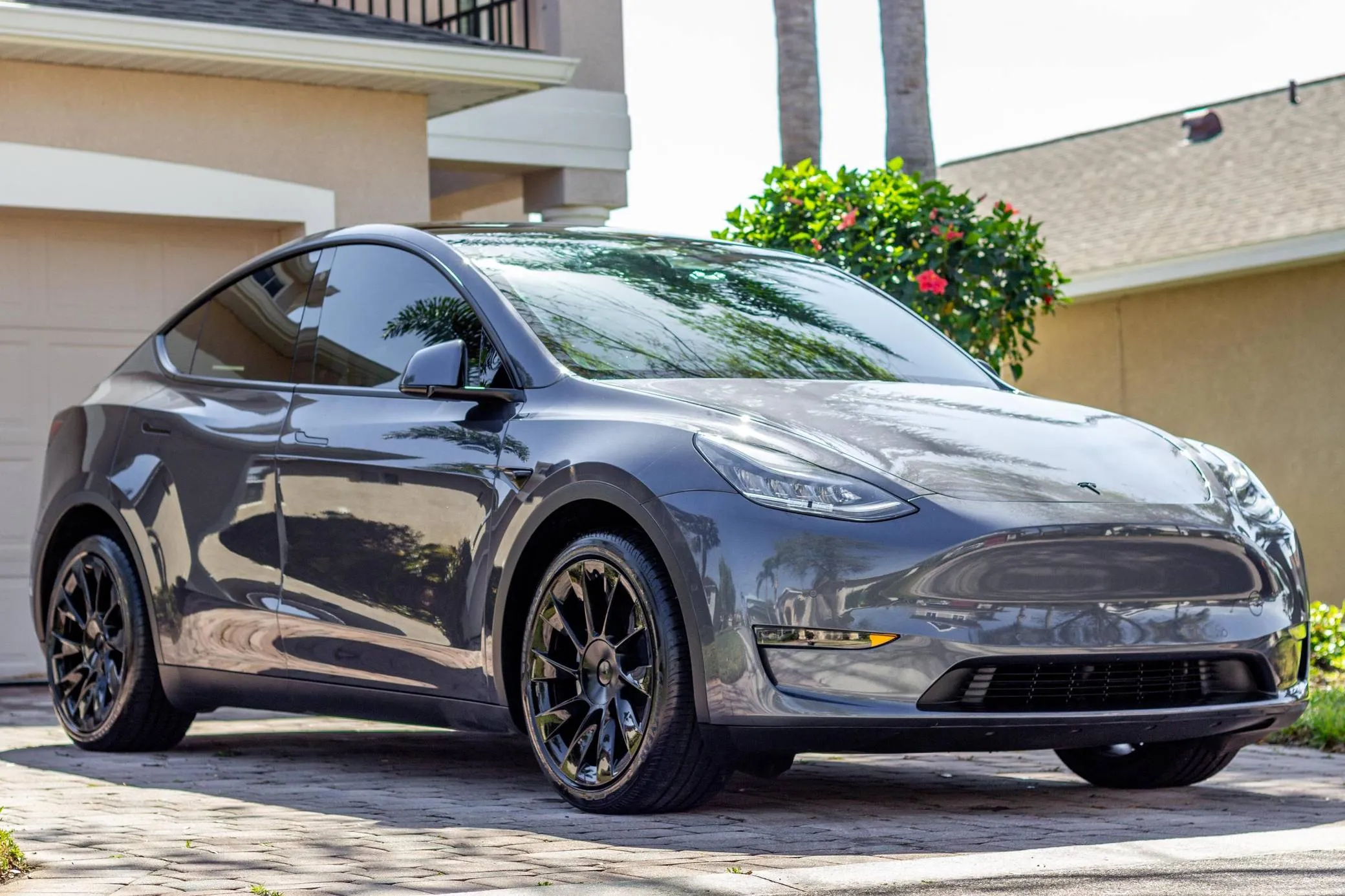
10. Tesla Model Y Long Range
The Tesla Model Y Long Range continues to be one of the most road trip friendly EVs because of its charging curve as well as the ease of access to Tesla’s extensive fast charging network. The Model Y often charges very quickly at low battery levels and maintains a strong rate through much of the charging session.
While it does taper as it approaches higher battery percentages, the decline feels steady, not sudden. This makes its highway charging performance highly dependable, especially when covering long distances where time at chargers needs to remain predictable.
The Model Y’s battery management system is one of its strongest assets. Tesla has invested many years refining its thermal controls, software logic, and energy distribution. As a result, the Model Y is exceptionally well prepared when arriving at a fast charger, particularly when navigation is set to a Supercharger.
The preconditioning system warms or cools the battery proactively, ensuring that the vehicle is ready to accept high power levels the moment the charger is connected. This reduces time wasted at the beginning of the session, a benefit that becomes very noticeable during long highway trips with multiple stops.
Another advantage is the seamless integration between Tesla vehicles and the charging infrastructure. Tesla’s Supercharger stations provide a smooth user experience with minimal setup and clear information displayed on both the vehicle screen and the charger.
This clarity helps drivers manage expectations, plan food breaks, or stretch their legs without confusion or stress. The consistency of the network, combined with the strong charging curve of the Model Y, results in a travel experience that many drivers find relaxing even over long distances.
The Model Y Long Range remains one of the most efficient tools for highway travel due to its stable charging behavior, smart software, and straightforward charging process.
Drivers who often travel across long road networks appreciate its reliability and quick turnaround time at chargers. Because the Model Y blends range, performance, and practicality so effectively, it continues to be a trusted choice for extended EV journeys.
