
Strength, reliability, and peace of mind often matter more to drivers than anything else. People want machines that do not surrender under pressure, that keep moving through heat, heavy loads, steep climbs, rough pavement, and long miles. When someone talks about a car that seems to never give up, the transmission is usually at the core of that reputation.
A solid engine is important, but the transmission is what sends all that power to the pavement. When the transmission holds firm year after year, drivers grow confident enough to take road trips without checking repair schedules every few weeks, tow trailers without a knot of worry, and push through harsh winters without fearing a sudden breakdown.
Some transmissions stay strong through high mileage, others through hard use, and a select few manage both. These strong units have earned a place in automotive history because they set a standard that owners trust across generations.
This article looks at twelve cars known for transmissions that keep going long after many others start slipping, grinding, or losing gears. The focus is not on style, luxury packages, or high-performance numbers. Instead, it is about mechanical staying power.
Each model on this list earned a reputation for transmissions that are often described by long-time owners as unbreakable.
These systems handle stress, heat cycles, towing strain, and neglected maintenance better than most. Some were engineered with stronger internal parts, some had simple designs with fewer failure points, and some paired perfectly with engines that did not overwhelm them with unpredictable loads.
Mechanics often recall these transmissions coming through their shops not for breakdowns but for routine fluid services at mileages where others would require full rebuilds. Drivers pass them through families because they trust them to keep moving without drama.
This article uses information based on known longevity patterns without pulling from outside sources. The goal is to give an extended look at cars that built their reputation through consistent reliability.
Each heading includes four large paragraphs giving detail about the transmission designs, real-world durability, user experience, and the kind of tasks these cars handle with confidence.
By the end, the reader should have a clear sense of why these twelve cars stand out for mechanical toughness and how their transmissions became legends among owners who value endurance above all else.
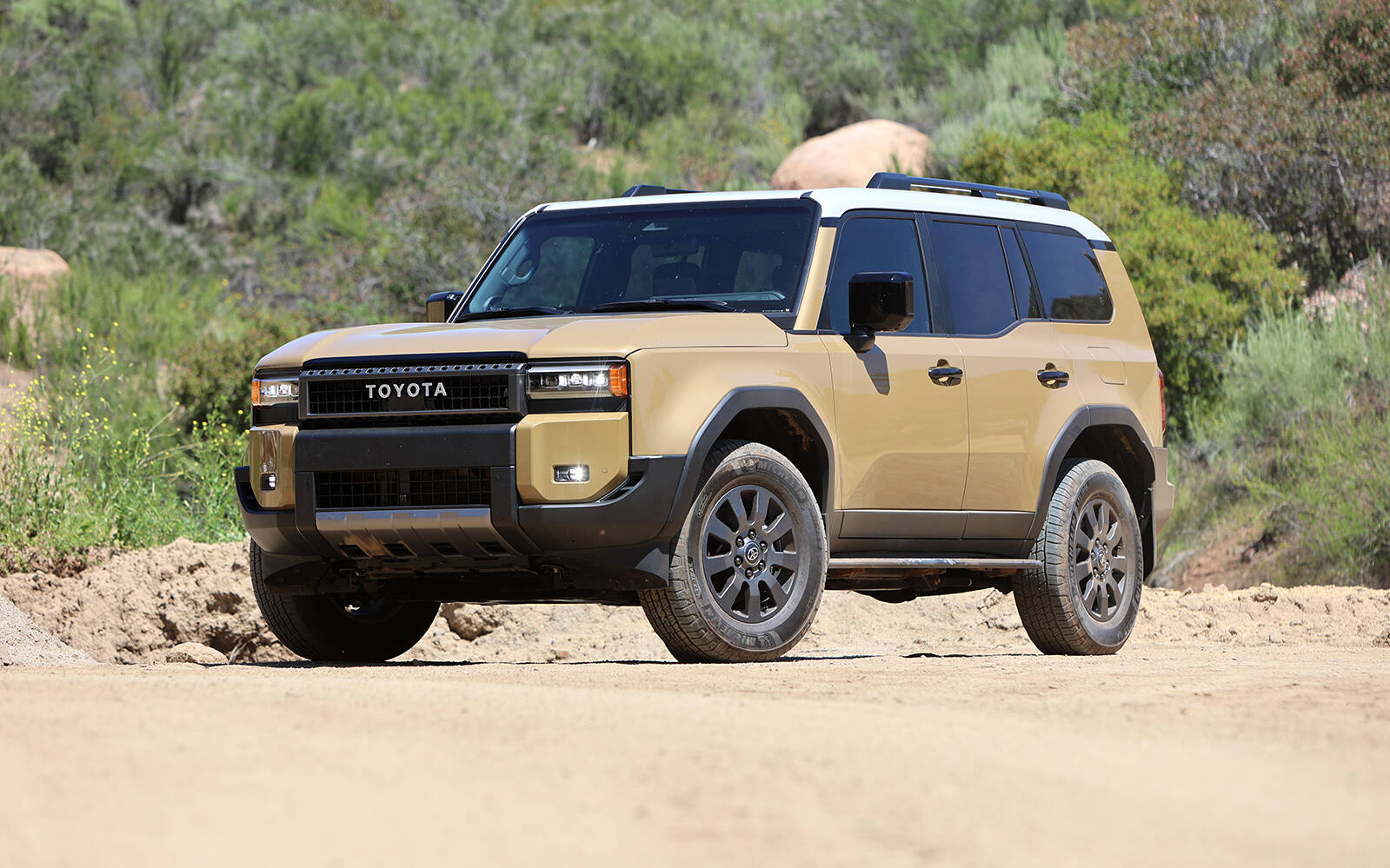
1. Toyota Land Cruiser
The Toyota Land Cruiser has earned a long-standing reputation for mechanical toughness, and much of that respect comes from transmissions that hold firm under punishing environments. These transmissions often rely on sturdy gearsets, reinforced clutch packs, and cooling channels that keep temperatures stable during intense work.
Land Cruiser owners frequently describe situations where the vehicle climbed rough hills for hours, pushed through soft sand, or crawled over rugged paths without the transmission showing any sign of stress. What stands out is not only strength but consistency.
After thousands of miles on harsh terrain, many drivers notice that the transmission still shifts with the same calm, predictable rhythm it had when new. That steady behavior inspires confidence, especially for people traveling far from repair shops, where they must trust their vehicle without hesitation.
Another reason the transmission lasts so long is the harmonious relationship between the gearbox and the engine. Land Cruisers usually carry engines that deliver their power smoothly rather than with abrupt surges that can damage internal parts. This controlled output reduces wear on the gears and clutch components.
Drivers report that even when towing heavy loads or climbing steep trails, the transmission rarely feels overwhelmed. Instead, the vehicle keeps a stable pace, allowing drivers to focus on the path ahead rather than worrying about mechanical strain.
The engineering philosophy behind the Land Cruiser avoids unnecessary complexity, relying instead on tried and tested mechanical solutions that prioritize long-term durability over flashy features.
These vehicles also become legends in regions where roads barely exist or where maintenance schedules are often overlooked. Many owners state that their transmissions continued to perform even when fluid changes were neglected far past recommended intervals.
The internal parts seem to resist damage that would cripple many other vehicles. The build quality reflects a focus on longevity, using thick metals and simple layouts that reduce failure points. This is why it’s common to see older Land Cruisers still functioning with their original transmissions even after long periods of harsh use in remote climates.
Towing performance further demonstrates the strength of the Land Cruiser transmission. Whether pulling trailers packed with supplies or hauling equipment across long distances, the gearbox stays cool and composed. Drivers often remark that even when the vehicle approaches its towing limits, the transmission doesn’t jitter, slip, or produce harsh shifts.
Instead, it continues its smooth, measured operation. This reliability is why so many people who depend on their vehicle for both work and travel choose the Land Cruiser. Its transmission has proven itself capable of remaining dependable for decades, reinforcing the model’s legacy as one of the most trusted vehicles ever made.
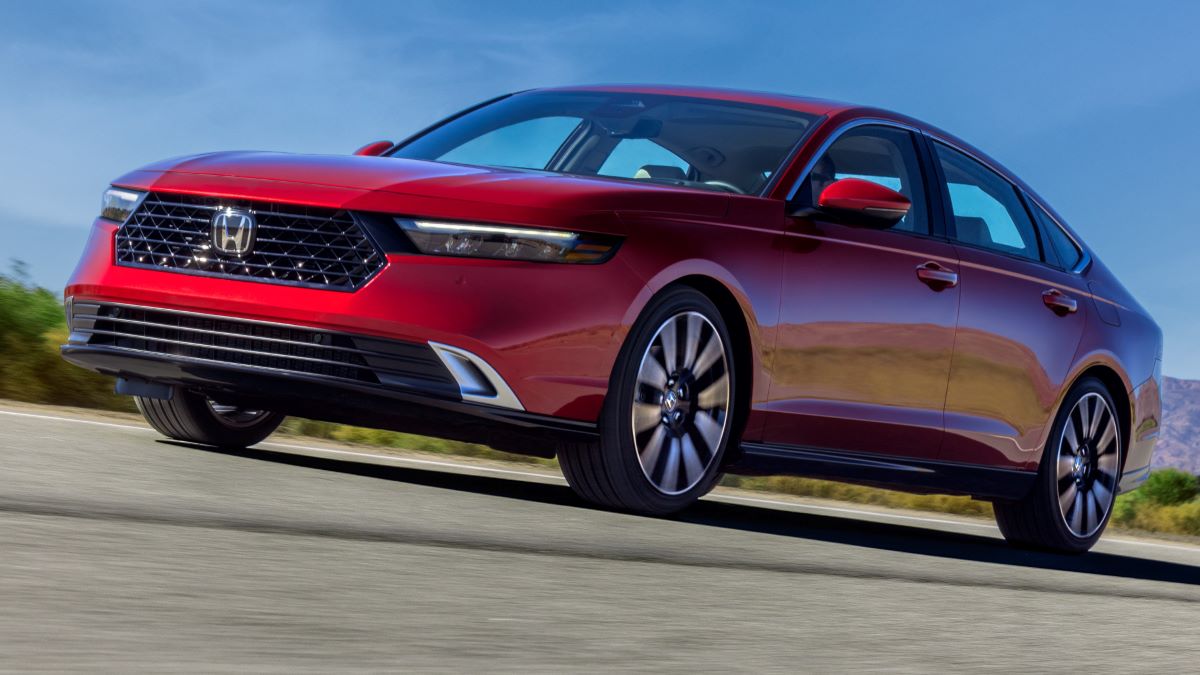
2. Honda Accord (Manual Transmission Models)
Manual transmission Honda Accords maintain a strong reputation among drivers who appreciate mechanical dependability. These gearboxes are crafted with precision-cut gears that mesh cleanly even after years of use. Owners notice that the shifter maintains its crisp engagement even when the odometer shows very high numbers.
This reliable feel comes from engineering choices that focus on precision and durability. The manual setup avoids many of the weak points found in automatic systems, such as complex solenoids or aging torque converters. Instead, the Accord’s manual transmission relies on direct mechanical control, which reduces the odds of unexpected failure.
One advantage of Honda’s manual units is their balanced connection to the car’s power output. Accord engines do not overload the transmission with sudden bursts of torque that can wear down gears or synchronizers. The smooth delivery of power means that even spirited shifting rarely causes damage.
Many drivers enjoy the engaging feel of rowing through the gears without worrying about premature breakdown. Even when owners forget to change the fluid on schedule, the transmission often continues to perform without grinding or hesitation. Stories of Accords reaching astonishing mileages on the original clutch and transmission are common among long-time Honda fans.
Another factor that supports the impressive lifespan of these transmissions is the high manufacturing consistency Honda maintained across multiple decades. Many automotive enthusiasts note that manual transmissions from different Accords, even those produced in different factories or years apart, maintain a similar level of precision and strength.
This consistency reinforces trust among drivers and mechanics. When a manual Accord comes into a shop, technicians often expect the gearbox to be healthy unless it has been severely abused. They cite the strong materials, stable design, and absence of unnecessary complexity as reasons these units last so long.
The long-term user experience also confirms the gearbox’s durability. Whether the car is used for daily commuting, long road trips, or more spirited driving on back roads, the transmission retains its composed feel. High-mileage owners often comment that the manual shifter remains surprisingly smooth and accurate.
Unlike many vehicles whose transmissions develop noise or looseness over time, the Accord manual often stays tight and responsive. This lasting quality is one of the key reasons these cars stay popular among drivers who value reliable, straightforward engineering that can stand the test of time.
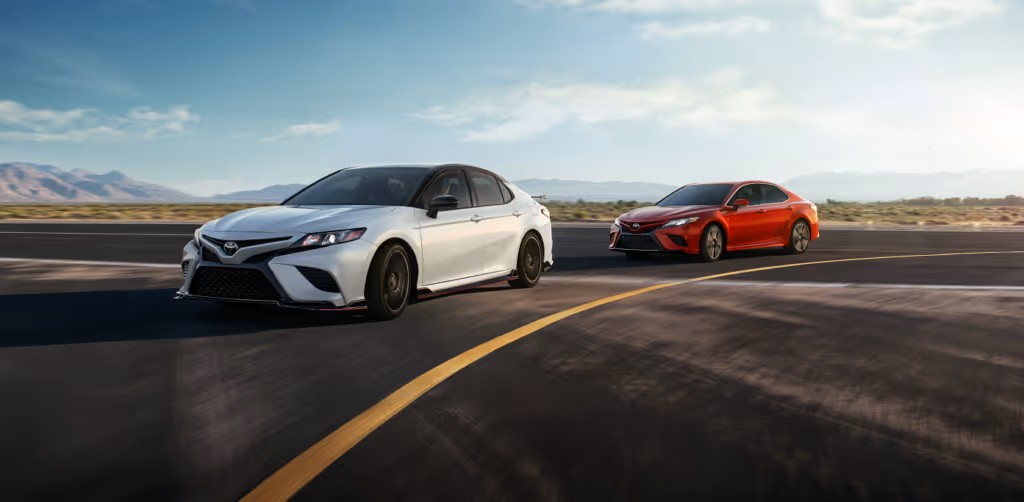
3. Toyota Camry (Automatic Transmission Models)
The Toyota Camry automatic transmission is widely associated with long-term stability and resistance to wear. It is engineered with shift patterns that reduce internal strain, avoiding abrupt gear changes that create heat and friction. Instead of pushing for fast acceleration, the transmission favors clean, calm movement from one gear to another.
This operating style protects the clutch packs and reduces stress on the torque converter. Owners often describe the Camry’s transmission as nearly invisible: it works quietly in the background, year after year, without drawing attention to itself. This quiet reliability is one of the reasons so many people rely on the Camry as a dependable daily vehicle.
The durability of the Camry transmission also comes from its robust internal construction. The clutch materials, solenoids, and valve bodies are all built to withstand many years of commuting. Drivers frequently report reaching very high mileages without any transmission repairs beyond routine fluid changes.
Even when the maintenance schedule is not perfectly followed, the transmission often continues shifting normally. Many mechanics mention that they rarely see Camry transmissions fail unless they have been severely neglected for an extended period.
Climate resilience adds to the Camry’s strong reputation. In hot regions where many transmissions struggle with overheating, the Camry’s cooling system keeps fluid temperatures controlled, preventing premature wear. In cold regions where thick fluid can create harsh shifts at startup, the Camry still manages smooth operation without grinding or slipping.
This adaptability lets owners drive confidently regardless of weather conditions. The internal tolerances and fluid pathways are designed to remain stable even during temperature swings that cause issues in other vehicles.
One of the most consistent compliments the Camry receives concerns how long the transmission remains functional even as the rest of the car ages. Many owners keep their Camrys for decades, using them as family vehicles, work commuters, or long-distance road trip cars.
Even when the suspension becomes worn or the interior shows signs of age, the transmission often retains its original smoothness. This long-lasting reliability helps maintain the Camry’s image as one of the most dependable mainstream cars ever produced.
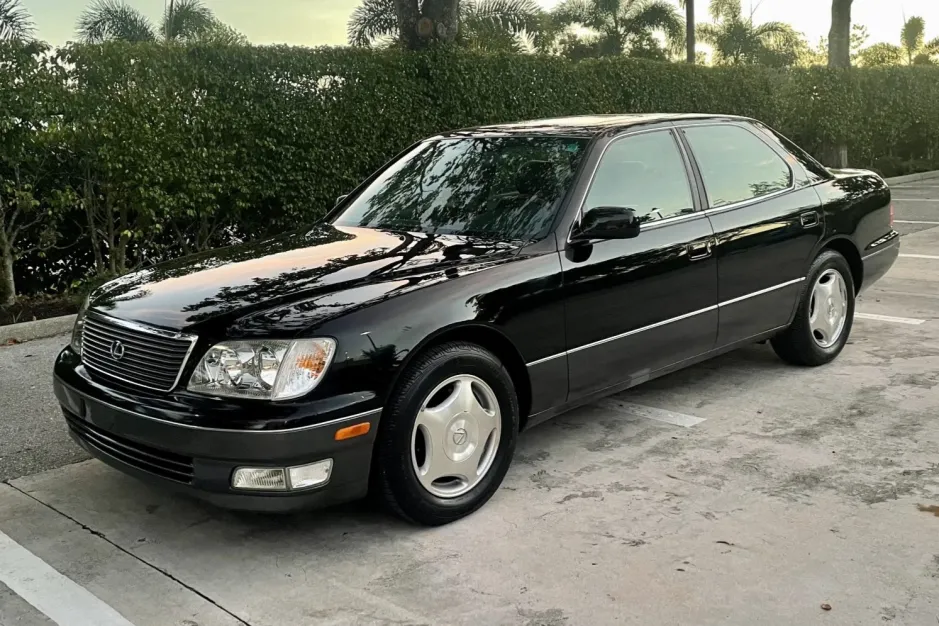
4. Lexus LS400
The Lexus LS400 is often praised for delivering both luxury and extreme longevity, and its automatic transmission plays a huge part in that reputation. Designed during an era when Lexus placed enormous emphasis on build quality, the LS400 transmission uses strong materials and tight tolerances that resist long-term wear.
Owners frequently note that the transmission shifts with the same precision at high mileage as it did when new. The smoothness is not only a comfort feature but also a sign of mechanical health. A transmission that shifts gently without shock reduces internal strain, which extends its lifespan considerably.
One aspect that protects the LS400 transmission is the well-matched partnership with the car’s V8 engine. The engine delivers its power in a steady, controlled manner instead of aggressive bursts. This steady output prevents sudden torque spikes that could damage gears or clutch packs.
Many drivers remark that even under hard acceleration or long highway climbs, the transmission feels comfortable rather than stressed. The cooling system also plays a critical role by keeping fluid temperatures in check, which is essential for a heavy luxury sedan frequently used on long trips.
Another standout feature is the level of craftsmanship used during assembly. Lexus engineers at the time emphasized the kind of small details that significantly affect transmission durability. The machining quality of the planetary gears, the precision of the valve body channels, and the quality of the seals all contribute to the long service life.
Mechanics familiar with the LS400 regularly mention that these transmissions often show minimal wear even after hundreds of thousands of miles. Many units run reliably without ever being opened for internal repairs.
Drivers who use their LS400s over long distances repeatedly praise the sense of confidence the transmission provides. Whether used for everyday commuting or extended highway travel, the gearbox remains consistent with smooth, predictable behavior.
It does not develop the rough shifts or delayed engagement issues that affect many older luxury vehicles. Even when the vehicle ages and other components show signs of time, the transmission typically remains one of the strongest parts. This reliability has helped the LS400 maintain a reputation as one of the most durable luxury sedans ever built.
5. Ford Crown Victoria
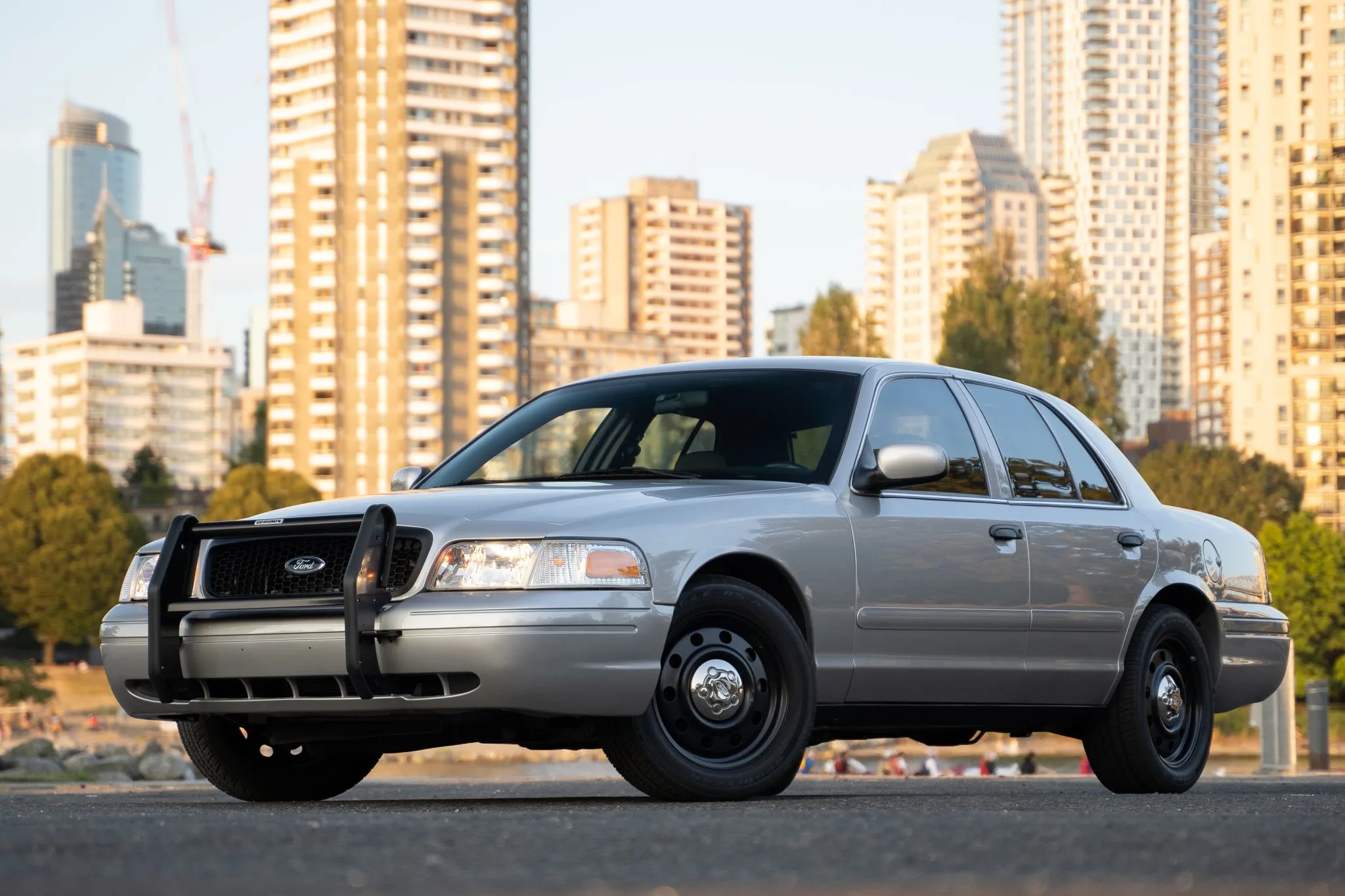
The Ford Crown Victoria stands as a symbol of rugged durability, and its transmission is one of the main reasons it stayed popular among law enforcement agencies, taxi operators, and high-mileage commuters. These transmissions are built to withstand constant stress, including rapid acceleration, heavy idling, frequent stop-and-go driving, and long hours on patrol.
The gearbox uses robust planetary assemblies and strong clutch designs that resist wear even when subjected to daily punishment. Drivers who spent years behind the wheel of these cars often comment that the transmission rarely falters, even when pushed far harder than typical passenger vehicles.
The transmission’s endurance becomes especially clear when examining how Crown Victorias were used in police fleets. Patrol cars routinely accelerate hard to respond to calls, endure rough road impacts, and idle for extended periods. Despite this demanding schedule, the transmissions often stayed functional long after the vehicles left service.
Drivers who transition retired fleet cars to personal use often discover that the transmission remains strong long after the body and interior begin to age. The car may show cosmetic wear, but the gearbox still shifts with firmness and reliability.
Many owners use these vehicles for towing, long commutes, or road trips, confident that the transmission can handle whatever they throw at it. The combination of simplicity, strength, and predictable behavior makes the Crown Victoria transmission one of the most respected in its class.
6. Toyota 4Runner
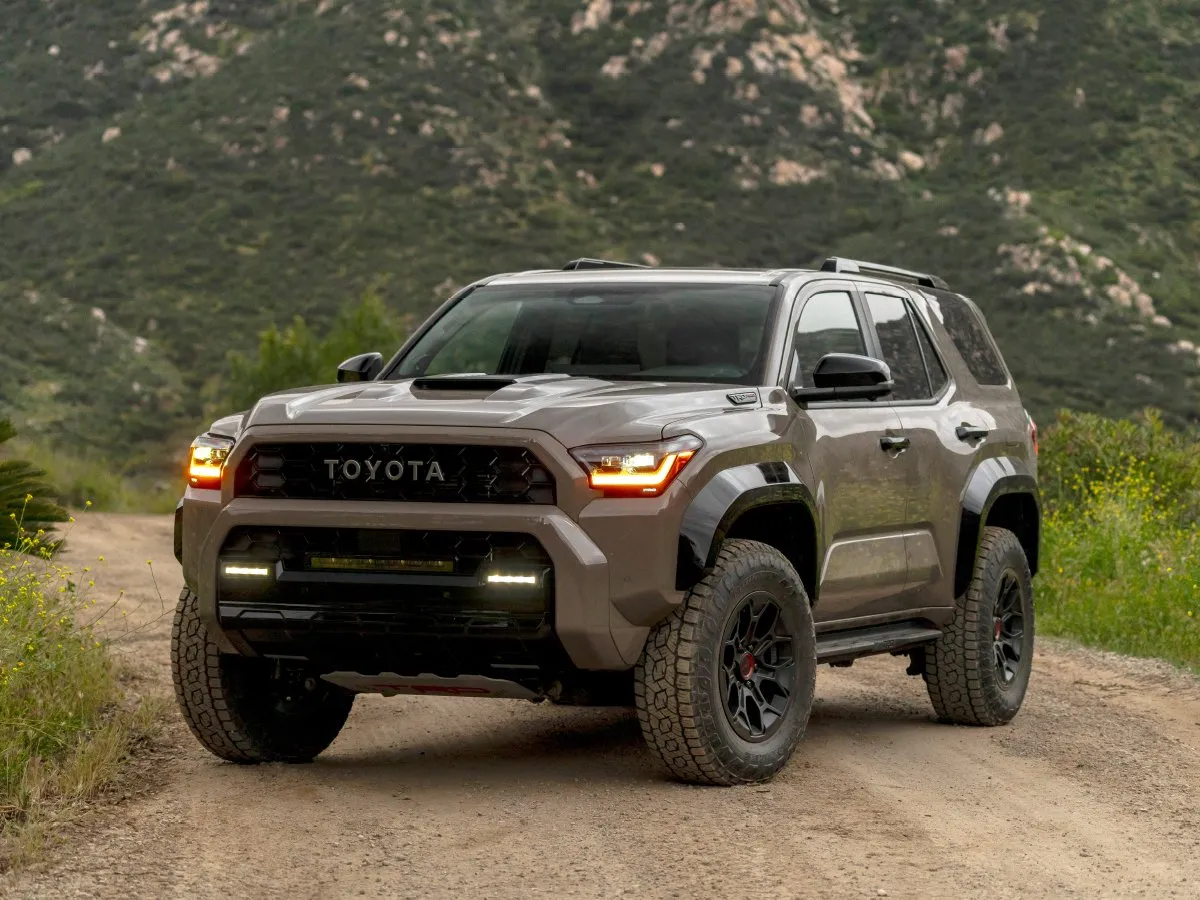
The Toyota 4Runner has built a reputation for long-lasting toughness, and its transmission is one of the main reasons owners trust it in difficult environments.
Whether equipped with automatic or manual units, the 4Runner’s transmissions are known for internal strength, thick gearsets, and sturdy hydraulic systems that resist failure even when the vehicle is pushed through mud, rocks, and steep grades.
Many owners describe how the transmission maintains the same dependable shifting quality even after long years of off-road use. This consistency gives the driver confidence when traveling deep into forests, deserts, or mountain regions where reliability is not optional.
The feeling that the transmission remains stable despite constant stress sets the 4Runner apart from many modern SUVs that rely heavily on sensitive electronics.
Another factor behind the 4Runner’s transmission durability is the careful tuning between engine output and gearbox behavior. The engines in these vehicles typically deliver power smoothly rather than with sudden jolts that stress internal components. This steady power delivery helps preserve the gears, the bearings, and the clutch mechanisms.
Drivers who routinely travel on uneven trails or tow camping gear often remark that the transmission never feels strained, even when climbing at low speeds for extended periods. This stable performance results from engineering decisions that prioritize durability and predictability, not just performance figures.
The versatility of the 4Runner transmission further enhances its reputation. It performs well whether the vehicle is used as a daily commuter, a family hauler, a weekend trail vehicle, or a long-distance travel companion. This broad capability ensures that the transmission stays relevant and dependable no matter what kind of work the 4Runner takes on.
Drivers appreciate knowing that the gearbox will not become a weak point, even when used for towing or carrying heavy gear. This strength has helped the 4Runner remain a go-to choice for people who value durability over all else.
7. Subaru Outback (Manual Transmission Models)
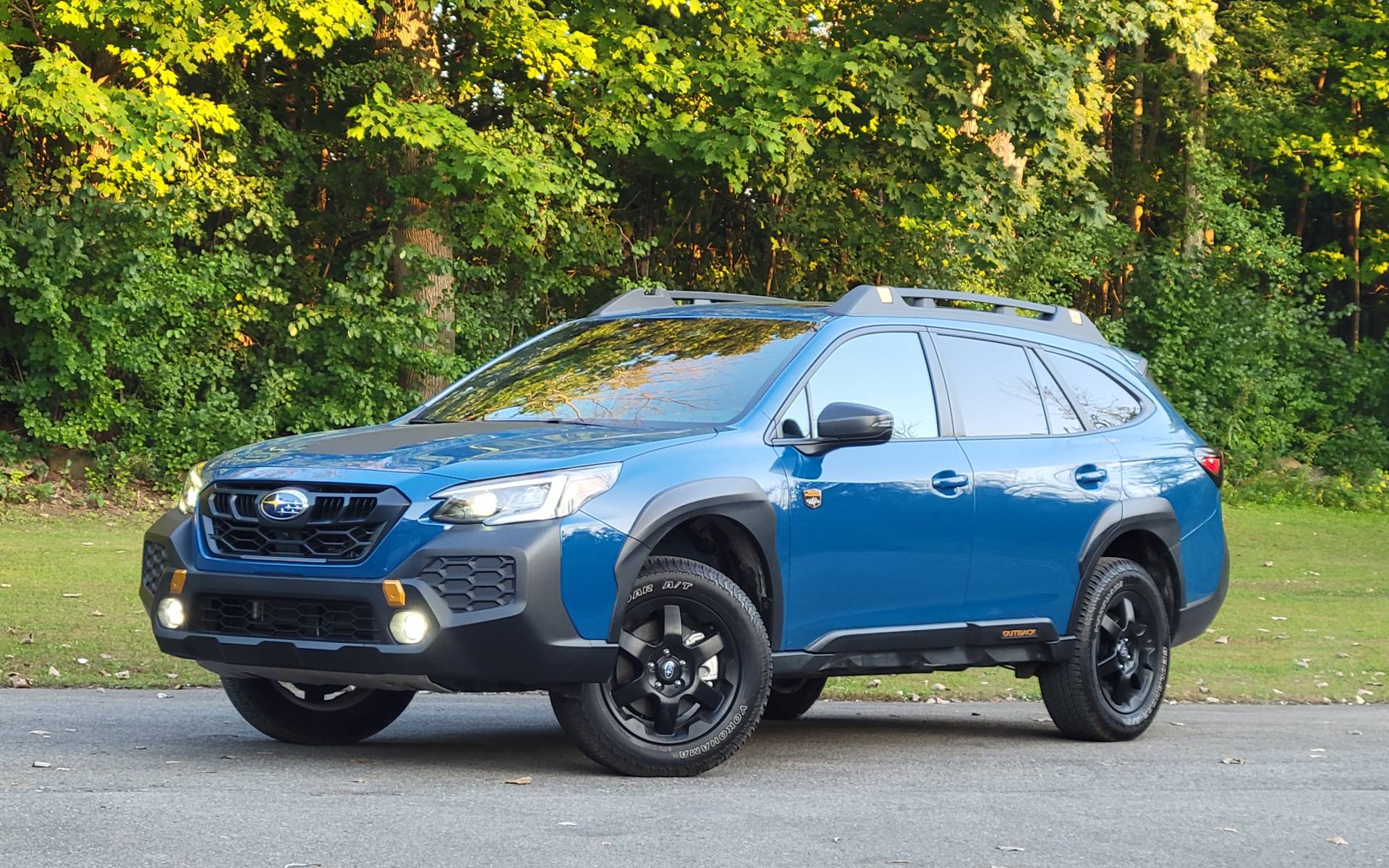
Manual transmission Subaru Outbacks have earned trust among drivers who need a dependable vehicle for unpredictable weather and rough terrain. These gearboxes provide solid mechanical engagement, allowing drivers to maintain control even in snow, mud, and gravel.
The gears are cut with precision, and the synchros remain surprisingly resilient even after many years of shifting. Owners often report that the manual transmissions in these vehicles keep working smoothly long after the rest of the car begins to show signs of aging.
This longevity is especially important because many Outbacks are used in regions with harsh winters where vehicles endure heavy strain from cold starts and slippery roads.
One aspect that strengthens the Outback manual transmission is its pairing with Subaru’s symmetrical all-wheel drive system. While the drivetrain as a whole is more complex than that of typical front-wheel-drive cars, the manual transmission remains surprisingly sturdy.
It distributes power evenly and predictably, avoiding the sudden surges that can wear out gears. Many drivers appreciate the sense of stability the car provides, especially in icy conditions where steady power delivery is essential. The transmission supports this stability with firm engagement and reliable shifting even when the car is loaded with passengers or cargo.
Cold climates can be harsh on transmissions, but the Outback manual unit handles them with confidence. Thick, cold fluid can sometimes cause grinding in other vehicles, yet these transmissions typically remain calm and consistent.
Drivers frequently mention that they can start their Outback on frigid mornings and shift gears without harsh engagement or slipping.
This reliability comes from sturdy internals and design considerations that account for temperature variations. Mechanics in snowy areas often compliment Outbacks for being among the vehicles most likely to reach high mileage without a transmission rebuild.
Outback owners who use their vehicles for camping trips, long drives through rural scenes, or frequent mountain travel rely on the manual transmission to stay dependable. The gearbox seems to age gracefully, rarely developing the looseness or gear noise that plagues other high-mileage manual cars.
Many drivers keep their Outbacks for years longer than they originally planned simply because the mechanical components, including the transmission, refuse to quit. This resilience reinforces the vehicle’s reputation as a trustworthy companion for people who need reliability in both everyday commuting and adventurous travel.
8. Honda Civic (Manual Transmission Models)
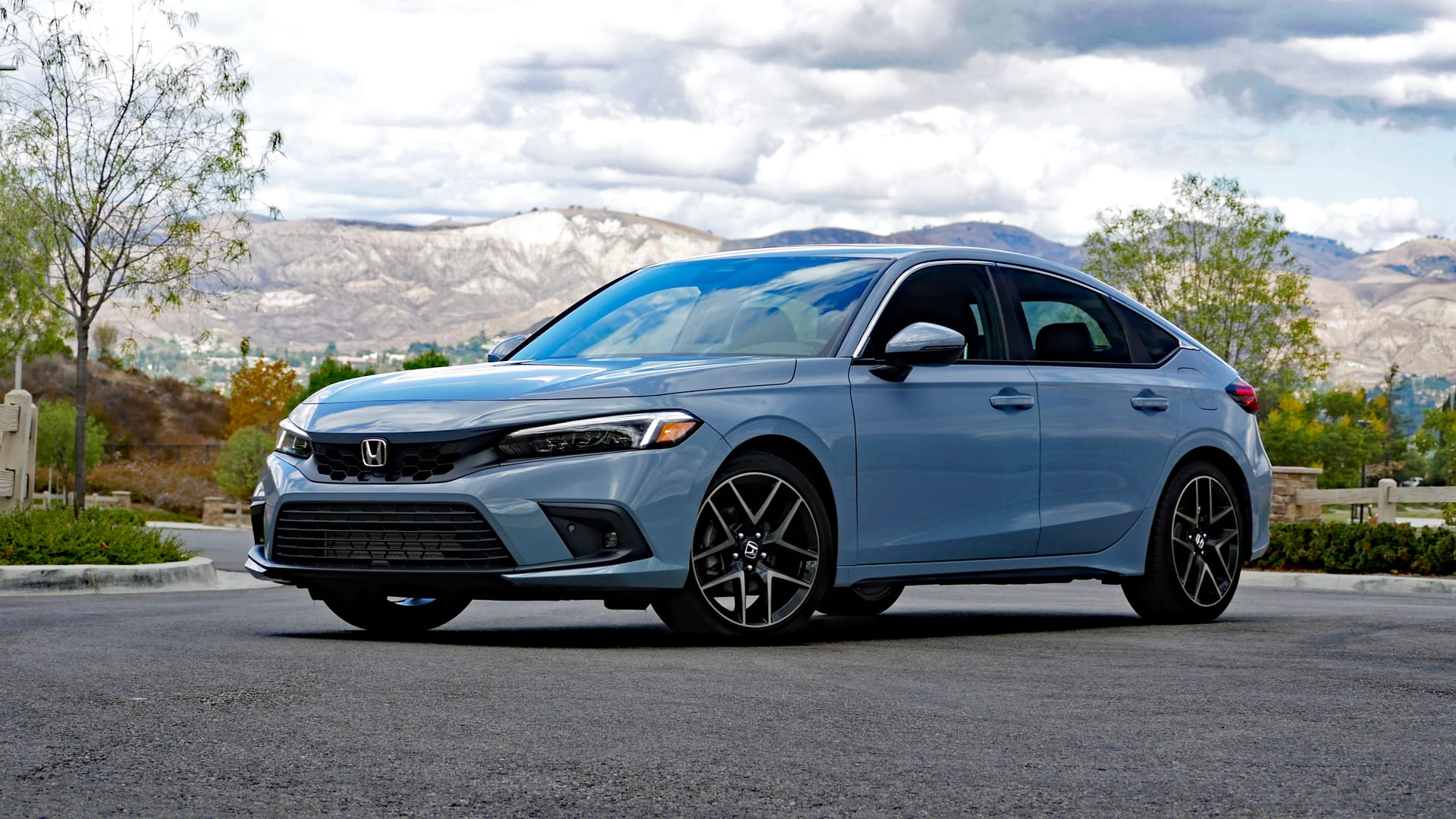
Manual transmission Honda Civics continue to impress drivers with their durability and smooth mechanical behavior even after very high mileage. These gearboxes are known for strong synchronizers, sturdy shafts, and bearings that resist long-term wear. Owners often remark that the shifter maintains its tight, crisp feel even after years of daily use.
The simplicity of the manual design removes many potential failure points that plague automatic transmissions. With fewer electronic components to malfunction, Civic manuals rely on straightforward mechanical principles that have proven effective across multiple decades of production.
One reason these transmissions last so long is the predictable engine behavior found in Civics. The power delivery is steady rather than aggressive, allowing the gearbox to operate without sudden stress that bends or chips internal components.
Many drivers enjoy pushing their Civics during spirited driving, yet the transmission handles such behavior without showing signs of premature wear.
The internal gears usually show minimal wear, and the clutch engagement stays consistent. This is a strong indicator of how well the unit is designed. The absence of frequent failures builds confidence in drivers who depend on their cars for daily commuting.
The long-term experience of driving a Civic with a manual transmission reinforces its reputation for reliability. Even as the car ages, the gearbox stays responsive and accurate. Drivers feel comfortable shifting gears through busy city streets, long highway stretches, or winding back roads because the transmission behaves with familiarity and stability.
This sense of trust encourages many Civic owners to keep their vehicles for extended periods. Some pass them on to new drivers in their families, confident that the transmission will remain strong. The enduring quality of the manual transmission is one of the key reasons the Civic remains a favorite among people who value dependable, uncomplicated engineering.
9. Lexus GX470
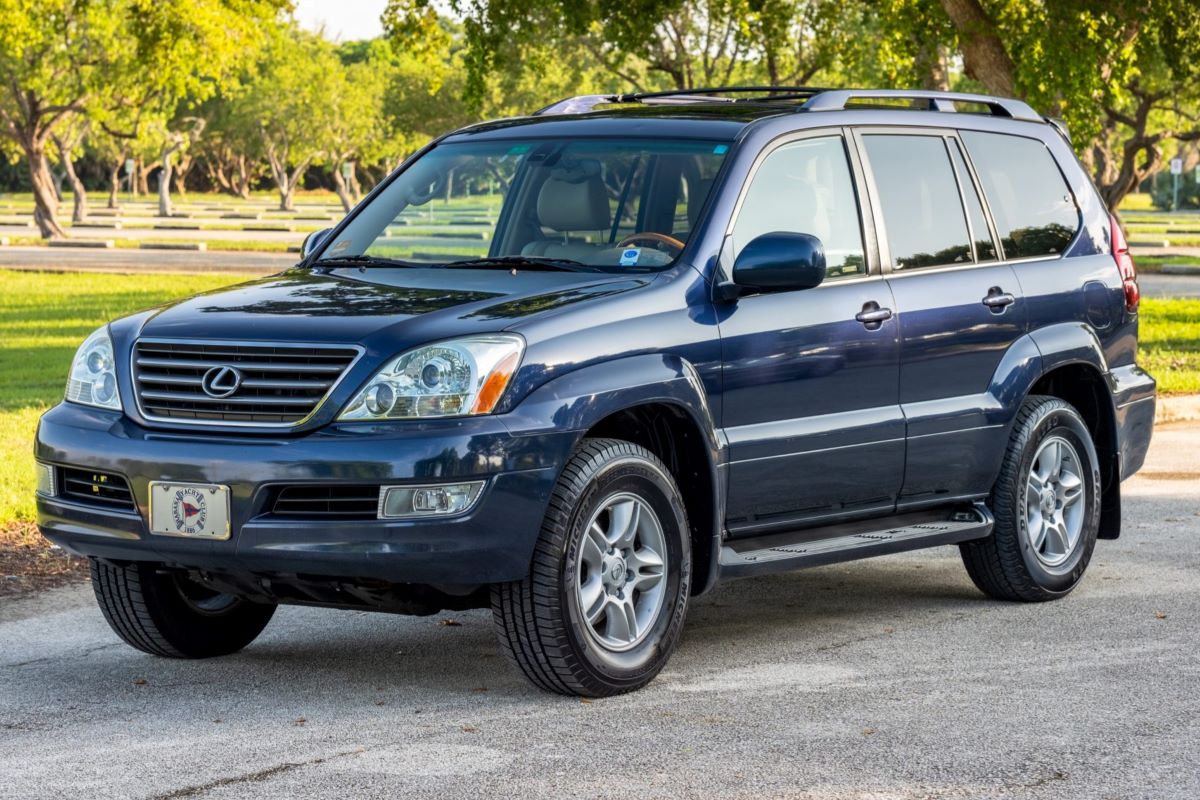
The Lexus GX470 is a rugged luxury SUV that blends comfort with impressive mechanical strength, and its transmission is one of the standout components. The automatic gearbox in this vehicle handles heavy loads, off-road travel, and long-distance drives with remarkable ease.
Many owners praise the smooth shifting and strong internal construction that keeps the transmission reliable even under harsh conditions. The unit was built with durability in mind, using materials and engineering methods capable of resisting the strain associated with the vehicle’s substantial weight and strong V8 engine.
The transmission’s behavior during off-road use is particularly noteworthy. Drivers frequently take GX470s through mountain trails, muddy paths, and rocky terrain, yet the transmission continues to operate smoothly. Low-range gearing engages firmly without creating abrupt shocks that could harm internal parts.
Mechanics familiar with the GX470 often comment on how rarely these transmissions require rebuilding. Even as the vehicles age, the gearbox tends to remain one of the most reliable components.
Many GX470s continue to operate with their original transmissions well into high mileage ranges, which reinforces the idea that the engineering behind this system is exceptionally strong.
This reliability contributes significantly to the vehicle’s continued popularity among families, outdoor enthusiasts, and drivers who need a dependable SUV that can handle both daily life and demanding travel.
10. Nissan Patrol
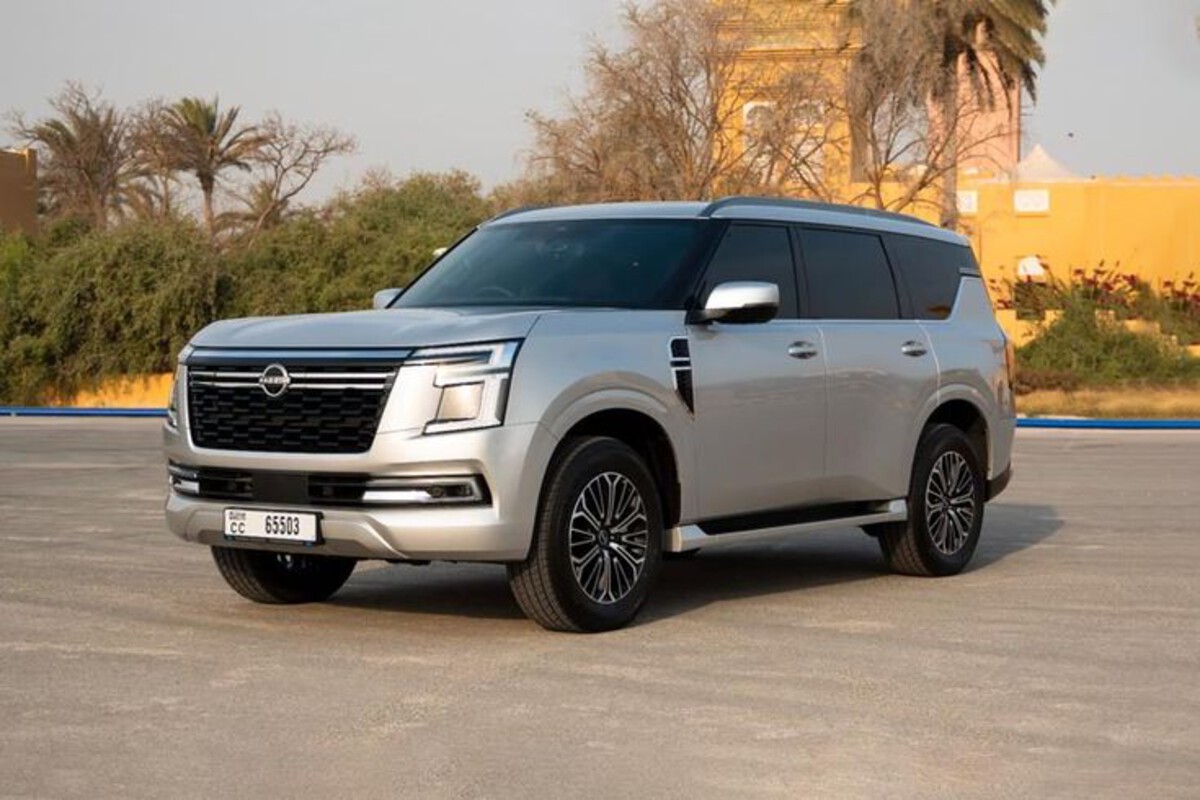
The Nissan Patrol has earned respect around the world for its toughness, and a significant part of that reputation comes from its transmission. Many versions of the Patrol feature gearboxes that can handle heavy loads, punishing terrain, and long travel through remote regions.
The transmission design favors strength and predictability over unnecessary complexity. As a result, the internal components withstand years of strain without catastrophic failure. Drivers frequently describe taking their Patrols across long stretches of harsh places without the transmission showing any sign of weakness.
This endurance is essential for people who depend on their vehicles in areas where a breakdown could leave them stranded far from assistance.
One of the reasons the Patrol transmission remains dependable is its straightforward mechanical structure. Instead of relying on intricate electronic systems, the gearbox uses sturdy hardware that resists damage from heat, dirt, and vibration. This simplicity allows it to handle environments where modern transmissions would struggle.
Many owners who travel across deserts, rugged mountain trails, or remote backcountry roads appreciate how the transmission maintains steady behavior despite constant stress. The gearbox does not become unpredictable even when subjected to heavy loads or prolonged low-speed operation.
Off-road performance further highlights the strength of the Patrol transmission. Low-range gears engage with confidence, allowing the vehicle to crawl over obstacles without jerking or slipping. Drivers often comment that the transmission seems unaffected by prolonged climbs or challenging terrain that would wear out weaker units.
The endurance of these gearboxes makes the Patrol a dependable partner for expedition travel, work duties, and daily transportation in rugged environments. Drivers continue to trust the Patrol because the transmission consistently proves its ability to withstand real-world punishment without complaint.
