
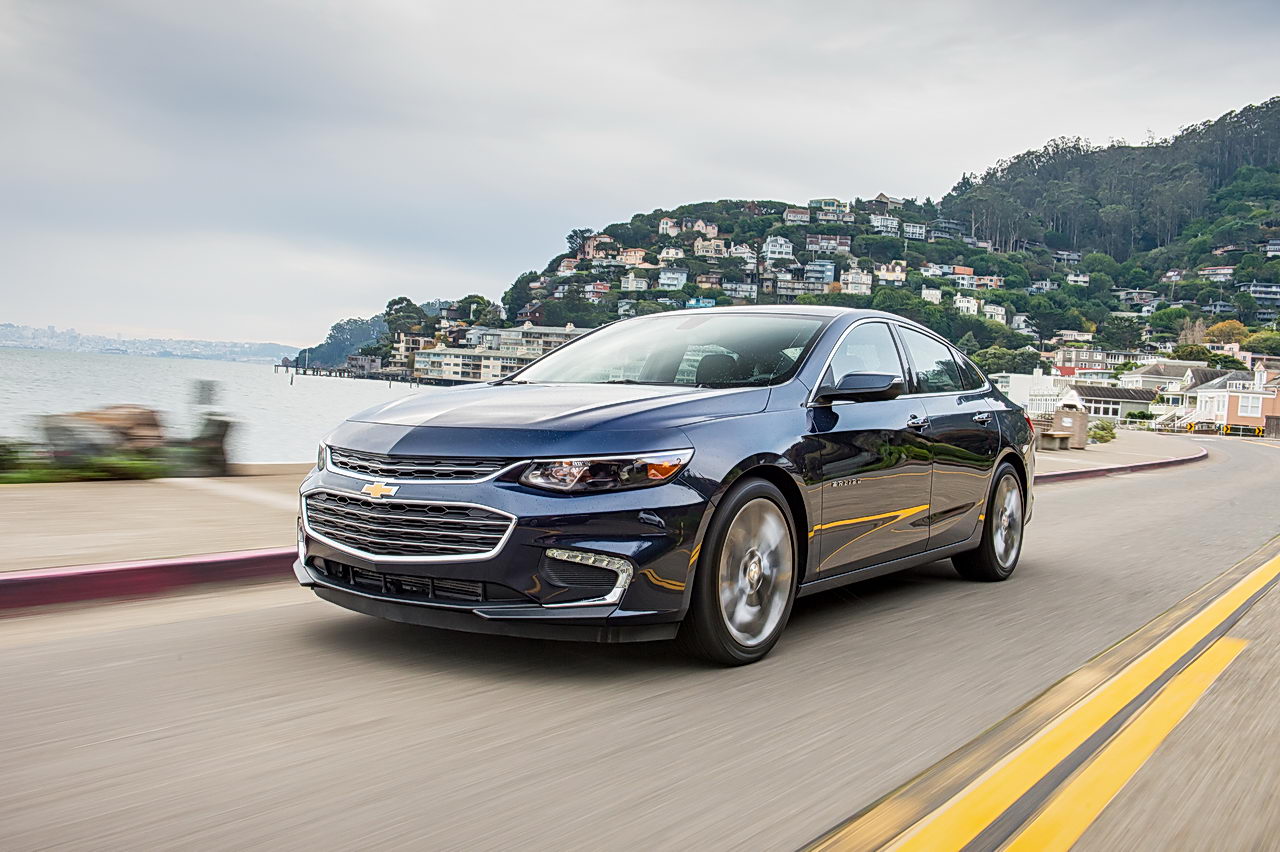
When it comes to purchasing a car, safety is often one of the most critical considerations, yet many buyers face the challenge of balancing protection with affordability.
Not every vehicle that comes with an attractive price tag also ensures top-level safety features, which is why finding cars under $20,000 with strong crash-test ratings can be particularly important.
Safety encompasses several aspects, including the structural integrity of the vehicle during collisions, the effectiveness of airbags, the reliability of seatbelts, and how well the car protects both its occupants and pedestrians.
High crash-test scores indicate that a car has undergone rigorous testing in controlled scenarios and has performed well in protecting passengers. For many drivers, having a car with strong safety credentials provides peace of mind, whether navigating busy city streets or long highway trips.
Crash tests are conducted by organizations such as the Insurance Institute for Highway Safety (IIHS) and the National Highway Traffic Safety Administration (NHTSA), which simulate a variety of collision scenarios, including frontal crashes, side impacts, and rollovers.
These tests examine how well a vehicle absorbs impact energy and how effectively it keeps occupants safe. Advanced features such as automatic emergency braking, lane-keeping assistance, and stability control are increasingly included in newer, budget-friendly cars, adding an extra layer of protection beyond the physical structure.
Cars that score high in crash tests not only reduce the risk of injury in the event of an accident but can also lower insurance premiums, offering both safety and economic benefits.
Affordability does not necessarily mean compromising on safety. Many automakers have made significant improvements in vehicle design, materials, and engineering, allowing smaller and more economical models to achieve excellent crash-test ratings.
These improvements often include reinforced frames, crumple zones designed to absorb impact, and advanced restraint systems. For families, young drivers, or anyone on a tight budget, selecting a car under $20,000 with strong crash-test results ensures that safety is not sacrificed in pursuit of cost savings.
Moreover, with the availability of certified pre-owned vehicles and deals on newer models, drivers can access high-quality, safe cars without exceeding their budget.
This article highlights ten vehicles that combine affordability with exceptional safety performance. Each of these cars has earned recognition for their crashworthiness and has features designed to protect occupants in various types of collisions.
By presenting key details and the reasons for their high crash-test scores, this guide aims to help prospective buyers make informed decisions. The following sections describe each vehicle, emphasizing its safety strengths, design features, and value for those seeking a reliable and protective ride without breaking the bank.
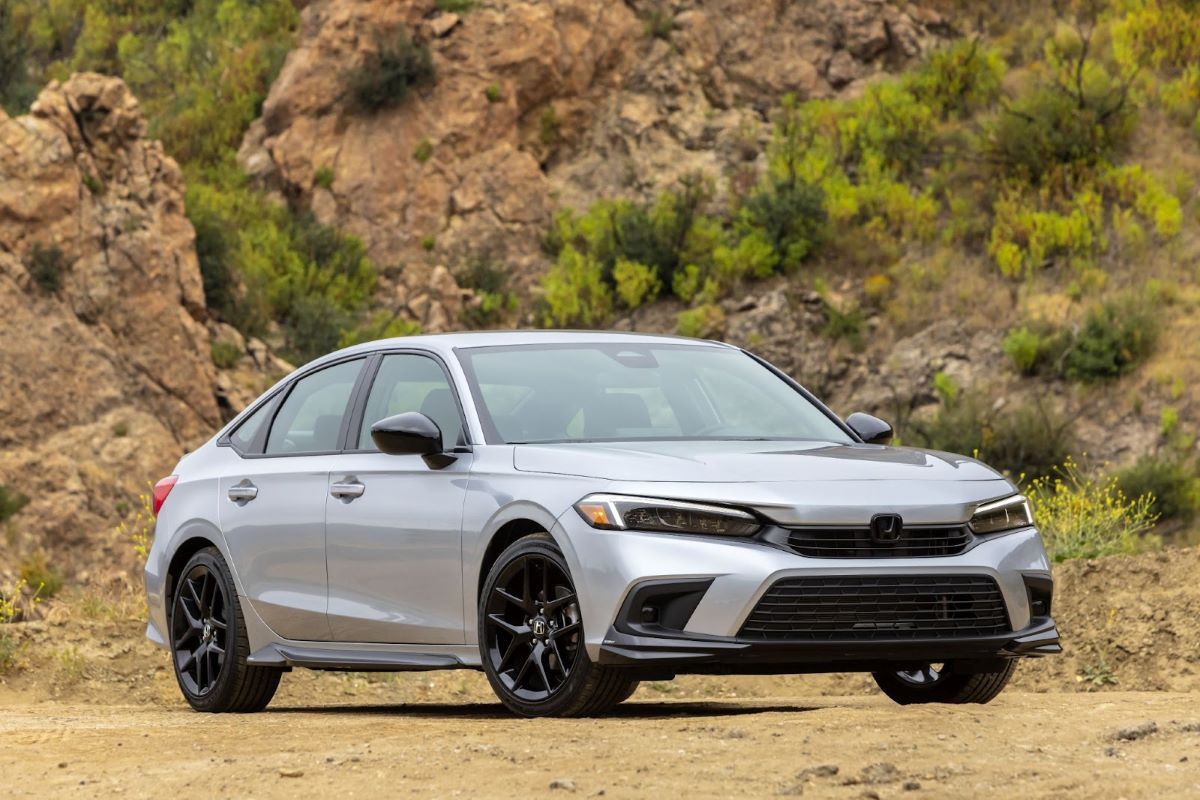
1. Honda Civic
The Honda Civic has long been regarded as a benchmark for compact cars, consistently offering a balance of affordability, reliability, and safety. In crash tests conducted by both IIHS and NHTSA, recent models of the Civic have achieved top scores across multiple categories.
Its structure is designed to absorb and distribute crash forces efficiently, reducing the risk of injury to passengers during collisions. The Civic comes equipped with a comprehensive set of standard safety features, including multiple airbags, stability control, and advanced driver assistance technologies in newer trims.
This focus on safety, combined with its relatively low price point, makes it a standout option for budget-conscious buyers seeking protection.
One of the Civic’s most safety attributes is its body structure, which employs high-strength steel in key areas to reinforce the cabin. In frontal and side-impact tests, the Civic demonstrates minimal intrusion into the passenger compartment, a critical factor in occupant protection.
Additionally, the vehicle’s restraint systems, including seatbelts and airbags, work in harmony to reduce the risk of serious injury.
For those concerned about everyday safety, features such as collision mitigation braking, lane departure warning, and adaptive cruise control are available in select trims, offering extra peace of mind without exceeding the $20,000 range when considering base or lightly equipped models.
Another important aspect of the Civic’s safety is its performance in rollover tests. The low center of gravity, combined with an advanced stability control system, helps the car maintain control during emergency maneuvers and reduces the likelihood of rollover incidents.
The Civic’s braking system is also highly responsive, allowing drivers to stop quickly and maintain control in unexpected situations. Such qualities contribute not only to passenger safety during a collision but also to accident prevention, which is just as vital for security on the road.
The Honda Civic’s combination of structural integrity, advanced safety features, and strong crash-test ratings make it an ideal choice for individuals and families who need a reliable car without compromising protection.
Its affordability and reputation for longevity further enhance its appeal, ensuring that drivers can enjoy both safety and value for many years. Whether commuting to work, driving with children, or embarking on road trips, the Civic provides confidence that occupants are well protected in a wide range of scenarios.
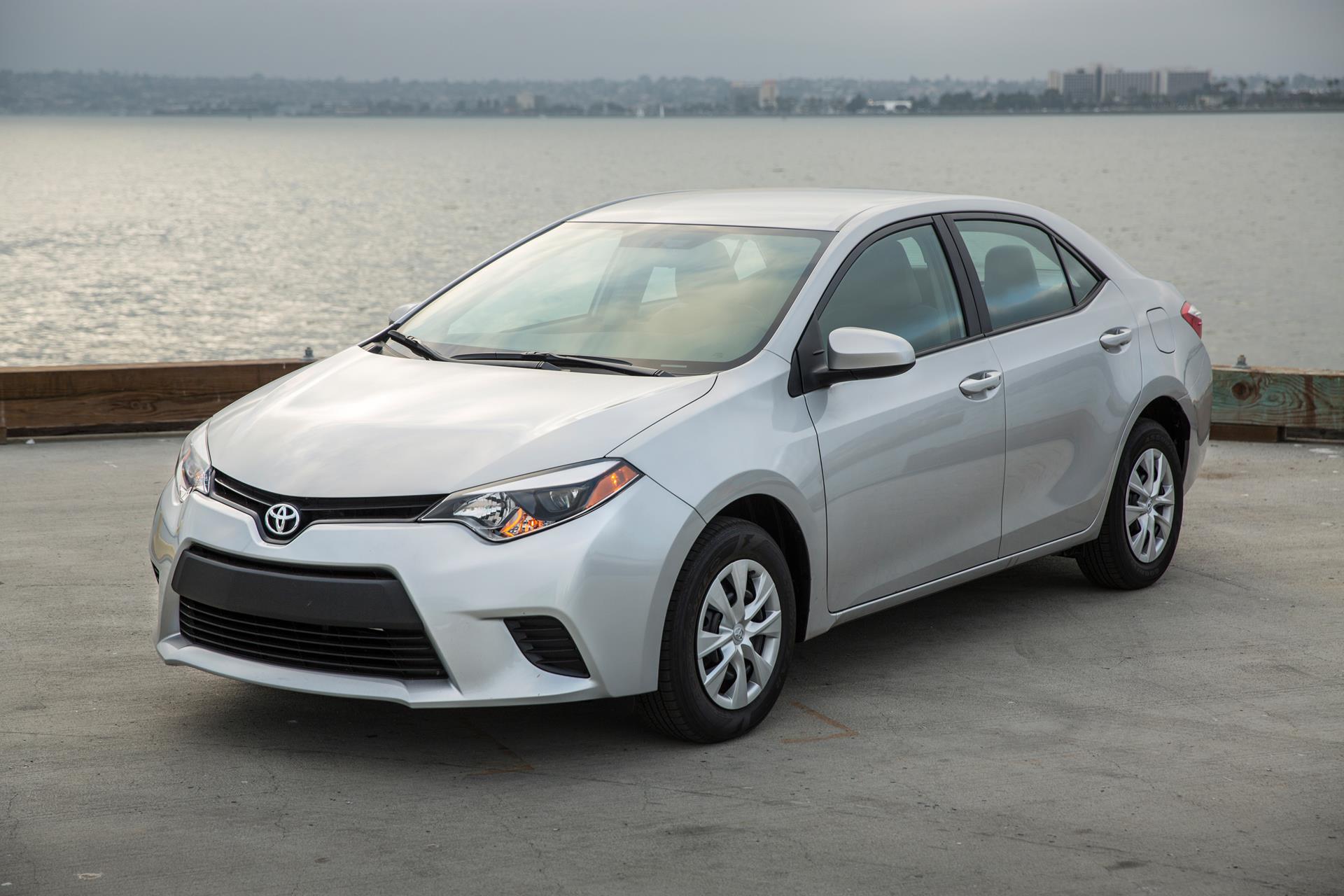
2. Toyota Corolla
The Toyota Corolla has earned a reputation as one of the safest compact sedans on the market, with recent models consistently achieving top crash-test scores. Its design emphasizes both passive and active safety, meaning it is built to protect occupants during a collision and help prevent accidents before they occur.
Standard safety features include multiple airbags, traction control, and a reinforced body structure. Many newer models also come with Toyota Safety Sense, a suite of driver assistance technologies that includes pre-collision systems, lane departure alert, and adaptive cruise control.
The Corolla’s emphasis on safety makes it an excellent option for budget-conscious buyers who do not want to sacrifice protection.
Structural strength is a key reason for the Corolla’s excellent crash-test performance. The car’s frame is engineered to absorb impact energy while maintaining the integrity of the passenger cabin. Frontal, side, and rear-impact tests all show minimal intrusion, reducing the likelihood of serious injuries in common accident scenarios.
The seatbelt and airbag systems are carefully designed to work in coordination with the car’s crumple zones, enhancing protection for both drivers and passengers. For families, this structural integrity translates into confidence that children and adults are well shielded during collisions.
The Corolla’s safety extends beyond crashworthiness. Its stability and traction systems are finely tuned to prevent accidents by maintaining control in adverse weather or during emergency maneuvers.
Anti-lock brakes, electronic brake-force distribution, and vehicle stability control all contribute to preventing skidding or loss of control, especially on wet or slippery surfaces. These features not only help avoid accidents but also increase driver confidence, particularly for new or cautious drivers who prioritize safety over sporty performance.
In addition to structural and preventive safety, the Corolla performs well in rollover tests thanks to its low center of gravity and stability features. The cabin is designed to withstand moderate impacts without excessive deformation, and the positioning of airbags ensures that occupants are cushioned effectively in a variety of crash scenarios.
The combination of affordability, reliability, and high safety ratings positions the Toyota Corolla as a compelling choice for anyone looking to stay within a $20,000 budget while ensuring strong crash protection.
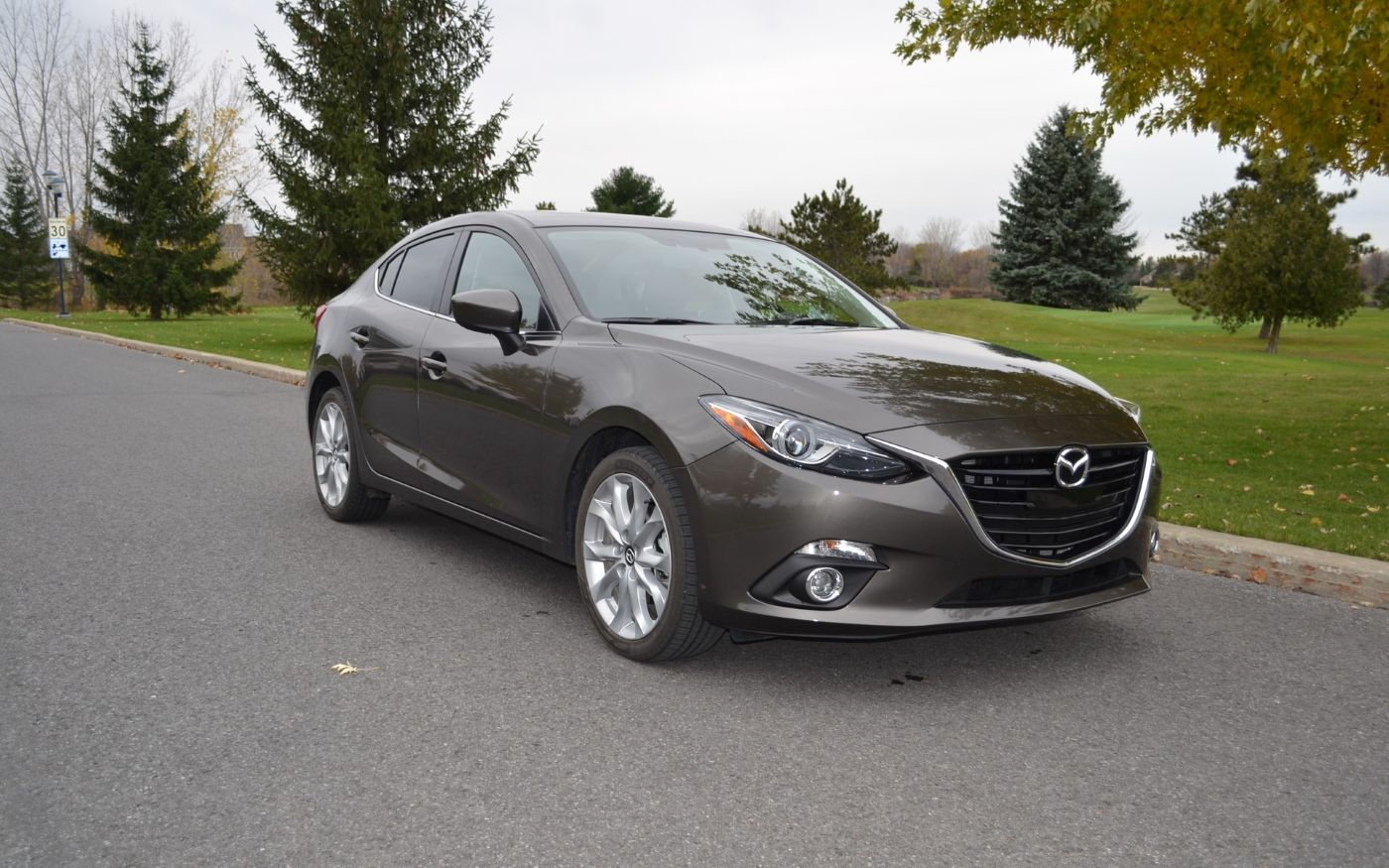
3. Mazda3
The Mazda3 is widely regarded for its blend of performance, style, and safety, offering features often found in higher-end vehicles while remaining budget-friendly.
In crash tests, the Mazda3 has achieved excellent results in both frontal and side-impact scenarios, demonstrating the effectiveness of its reinforced passenger cabin and strategically placed crumple zones.
Standard safety features include multiple airbags, anti-lock brakes, and electronic stability control, which collectively help protect occupants in collisions. Higher trims offer advanced driver-assist systems such as lane departure warning and blind-spot monitoring, adding extra layers of protection.
The vehicle’s structure is a critical factor in its safety. The Mazda3 utilizes high-strength steel in key areas to maintain cabin integrity, while the front and rear crumple zones are designed to absorb energy during collisions. This combination reduces the risk of serious injury in both low-speed and high-speed accidents.
Side-impact protection is particularly strong, with side airbags and reinforced doors helping to shield occupants from intrusions during crashes. The thoughtful design of restraint systems, including seatbelts and airbags, ensures coordinated protection throughout the cabin.
In addition to physical crash protection, the Mazda3 includes systems designed to prevent accidents. Stability control, traction control, and responsive braking help maintain control during sharp turns or emergency stops. Advanced features such as smart brake support provide automatic braking in imminent collision scenarios, reducing the likelihood of a crash.
This preventive approach is particularly important for drivers who navigate urban traffic or highways, as it combines the benefits of accident avoidance with robust crashworthiness when impacts do occur.
The Mazda3 also performs admirably in rollover resistance tests. Its balanced design, low center of gravity, and stability systems minimize the risk of tipping during evasive maneuvers. Combined with the vehicle’s structural integrity and airbag coverage, the Mazda3 ensures comprehensive protection for occupants.
For buyers seeking a car under $20,000 that offers both style and top-tier safety, the Mazda3 represents an excellent choice, proving that a budget-friendly vehicle does not have to compromise on protection.
4. Subaru Impreza
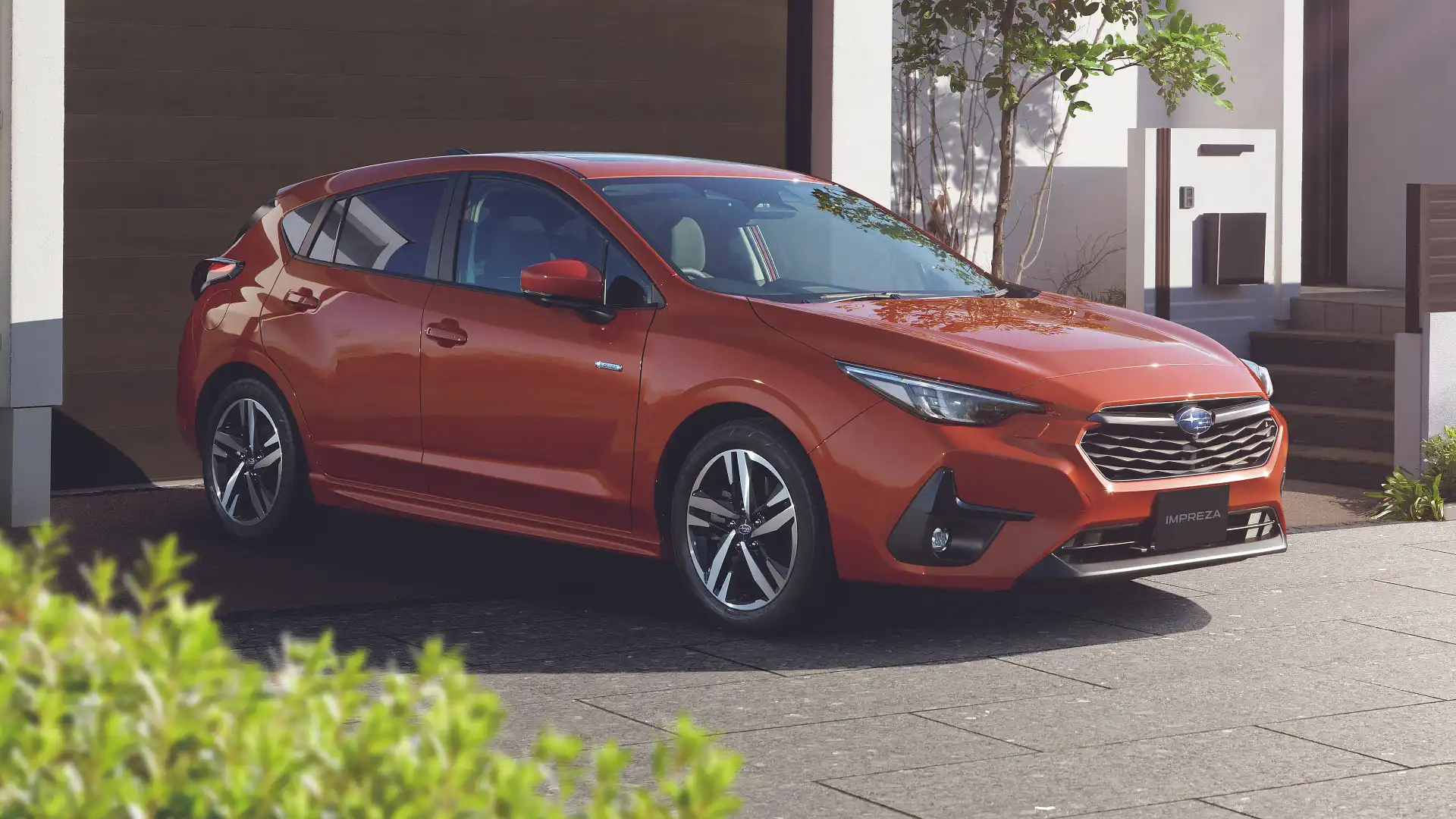
The Subaru Impreza stands out in the compact car segment for its combination of standard all-wheel drive and strong safety credentials. Its crash-test ratings are among the best in its class, demonstrating exceptional protection in frontal, side, and rollover tests.
The Impreza’s body is reinforced with high-strength materials, and its passenger cabin is designed to maintain structural integrity even in severe collisions. Standard safety equipment includes multiple airbags, stability control, and traction management systems, providing a solid baseline of protection for all drivers.
One of the Impreza’s key safety advantages is its performance in side-impact tests. Reinforced side panels, strategically placed airbags, and energy-absorbing doors reduce the risk of injury during collisions. Frontal impact tests also show excellent results, with crumple zones absorbing energy and minimizing intrusion into the passenger space.
The coordination between seatbelts and airbags ensures that occupants remain secure during both minor and severe accidents. These features are particularly valuable for families and commuters who prioritize safety over luxury options.
The Impreza’s all-wheel-drive system enhances safety by improving vehicle stability in challenging road conditions, such as rain, snow, or uneven terrain. Combined with anti-lock brakes and electronic stability control, the car offers confidence during cornering and emergency maneuvers.
By preventing loss of control, the vehicle reduces the likelihood of collisions and rollovers, complementing its crashworthiness with accident-prevention technology.
Rollover protection is another area where the Impreza excels. Its design maintains a low center of gravity, and the frame distributes forces effectively in the event of a tip-over.
Interior safety systems, including head-protecting side airbags, reduce the likelihood of severe injuries. With its combination of strong structural safety, advanced preventive systems, and all-wheel-drive stability, the Subaru Impreza is a highly attractive option for drivers seeking top-tier protection under a $20,000 budget.
5. Toyota Prius
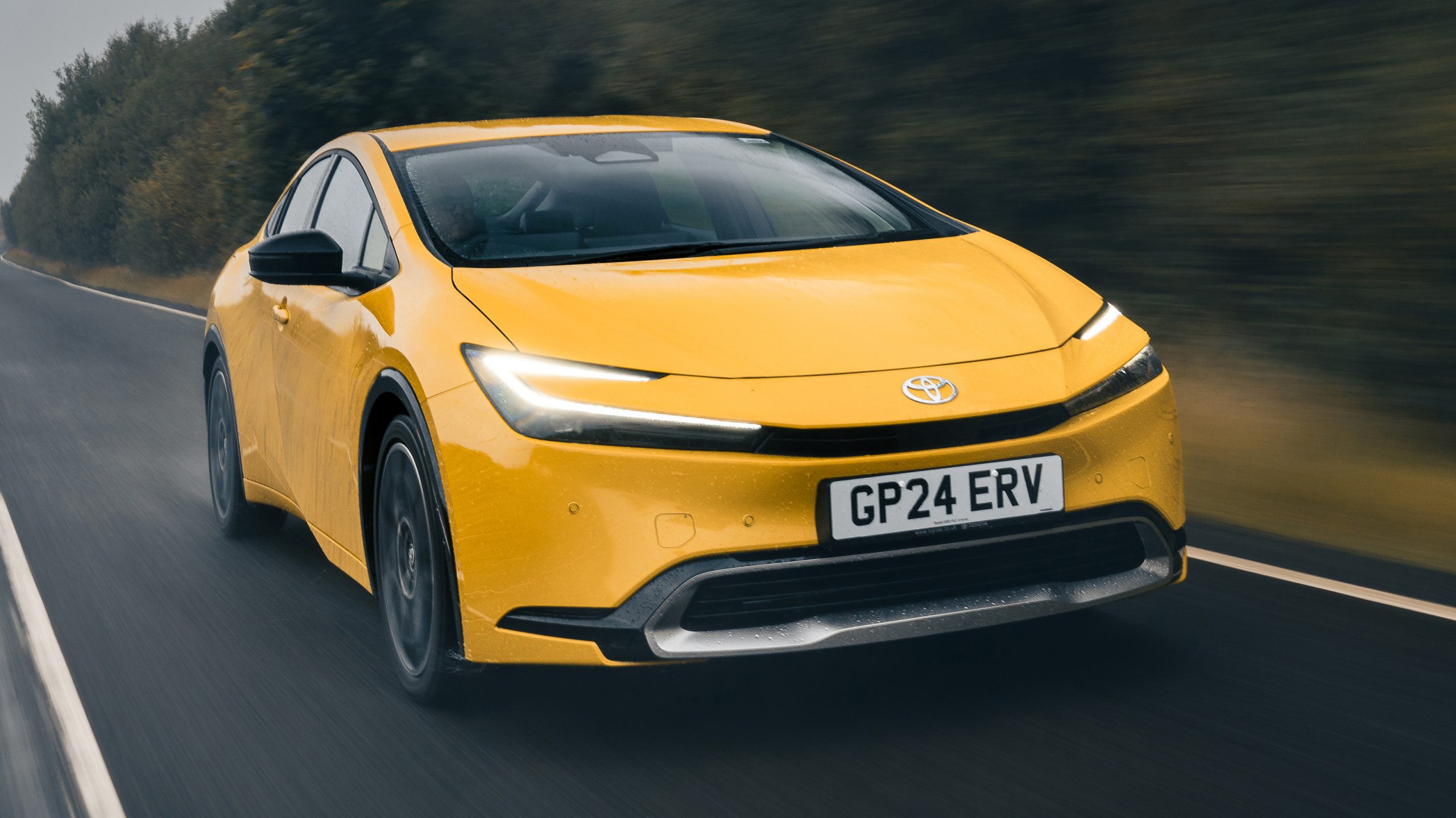
The Toyota Prius is widely recognized for its fuel efficiency and reliability, but it also demonstrates strong crash-test performance, making it a practical choice for those concerned about safety under a $20,000 budget. Recent models have earned high marks from both IIHS and NHTSA, showing excellent protection in frontal, side, and rear-impact scenarios.
The Prius features a reinforced body structure designed to absorb impact forces efficiently, keeping the passenger cabin intact during collisions. Standard safety equipment includes multiple airbags, anti-lock brakes, traction and stability control, and advanced driver-assistance technologies in higher trims.
These features work together to enhance occupant protection and accident prevention, creating a well-rounded safety package for everyday driving.
Frontal and side collisions are a primary concern for most drivers, and the Prius handles them exceptionally well. Its crumple zones are engineered to dissipate energy away from the cabin, reducing the risk of injury to passengers.
Side airbags and reinforced door beams further protect occupants from lateral impacts, while the coordinated airbag and seatbelt system ensures minimal movement of the body during crashes.
This careful attention to structural integrity and restraint systems is a significant reason why the Prius consistently earns high crash-test ratings. Families, commuters, and safety-conscious drivers can benefit from the vehicle’s comprehensive protection.
The Prius also incorporates several preventive safety measures to reduce the likelihood of collisions in the first place. Features such as automatic emergency braking, lane departure alert, and adaptive cruise control help drivers maintain safe distances, avoid unintentional lane changes, and respond to traffic hazards quickly.
Rollover protection and stability are additional strengths of the Prius. Its low center of gravity, a result of the hybrid battery placement, contributes to superior handling and reduced risk of tipping in emergency maneuvers.
Coupled with stability and traction control systems, the car maintains a steady, controlled ride even in slippery conditions. For buyers seeking a vehicle under $20,000 that balances safety, fuel efficiency, and reliability, the Toyota Prius represents an ideal choice, offering top-tier crash protection alongside practical day-to-day advantages.
6. Hyundai Elantra
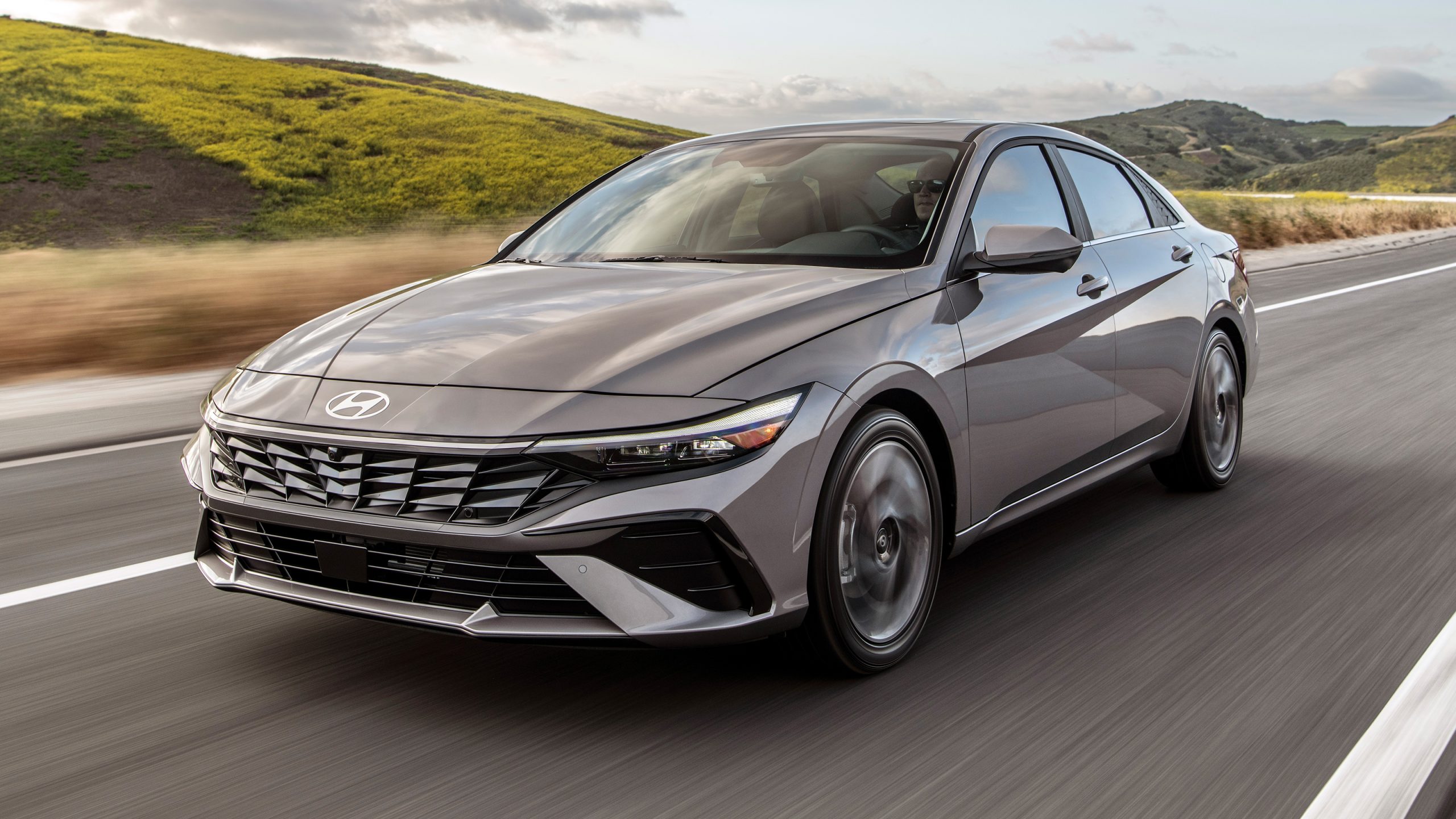
The Hyundai Elantra is another compact car that excels in both affordability and safety, making it a strong contender for buyers with a $20,000 budget. Recent models have earned high ratings from IIHS and NHTSA, demonstrating excellent protection in frontal, side, and rear-impact crashes.
The vehicle’s body structure is engineered with reinforced steel to maintain cabin integrity, and crumple zones are strategically positioned to absorb energy during collisions. Standard safety features include multiple airbags, anti-lock brakes, and electronic stability control, which collectively reduce the risk of serious injuries for all occupants. Higher trims may include advanced driver-assistance systems such as forward collision warning, automatic emergency braking, and lane-keeping assist.
The Elantra’s crashworthiness is enhanced by its thoughtfully designed restraint systems. Seatbelts are pre-tensioned and force-limited to control occupant movement during impacts, while airbags deploy in precise sequences to minimize injury. Side-impact protection includes reinforced doors and side airbags, reducing intrusion into the passenger cabin.
These systems work together to provide comprehensive protection in both low-speed and high-speed crashes, making the Elantra a reliable choice for families, commuters, and first-time car buyers.
Some models also include driver attention warning systems that monitor for signs of fatigue, further promoting safety on long trips or during nighttime driving. These features help reduce accident risk while complementing the car’s already strong crash-test performance.
Rollover safety is another area where the Elantra performs well. Its balanced design and low center of gravity contribute to stability, while the reinforced roof structure protects in the unlikely event of a rollover. Side curtain airbags and head-protecting devices enhance occupant safety, ensuring that both driver and passengers remain secure.
For those seeking a car under $20,000 that delivers high crash-test ratings, advanced safety systems, and reliable daily performance, the Hyundai Elantra is an excellent option.
7. Kia Forte
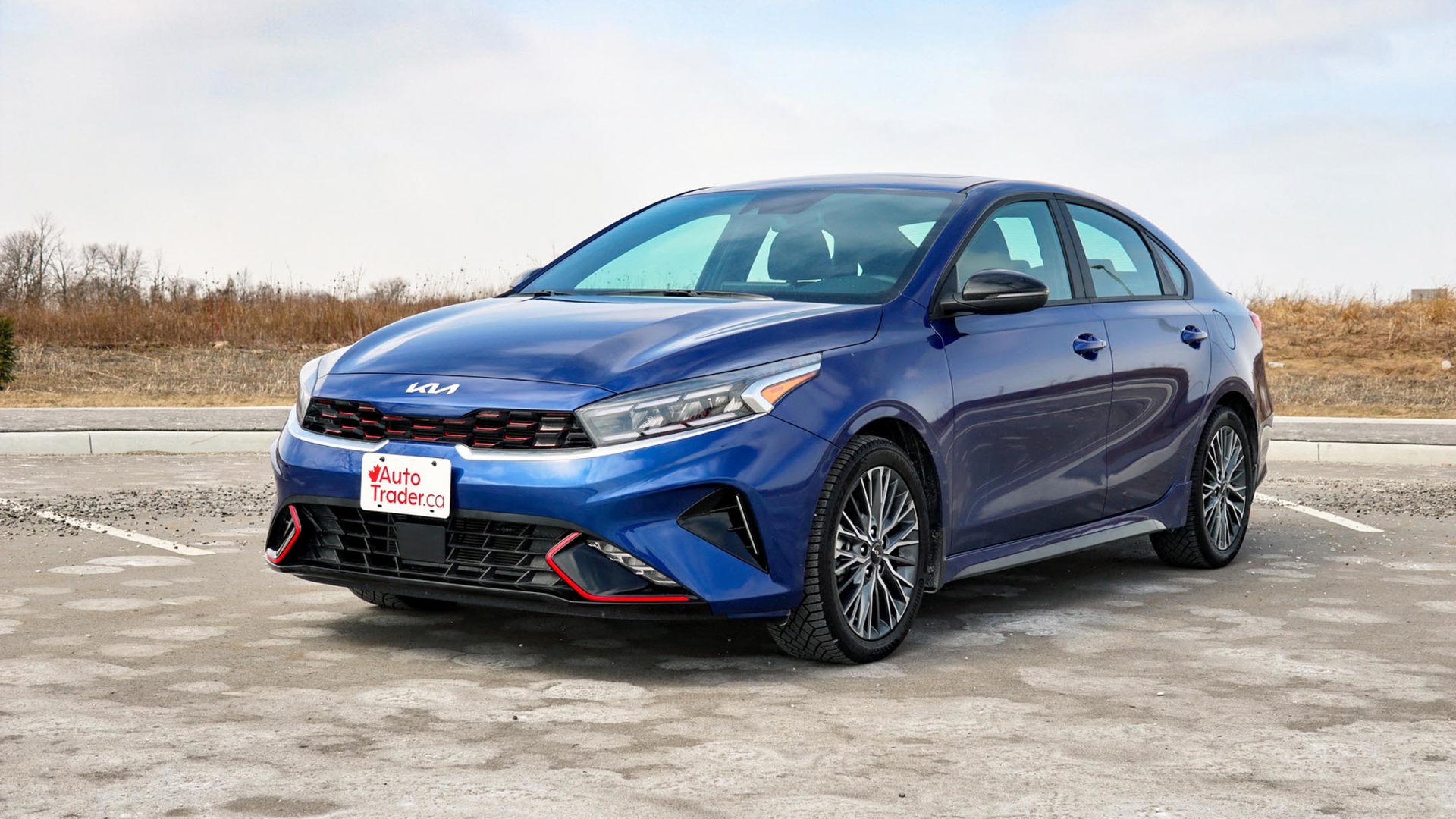
The Kia Forte is a compact sedan that delivers strong crash-test performance at an affordable price, making it a compelling choice for budget-conscious buyers. Recent models have consistently earned high ratings in frontal, side, and rollover crash tests, thanks to a reinforced frame and strategically designed crumple zones.
The Forte comes with a comprehensive set of standard safety features, including multiple airbags, anti-lock brakes, electronic stability control, and traction control.
Higher trims may include advanced driver-assistance features such as lane-keeping assist, forward collision warning, and automatic emergency braking, all of which enhance both crash protection and accident prevention.
The Forte’s structural design plays a key role in its safety. High-strength steel reinforcements help maintain cabin integrity during collisions, while front and rear crumple zones absorb impact energy to reduce forces on occupants.
Side-impact protection includes reinforced door beams and side airbags, providing additional protection during lateral collisions. Seatbelts and airbags are designed to work together, limiting occupant movement and reducing the risk of injury. This combination of features ensures that passengers are well-protected in a variety of crash scenarios.
These systems work to avoid accidents before they happen, enhancing the vehicle’s safety performance and complementing its crash-test strengths.
The Kia Forte also performs well in rollover tests. Its low center of gravity and reinforced roof structure help reduce the risk of tipping, while side-curtain airbags and head-protecting devices provide additional protection in the event of a rollover.
With its combination of structural integrity, advanced safety technologies, and affordability, the Kia Forte is a strong option for buyers seeking a reliable car under $20,000 with excellent crash-test results.
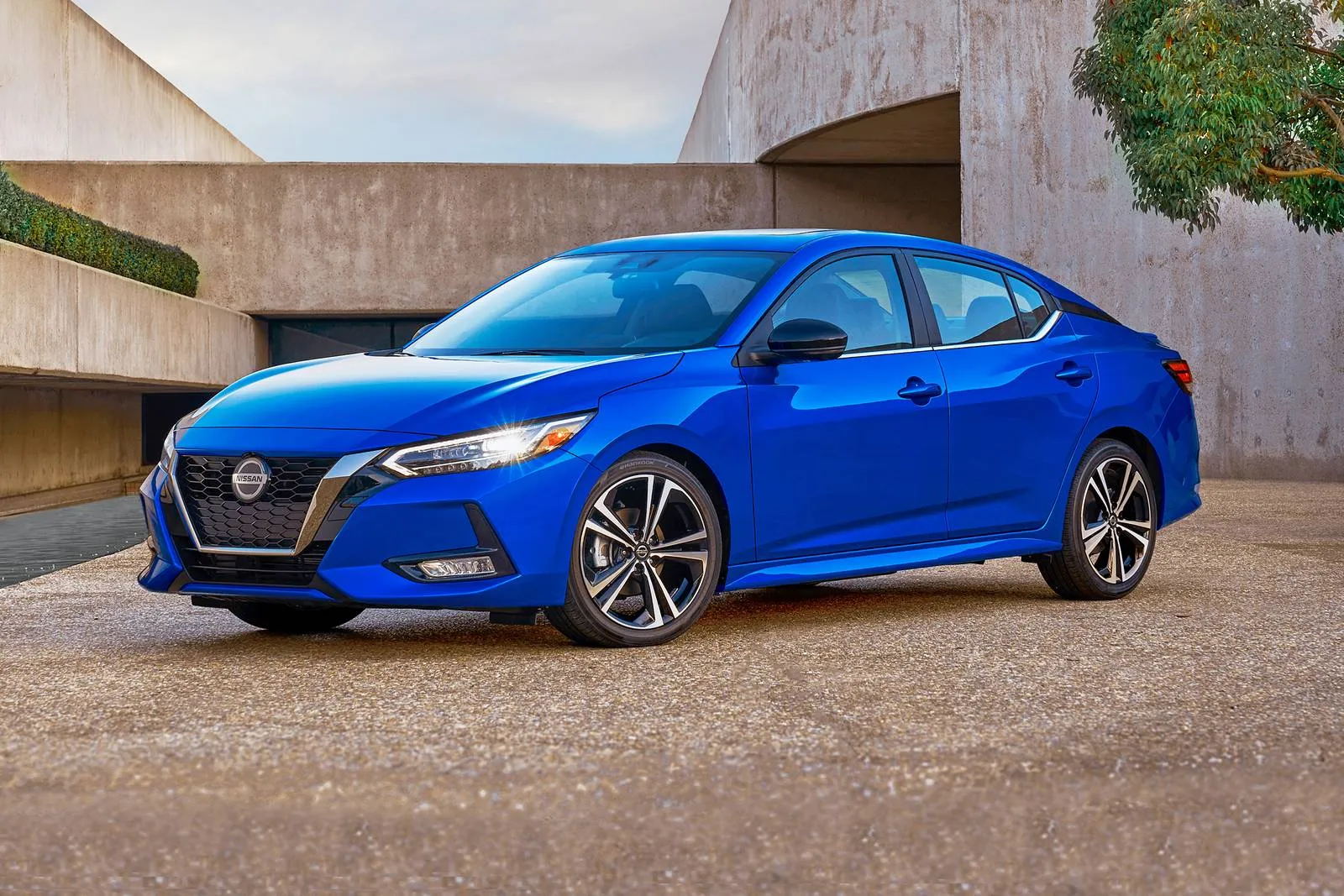
8. Nissan Sentra
The Nissan Sentra is a reliable compact sedan that has made significant improvements in safety over recent years. Its crash-test scores are among the highest in its class, with strong performance in frontal, side, and rollover tests.
The Sentra’s reinforced passenger compartment and crumple zones provide effective protection by absorbing impact energy and maintaining cabin integrity.
Standard safety features include multiple airbags, electronic stability control, traction control, and anti-lock brakes. Newer models often include advanced driver-assistance technologies such as forward collision warning, automatic emergency braking, and lane departure warning, which enhance both crash protection and preventive safety.
Structural design is a critical factor in the Sentra’s crashworthiness. High-strength steel is used in key areas of the frame to reduce deformation during collisions, while the front and rear crumple zones absorb energy to protect passengers.
Accident-prevention technologies further enhance the Sentra’s safety. Stability and traction control systems improve handling in slippery conditions, while anti-lock brakes provide more controlled stopping power during emergencies.
Driver-assist features, available in higher trims, help detect potential hazards and reduce the likelihood of collisions, complementing the vehicle’s strong structural protection. These combined systems offer a comprehensive approach to safety, addressing both collision avoidance and occupant protection.
Rollover safety is another strength of the Sentra. Its low center of gravity, stable suspension design, and reinforced roof structure contribute to excellent rollover resistance. Side-curtain airbags provide additional protection for occupants in rollover events, while head and chest protection systems help minimize injury.
With its strong crash-test performance, advanced safety features, and affordability, the Nissan Sentra is a top choice for those seeking a safe and practical vehicle under $20,000.
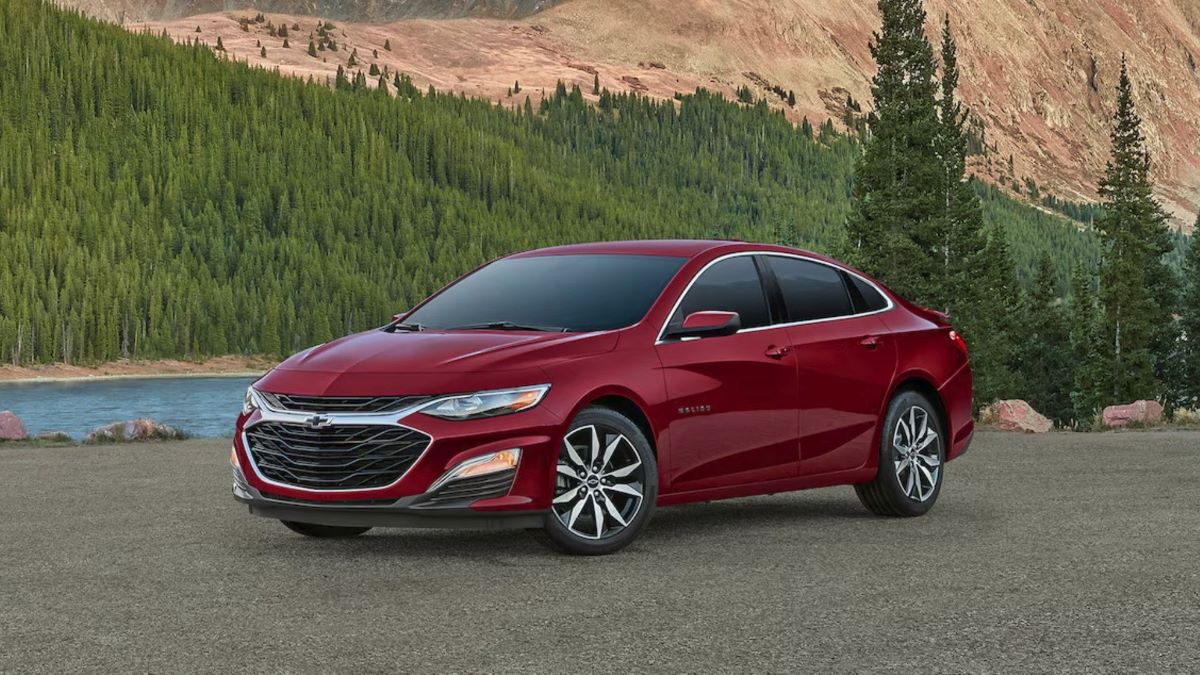
9. Chevrolet Malibu
The Chevrolet Malibu is a midsize sedan that offers more interior space while maintaining excellent crash-test performance. Recent models have earned high ratings from IIHS and NHTSA for frontal, side, and rear-impact protection, as well as rollover resistance.
Its structure features reinforced steel and crumple zones designed to absorb collision energy effectively, reducing the risk of injury to passengers.
Standard safety equipment includes multiple airbags, anti-lock brakes, traction control, and electronic stability control. Higher trims include driver-assist technologies such as forward collision alert, automatic emergency braking, and lane-keeping assist.
Crash-test performance is bolstered by the Malibu’s structural integrity. The passenger cabin remains well-protected during frontal and side impacts, with airbags and seatbelts working together to limit occupant movement.
The Malibu also includes preventive safety measures to reduce the likelihood of accidents. Stability and traction control systems improve vehicle handling in challenging conditions, while anti-lock brakes maintain control during emergency stops.
Higher trims include technologies that monitor the surrounding environment, alerting drivers to potential hazards and assisting with braking when needed. These systems enhance road safety and complement the vehicle’s strong crash-test ratings.
Rollover protection is another key feature of the Malibu. Its low center of gravity and reinforced roof structure minimize the risk of tipping, while side-curtain airbags and head-protecting systems provide added safety in rollover events. With a combination of crash-test excellence, advanced safety features, and interior space, the Chevrolet Malibu offers a compelling option for buyers seeking a safe and affordable midsize sedan.
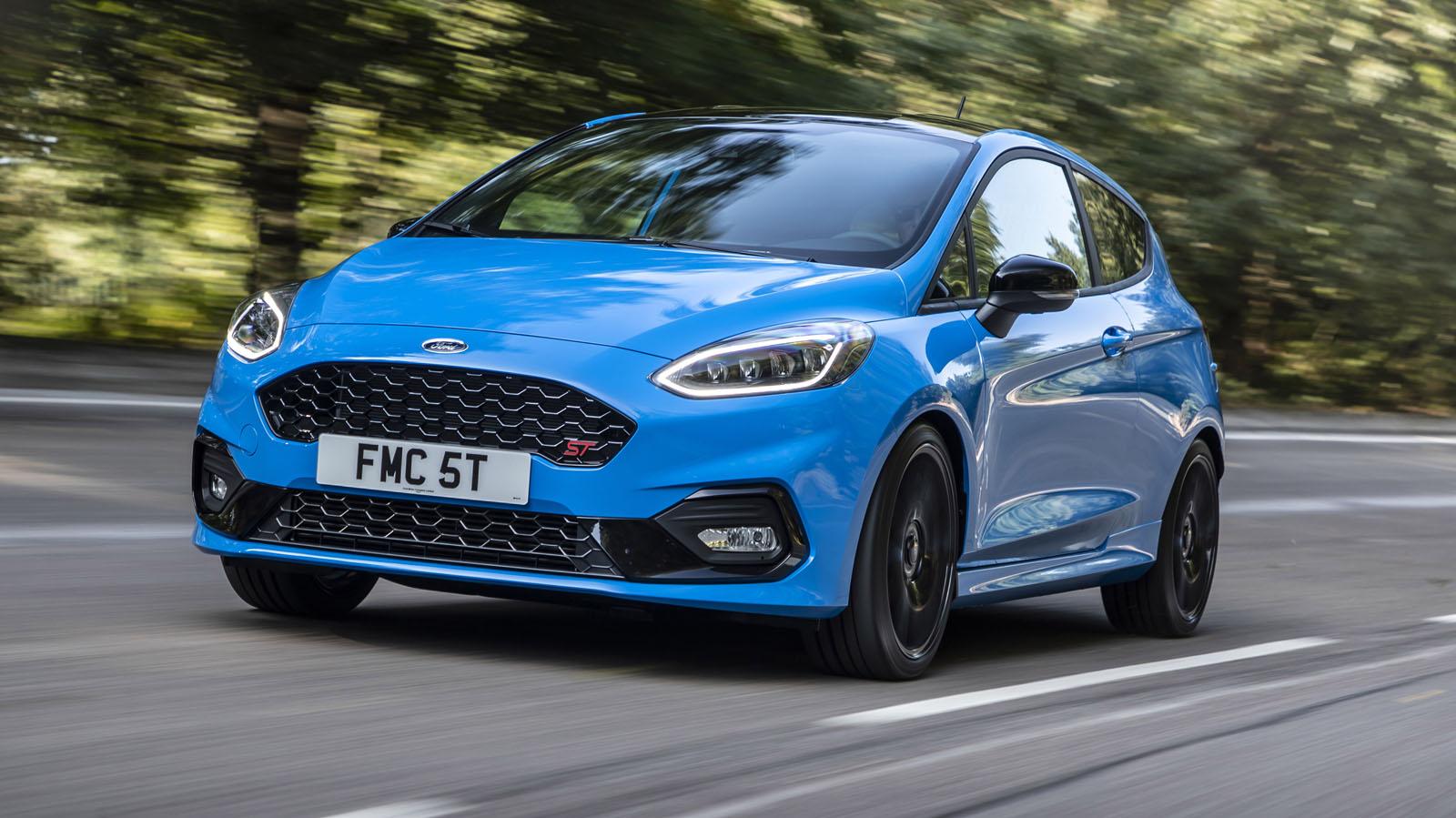
10. Ford Fiesta
The Ford Fiesta is a subcompact car that balances affordability with strong crash-test performance. Recent models have earned high marks for frontal and side-impact protection, as well as rollover resistance. Its reinforced structure, crumple zones, and comprehensive airbag system work together to reduce injury risk in collisions.
Standard safety features include multiple airbags, anti-lock brakes, electronic stability control, and traction control, providing a strong baseline of protection. Advanced driver-assistance features are available in higher trims, including forward collision warning, lane-keeping assist, and emergency braking.
The Fiesta’s body structure is engineered for safety. High-strength steel is used in critical areas to maintain cabin integrity, while front and rear crumple zones manage impact energy effectively.
Side-impact protection is reinforced with strong door beams and side airbags, and seatbelts work in tandem with the airbag system to minimize occupant movement. This careful attention to structural and restraint design contributes to the vehicle’s excellent crash-test ratings.
Preventive safety is also a key focus for the Fiesta. Stability control, traction control, and anti-lock brakes improve vehicle handling and reduce the likelihood of accidents.
Some models include driver-alert systems that monitor for fatigue or unsafe driving conditions, further enhancing safety. These technologies help drivers maintain control in emergencies, providing both active and passive safety in one package.
Rollover resistance is another area where the Fiesta excels. Its low center of gravity and reinforced roof structure reduce the likelihood of tipping during sharp maneuvers, while side-curtain airbags offer additional protection for occupants in case of a rollover.
Combining strong crash-test performance, modern safety features, and affordability, the Ford Fiesta proves that even subcompact vehicles can deliver comprehensive occupant protection under $20,000.
