
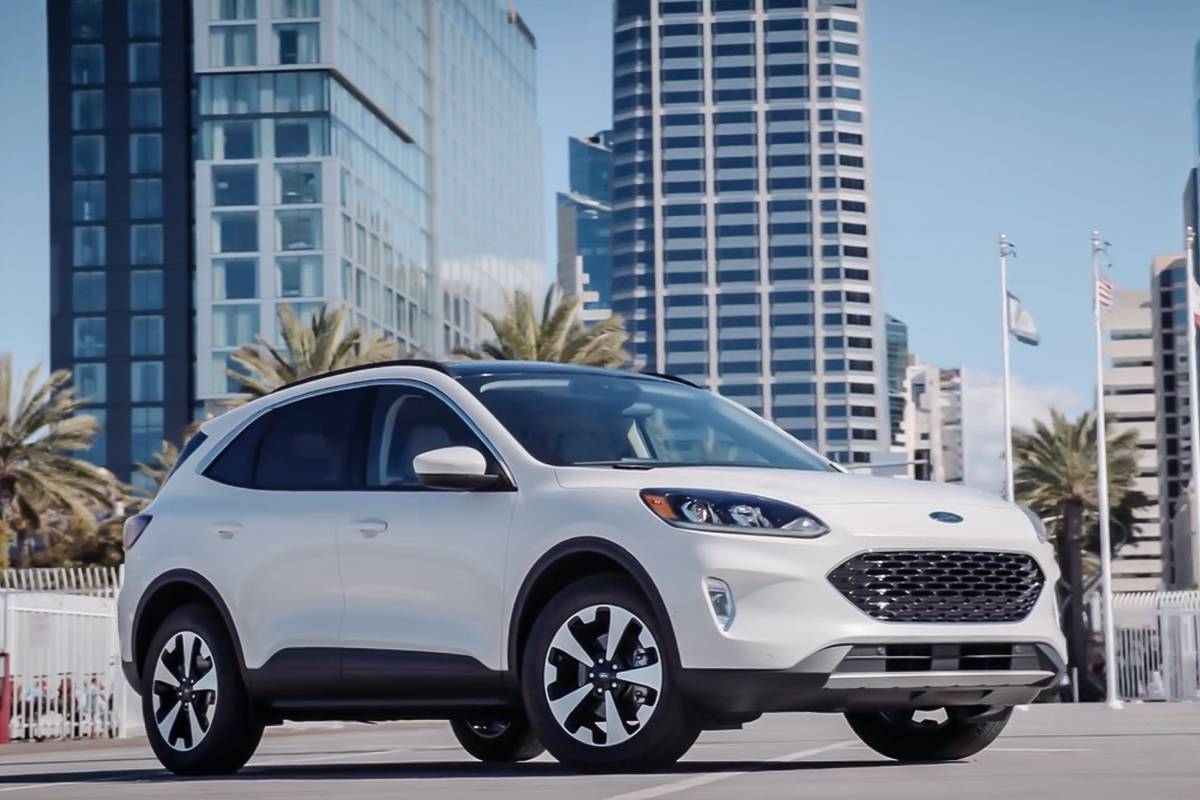
All-wheel drive vehicles have long been associated with rugged capability, confident handling in slippery conditions, and a sense of security on the road. Traditionally, this type of drivetrain was paired with heavy trucks, large SUVs, or high-performance cars, all of which often came at a price not only in terms of purchase cost but also fuel efficiency.
For years, drivers had to accept that all-wheel drive meant lower miles per gallon, larger fuel bills, and frequent trips to the gas station. Fortunately, the automotive industry has shifted considerably in recent years.
Manufacturers have learned to combine the traction benefits of all-wheel drive with engines, transmissions, and designs that allow for significantly better fuel economy. This means drivers no longer have to choose between safety, performance, and cost-effective driving.
The key to this change lies in technological improvements. Lightweight materials, more efficient engines, and intelligent all-wheel drive systems now allow cars to send power to the wheels only when necessary, reducing wasted energy.
Some systems can operate primarily in front-wheel drive under normal conditions and engage all wheels only when grip is required.
Additionally, the integration of hybrid powertrains, turbocharged small-displacement engines, and precise aerodynamics ensures that even vehicles with AWD can offer respectable efficiency numbers. This has opened the door for a variety of drivers to enjoy the confidence of all-wheel drive without the constant worry of rising fuel costs.
For consumers, the options are abundant. From compact hatchbacks to sporty sedans, modern all-wheel drive systems are available across nearly every vehicle segment.
Some vehicles are designed with performance in mind, offering spirited handling on both dry and wet roads while maintaining reasonable efficiency. Others prioritize practicality, balancing passenger comfort, cargo space, and long-distance drivability with smart fuel-saving measures.
What all of these cars share is the ability to provide traction and stability without becoming a financial burden at the pump. In this article, we will highlight ten all-wheel drive vehicles that achieve this balance, offering a combination of reliability, performance, and fuel economy that makes them smart choices for everyday drivers.
These cars show that it is possible to have control and efficiency together, and they represent the direction in which automotive engineering is moving.
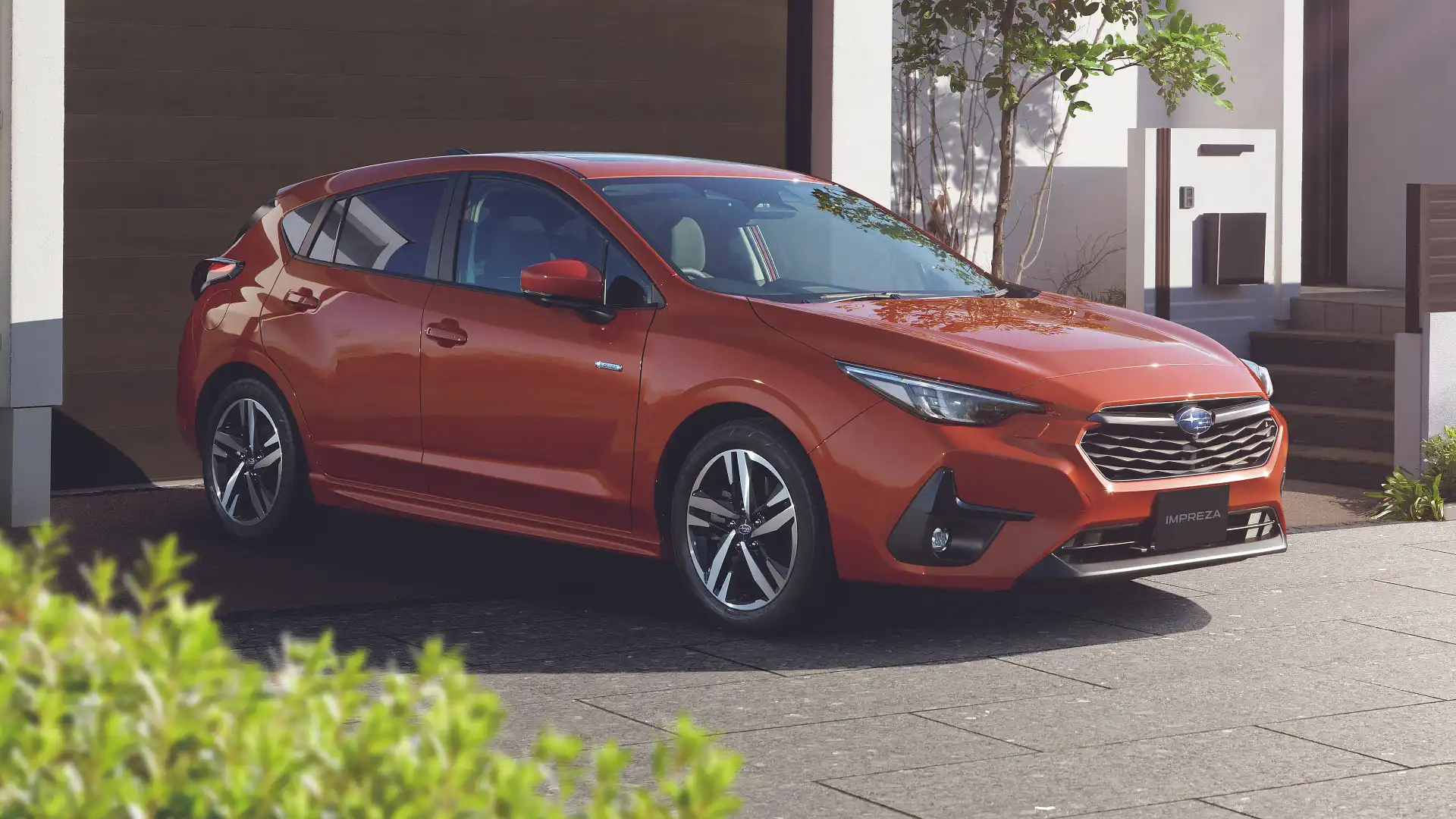
1. Subaru Impreza
The Subaru Impreza has been a staple in the small car segment for drivers who want all-wheel drive without a massive fuel penalty. Known for its practicality and durability, the Impreza offers standard all-wheel drive across the entire lineup, something few competitors provide.
Its compact design keeps weight down, allowing the engine to operate efficiently while maintaining solid traction in rain, snow, or uneven terrain. Drivers consistently report that the Impreza feels balanced and confident, particularly on roads that might challenge two-wheel-drive vehicles.
The Impreza’s powertrain is another factor in its fuel-friendly performance. Its four-cylinder engine is small enough to avoid excessive consumption but provides adequate power for city and highway driving. When paired with the continuously variable transmission, the car maintains smooth acceleration and optimal engine efficiency.
The system intelligently adjusts power delivery, so the car only engages the rear wheels when necessary, further conserving fuel. This combination makes the Impreza a standout choice for those who need AWD without constantly thinking about mileage.
Inside, the Impreza is surprisingly comfortable for its size. Cabin materials are of good quality for the segment, and the seats offer adequate support for long drives. Infotainment options are modern, including touchscreen interfaces and smartphone connectivity, which keep the vehicle competitive without compromising weight or efficiency.
Despite its compact dimensions, the rear seat and trunk provide useful space for small families or daily errands, making it a versatile choice in urban and suburban settings.
Safety is a major selling point for the Impreza as well. Subaru equips its vehicles with a range of driver-assistance features, including adaptive cruise control, lane-keeping assist, and pre-collision braking.
Combined with predictable AWD handling, this makes the car a reliable choice in various weather conditions. The Subaru Impreza demonstrates that all-wheel drive can coexist with fuel efficiency, practicality, and modern features, making it a compelling option for conscientious drivers.
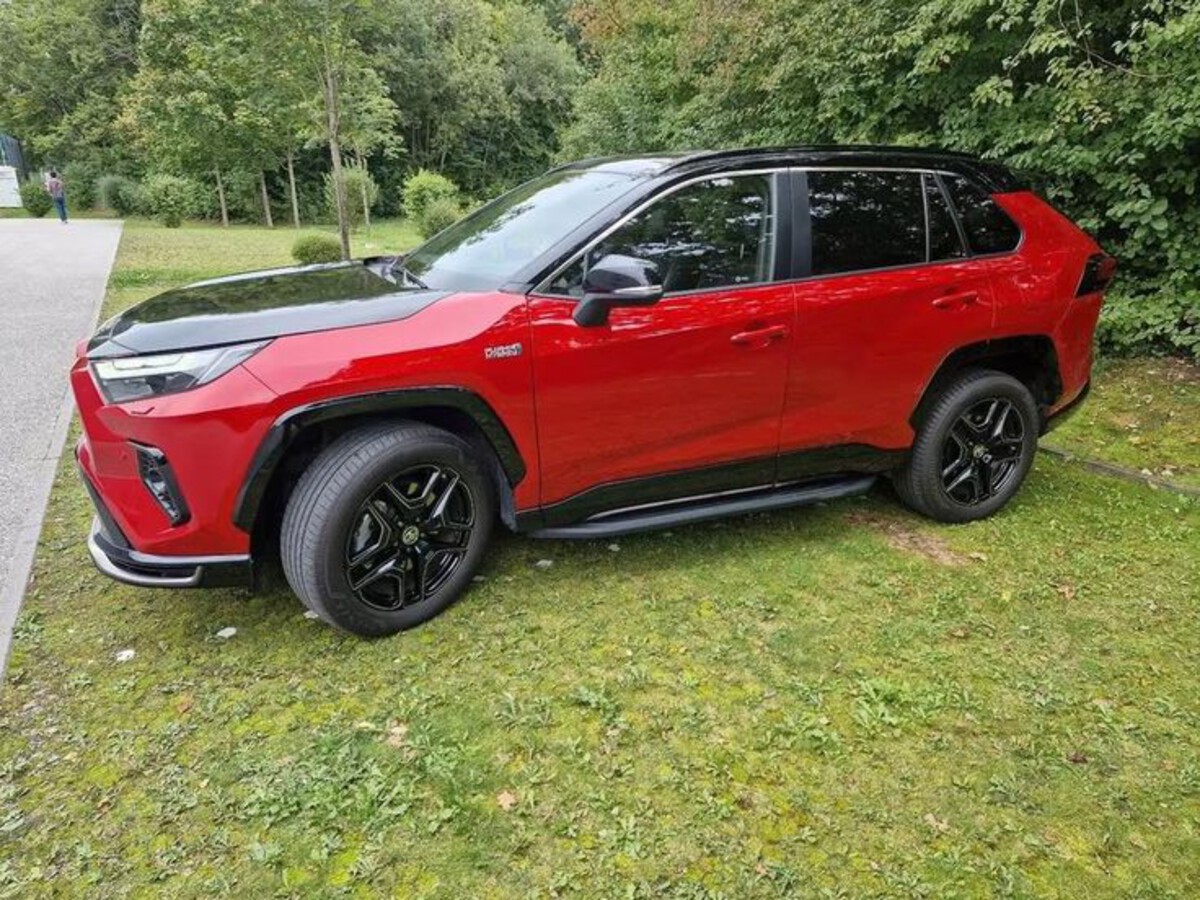
2. Toyota RAV4 Hybrid
The Toyota RAV4 Hybrid represents a crossover that blends efficiency, versatility, and all-weather confidence. Unlike traditional gasoline-only SUVs, the RAV4 Hybrid pairs a small four-cylinder engine with electric motors, allowing it to deliver all-wheel drive capabilities without sacrificing fuel economy.
This system can operate using electric drive for low-speed conditions, which reduces fuel use while maintaining the traction benefits of AWD. The hybrid system is smooth and responsive, offering predictable performance even under heavy loads or in slippery conditions.
Fuel economy is where the RAV4 Hybrid truly shines. Even with its SUV size, it consistently achieves miles per gallon figures that rival many smaller cars, making it an excellent choice for those who want AWD but do not want frequent stops at the gas station.
The regenerative braking system also contributes to efficiency by capturing energy normally lost during deceleration, adding to the range. This makes it a practical solution for commuters, families, and anyone concerned with long-term fuel costs.
The interior of the RAV4 Hybrid is spacious and thoughtfully designed. Ample legroom, a comfortable ride, and intuitive controls make it a pleasant vehicle for both short trips and extended journeys.
Cargo space is generous, accommodating luggage, groceries, or outdoor gear with ease. Standard and optional safety features, including blind-spot monitoring and automatic emergency braking, enhance the confidence provided by the all-wheel drive system, giving drivers peace of mind in various road conditions.
On the road, the RAV4 Hybrid’s AWD system offers stability without making the vehicle feel heavy or sluggish. Cornering is predictable, and traction on wet or uneven surfaces is secure, which is a significant benefit in regions with changing weather.
Combined with its hybrid efficiency, modern styling, and comfortable cabin, the RAV4 Hybrid proves that it is possible to have a capable SUV without a punishing fuel bill. It is a prime example of how advanced drivetrains can balance power, practicality, and economy.
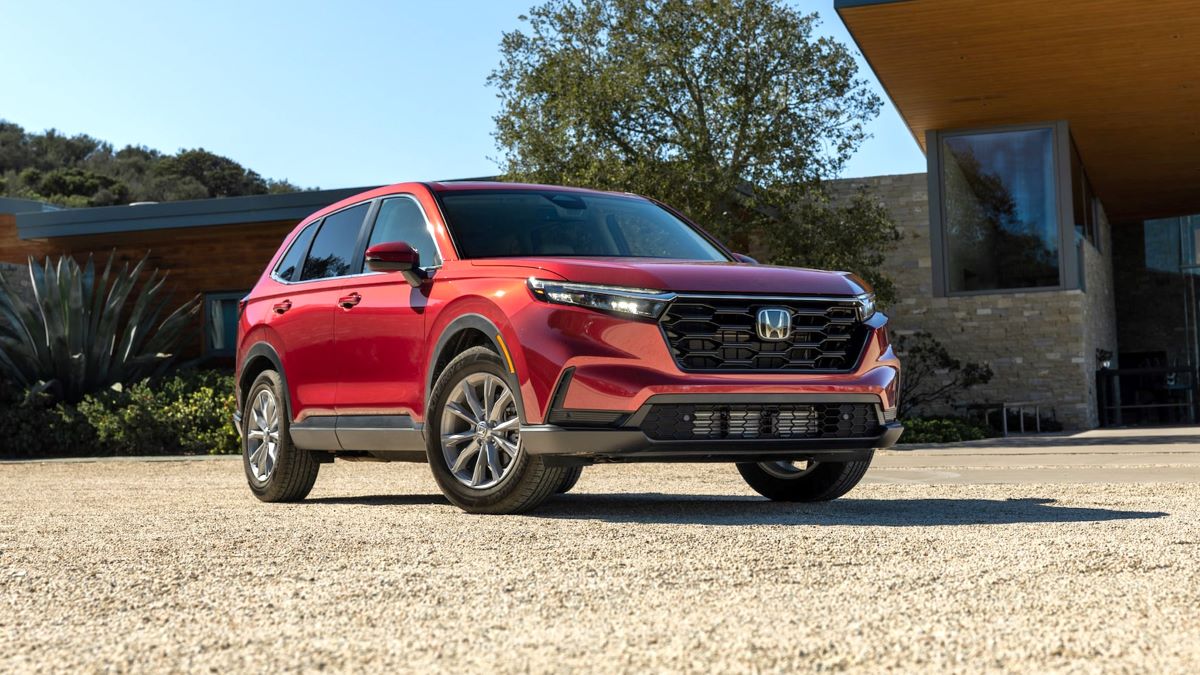
3. Honda CR-V
The Honda CR-V has long been recognized for its balance of practicality, reliability, and efficiency, and the all-wheel drive variant continues this tradition.
As a compact SUV, it provides the elevated driving position and interior space many drivers seek without being overly large or fuel-hungry. Honda has engineered the AWD system to engage smoothly when extra traction is required, ensuring that the vehicle handles adverse conditions without constantly drawing excess power from the engine.
Efficiency is central to the CR-V’s appeal. Its four-cylinder engine is tuned to deliver adequate performance while keeping fuel consumption reasonable, even with all-wheel drive engaged.
Transmission design also plays a role, with automatic options that optimize shift points for economy. Drivers often find that the CR-V feels light and responsive, which helps maintain efficiency during everyday driving, whether in city traffic or on highways.
Inside, the CR-V offers one of the more spacious cabins in its class. Rear passengers benefit from generous legroom, and cargo space is competitive with other compact SUVs.
The dashboard layout is clean and functional, and infotainment systems are intuitive, minimizing driver distraction. Comfort-oriented features, such as adjustable seats and climate control, enhance the driving experience without compromising weight or fuel efficiency.
Safety and reliability are standout qualities of the CR-V. Honda equips the vehicle with numerous advanced features, including collision mitigation systems, lane departure warnings, and adaptive cruise control. When combined with the dependable AWD system, these elements give drivers a sense of security in a variety of driving conditions.
The Honda CR-V demonstrates that an all-wheel drive SUV can be economical, practical, and reliable, making it an excellent choice for those seeking balance.

4. Mazda CX-5
The Mazda CX-5 is widely praised for offering a driving experience that combines sportiness and practicality. Its all-wheel drive system is designed to engage seamlessly, providing grip when necessary without sapping fuel unnecessarily.
Unlike traditional heavier SUVs, the CX-5 maintains a relatively light footprint, which improves both handling and efficiency. This makes it an appealing option for drivers who want an engaging drive without sacrificing fuel economy.
The CX-5’s engine lineup includes efficient four-cylinder options that prioritize fuel savings while still providing adequate power for highway and urban driving.
Transmission calibration ensures smooth acceleration, and the AWD system is intelligent, activating additional traction only when conditions demand it. This careful engineering allows drivers to enjoy the benefits of all-wheel drive without experiencing significant penalties at the pump.
Inside, the Mazda CX-5 offers an upscale feel for its segment. Materials are high-quality, and the cabin layout emphasizes driver comfort and convenience.
Seating is supportive, even for longer journeys, and infotainment systems are user-friendly with responsive touchscreens. Practicality is also strong, with rear seats that fold flat and generous cargo capacity, making it suitable for everyday use and weekend trips alike.
The CX-5 also scores well in safety testing, reflecting Mazda’s commitment to both driver enjoyment and protection. Features such as automatic emergency braking, blind-spot monitoring, and adaptive cruise control are either standard or available, enhancing confidence on the road.
The Mazda CX-5 shows that it is possible to combine a responsive, fun-to-drive character with all-wheel drive and fuel efficiency, creating a well-rounded compact SUV.
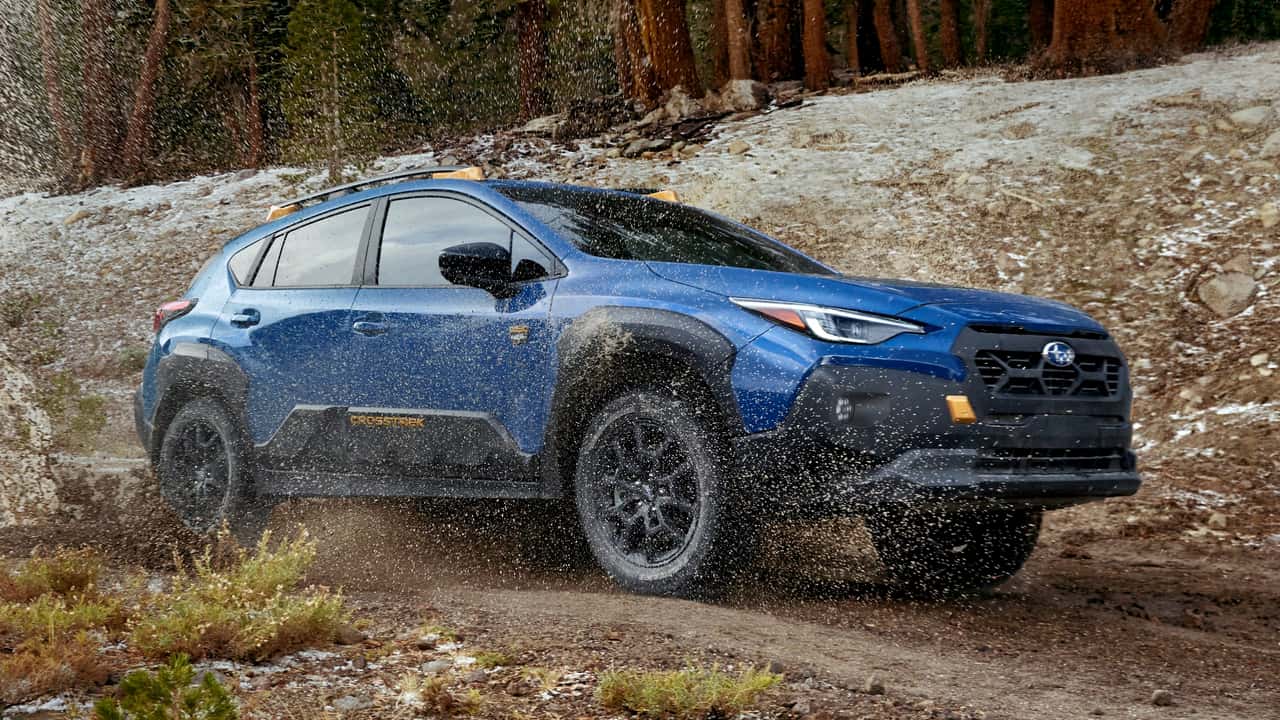
5. Subaru Crosstrek
The Subaru Crosstrek offers an excellent combination of small SUV practicality and all-wheel drive confidence. Unlike many vehicles in its class that treat AWD as an optional feature, the Crosstrek comes standard with a capable system that provides traction and stability across a variety of conditions.
Its compact size makes it maneuverable in city streets while still providing enough ground clearance to handle light off-road use. This makes it appealing to drivers who live in areas with seasonal weather changes or rough roads.
Beyond its mechanical advantages, the Crosstrek’s design emphasizes utility and efficiency. The lightweight construction and aerodynamic profile help the engine operate at lower strain, preserving fuel and extending the range between fill-ups.
The Crosstrek’s engine options are focused on efficiency without sacrificing necessary power for daily driving. Its four-cylinder boxer engine provides a balanced weight distribution, which enhances handling and stability.
Fuel economy benefits from both the relatively small displacement and Subaru’s continuously variable transmission, which adjusts engine output smoothly according to driving conditions.
This system allows the Crosstrek to operate primarily in front-wheel drive during light driving, engaging the rear wheels only when traction is needed. This intelligent management helps keep fuel consumption competitive with non-AWD vehicles in the same segment while still offering the security of all-wheel drive.
Inside, the Crosstrek offers a surprisingly roomy and comfortable cabin for a vehicle of its size. Seats are supportive, with ample legroom for passengers in both rows, and cargo space is flexible enough to accommodate weekend trips or grocery runs.
Technology features have also been updated to keep the vehicle relevant in modern driving conditions, including touchscreen infotainment, smartphone integration, and available driver-assist features. Despite being positioned as a compact SUV, it maintains a sense of openness and practicality that rivals larger vehicles without the corresponding fuel penalty.
Safety and reliability have always been a cornerstone of Subaru vehicles, and the Crosstrek continues that tradition. Standard safety features include adaptive cruise control, pre-collision braking, lane departure warning, and other advanced driver-assistance technologies that work in tandem with the AWD system.
Drivers gain not only confidence on slick or uneven roads but also reassurance from these safety systems that help prevent accidents before they occur. For those looking for an economical, versatile, and capable all-wheel drive vehicle, the Subaru Crosstrek represents a compelling option that balances utility, efficiency, and peace of mind.
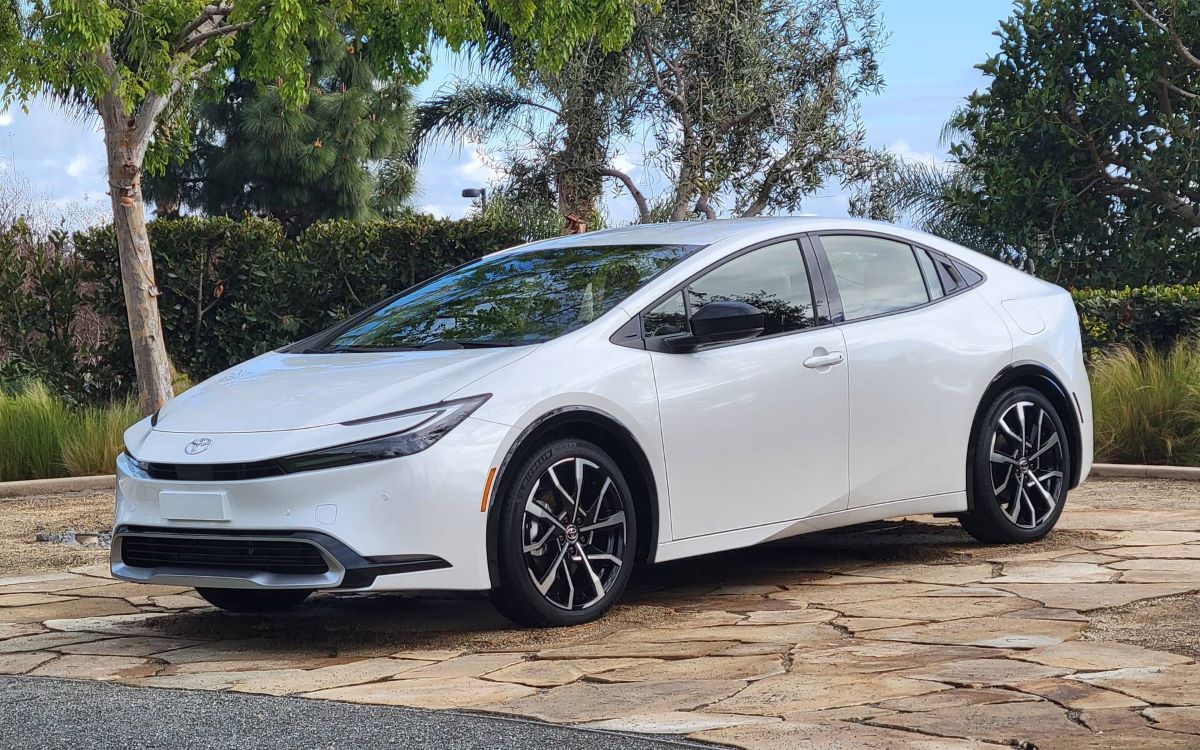
6. Toyota Prius AWD-e
The Toyota Prius AWD-e is a unique vehicle in the all-wheel drive market because it combines hybrid technology with AWD capability. Traditionally, hybrids are associated with city efficiency and front-wheel drive, but Toyota recognized the need for AWD in areas with snow, rain, or other challenging conditions.
The Prius AWD-e employs an electric motor to power the rear wheels when additional traction is needed. This means that the system is not constantly engaged, allowing the vehicle to operate primarily as a highly efficient front-wheel drive car during normal driving.
This approach minimizes fuel consumption while still providing the confidence that comes with AWD in slippery conditions.
The hybrid powertrain of the Prius ensures exceptional fuel economy across multiple driving conditions. Its four-cylinder gasoline engine works seamlessly with electric motors to optimize efficiency, whether during city commutes or longer highway trips.
The regenerative braking system captures energy that would otherwise be lost, adding another layer of fuel savings. These combined technologies allow the Prius AWD-e to achieve numbers that surpass most conventional AWD vehicles, making it ideal for drivers who prioritize low running costs while still needing a capable all-weather vehicle.
Inside, the Prius AWD-e maintains the familiar, futuristic cabin layout of its non-AWD counterpart. While compact, the interior feels spacious due to clever packaging and a low instrument panel that improves visibility.
Seating is comfortable for both driver and passengers, and the infotainment system integrates seamlessly with smartphones for navigation and communication purposes. Storage options are practical, with folding rear seats and a reasonably sized cargo area, allowing the car to serve a variety of daily needs without sacrificing comfort or usability.
On the road, the AWD-e system delivers smooth and predictable performance. Drivers rarely notice when the rear wheels engage, as the transition is nearly imperceptible, which contributes to a stable and secure driving experience.
Safety features such as automatic emergency braking, lane departure alert, and adaptive cruise control further enhance confidence, particularly in adverse weather. The Toyota Prius AWD-e demonstrates that it is possible to blend hybrid efficiency with all-wheel drive capability in a small, practical, and environmentally friendly package.
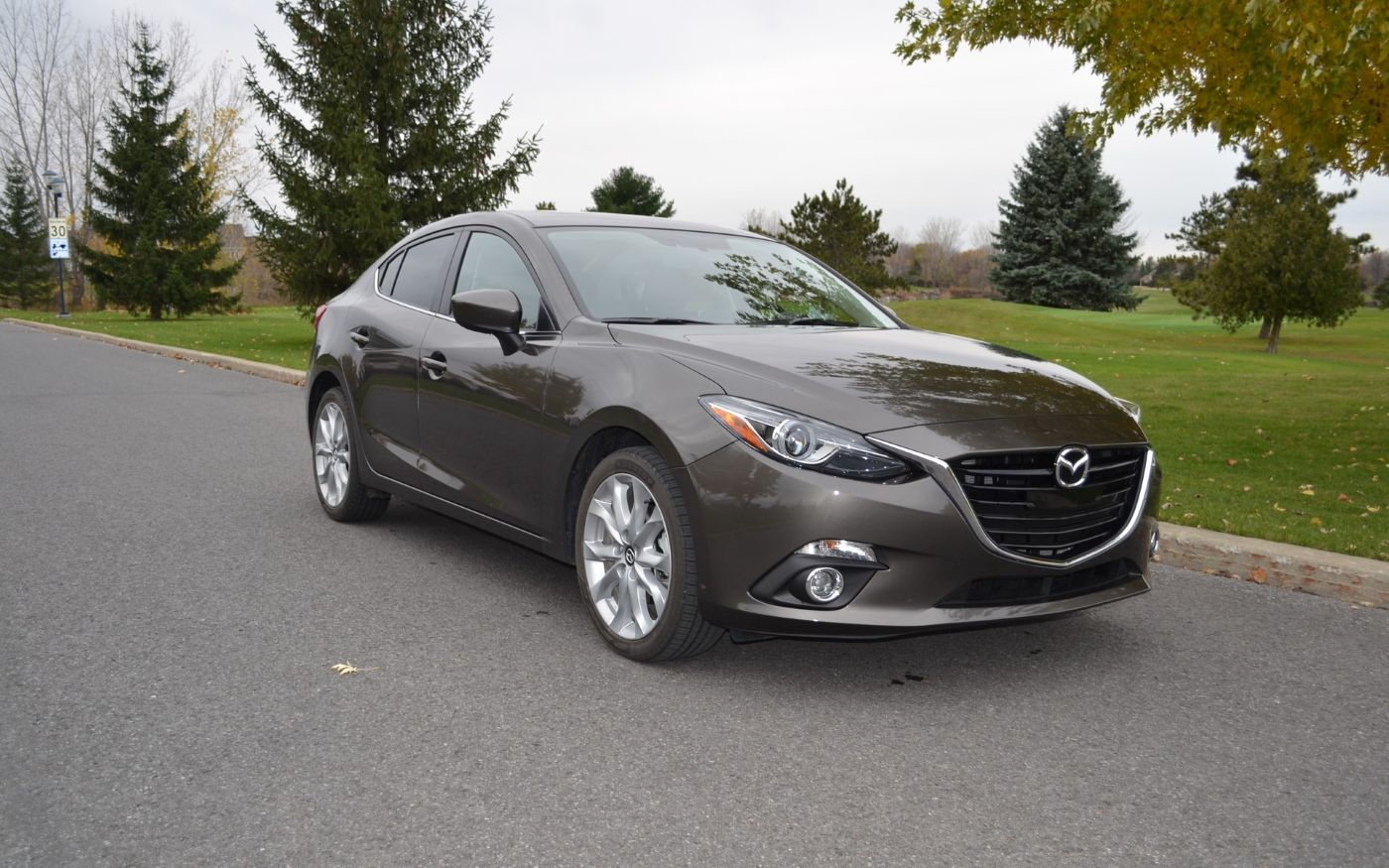
7. Mazda3 AWD
The Mazda3 is widely recognized for its exceptional driving dynamics, and the all-wheel drive variant extends these capabilities to regions with wet or slippery roads. Unlike larger vehicles, the Mazda3 remains compact and lightweight, which contributes to both its agility and fuel efficiency.
The AWD system engages automatically when sensors detect loss of traction, ensuring that the car maintains stability without unnecessary fuel consumption. Mazda’s engineering emphasizes balance and control, resulting in a vehicle that is enjoyable to drive while still being practical for everyday use.
The engine and transmission in the Mazda3 are designed to complement the AWD system efficiently. Its four-cylinder engine is responsive yet economical, providing enough power for highway merging and city maneuvering without overly taxing the fuel tank.
The combination of engine management and transmission calibration ensures that energy is used efficiently, and the AWD system only engages when needed, reducing drag and mechanical losses. This careful attention to power delivery and fuel economy allows the Mazda3 AWD to offer a dynamic driving experience while remaining surprisingly thrifty at the pump.
Inside, the Mazda3 continues to impress with a high-quality cabin that feels premium for its class. Soft-touch materials, ergonomic seating, and a driver-focused dashboard contribute to a comfortable and engaging environment. Rear-seat space is adequate for adult passengers, and the trunk is practical enough for groceries, luggage, or weekend gear.
Infotainment systems are intuitive, with touchscreens, smartphone integration, and connectivity options that make daily use seamless and convenient. The interior balances comfort, technology, and usability without compromising efficiency.
Safety is another area where the Mazda3 AWD excels. Advanced driver-assistance features, including blind-spot monitoring, adaptive cruise control, and lane departure warning, provide a comprehensive safety net.
The AWD system enhances this by ensuring predictable handling during adverse conditions, from rain-soaked roads to light snow. Combined, these factors make the Mazda3 AWD an attractive choice for those who want a compact, stylish, and efficient car that can handle a variety of conditions without punishing fuel costs.
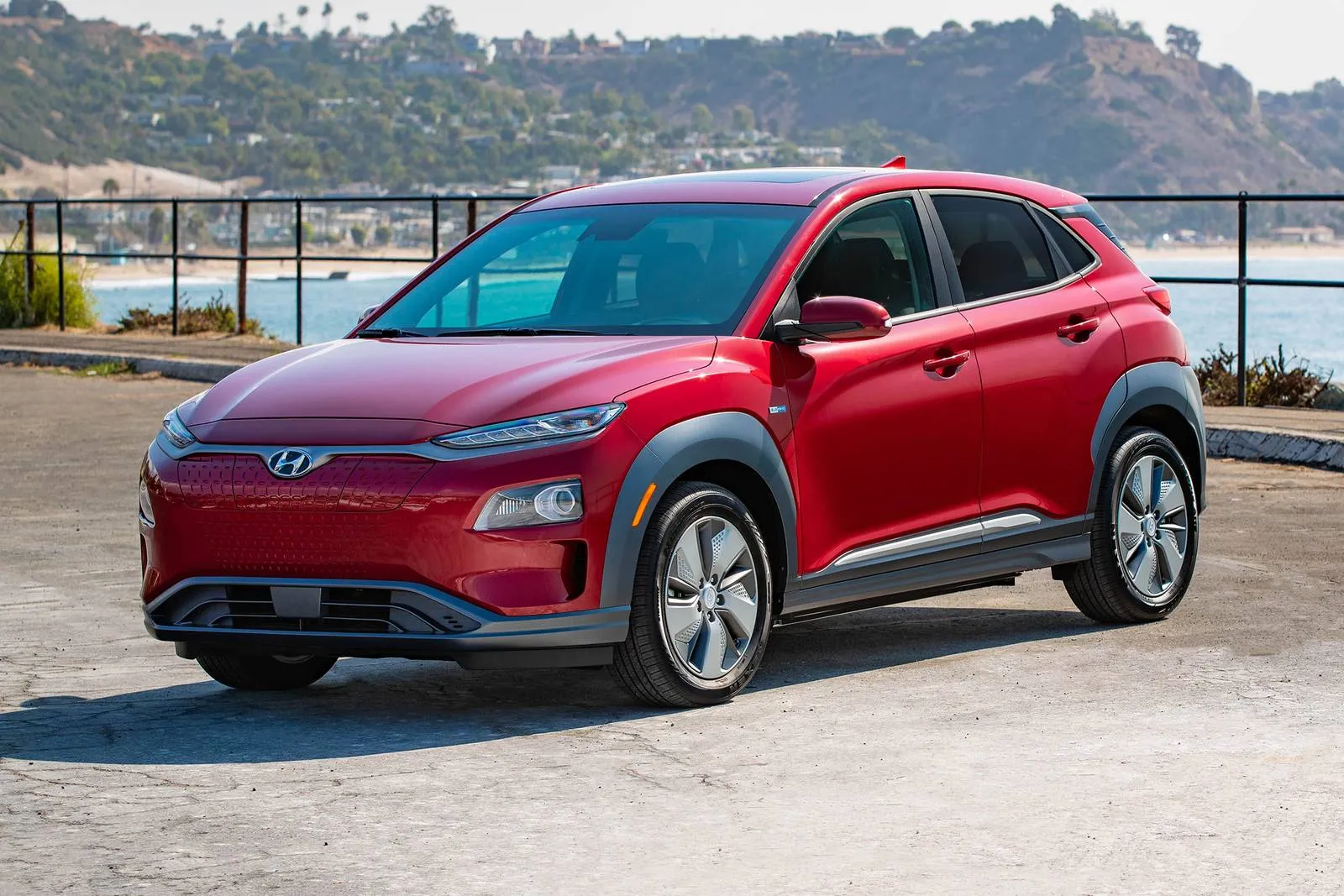
8. Hyundai Kona
The Hyundai Kona is a subcompact SUV that delivers all-wheel drive capability without sacrificing fuel efficiency. Its small size and lightweight construction make it inherently economical, and the AWD system engages only when necessary, reducing unnecessary power usage.
The Kona is well-suited for urban environments where tight streets and frequent stops are common, while also offering enough ground clearance for light off-road or snowy conditions. Its design balances practicality with a bold, contemporary aesthetic, appealing to drivers who want a versatile vehicle that does not compromise on efficiency.
The engine options for the Kona include fuel-efficient four-cylinder units that provide adequate acceleration for everyday driving. Transmission design ensures smooth and responsive performance while optimizing fuel consumption.
The AWD system complements these features by offering stability and traction only when needed, rather than constantly engaging the rear wheels, which would otherwise reduce efficiency. The result is a vehicle that feels agile and confident on the road while maintaining respectable fuel economy compared to larger, heavier AWD SUVs.
Inside, the Kona provides a surprisingly roomy interior given its subcompact classification. Seats are supportive and comfortable for both short trips and longer drives, and cargo space is versatile enough to handle shopping trips, recreational gear, or luggage.
Infotainment and connectivity features are modern and intuitive, providing access to navigation, smartphone integration, and other digital tools without cluttering the cabin. Despite its small footprint, the Kona manages to feel practical and accommodating for drivers and passengers alike.
Safety features in the Hyundai Kona are comprehensive, including lane-keeping assist, forward collision warning, and blind-spot monitoring, which complement the AWD system for enhanced driving confidence.
On wet, icy, or uneven surfaces, the vehicle maintains stability and control, helping drivers feel secure without compromising fuel efficiency. The Kona demonstrates that a small, stylish SUV can offer all-wheel drive capability, everyday practicality, and excellent fuel economy in one complete package.

9. Volkswagen Golf Alltrack
The Volkswagen Golf Alltrack takes the familiar Golf hatchback platform and adds all-wheel drive for added versatility and traction. Its compact size and efficient engine options make it an attractive choice for drivers who want the benefits of AWD without excessive fuel consumption.
The Alltrack’s suspension and chassis tuning strike a balance between comfort and road handling, making it a practical choice for urban commutes, highway travel, and light adventure driving. Its hatchback design also enhances cargo versatility, making it easier to carry bulky or irregularly shaped items.
The Alltrack’s turbocharged four-cylinder engine provides a strong balance of power and efficiency. Transmission choices further optimize fuel economy, ensuring that energy is used effectively for both acceleration and cruising.
The AWD system engages selectively when traction is needed, reducing mechanical drag and conserving fuel. This thoughtful design allows the Alltrack to deliver the security of all-wheel drive while remaining economical enough for daily commuting and long-distance travel alike.
Inside, the Golf Alltrack offers a refined and functional cabin. The dashboard is logically organized, materials feel high-quality, and the seating is comfortable and supportive for longer drives.
Cargo flexibility is excellent, with a spacious hatch area and rear seats that fold flat for larger items. Technology features such as touchscreen infotainment, smartphone compatibility, and available navigation make the car modern and convenient without adding unnecessary weight or complexity.
Safety is a key component of the Alltrack’s appeal. Advanced driver-assistance systems, including forward-collision warning, adaptive cruise control, and lane-keeping assistance, provide additional security in various driving conditions.
Combined with the precise and efficient AWD system, the Alltrack offers a confident driving experience even in adverse weather. For those seeking a compact, versatile, and fuel-efficient AWD vehicle, the Volkswagen Golf Alltrack remains a compelling option that blends practicality, efficiency, and everyday usability.

10. Ford Escape Hybrid AWD
The Ford Escape Hybrid AWD combines hybrid efficiency with all-wheel drive, making it one of the most practical options for drivers seeking capability without high fuel costs.
Its powertrain pairs a gasoline engine with electric motors, allowing it to operate primarily on electric power at lower speeds and automatically engaging the AWD system when additional traction is necessary. This system ensures stability on slippery roads while maintaining exceptional fuel economy, making it ideal for both urban commuting and weekend getaways.
Fuel efficiency is a major advantage of the Escape Hybrid AWD. The hybrid system optimizes energy usage by switching seamlessly between gasoline and electric power, while regenerative braking captures energy typically lost during deceleration.
The AWD system is intelligently designed to operate only when required, minimizing the effect on fuel consumption. These combined features allow the Escape to achieve excellent mileage, rivaling smaller conventional vehicles, even with its SUV size and additional AWD hardware.
Inside, the Escape Hybrid offers a spacious and comfortable cabin that accommodates both passengers and cargo with ease. Rear-seat space is generous for a compact SUV, and cargo area flexibility makes it easy to transport large items.
Infotainment and driver-assistance systems are modern and intuitive, providing touchscreen interfaces, smartphone integration, and advanced safety technologies. Comfort, technology, and practicality are all integrated into the design, making the Escape Hybrid an appealing choice for a wide range of drivers.
On the road, the Escape Hybrid AWD provides smooth, predictable handling. The all-wheel drive engages automatically when necessary, enhancing traction in rain, snow, or uneven terrain, while the hybrid system maintains efficient operation under most driving conditions.
Safety features, including lane-keeping assist, adaptive cruise control, and automatic emergency braking, complement the AWD system, offering both confidence and security.
The Ford Escape Hybrid AWD demonstrates that it is possible to enjoy all-wheel drive capability without compromising fuel economy, making it one of the most practical choices for drivers who want versatility, efficiency, and modern features in one package.
