
Traffic has long been one of the most frustrating aspects of modern driving. Spending hours each week inching forward, dealing with stop-and-go congestion, and trying to maintain focus can take a toll on both the mind and body.
For decades, drivers have relied on manual techniques to manage traffic, from carefully spacing their vehicles to maintaining a constant speed when possible.
However, advances in vehicle technology have introduced solutions that significantly reduce the stress of commuting. One of the most developments is adaptive cruise control.
Unlike traditional cruise control, which maintains a constant speed regardless of surrounding vehicles, adaptive cruise control adjusts a car’s speed automatically based on traffic conditions.
This system allows drivers to maintain safe distances from the vehicle ahead, slow down when traffic slows, and accelerate when lanes clear, all with minimal intervention.
The appeal of adaptive cruise control lies not only in convenience but also in safety. Human error is a leading cause of traffic accidents, and systems that can anticipate changes in traffic speed and react accordingly help prevent collisions.
Some systems also integrate additional technologies, such as lane-keeping assistance and automatic braking, which work together to provide a more controlled and predictable driving experience.
In urban areas with heavy congestion, these features can turn a stressful commute into a smoother, less tiring journey. Beyond safety, adaptive cruise control contributes to fuel efficiency by minimizing unnecessary acceleration and braking.
Vehicles that use this system effectively often see improved mileage, as the engine operates more consistently without the stop-and-go inefficiencies typical of congested driving conditions.
Not all adaptive cruise control systems are created equal. Some vehicles offer more advanced features, such as the ability to handle curves, recognize stop signs, and bring the car to a complete stop in gridlock. Others may only offer basic distance adjustments, which, while helpful, do not provide the same level of convenience in heavy traffic.
The integration of this technology also varies by brand, with some automakers delivering smoother acceleration and braking, while others produce systems that feel abrupt or artificial. Choosing the right vehicle can make a noticeable difference in comfort, efficiency, and driving experience.
This article highlights 10 vehicles that excel at managing traffic through adaptive cruise control. Each of these cars has been praised for the effectiveness, reliability, and smooth operation of its system.
They represent a combination of engineering excellence and thoughtful design, demonstrating how technology can reduce the daily burden of commuting.
From luxury sedans to practical family SUVs, these vehicles offer adaptive cruise systems that make traffic less frustrating and allow drivers to focus more on the journey than the obstacles ahead.
By examining the specific features and strengths of each vehicle, we can understand why some adaptive cruise control systems outperform others and what makes them particularly suited for modern traffic conditions.
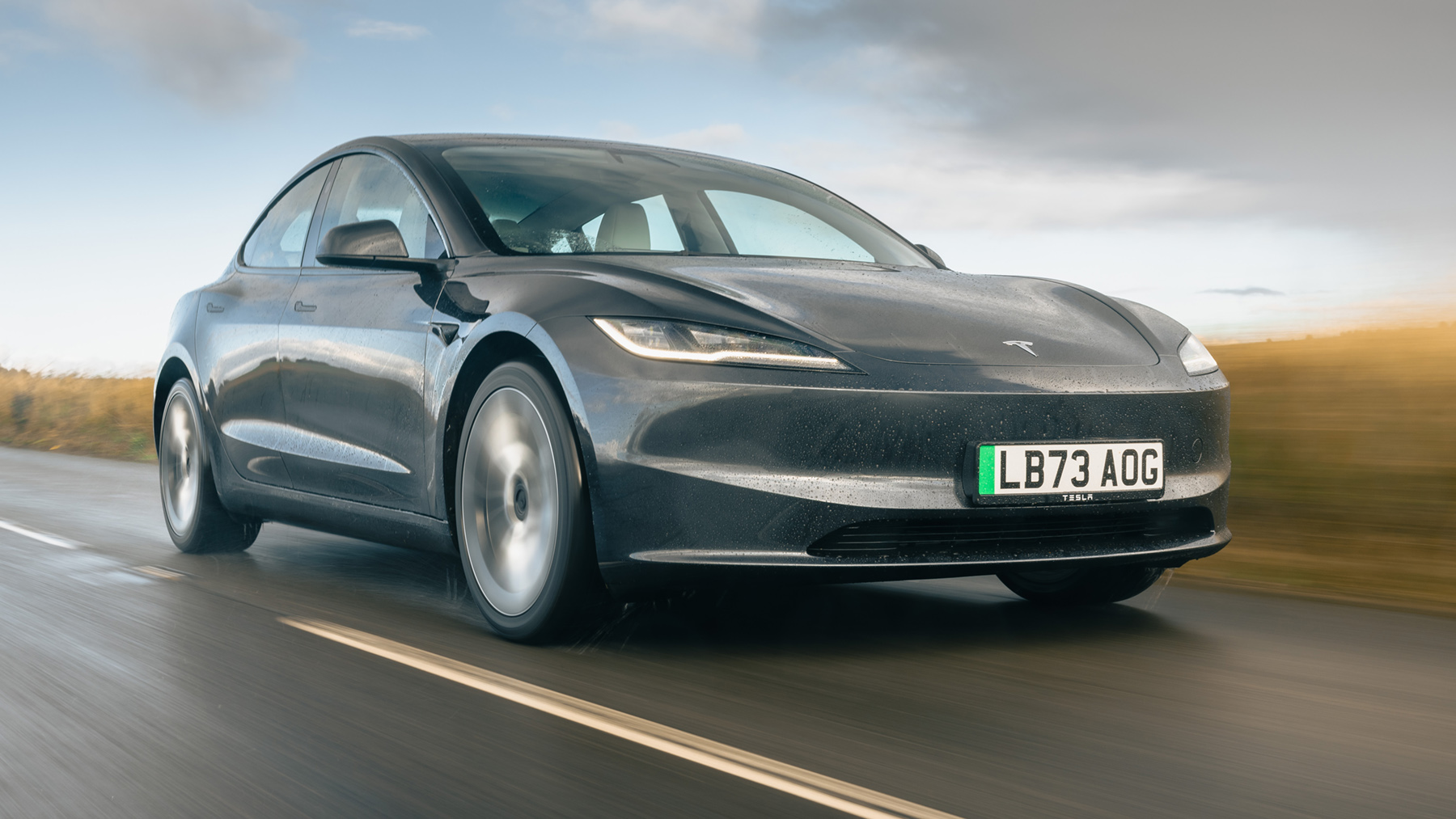
1. Tesla Model 3
The Tesla Model 3 has become one of the most talked-about vehicles for its approach to driver assistance. Its adaptive cruise system, often combined with the company’s Autopilot suite, can adjust speed seamlessly based on traffic flow.
Unlike conventional systems, the Model 3 constantly monitors surrounding vehicles using a combination of cameras, radar, and ultrasonic sensors. This allows it to react quickly to slowing or accelerating traffic without feeling abrupt. For drivers in congested city streets or highway traffic jams, the result is a smoother ride with less need for constant pedal adjustments.
This flexibility allows individuals to tailor the system to their comfort level, whether they prefer a tighter spacing that maximizes lane usage or a more conservative distance for added safety.
Moreover, the system adjusts automatically for speed changes, which is especially useful in stop-and-go traffic. Instead of manually braking every few seconds, drivers can let the Model 3 manage acceleration and deceleration efficiently.
Tesla has also integrated predictive features into the system. The car can detect slower-moving vehicles in adjacent lanes and anticipate traffic flow changes. For example, if a lane begins to slow ahead, the Model 3 can adjust speed in advance, creating a more natural driving rhythm.
This proactive approach reduces the frequent stop-and-start motion that contributes to driver fatigue. Drivers often report that the adaptive cruise control in this vehicle feels intuitive, almost as if the car understands traffic patterns.
Finally, the combination of adaptive cruise control with lane centering enhances confidence in dense traffic. The Model 3 can keep itself centered within its lane while maintaining a safe following distance.
When paired with its smooth braking and acceleration, this capability transforms what would normally be a stressful commute into a more manageable, almost effortless experience. For drivers who spend significant time on highways or urban thoroughfares, the Model 3 sets a high standard for how adaptive cruise systems can improve daily travel.
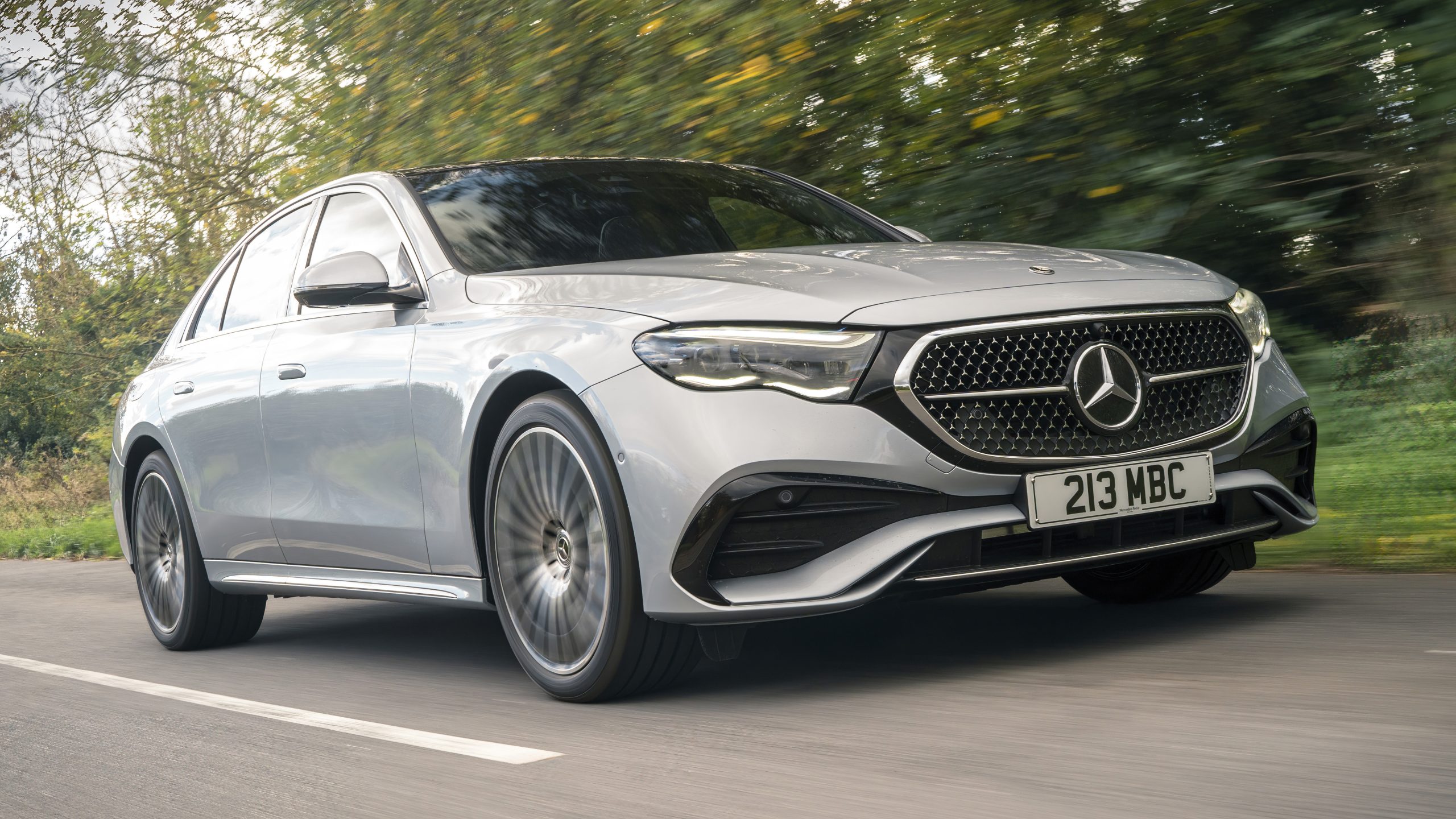
2. Mercedes-Benz E-Class
The Mercedes-Benz E-Class has long been known for blending luxury with cutting-edge technology, and its adaptive cruise control system is no exception. The system works as part of the brand’s Drive Pilot suite, offering smooth speed adjustments that feel natural even in dense traffic conditions.
One of the system’s strengths lies in its predictive capabilities. It not only monitors the vehicle immediately ahead but also analyzes patterns of traffic further down the road, allowing for anticipatory braking and acceleration. This reduces abrupt stops and provides a more fluid driving experience.
Another feature that sets the E-Class apart is the combination of adaptive cruise control with active lane-keeping assist. The car gently corrects steering when the vehicle drifts toward lane boundaries, minimizing the need for manual corrections in stop-and-go traffic.
This integration allows drivers to feel more in control while the system handles routine speed adjustments, particularly in highway congestion. Additionally, the system can bring the car to a complete stop if traffic comes to a halt, resuming movement automatically when traffic starts again, which is especially helpful in rush-hour scenarios.
The comfort of the E-Class extends beyond automation. The system’s acceleration and deceleration are calibrated to feel consistent with the car’s driving character. Instead of abrupt braking that can cause discomfort for passengers, the vehicle modulates speed gradually, contributing to a relaxed ride.
Drivers often note that the adaptive cruise control complements the E-Class’s quiet cabin and smooth suspension, creating a serene commuting environment even in heavily trafficked areas.
Finally, Mercedes has prioritized intuitive controls for the system. Activation and adjustment are straightforward, allowing drivers to modify speed and following distance quickly. This simplicity reduces distractions and allows the driver to maintain focus on the road.
The combination of refined performance, intelligent automation, and seamless integration with other driver-assist features makes the E-Class a standout option for those who navigate traffic regularly and value both comfort and advanced technology.
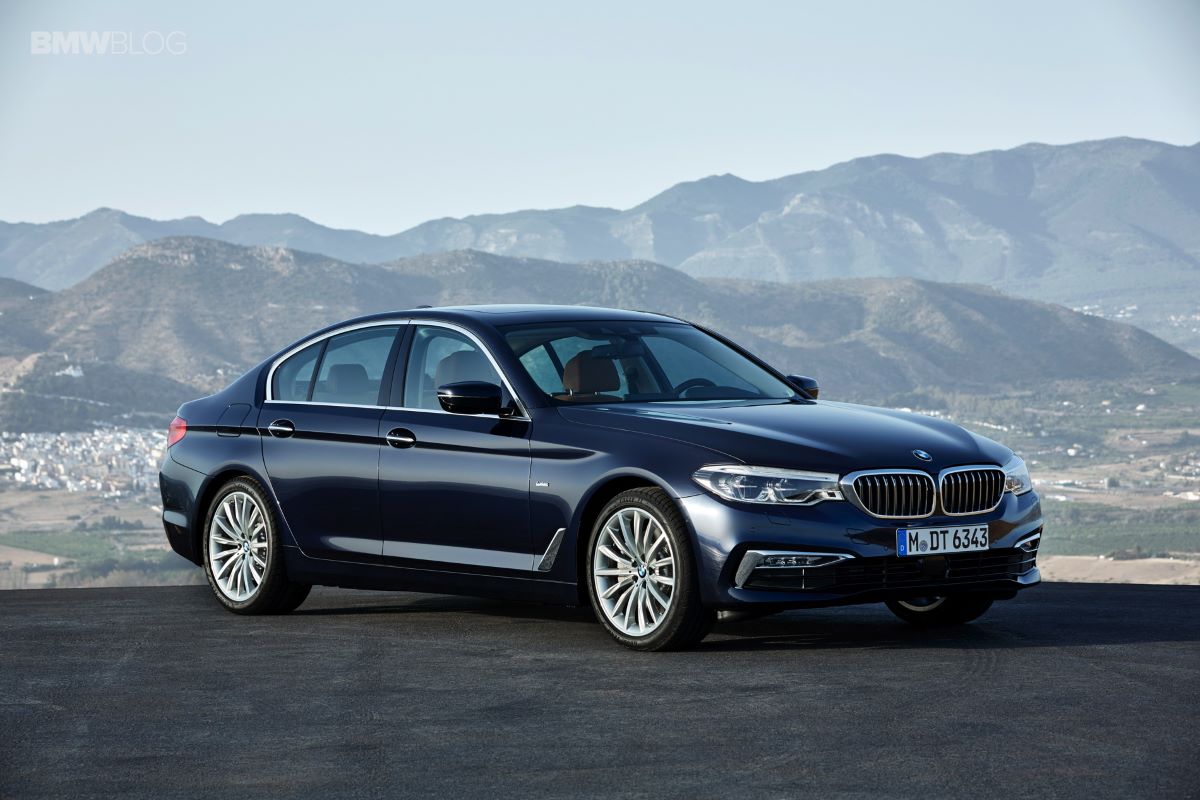
3. BMW 5 Series
The BMW 5 Series is renowned for balancing driving dynamics with advanced technology, and its adaptive cruise control system exemplifies this philosophy. Known as Active Cruise Control with Stop & Go, the system is designed to maintain smooth acceleration and braking while keeping a safe distance from other vehicles.
One advantage of BMW’s approach is the system’s responsiveness. It can handle varying traffic speeds with precision, adjusting gradually rather than abruptly, which reduces passenger discomfort and fatigue during long commutes.
A feature of the 5 Series system is its integration with traffic jam assist. In slow-moving traffic, the vehicle can handle both steering and speed adjustments automatically, easing the stress of congested roads. Drivers can rely on the system to navigate stop-and-go situations without constant manual input, making dense traffic less mentally taxing.
This feature also reduces the likelihood of minor fender benders, which are common in urban congestion, thanks to precise distance monitoring and controlled braking.
The system’s customization options add further value. Drivers can select following distances and responsiveness levels, tailoring the experience to their driving style.
Some may prefer a more assertive system that accelerates quickly when lanes clear, while others may favor a gentler, smoother operation. This adaptability ensures that the 5 Series feels both capable and comfortable in real-world traffic conditions.
Finally, BMW enhances safety by combining adaptive cruise control with other advanced driver-assistance features. Lane departure warnings, automatic emergency braking, and forward collision alerts work together to create a comprehensive system that improves situational awareness.
The synergy between these technologies ensures that adaptive cruise control not only reduces the strain of commuting but also contributes to safer, more controlled driving in unpredictable traffic environments.
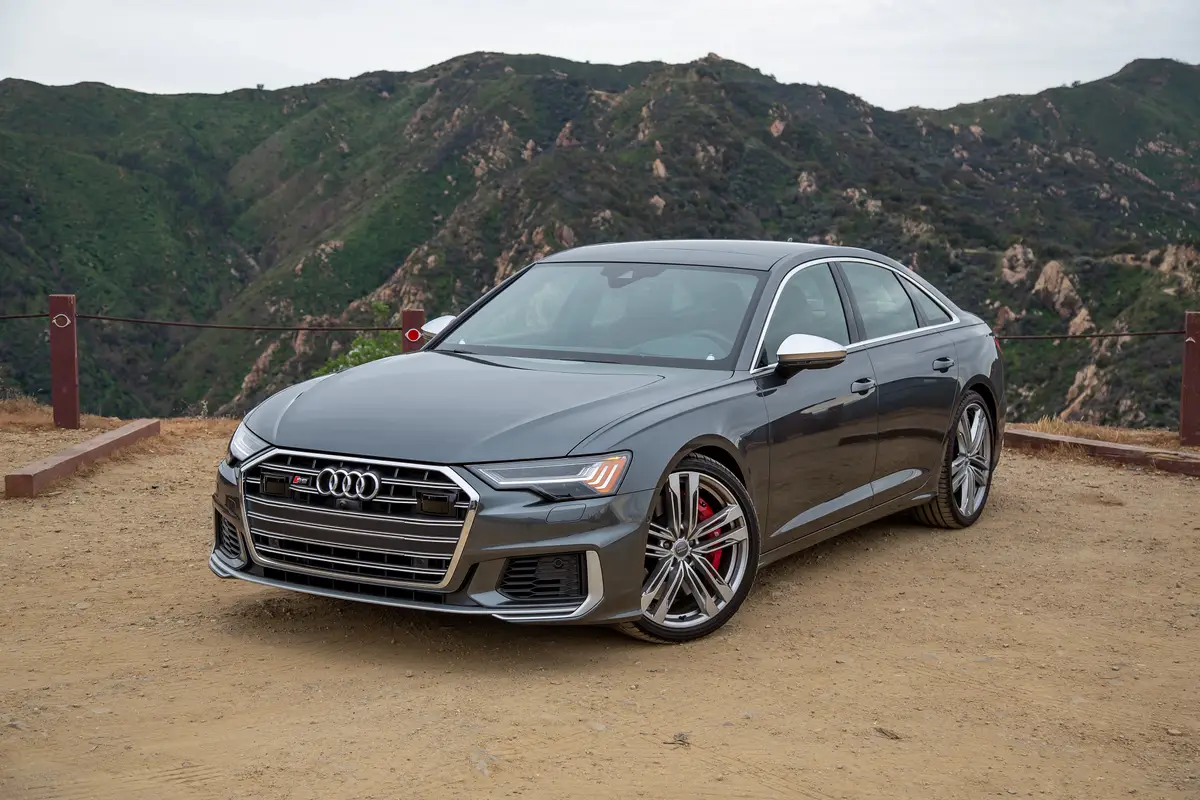
4. Audi A6
The Audi A6 incorporates adaptive cruise control as part of its Traffic Jam Assist system, blending precision with a smooth, composed driving experience. The system is designed to maintain consistent spacing from other vehicles while adjusting speed according to traffic flow.
One key advantage is its ability to recognize slower-moving traffic and anticipate changes in speed, reducing the need for frequent braking and acceleration. This results in a more comfortable experience during long stretches of congestion.
In addition to speed adjustments, the A6 system assists with steering to maintain lane position. This allows drivers to relax slightly during stop-and-go conditions without losing control.
The system’s lane-centering capability works in tandem with adaptive cruise control, ensuring that the vehicle remains safely positioned even on winding or narrow highways. For drivers who encounter heavy commuter traffic regularly, this reduces the effort required to maintain focus over extended periods.
The braking and acceleration of the A6 are finely tuned to avoid sudden or harsh movements. Passengers benefit from gradual deceleration, while acceleration is smooth and responsive when lanes clear.
The system’s predictability also builds driver confidence, as it behaves consistently regardless of traffic density. Audi’s careful calibration ensures that adaptive cruise control feels like a natural extension of the car’s driving character rather than a mechanical add-on.
Finally, the integration of A6’s adaptive cruise control with other safety technologies enhances effectiveness. Forward collision warnings, emergency braking, and blind-spot monitoring work together to create a supportive driving environment.
This combination allows the driver to focus on traffic patterns rather than constantly correcting the vehicle’s speed or position. In heavy traffic, the A6 demonstrates that adaptive cruise control can provide both convenience and peace of mind.
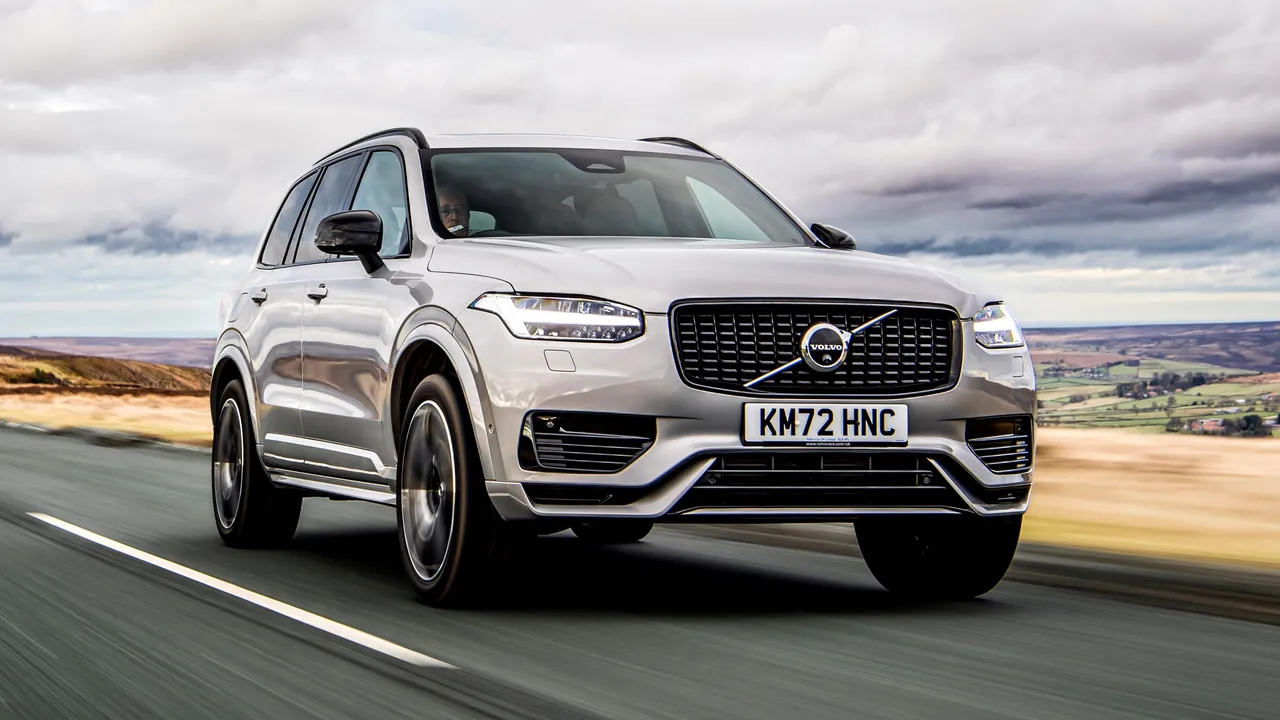
5. Volvo XC90
The Volvo XC90 is widely recognized for its emphasis on safety, and its adaptive cruise control system exemplifies this philosophy. Known as Pilot Assist, the system integrates speed management, distance control, and steering assistance into a single cohesive experience.
It monitors traffic ahead and maintains a safe following distance, even in dense traffic. This reduces the constant micro-adjustments that drivers often perform in stop-and-go traffic, lowering mental fatigue and making long commutes less stressful.
The XC90’s approach to adaptive cruise control also incorporates smooth acceleration and deceleration patterns, which feel more natural than abrupt, jerky responses often found in older systems. Passengers benefit from a calmer ride, while drivers experience less stress in heavy traffic.
One of the XC90’s strengths lies in its lane-keeping integration. The system is capable of gently correcting the steering if the vehicle begins to drift from the lane, even in traffic-heavy conditions.
Unlike systems that can feel mechanical or unpredictable, the XC90’s Pilot Assist provides subtle and precise adjustments, creating a sense of confidence behind the wheel.
This feature is especially useful on long stretches of highway or during peak-hour commutes when attention can waver, allowing the car to support the driver’s focus without fully taking over control.
The ability to combine steering input with adaptive speed control is what makes the XC90 particularly effective at handling congested roads.
Another aspect is the customization and user interface. Drivers can adjust both the following distance and the sensitivity of the system’s acceleration and braking.
This flexibility means that those who prefer a more cautious driving style can maintain a greater buffer, while those comfortable with closer spacing can optimize travel efficiency in heavy traffic.
The interface is designed to be intuitive, with clear visual feedback and simple controls, reducing the learning curve for new users. These thoughtful design choices contribute to why the XC90’s adaptive cruise system is regarded as one of the most approachable and comfortable in its class.
Finally, the system’s integration with other safety technologies enhances reliability. Blind-spot monitoring, collision avoidance, and emergency braking work in tandem with adaptive cruise control, creating a comprehensive safety net that mitigates risks in urban and highway congestion.
This ensures that while the vehicle handles much of the repetitive work associated with traffic, the driver remains protected from sudden hazards. In practice, this combination transforms the XC90 from a luxury SUV into a sophisticated commuting tool, reducing fatigue, improving safety, and making long journeys in heavy traffic more manageable.
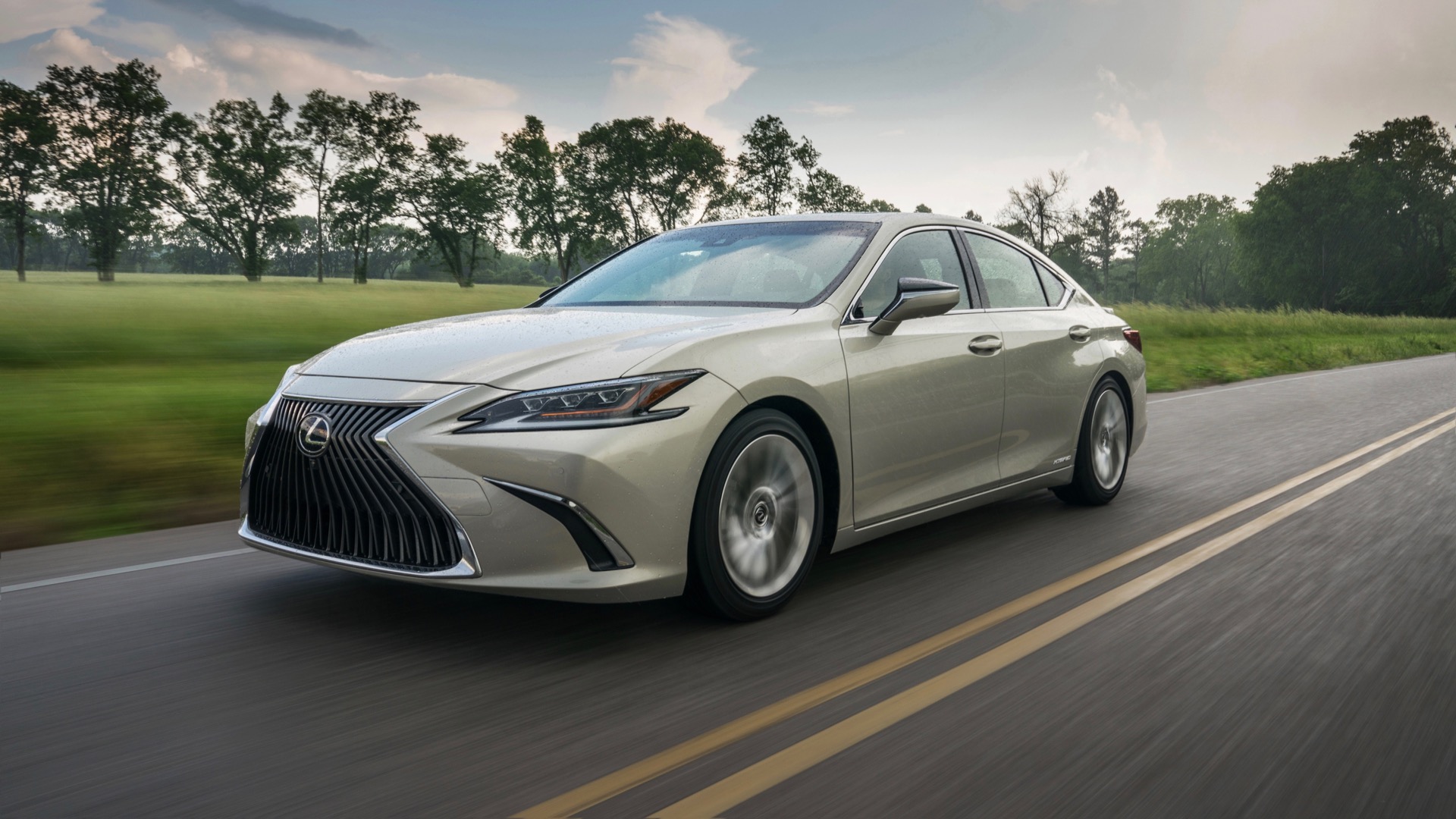
6. Lexus ES
The Lexus ES has earned a reputation for blending comfort, reliability, and cutting-edge technology. Its adaptive cruise control system, which is part of the Lexus Safety System+, offers smooth, predictable adjustments to speed based on traffic conditions.
One key feature is the system’s ability to bring the car to a complete stop during gridlock and resume driving when traffic moves again. This stop-and-go functionality is particularly valuable in congested city streets and heavy commuter routes.
Drivers can remain relaxed while the system manages acceleration and braking with precision, eliminating the constant pedal work typically associated with urban traffic.
The ES emphasizes passenger comfort as well. Acceleration and braking are calibrated to feel gradual and natural, avoiding the abruptness that can disrupt passengers or create tension during heavy traffic. The vehicle maintains consistent spacing with the car ahead, which reduces the mental load on the driver and creates a calmer cabin environment.
This smooth operation is one of the key reasons drivers who navigate daily traffic prefer the Lexus ES over competitors, as it allows for longer periods of focused driving without unnecessary fatigue.
Lexus also integrates lane-keeping assistance with adaptive cruise control to enhance safety and convenience. The system can make minor steering adjustments to keep the car centered in its lane, particularly during slow-moving traffic.
This reduces the constant micro-corrections that drivers often make in stop-and-go conditions, allowing them to focus on surrounding traffic and potential hazards. When combined with predictive features that anticipate slowing or stopping vehicles ahead, the Lexus ES creates a more composed driving experience, particularly during heavy congestion periods.
Finally, the Lexus ES provides intuitive controls for easy customization. Drivers can adjust following distance, sensitivity, and speed settings without distraction, which is critical in real-world traffic scenarios. These controls, coupled with the car’s quiet and comfortable interior, enhance both convenience and confidence.
The system’s reliability, smooth operation, and thoughtful integration with other safety features make the ES a standout option for drivers who seek a stress-free commute, particularly in stop-and-go conditions where adaptive cruise control proves most valuable.
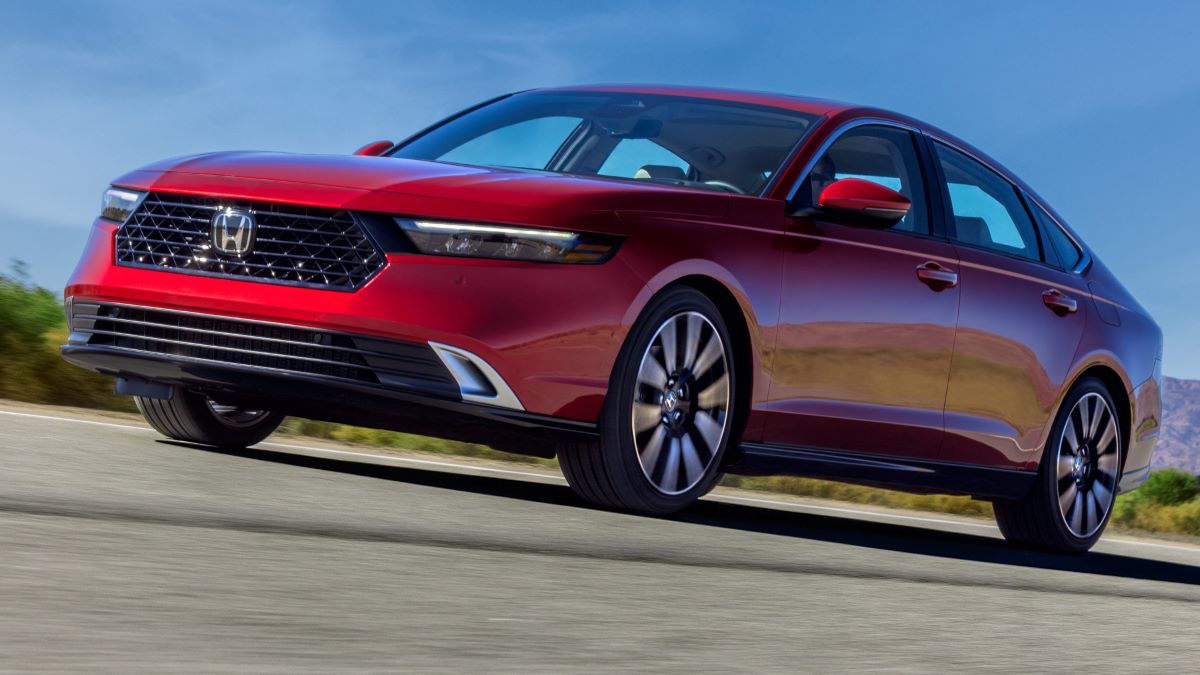
7. Honda Accord
The Honda Accord is often praised for its balance of practicality, affordability, and advanced technology, and its adaptive cruise control system is no exception. Integrated into Honda Sensing, the system can maintain a set speed while automatically adjusting to the flow of traffic.
This feature is particularly useful during long commutes on highways, where stop-and-go conditions are common. The system uses radar and camera input to monitor vehicles ahead and adjust acceleration and braking smoothly, providing a driving experience that feels natural rather than robotic.
This smoothness is one of the reasons drivers of the Accord often find themselves less fatigued after extended periods in traffic.
Another strength of the Accord’s adaptive cruise control is its stop-and-go capability. The system can bring the vehicle to a complete stop when traffic halts and resume driving when the lane ahead clears. This is particularly useful in heavy congestion, where frequent stopping and starting would otherwise place a significant demand on the driver.
The convenience of this feature extends to both city traffic and highway commuting, making the Accord a highly practical choice for drivers who face daily congestion.
The integration with lane-keeping assist enhances the effectiveness of the system. The Accord can provide subtle steering inputs to keep the vehicle centered in its lane while adaptive cruise control manages speed.
This dual functionality is critical during prolonged periods of traffic, as it reduces both physical and mental strain on the driver. It also increases safety, as the system minimizes drifting and ensures proper lane positioning even when traffic is unpredictable.
Finally, the Accord’s user interface and customization options make adaptive cruise control approachable and easy to use. Drivers can adjust following distance and speed settings with minimal distraction, allowing them to focus on the road.
The combination of smooth performance, intuitive controls, and integration with additional safety technologies makes the Honda Accord a strong contender for those seeking a reliable, low-stress commuting experience in congested traffic. Its adaptive cruise control is a key feature that enhances comfort and reduces fatigue in daily driving scenarios.
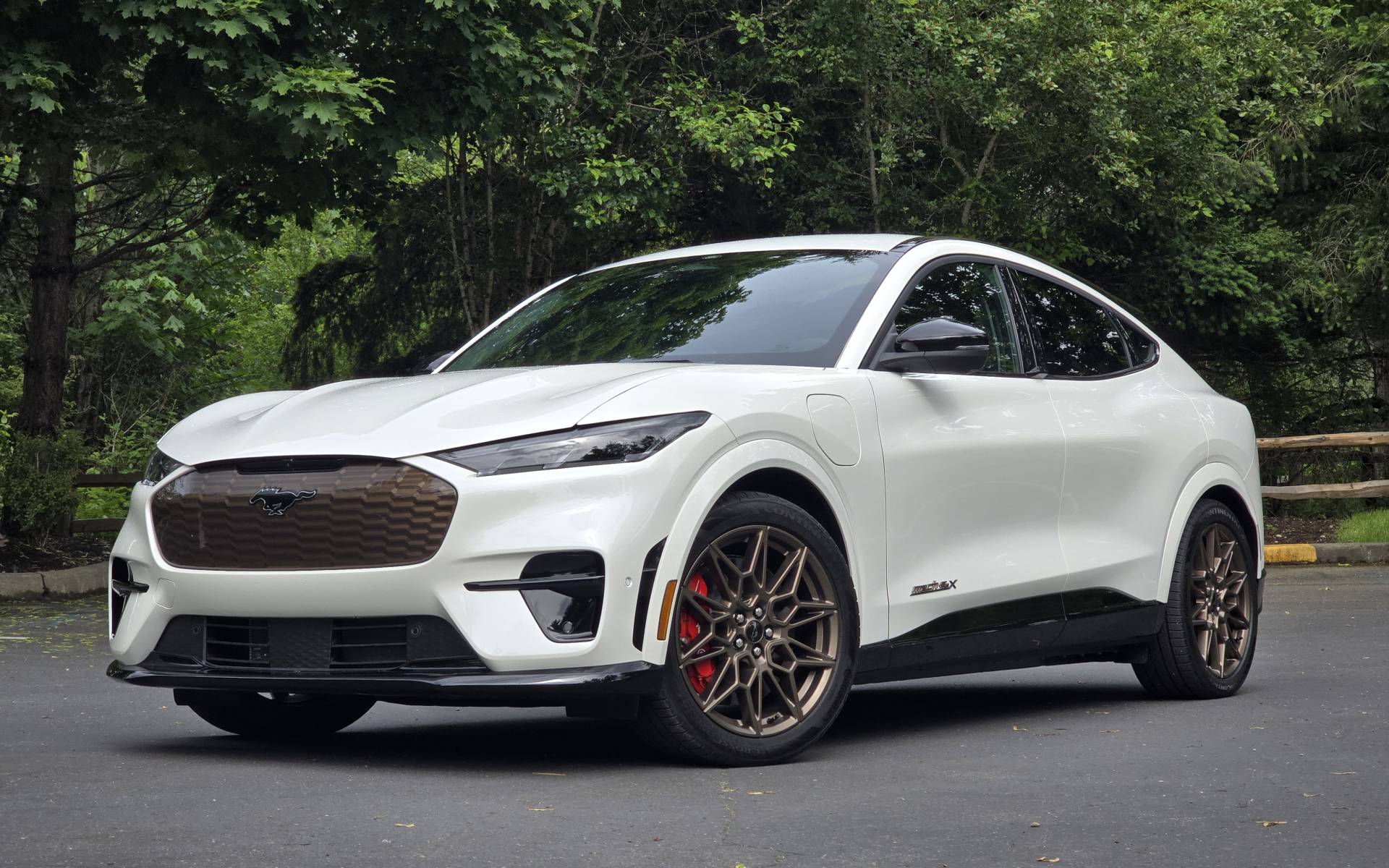
8. Ford Mustang Mach-E
The Ford Mustang Mach-E, as an all-electric SUV, offers more than just impressive acceleration; it provides advanced driver-assist technology with a strong emphasis on adaptive cruise control. The system uses radar and cameras to maintain a safe following distance from vehicles ahead while adjusting speed seamlessly in traffic.
Drivers experience smooth acceleration and braking patterns, which is particularly useful in stop-and-go conditions. In addition to convenience, the system helps preserve the efficiency of the electric drivetrain by avoiding unnecessary rapid acceleration or braking.
The Mach-E also integrates lane-keeping assistance with adaptive cruise control to create a safer and more relaxed driving experience. The vehicle can make small steering adjustments to maintain lane position while controlling speed according to traffic flow.
This reduces the cognitive load on drivers, especially during long periods of highway congestion. The combined system helps prevent fatigue and promotes confidence when navigating dense traffic.
Customization and control are central to the Mustang Mach-E’s adaptive cruise experience. Drivers can set their preferred following distance and responsiveness, allowing the system to match personal driving habits.
For example, those who prefer closer spacing in moderate traffic can adjust the system accordingly, while those seeking a more conservative buffer can increase distance. This flexibility ensures that the adaptive cruise system aligns with the driver’s comfort and safety preferences.
Finally, the Mach-E integrates adaptive cruise control with additional safety features such as automatic emergency braking and collision avoidance. These features provide a safety net in unpredictable traffic situations, allowing drivers to rely on the system without compromising control.
The combination of smooth traffic handling, lane support, and integrated safety technologies makes the Mustang Mach-E an excellent choice for commuters seeking a modern, technologically advanced vehicle capable of reducing the stress of daily congestion.
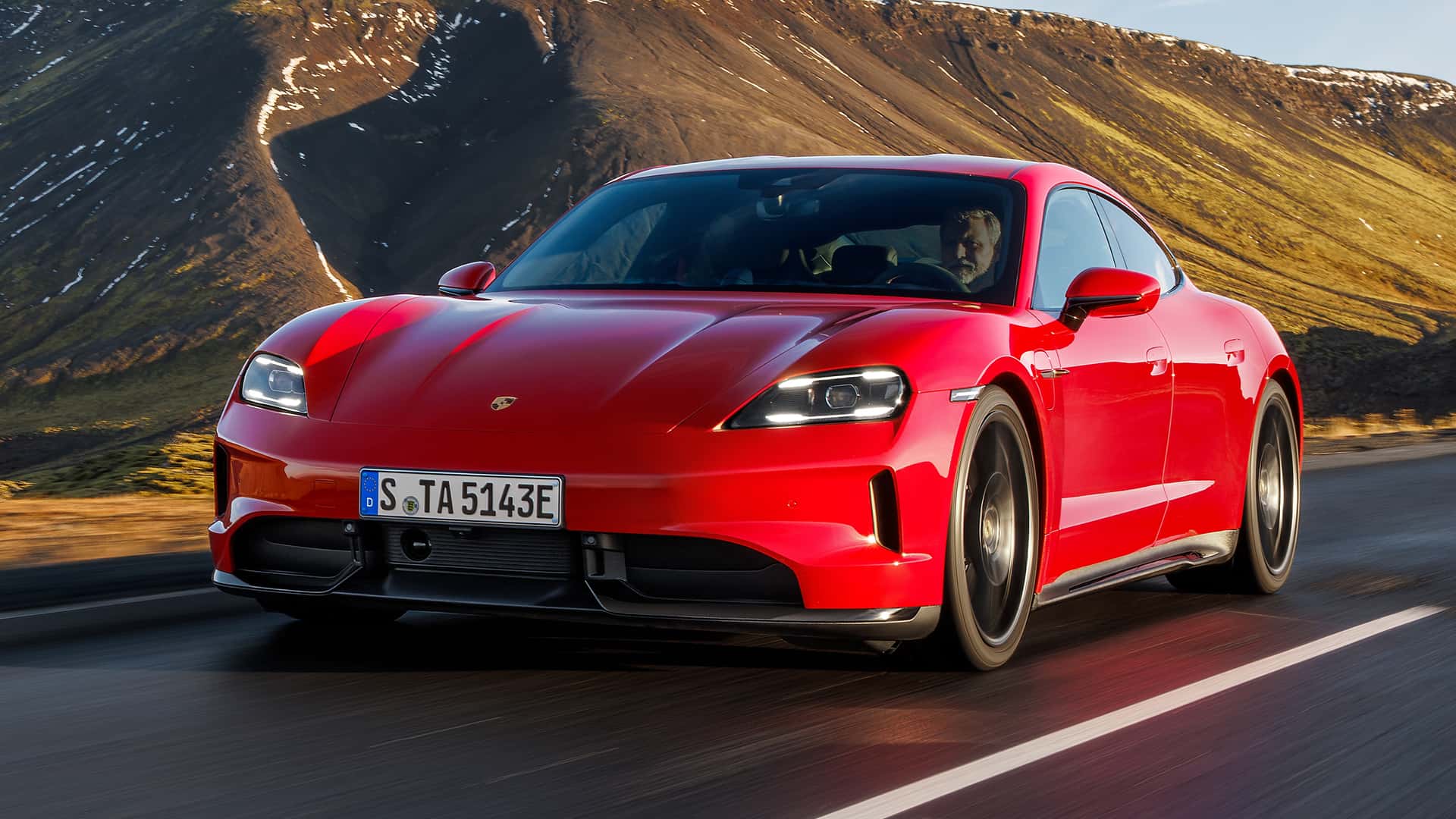
9. Porsche Taycan
The Porsche Taycan is celebrated not only for its electric performance but also for its sophisticated driver assistance systems, including adaptive cruise control. The system is designed to maintain speed and distance from vehicles ahead while navigating heavy traffic with precision.
Unlike conventional systems, the Taycan uses advanced sensors and predictive algorithms to adjust speed smoothly, creating a driving experience that feels deliberate rather than abrupt.
For drivers in urban areas or on congested highways, this ensures that acceleration and deceleration occur naturally, reducing the stress often associated with stop-and-go conditions.
The Taycan’s adaptive cruise control contributes to both comfort and efficiency, as it minimizes unnecessary energy consumption by smoothing out frequent braking and acceleration.
Lane-centering functionality complements the adaptive cruise system, allowing the Taycan to maintain a consistent position within the lane. During heavy traffic, this feature reduces the driver’s need to make constant micro-adjustments while navigating through crowded lanes.
The Taycan also includes stop-and-go capabilities, allowing the vehicle to come to a complete halt when traffic stops and resume automatically when conditions permit. This is especially valuable in urban commuting or slow-moving highway traffic, where frequent stopping can be tiring over time.
The system’s seamless resumption of speed avoids sudden jerks or abrupt movements, maintaining passenger comfort. Porsche has carefully calibrated this system to match the vehicle’s dynamic driving characteristics, ensuring that adaptive cruise control integrates smoothly with the Taycan’s high-performance nature without compromising its luxury feel.
Finally, the Taycan integrates adaptive cruise control with a suite of other safety technologies, including forward collision warning and automated emergency braking. This creates a comprehensive safety network, allowing the driver to rely on technology for routine traffic management while remaining protected against unexpected hazards.
The combination of precision, comfort, and safety makes the Taycan an outstanding option for drivers seeking both a performance-oriented vehicle and a capable traffic-handling system. It proves that even high-performance electric vehicles can excel in everyday commuting scenarios when adaptive cruise control is executed effectively.
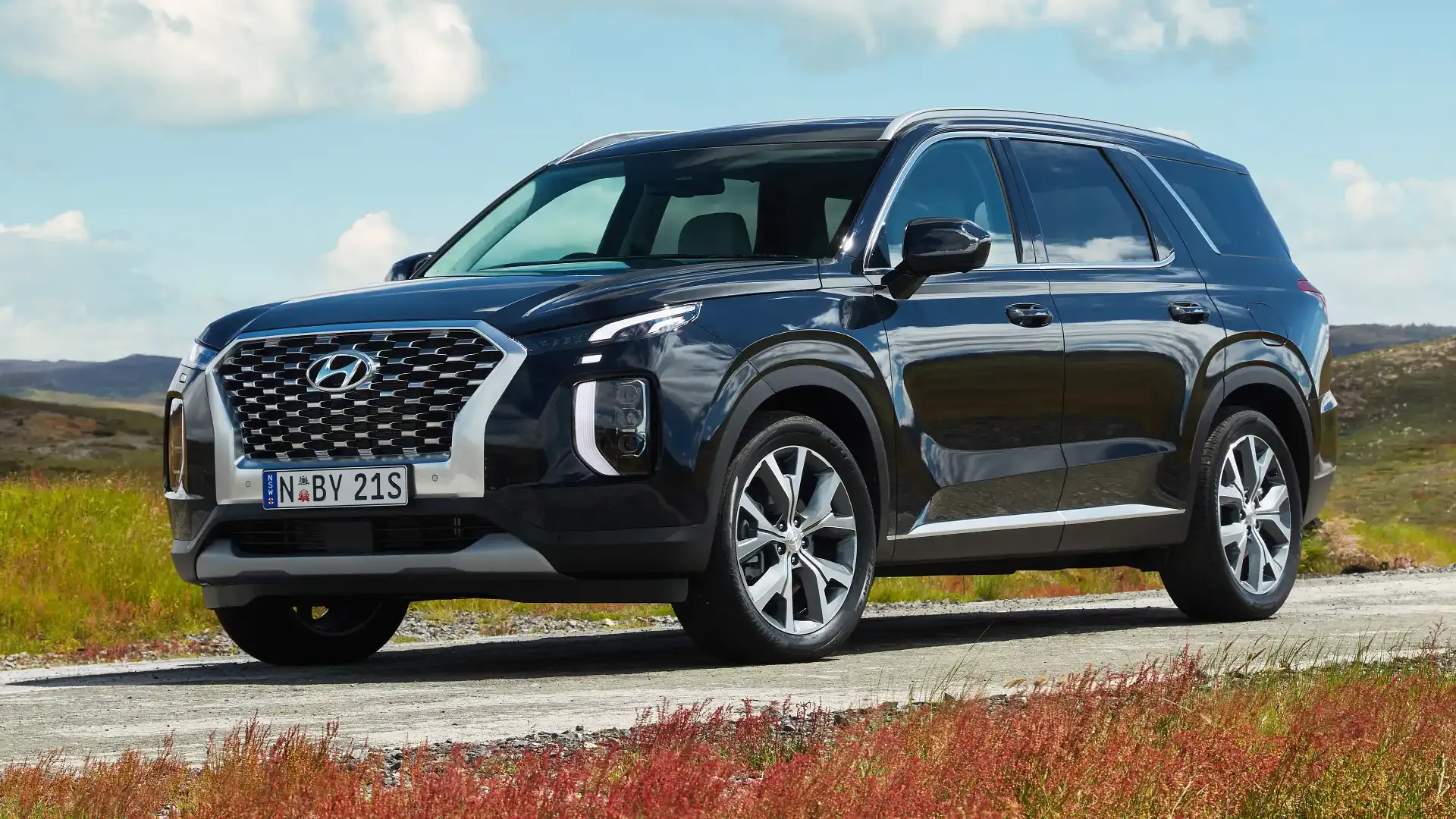
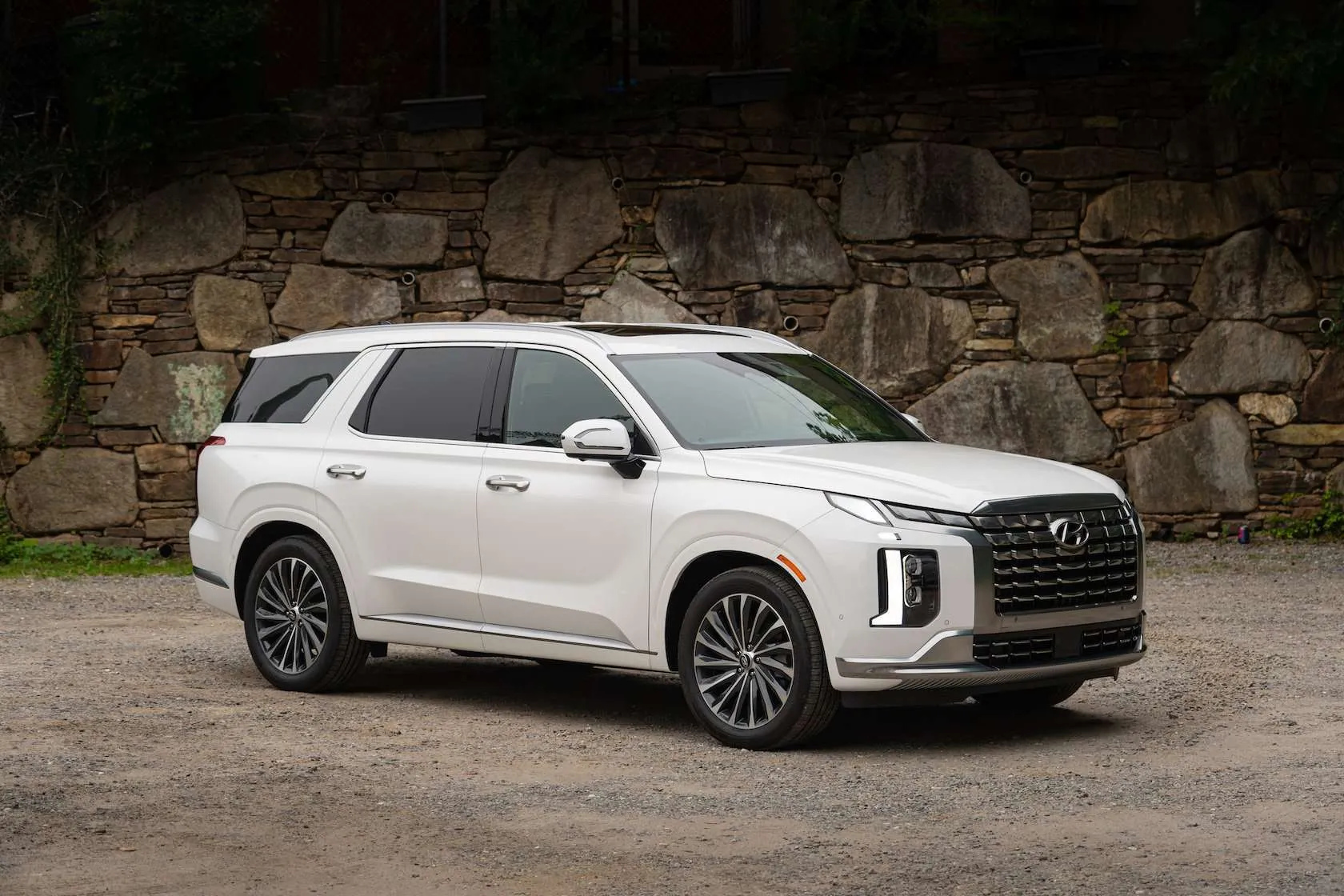
10. Hyundai Palisade
The Hyundai Palisade is a midsize SUV designed with family comfort and convenience in mind, and its adaptive cruise control system is well-suited for traffic-heavy environments.
Part of Hyundai’s Smart Cruise Control with Stop & Go, the system maintains a safe distance from vehicles ahead while automatically adjusting speed.
Drivers benefit from smooth acceleration and deceleration, which makes daily commutes less stressful and reduces the physical demands of constant pedal control.
The Palisade’s adaptive cruise control is particularly effective in highway traffic, where varying speeds can create tension for drivers, allowing the vehicle to handle routine adjustments while the driver focuses on traffic awareness.
Lane-following assistance enhances the system by keeping the vehicle centered in its lane, even during slow-moving traffic. This reduces the mental load on drivers, particularly during long trips or in congested conditions.
The Palisade’s system is designed to provide gentle steering inputs rather than abrupt corrections, which helps maintain comfort and confidence for both driver and passengers.
By combining lane-centering technology with adaptive speed management, Hyundai ensures that drivers can navigate dense traffic with less fatigue and greater focus on surrounding vehicles.
Finally, the Palisade integrates adaptive cruise control with safety technologies such as forward collision avoidance and blind-spot monitoring. These features work together to enhance situational awareness and provide additional protection in stop-and-go conditions.
By combining convenience, comfort, and safety, the Hyundai Palisade demonstrates that even larger SUVs can excel in traffic-heavy environments, offering a smooth and confident driving experience that is particularly valuable for daily commuting and long-distance travel alike.
