
Choosing the right SUV can make or break a weekend adventure. For those who love camping trips, the vehicle becomes more than just transportation; it becomes a reliable partner in navigating winding trails, hauling gear, and providing comfort after a day outdoors.
The market for SUVs is crowded with options that promise off-road capabilities, luxurious interiors, and impressive towing capacities, but not all deliver what they advertise.
Many vehicles that appear rugged in commercials or glossy brochures fail to meet the demands of real outdoor use, leaving drivers frustrated when their weekend plans encounter practical challenges.
Understanding the difference between SUVs that genuinely support camping adventures and those that overpromise requires more than just looking at horsepower and styling. It requires evaluating cargo space, ground clearance, fuel efficiency, and the durability of materials under real-world conditions.
Additionally, comfort features that matter on long drives, such as seating ergonomics, climate control, and infotainment reliability, are often overlooked when people are tempted by flashy claims.
This article will provide a practical guide for outdoor enthusiasts by highlighting five SUVs that are ideal for camping weekends, emphasizing their genuine strengths, and contrasting them with five vehicles that, despite their marketing allure, tend to fall short when faced with the realities of weekend trips.
By examining both categories, readers will gain a clearer sense of which vehicles align with their lifestyle, which ones may create more stress than convenience, and how to make a purchase decision that balances capability, reliability, and comfort.
Choosing the wrong SUV can mean the difference between a seamless weekend in nature and a series of avoidable headaches, and this guide seeks to equip readers with actionable insights to avoid disappointment.
5 SUVs for Camping Weekends
1. Toyota 4Runner
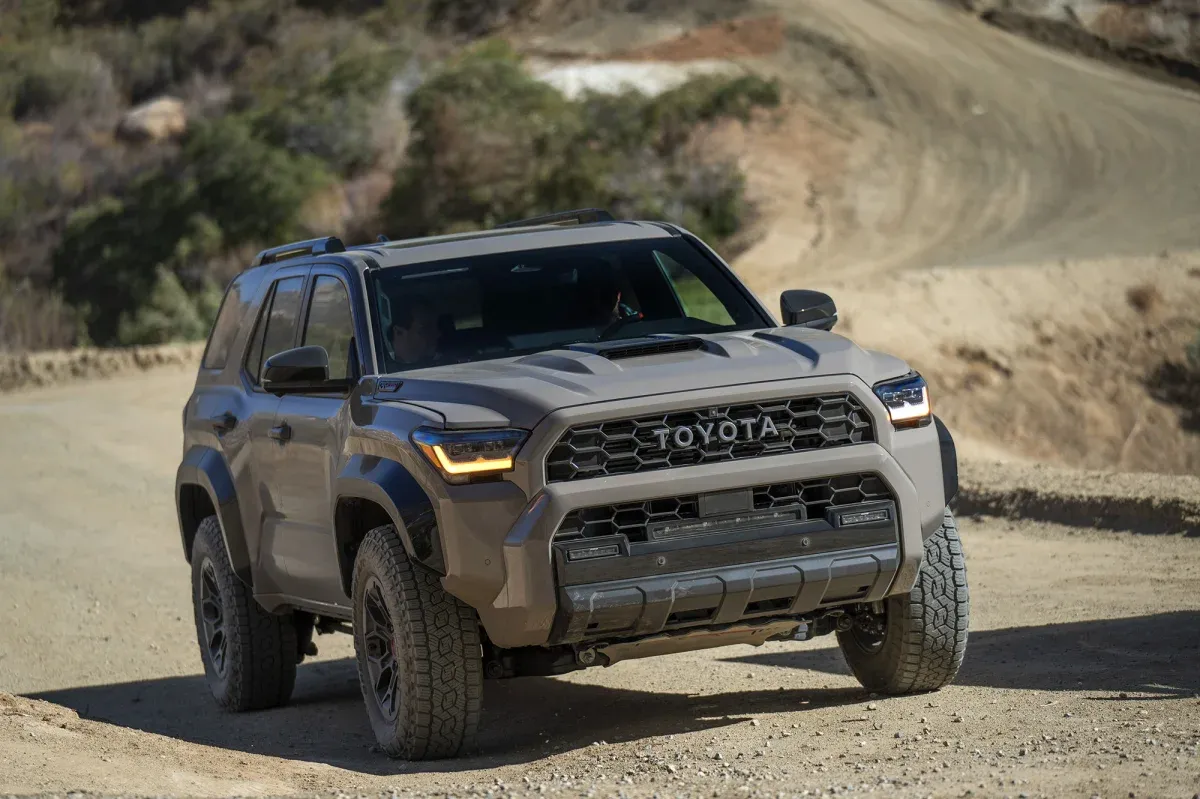
The Toyota 4Runner has earned a reputation among outdoor enthusiasts for reliability and durability, and this reputation is well-deserved. Its body-on-frame construction gives it the toughness required for unpaved roads and uneven terrain, allowing drivers to venture into areas that would challenge most crossovers.
Unlike vehicles built with car-like unibody designs, the 4Runner’s rugged frame can withstand repeated exposure to rough surfaces without excessive wear or structural stress.
Ground clearance is generous, ensuring that rocks, tree roots, and uneven terrain are not constant sources of concern. Its suspension is engineered to provide both articulation and stability, which means drivers can traverse off-camber trails and shallow water crossings without risking vehicle damage.
The off-road package, which includes features such as skid plates, locking rear differentials, and multi-terrain traction control, makes the 4Runner one of the few SUVs that can genuinely claim to be ready for serious outdoor excursions straight from the factory.
Cargo capacity is another strong point of the 4Runner, making it exceptionally practical for weekend camping trips. The rear cargo area is square and deep, capable of accommodating large tents, multiple sleeping bags, backpacks, and other essential gear without forcing drivers to compromise on what to bring.
For families or groups of friends, this space ensures everyone’s equipment fits comfortably, reducing the need for complicated packing strategies or leaving items behind. The rear seats can fold down to further extend the cargo area, creating a nearly flat surface that can even serve as an impromptu sleeping area if necessary.
Additionally, the roof rails are solidly constructed and capable of supporting significant weight, enabling the addition of roof racks, cargo boxes, or adventure equipment like kayaks and bicycles. This combination of interior and rooftop storage allows campers to bring everything they need while remaining organized and accessible.
Inside, the 4Runner balances ruggedness with a surprising level of comfort and practicality. Materials are durable enough to withstand the effects of mud, water, and dirt often tracked in from campsites, while seats provide adequate support for long drives.
The interior layout is straightforward, with controls that are easy to reach and intuitive to use even when wearing gloves or dealing with fatigue after a long day on trails. The infotainment system, while not the most modern or luxurious, offers reliable functionality, helping drivers navigate to remote locations without distraction or confusion.
Many SUVs sacrifice reliability for tech sophistication, but the 4Runner’s approach prioritizes dependability and ease of use, which is critical when off-road adventures take you far from help.
Off-road-specific features further elevate the 4Runner’s suitability for camping excursions. Systems such as multi-terrain select allow the driver to optimize the vehicle’s traction, throttle response, and braking for different surfaces, whether mud, sand, or rocks.
Crawl control automates low-speed off-road driving, letting the driver focus on steering while the system manages power distribution to prevent wheel spin or stalling. These features are invaluable for weekend campers who may not have extensive off-road experience but still want the confidence to explore less-traveled routes.
Combined with Toyota’s reputation for long-term reliability, the 4Runner stands out as a vehicle that can take families, friends, or solo adventurers to remote campsites consistently, making it one of the most dependable SUVs for outdoor enthusiasts.
2. Subaru Outback
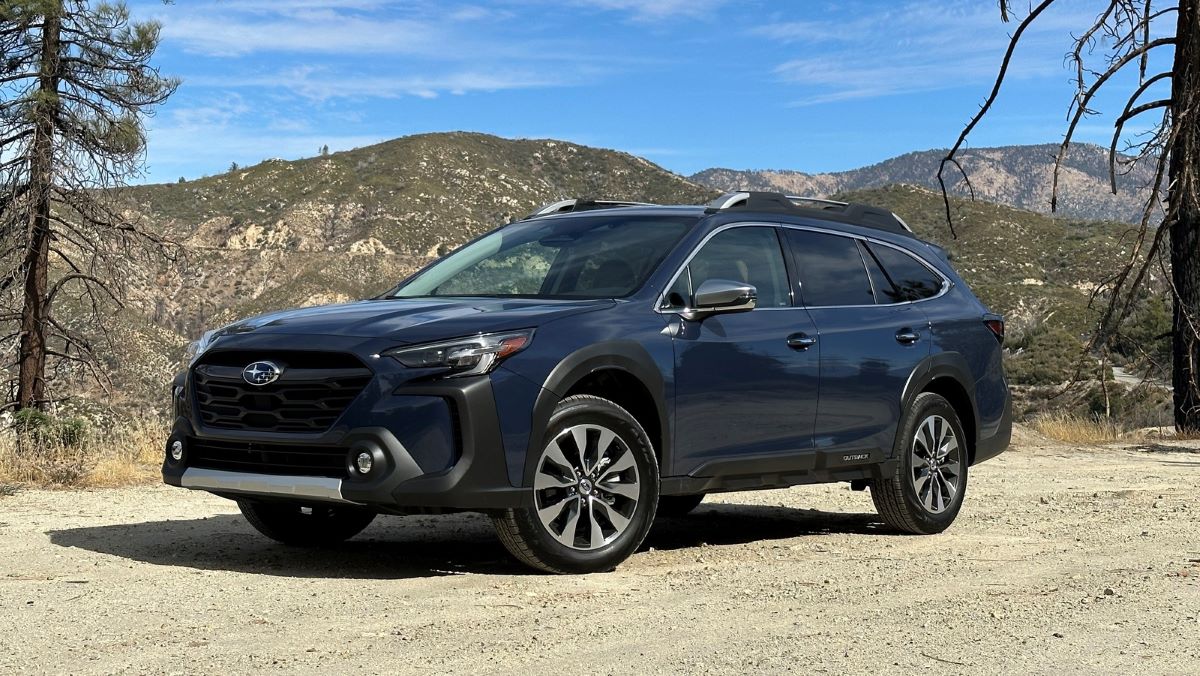
The Subaru Outback has earned its place as a versatile and capable SUV for outdoor adventures, particularly for those who prefer a smaller, more fuel-efficient option.
Its standard all-wheel-drive system provides consistent traction in mud, snow, gravel, or shallow water crossings, which are typical challenges during camping trips.
Unlike many larger SUVs, the Outback achieves this while maintaining impressive fuel efficiency, allowing longer trips to remote locations without constant stops for refueling.
Its smaller size also makes it easier to maneuver on tight forest trails, narrow roads, or crowded campgrounds, reducing the stress often associated with larger, more cumbersome vehicles. For solo travelers, couples, or small families, this combination of agility, efficiency, and capability makes the Outback an ideal choice for regular weekend getaways.
The interior of the Outback is designed to maximize utility and comfort, a balance often overlooked in marketing materials for smaller SUVs. The rear seats fold flat, creating a substantial cargo area for camping gear, coolers, folding chairs, and other essentials.
The roof rails are sturdy and versatile, supporting attachments for roof boxes, tents, or outdoor recreational gear such as kayaks or bicycles. Subaru also places emphasis on interior durability, ensuring that materials can withstand wet boots, muddy backpacks, and even spills without immediate damage.
This level of practicality allows campers to focus on enjoying their trip rather than constantly worrying about keeping the interior pristine.
Ride comfort is another standout feature of the Outback, as the vehicle achieves a careful balance between off-road capability and on-road smoothness. Its suspension absorbs bumps and minor obstacles without transmitting excessive shock to passengers, making long drives to distant campsites more comfortable.
Visibility is excellent in the Outback, thanks to a slightly elevated seating position and thoughtfully designed windows, which helps drivers navigate tight forest roads or identify obstacles at low speeds. The cabin is also quiet and well-insulated, allowing conversations, music, or navigation instructions to remain clear even while driving over uneven surfaces.
Technology in the Outback supports both safety and convenience during outdoor trips. Navigation aids help locate trails, campsites, and waypoints, while safety systems such as adaptive cruise control, lane departure warnings, and emergency braking provide peace of mind when driving unfamiliar roads.
The combination of thoughtful engineering, practical interior design, and reliable all-wheel-drive capability makes the Outback a well-rounded option for camping enthusiasts who want an SUV that can tackle real-world adventures while remaining economical and easy to drive.
3. Jeep Cherokee Trailhawk
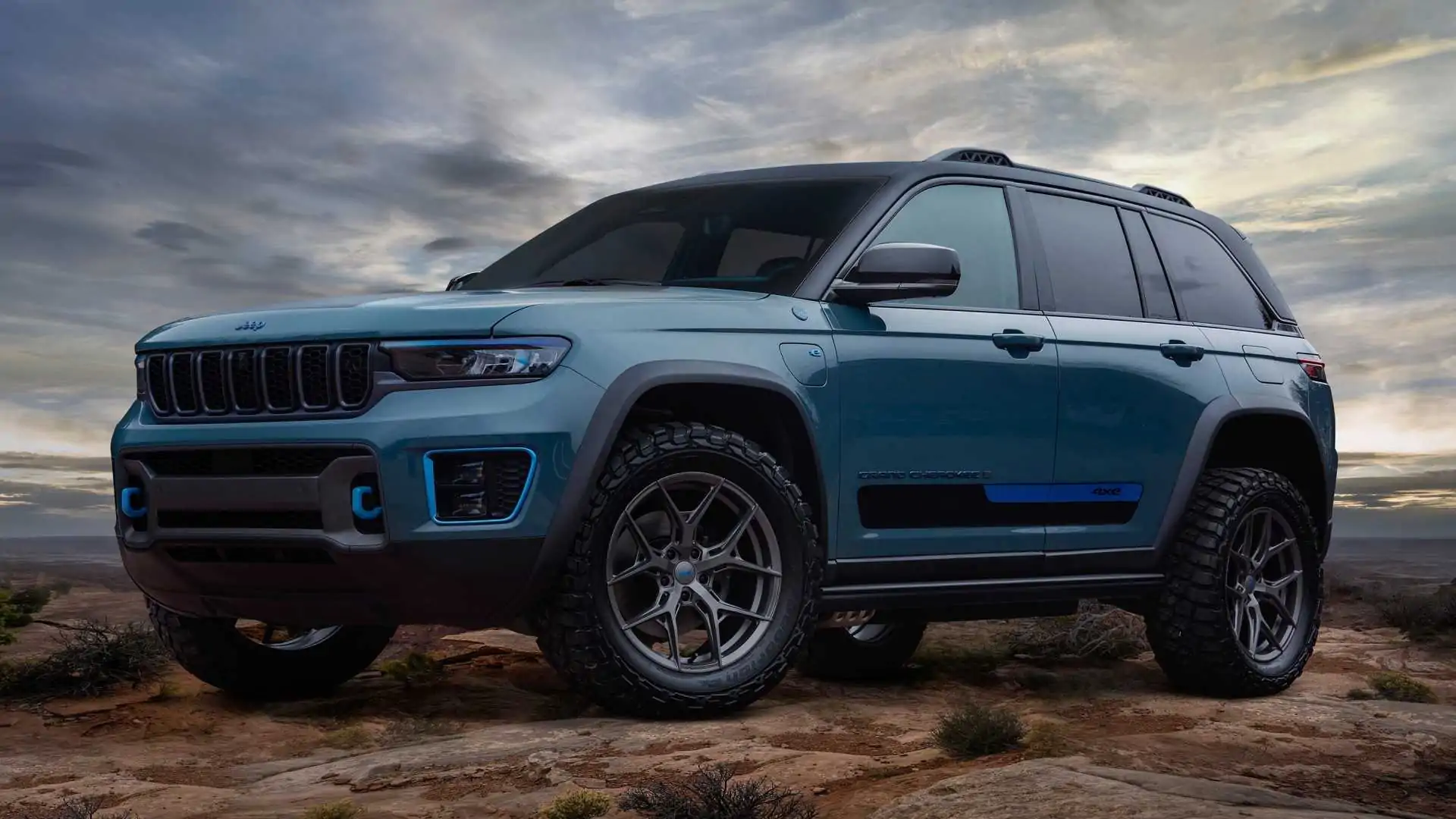
The Jeep Cherokee Trailhawk distinguishes itself from standard SUVs by offering an authentic off-road experience. Unlike the base Cherokee, the Trailhawk variant comes equipped with a raised suspension, skid plates, and a more sophisticated four-wheel-drive system, all of which improve traction and stability on uneven terrain.
This allows drivers to confidently navigate rocky paths, sandy trails, and shallow water crossings, which are common obstacles on camping excursions. Its compact size, compared with larger off-road SUVs, allows it to maneuver through tight forest roads or campgrounds without difficulty, giving it a versatility that larger vehicles sometimes lack.
Cargo space in the Trailhawk is adequate for weekend camping, with fold-flat rear seats that expand the usable storage area. While it may not match the 4Runner in sheer volume, the Cherokee’s interior layout maximizes usability, and the materials are designed to resist dirt, mud, and moisture.
Washable floor mats, water-resistant surfaces, and practical storage compartments ensure that gear remains protected and the interior easier to clean after muddy adventures. These details demonstrate Jeep’s attention to the realities of outdoor travel rather than simply aesthetic appeal.
The on-road driving experience of the Cherokee Trailhawk remains comfortable despite its off-road orientation. Its suspension manages rough terrain while still offering a relatively smooth ride on highways and city streets.
Trailhawk-specific technologies enhance both safety and control in challenging conditions. Hill descent control manages downhill sections safely, locking rear differentials improve traction on uneven surfaces, and terrain management systems allow for quick adjustments to power distribution based on the type of surface encountered.
These features are especially valuable for weekend campers without extensive off-road experience, as they provide confidence and reduce the risk of getting stuck or causing damage.
Combined with Jeep’s reputation for adventure-focused vehicles, the Cherokee Trailhawk is a reliable option for those seeking a capable SUV for both moderate and challenging camping environments.
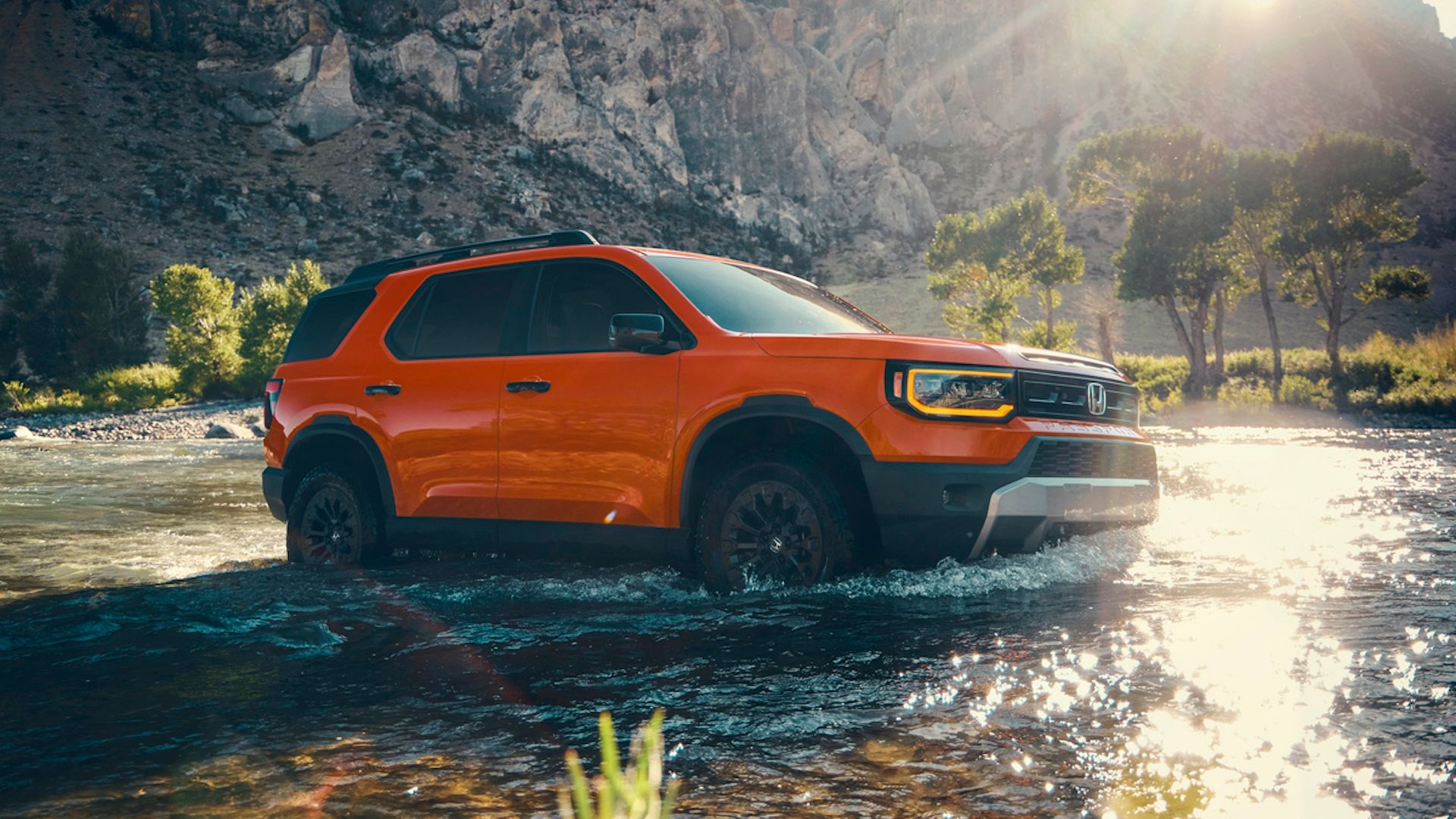
4. Honda Passport
The Honda Passport blends generous interior space with practical off-road capability, making it a strong choice for outdoor enthusiasts. Its higher ground clearance and available all-wheel-drive system allow it to handle rougher terrain, such as dirt roads, shallow streams, and forest paths, with relative ease.
Suspension tuning ensures that even when fully loaded with passengers and gear, the ride remains stable and comfortable. The Passport is particularly suitable for longer trips, where comfort for multiple occupants is just as important as durability and off-road performance.
Storage and cargo management are significant strengths of the Passport. Rear seats fold flat to provide a continuous cargo area for tents, coolers, sleeping bags, and other camping essentials.
Its roof rails are sturdy enough to support additional equipment such as rooftop tents, kayaks, or bicycles, ensuring campers can bring all necessary gear without sacrificing interior space.
Thoughtful storage compartments within the cabin further enhance organization and accessibility during weekend trips, allowing campers to quickly retrieve items without disrupting the entire load.
Unlike some SUVs that prioritize aesthetics over practicality, the Passport’s interior design allows for real-world use while maintaining a degree of refinement that makes it enjoyable for everyday driving.
Technology features enhance both convenience and safety during camping trips. Navigation systems help plan routes to remote locations, while multiple USB ports allow passengers to keep devices powered for entertainment or emergency communication.
Adaptive cruise control, collision mitigation systems, and blind-spot monitoring contribute to safer drives, particularly on unfamiliar roads. The Passport’s combination of interior space, comfort, and reliable performance makes it a versatile SUV capable of handling both family trips and adventurous weekend excursions without compromise.
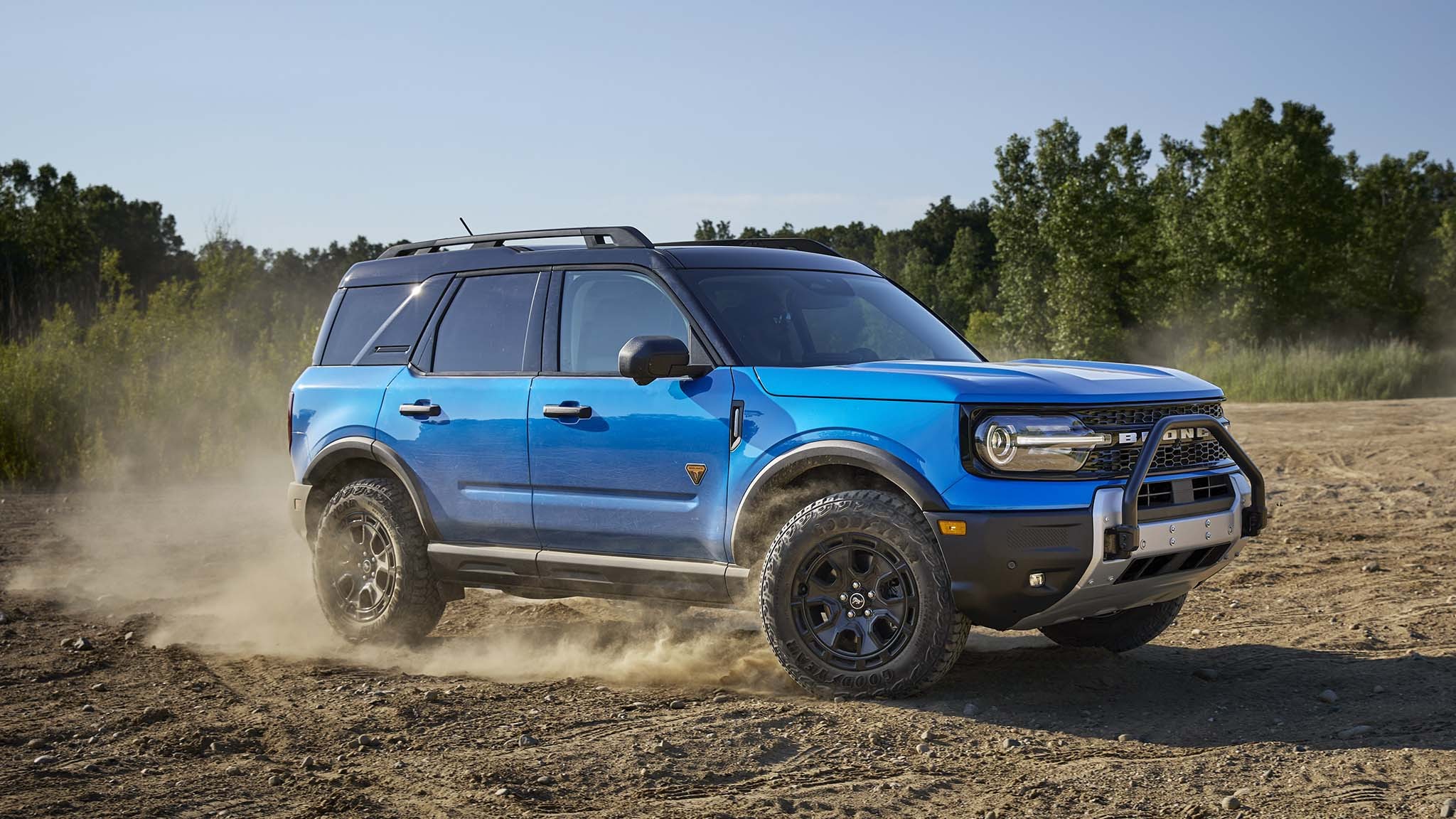
5. Ford Bronco Sport
The Ford Bronco Sport emphasizes versatility and adventure readiness in a compact SUV form, offering many of the capabilities associated with larger off-road vehicles while remaining easier to maneuver.
Its all-wheel-drive system, terrain management settings, and protective skid plates allow it to tackle dirt roads, shallow streams, and uneven trails commonly encountered on camping trips. For drivers who want a rugged vehicle without the bulk of a full-size SUV, the Bronco Sport presents a practical balance of size, capability, and comfort.
Cargo capacity is designed with outdoor enthusiasts in mind. Rear seats fold flat to maximize usable space for gear, while roof rails provide additional options for equipment that cannot fit inside.
The interior materials are durable and resistant to mud, water, and wear, reducing the need for constant cleaning after a day on the trails. Storage compartments are thoughtfully placed to ensure small items remain accessible and secure, minimizing frustration when setting up camp.
Ride quality is well-tuned for both off-road and on-road conditions. Suspension components absorb bumps and minor obstacles while maintaining comfort for passengers, making long drives to remote campsites more enjoyable.
Technology and safety features add convenience and reassurance. Navigation aids help locate trails and campsites, while driver-assistance systems provide added safety on unfamiliar or challenging routes. The Bronco Sport prioritizes functionality over luxury, focusing on reliable systems that perform under demanding conditions.
For outdoor enthusiasts seeking a versatile SUV that can handle weekend camping trips reliably, the Bronco Sport offers a combination of compact size, off-road capability, and practical interior design that makes it a strong contender in its category.
5 SUVs That Overpromise
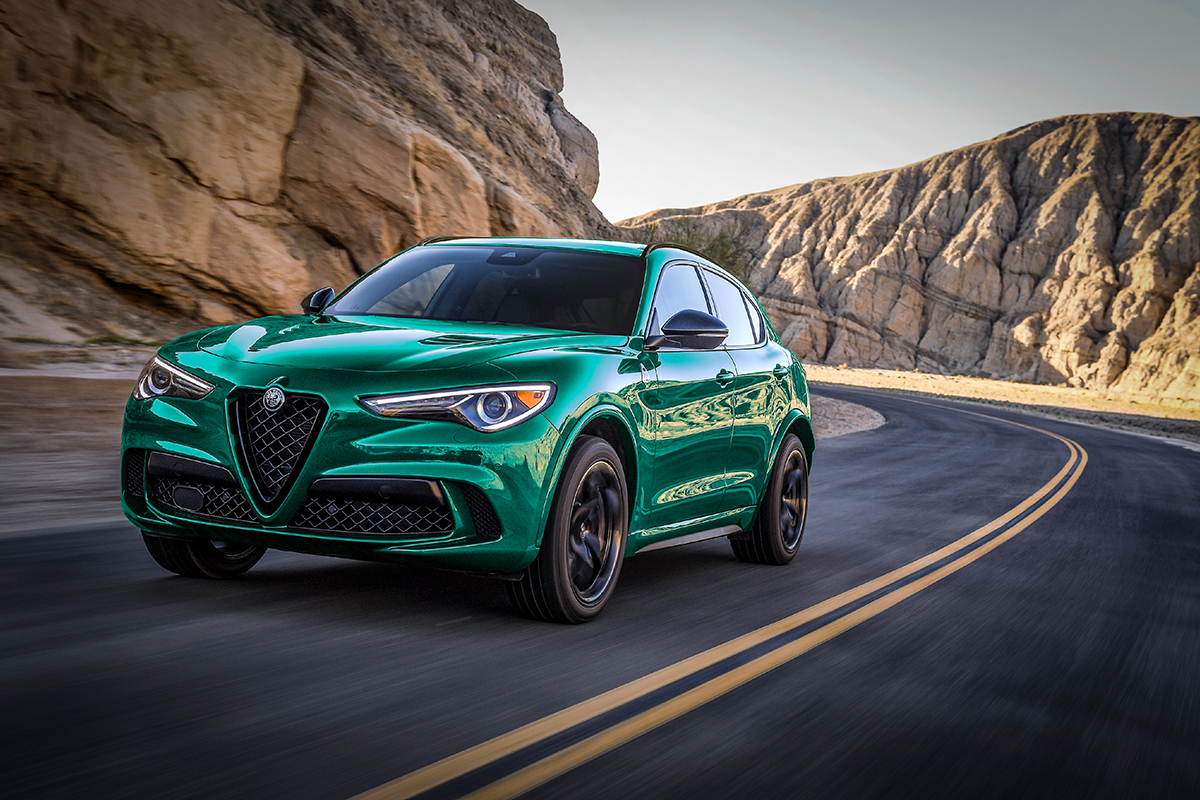
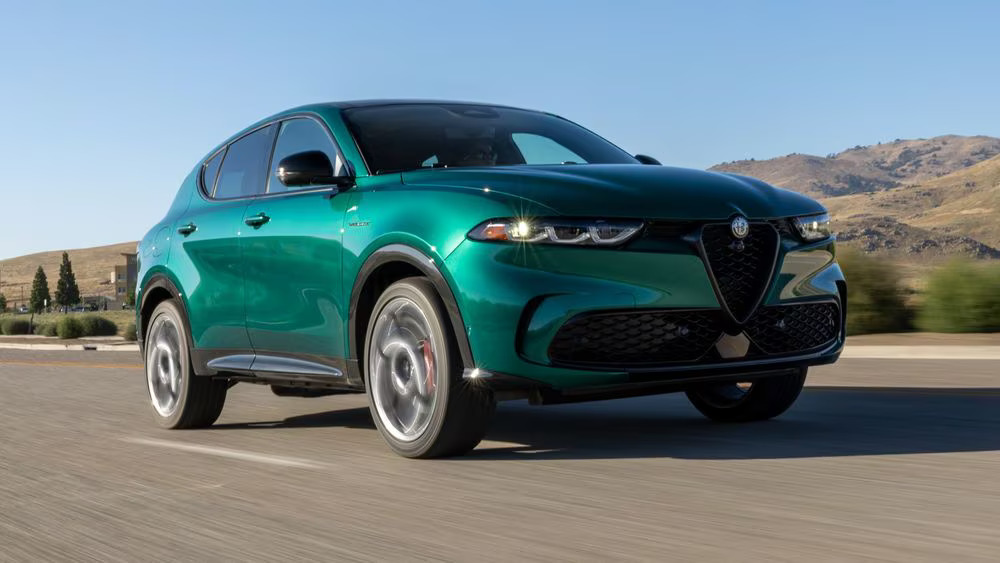
1. Alfa Romeo Stelvio
The Alfa Romeo Stelvio presents itself as a high-performance SUV that claims both luxury and sportiness, yet it often struggles to live up to expectations in practical, real-world scenarios.
Its turbocharged engines provide strong acceleration on paper, and the handling is marketed as sharp and engaging, but the ride quality frequently disappoints on rough or uneven roads.
While the Stelvio’s suspension is tuned for sporty handling, it tends to transmit road imperfections directly to the cabin, making it uncomfortable for long drives or trips over uneven terrain.
Those who envision using the Stelvio as a weekend getaway vehicle may find that comfort is sacrificed in favor of a sporty feel that is better suited to smooth city streets and highways.
Cargo space in the Stelvio is another area where reality does not match expectations. The rear cargo area is smaller than that of many competitors, limiting how much gear can be carried without careful planning.
Interior comfort is also inconsistent with the vehicle’s advertised prestige. While leather and trim materials appear luxurious at first glance, the cabin layout prioritizes style over ergonomics. Controls may be difficult to reach or operate intuitively, and rear passengers often experience limited legroom, particularly on longer trips.
Even for a small family, the combination of stiff seats, limited space, and a firm suspension may lead to fatigue or discomfort during weekend excursions. For those who value both performance and practicality, the Stelvio often falls short of providing a truly balanced experience.
Technology and reliability concerns further emphasize the gap between promise and reality. Infotainment systems can be slow and unintuitive, and some advanced driver-assistance features are less refined than competitors. Maintenance costs are higher than average, reflecting both the luxury branding and engineering complexity of the vehicle.
While the Stelvio can impress with acceleration and cornering on smooth roads, its real-world performance on trips involving luggage, rough roads, or family passengers is frequently underwhelming, highlighting how the SUV may overpromise in its marketing versus what most owners experience day to day.
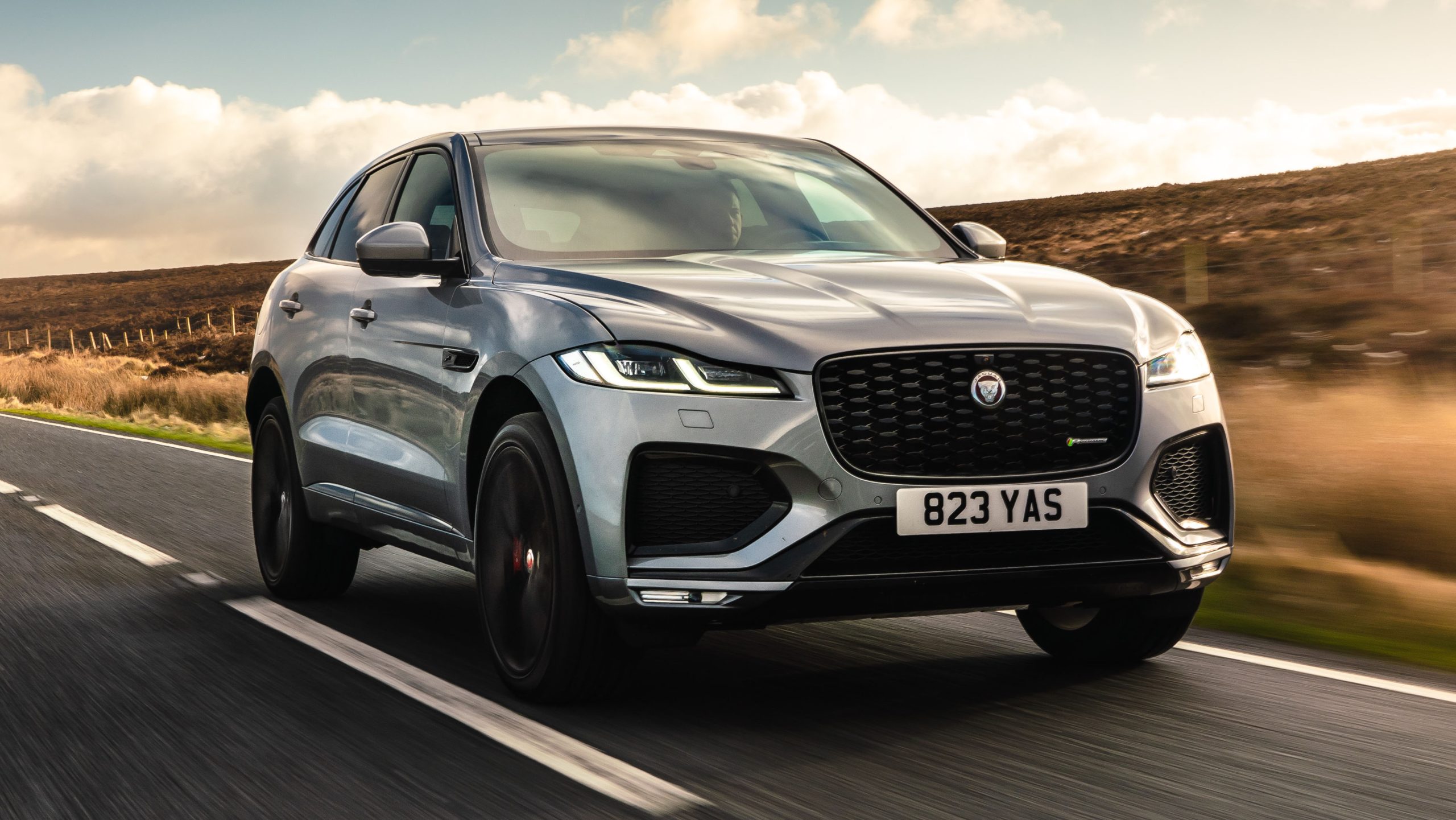
2. Jaguar F-Pace
The Jaguar F-Pace markets itself as a luxurious, sporty SUV capable of combining style, performance, and off-road versatility, but it rarely fulfills all of these promises simultaneously. Its elegant exterior and upscale interior create an image of sophistication, but the ride quality can feel harsh when driven over rough pavement or dirt roads.
While its turbocharged engines deliver speed and responsiveness in urban and highway settings, the F-Pace struggles to maintain composure on uneven surfaces or gravel, revealing that its handling is tuned more for image than off-road performance.
The F-Pace’s cargo area is another limiting factor for practical use. Although it is marketed as a family-friendly SUV, the rear cargo volume is relatively modest compared with rivals in its class, and the load floor is not particularly low, complicating the loading of heavier gear.
Interior comfort and ergonomics are similarly compromised by a focus on style over substance. While materials and finishes exude luxury, seating positions can feel awkward for taller passengers, and the rear legroom is sometimes inadequate for adults on longer journeys.
Reliability and maintenance issues compound the gap between expectation and experience. Jaguars historically have higher-than-average service requirements, and owners may encounter unexpected maintenance costs sooner than with mainstream SUVs.
Advanced technology features, while appealing in marketing brochures, can be prone to glitches or cumbersome interfaces, further undermining convenience. While the F-Pace can offer a pleasurable driving experience on smooth, urban roads, it overpromises in areas such as off-road capability, cargo flexibility, and long-term practicality for weekend adventures.
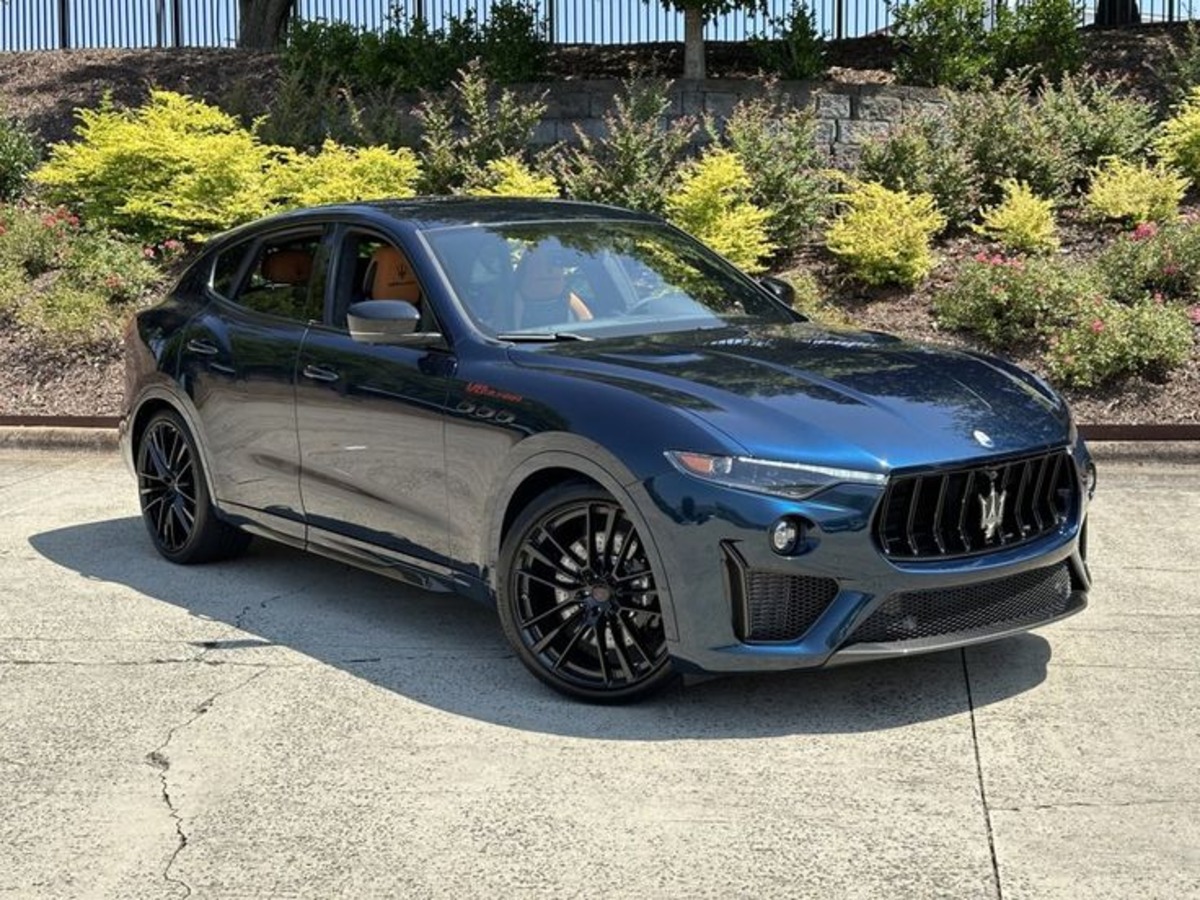
3. Maserati Levante
The Maserati Levante is a statement SUV, designed to convey wealth, power, and exclusivity, yet its real-world practicality often does not align with its bold marketing claims.
Performance specifications suggest exhilarating acceleration and high-speed handling, and while it does deliver excitement on paved roads, its suspension is stiff, and the ride quality suffers on anything but perfectly smooth surfaces.
This makes it less suited for trips that involve rough roads, dirt paths, or outdoor destinations. Maserati has emphasized the Levante’s sporty credentials, but those looking for an all-around capable SUV for weekend excursions may be disappointed by its inability to combine speed, comfort, and utility effectively.
Cargo space and storage are other areas where the Levante underdelivers. Despite its large exterior, the rear cargo area is relatively shallow and narrow, limiting what can be transported without careful packing.
Inside, the Levante emphasizes opulence over functional design. Leather, trim, and aesthetic touches create a lavish environment, but the ergonomics do not always meet the demands of real-world use. Controls can be unintuitive, storage compartments are limited, and rear passengers may find space tight on longer journeys.
Comfort on bumpy roads is compromised by the firm suspension, which transmits vibrations directly into the cabin. For families or groups who need reliability, space, and comfort, the Levante often fails to deliver on these practical fronts despite its luxury branding.
Technology and cost considerations amplify the overpromise. Infotainment systems, while visually impressive, can be slow or frustrating to operate, and standard features such as driver-assistance systems are not always as advanced as those found in competitors at a similar price point.
Maintenance, insurance, and repair costs are significantly higher than mainstream options, making ownership both challenging and expensive. The Levante’s strengths lie in style, status, and high-speed performance, but it overpromises in areas like versatility, comfort, and everyday usability, leaving owners to reconcile marketing claims with real-world limitations.
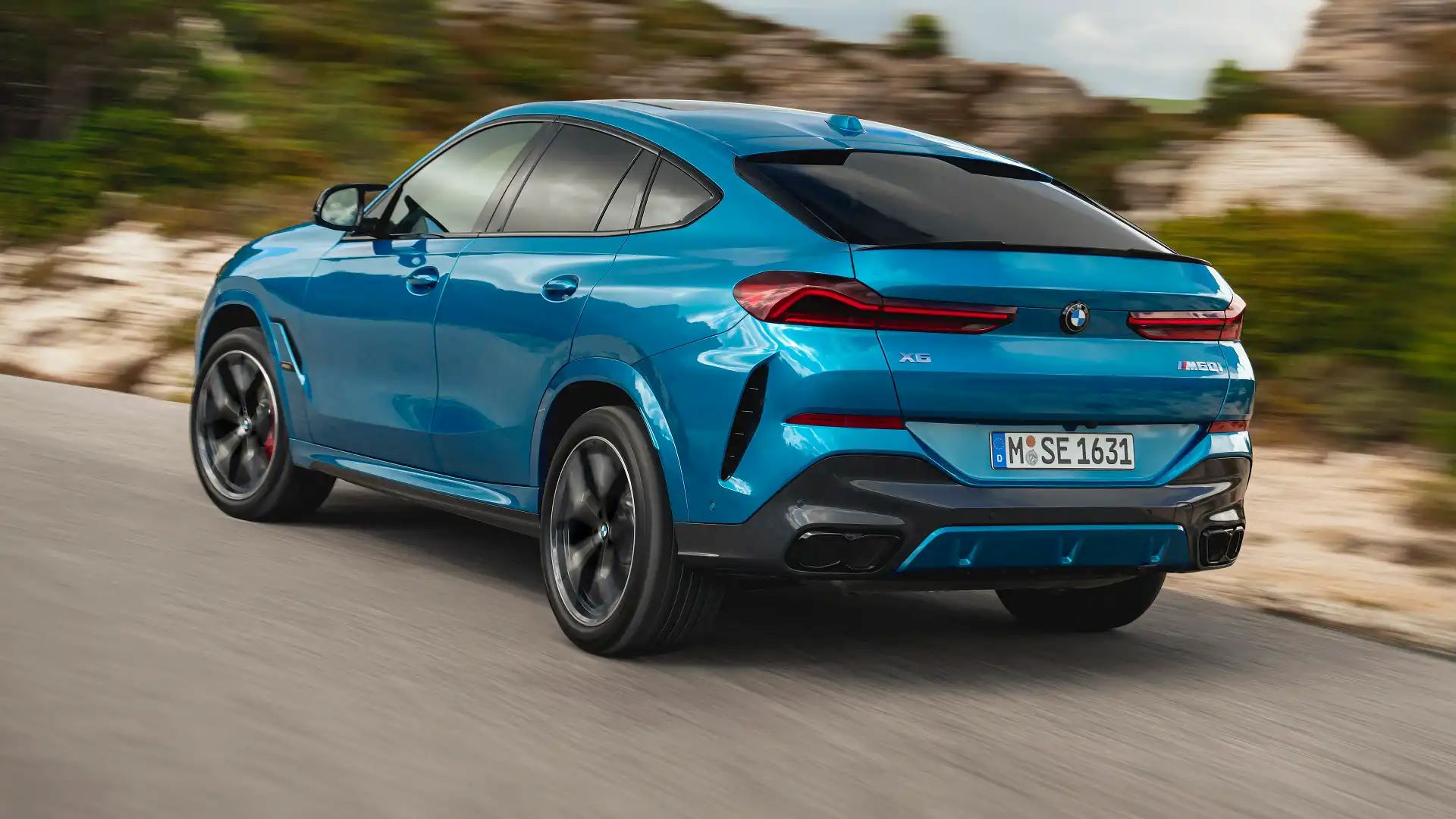
4. BMW X6
The BMW X6 presents itself as a sporty, luxurious SUV that combines high performance with utility, but it frequently fails to meet the expectations it sets. Its coupe-like sloping roofline emphasizes style and aerodynamic appeal but compromises cargo space and rear passenger comfort.
While marketed as a family-friendly SUV, the rear seats are less accessible and cramped compared with more traditional SUV designs, making it less practical for road trips or weekend excursions that involve multiple passengers and gear.
Drivers seeking a balance of performance and utility may find that the X6 leans heavily toward style at the expense of usability.
The cargo area, while sufficient for small loads, cannot compete with more traditional SUV designs in terms of capacity or ease of access. The sloping rear hatch reduces vertical space, making it challenging to transport taller or bulkier items.
Rear seat folding options improve capacity, but loading large camping equipment, bicycles, or tents can be cumbersome due to the design limitations. This design prioritizes aesthetics over function, highlighting the gap between what BMW markets and what owners can realistically use the vehicle for regularly.
Inside, the X6 emphasizes luxury and advanced technology, but practical comfort sometimes suffers. The driver-focused cockpit is impressive visually but may feel cramped for taller individuals, while rear passengers experience restricted headroom.
Performance and reliability further illustrate overpromising. While acceleration and handling are strong on highways and smooth roads, the X6’s performance advantages are less meaningful in typical SUV usage scenarios, such as carrying passengers and cargo on uneven or unpaved roads.
Maintenance and repairs for BMWs tend to be expensive, and their advanced technology can require frequent updates or troubleshooting. In essence, the X6 prioritizes style, image, and sportiness over real-world practicality, leaving many buyers with an SUV that underdelivers in versatility, comfort, and utility.
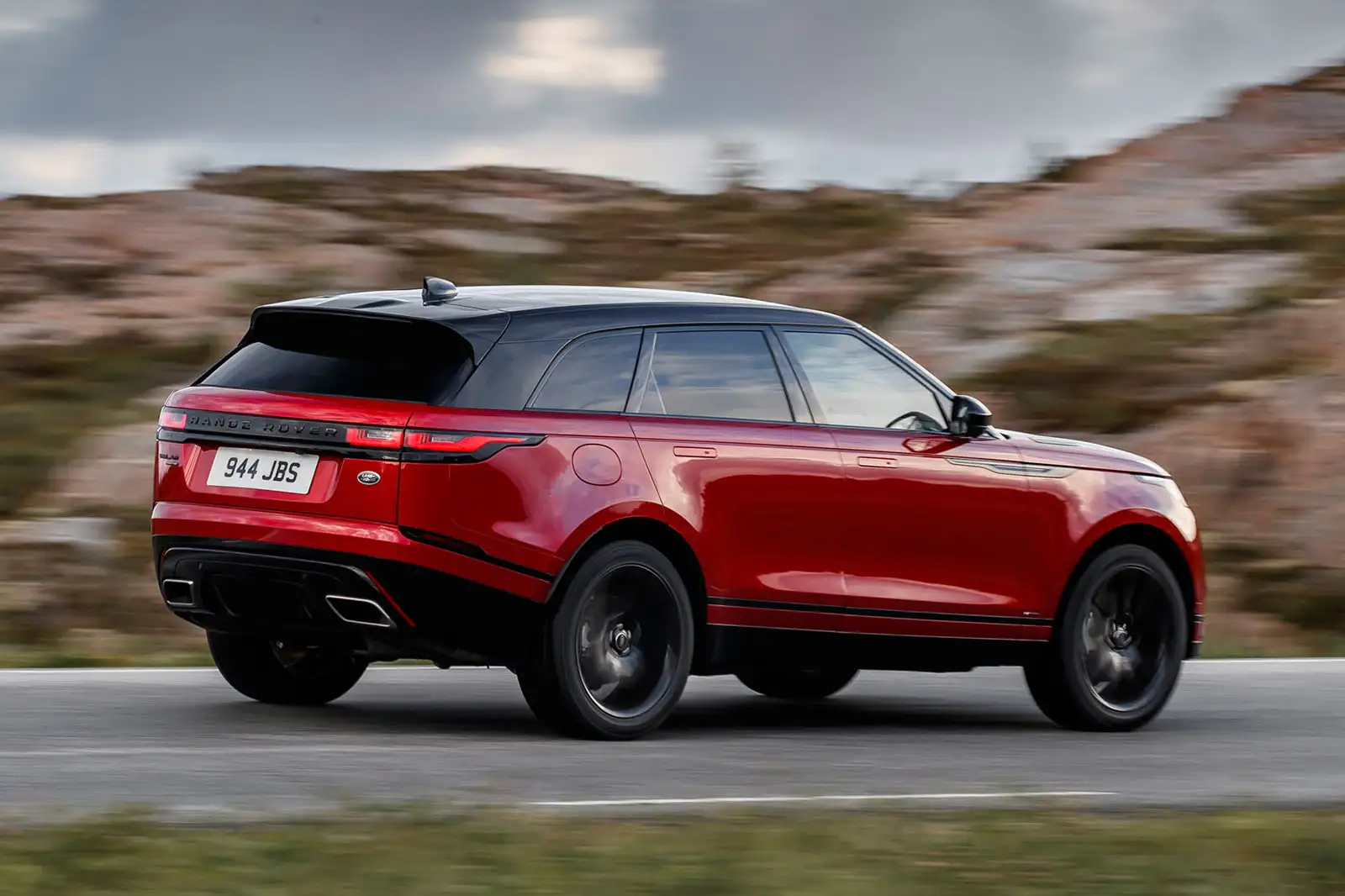
5. Range Rover Velar
The Range Rover Velar is designed to impress with sleek styling, luxurious interiors, and a high-tech reputation, yet its real-world performance often fails to meet expectations. While it performs well on paved roads and offers a comfortable driving experience, its off-road capability is more limited than its marketing implies.
Unlike larger Range Rover models engineered for extreme terrain, the Velar prioritizes appearance and interior refinement, which can make navigating rough or uneven paths more challenging. Buyers expecting a fully capable all-terrain SUV may find the Velar disappointing in remote or rugged settings.
Cargo space is another weak point when comparing perception to reality. Although visually spacious, the Velar’s rear cargo area is smaller than expected for its class, and the load floor sits high, making it harder to load heavy or bulky gear.
Folding rear seats do expand the space, but the rear hatch opening is narrow, limiting usability for large items. These design compromises reflect a focus on style over utility, which can frustrate those who want an SUV capable of supporting outdoor adventures.
Finally, the Velar’s high ownership costs, including maintenance, insurance, and repairs, reinforce the overpromise. While the SUV looks stylish and offers numerous tech features, it is expensive to maintain and may require frequent servicing to keep everything operating smoothly.
The Velar delivers in aesthetics and image but falls short in cargo practicality, off-road capability, and everyday usability, making it a clear example of a vehicle that overpromises more than it truly provides.
