
Cars are machines designed to balance power, efficiency, and comfort. One aspect of that comfort is how a car behaves when it is not moving, specifically when the engine is idling. The smoothness or roughness of idling can be a subtle but important indicator of engineering quality, mechanical condition, and driver experience.
A car that idles smoothly exhibits steady vibrations, consistent engine speed, and minimal noise, creating a sense of refinement and reliability. Conversely, a car with rough idling often produces noticeable shaking, inconsistent RPMs, and sometimes an audible stutter, which can indicate mechanical issues or less sophisticated engine designs.
While smooth idling is often associated with higher-end vehicles or engines that prioritize refinement, rough idling does not always mean a car is poorly made; sometimes it is a tradeoff of performance tuning or design choices.
Engine design, fuel delivery systems, and weight balancing play significant roles in how a car idles. Modern engines equipped with advanced fuel injection, variable valve timing, and precise electronic control often achieve nearly imperceptible idling vibrations.
Manufacturers who focus on luxury and comfort invest heavily in vibration-dampening, sound insulation, and engine mounting systems to reduce the physical and audible sensation of the engine running.
On the other hand, some cars, particularly older models or those tuned for performance, may sacrifice idling smoothness for raw power or efficiency. Engines with fewer cylinders, higher compression ratios, or naturally aspirated designs sometimes transmit more vibrations to the chassis, giving a rougher idle feel.
Smooth idling also affects the psychological experience of driving. A car that sits quietly at a stoplight, humming evenly, can instill confidence and convey mechanical integrity. Drivers often report a sense of satisfaction when the engine feels balanced and responsive even at idle.
Meanwhile, rough idling can create unease or impatience, as the irregular vibrations and sounds can imply impending maintenance issues or simply lack of refinement. Understanding which cars tend to idle smoothly and which feel rough can help prospective buyers make informed decisions, whether they prioritize comfort, performance, or reliability.
This article will examine five cars that idle smoothly and five that often feel rough at idle. The examples provided are based on general characteristics and reputation among automotive enthusiasts and engineers, not specific measurements or reviews.
The goal is to highlight how engine design, mechanical balance, and engineering choices contribute to the subjective experience of idling. Through this comparison, readers can better appreciate the subtle factors that make driving enjoyable or, in some cases, slightly unsettling.
Five Cars That Idle Smoothly
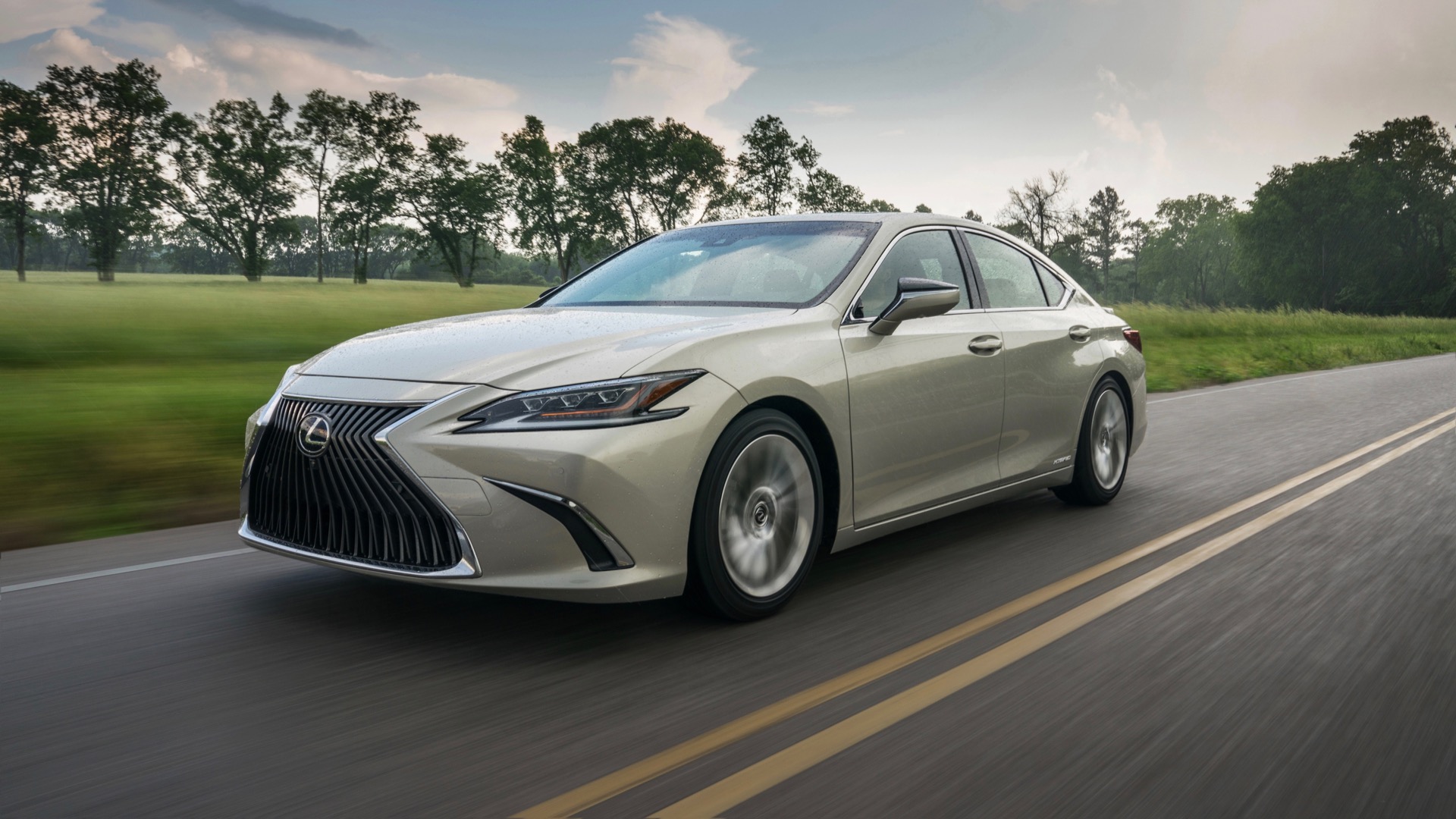
1. Lexus ES
The Lexus ES is often praised for its silky-smooth operation, particularly at idle, and it exemplifies what many consider a benchmark for refinement in mid-size luxury sedans. Its V6 engine is engineered with meticulous attention to detail, including balanced internal components, precise fuel injection, and electronic management systems that maintain stable RPMs.
When the vehicle is stationary, whether waiting at a traffic light or parked in a congested area, the engine hum is barely perceptible, producing almost no vibrations that reach the cabin.
The quiet nature of the idling experience is further enhanced by the chassis design, which incorporates vibration dampers and carefully tuned suspension geometry to absorb subtle oscillations from the engine. For drivers and passengers, this creates a sensation of calmness and mechanical harmony that is rarely matched by non-luxury vehicles.
The V6 engine in the ES benefits from a finely balanced crankshaft, pistons, and connecting rods, all of which reduce uneven forces that could lead to harsh vibrations. Variable valve timing and advanced ignition systems ensure that combustion occurs smoothly and consistently, allowing the engine to run with minimal fluctuation in RPM.
This level of precision not only improves idle quality but also contributes to long-term engine reliability, as the components experience less stress from uneven motion. Moreover, the electronic throttle control maintains responsiveness while keeping the idle steady, preventing the engine from surging or feeling jerky during moments of low load.
Another key factor in the ES’s smooth idling is the cabin isolation. Lexus employs multi-layered soundproofing materials, from the firewall to the floor and door panels, to prevent vibrations from transmitting to the occupants. Combined with high-quality engine mounts that absorb even minor movement, the cabin becomes a sanctuary where the engine feels like it is floating rather than running directly beneath the passengers.
This design philosophy aligns with Lexus’s broader emphasis on creating a serene driving environment, where every element from the HVAC system to the suspension works in harmony to enhance comfort and reduce sensory fatigue. Drivers often report that sitting in a stationary ES feels almost meditative, a rare quality that sets it apart from many vehicles in the mid-size segment.
Finally, the long-term durability of the ES ensures that smooth idling is maintained even after years of use. Lexus engines are designed to resist common wear issues such as misaligned timing components, worn-out mounts, or uneven fuel delivery, all of which can compromise idle quality.
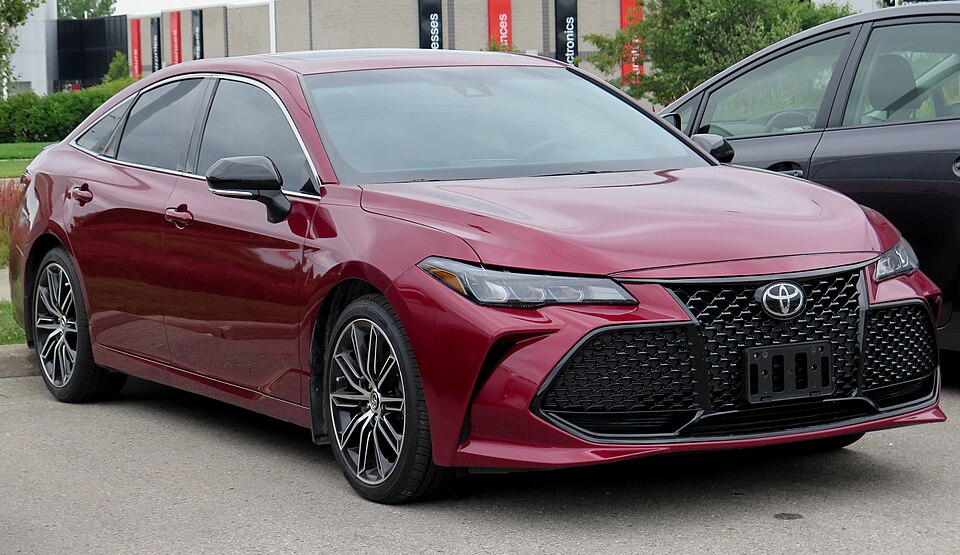
2. Toyota Avalon
The Toyota Avalon, a full-size sedan, is known for delivering one of the most balanced and quiet idling experiences in mainstream vehicles. Its V6 engine, engineered with durability and smoothness in mind, produces very little vibration when the car is stationary.
The engine control unit continuously adjusts fuel injection and ignition timing to maintain a consistent and steady idle, even when the air conditioning or other electrical accessories are engaged. This careful management allows the Avalon to remain calm at stoplights or in traffic, providing a reassuringly composed feeling for both the driver and passengers. The result is a car that communicates solidity and reliability while remaining unobtrusive in its mechanical operations.
Avalon engines are meticulously designed to achieve rotational balance, which is crucial for smooth idling. The crankshaft is counterweighted precisely, and pistons and connecting rods move in harmony, preventing uneven motion that could create subtle shakes or vibrations.
In addition to mechanical engineering, the Avalon benefits from effective isolation of engine vibrations through its chassis and mounts. Unlike smaller, sportier sedans, where engine movement can be felt directly in the cabin, the Avalon’s mounts are designed to absorb these vibrations, while the suspension layout further filters movement.
Combined with interior insulation, including sound-deadening panels and thick carpeting, the cabin remains undisturbed by the engine’s operation. This creates a near-effortless sensation at idle, making the Avalon feel almost suspended above the road, rather than mechanically tethered to it.
Finally, the Avalon’s design ensures that smooth idling persists over years of use. The engine’s components are robust and engineered to minimize wear that could affect combustion or mechanical balance. Regular maintenance, including timely oil changes and careful attention to engine mounts, further preserves the quality of the idle.
For drivers seeking a mainstream sedan with refined mechanical operation and minimal vibrations, the Toyota Avalon stands out as a vehicle where calm, steady idling is a defining characteristic.
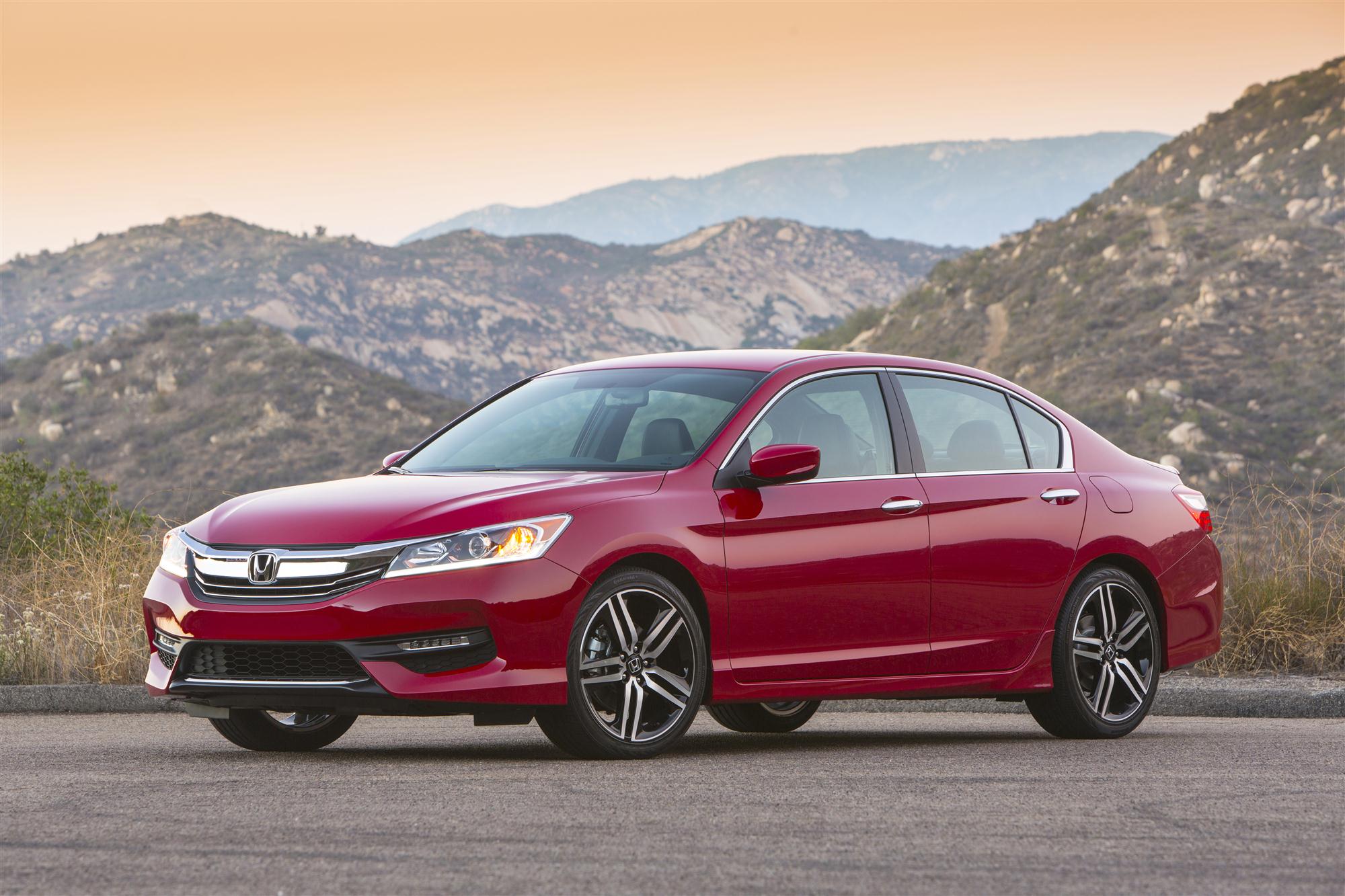
3. Honda Accord (V6)
The V6 Honda Accord delivers a balance between refinement and performance, producing a smooth, consistent idle that enhances the driving experience. Honda’s engineering philosophy emphasizes precision, with balanced engine internals, electronically controlled fuel injection, and advanced ignition timing that allow the engine to maintain a steady RPM at low speeds.
At idle, the engine operates quietly, producing minimal vibration that reaches the cabin. This characteristic makes the Accord V6 feel planted and mechanically competent, providing reassurance to drivers in urban and highway traffic conditions.
The smooth idle in the Accord V6 stems largely from the engine’s internal design. Pistons, rods, and crankshafts are carefully counterbalanced, reducing oscillation and uneven forces that can cause perceptible shaking.
Variable valve timing ensures combustion cycles remain stable and evenly spaced, while the electronic throttle allows subtle adjustments to maintain a constant engine speed. These features work together to prevent surging, stalling, or rough transitions that can be felt in less precisely tuned engines. As a result, the Accord delivers a refined idle that enhances both comfort and confidence.
Cabin isolation also plays a significant role in enhancing perceived smoothness. Honda uses high-quality engine mounts to dampen vibrations and soundproofing materials to minimize engine noise intrusion.
Even when additional load is placed on the engine, such as with air conditioning or electrical systems, the engine maintains its composure, transmitting only a gentle, reassuring hum. This contributes to a sense of mechanical harmony, allowing drivers to focus on the road rather than feel distracted by minor vibrations or noise.
Long-term durability ensures that the Accord’s smooth idle persists over time. Honda engines are known for consistent performance, and their components wear slowly, preserving the balanced operation necessary for smooth idling.
Proper maintenance further supports this, ensuring that ignition systems, fuel injectors, and engine mounts continue to function as designed. The result is a vehicle where drivers can enjoy a sense of refinement and reliability at every stop, a hallmark of Honda’s engineering ethos.
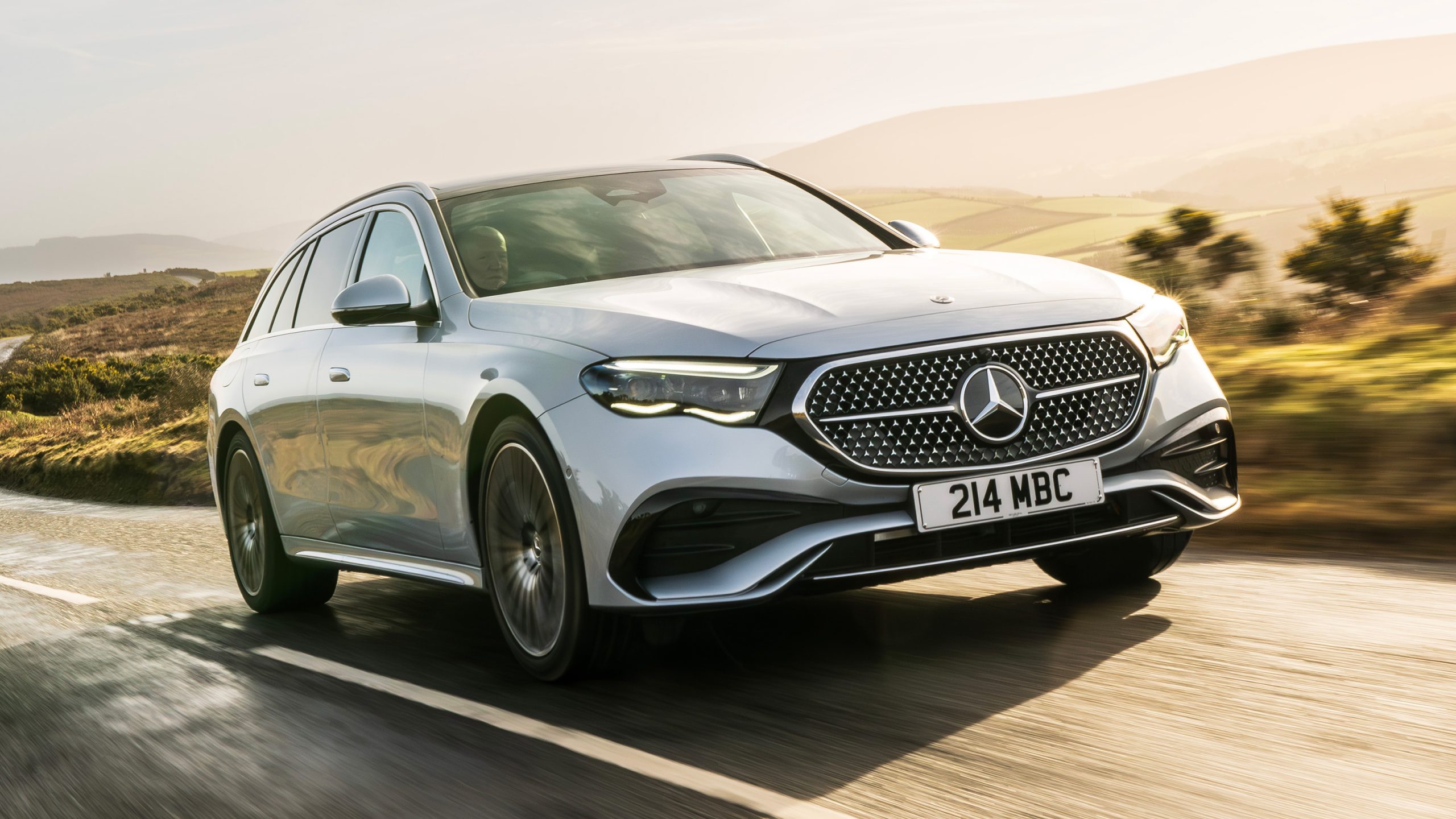
4. Mercedes-Benz E-Class
The Mercedes-Benz E-Class is celebrated for its quiet and refined engine operation, particularly at idle. Many six-cylinder models in this range exhibit almost imperceptible vibrations when the car is stationary, creating a serene experience for occupants.
Mercedes engineers achieve this through a combination of advanced engine mounts, acoustic insulation, and precise component balancing, which together ensure that the engine seems to float within the engine bay rather than transmitting movement to the cabin. This results in a level of comfort and sophistication that defines the luxury sedan experience.
Vibration isolation in the E-Class is exceptionally well-engineered. The engine mounts are designed to absorb both high- and low-frequency vibrations, preventing them from reaching the interior.
Multi-layered insulation and careful chassis tuning further isolate engine noise, making idle operation almost imperceptible to occupants. This attention to detail ensures that even when the engine is under load from accessories or other demands, vibrations remain subdued, creating a calm and composed environment.
Finally, the E-Class maintains smooth idling over time due to Mercedes’ emphasis on durability and high-quality materials. Components are engineered to resist wear that could affect engine balance, and regular maintenance ensures continued performance. As a result, owners can expect a consistently refined experience, where the car’s idle reflects the sophisticated engineering philosophy behind the vehicle.
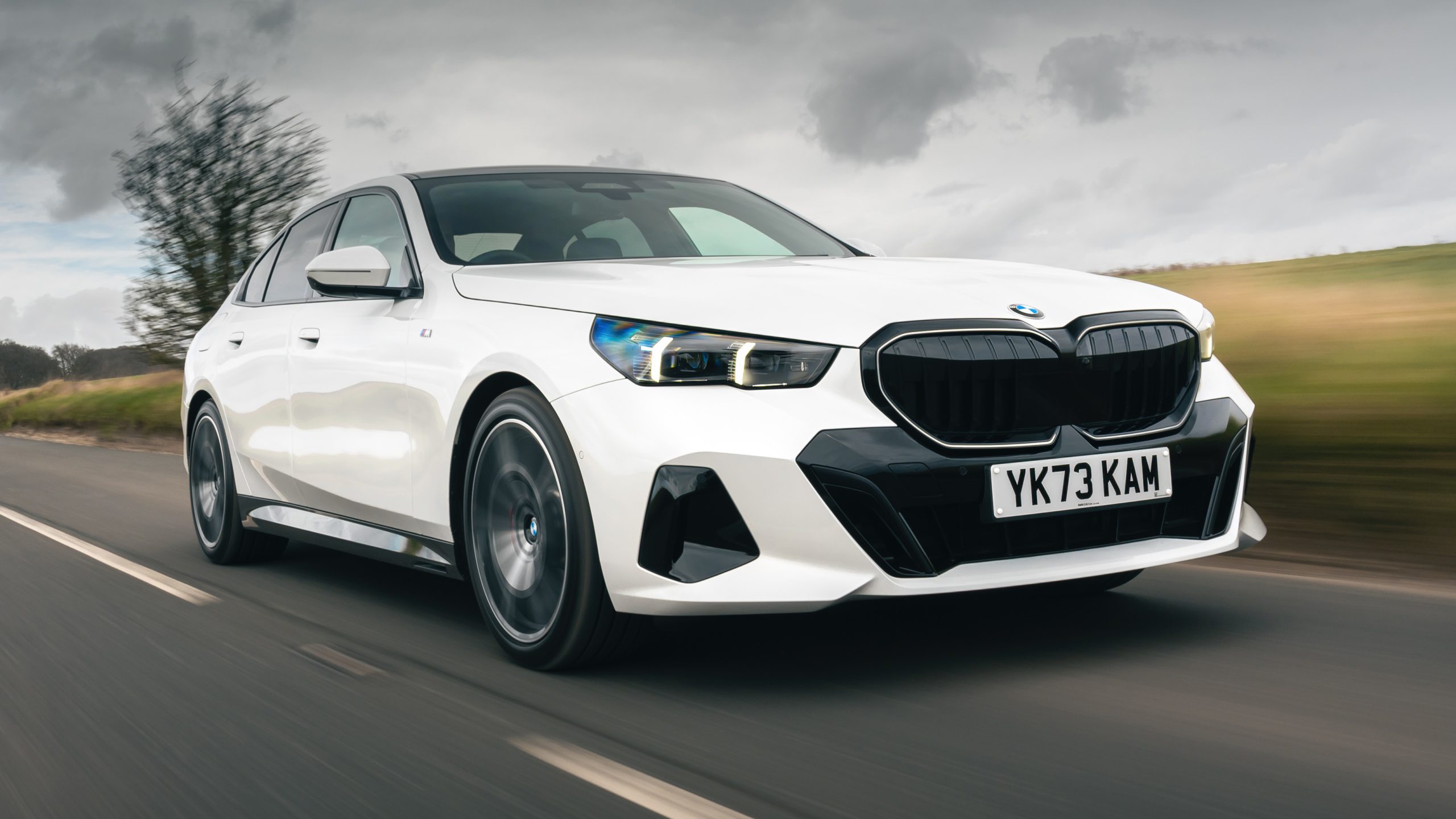
5. BMW 5 Series
The BMW 5 Series, particularly models with inline-six engines, delivers a smooth idle that exemplifies the company’s focus on performance refinement. The inline-six configuration is inherently balanced, reducing vibrations without requiring extensive counterweights or additional dampening.
When the vehicle is stationary, the engine produces a steady hum with minimal vibrations reaching the cabin, creating a sense of mechanical harmony and composure. This smooth idle contributes to BMW’s reputation for making vehicles that feel responsive yet refined in all driving conditions.
The inline-six engine’s mechanical balance is complemented by electronic engine management systems that precisely control fuel injection and ignition timing. This ensures consistent combustion and RPM stability at idle, preventing the subtle surges or unevenness that can be experienced in less carefully engineered engines.
Variable valve timing and high-quality components further enhance the feeling of smoothness, allowing the engine to respond effectively to changes in load without disrupting the idle.
Engine mounts and soundproofing contribute to the perception of calmness inside the cabin. BMW uses high-quality vibration-absorbing materials and mounts to isolate the engine, ensuring that even when idling under accessory load or minor incline, the vibrations remain subdued. Passengers experience a quiet, composed environment where the engine feels planted and reliable, reflecting both performance capability and luxury refinement.
Finally, BMW engines are designed for long-term reliability, which preserves smooth idling over years of use. Regular maintenance of the engine’s internal components, fuel system, and mounts ensures that the high level of refinement continues, even as the vehicle accumulates mileage.
The result is a sedan that combines responsive driving dynamics with a serene idle, demonstrating BMW’s ability to balance sportiness with comfort and mechanical excellence.
Five Cars That Often Idle Rough
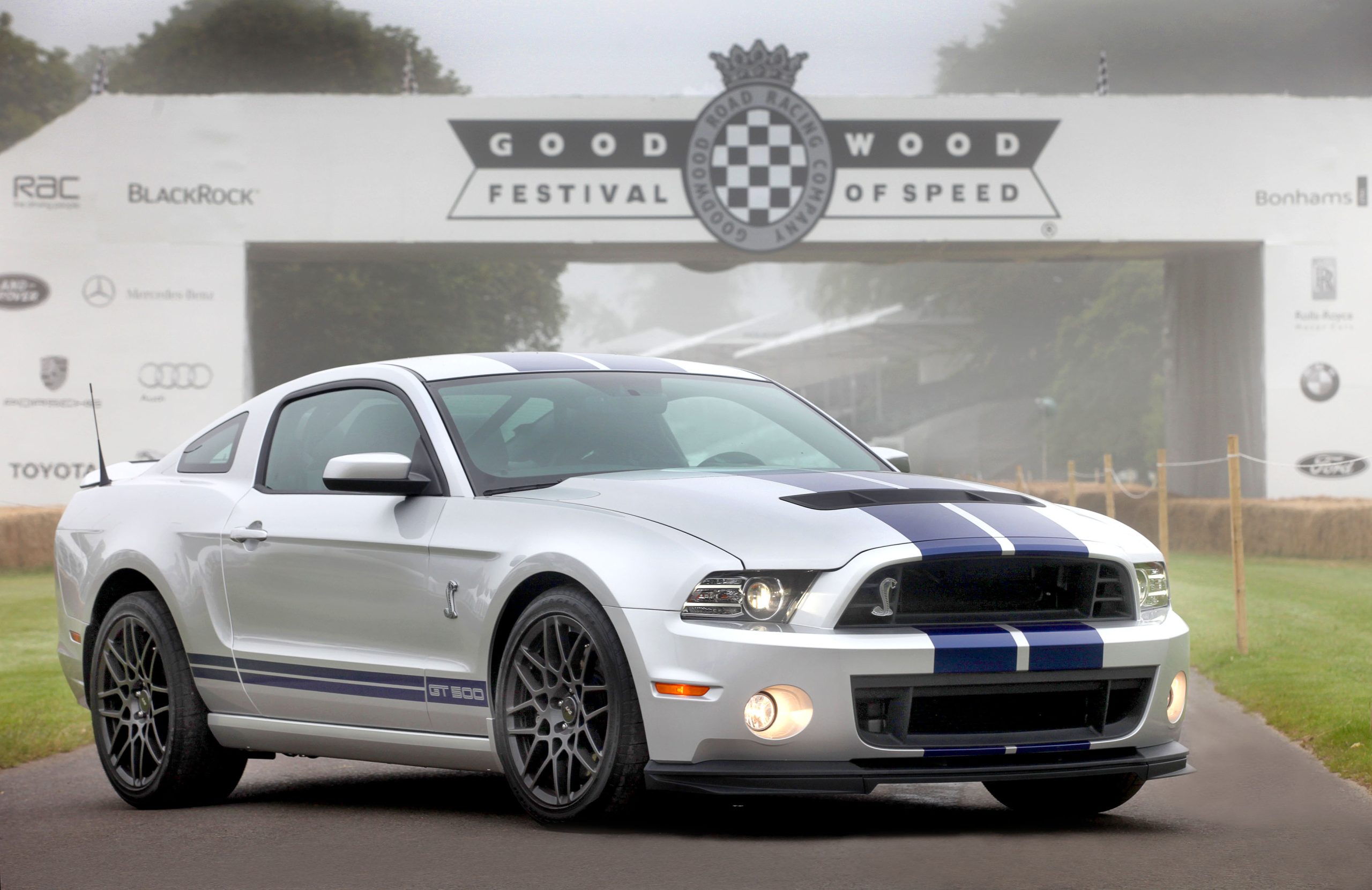
1. Ford Mustang (V8, older models)
Certain older Ford Mustang models, particularly those equipped with V8 engines from the late 1990s to early 2000s, are known to produce a rough idle under specific conditions. The nature of a V8 engine, with its large displacement and firing order, can lead to subtle vibrations when the engine is at low RPMs, especially if engine mounts have worn over time.
These vibrations often manifest as a mild shaking or thrumming felt in the seat, floor, and sometimes the steering wheel. While the V8 produces exhilarating power at higher revs, the engine’s large pistons and longer strokes mean that idle smoothness was often a secondary design consideration, leaving the vehicle with a less composed presence when stationary.
The rough idle in these Mustangs can be attributed to several mechanical factors. First, the V8 engine’s inherent geometry produces more torque pulses per revolution, which, if not perfectly balanced or damped, create vibrations. Second, older fuel injection and ignition systems were less precise than modern systems, sometimes causing uneven combustion at idle.
Small discrepancies in fuel delivery or spark timing, even if imperceptible at higher speeds, can amplify engine roughness when the car is stopped. This combination of mechanical and electronic limitations makes the Mustang prone to a vibration-prone idle, particularly in older or less meticulously maintained examples.
As a result, the vibrations are not only felt but can become audible, producing a noticeable rumble that passengers can perceive even in short trips. The cumulative effect is an idle that feels alive and aggressive, reflecting the car’s performance bias but sacrificing refinement at rest.
Long-term maintenance plays a significant role in the Mustang’s idle characteristics. Worn spark plugs, aging fuel injectors, or deteriorating engine mounts exacerbate vibrations and roughness. Enthusiasts often need to invest in high-quality replacements or modifications to restore smoother operation.
While these cars are designed to provide raw driving excitement, their idle is intentionally less refined, emphasizing that roughness at low speeds is often a trade-off for the powerful and visceral character that defines the Mustang experience.

2. Jeep Wrangler (V6 or inline-4, older models)
Older Jeep Wranglers, particularly models with V6 or naturally aspirated inline-4 engines, often exhibit a rough idle that is noticeable when stationary. The engine vibrations are a product of both design and purpose; Jeeps are built for rugged off-road performance, with less emphasis on cabin refinement or smooth idling.
The short-stroke engines, combined with the open-body construction and body-on-frame chassis, allow engine vibrations to resonate through the vehicle. When idling, occupants may feel the subtle pulses of the engine transmitted through the pedals, seat, and steering column, a sensation that can be particularly pronounced during cold starts or when accessories such as air conditioning are engaged.
The mechanical reasons behind rough idling in these Wranglers include uneven combustion cycles and less sophisticated engine management. Older models rely on simpler fuel injection systems and timing mechanisms, which are not as precise as modern engines in maintaining consistent low-RPM operation.
Small variations in air-fuel mixture or ignition timing create irregular power pulses that become noticeable when the engine is not under load. These irregularities amplify the perception of vibration, making the idle feel choppier compared to vehicles designed for smoothness.
Cabin factors intensify the rough idle sensation. Jeep Wranglers often lack the extensive sound-deadening and vibration-absorbing materials found in sedans or luxury vehicles. Body panels and interior trim can transmit engine movement directly to passengers, making the idle feel more pronounced.
Maintenance considerations are crucial in managing the Wrangler’s idle roughness. Engine mounts, spark plugs, and fuel injectors all play a role in minimizing vibrations. Older Jeeps with neglected service schedules often experience amplified rough idling due to worn or misaligned components.
However, even with optimal maintenance, the inherent design and off-road-focused engineering make these vehicles more prone to perceptible idle vibrations. In essence, the Wrangler’s rough idle is both a reflection of its mechanical simplicity and a trade-off for the durability and versatility demanded by off-road driving enthusiasts.
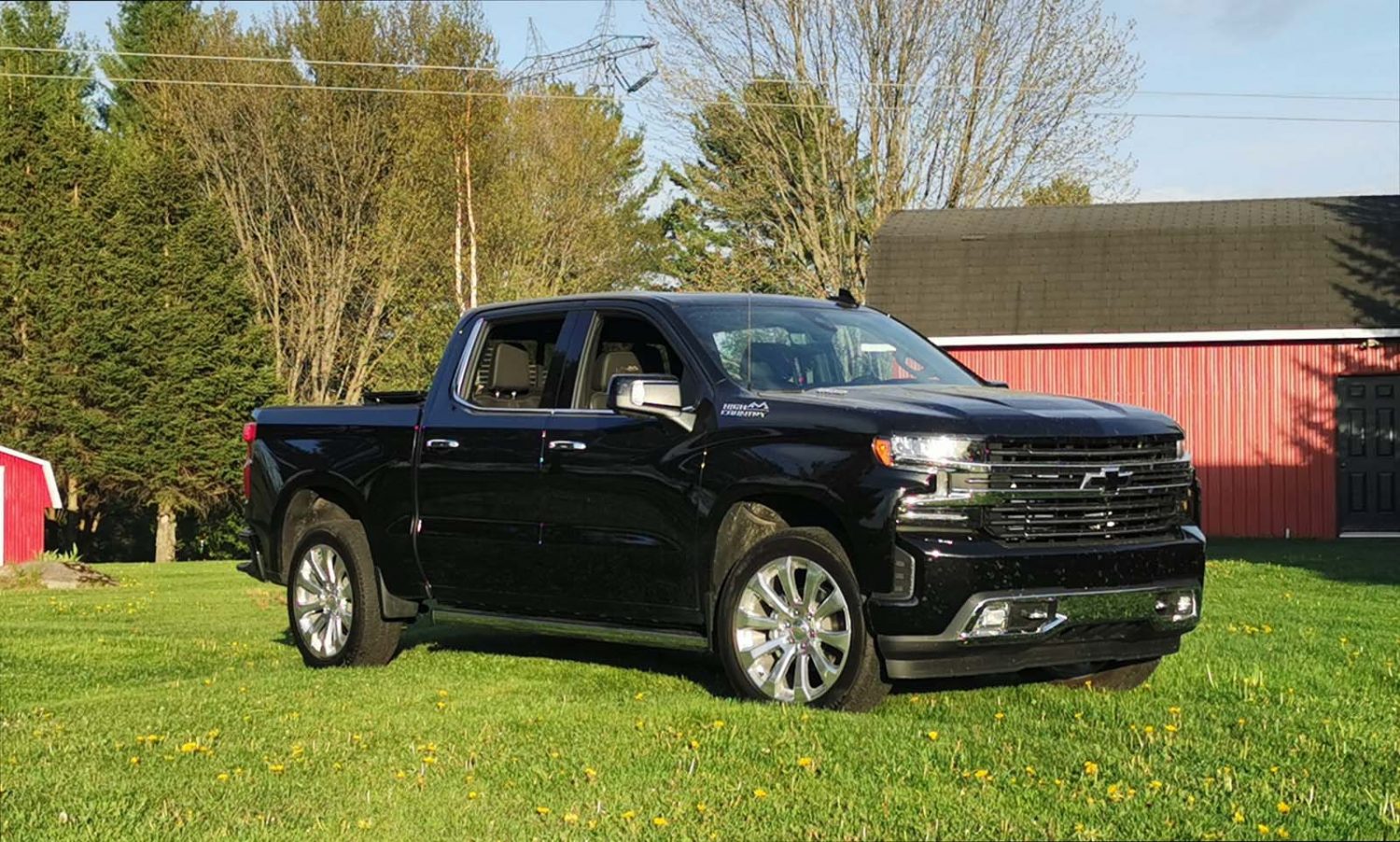
3. Chevrolet Silverado (older V8 models)
Certain older Chevrolet Silverado models, particularly those equipped with large V8 engines, are known for a rougher idle compared to modern trucks. The robust engines, designed primarily for towing and heavy-duty performance, can produce noticeable vibration at low RPMs.
This effect is often exacerbated when the truck is carrying additional weight or operating accessories such as air conditioning or power steering.
While the Silverado’s engine provides ample torque and power for work purposes, the idle experience can feel harsh and less refined, particularly when compared with modern trucks equipped with advanced engine balancing and noise-reduction technologies.
The mechanical basis for the rough idle in older Silverados often lies in engine design and firing characteristics. Large-displacement V8 engines inherently produce more significant torque pulses per revolution, which can translate to perceptible vibration if engine mounts or dampers are not perfectly tuned.
Cabin and chassis characteristics also contribute to the perception of a rough idle. Trucks like the Silverado often have body-on-frame construction, which transmits engine and drivetrain vibrations more directly to the cabin.
Coupled with simpler engine mounts and limited soundproofing, this construction allows vibrations to be felt in seats, floorboards, and steering controls. While functional for heavy-duty purposes, this design sacrifices the subtle refinement that is more common in passenger cars, making the truck feel noticeably alive when idling.
Over time, maintenance can significantly influence the idle quality of these trucks. Worn spark plugs, aging fuel injectors, or deteriorating engine mounts amplify vibrations, making the rough idle more pronounced.
However, even with perfect maintenance, the inherent engine design and focus on heavy-duty performance ensure that a Silverado from this era will never idle as smoothly as a luxury sedan. The rough idle reflects a prioritization of strength and torque over comfort, aligning with the vehicle’s primary role as a workhorse rather than a refined commuter.
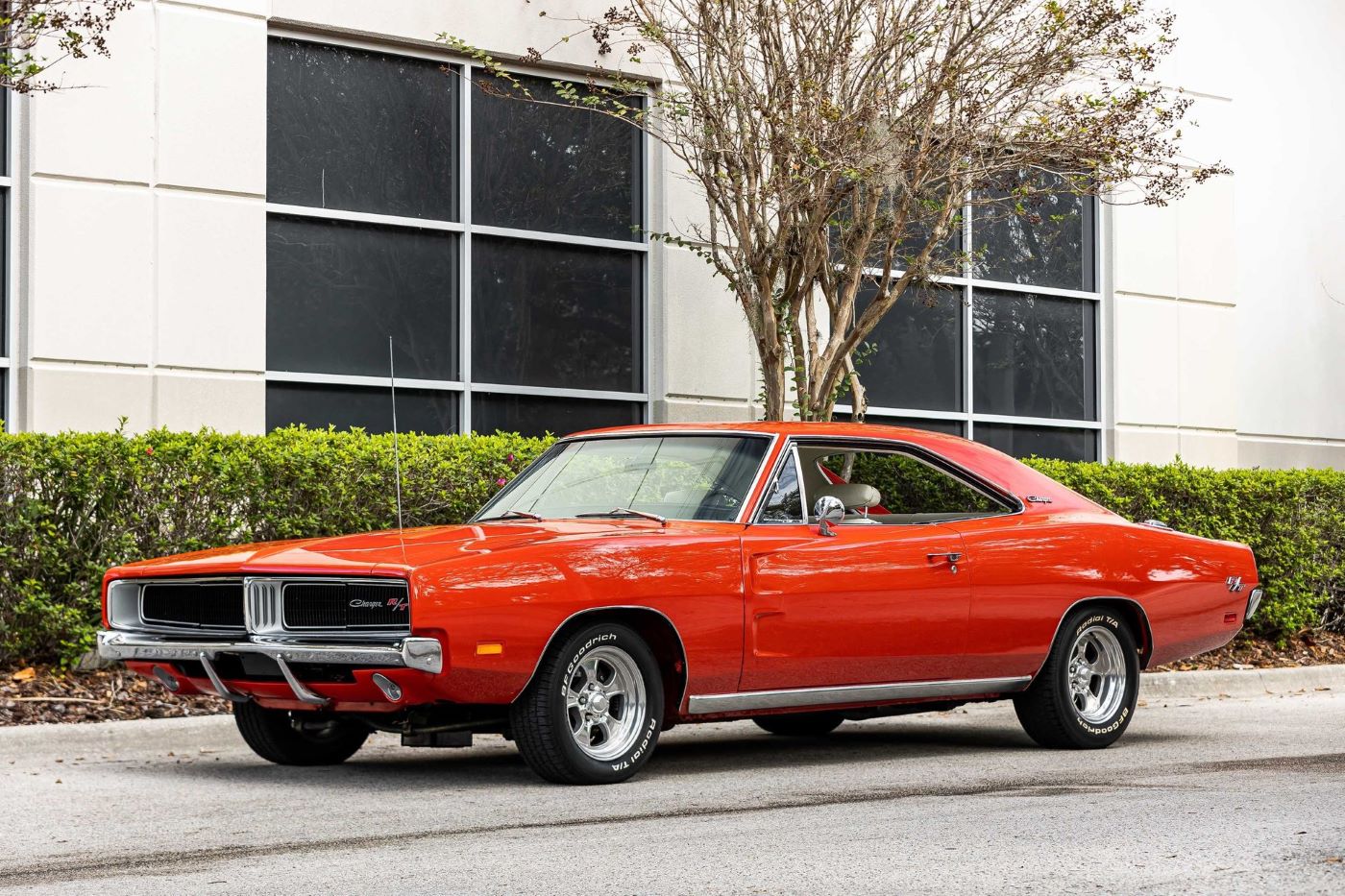
4. Dodge Charger (V8, older models)
Older Dodge Charger models, particularly those with HEMI V8 engines, are notorious for rough idle under certain conditions. The muscular engines are designed for high torque output, which produces strong pulses that are often noticeable when the vehicle is stopped.
Engine mounts, while adequate for performance purposes, transmit some vibration directly into the chassis, resulting in a cabin experience that can feel slightly harsh. This roughness is amplified during cold starts, low temperatures, or when the vehicle has been sitting idle for extended periods, reflecting the engine’s focus on raw power rather than idle refinement.
Variable valve timing in these engines, if present, was not tuned primarily for idle smoothness, so the result is a perceptible vibration or slight shaking felt inside the cabin. The combination of high torque and less precise low-RPM management creates the characteristic rough idle of these Chargers.
The interior experience also magnifies the perception of roughness. Unlike luxury sedans, these vehicles often lack extensive vibration isolation, allowing engine movement to resonate through the floor, steering wheel, and seats.
Accessories such as the air conditioning or power steering can exacerbate the effect, as the additional load causes the engine RPM to fluctuate slightly. Drivers and passengers may notice this as a low-frequency thrumming or mild shaking, which contrasts sharply with the smooth operation found in luxury or well-balanced engines.
Long-term maintenance plays a critical role in managing idle quality. Worn engine mounts, spark plugs, or fuel injectors make the vibration more noticeable, while fresh components can reduce, but not eliminate, the inherent roughness.
Even with meticulous upkeep, the Charger’s V8 engine prioritizes performance and torque over idle comfort, creating a deliberate contrast between stationary refinement and the exhilarating performance experienced while driving. This trade-off is a defining characteristic of the car’s muscular persona.

5. Nissan Frontier (older 4-cylinder and V6 models)
Older Nissan Frontier pickups, equipped with four-cylinder or V6 engines, often have a rough idle that can be felt inside the cabin. These engines are designed with durability and utility in mind rather than refinement, resulting in noticeable vibrations when the vehicle is stationary.
The vibration is often subtle but perceptible through the seat, steering wheel, and floorboards, particularly when the engine is cold or additional electrical loads are applied. The Frontier’s compact and body-on-frame construction allows engine movement to transmit more directly to occupants, giving the idle a raw, utilitarian feel.
Mechanical factors behind rough idling in these vehicles include uneven combustion, engine geometry, and simpler fuel management systems. Older 4-cylinder and V6 engines rely on less precise fuel injection and ignition timing than modern engines, which can create variations in RPM at idle.
These fluctuations are more noticeable in smaller displacement engines, where even minor irregularities produce perceptible vibrations. Combined with the truck’s short-stroke design and engine mounts that prioritize durability over isolation, the result is a rougher idle compared with smoother, passenger-focused vehicles.
Cabin characteristics also contribute to the sensation of rough idling. The Frontier typically lacks extensive soundproofing and vibration-dampening materials found in sedans or luxury trucks. Engine vibrations are transmitted through the frame and into the cabin, where they are felt as low-frequency pulses or hums.
Even accessories like air conditioning or lights can amplify these effects, making the vehicle feel more “alive” but less refined at low speeds. For drivers accustomed to smooth idling in luxury sedans, the Frontier’s idle may feel jarring or noticeable.
Maintenance impacts idle quality significantly. Worn spark plugs, aging fuel injectors, or deteriorating engine mounts can worsen vibrations, while properly maintained engines may feel somewhat smoother, though never as refined as modern luxury vehicles.
The rough idle reflects the Frontier’s design philosophy: durability, utility, and reliability take precedence over low-speed refinement. It serves as a reminder that some vehicles are engineered to perform under load and rugged conditions rather than provide silky-smooth operation at a stoplight.
