
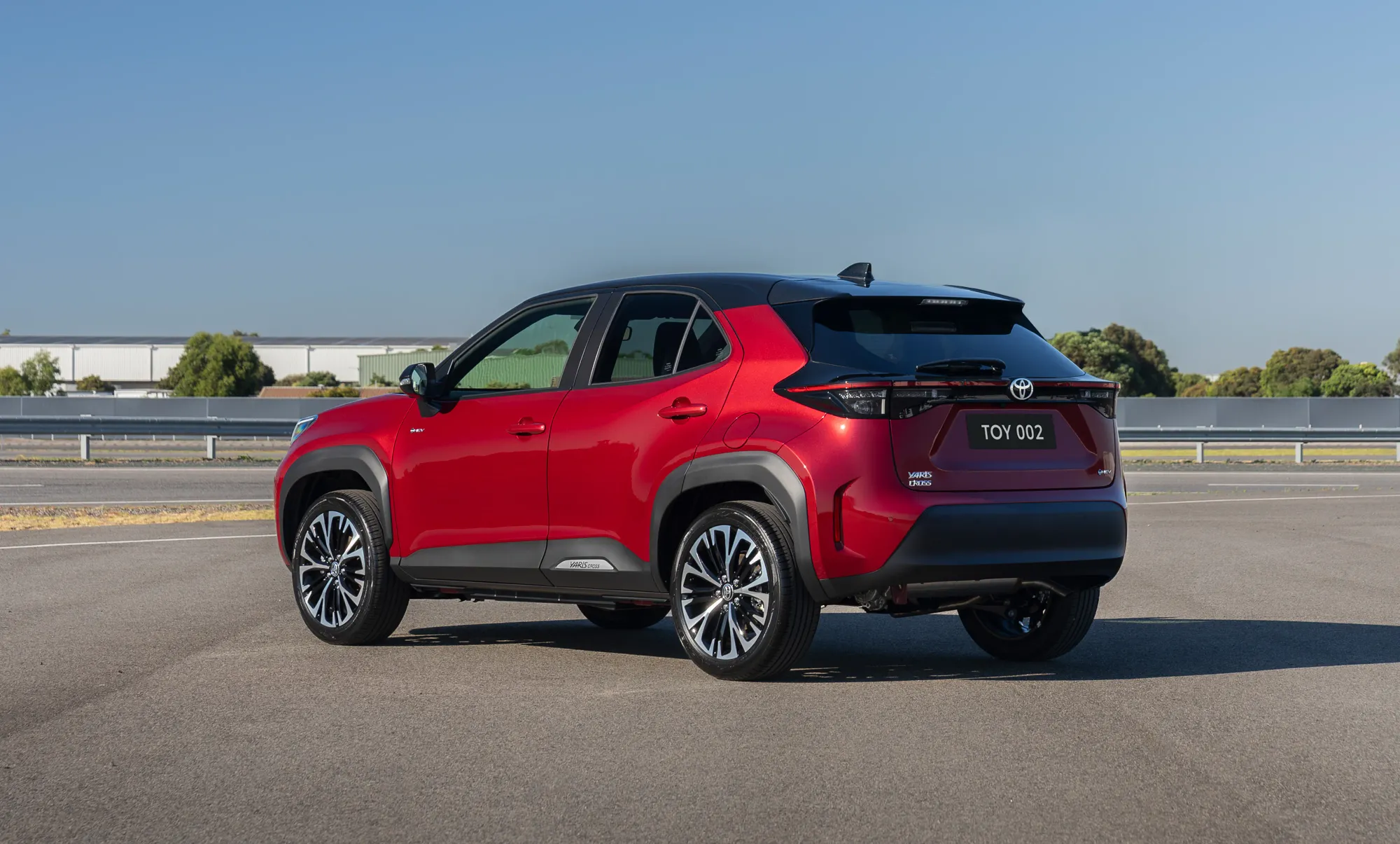
The audio system in a car is often overlooked when people think about purchasing a vehicle. While engines, safety features, and design often take center stage, the sound quality of a car’s audio system can greatly affect the driving experience. Imagine driving along a scenic route with your favorite song playing.
A system that delivers clear highs, deep lows, and a balanced midrange can make the journey more immersive and enjoyable. On the other hand, a system with weak or tinny speakers can make even the best tracks feel flat and lifeless.
For many car buyers, factory audio systems offer a baseline of quality without the need for aftermarket upgrades, but not all factory systems are created equal.
Some brands are renowned for their attention to sound, offering systems that rival standalone home audio setups, while other cars, even newer models, come with speakers that struggle to produce full sound, leaving music lacking depth and clarity.
Understanding the difference between solid factory audio systems and tiny speakers can guide buyers in making decisions that suit their preferences, whether they prioritize music quality or are content with basic sound. The difference lies not only in brand reputation but also in speaker placement, amplifier power, and tuning.
Cars with well-engineered audio systems often include features such as surround sound, multiple tweeters, subwoofers, and digital signal processing, all calibrated to maximize the listening experience. Conversely, vehicles with minimal audio investment frequently produce harsh treble, weak bass, and distorted sound at higher volumes.
This article examines five car models that are widely regarded for their solid factory audio systems and five that are criticized for having tinny, underperforming speakers. By looking at the performance of these systems, readers can better understand what makes a factory audio system satisfying and what pitfalls to avoid when purchasing a vehicle.
Five Car Models with Solid Factory Audio
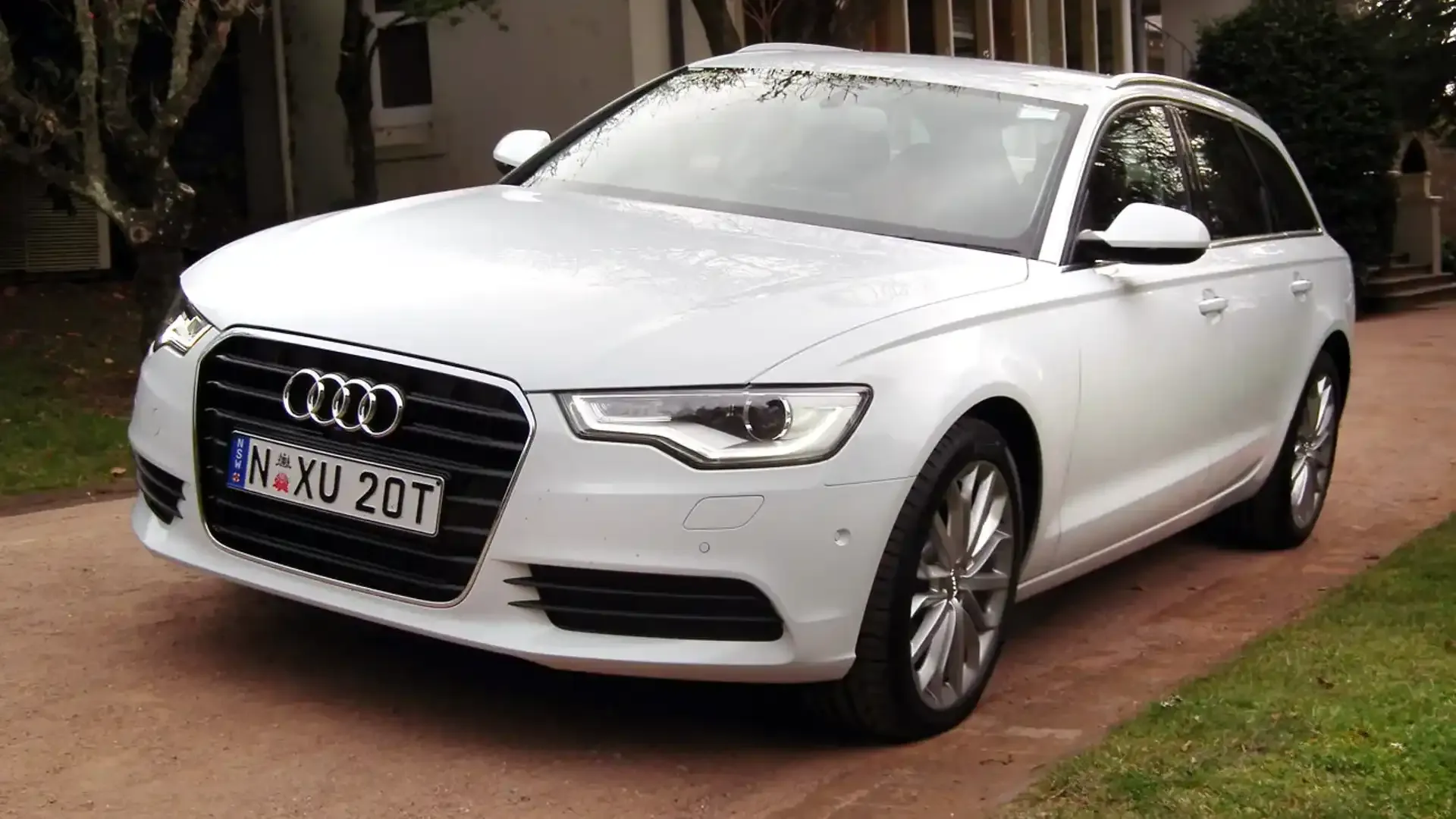
1. Audi A6
Audi has long been recognized for balancing performance and luxury, and the A6’s factory audio system reflects that commitment. The A6 typically comes with a premium sound system engineered by Bang & Olufsen, a brand synonymous with high-fidelity audio, and it is specifically designed to complement the car’s interior acoustics.
This system often features upwards of 19 speakers placed strategically across the cabin, including multiple tweeters, midrange drivers, and a dedicated subwoofer, creating a rich and immersive sound environment.
What makes this system exceptional is not just the number of speakers but the precision in tuning, which ensures that every note is reproduced accurately, and even subtle background instruments can be heard clearly.
The digital signal processing technology constantly adjusts the sound profile to compensate for cabin noise and driving speed, meaning music retains its intended clarity whether you are idling in traffic or cruising on the highway.
Moreover, the A6’s cabin materials, such as soft-touch plastics, high-grade leathers, and acoustic glass, are chosen with audio performance in mind, reducing unwanted vibrations or resonances that could muddy sound.
Passengers consistently report that the balance between treble, midrange, and bass allows for a highly realistic and enveloping listening experience, making it feel as though a live performance is taking place inside the vehicle.
This meticulous engineering demonstrates how a factory system, when carefully integrated with the car’s design, can provide an audio experience comparable to standalone home or studio setups. Even long journeys become enjoyable with music that maintains fidelity, and Audi’s attention to detail ensures that every seat in the car benefits from nearly identical sound quality.
The combination of speaker quantity, cabin acoustics, and digital tuning solidifies the A6 as a leader in factory audio performance.
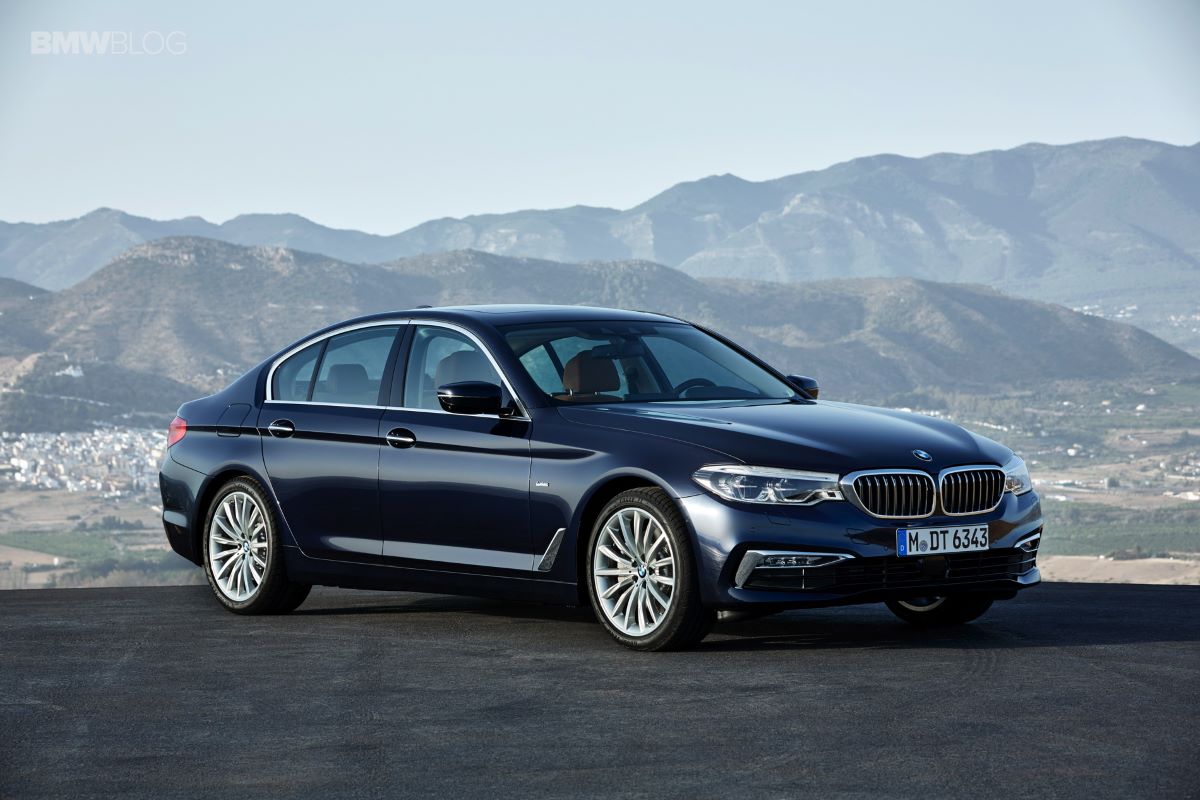
2. BMW 5 Series
The BMW 5 Series is widely praised for its driving dynamics, comfort, and luxury, and its Harman Kardon audio system exemplifies BMW’s commitment to high-quality sound. This system often features 16 or more speakers strategically distributed across the cabin to create a balanced soundstage that reaches both front and rear passengers.
One of the system’s strengths lies in its ability to render low frequencies with power and clarity, giving music a presence that fills the cabin without overwhelming the listener. The midrange is particularly well-balanced, allowing vocals, guitars, and other instruments to retain their texture and nuance.
High frequencies are crisp yet never sharp, ensuring that instruments like cymbals and strings maintain a natural tone. What sets the 5 Series apart is the integration of advanced digital signal processing, which analyzes the vehicle’s acoustic environment and adjusts sound output accordingly.
This technology compensates for cabin shape, speaker placement, and even road noise, resulting in a listening experience that is consistent in different conditions. The Harman Kardon system also incorporates an amplifier capable of delivering substantial power without distortion, allowing for dynamic music reproduction even at higher volumes.
Additionally, BMW engineers have carefully designed the cabin to minimize vibrations and sound interference, with materials and panel placement optimized for audio performance. Passengers often describe the experience as immersive, almost cinematic, because the system can replicate the subtle spatial cues of a live performance.
The 5 Series demonstrates that with proper integration and tuning, a factory system can satisfy even audiophiles who demand both clarity and richness.
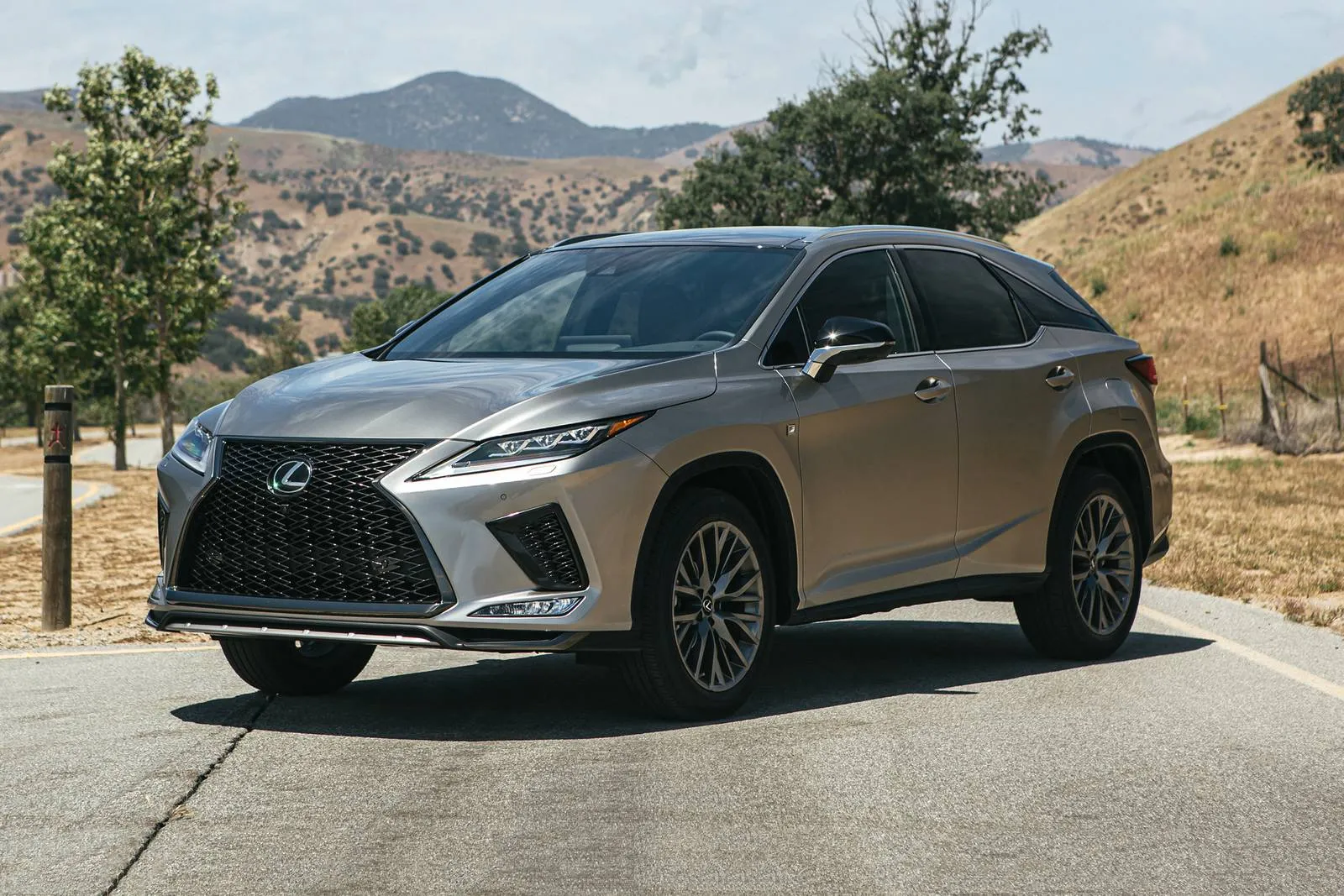
3. Lexus RX
The Lexus RX combines luxury, comfort, and quiet cabin design, making it an ideal candidate for a premium factory audio system. Many RX models are equipped with the Mark Levinson system, a high-end audio setup that has become a benchmark for in-car sound quality.
This system typically includes 15 to 17 speakers, including dedicated subwoofers, midrange drivers, and tweeters, all placed to optimize sound distribution for every passenger. The Mark Levinson system is engineered to deliver exceptionally balanced audio, ensuring that bass is deep and punchy without overpowering mids or highs.
This allows vocal performances to sound natural and instruments to retain their tonal integrity. The system also uses advanced digital processing to adjust sound output depending on driving conditions, such as road surface or cabin noise, creating a consistently high-quality listening experience.
Lexus pays careful attention to the materials and construction of the RX’s cabin to further enhance acoustics, including noise-dampening panels and careful placement of reflective surfaces to avoid distortion.
Passengers often remark on the realism of the soundstage, noting how individual instruments and voices seem to occupy precise locations in space, which adds a sense of depth and immersion to the music.
The system handles a wide range of genres equally well, from delicate classical compositions to high-energy rock tracks, making it versatile for different tastes.
Beyond technical specifications, the RX’s audio system exemplifies how a luxury SUV can provide a satisfying auditory experience without requiring aftermarket enhancements, ensuring that every ride is enjoyable and musically rich.
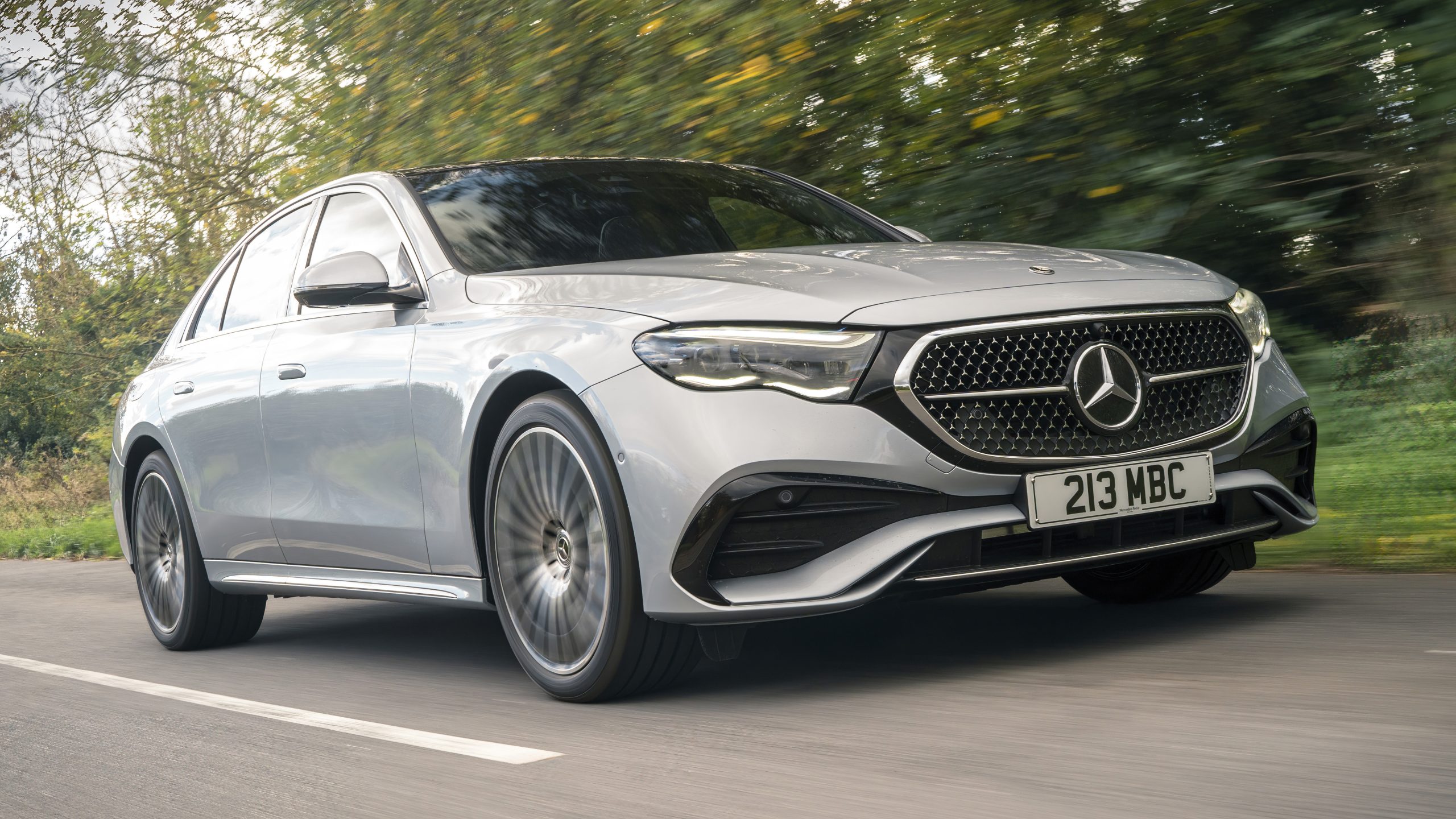
4. Mercedes-Benz E-Class
The Mercedes-Benz E-Class is renowned for combining smooth driving performance with luxury and elegance, and the Burmester sound system enhances this reputation by delivering superior audio quality. This system often features 23 speakers, including high-fidelity tweeters, midrange drivers, and a dedicated subwoofer for powerful bass reproduction.
The Burmester system is designed to create an enveloping, almost three-dimensional soundstage, where instruments and vocals are clearly separated and detailed. Low frequencies are robust but controlled, midrange tones remain warm and natural, and high frequencies are clean and crisp, avoiding the harshness that can occur in lower-end systems.
Mercedes-Benz also emphasizes cabin acoustics, using materials and structural design to minimize resonance and vibration that could interfere with sound reproduction. The system is powered by an amplifier capable of producing ample volume without distortion, allowing for energetic playback of modern tracks as well as delicate nuances in classical music.
One of the distinguishing features of the E-Class’s audio is its ability to provide an immersive experience for all passengers, not just the driver. Rear-seat passengers benefit from carefully positioned speakers and digital adjustments that ensure clarity and depth throughout the cabin.
Listeners often comment on the naturalness and richness of the sound, noting that it feels as though the music is alive within the space rather than simply coming from the doors or dashboard.
The combination of speaker design, cabin tuning, and digital processing makes the E-Class an example of how a factory system can deliver audio performance on par with some high-end home setups.

5. Volvo XC90
Volvo has established a reputation for safety, Scandinavian design, and thoughtful engineering, and the XC90’s Bowers & Wilkins sound system reflects this philosophy through precision and clarity.
This system often includes 19 speakers, including a dedicated subwoofer and multiple high-quality tweeters and midrange drivers, all strategically placed to create a balanced sound environment.
The Bowers & Wilkins system is specifically tuned for the XC90’s interior, accounting for the size of the cabin, material surfaces, and seating arrangement to ensure even sound distribution.
Low frequencies are tight and defined, providing depth without overpowering vocals or other instruments, while midrange frequencies allow voices and acoustic instruments to remain clear and distinct.
High frequencies are sharp yet smooth, adding brilliance without causing listening fatigue. The system uses advanced digital signal processing to compensate for external noise, vehicle speed, and cabin acoustics, ensuring that sound quality remains consistent in various conditions.
Volvo also pays close attention to material selection and structural design to enhance acoustics, using sound-dampening panels and precision-engineered panels to reduce vibrations and reflections that could muddy the sound. Passengers often report that the system produces an immersive, almost concert-like experience, making music feel alive within the cabin.
The XC90’s audio system demonstrates how careful engineering, combined with high-quality components, can create a factory sound system that satisfies listeners seeking both clarity and richness without requiring aftermarket upgrades.
The attention to detail and integration with the car’s interior ensure that every seat enjoys the same level of auditory experience, reinforcing Volvo’s reputation for thoughtful design and luxury.
Five Cars with Tinny Speakers
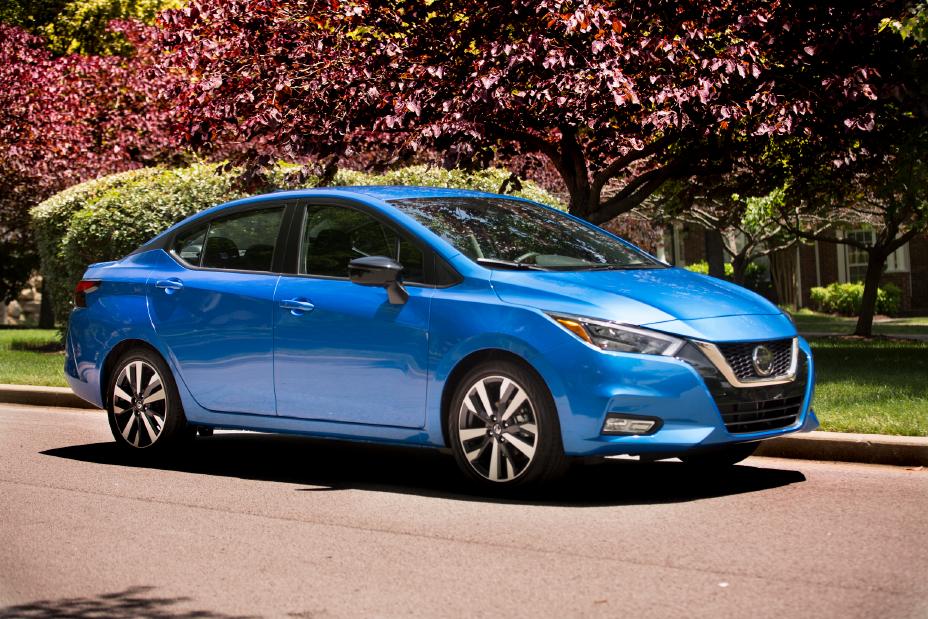
1. Nissan Versa
The Nissan Versa is a popular choice for budget-conscious drivers, offering affordability and fuel efficiency, but its factory audio system leaves much to be desired. The speakers in the Versa are small and underpowered, producing sound that often feels thin, weak, and lacking in depth.
Bass frequencies are almost nonexistent, which makes music feel hollow and unbalanced, and any attempt to turn up the volume often results in noticeable distortion, further diminishing the listening experience. High frequencies, while present, can come across as harsh or piercing, creating fatigue during extended listening sessions.
The midrange, which carries vocals and critical musical details, is poorly represented, leaving music flat and lifeless. Additionally, the placement of the speakers in the cabin is not optimized for sound distribution, meaning that passengers in the back seats may experience significantly weaker audio quality compared to those in the front.
The Versa’s cabin materials, chosen primarily for cost-effectiveness rather than acoustic quality, reflect and absorb sound in ways that exacerbate these problems. While the car performs well in terms of practicality, efficiency, and affordability, its audio system highlights the compromises often made in entry-level vehicles.
For drivers who value music clarity and presence, the factory system can be a persistent source of frustration, and upgrading to an aftermarket setup is almost necessary to achieve a satisfying sound experience.

2. Mitsubishi Mirage
The Mitsubishi Mirage is an economical subcompact car designed with affordability and fuel efficiency as top priorities, but its factory audio system is often criticized for its thin, tinny, and unbalanced sound. The speakers are small, producing limited low-frequency output, which makes bass feel almost nonexistent and music feel hollow.
High frequencies dominate the mix in a way that can be unpleasant, and the midrange is often weak, causing vocals and instruments to lack presence or fullness. Even moderate volume levels can reveal noticeable distortion, and the system struggles to maintain clarity when playing complex tracks with multiple instruments.
The Mirage’s compact cabin provides little help, as sound waves bounce unpredictably against the hard plastics and minimally treated surfaces, further reducing audio fidelity. Drivers and passengers often find that music feels flat, lacks energy, and does not provide an engaging listening experience.
Unlike cars equipped with premium factory systems, the Mirage does not include digital tuning, amplifiers, or advanced speaker placement to compensate for these shortcomings.
While the vehicle is celebrated for affordability, reliability, and low running costs, its audio performance demonstrates how entry-level vehicles can sacrifice sound quality in favor of cost savings. For those who enjoy music as part of their driving experience, the Mirage’s factory system is a significant limitation.

3. Chevrolet Spark
The Chevrolet Spark is a small urban vehicle designed to prioritize economy and maneuverability, but its factory audio system is frequently noted for poor sound reproduction and tinny characteristics. The speakers, which are basic and minimally powered, struggle to reproduce low frequencies effectively, leaving bass virtually absent and music lacking depth.
Treble frequencies can dominate the sound spectrum, resulting in harsh, piercing tones that are uncomfortable for extended listening. Midrange frequencies, which are critical for clear vocals and instrumental accuracy, are underdeveloped, causing music to sound hollow and unbalanced.
The Spark’s cabin design provides little acoustic enhancement, as reflective surfaces, hard plastics, and minimal sound insulation further degrade audio quality. Even at moderate volumes, the system can produce distortion, highlighting the limitations of its small amplifier and speaker components.
Passengers often report that the music lacks clarity, fullness, and dynamics, making it difficult to enjoy tracks that have complex arrangements or layered instrumentation. While the Spark succeeds in affordability, compactness, and practicality for city driving, the audio system reflects the compromises inherent in budget-focused vehicles.
For users who value audio quality, aftermarket upgrades are often required to achieve even moderate improvement, emphasizing the limitations of this factory setup.
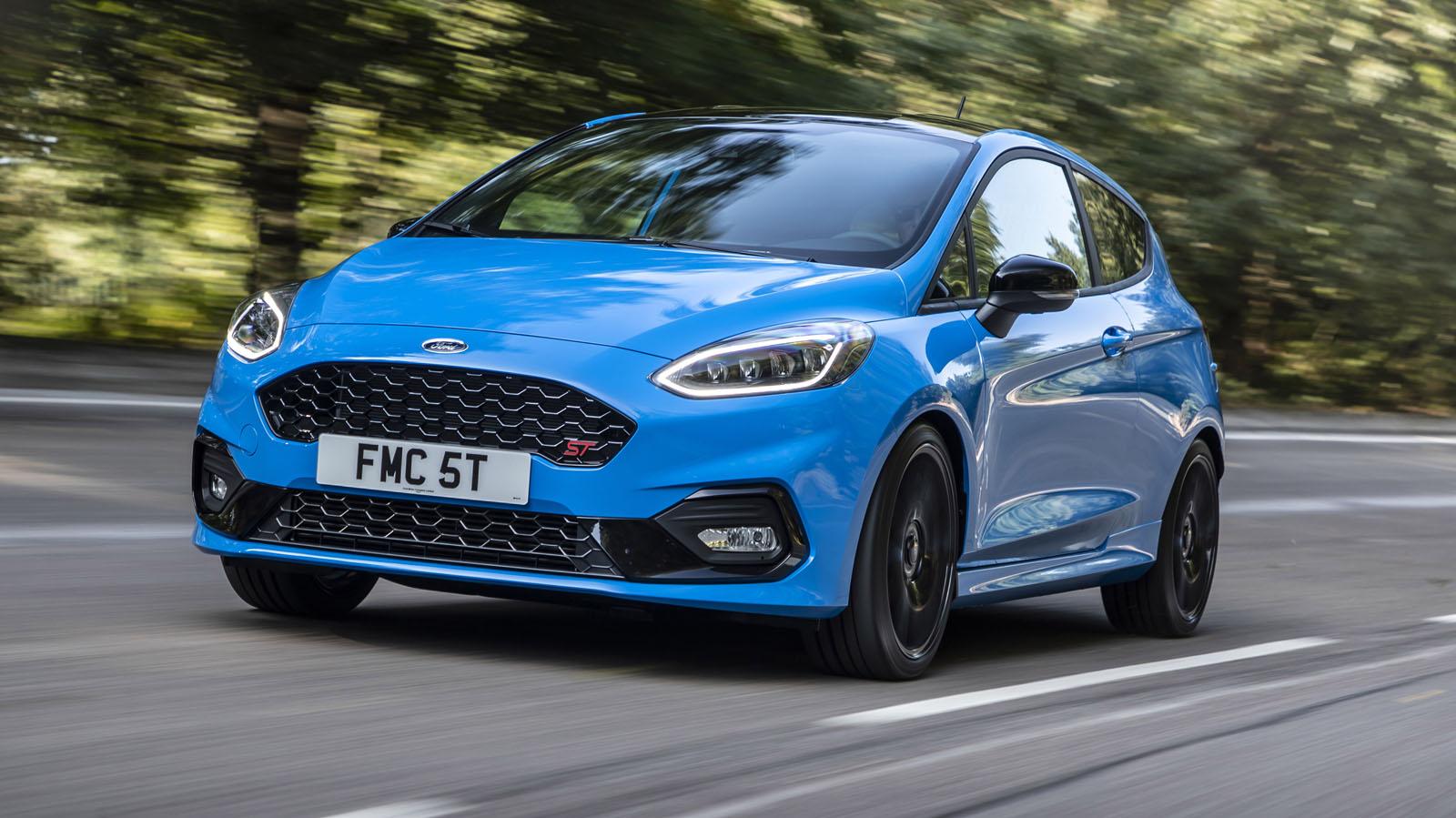
4. Ford Fiesta
The Ford Fiesta, though recognized for its nimble handling and stylish design, often comes equipped with factory speakers that fail to deliver satisfying sound quality. The speakers are compact and underpowered, producing tinny audio that lacks fullness and balance.
Bass is weak or nearly absent, leaving music feeling hollow and lacking energy, while treble frequencies are overly pronounced and can become piercing at higher volumes. Midrange frequencies, essential for reproducing vocals and key instruments, are often poorly defined, which results in a flat and lifeless sound.
The system’s limited amplification and lack of advanced digital processing mean that distortion occurs even at moderate volume levels, diminishing clarity and dynamic range. The Fiesta’s cabin, although stylish, does not incorporate materials or design elements to enhance acoustics, and reflections or vibrations can interfere with sound reproduction.
Listeners often describe the system as thin and unengaging, which is particularly noticeable when playing music genres that rely on bass depth or dynamic contrast. While the Fiesta offers strong performance, reliability, and aesthetic appeal, its audio system demonstrates the limitations of entry-level or mid-range vehicles that prioritize cost or convenience over sonic quality.
For drivers who place importance on music immersion, the Fiesta’s factory setup is likely to feel inadequate without aftermarket improvements.
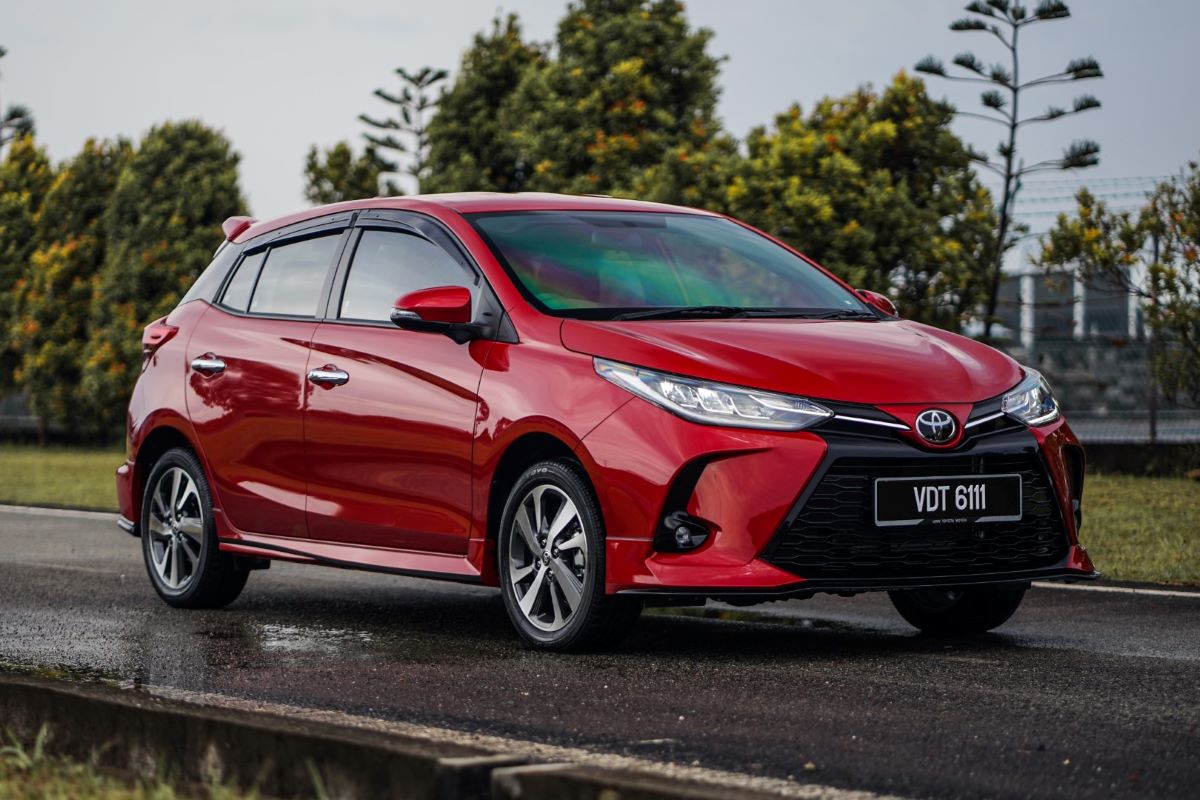
5. Toyota Yaris
The Toyota Yaris is widely appreciated for its reliability, efficiency, and practicality, but its factory audio system is frequently criticized for producing tinny and uninspiring sound. The speakers, which are small and minimally powered, fail to deliver low frequencies effectively, resulting in weak bass that leaves music sounding flat and hollow.
High frequencies are often sharp, making treble overemphasized and tiring to listen to over long periods. The midrange, which is critical for vocals and instrumental detail, is underrepresented, leaving music lacking warmth and fullness.
The Yaris’s small and minimally treated cabin further compounds these problems, as sound waves are often reflected or absorbed in ways that diminish clarity and depth.
Even at moderate volume levels, distortion can become noticeable, which negatively affects the listening experience. Despite the Yaris’s advantages in fuel efficiency, affordability, and low maintenance, its audio system demonstrates the compromises manufacturers make in budget-focused vehicles.
Drivers and passengers seeking a more immersive or engaging musical experience often find themselves limited by the factory speakers, making aftermarket audio upgrades almost a necessity to achieve balanced, full-range sound.
The system’s shortcomings highlight the contrast between vehicles designed with premium audio in mind and those that prioritize economy and simplicity.
