
Small SUVs have become increasingly popular for drivers who want a combination of versatility, efficiency, and the ability to handle both city streets and weekend adventures. Despite their compact exterior dimensions, some of these vehicles manage to create a surprisingly spacious and comfortable interior.
This quality is often achieved through smart design choices, clever use of interior space, and careful attention to ergonomics. When a small SUV feels big inside, it can make longer trips more enjoyable, provide ample room for passengers and cargo, and create a sense of freedom that might otherwise be expected only in larger vehicles.
A small SUV that feels roomy can be an appealing choice for families, commuters, or anyone who appreciates a vehicle that maximizes space without sacrificing maneuverability. Factors like seat positioning, headroom, legroom, and storage compartments play a significant role in this perception.
Manufacturers often utilize higher seating positions, thinner seatbacks, and minimalistic cabin designs to give occupants a sense of openness. Panoramic roofs and large windows also enhance the feeling of spaciousness, while clever storage solutions ensure that every inch of interior volume is used efficiently.
Conversely, not all small SUVs succeed in making the interior feel as big as it could be. Some prioritize exterior styling or performance over interior comfort, leaving passengers with limited legroom, cramped rear seats, or insufficient cargo capacity.
These vehicles may appear appealing on the outside, but can create frustration during daily commutes or family trips. Choosing the right small SUV requires understanding the balance between exterior dimensions, interior design, and functional space.
In this article, we will compare five small SUVs that manage to feel surprisingly large inside with five that do not. The goal is to provide insight into which vehicles maximize interior comfort and which ones fall short despite their compact size.
Understanding these differences can help buyers make informed decisions that match their needs for practicality, comfort, and usability.
Small SUVs That Feel Big Inside
1. Honda CR-V
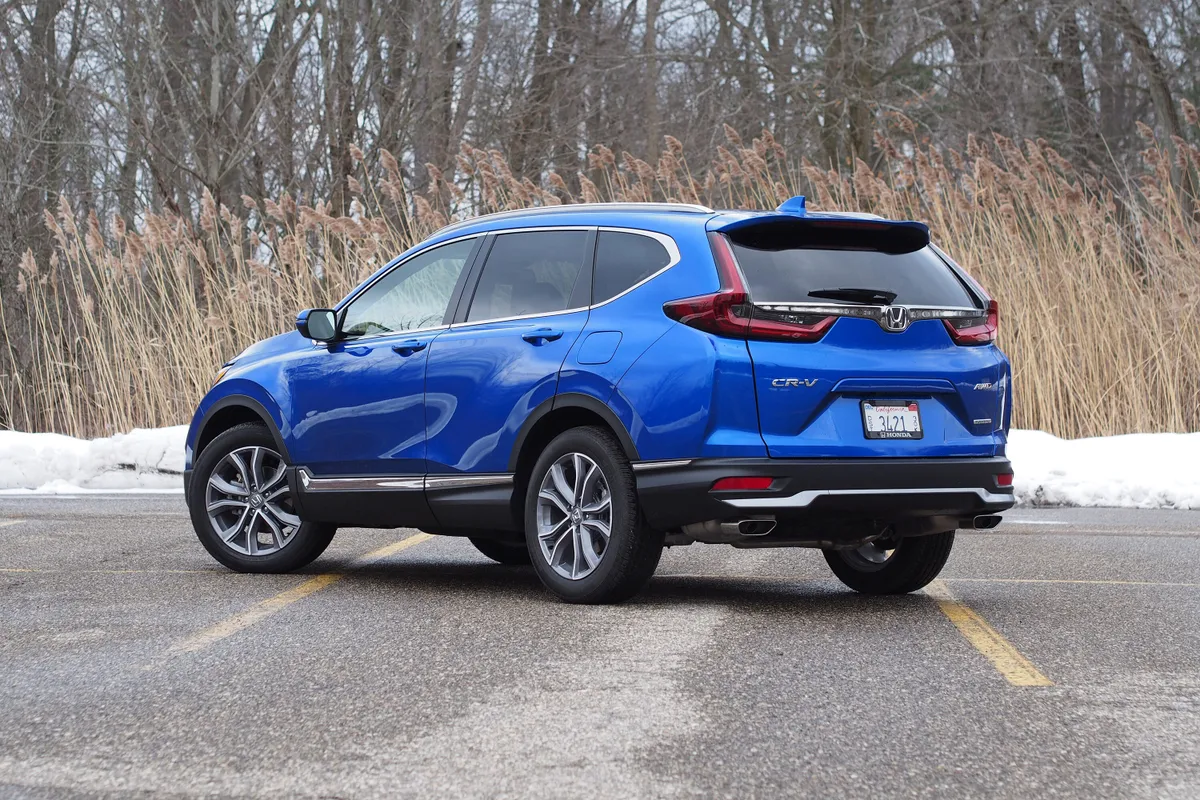
The Honda CR-V has long been praised for its ability to provide a spacious interior despite its compact exterior size. The cabin is thoughtfully designed to emphasize openness, with wide windows and a tall roofline that maximizes both headroom and natural light.
The front seats are supportive and comfortable, offering a range of adjustments that allow drivers and passengers to find their ideal seating position. Legroom is generous, and the seat cushioning strikes a balance between comfort and firmness, making longer journeys less fatiguing.
Even the rear seats, which are often the most overlooked in small SUVs, provide substantial legroom, shoulder room, and headroom, allowing adult passengers to sit comfortably without feeling cramped.
Storage in the CR-V is another strong point that enhances the feeling of a larger interior. The rear cargo area is both deep and wide, able to accommodate luggage, sports gear, or grocery hauls that many other small SUVs might struggle with. The rear seats fold flat with minimal effort, expanding cargo space significantly for weekend trips or moving larger items.
Inside the cabin, Honda makes clever use of storage compartments, including door pockets, center consoles, cup holders, and under-seat storage, ensuring that small items are stowed efficiently without cluttering the main cabin. This combination of roomy seating and practical storage contributes to a perception of space that exceeds the vehicle’s actual dimensions.
The CR-V’s driving position also plays a role in enhancing the sense of spaciousness. Its slightly elevated seats give occupants a commanding view of the road while maintaining comfort, making even city traffic feel less confined.
For passengers, the open feel is further amplified by the optional panoramic sunroof that allows natural light to flood the cabin, creating an airy, open environment that gives the impression of an interior larger than it really is.
Honda’s attention to interior ergonomics, including well-placed controls and a logically organized dashboard, contributes to a clutter-free environment that feels welcoming rather than tight.
Passenger comfort is complemented by thoughtful features that prioritize convenience and usability. Adjustable seats, multiple USB ports, and easy-to-reach climate controls ensure that every occupant can personalize their experience.
Families, in particular, benefit from rear seating that is spacious enough to accommodate car seats without sacrificing adult comfort.
Small details, such as rear air vents, cup holders in the center console, and ample door storage, create an impression of a well-planned interior that seems far larger than what the exterior dimensions suggest.
The Honda CR-V manages to combine functionality, comfort, and clever design to create one of the most accommodating small SUV interiors on the market.
2. Toyota RAV4
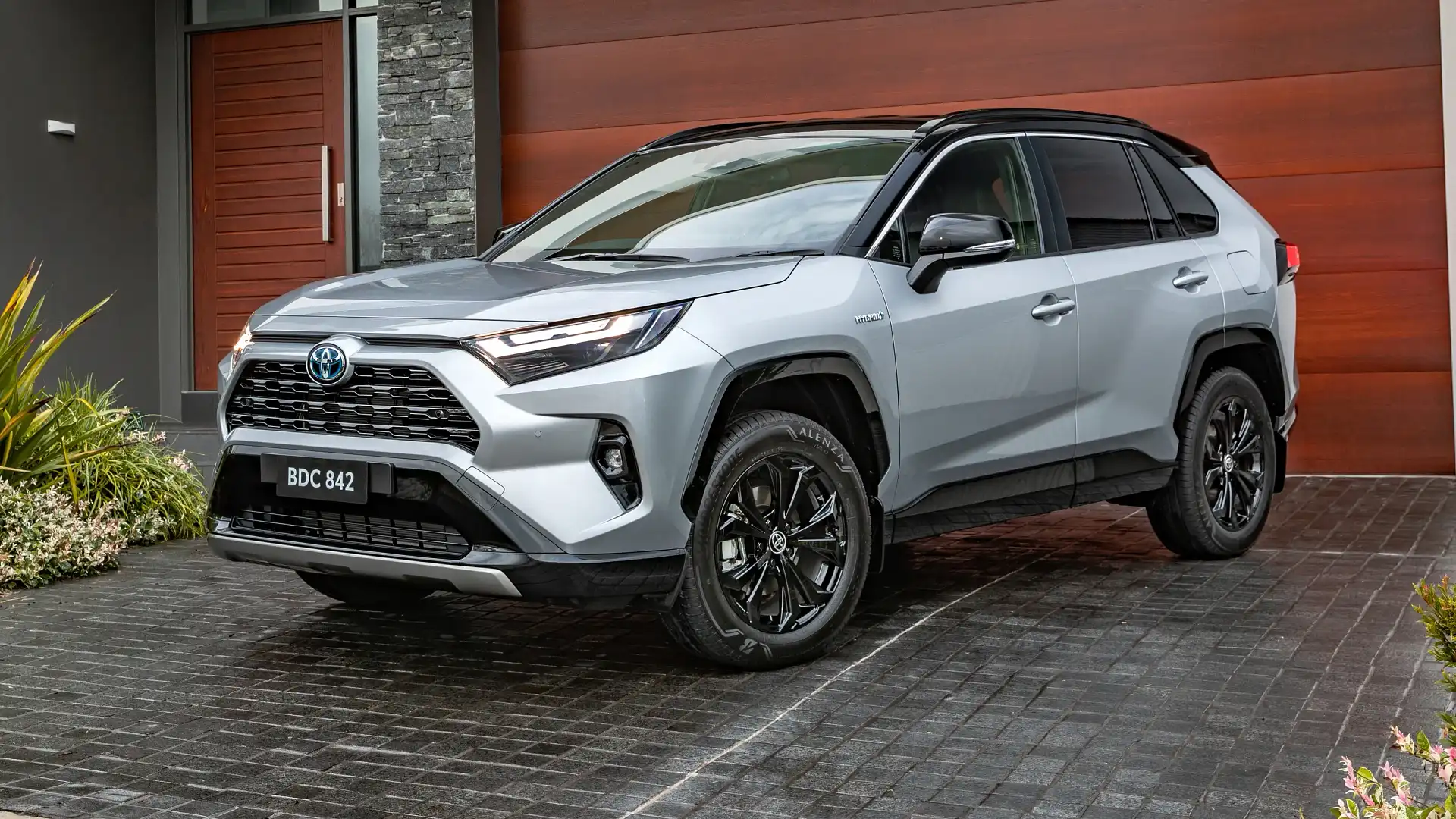
The Toyota RAV4 is another compact SUV that manages to feel exceptionally roomy on the inside. Its cabin design is a balance between practicality and style, resulting in an environment that is both comfortable and functional.
Front passengers enjoy generous legroom and headroom, while the rear seating area is spacious enough to accommodate adults comfortably for extended journeys. The upright seating position allows for easier entry and exit, which is especially helpful for families or older passengers.
Wide-opening doors make it easier to get in and out of the vehicle, and thoughtful touches, like adjustable headrests and ergonomic seat cushions, further contribute to passenger comfort.
Cargo capacity is also impressive for a vehicle of this size. The rear seats fold flat with ease, providing a versatile space for luggage, sports equipment, or other bulky items. The RAV4 makes excellent use of interior space with compartments strategically placed for easy access to personal items.
From glove boxes to door pockets and center consoles, Toyota ensures that storage solutions are both functional and unobtrusive. By organizing the interior in this way, passengers can maintain a clean and open environment that contributes to a feeling of spaciousness.
Visibility enhances the sense of openness inside the RAV4. Large windows provide expansive views of the surroundings, while the elevated seating position ensures that passengers feel less confined. Optional panoramic sunroofs allow light to fill the cabin, giving the impression of even more interior space.
The design, with its clean lines and minimal intrusion from bulky components, helps occupants feel comfortable and unencumbered. In combination with user-friendly technology and controls that do not overwhelm the cabin, these elements make the RAV4 a particularly accommodating small SUV.
Technology is integrated into the RAV4’s cabin without taking away from the perception of space. The infotainment system is positioned thoughtfully to allow easy access without crowding the center console. Controls for climate, media, and other functions are intuitive and within reach, helping to maintain a tidy, uncluttered interior.
The combination of well-planned seating, visibility, cargo capacity, and ergonomics makes the RAV4 feel much larger inside than its compact exterior might suggest. This focus on interior comfort and functionality explains why the RAV4 remains a top choice for those who prioritize a spacious cabin in a small SUV.
3. Kia Sportage
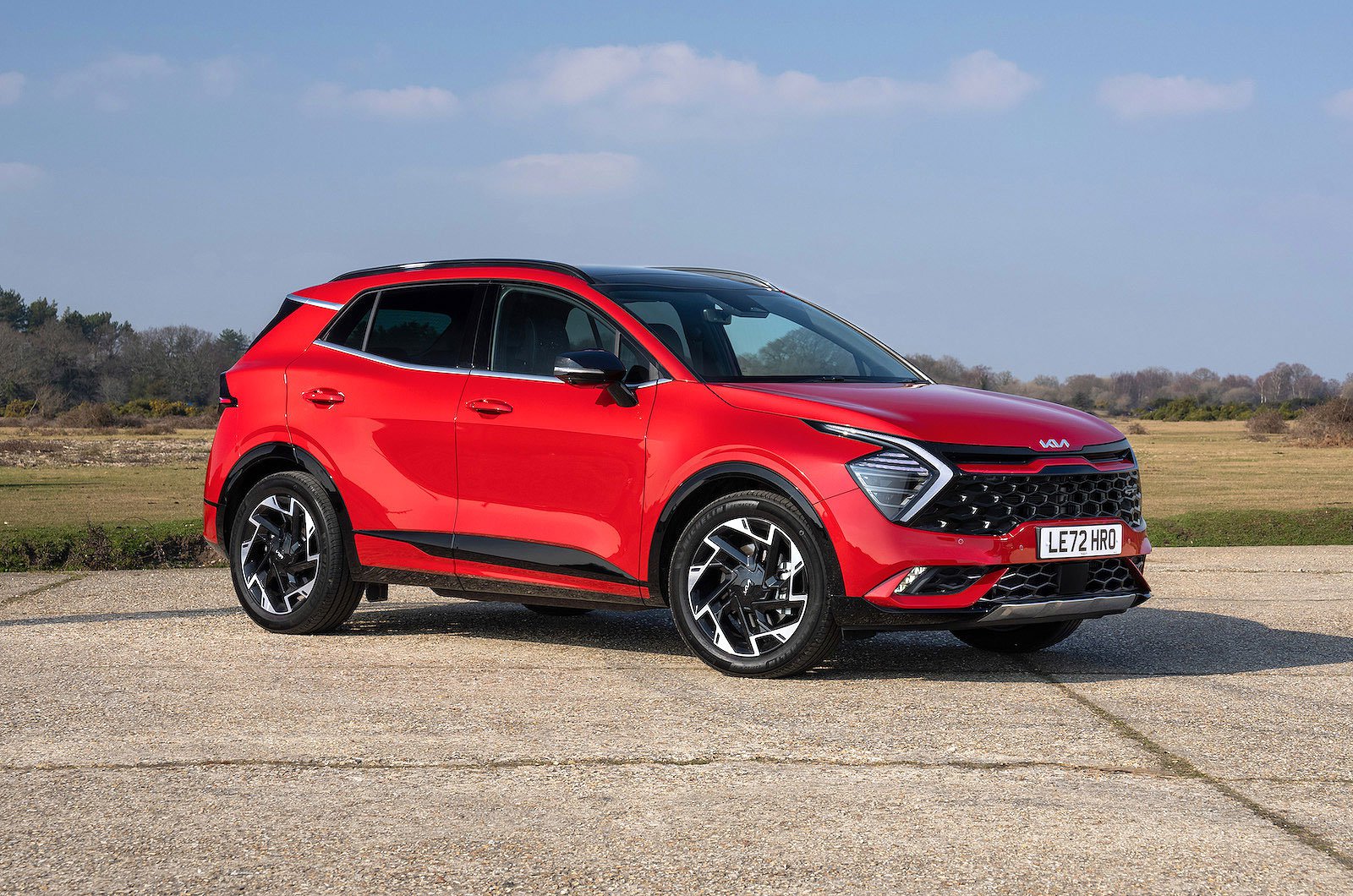
The Kia Sportage combines a sleek, modern exterior with a surprisingly roomy interior. The cabin is well-designed, emphasizing both passenger comfort and practical use of space. Front passengers benefit from ample headroom and legroom, while the rear seating area is comfortable for adults, with enough shoulder room and leg space to allow for relaxed travel.
The slightly elevated seating position gives passengers a good view of the road while enhancing the feeling of openness inside the cabin. Kia also uses high-quality materials and well-cushioned seats to create a comfortable and inviting environment.
Cargo space is practical and adaptable. The rear seats fold flat easily to accommodate larger items, while numerous storage compartments throughout the cabin provide convenient places for smaller belongings.
Door pockets, center consoles, and hidden compartments ensure that passengers can store essentials without cluttering the main cabin. This careful attention to interior layout contributes to the perception of a larger interior and increases usability for daily errands or longer trips.
Visibility further enhances the Sportage’s sense of roominess. Large windows allow light to enter the cabin and provide an unobstructed view of the surroundings, which reduces feelings of confinement.
Optional features such as panoramic sunroofs let in additional light, amplifying the airy atmosphere. The combination of thoughtful design, ergonomic controls, and clever storage ensures that the cabin feels spacious, functional, and comfortable, even on long drives.
Technology in the Sportage is designed to complement rather than detract from interior space. Infotainment screens are strategically positioned, and physical controls are accessible without intruding on passenger space.
Features like climate control, media access, and connectivity options are integrated seamlessly, preserving the open and airy feel of the cabin. With a combination of well-executed design, passenger comfort, and practical storage solutions, the Sportage stands out as a small SUV that maximizes interior space effectively.
4. Subaru Forester
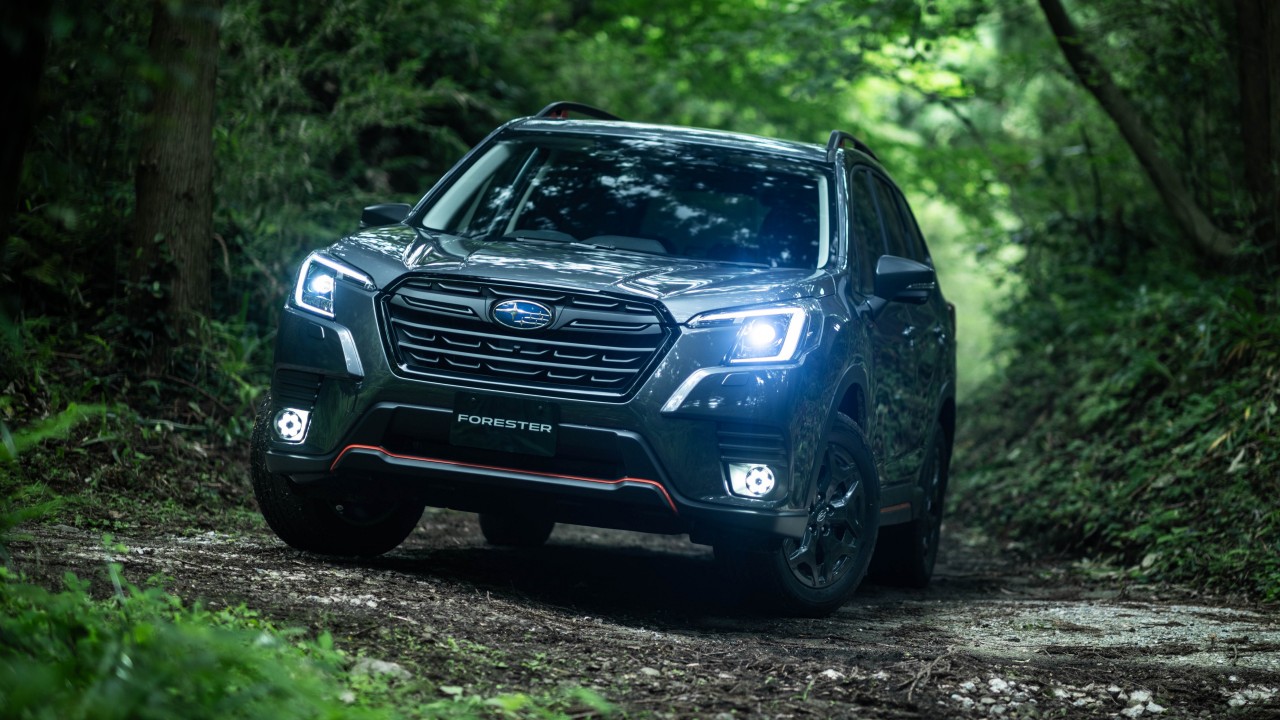
The Subaru Forester is recognized for its practical and spacious cabin, which makes it a standout among small SUVs. Its boxy exterior and high roofline allow for generous headroom, and the flat floor design ensures that rear passengers can sit comfortably without feeling cramped.
Entry and exit are made easier by wide-opening doors and thoughtfully designed seating, which is particularly useful for families or older passengers who may have mobility concerns. Interior materials are durable and soft to the touch, creating a welcoming and comfortable environment for all occupants.
Cargo space is a major strength of the Forester. The rear compartment is large and accessible, making it simple to load items such as luggage, sports equipment, or groceries. Rear seats fold flat quickly, providing a flexible platform for transporting larger items.
Storage compartments are thoughtfully placed throughout the cabin, including in the doors, under seats, and in the center console, ensuring that small items can be kept organized and out of the way. The combination of spacious seating and adaptable cargo options gives the Forester a larger interior feel than most other vehicles in its class.
Visibility enhances the Forester’s roomy impression. Large windows and high seating positions provide excellent outward views, minimizing blind spots and creating a feeling of openness.
Optional panoramic sunroofs add natural light, further increasing the sense of space within the cabin. Interior design focuses on both practicality and comfort, with easy-to-reach controls, intuitive interfaces, and user-friendly technology that allows occupants to interact with the vehicle without cluttering the space.
The Forester also prioritizes passenger convenience. Adjustable seats, ample legroom, and rear air vents improve comfort for all passengers, while clever storage solutions make it easy to keep the cabin organized. Features such as cup holders, center armrests, and accessible door pockets enhance usability and comfort.
By combining space, functionality, and thoughtful design, the Subaru Forester succeeds in making a small SUV feel much larger inside than it appears from the outside.
5. Volkswagen Tiguan
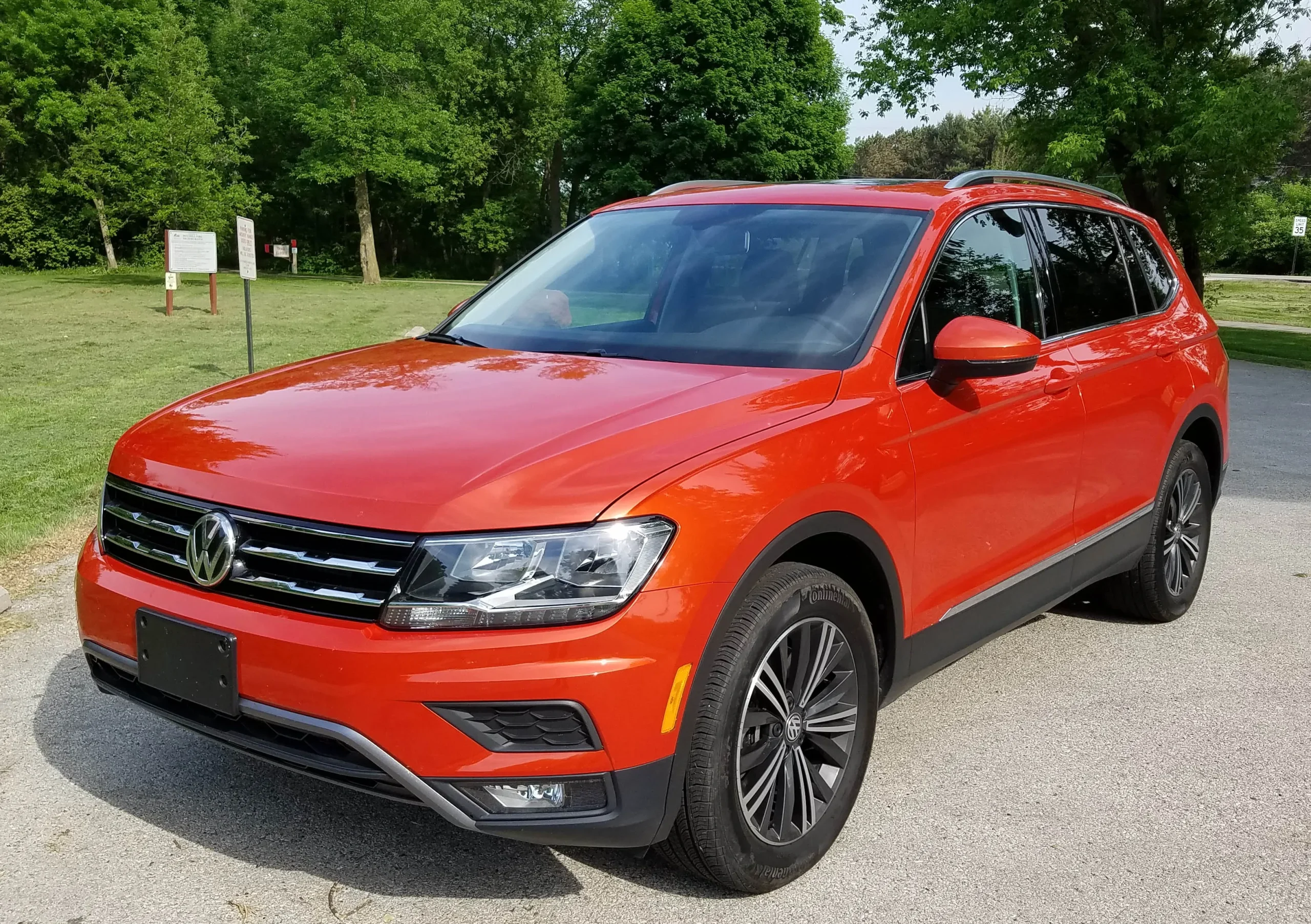
The Volkswagen Tiguan is a small SUV that offers a refined and spacious interior, surpassing expectations given its compact footprint. The cabin is designed with clean lines, high-quality materials, and practical layouts that optimize available space.
Front passengers enjoy ample legroom and headroom, while rear passengers have generous seating that makes longer journeys more comfortable. Adjustable seating options further enhance the comfort, allowing drivers and passengers to tailor the interior to their preferences.
Visibility and seating position contribute significantly to the Tiguan’s sense of openness. Large windows, a high seating position, and well-designed mirrors provide an excellent view of the surroundings, making the cabin feel airier and more expansive.
Optional panoramic sunroofs allow natural light to fill the space, further enhancing the feeling of roominess. Interior ergonomics are carefully considered, with controls and infotainment systems positioned for ease of use without encroaching on passenger space.
The Tiguan’s integration of technology and convenience features is designed to complement the interior’s sense of space. Infotainment systems are accessible without crowding the dashboard, and climate control, connectivity, and other features are seamlessly integrated.
Combined with spacious seating, generous cargo capacity, and a high-quality interior, these design choices make the Tiguan an excellent example of a small SUV that feels much larger inside than its exterior dimensions suggest.
Small SUVs That Don’t Feel Big Inside
1. Jeep Renegade
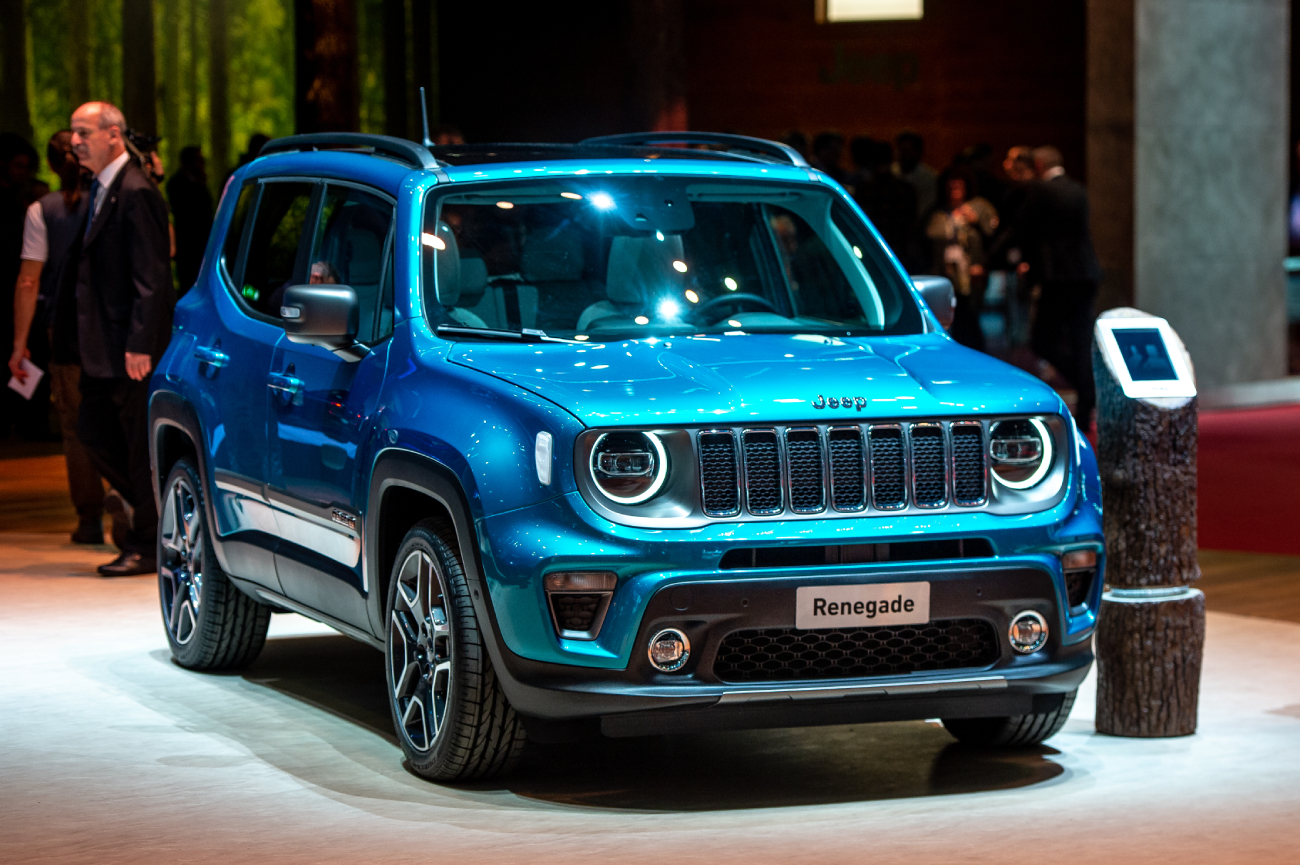
The Jeep Renegade is a compact SUV with a distinctive and rugged exterior, but its interior does not always live up to expectations in terms of space. The cabin feels more confined than other small SUVs, with tighter legroom and limited rear-seat headroom.
Taller passengers may find themselves feeling cramped, especially during longer trips. The upright seating position and boxy design help maximize some interior volume, but the thick door panels and dashboard layout can make the cabin feel more closed in than it actually is.
Cargo space in the Renegade is modest for a small SUV. The rear compartment is shallow and narrow, which limits the type and size of items that can be carried comfortably. While the rear seats fold down to create additional storage, the cargo area does not expand as generously as other vehicles in the segment.
This can be frustrating for families or drivers who regularly haul luggage, sports equipment, or groceries, as the available space feels restricted compared to competitors with similarly sized exteriors.
Interior ergonomics further reinforces the sense of limited space. Controls, infotainment screens, and climate interfaces are positioned in ways that can feel cramped, especially for front passengers who might need more elbow room.
The rear seating is particularly limited for three passengers, as the middle seat is narrow and lacks sufficient cushioning. Storage compartments are present but smaller and less intuitive than in more spacious small SUVs, contributing to a feeling that the Renegade is confined on the inside relative to its exterior dimensions.
2. Nissan Kicks
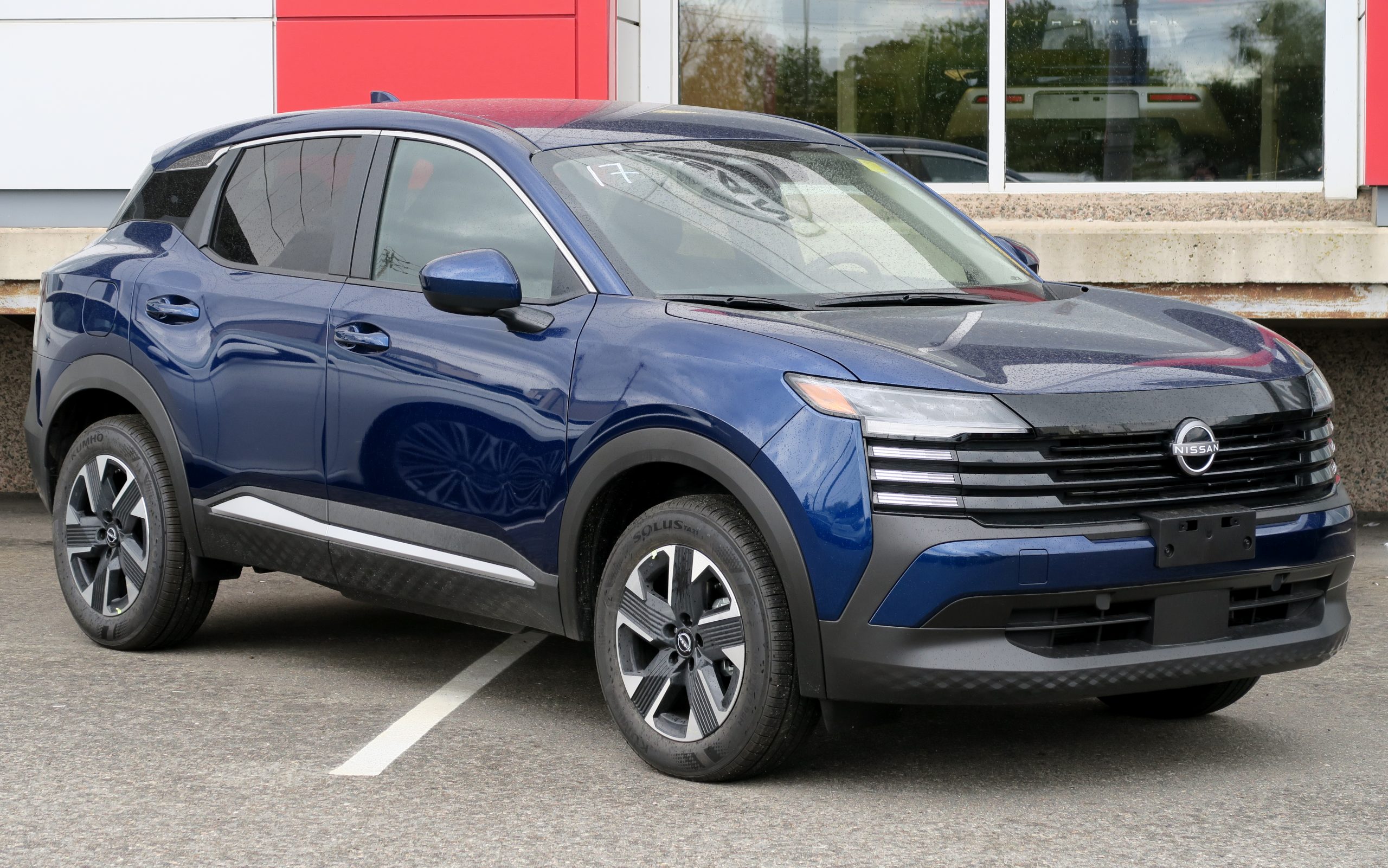
The Nissan Kicks is a small crossover with excellent fuel efficiency and city-friendly handling, but its interior space is not one of its strengths. The cabin feels narrow, and taller passengers often report limited headroom, particularly in the back seats.
Legroom is also modest, and the rear seating area can feel tight for adults on longer journeys. Front passengers have slightly more comfort due to a decently sized cockpit, but the impression is of a vehicle that prioritizes exterior compactness over interior volume.
Cargo space in the Kicks is limited compared to many other small SUVs. The rear compartment is shallow, which restricts what can be stored without folding the rear seats. When the seats are folded, the cargo area expands only modestly, and the floor is not entirely flat, making it more challenging to load larger items.
Small SUVs often rely on clever layouts to maximize storage, but the Kicks’ design does not fully utilize the available interior volume, leaving some passengers feeling constrained during trips that require luggage or equipment.
The roofline slopes slightly toward the rear, further reducing headroom in the back and contributing to a sense of tightness. Unlike competitors that offer panoramic sunroofs or large window surfaces to increase the feeling of airiness, the Kicks’ interior feels more compact and enclosed.
Ergonomics and storage placement add to the Kicks’ cramped impression. The dashboard and center console design leave less elbow room for the driver and front passenger. Rear passengers also find that legroom and shoulder room are limited, and small cup holders or storage areas feel insufficient for daily needs.
While the Kicks performs well in city driving and offers efficiency advantages, it does not succeed in making passengers feel spacious or comfortable, particularly when compared to other small SUVs designed to maximize interior volume.
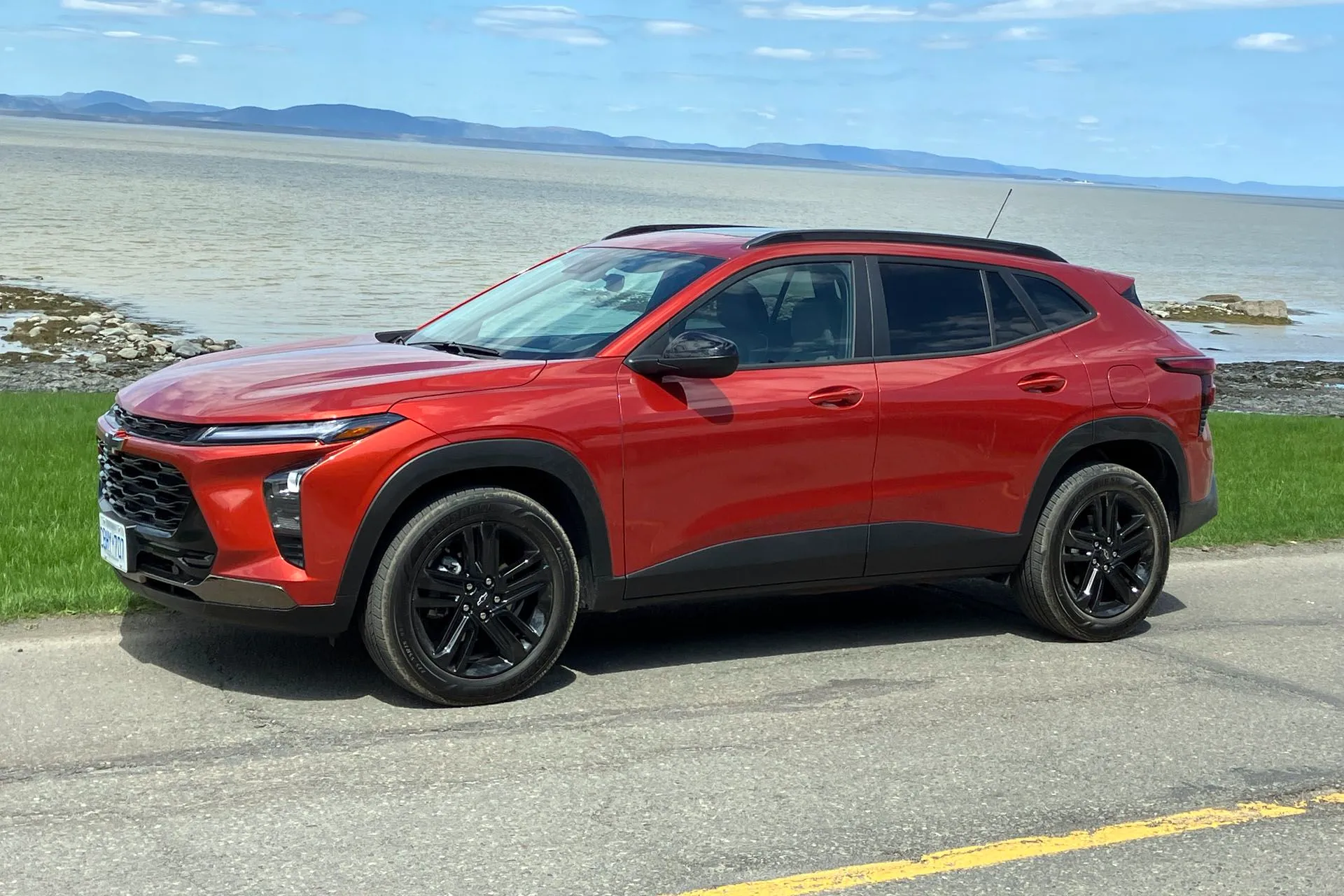
3. Chevrolet Trax
The Chevrolet Trax is a small SUV with a stylish exterior, but its interior is compact, often leaving passengers feeling restricted. The front seats are moderately comfortable, but the cabin width is limited, making the seating area feel snug for larger adults.
Rear-seat legroom is constrained, and taller passengers may find their knees pressing against the seatbacks in front of them. Even though the vehicle’s height is slightly above average, the cabin layout does not make optimal use of vertical space, which reduces the perception of interior openness.
Cargo capacity in the Trax is modest, especially when the rear seats are in use. The cargo area is shallow and narrow, making it less practical for families or those who need to transport larger items. Folding the rear seats helps, but the expanded cargo space remains smaller than competitors that excel at using every inch of interior volume.
Storage compartments inside the cabin are present but limited in size and flexibility, offering only a minimal solution for daily needs.
Optional sunroof features exist, but they are not large enough to significantly improve the sense of openness. This limited visibility makes the cabin feel smaller than it might otherwise be with better design choices.
Interior ergonomics also play a role in the Trax’s sense of limited space. The center console and dashboard are compact, and controls are positioned close together, which can make the front cabin feel cramped. Rear passengers have little in the way of storage compartments or cup holders, reducing convenience during longer trips.
While the Trax is practical for short commutes and urban driving, it does not succeed in creating an interior that feels spacious or accommodating for all passengers.
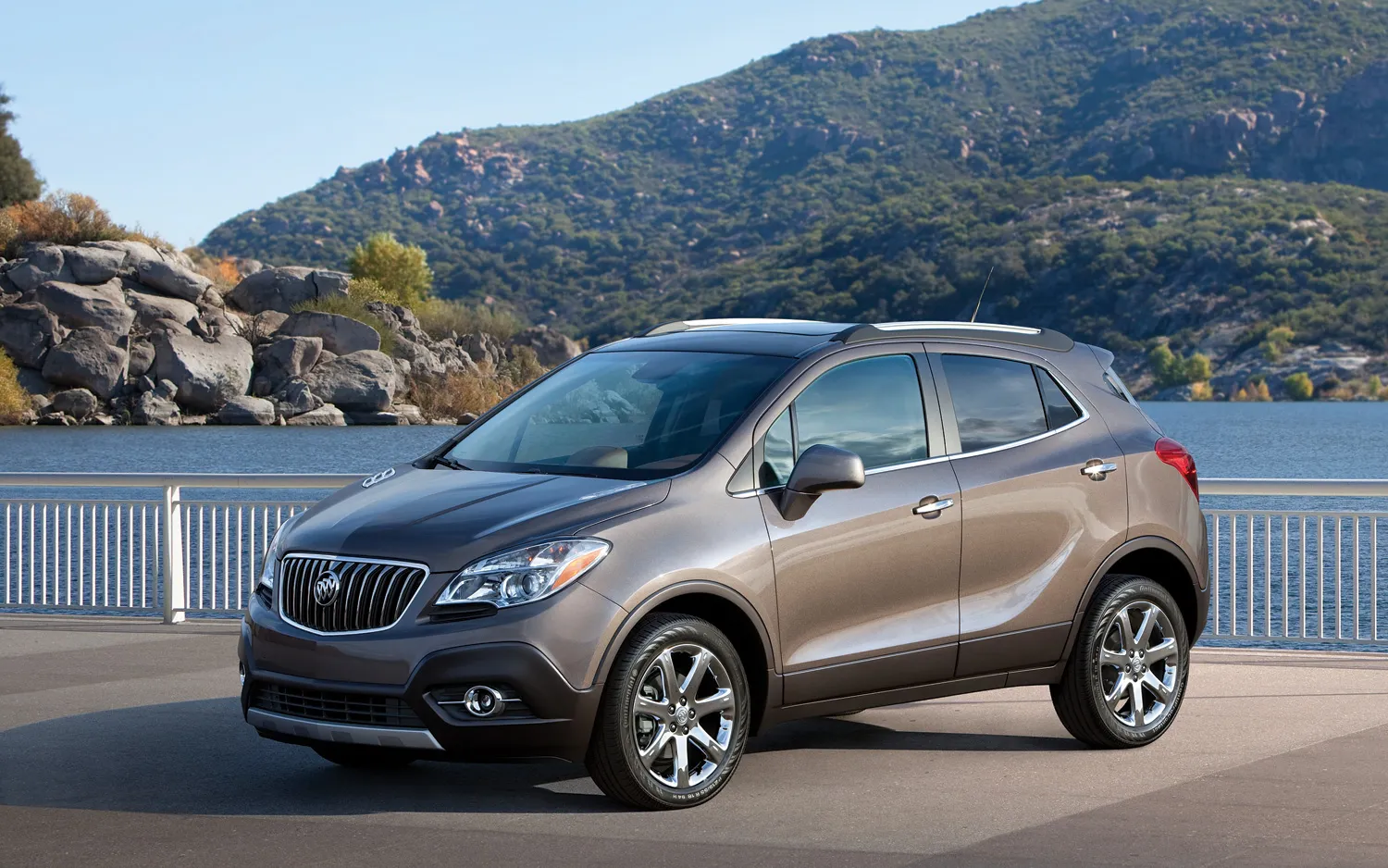
4. Buick Encore
The Buick Encore is a small luxury-oriented SUV that looks elegant on the outside, but its interior size is often underwhelming. Front seats are comfortable but the cabin is narrow, and passengers can feel crowded, particularly on longer drives.
Rear seating is tight, with limited legroom and headroom that can make it challenging for taller passengers. The width of the cabin is modest, and while the interior is well-appointed with quality materials, the feeling of space is constrained.
Cargo capacity in the Encore is one of its weaker points. The rear storage area is small, and folding down the rear seats only marginally increases the cargo volume. This limitation makes it difficult to transport larger items or pack for extended trips.
Visibility in the Encore is also limited compared to other vehicles in the segment. Rear windows are small, rear headrests can obstruct sightlines, and thick pillars reduce outward visibility.
The combination of a high beltline and small window openings makes the cabin feel enclosed, and optional panoramic sunroofs are either unavailable or limited to higher trims, leaving most passengers without the benefit of additional light. These design choices contribute to a perception of a smaller, more cramped interior.
Interior ergonomics and storage solutions are another area where the Encore falls short. While front passengers have access to basic compartments and cup holders, the rear cabin offers minimal storage options, and the center console intrudes slightly into legroom.
Small interior width combined with limited storage can make the cabin feel cluttered even when it is tidy. For those who prioritize a feeling of space in a small SUV, the Encore is less accommodating than competitors that excel at maximizing both passenger and cargo room.
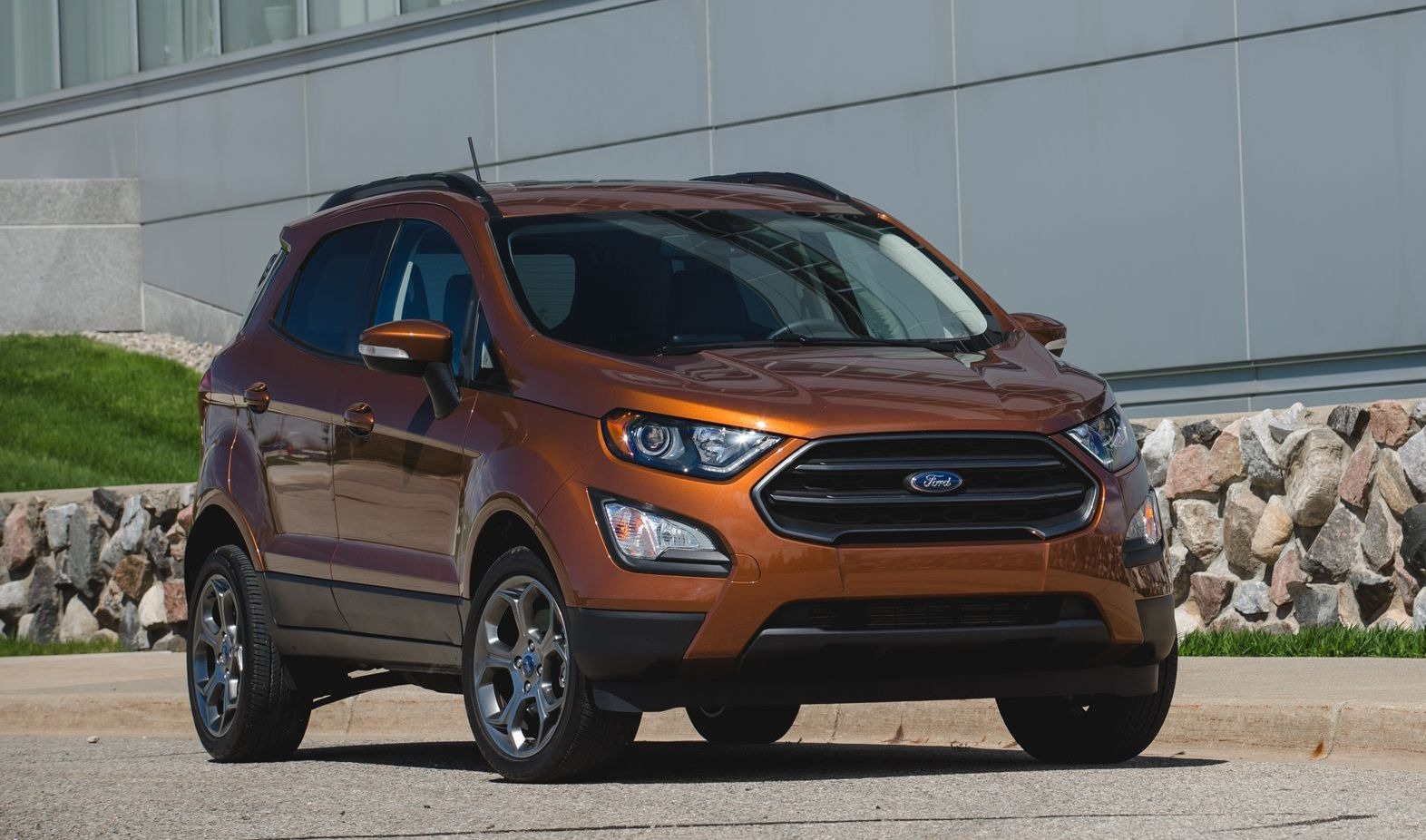
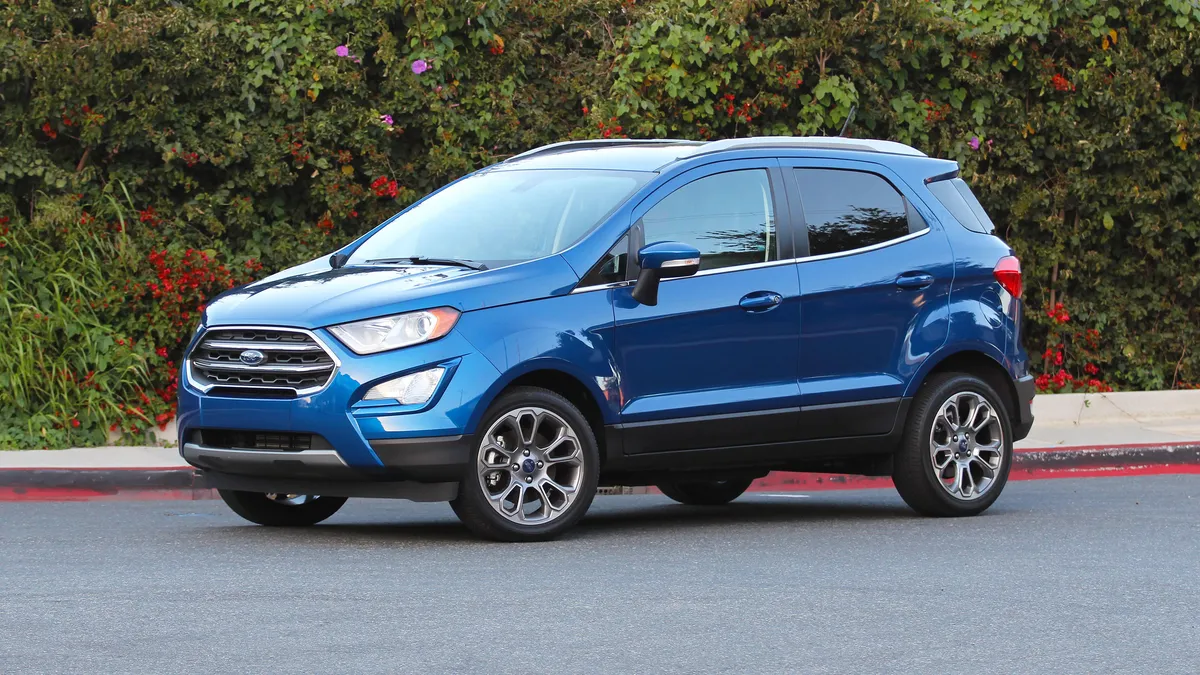
5. Ford EcoSport
The Ford EcoSport is a compact SUV designed primarily for city use, but it struggles to create a roomy interior despite its relatively tall stance. Front passengers have limited shoulder and hip room, which can make longer trips uncomfortable, particularly for larger adults.
Rear seats are cramped, and headroom is restricted by the vehicle’s sloping roofline. Taller passengers often find themselves with knees pressed into the seatback in front, and the impression is that the cabin is narrower and less open than other small SUVs.
Cargo space in the EcoSport is another limitation. The rear compartment is shallow, and while the rear seats can fold, the resulting cargo area is still smaller than competitors with similar dimensions.
The unconventional spare tire mounted on the rear door further reduces available storage space and can complicate loading larger items. Interior storage compartments are limited, and smaller door pockets or glove boxes do not significantly enhance the feeling of space.
Visibility in the EcoSport is hindered by small windows and thick roof pillars. While the driver enjoys a slightly elevated view, rear passengers may feel confined due to the restricted window size and reduced sightlines.
Unlike other small SUVs that offer expansive sunroofs or panoramic windows to open up the cabin, the EcoSport does not provide this feature in most trims, leaving the interior feeling more closed in.
Ergonomics and layout also contribute to a cramped interior. Controls and infotainment screens are positioned close together, limiting elbow room for front passengers. The rear seating area lacks amenities such as rear air vents or easily accessible cup holders, further reducing passenger comfort.
While the EcoSport is suitable for city driving and offers a small footprint for tight streets, it does not succeed in creating an interior that feels spacious or accommodating, particularly when compared to small SUVs designed to maximize cabin room.
