
Modern automobiles are no longer just machines for transportation. They have evolved into complex systems designed to enhance driver safety, convenience, and driving experience. One of the most significant advancements in recent years is the integration of cameras in vehicles, particularly backup cameras.
These cameras are intended to provide drivers with a clear view of what is behind them, reducing blind spots and minimizing the risk of accidents while reversing. However, the quality and effectiveness of these cameras can vary dramatically between vehicles.
Some cars feature high-definition, wide-angle cameras that provide detailed, accurate images, making parking and reversing nearly effortless.
On the other hand, some vehicles are equipped with cameras that produce blurry, distorted, or narrow images, which can be frustrating and even dangerous. The differences between these two types of systems highlight the importance of camera quality and integration in modern car design.
The disparity between helpful and blurry backup cameras affects not only the driver’s confidence but also safety. Helpful cameras can detect pedestrians, small obstacles, and even align guides for precise parking. They often include advanced features such as night vision, dynamic guidelines, or multiple viewing angles.
Blurry cameras, by contrast, may distort distances, fail to display critical areas behind the vehicle, and leave drivers guessing about obstacles. As a result, drivers of cars with poor camera systems may need to rely more on mirrors or physically turning around, increasing the likelihood of accidents or scrapes.
The debate between high-quality and poor-quality backup cameras also raises questions about automotive priorities. Some manufacturers invest heavily in technology and design, creating cameras that work reliably in all conditions.
Others may prioritize cost savings or consider cameras as secondary features, resulting in systems that offer minimal practical value. By examining specific examples of cars with helpful cameras and cars with blurry backups, it becomes possible to understand not only the technological differences but also the real-world implications for drivers.
This article will provide a detailed comparison of five vehicles with helpful backup cameras and five with blurry backup cameras. Each section will discuss features, image quality, functionality, and usability, emphasizing how these systems impact daily driving.
By analyzing these examples, drivers can make more informed decisions when selecting a vehicle, and car enthusiasts can appreciate the technological nuances that distinguish effective camera systems from those that fall short.
The contrast between clarity and blur underscores the importance of paying attention to this seemingly small but critical aspect of modern vehicle design.
5 Cars with Helpful Cameras
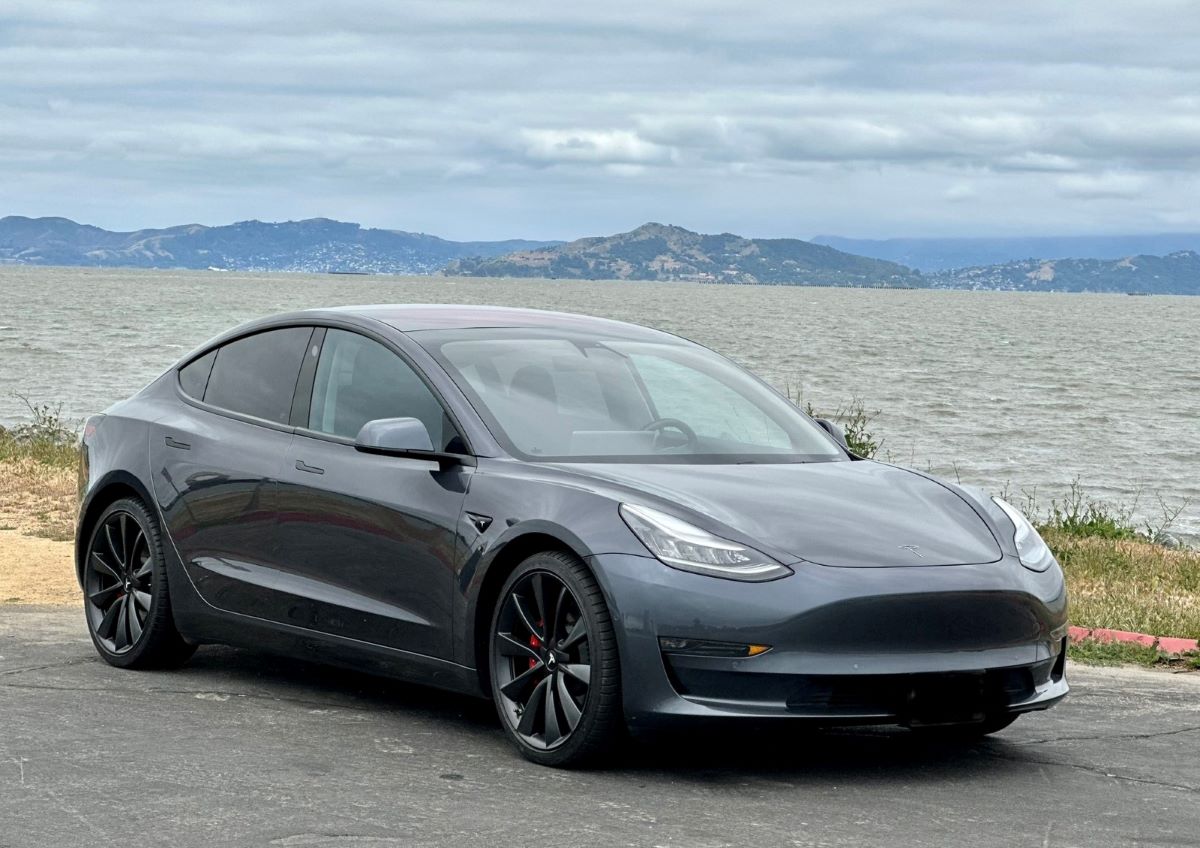
1. Tesla Model 3
The Tesla Model 3 is widely praised for its integrated camera system, which provides a comprehensive view of the vehicle’s surroundings.
Its rear camera produces high-resolution images that are bright, sharp, and clear, even in low-light conditions. This allows drivers to identify obstacles of all sizes, from curbs and poles to children or pets that might unexpectedly appear behind the vehicle.
Unlike many traditional backup cameras that produce grainy or distorted images, the Model 3 camera captures precise detail, helping drivers make informed decisions quickly.
The camera system is not a standalone feature but works seamlessly with Tesla’s broader suite of safety technologies, including Autopilot, which can issue visual and audio warnings for objects in the car’s path, offering multiple layers of protection. This integration emphasizes not only image quality but the practical usability of the system in everyday driving situations.
Another feature of the Model 3 is its wide-angle view, which reduces blind spots significantly compared to conventional cameras. The camera covers more of the rear environment, allowing the driver to see approaching vehicles or pedestrians who might otherwise remain hidden from mirrors.
Dynamic guidelines overlay the camera feed and adjust in real-time according to steering input, showing exactly where the car will travel if the current trajectory is maintained. This visual prediction is especially useful for parking in tight urban areas or maneuvering in crowded lots.
Drivers can execute reverse turns, parallel parking, or three-point turns with a higher degree of precision than with static cameras or mirrors alone. The wide perspective also minimizes the need for repeated stops to check blind spots manually, streamlining the process of reversing and increasing safety confidence.
The Model 3’s cameras are engineered to perform exceptionally well under diverse lighting conditions. Whether in direct sunlight, shaded areas, or low-light environments such as parking garages or nighttime streets, the camera maintains a clear, high-contrast image.
Nighttime performance is enhanced by digital image processing, which brightens dark areas while maintaining the integrity of color and detail.
This allows drivers to spot subtle obstacles such as low curbs, fallen objects, or uneven pavement, which could be easily missed with lower-quality systems.
The clarity and responsiveness of the camera reduce the need for physically turning around or guessing distances, making reverse maneuvers more intuitive and reducing stress for drivers of all experience levels.
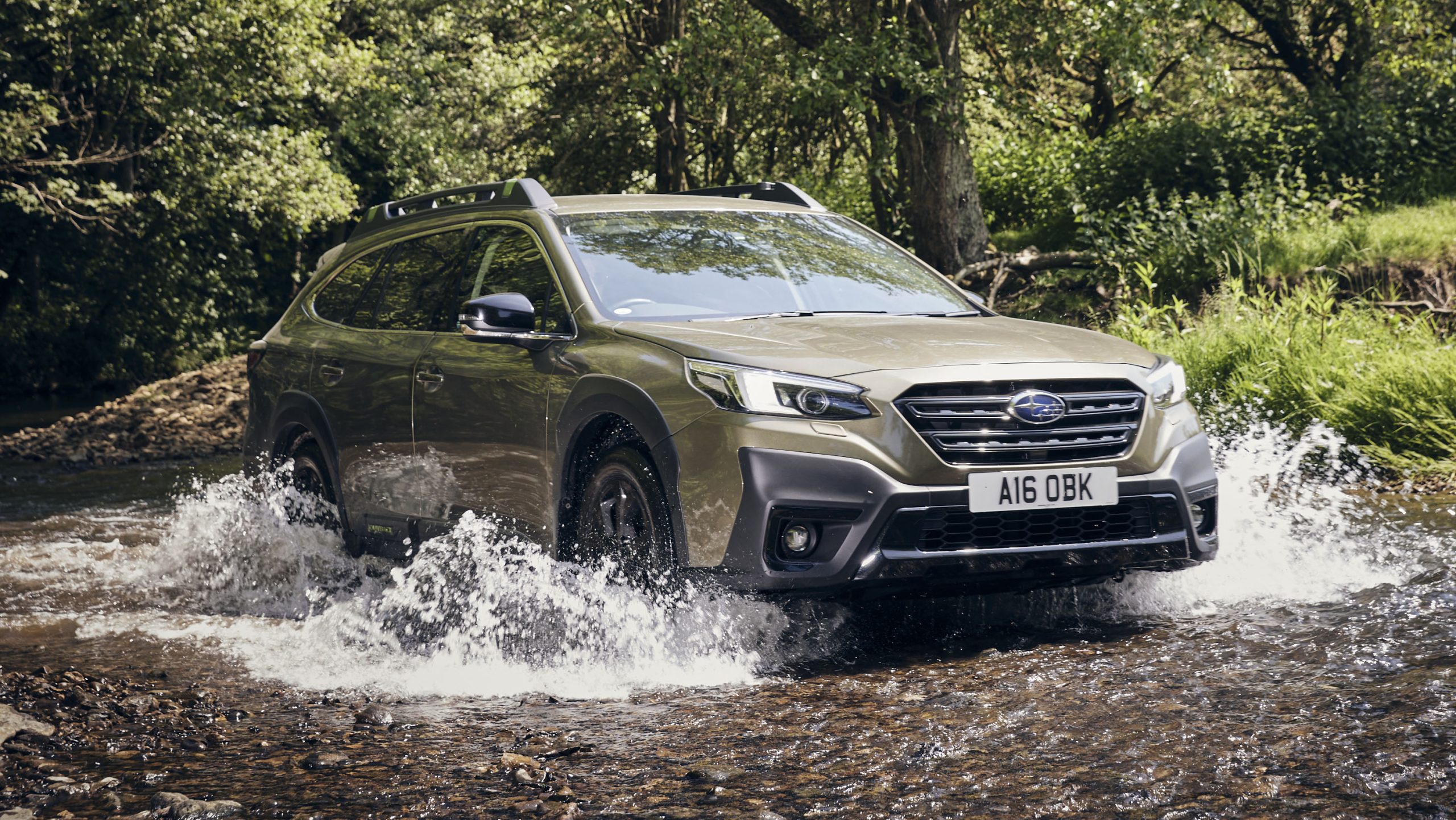
2. Subaru Outback
The Subaru Outback is renowned for its dedication to safety, and its backup camera system reflects that commitment. The rear camera produces crisp, high-resolution images that allow the driver to judge distances accurately and identify even small obstacles, such as toys, pets, or uneven pavement.
Unlike many budget vehicles that offer limited or narrow views, the Outback’s camera provides a wide-angle perspective that shows the entire rear area. This reduces the chance of blind spots or collisions when backing out of driveways, parking lots, or narrow streets.
The display is large and intuitive, presenting the visual information in an immediately understandable way, even for drivers who are unfamiliar with advanced camera systems. By prioritizing clarity and usability, Subaru ensures that the Outback’s camera system genuinely supports safer driving.
The Subaru Outback also integrates its camera with additional safety features, such as blind-spot monitoring and cross-traffic alert. These systems complement the rear camera by detecting approaching vehicles, pedestrians, or cyclists that might not be immediately visible on the screen.
Audible alerts and visual warnings add another layer of awareness, enhancing safety for the driver and surrounding pedestrians. Moreover, the Outback maintains consistent camera performance in a variety of environmental conditions.
Rain, fog, or low-light scenarios do not significantly degrade image clarity, making it a reliable tool in real-world driving conditions. Subaru’s approach highlights the importance of consistent quality in safety features and how these systems can build driver confidence.
Finally, the Subaru Outback’s user-friendly design ensures that drivers of all experience levels can benefit from the camera system. The combination of high-resolution imagery, dynamic guidelines, and integrated alerts reduces the mental load during reversing, which is particularly helpful for new drivers or those who frequently park in crowded areas.
The camera system demonstrates that technological sophistication does not have to be complex or overwhelming; instead, it can provide practical, real-world advantages that directly improve safety. For anyone prioritizing both reliability and usability, the Subaru Outback represents a strong example of a helpful and effective backup camera system.
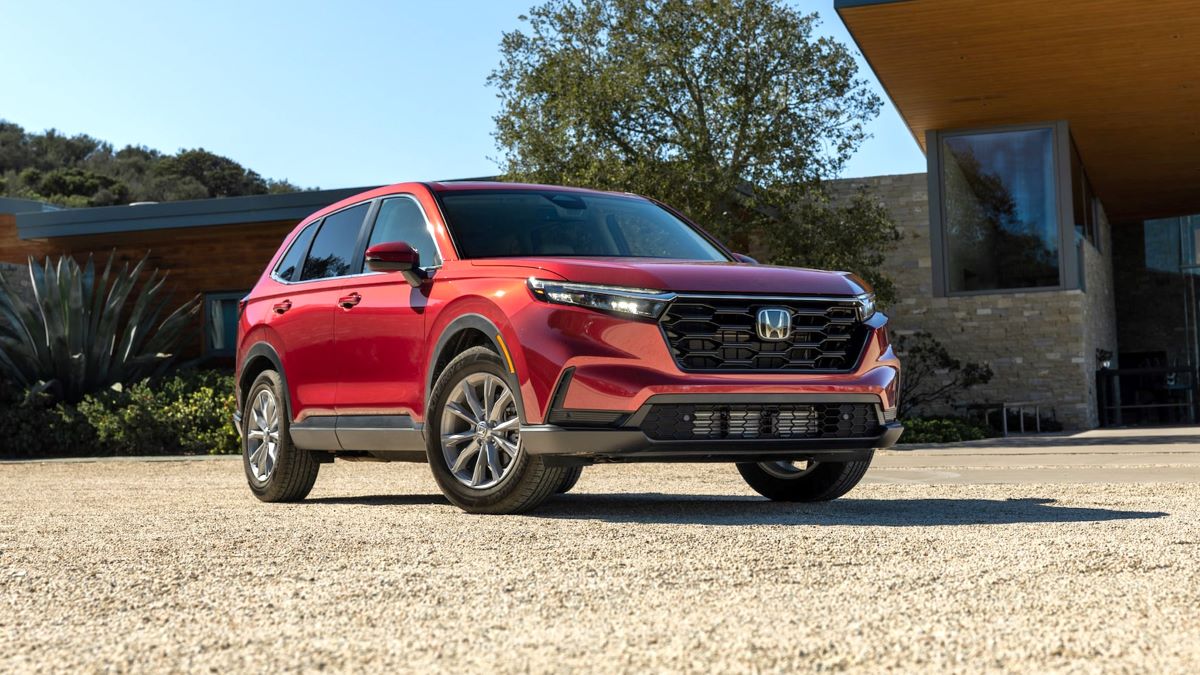
3. Honda CR-V
The Honda CR-V is an excellent example of how affordability and advanced technology can coexist, particularly when it comes to backup cameras. Its rear camera produces crisp, detailed images that cover the entire width of the vehicle’s rear, allowing the driver to see obstacles clearly and judge distances accurately.
This makes it easier to avoid collisions with objects, other vehicles, or pedestrians. The camera display is large, responsive, and well-positioned, offering a real-time feed that is crucial for safe reversing.
Unlike some budget vehicles that produce grainy or lagging images, the CR-V’s camera ensures that drivers can act immediately on what they see, improving both safety and convenience.
Honda has also invested in low-light performance, ensuring that the CR-V’s camera remains functional at night or in dimly lit environments. Automatic brightness and contrast adjustments maintain image clarity, helping the driver detect small obstacles such as toys, low curbs, or uneven ground.
Even in challenging lighting conditions, the camera provides a reliable, accurate image, reducing the need for repeated over-the-shoulder checks. This consistency in performance adds both convenience and safety, making the CR-V an attractive option for families or urban drivers who frequently operate in variable lighting.
Finally, the CR-V integrates its camera system with other driver-assist technologies, including lane departure warnings, collision mitigation, and adaptive cruise control. These systems work together to create multiple layers of awareness for the driver.
When reversing, the camera feed is complemented by audio alerts or visual warnings, making it harder to overlook potential hazards. This holistic approach to safety ensures that the CR-V is not only visually informative but also contextually aware, offering drivers a dependable tool that enhances confidence and reduces the likelihood of accidents.
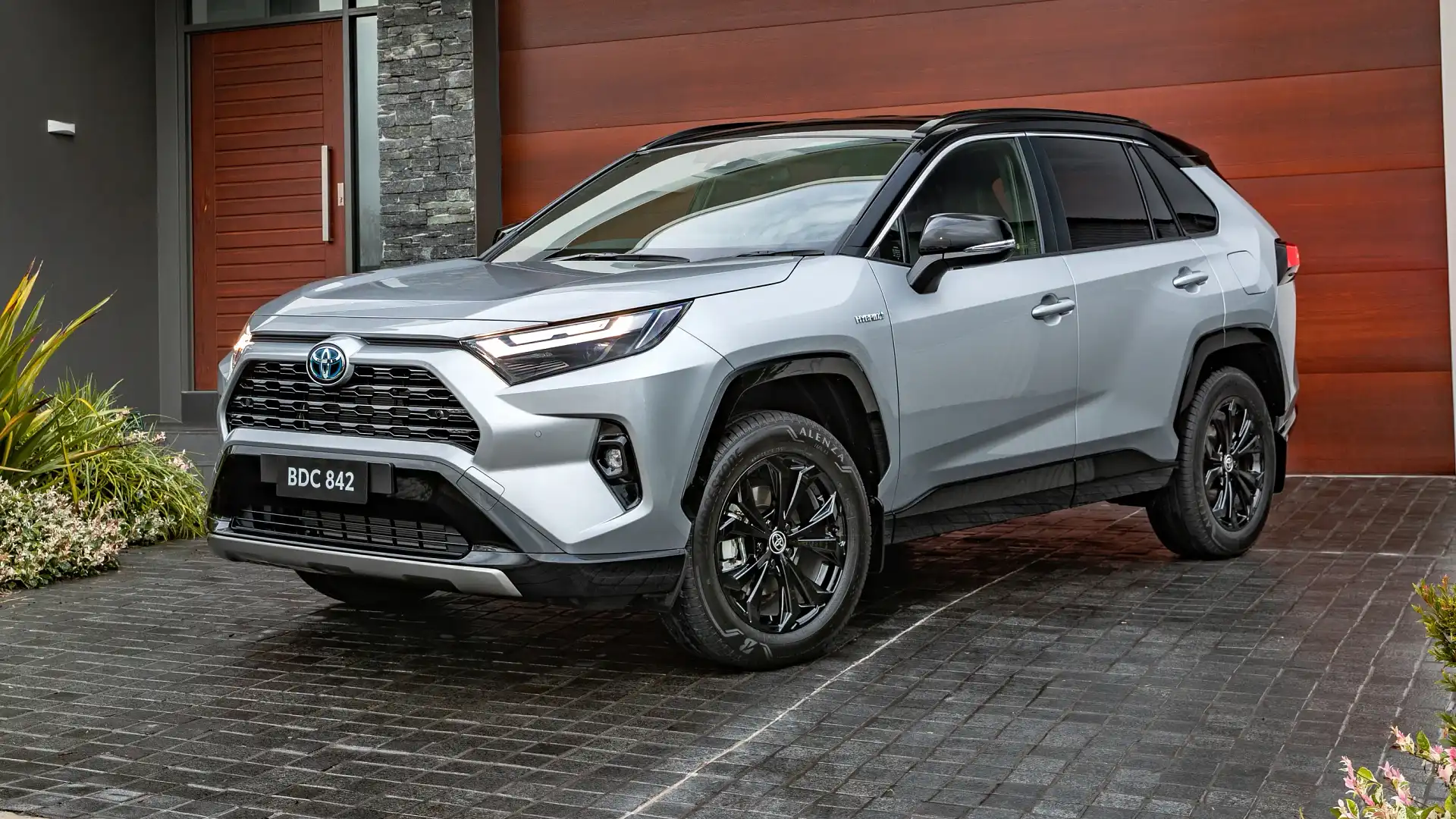
4. Toyota RAV4
The Toyota RAV4 is known for its practical, user-friendly camera system, which provides clear, high-definition images of the rear environment. The wide-angle rear camera allows drivers to see not only obstacles directly behind the vehicle but also objects at the edges, reducing blind spots and making it easier to navigate complex spaces.
The display is bright, intuitive, and responsive, offering a visual experience that is both detailed and easy to interpret. By prioritizing clarity, Toyota ensures that drivers can reverse with confidence, avoiding surprises or unexpected collisions in everyday situations.
The RAV4 camera system performs well in diverse lighting and weather conditions. Whether in bright sunlight, dim garages, rain, or fog, the camera maintains a consistent level of clarity and contrast. This reliability ensures that drivers can depend on the system in real-world conditions without needing to second-guess what is displayed.
Combined with intuitive controls and clear visuals, the system provides a seamless experience that is both effective and accessible to drivers of varying skill levels.
Toyota has also incorporated complementary safety features into the RAV4, including cross-traffic alerts and rear sensors. These systems work alongside the camera to warn the driver of approaching vehicles or obstacles, providing multiple layers of protection.
This integration demonstrates Toyota’s focus on combining visual clarity with intelligent alerts, creating a comprehensive safety solution. For drivers who value both practicality and technology, the RAV4 serves as a strong example of a vehicle with a highly functional and helpful backup camera system.
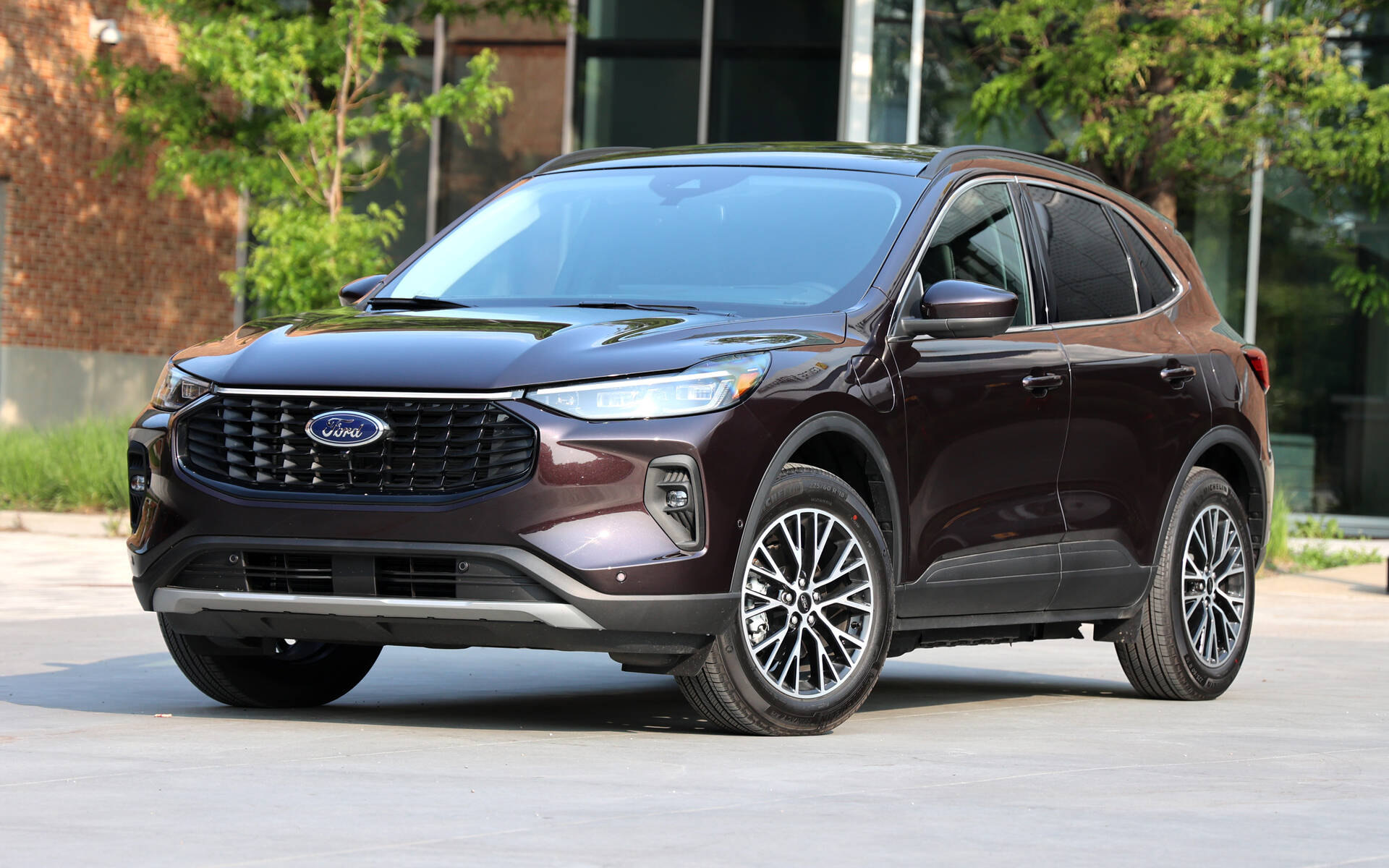
5. Ford Escape
The Ford Escape features a rear camera system that emphasizes clarity, responsiveness, and practical overlays. Its high-resolution display provides a detailed view of the rear environment, making it easier to identify obstacles, pedestrians, or other vehicles.
Small objects on the ground, such as toys or debris, are clearly visible, which helps prevent minor accidents or damage during reversing. The system ensures that the driver has a reliable visual reference, reducing the need for physically turning around or relying solely on mirrors.
Dynamic guidelines in the Escape respond to steering input, providing a visual projection of the car’s path. This allows drivers to maneuver with greater precision, whether parallel parking, backing into angled spaces, or navigating tight urban areas.
The dynamic nature of the guidelines improves confidence and reduces guesswork, particularly for less experienced drivers or those who often operate in congested areas. It also minimizes the need for repeated adjustments, making reversing smoother and safer.
The camera system is optimized for different lighting conditions, with automatic brightness adjustments and digital enhancements.
Nighttime and shaded areas are displayed with clarity, ensuring that drivers can detect obstacles that might otherwise be hidden in poor visibility. This consistent performance under various environmental conditions makes the Escape a dependable option for everyday driving.
In addition to visual clarity, the Ford Escape integrates sensors and parking assist features with the camera system. Audible warnings and visual alerts notify drivers of nearby obstacles, creating a multi-layered approach to safety.
By combining a high-quality visual display with intelligent guidance, the Escape offers one of the most helpful and practical backup camera systems available. It provides drivers with confidence, safety, and convenience, demonstrating the real-world benefits of investing in superior camera technology.
5 Blurry Backups
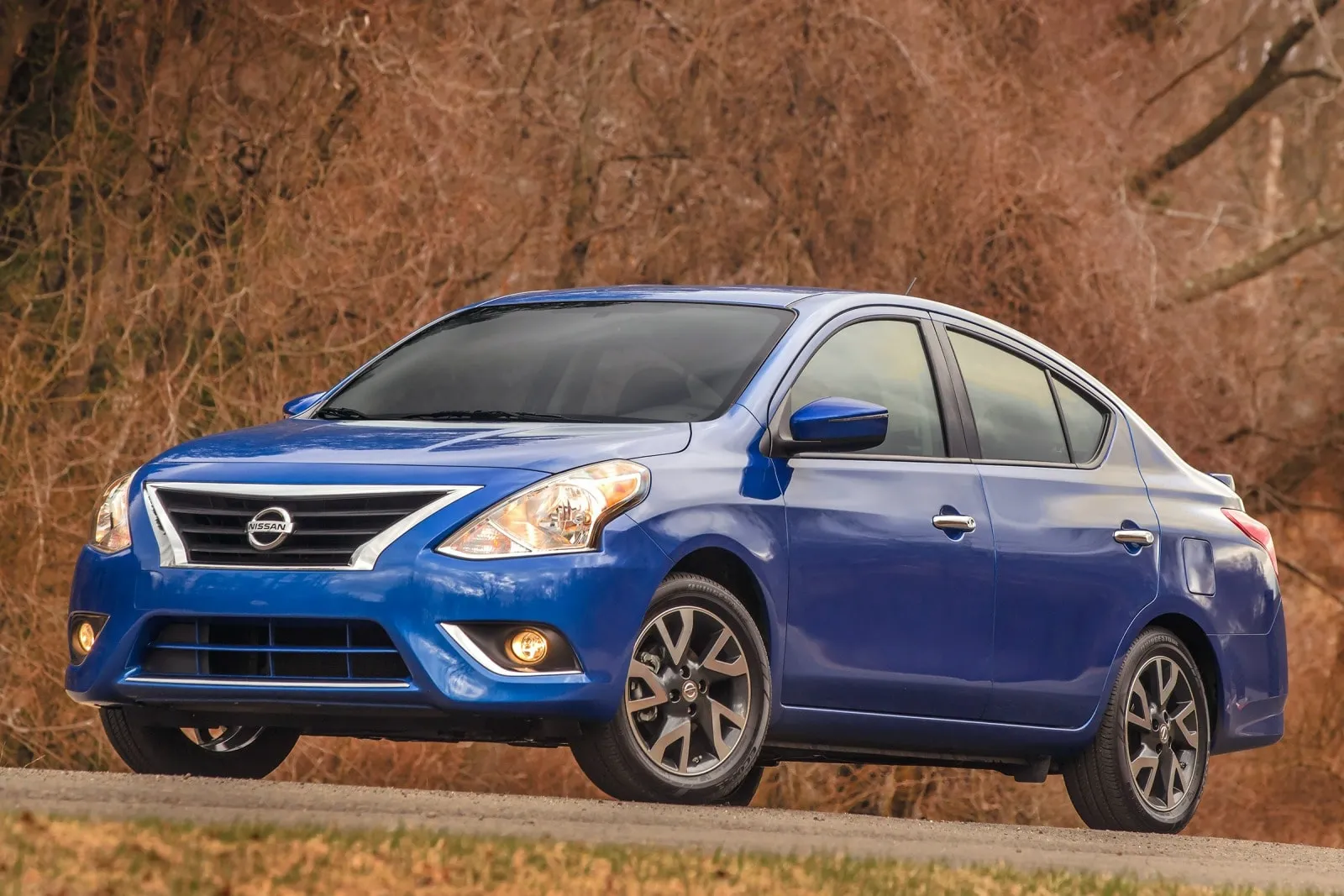
1. Nissan Versa
The Nissan Versa is often criticized for its subpar backup camera, which can present significant challenges for drivers relying on it to navigate safely.
The camera resolution is low, producing grainy images that often lack clear definition. Small objects like toys, curbs, or potholes may appear as vague shapes, making it difficult for drivers to judge distance accurately.
In poorly lit conditions, such as at dusk or in underground garages, the image quality deteriorates further, with washed-out colors and increased noise obscuring the surroundings.
Even in broad daylight, the lack of sharpness can make it challenging to distinguish between different objects, such as a bicycle leaning against a wall or a pedestrian crossing behind the car.
This lack of clarity can lead to hesitation or misjudgment when maneuvering, increasing the likelihood of minor accidents or scrapes in tight spaces.
Another drawback of the Nissan Versa’s backup camera is its limited field of view. Unlike more advanced systems that provide a wide-angle perspective, the Versa’s camera shows only a narrow area directly behind the car. This creates blind spots along the sides, meaning that pedestrians, pets, or approaching vehicles can easily go unnoticed.
The absence of dynamic trajectory guidelines or predictive path lines further limits usability, forcing drivers to rely solely on static visual cues. In situations such as parallel parking on a crowded street or reversing out of a tight driveway, the narrow field of vision combined with blurry visuals makes it challenging to maneuver confidently.
Drivers often find themselves leaning over the seat or repeatedly stopping to peer over their shoulder, negating much of the convenience the camera is supposed to provide.
Additionally, the Nissan Versa’s backup camera lacks integration with other driver-assist technologies. There are no cross-traffic alerts, collision warnings, or complementary sensors to compensate for the low-quality image.
Drivers must rely almost entirely on mirrors, shoulder checks, and instinct, which can increase stress and reduce confidence during reversing maneuvers.
For city drivers or those who frequently encounter tight parking situations, this combination of blurry imagery, narrow field of view, and limited support systems makes the Versa’s backup camera one of the least helpful and most frustrating options in the market.
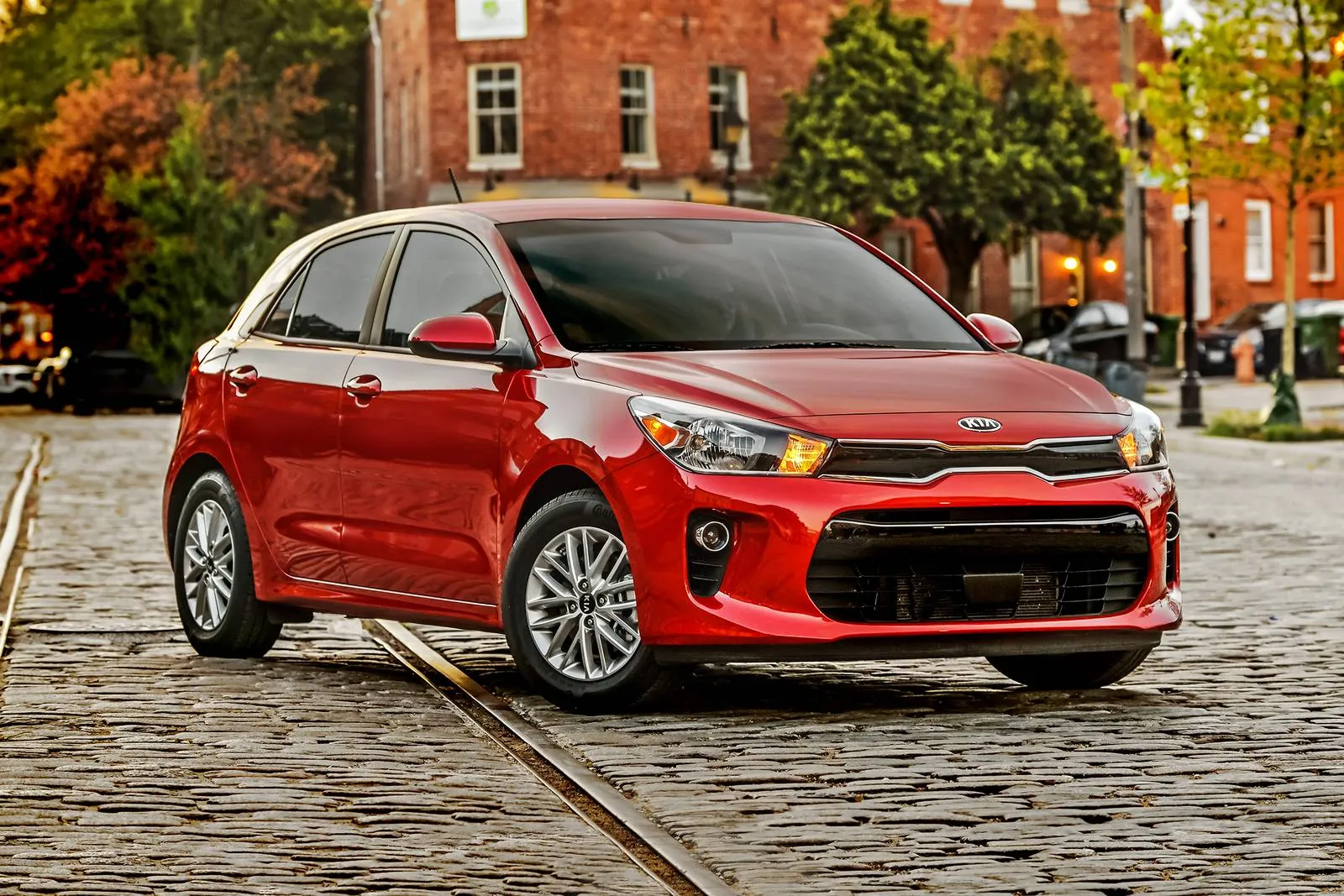
2. Kia Rio
The Kia Rio features a backup camera that has been noted for its poor clarity and limited practical usefulness. The low-resolution feed produces a grainy, sometimes pixelated image, making it difficult to identify small objects or precisely judge distance. Even large obstacles may appear slightly distorted, leading to uncertainty when reversing.
This can be particularly problematic in busy parking lots or residential areas where children, pets, or shopping carts may be present.
The lack of sharpness requires drivers to move slowly and carefully, reducing the convenience and efficiency that a backup camera is intended to provide. In adverse lighting conditions, such as nighttime or heavy shade, the problem is magnified, with details becoming almost indiscernible and the image losing critical contrast.
The field of view on the Kia Rio is also narrower than average, limiting the driver’s ability to see approaching pedestrians or vehicles from the sides. Unlike higher-end vehicles, the Rio does not feature dynamic guidelines that show the car’s projected path, which can make angled parking or navigating tight spaces significantly more challenging.
Drivers often need to compensate by turning their heads frequently or making incremental adjustments, increasing the time and effort required to complete simple maneuvers.
In real-world scenarios, such as backing out of a crowded driveway or parallel parking on a street with limited visibility, this lack of predictive guidance can create stressful situations and increase the likelihood of minor collisions.
Environmental factors further exacerbate the Kia Rio’s camera shortcomings. Direct sunlight or glare can wash out the already low-resolution image, rendering it almost useless in certain conditions. Rain or fog can obscure the lens and reduce clarity, while nighttime conditions often produce a dark, underexposed image that fails to show obstacles clearly.
The camera’s inability to adjust effectively to varying light and weather conditions diminishes its reliability, meaning drivers cannot trust it to consistently provide useful information. This unpredictability is particularly concerning in situations where a momentary lapse in visibility could result in property damage or injury.
Finally, the Kia Rio lacks integration with other safety systems that could mitigate the limitations of a blurry camera. There are no automatic alerts for cross-traffic, blind spots, or nearby pedestrians, leaving the driver solely responsible for detecting potential hazards.
The combination of a narrow field of view, low-resolution feed, and minimal technological assistance means that the backup camera adds only marginal safety value. Drivers must supplement its limited capabilities with careful observation and cautious maneuvering, which undermines the convenience and confidence a good camera system can offer.
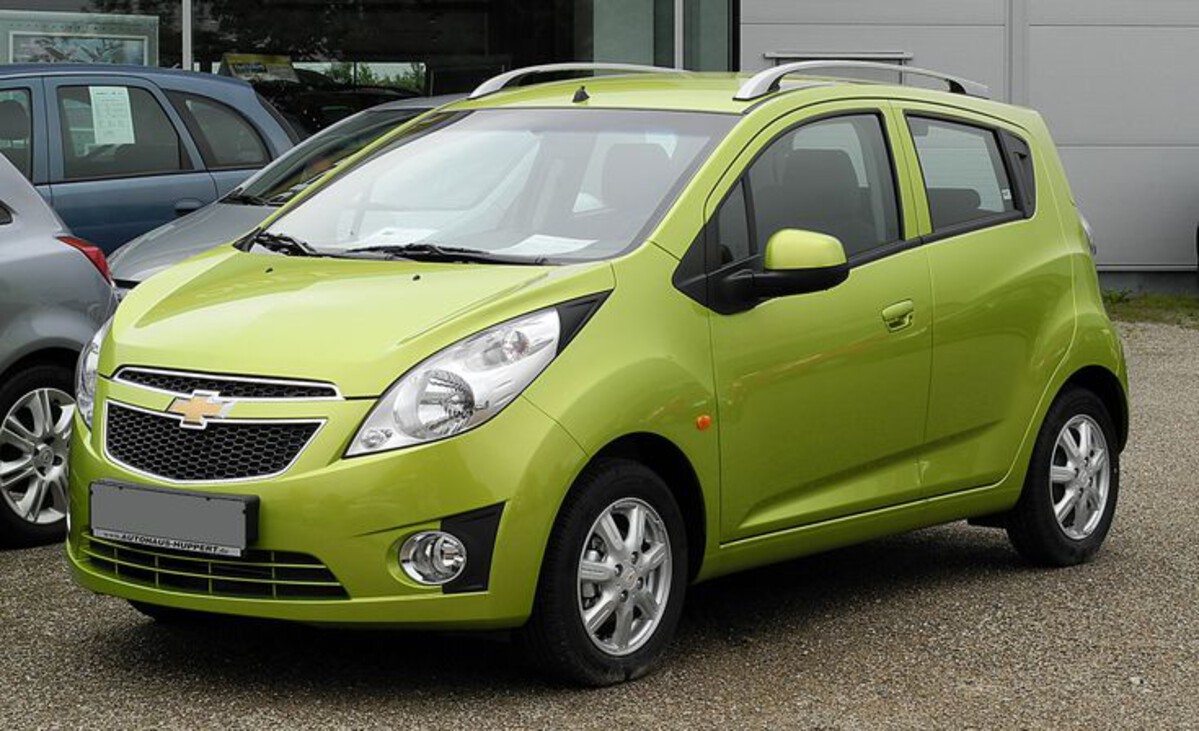
3. Chevrolet Spark
The Chevrolet Spark’s backup camera suffers from poor resolution and blurry visuals, making it challenging to navigate tight spaces safely. Objects directly behind the car, such as curbs, bicycles, or small debris, are difficult to distinguish due to pixelation and low contrast.
In practical terms, this means drivers need to slow down considerably when reversing to avoid hitting obstacles, reducing the efficiency and convenience typically associated with backup cameras.
Even in bright daylight, the image lacks clarity, making it harder to judge distances accurately. This can lead to hesitation or mistakes when parking in narrow spaces, reversing into driveways, or maneuvering in congested urban environments.
Environmental conditions reveal further shortcomings of the Spark’s camera. Sun glare can wash out the already low-resolution image, making objects appear faint or nearly invisible. Rain, fog, or shadows can further obscure the scene, reducing visibility and depth perception.
At night, the camera struggles to provide adequate illumination, resulting in a dark, grainy feed that makes it difficult to identify curbs, lines, or small obstacles. Drivers cannot rely on the camera consistently across different conditions, reducing its practical value and trustworthiness as a safety tool.
The Spark also lacks integration with complementary safety features. There are no cross-traffic alerts, blind-spot monitoring, or proximity warnings to help mitigate the limitations of the blurry camera.
Drivers must depend almost entirely on manual observation and caution, which increases mental load and stress, especially in tight or high-traffic areas.
For individuals who rely heavily on technology for safe maneuvering, the Spark’s camera can be frustrating and inadequate, highlighting the gap between low-quality camera systems and the more advanced options found in other vehicles.
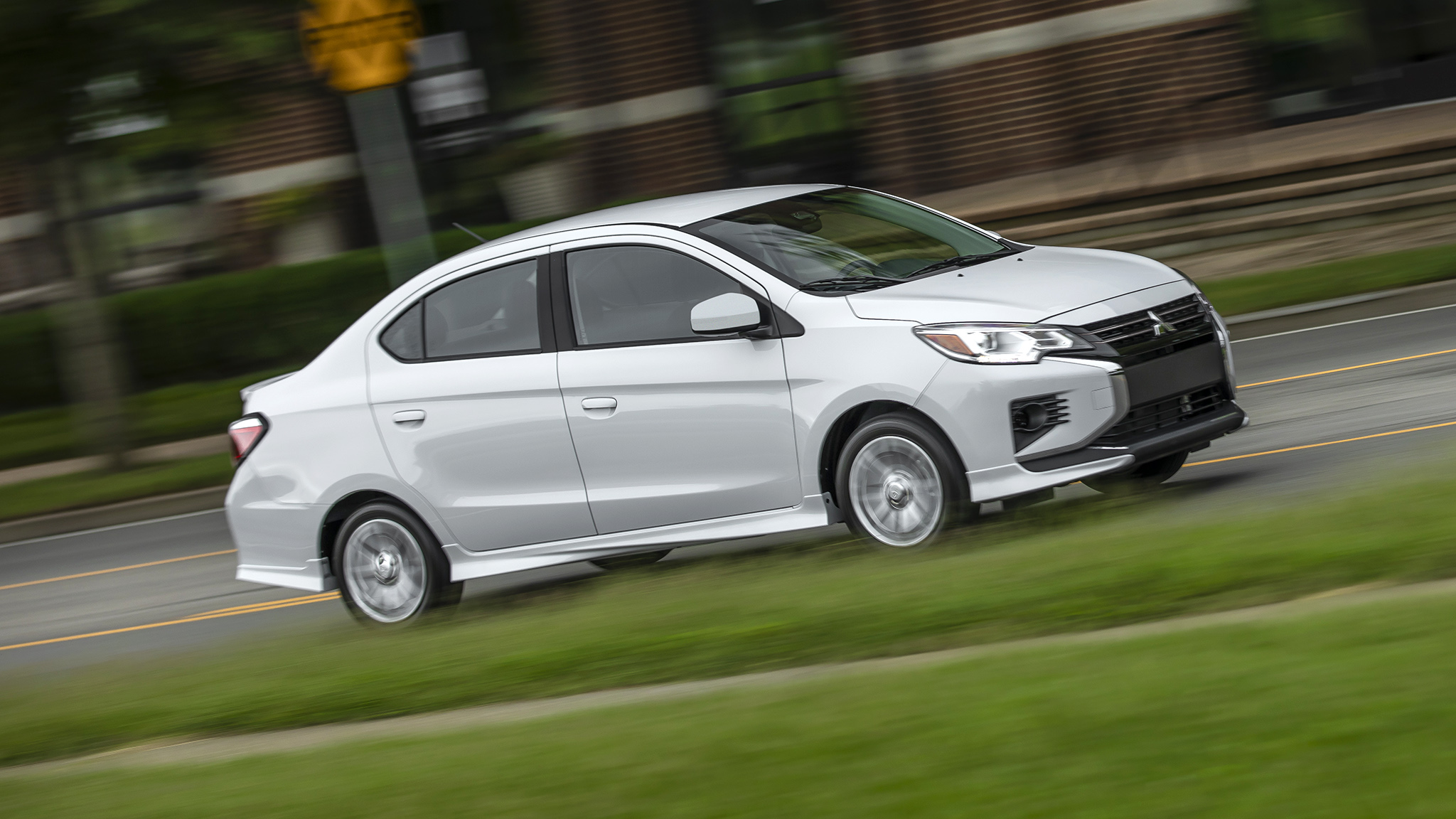
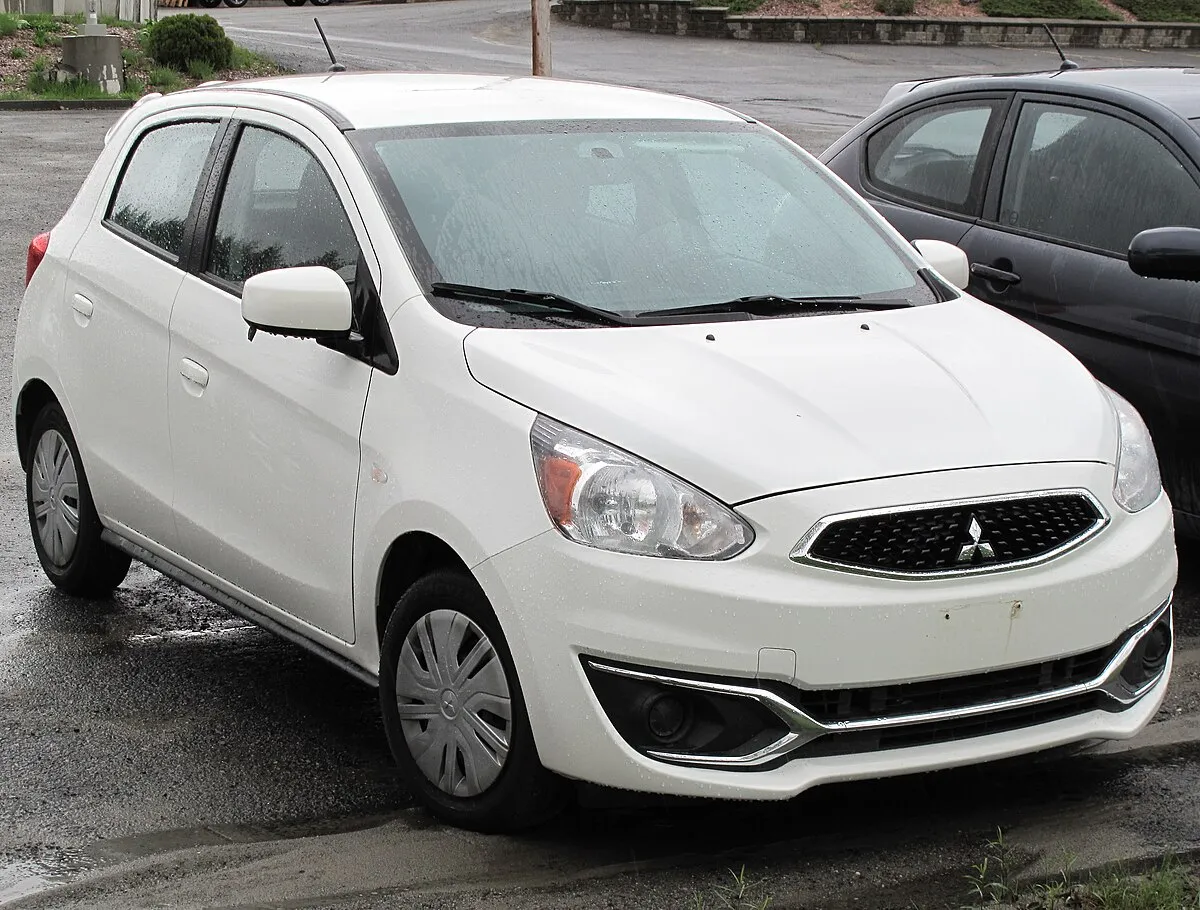
4. Mitsubishi Mirage
The Mitsubishi Mirage’s backup camera provides low-resolution visuals that are often difficult to interpret, particularly in challenging lighting conditions. Small objects, such as toys, shopping carts, or uneven pavement, appear as indistinct shapes, making it difficult for drivers to accurately judge distance or position.
The grainy, washed-out image reduces situational awareness and can lead to hesitation or misjudgment while reversing. Even larger objects may appear distorted or lacking in contrast, increasing the likelihood of minor collisions or scrapes.
In tight spaces, such as crowded parking lots or narrow driveways, these limitations make the camera more of a burden than a helpful tool.
Environmental factors exacerbate the Mirage’s deficiencies. Low-light conditions, such as nighttime or shaded areas, produce dark, grainy images where details are obscured. Rain or fog can further reduce visibility, and glare from direct sunlight may wash out the image completely.
These inconsistencies mean the camera cannot be relied upon in various real-world scenarios, limiting its usefulness as a safety tool. Drivers must remain vigilant and often cannot trust the system to provide a consistently accurate representation of the rear environment.
Finally, the Mitsubishi Mirage lacks integration with other safety technologies that could help compensate for the blurry camera. There are no cross-traffic alerts, collision warnings, or other assistive features to provide redundancy or enhance safety.
Drivers must rely entirely on the low-quality visual feed and personal observation, which increases the mental effort required to perform basic reversing maneuvers.
For drivers who expect modern backup camera functionality, the Mirage’s system falls short, demonstrating the limitations and potential risks associated with low-resolution, poorly designed cameras.
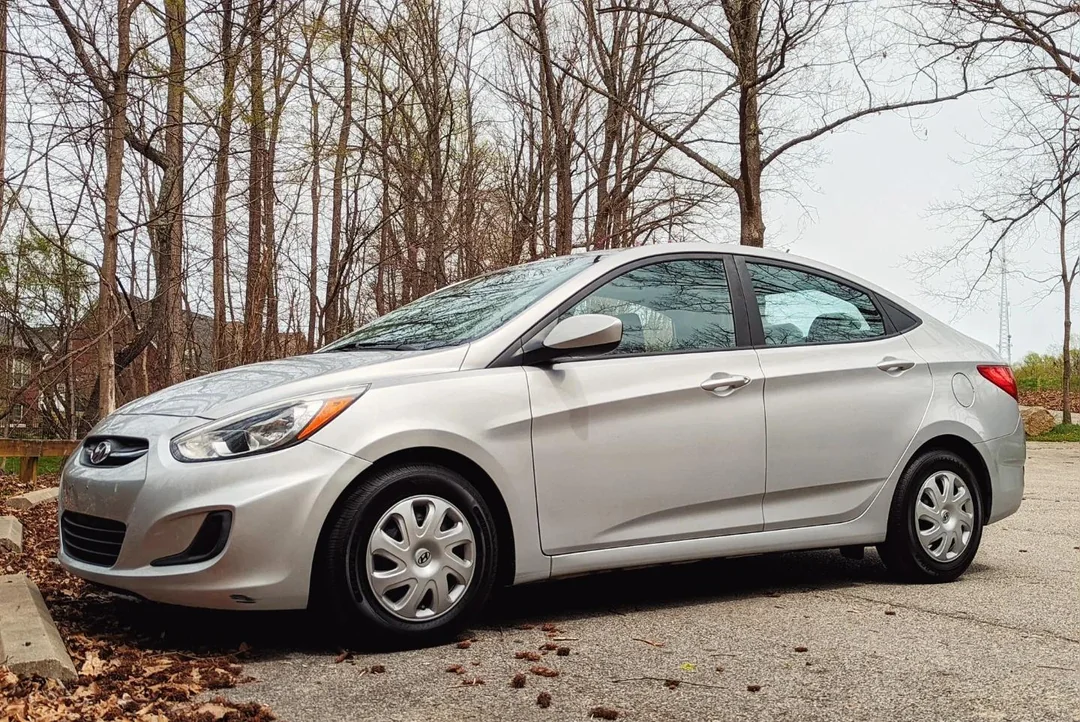
5. Hyundai Accent
The Hyundai Accent features a backup camera that is limited by low resolution, narrow field of view, and poor performance in varied lighting conditions. The feed is often grainy, making it difficult to identify small obstacles, pedestrians, or vehicles accurately.
Objects such as curbs, shopping carts, or small debris appear fuzzy and indistinct, which can increase the likelihood of minor accidents during reversing maneuvers.
Even under ideal daylight conditions, the lack of detail reduces confidence in judging distances, while in low-light environments, the image deteriorates further, producing dark, unclear visuals that obscure potential hazards.
The camera’s narrow perspective limits the driver’s awareness of the surrounding environment. Peripheral areas along the sides of the vehicle are poorly represented, meaning approaching pedestrians, pets, or vehicles can be missed entirely.
The absence of dynamic trajectory lines or predictive overlays further diminishes usability, forcing drivers to rely solely on static visual information.
In practice, this makes parking in tight spaces, navigating narrow driveways, or performing parallel parking maneuvers more time-consuming and stressful. Drivers must compensate with repeated shoulder checks and careful incremental adjustments to ensure safety.
Finally, the Hyundai Accent’s backup camera is not integrated with other driver-assist technologies that could help improve safety. There are no cross-traffic alerts, collision warnings, or blind-spot detection features that might compensate for the blurry feed.
Drivers are left to rely entirely on the low-quality image and personal judgment, increasing cognitive load and reducing confidence when reversing.
For individuals seeking a dependable, clear backup camera experience, the Accent’s system highlights the drawbacks of low-resolution cameras and illustrates the limitations of inexpensive, minimally equipped vehicles.
