
Luxury cars are often seen as symbols of status, refinement, and cutting-edge technology. They are built to impress, combining performance, comfort, and advanced features in a way that mainstream vehicles often cannot match. However, when it comes to buying used luxury vehicles, there is a hidden layer of complexity that many buyers underestimate.
Unlike mainstream cars, luxury vehicles rely heavily on high-end electronics, intricate mechanical systems, and specialized components. These elements, while offering a premium driving experience, can sometimes create long-term headaches when the car is no longer new.
Some luxury cars maintain their quality and performance over time, offering reliability that matches or even exceeds that of more modest vehicles.
Others, despite their initial appeal, develop persistent mechanical issues, expensive electronic failures, or interior wear that can significantly diminish the ownership experience. Understanding the distinction between these two categories is crucial for anyone looking to make a smart purchase in the used luxury market.
When considering a used luxury car, buyers often look for certain qualities: durability, availability of replacement parts, ease of maintenance, and longevity. Cars that age well tend to have simpler yet robust engineering, a proven track record, and a thoughtful balance between technology and reliability.
Conversely, vehicles that deteriorate quickly are often overcomplicated, require specialized service, or use materials prone to wear over time. This contrast between longevity and fragility can mean the difference between years of enjoyable driving and a constant cycle of repairs.
For those willing to pay the premium upfront, a well-chosen used luxury car can provide comfort, style, and performance for years. For the less careful, a flashy-looking car may conceal a ticking time bomb of maintenance bills and declining performance.
In this article, we will examine five luxury cars known to age well, preserving value, performance, and comfort even after years on the road. We will also highlight five models that have a reputation for internal wear, electronic failures, or mechanical issues that make ownership challenging.
Understanding these distinctions can save potential buyers not only money but also frustration, ensuring that a used luxury vehicle remains a source of pleasure rather than regret.
By comparing these vehicles, patterns emerge that highlight the importance of design philosophy, manufacturing quality, and the choice of materials in determining how a luxury car stands the test of time.
Buying a used luxury car requires more than simply looking at mileage or aesthetics. It demands awareness of common pitfalls and an appreciation for models that combine performance with durability. A careful selection process can mean enjoying decades of sophisticated driving, while a misstep could result in continuous repair cycles.
With this framework in mind, let us examine the five luxury cars that tend to age gracefully and contrast them with five that are more prone to decline from the inside out.
Luxury Cars That Age Well
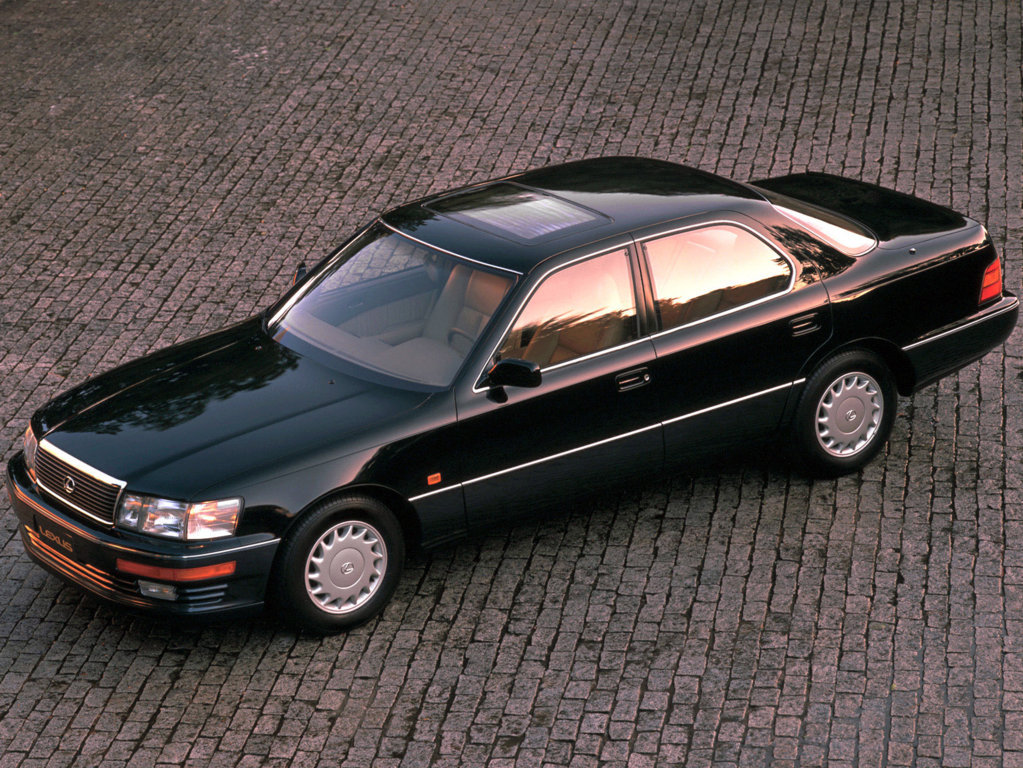
1. Lexus LS
The Lexus LS is often regarded as the pinnacle of Japanese luxury engineering, representing a careful balance between comfort, technology, and long-term reliability. Unlike many luxury sedans that focus heavily on flashy features and cutting-edge electronics, the LS emphasizes a holistic approach to durability.
Its engines, transmissions, and suspension systems are engineered to operate smoothly for hundreds of thousands of miles without major issues, making it one of the rare luxury cars that combine refinement with dependability. Even after years of ownership, the LS maintains the serene driving experience that first earned it a reputation for excellence.
Many owners report that their cars retain a “new car feel” in terms of engine smoothness, cabin quietness, and ride comfort, even when the odometer passes the 150,000-mile mark.
Another reason the LS ages well is its conservative adoption of technology. While it features advanced systems such as adaptive suspension, premium sound, and sophisticated climate controls, these technologies are designed with simplicity and reliability in mind rather than cutting-edge novelty.
Unlike some European luxury brands, which frequently release new models with complex electronics that are prone to failure, Lexus prioritizes systems that can be serviced easily and reliably. This approach reduces the likelihood of expensive repairs caused by electrical malfunctions, ensuring that the driving experience remains consistent over time.
Even minor updates in electronics are tested extensively before deployment, which reinforces the LS’s reputation as a car that remains dependable well into its later years.
Maintenance costs for the LS are also relatively manageable for a luxury vehicle. Replacement parts are widely available, and many components are shared with other Lexus models, which helps reduce the cost and complexity of repairs.
Routine services, such as oil changes, brake replacements, and suspension inspections, are straightforward, even for vehicles with higher mileage.
Compared with European competitors, which often require specialized service centers and expensive OEM parts, the LS allows owners to perform maintenance at more accessible rates without sacrificing quality.
This reliability extends not only to the engine and drivetrain but also to the chassis, electronics, and interior, creating a comprehensive package that remains functional for years.
Finally, the LS offers a driving experience that remains refined even after prolonged use. Suspension components are designed for comfort and durability, the engine retains its smooth power delivery, and the car’s structure resists rust, corrosion, and wear, even in challenging climates.
Beyond its mechanical and electrical reliability, the LS also prioritizes ergonomics and interior durability. Leather seats, wood trim, and dashboard materials are crafted to endure heavy use without losing their premium feel.
The combination of thoughtful design, robust engineering, and conservative technology ensures that the LS continues to impress both drivers and passengers years after purchase, solidifying its reputation as a luxury vehicle that truly ages gracefully.
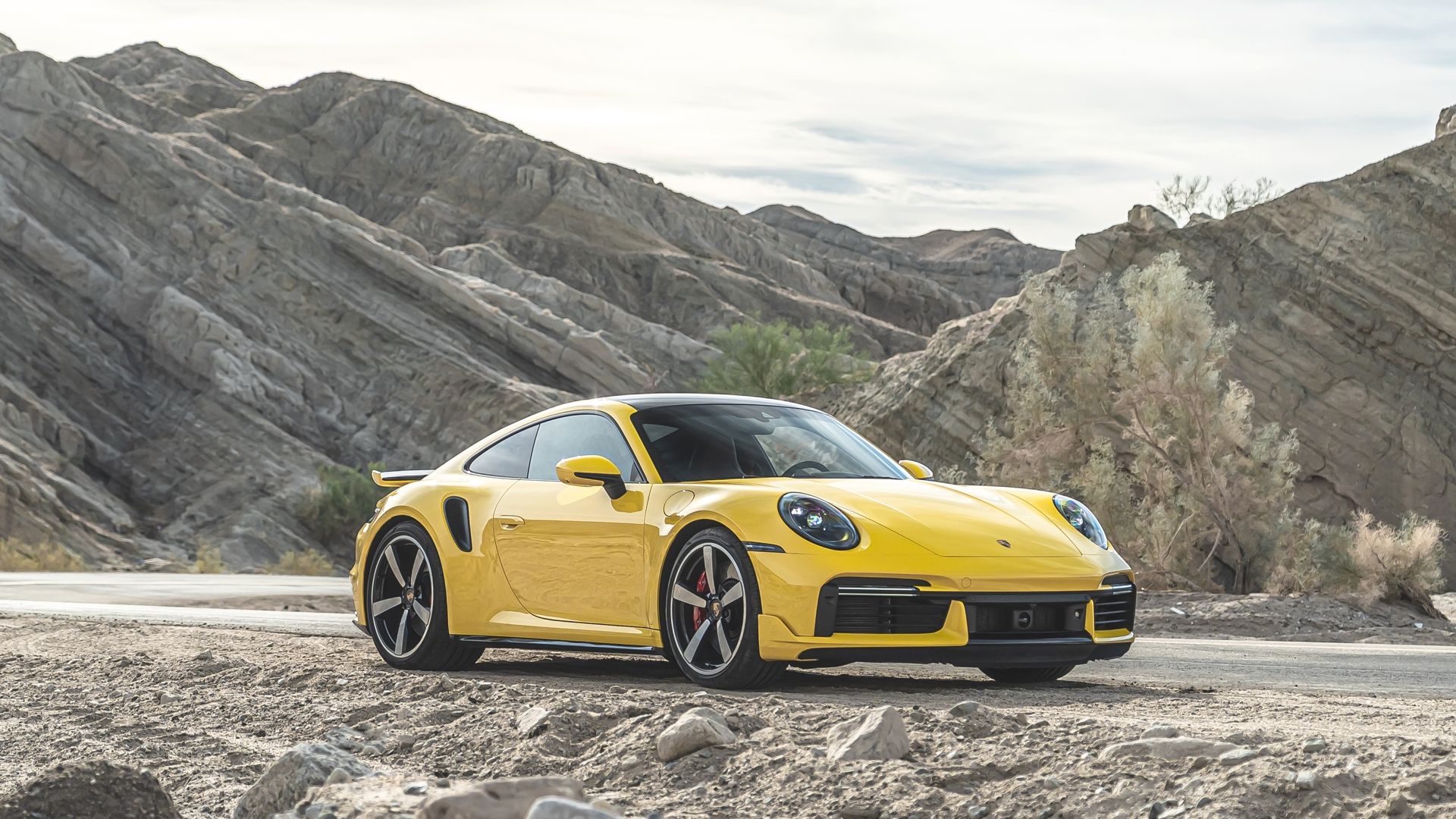
2. Porsche 911 (996/997)
The Porsche 911 is widely known as a performance icon, but specific generations, particularly the 996 and 997, demonstrate a remarkable ability to combine high-speed thrills with long-term durability.
While early versions of the 996 had issues with intermediate shaft bearings and some minor engine concerns, many of these problems are easily addressed in the used market, leaving a car that performs reliably for years.
Owners who maintain their vehicles properly report that these 911s can surpass 200,000 miles without significant engine or transmission failures, a rare achievement for a sports car that is frequently driven hard.
This longevity is a testament to Porsche’s engineering philosophy, which emphasizes balance, precision, and reliability alongside performance.
The interior of the 911 is built to endure, with high-quality materials that resist wear even under regular use. Seats, steering wheels, dashboards, and controls are designed for tactile satisfaction as well as durability.
Many older 911s retain a premium feel, even when driven extensively, demonstrating Porsche’s commitment to building interiors that withstand the test of time.
Unlike some competitors, which prioritize aesthetics over functionality, Porsche ensures that the 911’s cabin materials can handle daily use, temperature fluctuations, and the stresses of spirited driving without degrading quickly. For enthusiasts who value both form and function, this durability makes the 996 and 997 standout choices.
Mechanically, the 911 benefits from Porsche’s dedication to reliability and serviceability. Engines, transmissions, and suspension components are engineered to be robust and relatively easy to repair.
While replacement parts can be expensive, they are readily available, and independent specialists can perform most repairs, reducing reliance on costly dealership service.
Preventive maintenance, such as regular oil changes and brake inspections, goes a long way toward ensuring that these vehicles remain mechanically sound for decades.
Even the turbocharged and high-performance variants are designed to tolerate rigorous driving conditions without frequent breakdowns, illustrating Porsche’s focus on longevity alongside speed.
Finally, the 911 retains its value and reputation in part due to its ability to age gracefully. Well-maintained 996 and 997 models remain highly sought after in the used car market because they offer a rare combination of thrilling performance, luxury, and reliability.
Enthusiasts value cars that not only drive beautifully but also require manageable maintenance over time. The long-term satisfaction derived from owning a 911 is amplified by its enduring design, engineering integrity, and mechanical soundness, making it an ideal choice for those who want a high-performance sports car that continues to deliver enjoyment even after many years on the road.
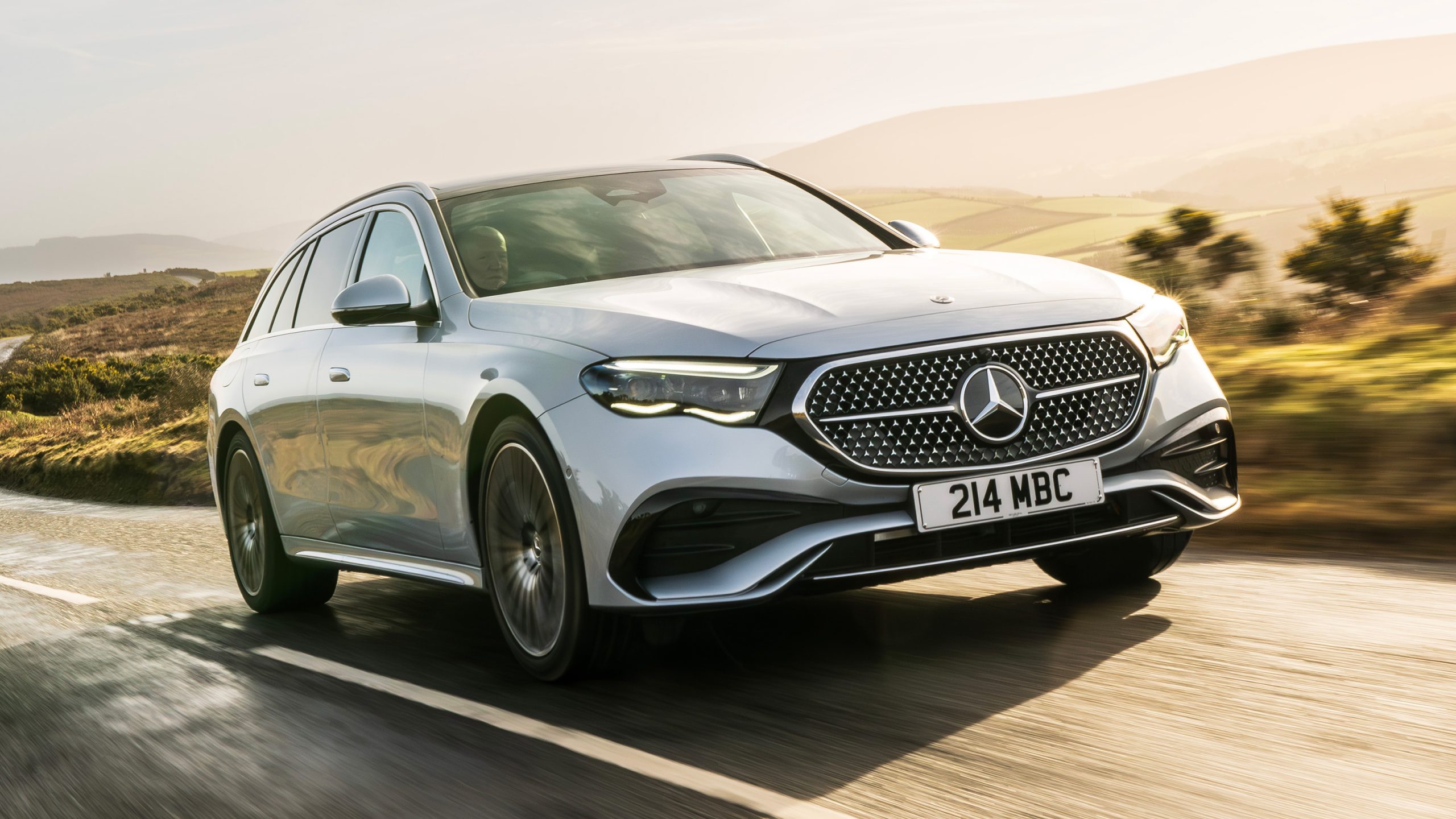
3. Mercedes-Benz E-Class (W212/W213)
The Mercedes-Benz E-Class has long been regarded as a benchmark for luxury sedans, blending performance, comfort, and long-term reliability. Certain generations, particularly the W212 and W213, exemplify a balance of technological sophistication and robust engineering that allows these vehicles to maintain value and functionality over time.
Engines and transmissions in these models, when properly maintained, are durable and rarely exhibit major failures, even at higher mileage. Components such as suspension arms, steering systems, and brakes are designed to last for years of everyday driving, making the E-Class a practical choice for buyers who desire luxury without constant repair headaches.
Interior durability is a strength of the E-Class. Mercedes pays close attention to materials, including leather, wood trim, and plastics, ensuring they resist fading, cracking, and wear over time.
Many older E-Class sedans retain a feeling of refinement long after their initial purchase, with controls, seats, and electronic interfaces remaining functional and attractive.
The layout of the car’s technology, including infotainment and driver assistance systems, is logical and designed for longevity, meaning repairs or software updates are less frequent than in some competitors with more complex systems. This durability ensures that the car continues to feel luxurious and technologically relevant years after production.
Routine maintenance is critical to the long-term performance of the E-Class. While costs are higher than mainstream vehicles, they are predictable and manageable compared with other luxury brands known for erratic electronics or fragile engines.
Regular servicing, including oil changes, brake inspections, and suspension checks, keeps the car operating at its best, minimizing the risk of costly repairs. The widespread availability of replacement parts and the familiarity of independent service centers with these models further simplifies ownership, making them accessible and practical for long-term use.
The driving experience of the E-Class remains smooth and refined even as mileage accumulates. Suspension systems are engineered to maintain comfort and handling characteristics, while engines and transmissions preserve their responsiveness.
Body rigidity, corrosion resistance, and build quality allow the car to endure harsh climates and heavy use without significant deterioration.
This combination of mechanical reliability, interior durability, and thoughtful engineering ensures that the E-Class continues to provide a premium driving experience well into its later years, cementing its status as a luxury car that ages exceptionally well.
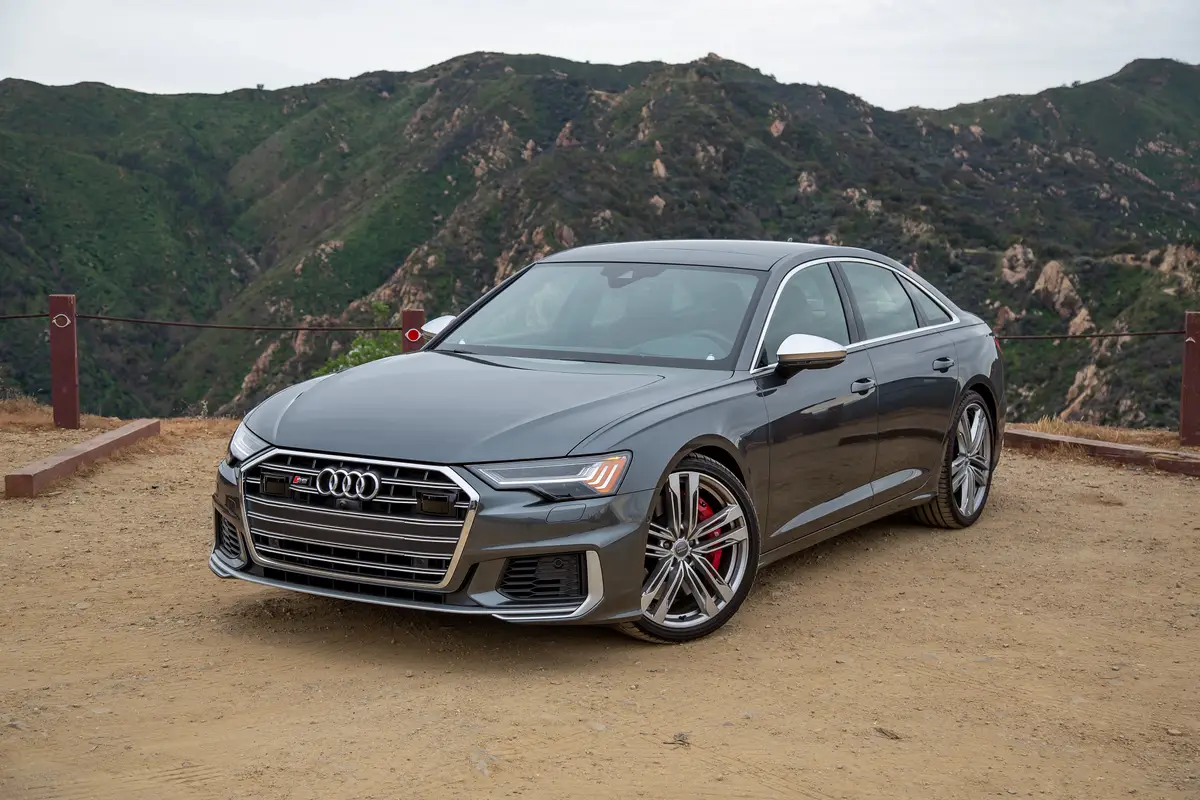
4. Audi A6 (C7)
The Audi A6 C7 generation demonstrates a rare combination of European sophistication and mechanical reliability. Its engines, especially the V6 options, are known to endure extensive use when properly maintained, making the C7 a strong candidate for long-term ownership.
Unlike earlier Audi models that suffered from electrical and engine-related issues, the C7 generation improved the robustness of both mechanical and electronic systems, resulting in a car that performs well over time.
This improvement has contributed to the A6’s reputation for being a practical yet luxurious vehicle that retains both comfort and performance after years of use.
Inside, the C7 A6 uses high-quality materials that are built to last. Leather, soft-touch plastics, and metallic accents withstand the wear and tear of daily driving better than many competing sedans. Buttons, knobs, and touchscreens maintain responsiveness, while seats remain supportive without excessive sagging.
Audi’s attention to interior ergonomics ensures that drivers and passengers experience comfort and convenience even in higher-mileage vehicles, making the C7 interior one of the more durable cabins in its class.
Mechanically, the A6 benefits from a strong chassis, durable suspension components, and engines designed for longevity. Preventive maintenance is key, including regular fluid changes and inspections, but when performed diligently, these cars continue to operate smoothly for years.
The car’s drivetrain and handling characteristics remain consistent over time, and components such as the transmission, brakes, and steering system demonstrate resilience, allowing owners to enjoy a luxury driving experience without frequent interruptions from repairs or failures.
Finally, the C7 A6 holds its value well for a European luxury sedan. Buyers recognize that this generation combines stylish design, advanced technology, and durability, offering a long-term investment that is both practical and enjoyable.
Its ability to remain functional, attractive, and mechanically sound after years of ownership makes it a standout example of a luxury car that ages gracefully, providing drivers with both confidence and satisfaction in the long run.
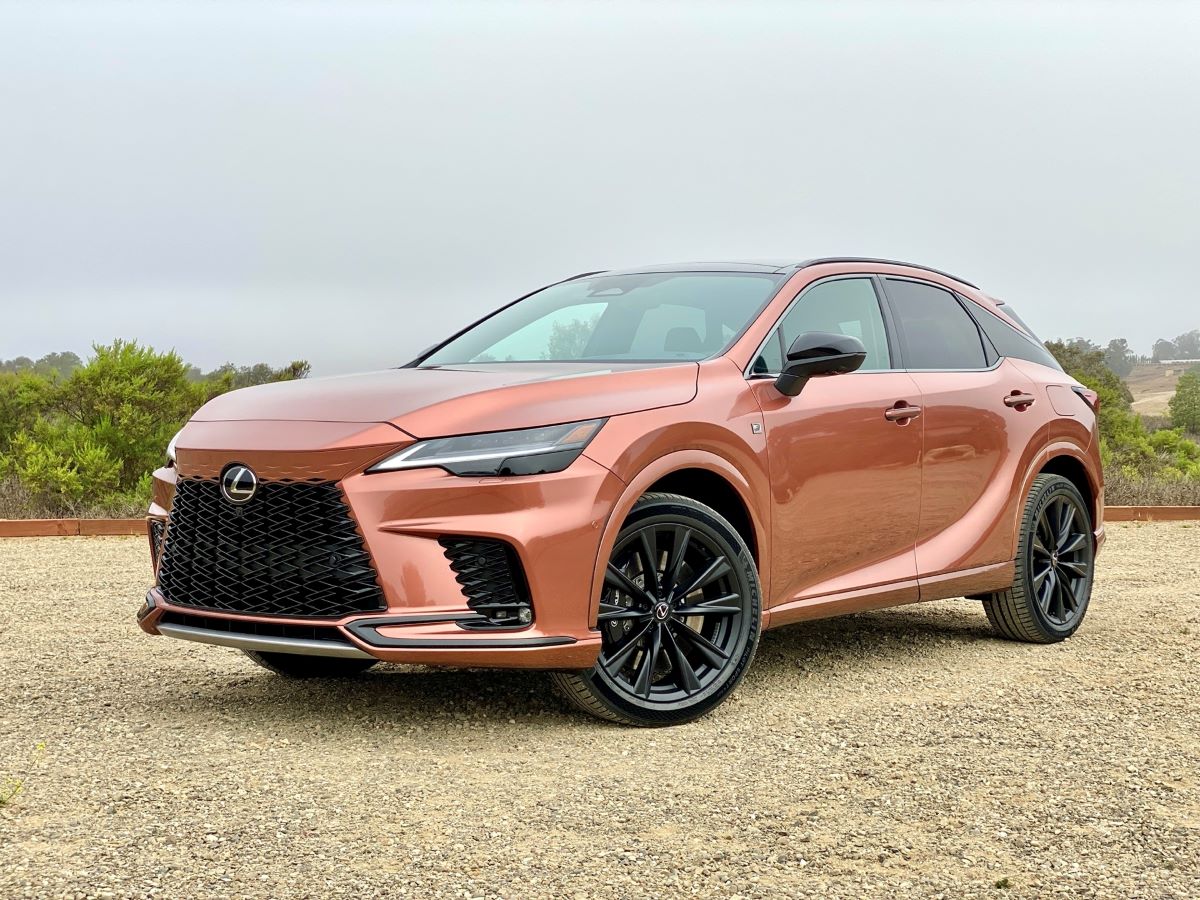
5. Lexus RX
The Lexus RX is widely regarded as one of the most durable luxury SUVs on the market. Known for its smooth ride, reliability, and practicality, the RX is often considered a benchmark in its class for long-term ownership.
Unlike some European luxury SUVs that rely heavily on complex electronics and intricate drivetrain systems, the RX focuses on delivering a refined driving experience without unnecessary complications. This focus on simplicity and reliability translates into a vehicle that can withstand years of use without significant mechanical or electronic problems.
The engine and drivetrain are renowned for their reliability. Well-maintained RX models rarely suffer from major issues, and routine servicing is straightforward. Parts are widely available, and service costs are predictable compared with other luxury SUVs that require specialized attention.
This reliability extends to the suspension, brakes, and other mechanical systems, which are engineered to endure heavy use without frequent repairs. The combination of straightforward maintenance and durable components ensures that the RX remains a practical choice for long-term ownership.
Finally, the RX’s suspension and chassis are designed to maintain comfort and ride quality over time. Shock absorbers, bushings, and suspension arms hold up under various driving conditions, and the car retains a composed and stable feel even with higher mileage.
This emphasis on durability, combined with a reputation for reliability and low maintenance costs, makes the RX a standout in the luxury SUV market. For those seeking a vehicle that combines style, comfort, and longevity, the Lexus RX consistently demonstrates an ability to age gracefully while maintaining the premium experience buyers expect from a luxury SUV.
Luxury Cars That Fall Apart Inside
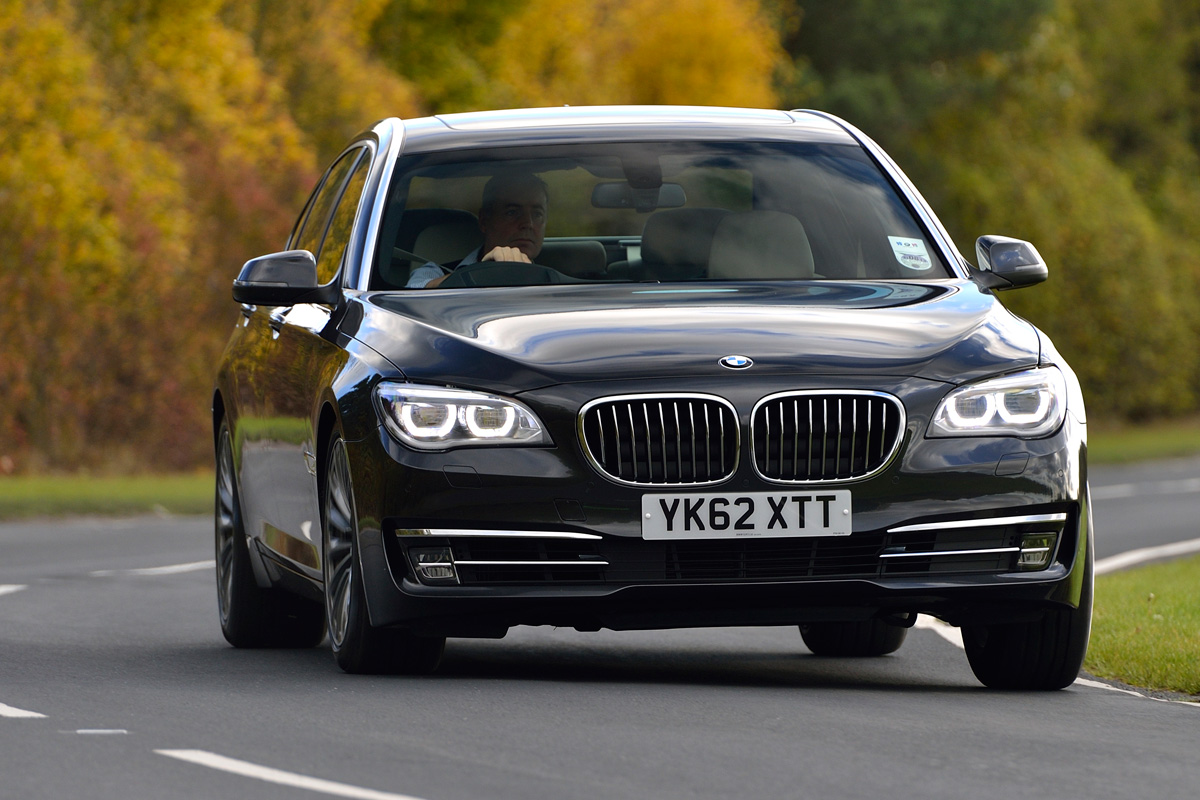
1. BMW 7 Series (F01/F02)
The BMW 7 Series, particularly the F01 and F02 generations, is often criticized for its combination of complexity and fragility. While these vehicles boast impressive technology, powerful engines, and a luxurious interior, the sheer complexity of the systems inside often leads to frequent and costly repairs as the cars age.
Components such as the air suspension, active steering, and electronic modules are prone to failure after several years of use. Many owners report that issues with electronics, sensors, and HVAC systems begin to appear as early as the 80,000-mile mark, leading to frustrating maintenance cycles.
The luxury experience promised by the 7 Series is often overshadowed by the reality of expensive repairs and frequent trips to specialized service centers, making long-term ownership challenging.
Interior materials, while high-end at first glance, often show signs of wear sooner than expected. Leather can crack, stitching may come loose, and sensitive plastics in the dashboard and center console tend to warp or fade under heat and sunlight.
Additionally, the complexity of the interior electronics, including the iDrive system, multi-zone climate control, and advanced infotainment features, means that even minor glitches can be expensive to fix.
Unlike simpler luxury cars that age gracefully, the F01 and F02 7 Series require constant attention to maintain their perceived quality, which can diminish the ownership experience.
Finally, long-term reliability concerns extend to general ownership costs. Maintenance bills for parts, labor, and diagnostics are consistently high, making the 7 Series a car that demands both time and money from its owner. Even routine maintenance, such as software updates or suspension recalibration, can require specialized BMW service centers, further adding to expenses.
While the F01/F02 7 Series delivers an impressive driving experience when fully functional, its tendency toward costly failures and interior degradation prevents it from being a sensible choice for buyers seeking a reliable long-term luxury vehicle.
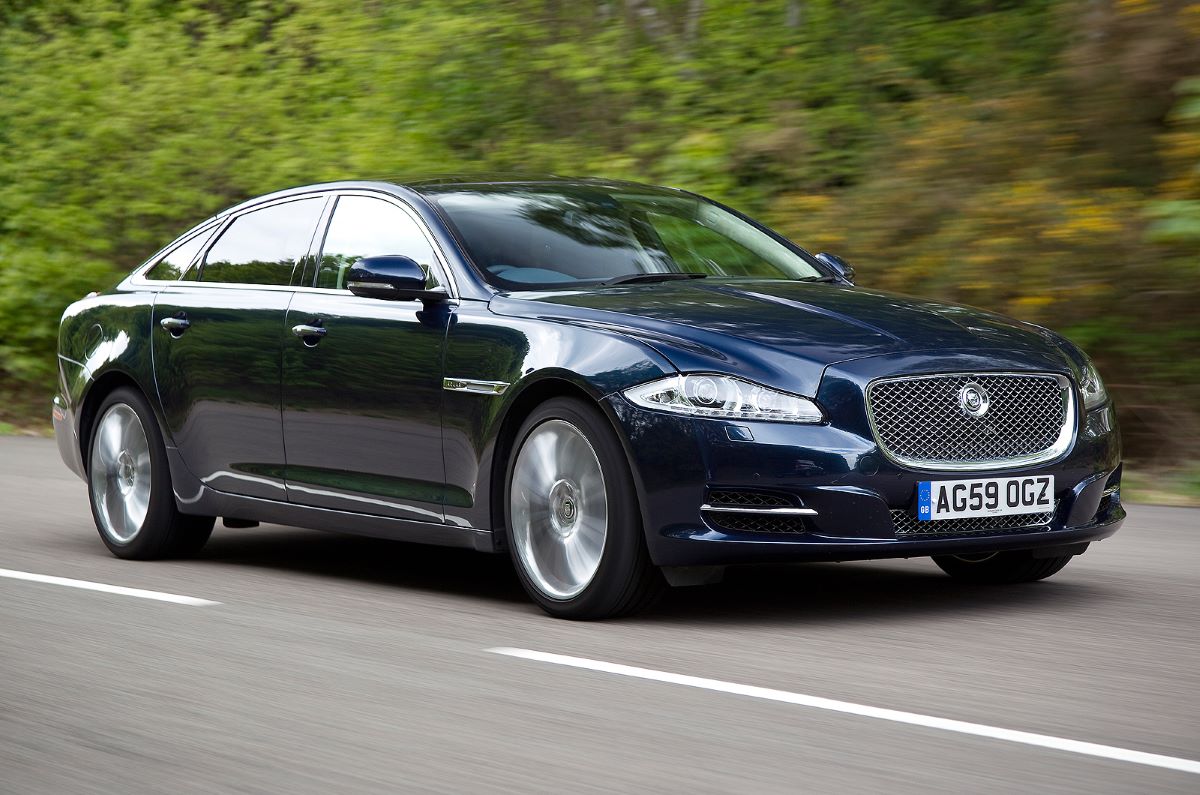
2. Jaguar XJ (X350/X358)
The Jaguar XJ, particularly the X350 and X358 generations, is celebrated for its elegant design and British luxury heritage, but these cars often struggle with aging gracefully. Despite its attractive styling and powerful engines, the XJ is notorious for interior and electronic failures.
Complex climate control systems, digital displays, and power-operated components frequently malfunction after a few years. Owners report problems such as window regulators failing, infotainment systems freezing, and power seats losing functionality, which compromise both comfort and usability.
While the exterior may retain its stately appearance, the interior can feel unreliable and frustrating for those who expect consistent performance.
Interior materials, including leather, wood trim, and soft plastics, often deteriorate faster than expected. Leather seats may crack or fade, wood panels can warp or peel, and dashboard plastics are prone to discoloration. These issues are exacerbated by the XJ’s reliance on multiple small motors and sensors to operate windows, seats, and doors.
Even minor mechanical failures can cascade into expensive repairs, requiring significant time and money to restore functionality. The vehicle’s design, which prioritizes opulence over simplicity, leaves little room for durable longevity, especially in climate-controlled interiors that face temperature fluctuations.
Ownership costs for the XJ escalate quickly over time. Beyond standard maintenance, owners may encounter electrical gremlins, interior trim failures, and suspension issues that require dealer-level attention.
While the car offers a rewarding driving experience when fully operational, these frequent problems diminish reliability and long-term satisfaction. The combination of delicate electronics, sensitive mechanical systems, and interior fragility makes the Jaguar XJ a luxury sedan that often struggles to maintain its initial allure and usability as it ages.
3. Land Rover Range Rover (L322/L405)
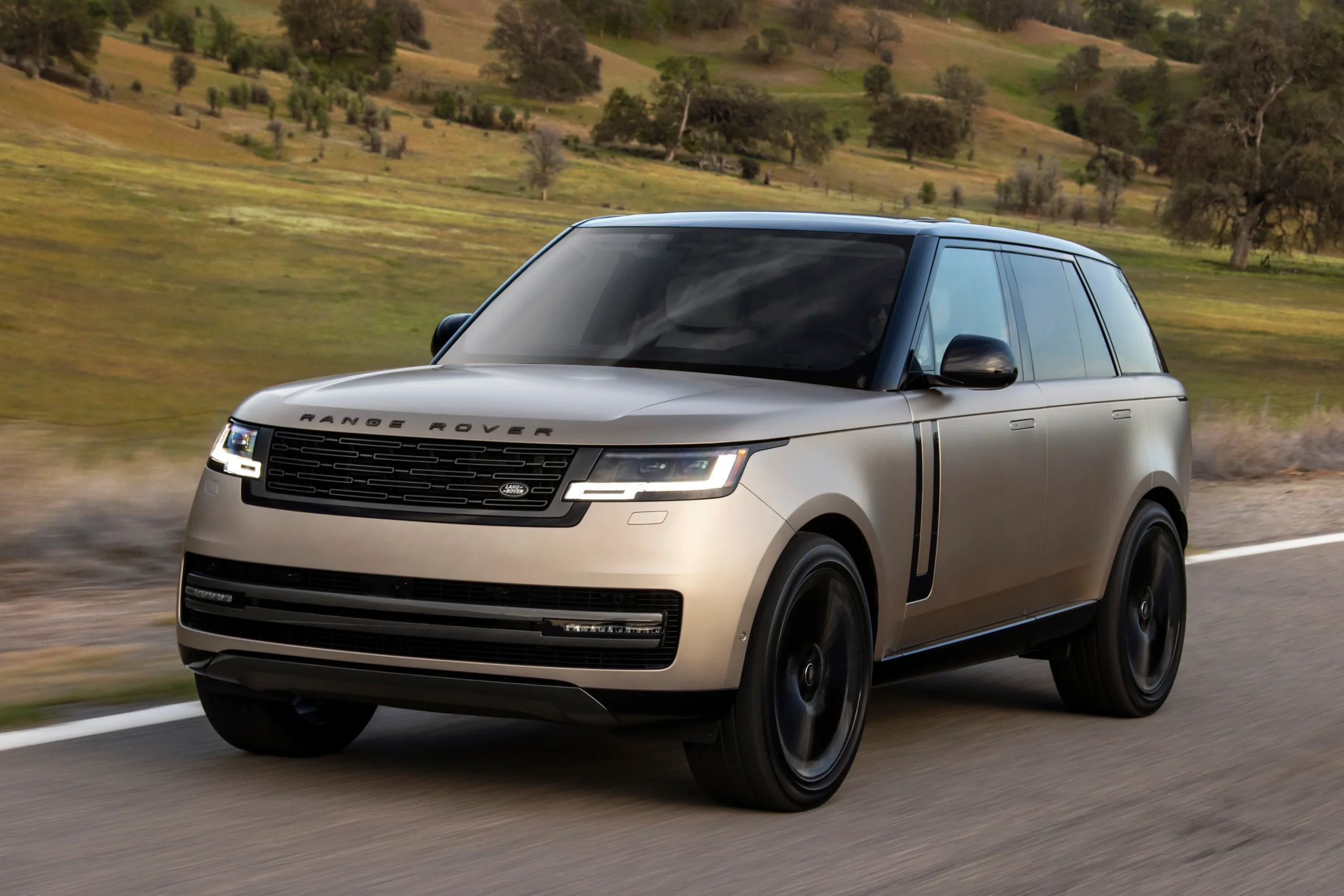
The Land Rover Range Rover is synonymous with off-road luxury and commanding presence, but older models such as the L322 and L405 are infamous for internal failures. While these vehicles excel in performance, traction, and style, they have a history of electrical issues, air suspension problems, and interior wear that frustrates owners.
Systems controlling the drivetrain, suspension, and climate often malfunction after only a few years of use, leading to unpredictable reliability. Many Range Rover owners find themselves constantly troubleshooting sensors, computer modules, and hydraulics just to maintain a comfortable and functional driving experience.
Mechanically, the Range Rover’s air suspension is both a strength and a weakness. While it provides exceptional comfort and off-road capability, it is prone to leaks, compressor failure, and sensor malfunctions.
Engine options, particularly the V8s, are powerful but sensitive to maintenance lapses, with issues like timing chain wear, cooling system failures, and turbocharger malfunctions cropping up more frequently than in simpler vehicles.
Repairing these problems often requires specialized tools and knowledge, and parts are expensive, making long-term ownership costly and stressful.
The combination of mechanical and electronic fragility, paired with expensive maintenance, makes the Range Rover a high-risk purchase for those seeking long-term reliability. While the SUV remains visually impressive and capable on the road, owners often face recurring problems that undermine the luxury experience.
This ongoing cycle of repairs and troubleshooting erodes the enjoyment of the vehicle over time, earning it a reputation as one of the luxury cars that fall apart inside despite its exterior appeal and performance.
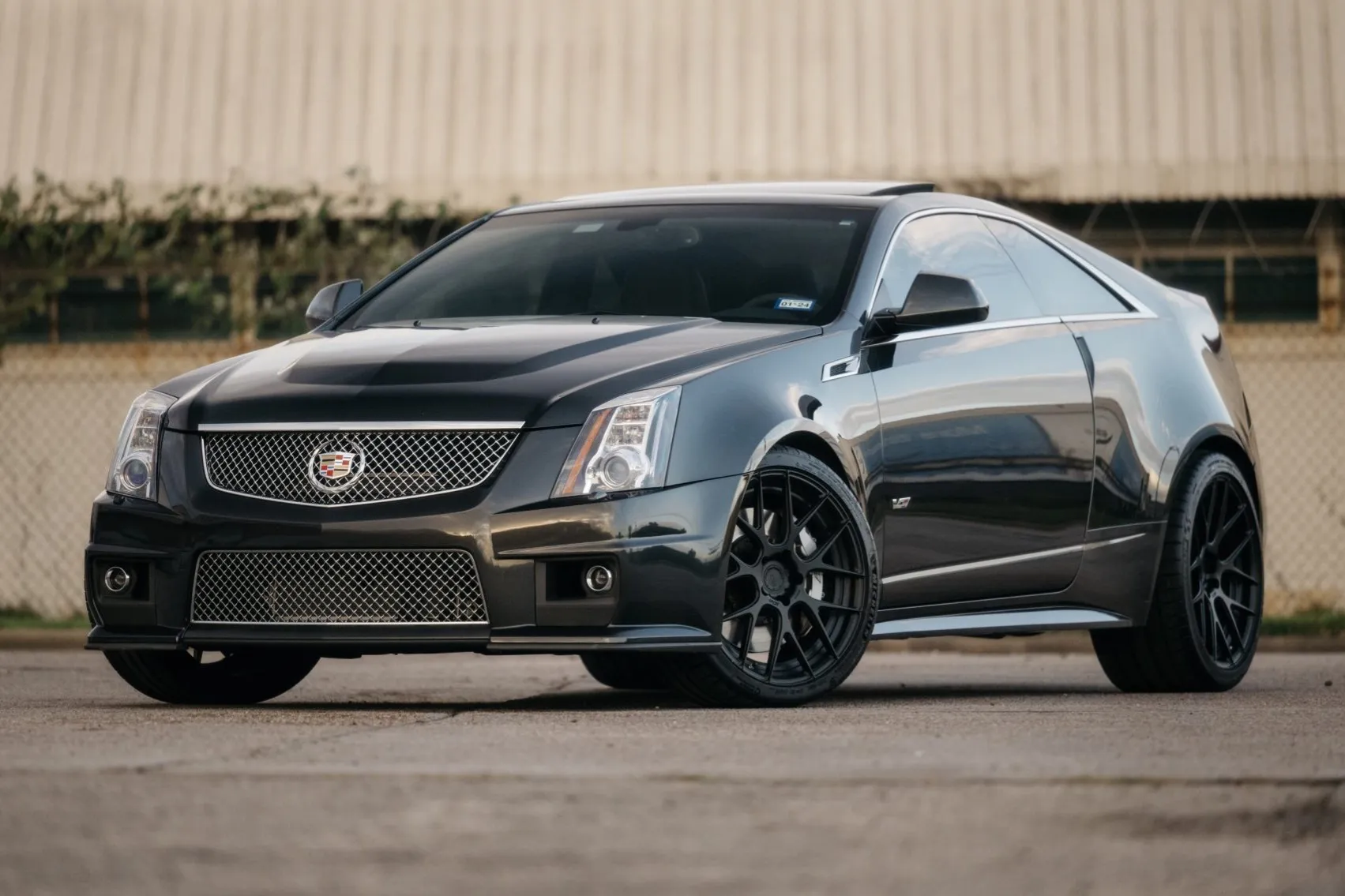
4. Cadillac CTS (First Generation, 2003–2007)
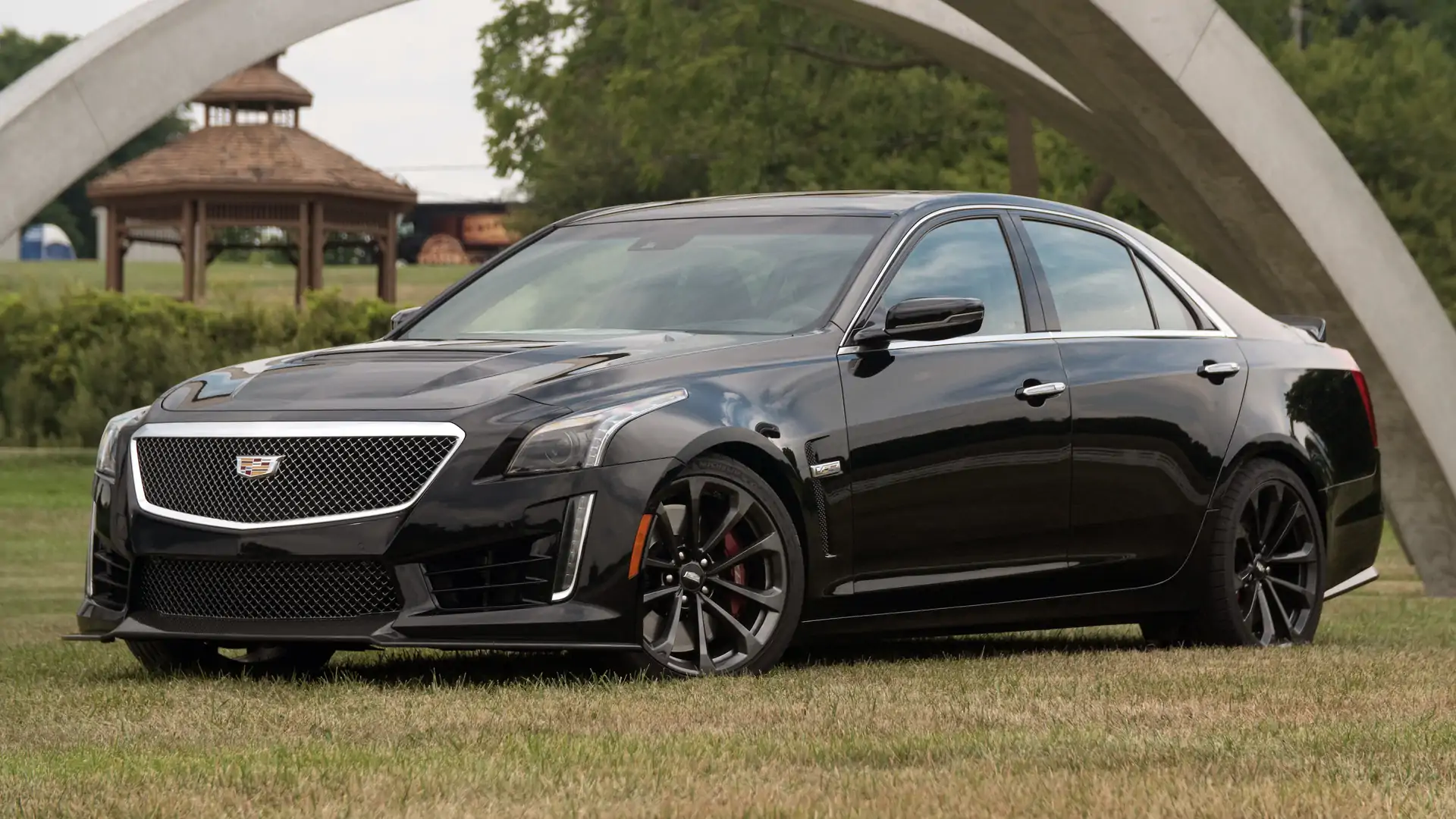
The first-generation Cadillac CTS, while a stylish American luxury sedan, has a reputation for aging poorly, particularly with regard to interior durability and electronics. Owners frequently report issues with dashboard electronics, climate control systems, and infotainment components that fail prematurely.
These problems can make the interior feel unreliable, creating a disconnect between the car’s sleek exterior and the frustration experienced inside.
While the CTS offers sporty handling and distinctive design, the long-term reliability of its interior systems is a significant drawback, especially compared with European and Japanese luxury competitors that emphasize durability.
Mechanically, the CTS is reasonably strong but not immune to problems. Engines and transmissions are generally reliable, but components such as the electrical system, suspension, and electronic modules often require repair as the car ages.
While some owners are willing to manage these issues, the frequency and cost of repairs reduce satisfaction. Minor mechanical problems can escalate when combined with interior and electronic failures, amplifying the perception that the vehicle deteriorates faster than it should.
Ownership costs for the CTS increase significantly as the vehicle ages. The need for frequent electronic repairs, combined with interior wear, makes long-term ownership challenging.
While the CTS initially provides an engaging and stylish driving experience, these recurring problems undermine the luxury promise, making it an example of a vehicle that looks impressive on the outside but struggles to maintain quality internally.
5. Infiniti M/Q70 (2011–2018)
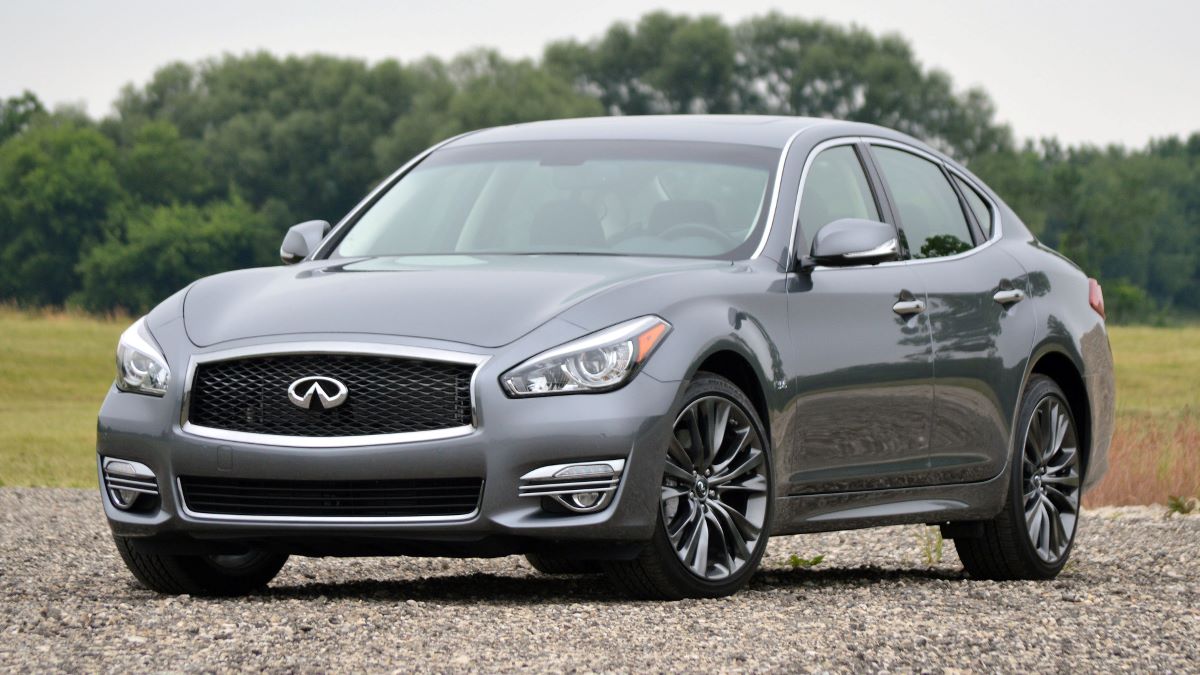
The Infiniti M, later renamed the Q70, is a luxury sedan that offers strong performance and a refined exterior design but struggles with internal durability. Owners often report problems with interior electronics, navigation systems, and dashboard controls that become unreliable after a few years of use.
While engines are generally dependable, the electronics and interior components degrade in ways that affect the vehicle’s usability and comfort. The result is a luxury vehicle that looks and drives well initially but gradually becomes frustrating to own as interior systems fail or deteriorate.
Mechanically, the M/Q70 is solid, with engines and transmissions showing good longevity when maintained. However, the complexity of electronics, climate control, and infotainment systems is a weak point.
Electrical issues, sensor failures, and software glitches can arise unpredictably, sometimes impacting other vehicle systems. This reliance on delicate electronics undermines the driving experience, as owners must manage recurring issues even when the car is mechanically sound.
Long-term ownership of the Infiniti M/Q70 can be frustrating due to the combination of interior wear, electronic failures, and high repair costs. While the car is stylish and capable on the road, it fails to maintain its initial appeal when interior components deteriorate and systems malfunction.
Buyers seeking a luxury vehicle that combines comfort, durability, and long-term usability may find the M/Q70 disappointing, reinforcing its reputation as a model that falls apart from the inside out despite its otherwise appealing features.
