
Choosing a family car is never a simple task. For new parents, this decision carries more weight than it might for someone buying a car for themselves alone. Safety, comfort, practicality, and reliability become essential priorities, while style and speed tend to take a back seat.
Many new parents find themselves overwhelmed by the sheer number of options on the market, from compact crossovers to large SUVs. A car that seems perfect for daily errands might struggle when it comes to carrying a stroller, installing car seats, or accommodating groceries and other necessities.
While some vehicles provide peace of mind with their safety features and spacious interiors, others may feel inadequate in these areas, leaving parents to question whether their choice was the right one. Beyond size and storage, new parents also have to consider fuel efficiency, maintenance costs, and long-term reliability.
A car that looks stylish but requires constant repairs or expensive maintenance can quickly turn into a source of stress. Equally, a car with a cramped interior or complicated car seat installation process may make daily life unnecessarily difficult.
Comfort is another factor that plays a surprisingly large role. Parents often spend long hours driving to daycare, appointments, and family visits, making ergonomics, ride quality, and quiet cabin space highly valuable.
Even simple things like the ease of getting a baby in and out of the car, accessible trunk space, and intuitive controls for child locks and climate control can make a significant difference in day-to-day life. With all these factors in mind, it becomes clear that not all cars are created equal when it comes to meeting the needs of new parents.
Some vehicles excel in providing a safe, practical, and comfortable environment, while others leave room for doubt and second-guessing. In this article, we will examine five cars that new parents can trust to make life easier and more secure, as well as five cars that might cause concern or frustration, helping families make more informed decisions.
5 Cars New Parents Can Trust
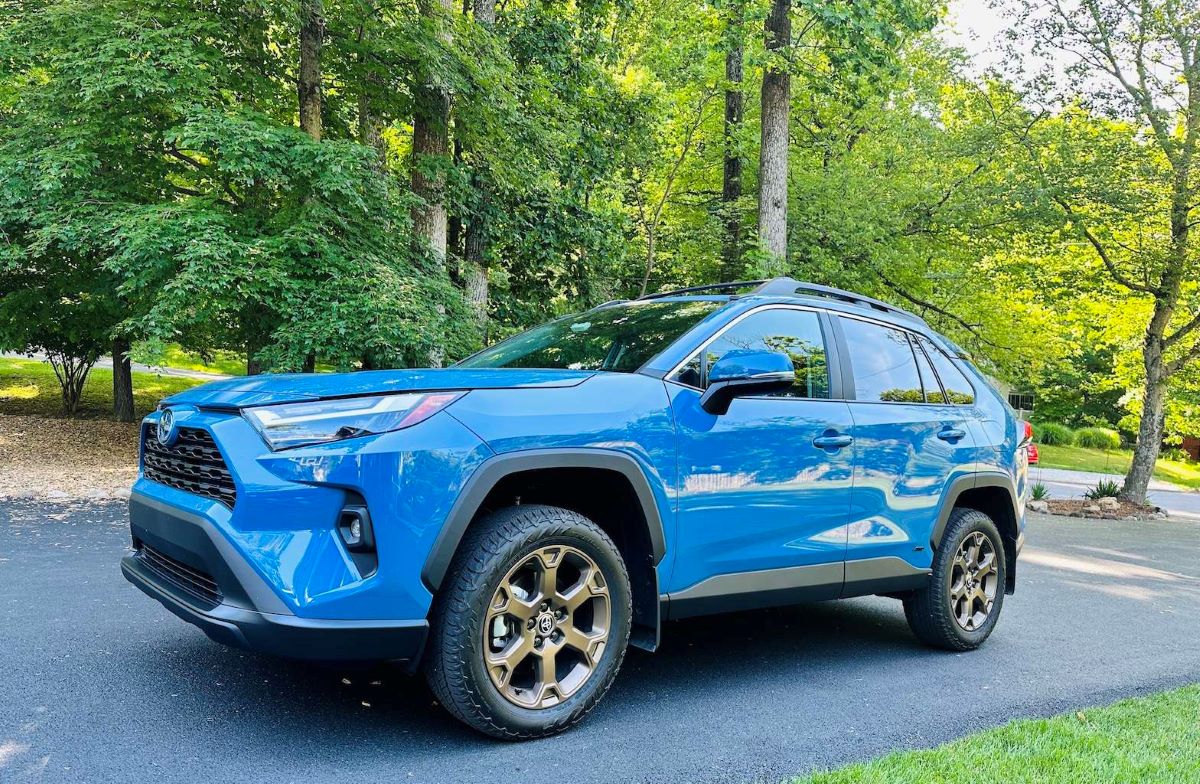
1. Toyota RAV4
The Toyota RAV4 has earned its reputation as a dependable and practical family vehicle through decades of consistent performance. Parents often praise the car for its ability to handle both city traffic and longer road trips, providing a balance of convenience and reliability that is hard to match in the compact SUV segment.
Safety is a central focus in modern RAV4 models, with features such as adaptive cruise control, automatic emergency braking, lane-keeping assist, and multiple airbags.
For new parents, these features offer peace of mind, knowing that the car is designed to react quickly in emergencies and help prevent accidents before they happen. Beyond these advanced safety systems, the RAV4’s sturdy construction and solid crash-test ratings contribute to its reputation as one of the safer options available.
The interior of the RAV4 is designed with practicality in mind. Rear passengers enjoy ample legroom, which is especially important when using car seats for infants and toddlers.
The wide-opening rear doors make installing and removing car seats far easier than in many other compact SUVs, reducing the stress that often accompanies daily routines like daycare drop-offs.
Additionally, the RAV4 offers competitive fuel efficiency for a compact SUV, especially in its hybrid models, making it a practical choice for parents managing tight budgets. With rising fuel costs and the frequent errands that come with raising children, this efficiency can have a significant impact over time.
The driving experience of the RAV4 also contributes to its appeal for families. The ride is smooth and quiet, reducing distractions for parents and providing a calmer environment for children during trips. Steering and handling are responsive without feeling overly sporty, offering confidence for parents navigating both urban streets and highways.
The combination of practicality, safety, comfort, and reliability makes the RAV4 an all-around family-friendly vehicle. Parents often find that it meets both their immediate needs as new caregivers and their longer-term requirements as their children grow, making it a car they can trust for years to come.
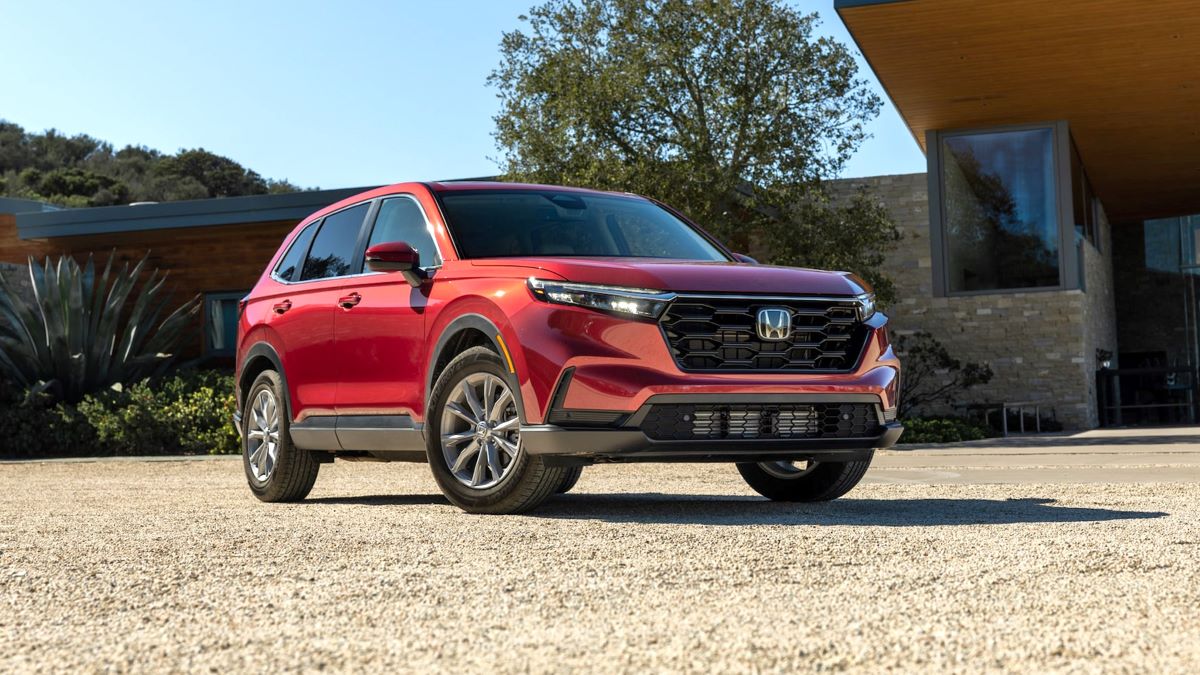
2. Honda CR-V
The Honda CR-V is widely regarded as a top choice for families due to its combination of safety, reliability, and versatile interior space. One of the CR-V’s most advantages is its thoughtful design for passenger comfort. The rear seats provide generous legroom, and the wide-opening doors make accessing car seats far easier than in many vehicles.
Parents often comment on the ease of installing multiple car seats, which is a crucial consideration for families with more than one child.
The interior materials are durable and easy to clean, helping parents manage inevitable spills, crumbs, and messes without frustration. These practical touches demonstrate Honda’s attention to the realities of family life.
Safety is a strong point for the CR-V, with features such as collision mitigation braking, lane-keeping assist, and adaptive cruise control included in most newer models.
These systems are particularly valuable for new parents, as they provide an extra layer of support and reduce the likelihood of accidents in everyday driving situations.
High crash-test ratings reinforce the vehicle’s reputation for protecting occupants in the event of a collision. Parents often feel reassured knowing that their children are traveling in a car with a solid safety record, which can be one of the most important factors when making a purchasing decision.
The design of the cargo area, with its flat load floor and low lift-over height, makes loading and unloading items much simpler, especially when carrying bulky or heavy objects. Parents often note that these features save significant time and energy during daily routines.
In addition to space and safety, the CR-V provides a comfortable and fuel-efficient driving experience. Ride quality is smooth, reducing discomfort for passengers during longer trips, while the cabin remains quiet, allowing children to rest or nap without distraction.
Fuel efficiency is commendable for an SUV, making it more economical for families who need to drive frequently for errands, school runs, and extracurricular activities.
Reliability is another hallmark of the CR-V, as Hondas are known for their longevity and minimal maintenance issues. All of these factors combine to make the CR-V a dependable and trusted option for parents who want a vehicle that will support both the practical and emotional demands of raising a family.
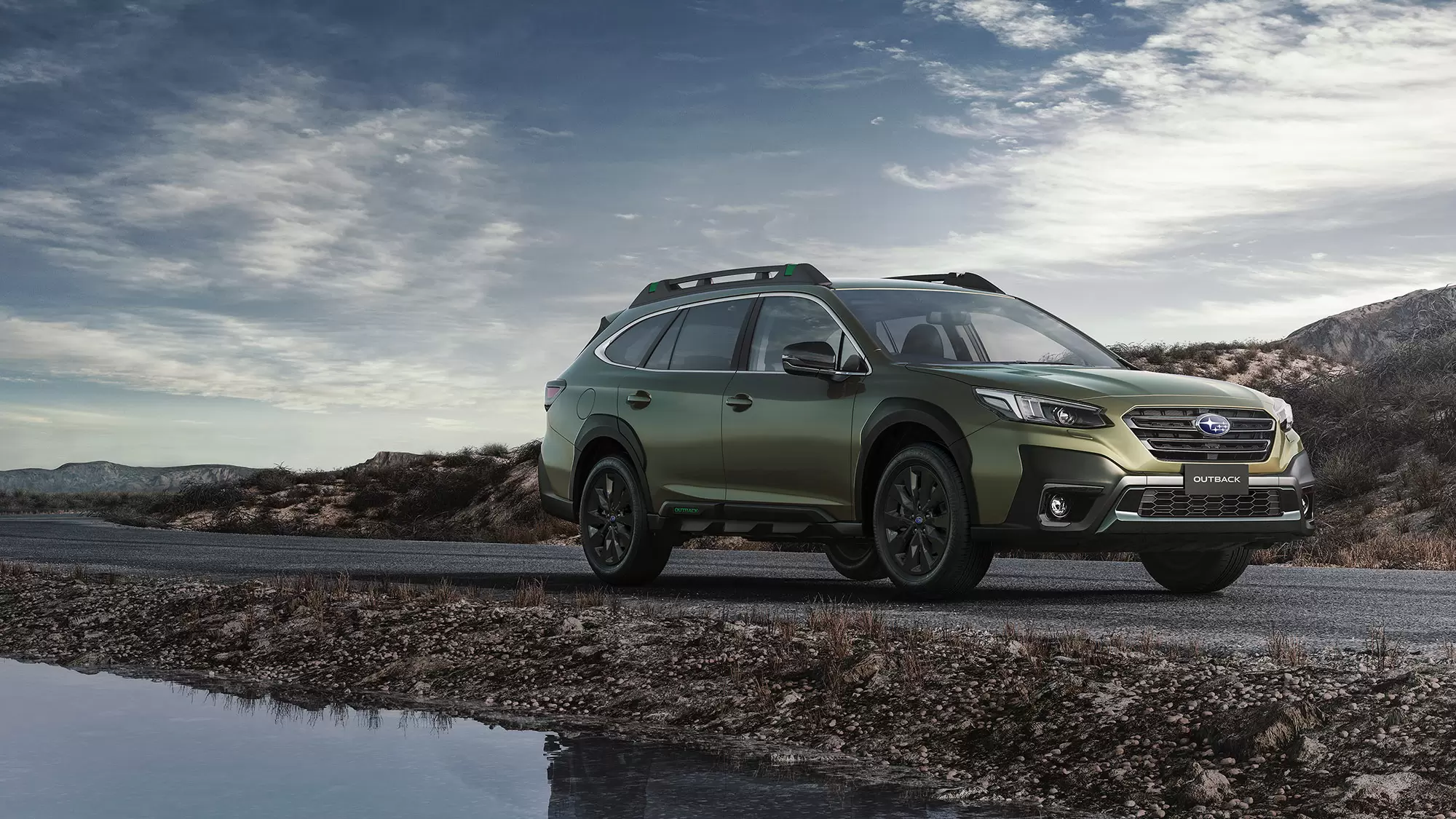
3. Subaru Outback
The Subaru Outback stands out as a family-friendly vehicle due to its versatility, safety, and durability. Its standard all-wheel-drive system ensures stability in a variety of driving conditions, which can be particularly valuable for parents living in areas prone to snow, rain, or uneven terrain.
This stability reduces stress during daily commutes or family trips, giving parents confidence that the car can handle unexpected challenges on the road. The Outback’s exterior design is also practical, with roof rails for additional cargo options, allowing families to bring bicycles, cargo boxes, or other gear when planning outdoor activities.
Inside, the Outback provides ample space for passengers and cargo, accommodating multiple car seats with ease. The rear doors open wide enough to allow convenient access for children, and the interior materials are both durable and easy to maintain.
Parents appreciate thoughtful touches such as multiple storage compartments, cup holders, and USB charging ports, which make long trips and everyday driving more convenient.
Additionally, Subaru places a strong emphasis on visibility, with large windows and carefully designed mirrors, allowing parents to keep an eye on their surroundings and drive with greater awareness.
High crash-test scores reinforce the vehicle’s reputation as a secure choice for families, giving peace of mind to parents who prioritize their children’s protection. For families frequently traveling with children, these features can make a tangible difference in reducing anxiety and increasing confidence behind the wheel.
The Outback also offers a comfortable and adaptable driving experience. The cabin remains quiet even on rough roads, and the seats are supportive for longer trips, ensuring both parents and children remain comfortable.
The cargo area is generous, with a flat load floor and easy-access hatch, simplifying the transport of strollers, groceries, or sports equipment.
Fuel efficiency is competitive for a vehicle of this size, and Subaru’s reputation for durability ensures that the Outback can serve as a reliable family vehicle for years. The combination of safety, practicality, and comfort makes the Outback a trusted choice for parents seeking a versatile and dependable SUV.
4. Kia Sorento
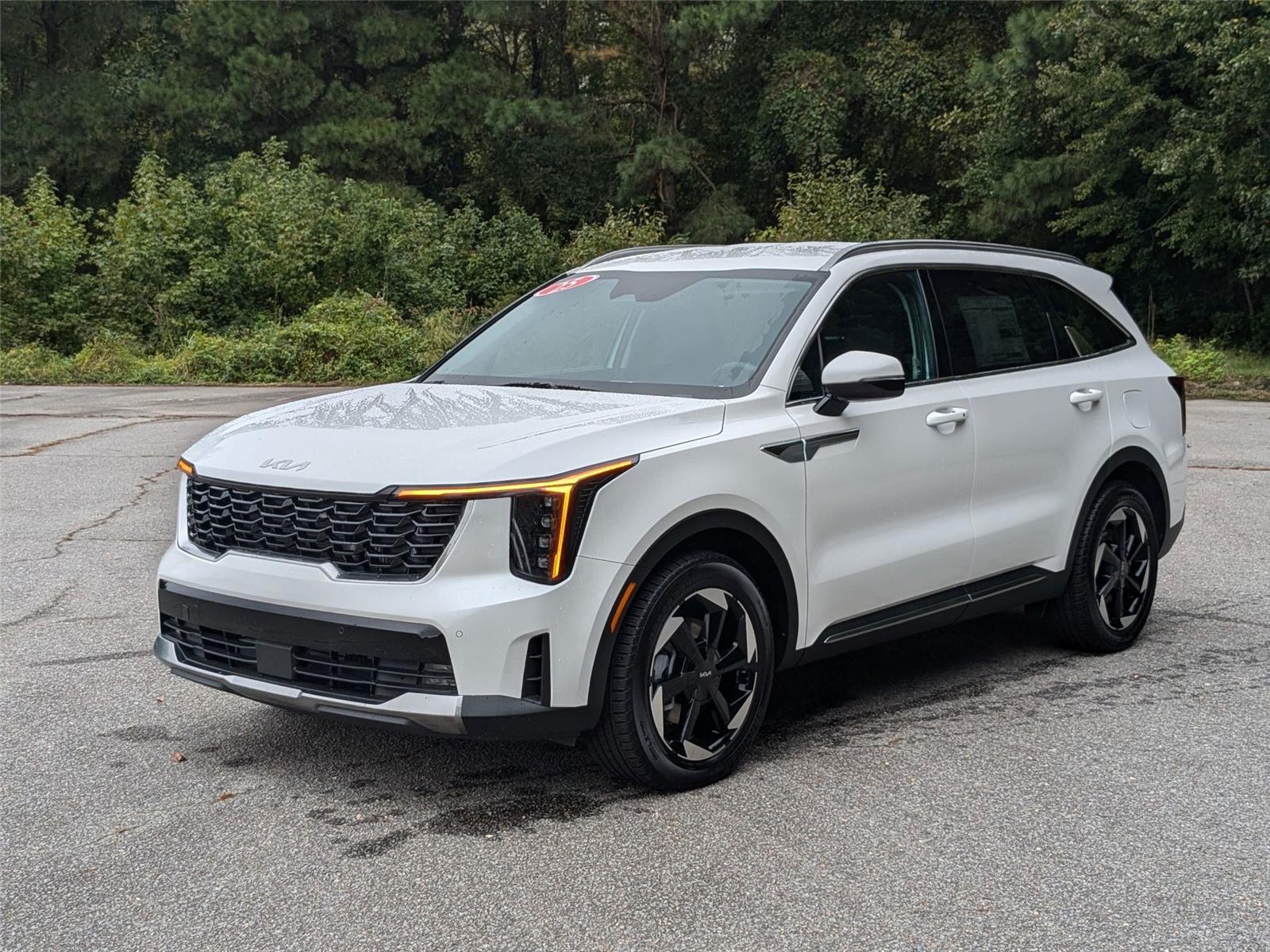
The Kia Sorento provides an attractive combination of space, safety, and modern features, making it well-suited for growing families. Its three-row seating layout is particularly beneficial for parents who anticipate needing extra space for children, friends, or extended family members.
The interior is designed to maximize comfort, with adjustable seating and climate control systems that ensure all passengers remain comfortable regardless of their position in the vehicle.
Parents also appreciate the thoughtful placement of storage compartments, cup holders, and charging ports, which contribute to a more organized and stress-free driving environment.
Safety is a strong point of the Sorento, with a wide array of driver-assistance technologies included in most models. Forward collision warning, blind-spot monitoring, lane-keeping assist, and adaptive cruise control all work together to create a safer driving experience for families.
The Sorento’s cargo area is generous and adaptable, making it easier for parents to transport strollers, groceries, or sports gear. The third-row seats can fold flat to create even more storage space, offering flexibility for different family needs.
The vehicle’s wide doors and seating arrangement simplify access for children and car seats, reducing the stress of daily routines such as school runs and errands. Many parents find that the Sorento’s spacious interior and versatile layout allow for smoother travel experiences, particularly on longer trips or when transporting multiple passengers.
Driving the Sorento is also comfortable and reassuring. The ride quality is smooth, minimizing bumps and jolts that can disturb young children, while the cabin remains quiet, allowing for easier communication or rest. Fuel efficiency is reasonable for a midsize SUV, making it practical for everyday use.
5. Toyota Highlander
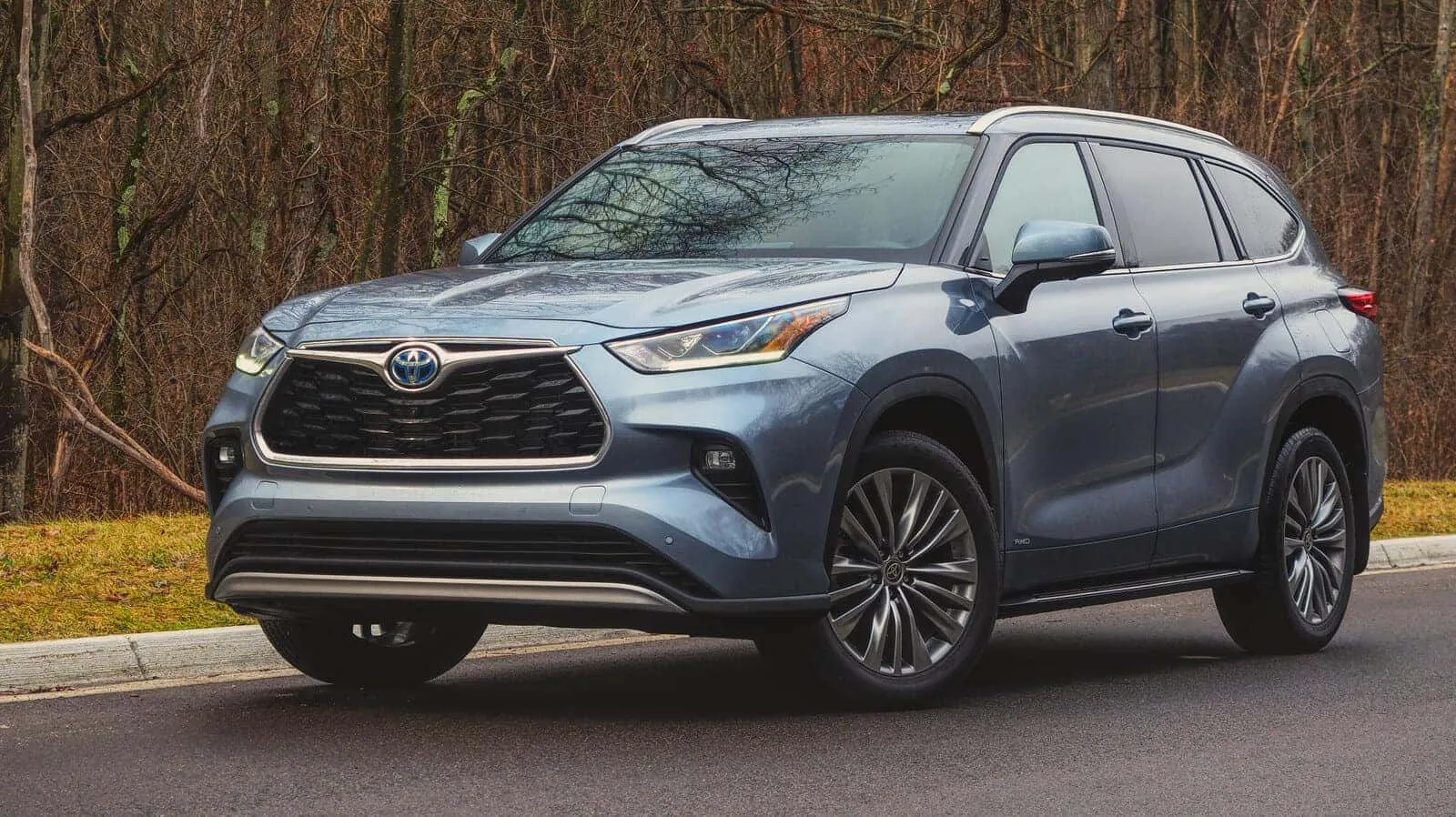
The Toyota Highlander has long been favored by families for its combination of space, comfort, and reliability. With three rows of seating, it can comfortably accommodate larger families or frequent passengers, making it ideal for those who plan for growth or regularly transport relatives.
The interior is spacious and thoughtfully designed, with ample legroom for both front and rear passengers. Storage compartments, cup holders, and easy-access USB ports contribute to a convenient and organized cabin.
Parents often comment on how the Highlander simplifies day-to-day life, particularly when juggling multiple children, car seats, and family gear.
Safety is a primary focus in the Highlander, which comes equipped with features such as adaptive cruise control, pre-collision systems, lane departure alerts, and blind-spot monitoring. These technologies work together to reduce the risk of accidents and provide additional reassurance for parents traveling with children.
The vehicle’s strong crash-test ratings and structural integrity further reinforce its reputation as a safe choice, which is often the most critical consideration for new families. For parents, knowing that their vehicle offers a comprehensive suite of safety features is invaluable in providing peace of mind.
The Highlander’s cargo space is both generous and practical, with versatile seating configurations that allow parents to carry a variety of items without sacrificing passenger comfort. Strollers, groceries, sports equipment, and luggage can all fit comfortably, making family outings less stressful and more enjoyable.
Driving the Highlander is comfortable and reassuring, with smooth handling, responsive steering, and a quiet cabin environment. Fuel efficiency is respectable for a midsize SUV, which is important for families managing frequent errands and long trips.
Reliability is another major advantage, as Toyota vehicles are known for their long lifespans and minimal maintenance requirements.
Parents can therefore focus on family life without worrying about frequent repairs or unexpected breakdowns. The Highlander succeeds in combining space, safety, comfort, and reliability, making it a trusted and practical choice for new parents who want a vehicle that supports both daily life and future family needs.
5 Cars You’ll Second-Guess
1. Fiat 500
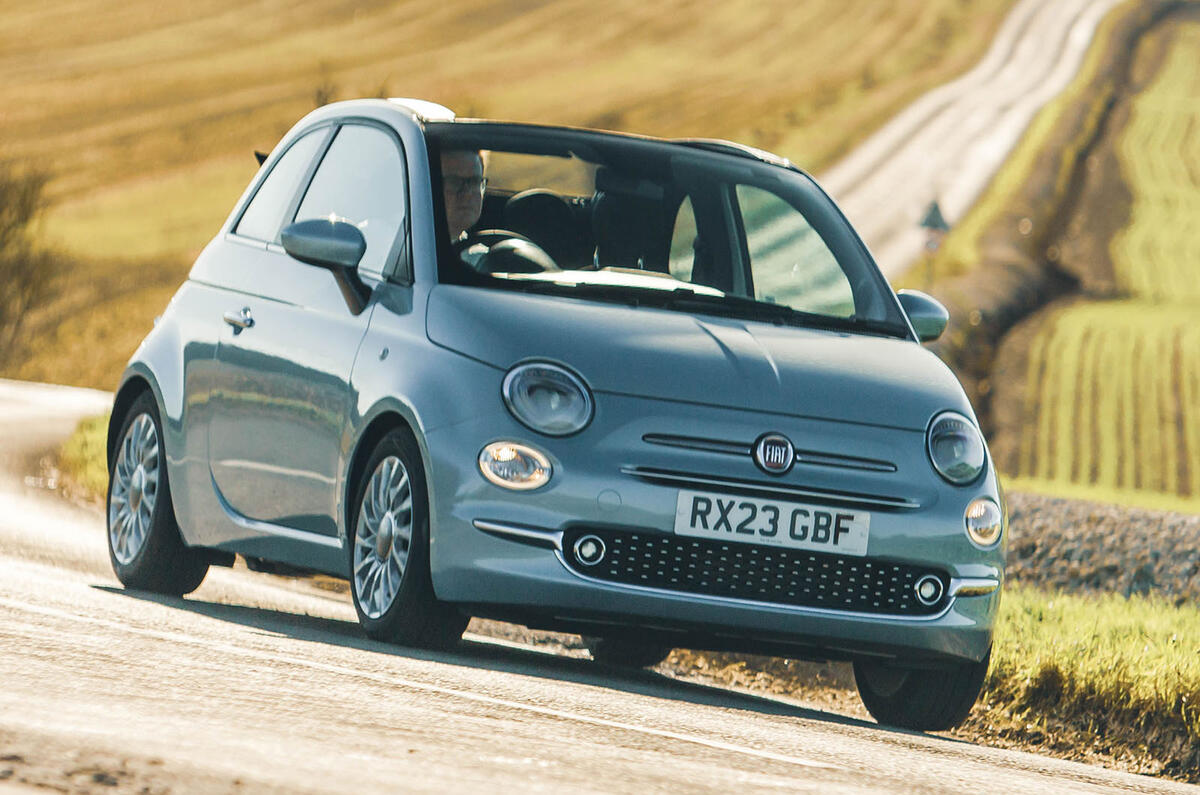
The Fiat 500 is often admired for its compact size and quirky charm, but for new parents, it presents a number of practical challenges that make it less than ideal for family life.
One of the most obvious concerns is its extremely limited interior space. With cramped rear seats and minimal legroom, installing car seats can be a frustrating task, especially for families with infants or toddlers who require larger, rear-facing seats.
Parents may find themselves struggling to buckle children in or trying to maneuver bulky strollers into the tiny cargo area, which can make everyday tasks like grocery shopping or daycare drop-offs unnecessarily stressful. Even for short trips, the tight space can feel restrictive, making it harder for both children and adults to travel comfortably.
Safety is another major consideration. While modern Fiat 500s come equipped with basic safety features such as airbags and stability control, the small size of the vehicle inherently limits its ability to absorb impacts in collisions.
Crash-test ratings are lower compared to larger, family-oriented vehicles, which is a concern for parents who prioritize their children’s protection.
The short crumple zones and light weight of the car may leave occupants more vulnerable in the event of an accident, making it less reassuring for new parents than larger, sturdier vehicles. Additionally, the small footprint of the car often results in limited visibility, which can increase the risk of minor accidents in crowded parking lots or city streets.
Parents who frequently run errands or plan weekend trips with children will likely find this lack of storage a significant inconvenience. The interior design, while stylish and fun, is focused more on aesthetics than practicality, which can leave families wishing for more usable space and easier accessibility.
Finally, the driving experience may not compensate for these drawbacks. While the Fiat 500 is nimble in tight city streets and easy to park, it lacks the stability, smooth ride, and comfort that parents often need for family travel. Long drives can feel tiring, especially when passengers are young children who require more support and comfort.
Road noise and limited cabin insulation can make trips less pleasant, and the small size may amplify feelings of insecurity on highways or in heavy traffic. For parents weighing safety, space, and comfort, the Fiat 500 tends to fall short of their expectations, making it a vehicle they might second-guess despite its style and charm.
2. Mini Cooper
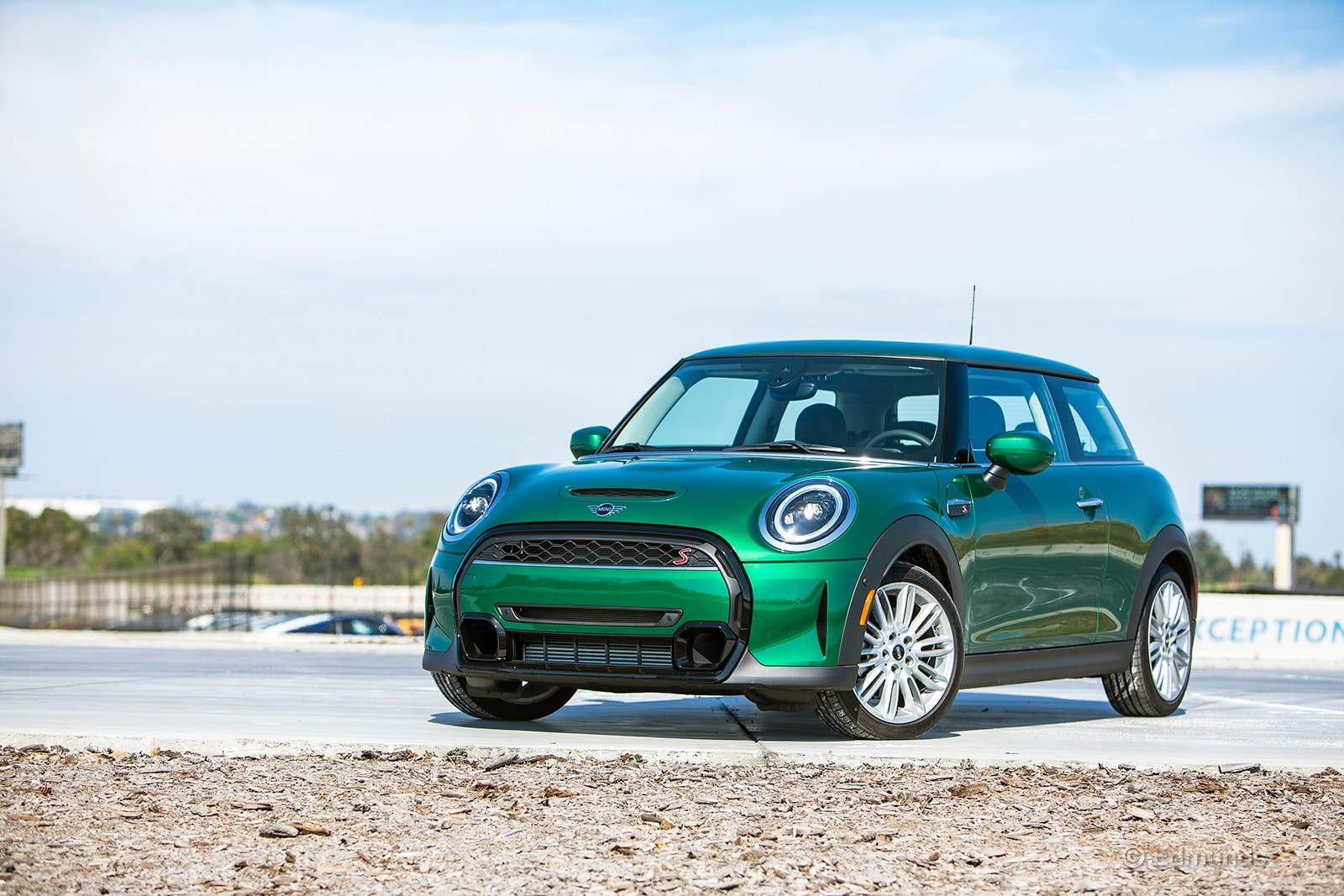
The Mini Cooper is another vehicle that attracts attention for its fun, stylish design, but new parents often encounter challenges that make it difficult to justify as a family car. One of the primary concerns is the limited rear-seat space, which can make installing car seats a cumbersome process.
Parents who need to fit multiple children or larger rear-facing seats may find the space too restrictive, leading to discomfort during trips.
The compact design, which makes it ideal for city parking, is also the reason behind the cramped interior, and this trade-off often becomes more apparent when juggling daily family responsibilities. Even a small errand can feel complicated when trying to fit both passengers and essential gear inside the vehicle.
Safety is a consideration for parents evaluating the Mini Cooper. While newer models include some safety features, the car’s small size and low weight limit its ability to withstand serious collisions. Crash-test ratings are generally lower than those of larger SUVs or family sedans, which can create anxiety for parents transporting young children.
Cargo and practicality are further limitations that can cause second thoughts. The Mini Cooper has a tiny trunk, making it challenging to transport strollers, groceries, diaper bags, or sports equipment simultaneously.
Even folding the rear seats offers only a marginal increase in cargo space, which might still leave parents juggling multiple trips or struggling to fit larger items.
This lack of versatility can make everyday life more complicated and frustrating, especially when running errands, traveling with children, or accommodating family friends. The stylish design and iconic look do little to offset the practical inconveniences faced by families who require more functional space.
The driving experience, while enjoyable for enthusiasts, is another factor that may give parents pause. The ride can feel firm, and road noise is more noticeable than in larger, more insulated vehicles, which can be disruptive for young children during trips.
The compact nature of the car may also contribute to feelings of instability on highways or uneven roads, which can add stress for parents concerned about safety.
While the Mini Cooper offers charm and personality, the combination of cramped space, limited cargo, and modest safety ratings often leads new parents to reconsider whether this is a suitable vehicle for their growing family.
3. Smart Fortwo
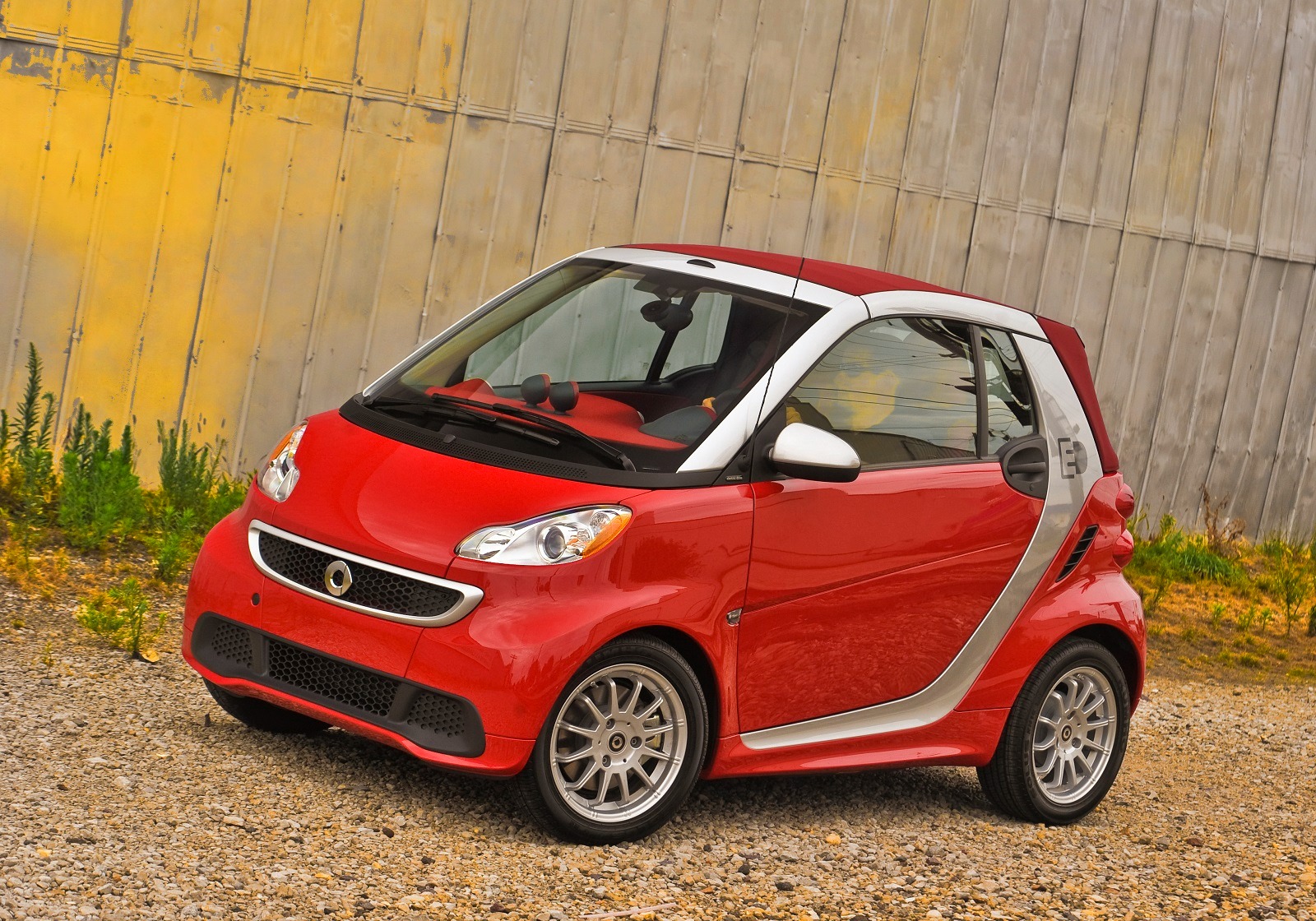
The Smart Fortwo is famously compact, designed for efficiency and easy parking, but its design presents significant challenges for new parents. The most obvious issue is the lack of interior space. The car seats only two passengers, meaning parents with children must rely on an additional vehicle or struggle with limited seating arrangements.
Rear-facing car seats cannot be accommodated, forcing parents to make compromises that can impact both safety and convenience. The tiny cabin also makes storing daily necessities, such as diaper bags, groceries, and strollers, virtually impossible without creative solutions, which adds stress to daily routines.
Safety is a major concern with the Smart Fortwo. Despite including airbags and basic safety systems, the vehicle’s extremely small size and light weight make it more vulnerable in collisions compared to larger vehicles. Crash-test ratings are often lower, and the short crumple zones offer less protection in serious accidents.
The car’s minimal cargo space also adds to its drawbacks. Even a single stroller may not fit comfortably, let alone a full load of groceries or other family necessities. Parents often find themselves constantly rearranging items or leaving things behind, which makes everyday life more challenging.
The interior design prioritizes compactness and style over practicality, leaving families frustrated with the lack of room for essentials and the awkward layout. For families who need flexibility and space, this vehicle simply cannot meet those requirements.
Finally, the driving experience may not compensate for these limitations. While the Smart Fortwo excels at navigating tight city streets and parking in small spaces, the ride can be bouncy and uncomfortable for passengers, and noise levels can be high.
4. Chevrolet Spark
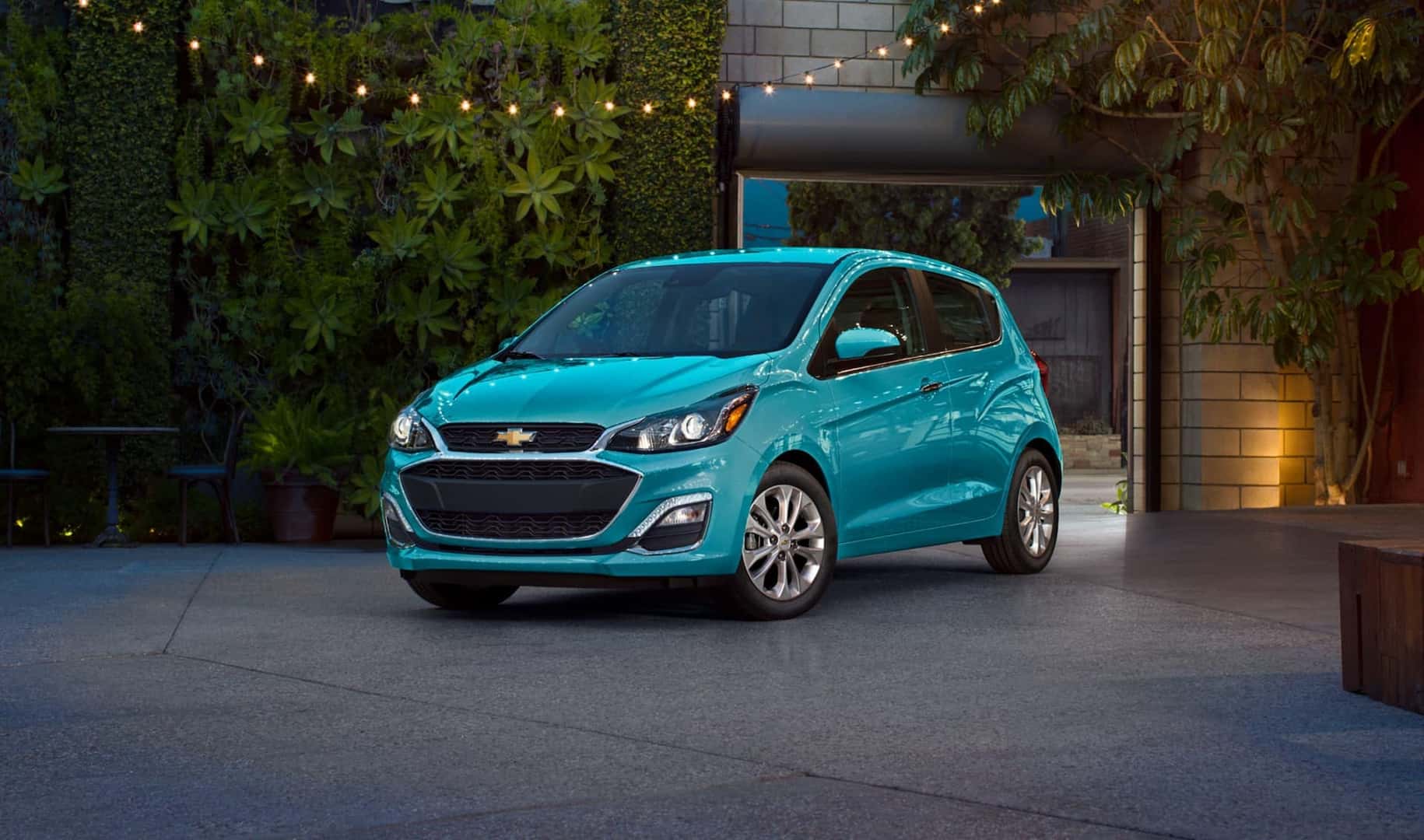
The Chevrolet Spark is marketed as an affordable, compact city car, but parents often find it challenging to use as a family vehicle. Rear-seat space is extremely limited, making the installation of car seats cumbersome, particularly for larger infants or toddlers. Parents juggling multiple children will quickly notice how cramped the cabin feels, especially during longer trips.
The narrow doors and limited legroom can make daily routines, such as daycare drop-offs or grocery runs, feel unnecessarily complicated. Even short errands can become stressful when every movement inside the car is constrained.
The compact dimensions also limit visibility and stability on highways, contributing to potential safety concerns during everyday use. Parents who prioritize peace of mind may find this vehicle less reassuring than more robust alternatives.
Cargo space is minimal, making it difficult to transport essential items such as strollers, diaper bags, or groceries without rearranging or leaving items behind. Folding the rear seats offers only a marginal increase in space, which may still fall short of family needs.
The lack of practicality and versatility can make daily life more stressful, particularly for new parents who need to carry a variety of items regularly. The interior is basic, focusing more on affordability than comfort or functionality, which can leave families feeling frustrated when trying to balance space, convenience, and daily responsibilities.
While the Spark may be a cost-effective choice for solo commuters or those with minimal family needs, it is easy to see why new parents might second-guess purchasing this compact vehicle for family life.
5. Smart EQ ForTwo
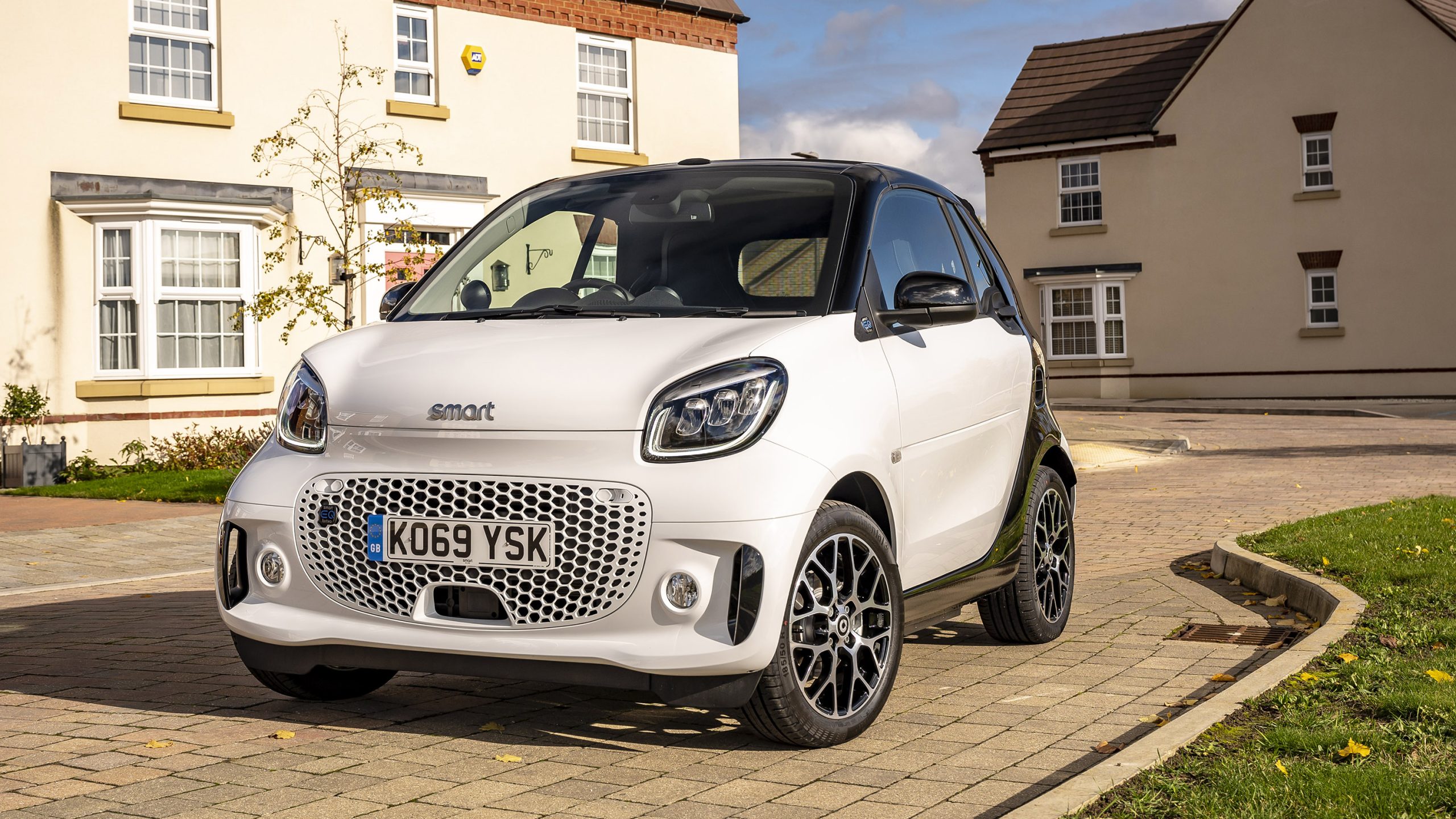
The Smart EQ ForTwo, an electric variant of the Smart ForTwo, faces similar challenges for parents, amplified by the constraints of its electric platform.
Its extremely compact size severely limits interior and cargo space, making it impractical for families. Only two passengers can fit comfortably, leaving no room for a rear-facing car seat or a second child.
Parents often find it impossible to transport all necessary items for daily life, such as diaper bags, groceries, or sports equipment, without significant inconvenience. Even a short trip can feel crowded and stressful when the car cannot accommodate essential family gear.
Safety remains a significant concern with this vehicle. While electric technology provides modern safety features, the tiny size and light weight of the Smart EQ ForTwo make it vulnerable in collisions. Crash-test ratings are lower compared to family-oriented vehicles, and the limited crumple zones reduce protection in serious accidents.
Parents traveling with children may feel uneasy on highways or in high-traffic situations, where larger vehicles provide a greater sense of security and confidence. For family use, this vehicle simply does not offer the reassurance that parents typically seek.
The driving experience, while convenient for urban commuting, does not offset these drawbacks for families. Short trips are manageable, but longer drives may be uncomfortable due to limited seating and cabin space. Road noise, minimal stability, and the confined environment make it less suitable for children, particularly for extended journeys.
The combination of these factors makes it easy for new parents to question whether the Smart EQ ForTwo can realistically serve as a family car, despite its eco-friendly appeal and compact maneuverability.
