
Finding the right SUV for urban living is not only about performance, comfort, or style. In cities and older apartment complexes, parking constraints often play a decisive role in the selection process.
Tight garages, narrow parking structures, and limited driveway space turn what might seem like a minor detail into a major headache for both tenants and landlords.
Many landlords are understandably cautious about vehicles that might scrape walls, block access, or pose liability issues in confined spaces. For this reason, some SUVs are far more practical in tight parking environments, while others can create daily stress and friction between residents and property managers.
Compact SUVs have grown in popularity not just for their fuel efficiency and maneuverability but also for the ability to fit into spaces originally designed for smaller sedans.
Urban garages rarely accommodate wide vehicles comfortably, and attempting to squeeze a broad SUV into a narrow parking spot can leave little room for opening doors, walking alongside the vehicle, or safely maneuvering in and out of the garage. L
andlords often notice this, and tenants with wide vehicles may find themselves receiving warnings or being asked to move to off-site parking.
At the same time, many SUVs maintain a balance of interior space, cargo capacity, and drivability without overwhelming standard parking structures. These vehicles can offer the elevated seating position and utility expected from an SUV without creating conflict with property management or neighbors.
On the other hand, larger models designed for off-road capability, towing, or maximum passenger capacity can exceed the width or turning radius that tight urban garages can handle.
The goal of this article is to provide a clear comparison for potential buyers, highlighting five SUVs that fit comfortably in narrow garages without causing headaches, and five that may simply be too wide for standard parking conditions.
While vehicle dimensions are only one factor in overall SUV selection, they can significantly impact the quality of daily life in apartments, townhouses, or high-density neighborhoods. Understanding which SUVs are accommodating and which are cumbersome will help tenants make smarter, stress-free choices while maintaining a good relationship with landlords.
5 SUVs Landlords Won’t Mind in Tight Garages
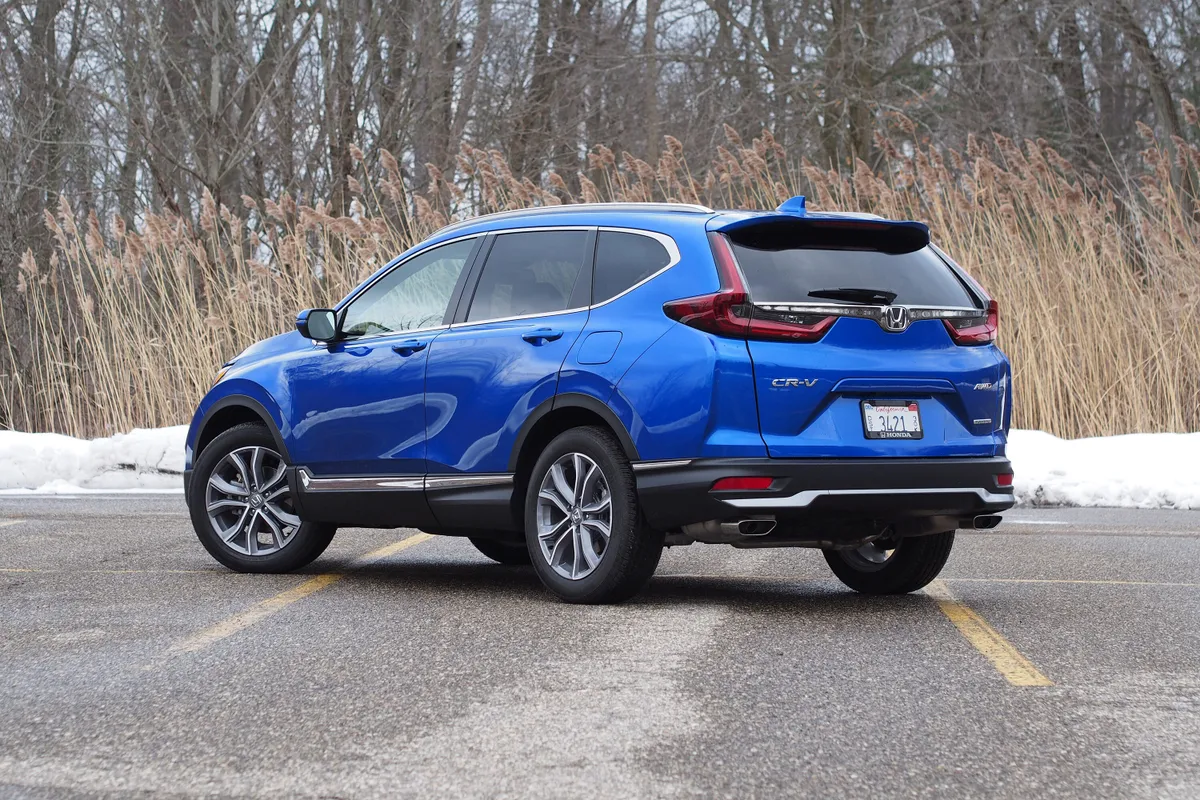
1. Honda CR-V
The Honda CR-V has established itself as one of the most practical compact SUVs for urban and suburban living. One of its standout features is its width, which rarely exceeds 73 inches, allowing it to fit comfortably into standard parking spaces without compromising the ability to open doors or navigate around the vehicle.
In older apartment complexes or narrow city garages, this advantage is critical, as larger SUVs can cause repeated scratches or dents on walls and adjacent vehicles. Beyond simple size, the CR-V’s overall design emphasizes driver ease and predictability.
Its steering response is smooth, braking is controlled, and handling is stable, which means even in tight turns or confined parking lots, the risk of minor accidents is significantly reduced.
Tenants can maneuver confidently without constantly worrying about damaging the structure or other cars, which is a reassurance for landlords who need to minimize maintenance concerns.
The interior of the CR-V also contributes to its urban practicality. Despite being a compact SUV, it offers ample cargo space and seating for five adults, making it versatile for a variety of lifestyle needs. Families can fit groceries, sports equipment, or luggage without needing to awkwardly angle the vehicle in narrow garages.
The rear hatch is easy to operate in confined areas, reducing the chance of accidental contact with walls or neighboring vehicles. From a landlord’s perspective, a vehicle that can be parked smoothly and still meet the tenant’s daily needs reduces the likelihood of complaints or requests for garage modifications.
The CR-V strikes a balance between being small enough to navigate tight spaces and large enough to remain genuinely functional as an SUV.
Another critical factor is visibility and safety technology. The CR-V has a driver-friendly layout that allows excellent sight lines over the hood and around corners, which helps drivers judge distances precisely when entering or exiting garages.
Many modern trims include rearview cameras, parking sensors, and cross-traffic alerts, which further enhance control in tight spaces.
These features reduce the likelihood of collisions or scratches, ensuring that both tenants and landlords have peace of mind. Even without fully relying on technology, the vehicle’s size, mirrors, and ergonomic design allow for intuitive maneuvering, which is ideal for older or narrow parking structures where precision is essential.
Finally, the CR-V’s long-standing reputation for reliability and low maintenance adds to its appeal. Tenants are less likely to experience breakdowns in confined spaces or require on-site repairs, which could disrupt other residents or create hazards in garages.
The combination of compact size, predictable handling, advanced visibility, and durable design makes the Honda CR-V a practical choice for urban living.
It demonstrates that an SUV does not need to be large to be useful, and that thoughtful engineering can create a vehicle that meets the needs of tenants without causing landlords unnecessary worry or property damage.
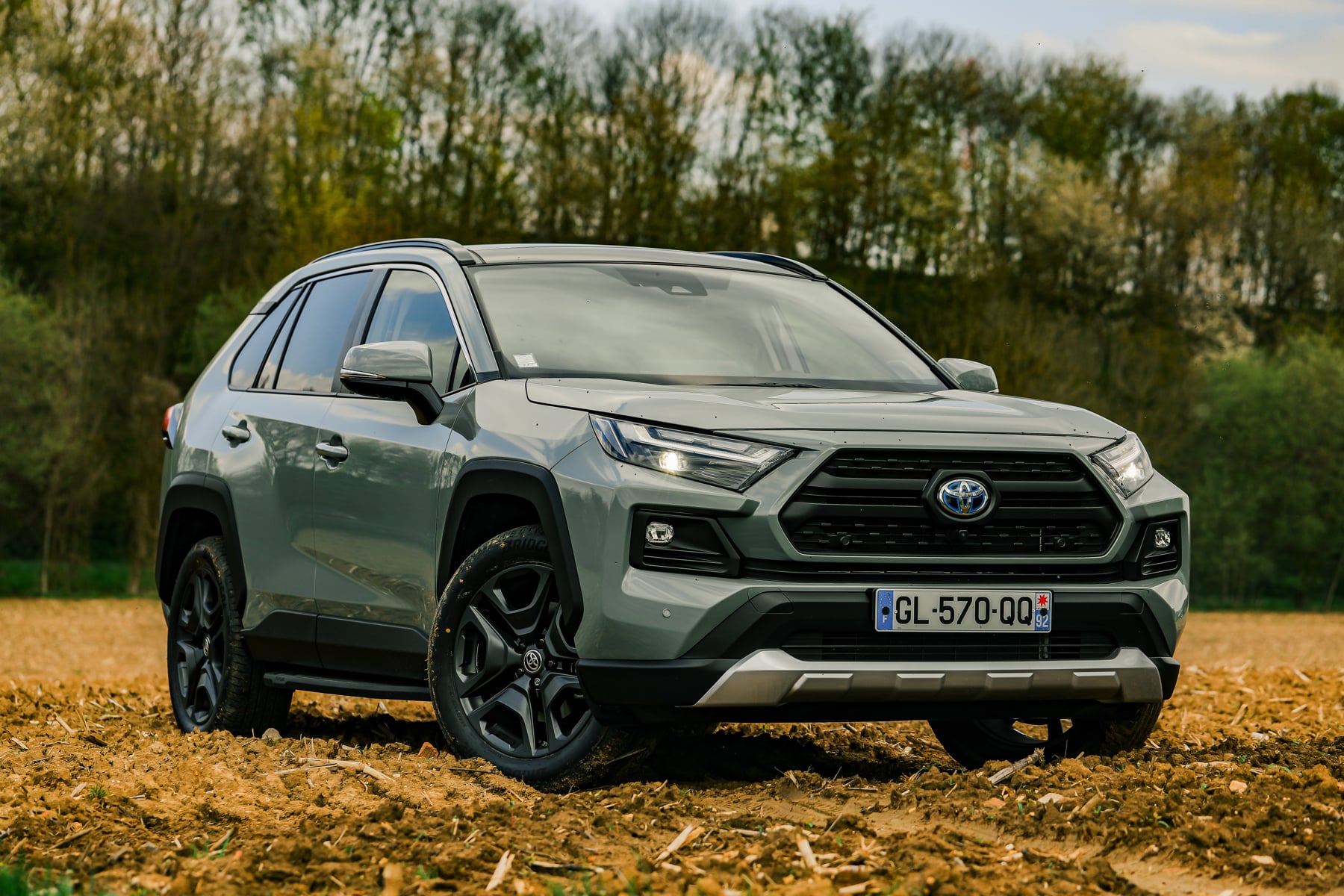
2. Toyota RAV4
The Toyota RAV4 has become a benchmark for compact SUVs that blend functionality with size-conscious design. Measuring around 73 inches in width for most trims, it is narrow enough to comfortably fit into standard parking spaces, yet it retains the elevated seating position and spacious cabin that buyers expect from an SUV.
In urban garages, this width is particularly advantageous. Tenants can park in one fluid motion without needing multiple adjustments or worrying about hitting garage walls or pillars.
Landlords often notice that vehicles like the RAV4 leave sufficient clearance for adjacent cars and allow tenants to access their trunks or doors without scraping, which reduces property wear and tear over time.
Inside, the RAV4 offers practical solutions for everyday urban living. Fold-flat rear seats, ample cargo space, and thoughtful storage compartments make it easy to transport groceries, luggage, or sports equipment without constantly repositioning the vehicle.
The cabin is ergonomically designed for convenience, which is especially useful in apartments where garage space may be limited. Advanced safety technology, including automatic braking, lane-keeping assist, and parking sensors, helps drivers avoid minor collisions, which can otherwise result in scratches, dents, or liability concerns.
These features provide landlords with confidence that tenants can navigate tight spaces safely and reduce the risk of property damage incidents.
The RAV4’s turning radius is another significant advantage in urban environments. Unlike larger SUVs that require multiple corrections to align properly in a standard parking spot, the RAV4 can often be positioned in a single smooth movement.
This makes everyday parking less stressful for drivers and prevents the frustration of attempting repeated adjustments in narrow garages. The SUV’s balance of compact dimensions and maneuverability makes it highly suitable for apartment complexes or older urban buildings where space is at a premium.
Reliability and low maintenance costs also contribute to the RAV4’s appeal. Toyota’s reputation for durability ensures that tenants can drive with confidence, reducing the likelihood of breakdowns or vehicles being stranded in inconvenient locations.
When combined with compact size, safety features, and ease of maneuvering, the RAV4 becomes one of the most landlord-friendly SUVs available. It shows that an SUV can provide a comfortable ride, practical interior space, and dependable performance without creating stress in tight parking environments.
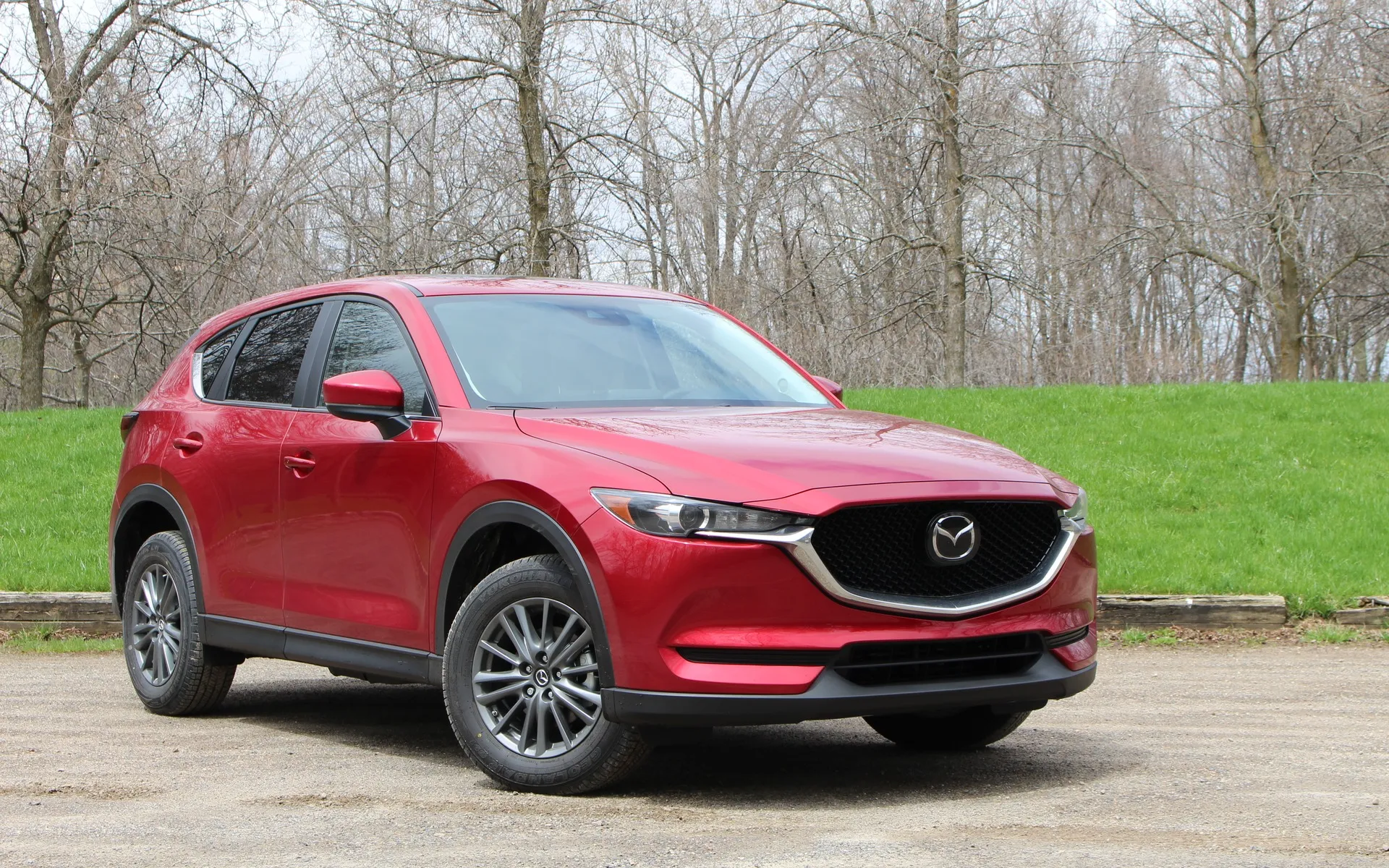
3. Mazda CX-5
The Mazda CX-5 is known for offering a driving experience that feels more like a car than a bulky SUV, making it an excellent option for narrow urban garages. With a width of around 72 inches, the CX-5 comfortably fits into standard parking spaces, leaving room for door clearance and safe movement around the vehicle.
Its responsive handling and precise steering enhance confidence in tight spaces, helping prevent accidental wall scrapes or collisions with neighboring vehicles.
The vehicle’s size, combined with its sleek design, allows tenants to park efficiently without taking up excess space, which is especially important in older complexes where garages were not designed for large modern SUVs.
Inside, the CX-5 maintains a practical and ergonomic layout that accommodates both passengers and cargo. The rear seats fold flat easily, and the interior offers cleverly designed storage compartments, allowing tenants to load groceries, luggage, or small furniture without awkward movements.
Landlords appreciate vehicles that reduce the risk of accidental damage in confined garages, and the CX-5’s thoughtful design helps accomplish that. Passengers can enter and exit the vehicle without scraping walls or bumping adjacent cars, which is a common issue in narrow urban parking.
The CX-5 also offers excellent visibility and driver assistance systems that support safe navigation in tight quarters. Mirrors are well-placed, overhangs are low, and advanced features like rear cross-traffic alert, blind-spot monitoring, and parking sensors help prevent collisions in spaces that offer little room for error.
Tenants can park with confidence, and landlords benefit from reduced incidents of accidental property damage. These practical elements make the CX-5 a vehicle that works well in confined spaces while still offering the comfort and versatility of an SUV.
Finally, Mazda’s reputation for reliability and long-term durability reinforces the CX-5’s suitability for tight urban garages. Its compact size, driver-friendly controls, and advanced safety technology combine to create an SUV that is convenient, dependable, and mindful of property constraints.
Tenants can enjoy the benefits of an SUV without creating stress or potential liability for landlords, making the CX-5 a consistently practical and responsible choice in urban settings.
4. Subaru Forester
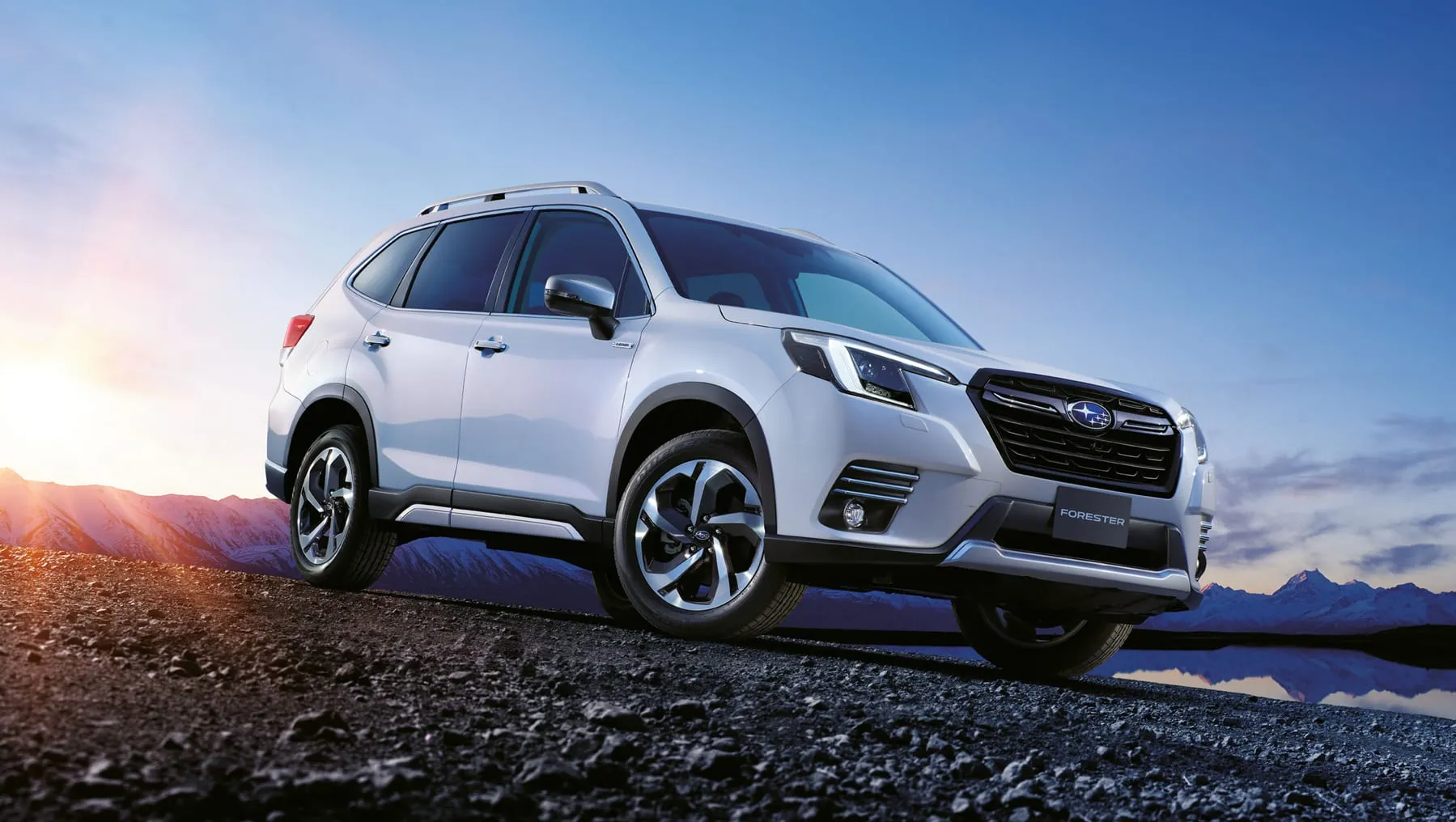
The Subaru Forester is recognized for blending off-road capability with everyday practicality, and its width of approximately 71.5 inches makes it exceptionally suitable for narrow garages. Its taller design does not translate into excessive width, allowing tenants to park in confined spaces without scraping walls or limiting access for other vehicles.
Landlords often favor Foresters in shared or older parking structures because tenants can maneuver safely and efficiently, reducing the likelihood of property damage and complaints from neighbors.
The Forester’s symmetrical all-wheel-drive system contributes to stability and control, which is valuable in tight spaces or on slick garage floors. Drivers are less likely to overcorrect during turns, reducing the chances of minor accidents or door dings.
Visibility is another strong point: the elevated cabin provides a clear line of sight over the hood and around corners, helping drivers judge distances precisely in confined environments. Landlords benefit from the combination of compact width and excellent driver awareness, which reduces structural wear in garages over time.
Interior practicality is another reason the Forester is landlord-friendly. Foldable rear seats, adjustable cargo areas, and smart storage solutions allow tenants to load and unload belongings without repeatedly moving the vehicle.
These features minimize accidental contact with walls or adjacent vehicles. In addition, modern Forester models offer parking sensors, rear cameras, and cross-traffic alerts that enhance safety in tight spaces, further reducing the potential for property damage.
Finally, Subaru’s reputation for safety and durability enhances its appeal. A Forester parked in a narrow garage is less likely to experience breakdowns or create hazards, giving landlords confidence in tenants’ ability to manage the space responsibly.
Its combination of width, visibility, safety, and practical interior design make it one of the most accommodating SUVs for urban living, balancing the needs of tenants and property owners alike.
5. Kia Sportage
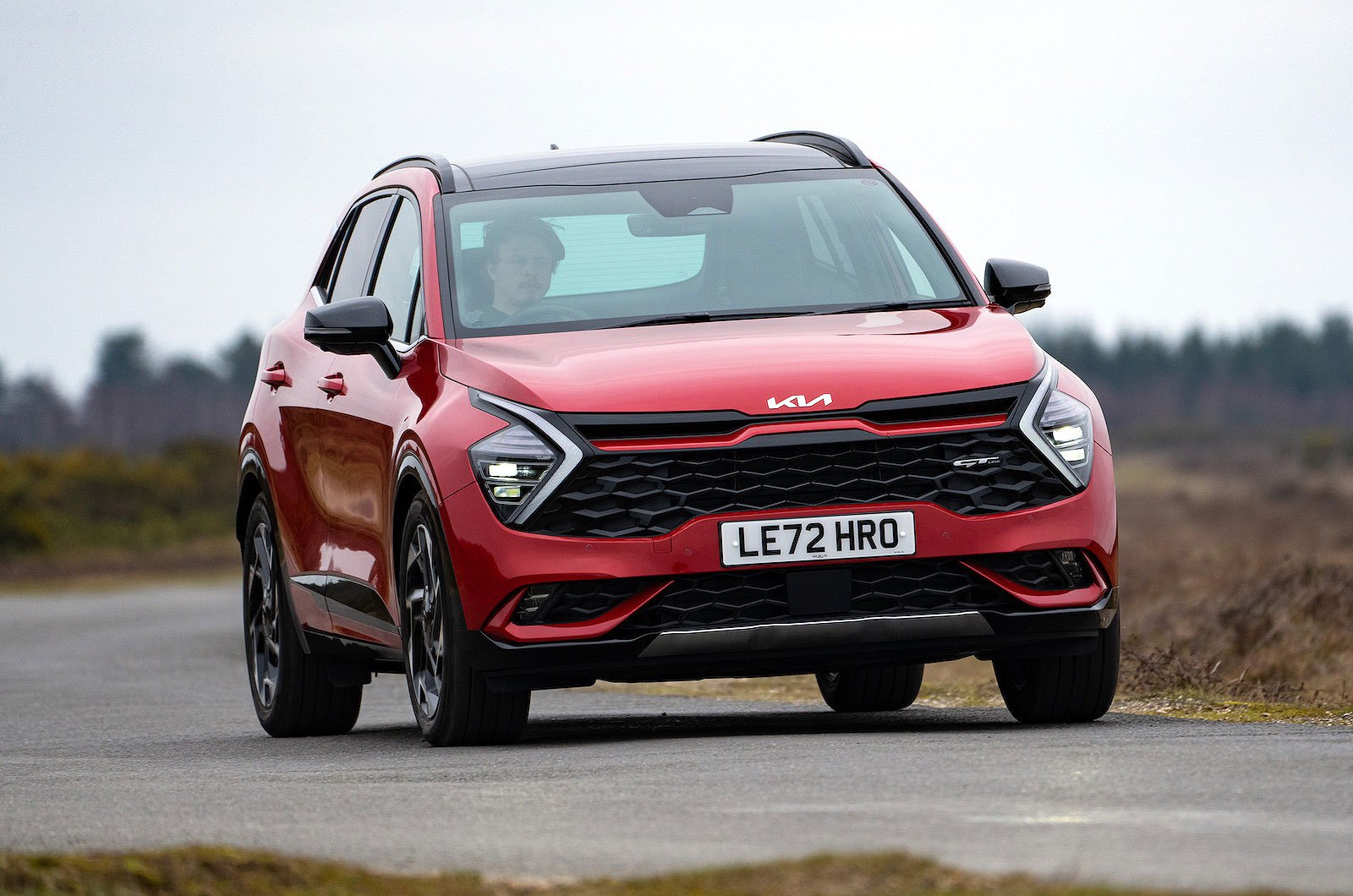
The Kia Sportage combines compact SUV dimensions with practical interior space, making it a strong option for tenants with narrow garages. Its width of approximately 73 inches allows it to fit comfortably into standard parking spaces while maintaining an elevated driving position.
Tenants benefit from a vehicle that is easy to maneuver, reducing the likelihood of collisions with walls, posts, or neighboring cars. Landlords appreciate this because it minimizes maintenance concerns and the potential for complaints or damage claims.
The Sportage offers a well-thought-out interior layout that enhances practicality in confined spaces. Rear seats are adjustable and fold flat easily, while multiple cargo compartments allow tenants to load items efficiently.
The wide-opening rear hatch and low lift-over height make it convenient to manage groceries, luggage, or other items without awkward maneuvers that could scratch walls or nearby vehicles. From a landlord’s perspective, these design considerations translate into reduced wear on the property and safer garage usage.
Safety features further contribute to the Sportage’s suitability for narrow urban garages. Rearview cameras, blind-spot monitoring, and parking sensors support tenants in parking accurately and safely. These features reduce the chances of minor collisions or door dings, giving landlords additional peace of mind.
The vehicle’s responsive steering and tight turning radius make it practical for navigating limited spaces while retaining the utility and comfort expected from an SUV.
5 SUVs That Are Too Wide for Tight Garages
1. Ford Expedition
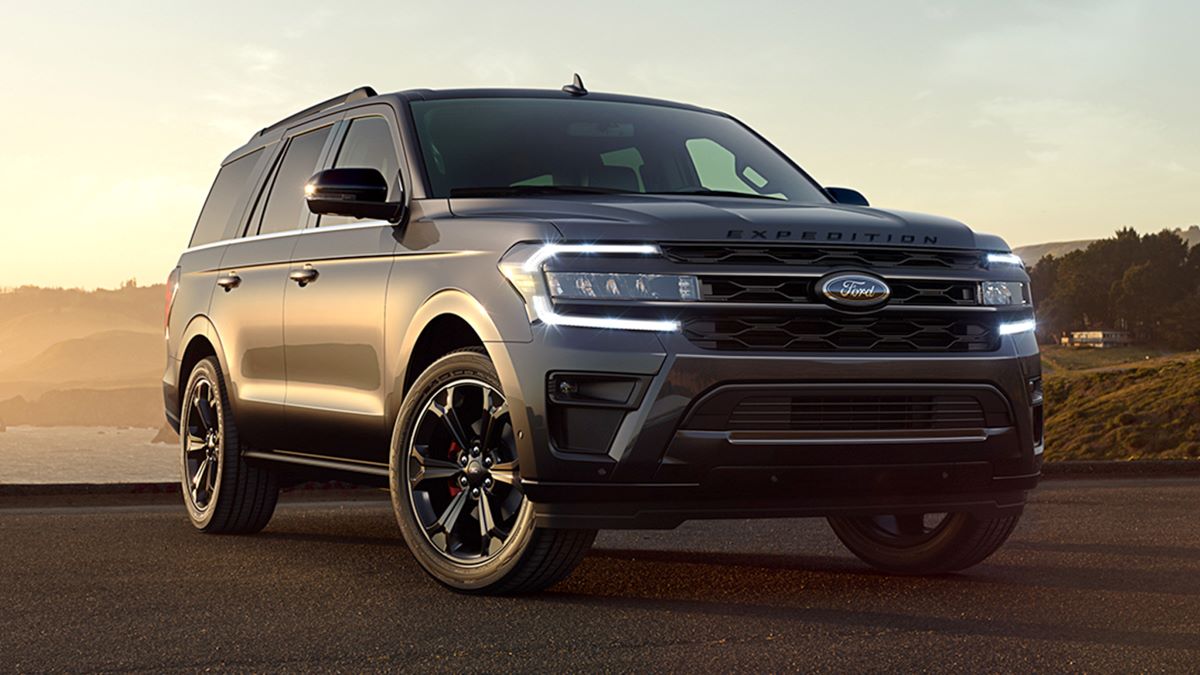
The Ford Expedition is a full-size SUV that offers impressive interior space, towing capacity, and a commanding road presence, but its width, often exceeding 79 inches, makes it challenging to fit comfortably in many standard or older garages.
In apartments or older homes with compact parking, tenants may struggle to open doors fully or maneuver the vehicle without scraping walls. Landlords can find these larger vehicles problematic because repeated minor collisions or door dings can result in higher maintenance costs and tenant complaints.
While the Expedition excels in cargo capacity and seating for up to eight passengers, its size demands careful consideration for tenants who frequently park in confined spaces.
The interior of the Expedition is expansive, offering three rows of seating, luxurious finishes, and ample storage compartments. While this makes it ideal for large families or those needing substantial cargo capacity, the extra length and width make garage entry and exit more stressful.
The vehicle’s width is not the only concern; the combination of width, length, and height creates spatial limitations that can frustrate tenants and increase stress for landlords who are responsible for maintaining the property.
Finally, while the Expedition’s safety features, including parking sensors and rearview cameras, offer assistance, the sheer size of the vehicle can overwhelm these systems in tight spaces. It is more difficult to judge clearance accurately, even with modern technology.
Tenants may find themselves relying heavily on cameras or sensors, and minor miscalculations could result in scratches or dents. The vehicle’s advantages in power and interior comfort are undeniable, but for garages that are anything less than spacious, the Ford Expedition is often more of a liability than an asset.
2. Chevrolet Tahoe
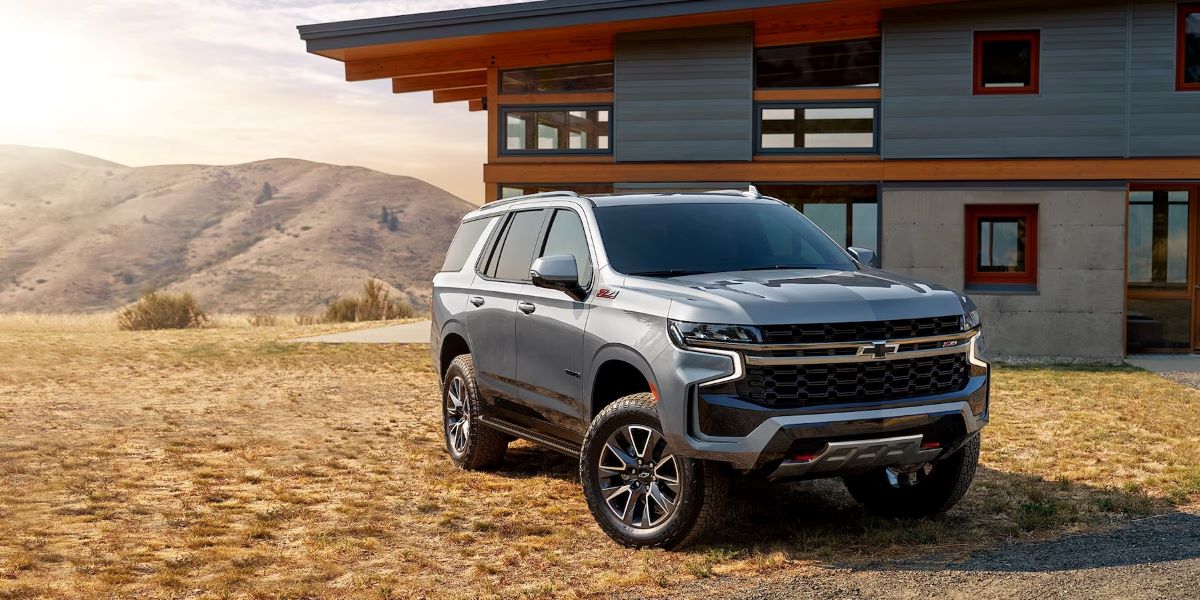
The Chevrolet Tahoe is another full-size SUV that offers exceptional capability and a roomy interior but struggles in narrow garages due to its width, generally around 80 inches. The extra inches may not sound like much on paper, but in tight urban parking or older residential garages, every inch counts.
Tenants driving the Tahoe must pay extra attention when entering or exiting garages, and even minor misjudgments can result in damage to walls, pillars, or neighboring vehicles. From a landlord’s perspective, the added risk of property damage or door dings makes this SUV less ideal in compact parking environments.
The Tahoe’s interior is designed for comfort and convenience, offering seating for up to nine passengers and generous cargo space. Families and groups can travel comfortably, but the size that enables this versatility becomes a drawback in narrow spaces.
The cabin and rear hatch may be difficult to access fully without leaving sufficient clearance on either side, which is often not available in older garages.
Tenants may need to repeatedly reposition the vehicle when parking, which increases the likelihood of minor collisions. Landlords may find themselves addressing more frequent complaints about property damage compared with smaller, more compact SUVs.
Maneuvering the Tahoe can also be challenging. Its length, combined with its width, limits turning options in confined areas, often requiring multiple attempts to park straight. These adjustments can be stressful, particularly in shared garages where other tenants are coming and going.
While the Tahoe is perfect for long road trips, towing, and carrying large groups of passengers, its width and overall bulk make it a poor fit for tight urban garages. The vehicle’s strengths are overshadowed by practical challenges when space is limited.
3. GMC Yukon
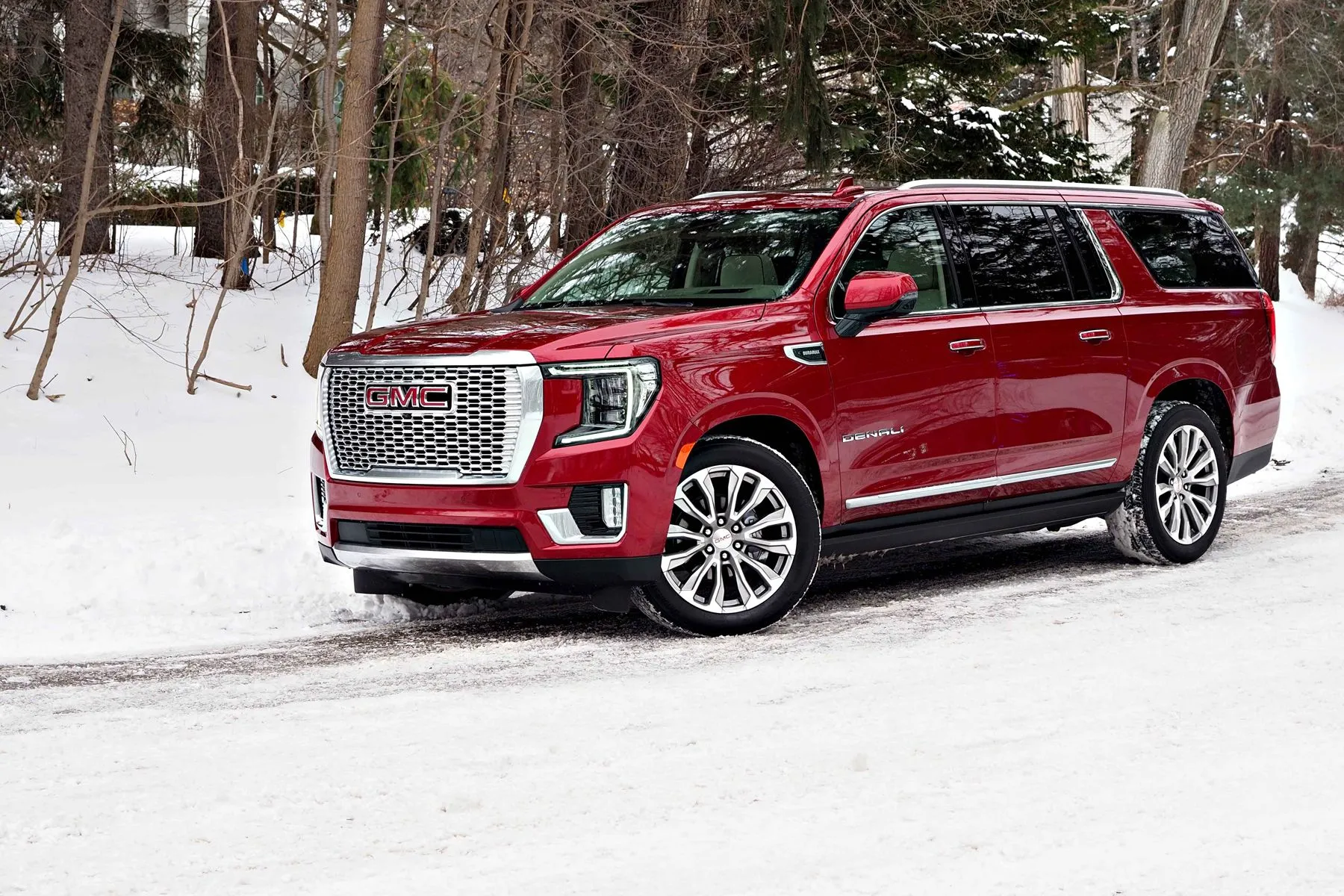
The GMC Yukon is comparable to the Chevrolet Tahoe in size, often slightly wider depending on the trim, with widths around 80 inches or more. This full-size SUV offers exceptional interior comfort, advanced technology, and impressive towing capability, but these benefits come at the cost of maneuverability in tight garages.
In older apartment buildings or city parking garages, the Yukon may barely fit in standard spaces, leaving little room for doors to open safely or for tenants to access the vehicle without risking scratches or dents. Landlords typically prefer tenants driving smaller, more compact SUVs to avoid frequent maintenance issues.
Inside, the Yukon provides three rows of seating and abundant cargo space, making it ideal for larger families or those who regularly transport passengers. However, the large cabin also contributes to the vehicle’s physical footprint, which complicates parking in spaces that were not designed for oversized SUVs.
Tenants often need to adjust multiple times to align the vehicle correctly, increasing the likelihood of accidental contact with garage walls or adjacent cars. The challenge is not just parking; it’s also safely entering and exiting the vehicle without creating damage risks.
Tenants who are not highly experienced in handling large SUVs may experience stress or hesitation, potentially leading to collisions or scrapes. From a landlord’s perspective, the Yukon can increase property wear and raise concerns about liability in shared parking environments.
Finally, the Yukon’s sheer size also affects visibility in some garages. Low ceilings, support pillars, and narrow aisles can create blind spots that make it difficult to judge distances accurately. Tenants must be vigilant to avoid hitting structural elements or neighboring vehicles, and even minor errors can be costly.
While the Yukon offers comfort, power, and versatility, its width and overall bulk make it far less suited for tight urban garages. The vehicle is best reserved for homes with ample driveway or garage space, rather than confined multi-unit residential parking.
4. Nissan Armada
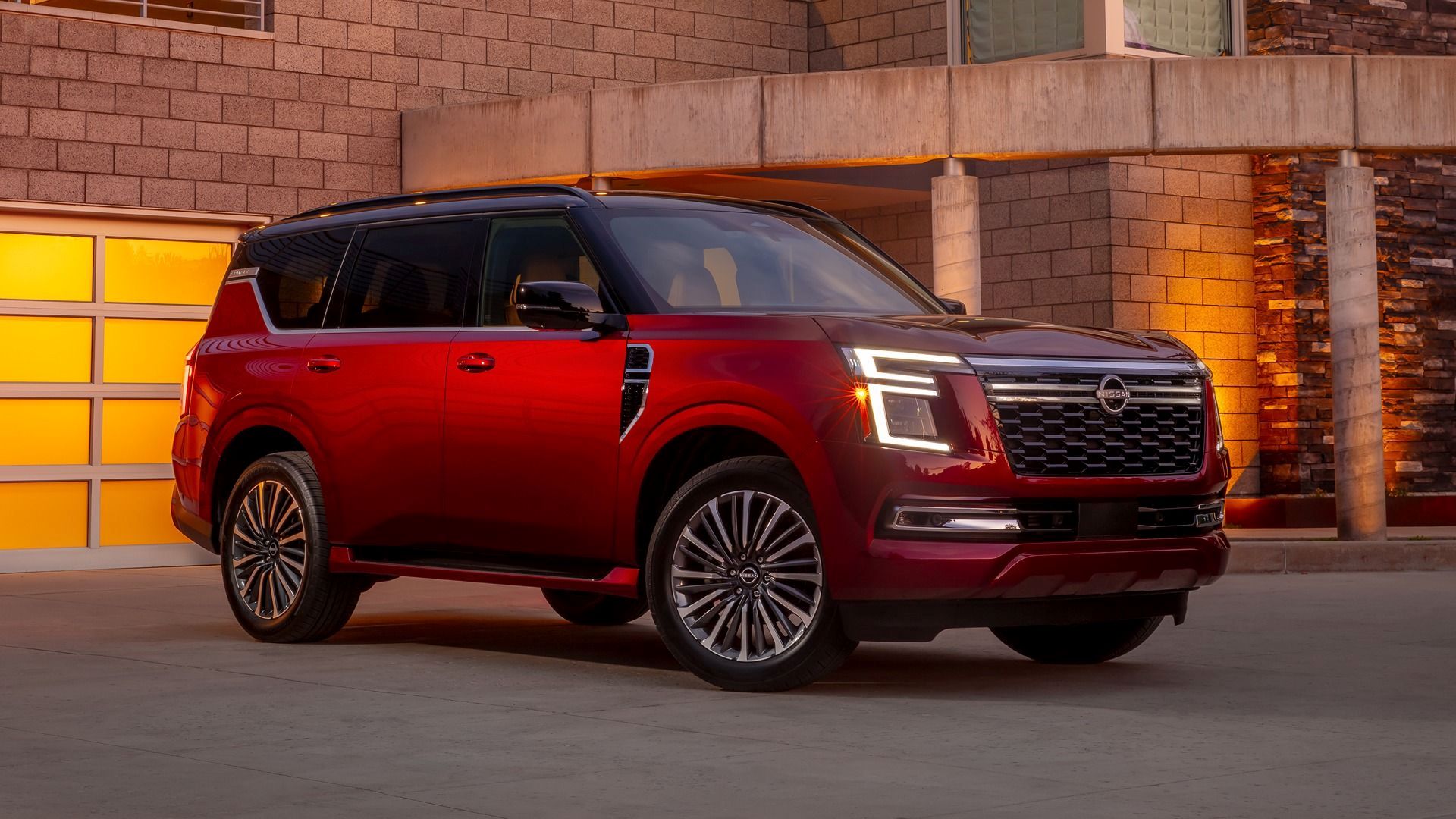
The Nissan Armada is a robust full-size SUV that combines powerful performance with a spacious interior, but its width, often around 79 inches, makes it challenging for narrow garages. While it offers seating for up to eight passengers and significant cargo capacity, its dimensions demand careful parking and maneuvering in confined spaces.
Tenants driving the Armada in standard garages must be precise when entering and exiting, and even small miscalculations can result in scratches or dents. Landlords may be wary of tenants with such large vehicles because of the higher risk of property damage in compact parking areas.
The Armada’s handling characteristics also make tight parking more challenging. Its wide frame and long wheelbase reduce maneuverability, often requiring multiple attempts to straighten the vehicle in confined garages.
Even with modern safety features such as rear cameras, parking sensors, and blind-spot monitoring, the sheer physical footprint of the SUV can overwhelm these aids in tight spaces. Tenants who are not accustomed to full-size SUVs may struggle to park efficiently, and the margin for error is smaller than with compact or mid-size SUVs.
Finally, the Armada’s overall bulk also affects visibility and ease of movement in garages. Low ceilings, narrow driveways, and limited aisle space can create situations where tenants must park slowly and carefully to avoid damage. Landlords may experience higher maintenance issues due to the SUV’s size, making it less desirable in tight urban settings.
While the Nissan Armada excels on highways and large properties, its width and maneuverability limitations make it unsuitable for garages with limited space, emphasizing the importance of matching vehicle size to parking capacity.
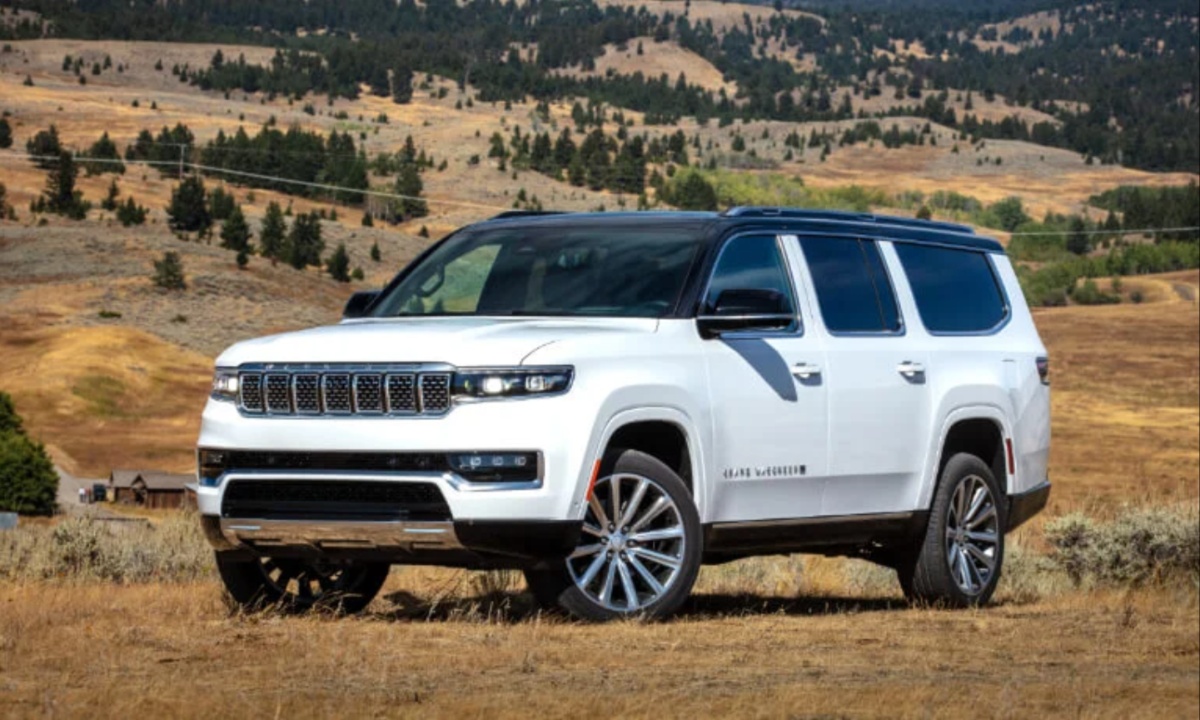
5. Jeep Grand Wagoneer
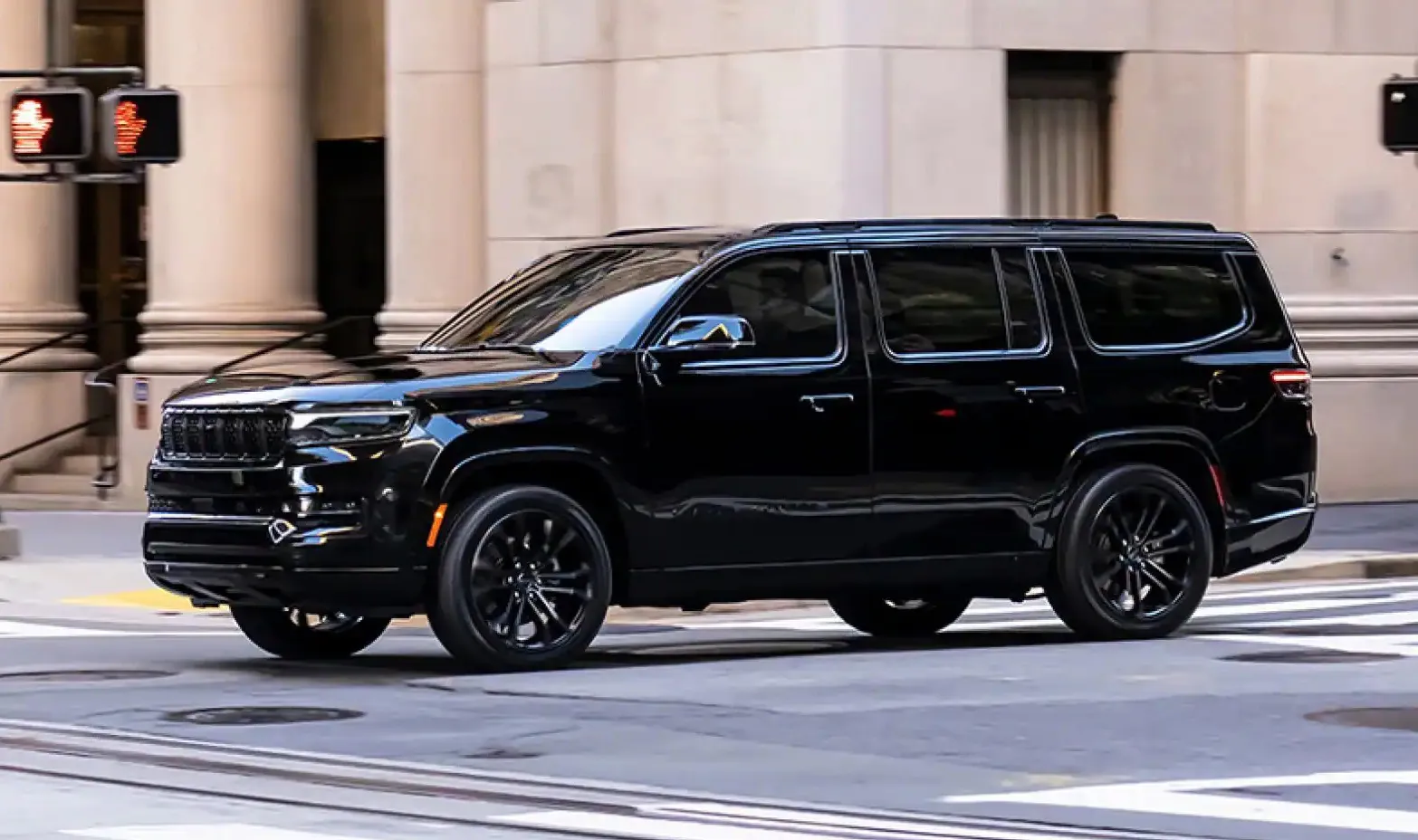
The Jeep Grand Wagoneer represents the luxury end of the full-size SUV market, offering advanced technology, lavish interiors, and a commanding road presence, but its width, often exceeding 80 inches, makes it very difficult to navigate in tight garages.
Tenants attempting to park a Grand Wagoneer in older or compact parking structures may find themselves frequently adjusting the vehicle to avoid walls or nearby cars. Landlords are likely to view this as a concern because repeated minor accidents, door dings, or structural contact can create maintenance headaches and increased liability risks.
Inside, the Grand Wagoneer delivers a spacious and luxurious cabin, often with three rows of seating, high-end finishes, and advanced infotainment options. While these features enhance the driving experience and passenger comfort, the SUV’s size creates practical challenges when garages are limited.
Maneuverability is another issue. The Grand Wagoneer’s wide stance and long wheelbase reduce its ability to turn sharply in confined areas. Even with driver-assistance technologies such as parking sensors, rear cameras, and cross-traffic alerts, tenants may still struggle to position the vehicle correctly.
Misjudgments are more likely to result in minor collisions or scrapes, which could damage the vehicle or garage structure. This makes it a less desirable choice for urban apartments or older complexes where space is limited.
Finally, the SUV’s height and bulk can make visibility in tight spaces more complicated. Ceiling beams, support pillars, and narrow aisles further reduce clearance, demanding careful spatial judgment from tenants.
While the Grand Wagoneer excels in open areas, highways, and spacious driveways, it is ill-suited for tight garages where width and turning radius are critical factors. Landlords must consider these challenges carefully, as the luxury and comfort of the vehicle do not offset the practical difficulties associated with parking in confined spaces.
