
When purchasing a vehicle, comfort and durability are two key factors many people consider. One of the most essential aspects of car comfort is the seat fabric, which directly impacts the driving experience.
However, not all car seat materials are created equal. Some fabrics hold up well over time, maintaining their appearance and integrity despite regular use, while others begin to wear down, crack, or tear after just a few years of ownership.
Seat fabric is not only a matter of comfort but also of longevity. It plays a role in a car’s maintenance, affecting the vehicle’s resale value as well. Fabrics that wear prematurely can create an unsightly look, leading to early replacement costs and even contributing to the discomfort of driving.
On the other hand, seats made from durable, high-quality materials provide long-lasting comfort and require less maintenance, making them a valuable investment for car owners.
In this article, we will compare five cars known for their durable seat fabrics with five cars whose seat covers are prone to wear and cracking. By analyzing the type of materials used, their performance over time, and how well they hold up to the rigors of daily use, we can gain a better understanding of how seat fabric affects the driving experience.
Whether you’re looking to buy a car or simply curious about the best materials for longevity, this comparison will shed light on the subject.
Cars with Sturdy Seat Fabrics
Toyota Camry
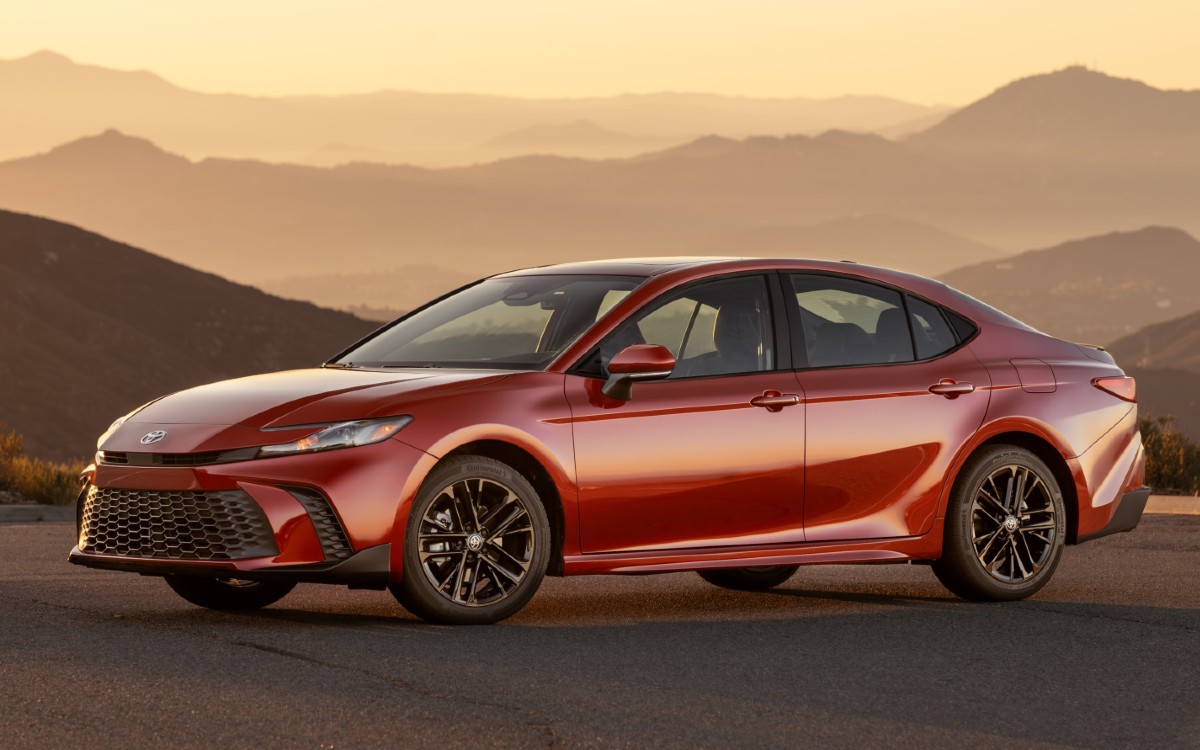
Toyota has built a reputation for reliability, and the Camry is a prime example of this philosophy applied to every aspect of the vehicle, including its seat fabric. One of the standout features of the Camry is its durable cloth seats, which are engineered to resist wear and maintain their aesthetic appeal over years of daily use.
The seats are primarily made from high-quality polyester blends, a material known for its longevity, resistance to stretching, and ability to hold color even after prolonged exposure to sunlight. These fabrics are tightly woven to reduce the likelihood of tearing or fraying, which is a common issue in many lower-quality fabrics.
The longevity of the Camry’s seat fabric is further reinforced by Toyota’s attention to comfort and ergonomics. The seat cushions are designed to distribute weight evenly, reducing stress on specific areas of the fabric. This careful engineering means that even with heavy use, such as daily commutes or long road trips, the seats retain their shape and support.
Toyota also implements advanced treatments in the seat material to resist stains and fading, making it easier to maintain the car’s interior over time. Owners who often transport pets, groceries, or children will find the Camry’s fabric particularly forgiving, as it can withstand scratches, spills, and general wear better than many competitors.
Another factor contributing to the Camry’s durable seat fabric is its versatility across trims. While higher trims offer leather or premium fabric options, even the base cloth seats demonstrate exceptional resilience.
This design ensures that all owners, regardless of budget, can benefit from high-quality, long-lasting materials. In terms of maintenance, the Camry’s fabric is easy to clean with basic household solutions or automotive upholstery cleaners, and its stain resistance prevents small accidents from becoming permanent blemishes.
In real-world scenarios, Toyota Camry owners frequently report that their seats retain their original texture and color even after thousands of miles. This durability is not only convenient but also adds to the vehicle’s resale value, as a well-maintained interior often increases buyer interest.
The Camry demonstrates that with the right combination of materials, thoughtful design, and manufacturing precision, car seat fabric can remain both comfortable and resilient for years, setting a high standard for midsize sedans in the market.
Honda Accord
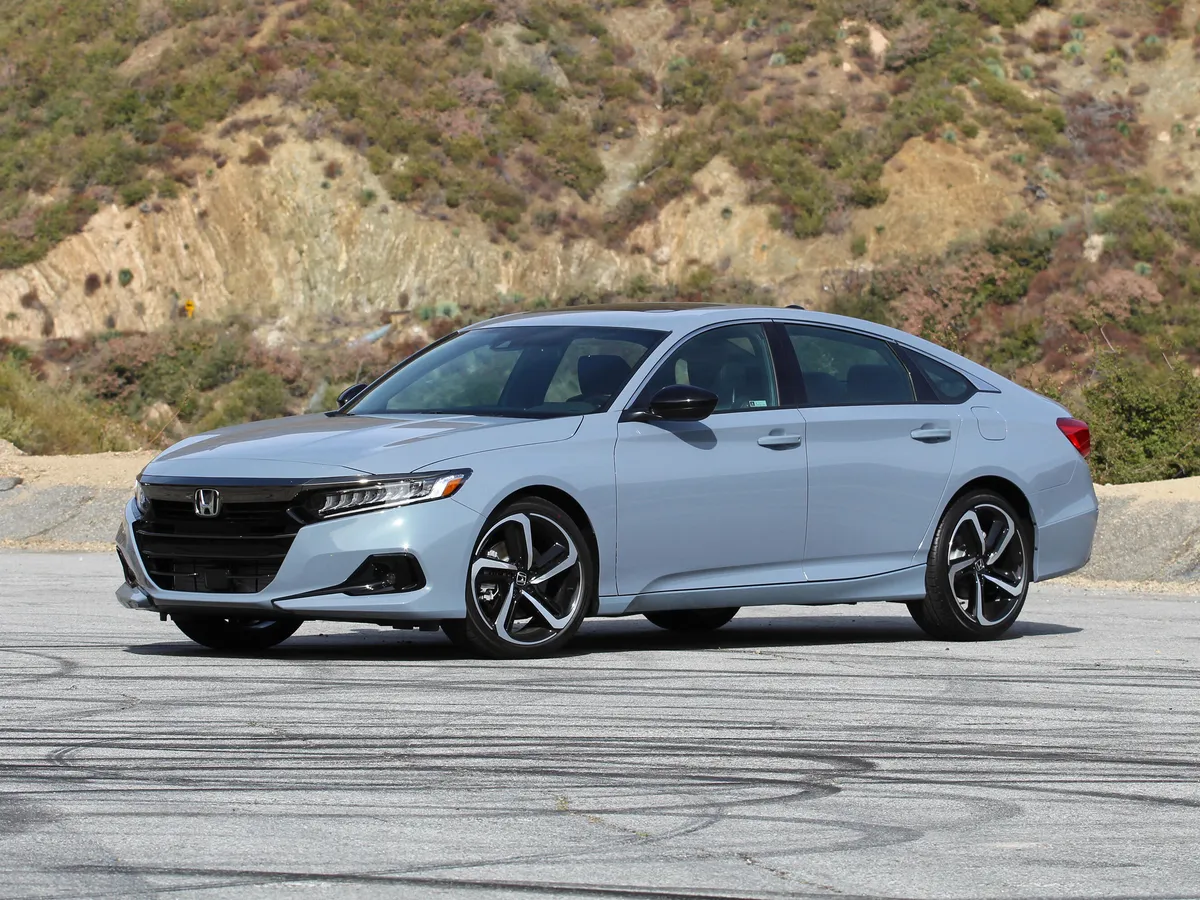
The Honda Accord has long been celebrated for its combination of comfort, style, and reliability, and its seat fabrics are a significant part of that reputation.
Honda uses tightly woven polyester blends for the standard cloth seats, which are designed to resist fading, fraying, and cracking over time. The fabric feels soft to the touch yet durable enough to withstand daily use, including the wear caused by entering and exiting the vehicle multiple times a day.
Higher trims of the Accord often feature upgraded synthetic fabrics that combine polyester and cotton blends, further enhancing durability while adding a premium feel.
These materials are treated with advanced anti-stain coatings to help resist spills and dirt, making them particularly well-suited for families or those who frequently carry passengers.
The fabric also performs well in different climates, maintaining its color and integrity in both hot, sunny conditions and cooler, more humid environments.
In addition to the material itself, Honda places significant emphasis on seat design. The Accord’s seats are ergonomically structured to distribute pressure evenly across the fabric, reducing the risk of stress points that can lead to cracking or thinning over time.
This careful consideration ensures that the fabric remains resilient even after years of heavy use, preserving both comfort and appearance.
From a maintenance perspective, Accord owners benefit from a fabric that is easy to clean and maintain. Routine vacuuming combined with occasional spot treatments is usually sufficient to keep the seats looking like new.
The combination of design, material quality, and maintenance ease ensures that the Honda Accord remains a benchmark for durable, long-lasting seat fabrics in the midsize sedan segment.
Subaru Outback
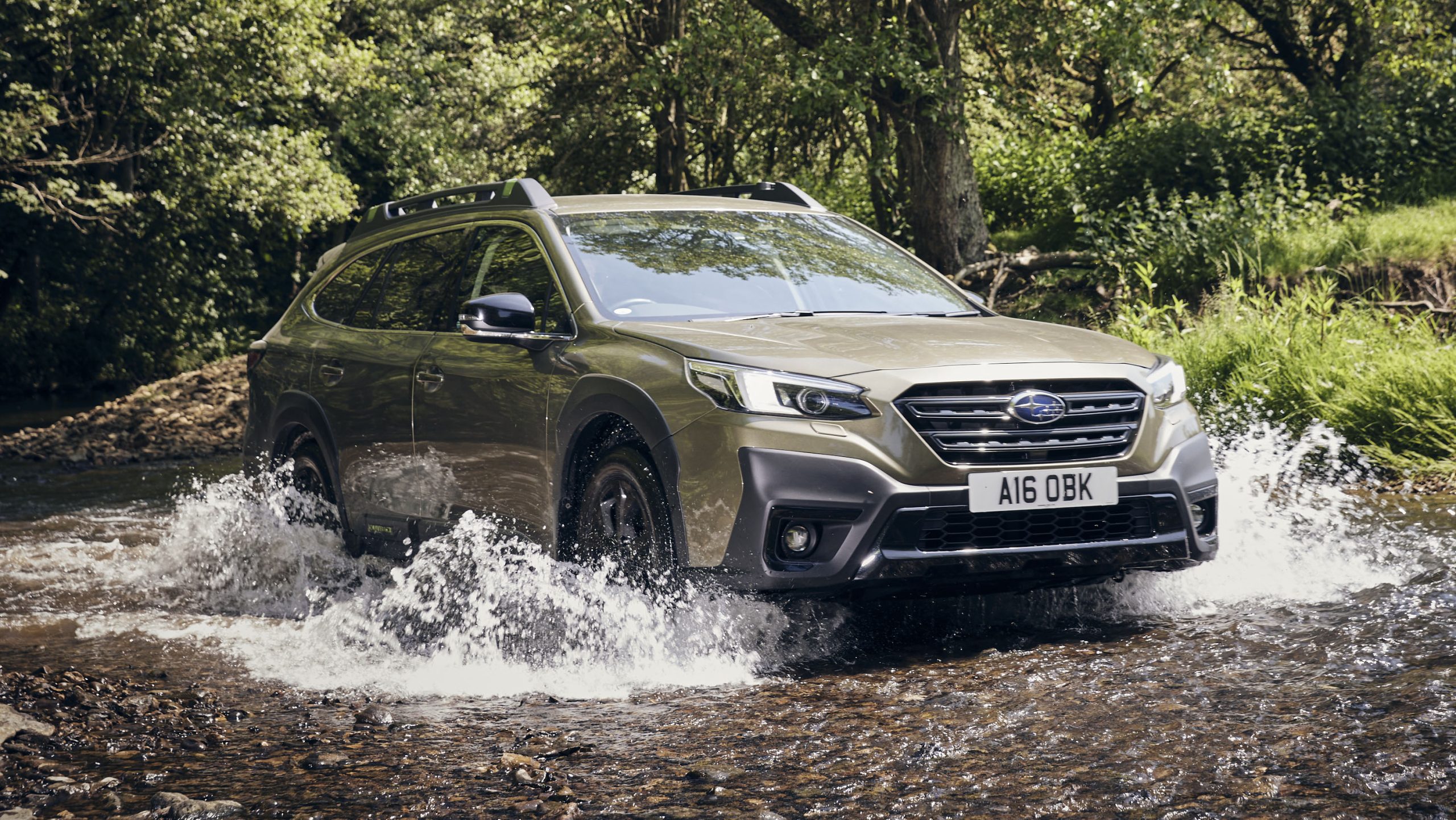
The Subaru Outback is designed for versatility and ruggedness, and its interior materials reflect this philosophy. The seat fabrics in the Outback are typically thick polyester blends, engineered to withstand the demands of both everyday commuting and outdoor adventures.
These materials are especially resistant to abrasions, scratches, and wear from heavy use, making them ideal for drivers who spend time hiking, camping, or engaging in other outdoor activities where dirt and wear are common.
Subaru’s seat fabrics are treated to resist fading and retain their texture, even when exposed to direct sunlight for extended periods.
This resistance to UV damage is a crucial feature for vehicles often parked outdoors or driven in sunny climates. The seats also have a tightly woven construction, which prevents premature fraying and ensures that the fabric maintains a smooth, uniform appearance over time.
Beyond durability, the Outback’s seat design prioritizes comfort and support. The cushions are shaped to provide even weight distribution, reducing strain on the fabric and extending its lifespan.
Subaru also uses reinforced stitching in high-stress areas, further preventing tearing or separation of the fabric. This combination of durable materials and thoughtful engineering means that Outback owners can expect their seats to remain in excellent condition even under demanding conditions.
Cleaning and maintenance are straightforward, with the polyester blend being naturally resistant to stains and easy to wipe down. For those who frequently encounter mud, sand, or other debris, the seat fabric is forgiving and quick to restore.
Subaru’s commitment to durability ensures that the Outback’s interior remains comfortable, functional, and visually appealing for many years, reflecting the brand’s focus on reliability and rugged performance.
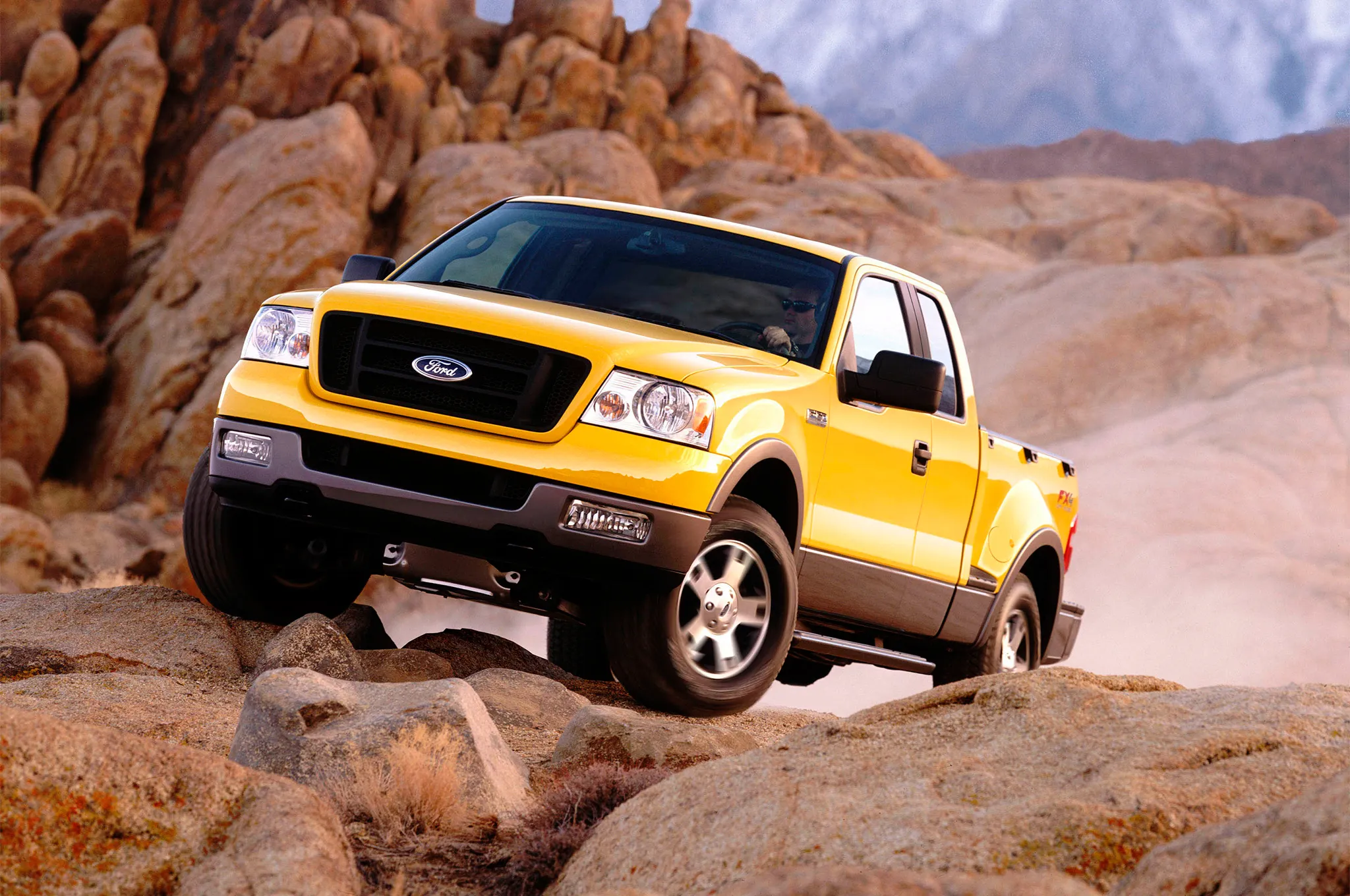
Ford F-150
The Ford F-150 is renowned for its durability and ruggedness, qualities that extend to its interior materials, particularly the seat fabric. Even in lower trims, the F-150 features tightly woven cloth seats that are resistant to wear, stains, and fading.
The higher trims incorporate premium blends that combine synthetic fabrics with leather accents, offering both luxury and resilience. These materials are chosen specifically to endure the rigors of truck life, from frequent entry and exit to the transportation of heavy or sharp objects that could otherwise damage inferior fabrics.
The seat fabric in the F-150 is reinforced with anti-abrasive coatings, making it particularly resistant to tearing or fraying. Additionally, the seats are designed to distribute weight evenly across the fabric surface, reducing stress on high-contact areas.
This is especially important in a vehicle like the F-150, where long drives, heavy passengers, and demanding work-related tasks are common. The fabric retains its appearance and texture even under extreme temperatures, whether in scorching summer heat or freezing winter conditions.
Ford also prioritizes ease of maintenance for its seats. The fabric is resistant to most common stains and can be cleaned using standard upholstery cleaners or household solutions. This durability makes the F-150 a practical choice for both work and leisure, ensuring that the vehicle’s interior remains in good condition for years.
Owners of the F-150 often report that the seats maintain their form and integrity for extended periods, even when subjected to heavy daily use.
This reliability reflects Ford’s broader design philosophy: combining strength, practicality, and comfort. The F-150’s fabric seats exemplify how durable materials, thoughtful design, and high-quality manufacturing can create a resilient interior that enhances the ownership experience.
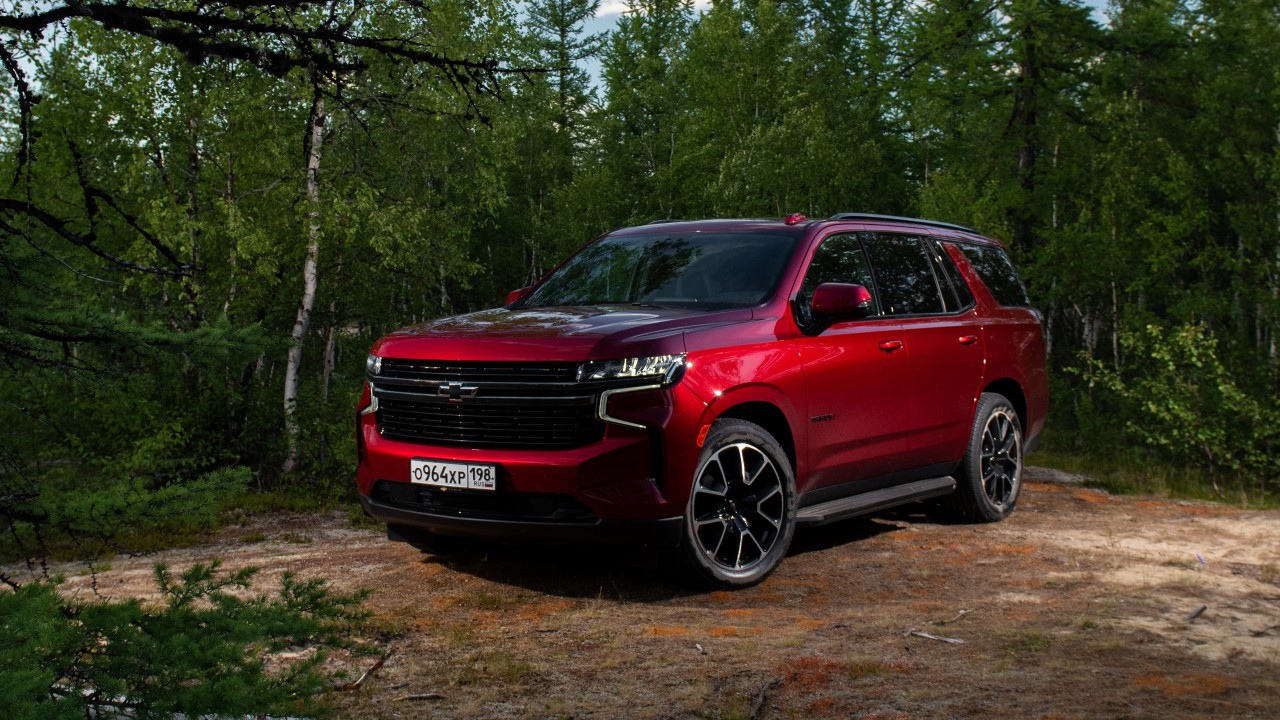
Chevrolet Tahoe
The Chevrolet Tahoe, a full-size SUV designed for families and outdoor enthusiasts, features seat fabrics that emphasize both comfort and durability. The seats are typically made from high-quality polyester blends, engineered to resist wear, staining, and fading over time.
This makes the Tahoe an ideal choice for those who frequently carry children, pets, or large groups of passengers, as the fabric can withstand significant daily use without showing rapid signs of deterioration.
Chevrolet also treats the Tahoe’s seat fabrics to prevent cracking and maintain color retention, even after prolonged exposure to sunlight.
The seats themselves are constructed to distribute weight evenly, reducing stress on the fabric and extending its useful life. Reinforced stitching in high-stress areas, such as the edges and bolsters, further prevents tearing or separation, ensuring that the seats remain visually appealing and functional for years.
In addition to durability, the Tahoe’s seats are designed with comfort in mind. The cushions are supportive yet soft, providing a comfortable ride for both short commutes and long road trips.
This balance of comfort and resilience is particularly important for a family-oriented vehicle, as it ensures that passengers remain comfortable while the interior retains its structural integrity.
Maintenance is straightforward with the Tahoe, as the fabric is resistant to most common stains and easy to clean with standard upholstery solutions.
Even in high-traffic conditions, the seats maintain their texture and appearance, contributing to the vehicle’s longevity and resale value. The Chevrolet Tahoe demonstrates that when high-quality materials are combined with thoughtful design, an SUV’s interior can provide years of reliable comfort and durability.
Cars with Seat Fabrics That Wear and Crack
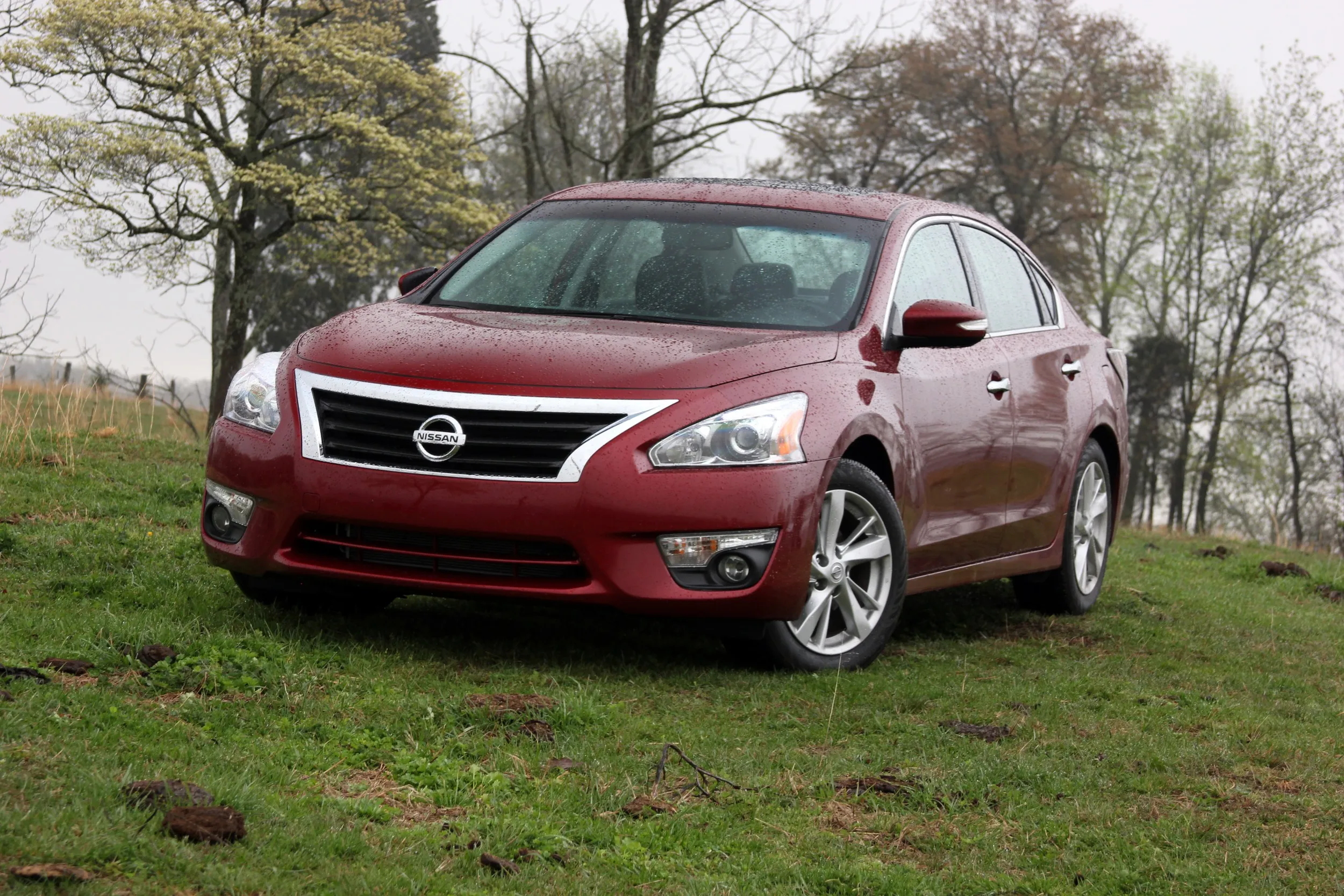
Nissan Altima
The Nissan Altima is a popular midsize sedan, praised for its smooth handling and efficient performance, but its seat fabric has received mixed reviews over time. While the interior initially appears comfortable, the fabric used in many Altima models is relatively thin and prone to early wear.
Owners often report that after a few years of regular use, the driver’s seat in particular begins to show signs of fraying, cracking, or fading. The fabric, typically a polyester blend, lacks the tight weave and resilience seen in more durable vehicles, which makes it more vulnerable to abrasions and general deterioration.
One of the primary concerns with the Altima’s seats is their vulnerability to sunlight and temperature fluctuations. Prolonged exposure to UV rays can cause the fabric to fade unevenly, leaving the seats looking worn and older than the car’s actual age.
In some cases, the fabric can even become brittle along high-contact areas, such as seat edges or bolsters, increasing the likelihood of tearing. This issue is compounded by the fact that the Altima’s seats are often compressed in high-traffic areas of the interior, accelerating wear over time.
The maintenance of the Altima’s seat fabric can also be challenging. While the fabric is soft and comfortable initially, its susceptibility to staining and fading requires more frequent cleaning and protective measures.
Standard vacuuming is often insufficient to prevent permanent damage, and spot treatments may be necessary to maintain a presentable appearance. For families or individuals who frequently transport children, pets, or items that could stain the seats, this fabric may not hold up as well compared to sturdier alternatives.
Despite these challenges, the Nissan Altima remains a reliable vehicle in many respects, but potential buyers should be aware that its seat fabric may require extra care and attention to prevent premature deterioration.
Those who prioritize long-term interior durability may find that the Altima’s fabric falls short of expectations, especially when compared to competitors with more resilient seat materials.

Kia Soul
The Kia Soul is a compact car celebrated for its unique design and urban appeal, yet its seat fabric tends to show wear earlier than expected. The fabric used in the base and mid-level trims is often a thin polyester material that, while initially soft and comfortable, lacks the durability required to withstand years of regular use.
Drivers frequently report visible signs of wear within just a few years, particularly on the edges and bolsters where friction is highest. This makes the interior appear older and less well-maintained than other vehicles in its class.
One of the primary weaknesses of the Kia Soul’s seat fabric is its tendency to fade under prolonged sun exposure. The polyester material, which is not heavily treated for UV resistance, loses color more quickly than more premium fabrics, resulting in uneven discoloration across the seat surfaces.
Combined with fraying along stress points, this fading contributes to a worn appearance that can be difficult to reverse, even with careful cleaning or the use of fabric protectants.
The Soul’s fabric is also more prone to staining and dirt absorption than sturdier alternatives. Food, beverage spills, and even minor debris can quickly penetrate the fibers, leaving noticeable marks. While regular cleaning can mitigate some of this, the delicate nature of the fabric means repeated scrubbing may weaken the weave, leading to further damage.
For individuals who rely on their vehicle for daily commuting or transport of children and pets, the seat material may prove challenging to maintain in pristine condition.
Moreover, the cushioning beneath the fabric can exacerbate the problem. Over time, the combination of thinner padding and delicate fabric can lead to indentations, sagging, and accelerated wear in the seat surfaces.
Drivers and passengers may notice the seats losing their supportive qualities, further impacting comfort and contributing to a perception of decreased quality. While the Kia Soul remains a fun and practical compact vehicle, its seat fabric requires careful attention and may not provide long-term durability compared to more robust options.
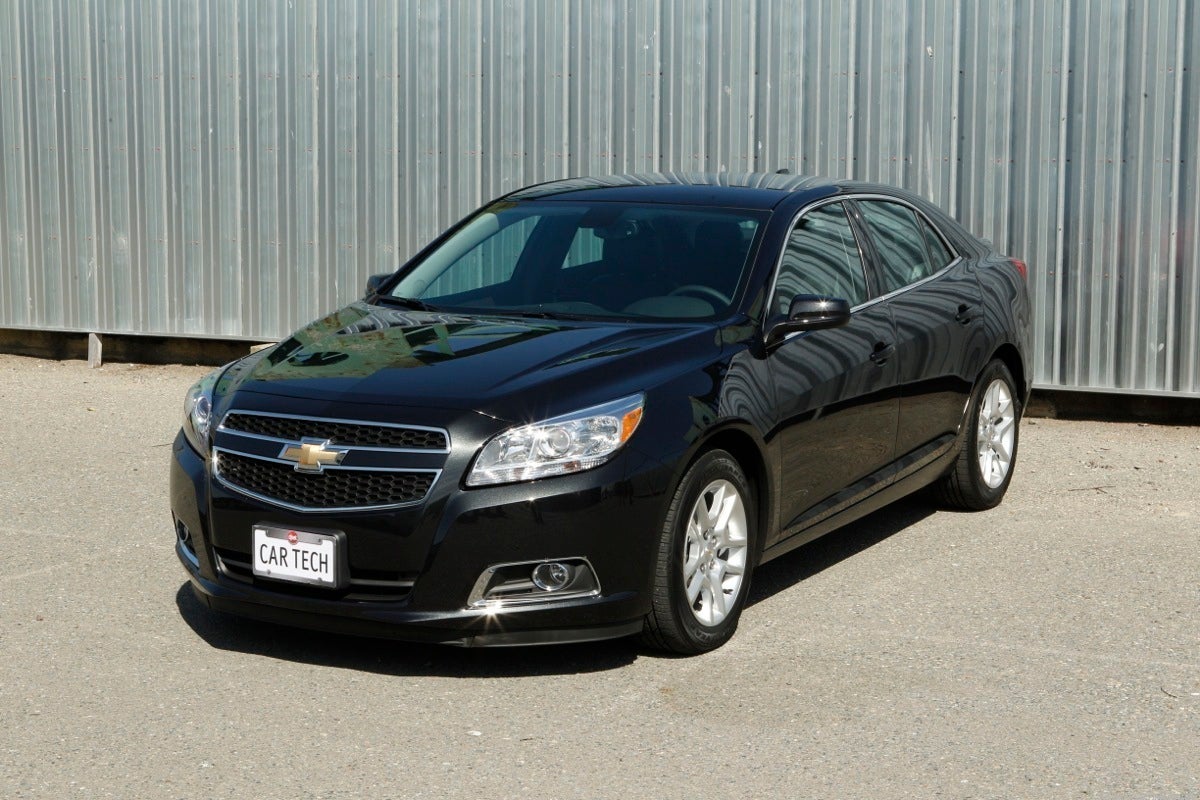
Chevrolet Malibu
The Chevrolet Malibu is often praised for its smooth ride and efficient design, yet its standard cloth seats have drawn criticism for their tendency to wear and crack over time.
The polyester blends used in the Malibu’s lower trims are generally soft and visually appealing at first, but they lack the structural strength and treatment necessary to endure heavy, long-term use.
This is particularly evident in high-contact areas such as the driver’s seat and seat bolsters, which often show fraying, thinning, and early signs of cracking within a few years.
One factor contributing to this issue is Malibu’s susceptibility to sun damage. The seat fabric tends to fade unevenly when exposed to prolonged sunlight, resulting in a dull or patchy appearance. In addition, repeated pressure from passengers and daily use can cause the fabric to weaken, creating stress lines and wrinkles.
These cosmetic issues, while not affecting functionality immediately, can make the vehicle appear older and less well-cared-for than its actual age.
Cleaning and maintenance of the Malibu’s seats require extra care due to the delicate nature of the fabric. Simple spills or dirt may quickly penetrate the fibers, and repeated scrubbing can exacerbate fraying.
Owners often find themselves needing to apply protective sprays or liners to extend the life of the fabric, which can be inconvenient over time. While higher trims with leather options mitigate these issues, the standard cloth seats remain prone to early wear, making them less durable than alternatives in vehicles like the Honda Accord or Toyota Camry.
Furthermore, the comfort and longevity of the seats are affected by the fabric’s inability to resist compression over time. The cushioning may start to sag, leaving passengers with uneven support and contributing to additional stress on the fabric itself.
For those seeking a vehicle with a long-lasting interior that maintains both appearance and comfort, the Chevrolet Malibu’s standard seat fabric may not meet expectations without additional care and protection.
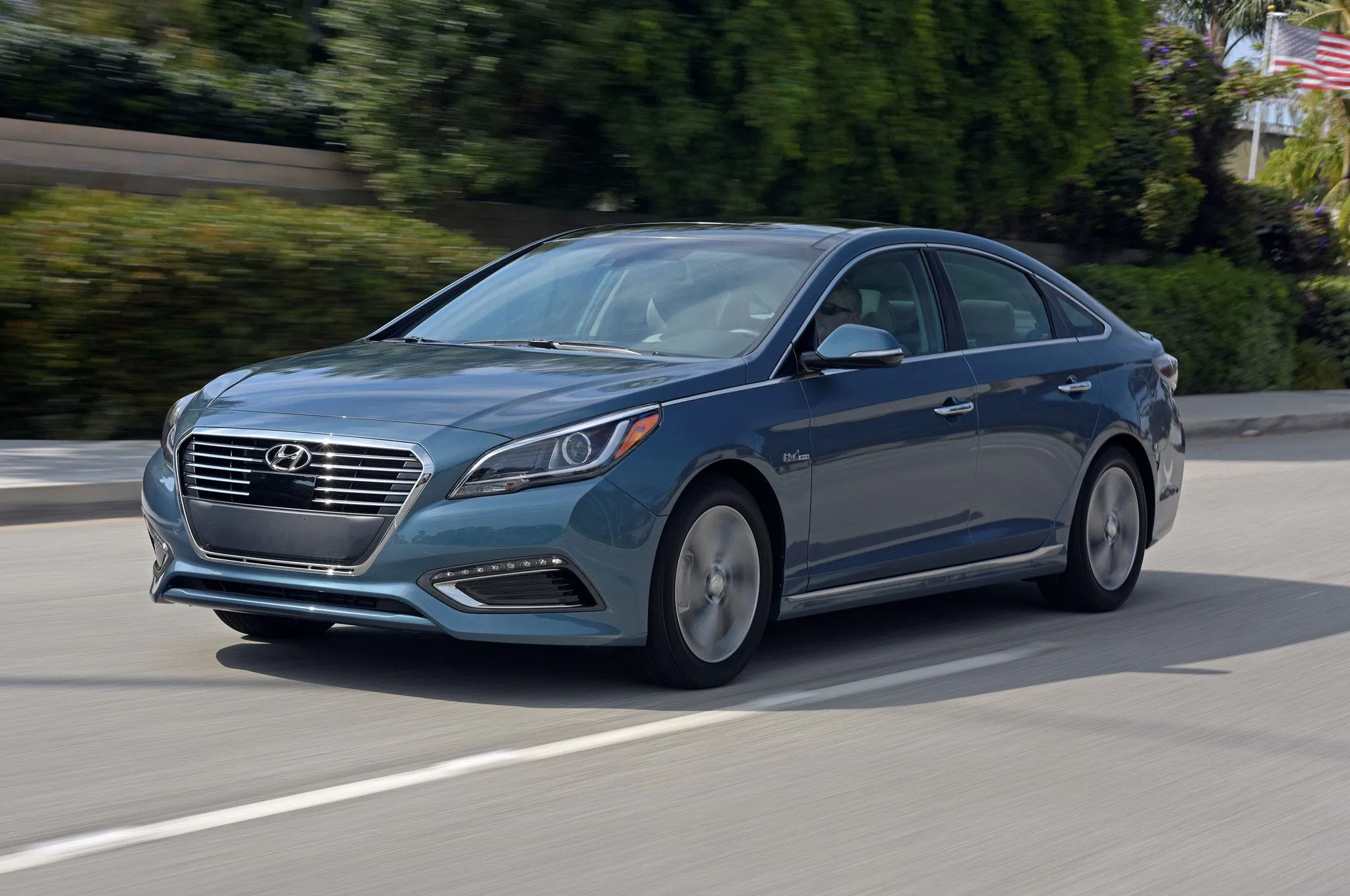
Hyundai Sonata
The Hyundai Sonata is a midsize sedan known for its stylish design and competitive pricing, yet the seat fabric in many models has shown vulnerability to wear and cracking over time.
The standard cloth seats, made from lightweight polyester blends, are comfortable initially but often fail to maintain their structure and aesthetic appeal after a few years of daily use. Fraying along edges, thinning in high-contact zones, and discoloration due to fading are common complaints among Sonata owners.
One of the main challenges with the Sonata’s seat fabric is its limited resistance to environmental factors. Exposure to sunlight can lead to noticeable fading and brittleness, particularly in vehicles parked outdoors frequently.
This problem is further compounded by the polyester blend’s lack of heavy anti-abrasive treatments, making it more susceptible to tearing when subjected to repeated sliding in and out of the car. Over time, these factors combine to reduce the longevity and visual appeal of the interior.
The fabric is also prone to staining and dirt accumulation. While cleaning is possible, the delicate fibers can be weakened through repeated scrubbing, increasing the likelihood of fraying or cracking.
For households with children, pets, or those who frequently carry groceries or equipment, the Sonata’s seats may require additional protective measures, such as seat covers or liners, to maintain a reasonable level of durability.
In terms of comfort, the thin cushioning combined with the less resilient fabric can lead to a noticeable decline in support over time. Passengers may feel indentations or uneven seating, which not only affects comfort but also places additional stress on the fabric.
Consequently, the Hyundai Sonata’s seat fabric, while attractive and soft initially, is more prone to wear, cracking, and fading compared to more durable vehicles like the Toyota Camry or Ford F-150. Owners seeking long-term reliability and minimal maintenance may find this a significant consideration.
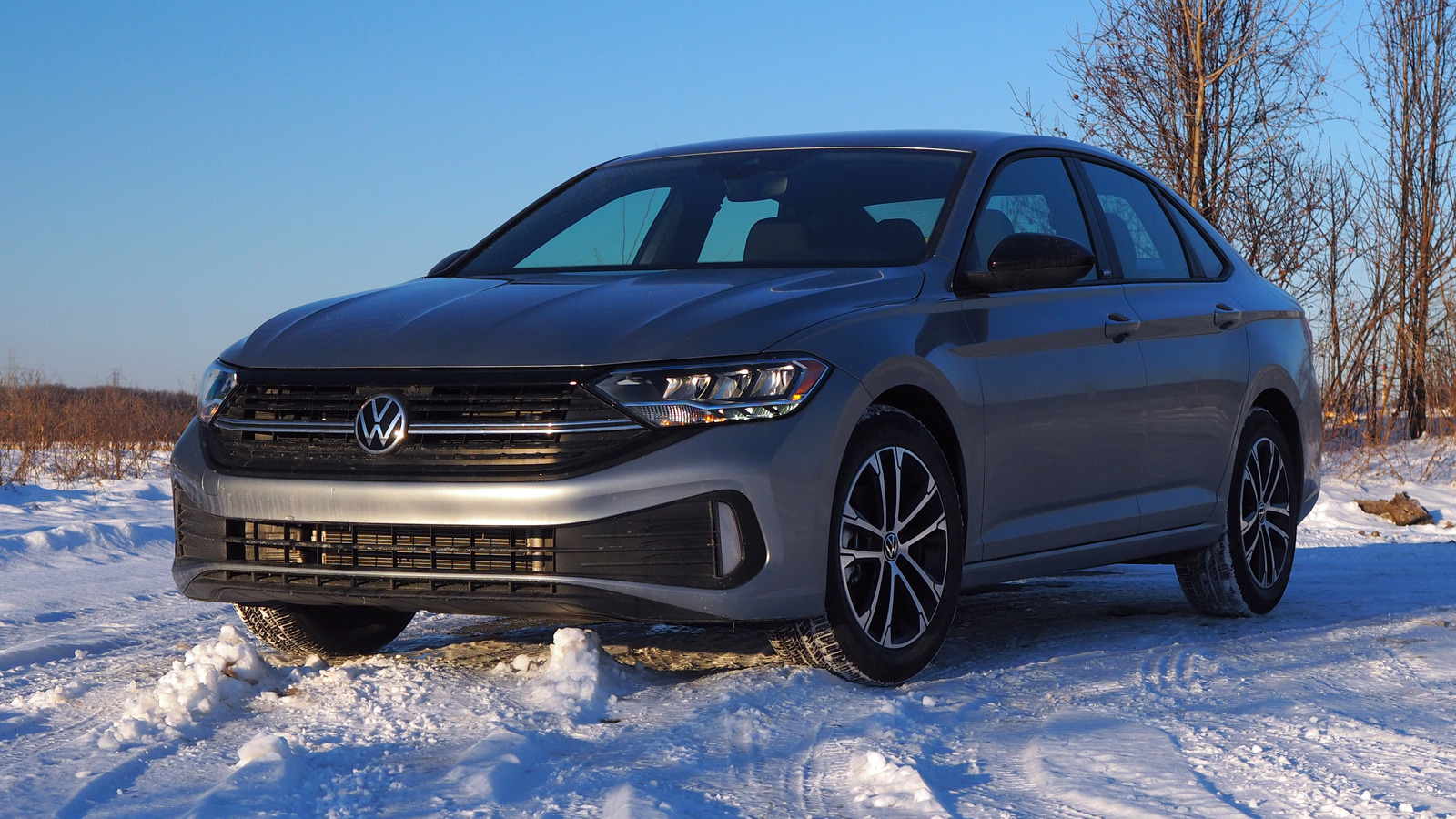
Volkswagen Jetta
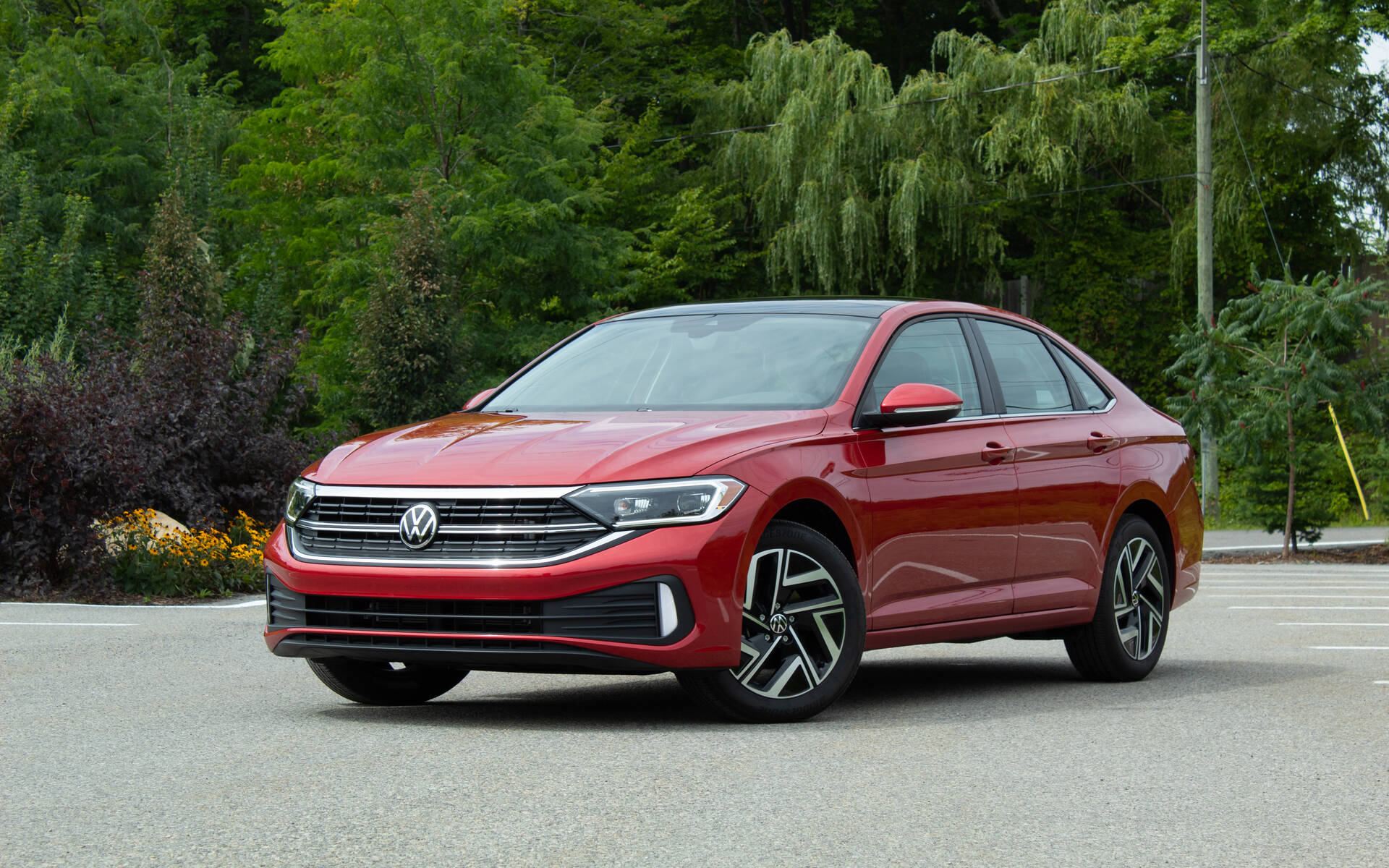
The Volkswagen Jetta is a compact sedan known for its refined driving experience, yet its seat fabrics, particularly in lower trims, have shown a tendency to wear and crack prematurely.
The standard cloth seats are generally soft and comfortable but lack the density and treatment necessary to withstand prolonged use. Within a few years, owners often notice signs of fraying along the edges, stress lines on the seat surfaces, and early fading, especially in high-traffic areas like the driver’s seat.
The Jetta’s polyester seat fabric is susceptible to sun damage and abrasion, which accelerates wear over time. Extended exposure to sunlight can cause uneven fading and reduced fabric elasticity, while repeated contact from passengers and everyday items can lead to small tears or thinning areas.
These issues are more pronounced in vehicles used for long commutes or daily errands, where high-frequency use puts added strain on the interior.
Maintenance can also be a challenge for Jetta owners. While initial cleaning is simple, the delicate fibers of the fabric require careful handling to prevent fraying or tearing during more intensive cleaning. Spills and dirt can become embedded in the fibers, leaving noticeable stains that are difficult to remove without potentially weakening the fabric.
Over time, this combination of wear and maintenance difficulty results in seats that appear older and less well-maintained than the vehicle’s age would suggest.
Additionally, the seat cushioning in the Jetta may compress unevenly, further stressing the fabric and contributing to wear. This decline in support can make seating less comfortable and accelerate deterioration in high-use areas.
While the Volkswagen Jetta remains a stylish and efficient compact car, its standard seat fabrics are more prone to cracking, fraying, and fading compared to sturdier alternatives, making it a vehicle that may require additional care for long-term interior preservation.
