
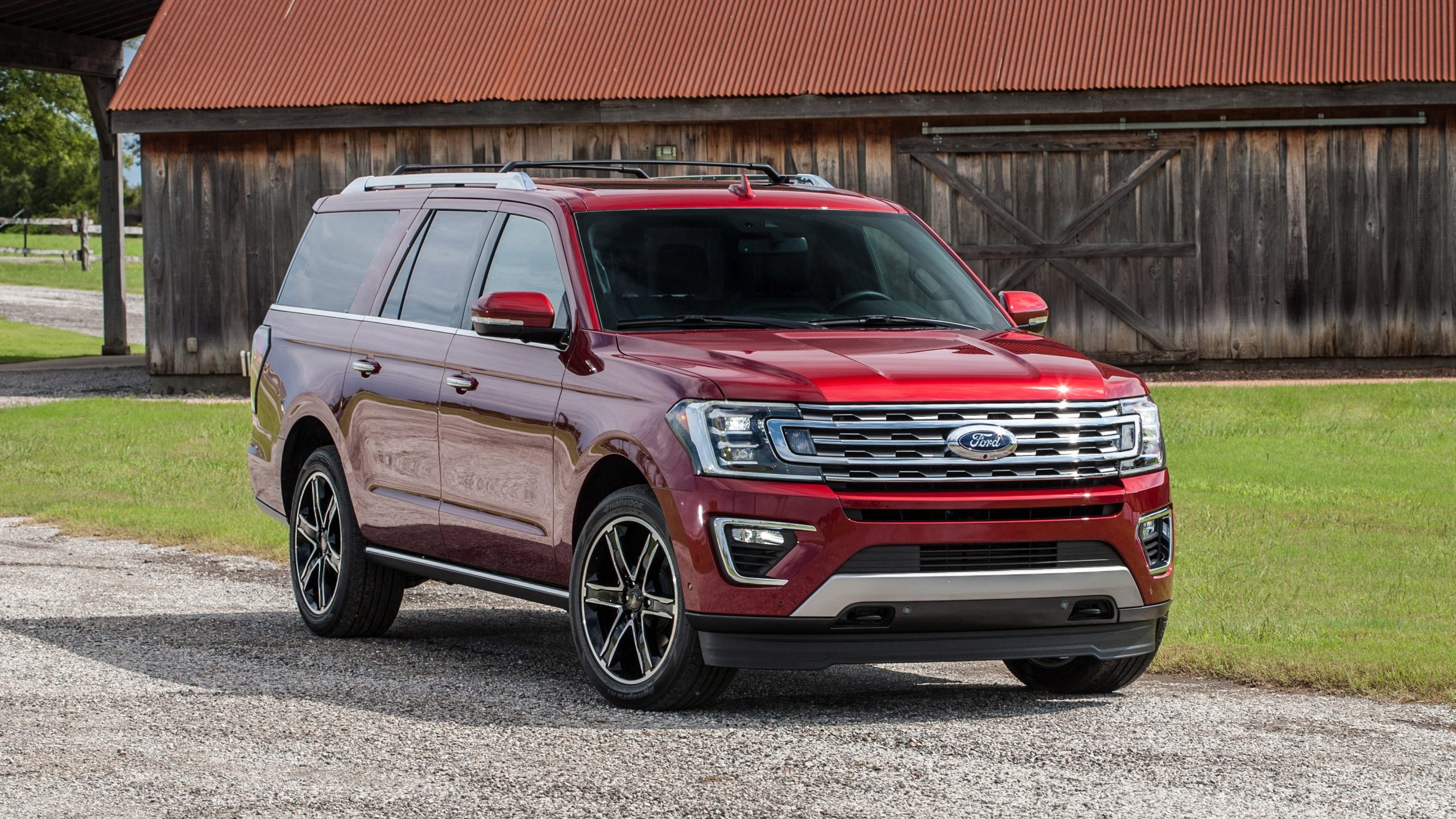
Parking in a tight city street or a crowded shopping center is one of the most nerve-wracking parts of driving, especially when it comes to SUVs. Their larger size, higher seating position, and often bulkier rear profiles can turn a routine parking maneuver into a stressful test of spatial awareness.
While technology has helped in some areas, the design and engineering of a vehicle still play a major role in how comfortable a driver feels when squeezing into a parallel spot. For many drivers, the thought of attempting parallel parking in an SUV triggers anxiety, sweaty palms, and a heightened awareness of every curb and car around them.
However, some SUVs are built in ways that mitigate these issues. They combine dimensions, visibility, turning radius, and driver assistance systems to make parking a manageable and even calm experience.
A number of factors contribute to the ease of parallel parking in an SUV. Visibility from the driver’s seat, the length and width of the vehicle, the steering system’s responsiveness, and the presence of cameras or sensors all affect how confident a driver feels in tight spaces.
Compact SUVs tend to fare better than their larger counterparts, as shorter wheelbases allow for tighter turns and maneuverability. Advanced technology like 360-degree cameras, rear cross-traffic alerts, and automatic parking assistance further reduces stress by giving drivers clear feedback and sometimes even doing part of the maneuver for them.
Conversely, SUVs with long overhangs, thick pillars, or limited rear visibility can transform what should be a simple task into a high-pressure situation.
Driver experience is also shaped by personal comfort and familiarity with the vehicle. A small crossover with responsive handling can feel intuitive, even in a busy urban environment, while a full-size SUV with limited sightlines and a wide turning radius may require careful calculations and repeated attempts.
For some drivers, the presence of safety features and technology inspires confidence, but for others, a lack of tactile connection or overly automated systems can feel unpredictable.
The right SUV can turn parallel parking from a source of dread into a routine exercise, while the wrong one can magnify every inch of curb or car into a stressful challenge.
This article identifies five SUVs that make parallel parking calm and five that tend to create anxious, sweaty-handed experiences for drivers. These choices are based on size, visibility, maneuverability, and the assistance systems built into the vehicles.
They highlight the difference between SUVs designed with urban driving in mind and those that are better suited to open roads or off-road adventures. By comparing these two groups, drivers can better understand which vehicles are likely to reduce the stress of tight parking spaces and which may require extra caution and skill to navigate.
5 SUVs That Make Parallel Parking Calm
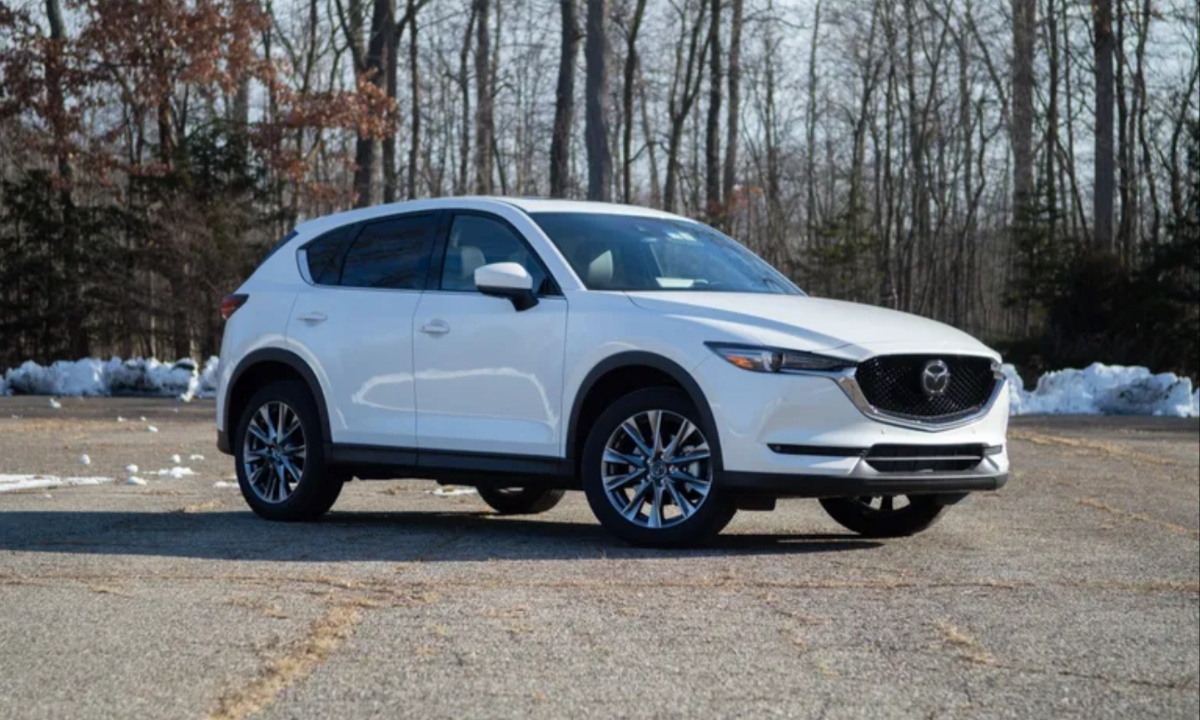
1. Mazda CX-5
The Mazda CX-5 has earned a strong reputation for combining style, practicality, and driver-friendly dynamics, making it one of the most approachable SUVs for parallel parking. Its compact dimensions relative to many midsize SUVs play a significant role in reducing anxiety during parking maneuvers.
Drivers can easily judge the vehicle’s boundaries without having to overcompensate, which is a common challenge in larger vehicles.
In addition, the slightly elevated driving position provides a clear overview of the surroundings, while wide windows and thoughtful mirror placement reduce blind spots and help the driver maintain awareness of curbs, pedestrians, and other vehicles.
The CX-5’s exterior design, with minimal overhangs at the front and rear, also helps prevent collisions when parking in tight urban spaces, adding a layer of confidence even in stressful scenarios.
Beyond physical design, the CX-5 is equipped with technology that makes parking significantly less intimidating. Standard rearview cameras give drivers a clear perspective of the area behind the vehicle, while higher trim levels offer a 360-degree camera system that eliminates blind spots and makes even complex parking spaces manageable.
Parking sensors provide graduated audio feedback, allowing the driver to adjust gradually rather than reacting too late. The synergy between the driver’s steering input and the vehicle’s responsive feedback creates a smooth and intuitive parking process, making it easy to feel in complete control even when maneuvering in narrow urban streets or crowded areas.
The CX-5’s handling and turning characteristics further enhance its reputation for calm parallel parking. The steering is precise and offers excellent feedback at low speeds, allowing subtle corrections without oversteering or making abrupt movements.
Its turning radius is well-suited for urban environments, often allowing drivers to complete a parallel parking maneuver with minimal back-and-forth adjustments.
This predictability reduces mental strain, which is often the primary source of anxiety for drivers when parking a larger vehicle. In addition, the suspension absorbs minor imperfections in the road, preventing sudden jolts that might otherwise require immediate corrective action.
This combination of handling, suspension, and driver feedback makes the CX-5 remarkably forgiving in challenging parking scenarios.
Finally, the interior ergonomics of the Mazda CX-5 support a calm and deliberate approach to parking. Adjustable seats and steering wheel positions help drivers find an optimal viewpoint, while the dashboard and instrument layout are intuitive and minimally distracting.
Large mirrors, clear A-pillars, and a thoughtfully designed center console ensure that all essential controls are easily reachable, allowing drivers to focus entirely on maneuvering.
Combined with driver assistance technologies and the vehicle’s inherent handling characteristics, these elements create a cohesive environment where parallel parking feels manageable, predictable, and almost stress-free, even for those who generally struggle with tight urban spaces.
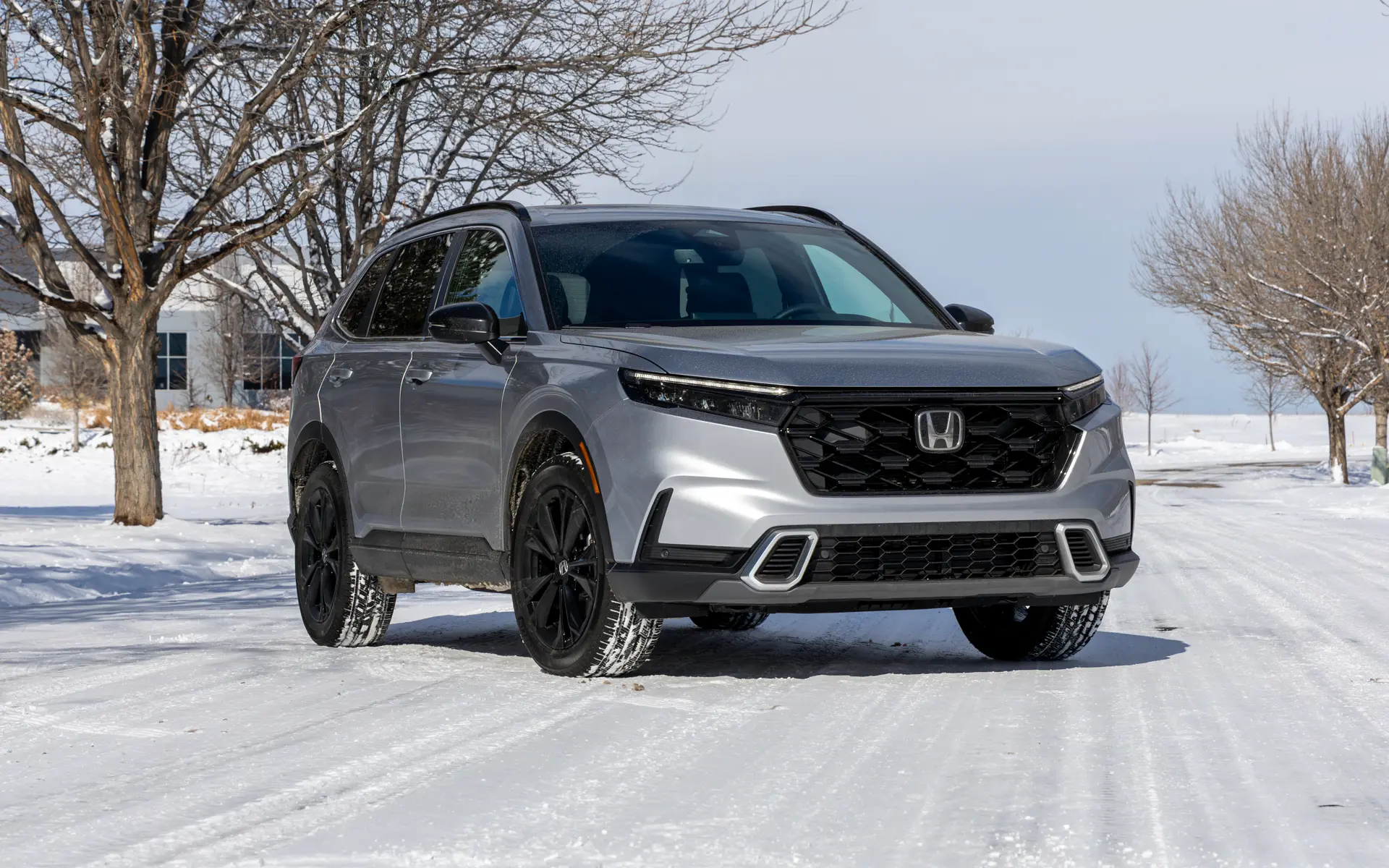
2. Honda CR-V
The Honda CR-V has long been a benchmark for usability and practicality, particularly in dense urban settings where parallel parking is a frequent necessity.
Its slightly smaller footprint compared to many larger SUVs allows drivers to feel more in control when navigating tight spaces, and the high seating position offers an excellent view of the surrounding environment.
These design elements make it easier to judge distances to curbs, parked cars, and other obstacles. Moreover, the CR-V’s exterior design minimizes blind spots and overhangs, which reduces the risk of accidental scrapes, helping to instill confidence even for less experienced drivers.
Honda’s emphasis on visibility and user-friendly design is apparent in the CR-V’s thoughtfully sized mirrors, expansive windshield, and well-positioned A-pillars. These features provide a clear view of nearby vehicles and pedestrian traffic, which is crucial when performing parallel parking in busy areas.
Standard rearview cameras give drivers an accurate perspective of the area behind the vehicle, and available cross-traffic alert systems provide additional warnings of approaching cars.
These technological aids help drivers make precise adjustments, reducing the need for repeated attempts and mitigating anxiety that often accompanies parallel parking in larger SUVs.
The steering and brake systems of the CR-V are specifically tuned to support low-speed precision, allowing for controlled movements and subtle adjustments without overcompensation. This responsiveness makes parallel parking less stressful, as the vehicle reacts predictably to driver input.
Additionally, the CR-V’s turning radius is sufficient to complete a parallel parking maneuver in fewer moves compared to larger SUVs, further enhancing the sense of control.
The suspension absorbs minor road irregularities, reducing the chances of a sudden jolt that might otherwise require corrective action and increase tension. This combination of precision steering, maneuverability, and ride comfort makes the CR-V feel reassuring during challenging parking situations.
The interior ergonomics of the CR-V also play a critical role in reducing stress while parking. The driver’s seat is adjustable in multiple directions, allowing an optimal view of the surrounding environment, while the dashboard and instrument cluster are positioned for easy reading without distraction.
Mirrors and cameras are strategically designed to complement the driver’s natural line of sight, providing visual cues that enhance accuracy and confidence.
Together with a predictable handling system and supportive technology, the CR-V creates a calm and confident driving experience, allowing drivers to approach parallel parking with minimal anxiety, even in congested urban areas.
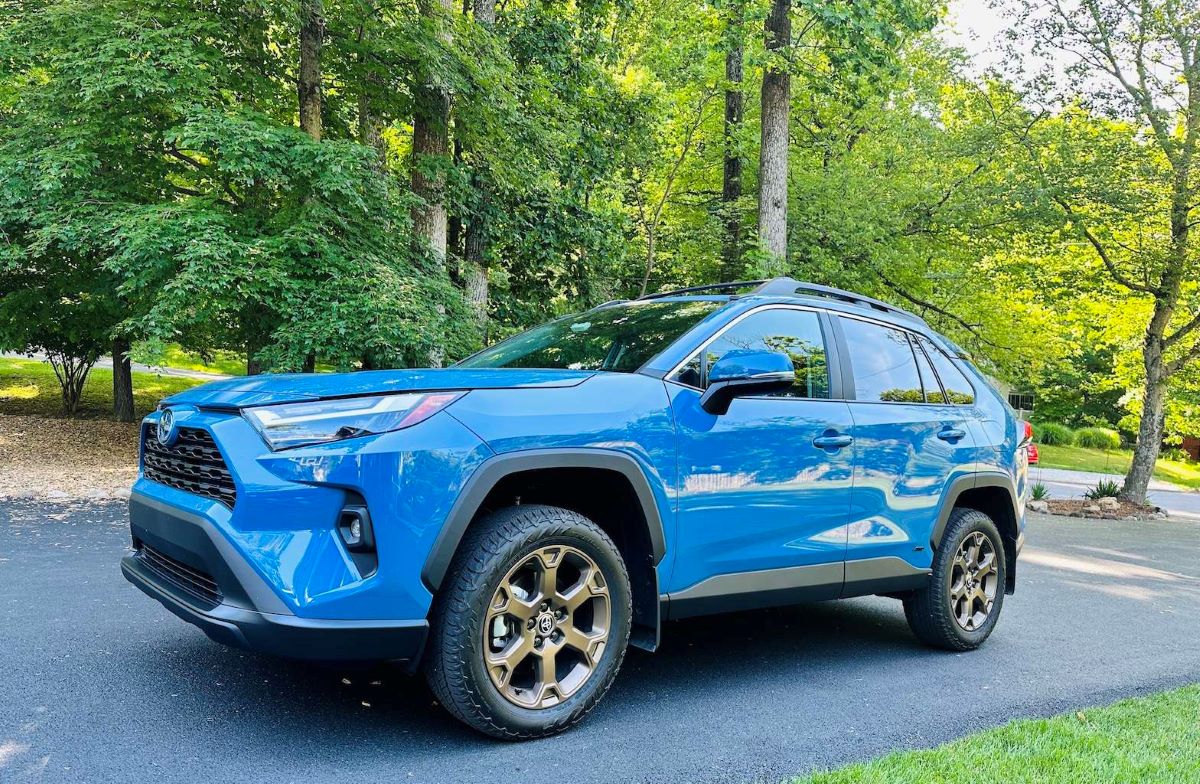
3. Toyota RAV4
The Toyota RAV4 is a highly practical compact SUV whose design and technology make parallel parking surprisingly straightforward for drivers. Its moderate footprint and well-proportioned dimensions allow drivers to fit into tighter spaces than larger SUVs, and the elevated seating position gives a commanding view of the vehicle’s surroundings.
Large windows and thoughtfully placed mirrors minimize blind spots, making it easier to judge distances to curbs and other obstacles. The exterior design also avoids excessive overhangs, which reduces the chances of scraping the vehicle during precise maneuvers, enhancing confidence for urban drivers.
Technology plays a pivotal role in making the RAV4 parking-friendly. Many models come equipped with a rearview camera, while higher trims offer a full 360-degree view, giving drivers a clear perspective of their surroundings and eliminating guesswork during complex parking situations.
Parking sensors provide audible alerts that gradually intensify as the vehicle approaches obstacles, allowing drivers to make incremental adjustments rather than reacting too late. This feedback is critical in preventing minor errors from escalating into more significant alignment issues and contributes to a calm, controlled parking experience.
The RAV4’s handling and turning capabilities further facilitate stress-free parallel parking. Its steering is responsive and precise, enabling fine adjustments that feel intuitive even at slow speeds. The suspension is designed to absorb minor bumps and uneven pavement, preventing jolts that could disrupt positioning.
Additionally, the vehicle’s turning radius is moderate, which reduces the number of corrections needed to park efficiently. These elements combine to create a smooth, predictable maneuvering experience, giving drivers the confidence to approach parallel parking without hesitation.
Interior ergonomics and layout also enhance the RAV4’s ease of use during parking. Adjustable seats, a clear dashboard, and well-positioned mirrors allow drivers to maintain excellent situational awareness. Controls for parking assistance features are intuitive and easy to reach, allowing drivers to focus on steering and positioning rather than struggling with unfamiliar technology.
Combined with the vehicle’s handling characteristics and supportive driver aids, the RAV4 provides a calm and manageable parallel parking experience, making it an excellent choice for urban commuters and anyone who frequently faces tight parking challenges.
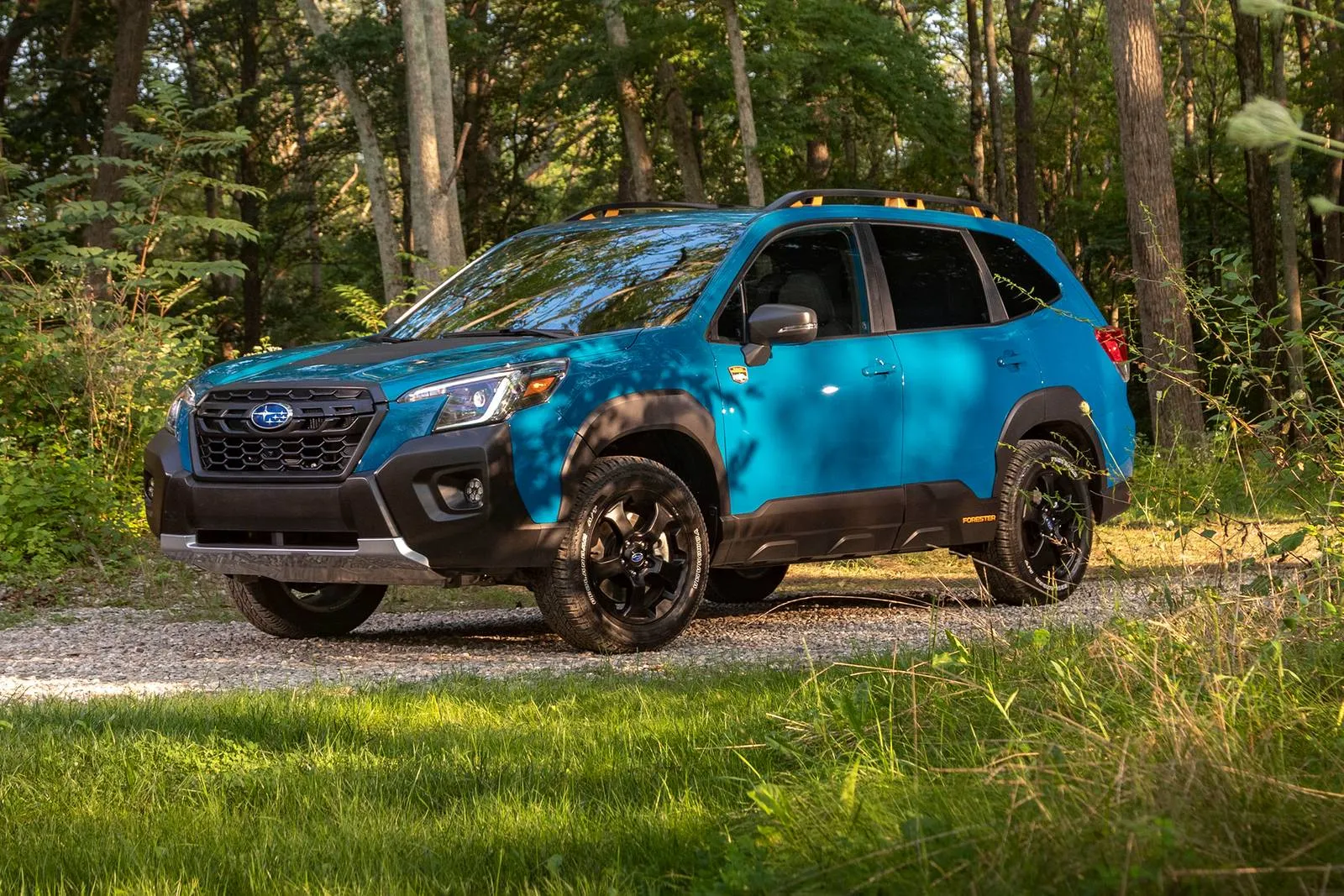
4. Subaru Forester
The Subaru Forester is particularly known for its visibility, practicality, and user-friendly design, all of which make parallel parking a calm experience. Its boxy, upright design maximizes window area, giving drivers a nearly unobstructed view of the surroundings and curb.
This visibility reduces anxiety when performing tight maneuvers and allows drivers to accurately judge distances without excessive guesswork. The vehicle’s exterior dimensions are carefully balanced to provide interior space without creating a cumbersome footprint that complicates city parking.
Driver-assistance technology enhances the Forester’s parking capabilities. Standard rearview cameras offer a clear view of the area behind the vehicle, and higher trims include a 360-degree camera system and parking sensors.
These features provide real-time feedback on proximity to obstacles, helping drivers make precise corrections. Audible and visual cues work together to reduce reliance on mental estimation and allow for a methodical approach to parking, reducing stress for drivers who might otherwise feel overwhelmed in confined spaces.
The handling of the Forester also supports calm parking maneuvers. Its steering is responsive and provides excellent feedback at low speeds, allowing drivers to make controlled adjustments without overcompensation. The suspension absorbs minor bumps, preventing disruptions to alignment during parking.
A moderate turning radius allows the vehicle to fit into tight spaces with fewer corrections, contributing to a more efficient and stress-free maneuvering process. These handling characteristics, combined with its supportive technology, make the Forester feel predictable and reassuring for urban driving.
Interior layout and ergonomics further enhance the parking experience. The driver’s seat is adjustable and offers a commanding view, while mirrors and camera displays complement natural sightlines. Controls for parking assistance are intuitive, allowing drivers to focus on the physical task of maneuvering rather than struggling with complex interfaces.
The combination of visibility, technology, handling, and ergonomics makes the Subaru Forester an ideal choice for drivers seeking a calm, controlled, and confidence-inspiring parallel parking experience.
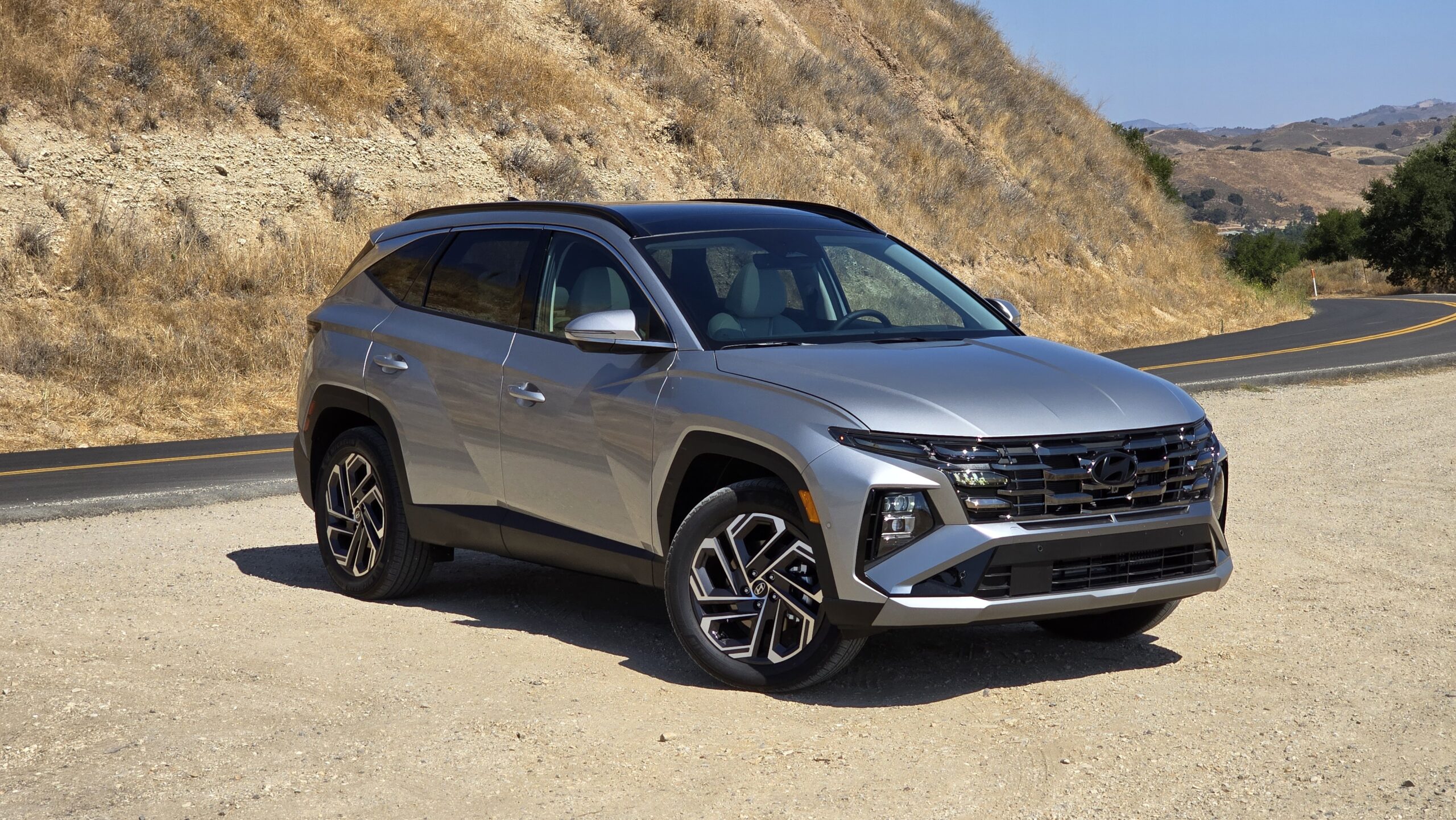
5. Hyundai Tucson
The Hyundai Tucson is a compact SUV that balances maneuverability, technology, and comfort, creating a parallel parking experience that is stress-free. Its smaller footprint allows drivers to navigate tight spaces with confidence, while the elevated seating position and wide windows provide excellent visibility of curbs and neighboring vehicles.
The exterior design minimizes front and rear overhangs, helping prevent accidental scrapes during precise parking maneuvers. This careful balance of size and visibility makes it approachable for drivers who may feel intimidated by larger SUVs.
Hyundai’s driver-assistance systems further enhance the Tucson’s parking capabilities. Rearview cameras offer clear guidance when reversing, while higher trims provide 360-degree camera systems and parking sensors that detect nearby obstacles.
Audible and visual feedback allows drivers to make incremental corrections, reducing the need for repeated adjustments. This technology enhances confidence and allows for a smoother, more controlled parking process, even for those less familiar with parallel parking or driving in congested urban environments.
Finally, the Tucson’s interior design and ergonomics reinforce its parking-friendly nature. Adjustable seats and steering wheel positions allow drivers to achieve an ideal viewpoint, while the dashboard layout and mirror placement enhance visibility.
Controls for parking assistance systems are intuitive and within easy reach, minimizing distractions. Combined with the vehicle’s responsive handling and supportive technology, the Tucson provides a calm, controlled, and approachable parallel parking experience that reduces anxiety for drivers of all skill levels.
5 SUVs That Give You Sweaty Palms
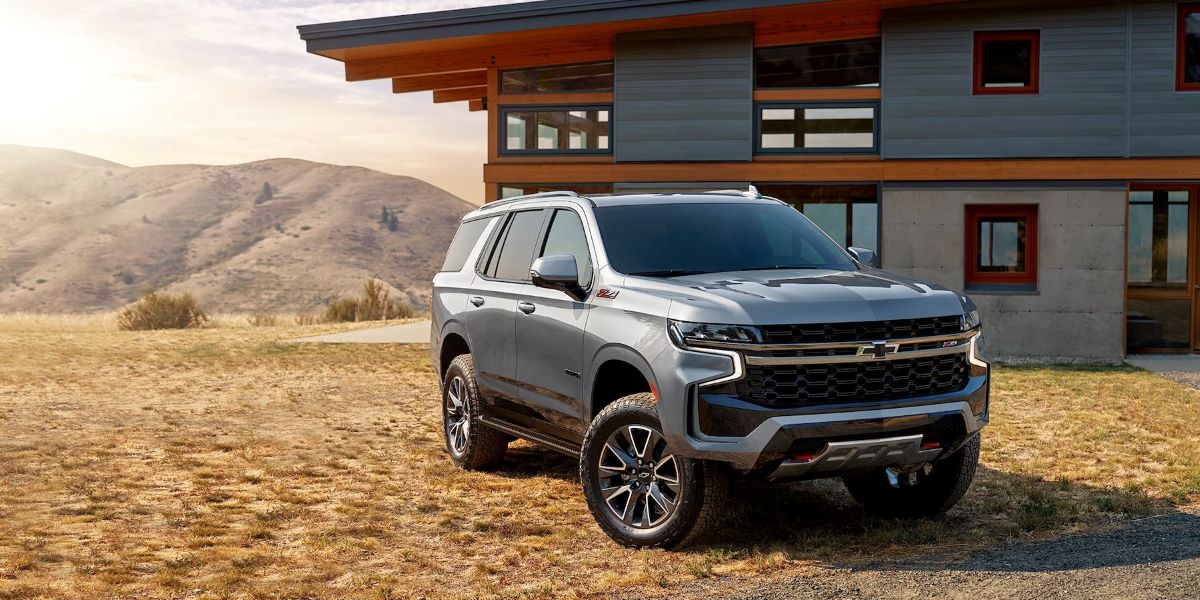
1. Chevrolet Tahoe
The Chevrolet Tahoe is a full-size SUV that offers considerable interior space, towing capacity, and road presence, but these strengths can translate into a significant challenge when attempting parallel parking. Its long wheelbase and wide body make it difficult to judge distances accurately, and even experienced drivers can feel overwhelmed when fitting into tight city spaces.
Even with a rearview camera and parking sensors, the driver must remain highly attentive to prevent scraping or hitting obstacles. These systems provide guidance, but they cannot fully offset the mental load required to handle the vehicle’s dimensions, forcing the driver to rely heavily on experience, spatial awareness, and careful judgment.
The Tahoe’s handling characteristics further complicate parallel parking. Steering at low speeds feels heavier and less responsive compared to smaller SUVs, which makes precise adjustments more difficult.
The vehicle’s turning radius is substantial, often requiring multiple forward-and-backward maneuvers to achieve proper alignment in a narrow parking spot. Its suspension, optimized for ride comfort and highway stability, does little to assist in parking precision.
Together, these factors make each parallel parking attempt feel like a calculated effort rather than a fluid motion, increasing stress and anxiety behind the wheel.
Finally, the Tahoe’s interior ergonomics offer some support, but they cannot fully counterbalance the challenges of its size. Seats are comfortable and mirrors are adjustable, yet thick pillars and a high dashboard can block lines of sight, making it harder to judge distances accurately.
The combination of bulk, reduced low-speed responsiveness, and extensive turning requirements makes parallel parking a tense and high-focus task. Even drivers who are familiar with the Tahoe often approach urban parking situations with caution and heightened awareness, and for those new to the vehicle, it can quickly induce sweaty palms and multiple attempts to avoid minor collisions.
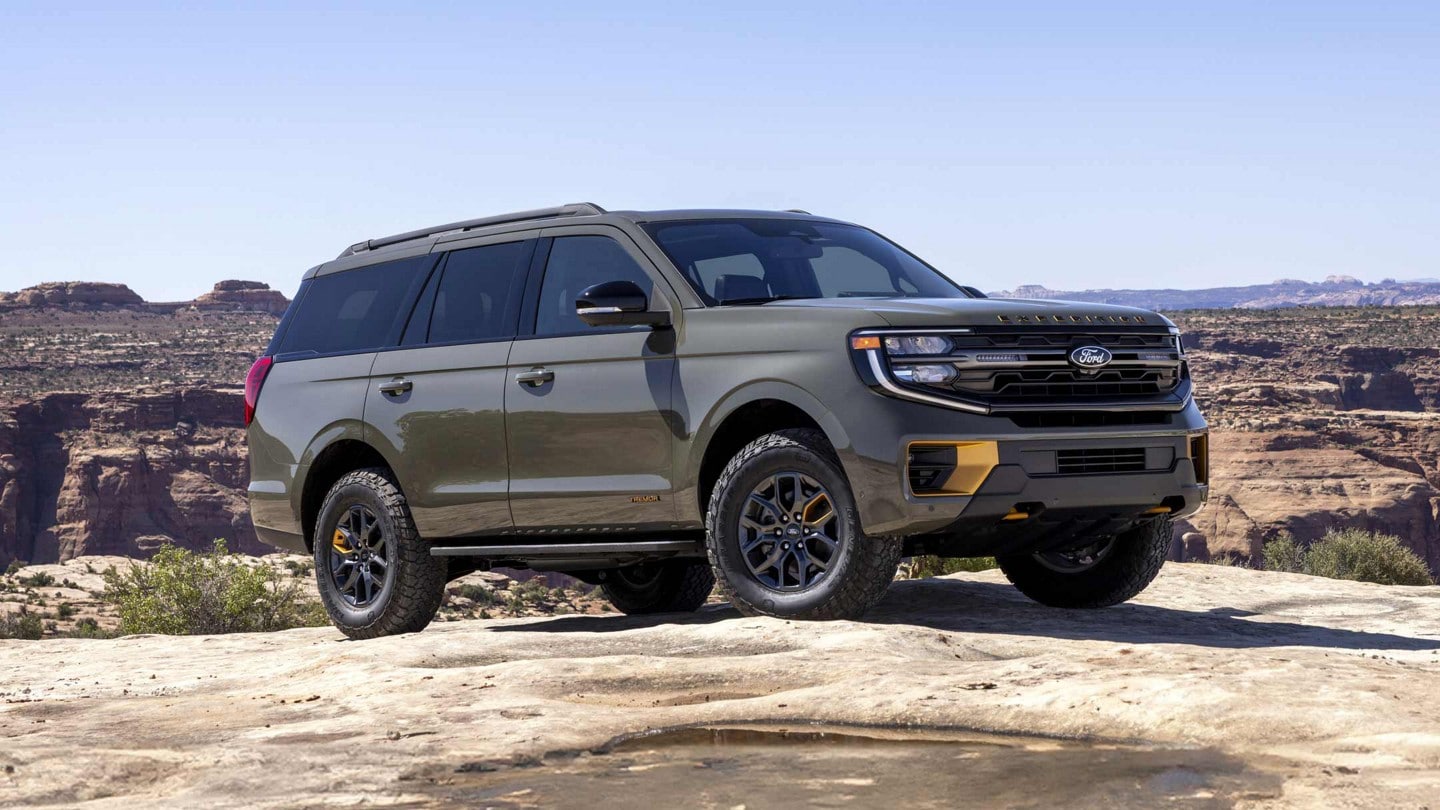
2. Ford Expedition
The Ford Expedition is another full-size SUV that excels in space, towing, and long-distance comfort but is less suited to confined urban parking. Its extensive length and width create a sense of bulk that can intimidate drivers when navigating narrow city streets or attempting parallel parking.
Because of its size, drivers often need to plan multiple steps ahead, considering where the vehicle’s front and rear will swing during turns. Urban parking environments amplify these difficulties, with limited space and tight curb access making even routine maneuvers mentally demanding and prone to error.
Visibility issues add to the stress of parking the Expedition. While the elevated seating position improves road awareness, thick A-pillars and blind spots along the rear and sides obscure objects and pedestrians.
Even with advanced rearview cameras and parking sensors, accurately judging distance and alignment can be difficult for drivers, especially those unfamiliar with the vehicle’s dimensions.
The reliance on technological aids to compensate for the vehicle’s size creates a sense of tension, as drivers must constantly interpret sensor signals and camera angles while simultaneously controlling the steering and braking.
Handling characteristics make the Expedition even more challenging for parallel parking. Its steering is designed for highway stability and long-distance driving rather than low-speed maneuverability, resulting in slower response to input. The large turning radius often requires multiple back-and-forth adjustments to fit into a tight space.
Combined with the vehicle’s weight, the Expedition feels less agile than smaller SUVs, demanding a higher level of skill, patience, and careful attention from the driver.
These traits make parallel parking a more deliberate and stressful procedure, which can result in sweaty palms, especially in high-density urban areas.
The interior of the Expedition offers comfort and luxury but does little to alleviate parking anxiety. While adjustable seating and large mirrors provide some visibility assistance, the vehicle’s substantial dimensions still require heightened spatial awareness. The dashboard and pillars can obscure views of nearby obstacles, increasing the risk of minor scrapes or misalignment.
Together with the size, turning radius, and handling characteristics, these factors make parallel parking a nerve-wracking task. For drivers accustomed to smaller, more nimble vehicles, the Expedition is often intimidating and requires patience, careful judgment, and reliance on technology to complete parking maneuvers successfully.
3. GMC Yukon
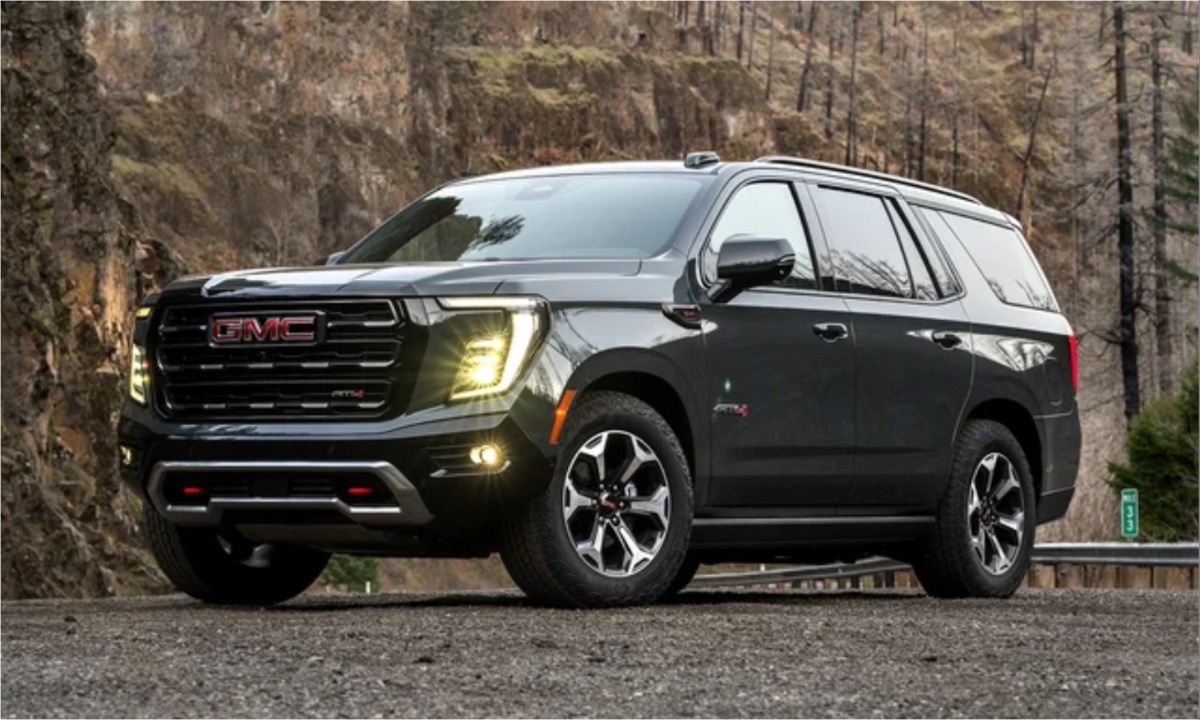
The GMC Yukon, closely related to the Chevrolet Tahoe, is a full-size SUV that prioritizes interior space, power, and comfort over urban maneuverability. Its large footprint can make parallel parking a daunting task, as drivers must carefully gauge the distance to curbs, parked vehicles, and obstacles to avoid collisions.
The vehicle’s weight and size mean that minor miscalculations often necessitate multiple forward-and-back adjustments, which can increase stress and create a sweaty-palms experience, particularly in crowded city streets.
Handling characteristics contribute to the difficulty of parallel parking the Yukon. Steering is designed for highway stability and heavy-duty driving rather than low-speed agility, resulting in sluggish response when making precise adjustments.
The turning radius is considerable, often forcing drivers to execute multiple maneuvers to fit into tight parking spaces. The suspension, optimized for comfort, does not assist in precision handling, leaving the driver to carefully manage the alignment and positioning of a large, cumbersome vehicle.
Inside, the Yukon offers comfort and advanced features, yet interior ergonomics cannot fully mitigate the challenge of its size. Mirrors and adjustable seating provide some assistance, but the combination of thick pillars, high dashboard design, and a long wheelbase requires heightened attention and careful judgment.
Drivers must constantly monitor spacing and rely on both technology and experience to avoid minor collisions. These factors collectively make parallel parking a tense and potentially stressful experience, often leaving drivers feeling anxious and physically tense as they navigate confined spaces.
4. Nissan Armada
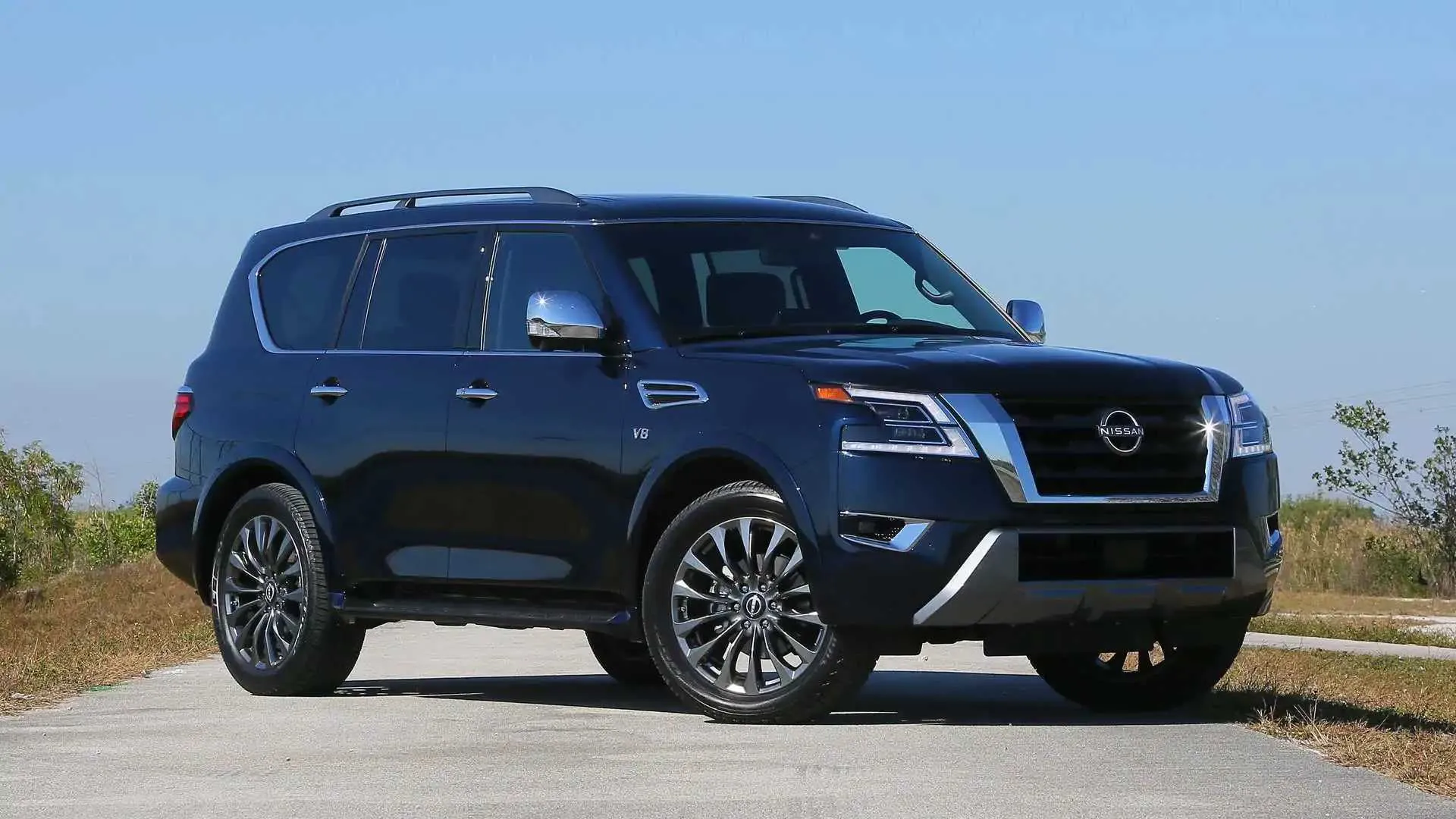
The Nissan Armada is a full-size SUV that excels in power, off-road capability, and interior space but presents significant challenges in urban parallel parking situations. Its long wheelbase, wide body, and considerable size make maneuvering into tight spots mentally demanding and physically precise.
Drivers must account for the vehicle’s full dimensions when aligning with curbs and other parked vehicles, which often requires multiple back-and-forth adjustments. Even small misjudgments can feel amplified due to the Armada’s bulk, contributing to a sweaty-palms experience.
The Armada’s handling characteristics also make low-speed maneuvers challenging. Steering is responsive at highway speeds but feels heavy and less precise during slow maneuvers, requiring careful coordination of throttle, brakes, and wheel input.
The vehicle’s large turning radius further increases the complexity of parallel parking, necessitating multiple adjustments to achieve correct alignment. Combined with the suspension, which prioritizes comfort over precise feedback, these handling factors make precise control more difficult, contributing to driver anxiety.
Inside, the Armada offers comfort and well-designed ergonomics, but these features provide limited relief from the challenges of its size. Adjustable seating and large mirrors help improve visibility, yet the vehicle’s bulk means that careful attention and spatial awareness remain essential for successful parking.
Drivers often experience stress when performing parallel parking in the Armada, particularly in tight city streets, making it one of the less forgiving SUVs in urban driving environments.
5. Cadillac Escalade
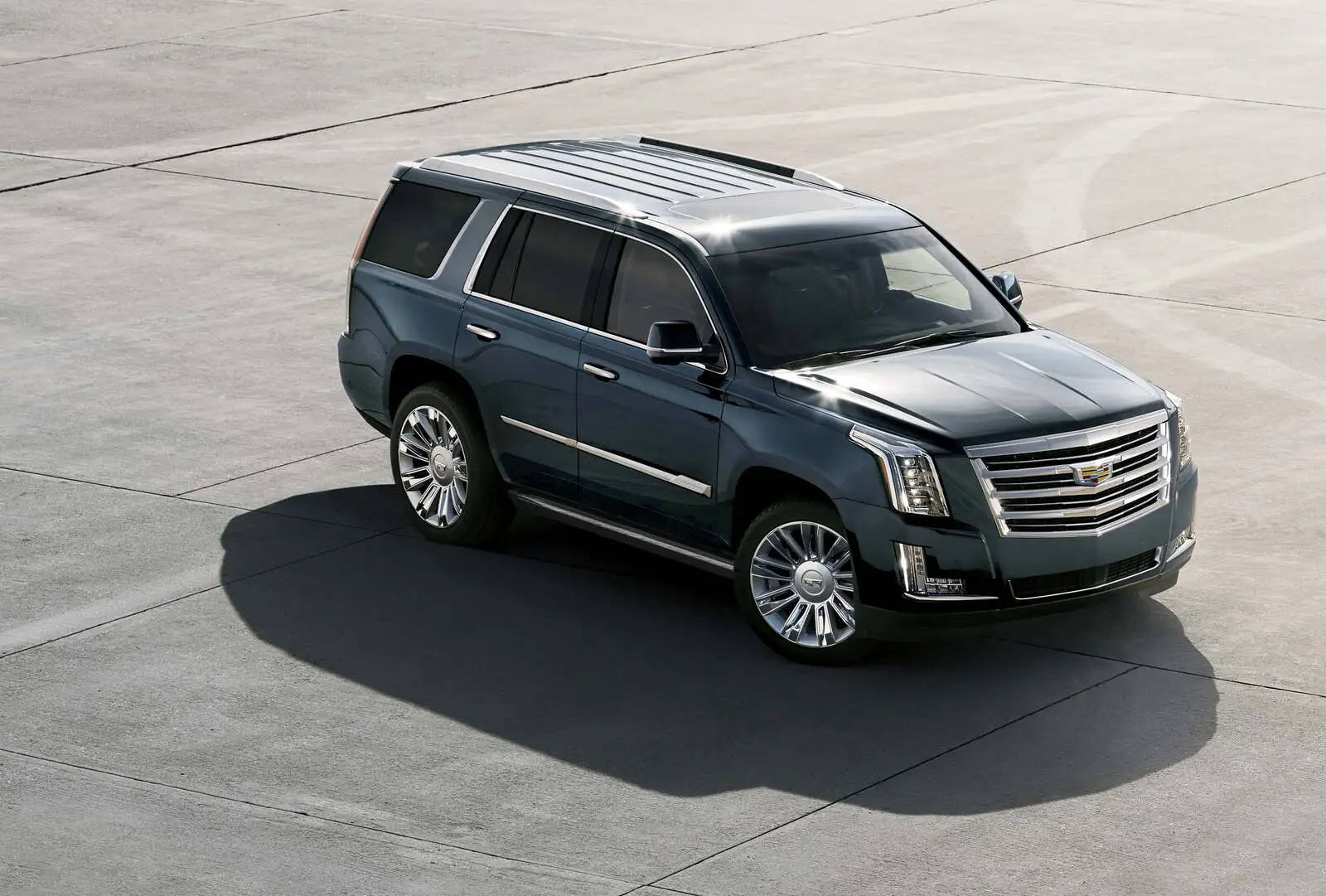
The Cadillac Escalade is a flagship luxury SUV known for its presence, amenities, and power, but these qualities come with significant challenges in urban parallel parking. Its length, width, and substantial weight create an intimidating presence that requires careful planning and precision when maneuvering into tight spaces.
Even experienced drivers can feel anxious, as small mistakes can require multiple adjustments and increase the likelihood of minor scrapes or contact with the curb. The Escalade’s commanding road position provides some advantage in seeing the general surroundings, but it does not fully offset the stress caused by the vehicle’s size.
The handling of the Escalade further adds to the challenge. Its steering is optimized for highway stability and smooth cruising, not for low-speed maneuvering in confined spaces.
The large turning radius and less responsive low-speed handling require careful, deliberate input from the driver, often necessitating multiple forward-and-back maneuvers to achieve proper alignment. The suspension, designed for comfort and luxury, provides minimal feedback to assist in precision adjustments, making the task more mentally demanding.
Finally, the Escalade’s interior design, while luxurious and comfortable, does not eliminate the challenges associated with parallel parking. Adjustable seats, mirrors, and technology aids such as cameras and sensors help, but they cannot fully compensate for the combination of bulk, handling characteristics, and limited visibility in tight spaces.
For urban driving, particularly in congested streets, the Escalade can induce anxiety and require heightened focus and patience, making parallel parking a tense, sweaty-palms experience even for experienced drivers.
