
When it comes to the driving experience, there are many subtle factors that influence comfort and satisfaction. One of the aspects often overlooked is how vehicles handle small nuisances, such as loose change in cup holders or items rattling in storage trays.
While some cars are designed with careful attention to interior noise control, others seem to amplify even minor disturbances. The difference may appear trivial at first, but for daily commuters and long-distance drivers, it can affect enjoyment and peace of mind.
Cars with interiors that keep spare change quiet provide a sense of refinement and thoughtfulness, demonstrating attention to small details that enhance user experience. Conversely, vehicles with rattle-prone trays can create a persistent background noise, reminding the driver constantly of a less considered interior design.
This distinction often reflects broader priorities in automotive design, including material choices, ergonomics, and assembly precision. Cars that prevent rattles in storage areas often use denser plastics, lined compartments, or well-engineered fastening mechanisms, reducing unwanted noise without sacrificing functionality.
Meanwhile, vehicles with looser trays or cheaper materials may seem noisier, even if they perform excellently in other aspects. For some drivers, the quiet containment of spare change can be a marker of quality, contributing to the perception of a well-made, thoughtful vehicle.
For others, rattling trays might be a minor annoyance, a trade-off for other features or affordability. Understanding which cars fall into each category can help consumers make more informed choices, particularly for those sensitive to interior noise or who prioritize a refined cabin experience.
This article will examine five vehicles known for quietly handling loose coins and five cars where rattle-prone trays are more common, discussing the design decisions and user experiences that contribute to each outcome.
By highlighting these features, drivers can better match their preferences with the vehicles they consider, ensuring that even the smallest details contribute to a satisfying ownership experience.
Five Cars That Keep Spare Change Quiet
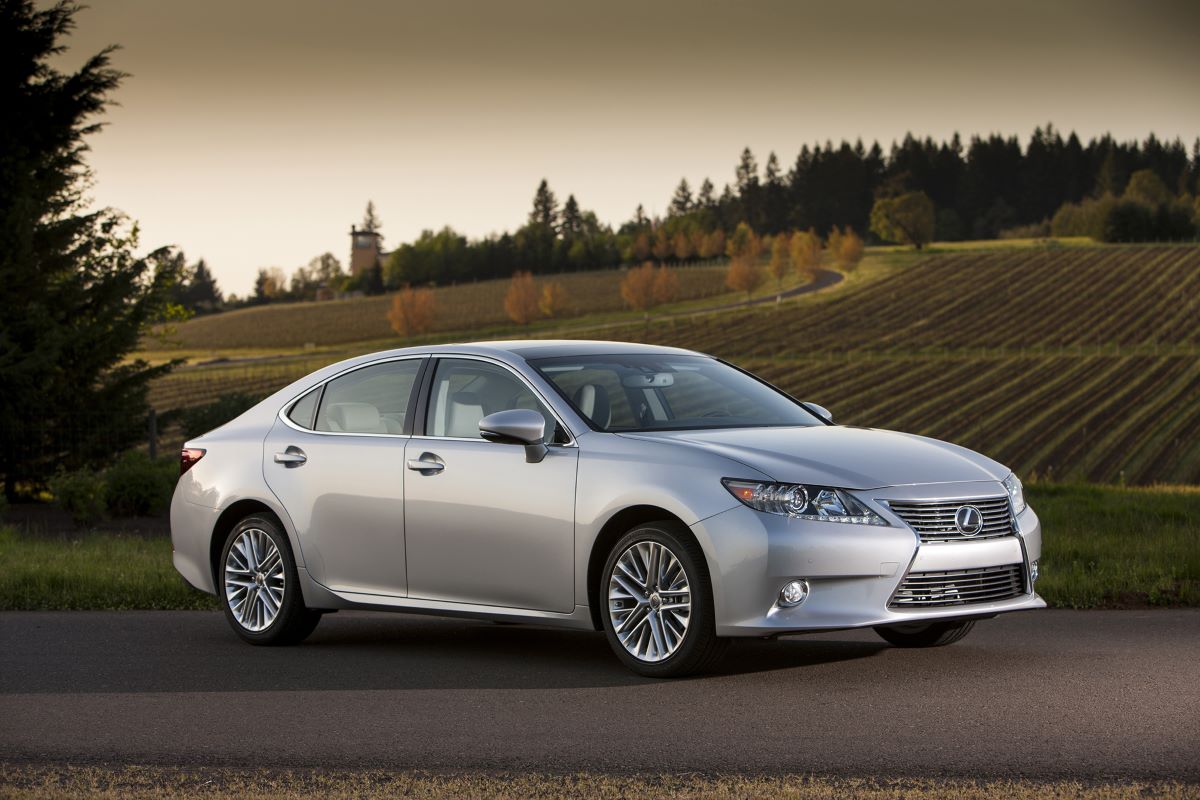
1. Lexus ES
The Lexus ES has long been recognized as a benchmark for smooth and serene driving, and its attention to detail extends even to seemingly minor aspects like the handling of loose change.
Unlike many vehicles where coins clatter and rattle as the car moves, the ES demonstrates a design philosophy that anticipates these small annoyances and addresses them proactively.
Storage compartments, including cup holders, center consoles, and side trays, are often lined with soft rubber or felt-like materials that absorb the energy of moving objects. This means that coins or other small items remain largely stationary and quiet, even during braking or on uneven road surfaces.
The compartments themselves are slightly recessed, preventing objects from sliding to the edges and striking hard surfaces. This feature may seem trivial at first glance, but for drivers who spend significant time commuting or on long trips, it greatly enhances the sense of refinement and intentionality in the interior.
The quiet handling of coins in the ES is not just a matter of material choice; it reflects a broader philosophy of comfort and user-centered design, where even minor irritations are anticipated and mitigated.
The choice of interior materials in the Lexus ES amplifies the quiet effect. The soft-touch plastics, precise fitting of panels, and dense molding of key surfaces absorb vibrations and prevent amplification of minor impacts.
Even in higher traffic or slightly rough road conditions, coins placed in cup holders or storage trays remain virtually silent, highlighting how material quality contributes to acoustic management.
This level of attention to detail distinguishes premium vehicles from mid-range competitors and shows how thoughtful engineering can turn even everyday interactions into seamless experiences.
Lexus designers understand that true comfort is not merely about seat padding or suspension tuning but also about creating an environment where the driver and passengers are not distracted by unnecessary noises, even from something as simple as spare change.
Finally, the quiet handling of spare change in the Lexus ES is reinforced by the vehicle’s broader engineering, including chassis tuning and vibration isolation. By controlling how road inputs translate to the cabin, Lexus reduces the movement of items in storage areas without relying solely on compartment design.
This integration of multiple systems, materials, layout, and vehicle dynamics, demonstrates a holistic approach to comfort. In effect, the quiet coin storage serves as a microcosm of the ES’s philosophy: attention to detail, user-centered design, and refinement that extends to every aspect of the driving experience.
For those who value tranquility and subtle quality in their vehicles, this feature is a small but meaningful enhancement that reflects the level of care invested in the car’s design.
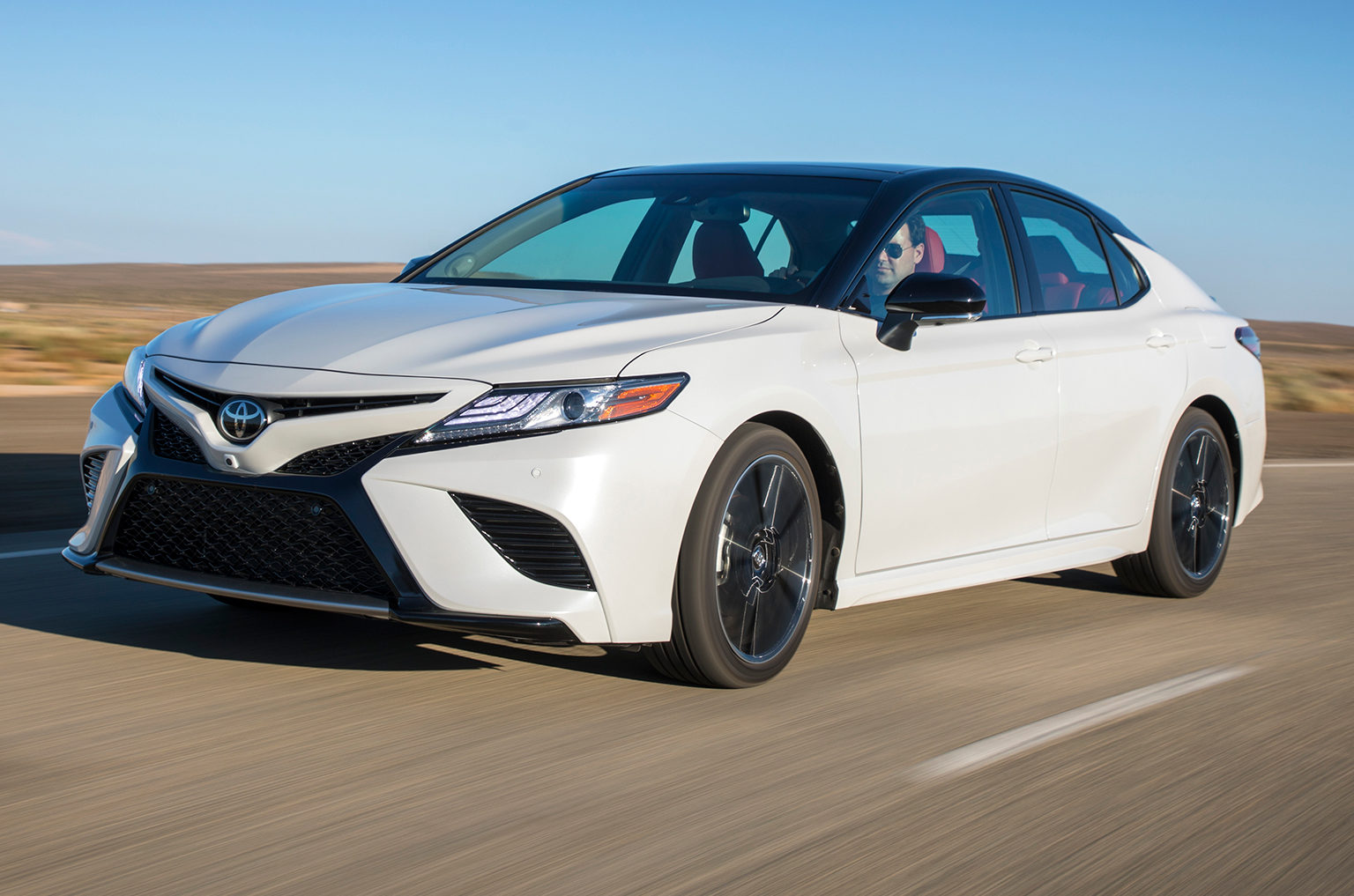
2. Toyota Camry
The Toyota Camry is celebrated for its balance of reliability, practicality, and comfort, and its interior design reflects careful attention to daily usability, including the handling of spare change. Many compartments in the Camry, from cup holders to the center console, include soft rubberized or felt inserts that prevent coins from sliding and making noise.
These design elements ensure that the car’s interior remains calm and uncluttered by minor distractions. For long commutes or frequent city driving, this quietness significantly enhances the experience, allowing drivers to focus on the road rather than the movement of loose items in the cabin.
By integrating thoughtful liners and slightly recessed storage areas, Toyota demonstrates that attention to seemingly minor details contributes meaningfully to perceived vehicle quality.
The center console of the Camry is particularly effective in managing noise from small objects. Many compartments are designed with adjustable inserts or modular layouts that allow for separation of items, reducing the potential for objects to collide or bounce against each other.
Cup holders are deep enough to hold coins and other small accessories securely, while lids on larger compartments close smoothly and with minimal play. These subtle design choices make a noticeable difference in the perception of interior quality.
Drivers often report that items stored in these areas remain quiet, even over speed bumps or sharp turns, highlighting Toyota’s ability to blend practicality with refinement. This approach shows a nuanced understanding of human interaction with vehicles, where even minor annoyances like coin rattling can affect the sense of comfort.
Material selection plays a crucial role in the Camry’s quiet coin handling. High-quality plastics with a soft-touch finish, combined with rubberized liners, absorb impacts and prevent noise amplification. Even when carrying multiple coins or slightly heavier items, the sound is muted to the point of being barely noticeable.
These design choices extend the perception of value and refinement beyond what might be expected from a mainstream sedan. The quiet environment contributes not only to comfort but also to an impression of thoughtful craftsmanship, reinforcing Toyota’s reputation for reliability and user-centered design.
Finally, the Camry’s interior consistency ensures that all storage areas, including cup holders, glove compartments, and side trays, are designed with noise minimization in mind. Every area where coins or small objects may be stored benefits from careful lining and placement, creating a predictable and controlled environment.
The combination of design, materials, and layout ensures that loose change remains quiet under various driving conditions.
This holistic approach to user experience reflects Toyota’s philosophy that comfort is the sum of many small, deliberate decisions, each contributing to a smooth and enjoyable driving experience. For drivers who prioritize a quiet, distraction-free cabin, the Camry consistently delivers.
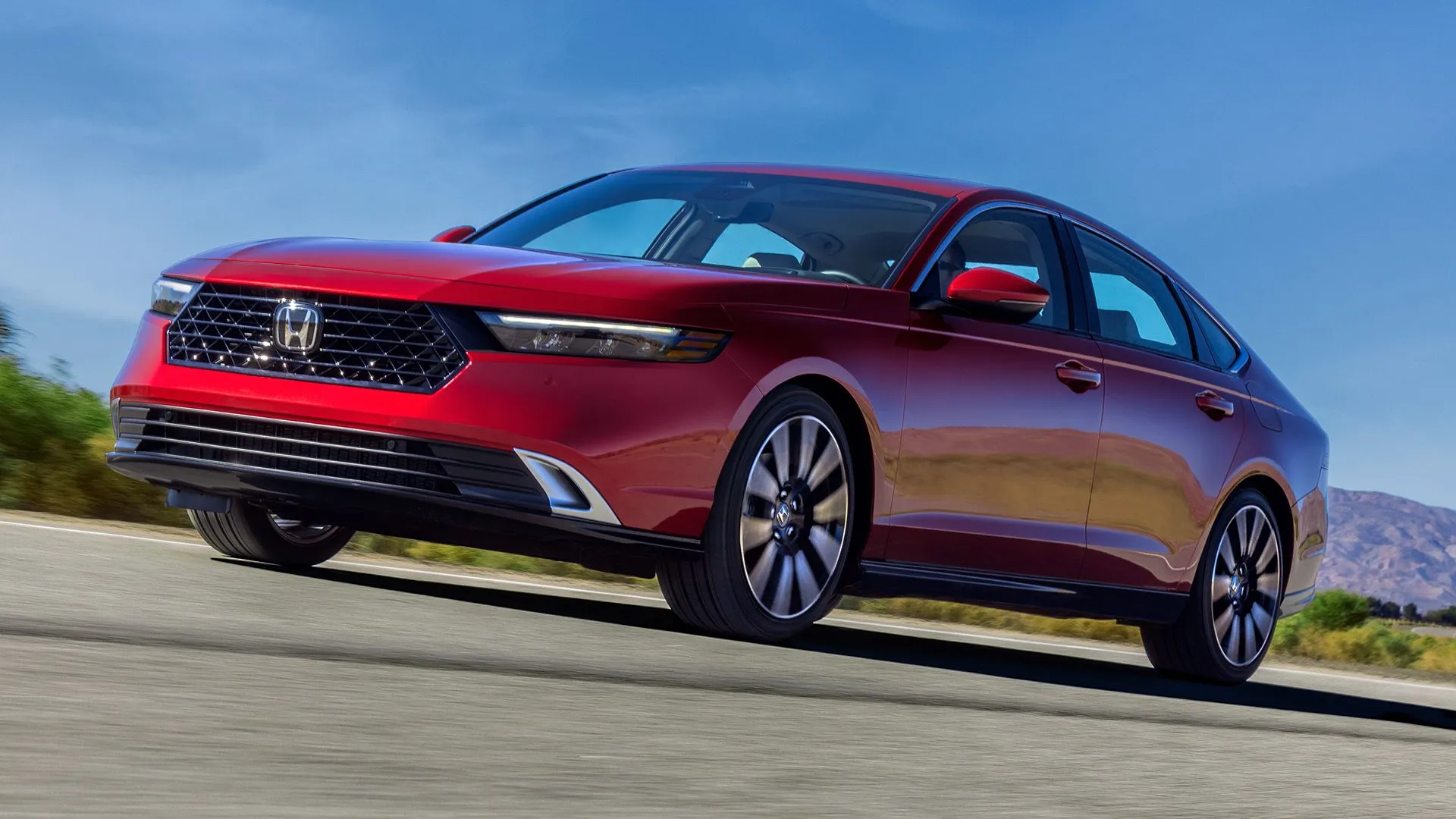
3. Honda Accord
The Honda Accord has long been praised for blending reliability, performance, and refined interior comfort. When it comes to small practical details, such as the handling of spare change, the Accord demonstrates a careful approach that enhances the driving experience.
Storage compartments are lined with soft materials such as rubber or felt, which absorb impact and prevent items from rattling. Recessed and segmented designs further reduce movement, ensuring that coins or small objects remain securely in place during both gentle cruising and more dynamic maneuvers.
This approach makes the interior feel more thoughtful and refined, illustrating Honda’s commitment to designing cars with everyday usability in mind.
Strategic placement of cup holders and storage trays contributes significantly to the Accord’s quiet handling of small items.
Compartments are located in positions that minimize vibration transfer from the chassis, reducing the chances of coins moving during acceleration, braking, or cornering. Lids and compartment doors operate smoothly with precise tolerances, further preventing rattling.
The design not only improves functionality but also contributes to a perception of quality, demonstrating that Honda considers both physical and psychological aspects of comfort.
Drivers are less likely to be distracted by minor noises, allowing the cabin to feel more serene and controlled, a quality that is often highlighted in owner reviews.
Materials in the Accord’s interior are carefully selected to support noise reduction and comfort. Soft-touch plastics, dense paneling, and rubberized liners work in concert to absorb vibrations and minimize sound transmission.
Even on uneven or slightly rough roads, the combination of design and material choice ensures that coins and small objects remain quiet. This careful attention to minor details reflects Honda’s broader philosophy that the driving experience is shaped not only by mechanical performance but also by the sensory environment inside the cabin.
Finally, the integration of interior design with the Accord’s suspension and chassis systems reinforces quiet coin handling. By reducing the transmission of vibrations from the road to storage areas, Honda ensures that minor objects remain largely undisturbed.
This thoughtful engineering demonstrates an understanding of the interconnected nature of vehicle design: materials, layout, and vehicle dynamics all contribute to a subtle but meaningful aspect of comfort.
For drivers, the quiet handling of spare change is a small but tangible indicator of the Accord’s broader focus on refinement and usability, adding to its appeal as a practical and comfortable sedan.

4. Subaru Outback
The Subaru Outback is renowned for blending rugged capability with thoughtful interior design. While it excels in off-road performance and utility, it also pays attention to interior refinement, including the management of small items like coins.
Storage compartments throughout the cabin are often lined with soft materials, such as rubber or felt, which absorb impact and prevent coins from sliding or rattling during driving.
This quiet handling enhances daily usability, making the Outback suitable for long drives or rough terrain without the distraction of minor noises. The careful placement and depth of these compartments, particularly in the center console and door trays, further ensure that small objects remain secure and quiet.
The positioning of storage trays in the Outback also contributes to a quieter interior experience. Compartments are recessed, preventing coins from coming into contact with hard surfaces, while lids and covers close smoothly to avoid clattering.
These design decisions demonstrate Subaru’s commitment to user comfort, even in a vehicle primarily marketed for its rugged performance. The quiet handling of small items contributes to the perception of quality and refinement, showing that Subaru can balance utility with thoughtful interior design.
Materials play a significant role in the Outback’s quiet interiors. Soft-touch plastics and rubberized compartments absorb energy from moving objects, minimizing noise even under dynamic driving conditions.
This combination of materials and layout ensures that the vehicle maintains a controlled and quiet cabin environment, reinforcing the perception of attention to detail. Passengers benefit from an interior that remains serene and functional, whether the car is navigating city streets or country roads.
Finally, the Outback’s suspension and vibration isolation enhance its quiet storage performance. By reducing the transmission of road vibrations to the cabin, Subaru ensures that coins and small objects remain stationary and quiet.
This holistic design approach highlights how the company integrates interior design, materials, and chassis engineering to improve user experience. For drivers who value both practicality and comfort, the Outback demonstrates that attention to small details can have a meaningful impact on satisfaction.
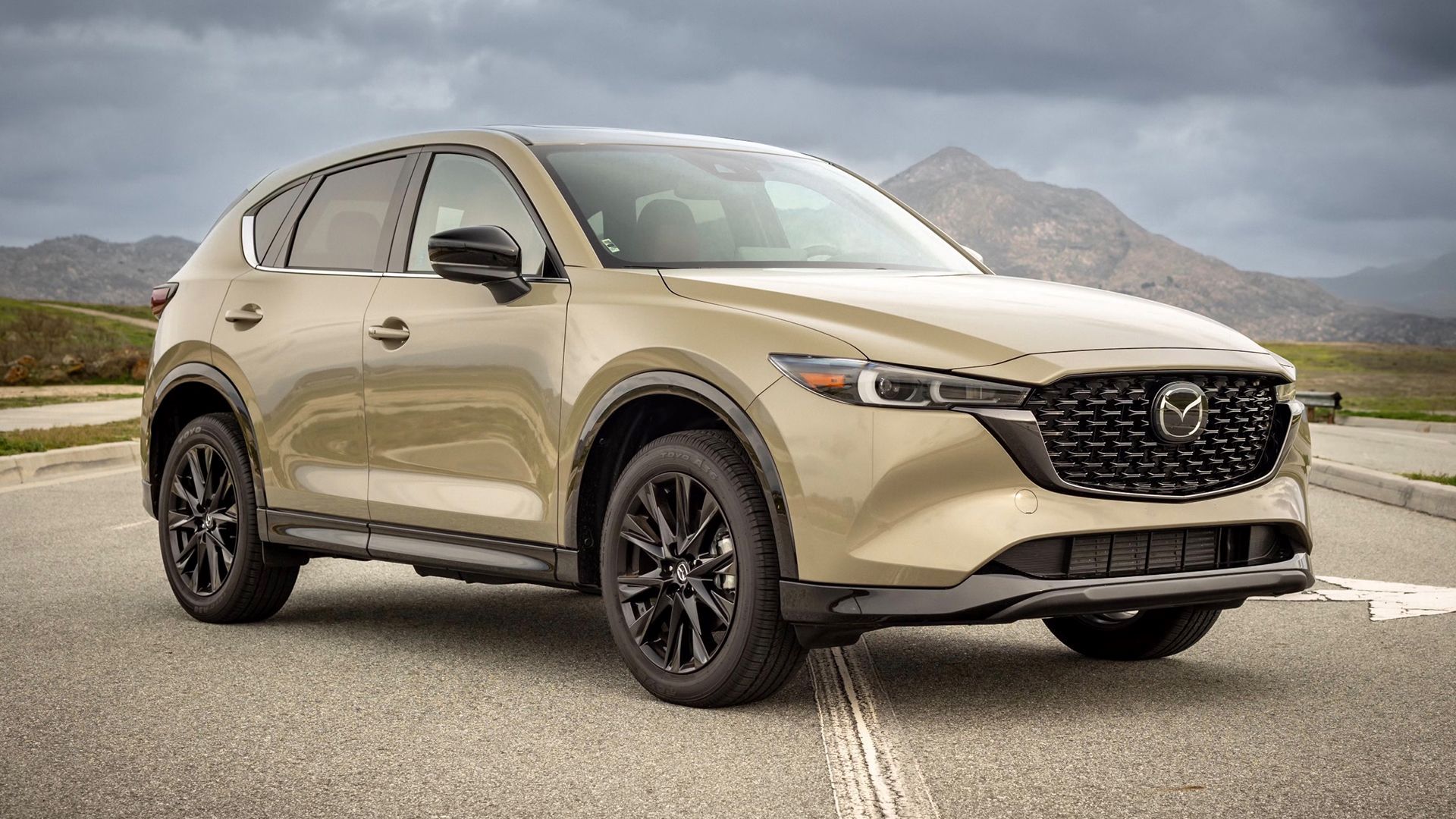
5. Mazda CX-5
The Mazda CX-5 combines engaging driving dynamics with a refined interior, demonstrating that quiet storage is achievable even in vehicles designed for spirited performance. Storage compartments are lined with rubber or felt inserts, ensuring that coins and other small items remain secure and do not produce distracting noise.
This quiet handling is particularly in the center console and cup holders, where items are most likely to shift during regular driving. By addressing such minor annoyances, Mazda enhances the perception of quality and refinement in the cabin.
Material selection in the CX-5 complements the design. Soft-touch plastics, rubberized trays, and dense paneling absorb shocks and vibrations, preventing coins from clattering against hard surfaces.
Even under conditions that might cause rattling in other vehicles, the CX-5 maintains a calm and quiet interior. This careful choice of materials reflects Mazda’s broader philosophy of crafting vehicles that are enjoyable to drive and comfortable to occupy, without sacrificing practicality.
Finally, the CX-5’s engineering contributes to quiet storage. Suspension and sound insulation systems reduce the transmission of vibrations from the road to interior compartments, limiting movement of coins and small items.
This integration of materials, layout, and vehicle dynamics ensures a consistently quiet experience. For drivers who value both driving engagement and interior refinement, the CX-5 demonstrates that thoughtful attention to minor details, such as coin handling, can significantly enhance comfort and satisfaction.
Five Cars With Rattle Trays

1. Jeep Wrangler
The Jeep Wrangler is legendary for its off-road capabilities, removable roof and doors, and rugged, utilitarian design. However, this focus on adventure and durability often comes at the expense of interior refinement, particularly when it comes to the handling of small items like spare change.
Storage trays and cup holders in the Wrangler are frequently constructed from hard, unlined plastics that amplify vibration and movement, causing coins to rattle audibly during driving. This is especially noticeable on uneven or unpaved roads, where the suspension transmits jolts directly into the cabin.
The lack of cushioning in these compartments reflects Jeep’s priority of durability and ease of cleaning over a quiet cabin environment. While many Wrangler owners accept these noises as part of the vehicle’s character, they stand in sharp contrast to vehicles engineered to maintain serenity inside the cabin, even in the smallest details.
Material selection is another key factor contributing to the Wrangler’s noisy trays. Hard plastics and minimally reinforced panels do not absorb energy from moving objects, causing even small items like coins or pens to strike rigid surfaces and produce metallic sounds.
In vehicles focused on quiet interiors, these materials would be supplemented with rubber liners, felt, or other noise-dampening inserts. The Wrangler’s absence of these features emphasizes resilience and practicality over comfort, reinforcing the rugged, go-anywhere personality of the car but making interior noise more pronounced.
Finally, the Wrangler’s modular construction amplifies the problem. Removable doors, roof panels, and soft-top components introduce additional sources of vibration. The flexible body can transmit these vibrations into the center console and door trays, further encouraging movement and rattling of small items.
While this trade-off is acceptable for off-road enthusiasts who prioritize capability, it highlights a significant compromise for everyday drivers seeking a quiet, distraction-free cabin. The Wrangler’s rattle-prone trays illustrate how design priorities can create unintended consequences for seemingly minor aspects of interior comfort.
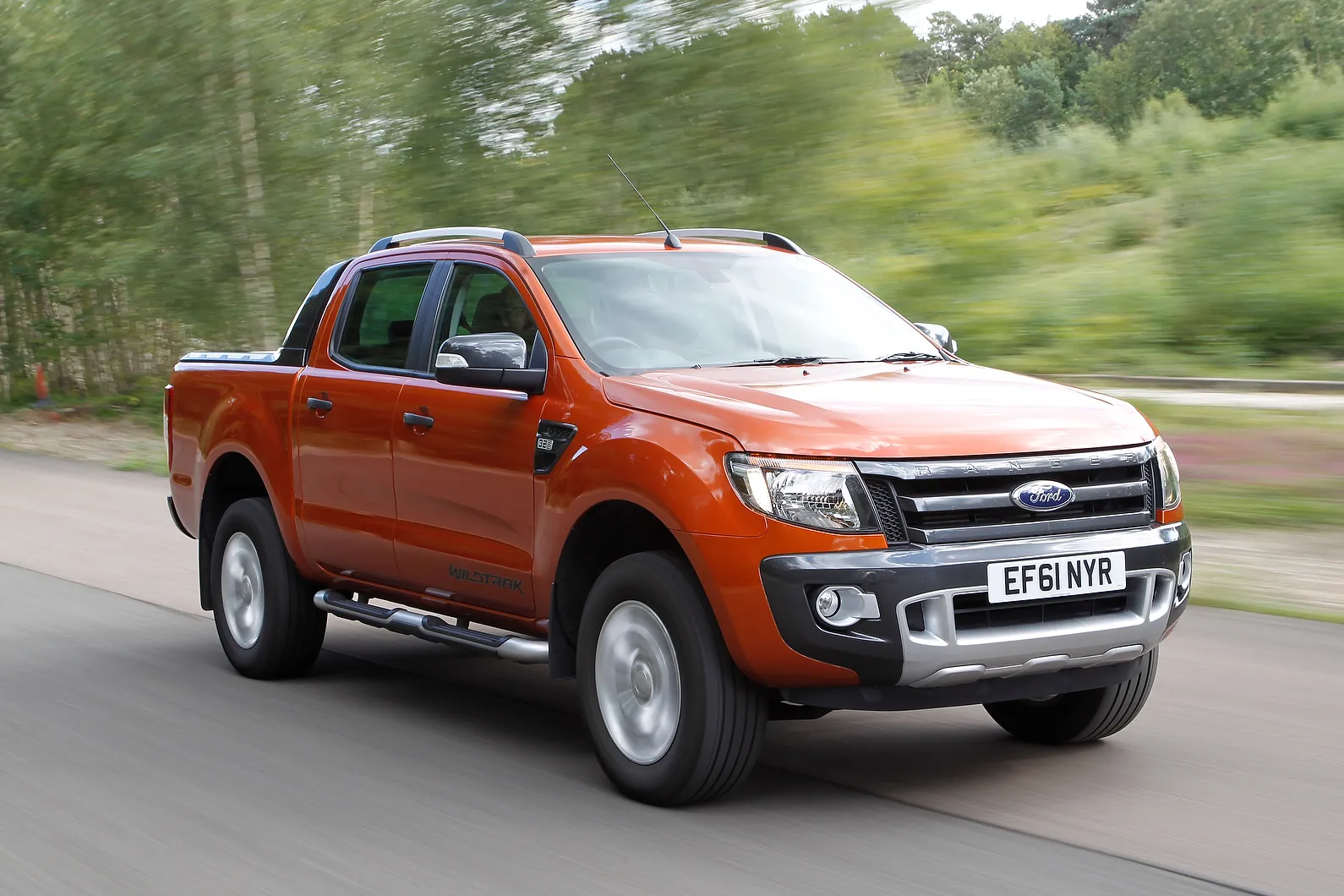
2. Ford Ranger
The Ford Ranger is a midsize pickup designed for utility, durability, and practicality, but these strengths often come at the expense of interior finesse. Storage trays and cup holders in the Ranger are typically shallow and made from hard, unlined plastics, allowing coins and other small objects to shift and rattle during regular driving.
While this is acceptable for work-focused applications or those prioritizing ruggedness, it can be distracting in urban or commuter settings where a quieter cabin might be preferred. The lack of soft liners or recessed compartments highlights a design philosophy that favors accessibility and ease of cleaning over minimizing noise.
Materials further contribute to noise issues in the Ranger. Hard plastics without cushioning or lining fail to absorb the energy of moving coins, amplifying the sound when items strike edges or hard surfaces.
Even modest vibrations from rough road surfaces or engine operation can make these trays noticeably noisy. While these materials provide strength and long-term resilience, they do not offer the same quiet experience found in vehicles engineered for cabin serenity, demonstrating a deliberate prioritization of utility over refinement.
Additionally, the Ranger’s chassis and suspension characteristics influence tray noise. Pickup trucks are designed to carry weight and handle uneven loads, which means that road vibrations are often transmitted directly to the cabin. These vibrations, combined with shallow or unlined trays, encourage loose objects to move and rattle audibly.
While this is an accepted compromise for vehicles built for work or off-road use, it highlights the difference between utilitarian pickups and sedans or SUVs that prioritize passenger comfort, where small details like quiet coin storage are more carefully engineered.
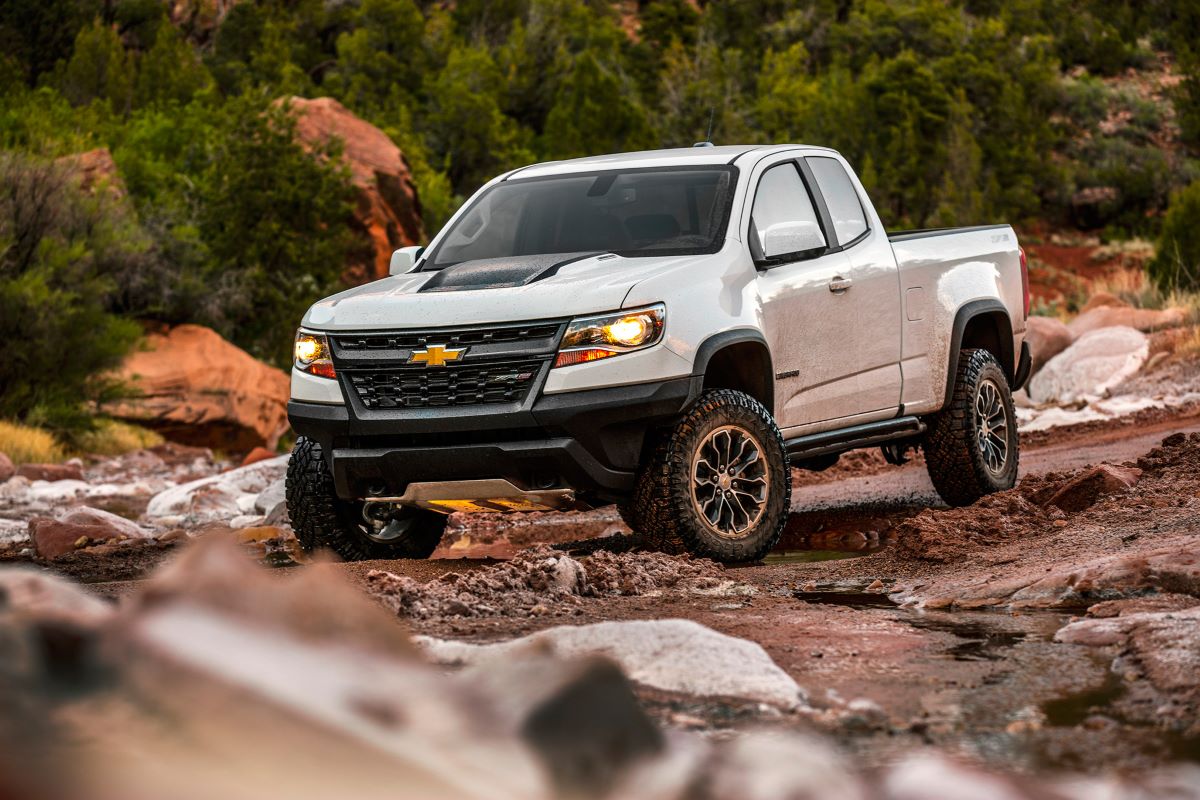
3. Chevrolet Colorado
The Chevrolet Colorado is another midsize pickup known for practicality and off-road capability, but its interior design does not always emphasize quiet handling of small items.
Storage compartments, including center console trays and door bins, are often constructed from hard plastics and lack lining, allowing coins and other small objects to move freely and create noise.
Even base or mid-level trims without additional insulation experience rattling during city driving or over rough roads, emphasizing the prioritization of utility over acoustic refinement.
Material choice compounds the issue. Hard plastic surfaces without rubberized inserts or felt lining do not absorb impact or vibration, allowing even minor movement to become audible. Road irregularities, braking, or acceleration can amplify the sound of shifting coins or small objects.
While these materials are durable and resistant to wear, they fail to provide the soft tactile and acoustic qualities found in vehicles designed for quiet interiors. This reinforces the perception that Colorado is oriented toward functionality rather than refinement.
Colorado’s chassis and suspension also influence interior noise. Vibrations from the road and chassis flex are transmitted into the cabin, creating additional movement in storage areas. Combined with unlined, shallow compartments, these vibrations ensure that coins and other small items rarely remain still or silent.
This effect is particularly noticeable in models with less insulation or in rough driving conditions, making it clear that the Colorado’s design priorities favor practicality and durability at the expense of minor comfort details like quiet coin storage.
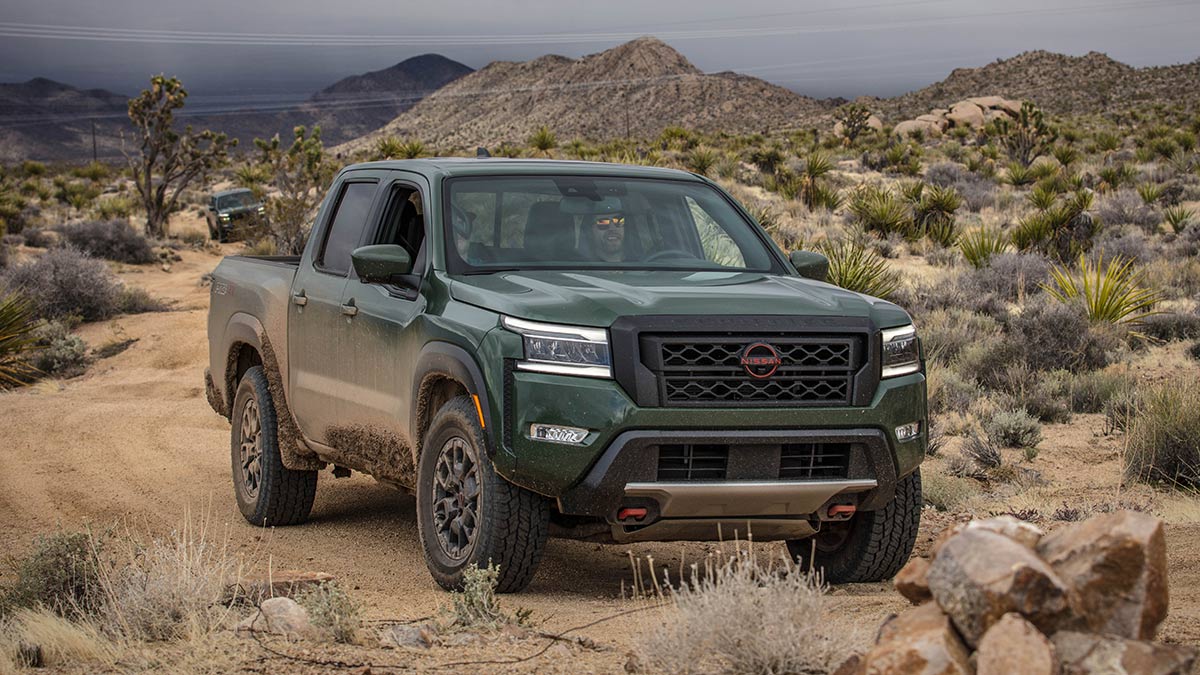
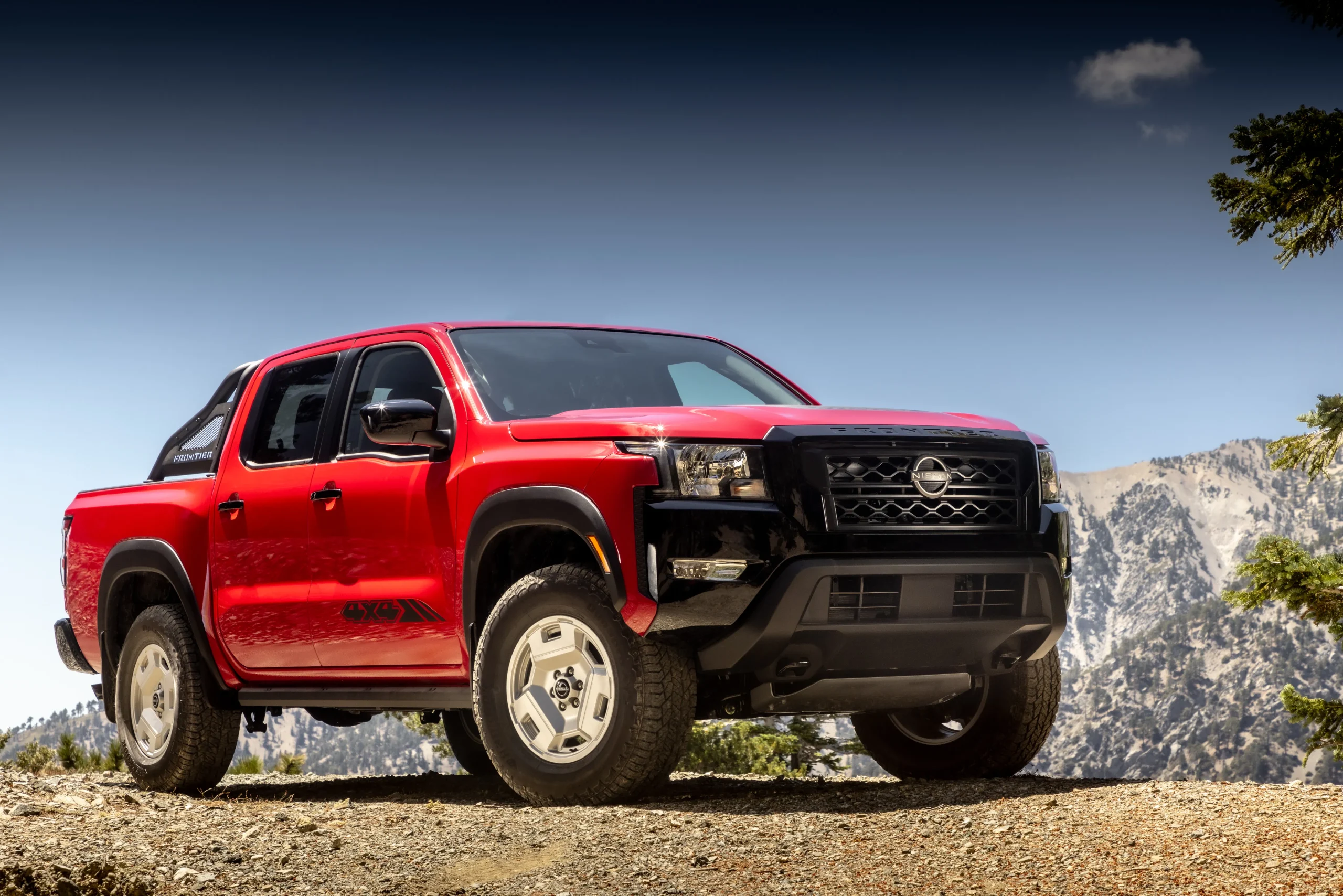
4. Nissan Frontier
The Nissan Frontier has long been marketed as a rugged, utilitarian pickup with a focus on durability and performance. Its storage trays reflect this design philosophy, often being shallow, hard, and loosely fitted, allowing coins and small objects to move and rattle during driving.
While this may not concern those using the Frontier for work or outdoor activities, it contrasts with vehicles that prioritize interior quietness and refined storage solutions. The audible movement of coins can become a constant background noise, particularly noticeable during stop-and-go traffic or over uneven roads.
Material selection further emphasizes practicality over quiet operation. Hard plastics without cushioning allow coins to strike compartment walls, producing sharp, metallic sounds.
While these materials are durable and resistant to damage, they do little to improve the tactile and acoustic comfort of the cabin. Road vibrations, combined with these hard surfaces, amplify rattling and make it a persistent minor annoyance for drivers who prefer a more serene cabin environment.
Finally, the Frontier’s suspension and chassis characteristics exacerbate tray noise. Pickup trucks typically have stiffer suspensions and are designed to handle payloads, which transmits road vibrations more directly to the cabin.
Shallow, unlined storage trays do little to mitigate this energy, resulting in coins and other small items moving and producing noise. For drivers seeking a refined and quiet interior, this combination of factors makes the Frontier less ideal, though for utility-focused buyers, the trade-off is often acceptable.
5. RAM 1500
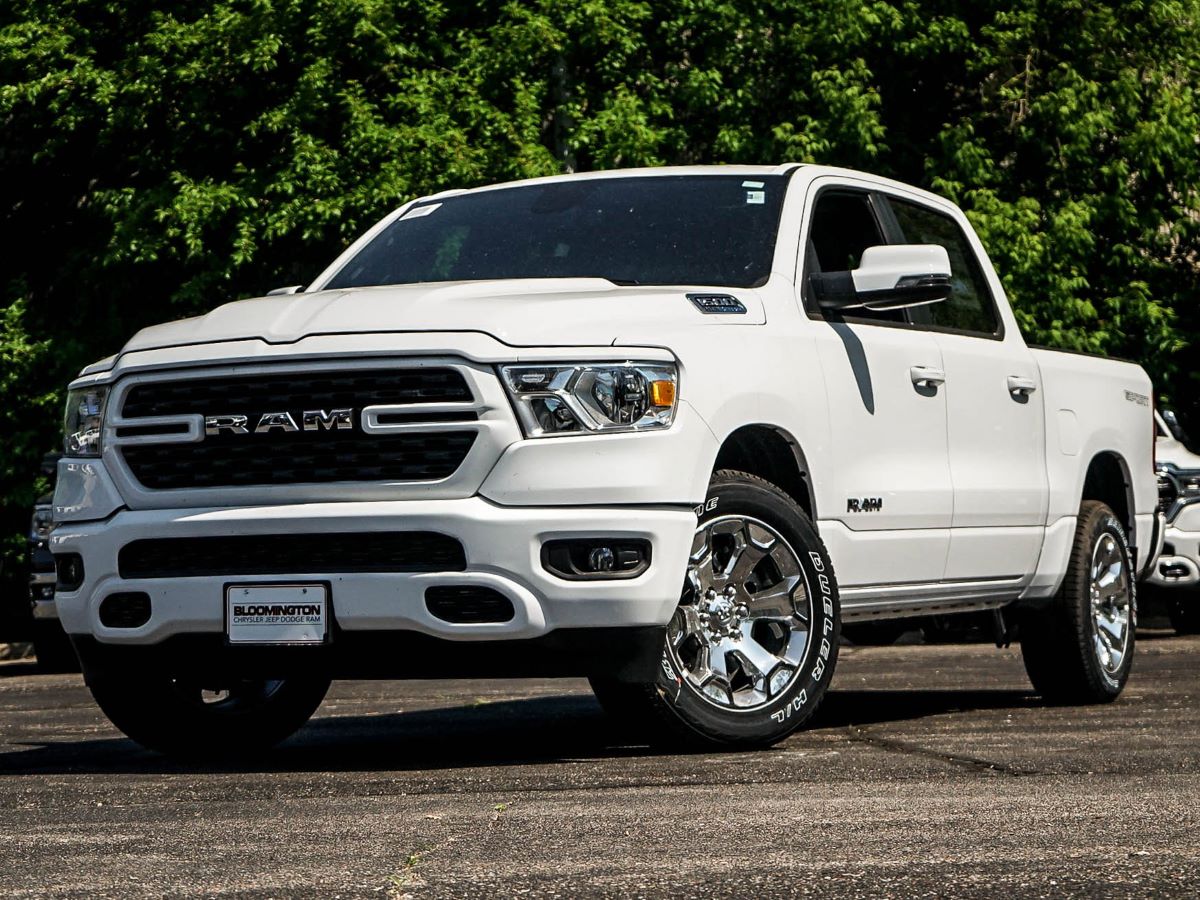
The RAM 1500 is a full-size pickup designed for heavy-duty performance, towing, and utility. While higher trims emphasize luxury and refinement, base or mid-level models often feature shallow storage trays that are shallow, made from hard plastics, and prone to rattling.
Coins and other small items can move freely in these compartments, producing noticeable noise during normal driving. This is particularly evident on uneven roads or when the vehicle carries a load, as vibrations from the suspension are transmitted into the cabin and amplify rattling in storage areas.
Material choices in base trims further contribute to rattling. Hard plastics without rubber or felt liners fail to absorb energy from moving coins, amplifying the sound as objects hit compartment edges.
These materials are selected for durability and low maintenance, which aligns with the RAM 1500’s purpose as a practical, work-oriented truck, but they do not provide the subtle acoustic cushioning necessary for a quieter cabin experience.
Finally, the RAM 1500’s suspension and chassis amplify the effect of rattling trays. As a full-size pickup, it is designed to handle significant payloads and towing stress, which means that road vibrations are transmitted more directly into the cabin.
Combined with shallow, unlined compartments, coins and small items rarely remain stationary, making rattling a consistent minor annoyance in everyday driving. While higher trims with more insulation or luxury materials can mitigate these effects, base and mid-level RAM 1500 models clearly prioritize utility over minor comfort refinements.
