
Car safety is often measured by more than just airbags, crash ratings, or electronic stability controls. One of the most overlooked aspects of everyday vehicle safety is the design and accessibility of rear-seat seatbelt buckles.
For parents, caregivers, and even people who frequently ride in the back seats, the ease or difficulty of reaching and fastening seatbelts can significantly impact both convenience and safety. When a buckle is easy to access, strapping in children or adults becomes a quicker, less frustrating process.
This not only encourages consistent seatbelt use but also reduces the risk of improper fastening, which can compromise protection during a collision.
Conversely, a rear-seat buckle hidden between cushions, recessed too far, or obstructed by thick upholstery can create daily struggles, especially for families with young children or older passengers with limited mobility.
The challenge of accessing these buckles can sometimes lead to adults skipping the seatbelt entirely or forcing children into unsafe positions. Car manufacturers vary widely in how they address this aspect of design.
Some prioritize straightforward, visible buckles that pop up from the seat cushion, while others seem to treat the rear seats as a place to conceal the hardware, prioritizing aesthetics over function.
Understanding which vehicles make life easier and which create extra difficulty can help drivers make more informed decisions when purchasing a car for family use or for frequent passengers.
This article examines ten vehicles, five of which feature rear-seat buckles that are easy to locate and fasten, and five with buckles that tend to be buried, awkward, or hard to use.
Each group will be discussed in detail, considering the practical implications for safety, convenience, and everyday use. By highlighting these differences, drivers and passengers can make choices that combine comfort, safety, and usability.
Five Cars with Easy Rear-Seat Buckles
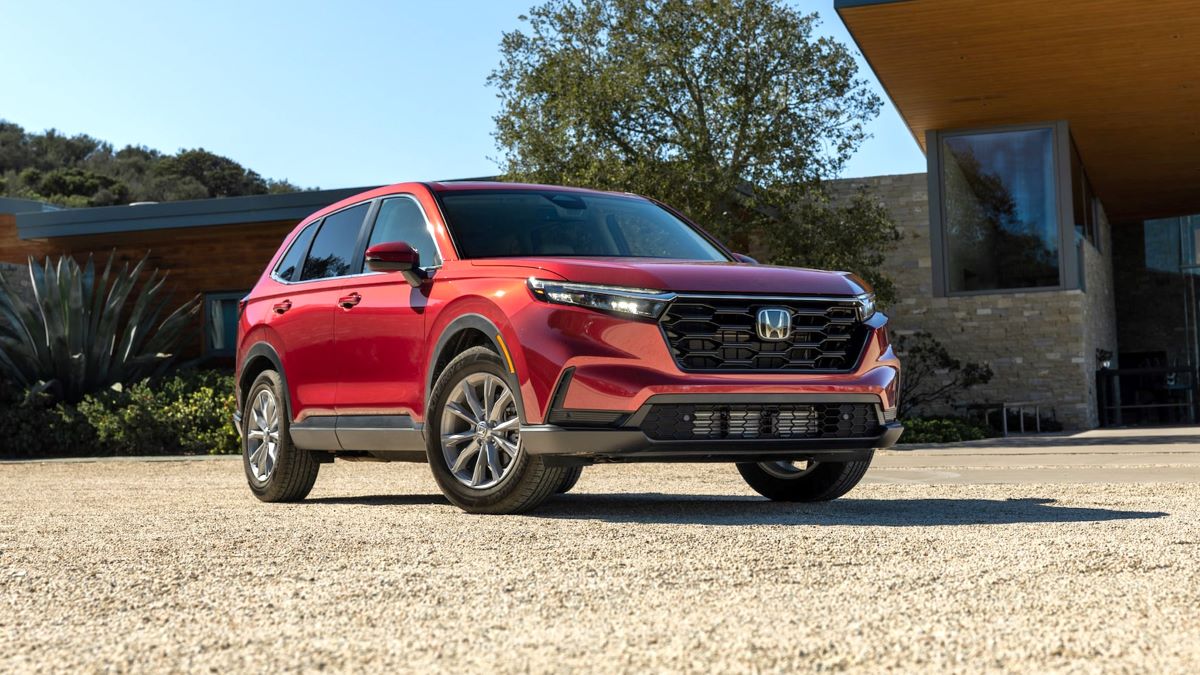
1. Honda CR-V
The Honda CR-V has long been praised for its thoughtful family-oriented interior, and the rear-seat buckles are no exception. The buckles are positioned near the edge of the seat cushion, making them easy to see and reach without having to dig into the seat gap, which is a common frustration in many SUVs.
This design is particularly useful for parents securing child safety seats, as it allows for a straightforward latch without awkward angles or excessive force. For families with multiple children, this small design choice can save precious minutes during the morning rush or on long trips.
Even adults who may struggle with flexibility or hand strength can secure themselves without awkward contortions, reducing the chance of frustration or improper fastening.
The CR-V’s approach combines ergonomics and practicality in a way that many competitors overlook, reflecting a deep understanding of everyday usability rather than purely aesthetic concerns.
Another aspect of the CR-V’s rear-seat setup is the slight rise in the buckle housing, which brings the latch closer to the passenger’s hip level. This reduces the tendency for the seatbelt tongue to slip back into the crevice between cushions, a common annoyance that can lead to improper fastening.
Parents often report that this small elevation saves them from repeatedly adjusting car seats or fishing for the latch. Additionally, the bright red release button provides a clear visual cue, which is particularly helpful in low-light conditions or when children are trying to buckle themselves.
Combined with a relatively flat seat surface, the design ensures that the rear-seat passengers can access the buckles without moving cushions, tugging upholstery, or struggling with tight gaps, making the process quick and stress-free even in busy or tight parking situations.
In terms of practicality, the CR-V’s rear-seat buckles do not interfere with folding the seats for cargo access. This is significant for users who frequently switch between passenger and cargo configurations, as the buckles remain accessible even when seats are partially reclined.
For example, someone loading groceries or luggage can still secure a child in the back seat without having to lift or adjust cushions awkwardly.
The consistency of buckle accessibility across different seat configurations demonstrates thoughtful engineering that prioritizes usability. This attention to detail reduces the likelihood of frustration or errors, ensuring that the seatbelt is used properly each time.
Finally, the durability of the buckle system in the CR-V is worth noting. Frequent use over many years does not seem to compromise the smooth action of the latch, which is particularly important in a family vehicle where the rear seats are in constant use.
Unlike some vehicles where repeated fastening causes buttons to stick or metal components to wear prematurely, the CR-V maintains a reliable, predictable mechanism.
The Honda CR-V demonstrates how thoughtful buckle placement can enhance both safety and user experience, making it an ideal choice for anyone who prioritizes convenience and consistent seatbelt use.
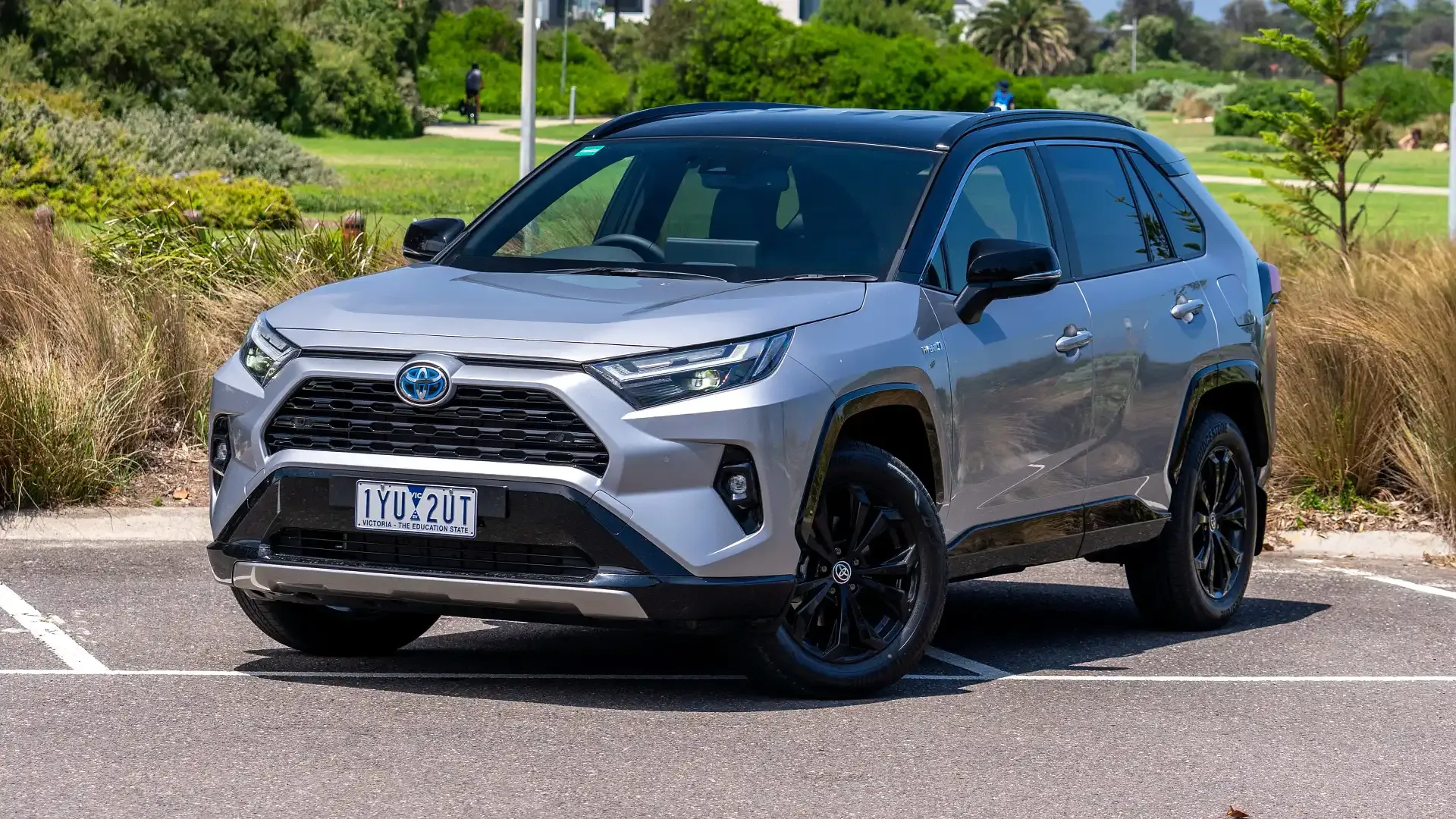
2. Toyota RAV4
The Toyota RAV4 emphasizes visibility and ease of use in its rear seating area. Its buckles are positioned near the seat edge and slightly angled toward the passenger, allowing a natural hand motion when fastening the belt.
This reduces awkward wrist angles, bending, and the need to maneuver into uncomfortable positions, which can be especially helpful for older passengers or those with limited flexibility.
Parents often note that the RAV4 makes it easy to secure children’s car seats without repeated adjustments, as the buckle’s location reduces the chance of the tongue sliding under the cushion. Its placement also accommodates taller passengers who may otherwise find it difficult to reach recessed buckles without leaning awkwardly or stretching.
The buckle release mechanism in the RAV4 is simple and requires minimal pressure to unlock. This is a small but important feature, as frequent struggles with a stiff release button can be frustrating, particularly for children, elderly passengers, or anyone with reduced hand strength.
The large red button is visible from multiple angles, making it easy for users to locate it quickly. This feature, combined with the slightly elevated positioning, reduces the likelihood of passengers leaving the seatbelt unfastened or improperly fastened.
Families often report that these design features save time during busy routines, such as school drop-offs or weekend outings, and ensure consistent safety compliance.
The RAV4 also accounts for wider passengers by keeping the buckle slightly raised and unobstructed by seat edges or thick clothing. This minimizes the need to adjust clothing or squeeze into a position to latch the seatbelt, allowing the belt to snap in smoothly on the first attempt.
When the rear seats are folded forward to extend cargo space, the buckles remain accessible and unobstructed, which is a subtle but highly practical design choice. Users can fold the seats to accommodate larger items without having to remove the buckles or struggle to reach them, providing both safety and convenience in everyday use.
Durability is another highlight of the RAV4’s rear-seat buckles. Years of repeated use do not compromise the smooth action of the latch or the responsiveness of the release button.
This is particularly significant in a family vehicle that undergoes frequent fastening and unfastening. The combination of visibility, accessibility, and consistent reliability positions the RAV4 as one of the vehicles with the most user-friendly rear-seat buckles, reflecting Toyota’s attention to everyday usability and practical safety considerations.
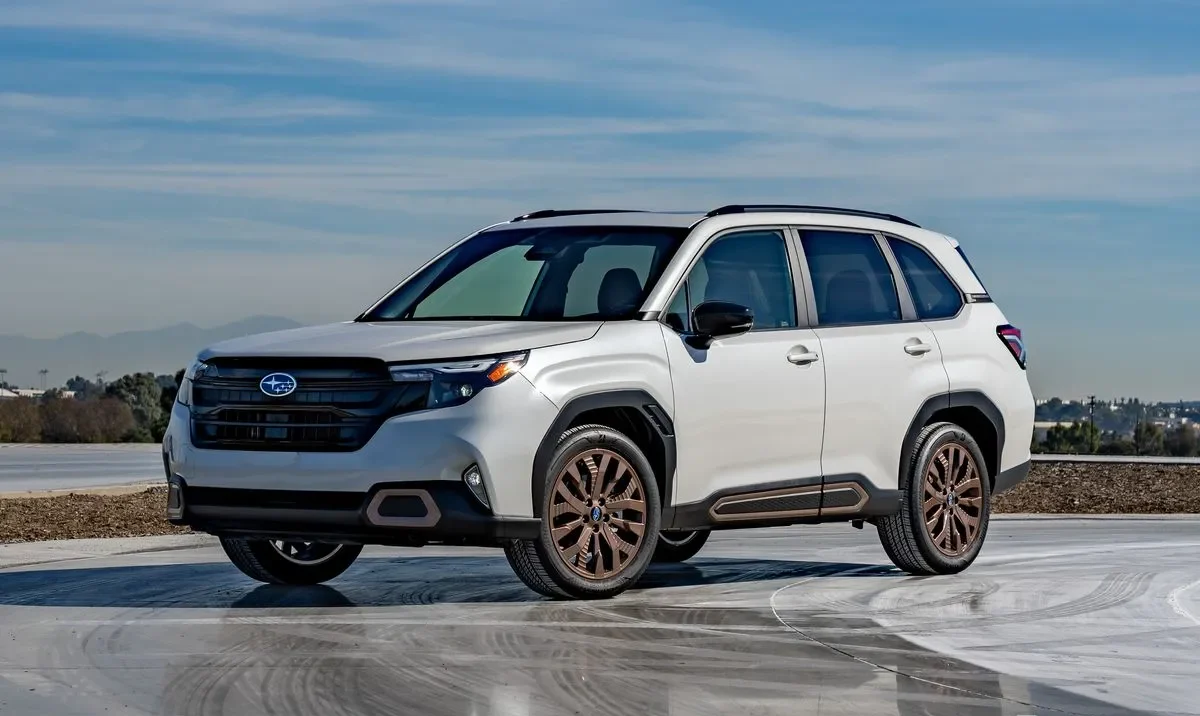
3. Subaru Forester
Subaru’s Forester is designed with practicality at its core, and the rear-seat buckles reflect this design philosophy. Unlike some vehicles where the buckle sits flush or slightly recessed in the seat cushion, the Forester’s latches are mounted on flexible stalks that allow them to be lifted above the seat surface.
This makes it much easier to insert the seatbelt tongue, reducing the frustration of searching between cushions or trying to push the latch into a tight space.
For parents handling multiple children, this feature significantly speeds up the process of securing everyone safely. The stalks also allow the buckle to return to a visible position when released, which prevents it from getting trapped under cushions, a common source of annoyance in many other SUVs.
The buckle release mechanism in the Forester is smooth and requires only moderate pressure to operate. Its ergonomic positioning near the seat edge accommodates both small and large hands, making it easier for children, elderly passengers, or individuals with limited hand strength to operate.
The bright red button further improves visibility, ensuring users can quickly locate and use the buckle without fumbling. These design considerations reduce the chance of improper fastening, which is a critical factor in ensuring the safety of passengers.
Families with children or frequent back-seat passengers report that the Forester minimizes the small daily frustrations that often accompany vehicles with poorly placed latches.
Another advantage is that the buckle’s position does not interfere with folding the rear seats. Even when the seats are reclined or partially folded to accommodate larger cargo, the latches remain easily accessible.
This provides practical convenience for families who often switch between carrying passengers and hauling items, reducing the risk of forgetting to buckle passengers during quick transitions. In addition, the slightly flexible design ensures that the buckle can adjust to accommodate different seating positions and body types, enhancing usability.
Subaru also emphasizes long-term durability in the Forester’s buckle system. Frequent use over years does not compromise its smooth operation or structural integrity. The latches remain responsive even after repeated fastening and unfastening, which is vital for vehicles used in family or daily commuter contexts.
The Forester’s rear-seat buckles exemplify how thoughtful design can make seatbelt use effortless, practical, and safe for passengers of all ages.
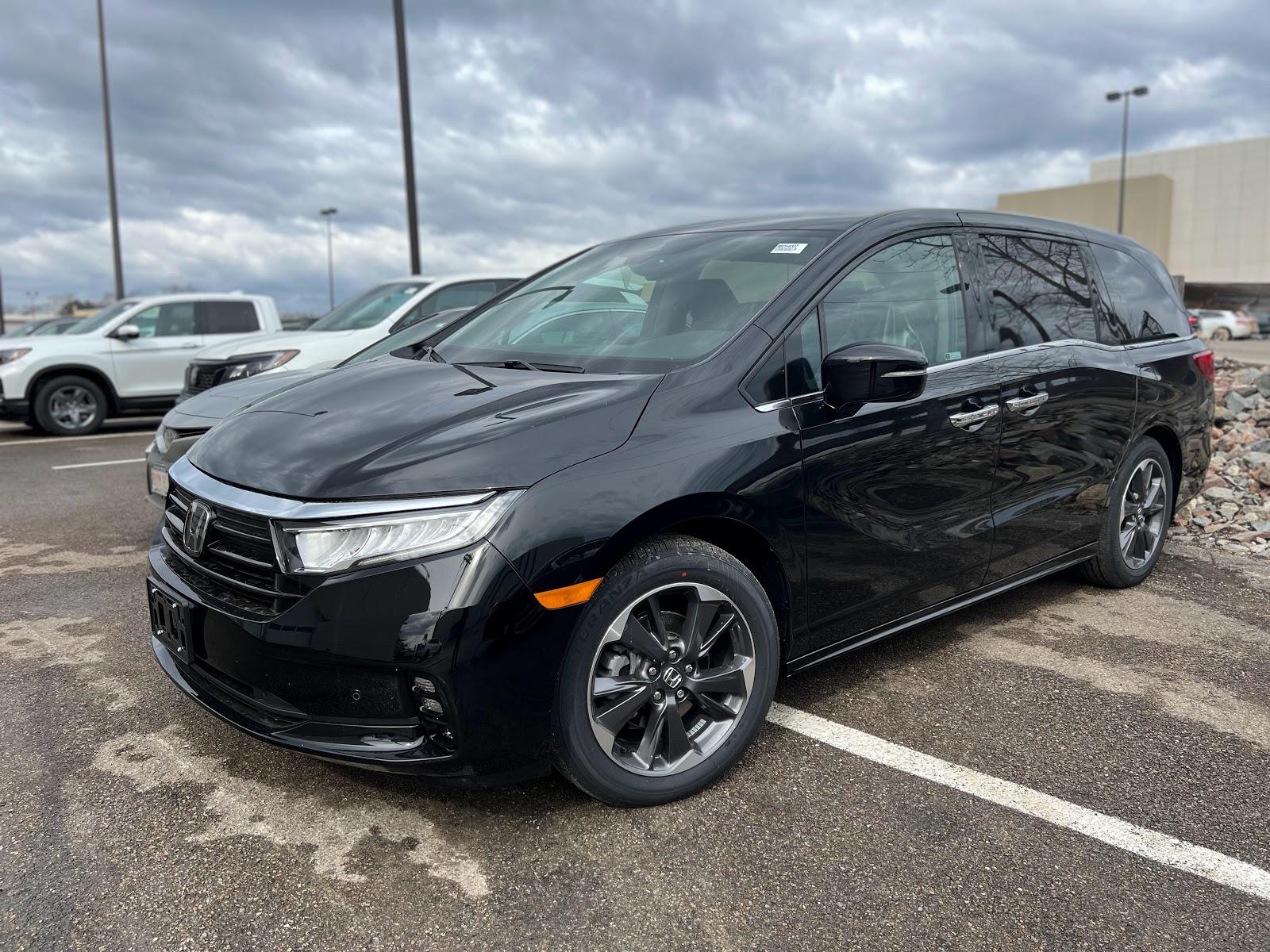
4. Honda Odyssey
As a minivan designed specifically for families, the Honda Odyssey excels in rear-seat buckle accessibility. The buckles are intentionally raised above the seat surface and positioned toward the edge, allowing both children and adults to locate them without assistance.
This design choice speeds up the process of securing multiple passengers, reducing stress during morning routines or long trips.
Parents handling car seats appreciate the reduction in awkward movements or searching between cushions, which also minimizes the chance of incorrectly installed seats. The Odyssey’s buckle layout reflects a user-centered approach that emphasizes safety, convenience, and practicality in every aspect of interior design.
The red release button on the Odyssey is large and responsive, reducing the effort required to unbuckle even after long periods of use. The smooth latch mechanism ensures minimal frustration, which is essential in a vehicle frequently used by families for multiple trips per day.
Children can unbuckle themselves safely, and adults do not need to apply excessive force, which is beneficial for elderly passengers or anyone with limited hand strength. This combination of ergonomics and durability helps maintain a positive user experience over years of heavy use.
Finally, durability and reliability are consistent across all rear seats in the Odyssey. The buckles are designed to withstand frequent daily use without sticking, loosening, or failing. The layout also reduces the risk of buckles being trapped under cushions, which is a common source of frustration in other vehicles.
For families prioritizing ease of use without compromising safety, the Odyssey demonstrates how thoughtful design transforms a simple buckle into a practical tool that enhances both comfort and security.
5. Toyota Sienna
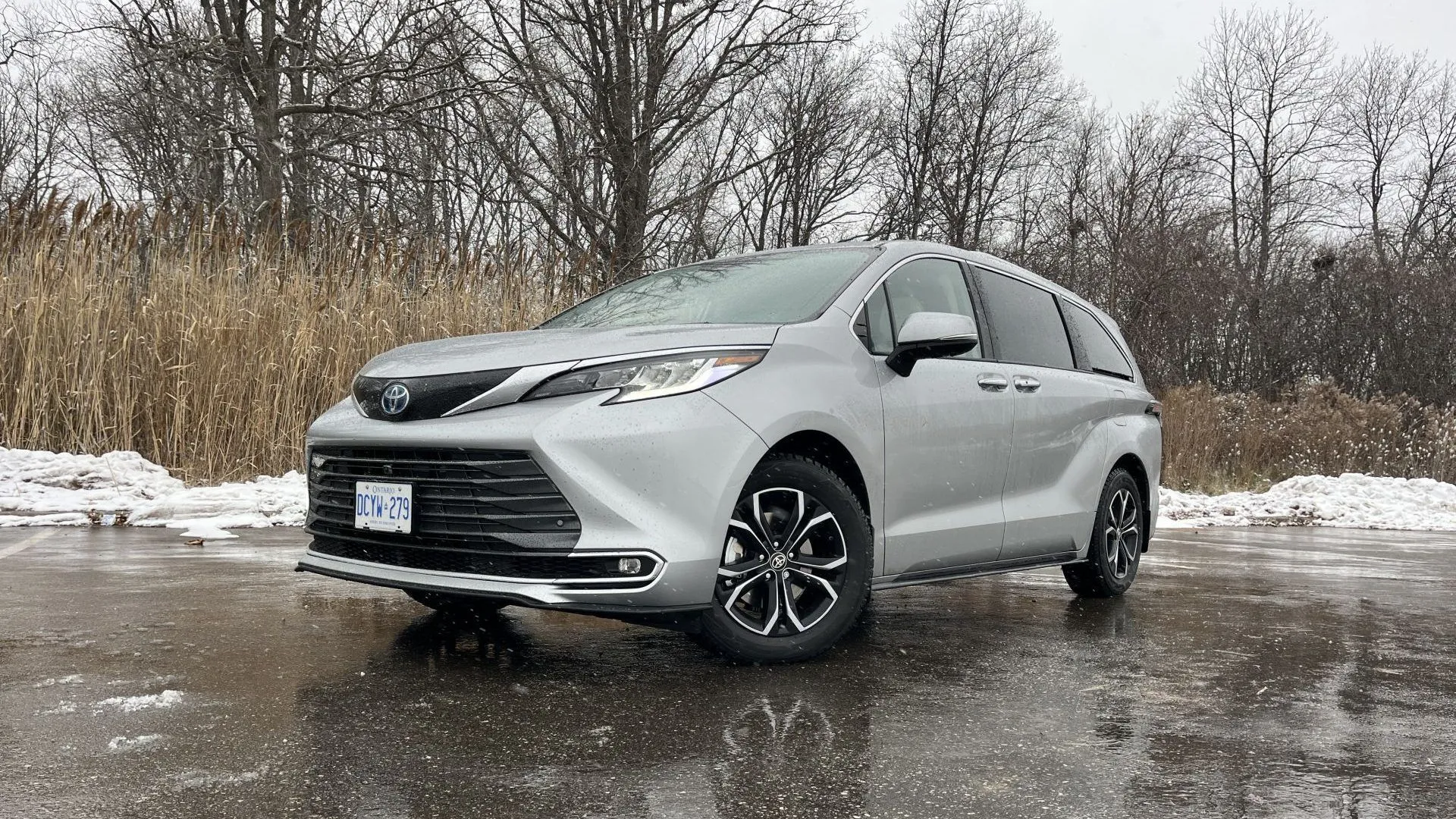
The Toyota Sienna, another family-focused minivan, offers rear-seat buckles that are extremely easy to access and operate. Mounted on short stalks near the edge of the seat cushion, the latches allow passengers to reach the buckle without awkward twisting or searching.
This design is especially advantageous for children and adults with limited mobility, making seatbelt use straightforward and stress-free. Parents and caregivers frequently note that this accessibility saves time and reduces frustration when managing multiple passengers in a confined space.
The Sienna’s rear-seat layout also ensures that the buckles do not interfere with folding or sliding the seats. When transitioning from passenger to cargo configurations, the latches remain functional and accessible.
This eliminates the frustration of needing to remove or adjust cushions to reach the buckle and reduces the likelihood of passengers skipping seatbelt use due to difficulty accessing the latch. The design also accommodates various passenger sizes and seating positions, making it a versatile option for families with diverse needs.
The Sienna demonstrates how visibility, accessibility, and ergonomic placement can transform rear-seat buckles from a minor inconvenience into a practical feature that enhances daily usability.
By prioritizing ease of use without sacrificing safety, the Sienna provides a reliable and user-friendly system that supports consistent seatbelt use for passengers of all ages, highlighting the importance of thoughtful interior design in family vehicles.
Five Cars with Buried Rear-Seat Buckles
1. Ford Explorer
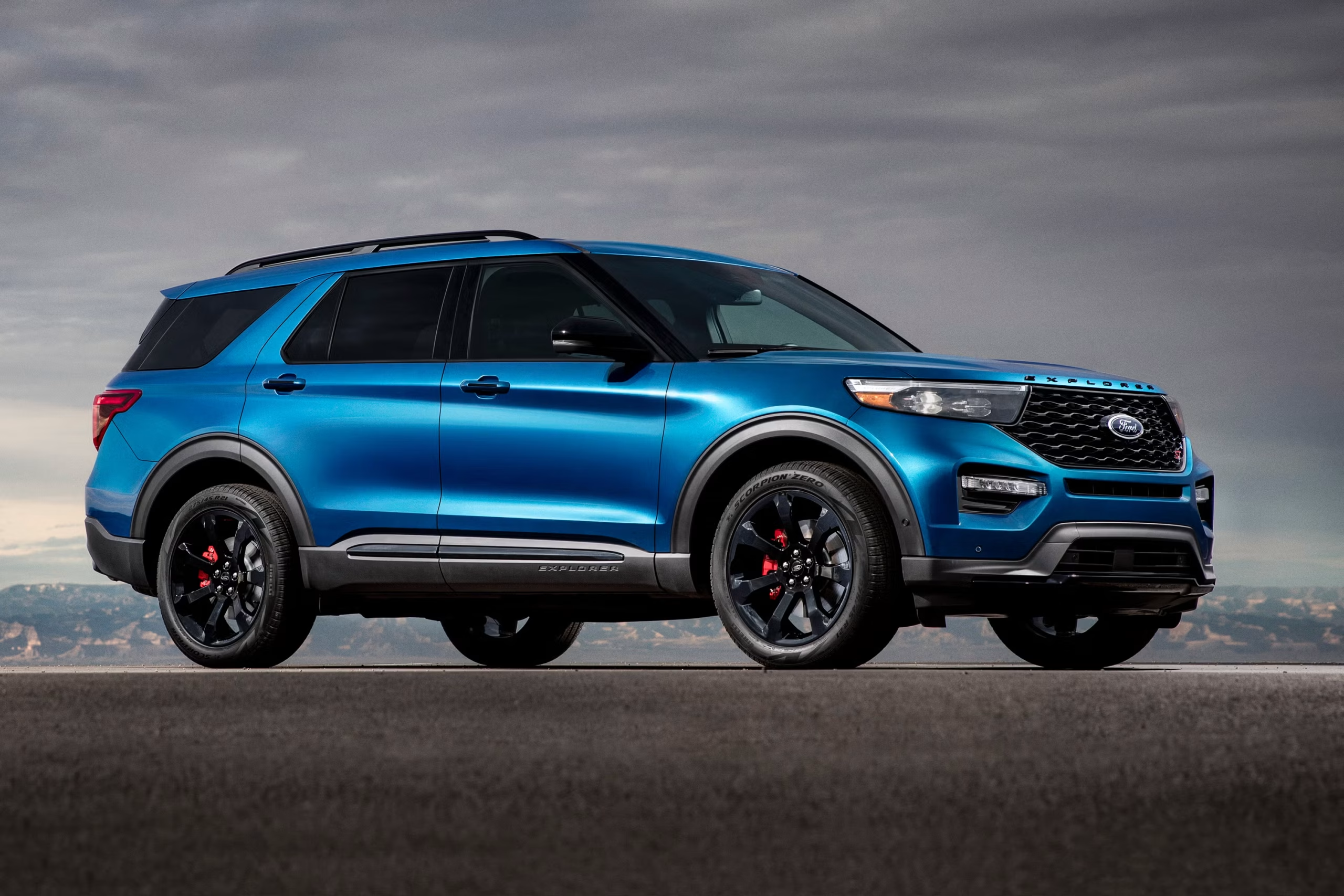
The Ford Explorer, while popular for its spacious interior and strong performance, has rear-seat buckles that are often criticized for being difficult to access.
The buckles are recessed deep into the seat cushion, requiring passengers to dig around to find them. This can be particularly frustrating for parents attempting to secure children in car seats, as the seatbelt tongue can easily slip back under the cushion during fastening.
The awkward placement means that adults often have to reach down or bend their fingers into uncomfortable angles, which is even more challenging for passengers with limited mobility, arthritis, or smaller hands. Over time, this can lead to frustration and sometimes even improper fastening, which compromises safety.
The release mechanism in the Explorer is also a factor contributing to its reputation as a difficult vehicle for rear-seat fastening. While the red button is present, it is often partially obscured by seat folds or upholstery. In practice, this means that passengers have to search or fumble to locate the button before unfastening the seatbelt.
This can be a problem during quick transitions, such as school pick-ups, errand runs, or ride-share situations, where multiple passengers need to secure themselves quickly. Children in particular may struggle to operate the buckle independently, increasing reliance on adults and creating bottlenecks in daily routines.
Durability can also be a concern over time. Because the buckles are recessed and frequently jostled between cushions, the release button and latch mechanism are subject to pressure and friction that may cause wear.
While the Explorer is otherwise a reliable vehicle, this specific aspect of rear-seat design often results in complaints about stubborn or hard-to-use buckles.
Passengers may avoid using the middle seat altogether, or parents may spend extra time ensuring that children’s car seats are properly secured. The Ford Explorer illustrates how a minor design choice, such as burying the buckle, can have a substantial impact on convenience and safety.
2. Chevrolet Traverse
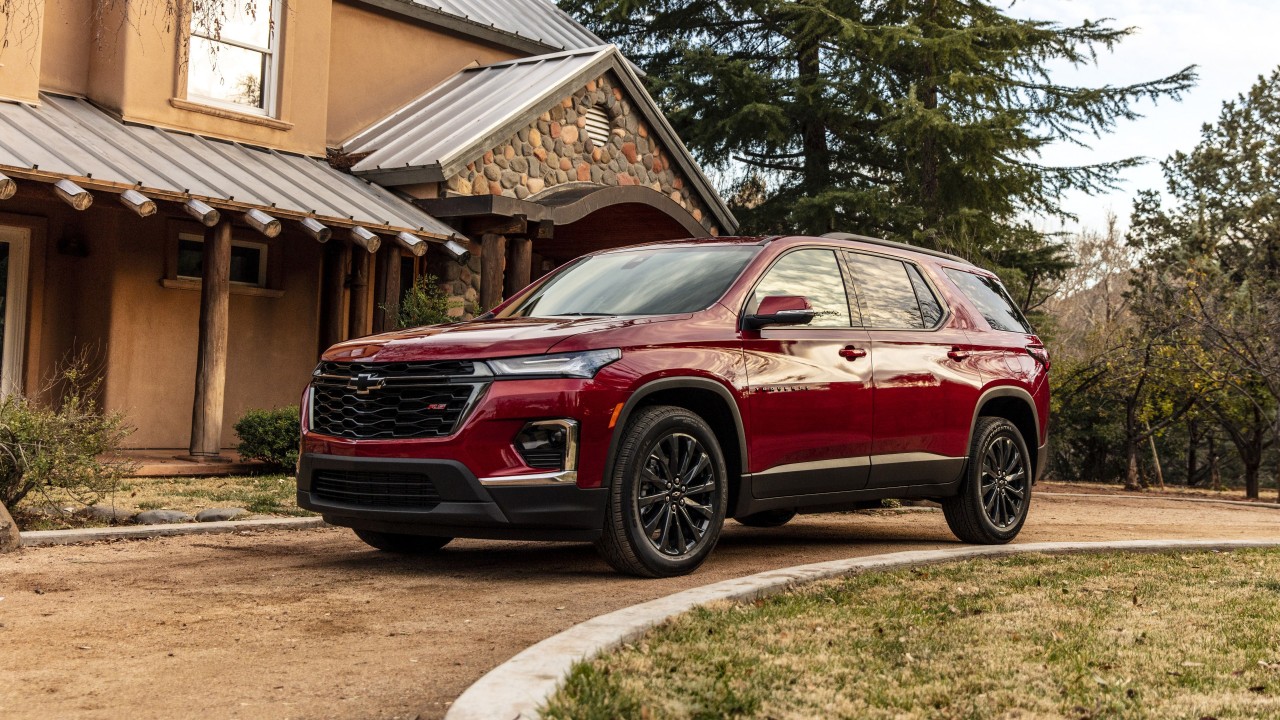
The Chevrolet Traverse has a roomy rear seat, but its seatbelt buckles are frequently described as difficult to reach. They are recessed between deep seat cushions, which makes them almost invisible when not in use. Passengers must dig into the gap to locate the latch, a process that can be frustrating in low-light conditions or when in a hurry.
Parents securing child safety seats often note that the seatbelt tongue slips under the cushion, requiring extra effort to pull it back out. Even adults with average mobility may need to twist their hands or lean awkwardly, which increases the risk of incomplete fastening or minor frustration.
The release mechanism in the Traverse is functional but suffers from limited accessibility. The red button is partially hidden, especially when the seat is occupied or the cushion compresses under weight. Passengers frequently have to press the button at an angle or use more force than expected to release the seatbelt.
This can be particularly inconvenient during daily commutes or when multiple passengers are entering or exiting the vehicle quickly. Families report that it can take several seconds longer than necessary to buckle everyone in, and repeated frustration can lead to bad habits, such as children trying to adjust the belt themselves or adults skipping proper fastening.
Finally, the long-term impact of these buried buckles is worth considering. Repeated attempts to reach or press the latch can wear down the mechanism or make it sticky over time. The leather or cloth upholstery around the buckle may also be prone to indentations or slight damage due to constant digging and pressure.
While the Traverse offers excellent interior space and comfort, its rear-seat buckle design highlights how poor accessibility can undermine convenience, safety, and everyday usability, particularly in family-oriented scenarios.
3. Jeep Grand Cherokee
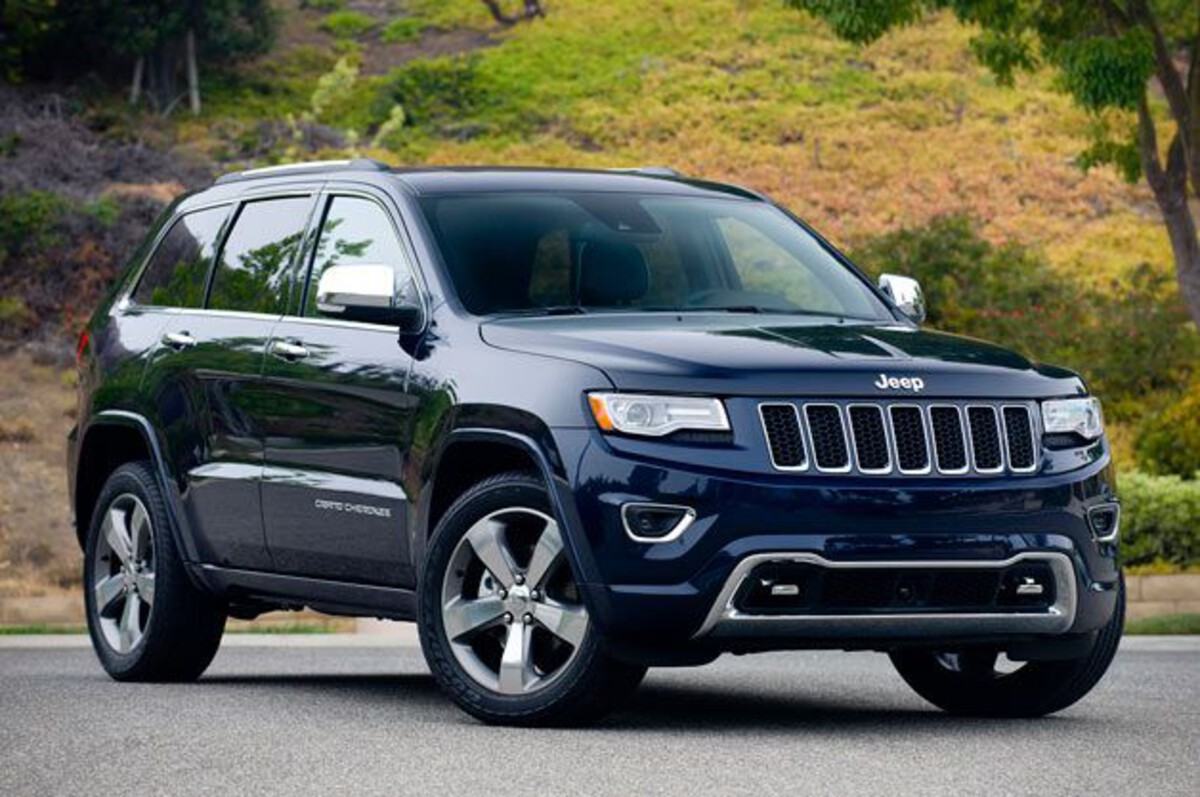
The Jeep Grand Cherokee provides an elegant and rugged interior, but the rear-seat buckles are a common source of criticism. These buckles are positioned deep within the seat cushions, making them difficult to locate and latch quickly.
The problem is especially pronounced for middle passengers, whose seatbelt tongues often become trapped between thick cushions.
Passengers must reach awkwardly or apply extra force to engage the latch, creating frustration and occasionally leading to improper fastening. This can be particularly problematic for families, as parents need to carefully secure child car seats in addition to assisting passengers in the back.
The release mechanism in the Grand Cherokee suffers from similar accessibility issues. The red button, though present, is often partially hidden by upholstery or seat folds. Passengers must press the button at a precise angle to release the belt, which is inconvenient when in a hurry.
For older adults or passengers with hand strength limitations, this can be a significant barrier. Children trying to unbuckle themselves may need adult assistance, and frequent usage can make the process tedious over time. These small challenges, while seemingly minor, can add up during daily routines and create repeated frustration for families and regular passengers.
Durability is also impacted by the awkward placement of these buckles. Repeated pressure and frequent searching for the latch can lead to wear or minor malfunctions over time. Even with regular maintenance, users often report that the buckles feel tight, difficult to release, or less responsive after prolonged use.
The Jeep Grand Cherokee illustrates that while aesthetics and interior design may be appealing, burying rear-seat buckles can compromise practical usability and passenger comfort in everyday scenarios.
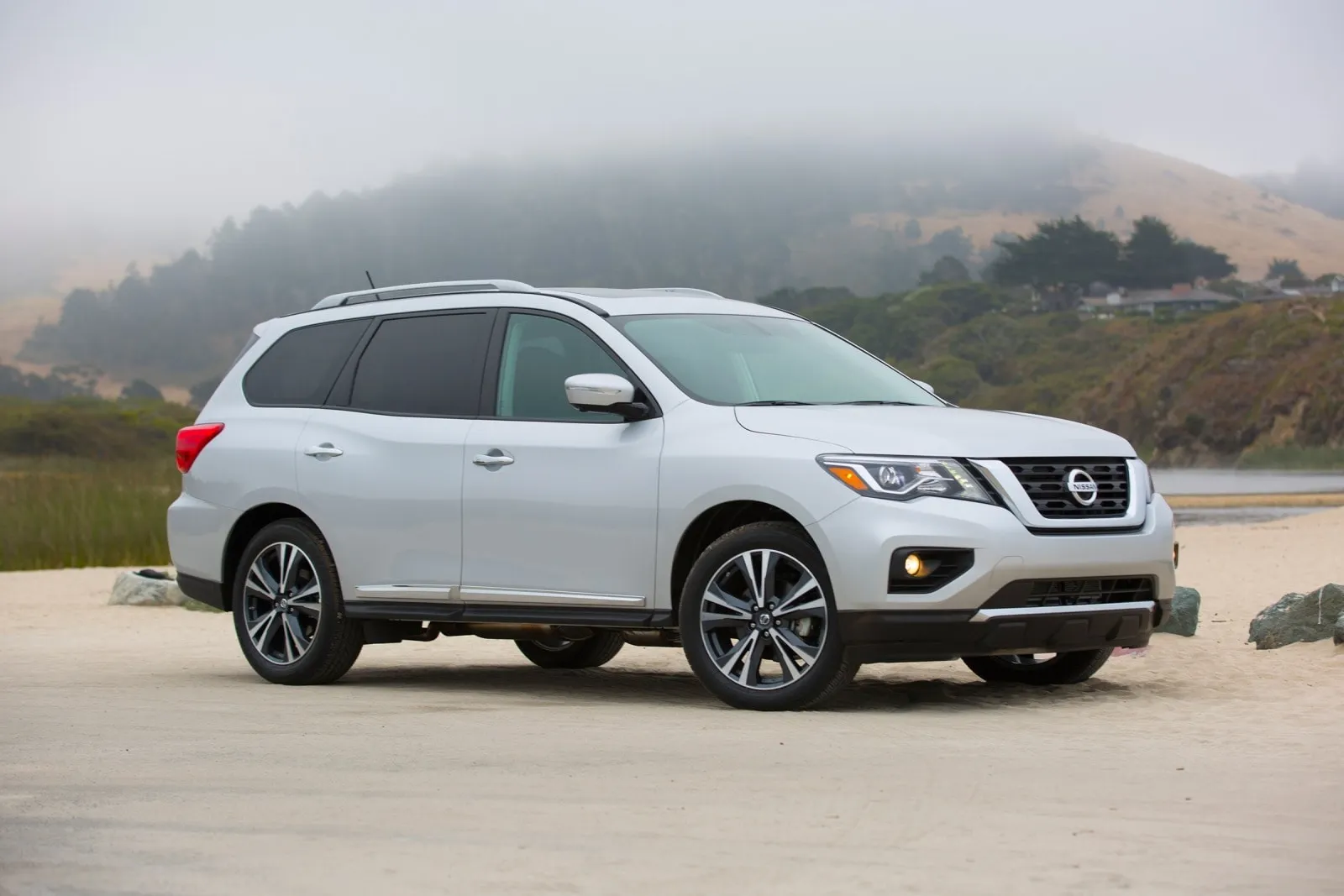
4. Nissan Pathfinder
The Nissan Pathfinder is known for its spacious three-row seating, but its rear-seat buckles are notoriously hard to reach. They are recessed into deep seat cushions and sometimes partially hidden by seams, making them difficult to locate without effort.
Passengers often need to dig around or lift the cushion slightly to access the latch, which is particularly challenging when securing child car seats or assisting passengers with limited flexibility.
The awkward angle required to engage the buckle can lead to incomplete fastening or minor frustration during daily use. For families with multiple passengers, this design can slow down the process of securing everyone safely, turning a simple task into a time-consuming one.
The release mechanism is functional but inconvenient. The red button is partially obscured by the upholstery and cushion folds, requiring extra effort to depress. In practice, this means that passengers must use more force or adjust their hand position to unbuckle, which is not ideal for children, older adults, or individuals with mobility challenges.
Frequent use can exacerbate the difficulty, especially during busy routines or when multiple people need to get in or out quickly. Parents often report that the buried buckles create a minor daily frustration that adds unnecessary complexity to family travel.
Durability is also affected over time. Constantly digging around or pressing the release button at awkward angles can lead to wear on the latch mechanism or minor stress on the upholstery.
Even though the Pathfinder excels in space and comfort, its buried rear-seat buckles demonstrate how an overlooked aspect of design can compromise the everyday usability and convenience of a vehicle, especially in family or multi-passenger scenarios.
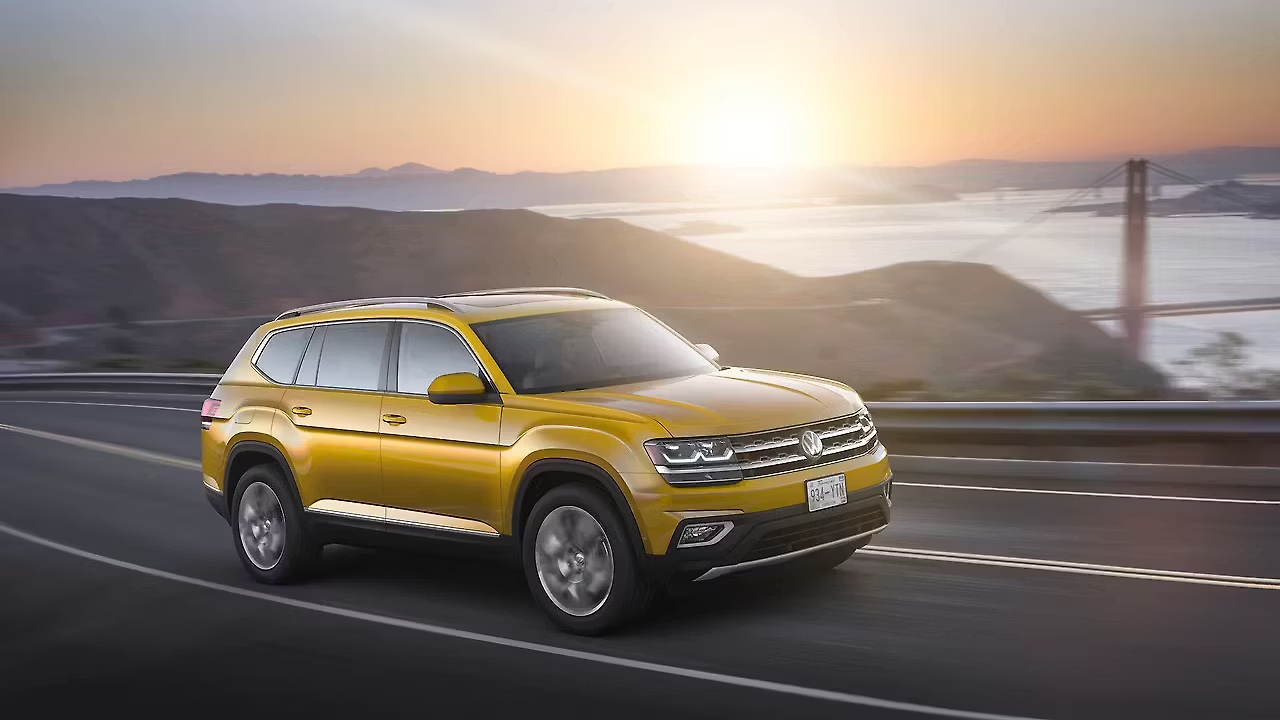
5. Volkswagen Atlas
The Volkswagen Atlas offers a spacious and stylish interior, but its rear-seat buckles are often criticized for their poor accessibility.
They are deeply recessed between thick seat cushions, making them difficult to locate and latch efficiently. Passengers must dig or feel for the buckle, which can be particularly challenging for small children or passengers with limited hand strength.
This often leads to repeated attempts to secure the seatbelt correctly, increasing frustration and the likelihood of improper fastening. Families using the Atlas for daily commuting or long trips may find that these minor inconveniences add up, making the rear seats less convenient than their design might suggest.
The buckle release button in the Atlas is also partially hidden within the upholstery folds. Passengers must press the button carefully, often at an angle, to release the belt. This can be especially inconvenient when multiple passengers need to unbuckle quickly, such as during school drop-offs or family outings.
Children attempting to unbuckle themselves may struggle, requiring adult assistance and adding further frustration. The combination of hidden placement and partially obscured release increases the difficulty of using the rear seat safely and efficiently.
Finally, repeated use of these buried buckles can affect their longevity. Constant pressure, awkward angles, and frequent digging may lead to wear or reduced responsiveness over time.
While the Atlas provides excellent interior space and comfort, the design of the rear-seat buckles illustrates how poor accessibility can undermine everyday usability and frustrate passengers, particularly in situations where quick and consistent fastening is required.
