
Hatchbacks have long been a favorite for drivers seeking a balance between practicality and enjoyment behind the wheel. These compact vehicles often provide the convenience of a small footprint for city driving while still offering cargo space and versatile seating arrangements.
However, not all hatchbacks handle the same. Some models instill a sense of connection to the road, feeling grounded and planted even during aggressive cornering, while others tend to feel lighter, more detached, and occasionally floaty, particularly over bridges or uneven surfaces.
The distinction between these handling characteristics can make a substantial difference for drivers who value stability and confidence versus those who prioritize comfort and ease of maneuvering.
Hatchbacks that feel firmly connected to the road often feature suspension setups tuned to minimize body roll, precise steering feedback, and chassis rigidity that encourages confident driving. Drivers notice how the car responds predictably when pushing through turns or crossing bridge joints, creating a sense of security that encourages spirited driving.
These models often have a lower center of gravity, performance-oriented tires, and well-calibrated damping systems that contribute to a planted sensation. For people who navigate winding roads or encounter bridges with varying surfaces, these cars provide a reassurance that nothing will catch them off guard.
Conversely, floaty hatchbacks offer a contrasting experience. These vehicles may prioritize ride comfort over road feel, resulting in a sensation of softness that can feel disconnected from the pavement. When crossing a bridge or navigating elevated roadways, the body tends to sway slightly, and steering feedback may feel less direct.
While this may provide a smoother, cushioned ride for passengers, it can leave the driver feeling less engaged with the road. Some of these models are excellent for relaxed cruising or long commutes, where comfort is more important than precise handling, yet they can be less satisfying for those who enjoy an energetic driving experience.
Understanding the difference between planted and floaty hatchbacks can help prospective buyers make informed decisions. Factors such as suspension geometry, weight distribution, tire choice, and chassis stiffness all contribute to these characteristics.
Recognizing how a car behaves in dynamic situations, especially over bridges or uneven surfaces, can determine not only comfort and safety but also driving confidence. The following sections examine specific hatchback models that exemplify these two distinct handling philosophies, highlighting why some feel anchored to the road while others glide with a softer, more buoyant demeanor.
Five Hatchbacks That Feel Planted on Bridges
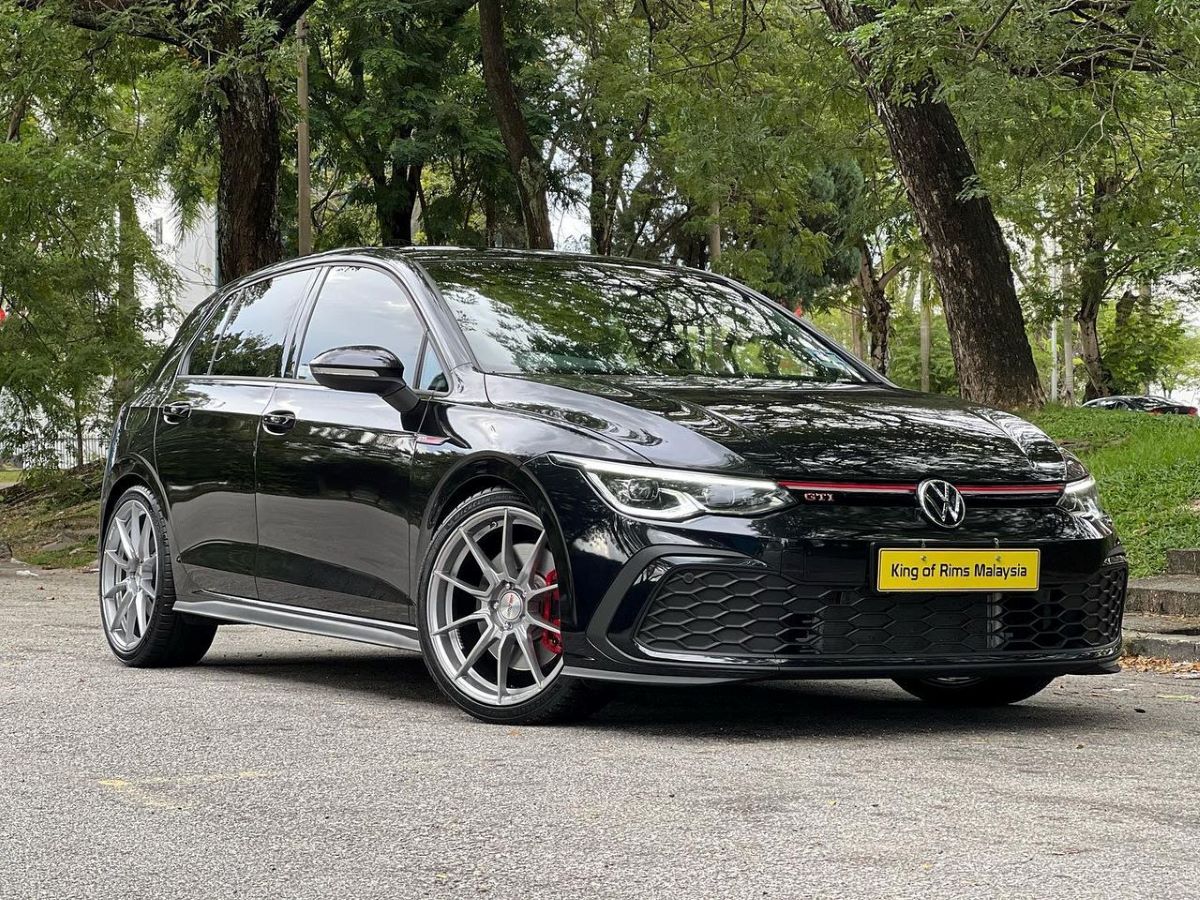
1. Volkswagen Golf GTI
The Volkswagen Golf GTI has earned its reputation as a benchmark for balanced driving dynamics and engaging performance. Beyond its sporty styling, the GTI delivers a sense of connection to the road that is immediately noticeable to drivers.
Its suspension is finely tuned to strike a balance between comfort and firmness, ensuring that the car feels secure during both city driving and spirited maneuvers. Crossing a bridge, whether a short overpass or a longer elevated span, the GTI maintains composure, absorbing small imperfections without feeling loose or disconnected.
This stability comes not only from the mechanical setup but also from the car’s attention to detail in chassis tuning, which minimizes unpredictable movements and ensures a confident driving experience.
In addition to the suspension, the low center of gravity is a critical factor in the GTI’s planted feel. The car sits relatively low compared to many hatchbacks, and this lowers body roll while enhancing cornering stability. Drivers experience a reassuring feedback loop through the steering wheel, with the car responding predictably to input.
Performance-oriented tires further contribute to this sensation by gripping the road consistently, allowing for precise control during acceleration, braking, and cornering. When driving over uneven bridge surfaces or expansion joints, the car maintains composure without sudden jolts or floaty reactions, reinforcing a sensation of control and security.
The weight distribution of the Golf GTI is another element that enhances the driving experience. Careful engineering ensures the car is balanced front to rear, preventing the nose from diving during braking or the rear from feeling light during cornering.
The combination of weight distribution, suspension tuning, and chassis rigidity creates a sense of predictability, allowing drivers to anticipate the car’s responses under different conditions.
Even at higher speeds or during aggressive maneuvers, the vehicle remains firmly planted, giving the driver confidence in its stability. This makes it a car well-suited not only for daily driving but also for more spirited excursions on twisty roads or elevated bridges where stability is paramount.
The driving experience of the Golf GTI is defined by its engagement and responsiveness. Steering feedback is precise yet not harsh, suspension movements are controlled, and the car communicates the road’s texture without discomfort.
These attributes make it feel grounded, rewarding the driver with a connected experience rarely found in vehicles prioritizing only comfort. Crossing bridges or negotiating uneven urban structures becomes a demonstration of composure rather than a test of patience.
For hatchback enthusiasts who value road confidence and a planted sensation, the GTI exemplifies how thoughtful engineering and performance-oriented tuning can create a car that feels solid, stable, and utterly engaging.
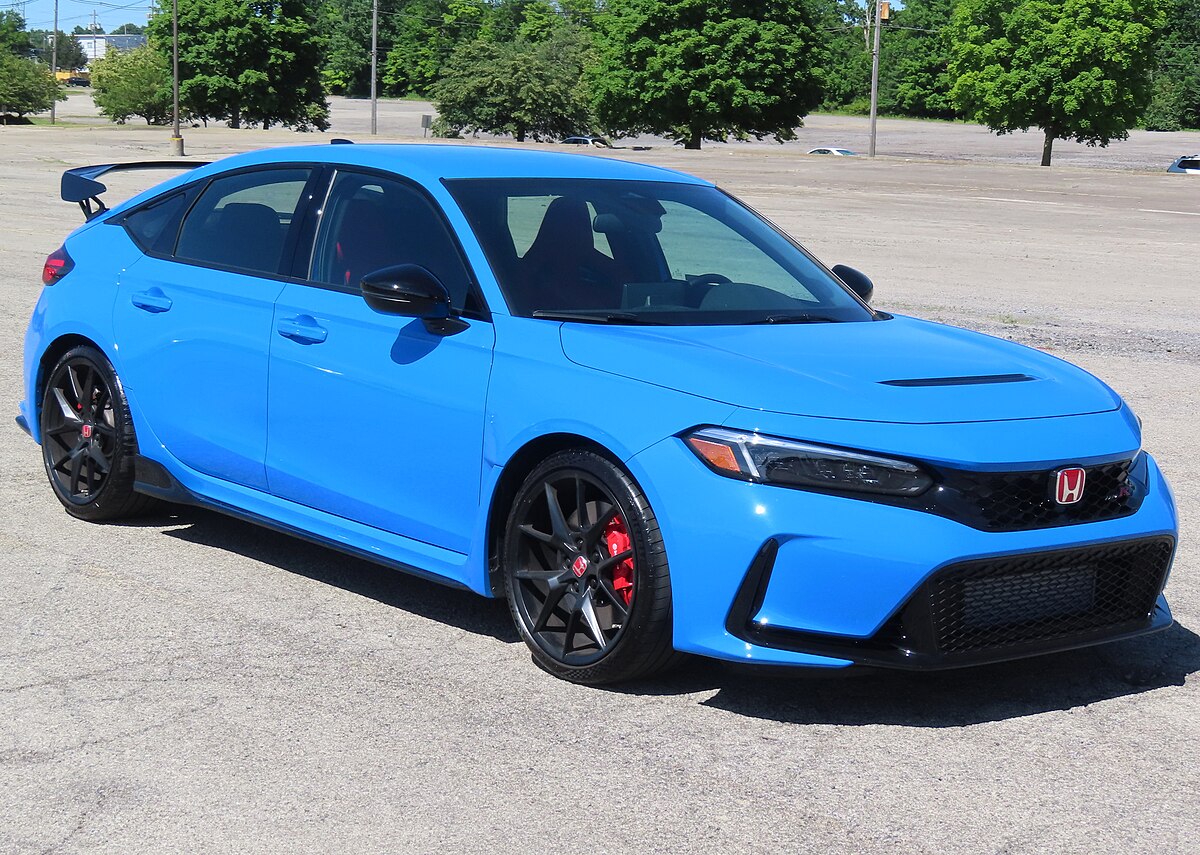
2. Honda Civic Type R
The Honda Civic Type R represents one of the most extreme expressions of a hatchback designed for performance. Every aspect of its design, from the suspension geometry to the chassis stiffness, is intended to provide a direct and controlled connection with the road.
When crossing bridges or navigating elevated sections of roadway, the Type R resists unwanted movement, feeling firmly planted regardless of speed or surface irregularities.
Its suspension is stiff but carefully calibrated, absorbing bumps without allowing excessive body roll or floatiness. This balance creates a unique sensation of control, allowing the driver to approach corners and bridges with confidence rather than caution.
A significant factor in the Civic Type R’s planted nature is its adaptive suspension system. While firm enough to provide precision during aggressive driving, it also accommodates minor imperfections in the road, maintaining composure without jarring passengers.
Drivers often report a strong sense of feedback from both the steering and the suspension, creating a direct link between driver input and vehicle response.
This connection is especially noticeable when encountering uneven expansion joints on bridges or transitions between different pavement surfaces. The car’s chassis communicates subtle changes in traction, enabling the driver to adjust smoothly without feeling disconnected or surprised.
The Type R’s tire and wheel combination further enhances its planted characteristics. Equipped with high-performance tires, the car maintains exceptional grip, providing confidence during acceleration, braking, and cornering. Steering is precise, tight, and responsive, making even minor corrections feel immediate and deliberate.
When crossing bridges at moderate or high speeds, the Civic Type R’s composure stands out compared to softer hatchbacks, delivering an experience that is both thrilling and reassuring. This precision translates into a driving experience where the driver feels in control at all times, regardless of road surface or conditions.
Finally, braking and chassis tuning complement the Type R’s stability. Brakes are strong and predictable, allowing controlled deceleration without upsetting the car’s balance. The combination of suspension, chassis rigidity, tire grip, and braking efficiency ensures that the Civic Type R feels anchored to the road, even during dynamic maneuvers or when crossing uneven bridge surfaces.
For drivers seeking a hatchback that offers maximum engagement and planted confidence, the Type R demonstrates how performance-focused engineering can transform a compact vehicle into a precise, stable, and exhilarating machine.
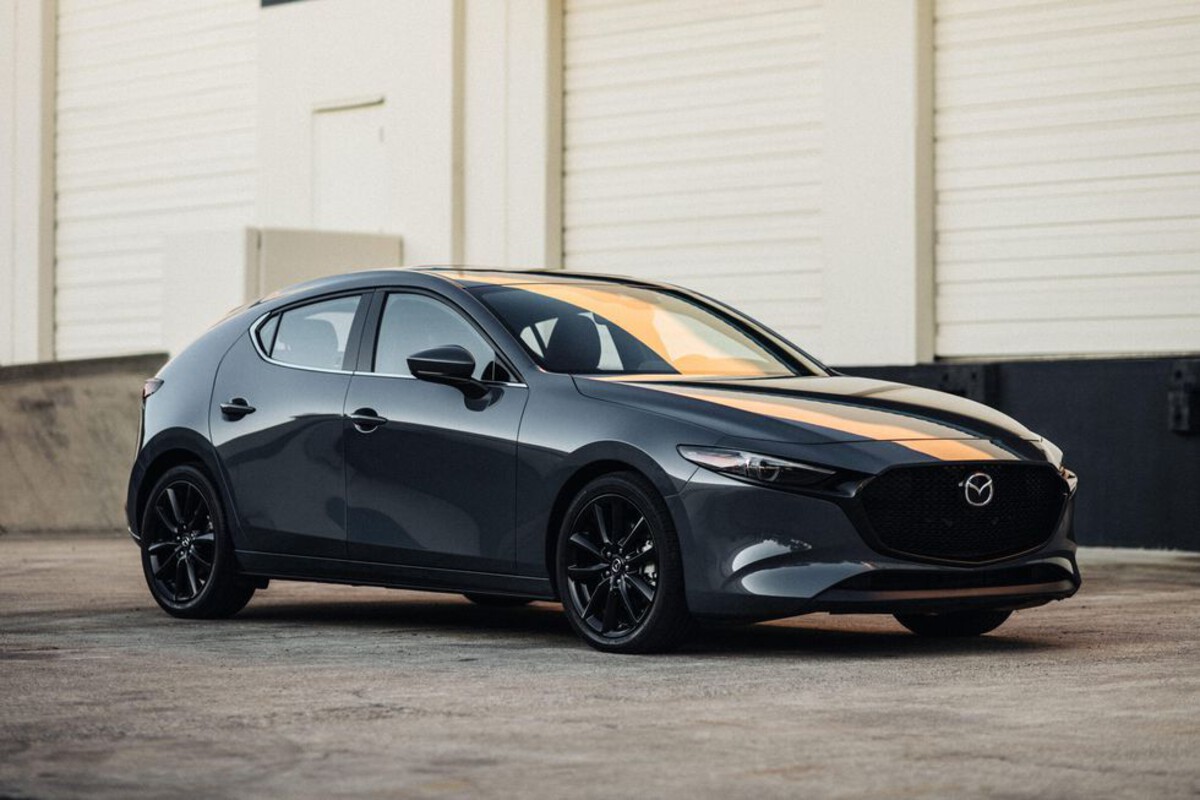
3. Mazda3 Hatchback (Turbo or Sport)
The Mazda3 Hatchback has consistently been praised for its driving dynamics and driver-centric engineering. Its suspension is tuned to provide a harmonious blend of comfort and control, allowing the car to feel planted without sacrificing ride quality.
When crossing bridges or uneven surfaces, the Mazda3 maintains composure, resisting any tendency to sway or float. The precision of the suspension and steering system allows drivers to feel connected to the road, making the car responsive to inputs while absorbing minor imperfections for a comfortable experience.
The Mazda3’s steering is highly communicative, offering a natural sense of road feedback. Drivers often note how the car seems to “listen” to their inputs, responding with accuracy that enhances the sensation of stability.
Even during lane changes or tighter turns on elevated roadways, the vehicle demonstrates predictability, giving the driver confidence. The combination of a responsive steering system and a well-tuned suspension ensures that the Mazda3 feels anchored, even in situations where other hatchbacks may feel light or disconnected.
Chassis rigidity plays a central role in the Mazda3’s planted feel. A stiff frame allows forces to be distributed evenly across the vehicle, minimizing flex and maximizing stability.
This contributes to the car’s composure on uneven surfaces, such as bridge joints or rough asphalt. The reinforced chassis works in tandem with the suspension to create a driving experience where road feedback is felt without discomfort, allowing the driver to engage confidently with the vehicle’s dynamics.
Finally, the Mazda3 benefits from carefully considered tire selection and weight distribution. Tires maintain grip across a range of conditions, while the balanced distribution of weight prevents nose-diving or tail-wagging tendencies during aggressive maneuvers.
The result is a hatchback that feels secure, composed, and responsive. The Mazda3 strikes an elegant balance between comfort and sportiness, making it a hatchback that inspires confidence over bridges and other challenging road surfaces while remaining comfortable for daily driving.
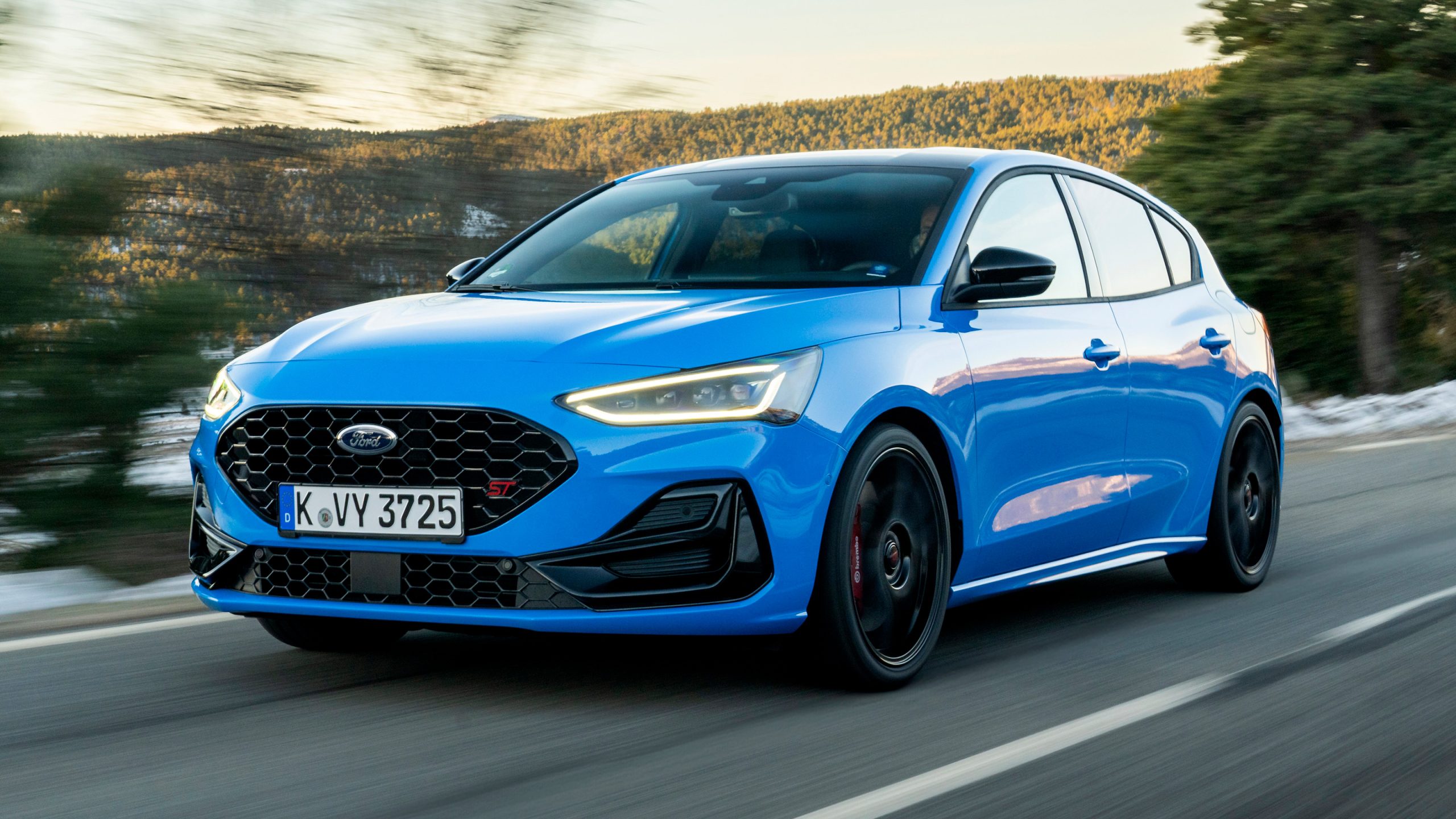
4. Ford Focus ST
The Ford Focus ST is a hatchback designed for energetic driving, with every element of its engineering focused on stability and control. The suspension system is firm, reducing body roll and enhancing composure, yet it is tuned to absorb minor imperfections for a comfortable ride.
When crossing bridges, the Focus ST demonstrates remarkable stability, resisting floatiness and providing drivers with a strong sense of connection to the road. Its well-calibrated dynamics allow drivers to navigate both elevated highways and urban overpasses with confidence.
Steering responsiveness is a key factor in the Focus ST’s planted nature. Input from the driver translates quickly to vehicle response, providing an immediate sense of control.
Body movement is minimal, and weight transfer is efficiently managed, ensuring stability even during more aggressive cornering or lane changes. Drivers consistently report that the car feels predictable, reinforcing confidence during situations that might unsettle softer hatchbacks.
Chassis design further strengthens the Focus ST’s grounded character. Reinforcements and precision tuning ensure that the vehicle maintains its composure under dynamic conditions.
Even on bridges with joints or slight undulations, the car remains stable, allowing drivers to focus on maneuvering rather than compensating for floatiness. The combination of suspension geometry, chassis stiffness, and damping calibration ensures that the vehicle feels anchored without compromising comfort for occupants.
Tires and brakes enhance the Focus ST’s planted experience. Grippy tires provide consistent traction across different surfaces, while responsive brakes allow precise control during deceleration. This synergy of suspension, chassis, steering, tires, and brakes creates a hatchback that feels solid and secure in nearly any situation.
For drivers who value stability, confidence, and road engagement, the Focus ST exemplifies how thoughtful engineering can transform a compact hatchback into a performance-oriented, grounded machine.
5. Mini Cooper S (JCW Variant Optional)
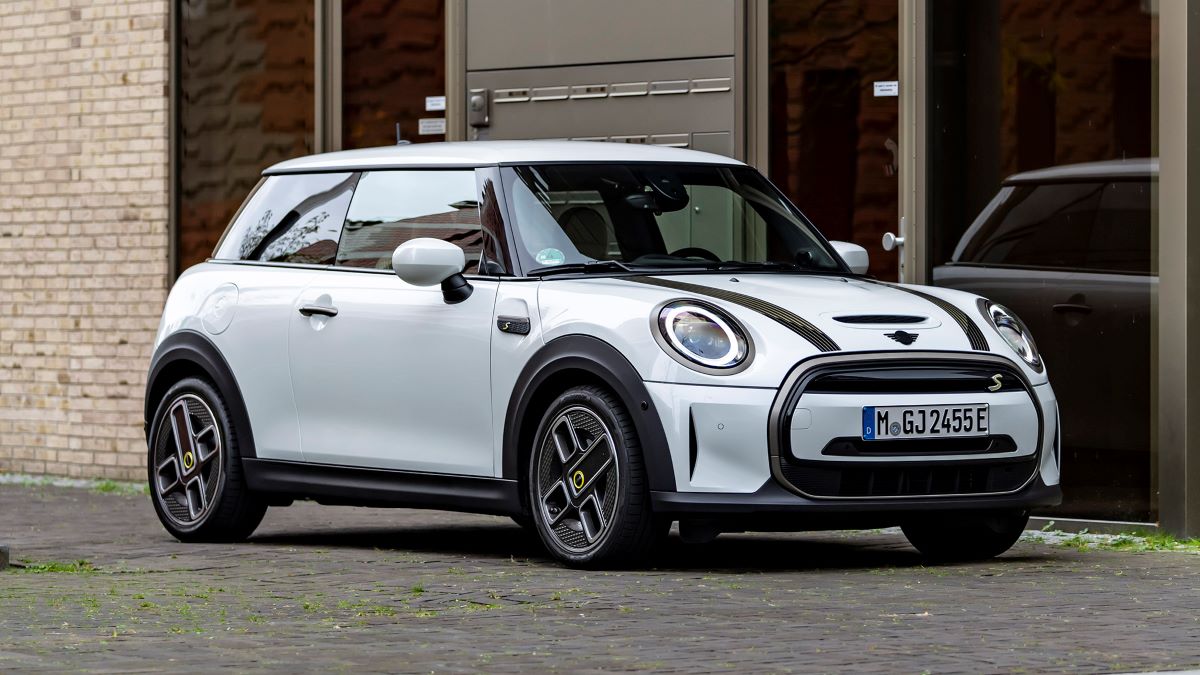
The Mini Cooper S is compact but engineered with driver engagement as a central priority. Its suspension is firm enough to minimize body roll while remaining compliant enough to absorb bumps comfortably, creating a planted sensation that stands out in the hatchback segment.
When driving over bridges or uneven surfaces, the Cooper S conveys stability and confidence, resisting the floaty feeling present in many comfort-focused hatchbacks. Steering is direct and communicative, enhancing the sense of connection with the road.
The low center of gravity contributes significantly to the Mini’s planted feel. The car’s compact size and performance tires create a tight grip on the road, allowing confident maneuvering even in elevated or dynamic conditions.
Drivers notice how the vehicle responds predictably to input, offering immediate feedback while maintaining stability. This combination of low center of gravity, precise steering, and performance-oriented tires results in a hatchback that feels glued to the road rather than floating above it.
Chassis rigidity is another important element. The Mini’s frame is stiff, allowing forces to be distributed evenly across the body. Combined with carefully tuned suspension components, this ensures that the car remains stable over minor imperfections, bumps, and bridge expansion joints.
The suspension absorbs shocks without transmitting harsh jolts to the cabin, striking a balance between comfort and control.
Finally, braking and weight distribution complete the driving experience. Predictable brakes, paired with a well-balanced chassis, ensure that the Mini Cooper S remains stable during deceleration and cornering.
Weight placement is optimized for dynamic stability, enhancing the sensation of being firmly planted. For enthusiasts seeking a small, agile hatchback that conveys confidence and road engagement over bridges and varied surfaces, the Mini Cooper S provides a unique blend of fun, precision, and grounded performance.
Five Hatchbacks That Feel Floaty on Bridges
1. Toyota Yaris
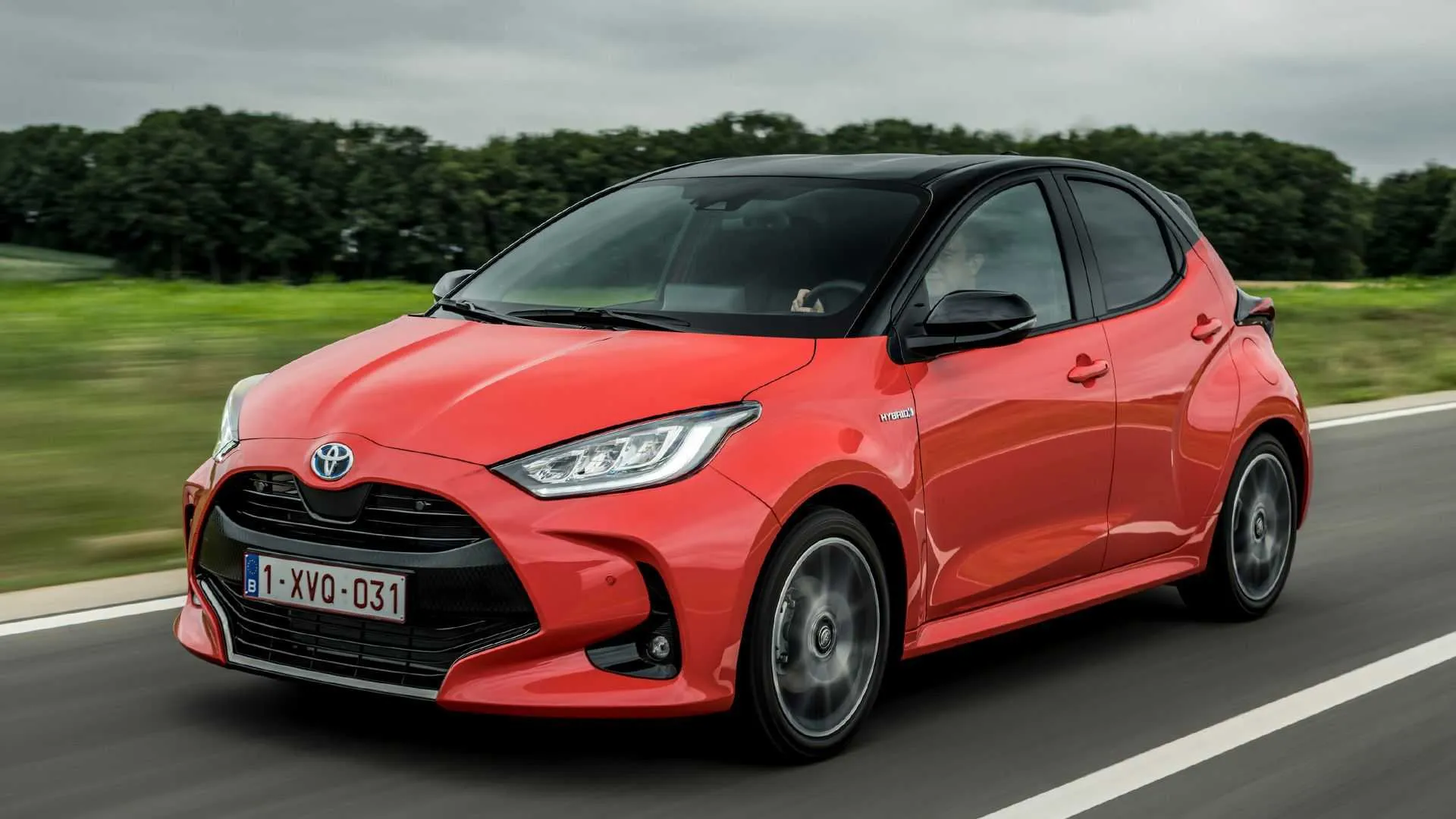
The Toyota Yaris is recognized for its reliability, efficiency, and practicality, but its handling characteristics lean more toward comfort than precision. The suspension is designed to prioritize absorbing bumps and uneven surfaces rather than delivering a tightly connected driving experience.
When crossing bridges, the car can feel light and detached, with the body sometimes swaying slightly over joints or uneven road segments. This floating sensation can be particularly noticeable at higher speeds or when making sudden steering inputs, leaving the driver feeling less anchored than in more performance-focused hatchbacks.
The steering of the Yaris is deliberately light and effortless, which makes navigating city streets simple but also contributes to the sense of detachment from the road.
While this can reduce fatigue during long commutes, it also lessens driver engagement, especially when the surface beneath the car changes rapidly, such as on a bridge with expansion joints or uneven pavement.
Drivers who prefer a direct, responsive connection to the road may find the Yaris lacking in feedback, as the steering does little to communicate the car’s relationship with the surface below.
The soft suspension absorbs irregularities efficiently, creating a smooth ride that benefits passengers at the expense of precise handling.
Bridges, overpasses, or slightly elevated roads amplify this difference, as the car’s body movement becomes more apparent when the vehicle encounters subtle elevation changes. The result is a floaty sensation where the car feels somewhat suspended rather than firmly planted, giving drivers a perception of uncertainty in dynamic situations.
Weight distribution and chassis tuning further reinforce the floaty feel. The car’s balance is optimized for everyday comfort, rather than high-speed stability or aggressive cornering.
This design choice means that during quick maneuvers or when crossing bridge expansion joints, the Yaris may feel slightly less predictable, contributing to the impression of floating. While this makes it excellent for smooth, relaxed commuting, drivers seeking confidence over elevated or uneven road surfaces may find the experience less engaging.
2. Nissan Versa Note
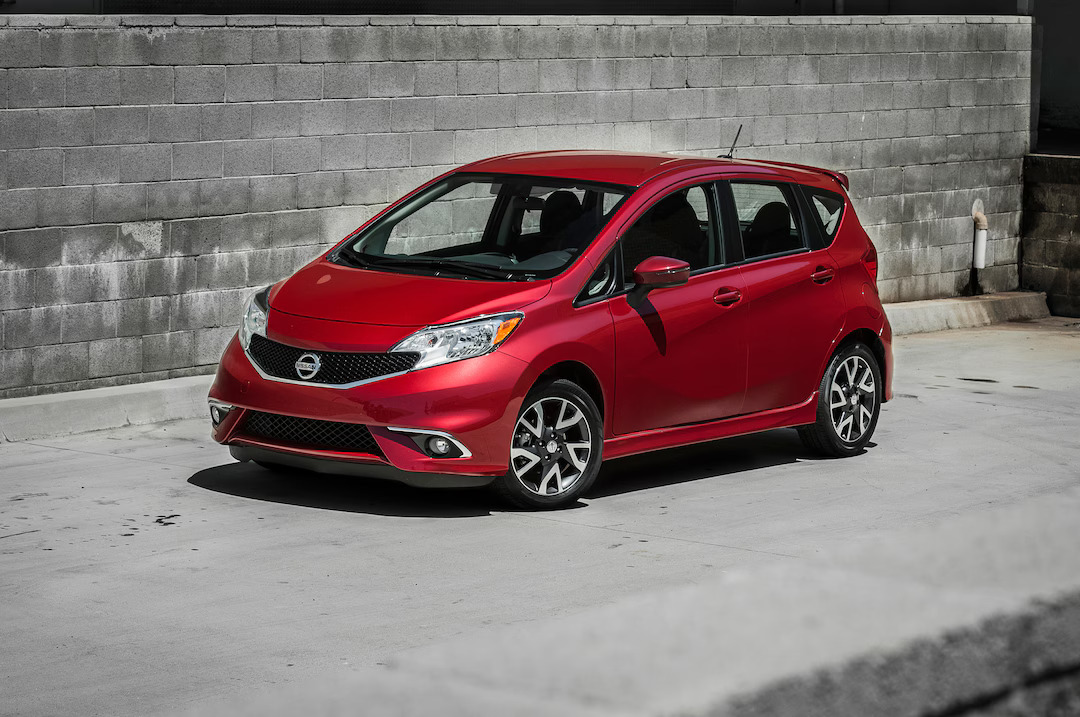
The Nissan Versa Note is a practical and economical hatchback, emphasizing interior space, efficiency, and ease of use over sporty dynamics. Its suspension is soft, absorbing bumps and uneven surfaces effectively, but this same softness creates a floaty sensation during dynamic driving, especially when crossing bridges or overpasses.
The car tends to glide over imperfections rather than respond directly to the road, which can leave the driver feeling less connected and in control.
The steering system is intentionally light and low in feedback, which improves maneuverability at low speeds but reduces the driver’s sense of involvement. When crossing bridges or elevated sections of roadway, the lack of precise steering input can make the vehicle feel slightly detached, as though it is floating over the surface rather than gripping it.
Sudden turns or evasive maneuvers may also highlight this lack of connection, emphasizing how the Versa Note prioritizes comfort over anchored handling.
Chassis stiffness is moderate, and the body flexes slightly under load. This flex, combined with soft suspension, contributes to the floating sensation.
While passengers benefit from a cushioned ride, the driver experiences less precise control over the car’s movements. Bridges with uneven surfaces or expansion joints can amplify this effect, creating a slight sensation of uncertainty that contrasts sharply with hatchbacks engineered for planted handling.
Finally, tire selection and suspension geometry reinforce the Versa Note’s focus on comfort. Tires are designed for longevity and fuel efficiency rather than aggressive grip, which means the car may feel less secure during rapid acceleration, deceleration, or lane changes.
Suspension tuning prioritizes smoothness, further enhancing the floaty character. For daily commuting and relaxed driving, the Versa Note succeeds in delivering a comfortable ride, but it lacks the confidence and road connection offered by sportier, planted hatchbacks.
3. Kia Rio Hatchback
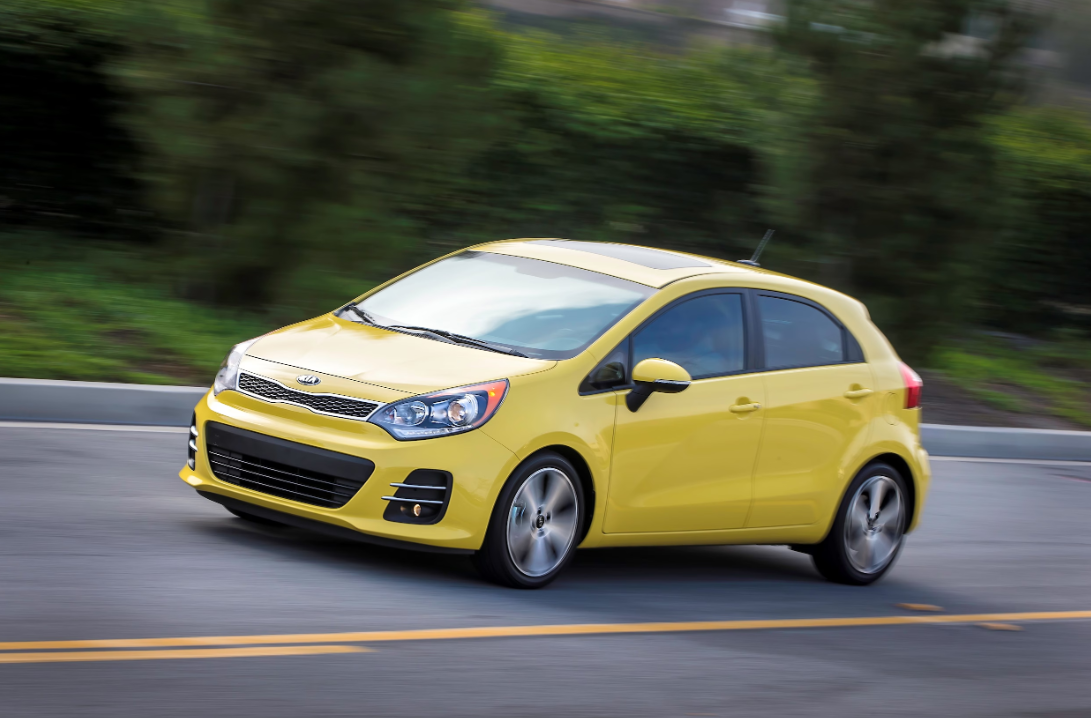
The Kia Rio Hatchback emphasizes affordability and comfort, resulting in handling characteristics that lean toward softness and smoothness rather than road engagement.
Its suspension absorbs bumps efficiently, but this prioritization of comfort introduces a floaty sensation, especially on bridges or uneven road surfaces. The body tends to sway slightly over expansion joints or minor elevation changes, reducing the sense of control and road connection.
Steering is light and relatively unresponsive, making city driving effortless but diminishing feedback at higher speeds or during abrupt maneuvers. Drivers may feel a disconnect between steering inputs and the car’s reactions, contributing to the impression of a floaty vehicle.
On bridges, this sensation is amplified, as the car appears to glide over the surface rather than remain firmly planted. The Rio’s steering and suspension combination creates a relaxed but detached driving experience, prioritizing comfort over engagement.
Body roll is more noticeable than in sportier hatchbacks, particularly during cornering or lane changes. Weight transfer is less controlled, which can exacerbate the floaty feel when encountering bridges or uneven surfaces.
The combination of soft springs, light steering, and moderate chassis rigidity makes the vehicle feel less anchored, particularly when the road conditions require precise handling.
Ride comfort is the Rio’s strongest asset. Passengers benefit from a smooth, cushioned journey over minor bumps, rough pavement, and bridge joints.
However, this comfort comes at the cost of driving confidence for those seeking a planted experience. The Rio’s suspension and chassis design are clearly aimed at providing a gentle ride rather than maximizing driver engagement, making it one of the more floaty-feeling hatchbacks in its class when crossing elevated roadways.
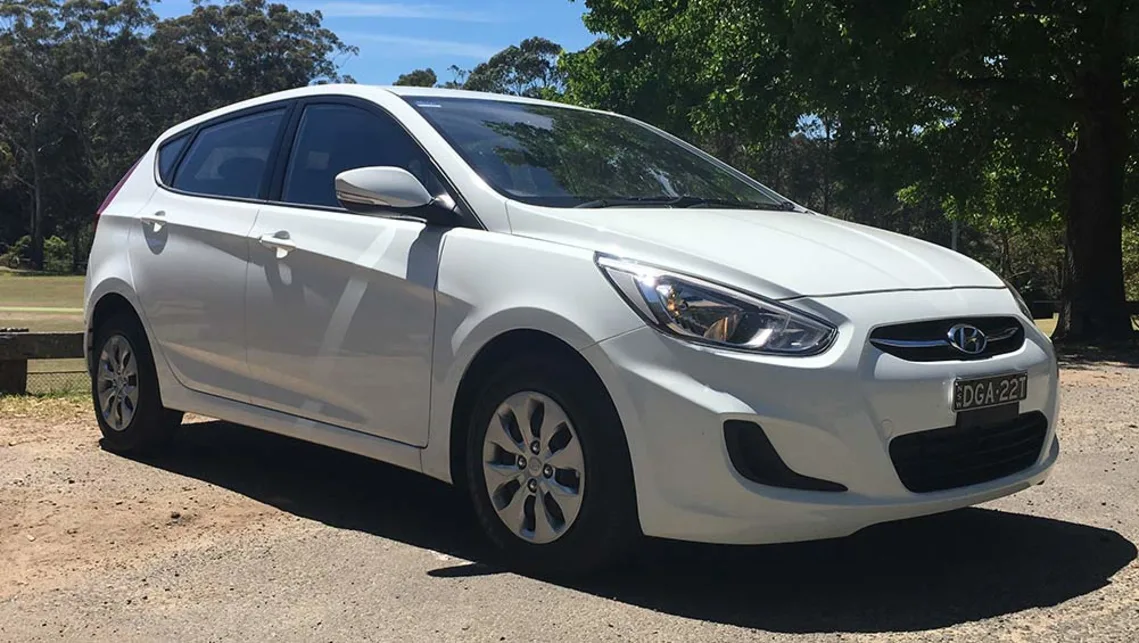
4. Hyundai Accent Hatchback
The Hyundai Accent Hatchback is engineered for practicality, reliability, and comfort, emphasizing ease of use over sporty handling. Its suspension absorbs road irregularities efficiently, providing a soft ride that can feel floaty on bridges or uneven surfaces.
While passengers enjoy the comfort, drivers may notice a lack of immediate response to steering inputs and a slightly detached sensation when the car crosses expansion joints or minor bumps.
Steering is light and easy, ideal for low-speed urban driving, but it lacks the precise feedback that creates a sense of road connection.
When navigating elevated highways or bridges, the driver may feel as though the vehicle is gliding over the surface rather than gripping it firmly. This floaty feeling is amplified during moderate to high-speed maneuvers or abrupt directional changes, highlighting the Accent’s comfort-oriented design.
The suspension’s soft springs and moderate damping are designed to smooth out imperfections but can increase body movement, particularly during cornering or lane changes.
Bridges with expansion joints or slightly uneven surfaces can accentuate this effect, as the car’s body rocks gently rather than staying firmly grounded. The result is a perception of lightness, where the vehicle feels more suspended than planted.
Chassis stiffness is moderate, complementing the soft suspension and enhancing ride comfort. Tires are selected for efficiency rather than grip, further reducing the sense of being connected to the road.
Weight distribution and damping are tuned to prioritize smoothness over performance, creating a driving experience that is forgiving but less engaging for those seeking stability. The Accent provides comfort and ease of use but falls short of the planted sensation offered by performance-oriented hatchbacks.
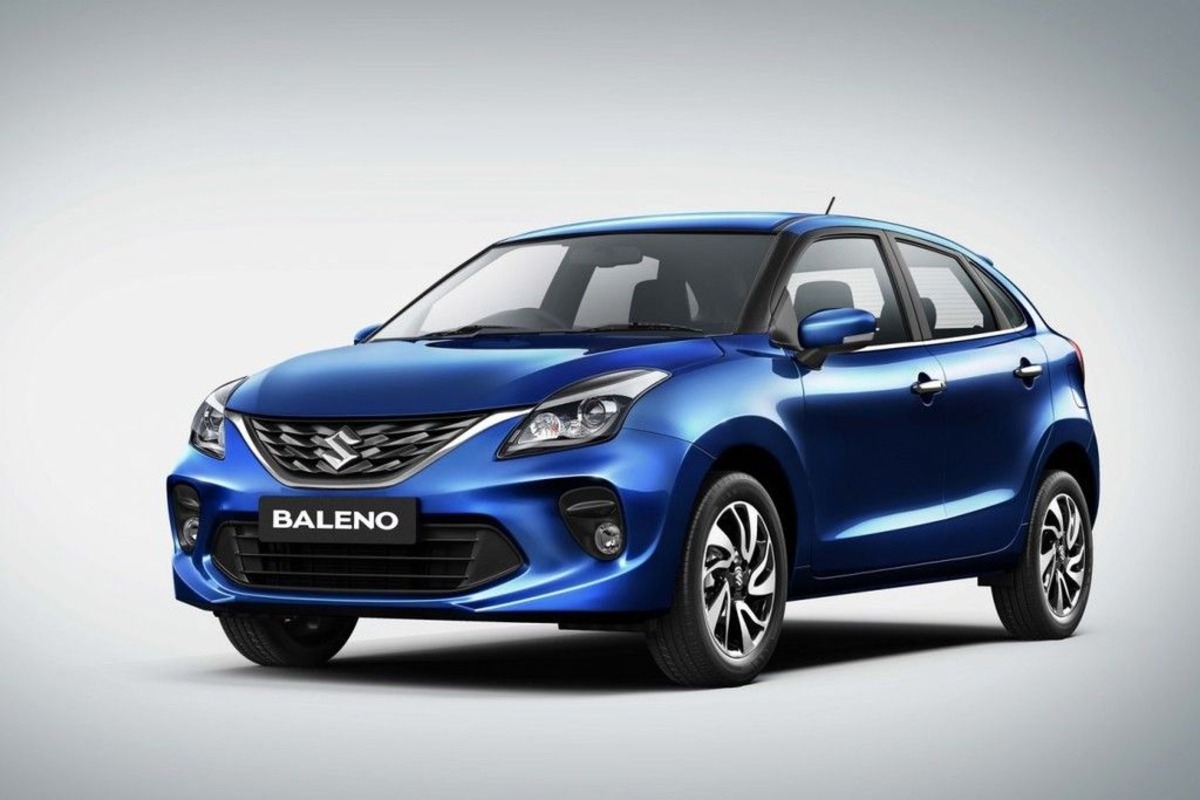
5. Suzuki Baleno
The Suzuki Baleno is a hatchback designed for economy, practicality, and ride comfort rather than sharp handling. Its suspension setup emphasizes softness and smoothness, allowing the vehicle to absorb bumps and irregularities easily, but this also produces a floaty sensation, especially noticeable on bridges or slightly uneven surfaces.
Drivers may perceive the car as light or detached, with body movement more pronounced than in performance-focused hatchbacks.
Steering is gentle and lacks significant feedback, creating an effortless driving experience at low speeds but reducing connection to the road.
On bridges or overpasses, this can result in a sensation that the car is gliding above the pavement rather than gripping it firmly. Sudden maneuvers or rapid lane changes may exacerbate this floating effect, emphasizing the Baleno’s comfort-oriented focus over driving engagement.
Body roll and weight transfer are more pronounced compared to planted hatchbacks. The soft suspension allows the vehicle to sway gently when encountering uneven surfaces, which can reduce driver confidence during dynamic situations.
The combination of suspension, steering, and chassis characteristics produces a floaty sensation that contrasts sharply with hatchbacks engineered for stability and control.
Tires and damping are designed primarily for comfort and fuel efficiency, which further accentuates the floaty character. While passengers enjoy a smooth and cushioned ride, the driver experiences reduced road feedback and less precise control.
The Suzuki Baleno is ideal for relaxed commuting and urban driving, but it is less satisfying for those who prioritize planted handling and responsiveness, particularly on bridges or uneven road surfaces.
