
Many shoppers who compare modern crossovers find that back seat comfort becomes a decisive factor, especially when family trips, carpools, or daily commutes involve full rows of passengers. Even when two models appear similar on the outside, the spacing behind the front seats can differ significantly thanks to variations in cabin layout, seat rail travel, roof contouring, and interior design philosophy.
Some models supply impressive knee room that allows adults to settle in without feeling cramped, while others focus so heavily on styling or cargo space that the second row receives less attention than buyers might expect.
Because the current marketplace offers such a broad range of shapes and design priorities, back seat space often becomes the detail that reveals whether a vehicle suits long term use or only short trips.
When a crossover provides generous room, passengers usually experience less fatigue on journeys, since they can adjust posture without bumping into front seat backs or the door panels.
By contrast, when the space is tight, every shifting movement can feel restricted, and even everyday rides may turn into a minor test of patience. This contrast influences family satisfaction, resale appeal, and the general comfort of life with the vehicle.
Although exact measurements vary by model year and trim, the experience of spaciousness remains consistent enough that drivers can form reliable impressions without needing every technical detail. In this article, five crossovers known for comfortable rear seating are compared with five that feel more constricted.
These groupings rely on widely recognized patterns in interior layout rather than any specific data. The goal is to give a sense of how these vehicles tend to feel from the passenger perspective, with a focus on everyday usability and perceived room rather than pure numerical specifications.
By thinking about crossovers in this way, buyers can picture how their passengers might react, which leads to decisions that match real needs instead of being based purely on curb appeal or engine specifications.
Five Crossovers With Tight Squeezes
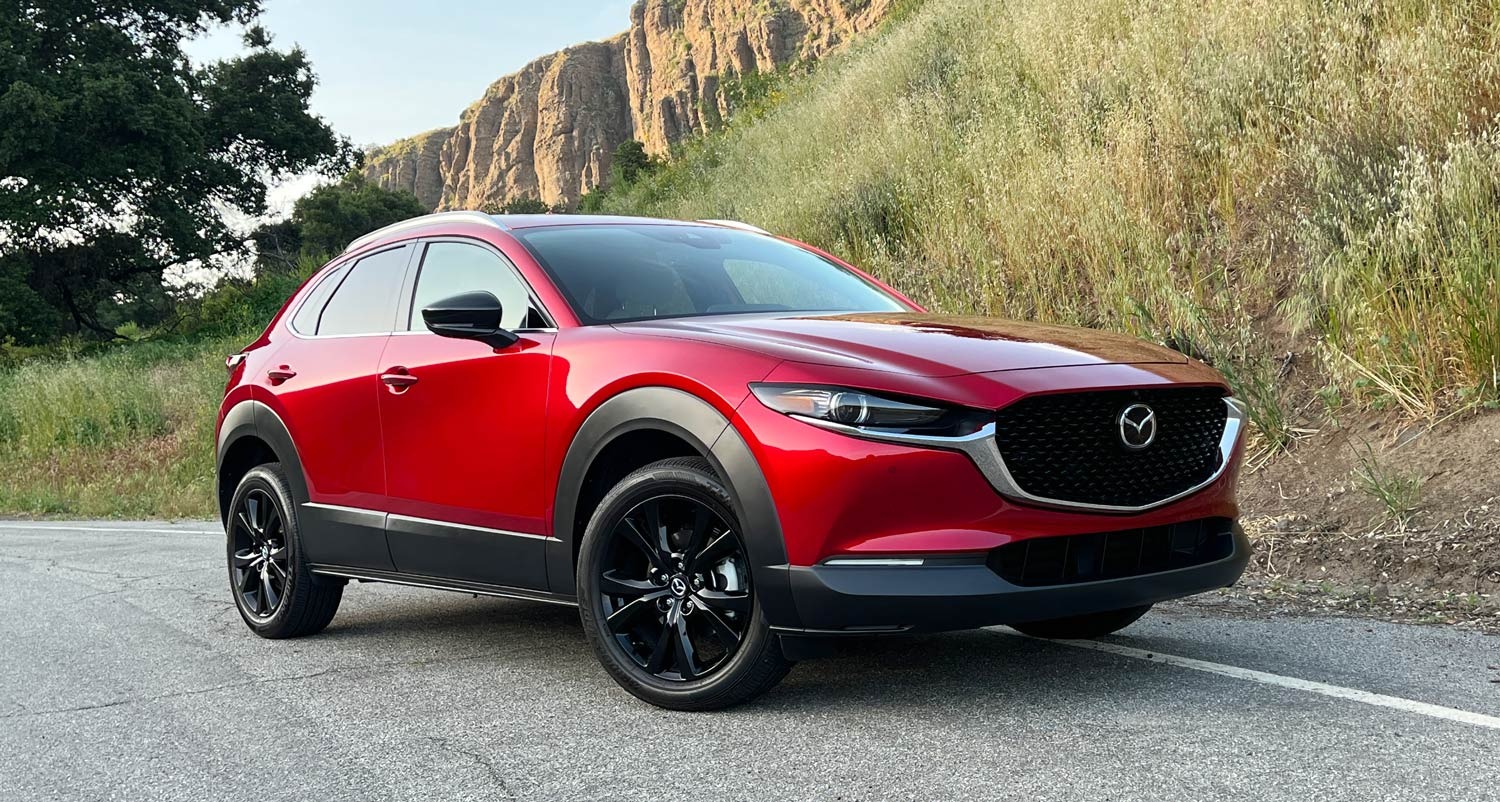
Mazda CX 30
The Mazda CX 30 offers engaging handling and a refined cabin design, yet its second row often feels compact for adult passengers who expect more freedom of movement. When taller riders settle into the back seats, they may notice immediately that their knees sit closer to the front seatbacks than they would prefer, especially if the front seats are adjusted for drivers with longer legs.
This closeness creates a situation where passengers cannot stretch or shift easily, which can become tiring during long drives or unpredictable traffic situations. Over time, this limited space can make the cabin feel more restrictive than the vehicle’s stylish appearance might suggest.
Headroom becomes another challenge thanks to the sloping roof profile. While it contributes to the vehicle’s sleek shape, it reduces the vertical clearance available for those who sit in the back. Taller passengers may find themselves sitting lower to avoid grazing the headliner, which limits their ability to settle into an upright posture.
When the ride becomes bumpy, the reduced clearance can cause discomfort because any sudden upward movement may bring passengers closer to the roof than they expect. This creates an ongoing reminder that the space is designed more for compactness than long term comfort.
The cabin width also plays a role in the tight sensation. While two adults can sit without much issue, adding a third person in the center seat quickly makes the row feel crowded. The contours of the door panels lean inward slightly, which reduces shoulder room and makes passengers more aware of their limited personal space.
During longer trips, this can cause riders to shift frequently in search of comfort, a sign that the second row is best suited for shorter outings rather than extended drives with a full load.
The smaller rear windows further reinforce the feeling of a confined environment. Because they allow less natural light into the cabin, passengers may feel boxed in, especially on overcast days or nighttime drives.
The reduced outward visibility can also make the space seem more compact, removing the sense of openness that larger window designs typically provide. When combined with the limited legroom and restricted headroom, this creates a setting that clearly prioritizes exterior style over rear seat spaciousness.
Hyundai Kona
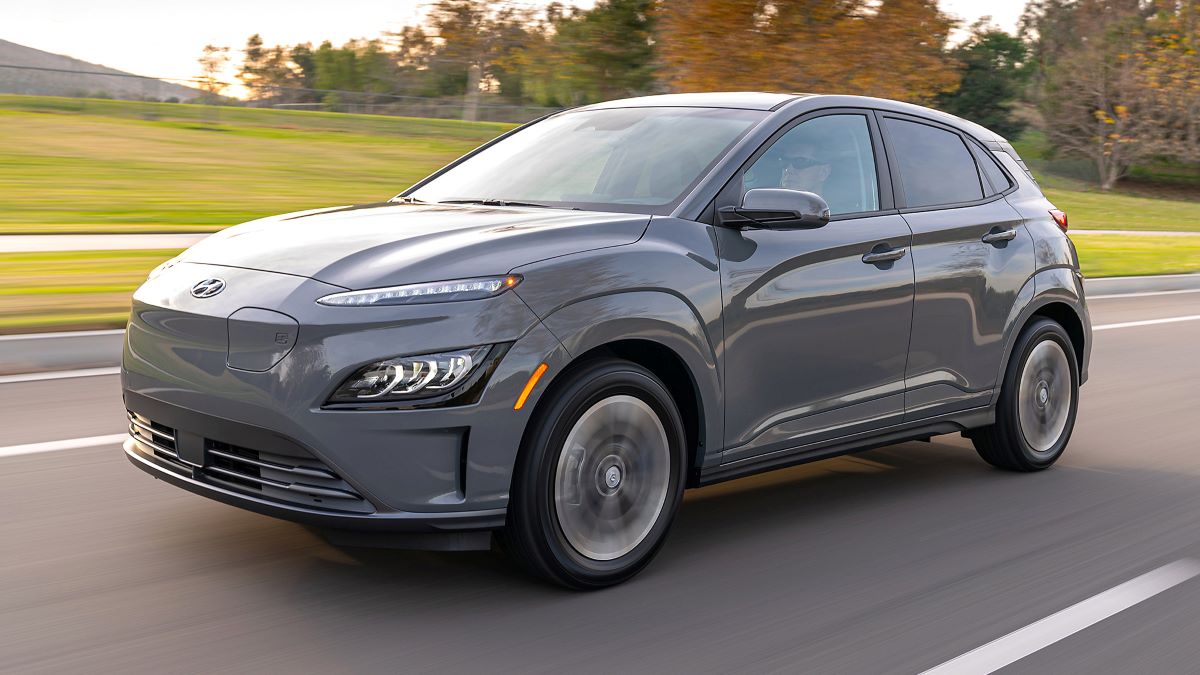
The Hyundai Kona brings plenty of personality to the road, but its second row often reveals a more compact side that becomes apparent once adult passengers try to settle in for longer rides. Legroom tends to be modest, and when the front seats slide back to their full extent, rear passengers may find that their knees approach or touch the seatbacks.
This tight fit limits natural movement and encourages a more rigid posture that can cause discomfort during long commutes or weekend trips. Even though the vehicle’s nimble nature is appealing, this tightness affects how pleasant it feels for those riding in the back.
Headroom also becomes a challenge in certain configurations, especially in versions equipped with a sunroof. The roofline slopes in a way that reduces vertical space, causing taller passengers to adjust their posture downward to avoid contact with the ceiling.
This can make the cabin feel even more compact, as riders cannot straighten their backs fully without worrying about bumping the roof. During bumpy rides or sudden shifts in road elevation, this limited clearance becomes more noticeable, reminding passengers of the vehicle’s smaller footprint.
Width constraints further limit comfort for larger groups. While two passengers can sit comfortably enough, adding a third to the center seat often leads to cramped shoulders and reduced leg space due to the layout of the rear tunnel and the curvature of the door panels.
The central seat is narrower and offers less cushioning, making it suitable only for short trips or smaller occupants. This restricts how practical the Kona can be for families or groups who plan to use the rear seat frequently.
The smaller windows in the second row add to the sense of enclosure, as they bring less natural light into the cabin. Although they contribute to the stylish exterior design, they create an interior environment that can feel darker and more compact.
The reduced outward visibility also makes the space appear more confined, particularly during long journeys when passengers begin to notice the limited openness. This combination of small windows and compact dimensions creates a back seat environment that suits quick trips more than extended travel.
Toyota C HR
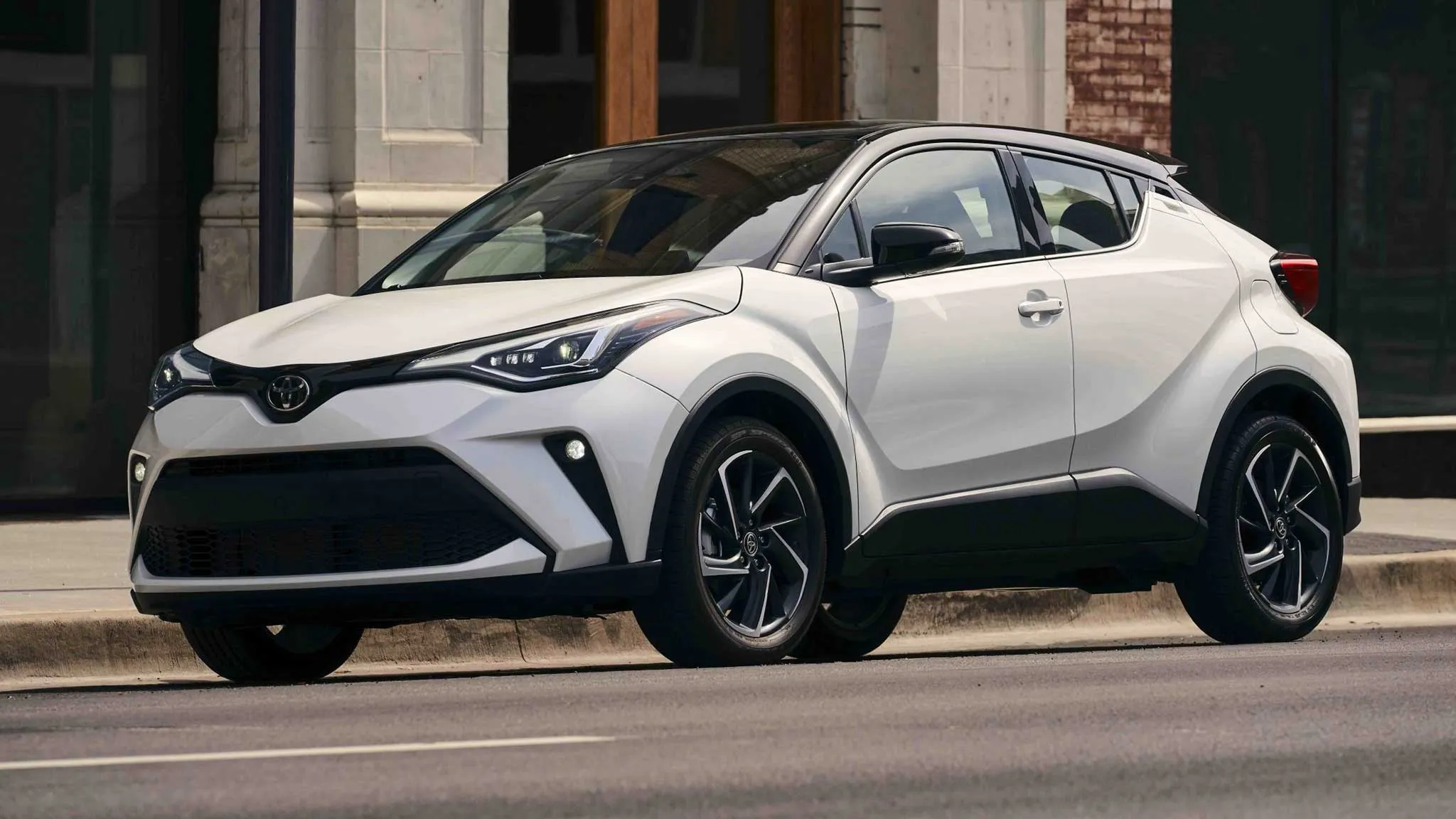
The Toyota C HR stands out visually with its bold and distinctive exterior styling, but this eye catching design has a noticeable impact on the interior, especially the second row. The legroom is often limited, making it difficult for taller passengers to sit comfortably without their knees pressing against the front seats.
Even average height individuals may find the space tight once the front seats are adjusted for taller occupants. During long drives, this restricted legroom can cause stiffness and a general need to shift positions frequently, which becomes a reminder that comfort was not the primary focus in the rear seating layout.
Headroom also suffers due to the dramatically sloped roofline that gives the vehicle its characteristic look. While the sloping design helps the exterior maintain a sporty shape, it limits vertical space for rear passengers who prefer to sit upright.
Taller riders may need to lean forward or sideways slightly to avoid brushing the roof, which can lead to discomfort on long journeys. This limitation becomes even more noticeable on uneven roads where sudden movement causes riders to adjust constantly to maintain clearance.
The unique design of the rear doors results in small windows that significantly reduce the amount of natural light entering the cabin. These windows sit higher and have a narrow shape that limits visibility for passengers, who may feel as though they are sitting in a more enclosed compartment.
The reduced light contributes to a compact and somewhat isolated feeling, which contrasts sharply with the expressive exterior. This sense of enclosure can be challenging during long trips, especially for passengers who prefer a more open environment.
The rear seat cushions are shaped with a minimalist approach that works for short rides but is not optimized for extended comfort. Combined with the limited legroom and headroom, the seating position may feel restrictive within a relatively short amount of time.
Passengers who expect flexibility and space will likely find the second row challenging for anything more than brief errands. These combined traits position the C HR firmly among the crossovers that offer tight accommodations in the back seat.
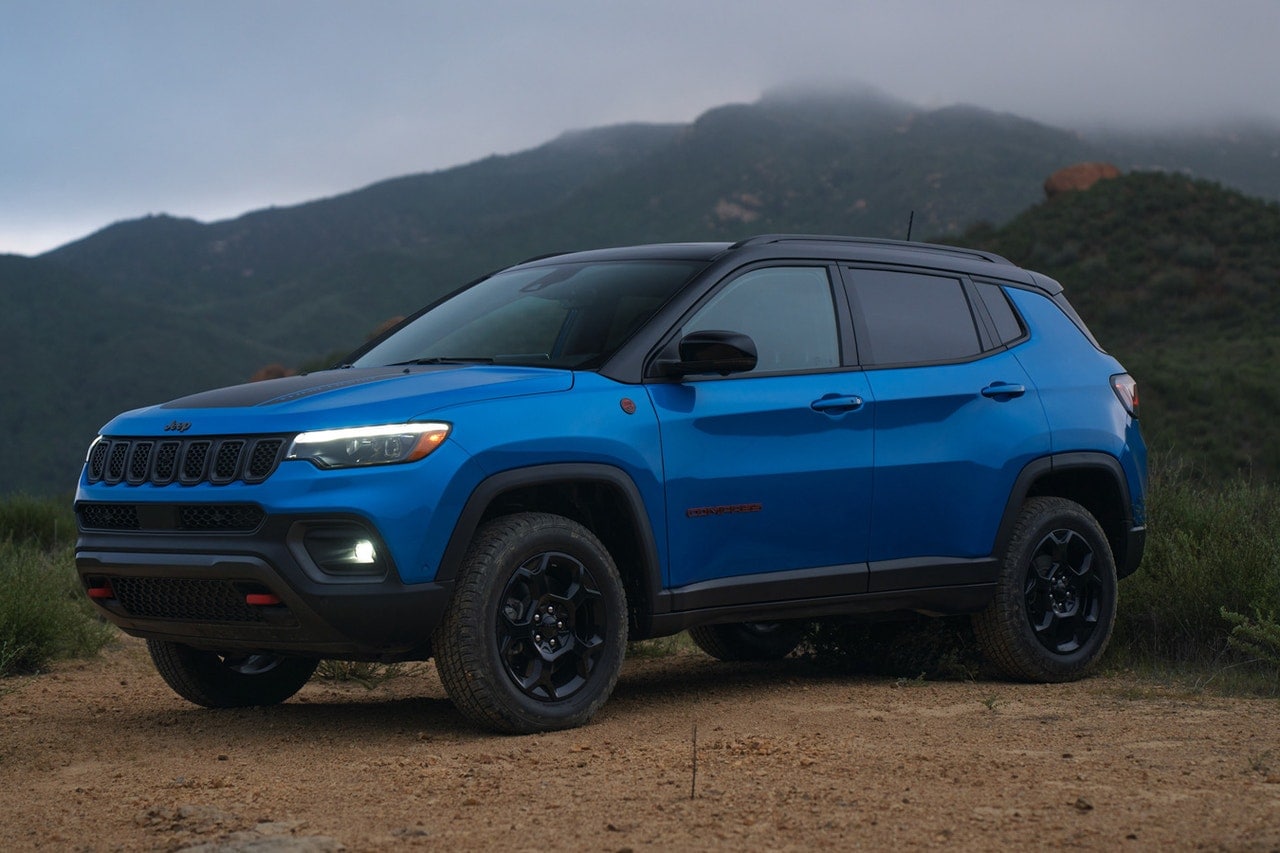
Jeep Compass
The Jeep Compass presents a rugged and capable appearance, yet its second row often feels smaller than the exterior suggests, especially when accommodating adult passengers. Legroom is acceptable for short outings, but when seated for longer durations, taller riders may notice their knees nearing or touching the front seats.
This proximity restricts movement and can gradually cause discomfort, particularly on highway drives or trips involving frequent stops. Even slight adjustments to the front seats can significantly change the available rear space, highlighting the compactness of the back row.
Headroom in the Compass can also be surprisingly limited, especially in configurations equipped with a panoramic roof. While such a roof adds aesthetic appeal, it reduces the vertical clearance by a noticeable margin. Passengers who sit near the sides may find themselves adjusting their posture to avoid nearing the roof, which can feel restrictive. On uneven terrain or bumpy roads, this limited headroom becomes even more obvious, as passengers brace themselves to avoid contact with the ceiling.
The width of the rear seat is also a factor that contributes to the tight feeling. The center seat is narrow, and the raised center tunnel reduces foot space for the person seated there. This makes the center position uncomfortable for longer rides, leaving practical space for only two adults at a time.
Shoulder room can also feel limited, since the side panels curve slightly inward and create a closer fit for those seated near the doors. These combined factors make the Compass more suitable for short daily commutes rather than extended trips with full occupancy.
The shape and size of the rear doors add one more challenge. Since the openings are narrower and do not swing out as widely as some competitors, entry and exit require more maneuvering, especially for larger passengers.
This limited access can make daily routines more cumbersome, from buckling children into seats to helping older family members climb in. These usability challenges, combined with the restricted interior space, reinforce the impression that the Compass offers tight accommodations in the back row.
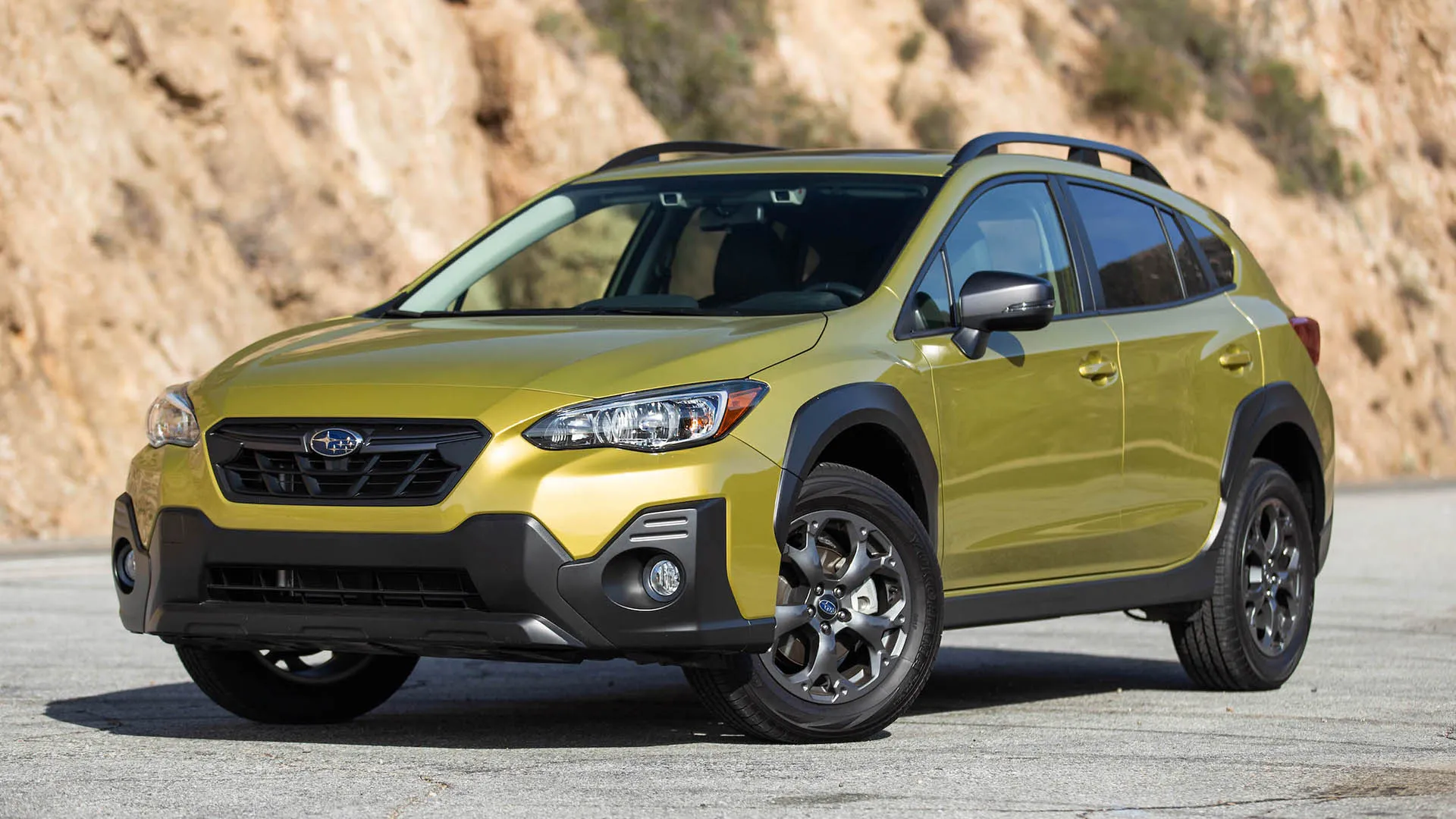
Subaru Crosstrek
The Subaru Crosstrek offers versatility and all terrain confidence, but its second row remains on the snug side for adults who need space to stretch and settle in comfortably. Legroom is moderate at best, and as soon as the front seats move back to create additional room for the driver or front passenger, the rear becomes noticeably tight.
Riders may find themselves adjusting repeatedly to avoid direct contact between their knees and the seatbacks. On long drives, this limited space can result in stiffness or fatigue that becomes more noticeable as the journey continues.
Headroom, while reasonable for average height passengers, can still feel limited for taller riders who prefer to sit upright. The shape of the cabin and the position of the seats create a posture that brings passengers closer to the front seatbacks than they might prefer, which reduces the feeling of openness.
As the hours pass, this extra closeness becomes more apparent and may cause discomfort for riders who need more vertical or horizontal flexibility. This layout works for shorter trips but becomes less ideal when long distance travel is planned.
Width limitations further add to the compact feeling of the second row. The seat comfortably accommodates two passengers, but the addition of a third person in the middle quickly makes the row feel crowded.
The center seat is narrow and sits over a raised tunnel area, forcing the middle passenger to sit with their legs positioned at awkward angles. Over time, this arrangement becomes uncomfortable and signals that the Crosstrek is better suited for occasional three passenger use rather than regular full-capacity travel.
The rear windows do allow decent visibility, yet the size of the cabin still limits the sense of openness. When all seats are occupied, the closeness becomes more pronounced and can leave passengers wishing for more room to stretch.
While the Crosstrek excels in other areas such as ground clearance and versatility, the tightness of the second row makes it clear that spacious rear seating is not one of its primary strengths. This positions the vehicle among the compact crossovers where comfort depends heavily on how many passengers occupy the back row.
Five Crossovers With Roomy Back Seats
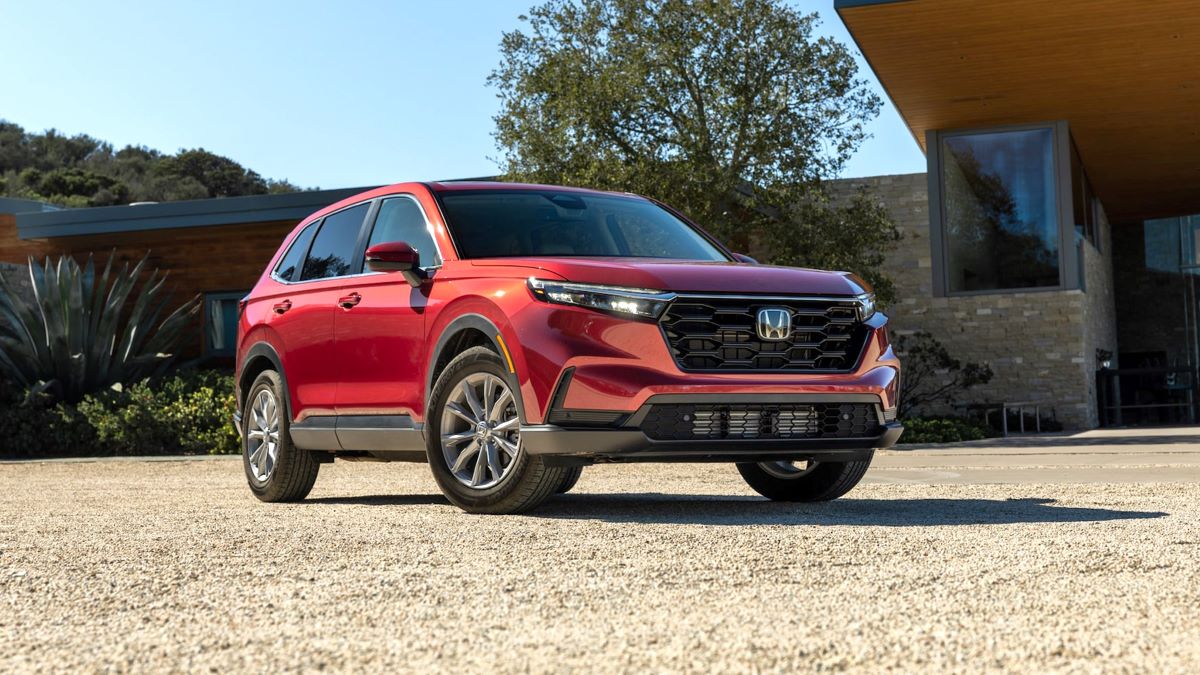
Honda CR V
Many riders regularly praise the second row of the Honda CR V because it often feels remarkably spacious and accommodating, even for taller passengers who might otherwise feel confined in a compact vehicle.
From the moment someone sits down, the generous spacing immediately allows for an upright, natural posture, giving passengers the freedom to adjust their position without constantly bumping knees or elbows. Unlike some competitors, which can feel restrictive due to overemphasized styling or small cabin dimensions, the CR V’s interior prioritizes practicality and passenger comfort.
The seats are crafted with thoughtful contouring, supporting the natural curve of the back while providing sufficient thigh support to reduce fatigue over long drives. This balance of space and ergonomics is particularly important for families, commuters, or ride-share drivers who frequently have multiple adult passengers, as it minimizes the strain that can accumulate during lengthy journeys.
By combining thoughtful design with smart layout decisions, Honda has created a second row that feels open and well-considered, contributing to the CR V’s reputation as one of the most comfortable crossovers in its class.
Access to the rear seats is another area where the CR V excels. The doors open wide enough to allow easy entry and exit, which is particularly advantageous for families with young children, older adults, or individuals carrying bulky items such as backpacks, sports equipment, or groceries.
This generous entry space reduces the effort required to get in and out, enhancing convenience during everyday use. The combination of wide doors, well-positioned seats, and thoughtful interior dimensions ensures that the vehicle is not only comfortable when passengers are seated but also practical in terms of usability.
These aspects reinforce the CR V’s reputation as a crossover that emphasizes passenger well-being in a tangible, everyday way, making it a favorite among buyers who prioritize rear seat comfort for their families or frequent passengers.
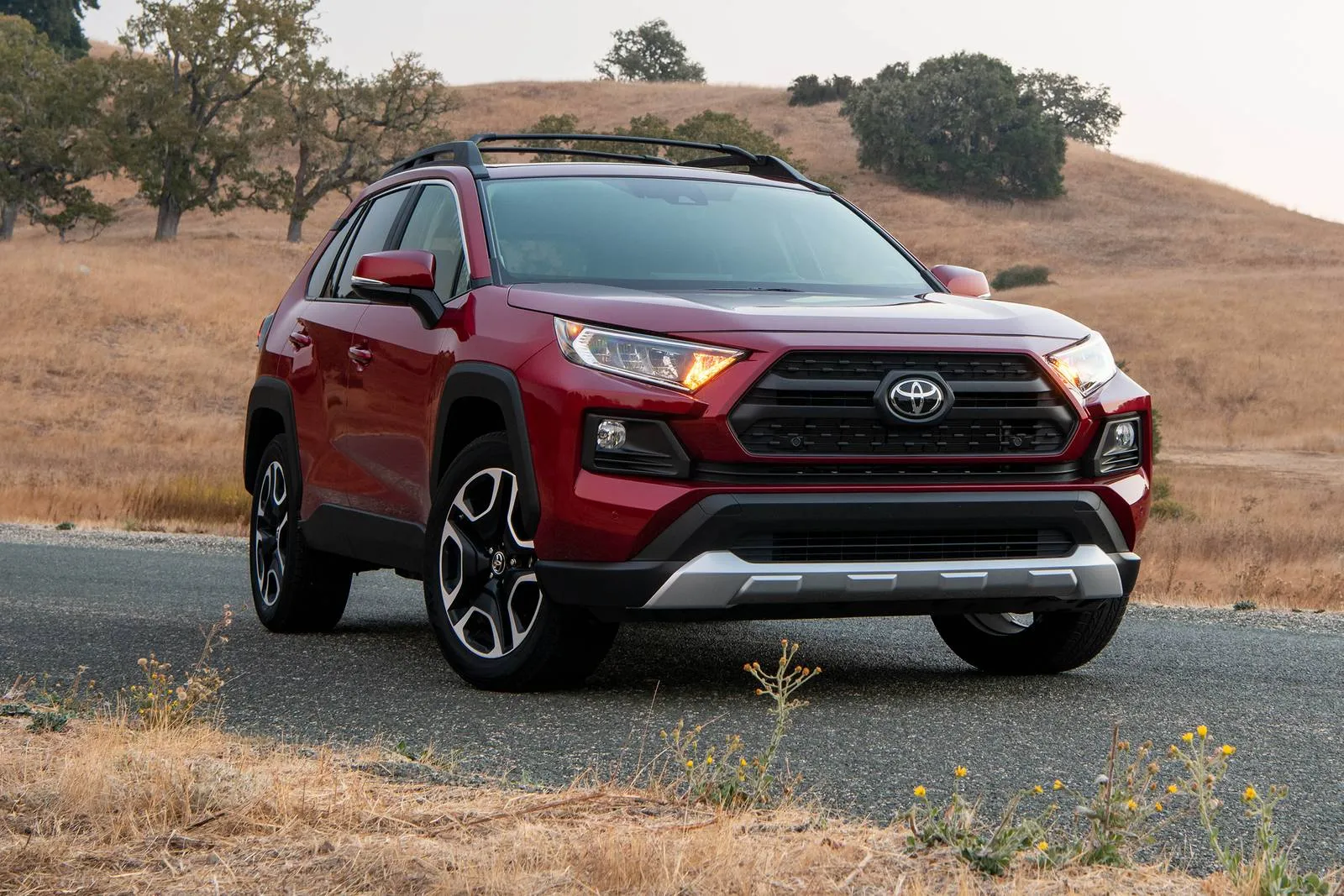
Toyota RAV4
The Toyota RAV4 is widely recognized for its practicality, and this reputation extends strongly to its rear seat accommodations. Passengers often notice that legroom remains generous even when front seats are adjusted for taller drivers, which is a key factor in making longer journeys comfortable and enjoyable.
The available space allows passengers to sit with knees bent at a natural angle, minimizing discomfort and making it easier to maintain a relaxed posture over time. This generous spacing is particularly beneficial for daily commuting, weekend trips, or highway drives where passengers may spend several hours seated.
By providing sufficient legroom without compromising cabin efficiency, the RAV4 manages to strike a balance between interior space and vehicle design, offering comfort that rivals larger, more expensive SUVs.
Seatback design plays a crucial role in rear passenger comfort. The RAV4’s rear seatbacks are slightly reclined and well-cushioned, allowing passengers to lean back in a relaxed posture instead of remaining stiff or rigid throughout the drive.
The cushioning is firm enough to provide support without creating pressure points, which is particularly important during extended trips where minor discomfort can escalate into fatigue or soreness. Additionally, the rear seats are designed to distribute weight evenly, which further reduces strain on the lower back and legs.
This combination of thoughtful cushioning and ergonomic angles ensures that passengers remain comfortable, regardless of their size or posture, and allows the RAV4 to maintain its reputation as a family-friendly and practical crossover.
Natural light and visibility contribute significantly to the perceived spaciousness of the RAV4’s rear seating area. Large windows and thoughtfully designed glass surfaces create an airy, open feeling that prevents the cabin from feeling enclosed or boxed in.
Passengers can enjoy views of their surroundings, which not only reduces feelings of confinement but also contributes to a more pleasant and enjoyable ride experience. This combination of generous legroom, supportive seating, cabin width, and visibility makes the RAV4 an excellent choice for those who value rear passenger comfort in a crossover, supporting both short trips and long-distance travel in a practical and pleasant manner.
Subaru Forester
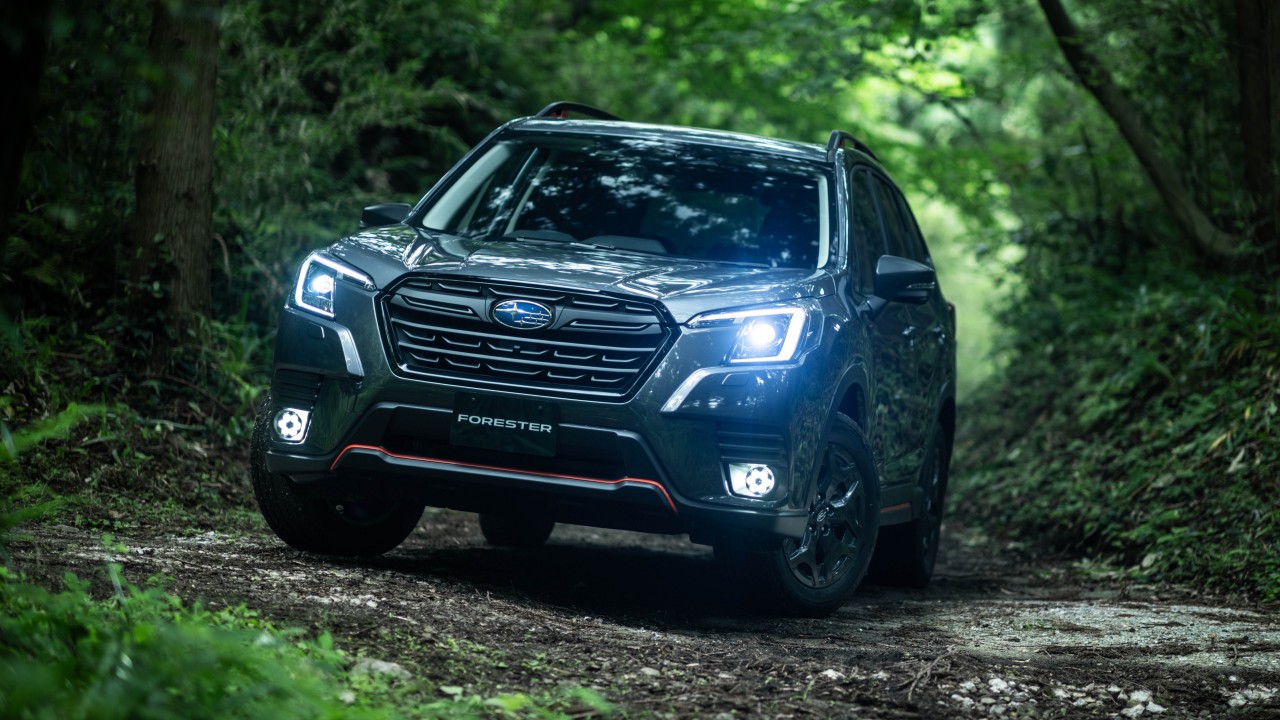
The Subaru Forester is for its tall cabin profile, which provides substantial headroom for rear passengers. This vertical space allows riders to sit upright without lowering their posture or feeling constrained, creating a comfortable environment even for taller adults.
The additional height also gives the cabin an airy and open ambiance that enhances comfort, especially during long drives. Passengers who need to maintain an upright posture for back health or personal preference can do so without compromising legroom or seating comfort, making the Forester particularly appealing for families with taller children or adults.
Knee room in the Forester is another strong point, as the rear seat design avoids unnecessary intrusion from front seatbacks or bulky components. Even when front seats are pushed back to accommodate taller drivers, the rear cabin preserves a generous margin for passengers to stretch their legs or adjust their position.
This thoughtful layout allows riders to maintain a relaxed posture without constantly shifting to avoid contact with the front seats, improving comfort on both city drives and extended highway trips. The combination of legroom and seatback design supports ergonomics and contributes to a sense of spaciousness.
Large windows contribute to the sense of space by allowing plenty of natural light into the cabin, creating a bright and open atmosphere. Passengers can enjoy clear visibility, reducing the feeling of confinement that can occur in vehicles with smaller or heavily tinted windows.
The combination of generous headroom, ample knee space, wide doors, and expansive glass surfaces makes the Forester a standout option for those seeking a rear seating area that is comfortable for adults and children alike, whether for daily commutes, weekend adventures, or long road trips.

Hyundai Santa Fe
The Hyundai Santa Fe frequently impresses with its rear seat lengthwise space, providing passengers with plenty of legroom to sit comfortably for extended periods. Taller riders will often find that their knees remain well clear of the front seatbacks, allowing for natural posture and the ability to stretch slightly when needed.
This space is particularly valuable for long road trips, where maintaining a relaxed seating position is essential to avoid fatigue or stiffness. Families with older children or adults in the rear row will find that the Santa Fe accommodates them without requiring constant adjustment or discomfort, making the vehicle a versatile choice for a wide range of passengers.
The seat cushioning and support further enhance comfort in the Santa Fe. The padding is firm enough to provide back support while remaining soft enough to avoid pressure points, creating an environment that is comfortable for both short trips and extended drives.
The seats also feature slight recline options, allowing passengers to adjust their posture according to personal preference or travel conditions. This attention to ergonomic detail contributes to an sense of well-being during the ride, as passengers can find a position that suits their needs without compromise.
The Santa Fe’s interior design promotes a sense of openness through the use of wide windows and thoughtful cabin layout. The large glass surfaces allow natural light to fill the space, enhancing the feeling of airiness and reducing the potential for a cramped or boxed-in sensation.
Combined with ample legroom, supportive seating, and generous width, these elements make the Santa Fe one of the more comfortable crossovers for rear passengers, delivering a balance of practicality, comfort, and visual openness that is appealing for families and frequent riders.
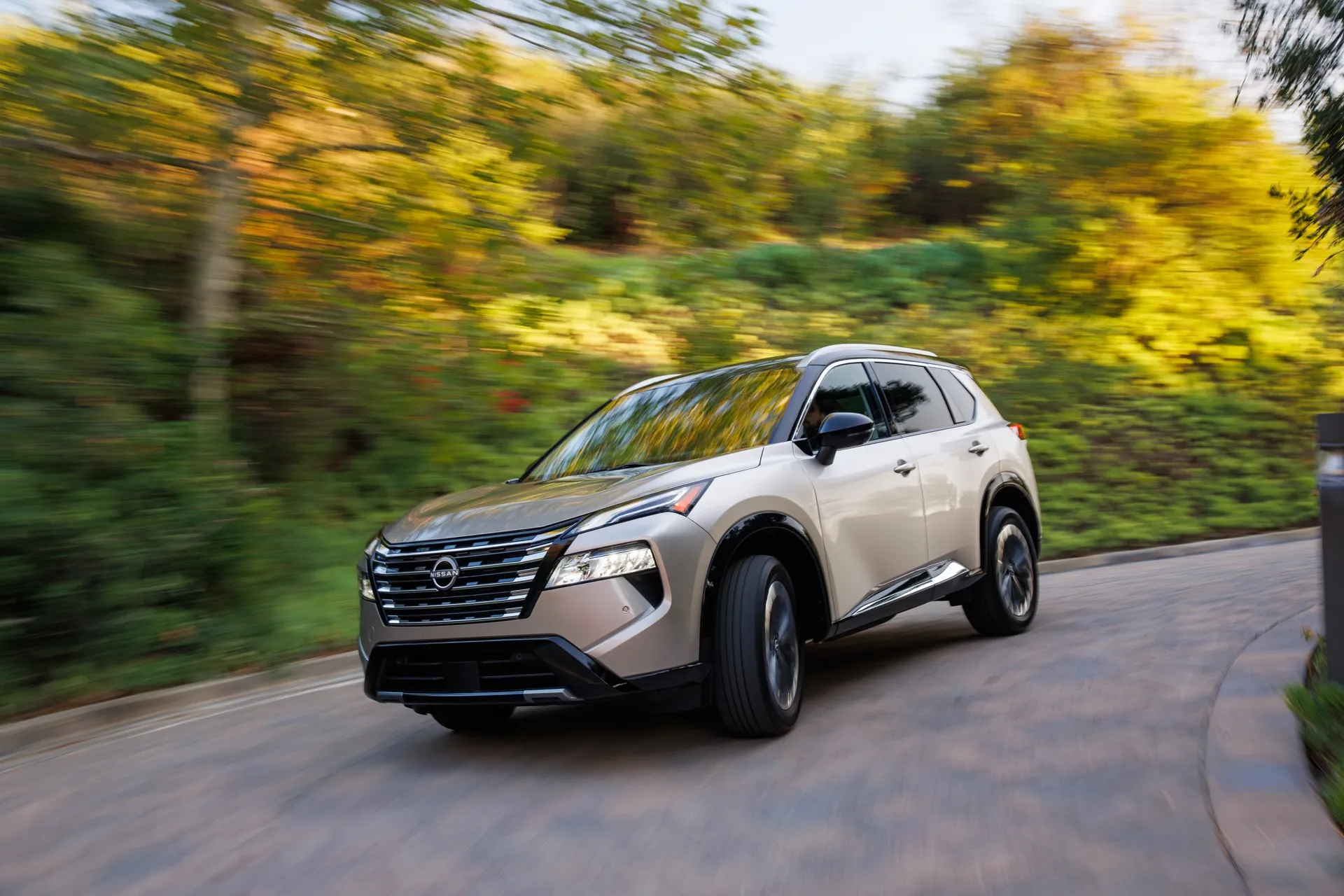
Nissan Rogue
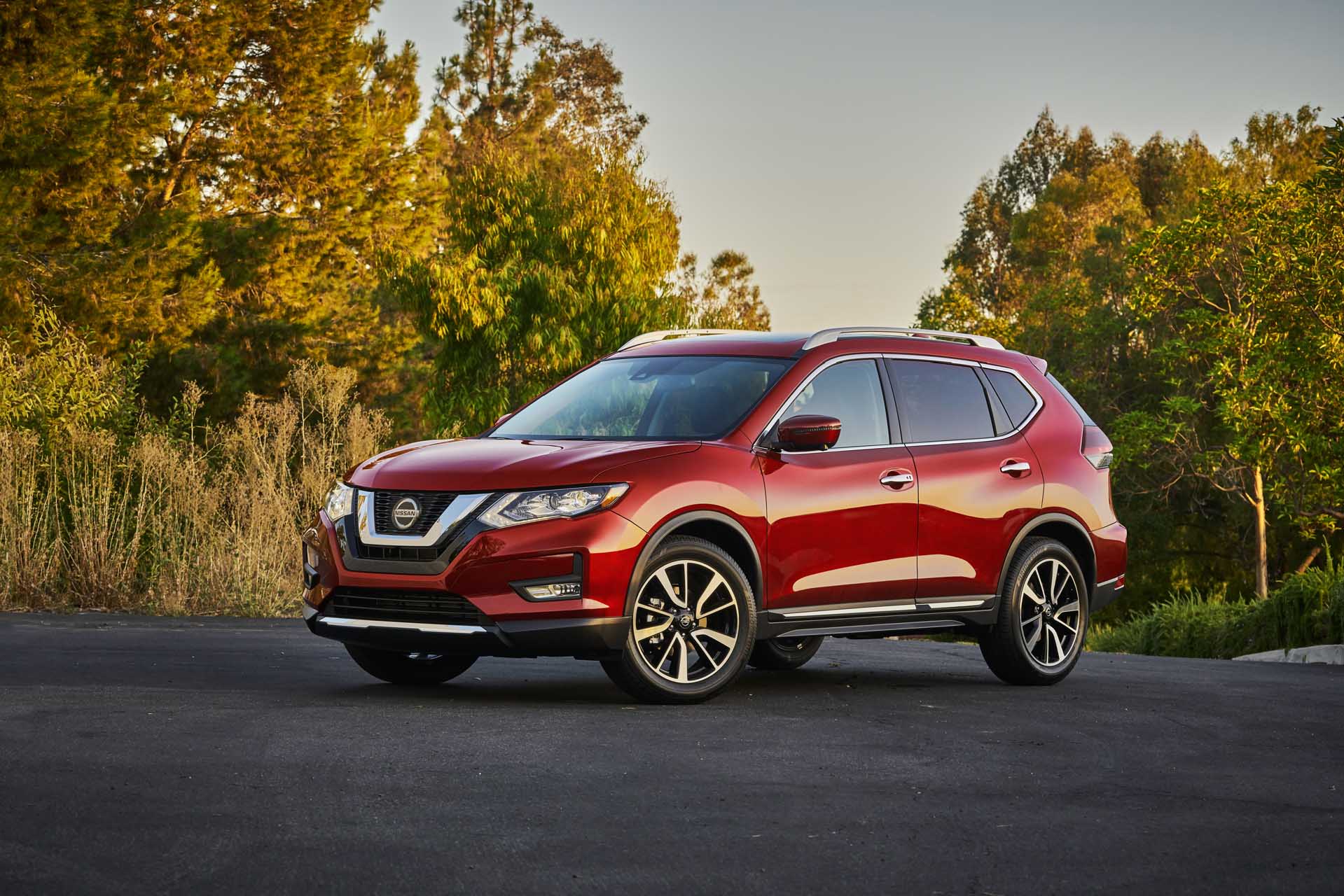
The Nissan Rogue is frequently praised for its rear seating comfort, which rivals that of larger vehicles despite its compact exterior dimensions. Legroom is substantial, allowing taller passengers to sit without their knees pressing against the front seats, a feature that is especially important for long drives.
The thoughtful layout of the rear footwells and seatbacks ensures that passengers can adjust their position easily, improving comfort and reducing the potential for stiffness or fatigue. This spatial generosity makes the Rogue a practical choice for families, commuters, and those who regularly transport adults in the back row.
Door and entry design also contributes to passenger convenience and comfort. Wide rear doors allow easy access, reducing the effort required to enter or exit the vehicle, which is particularly valuable for families with young children or older adults. Once seated, passengers benefit from unobstructed lateral space, allowing them to move their arms and adjust their sitting position freely. These design considerations highlight the Rogue’s focus on usability and comfort for rear passengers.
Finally, large rear windows provide ample natural light and clear outward visibility, which enhances the perception of space and reduces feelings of confinement. The combination of legroom, supportive seating, wide doors, and expansive windows ensures that the Rogue’s rear cabin is comfortable, airy, and practical for a wide range of passengers.
These features collectively reinforce its position as a crossover that excels in rear passenger comfort, providing a reliable and enjoyable experience for families and frequent riders alike.
