

Choosing a compact SUV can be a complex decision because it involves balancing multiple factors, including performance, fuel efficiency, interior space, technology, safety, and comfort. One factor that often goes unnoticed in casual consideration is cabin noise.
The level of noise inside a vehicle affects not only driving comfort but also fatigue, concentration, and enjoyment on long trips. While some compact SUVs manage to isolate the cabin from road, wind, and engine noise remarkably well, others allow vibrations, droning, or wind interference to permeate the interior, making the experience less comfortable, especially on highways or rough roads.
Cabin quietness is influenced by a combination of materials, insulation, engineering design, tire selection, and even aerodynamic efficiency. Vehicles with quiet cabins often use thicker glass, extra sound-deadening layers in the floor and doors, and more refined engine mounts. These design choices reduce the intrusion of unwanted sound, giving the occupants a more relaxed and refined experience.
On the other hand, compact SUVs with harsher cabin noise do not necessarily indicate poor quality; often, they prioritize performance, weight reduction, or cost savings over acoustic insulation.
Harsh cabins are characterized by engine droning at higher rpm, wind noise around mirrors and roof rails, and vibration transmitted through the tires or suspension. Such noise can make the interior feel less refined and more tiring over long journeys.
Understanding which vehicles offer the quietest experience and which ones carry a more intrusive sound profile can help prospective buyers make an informed decision that aligns with their priorities. Comfort-focused drivers will appreciate a cabin that allows conversation at normal volumes, reduces fatigue, and provides a sense of separation from the outside world. Performance-oriented buyers might tolerate or even enjoy a more vocal interior if it emphasizes engine character and sporty driving feedback.
In this article, we will provide a detailed comparison of compact SUVs known for their exceptionally quiet cabins versus those where cabin noise is more noticeable. This will help readers weigh comfort and refinement against other considerations such as price, handling, and engine performance.
Each vehicle will be described in terms of the typical sources of noise, the materials and engineering that contribute to either quietness or harshness, and how the noise affects the driving experience.
By the end, readers will have a clearer picture of which compact SUVs might provide a serene, refined ride and which might feel more aggressive or intrusive inside the cabin, allowing for a more informed choice when shopping in this segment.
5 Compact SUVs with Quiet Cabins
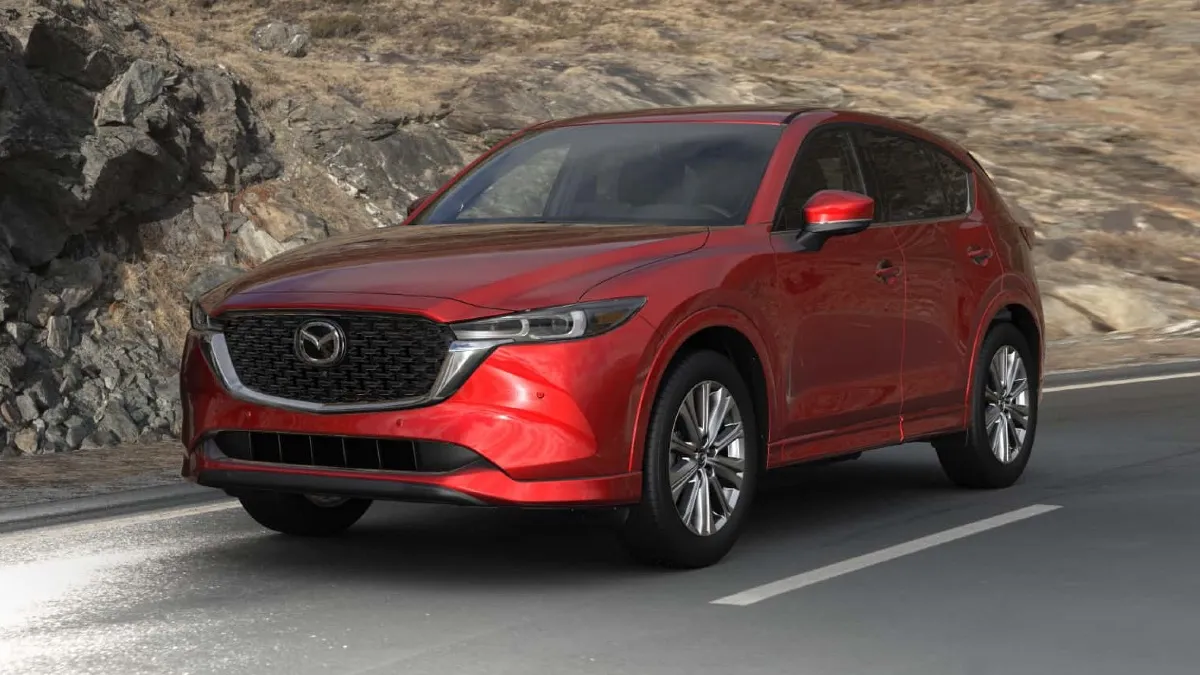
1. Mazda CX-5
The Mazda CX-5 is frequently praised for its cabin refinement, standing out among compact SUVs for its serene and composed interior. The combination of high-density insulation, thicker door panels, and laminated glass plays a key role in reducing external noise.
Even on highways or uneven pavement, the cabin feels isolated from road and wind noise, creating an environment where passengers can enjoy a relaxed ride. Engine noise, particularly from the smooth-running 2.5-liter four-cylinder engine, is minimal, with vibrations well controlled by Mazda’s engineering choices. This makes the vehicle suitable for extended commuting or family trips without generating fatigue from constant sound intrusion.
The seats in the CX-5 are thoughtfully designed, offering firm support while absorbing vibrations from the road. Suspension tuning also contributes to the quiet cabin by balancing comfort and handling, preventing harsh impacts from being transmitted to the interior.
The combination of tires, suspension, and structural soundproofing ensures that even when encountering rough or uneven roads, the noise level inside remains low. Mazda’s attention to cabin acoustics extends beyond engine and road noise to the feeling of serenity, giving the vehicle a premium feel that exceeds its price category.
In addition to structural measures, the CX-5’s interior layout and ventilation system are optimized for acoustic comfort. The design of air vents and ducting prevents whistling or hissing sounds, which can often contribute to cabin noise in other vehicles.
The placement of the infotainment system, speaker panels, and controls has been carefully considered to prevent resonance and ensure that all sounds inside the cabin, including music and conversation, are clear and undisturbed. This holistic approach to noise management allows occupants to enjoy a sophisticated driving experience without distraction.
Finally, the CX-5’s soundproofing extends to wheel wells, the firewall, and the underbody. Strategically placed insulation and padding minimize vibration and impact noise from tires, as well as engine and exhaust resonance.
This comprehensive attention to acoustic engineering creates a cabin that feels separate from the outside environment, giving occupants a sense of calm and refinement.
Whether in city traffic or cruising on the freeway, the CX-5 maintains a level of quietness that rivals vehicles in higher price brackets, making it one of the most comfortable options for drivers and passengers seeking a peaceful ride.
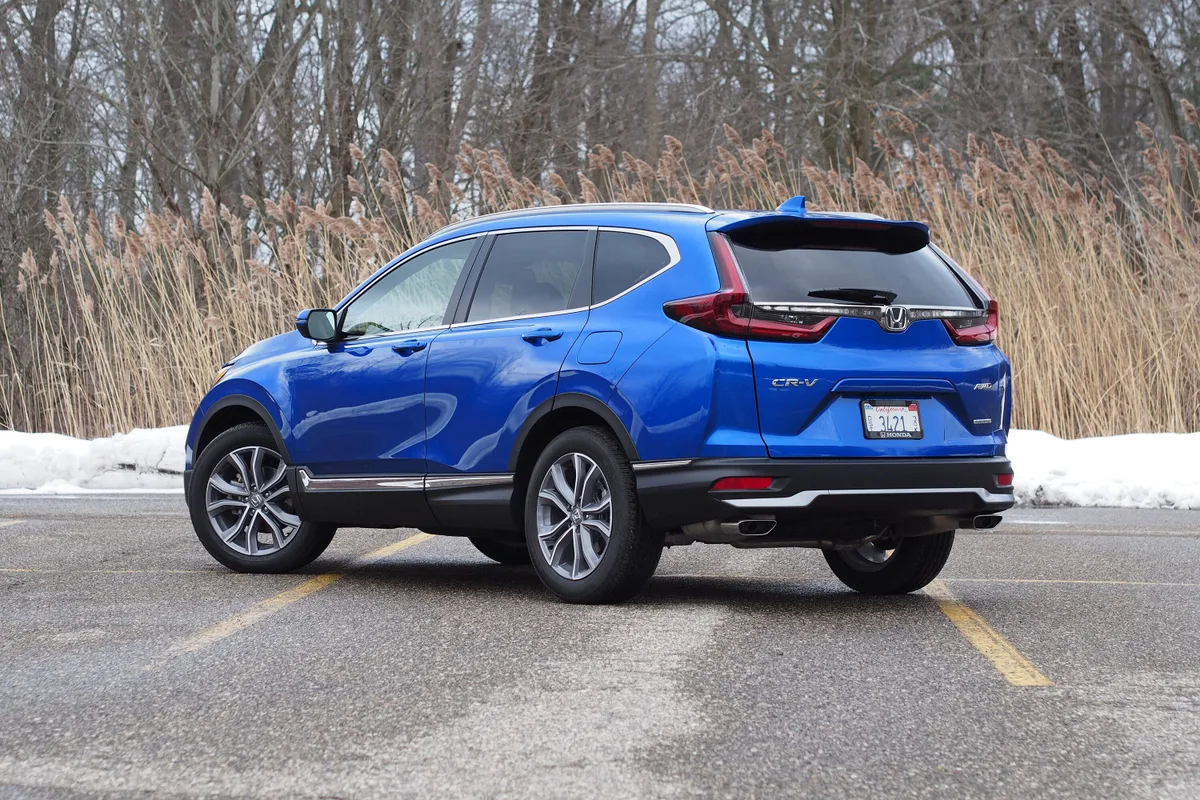
2. Honda CR-V
The Honda CR-V is renowned for delivering a quiet cabin experience, making it a top choice for buyers who prioritize comfort over raw performance.
Engine noise is well controlled, particularly in the turbocharged 1.5-liter versions, where vibration and resonance are minimal. Honda achieves this through careful engine mounts, sound-deadening materials in the firewall, and precise calibration of mechanical components.
Road and wind noise are subdued due to aerodynamic body design and effective sealing around doors and windows. Even at highway speeds, conversations can continue without raising one’s voice, which is a major advantage for long-distance driving or carrying children.
Suspension tuning contributes significantly to the CR-V’s refined cabin. It absorbs minor road imperfections and prevents harsh feedback from reaching passengers. The vehicle’s struts and dampers are designed to maintain a balance between handling and comfort, ensuring that bumps and potholes do not disrupt the interior experience.
Tire selection further enhances the quietness, as Honda equips the CR-V with low-noise, road-friendly tires that minimize vibrations and tire roar. This careful combination of suspension, tires, and chassis design reinforces the perception of a composed and tranquil cabin.
Interior materials in the CR-V are carefully chosen to dampen noise and vibrations. Soft-touch plastics, carpeting, and sound-absorbing trims reduce resonance and prevent mechanical sounds from intruding on the cabin.
The placement of the transmission, exhaust, and HVAC system has been optimized to limit vibration transfer, keeping the interior calm even during acceleration or climbing hills. These engineering choices ensure that the cabin maintains a sense of refinement, enhancing the perception of quality and comfort.
Finally, the CR-V’s quiet cabin extends to minor sources of potential noise. Ventilation and airflow are designed to operate smoothly without generating whistling or hissing, and the infotainment system integrates seamlessly without causing mechanical hums or vibration.
The combination of structural soundproofing, interior materials, and mechanical tuning makes the Honda CR-V one of the segment leaders in quietness. For buyers seeking a compact SUV where serenity, conversation, and comfort are priorities, the CR-V provides a consistent and enjoyable experience.
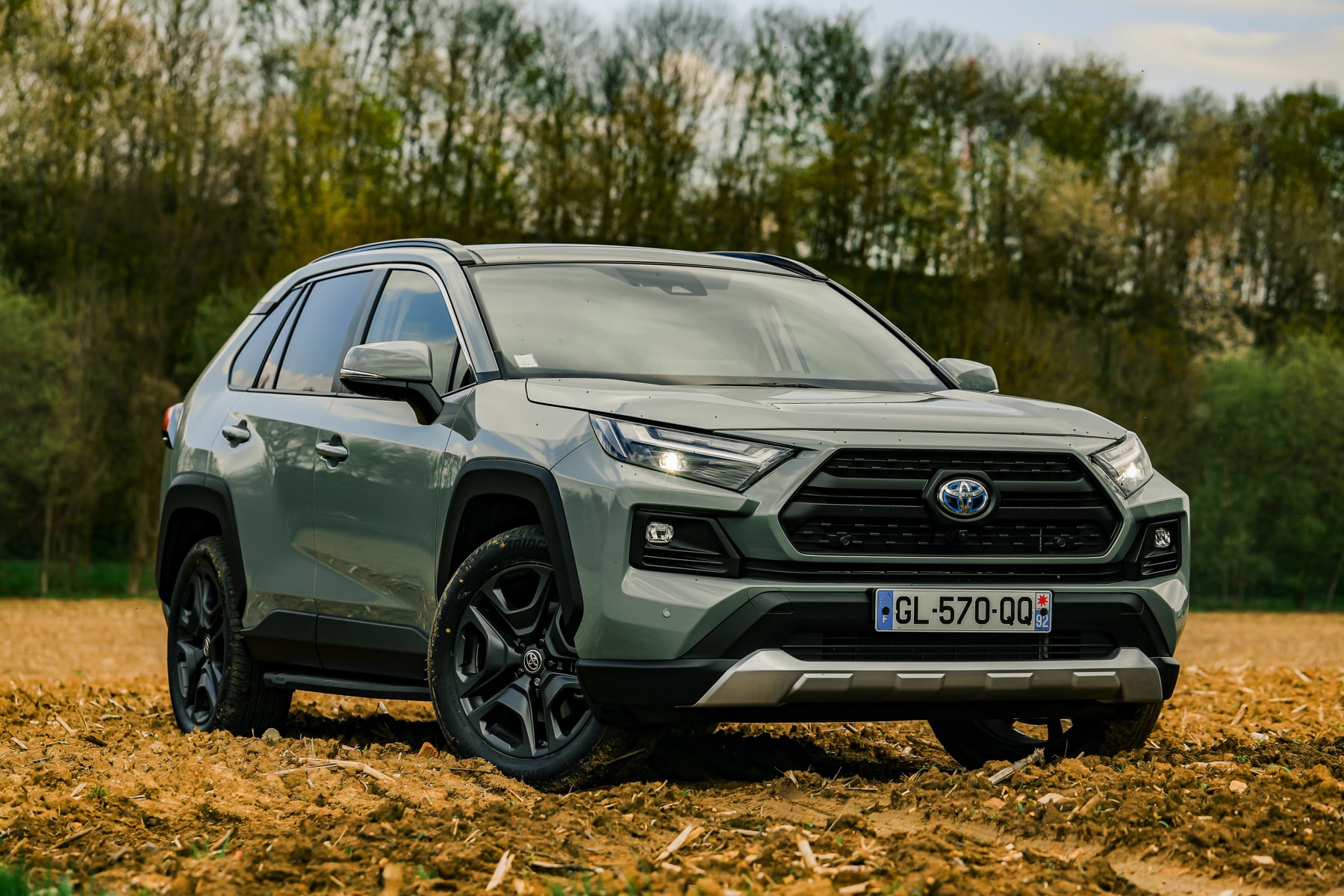
3. Toyota RAV4
The Toyota RAV4 achieves a quiet cabin through a combination of thoughtful engineering, soundproofing materials, and suspension design. Laminated glass, dense door panels, and strategic insulation in the floor and roof absorb vibrations and block wind and road noise.
The engine, particularly in naturally aspirated four-cylinder models, operates smoothly and produces minimal noise within the cabin, even under acceleration.
The exhaust system is tuned to avoid resonance, ensuring that the interior remains calm during various driving conditions. The result is a compact SUV interior where conversation and media playback are unobstructed by intrusive sounds, providing a sense of refinement that exceeds the typical expectations for its class.
Suspension design also contributes to the RAV4’s acoustic comfort. Struts and shocks are calibrated to isolate occupants from uneven pavement, reducing vibration transmission and minimizing harsh impacts. Even when driving over gravel or less-than-ideal surfaces, the cabin remains calm and composed.
Tires are selected to complement the suspension’s quietness, further limiting road noise intrusion. This careful tuning emphasizes comfort without compromising handling or safety, creating an interior that feels stable and insulated from external disturbances.
Toyota also employs acoustic laminated glass for the windshield and front side windows in higher trim levels. This specialized glass greatly reduces wind noise, particularly at highway speeds, which is often the most noticeable source of cabin intrusion in compact SUVs.
Combined with soft-touch materials on doors, the dashboard, and other contact points, these measures create a soothing, quiet environment. Road vibrations, engine noise, and minor mechanical resonance are effectively dampened, contributing to an interior that is peaceful and well-insulated.
The RAV4’s quiet cabin also enhances the perception of quality. Ventilation systems are designed to operate efficiently without producing disruptive airflow noise, and interior electronics are mounted and insulated to prevent mechanical hums or vibration.
Passengers experience a consistent sense of refinement regardless of speed or driving conditions. For buyers who value serenity and acoustic comfort, the Toyota RAV4 delivers a compact SUV experience that is both calming and practical, making it a top contender in its class for those prioritizing quietness.
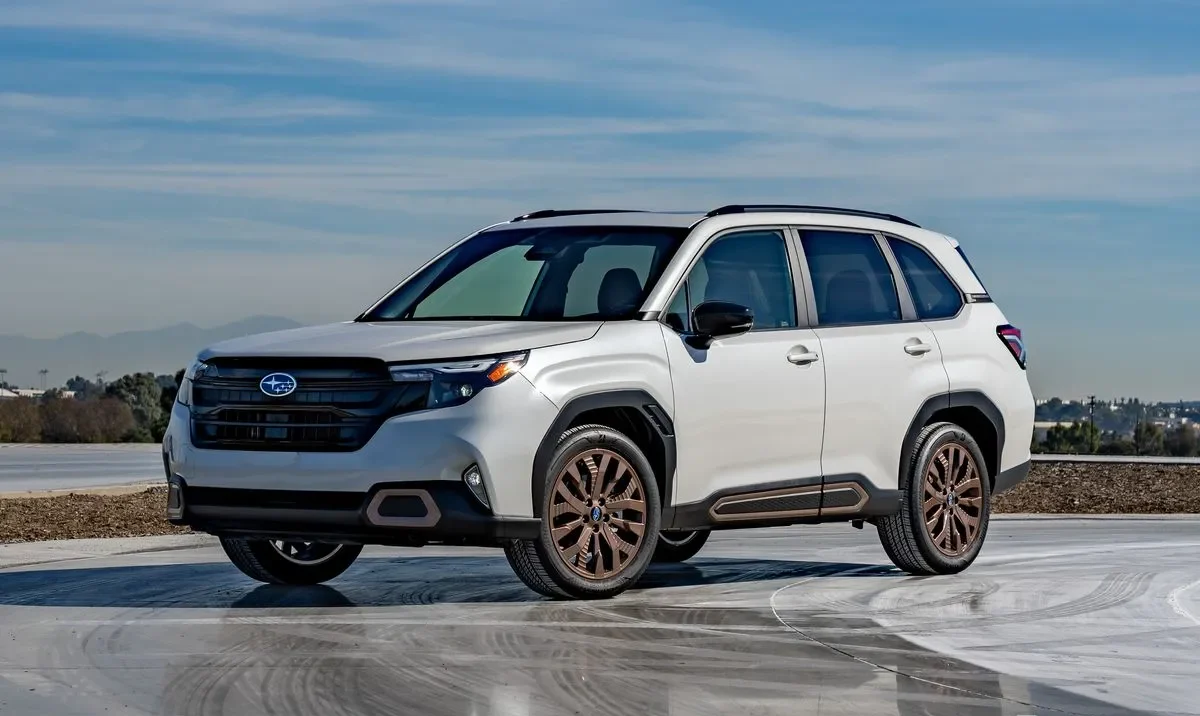
4. Subaru Forester
The Subaru Forester impresses with a cabin that balances ruggedness and refinement. The flat-four engine is naturally balanced and produces minimal vibration, allowing for a quieter interior even at higher speeds. Road noise is mitigated through careful insulation in the doors, floor, and wheel wells, while aerodynamic design reduces wind intrusion around mirrors and roof rails.
This allows passengers to enjoy a calm, controlled ride despite the Forester’s off-road capability. The combination of soundproofing materials and engineering design ensures that the interior remains peaceful and isolated from external disturbances, enhancing both driver focus and passenger comfort.
The Forester’s suspension design is critical to its quiet cabin. Struts and shocks are tuned to absorb road imperfections effectively, preventing harsh impacts from being transmitted to the interior.
The suspension works in tandem with carefully selected tires to minimize noise from the road, ensuring that gravel, potholes, or uneven surfaces do not compromise acoustic comfort. This combination of suspension and tires allows the Forester to deliver a smooth and composed ride, even in conditions where other compact SUVs might feel harsher.
Interior materials are thoughtfully chosen to reduce unwanted noise transmission. Soft-touch plastics, padded panels, and carpeting dampen vibrations and mechanical resonance from the engine, transmission, and exhaust.
Subaru engineers optimize the placement of mechanical components to minimize intrusion, creating a cabin environment that feels refined despite the vehicle’s utilitarian image. Occupants experience a sense of calm and separation from the external environment, which is remarkable for an SUV designed with outdoor capability in mind.
Finally, the Forester’s quiet cabin extends to secondary noise sources such as HVAC and infotainment systems. Ventilation is engineered for smooth, low-noise operation, and interior electronics are insulated to prevent vibration or humming. The result is a balanced and composed cabin that feels protected from external sounds.
Drivers and passengers benefit from a serene experience whether commuting, taking long trips, or venturing off-road. The Forester demonstrates that an SUV with rugged capabilities can still prioritize acoustic comfort and maintain a refined, quiet interior.
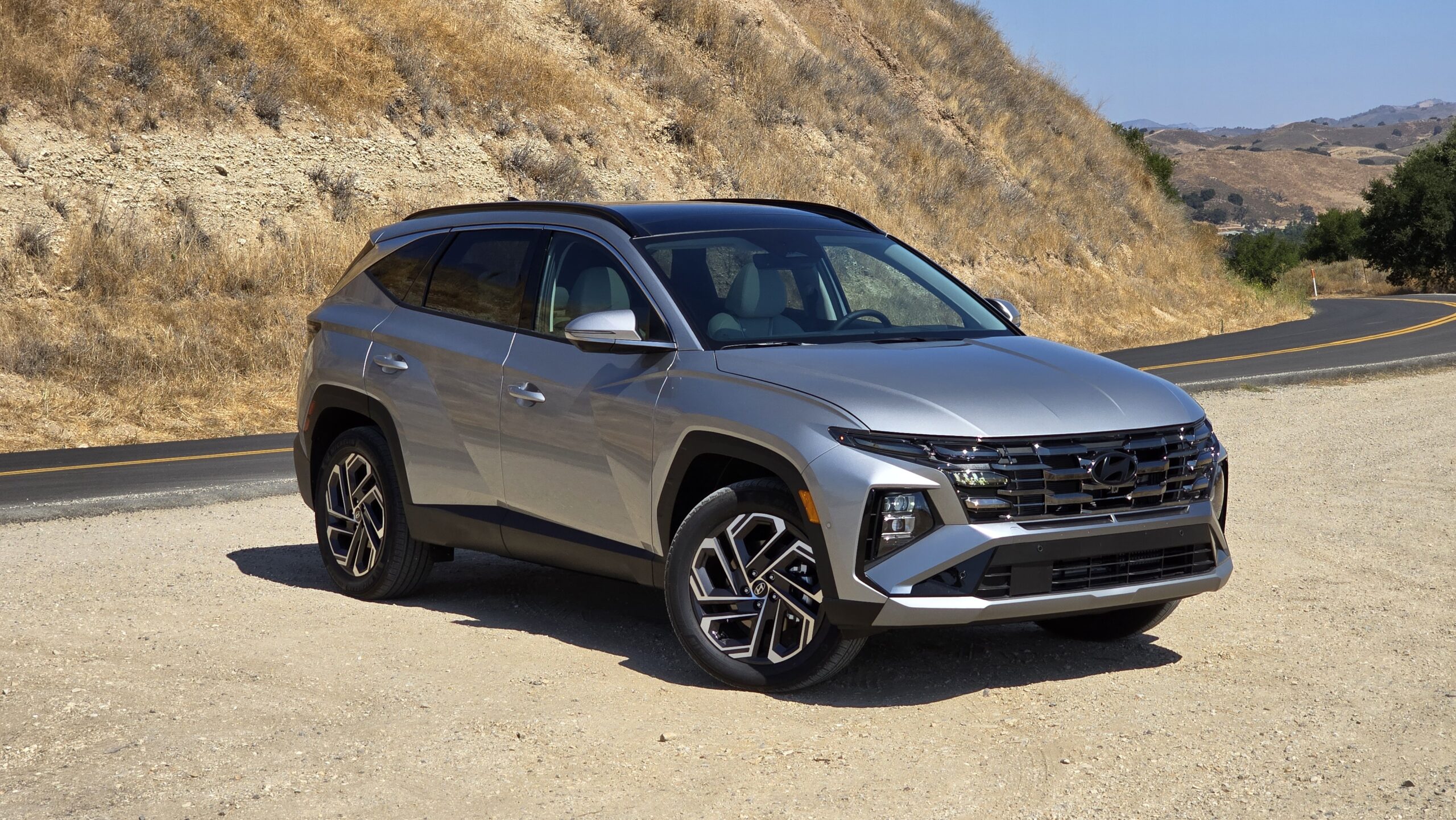
5. Hyundai Tucson
The Hyundai Tucson offers a cabin designed with quietness and comfort as primary objectives. Engine noise is well managed, especially in four-cylinder and hybrid models, where vibrations are minimized by precise engine mounts and sound-deadening materials.
Wind noise is subdued by carefully sealed doors and windows, and the aerodynamic shape of the body reduces turbulence at higher speeds. Together, these features contribute to a cabin environment that allows conversation, media enjoyment, and relaxation without distraction, even during extended highway driving.
Suspension tuning plays a significant role in cabin quietness. Struts and dampers absorb uneven surfaces effectively, preventing vibrations and harsh impacts from traveling into the seats and floor.
Tires are chosen to complement this suspension tuning, further limiting road noise intrusion. This careful balance ensures that the Tucson delivers a comfortable, composed ride even on rough pavement, reinforcing its reputation as a quiet and refined compact SUV.
The interior materials of the Tucson enhance acoustic isolation. Soft-touch plastics, carpeting, and padded panels absorb vibrations and reduce mechanical resonance, preventing road, engine, and exhaust noise from dominating the cabin.
The placement of components, such as the transmission, exhaust, and HVAC system, is optimized to limit vibration transfer. This attention to detail ensures that passengers experience a calm, well-insulated environment, making the Tucson competitive with other quiet SUVs in the segment.
Finally, minor sources of noise, such as ventilation and electronics, are carefully controlled in the Tucson. The HVAC system is engineered for smooth airflow without whistling, and the infotainment and mechanical components are mounted to prevent hum or vibration.
This holistic approach to acoustic engineering results in a cabin that feels serene, refined, and insulated from the outside world. The Tucson successfully combines quietness with comfort, style, and practicality, making it a strong choice for buyers seeking a peaceful and enjoyable driving experience.
5 Compact SUVs with Harsh Cabins
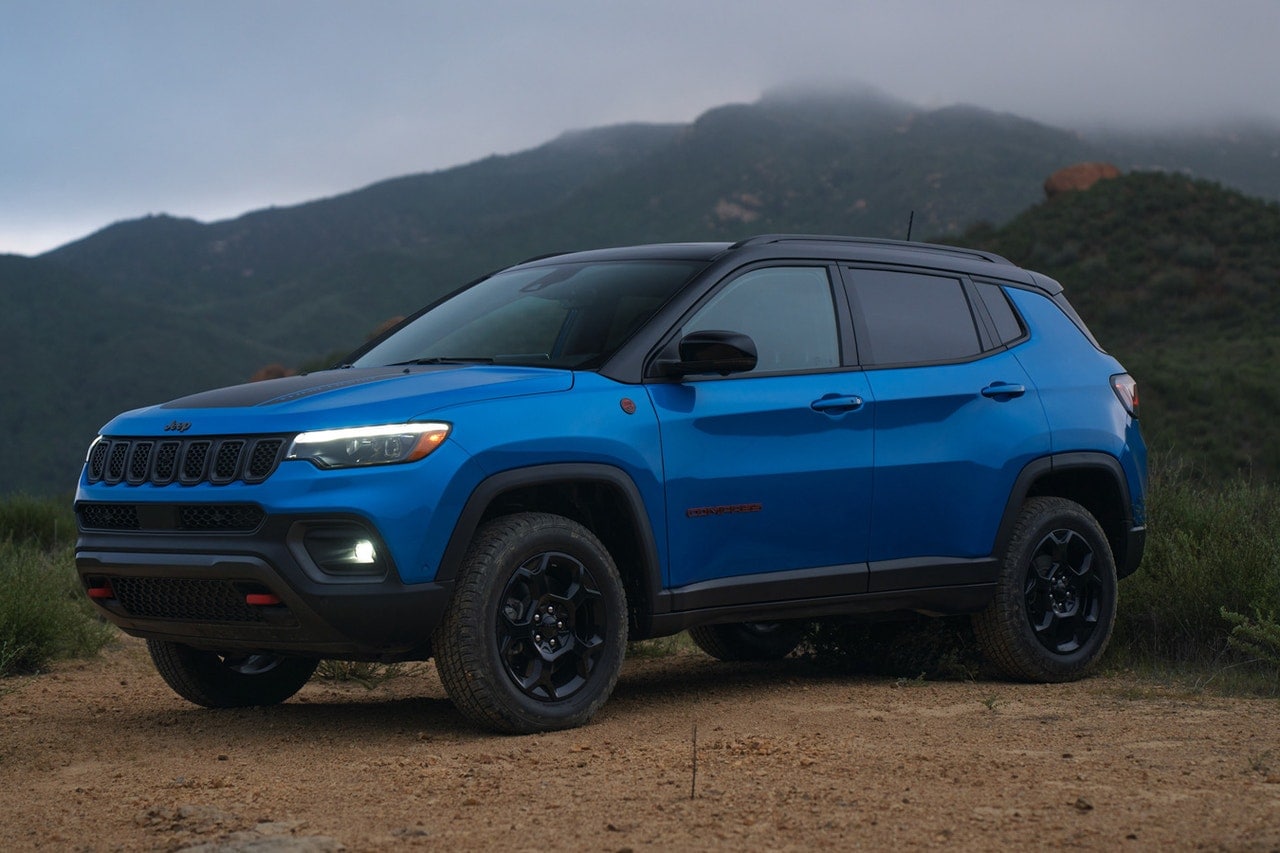
1. Jeep Compass
The Jeep Compass is designed with off-road capability in mind, but that focus comes at the expense of cabin quietness. Road noise is noticeable even at moderate speeds, as the suspension and tires are tuned more for traction and durability than for smooth, isolated performance.
On uneven pavement, vibrations from the tires and chassis travel into the floor and seats, making the cabin feel less insulated from external disturbances.
Wind noise is particularly audible around the side mirrors and roof rails, creating a persistent background hum on highways. Engine noise, especially from the turbocharged four-cylinder models, is more prominent under acceleration, producing a harsher, more aggressive sound inside the cabin that can feel tiring over long distances.
Suspension design prioritizes ruggedness rather than refinement, which means the Compass transmits more impact from bumps and potholes directly to occupants. Struts and dampers absorb less energy than in more comfort-focused compact SUVs, making rough roads feel jarring.
The tires, often selected for off-road capability, amplify these vibrations and add additional tire roar, particularly on coarse or gravel surfaces. This combination of road, tire, and suspension noise reduces the sense of calm and can make longer drives physically and mentally fatiguing for drivers and passengers alike.
The interior materials in the Compass do little to mitigate these acoustic intrusions. Hard plastics, thin panels, and limited soundproofing allow vibrations and engine noise to resonate more freely inside the cabin. Mechanical resonance, whether from the transmission or the exhaust system, adds to the perception of harshness.
Even minor noises from the HVAC or infotainment systems can feel exaggerated, further reducing cabin refinement. Occupants may feel that the interior is less separated from the outside environment, which contrasts sharply with more comfort-focused compact SUVs.
Despite these drawbacks, the Jeep Compass has its own appeal. Some drivers appreciate the raw and more connected driving experience, which is amplified by the cabin’s vocal nature. The noise can give a sense of rugged authenticity, emphasizing the vehicle’s off-road character.
However, for buyers who value quiet, comfortable cabin environments, the Compass ranks low compared to competitors, making it more suitable for those willing to trade acoustic comfort for adventurous capability.
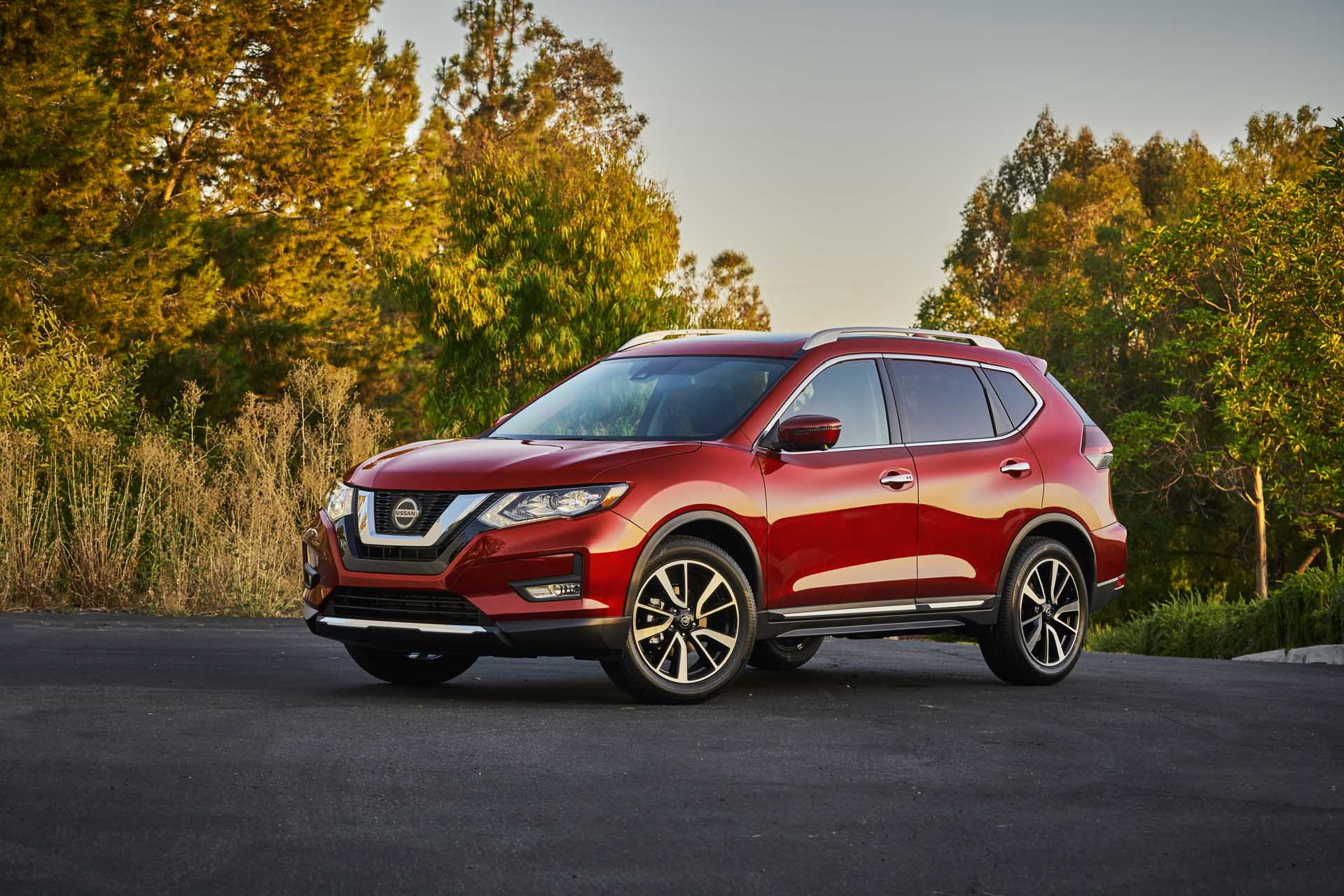
2. Nissan Rogue
The Nissan Rogue offers versatility and practicality, but its cabin noise levels reveal a compromise in acoustic refinement. Engine droning is particularly noticeable under heavy acceleration or when driving uphill, especially in models equipped with the continuously variable transmission.
This creates a persistent background hum that can intrude on conversations or music playback. Road noise is another significant factor, as vibrations from the tires and uneven surfaces are transmitted into the cabin more readily than in quieter compact SUVs.
Wind noise around the mirrors and window seals can also be intrusive at higher speeds, contributing to a less composed cabin environment.
The suspension design in the Rogue focuses on a balance between cost efficiency, handling, and general comfort, but it often allows more road imperfections to reach occupants. Impacts from potholes or rough surfaces can feel harsher, especially when combined with tires that prioritize grip over noise reduction.
Over longer trips, the cumulative effect of engine, road, and wind noise can become fatiguing, reducing the sense of relaxation that quieter compact SUVs provide.
Interior materials in the Rogue offer minimal sound absorption. Hard plastics, limited padding, and thinner panels allow engine and road vibrations to resonate throughout the cabin.
Mechanical noises from the drivetrain, exhaust system, and other components can be more noticeable, giving the interior a harsher tone. Even HVAC systems and airflow can contribute to a background of unwanted sound, diminishing the comfort level during daily driving or extended trips.
While the Rogue continues to be a practical and reliable compact SUV, its noisy cabin is a trade-off for buyers seeking refinement. Those who prioritize conversation, comfort, and a serene driving experience may find the Rogue less appealing, though it remains a solid choice for utility, cargo space, and affordability. Buyers seeking quiet cabin performance will likely prefer competitors that focus more heavily on acoustic insulation and vibration control.

3. Chevrolet Trailblazer
The Chevrolet Trailblazer emphasizes utility and value, but its cabin noise levels make it feel less refined compared to more comfort-oriented compact SUVs. Engine noise becomes noticeable under load or rapid acceleration, and vibrations can travel through the seats and floor.
Road noise from coarse pavement, potholes, and tire contact is prominent due to the suspension design, which prioritizes durability over acoustic isolation. Wind noise is also audible at higher speeds, particularly around the windshield, mirrors, and roof rails, creating a persistent background hum inside the cabin.
The Trailblazer’s suspension is relatively firm and tuned for practicality, which means bumps and uneven surfaces are transmitted into the interior more noticeably. The struts and shocks absorb less energy than in quieter vehicles, making impacts from irregular surfaces feel sharper.
Tires further exacerbate noise, as they are generally selected for cost efficiency and utility rather than smoothness and quietness. These factors contribute to a cabin that feels less insulated and more exposed to the road and environmental elements.
Interior materials contribute to the perception of harshness. Hard plastics, minimal padding, and limited soundproofing allow mechanical noise from the engine, transmission, and exhaust to resonate inside the cabin.
Even minor vibrations or airflow from the ventilation system can become noticeable, reducing comfort. The cabin lacks the refined acoustic insulation seen in competitors, which makes long drives more fatiguing, especially for passengers who prioritize serenity.
Despite these acoustic shortcomings, the Trailblazer provides practicality, cargo flexibility, and value for money. Its noisy cabin reflects a design choice that prioritizes ruggedness and affordability over acoustic refinement. While it may not appeal to buyers seeking a quiet, calm driving experience, it remains a practical option for those focused on utility, styling, and budget considerations.

4. Ford EcoSport
The Ford EcoSport is compact and city-oriented, but its cabin can feel harsh and exposed to noise. Engine vibrations are noticeable, especially at higher rpm, and road textures are transmitted into the interior due to a suspension system designed for compactness rather than isolation.
Wind noise becomes prominent at highway speeds, particularly around the A-pillars and mirrors. This combination of engine, road, and wind noise can make the interior feel less insulated, especially when compared to competitors with heavier soundproofing and quieter suspensions.
The EcoSport’s suspension design favors cost-efficiency and compact dimensions, which can result in a firmer, less forgiving ride. Impacts from rough pavement, potholes, or uneven surfaces are more likely to transmit vibrations into the cabin, making longer drives less comfortable.
Tires also contribute to road noise, as city-focused or all-season designs are typically not optimized for acoustic refinement. Passengers may find that cumulative road, engine, and wind noises create a tiring environment on extended trips.
Interior materials in the EcoSport provide minimal damping. Thin plastics and limited soundproofing allow engine vibrations, mechanical resonance, and road noise to be more noticeable.
Even airflow from the ventilation system can contribute to background noise, emphasizing the cabin’s lack of acoustic isolation. Hard surfaces can amplify minor vibrations, creating a perception of harshness that contrasts with more comfort-oriented SUVs.
Despite these acoustic limitations, the EcoSport is practical for city driving and easy maneuverability. Its compact size, affordability, and visibility make it appealing for urban buyers. However, drivers seeking a quiet, comfortable, and relaxed cabin experience may be disappointed, as the EcoSport does not prioritize sound insulation or refinement in its design.
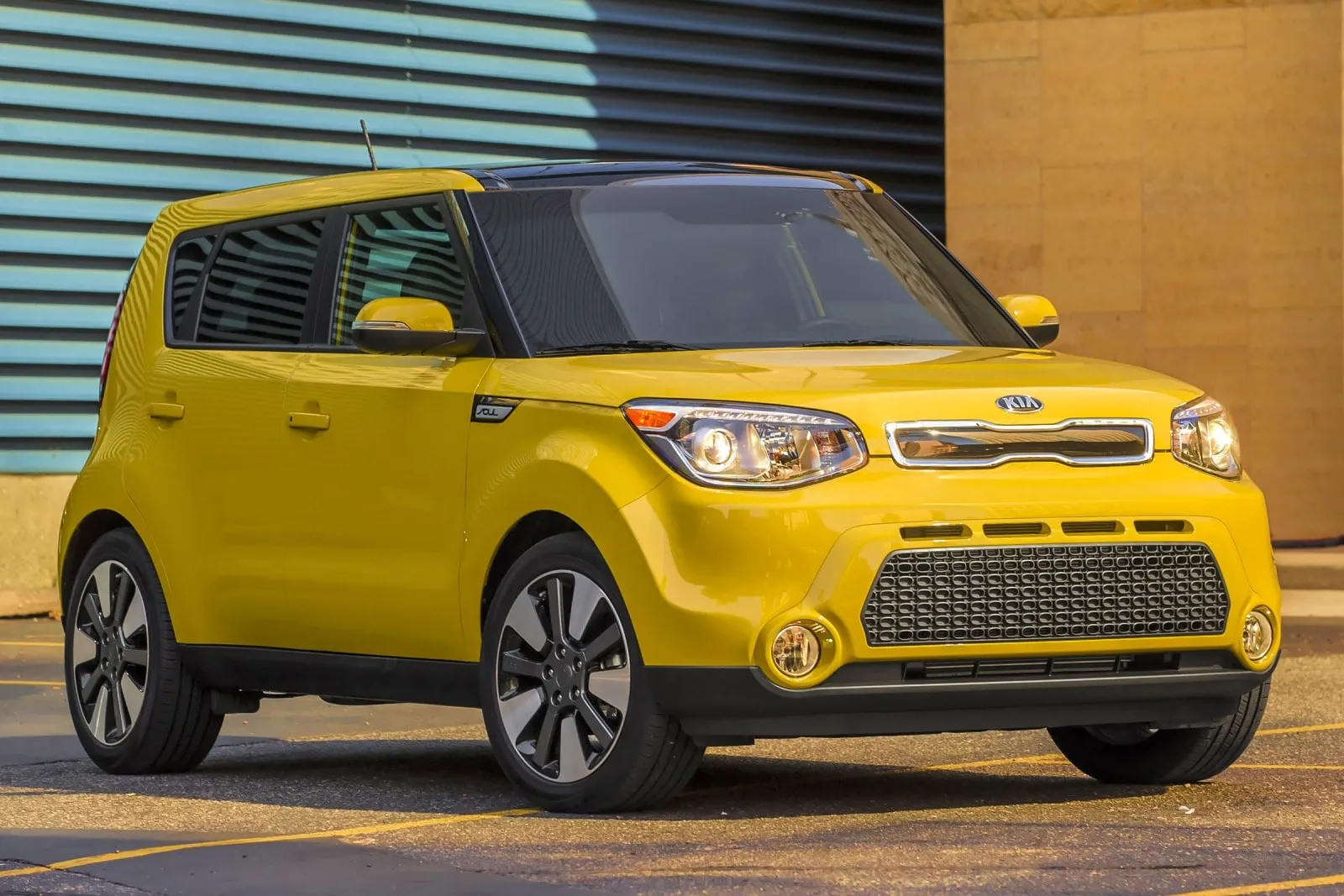
5. Kia Soul
The Kia Soul offers distinctive styling and practicality, but its cabin is harsher in terms of noise compared to quieter compact SUVs. Engine noise is prominent during acceleration, and vibrations are easily felt in the seats and floor, especially under heavy throttle or load.
Road textures are transmitted into the interior, and wind noise at higher speeds is noticeable around the windows and roofline. These factors combine to create an interior that feels less insulated and less composed, reducing comfort on longer drives.
Suspension tuning in the Soul prioritizes handling and city maneuverability rather than comfort and acoustic isolation. Impacts from potholes, bumps, and uneven surfaces are transmitted more directly into the cabin, making the ride feel firmer and noisier.
Tires amplify road noise, particularly on coarse asphalt, which adds to the perception of harshness. Drivers and passengers may find long trips fatiguing due to the persistent presence of road and engine noise.
Interior materials contribute to the noisier environment. Hard plastics, thinner panels, and limited padding allow engine, road, and mechanical vibrations to resonate inside the cabin. Even HVAC airflow or minor rattles can be more noticeable due to the lack of sound absorption. The combination of materials and design choices emphasizes style and practicality over refinement, which impacts the cabin’s acoustic comfort.
While the Kia Soul is practical, visually appealing, and versatile, its noisy cabin is a trade-off for these strengths. Buyers prioritizing quietness and serenity will likely find it less comfortable compared to other compact SUVs. The Soul is more suited for those willing to accept cabin noise in exchange for style, affordability, and city-friendly dimensions.
