
When it comes to purchasing a pickup truck, fuel efficiency often ranks high on the list of priorities, especially for those who spend long hours on the road or rely on their truck for work. Pickup trucks have historically been associated with high fuel consumption, but improvements in engine technology, aerodynamics, and hybrid options have shifted expectations.
Yet, not all trucks deliver what manufacturers promise, and some can leave owners frustrated with significantly lower fuel economy than advertised. Consumers must navigate a landscape where some trucks offer reliable, consistent fuel performance, while others fall short, requiring frequent stops at the gas station and increasing the total cost of ownership.
Knowing which trucks provide the most honest gas mileage and which ones tend to overpromise is crucial for making an informed decision.
Fuel efficiency in trucks is influenced by multiple factors, including engine type, drivetrain configuration, payload, and towing habits. Manufacturers often provide fuel economy estimates based on standardized tests, but real-world conditions can vary widely.
Road conditions, driving style, terrain, and even weather can impact fuel consumption, sometimes dramatically. Therefore, trucks with advertised figures that closely match real-world results offer a level of predictability and trustworthiness that is invaluable to consumers. Conversely, trucks that consistently underperform against advertised mileage can lead to disappointment, higher expenses, and the perception of deceptive marketing practices.
Beyond economics, fuel efficiency affects environmental considerations and long-term sustainability. Trucks with honest gas mileage can reduce greenhouse gas emissions and contribute to more responsible resource use.
This article will compare seven trucks known for delivering honest fuel economy with seven that tend to miss the mark. It will provide insights into what makes some trucks more efficient and why others often fall short. By analyzing real-world performance and highlighting the factors behind fuel efficiency discrepancies, this guide will help buyers make informed choices and better manage their expectations when selecting a pickup truck.
Seven Trucks with Honest Gas Mileage
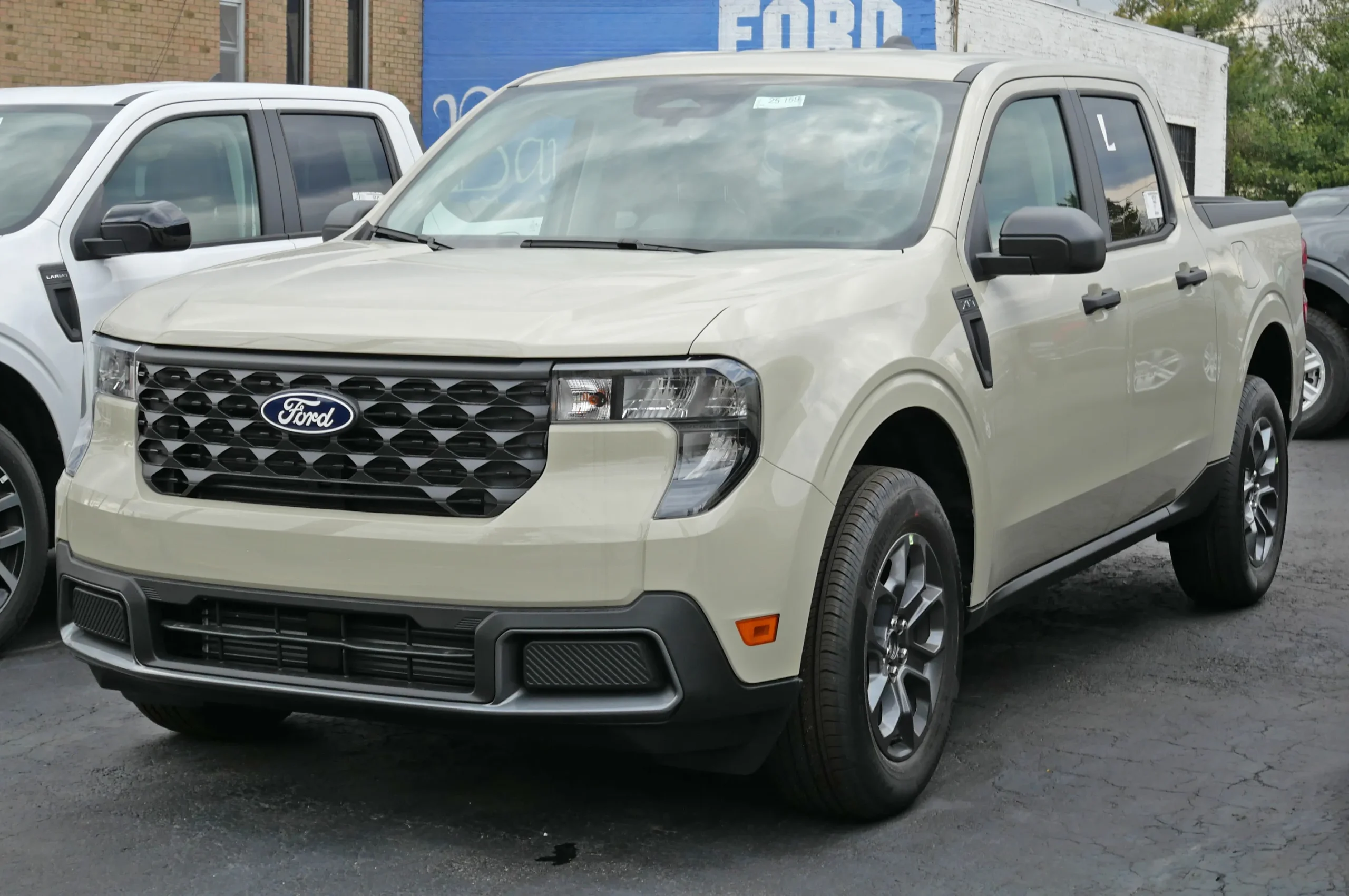
Ford Maverick
The Ford Maverick has emerged as one of the most practical and efficient compact trucks in recent years, redefining expectations for fuel economy in the pickup segment. Its standard hybrid powertrain is a key factor, combining a small yet capable gasoline engine with an electric motor to deliver impressive mileage without compromising performance.
Unlike traditional trucks that prioritize raw power over efficiency, the Maverick strikes a careful balance between utility, maneuverability, and gas savings. Its lightweight frame and compact dimensions make it easier to handle in urban settings while also reducing fuel consumption.
Drivers appreciate that the Maverick maintains predictable performance, whether it is navigating city streets or cruising on the highway, making it a reliable choice for both work and personal use.
The hybrid system in the Maverick is particularly effective because it allows the truck to operate in multiple modes depending on the driving conditions. In stop-and-go traffic, the electric motor can handle much of the workload, conserving gasoline and reducing wear on the engine.
On highways, the gas engine provides steady power without unnecessary strain, while the electric assist helps smooth acceleration and maintain efficiency. This thoughtful engineering ensures that real-world mileage often matches or even slightly exceeds EPA estimates, which is unusual in a segment where manufacturers’ claims are frequently higher than actual performance. For drivers seeking predictability, the Maverick provides peace of mind, as it consistently delivers the fuel economy it promises.
Another aspect of the Maverick is its ability to carry moderate payloads and tow small trailers without dramatically sacrificing efficiency. Unlike larger trucks, which often see steep drops in mileage under load, the Maverick’s combination of weight management, powertrain design, and transmission optimization helps maintain respectable fuel consumption even during practical use.
This makes it particularly appealing for small business owners, contractors, or anyone who needs a truck capable of occasional hauling without worrying about unexpectedly high fuel costs. Its consistency under real-world conditions is a major reason it is recognized as a truck with honest gas mileage.
The vehicle’s design philosophy emphasizes efficiency and reliability over unnecessary features that could compromise mileage, ensuring that drivers feel confident they are receiving what was promised. The Maverick’s success in combining fuel economy, capability, and dependability makes it a standout in a market crowded with trucks that often exaggerate their efficiency.
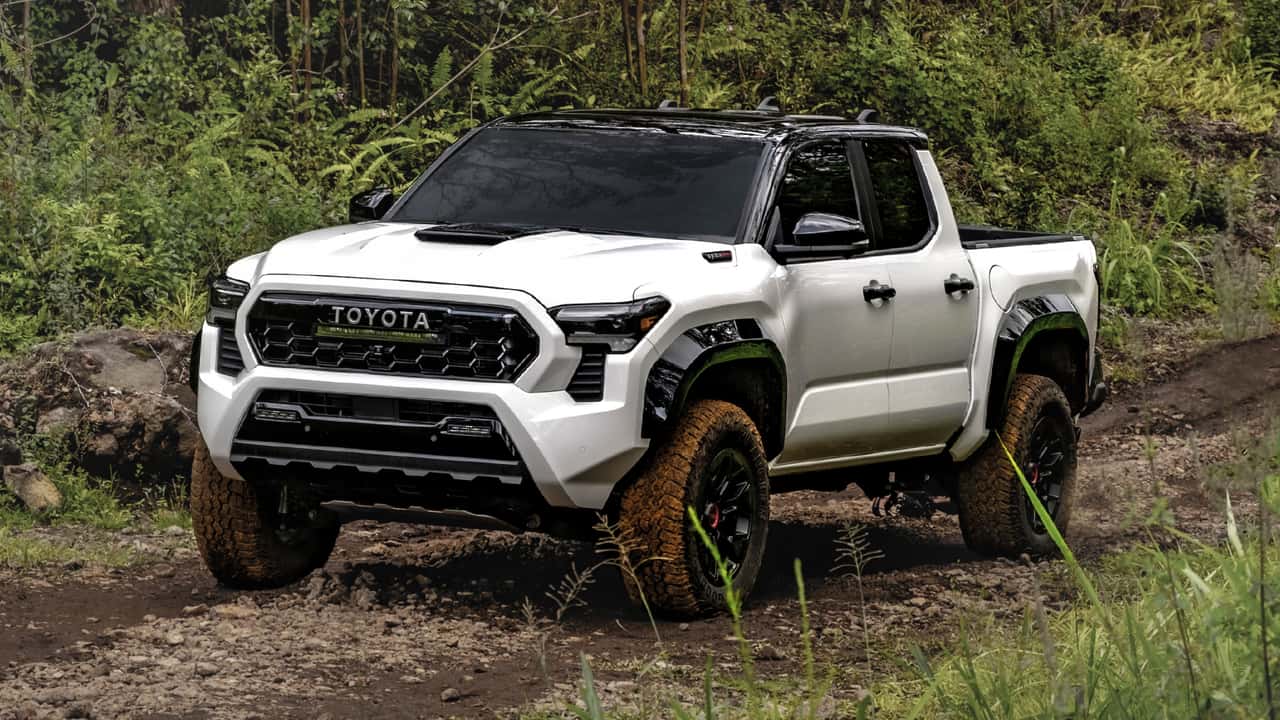
Toyota Tacoma
The Toyota Tacoma has built a long-standing reputation for reliability, and its fuel efficiency is a key factor in this perception. Particularly in its four-cylinder configurations, the Tacoma provides respectable mileage for a midsize truck, which is remarkable considering its off-road capabilities and rugged construction.
Unlike some trucks that perform well only in controlled testing environments, the Tacoma delivers consistent real-world fuel economy that aligns closely with advertised numbers. This makes it an appealing choice for drivers who need a dependable workhorse that won’t surprise them with higher-than-expected fuel costs. The Tacoma demonstrates that a balance between capability and economy is achievable even in a truck designed for durability.
Fuel efficiency in the Tacoma is achieved through careful attention to engine design, transmission tuning, and weight management. Its four-cylinder engine, paired with either a manual or automatic transmission, provides adequate power for everyday driving while minimizing unnecessary fuel consumption.
Drivers who maintain moderate speeds and avoid aggressive acceleration often find that the truck’s mileage closely matches EPA estimates, making it one of the more predictable trucks in its class. The vehicle’s smaller size relative to full-size pickups also contributes to reduced energy demands, particularly in city driving conditions.
Even when equipped with four-wheel-drive systems or off-road packages, the Tacoma maintains credible fuel performance. Toyota has engineered the drivetrain and suspension to minimize energy loss, ensuring that even heavier configurations do not experience dramatic drops in efficiency.
This attention to real-world conditions allows drivers to use their truck for off-road adventures or hauling without sacrificing the fuel economy they were expecting. The result is a truck that performs reliably across a variety of situations, maintaining the trust of its owners.
Additionally, the Tacoma’s long-term reliability enhances its status as a truck with honest gas mileage. Vehicles that maintain consistent performance over time are easier to budget for and plan around, particularly for drivers who log high annual mileage. The Tacoma’s combination of durability, predictable fuel consumption, and practical performance has made it a favorite among midsize truck buyers, offering both confidence and efficiency without compromise.
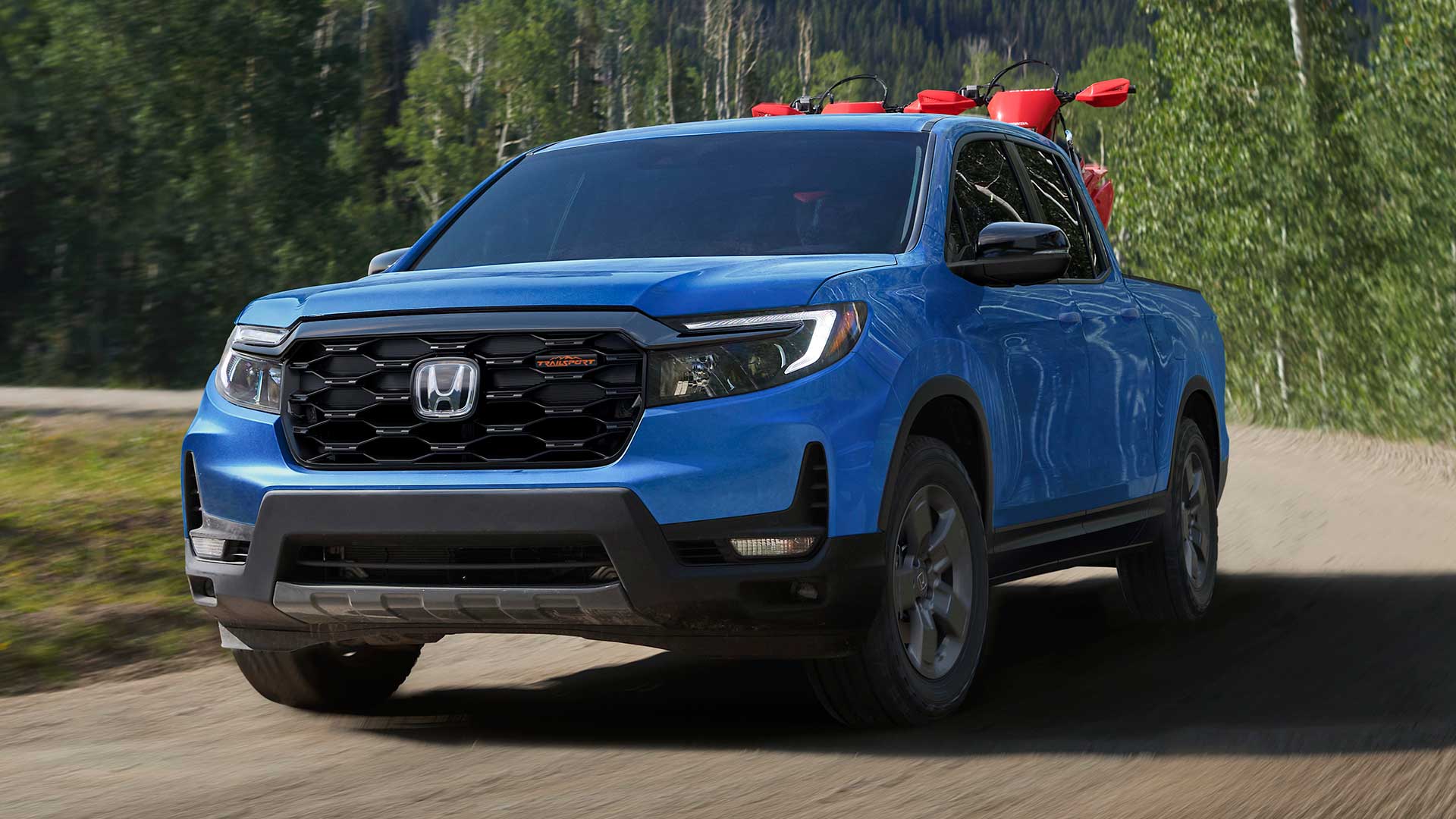
Honda Ridgeline
The Honda Ridgeline occupies a unique niche in the truck market by combining SUV-like comfort with the utility of a pickup. Its unibody construction, rather than the traditional body-on-frame design, contributes significantly to its fuel efficiency by reducing weight and improving aerodynamics.
This allows the Ridgeline to consume less fuel than many full-size trucks while still offering a spacious cabin and functional cargo bed. Owners frequently report that the truck meets or slightly exceeds its advertised fuel economy, highlighting the vehicle’s ability to perform consistently under real-world driving conditions. The Ridgeline is a truck that emphasizes comfort and practicality without sacrificing efficiency.
The Ridgeline’s V6 engine is designed to deliver smooth power while optimizing fuel use. Its automatic transmission works to keep the engine in its most efficient range, adjusting for varying driving conditions and loads.
The all-wheel-drive system is engineered to engage only when necessary, reducing energy losses during standard driving. This combination of technologies ensures that the Ridgeline remains economical even when drivers take it off the beaten path or use it for light towing. Its fuel performance is not just a marketing claim; it is a reflection of thoughtful engineering.
In terms of utility, the Ridgeline handles moderate towing and payloads without significant reductions in fuel efficiency. Many trucks experience sharp drops in mileage when carrying weight, but the Ridgeline’s efficient powertrain helps mitigate this effect.
Whether hauling equipment for work or transporting recreational gear for weekend trips, owners can rely on consistent fuel performance. This balance between practicality and efficiency is rare among trucks in its class, further establishing the Ridgeline’s credibility.
Reliability and low maintenance costs add to the Ridgeline’s appeal. Its honest gas mileage is complemented by Honda’s engineering philosophy, which emphasizes longevity and mechanical consistency. Drivers can trust that the fuel economy they experience today will remain relatively consistent over time. For individuals who value predictability, comfort, and utility in a midsize truck, the Honda Ridgeline provides an exceptional combination of features that do not compromise fuel efficiency.
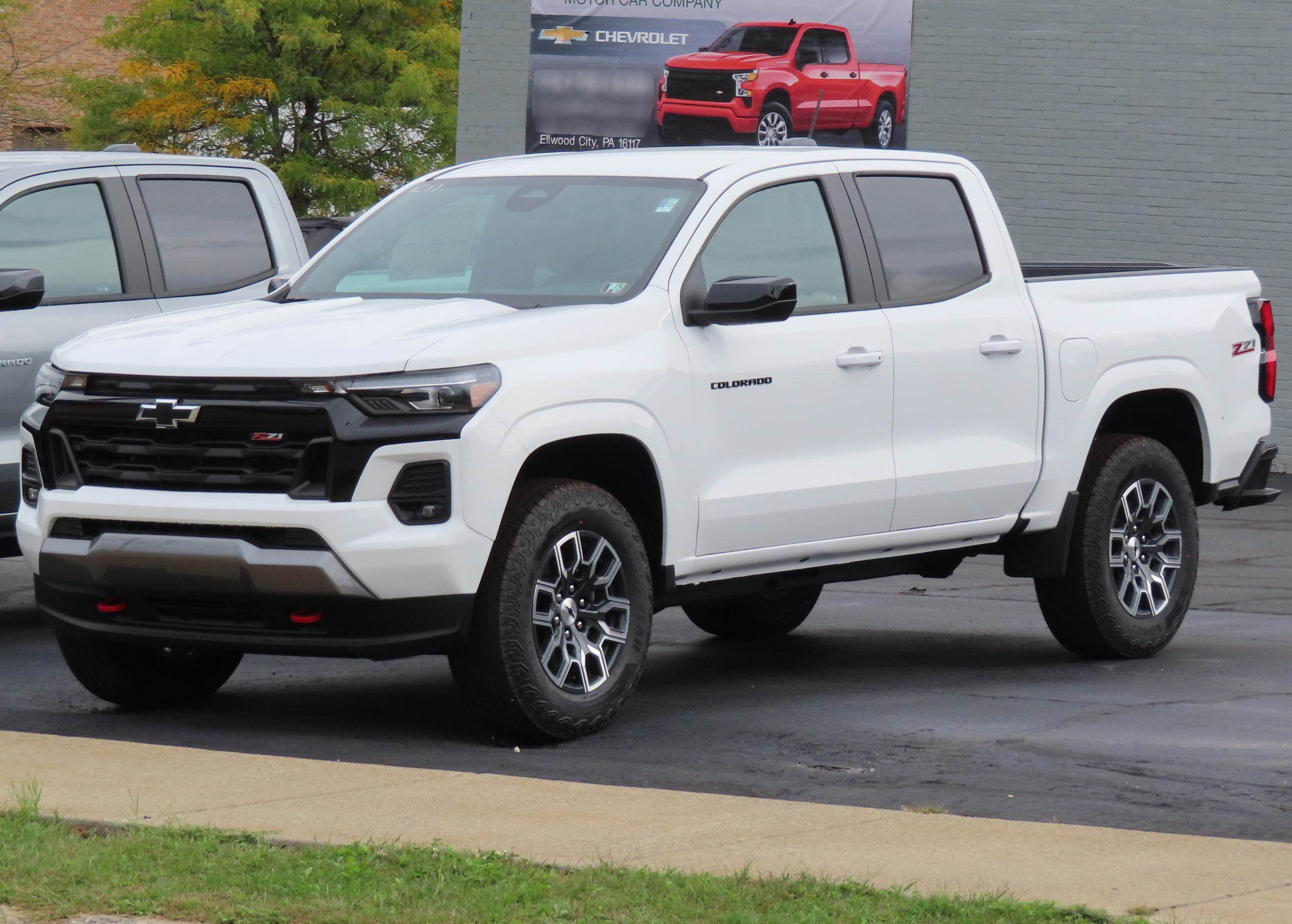
Chevrolet Colorado Diesel
The Chevrolet Colorado, particularly with its diesel engine option, is an excellent example of a truck that combines capability with real-world fuel efficiency. Diesel engines are naturally more efficient than gasoline engines due to higher compression ratios and energy density, allowing for greater miles per gallon.
The Colorado diesel leverages this advantage effectively, often achieving or surpassing the EPA-estimated fuel economy in typical driving scenarios. Its midsize frame and practical design make it a versatile choice for drivers who require a balance of towing capacity, cargo space, and predictable mileage.
The diesel engine delivers strong torque at lower RPMs, which contributes to efficient towing and hauling. Unlike gasoline trucks that see significant fuel consumption increases when towing, the Colorado diesel manages its power output to reduce unnecessary fuel burn.
This makes long trips more economical and ensures that owners are not frequently stopping for fuel. For those who rely on their truck for work or recreation, this level of consistency is invaluable, providing both performance and cost savings.
Aerodynamic design and weight optimization further enhance the Colorado diesel’s efficiency. By reducing drag and ensuring the truck’s mass is well-distributed, Chevrolet allows the diesel engine to operate more effectively across a range of speeds. Its six-speed automatic transmission is tuned to optimize gear changes for both performance and fuel economy.
The combination of engine efficiency, transmission tuning, and smart design choices ensures that the truck’s mileage remains close to advertised figures under a variety of conditions.
Long-term reliability is another hallmark of the Colorado diesel. Diesel engines are known for maintaining fuel performance over extended use, and this truck is no exception. Owners benefit from predictable gas mileage over time, reducing operational costs and providing peace of mind.
For midsize truck buyers seeking durability, capability, and efficient performance, the Colorado diesel consistently delivers on its promises, earning a reputation for honesty in fuel economy.
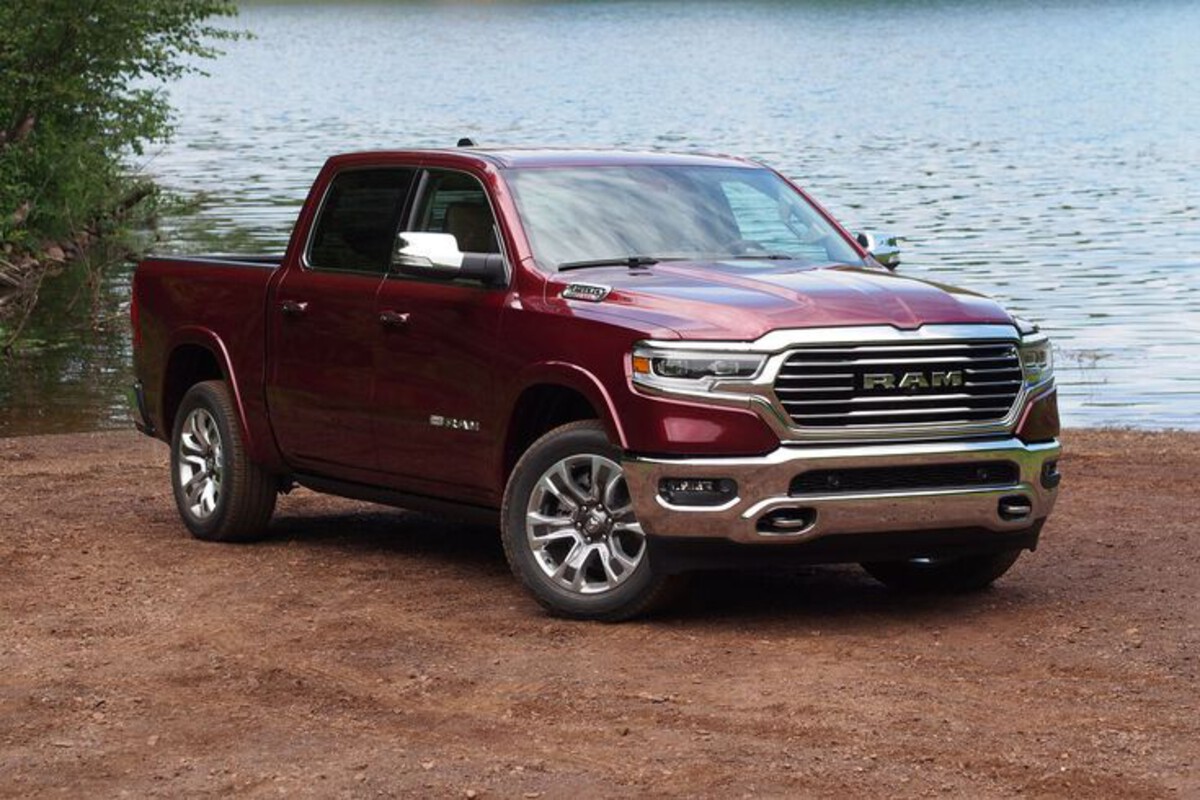
Ram 1500 EcoDiesel
The Ram 1500 EcoDiesel offers a full-size truck experience with surprisingly efficient fuel consumption. Its V6 diesel engine provides strong torque and horsepower while maintaining miles per gallon that exceed typical expectations for vehicles in its class.
Owners frequently report that the truck meets or slightly exceeds EPA estimates, which is rare for a full-size pickup. This makes it a particularly appealing choice for those who need the power and utility of a large truck without the exorbitant fuel costs often associated with the segment.
The EcoDiesel engine shines in highway driving, where its efficiency is maximized. The engine delivers smooth acceleration without excessive fuel use, and the torque allows for effective towing without compromising mileage.
Long-distance drivers, particularly those who frequently tow trailers or haul heavy equipment, benefit from this combination of power and efficiency. The transmission system is designed to keep the engine operating in its most efficient range, further supporting fuel performance.
Weight management and aerodynamic design also play critical roles in the EcoDiesel’s efficiency. Ram engineers have designed the truck’s frame and body to reduce drag and optimize energy use. This ensures that the truck performs efficiently even when carrying loads or towing moderately heavy trailers. The EcoDiesel’s fuel economy remains consistent under practical conditions, providing owners with predictability that is often lacking in full-size trucks.
Additionally, the long-term reliability of the EcoDiesel engine reinforces its status as a truck with honest mileage. Diesel engines generally maintain efficiency over many miles, and the Ram 1500 is no exception.
Drivers can expect consistent performance year after year, making it a practical and dependable choice for full-size truck buyers seeking both capability and fuel economy. Its ability to deliver power without excessive fuel consumption sets it apart in a segment where many trucks fall short of their advertised numbers.
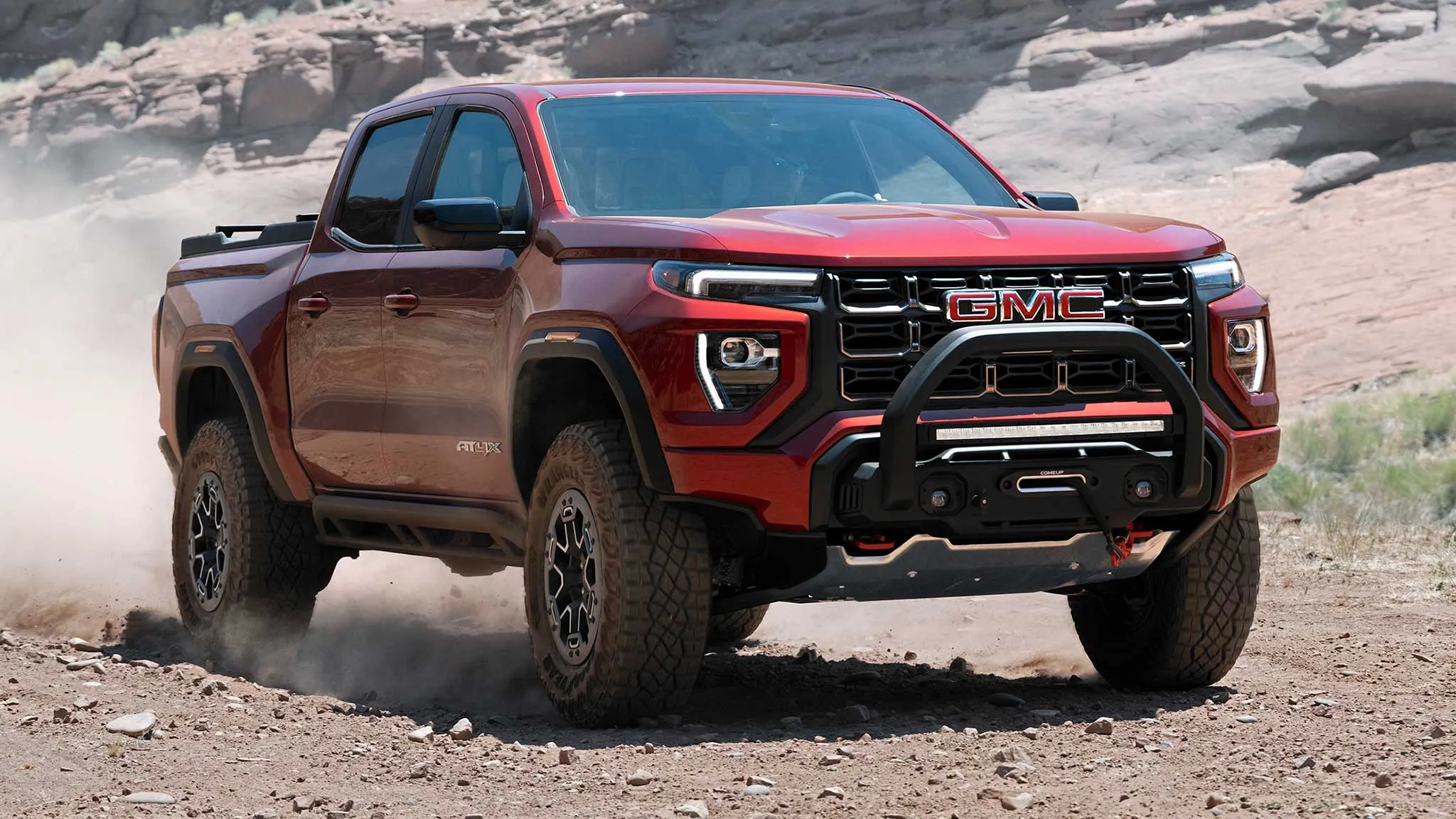
GMC Canyon Diesel
The GMC Canyon diesel is closely related to the Chevrolet Colorado diesel, sharing much of its powertrain and efficiency characteristics. The truck combines strong towing and hauling capabilities with a fuel-efficient engine that consistently delivers mileage near advertised figures.
Its midsize design allows it to maneuver more easily than full-size trucks while providing sufficient cargo and passenger space, making it a versatile option for daily use or light-duty work. Canyon owners often report satisfaction with the truck’s consistent fuel economy, even under real-world conditions that differ from standardized testing.
The diesel engine’s torque output enables efficient towing and acceleration without unnecessary fuel consumption. Unlike gasoline engines that may struggle to balance power and economy under load, the Canyon diesel maintains predictable mileage.
This allows owners to use their truck for recreational activities, work-related hauling, or commuting without facing unexpected fuel costs. Its performance reliability has become a key factor in its appeal to buyers who prioritize fuel efficiency alongside capability.
Reliability over time reinforces the Canyon’s status as an honest performer. Diesel engines are typically more durable and maintain fuel efficiency over extended use, and the Canyon exemplifies this trend. Buyers can expect consistent mileage for years, reducing operational costs and making the truck a dependable choice.
For midsize truck buyers seeking a combination of capability, efficiency, and longevity, the GMC Canyon diesel consistently meets expectations and provides real-world performance that matches its advertised numbers.
Seven Trucks That Miss the Mark

Ford F-150 (Gasoline V6 and V8)
The Ford F-150 has long been one of the best-selling trucks in the United States, largely due to its versatility, strong performance, and wide range of engine options. However, when it comes to fuel economy, certain gasoline-powered configurations, especially the V6 and V8 engines, often fall short of the advertised EPA numbers.
While Ford provides estimates based on controlled testing, real-world driving conditions reveal that aggressive acceleration, towing, and heavy payloads can significantly reduce actual fuel efficiency.
Many owners report that highway mileage may be fairly close to estimates, but city driving often yields lower than expected numbers. This inconsistency has frustrated drivers who expected the advertised figures to reflect everyday use.
The F-150’s large size and weight contribute to its fuel efficiency challenges. Even with advanced engine technologies like turbocharging and direct injection, the truck’s mass creates a substantial energy demand during acceleration and braking. For drivers who frequently haul cargo or tow trailers, these factors further exacerbate fuel consumption.
Another factor contributing to the F-150’s lower-than-advertised fuel economy is driver behavior and real-world usage. Many truck owners engage in activities like towing boats, carrying heavy payloads, or using four-wheel drive, all of which increase fuel consumption beyond test estimates.
Even minor adjustments, such as using air conditioning or driving at high speeds on the highway, can further reduce mileage. This disparity highlights the challenge of relying solely on manufacturer-provided fuel ratings, especially in a full-size truck built for power and capability rather than efficiency.
Finally, the perception of underperformance in fuel efficiency can influence the total cost of ownership. Trucks that fail to meet advertised mileage require more frequent refueling, which increases expenses over time.
While the F-150 excels in capability, comfort, and towing power, its inability to consistently deliver the promised fuel economy in certain configurations has led some buyers to seek alternative trucks or consider diesel or hybrid options. It serves as a reminder that real-world conditions often diverge from idealized testing environments, particularly in large, performance-oriented pickups.
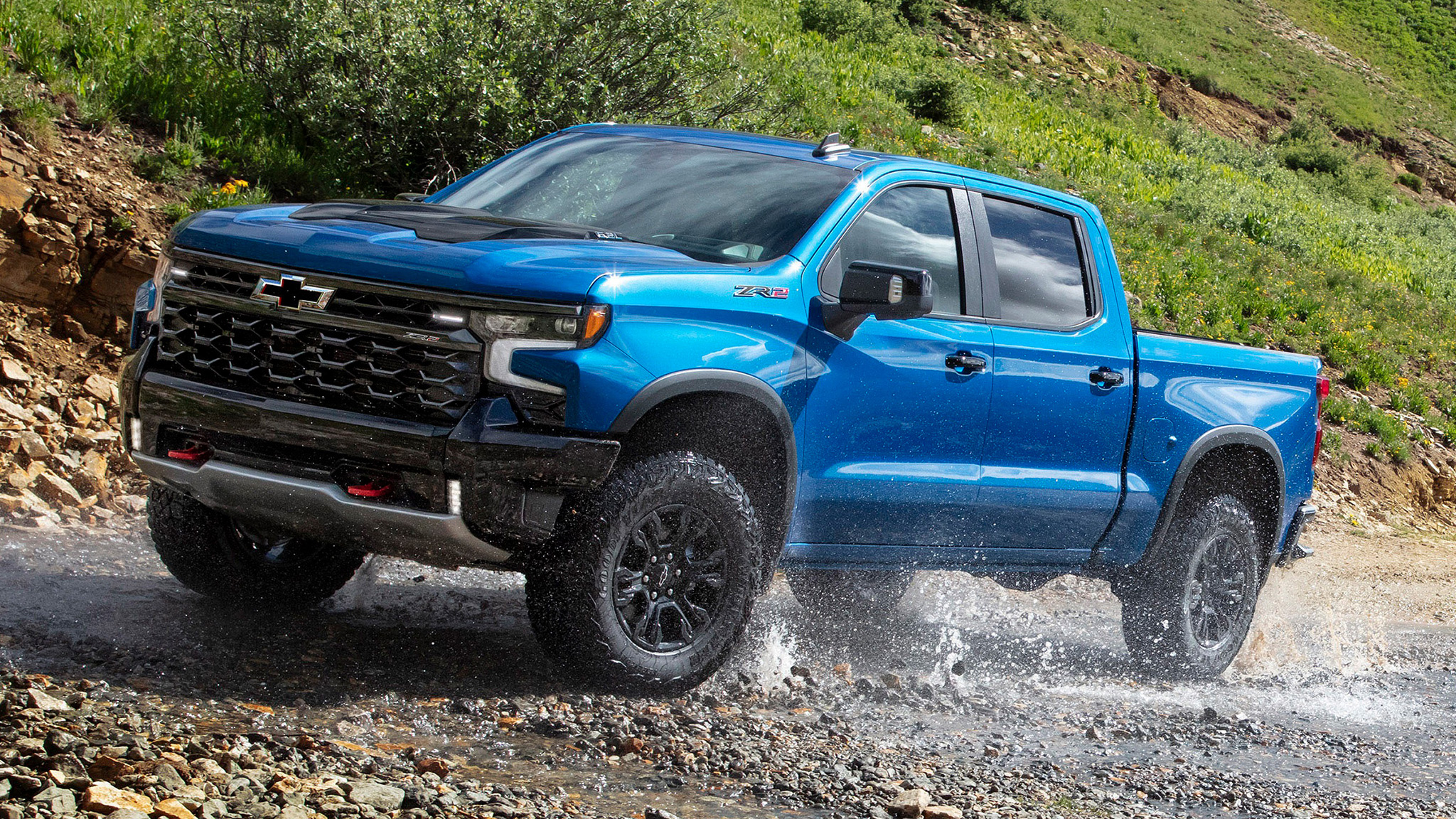
Chevrolet Silverado 1500 (Gasoline V8)
The Chevrolet Silverado 1500 is another full-size pickup that struggles to meet its advertised fuel economy under typical driving conditions, particularly with the V8 gasoline engines. While the manufacturer’s EPA estimates provide a baseline, actual mileage is frequently lower due to the truck’s weight, engine performance, and drivetrain configuration.
Many owners report discrepancies between city and highway performance, with city driving falling well below expectations. This has caused frustration for drivers who anticipated the truck’s fuel numbers to closely match what was advertised.
One reason the Silverado struggles with real-world fuel efficiency is the nature of its engines. The V8 powerplants are designed for towing, hauling, and providing robust performance, but they do so at the cost of fuel economy.
Transmission and drivetrain design also play a role. While modern automatics offer multiple gears and engine management systems aimed at efficiency, the Silverado’s software often prioritizes power delivery over fuel savings.
Drivers who tow trailers or navigate hilly terrain can see even larger deviations from advertised numbers. The cumulative effect of engine, weight, and transmission factors results in a truck that rarely achieves the MPG figures promoted by marketing materials, particularly in demanding real-world scenarios.
This gap between advertised and actual fuel economy can affect total ownership costs. Owners who rely on the truck for daily commuting or long-distance travel often face higher fuel expenses than anticipated.
While the Silverado remains popular for its capability and comfort, its tendency to underperform in fuel efficiency has led some buyers to explore alternative trucks with smaller engines, turbocharged four-cylinder options, or hybrid models that better meet their expectations. For drivers prioritizing efficiency, the Silverado’s advertised numbers may not always be reliable.
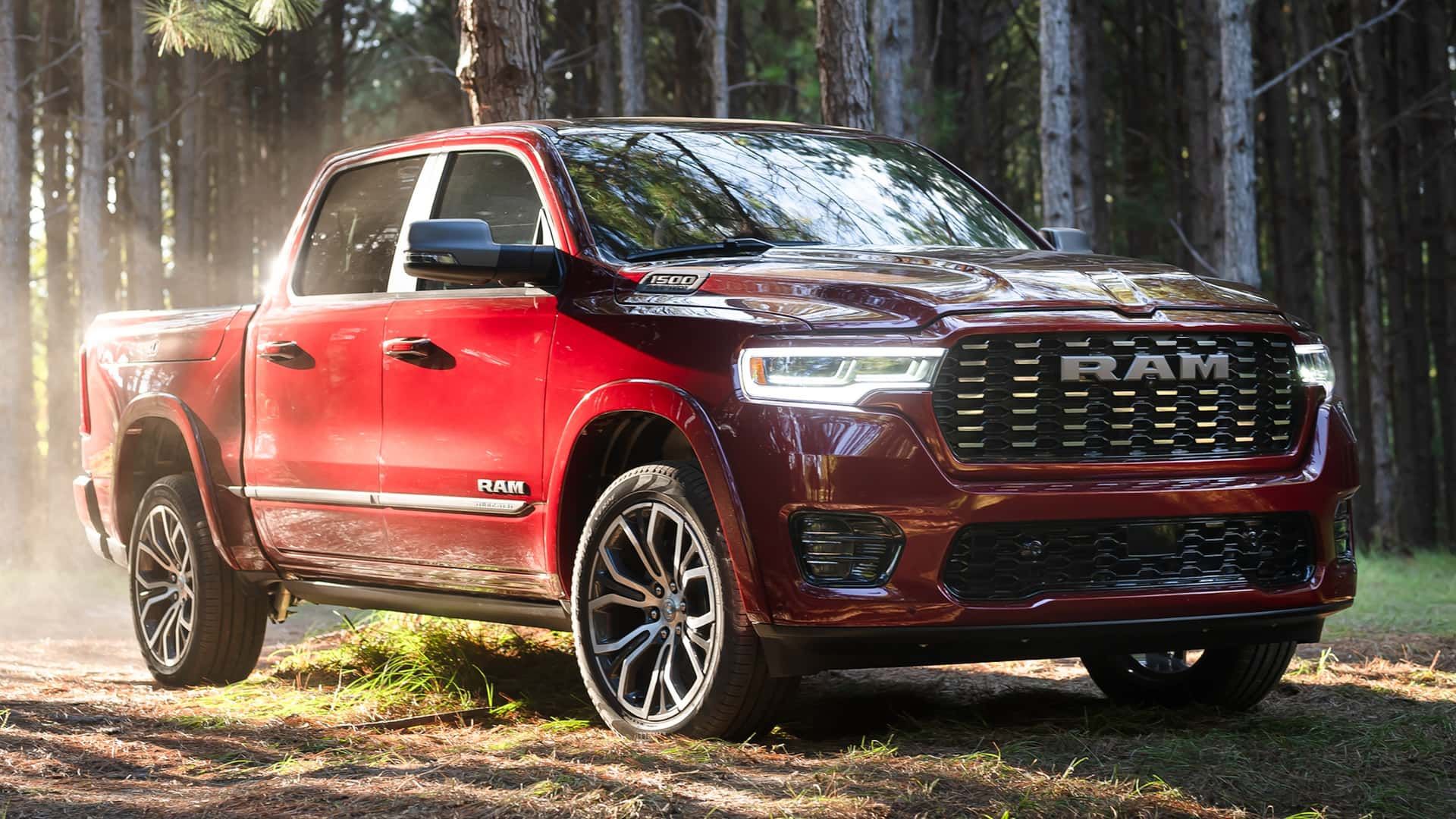
Ram 1500 (Gasoline V8)
The gasoline-powered Ram 1500, particularly those with V8 engines, is well-known for delivering impressive towing capacity and cabin comfort. However, fuel economy is often not a strong suit. Many owners report that the truck’s real-world mileage consistently falls short of advertised estimates, especially in urban driving conditions.
Stop-and-go traffic, aggressive acceleration, and heavy cargo exacerbate the discrepancy, leading to higher-than-expected fuel costs. While the truck performs well in other areas, its inability to consistently deliver the claimed MPG has become a common point of discussion among buyers.
The truck’s drivetrain and transmission behavior further affect fuel efficiency. Although the automatic transmission provides smooth shifts and can theoretically optimize engine output, real-world driving often demands power that the system is programmed to deliver.
For instance, acceleration from a stoplight or highway passing maneuvers can quickly increase fuel consumption. Over time, these incremental differences accumulate, making the discrepancy between advertised and actual fuel economy more noticeable.
Owner experiences also highlight how this fuel gap impacts practical costs. Frequent refueling, especially for drivers who cover long distances or haul heavy loads, increases total ownership expenses.
While the Ram 1500 remains popular due to its comfort, towing capacity, and interior features, buyers seeking dependable fuel efficiency may find its advertised numbers overly optimistic. Understanding these limitations is crucial for anyone considering a V8-powered Ram 1500 for regular use.
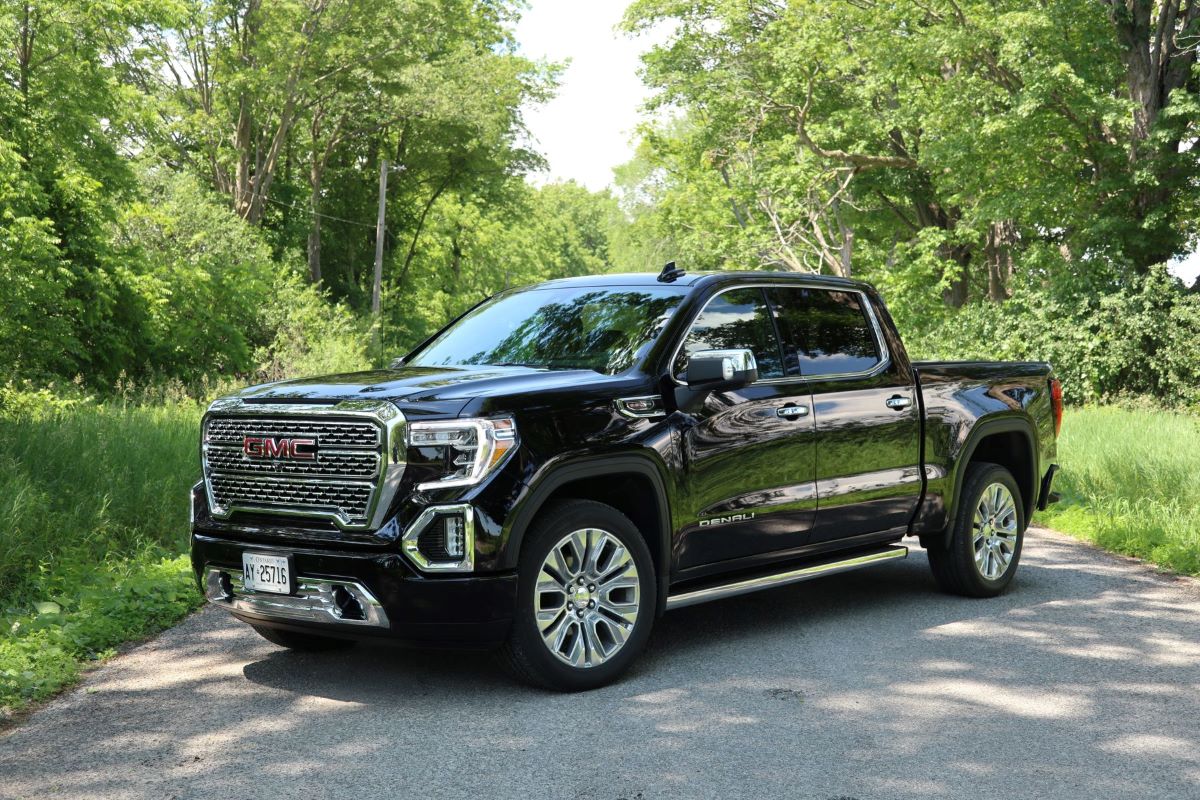
GMC Sierra 1500 (Gasoline V8)
The GMC Sierra 1500 shares many characteristics with the Chevrolet Silverado, including engine options and weight considerations. Gasoline-powered V8 configurations often fail to achieve the advertised EPA fuel economy, particularly under real-world conditions.
Many drivers note that city mileage is significantly lower than expected, and even highway numbers can underperform when the truck carries a load or engages in towing. The Sierra’s focus on performance and capability often comes at the expense of fuel efficiency, creating a gap between expectation and reality.
The truck’s substantial curb weight and large dimensions increase fuel demand. Accelerating a vehicle of this size requires significant energy, and the V8 engines are tuned to provide power and torque rather than maximize gas mileage.
Transmission tuning can further affect fuel economy. Although the automatic transmission is designed to improve efficiency through gear optimization, the engine management system prioritizes performance, especially under load or towing conditions.
Owners frequently report that the gap between advertised and actual mileage is more pronounced when the truck is carrying heavy cargo or navigating hilly terrain. These factors collectively explain why the Sierra, despite its reputation for reliability and capability, often underperforms in terms of fuel economy.
The impact on total cost of ownership is significant. Trucks that consistently underperform in fuel efficiency require more frequent refueling, which can be expensive over time, especially for high-mileage drivers.
While the Sierra excels in comfort, towing, and advanced features, potential buyers seeking reliable gas mileage may find the truck’s advertised figures overly optimistic. The real-world performance highlights the challenges of delivering both full-size truck capability and accurate fuel efficiency claims.
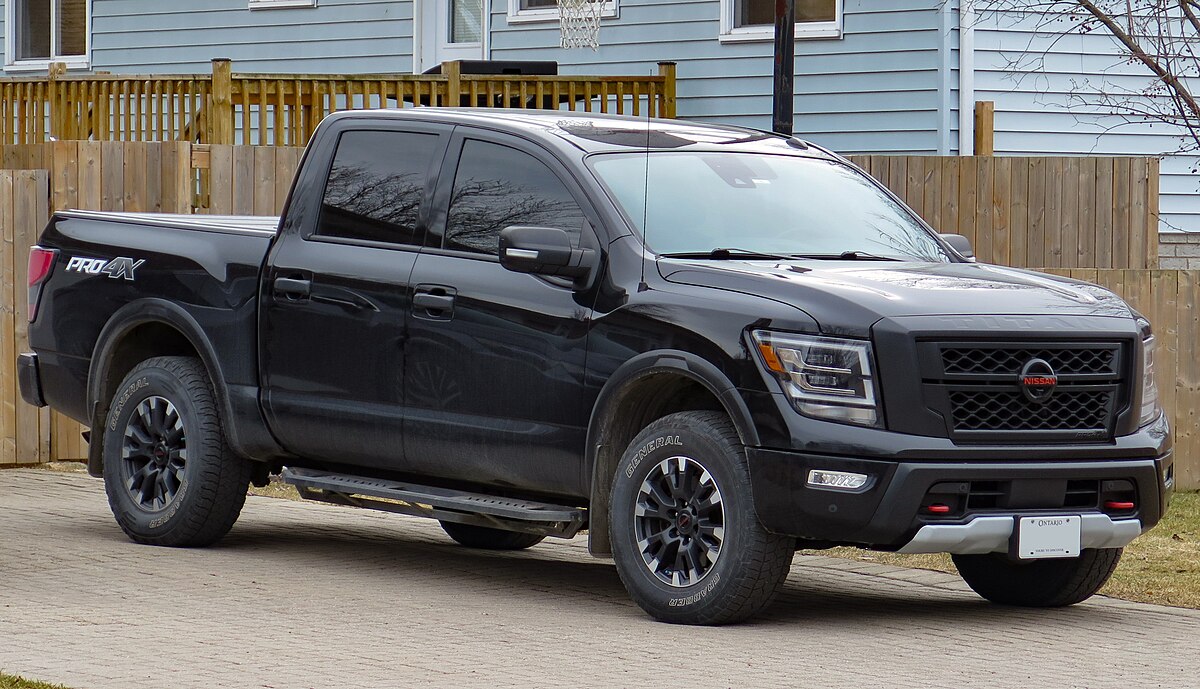
Nissan Titan
The Nissan Titan is a full-size truck designed to compete with the best in towing, hauling, and capability. Despite its strong engine options and durable construction, fuel economy often fails to meet advertised expectations. Many owners report that the truck consumes more fuel than EPA ratings suggest, particularly in city driving or when carrying cargo.
While the Titan offers reliable performance and a comfortable cabin, its advertised MPG figures frequently fall short in everyday use, leading to higher fuel costs over time.
The Titan’s large V8 engines are a major factor in its lower-than-expected mileage. These engines prioritize power and torque for towing and heavy payloads, but the trade-off is higher fuel consumption.
Even with technological improvements, such as direct fuel injection and modern transmission systems, the real-world efficiency tends to lag behind manufacturer estimates. Drivers often notice the difference during daily commuting or longer trips, where frequent acceleration and braking increase fuel demand.
Vehicle weight and aerodynamics also contribute to the Titan’s fuel inefficiency. Full-size trucks inherently require more energy to accelerate and maintain speed due to their mass and frontal area.
When coupled with performance-oriented engines, this leads to a gap between EPA ratings and actual experience. Additionally, many Titan owners use the truck for towing or hauling, further compounding fuel consumption issues.
The practical consequence is increased operational costs for drivers who rely on the truck for work or long-distance travel. Frequent stops for fuel, combined with higher per-gallon consumption, make the Titan more expensive to operate than anticipated. While the truck remains competitive in terms of capability and comfort, its inability to consistently meet advertised fuel economy makes it a less reliable choice for those prioritizing gas savings.
