
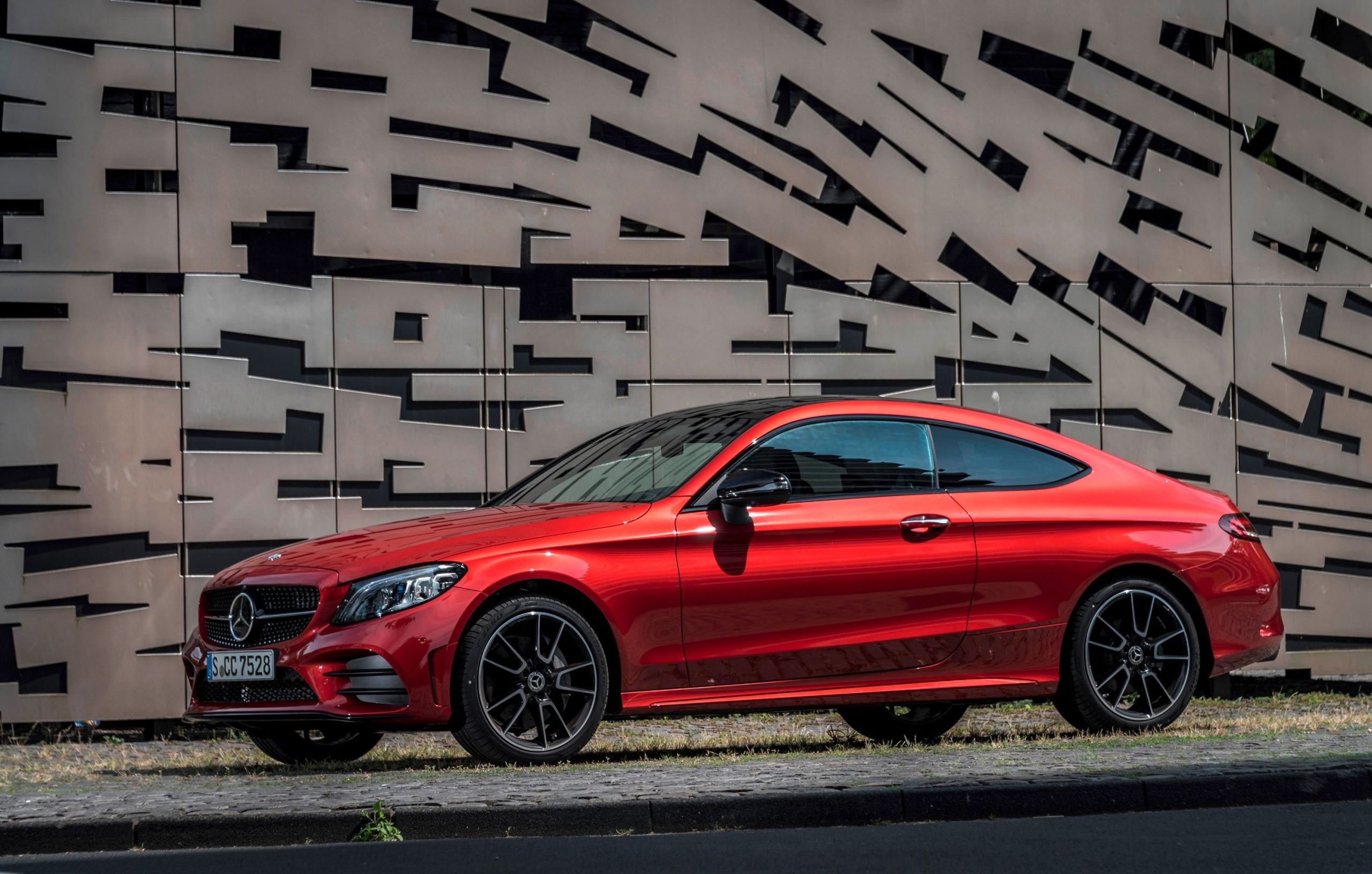
Wheels are one of the most noticeable features of a car, shaping its appearance and sometimes influencing perceptions of style and durability. While alloys often get the spotlight for their sleek and modern designs, steel wheels have a timeless charm that can suit certain vehicles in ways alloys cannot.
Choosing between steel and alloy is not only a matter of aesthetics but also a reflection of the car’s purpose and the owner’s priorities. Steel wheels, known for their toughness, can withstand rough roads and harsh weather, giving certain vehicles a rugged, functional look.
On the other hand, alloy wheels, with their lighter weight and intricate designs, often convey sophistication and performance-oriented intent. The choice between the two can transform the visual character of a car, making some models appear sportier, more elegant, or even utilitarian depending on the wheel type.
Cars that look good on steel wheels tend to have straightforward, sturdy designs, often favoring a more practical or traditional style. Vehicles like pickup trucks, off-road SUVs, and compact sedans with minimalist aesthetics can benefit from the no-nonsense presence of steel wheels.
These wheels communicate reliability and resilience rather than flash, and they can complement a vehicle’s body without overpowering it. In contrast, cars that rely on alloy wheels are usually designed with attention to performance, curves, and visual impact.
Sports cars, luxury sedans, and some crossovers gain a sense of motion and sophistication from alloys, whose designs range from multi-spoke patterns to bold, angular finishes. In these cases, the wheels are not just functional but a statement of the car’s identity and intent.
Understanding which vehicles suit steel or alloy wheels is also connected to maintenance and lifestyle. Steel wheels are easier to repair and more resistant to corrosion, which makes them ideal for winter driving or environments with rough terrain. Alloy wheels, although lighter and often enhancing performance, are more susceptible to scratches and require more care.
Therefore, a car’s look is intertwined with its practicality and the owner’s expectations. In this article, we will identify five cars that maintain a strong aesthetic presence on steel wheels and five cars whose design truly shines with alloy wheels. Each choice reflects the balance between style, function, and the personality projected by the wheels themselves.
Five Cars That Look Good on Steel Wheels
1. Toyota Tacoma
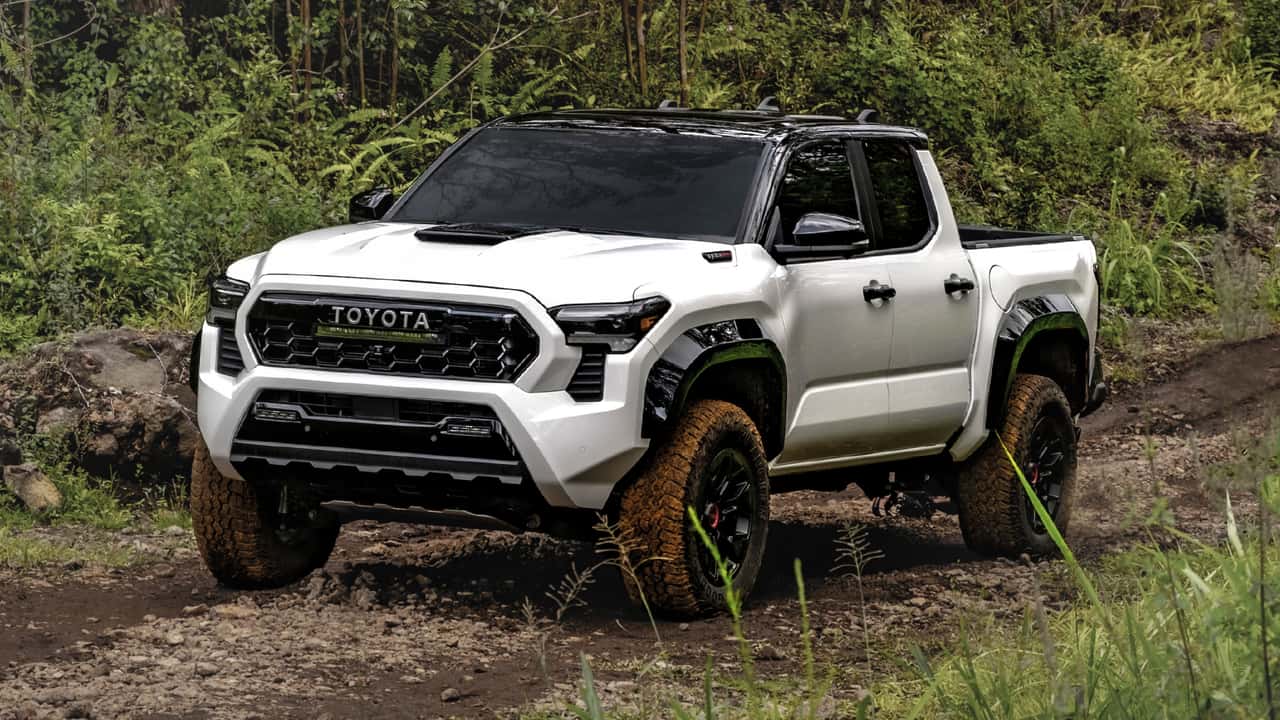
The Toyota Tacoma is one of the most recognized mid-size pickup trucks, celebrated for its reliability, durability, and off-road prowess. Its rugged, utilitarian design pairs naturally with steel wheels, which emphasize toughness and practicality over flashy aesthetics.
Steel wheels on the Tacoma create a grounded, purposeful look that aligns with the vehicle’s image as a reliable workhorse. Unlike alloy wheels, which can give a vehicle a more performance-focused or luxury feel, steel wheels communicate that this truck is designed to endure challenging conditions. They reinforce the Tacoma’s practical nature and enhance its rugged persona, making it look ready for any trail, construction site, or heavy-duty task.
Functionally, steel wheels provide additional resilience against rough terrain, potholes, and other obstacles that Tacoma owners often encounter. Unlike alloy wheels, which can be prone to chipping or bending under extreme conditions, steel wheels tolerate abuse with minimal cosmetic damage.
This durability makes them especially appealing for off-road enthusiasts who regularly traverse rocky paths, dirt trails, and unpaved roads. When paired with the Tacoma’s lifted suspension and chunky tires, steel wheels complete a look that feels authentic, functional, and tough, rather than polished or delicate.
Visually, steel wheels offer a minimalist aesthetic that suits the Tacoma’s bold, squared-off body lines. Their simplicity allows key design elements, such as the truck’s front grille, muscular fenders, and signature tailgate, to take center stage.
By not drawing excessive attention to the wheels themselves, the design remains balanced, and the vehicle exudes confidence without needing decorative flair. Steel wheels can also be painted black or gray to match the truck’s exterior, further enhancing a cohesive, purposeful look.
Finally, steel wheels are practical for maintenance and long-term ownership. They are easier to repair, often more affordable to replace, and less susceptible to corrosion than alloys, particularly in areas with snow, road salt, or mud.
This practicality extends beyond function, contributing to the Tacoma’s aesthetic by maintaining a clean, sturdy appearance even after years of heavy use. Owners who prioritize reliability and authenticity find that steel wheels reinforce the identity of the Tacoma as a vehicle built to last.
2. Jeep Wrangler
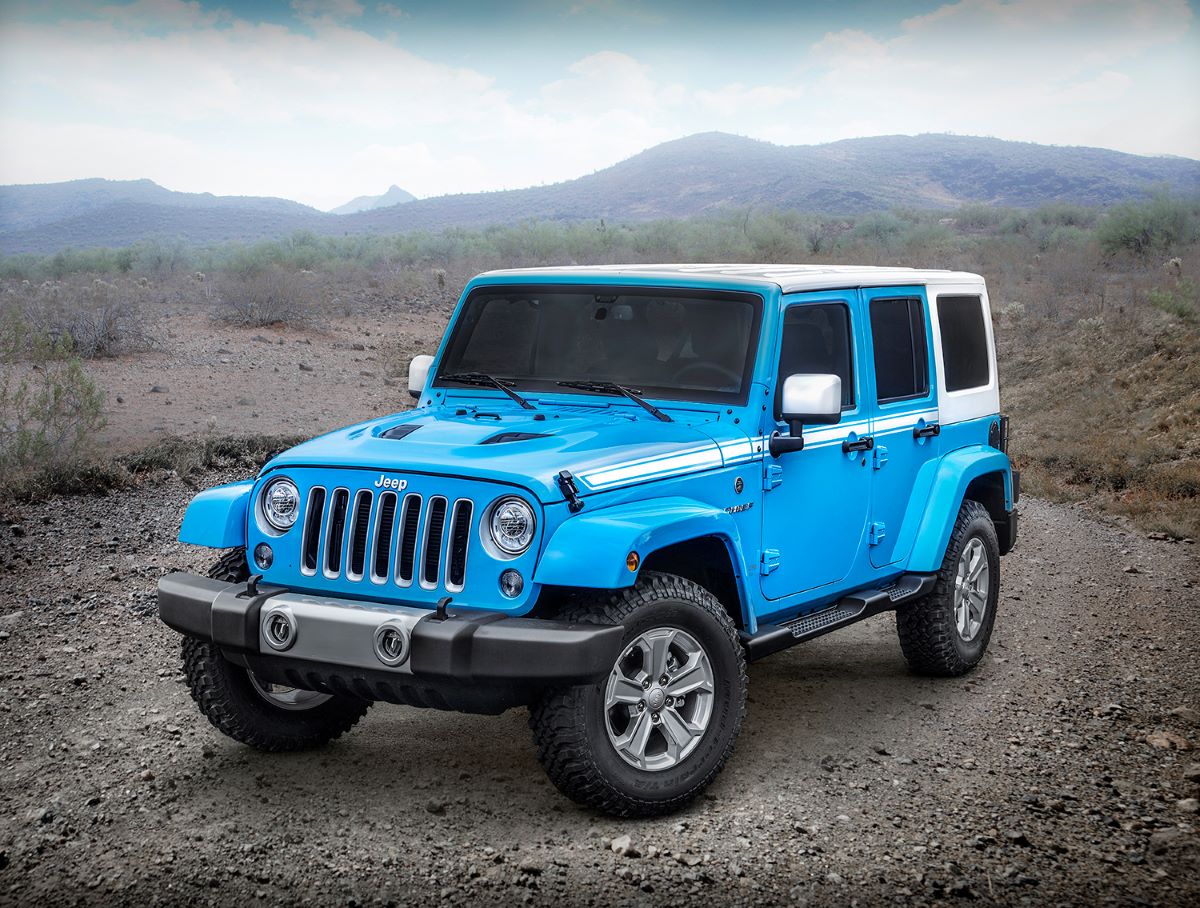
The Jeep Wrangler is an iconic SUV, known worldwide for its off-road capabilities and rugged styling. Steel wheels are a natural match for the Wrangler because they enhance its utilitarian appeal. While alloy wheels might appear sleek and modern, steel wheels emphasize strength and durability, reflecting the Wrangler’s purpose-built design.
Their simple, industrial appearance reinforces the vehicle’s adventurous character, creating a visual impression that it can handle the toughest terrains without compromise. A Wrangler on steel wheels communicates a no-nonsense, go-anywhere attitude that aligns perfectly with the brand’s reputation.
Steel wheels also complement the Wrangler’s classic, boxy silhouette, accentuating its squared fenders, prominent bumpers, and upright windshield. This design harmony creates a cohesive visual profile, where the wheels feel like a functional extension of the vehicle rather than a decorative element.
Dark-painted steel wheels, in particular, contrast well with bright body colors and muted exterior tones, further highlighting the rugged appeal. The understated design of steel wheels ensures that attention remains on the Wrangler’s defining features rather than drawing the eye away with elaborate patterns or reflective finishes.
From a practical standpoint, steel wheels are ideal for the Wrangler’s off-road lifestyle. They can withstand impacts from rocks, mud, and debris far better than many alloy alternatives, reducing the need for costly repairs.
For owners who regularly engage in trail driving, camping, or winter adventures, steel wheels offer peace of mind while also enhancing the visual sense of toughness. The combination of durability and aesthetic alignment makes steel wheels more than a functional choice, they reinforce the Wrangler’s identity as a capable and adventurous SUV.
Finally, steel wheels on the Wrangler maintain a sense of tradition that appeals to Jeep enthusiasts. The brand’s military-inspired roots and historical designs are echoed in the simplicity and robustness of steel wheels.
They offer a timeless, classic look that can withstand changing trends and maintain relevance over the years. For buyers who value authenticity, practicality, and ruggedness, steel wheels are the most visually and functionally fitting choice for the Jeep Wrangler.
3. Ford F-150
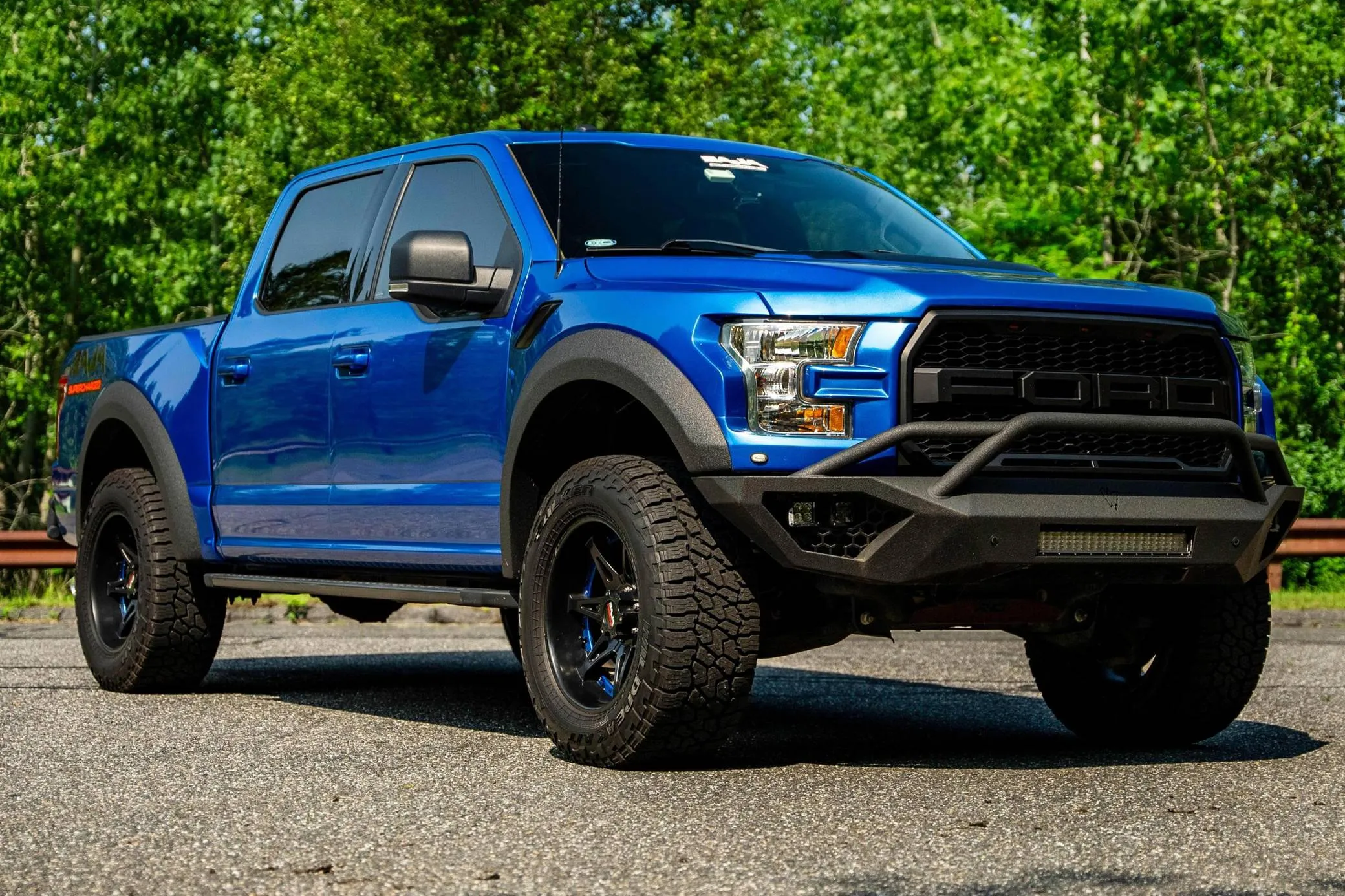
The Ford F-150, one of the best-selling trucks in the United States, is recognized for its combination of strength, reliability, and versatility. Steel wheels enhance the F-150’s visual identity by emphasizing its robust and hardworking nature.
While alloy wheels can make trucks look more refined or flashy, steel wheels reinforce a sense of practicality and toughness. For fleet vehicles, construction use, or off-road applications, steel wheels are a perfect aesthetic choice, signaling that this is a truck built for real-world work rather than show.
The design of steel wheels complements the F-150’s strong, muscular frame. Its large body, high ground clearance, and prominent wheel arches look balanced when paired with simple, sturdy wheels.
The understated appearance of steel ensures that other design elements, such as the bold grille, sculpted hood, and expansive bed, remain the focal points. This balance between simplicity and strength creates a visual identity that communicates capability and reliability without relying on decorative enhancements.
Steel wheels are also highly durable, making them ideal for the environments where F-150s are commonly used. They can tolerate repeated impacts from gravel roads, construction sites, and snowy or muddy terrain without significant damage.
Their robustness enhances the truck’s practical appeal, as owners can confidently drive in challenging conditions without worrying about wheel damage. This functional quality translates visually into a sense of readiness and toughness.
Additionally, steel wheels allow for versatile customization options while maintaining a cohesive look. Black-painted steel wheels, hubcaps, or simple covers can match various F-150 trims and body colors, giving the truck a consistent and purposeful appearance. By pairing form with function, steel wheels reinforce the F-150’s identity as a reliable, capable, and visually balanced pickup truck.
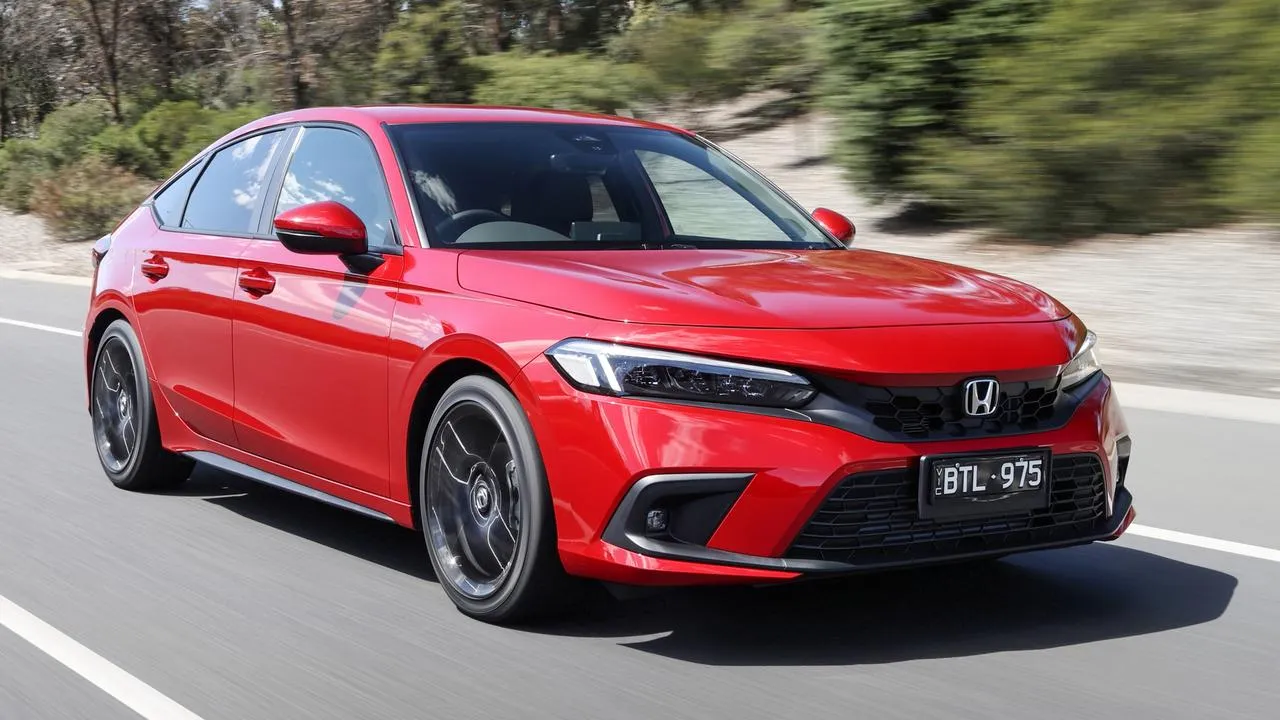
4. Honda Civic (Base Model)
The Honda Civic, particularly in its base trims, is often equipped with steel wheels from the factory, and this pairing works well with the car’s design philosophy.
While the Civic is not intended to be flashy or overly sporty in its entry-level form, steel wheels provide a clean and functional aesthetic that aligns with its emphasis on reliability, fuel efficiency, and everyday practicality. The simplicity of steel wheels reinforces the Civic’s understated character, presenting a balanced and approachable appearance.
Steel wheels also reflect the Civic’s urban and suburban lifestyle focus. They are resilient against potholes, curbs, and minor road debris, which makes them well-suited to city driving.
Over time, they maintain a tidy appearance without requiring excessive care, complementing the car’s reputation as a dependable, low-maintenance vehicle. Their unassuming style ensures the car looks coherent and purposeful rather than overly decorative or flashy.
Visually, steel wheels allow the Civic to maintain a proportional and balanced design. The wheels do not overpower the vehicle’s smooth body lines, subtle curves, and aerodynamic silhouette.
Instead, they harmonize with the shape, allowing the design to appear intentional and refined while remaining understated. For those who prioritize longevity and practicality, steel wheels enhance the visual integrity of the Civic.
Finally, steel wheels provide a versatile foundation for subtle personalization. Hubcaps and wheel covers can be added to adjust the car’s appearance without detracting from its practical aesthetic.
This flexibility allows owners to enhance the Civic’s visual appeal while retaining the functional and durable qualities that steel wheels offer. The result is a vehicle that is both reliable and visually consistent with its design philosophy.
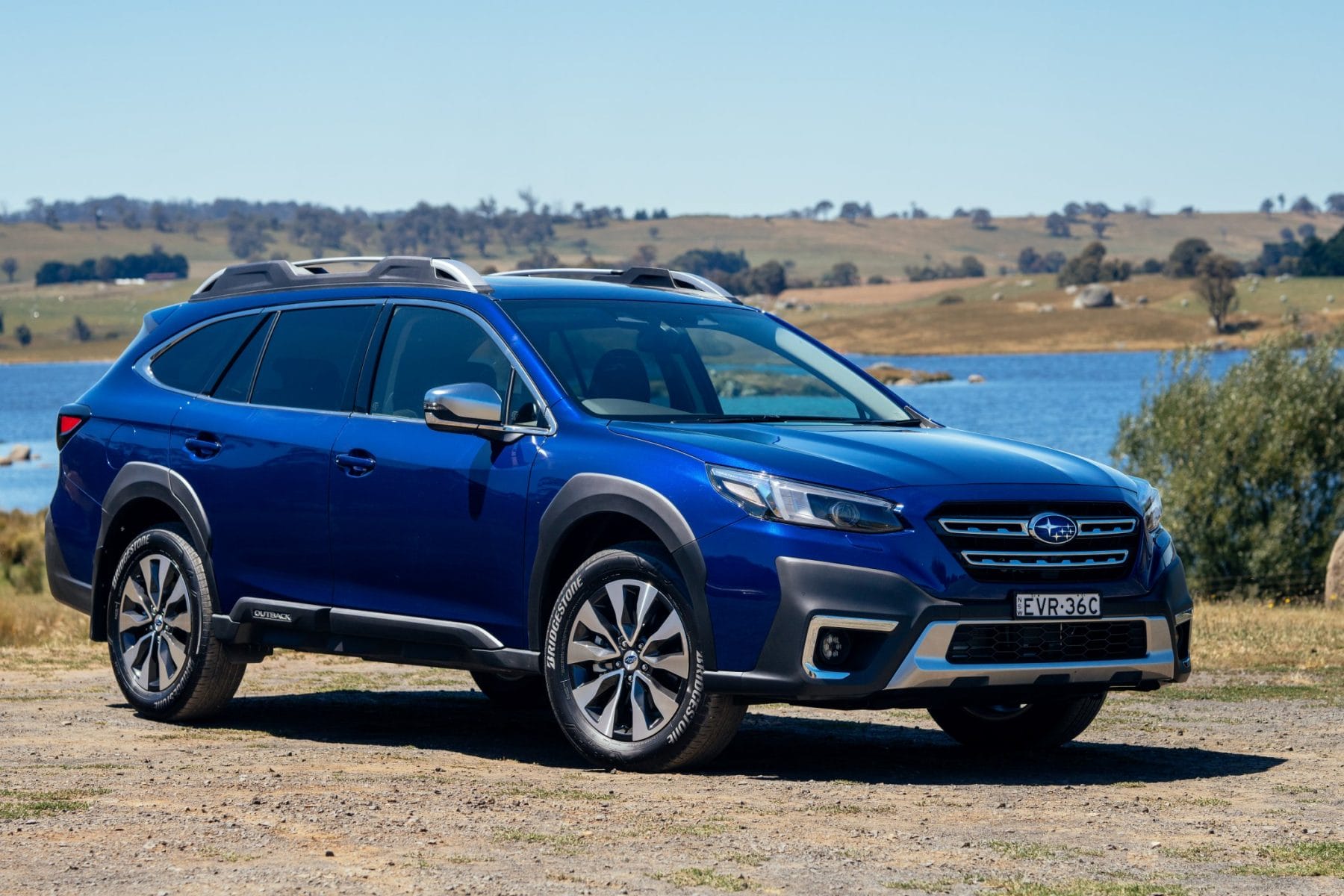
5. Subaru Outback
The Subaru Outback is a rugged wagon designed for versatility, outdoor adventures, and year-round usability. Steel wheels pair naturally with the Outback’s adventurous character, reinforcing the vehicle’s practical and utilitarian focus.
While alloy wheels may convey sophistication, steel wheels emphasize durability, functionality, and readiness, enhancing the Outback’s identity as an all-weather, capable vehicle. They signal that the car is prepared for trails, gravel roads, and challenging weather without sacrificing a cohesive appearance.
Steel wheels on the Outback complement its high ground clearance, protective body cladding, and roof rails. The understated design emphasizes the practical features that define the vehicle’s purpose.
Rather than drawing attention to themselves, the wheels support the visual impression of a balanced, capable wagon that can handle diverse environments. Black or gray steel wheels also provide a subtle contrast to the Outback’s body colors, enhancing the vehicle’s rugged aesthetic.
Durability is another key factor in the Outback’s design. Steel wheels can handle impacts from rocks, mud, and snow, allowing owners to navigate challenging terrains without worrying about damage.
This reliability is mirrored visually in the vehicle’s appearance: a car with clean, intact wheels looks tough, dependable, and ready for adventure. The strength of steel wheels aligns with the practical focus of the Outback, reinforcing the vehicle’s outdoor-ready personality.
Finally, steel wheels contribute to a sense of visual cohesion across different trims and configurations. Whether the Outback is in base form or equipped with additional adventure-oriented accessories, steel wheels maintain a consistent, purposeful look.
By emphasizing function, resilience, and practicality, steel wheels reinforce the vehicle’s rugged character while remaining visually balanced and aesthetically appropriate.
Five Cars That Rely on Alloy Wheels
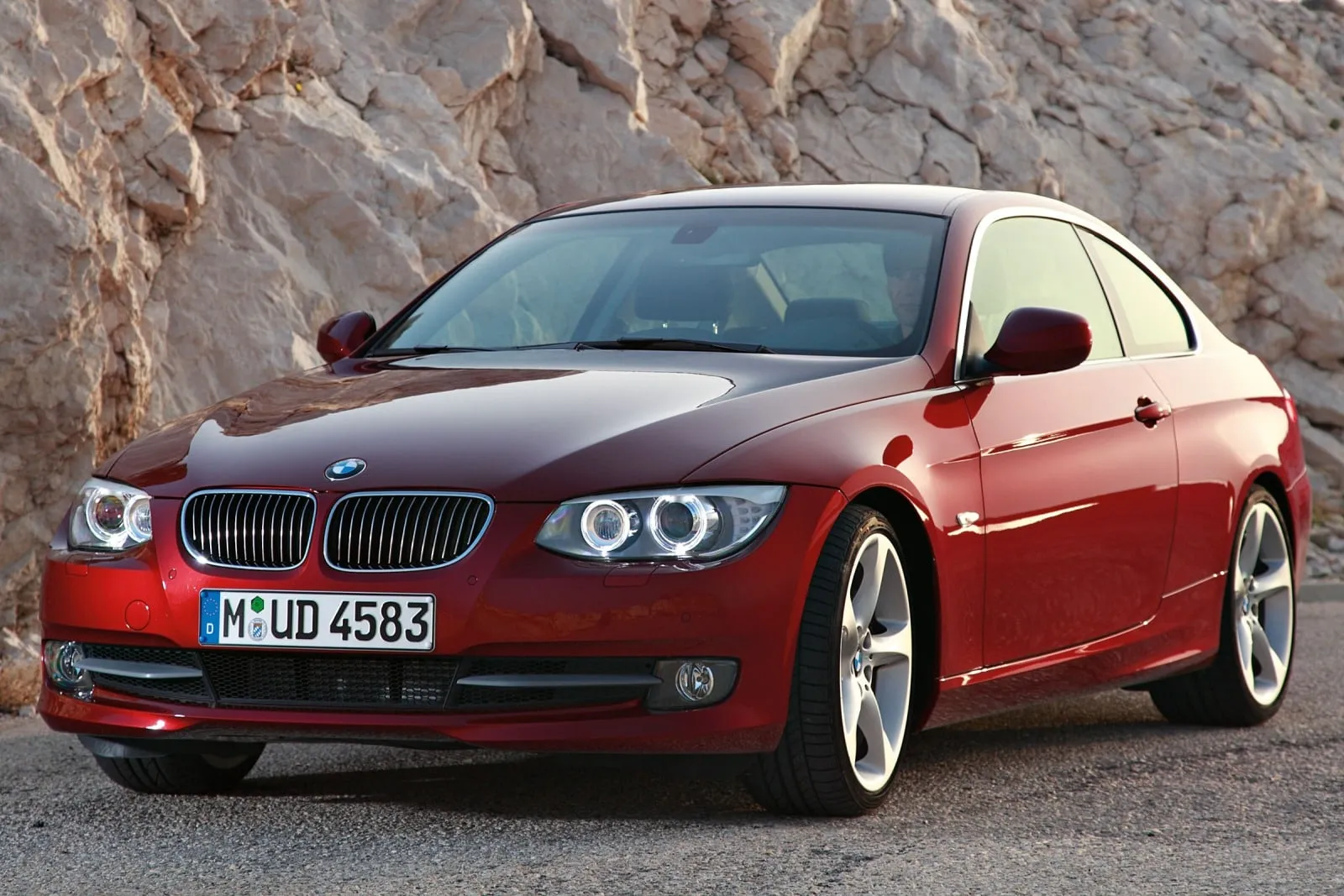
1. BMW 3 Series
The BMW 3 Series is a benchmark in the luxury sport sedan category, blending performance, handling, and refinement. Alloy wheels are integral to its design, emphasizing both elegance and athleticism.
Unlike steel wheels, which are functional but understated, alloy wheels provide visual flair and a sense of motion that complements the car’s dynamic profile. Multi-spoke, turbine-style, or double-spoke alloy designs highlight the 3 Series’ aggressive stance and sculpted body lines, signaling that this is a car built for both spirited driving and premium comfort.
Functionally, alloy wheels reduce the car’s unsprung weight, improving acceleration, braking, and handling responsiveness.
For the 3 Series, this weight reduction enhances the driving experience, making cornering sharper and the ride more controlled. Visually, lighter alloys also allow larger brake assemblies to be showcased, reinforcing the vehicle’s sporty and performance-oriented character.
The polished or matte finishes on alloys create a contrast with the vehicle’s body color, drawing attention to the wheels without overpowering the design.
Alloy wheels also offer significant flexibility in terms of aesthetics. BMW provides options ranging from classic silver finishes to modern black or two-tone designs.
This allows owners to tailor the car’s appearance to personal preferences, highlighting sportiness or elegance depending on the trim or intended style. The wheels effectively act as a frame for the car’s body, enhancing the sense of motion even when the vehicle is stationary.
Finally, alloys on the 3 Series reflect the car’s identity as a performance luxury sedan. They signal attention to detail, precision engineering, and a commitment to style.
Whether the car is parked on city streets or pushed to its limits on winding roads, alloy wheels maintain a perfect balance between aesthetic appeal and functional performance, reinforcing the BMW 3 Series’ reputation as a refined yet dynamic vehicle.
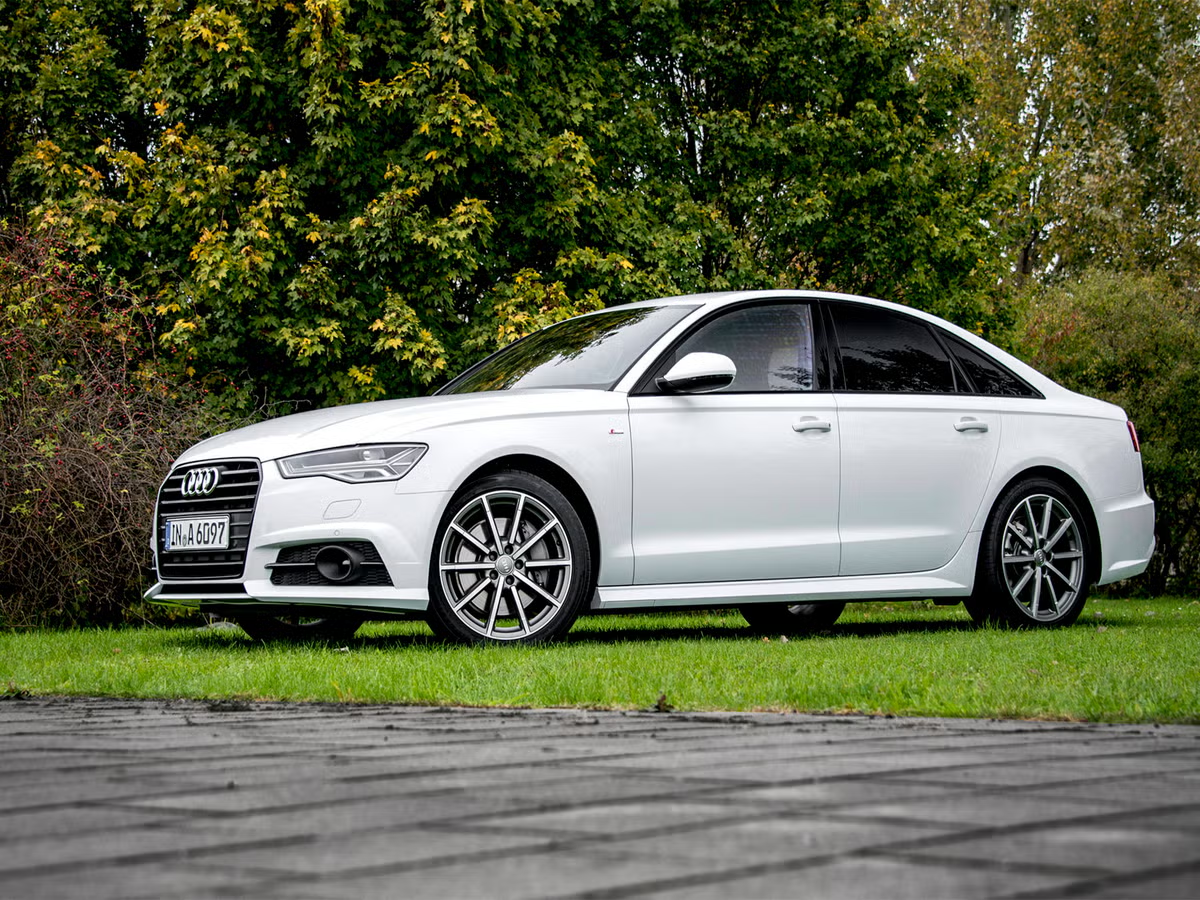
2. Audi A6
The Audi A6 is a midsize luxury sedan renowned for its understated elegance, technological sophistication, and precise engineering. Alloy wheels are essential to the A6’s visual and functional appeal, as they enhance its streamlined design while signaling premium quality.
While steel wheels may offer durability, they cannot convey the same sense of refinement and modernity. Alloy wheels, with their polished finishes and intricate spoke arrangements, elevate the A6’s appearance, complementing the sleek roofline, sharp character lines, and wide stance.
From a performance perspective, alloy wheels contribute to reduced rotational mass, improving handling dynamics and ride comfort. Lighter alloys allow the suspension to respond more quickly to road imperfections, which suits the A6’s balanced blend of comfort and sportiness.
Their design also allows for better airflow around the brakes, improving cooling and ensuring consistent performance during spirited driving. This combination of aesthetic and functional benefit makes alloys a critical part of the vehicle’s design language.
Visually, the alloy wheels provide a focal point that harmonizes with the car’s modern styling. Multi-spoke or split-spoke designs draw attention to the wheel arches, emphasizing the car’s width and giving it a planted, confident stance.
Contrasting finishes, such as black accents or machined faces, complement metallic paints and chrome detailing, reinforcing the impression of sophistication and attention to detail that defines the Audi brand.
Finally, alloy wheels on the A6 symbolize customization and status. Owners can select from a variety of finishes, sizes, and patterns to match personal taste, enhancing both performance and aesthetics. Whether parked or in motion, the vehicle exudes a sense of modern luxury, precision, and elegance, all of which are reinforced by the careful integration of alloy wheels into its design.
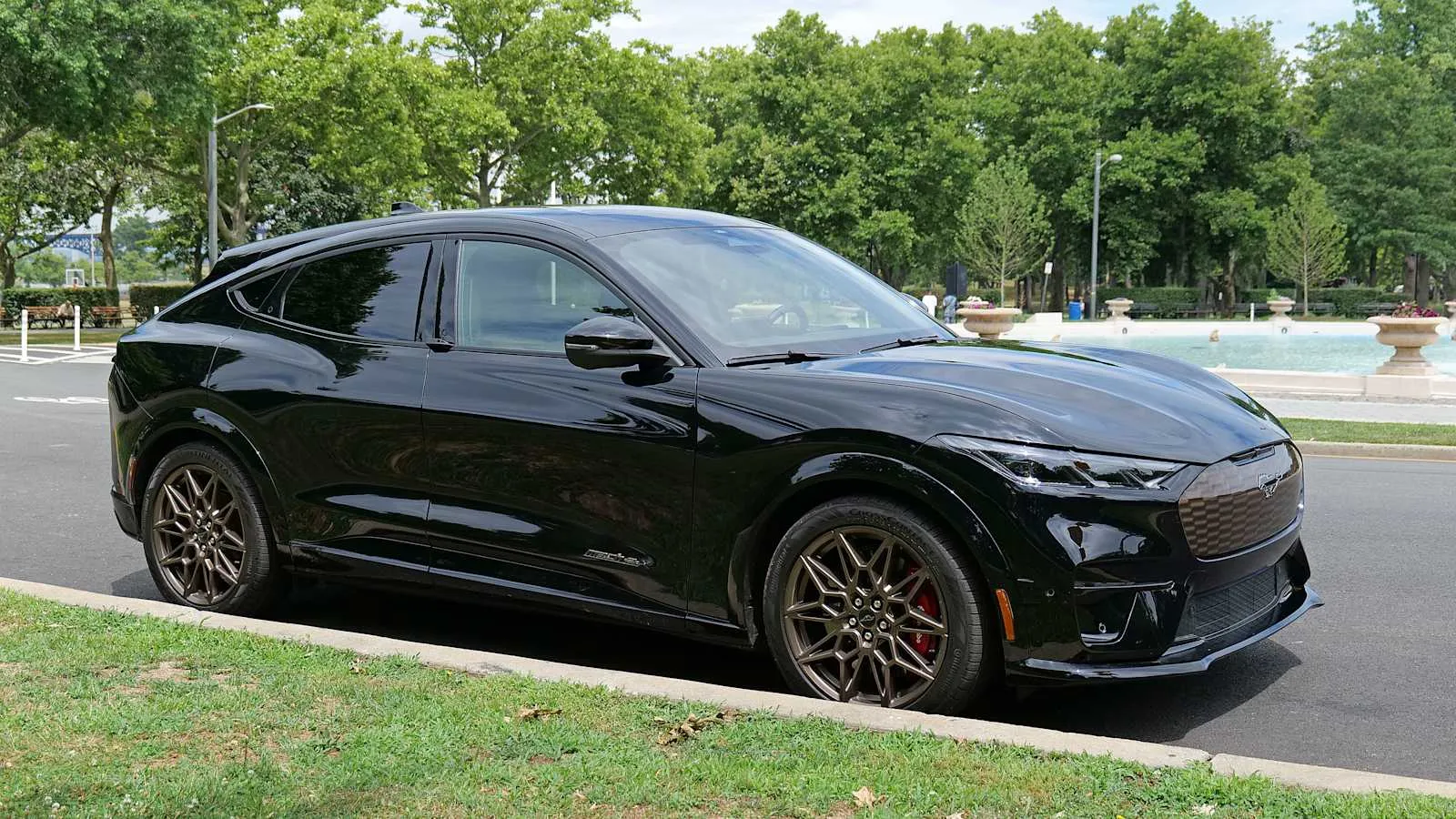
3. Ford Mustang
The Ford Mustang is an iconic American muscle car, celebrated for its aggressive lines, powerful engine options, and sporty heritage. Alloy wheels are essential to conveying the Mustang’s performance-oriented identity.
Unlike steel wheels, which may appear too utilitarian for a car built for speed and visual impact, alloy wheels highlight the vehicle’s athleticism and bold personality. Multi-spoke designs, machined finishes, and blacked-out options enhance the car’s aggressive stance while accentuating its long hood, pronounced fenders, and aerodynamic profile.
Alloy wheels also improve handling and reduce unsprung weight, which is particularly important for a high-performance vehicle like the Mustang. They allow the suspension to respond more efficiently to road conditions, enhancing cornering ability, acceleration, and braking performance.
Large, visually striking wheels also provide space for prominent brake calipers, which are a crucial aspect of the car’s performance aesthetic. Their design reinforces the Mustang’s dynamic presence, making it appear ready for action even when stationary.
The visual impact of alloy wheels on the Mustang cannot be overstated. They act as a design focal point, framing the car’s muscular body and providing contrast to vibrant paint options or racing stripes.
Bold finishes, aggressive spoke patterns, and deep-dish profiles enhance the sense of speed and power, reinforcing the Mustang’s iconic image. Alloy wheels allow the vehicle to balance aggression with sophistication, appealing to both enthusiasts and casual admirers.
Finally, alloys enable customization that aligns with the Mustang’s personal and performance-oriented ethos. Owners can choose wheel designs to suit either street, track, or show purposes, ensuring that the wheels match both functional and stylistic goals.
In doing so, alloy wheels elevate the Mustang from a simple sports car to a visually commanding and performance-capable vehicle, reinforcing its identity as a timeless muscle car.
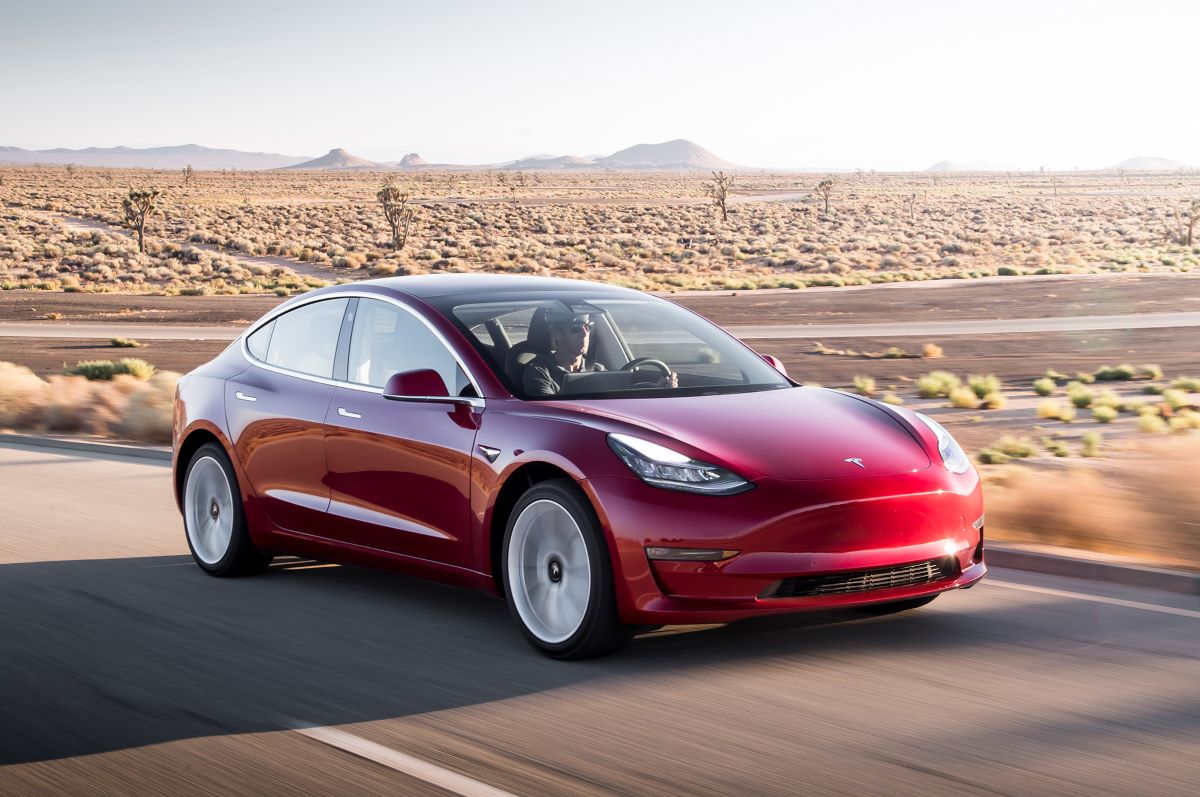
4. Tesla Model 3
The Tesla Model 3 is a modern electric sedan that emphasizes efficiency, performance, and cutting-edge technology. Alloy wheels play a crucial role in the vehicle’s design, enhancing aerodynamics, reducing weight, and complementing its minimalist aesthetic.
Steel wheels would make the Model 3 appear bulkier and less refined, whereas alloys provide a sleek, futuristic appearance that aligns with the car’s high-tech character. Designs like aero wheels or sport multi-spoke alloys contribute to the sense of movement and efficiency that defines the Model 3.
Functionally, alloy wheels improve efficiency by reducing unsprung weight, which directly impacts range and handling performance. They also enable better airflow to the brakes and optimize the vehicle’s suspension dynamics.
For an electric car like the Model 3, these advantages are particularly valuable, enhancing both driving range and ride comfort without compromising visual appeal. The wheels simultaneously convey technology, refinement, and performance, reflecting Tesla’s focus on innovation.
Visually, alloy wheels complement the Model 3’s smooth, streamlined design. Their clean lines, polished finishes, and modern patterns integrate seamlessly with the car’s aerodynamic body panels, flush door handles, and minimalist front fascia. Contrasting colors or multi-tone designs further highlight the vehicle’s elegance while reinforcing a sense of sophistication and precision engineering.
Finally, alloy wheels on the Model 3 emphasize personalization and identity. Tesla offers a variety of wheel designs and sizes, allowing owners to choose between efficiency-oriented options or sportier, performance-focused aesthetics.
This flexibility ensures that the wheels enhance both function and style, creating a balanced and cohesive look that reflects the car’s innovative spirit, cutting-edge performance, and modern design philosophy.
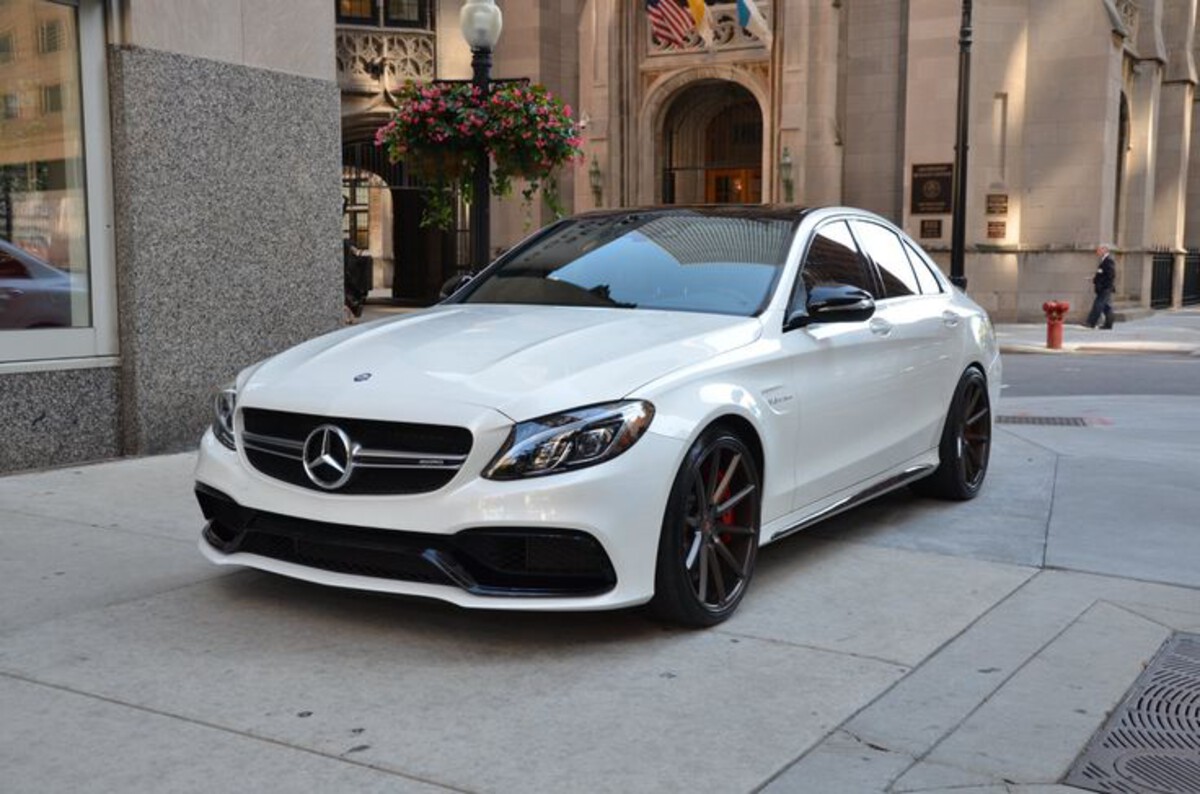
5. Mercedes-Benz C-Class
The Mercedes-Benz C-Class is a compact luxury sedan that relies heavily on alloy wheels to convey elegance, sophistication, and a sense of performance.
Alloy wheels elevate the vehicle’s styling by accentuating its flowing lines, sculpted body, and athletic proportions. Unlike steel wheels, which would appear too simple and utilitarian for a premium car, alloys signal attention to detail, refinement, and luxury, enhancing both visual appeal and brand identity.
Alloy wheels also improve handling dynamics by reducing unsprung weight, which contributes to a smoother, more responsive ride. This aligns perfectly with the C-Class’ goal of balancing comfort with sporty performance.
The combination of intricate wheel designs and reduced weight enhances the driving experience while providing visual confirmation of the vehicle’s precision engineering. Large alloy wheels also showcase the brake system, further reinforcing the car’s performance-oriented character.
Visually, Mercedes-Benz provides numerous alloy options for the C-Class, from multi-spoke designs to AMG-inspired styles, polished or matte finishes, and contrasting two-tone patterns.
These wheels draw attention to the vehicle’s stance and presence, complementing its aggressive front fascia, flowing roofline, and well-defined body contours. They become a critical visual component that helps distinguish the car in a competitive luxury segment.
Finally, alloy wheels offer versatility and personalization that enhance the C-Class’ appeal. Owners can select wheel styles that match their desired balance of sportiness and elegance, tailoring the car’s look to individual taste.
Whether on the highway or parked at a high-end venue, the wheels communicate the vehicle’s premium character and attention to design detail, reinforcing the Mercedes-Benz brand’s reputation for luxury, performance, and sophistication.
