
When it comes to family cars, comfort and practicality are often at the top of the list for many buyers. Parents and caregivers frequently spend long hours driving children to school, sports practices, and weekend trips. In these situations, a car that maintains a quiet and composed cabin can make the journey significantly more pleasant.
Highway driving, in particular, exposes weaknesses in cabin insulation, engine design, and aerodynamics. Even a well-built car can feel tiring or stressful if road noise, wind, and engine hum dominate the cabin.
Many modern manufacturers have invested heavily in soundproofing technologies, such as double-layered glass, better seals, and acoustic underlays to reduce interior noise. The difference is noticeable not just in comfort but also in reducing fatigue on long drives.
On the other hand, some cars, despite being practical and reliable for families, are naturally noisier at high speeds. Engine vibrations, poorly damped suspension, thin window glass, or unrefined aerodynamics can all contribute to a louder cabin.
For families, a loud car on highways can make conversations difficult, strain hearing over time, and create a more stressful driving experience. However, these vehicles sometimes offer other advantages like sportier handling, lower cost, or a more responsive engine, which is why they remain popular choices.
When comparing quiet and loud family cars, several factors should be considered. Engine type and placement play a major role, as turbocharged engines or those with smaller displacements may produce higher-pitched noises under load.
Tire choice and road surfaces influence cabin noise, while insulation around doors, wheel arches, and the underbody helps mitigate external sounds. Luxury trims often feature additional noise dampening, but even mainstream models can impress with refined engineering.
In this article, we will provide two lists: one highlighting five family cars that remain exceptionally quiet on highways and another featuring five that tend to get loud when cruising at higher speeds.
By examining these vehicles, their features, and their driving characteristics, families can make more informed decisions when choosing a car for long journeys, daily commutes, or weekend getaways.
Understanding the trade-offs between a serene cabin and other performance or budget-related factors will help families prioritize what matters most in their driving experience.
5 Family Cars That Stay Quiet on Highways
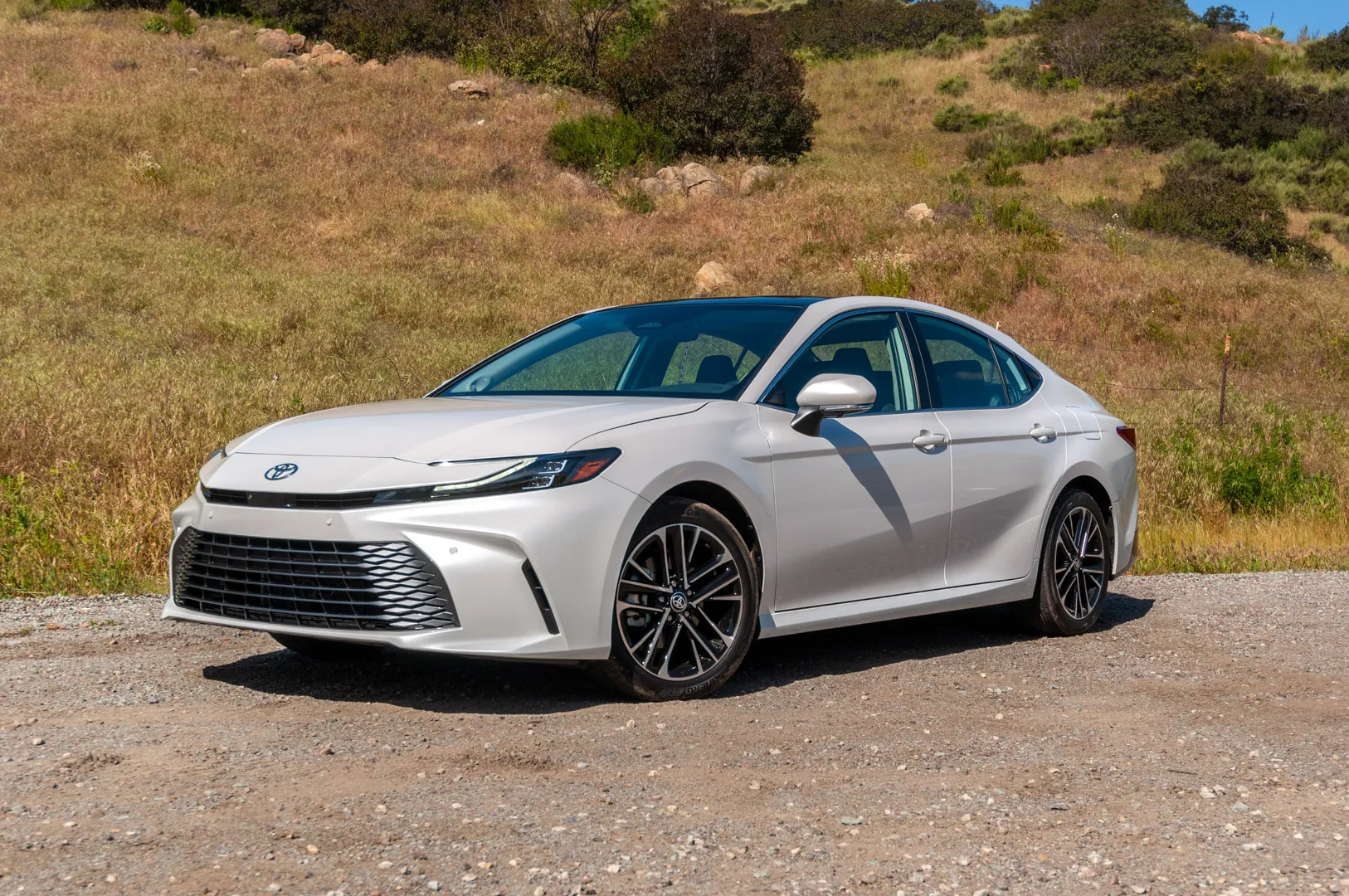
1. Toyota Camry
The Toyota Camry has long been a benchmark for family sedans, and its highway composure is one of its strongest qualities. The cabin is exceptionally well-insulated, especially in higher trims, where double-glass windows significantly reduce wind noise.
Passengers can easily hold conversations even at speeds exceeding 70 miles per hour, which is a critical factor for long family journeys. Beyond just the materials, Toyota has meticulously designed the door seals, roof lining, and floor underlays to prevent the intrusion of sound from tires or engine vibrations.
These design considerations are not just theoretical, they are felt by drivers who often comment on the “floating” sensation that makes long highway drives surprisingly stress-free.
The combination of precise engineering and attention to detail ensures that minor road imperfections do not translate into disruptive cabin noise, which is vital for families with children who might be napping or reading during trips.
The engine of the Camry is another factor contributing to its quiet nature. The four-cylinder powertrain produces minimal vibrations, while the optional V6, despite its higher output, remains smooth and composed. Toyota has invested in balancing shafts and engine mounts that absorb subtle vibrations, which can otherwise become noticeable over prolonged highway speeds.
Unlike turbocharged or high-revving engines, which can introduce a high-pitched whine, the Camry’s engines are tuned for low-frequency hums that are more comfortable to the human ear. When combined with the CVT or automatic transmission, acceleration feels seamless and almost effortless, minimizing any spikes in cabin noise that could disrupt the tranquility inside.
Aerodynamics also play a major role in the Camry’s ability to stay quiet. The vehicle’s body is shaped to reduce drag and manage airflow efficiently, while carefully designed side mirrors and door edges limit turbulence and whistling. Tires on standard trims are oriented toward comfort rather than aggressive cornering or sporty performance, which significantly reduces road noise transmitted into the cabin.
Toyota engineers also strategically place sound-absorbing materials around the wheel wells and underbody panels, further ensuring a serene environment. These efforts, when combined, create a vehicle that is impressively composed even on windy or high-speed highways, making the Camry ideal for family outings.
Finally, the interior layout and materials enhance the perception of quiet. Plush seating, soft-touch dashboard materials, and well-insulated door panels all dampen vibrations and prevent rattles. Climate control fans operate smoothly without producing intrusive sounds, and infotainment systems are designed with low noise interference in mind.
For families, this attention to interior refinement ensures that even long highway drives remain relaxing. From early morning commutes to weekend road trips, the Camry delivers a quiet, controlled, and comfortable environment that makes it one of the most family-friendly sedans on the market today.
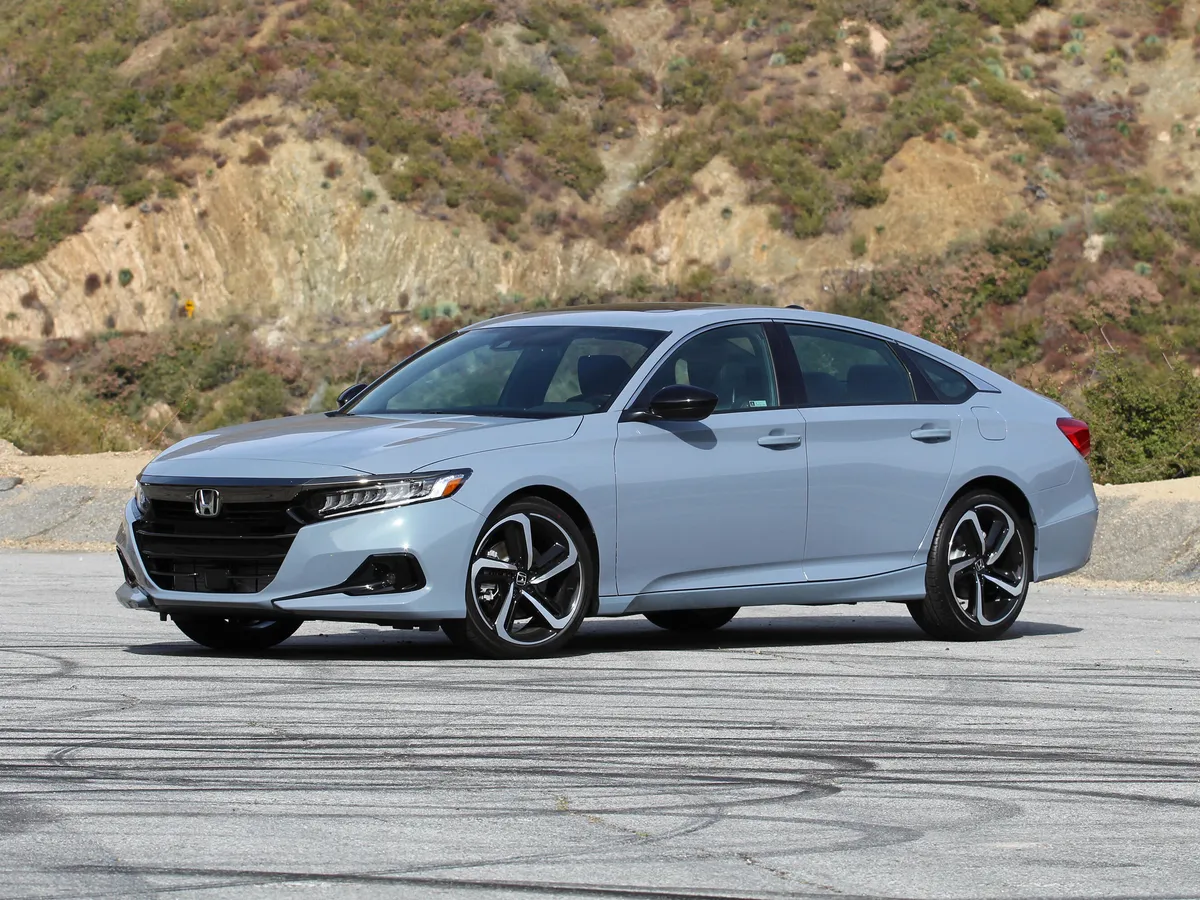
2. Honda Accord
The Honda Accord is widely praised for its serene cabin at highway speeds, making it a favorite among families who value comfort and noise control. Honda’s engineers have gone to great lengths to minimize intrusion from both engine and road noise, creating an environment where conversations, music, or audiobooks can be enjoyed without strain.
Door seals and window construction are carefully optimized to prevent drafts and rattles that often become more noticeable on long drives. The suspension is tuned to absorb imperfections while maintaining highway stability, ensuring that passengers experience a smooth ride even over less-than-perfect pavement. This quietness not only improves comfort but also reduces driver fatigue, an often-overlooked benefit during extended family road trips.
The Accord’s turbocharged four-cylinder engine, while small and efficient, is remarkably refined. It delivers power in a smooth, controlled manner that does not intrude into the cabin with excessive vibration or noise. The optional V6 engine offers even greater refinement, with a naturally balanced sound profile and minimal harshness at higher speeds.
Road noise is further mitigated by the extensive use of acoustic insulation around the floor, wheel wells, and firewall, allowing the cabin to remain composed even when cruising at 75 miles per hour or more. Passengers rarely encounter the intrusive wind or tire sounds that are common in many sedans at these speeds.
Aerodynamic efficiency is another key factor in the Accord’s quiet performance. The sleek, streamlined design minimizes air resistance, while mirrors and rooflines are shaped to reduce turbulence and whistling that can otherwise disrupt cabin serenity. Tires chosen for standard trims emphasize low rolling noise, prioritizing a comfortable, quiet ride over aggressive traction.
Suspension tuning provides a balance between comfort and control, allowing the vehicle to absorb bumps and uneven surfaces while maintaining composure at high speeds. The result is a vehicle that feels planted and isolated from external noise, even when traveling on highways that are subject to wind gusts and traffic vibrations.
Inside, the Accord continues to impress with its quiet, well-crafted interior. High-quality materials, such as soft-touch plastics, premium fabric, and leather on higher trims, absorb vibrations and limit resonances. Infotainment systems, climate control, and other mechanical elements operate with minimal acoustic intrusion, reinforcing the sense of calm.
Families traveling long distances will appreciate the Accord’s ability to remain quiet without sacrificing performance or handling, making it a highly effective combination of comfort, reliability, and highway refinement. This balance is one of the reasons the Accord has remained a consistent favorite for family-oriented buyers over the years.
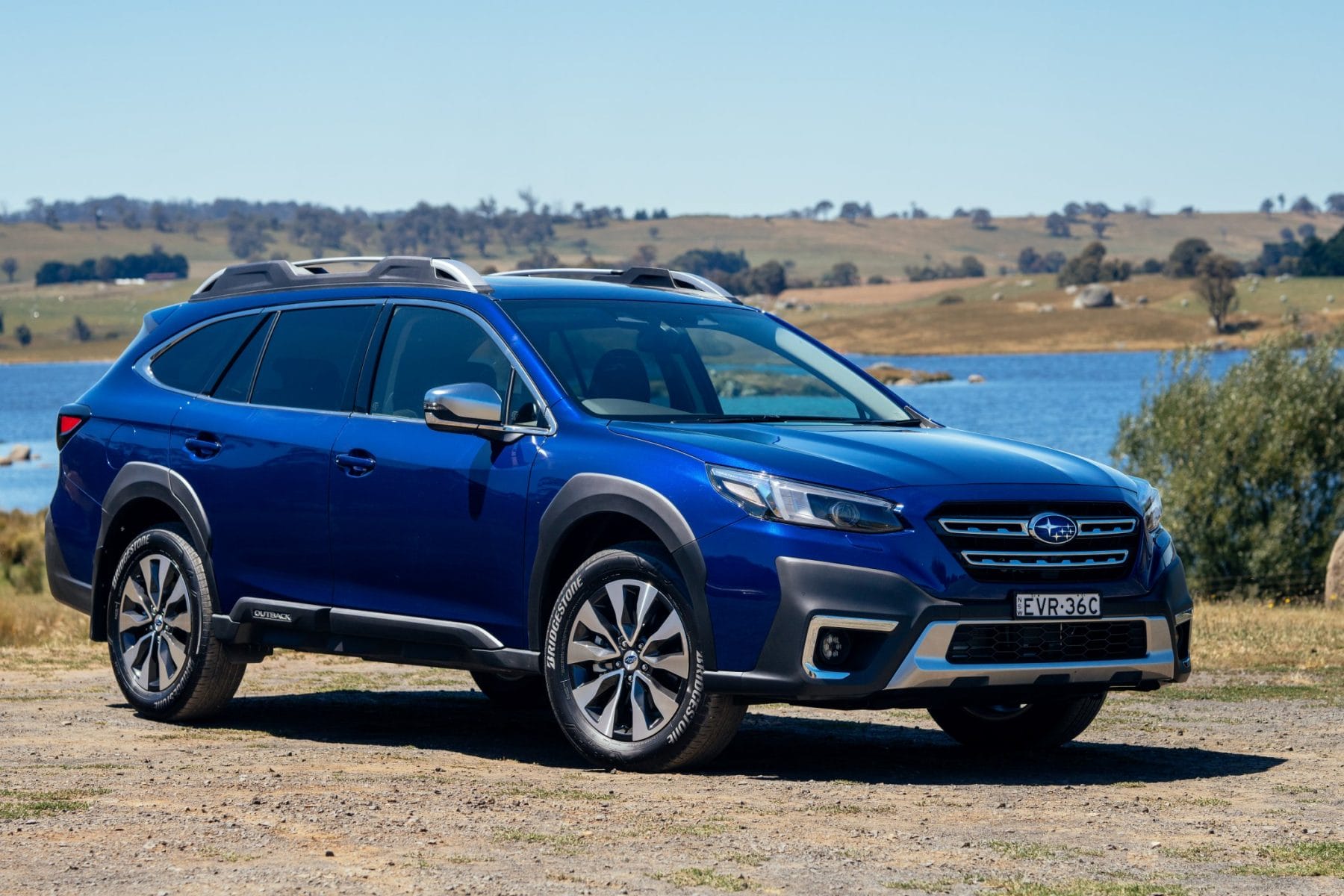
3. Subaru Outback
The Subaru Outback is well-known for its rugged versatility, but it also excels in providing a quiet and comfortable highway experience. Its all-wheel-drive system ensures stability, while the cabin is heavily insulated against external noise. Subaru has focused on minimizing vibrations and road intrusions through careful placement of acoustic materials in the floor, doors, and firewall.
Subaru’s horizontally opposed boxer engine layout contributes significantly to cabin quietness. The flat engine design allows for balanced vibration distribution, which reduces harsh resonance inside the cabin. Engine tuning focuses on smooth, consistent operation rather than aggressive power delivery, resulting in low-frequency hums that are less intrusive over time.
This refinement is noticeable during prolonged highway driving, where engine noise in other vehicles may become overwhelming. Combined with the naturally quiet automatic transmission, the Outback maintains composure under steady cruising, ensuring a serene interior environment for passengers.
Aerodynamics and tire selection are carefully considered to further minimize highway noise. Despite its taller crossover body, the Outback’s roofline and side mirrors are designed to reduce wind turbulence. Tires are comfort-oriented rather than aggressive off-road models, ensuring that tire noise remains subdued on paved roads.
Additionally, Subaru employs underbody panels and strategic insulation to prevent road vibrations and tire sounds from penetrating the cabin. This comprehensive approach to sound management helps explain why the Outback is often praised for highway calmness despite being a larger, all-wheel-drive vehicle.
Inside, the Outback emphasizes comfort and serenity. Seating is supportive and soft, absorbing road vibrations that can otherwise disturb passengers. The use of high-quality materials and careful attention to panel fit and finish reduces rattles and unwanted mechanical noise.
Climate control fans, infotainment systems, and other electronic components are engineered to operate quietly, maintaining an sense of calm in the cabin. Families will find the Outback particularly accommodating for long trips, offering both quietness and versatility without compromise, making it one of the standout options for highway comfort among midsize crossovers.
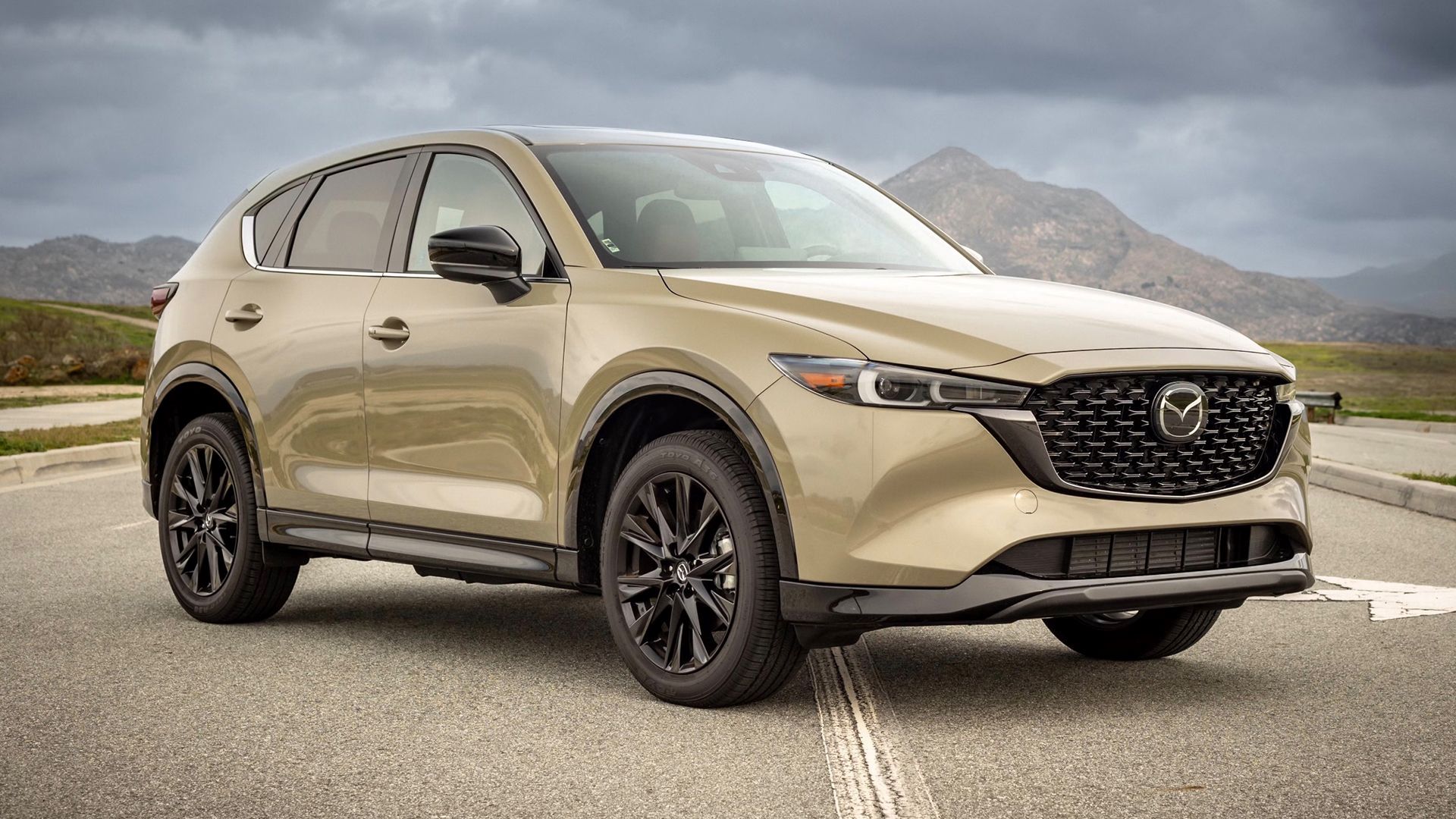
4. Mazda CX-5
The Mazda CX-5 is a compact SUV that impresses with its highway refinement, especially considering the challenges of controlling noise in taller vehicles. Its cabin is meticulously insulated, with door seals, window construction, and underbody materials all designed to limit the intrusion of wind, road, and tire noise.
Passengers experience a calm environment even at freeway speeds, which enhances comfort during long drives. This quietness is critical for families, as it allows children to rest, read, or enjoy entertainment without distraction, and it also reduces fatigue for the driver. Mazda has consistently emphasized the importance of a well-isolated cabin, making the CX-5 feel more like a luxury SUV in this regard.
Mazda’s Skyactiv-G engine lineup plays a major role in the vehicle’s serene highway performance. These engines are designed to deliver smooth, linear power without introducing high-pitched noise or vibration. Even turbocharged variants provide added power without creating intrusive cabin sound.
Combined with precise transmission tuning, the CX-5 accelerates smoothly and maintains quiet operation under sustained cruising. This ensures that passengers remain comfortable even during long stretches of highway driving or passing maneuvers, which often amplify engine noise in less refined vehicles.
Aerodynamic design contributes further to the CX-5’s quiet nature. Despite its taller stance, the vehicle’s body and mirror placement minimize turbulence and wind noise at high speeds. Suspension tuning also balances comfort with stability, absorbing minor road imperfections that might otherwise transmit sound into the cabin.
Tires are chosen for low rolling resistance and quiet operation, enhancing the sense of tranquility. These engineering decisions show Mazda’s attention to detail in providing a compact SUV that does not compromise on comfort for families.
Inside, the CX-5’s interior emphasizes both comfort and quietness. Premium materials, including soft-touch plastics and leather options on higher trims, help absorb vibrations and dampen sound. The cabin layout, with thoughtful placement of vents, controls, and mechanical components, minimizes the intrusion of fan or infotainment noise.
As a result, the vehicle provides a serene environment where families can converse easily or enjoy entertainment without competing with highway noise. For buyers seeking a compact SUV that balances refinement, comfort, and quiet operation, the Mazda CX-5 remains a top choice in its segment.
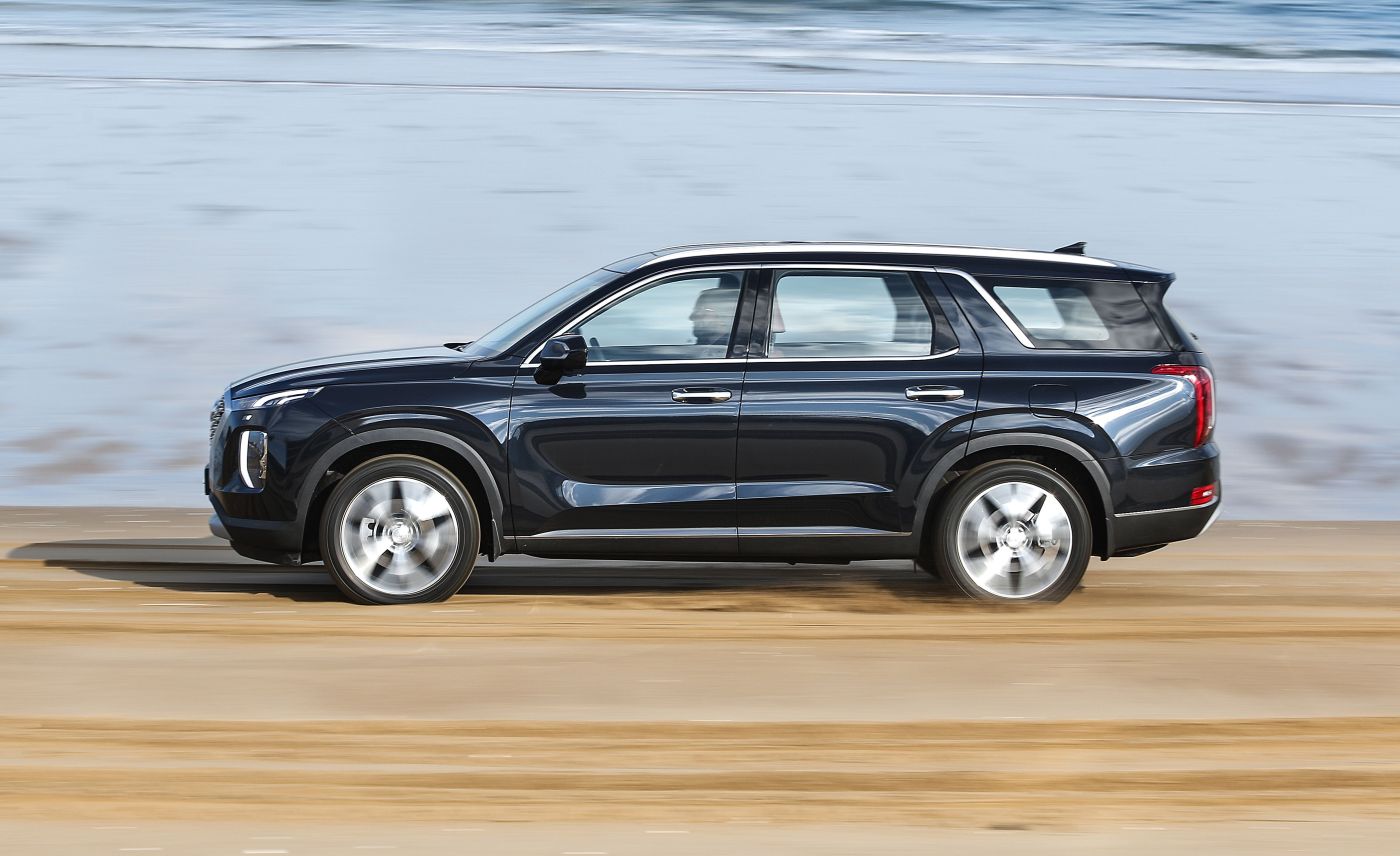
5. Hyundai Palisade
The Hyundai Palisade, a midsize SUV, impresses with its combination of space, comfort, and highway quietness. Its cabin is well-insulated, featuring advanced soundproofing in doors, windows, and wheel arches. Passengers enjoy minimal intrusion from road noise, engine vibrations, or wind turbulence, which is particularly valuable for families traveling long distances.
The Palisade’s interior design prioritizes serenity, ensuring that even larger vehicles can provide a calming experience on highways. This allows parents to focus on driving while children remain entertained or relaxed without distraction from outside sounds.
The V6 engine in the Palisade is a key contributor to its quiet nature. It delivers smooth and steady power without producing intrusive noise or vibration. Even under highway acceleration or during passing maneuvers, the cabin remains calm and controlled.
Hyundai has also incorporated sound-deadening panels in the floor, firewall, and wheel wells to prevent road noise from entering the cabin. These engineering choices ensure that passengers are insulated from the harsher acoustic environment outside, which is especially important for families seeking comfort on longer drives.
Finally, the interior finishes contribute to a sense of calm. High-quality seating materials, soft-touch panels, and well-sealed doors reduce rattles and vibrations. Climate control fans, infotainment systems, and mechanical components operate quietly, ensuring minimal distraction from external noise.
The Palisade’s spacious interior, combined with its noise control measures, makes it an ideal choice for families who prioritize comfort and tranquility on highway trips. Whether commuting to school, running errands, or embarking on a weekend road trip, the Hyundai Palisade demonstrates that a large SUV can be both capable and exceptionally quiet on the highway.
5 Family Cars That Get Loud on Highways

1. Ford Explorer
The Ford Explorer, a popular midsize SUV, is known for its practicality and family-friendly features, but highway noise is one of its weaknesses. Despite its powerful engine options and spacious interior, the Explorer’s cabin tends to amplify road, tire, and wind noise when driving at higher speeds.
The larger body, higher ground clearance, and wide tires can contribute to a louder ride, as the air pressure against the vehicle and tire-road interactions are more pronounced. While it remains stable at speed, the acoustic insulation does not fully dampen the noises generated by these factors, resulting in a cabin that feels more exposed to the elements than some competitors.
Aerodynamics and body design also play a role in the Explorer’s louder profile. The upright stance and boxy elements increase wind resistance, causing more wind turbulence along the roof and side mirrors. This effect is exacerbated when side windows are open or the vehicle carries a roof rack, which can amplify whistling and buffeting.
Tires designed for traction rather than quiet rolling contribute additional sound, especially on rougher asphalt or highways with expansion joints. These factors combine to create a more vocal cabin environment than sedans or lower-profile SUVs.
Finally, interior materials and finishes, while durable, do little to mask these noises. Plastic trims and hard panels can amplify rattles and vibrations, particularly in older models or those with high mileage. Climate control and infotainment fans, when operating at higher settings, can add to the perception of noise.
While the Ford Explorer is undeniably practical and capable for families, those prioritizing a quiet highway ride may find it falls short compared to quieter sedans or crossovers. Passengers experience a livelier, more dynamic cabin sound that some may enjoy, but for extended highway driving, it can feel tiring.
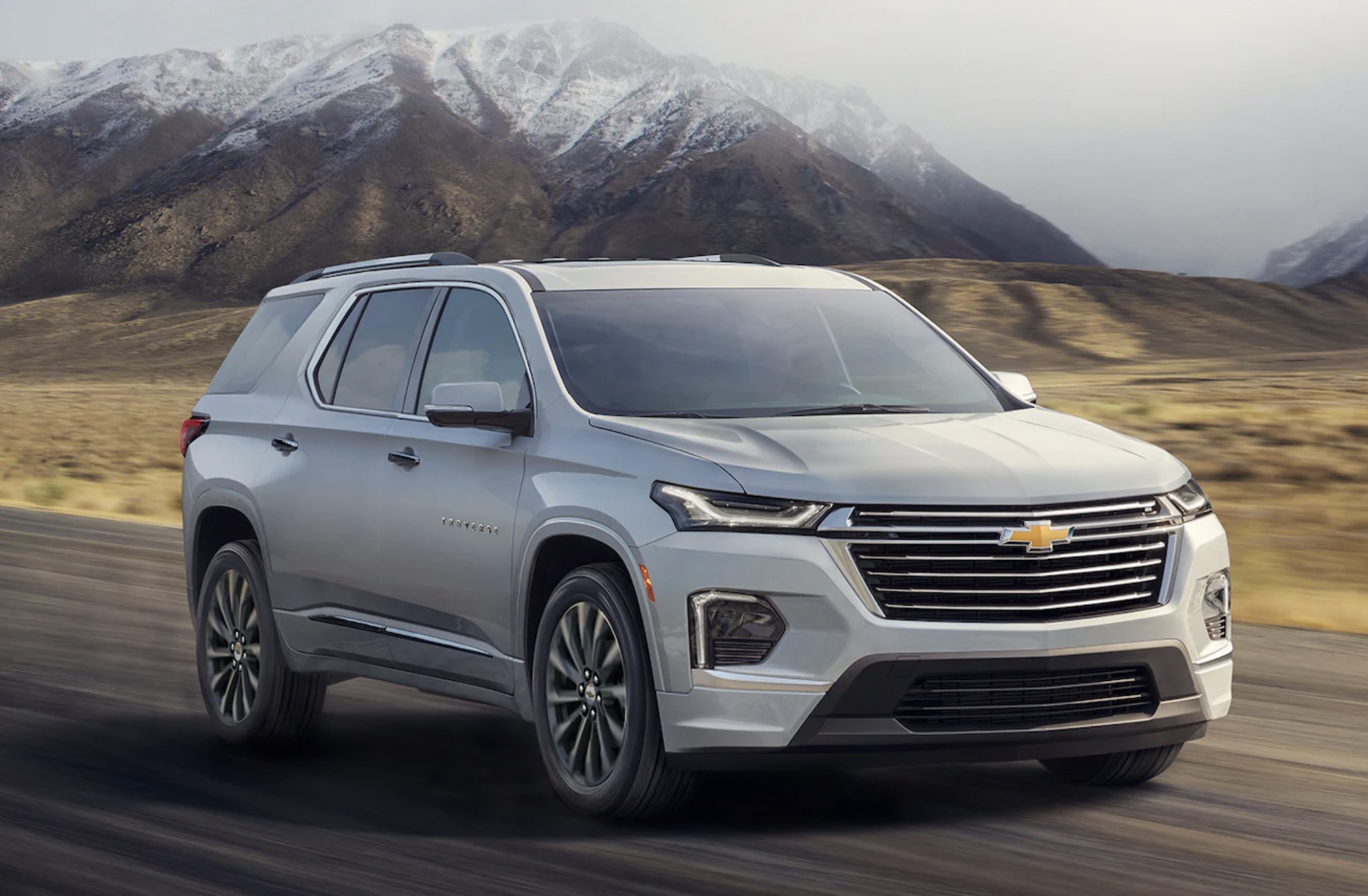
2. Chevrolet Traverse
The Chevrolet Traverse is a large three-row SUV designed to carry families and cargo comfortably, but its size comes with acoustic drawbacks. The cabin tends to transmit road, wind, and tire noise at high speeds, making long highway trips less serene than in smaller or better-insulated vehicles.
The vehicle’s long wheelbase and higher roofline, while great for passenger space, increase wind resistance and expose more surface area to turbulent airflow. These elements, combined with tires oriented toward performance or load-carrying capacity, contribute to a cabin environment that feels louder than ideal when cruising above 65–70 miles per hour.
Engine noise in the Traverse is also more prominent than in some competitors. The standard V6 engine provides adequate power but can generate noticeable vibration and hum under sustained highway speeds. Turbocharged versions or models with aggressive towing packages amplify this effect.
Engine mounts and firewall insulation, while adequate for city driving, are less effective at highway speeds, allowing engine resonance to be heard throughout the cabin. This is particularly noticeable during overtaking maneuvers or rapid acceleration, where engine strain translates to increased cabin noise.
Aerodynamics and exterior design further exacerbate the issue. The Traverse’s larger body and roofline create areas of turbulence, especially around the windshield, mirrors, and roof rails. Wind noise becomes more apparent at higher speeds, and combined with tire and suspension vibrations, the cabin can feel much less controlled acoustically.
Road surfaces such as concrete seams or rough asphalt exacerbate the sensation, highlighting the SUV’s limitations in quiet highway travel.
Inside, the materials used in standard trims contribute to the perception of noise. Hard plastics, less-damped panels, and rattling trim pieces can amplify vibrations from both road and engine sources. While higher trims include some soundproofing, the fundamental design still allows external noise to enter.
Families may find that extended highway drives require raising voices to communicate or increase media volume to compensate. Although the Chevrolet Traverse offers space and comfort in other respects, its highway noise is a common critique among drivers seeking a quieter family SUV.
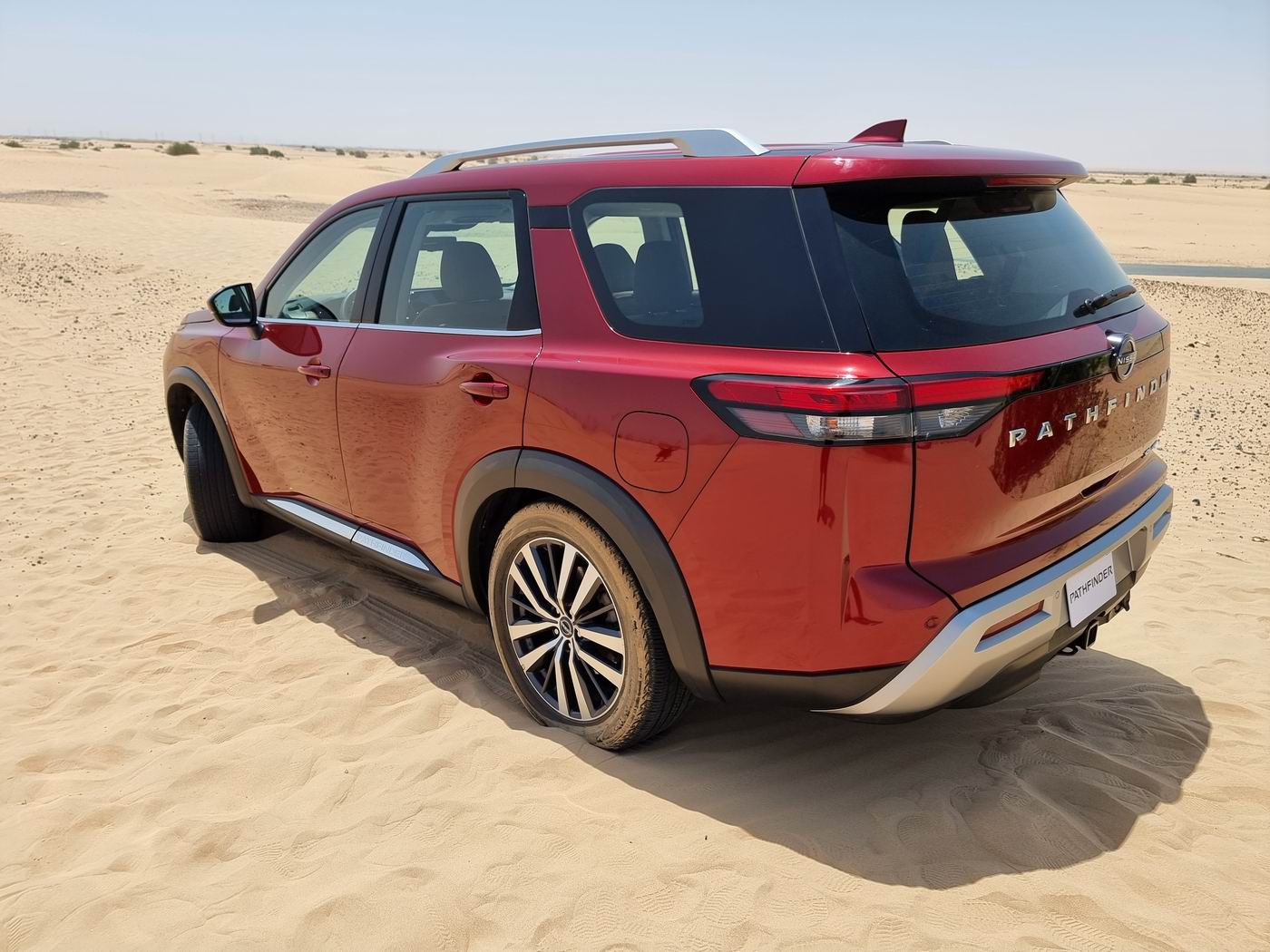
3. Nissan Pathfinder
The Nissan Pathfinder, a midsize SUV designed for family use and light off-road capability, often exhibits louder cabin noise on highways. Its design emphasizes versatility and interior space, but sound insulation is not as extensive as in some modern crossovers.
Passengers frequently report increased road and wind noise above 70 miles per hour, particularly along the doors and windows where seals are thinner. The higher stance of the Pathfinder, combined with roof rails or cargo racks, can exacerbate turbulent airflow, allowing the wind to whistle into the cabin during highway driving.
Aerodynamics and tire choice further contribute to highway noise. The Pathfinder’s taller profile and larger frontal area create additional wind resistance, and side mirrors or roof features can generate whistling at higher velocities.
.Tires designed for load-carrying and stability, rather than quiet rolling, introduce additional sound through contact with pavement. Uneven surfaces or expansion joints can amplify this effect, making the cabin acoustically less refined compared to sedans or smaller SUVs.
Inside, cabin materials do little to mitigate the noise. Standard plastics and minimal sound-deadening panels amplify vibrations from the road and engine. Higher trims may reduce rattles slightly, but the fundamental design still allows significant intrusion of external noise.
Families embarking on long highway trips may notice the need to raise their voices for conversation or entertainment, highlighting a key trade-off: the Pathfinder provides space and utility, but quiet comfort is not its strongest attribute.
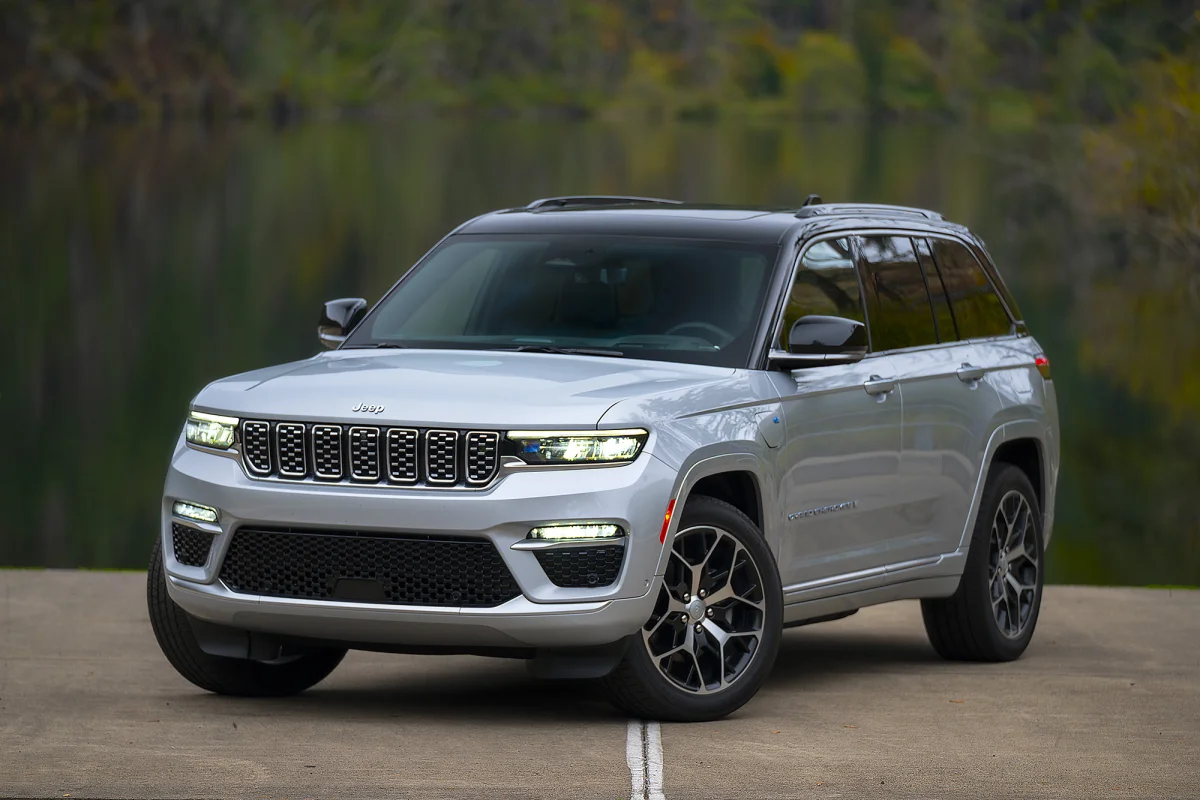
4. Jeep Grand Cherokee
The Jeep Grand Cherokee, a family-friendly SUV with strong off-road and towing capabilities, is known for its louder highway cabin compared to smaller, more refined vehicles. Its design prioritizes capability and ruggedness, which often comes at the expense of quietness.
Road noise, wind turbulence, and tire hum can become more pronounced as speeds climb, particularly due to its higher stance and aggressive tire designs. While the Grand Cherokee offers excellent performance on highways, the cabin tends to transmit a greater amount of exterior sound than modern sedans or crossovers with refined acoustic engineering.
Engine noise is another factor affecting the Grand Cherokee’s cabin experience. Whether equipped with a V6 or optional V8, engine vibrations can travel into the interior, especially during sustained highway speeds or quick acceleration.
While the powerful engines are appealing for towing or passing maneuvers, the trade-off is a louder cabin environment. Exhaust resonance and engine hum, which are less noticeable at lower speeds, become prominent during extended cruising, making the ride less relaxing for passengers.
Inside, interior materials can amplify acoustic intrusion rather than absorb it. Hard plastics, minimal damping in lower trims, and certain trim rattles contribute to a perception of noise within the cabin. Climate control and infotainment fans, when operating at higher speeds or in older models, can add to this effect.
While the Jeep Grand Cherokee remains a versatile and capable family vehicle, those prioritizing a peaceful highway ride may find it falls short. Its charm lies more in rugged capability than in acoustic refinement, which makes it better suited for shorter drives or off-road adventures than quiet long-distance cruising.
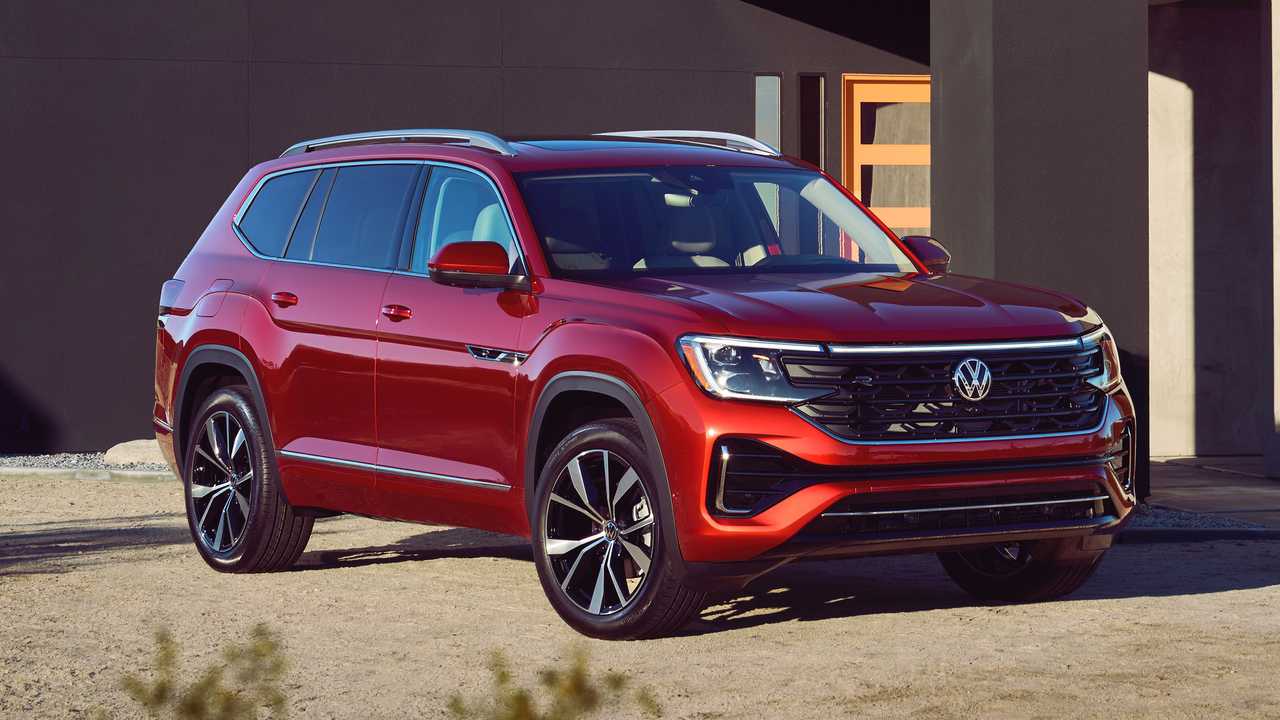
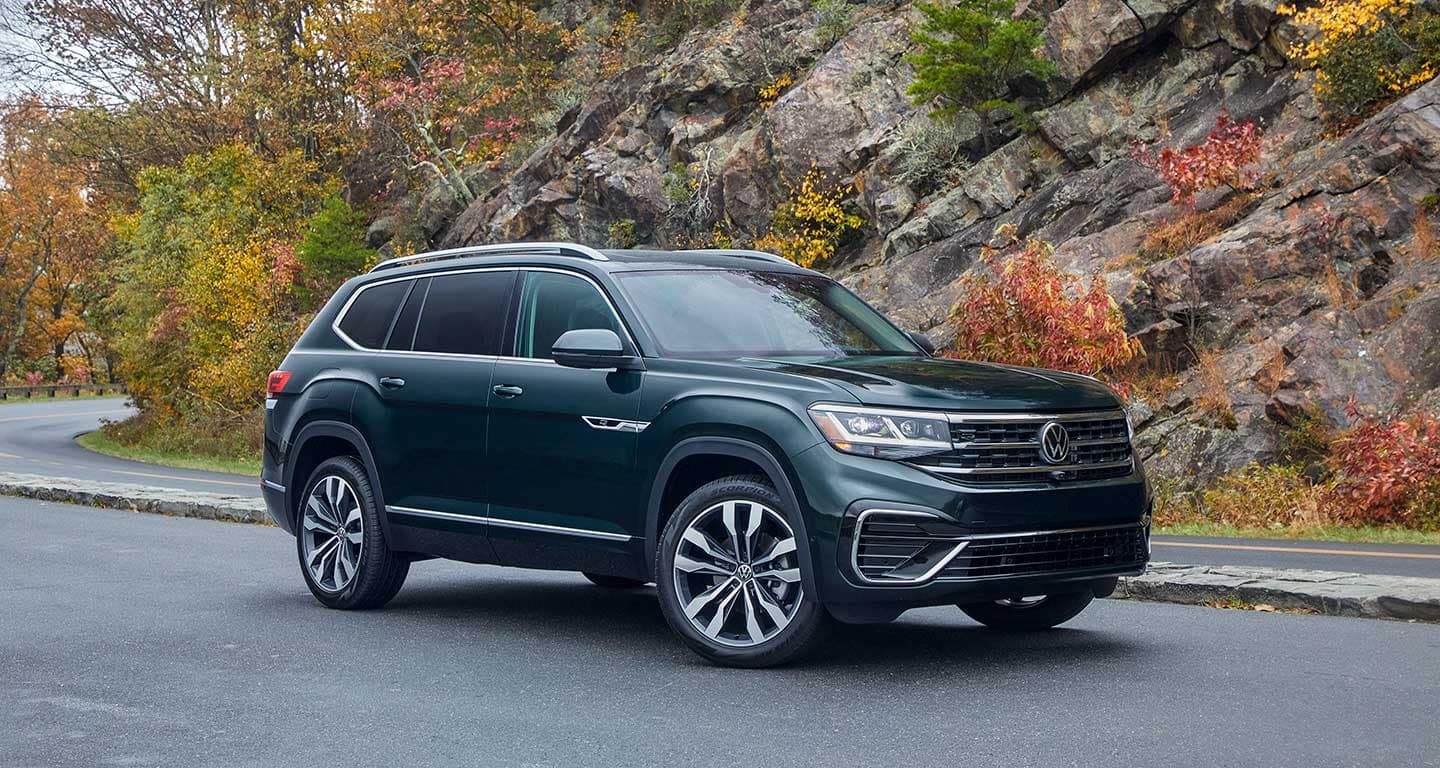
5. Volkswagen Atlas
The Volkswagen Atlas, a three-row SUV designed for families, offers significant interior space but comes with acoustic limitations at highway speeds. Its larger body and taller roofline expose more surface area to wind, which increases turbulence and results in more cabin noise than compact or midsize crossovers.
Road and tire noise also become more apparent, especially on highways with rough surfaces or concrete seams. While the Atlas is practical for transporting a full family, its highway quietness is noticeably inferior to some quieter competitors.
Aerodynamics also play a role in the Atlas’ louder highway profile. The upright body, large side mirrors, and optional roof rails contribute to turbulent airflow, which increases wind noise around windows and doors.
Tires optimized for stability and load-carrying capacity produce additional sound, especially over uneven asphalt or concrete joints. Even with standard soundproofing, the combination of wind, engine, and tire noise results in a cabin that feels acoustically exposed during high-speed cruising.
Inside, materials and finishes provide only partial relief from highway noise. Hard plastics, trim rattles, and minimal acoustic damping in certain areas amplify external vibrations and wind intrusion. Climate control systems and fans can add to the perception of noise when operating at higher settings, creating a more noticeable auditory environment.
Families using the Volkswagen Atlas for long-distance highway travel may find it necessary to increase audio volume or speak louder to maintain conversation, emphasizing that this SUV trades some quietness for size and practicality. While spacious and capable, the Atlas’ highway noise remains a common consideration for families prioritizing acoustic comfort.
