
SUVs hold a unique place in the minds of drivers who want space, presence, comfort, and the ability to handle more than the average commute. Even when newer models emerge, some SUVs manage to keep something memorable about them, something that carries forward year after year.
It might be the way the steering feels on a rough road, the way the cabin holds up after tens of thousands of miles, or the way the vehicle creates a certain feeling whenever a driver steps inside. On the other side, some SUVs start strong when new but slowly lose the qualities that made them desirable.
Sometimes the interior materials do not age well. Sometimes the ride gets noisy or rough as the years pass. Sometimes the design feels dated in a way that affects the sense of enjoyment. This comparison aims to highlight both types to show why some vehicles continue to leave a lasting mark while others fade.
Drivers often form strong emotional bonds with their SUVs, so the difference between one that still feels special and one that loses its charm is more than simple mechanical durability. It can involve the sound of door closures, the way controls age, or how the vehicle feels on a long drive.
An SUV that stands the test of time usually has a combination of thoughtful engineering and natural resilience that keeps it enjoyable, even long after the marketplace has shifted. Meanwhile, a model that loses its charm may become either too ordinary or too troublesome, leaving owners feeling like the excitement disappeared as the years progressed.
This article provides a balanced view by presenting five SUVs that continue to feel special even after years of use as well as five SUVs that gradually lose their charm.
The goal is not to place judgment on any brand or driver preference but to offer a reflection on how long-term experiences shape the reputation of an SUV. Each section breaks down how these feelings develop and why some models hold onto their appeal much longer than others.
FIVE SUVS THAT STILL FEEL SPECIAL AFTER YEARS
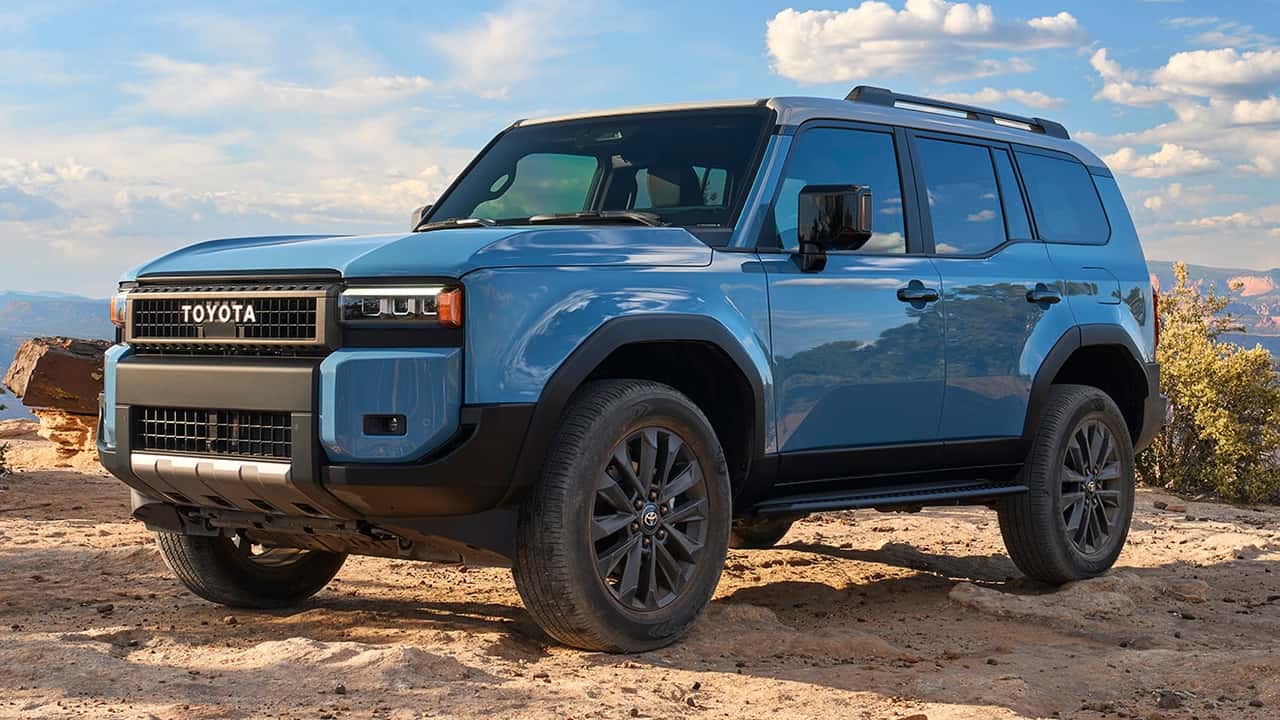
1. Toyota Land Cruiser
The Toyota Land Cruiser has earned admiration not only for its capability but also for its enduring sense of assurance. Even older models often feel strong and confident, with a body and chassis combination that resists the fatigue many other vehicles show over time.
Its large, robust frame is engineered to handle long-term use without the structural weaknesses that often appear in other SUVs. Drivers frequently remark on how reassuring the vehicle feels even as the odometer climbs into six figures. There is a subtle combination of solidity and smoothness in the driving experience, where the suspension absorbs bumps yet keeps the vehicle composed.
Inside, the cabin is straightforward but functional, using materials that tend to age gracefully. Leather surfaces develop a gentle patina instead of cracking, and the controls maintain a satisfying tactile feel. Even when compared to newer SUVs with more flashy interiors, the Land Cruiser continues to convey a quiet sense of quality and durability that feels enduring.
Another reason the Land Cruiser continues to feel special is its steadiness on rough terrain. Its suspension and heavy-duty chassis allow it to tackle rocky roads, deep sand, or uneven trails without feeling unsettled. Even after years of off-road adventures, the vehicle tends to retain its original composure, rarely developing the creaks or vibrations that plague other older SUVs.
The brakes, steering, and drivetrain remain precise, creating a sense of confidence that is rare in vehicles of this size. Drivers often describe a reassuring “connectedness” with the road, a feeling that the vehicle responds predictably to any input. This capability is paired with an ability to absorb the unpredictable elements of everyday driving, whether it is potholes in city streets or long stretches of highway. The result is a vehicle that does not lose its sense of competence with age, making each drive feel purposeful and enjoyable.
Many long-term owners also appreciate the sense of heritage that accompanies the Land Cruiser. Toyota has maintained a consistent identity across generations, with each iteration emphasizing reliability, toughness, and understated luxury. Although styling trends evolve and other SUVs chase flashy designs, the Land Cruiser’s appearance retains a timeless quality.
This contributes to a feeling of continuity, where older models still feel relevant and capable rather than outdated. Inside, the cabin reflects a similar philosophy: minimalism combined with practicality. Buttons and controls are positioned logically, the seating remains supportive, and storage options are intelligently designed. The enduring character of the Land Cruiser ensures that, even as other SUVs fade in appeal over time, this vehicle retains a strong sense of personality and presence on the road.
Maintenance and longevity also play key roles in why the Land Cruiser remains special. Owners often report driving hundreds of thousands of miles without major mechanical issues, a testament to Toyota’s focus on reliability. Because the vehicle maintains its mechanical integrity over time, drivers continue to enjoy the ride without constant worries or costly repairs.
This reliability also nurtures a sense of trust, where one feels confident embarking on long journeys, remote adventures, or daily commutes without concern for unexpected breakdowns. The combination of durable materials, predictable performance, and a reputation for lasting excellence ensures that even older Land Cruisers feel significant and satisfying to drive. Over time, the vehicle becomes not just a means of transportation but a dependable companion.
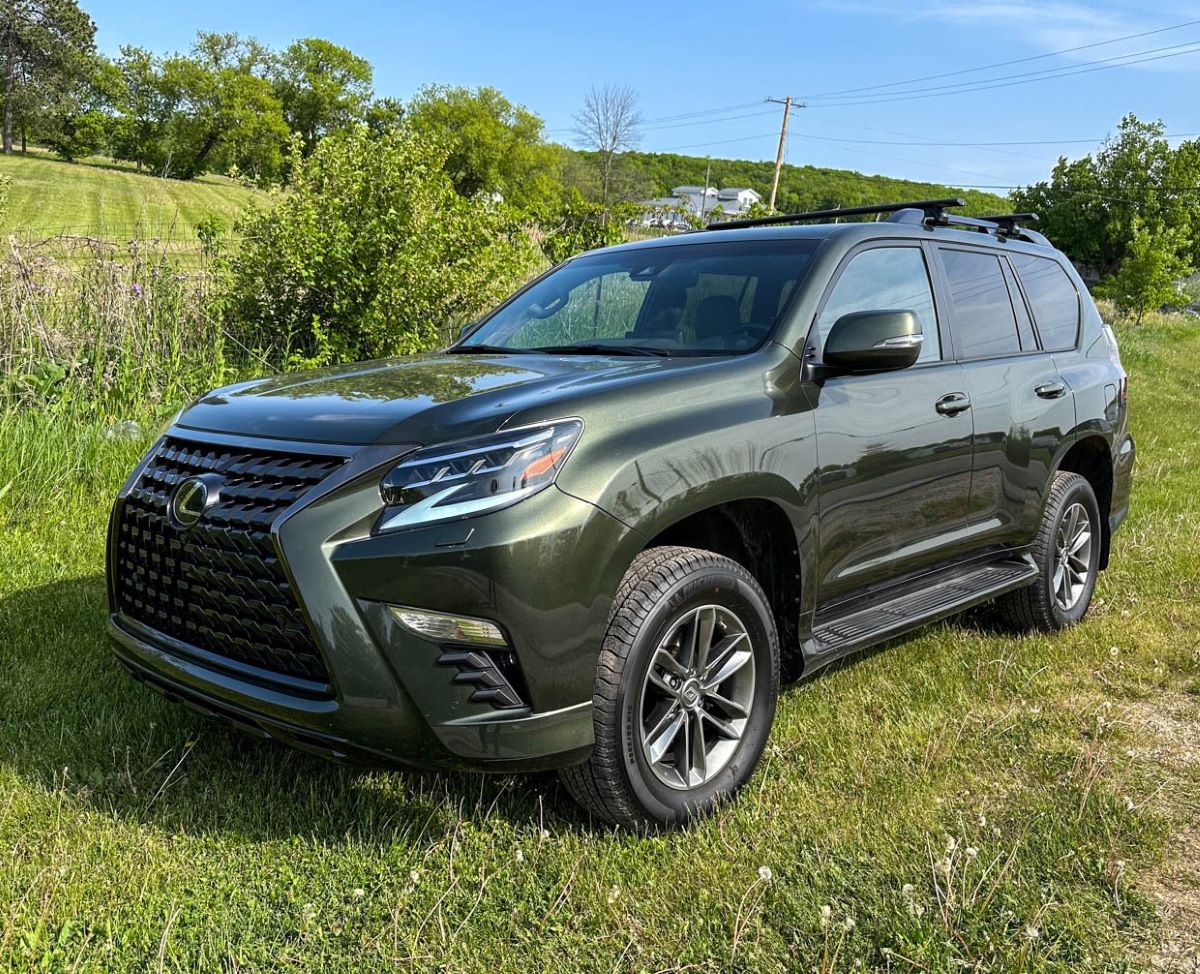
2. Lexus GX
The Lexus GX has a reputation for combining comfort and toughness in a way that continues to impress even as the years pass. Its body-on-frame design provides a level of solidity that allows the SUV to remain composed even when subjected to rough terrain or long-term use.
The GX’s interior, while not ostentatious, uses high-quality materials that resist wear, and the cabin retains a sense of refinement long after purchase. Seats remain supportive and comfortable, and the layout of the dashboard continues to feel intuitive rather than cluttered.
Drivers often remark on the quietness of the cabin, which allows the GX to maintain a serene driving experience even at higher mileages. Compared with many luxury SUVs that rely heavily on technology to impress, the GX continues to rely on dependable engineering, which helps preserve a timeless sense of quality.
One of the GX’s most appealing traits is the way it balances luxury with genuine capability. While many SUVs lose their composure over time, the GX often maintains smooth handling and consistent ride quality. Its suspension remains capable of managing both highways and uneven roads without introducing harshness or rattles.
This dual nature of comfort and ruggedness gives drivers confidence in a wide range of driving conditions. Over years of ownership, the vehicle continues to provide a reliable, stable, and enjoyable experience. The combination of dependable performance and long-lasting comfort contributes to the SUV’s enduring sense of desirability.
The simplicity of the GX’s design philosophy also helps it age gracefully. Instead of relying on flashy trends or gimmicky technology, the SUV emphasizes function, ease of use, and reliability. Even after several years, owners find that controls remain straightforward and materials continue to hold up.
Features that are practical when new continue to serve the owner well over time, avoiding the sense of obsolescence that can affect other vehicles. By focusing on usability rather than trendiness, the GX preserves a sense of dignity and restraint, which makes it appealing to those who prefer a dependable, grounded driving experience.
The GX’s powertrain contributes significantly to its enduring appeal. Its engine provides consistent power delivery, while the transmission offers smooth and predictable performance. Even at higher mileages, the vehicle tends to remain responsive and easy to drive.
This reliability fosters confidence, allowing drivers to focus on the driving experience rather than worrying about mechanical issues. The combination of robust engineering, long-lasting comfort, and a practical, well-thought-out design ensures that the Lexus GX continues to feel special years after it first rolls off the lot.
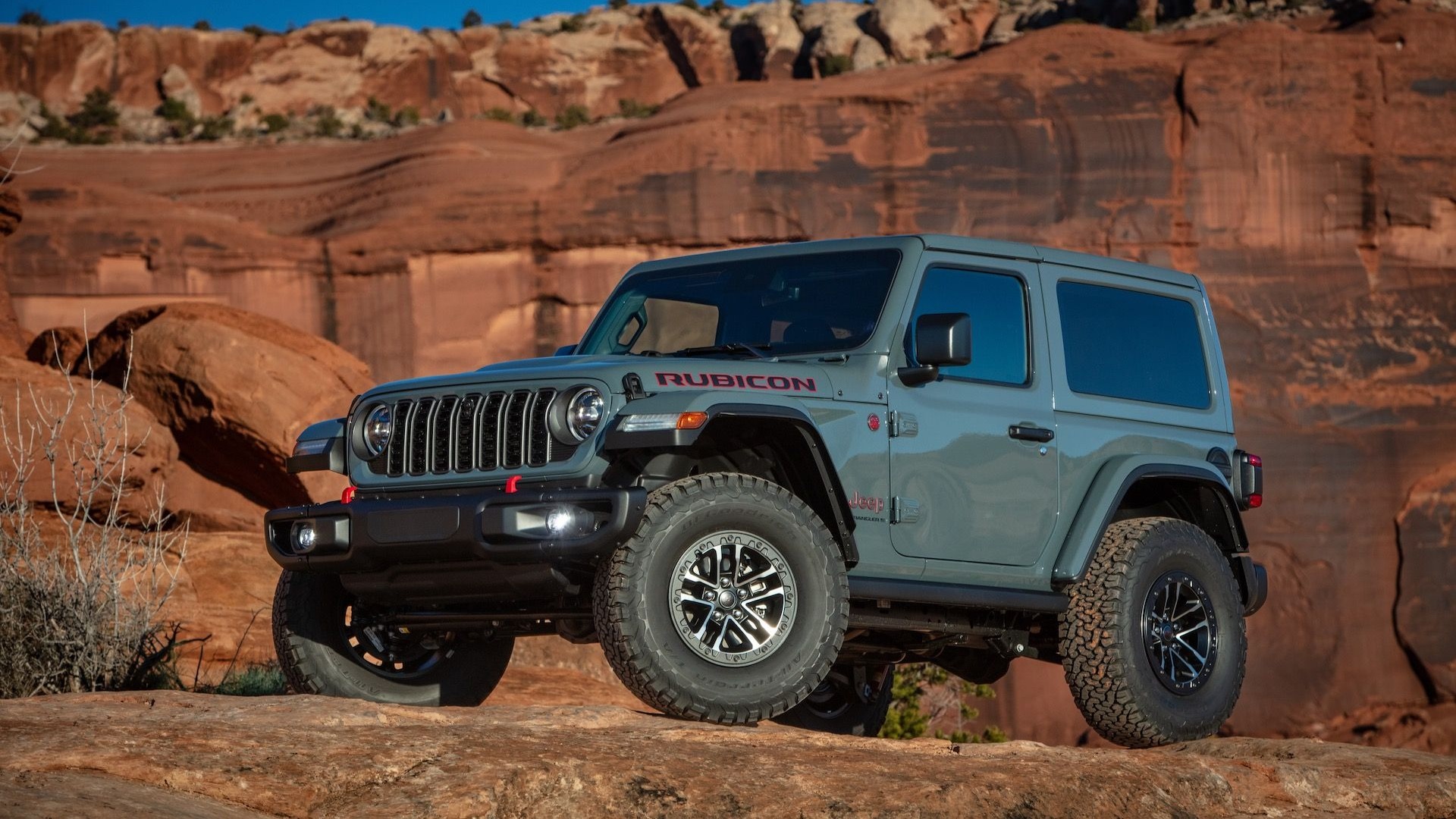
3. Jeep Wrangler
The Jeep Wrangler is a rare SUV that retains a distinctive personality even after years of use. Its open-air design, removable doors, and rugged exterior create a unique sense of freedom that older models maintain remarkably well. While many SUVs lose character as they age, Wranglers continue to offer an experience that feels adventurous and engaging.
Owners often describe a deep connection to the vehicle that does not diminish over time. The Wrangler’s mechanical simplicity also allows it to remain functional and enjoyable even with extensive use, which adds to its long-term appeal.
Wranglers are also celebrated for their mechanical honesty. Unlike SUVs that attempt to mask aging through electronic systems or over-engineered components, Wranglers maintain a straightforward approach to driving. Steering, suspension, and drivetrain components tend to wear gracefully, and even older models retain predictable performance.
Drivers know what to expect, and that predictability becomes part of the vehicle’s charm. The Wrangler does not pretend to be refined in the luxury sense; instead, it preserves its unique identity as a capable, no-nonsense off-road vehicle that rewards engagement.
Customization is another factor that keeps the Wrangler feeling fresh. Owners often personalize their vehicles with modifications such as lift kits, aftermarket wheels, or interior upgrades.
This adaptability allows the SUV to evolve alongside its driver, ensuring that even older models feel relevant and unique. Each Wrangler can reflect the personality and lifestyle of its owner, making it much more than a generic vehicle. This ability to remain adaptable while preserving core character strengthens the sense of long-term attachment.
Finally, the sense of adventure associated with the Wrangler does not fade over time. Whether tackling trails, crossing rivers, or cruising on highways, the vehicle continues to deliver excitement and engagement. Its distinct off-road capability and hands-on driving experience ensure that each journey feels meaningful.
Owners often report that their Wranglers feel just as spirited and alive after years of use as they did when new. This enduring vitality keeps the SUV feeling special in ways that go beyond mere functionality or style.
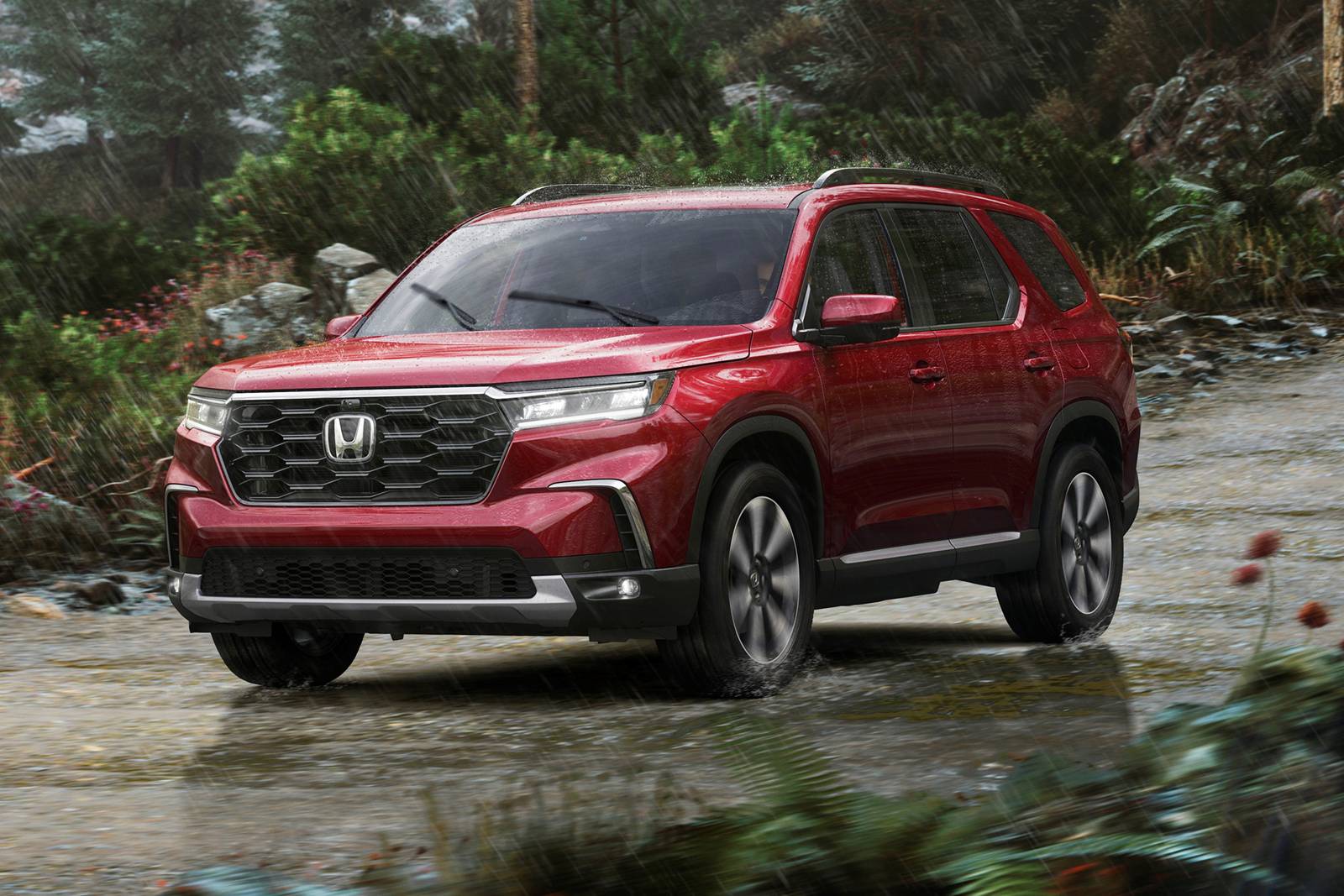
4. Honda Pilot (Earlier Generations)
Earlier generations of the Honda Pilot offer a blend of practicality and comfort that continues to impress years after purchase. The interior is spacious, with flexible seating arrangements that adapt to families or cargo needs. Materials tend to age well, resisting fading and wear that can make other SUVs feel outdated.
The driving experience remains smooth, with responsive steering and a stable ride, even at higher mileages. The combination of dependability, usability, and comfort gives the Pilot a long-lasting appeal, making it an enduring choice for families and commuters alike.
The Pilot maintains a strong sense of usefulness over time. Its large cargo areas, adjustable seating, and well-placed storage compartments make it easy to accommodate a variety of needs. Even as the family grows or lifestyle demands change, the vehicle continues to meet these needs effectively.
This adaptability contributes to a feeling of relevance, which helps maintain the SUV’s special status. While style trends shift and newer vehicles may offer flashier features, the Pilot continues to provide a straightforward, reliable, and satisfying driving experience.
Reliability plays a critical role in the Pilot’s enduring appeal. Engines and transmissions are known to last well beyond average expectations, often requiring only routine maintenance. This consistent performance fosters a sense of trust between the vehicle and its owner.
Drivers do not need to worry about sudden breakdowns or unpredictable mechanical issues, which allows them to enjoy the driving experience fully. The combination of practical design and dependable engineering ensures that older Pilots continue to offer a pleasant and stress-free ownership experience.
The simplicity and familiarity of earlier Pilots also contribute to their long-lasting charm. Interiors do not rely on complex systems or trend-driven technology, so they age gracefully. Seats remain comfortable, dashboards remain intuitive, and controls continue to function predictably.
This reliability and ease of use create a sense of comfort and stability that becomes more valuable as the vehicle ages. Drivers often appreciate the balance of practicality, comfort, and dependable performance, making the Pilot a special vehicle even after many years on the road.
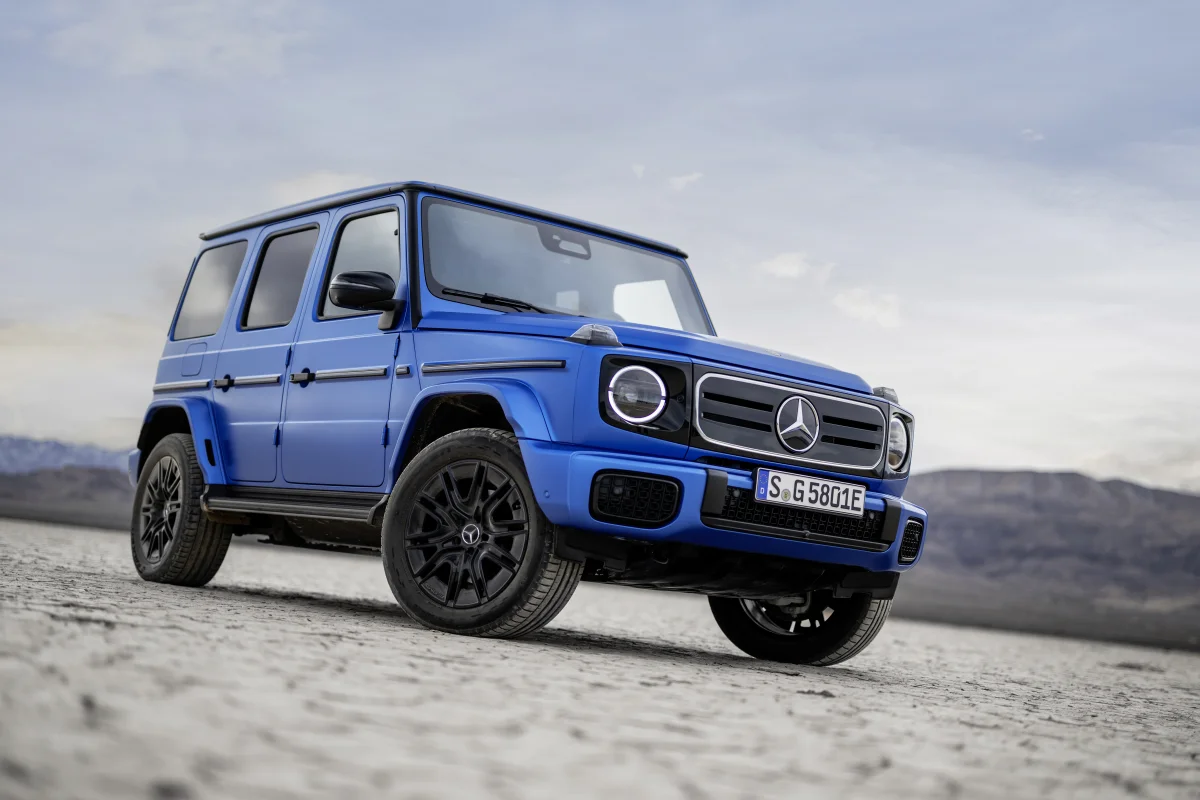
5. Mercedes G Class
The Mercedes G Class has a commanding presence that endures over time. Its iconic boxy design has remained remarkably consistent, giving the SUV a timeless, recognizable character. Even older models retain a strong road presence, appearing substantial, capable, and distinctive.
The vehicle’s construction exudes solidity, with heavy doors, a high beltline, and robust body panels that contribute to a sense of security and confidence. Drivers report that even at high mileage, the G Class retains a distinct mechanical feel that communicates strength and durability.
Another element of the G Class’s long-lasting appeal is the sensation of control it provides. Its high seating position and solid chassis create a feeling of authority on the road. Steering, suspension, and brakes continue to deliver consistent feedback even as the vehicle ages.
Unlike many luxury SUVs that lose their composure over time, older G-Classes maintain a tangible sense of poise. This combination of visibility, road presence, and mechanical consistency ensures the SUV remains enjoyable and distinctive for years.
The interior craftsmanship also helps the G Class retain its appeal. While simpler than some modern luxury SUVs, the cabin uses quality materials that age gracefully. Leather, metal accents, and wood trims retain a sense of sophistication and durability.
The combination of rugged exterior character with carefully considered interior touches creates a balanced experience that continues to feel rewarding. Even years later, the G Class offers a sense of identity, reliability, and prestige that few SUVs can match.
FIVE SUVS THAT LOSE THE CHARM
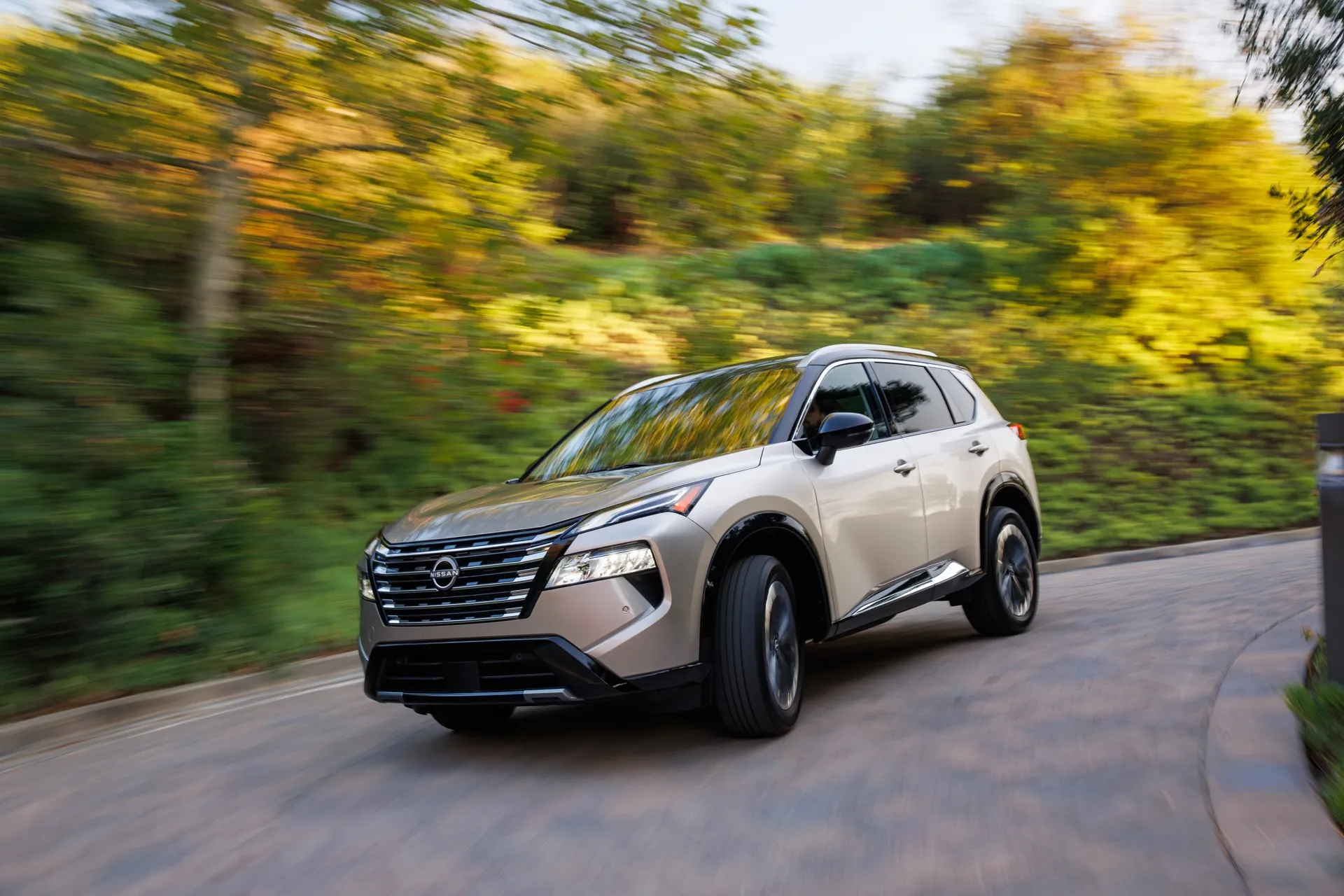
1. Nissan Rogue (Earlier Generations)
Earlier Nissan Rogue models often start with solid appeal but gradually lose some of their charm as they age. Interior materials, which initially seemed sufficient, can show significant wear after a few years. Plastics may become brittle or scratch easily, and upholstery can fade or sag, making the cabin feel less comfortable and less refined than when new.
Even routine use can lead to rattles or creaks, particularly around doors and panels. While the vehicle remains functional, this wear contributes to a sense of decline in quality. Drivers who initially admired the smooth, quiet cabin may notice that the Rogue begins to feel less premium and more ordinary as time goes on.
The driving dynamics also tend to deteriorate over time. Steering responsiveness may decrease, creating a sense of looseness on the road, while suspension components may wear, resulting in a softer, less controlled ride. Older Rogues can begin to feel unsettled over uneven pavement, and braking may lack the crispness experienced in newer models.
These subtle changes accumulate, making the vehicle less satisfying to drive. What once felt precise and confident may start to feel pedestrian, reducing the emotional appeal that initially drew owners to the Rogue.
Technology features contribute to the feeling of obsolescence. Early infotainment systems, while modern at the time of release, may now feel slow, clunky, or limited in capability.
Navigation, audio, and connectivity functions may lag behind newer systems, creating a contrast between the driver’s expectations and reality. Buttons and controls can also wear, making interactions less tactile and enjoyable. Over time, what was once a highlight of the driving experience can become a source of frustration or disappointment, further eroding the vehicle’s charm.
Finally, the Rogue often lacks a lasting personality that endures as it ages. While it performs its basic function of transportation adequately, it does not retain any unique traits or driving characteristics that create lasting enthusiasm.
Older models can feel anonymous in traffic, blending into a sea of similar crossovers. Without distinctive qualities to sustain attention or affection, the Rogue gradually loses the appeal it had when new, becoming practical but unremarkable.
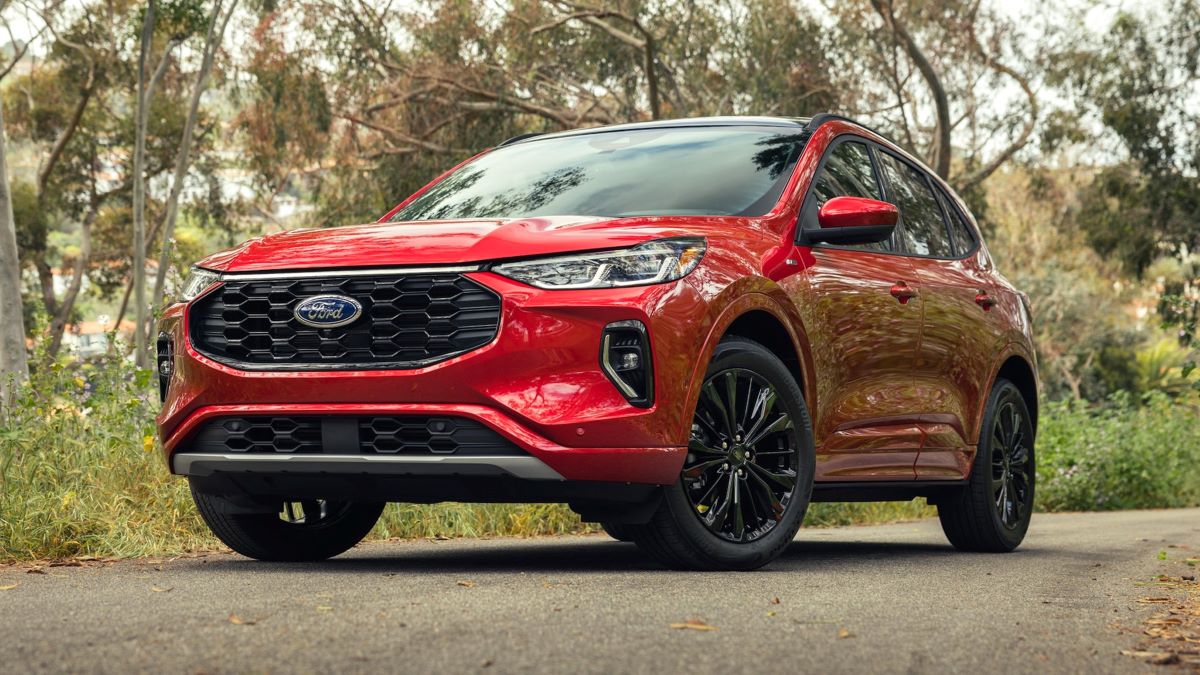
2. Ford Escape (Certain Generations)
Certain generations of the Ford Escape begin with visual appeal and practicality but show signs of aging that reduce their charm. Interior components, especially plastics on the dashboard and door panels, may warp, fade, or become loose. Seats can lose support, cushions may flatten, and upholstery can fray or stain over time.
These cumulative changes make the cabin less inviting and less comfortable, undermining the initial sense of value. Drivers often find themselves noticing rattles and squeaks that were not present when the vehicle was new, creating a perception of declining quality.
Technology aging plays a significant role as well. Infotainment systems, touchscreens, and integrated controls in older Escapes may become slower and less reliable, lagging behind newer vehicles in responsiveness and usability.
Additionally, features like Bluetooth connectivity, navigation, and climate controls may not function as seamlessly as in modern vehicles. This gap between expectations and reality can frustrate drivers, making the SUV feel outdated and less capable over time.
Finally, the exterior design can age in a way that diminishes appeal. What was once considered stylish may begin to look generic or dated, especially compared with competitors that adopt sleeker or more contemporary aesthetics. Combined with interior wear and declining driving dynamics, the effect is a vehicle that no longer feels exciting or distinctive. Over time, the Escape becomes a practical, functional SUV but loses the character that originally attracted buyers.
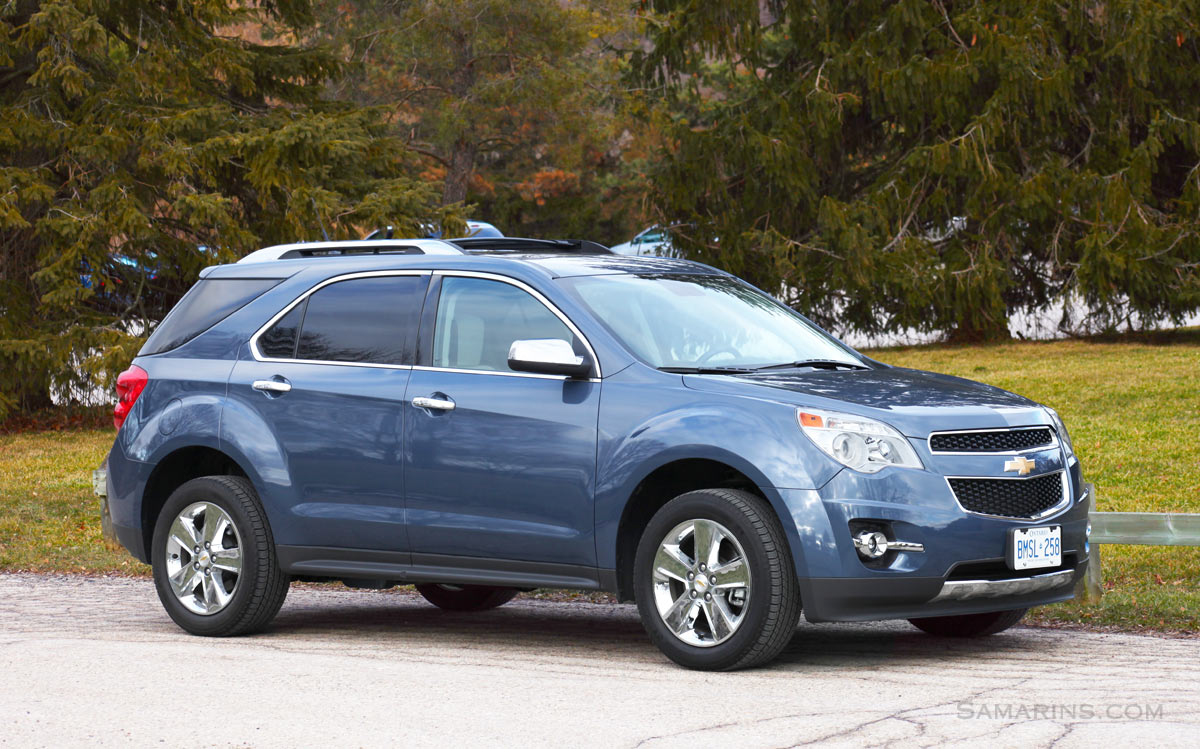
3. Chevrolet Equinox (Earlier Models)
Earlier Chevrolet Equinox models often entered the market as practical, affordable crossovers, but their charm tends to fade relatively quickly. Interior materials, including plastics and upholstery, often show signs of wear sooner than expected, leading to a cabin that feels less premium and more utilitarian.
Surfaces can scratch or fade, and seats may develop creases or lose cushioning. Even the tactile feel of buttons and knobs can degrade, contributing to an impression of declining quality. While still functional, the Equinox’s interior begins to feel less inviting over time.
Handling and steering feedback may deteriorate with age, further impacting the driving experience. Older Equinox models can feel soft or vague when cornering, and suspension wear can create a floaty sensation on uneven roads. Drivers may notice reduced stability during higher-speed maneuvers, which can make the SUV feel less capable and less engaging. This decline in driving precision diminishes the sense of connection that initially made the vehicle appealing.
Finally, the Equinox often lacks a distinctive personality or identity that survives long-term use. While functional and practical, it does not offer traits that create an emotional attachment.
Owners may feel that the SUV blends into the background over time, losing the initial excitement or sense of pride. Without memorable qualities to sustain interest, older Equinox models become ordinary, meeting basic transportation needs but lacking the sense of charm that made them appealing at first.
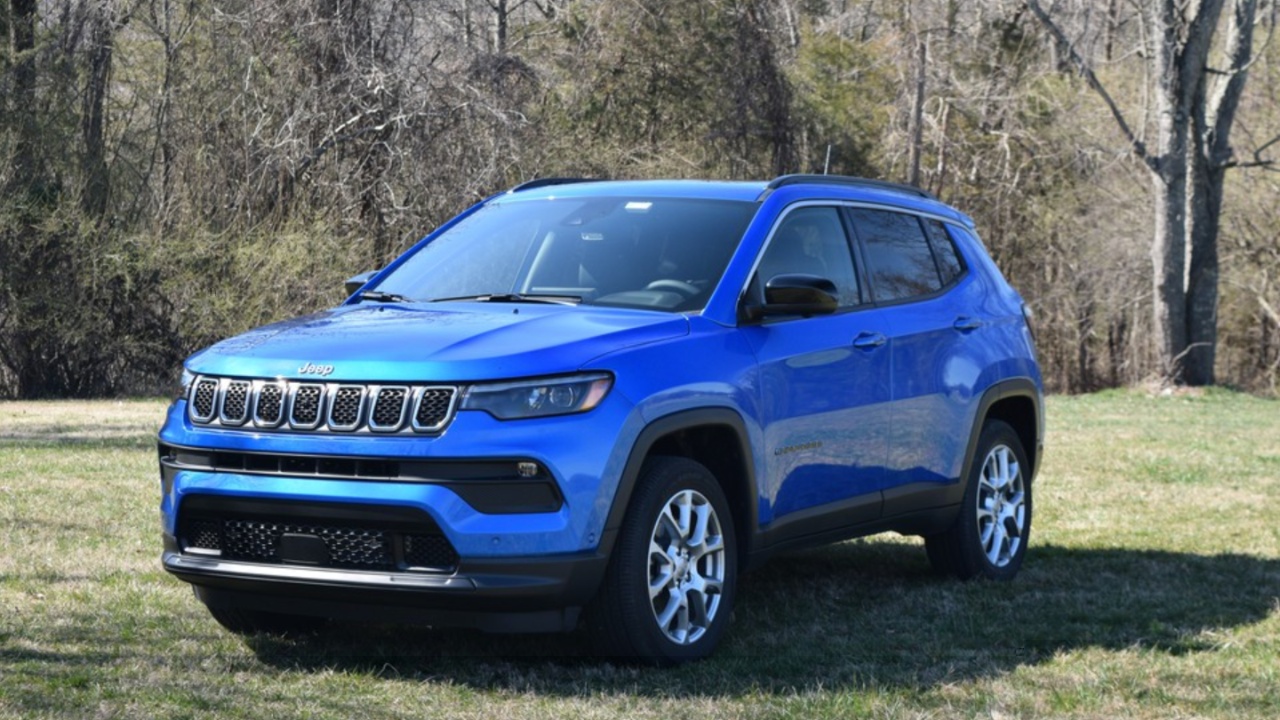
4. Jeep Compass (Earlier Generations)
Earlier Jeep Compass models lose charm rapidly due to interior materials and build quality. Plastics, upholstery, and trim pieces may degrade faster than expected, creating a sense of wear and neglect.
Buttons and controls can feel loose or unresponsive, while seats may flatten or become uncomfortable after years of use. These interior deficiencies make the cabin feel less inviting and reduce the enjoyment of driving or traveling in the vehicle, particularly on longer trips.
The driving experience can also become unsatisfying. Early Compass models often have underpowered engines that struggle with acceleration, and over time, these limitations become more pronounced.
Transmission performance can deteriorate, resulting in delayed or rough gear shifts. Steering and handling, while adequate initially, may feel vague or imprecise as suspension components wear. These mechanical factors contribute to a sense that the vehicle is less engaging and less capable than when it was first purchased.
Despite carrying the Jeep name, older Compass models do not always provide the adventurous or rugged experience associated with the brand. While the SUV can handle light off-road conditions, it lacks the distinctive personality or capability that many Jeep enthusiasts seek.
Over time, the Compass can feel ordinary and unremarkable, lacking the identity and excitement that owners expect from the brand. The result is a vehicle that performs its basic function but fails to maintain long-term appeal.

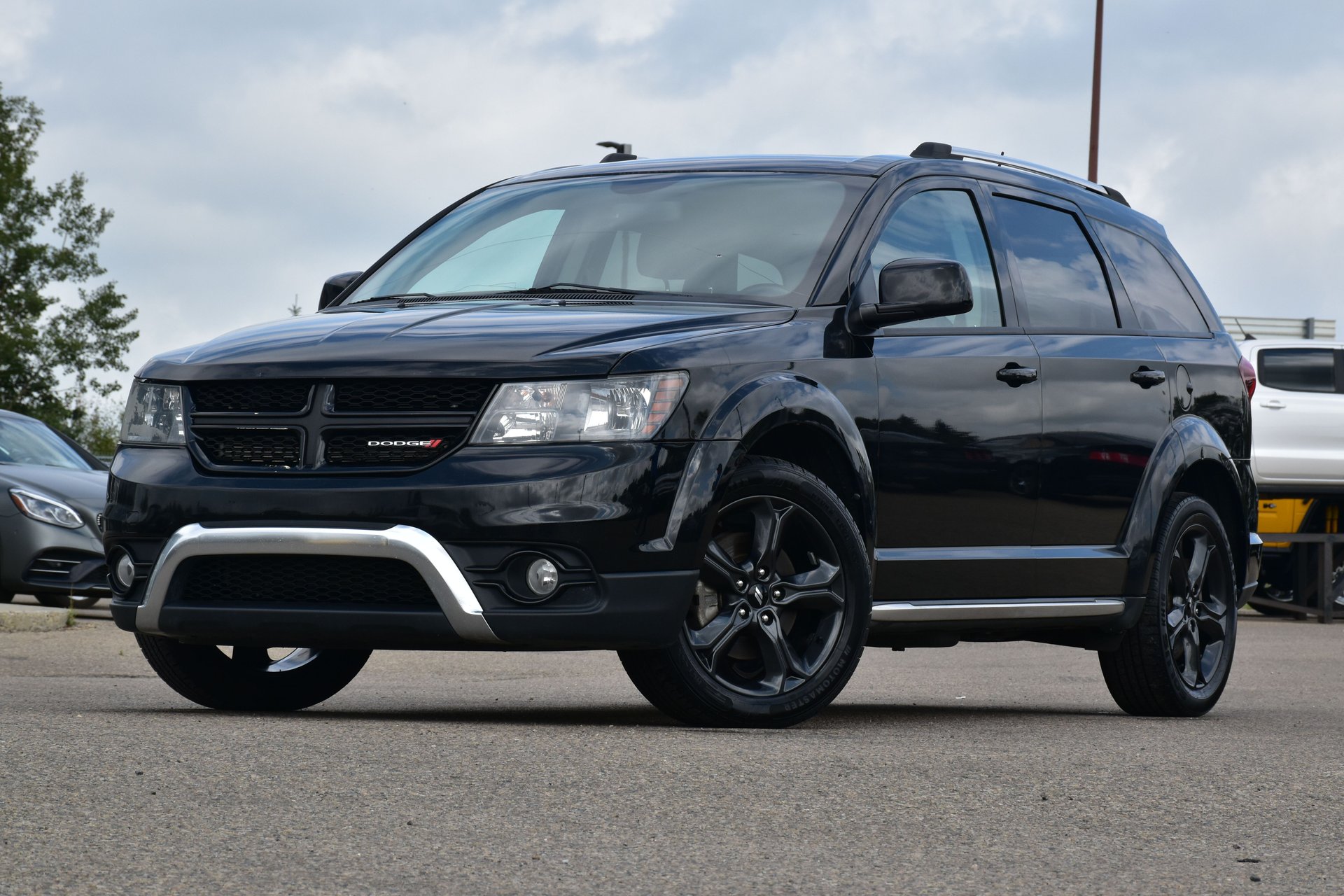
5. Dodge Journey
The Dodge Journey initially attracts buyers with its practicality, seating capacity, and affordability, but it often loses charm as it ages. Interior surfaces, including dashboards, panels, and seats, can show signs of wear quickly.
Upholstery may fade, and trim pieces can loosen, creating a sense that the cabin has aged prematurely. Even small issues like creaking doors or rattling panels add to a perception of declining quality, making the interior feel less satisfying over time.
Technology features in the Journey also age quickly. Infotainment systems, touchscreens, and audio controls may become slow or unresponsive, creating frustration for drivers accustomed to modern interfaces. Connectivity and navigation functions may feel outdated, making the SUV seem less capable compared with newer vehicles. These aging systems amplify the sense that the vehicle has lost relevance and appeal.
Finally, the driving experience deteriorates with time. Noise levels inside the cabin may increase, and ride quality can decline, making the Journey feel less refined. The combination of aging materials, mechanical wear, and outdated technology contributes to the vehicle losing the sense of excitement or charm it had when new.
While still functional as a family or commuter vehicle, the Dodge Journey gradually becomes ordinary and unremarkable, lacking the qualities that initially attracted buyers.
