
Electric vehicles (EVs) have gained significant attention over the past decade due to their environmental benefits, technological advancements, and performance capabilities. Among the many aspects that buyers consider, driving dynamics and stability under a full load are often overlooked until they experience it firsthand.
Unlike traditional internal combustion vehicles, EVs carry heavy battery packs that influence weight distribution, center of gravity, and suspension behavior. Some EVs manage this weight exceptionally well, maintaining composure even when fully loaded with passengers or cargo.
Others, while offering impressive performance on paper, tend to sag or sway under similar conditions, affecting driver confidence and ride comfort. The impact of this behavior is not merely about comfort; it affects handling, braking, and safety. Understanding which EVs handle their full load gracefully and which ones struggle can be crucial for families, long-distance travelers, or anyone who frequently drives with passengers and cargo.
Weight management in EVs is a subtle but essential engineering challenge. The placement of the battery pack, the stiffness of the suspension, and the vehicle’s chassis design all play a role in how the vehicle reacts when fully loaded. Vehicles that maintain stability usually combine low center-of-gravity designs with adaptive suspension systems and well-balanced weight distribution.
Conversely, EVs that sag or sway often have softer suspensions that were tuned primarily for light or moderate loads, making them less effective when the vehicle approaches maximum capacity. This difference can lead to excessive body roll in corners, uneven braking, and a general feeling of unpredictability, which some drivers find uncomfortable or even concerning.
Another consideration is how manufacturers prioritize ride quality versus performance. Some EVs are designed with a sportier orientation, emphasizing acceleration and handling, which often translates to firmer suspension setups. These vehicles tend to perform better under load because their suspension can resist compression, keeping the cabin level and predictable.
On the other hand, vehicles designed primarily for comfort may feature softer suspensions and lower-grade shock absorbers, which can make the car feel unsettled when carrying a full load. This tradeoff can significantly influence a driver’s choice, depending on whether their priority is spirited driving, long-distance comfort, or reliable daily transport.
Finally, it is important to consider that electric vehicle technology is evolving rapidly. The early generations of EVs often struggled with weight distribution issues due to large, heavy battery packs mounted in less-than-ideal locations.
Newer models benefit from more advanced chassis engineering, electronic suspension aids, and torque vectoring systems that help maintain stability even under full load. Understanding these differences allows consumers to make informed choices based on their needs and driving style, ensuring that the EV they select provides a safe, comfortable, and confidence-inspiring ride whether empty or fully loaded.
EVs That Feel Stable with a Full Load
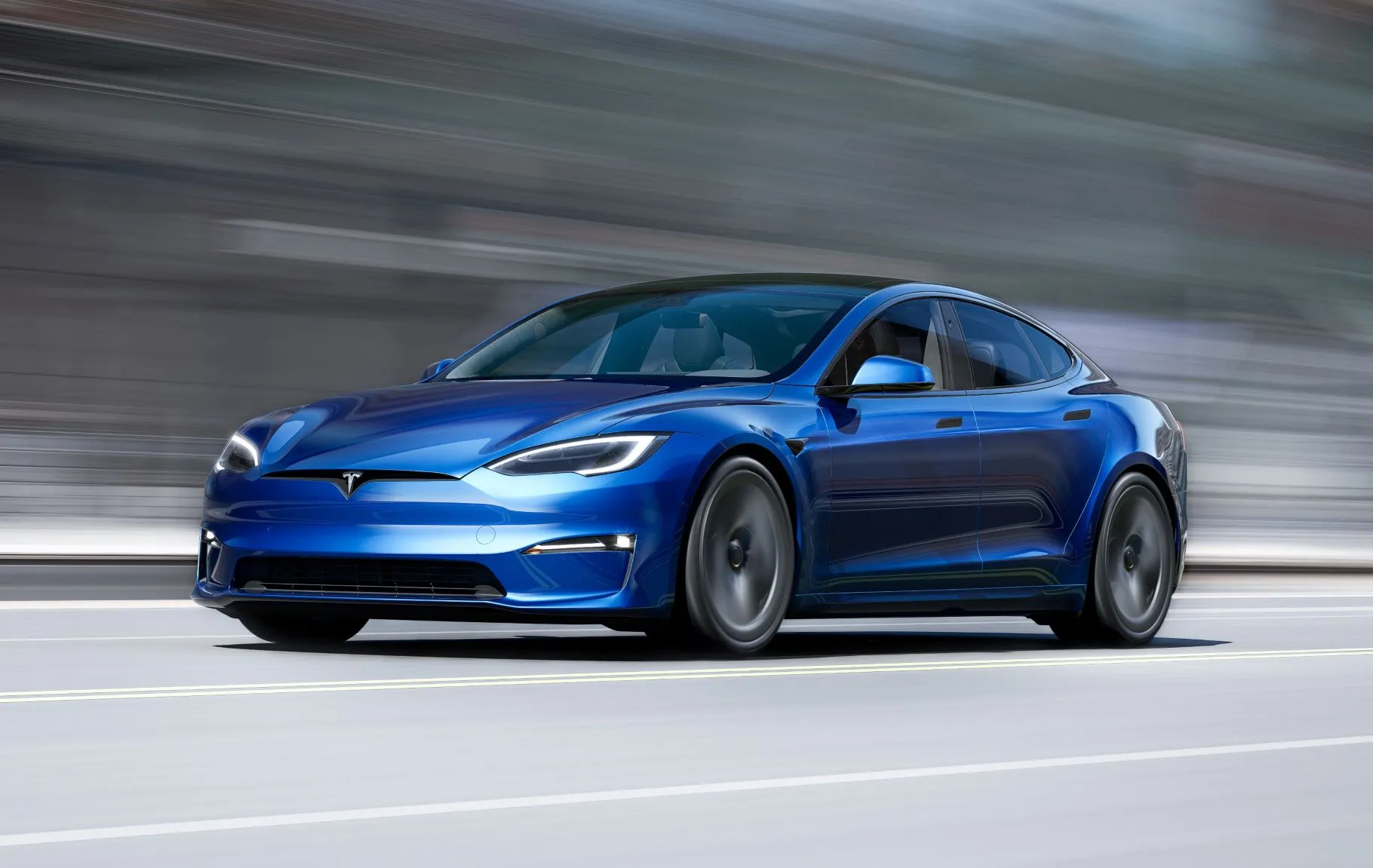
1. Tesla Model S
The Tesla Model S is widely regarded as one of the most stable electric vehicles on the market, and this reputation is well-earned when considering full-load conditions. Its large battery pack is mounted low in the chassis, which not only lowers the center of gravity but also evenly distributes weight across the vehicle.
This layout significantly reduces rear sag even when the car is carrying multiple passengers and a substantial amount of luggage. The adaptive air suspension system automatically adjusts ride height and damping, compensating for extra weight and maintaining a consistent level stance. Drivers notice that even with maximum occupancy, the rear does not feel heavy or compressed, which contributes to confidence in handling.
Handling in the Model S under full load remains precise and predictable, a feature that sets it apart from many other electric sedans. The steering retains responsiveness without feeling overly stiff, and the car’s weight distribution ensures that corners are negotiated with minimal body roll.
This is particularly during highway driving or quick lane changes, where excessive sway in other EVs can make drivers uneasy. Braking distances also remain predictable, with the vehicle maintaining traction and stability, even when the rear is fully loaded. Tesla’s careful calibration ensures that performance metrics such as acceleration and handling do not degrade under maximum passenger and cargo weight.
Passenger comfort is a major area where the Model S excels when fully loaded. The adaptive suspension absorbs road imperfections without transmitting harshness to the cabin, while maintaining a solid and planted feel. Long journeys with multiple passengers do not induce fatigue caused by uneven weight distribution or bouncing.
Rear-seat occupants, in particular, benefit from a balanced ride that keeps the vehicle level, ensuring that luggage or additional gear does not negatively impact the cabin experience. Even under cornering or sudden braking, passengers rarely notice excessive movement, highlighting the thoughtful engineering behind the chassis and suspension design.
Tesla also enhances the Model S’s stability through continuous software updates. Adjustments to torque distribution, traction control, and regenerative braking are refined over time, which improves stability even further under full load conditions.
This means that a Model S may handle additional weight better than many of its competitors right out of the factory, and it continues to improve over its service life. The combination of low center of gravity, adaptive suspension, and intelligent electronic systems ensures that the Model S remains a leader in stability, making it an excellent choice for families, long-distance travelers, and anyone who frequently drives fully loaded.
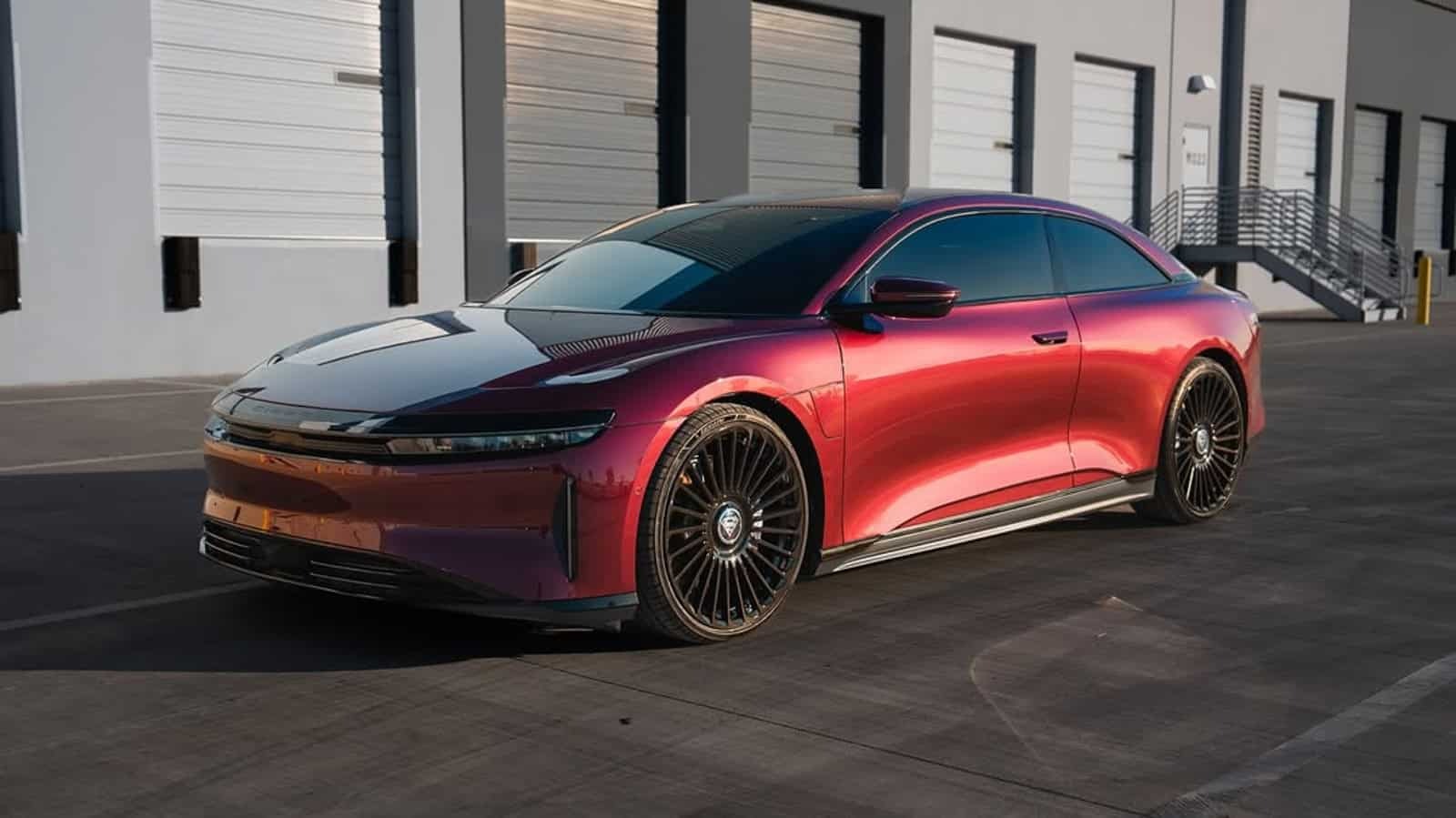
2. Lucid Air
The Lucid Air is engineered to combine luxury, performance, and stability, and its design reflects a careful focus on handling full loads. With a long wheelbase and a low-mounted battery pack, the vehicle maintains even weight distribution across all four wheels.
This creates a stable platform that resists sagging in the rear and minimizes sway, even when carrying a full complement of passengers and cargo. The dual-motor all-wheel-drive system ensures traction is balanced, distributing power efficiently and reducing uneven load effects during acceleration or braking. This design allows the vehicle to feel solid and composed, avoiding the floaty or unstable sensations that can occur in other EVs when fully loaded.
The Lucid Air’s suspension system further enhances stability. Air springs and electronic damping continuously adapt to load changes, keeping the cabin level and comfortable regardless of passenger count or cargo weight.
Unlike softer vehicles that compress excessively under maximum load, the Air maintains a controlled ride height, preventing sag in the rear and promoting consistent handling characteristics. Drivers notice that even over rough surfaces, the chassis remains composed, and the cabin does not feel unsettled by additional weight. This combination of adaptive suspension and carefully tuned damping is particularly beneficial during long drives, when fatigue can be exacerbated by inconsistent ride quality.
Driving dynamics in the Lucid Air remain predictable and reassuring under load. Steering feedback remains linear, allowing precise control during lane changes, cornering, or emergency maneuvers. The dual-motor system contributes to stability by dynamically adjusting torque between the front and rear wheels, which helps reduce body roll and maintain composure under full load.
This system also enhances traction on variable surfaces, ensuring that the vehicle feels planted in diverse conditions. Acceleration remains smooth and controlled, demonstrating that full-load stability does not compromise the Air’s performance-oriented design.
Passenger comfort is carefully prioritized in the Lucid Air. Rear-seat occupants experience minimal leaning or bouncing, and the adaptive suspension ensures that both comfort and stability are maintained simultaneously. Noise, vibration, and harshness control further improve the perception of solidity, preventing the cabin from feeling unsettled.
Whether navigating urban streets or open highways, the Lucid Air delivers a full-load driving experience that feels confident, secure, and luxurious, making it an excellent choice for drivers who value both performance and comfort when carrying maximum weight.
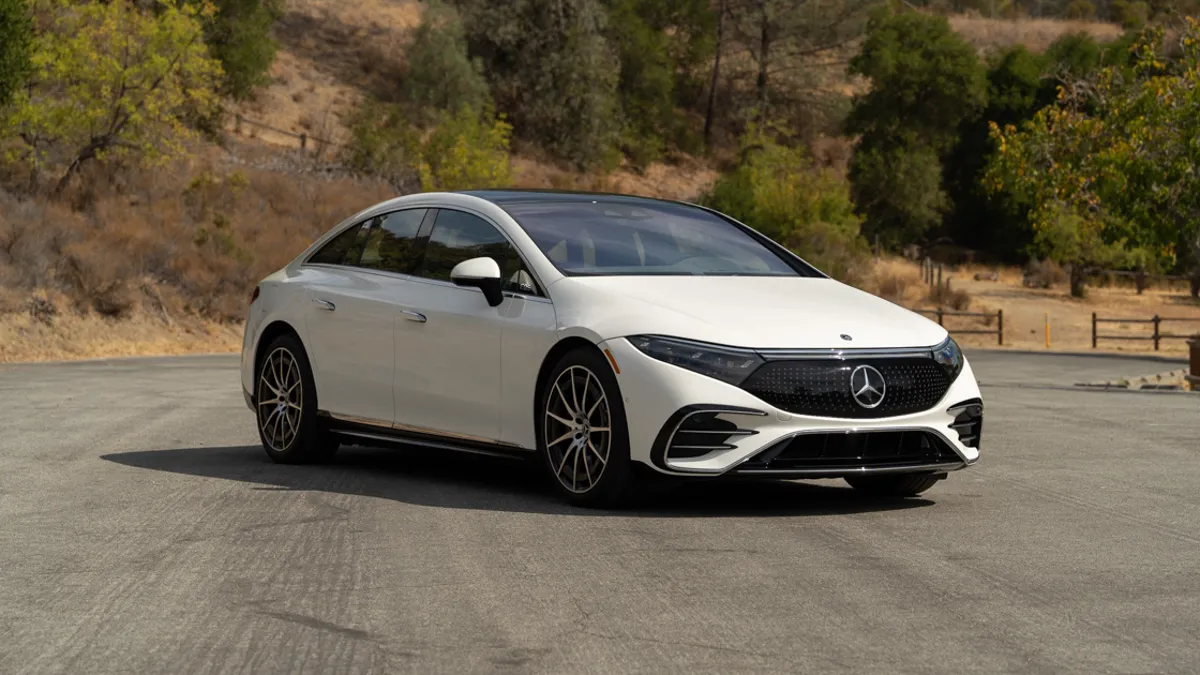
3. Mercedes-Benz EQS
The Mercedes-Benz EQS exemplifies full-load stability through a combination of advanced engineering and luxury-focused design. The large battery pack is positioned low and centrally in the chassis, reducing the center of gravity and evenly distributing weight.
The air suspension system is capable of actively compensating for added load, maintaining ride height and minimizing rear sag. This ensures that the vehicle remains level under full occupancy, with handling characteristics largely unaffected by weight. Even during sudden braking or sharp cornering, the EQS retains composure, offering a stable and predictable ride for both the driver and passengers.
The EQS’s handling under load is precise and linear. The steering retains a confident feel, with minimal body roll during cornering or lane changes. This is a significant advantage in a full-size luxury sedan, where the combination of size and weight can make stability a challenge.
Braking remains controlled, with the vehicle maintaining traction and balance across all wheels. The chassis design, combined with electronic stability systems, ensures that the EQS does not sway excessively under full load, offering an experience that feels both safe and reassuring.
Passenger comfort is another area where the EQS excels under full load. The air suspension system absorbs bumps and imperfections effectively while keeping the cabin level. Rear passengers in particular benefit from minimal sag or bouncing, even with maximum occupancy and luggage.
The combination of luxury seating, adaptive suspension, and chassis tuning ensures that long journeys remain comfortable and stable, without the unsettling feeling of a compressed rear end or excessive sway.
Mercedes-Benz also integrates electronic stability systems that enhance full-load handling. Adaptive damping, torque vectoring, and load-aware suspension adjustments all contribute to a composed ride, even in challenging driving conditions. These systems allow the EQS to maintain a solid, planted feel without compromising comfort or ride quality, making it one of the most capable fully loaded luxury EVs on the market.
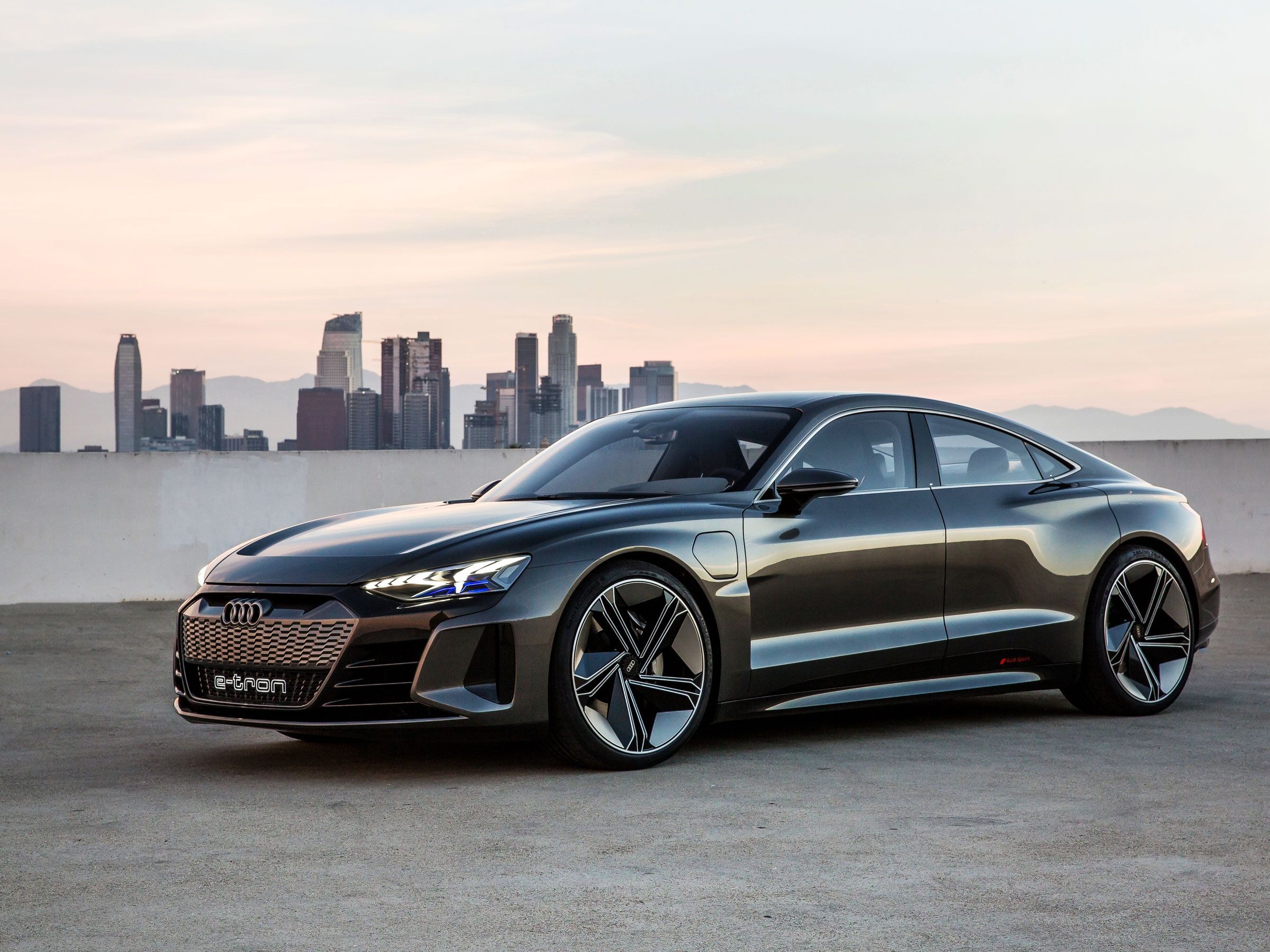
4. Audi e-tron GT
The Audi e-tron GT combines performance-oriented engineering with remarkable stability under full load. Its low-slung battery placement and dual-motor all-wheel-drive system provide a balanced platform that resists rear sag and excessive sway.
Unlike some performance EVs that compromise comfort for handling, the e-tron GT achieves a balance where weight distribution and suspension tuning work together to maintain composure under maximum occupancy. This ensures that passengers and drivers alike experience consistent ride quality even when the car is fully loaded.
The e-tron GT’s suspension is tuned to be firm enough for stability but compliant enough for comfort. In higher trims equipped with adaptive air suspension, the vehicle compensates for extra weight dynamically, maintaining an even ride height.
This prevents rear-end compression and ensures predictable handling under a variety of load conditions. Drivers notice that the vehicle remains level and composed, whether negotiating tight corners or cruising on highways.
Driving dynamics remain confident and responsive even when fully loaded. Steering feedback is precise, braking is predictable, and body roll is minimized, contributing to a sense of control. The dual-motor system adjusts torque in real time, improving traction and stability under acceleration, cornering, or braking. This ensures that the e-tron GT does not feel unsettled despite significant weight in the cabin or trunk.
Passenger comfort is further enhanced by the attention to chassis tuning and electronic stability aids. Rear occupants experience minimal sag or bounce, and the cabin retains a sense of solidity throughout the ride.
The combination of low center of gravity, adaptive suspension, and precise engineering allows the e-tron GT to remain comfortable and controlled, even under conditions that would cause many EVs to sag or sway noticeably.
5. Rivian R1T
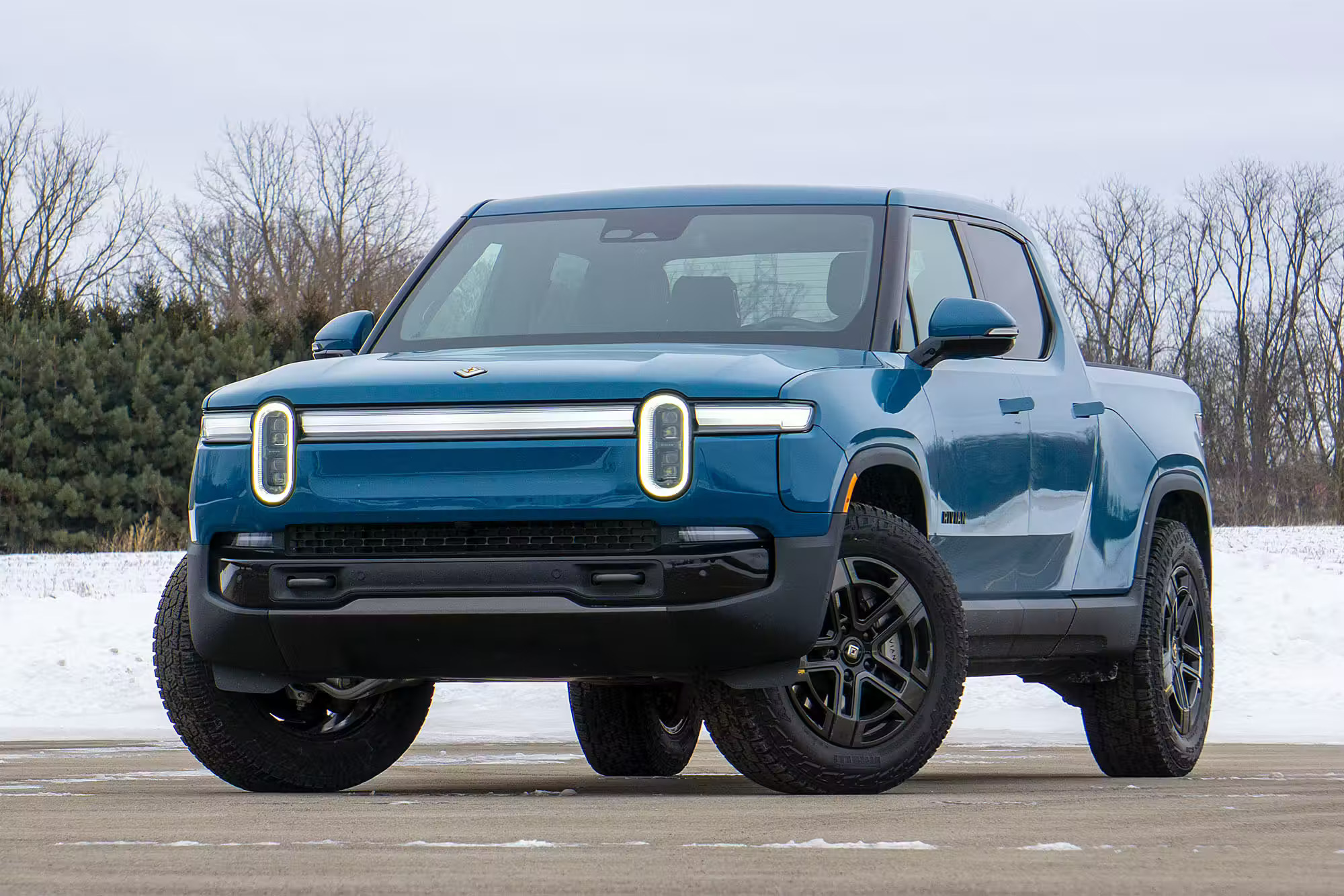
The Rivian R1T electric pickup demonstrates that utility and full-load stability can coexist. Despite its capability to carry heavy payloads, the R1T remains composed under maximum load, a result of careful battery placement and a low center of gravity.
The vehicle’s design minimizes rear sag and distributes weight evenly, ensuring that handling remains predictable even when fully loaded with passengers or cargo. This is particularly impressive for a pickup, where rear sag is a common issue when the bed is loaded.
The R1T’s adaptive air suspension system compensates for load changes, maintaining ride height and minimizing body roll. This ensures stability in cornering, highway driving, and off-road conditions. Even with the maximum payload, the R1T retains its composure, which provides confidence to drivers who might otherwise experience the floatiness or bouncing typical of other heavy trucks.
Driving dynamics are reassuring under load. Steering remains precise, braking performance is consistent, and torque distribution ensures that weight is managed effectively across all wheels. This allows the truck to maintain a stable, planted feel, even in situations where heavy cargo or multiple passengers would otherwise induce sway or sag.
Passenger comfort is enhanced by both the adaptive suspension and thoughtful chassis engineering. Rear-seat occupants experience minimal movement despite heavy loads, and the vehicle remains smooth over uneven terrain.
The combination of suspension adaptability, low center of gravity, and intelligent weight management makes the Rivian R1T a rare example of a fully loaded electric pickup that delivers stability without compromising utility or comfort.
EVs That Sag and Sway Under Full Load
1. Nissan Ariya
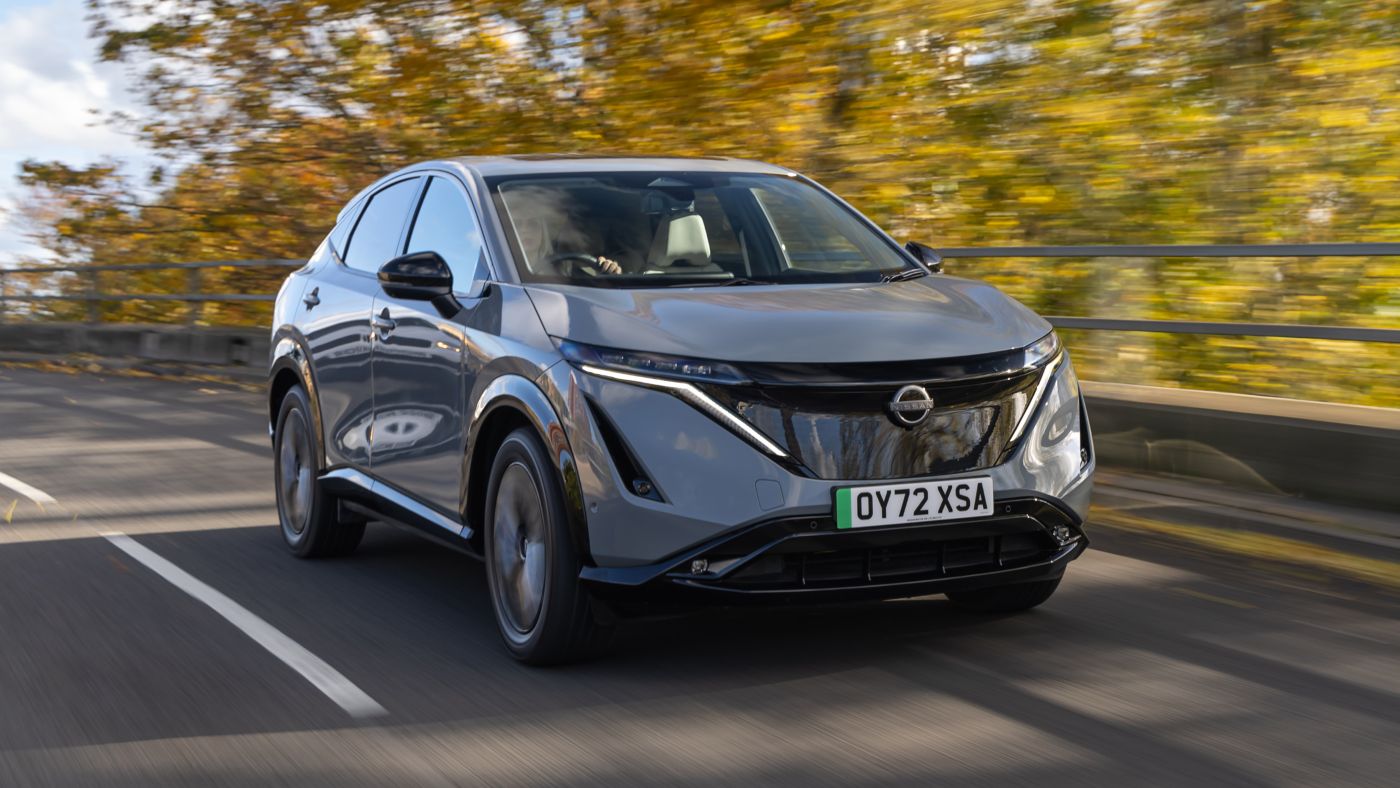
The Nissan Ariya, while offering a smooth and comfortable ride for light loads, tends to sag noticeably when fully loaded with passengers and cargo. Its suspension system, tuned primarily for comfort rather than maximum stability, compresses more under heavier weights.
This can result in a rear-end dip that subtly changes the vehicle’s balance, especially during acceleration, braking, or cornering. Drivers may notice that the rear feels softer and less controlled compared to vehicles designed to handle a full load, which can reduce confidence in handling, particularly on winding roads or during sudden maneuvers.
Handling under full load is affected by the increased rear compression. Steering may feel slightly less responsive, and body roll in corners can be more pronounced. The vehicle’s weight distribution shifts toward the rear, which may also slightly affect braking distances and the feeling of grip on the road.
While electronic stability control and traction management attempt to compensate, they cannot fully counteract the mechanical sag caused by the soft rear suspension. This makes the Ariya feel less predictable than competitors like the Tesla Model S or Lucid Air, which maintain a firmer stance under full load.
Passenger comfort is also impacted in full-load scenarios. Rear-seat occupants may notice increased bouncing or leaning, particularly when the vehicle encounters bumps or uneven road surfaces.
Cargo in the rear can exacerbate this sag, creating a subtle but persistent sense of instability in the cabin. For drivers who prioritize a solid, planted feel when the car is fully loaded, the Ariya may not provide the same confidence or stability as some other luxury or performance-oriented EVs.
2. Hyundai Ioniq 5
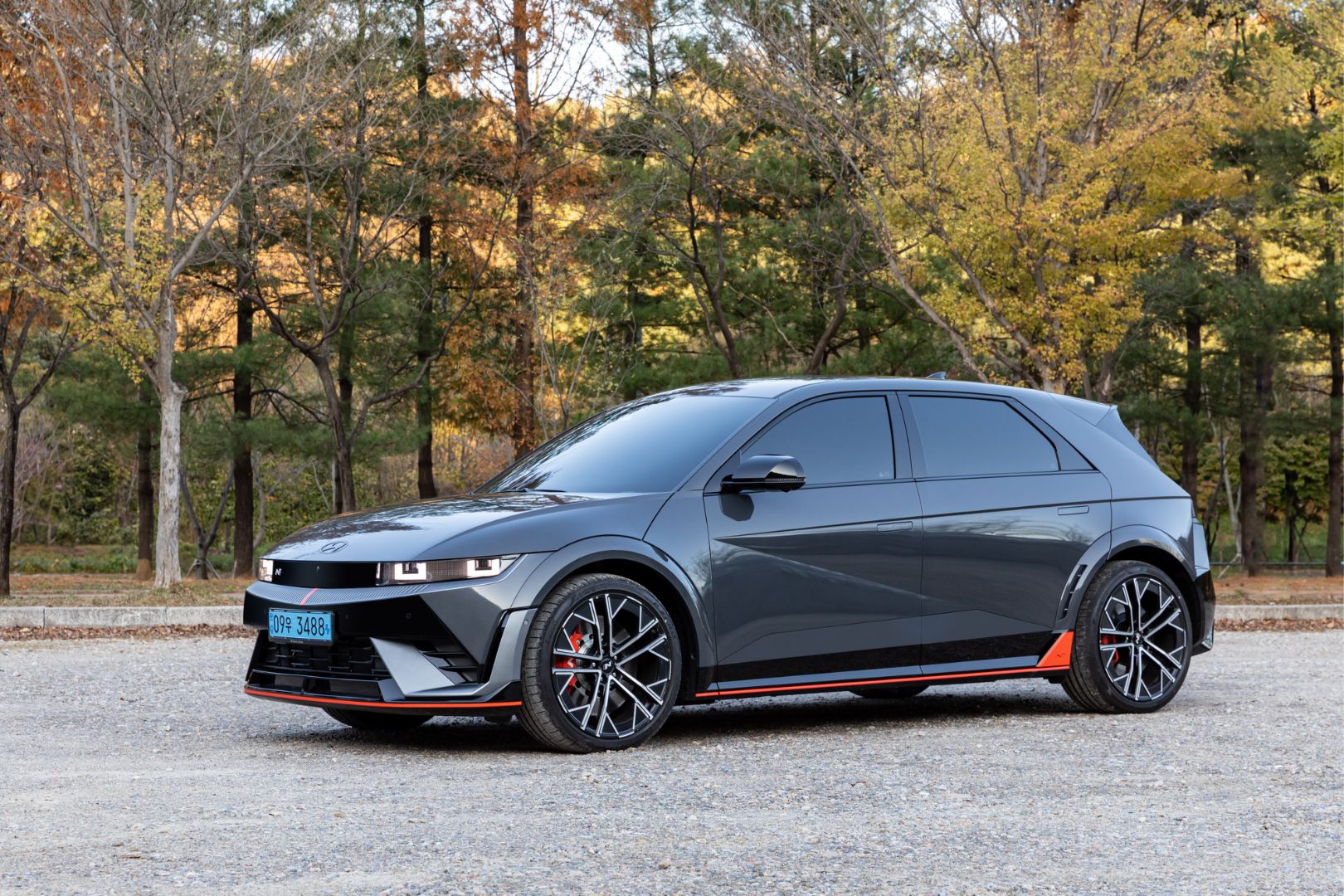
The Hyundai Ioniq 5 delivers a pleasant and quiet ride under light loads, but it shows noticeable rear sag when fully loaded. Its soft suspension setup, tuned for comfort and everyday driving, compresses significantly under heavy passenger or cargo weight.
This affects ride height and balance, creating a perception that the vehicle is bottoming out or leaning slightly, particularly during braking or sharp cornering. The effect can reduce driver confidence, especially for those accustomed to vehicles with firmer, more adaptive suspension systems.
Handling under full load is affected by the increased rear compression. Steering may feel slightly vague, and body roll becomes more pronounced during tight turns or high-speed lane changes.
Even though electronic aids like stability control and torque distribution work to compensate for the extra weight, they cannot fully offset the physical limitations of the soft suspension. Braking performance may also feel less predictable because the rear sag changes weight transfer dynamics, increasing the perceived stopping distance under heavy load conditions.
Passenger comfort is affected when the vehicle is fully loaded. Rear-seat occupants may experience more noticeable bounce over uneven pavement or speed bumps, and luggage or cargo in the rear can amplify this effect. The cabin may feel less solid and more “floaty,” which can make long-distance travel less comfortable compared to EVs designed to resist sag under full load.
The Ioniq 5 is ideal for solo driving or light passenger loads but is less suited for consistently carrying full occupancy or heavy cargo. Drivers should be aware that the vehicle’s soft rear suspension, while excellent for ride comfort under normal conditions, will result in sag and sway that may reduce handling precision and passenger confidence on longer trips or during spirited driving.
3. Ford Mustang Mach-E
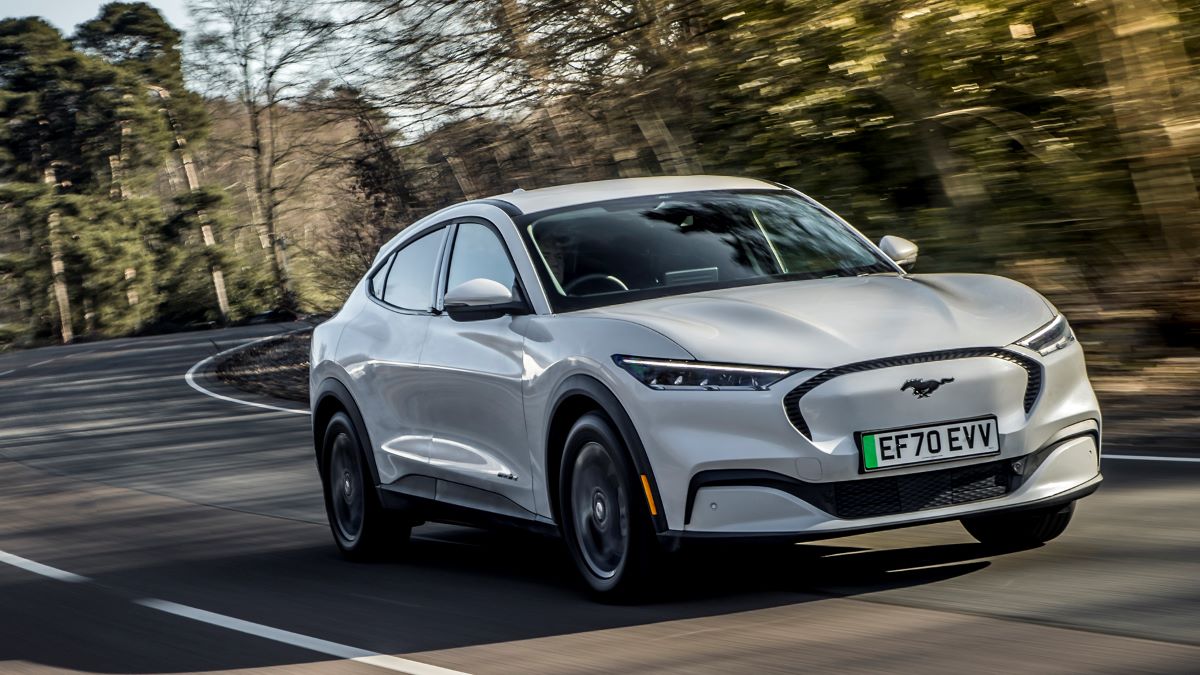
The Ford Mustang Mach-E, while offering an enjoyable performance-oriented driving experience, can feel less stable when fully loaded. Its rear suspension, designed to balance comfort and sporty handling, tends to compress significantly under maximum passenger or cargo weight.
This results in rear sag that slightly alters vehicle dynamics, affecting both cornering and braking. Drivers may notice that the rear feels softer and that the car leans more in corners, which can reduce confidence during aggressive driving or emergency maneuvers.
Handling under full load is impacted by increased body roll and slightly altered steering feel. The rear compression shifts weight distribution and can lead to a subtle imbalance in the chassis, making tight turns feel less precise.
Electronic stability systems help mitigate the effect, but they cannot entirely prevent the sensation of sagging and swaying. Braking may also feel different with a full load, particularly during emergency stops, as the rear compression can change how the vehicle’s weight shifts forward under deceleration.
Passenger comfort can be compromised under heavy loads. Rear-seat passengers may experience increased bouncing or leaning, especially over uneven roads, speed bumps, or potholes. Luggage or cargo in the rear can exacerbate this effect, making the cabin feel less solid and well-supported than in more fully engineered, load-compensating EVs.
For drivers prioritizing full-load stability and passenger confidence, this characteristic can be noticeable on longer drives.
The Mach-E is best suited for moderate occupancy or light cargo. While it remains enjoyable to drive and safe under full load, the soft rear suspension can create sag and sway that may be noticeable, particularly for those accustomed to more planted vehicles. Buyers who frequently carry multiple passengers or heavy loads may find that the Mach-E’s handling under full load is less composed than some of its competitors.
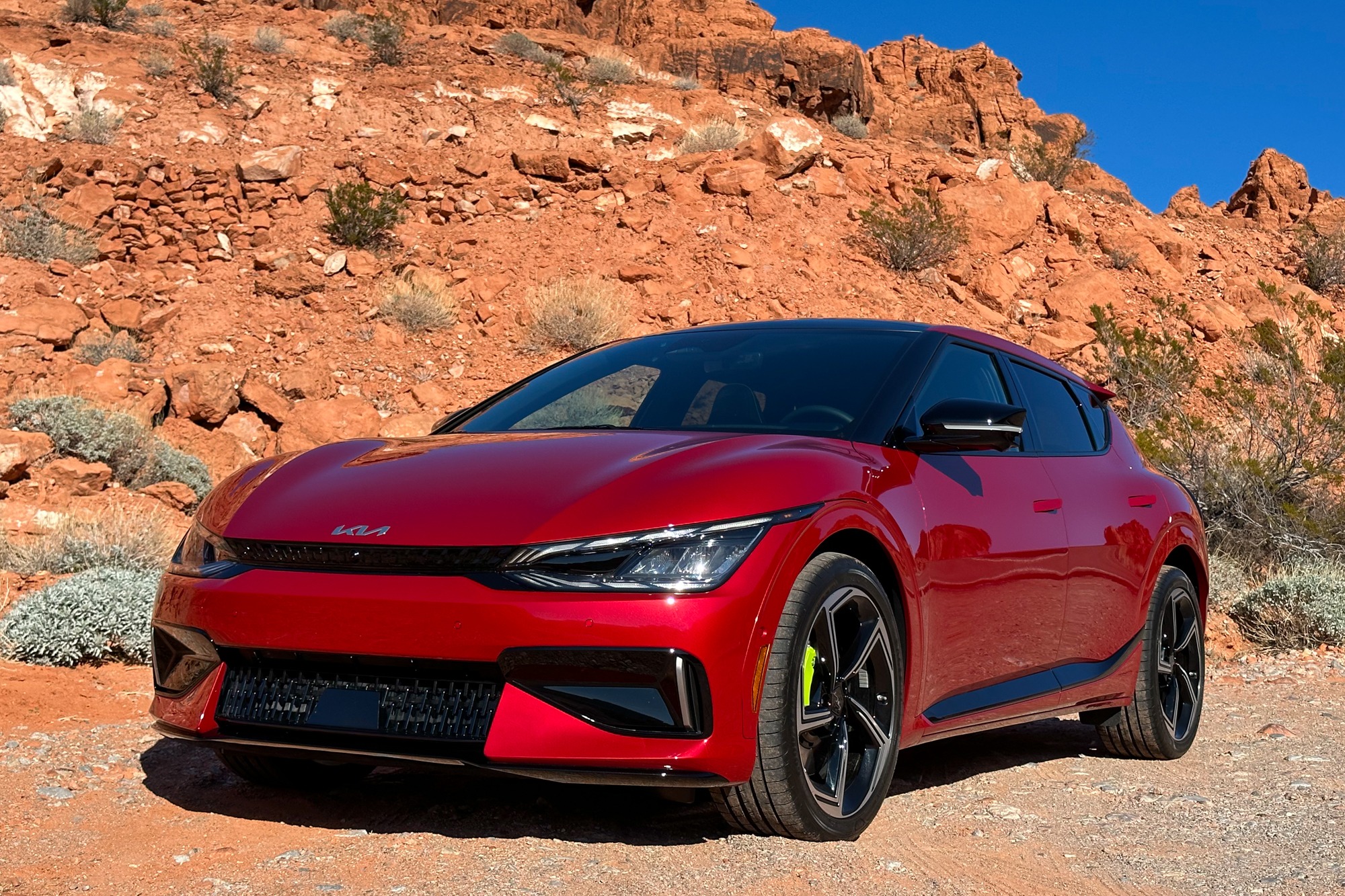
4. Kia EV6
The Kia EV6 offers a smooth, agile driving experience with light loads, but under maximum occupancy or cargo, it exhibits noticeable rear sag. Its suspension, designed for comfort rather than full-load stability, compresses when fully loaded, altering ride height and balance.
Drivers may notice that the rear feels softer and less controlled, particularly during cornering, braking, or highway driving. This can reduce confidence in handling during dynamic maneuvers or emergencies.
Handling under full load is affected by increased body roll and slightly reduced steering responsiveness. The rear sag changes the vehicle’s weight distribution, which can make the chassis feel less predictable during quick turns or evasive maneuvers.
While electronic stability aids and traction management work to correct some of these effects, the mechanical limitations of the soft suspension cannot be fully eliminated. Braking distances may also feel longer due to the weight shifting rearward under load.
Passenger comfort can also be compromised when the vehicle is fully loaded. Rear-seat occupants may notice increased bouncing over rough surfaces or uneven pavement, and luggage or cargo in the rear amplifies the compression. The cabin may feel less solid, and the rear-end sag can create a sense of instability that is noticeable on longer drives or high-speed highways.
The EV6 is ideal for solo or light-load driving but may not be the best choice for drivers frequently transporting maximum passengers or cargo. While safe, its handling and ride comfort degrade under full load, creating a sensation of sag and sway that can affect confidence and comfort compared to vehicles engineered to maintain stability under similar conditions.
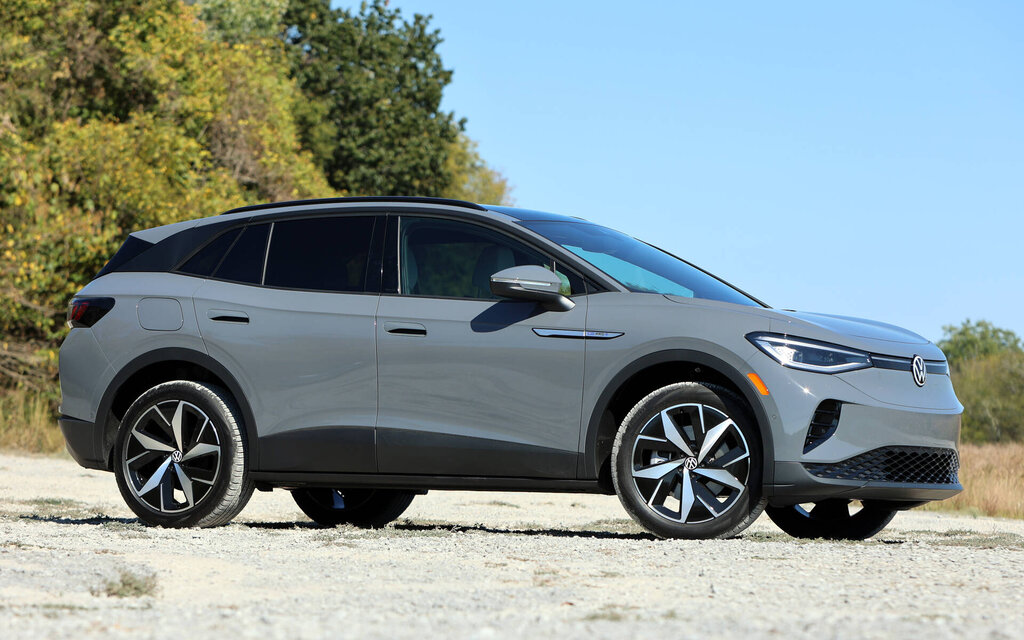
5. Volkswagen ID.4
The Volkswagen ID.4 offers a comfortable ride for solo drivers or light loads, but it exhibits noticeable sag in the rear under full passenger and cargo weight. Its suspension, tuned for comfort, compresses significantly when fully loaded, affecting ride height, weight distribution, and chassis balance.
Drivers may feel that the rear end dips, leading to a softer and less controlled driving experience during acceleration, braking, or cornering. The effect is particularly pronounced in tight turns or on highways, where rear sag can create a sensation of instability.
Handling under full load is impacted by the soft rear suspension. Steering can feel less precise, and body roll becomes more noticeable during cornering.
Braking dynamics also shift due to rear compression, affecting how weight transfers under deceleration. Although electronic aids such as stability control and traction management attempt to compensate for these changes, they cannot completely correct for the mechanical sag inherent in the suspension design.
Passenger comfort is affected by rear sag as well. Rear-seat occupants may experience increased bouncing or leaning over uneven roads or bumps, and the presence of luggage or cargo further exacerbates the effect. The cabin may feel less solid than in EVs with more adaptive suspension systems, which can influence passenger perception of stability and comfort.
The ID.4 is well-suited for moderate passenger and cargo loads but may not perform as confidently under full load. While it remains safe and practical for everyday driving, the vehicle’s suspension characteristics lead to noticeable sag and sway when carrying maximum weight. Drivers who regularly transport multiple passengers or heavy cargo may find the ID.4 less composed compared to competitors with low center-of-gravity designs or adaptive suspension systems.
