
Small cars are often seen as vehicles built primarily for city streets, parking convenience, and efficiency. However, many people underestimate the capability of some small cars when it comes to less-than-perfect road conditions. Dirt roads, gravel paths, and uneven detours can present challenges that test a car’s suspension, handling, and stability.
While some small cars handle these surfaces surprisingly well, offering confidence and composure, others can feel unsteady and jittery, making even a short trip over a rough patch uncomfortable. Choosing a small car that maintains a steady ride on dirt detours can be the difference between enjoying an outing and feeling constantly frustrated by bouncing, rattling, and skittish handling.
The steadiness of a car on uneven surfaces is influenced by multiple factors, including suspension design, chassis rigidity, weight distribution, tire quality, and the tuning of shock absorbers. Cars that are engineered with a balance between comfort and responsiveness often outperform those focused solely on road efficiency, even if both are classified as small cars.
Drivers frequently encounter situations where the car must adjust quickly to ruts, potholes, or loose gravel, and the ability of the suspension to absorb shocks without transmitting excessive movement to the cabin is essential for a stable and confident ride.
Conversely, some small cars feel jittery and unsettled on dirt roads because their suspension setups are designed for smooth pavement, with minimal travel and stiffness optimized for cornering precision rather than rough terrain comfort.
When these vehicles are driven on detours or dirt paths, they may react sharply to small bumps, creating a nervous and sometimes alarming sensation behind the wheel. This jittery behavior can amplify driver fatigue, reduce confidence, and even create safety concerns when traction is inconsistent.
Understanding which small cars are steady on uneven surfaces and which tend to feel jittery can help buyers make informed decisions based on their driving environment and lifestyle. For those who encounter dirt roads occasionally or frequently, stability, composure, and suspension resilience should be considered as important as fuel economy, affordability, and technology features.
This article examines five small cars that offer remarkable steadiness on dirt detours, along with five small cars that are more prone to jittery rides, offering insights into the driving experience, engineering characteristics, and comfort on rougher surfaces.
5 Small Cars That Feel Steady on Dirt Detours
1. Subaru Impreza
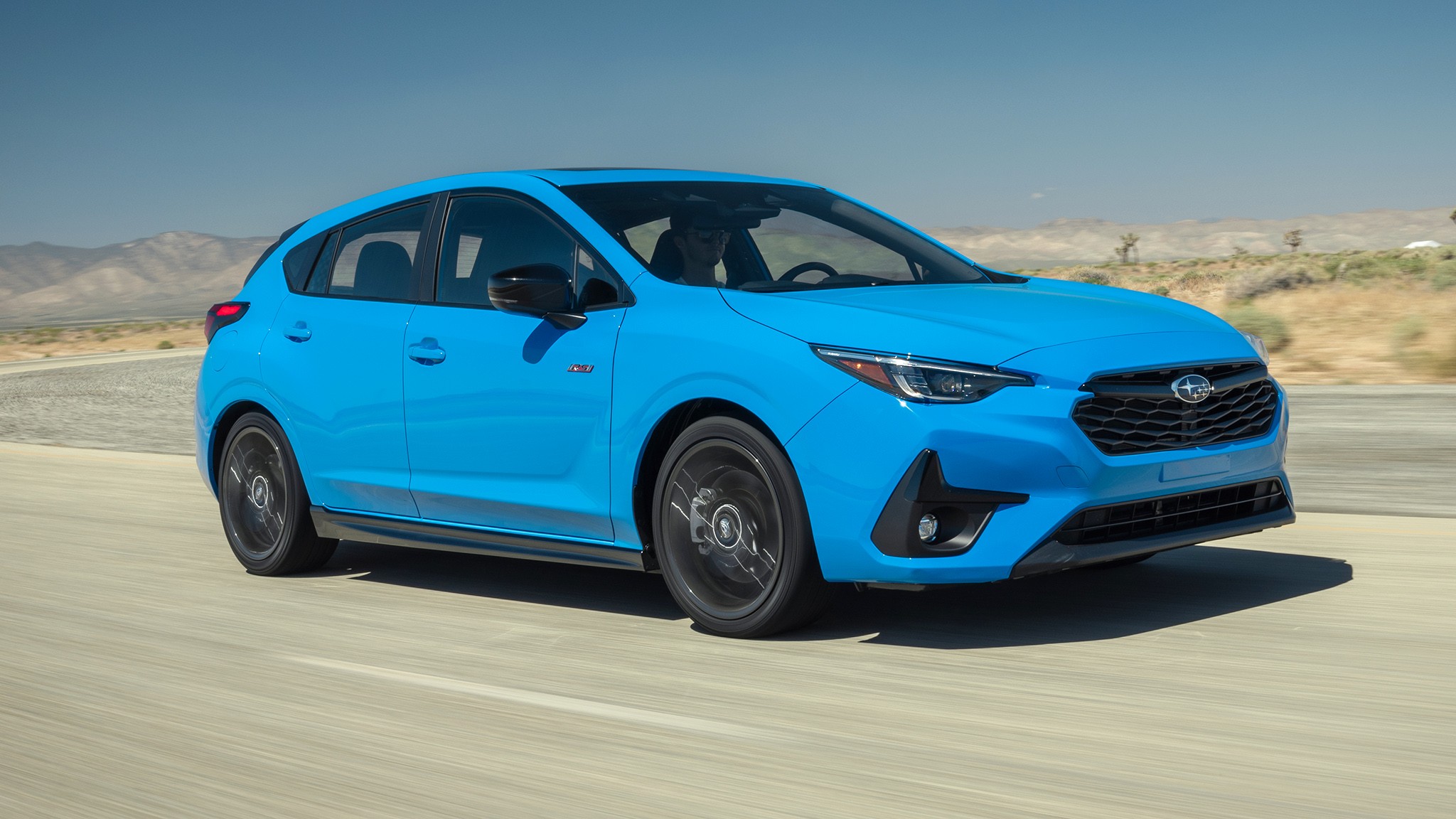
The Subaru Impreza has earned a reputation for composure in conditions that challenge most small cars, largely due to its standard all-wheel-drive system. On dirt detours, this feature distributes power evenly to all wheels, providing reliable traction even when patches of loose gravel or wet dirt threaten stability.
The AWD system does not simply send power to one axle but constantly adjusts torque distribution, preventing wheel spin and ensuring that the car maintains forward momentum. This makes the Impreza especially effective on winding, uneven rural paths or detours where grip is inconsistent, giving drivers a rare sense of confidence in a small vehicle.
Many drivers who have taken the Impreza off paved roads report that it rarely surprises them with sudden loss of control, an advantage for those who occasionally need to navigate construction zones or farm roads.
In addition to its all-wheel-drive capabilities, the Impreza benefits from a carefully designed suspension system that balances responsiveness with comfort. The MacPherson strut front suspension and multi-link rear suspension allow for ample wheel travel, meaning that dips, ruts, and bumps are absorbed efficiently without transmitting harsh jolts into the cabin.
The car’s suspension tuning is subtle enough to handle high-speed corners on pavement while remaining forgiving over irregular terrain, which is unusual for a vehicle in this class. The combination of AWD and well-damped suspension creates a platform that feels rooted and controlled, which is particularly valuable when driving on surfaces that are loose, uneven, or partially eroded.
Cabin comfort in the Impreza complements its mechanical stability. Passengers experience less vibration and jolting than they might expect in a small car, due to thoughtful isolation between the suspension and the interior cabin. Seat design and interior padding also play a role, as the seats absorb part of the road energy before it reaches the occupant.
On longer drives along rural dirt paths, the Impreza tends to feel surprisingly composed, preventing fatigue or discomfort even over sustained periods. This aspect makes the car an excellent choice for drivers who face occasional detours on rough terrain but still want a small, efficient vehicle for everyday use.
Tire selection and chassis dynamics further enhance the Impreza’s steady behavior. The stock tires are generally robust, offering both durability and traction on unpaved surfaces, and the car’s chassis can accommodate aftermarket options designed for mixed conditions.
This flexibility allows drivers to optimize the car for both pavement efficiency and off-pavement stability without compromising comfort. The Impreza combines AWD, balanced suspension, and practical interior design to create a vehicle that inspires confidence on dirt detours, something uncommon among small cars, many of which struggle to maintain stability outside urban streets.
2. Honda Fit
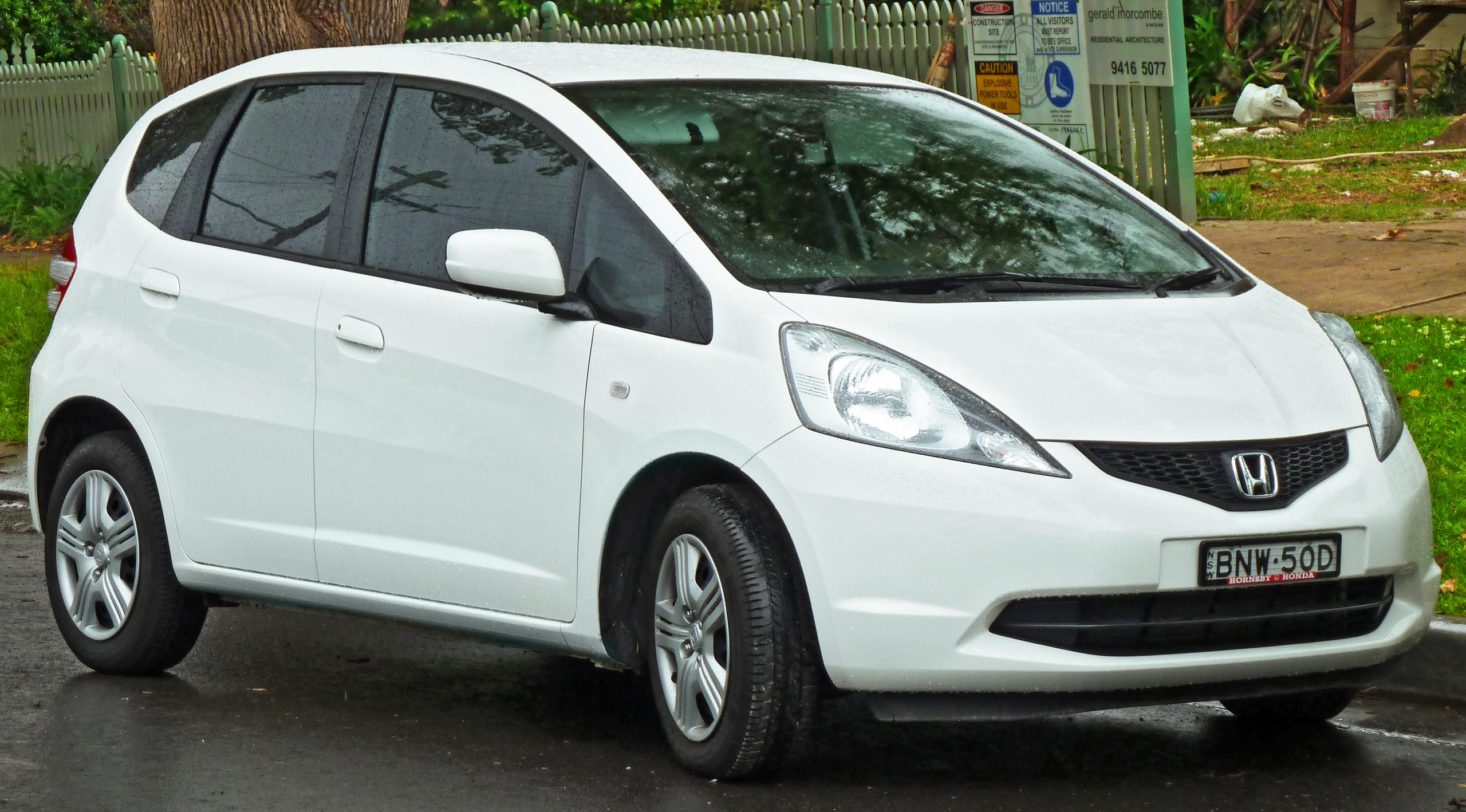
The Honda Fit is known for being lightweight and compact, but its performance on uneven surfaces demonstrates a level of engineering sophistication that belies its size. The Fit’s front-wheel-drive layout, combined with a low center of gravity, allows it to navigate gravel, packed dirt, and minor potholes with surprising composure.
Unlike some small cars that feel skittish when their light frame reacts sharply to bumps, the Fit maintains an even balance, keeping all four wheels in contact with the ground. This consistent contact ensures predictable handling and helps the driver maintain control on roads that might unsettle competitors in the subcompact category.
Suspension geometry plays a key role in the Fit’s steadiness. The front MacPherson struts and rear torsion beam are tuned for a combination of comfort and control, providing sufficient compliance to absorb bumps without excessive body roll or pitching. When encountering dips or uneven surfaces, the Fit’s suspension allows the car to settle naturally rather than rebound exaggeratedly.
Drivers often notice that the vehicle responds smoothly to changes in terrain, making it easier to keep a straight line without having to make constant steering corrections. The balance between stiffness and absorption is a significant factor in why the Fit handles dirt detours better than many of its peers.
Passenger comfort also contributes to the Fit’s positive off-pavement reputation. Small cars often transmit vibrations and jolts directly to the cabin, leading to discomfort and fatigue on rough surfaces. The Fit minimizes this effect through its suspension and seat design, reducing the sensation of roughness inside the cabin.
Even when traveling at moderate speeds over gravel roads, the Fit delivers a composed and comfortable experience, allowing both driver and passengers to feel secure and stable. This aspect makes it an appealing choice for individuals who rely on small cars for errands in urban environments but occasionally face unpaved stretches during weekend trips or commutes.
Tire selection and handling refinement further complement the Fit’s ride quality. The vehicle comes with tires that strike a balance between grip and efficiency, capable of managing loose surfaces without producing excessive noise or vibration.
Drivers who wish to explore slightly rougher roads can even install all-season or touring tires without compromising stability on pavement. Combined with the vehicle’s low weight and nimble chassis, the Fit feels remarkably steady on surfaces that might challenge similarly sized vehicles, offering both versatility and comfort that small car enthusiasts often overlook.
3. Mazda3
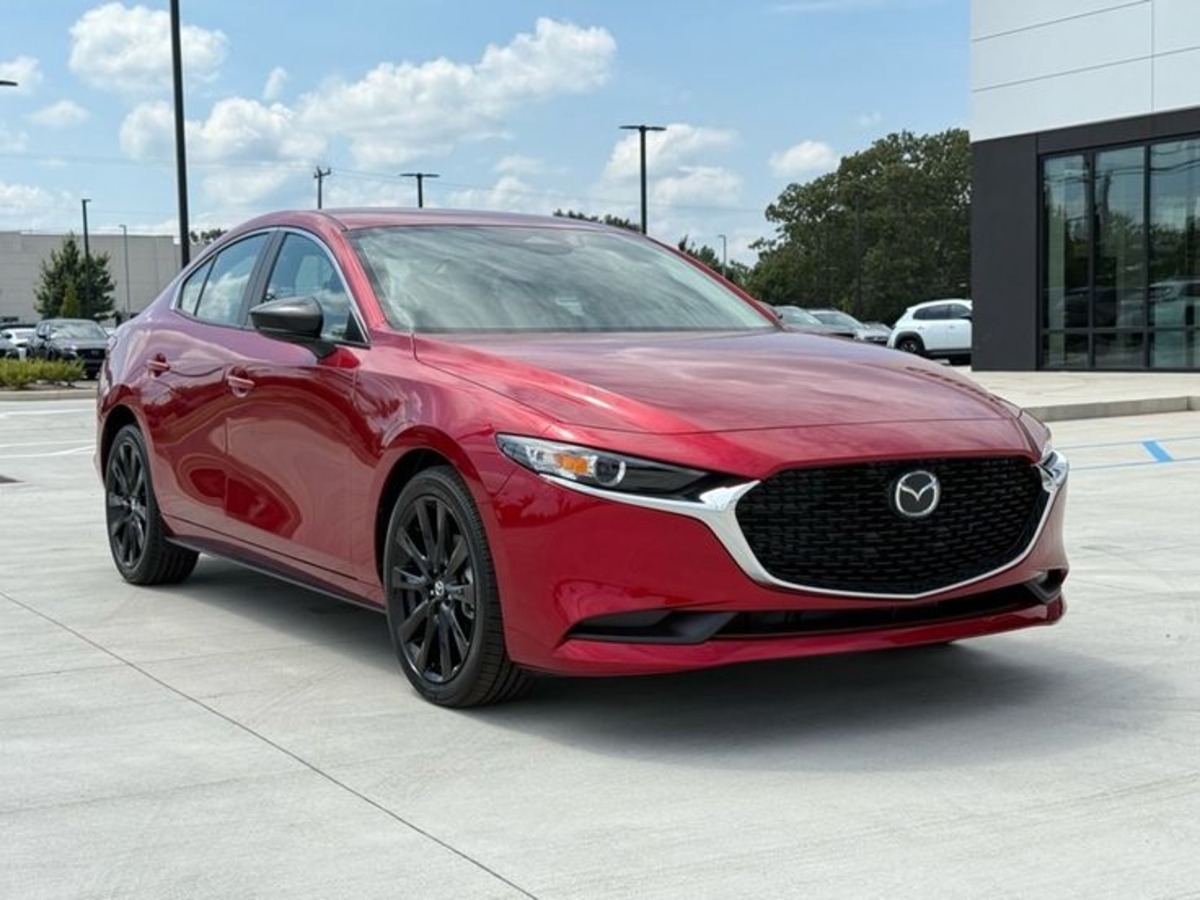
The Mazda3 is renowned for combining driving dynamics with comfort, and its performance on uneven surfaces is no exception. Its independent suspension system ensures that all four wheels maintain contact with the road, which is critical for stability on dirt roads or uneven detours.
The car absorbs ruts and bumps in a controlled manner, providing consistent feedback to the driver without creating excessive jolts or vibrations in the cabin. Mazda’s approach to suspension tuning focuses on blending responsiveness with comfort, ensuring that the car feels engaged yet composed across varying surfaces. Drivers often praise the Mazda3 for instilling a sense of connection with the road, even when the pavement ends and loose dirt begins.
Chassis rigidity is another factor contributing to the Mazda3’s steadiness. The car’s body structure resists flexing, which reduces the sensation of instability when encountering dips or uneven terrain.
This rigidity enhances handling precision, allowing the car to remain predictable during cornering or sudden directional changes. Unlike smaller or less rigid vehicles that can feel loose or nervous over gravel or packed dirt, the Mazda3 maintains a grounded feel, giving drivers confidence that the vehicle will respond consistently to their inputs.
The Mazda3’s steering setup further reinforces stability. It provides clear and communicative feedback, which allows the driver to anticipate changes in surface texture or road condition. When navigating dirt detours, this level of responsiveness is valuable, as it allows small corrections to be made quickly without oversteering or inducing a jittery motion. The car feels planted and controllable, even in situations where less sophisticated small cars might feel unsettled.
Passenger comfort is also a strong point for the Mazda3. The suspension absorbs vibrations effectively, and the interior design minimizes the transmission of shocks to the cabin.
Occupants experience fewer jolts, allowing longer drives on rougher roads without fatigue. Combined with its predictable handling and solid suspension design, the Mazda3 is a standout among small cars for those seeking stability on dirt detours while retaining sporty and precise driving characteristics.
4. Toyota Corolla Hatchback
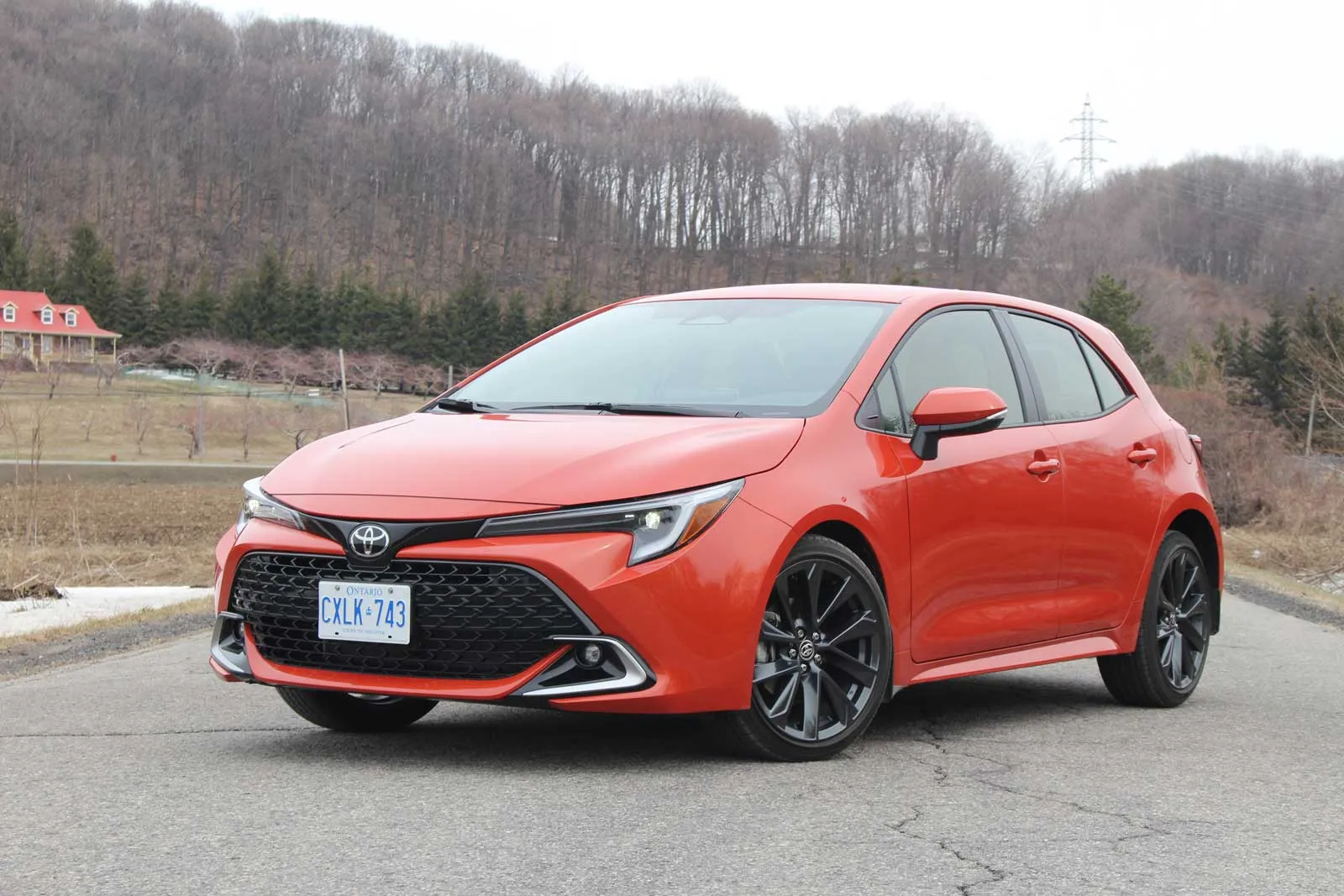
The Toyota Corolla Hatchback balances ride comfort with precise handling, making it one of the more stable small cars on dirt detours. Its suspension system absorbs bumps efficiently, ensuring that minor ruts or dips do not unsettle the vehicle. The car’s low center of gravity contributes to minimal body roll, which is important when traversing uneven surfaces.
Drivers often note that even when traveling at moderate speeds over gravel paths, the Corolla Hatchback maintains a composed stance, reducing the nervous and skittish behavior found in some subcompact competitors.
Passenger experience is further improved by thoughtful interior isolation and seat design. The car effectively dampens vibrations, preventing discomfort during longer drives on unpaved or partially degraded roads. Passengers experience minimal jostling, which contributes to a feeling of steadiness and safety. The Corolla Hatchback’s design allows occupants to focus on the journey rather than being distracted by the vehicle’s reaction to uneven terrain.
Finally, the Corolla Hatchback offers predictable steering and handling characteristics. The driver can adjust to surface changes quickly without feeling the vehicle become erratic or unsettled.
This predictability, combined with robust suspension design and careful weight distribution, makes the Corolla Hatchback one of the small cars best suited for drivers who occasionally encounter dirt detours but still want a compact, city-friendly vehicle.
5. Kia Soul
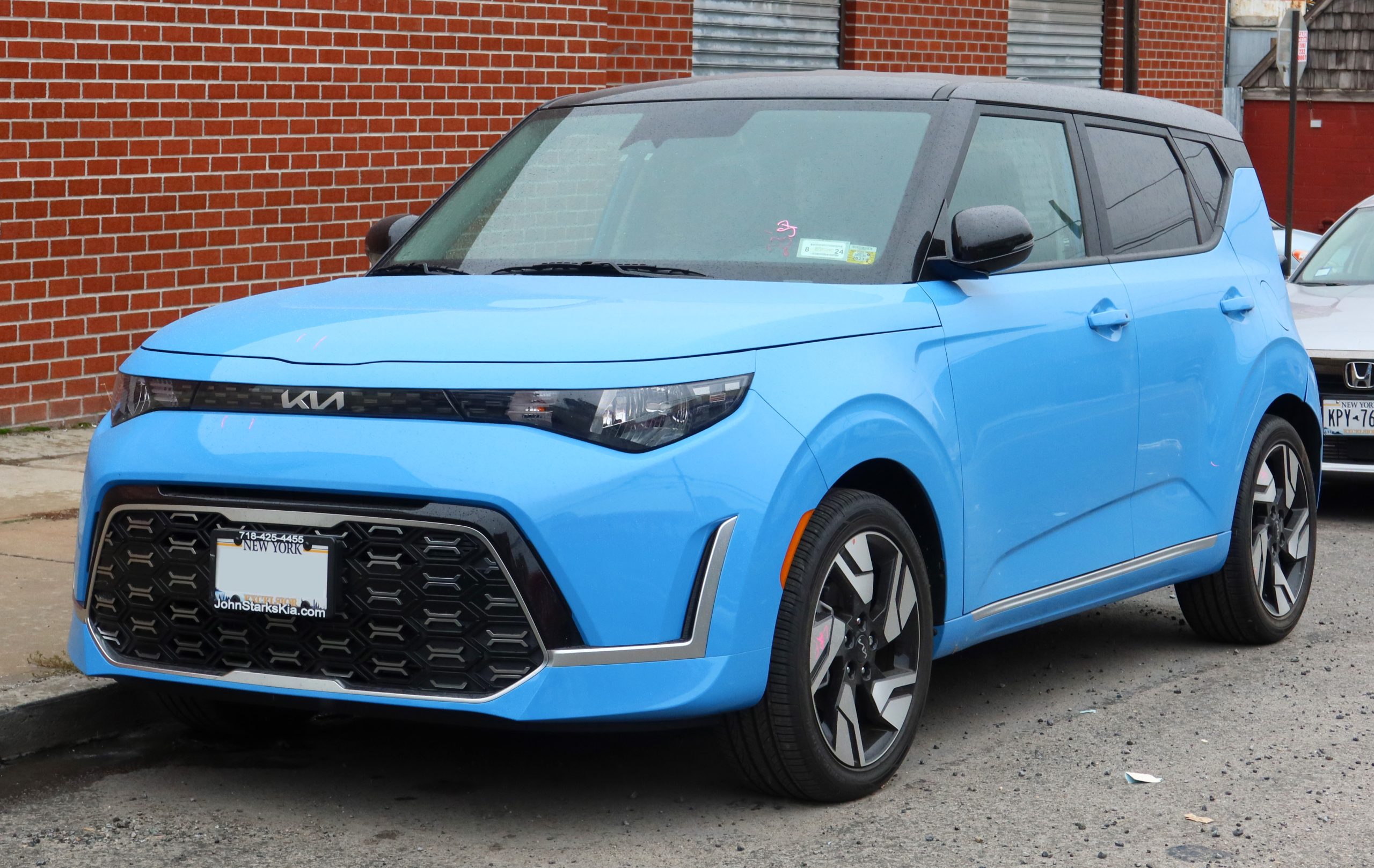
The Kia Soul is often recognized for its practicality and tall, boxy design, but it also demonstrates surprising stability on uneven surfaces. Its suspension system is engineered to provide a stable platform that absorbs shocks effectively, keeping the car composed even when encountering gravel, dirt ruts, or minor potholes.
Despite its higher profile, the Soul does not feel top-heavy or prone to excessive body roll, thanks to well-balanced weight distribution and careful tuning of the front and rear suspension components. Drivers frequently remark that the vehicle feels grounded, even when traveling on uneven or loose surfaces.
Passenger comfort is a feature in the Kia Soul. Its suspension absorbs irregularities in the road, preventing vibrations and bumps from being transferred directly to the cabin. Occupants experience a cushioned ride that reduces fatigue during longer drives on uneven terrain.
This quality, combined with predictable handling, makes the Soul appealing for drivers who want a small car capable of handling rough roads without sacrificing comfort.
Tire compatibility enhances the Soul’s stability. The car can accommodate slightly more aggressive tire options, which improves traction on dirt or gravel paths without compromising on-road performance.
This adaptability, combined with the car’s well-tuned suspension and balanced design, makes the Kia Soul a standout choice among small cars for those who encounter dirt detours regularly. The combination of composure, passenger comfort, and predictable handling ensures that drivers can approach rougher terrain with confidence rather than hesitation.
5 Small Cars with Jittery Rides
1. Mini Cooper
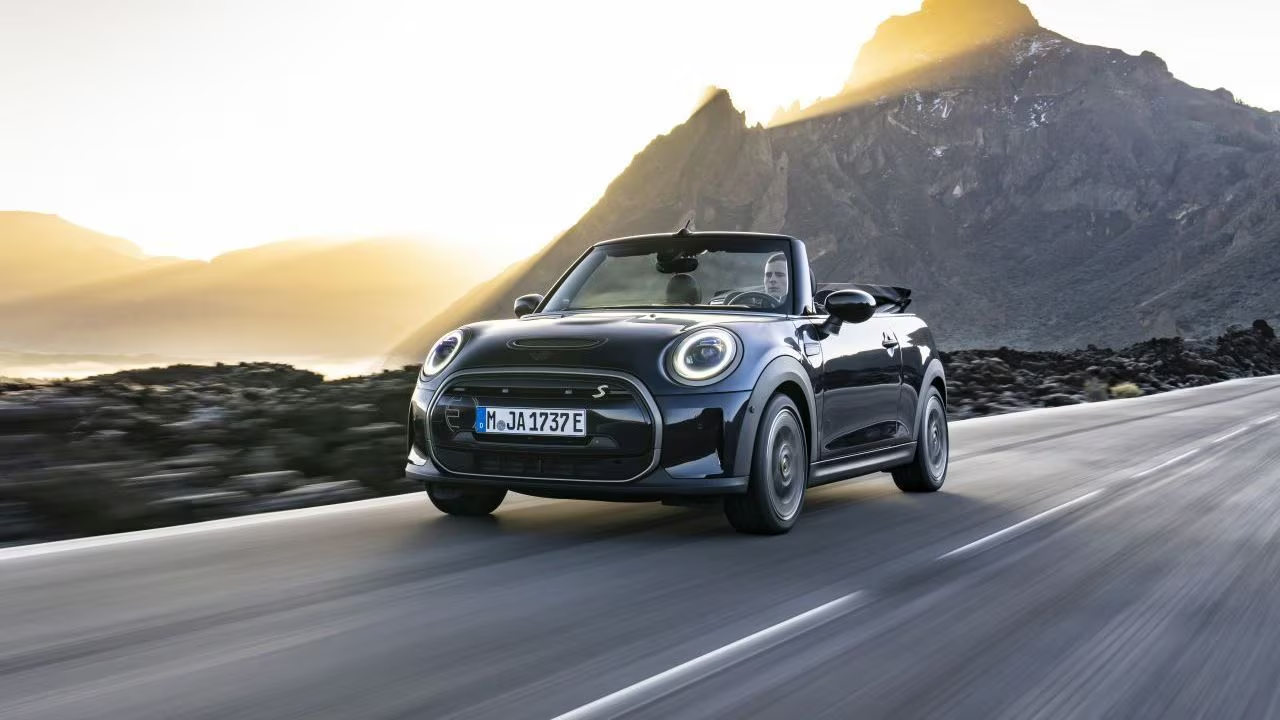
The Mini Cooper is widely praised for its go-kart-like handling and agile cornering, but these traits come at the expense of comfort on rough surfaces. Its suspension is tuned to provide sharp responses on smooth pavement, which means that even minor bumps on dirt detours can feel exaggerated.
The short wheelbase amplifies the sensation of ruts, potholes, and gravel, causing the car to pitch and jolt noticeably. Drivers often report that the Mini Cooper requires constant steering corrections when encountering uneven terrain, making casual off-pavement driving a less relaxing experience compared to other small cars.
The stiffness of the suspension, while beneficial for handling precision, contributes to a jittery ride. The dampers are tuned for firmness, reducing body roll but transmitting every irregularity from the road directly into the cabin. Even slower speeds over gravel can feel uncomfortable, as the car seems to bounce or skip unpredictably.
For passengers, the result is a ride that can feel harsh and fatiguing over even short stretches of rough road. This harshness contrasts sharply with the smooth absorption found in vehicles designed for mixed surfaces.
Another contributing factor is the steering feedback. The Mini Cooper offers highly responsive, precise steering that performs well on pavement but can exaggerate minor bumps when off-road. Drivers may feel that the front wheels are skittering across loose gravel, requiring micro-corrections to maintain a straight path.
While this responsiveness is excellent for spirited city or highway driving, it makes the car feel unstable on dirt detours, highlighting a fundamental trade-off in the vehicle’s design between sporty handling and comfort on uneven terrain.
2. Fiat 500
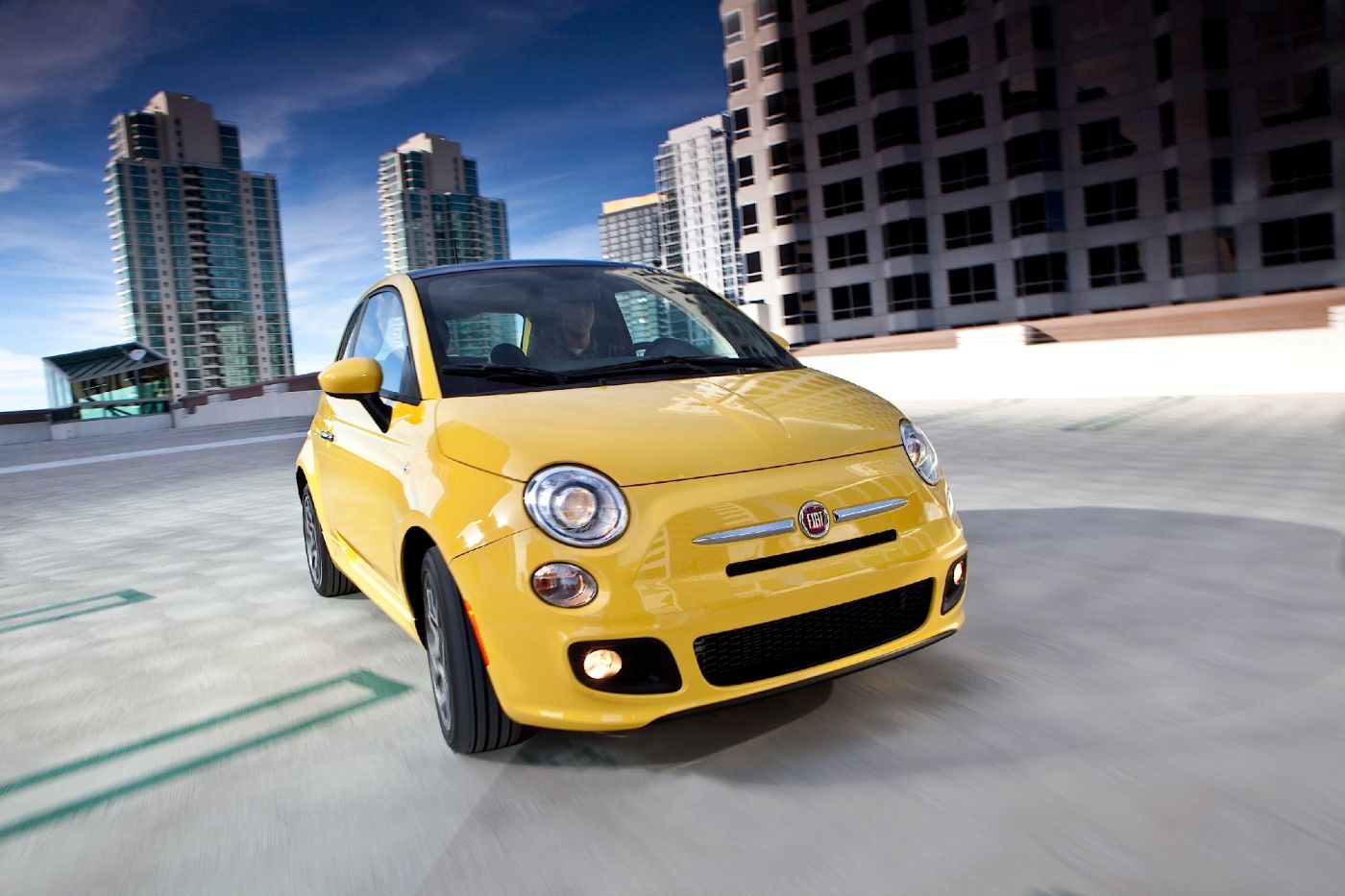
The Fiat 500 is charming, compact, and highly maneuverable, but its suspension setup prioritizes urban streets over unpaved surfaces. On dirt roads, the vehicle often feels jittery, as small bumps, loose stones, and dips translate directly into the cabin.
Its short wheelbase accentuates pitching and hopping, making driving on even moderately rough paths noticeably uncomfortable. While the 500 excels at navigating tight city streets, it lacks the damping needed to smooth out uneven surfaces, leaving both driver and passengers acutely aware of every imperfection.
Cabin comfort is also compromised by the Fiat 500’s design. Due to minimal isolation between the suspension and the cabin, vibrations and bumps are felt prominently inside the car. Passengers may experience a constant jostling effect that can lead to discomfort on longer trips over uneven terrain.
Even simple detours or rural side streets may leave occupants feeling fatigued, contrasting with the smoother ride offered by small cars engineered for mixed surfaces.
Tire choice exacerbates the problem. Many Fiat 500 models come equipped with low-profile tires designed for pavement grip, which further magnifies bumps and road imperfections.
Combined with the short wheelbase and firm suspension, this results in a ride that is noticeably jittery on dirt detours. While the 500’s small size and agility make it ideal for city driving, its off-pavement performance highlights the limitations of vehicles optimized exclusively for urban streets.
3. Smart Fortwo
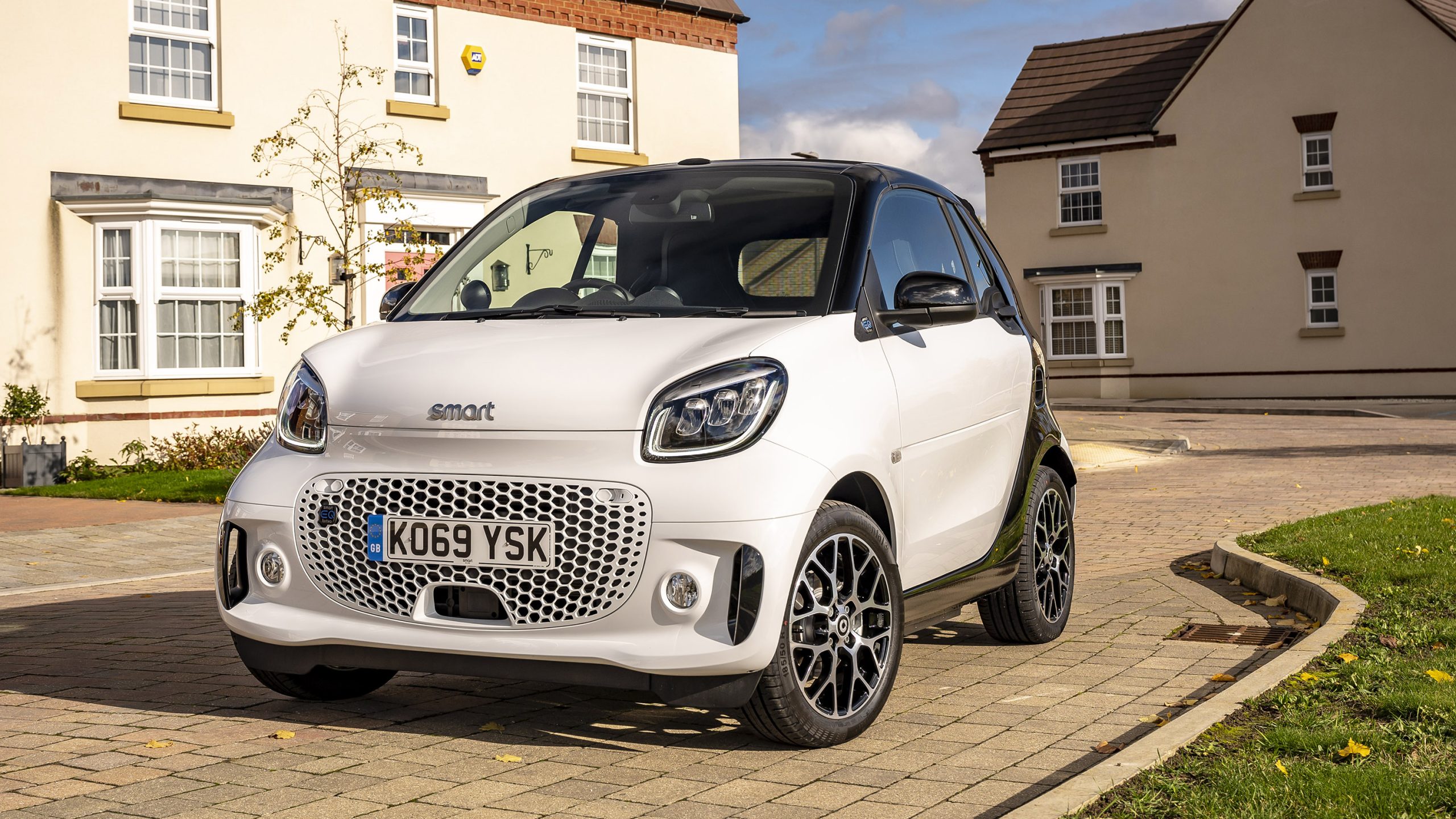
The Smart Fortwo is designed for compact city driving, offering exceptional maneuverability and ease of parking, but these advantages come at the expense of ride comfort on uneven surfaces. Its tiny footprint and short wheelbase make it highly sensitive to road imperfections, and even minor bumps can translate into significant pitching and bouncing inside the cabin.
When driving on dirt detours, the car can feel unstable, as its suspension lacks sufficient travel to absorb irregularities effectively. Drivers often find that maintaining composure on rough terrain requires constant attention and adjustments.
The Fortwo’s suspension is tuned for urban environments rather than mixed terrain, with stiff springs and short travel distances that prioritize responsive cornering over comfort. On gravel roads or compacted dirt, every small rut or divot is transmitted directly to the chassis, creating a sensation of nervous motion.
The car’s lightweight compounds the problem, as it has less mass to dampen impacts, leading to a jittery ride that can feel unpredictable and even unnerving at times.
Passenger comfort is minimal on rough surfaces due to the combination of suspension stiffness and cabin exposure. Without sufficient cushioning or isolation, vibrations are felt throughout the small interior, resulting in a ride that can be physically tiring over longer stretches of uneven terrain.
Unlike slightly larger small cars that can smooth out irregularities, the Smart Fortwo leaves no room for compromise between nimbleness and comfort, making detours on dirt roads particularly challenging.
Tires contribute further to instability. The Fortwo often comes with narrow, low-profile tires designed for efficiency and city traction. While they work well on pavement, they transmit bumps and vibrations more directly when off-road.
Steering can feel twitchy, and small imperfections in the road can make the car respond sharply, emphasizing the jittery characteristics of the ride. For drivers who occasionally face dirt detours, the Smart Fortwo demonstrates that extreme compactness and city tuning often come at the expense of composure on rough terrain.
4. Chevrolet Spark
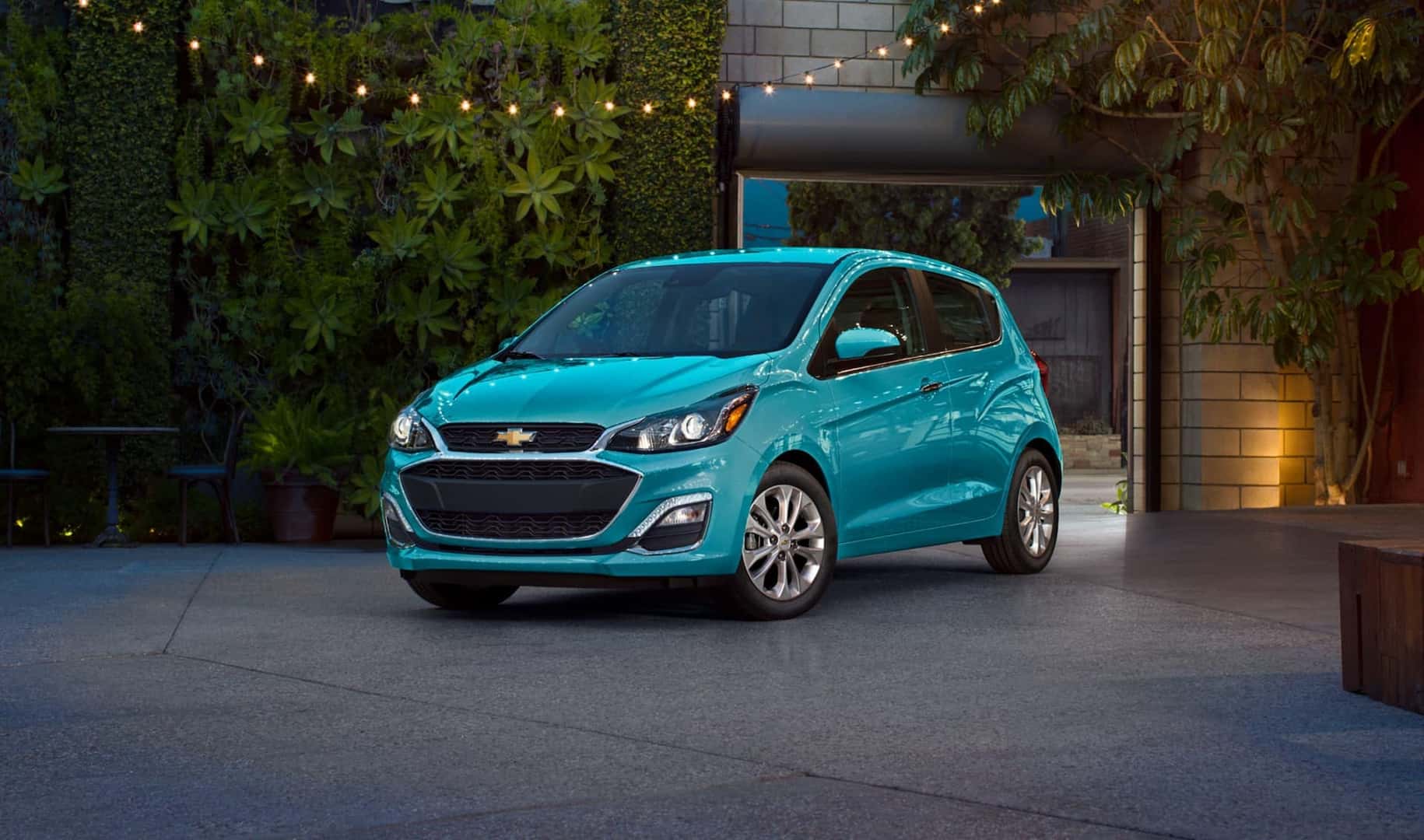
The Chevrolet Spark is an affordable, practical small car designed for city efficiency, but its suspension and chassis make it jittery on dirt detours. Its short wheelbase and lightweight frame cause the vehicle to react sharply to ruts, gravel, and uneven patches.
The suspension absorbs minimal energy from road irregularities, transmitting most of it directly to the cabin. Drivers often feel a bouncing or skittish sensation, requiring constant attention to maintain stability, particularly at higher speeds on loose or uneven surfaces.
The Spark’s suspension geometry emphasizes urban handling rather than mixed-surface comfort. Its compact dimensions limit the length of travel in the springs and dampers, meaning that bumps are transferred quickly to the chassis.
On dirt roads, this stiffness manifests as sudden jolts and sharp pitching, which can make controlling the car feel challenging. This contrasts sharply with small cars designed with slightly more generous suspension travel, which handle similar roads with smoother and more controlled responses.
Passenger experience is directly affected by the car’s jitteriness. Seats and cabin isolation provide minimal cushioning, so vibrations and bumps are noticeable throughout the interior.
Even minor potholes or loose gravel can feel amplified, resulting in discomfort and fatigue during longer drives. For city drivers who occasionally encounter unpaved routes, the Spark highlights the trade-offs of a design optimized for urban streets and short trips rather than mixed or rough terrain.
Tire and wheel choices exacerbate the jittery nature of the Spark. Narrow, low-profile tires intended for fuel efficiency transmit shocks more directly to the suspension, while the vehicle’s light weight increases the effect of bouncing over small obstacles.
Steering response can feel overly sensitive on uneven terrain, making minor corrections necessary to maintain a straight path. These combined factors reinforce the Spark’s reputation for being jittery and less suited for dirt detours or rural roads.
5. Ford Fiesta
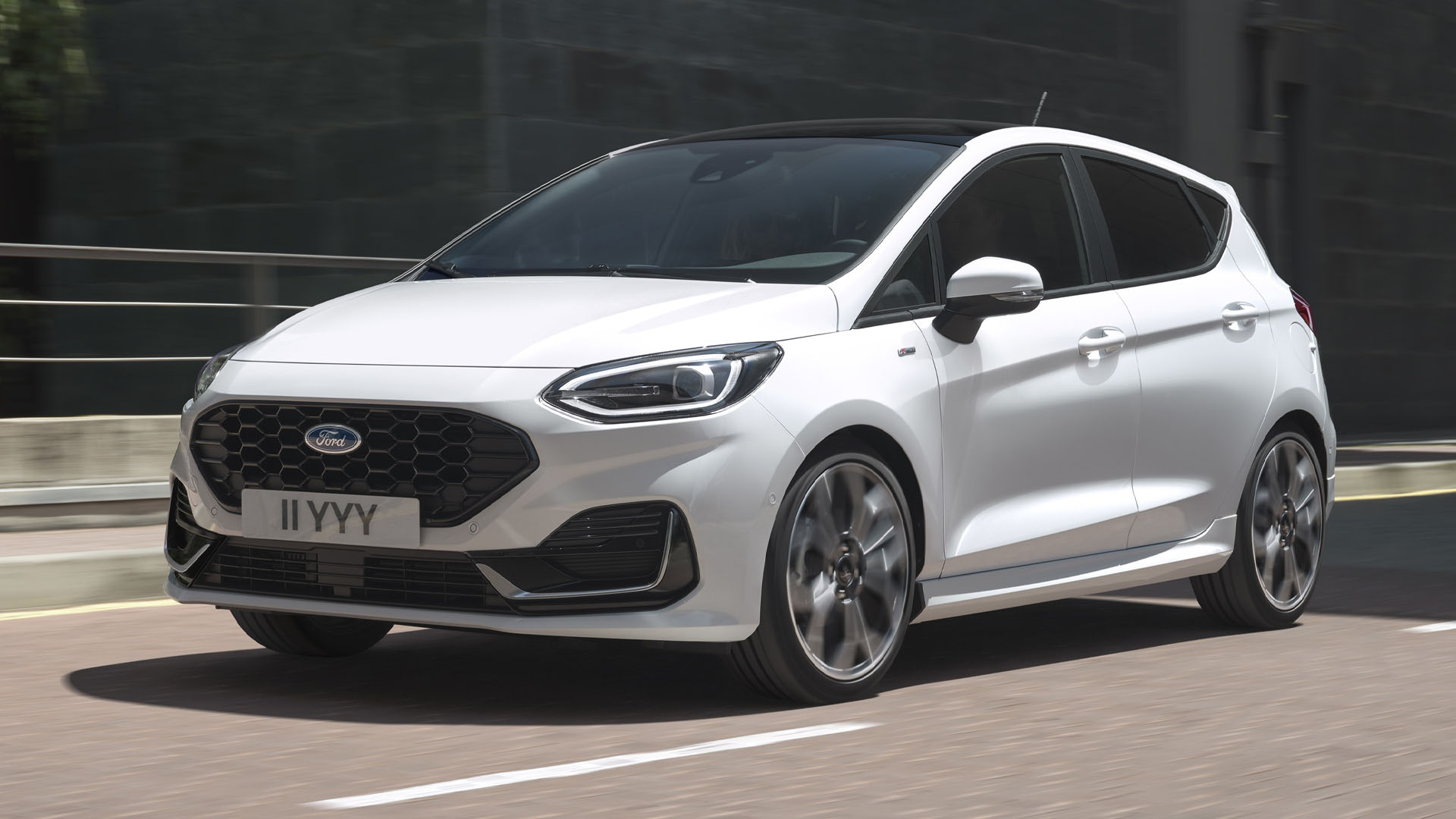
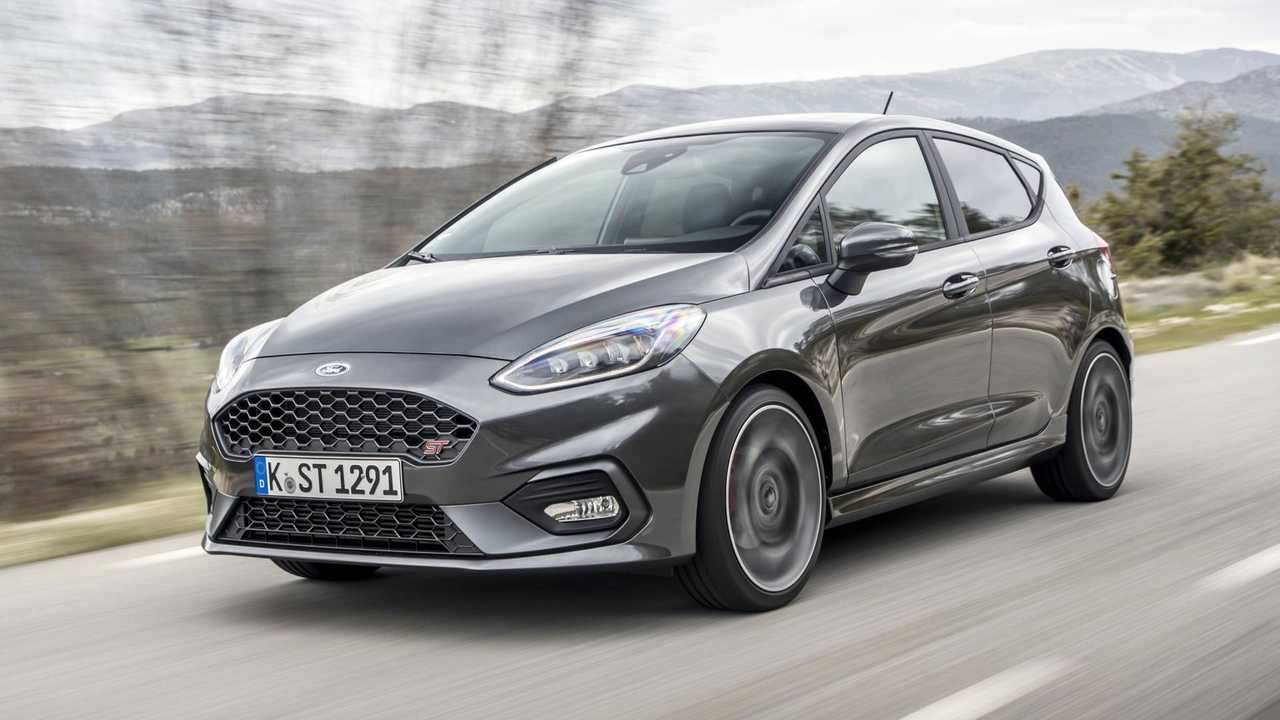
The Ford Fiesta is a popular small car with nimble handling and strong urban performance, but its ride over dirt detours can be unsettling. Its suspension is tuned for responsive pavement driving, with relatively short travel and firm dampers. On uneven surfaces, this setup results in pronounced pitching, bouncing, and skittish handling. Even gentle dips or gravel patches can feel magnified, making off-pavement driving less comfortable than in small cars designed for steadiness on mixed terrain.
The Fiesta’s chassis stiffness, while beneficial for cornering precision, limits its ability to absorb shocks smoothly. Combined with the car’s short wheelbase, uneven surfaces quickly translate into vibrations felt inside the cabin.
Drivers must frequently adjust their steering and speed to compensate for the nervous behavior of the car, which can create a tiring experience over longer stretches of rough road. This jitteriness contrasts with subcompact cars that are engineered to maintain composure and passenger comfort on dirt paths.
Cabin comfort suffers due to limited suspension isolation and seat cushioning. Road imperfections are transmitted directly to passengers, creating a ride that feels physically demanding over extended periods on uneven terrain. While the Fiesta excels in urban environments and on smooth roads, dirt detours reveal the limitations of a setup that prioritizes sporty, responsive driving over stability and comfort.
Tires also play a significant role in the Fiesta’s jittery ride. Many models come with low-profile, city-oriented tires designed for precise handling and fuel efficiency. On rough surfaces, these tires transmit vibrations directly into the suspension and cabin, amplifying the jittery characteristics.
Steering response, optimized for tight turns and pavement grip, becomes overly sensitive on dirt, requiring constant correction. Together, these factors create a ride experience that can feel unpredictable, uncomfortable, and less composed than steadier small cars when encountering detours or rough terrain.
