
Hybrid cars have built strong reputations for efficiency, quiet operation, and long-term durability, yet many drivers hesitate when considering ownership because they assume maintenance will be messy or difficult. One of the biggest misunderstandings is the idea that hybrid cars demand special procedures for basic engine service.
While these vehicles do include electric components and battery systems, the gasoline engine in many hybrids functions similar to the one in a conventional sedan or small crossover. The key difference usually involves how often the engine runs, not how complex it is to maintain.
Some engines in hybrid models operate under lighter loads and fewer hours than fully gasoline-powered engines, so they may require oil changes at slightly different intervals, but the procedure itself remains straightforward. This article focuses on ten hybrid cars designed with simplicity in mind, particularly for routine oil changes, which remain a basic part of ownership that many drivers like to handle themselves or have done without unnecessary stress.
The reason these models are easier to manage comes from a combination of engineering choices. Some manufacturers choose tried and familiar engine designs that have already served in their traditional gasoline cars, while others adopt engine layouts with wide open access points under the hood.
Oil filters placed near the front of the engine bay, dipsticks easy to reach without removing panels, and drain plugs located in logical positions all contribute to practicality. Another factor lies in the way these cars space components under the hood.
Some hybrids pack in electric motors and cooling lines in ways that complicate access, but the ten models highlighted here aim for service friendly layouts. This makes typical ownership more comfortable for anyone who values calm, predictable maintenance.
Drivers who enjoy working on their vehicles at home appreciate layouts that skip unnecessary covers or oddly shaped plastic shielding. Each of the hybrids described ahead has been chosen because it avoids such complications.
Instead, they retain conventional service patterns, allowing owners or technicians to complete oil changes with minimal confusion. Whether someone prefers dealership service or a do it yourself approach, these hybrids support easy care, reinforcing confidence in long term ownership.
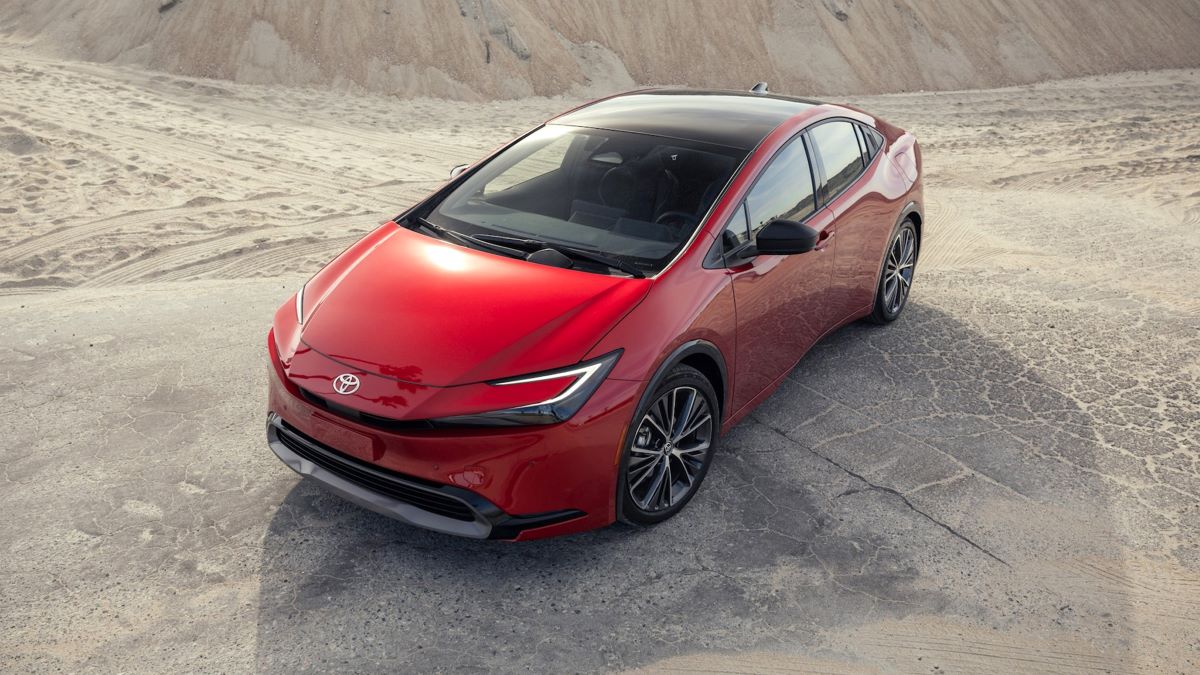
1. Toyota Prius
The Toyota Prius has remained a common choice for drivers seeking stress free maintenance. Toyota built the gas engine to remain approachable, using a layout that resembles earlier non hybrid engines in many ways. Access to the oil dipstick and oil cap stays open without needing to remove covers, which helps anyone who likes to keep track of their engine condition. The oil filter is also placed in a location that avoids awkward hand positions, so a routine oil change becomes manageable for beginners. This approach to simplicity supports long term trust, especially for drivers who do not want hybrid technology to introduce uncertainty.
A major appeal of this model lies in its consistent engineering philosophy. Toyota avoids reshaping the engine bay in ways that confound traditional service habits. The hybrid system delivers efficiency without segmenting the engine into inaccessible corners. For many owners, this means that their first oil change after purchasing this vehicle reassures them that hybrid ownership can be as predictable as maintaining any familiar compact car.
Beyond the practicality of oil changes, the Prius also offers guidance on service intervals that reduce guesswork. Toyota often provides clear schedules, indicating how driving habits affect the frequency of oil changes. This attention to clarity reinforces the vehicle’s approachable nature and helps owners plan maintenance efficiently.
Owners often find that the engine bay design also makes other services simpler, such as air filter replacement or spark plug inspection. The accessibility encourages proactive maintenance habits, which contributes to the vehicle’s longevity. The Prius is a hybrid designed not only for fuel efficiency but also for manageable, stress free upkeep.
Technicians often praise the Prius for its predictability during maintenance. There are few surprises under the hood, and any hybrid-specific components are isolated away from the areas most frequently serviced. This separation prevents unnecessary complications and maintains the comfort level for those accustomed to conventional vehicles.
Finally, the Prius proves that hybrid technology does not need to complicate life. By focusing on practical engineering and approachable design, Toyota created a vehicle that delivers efficiency, reliability, and peace of mind. For anyone considering hybrid ownership while wanting simple, consistent oil changes, the Prius remains a standout choice.

2. Honda Accord Hybrid
The Honda Accord Hybrid offers a familiar environment under the hood because it shares many components with its gasoline sibling. Honda engineers follow a pattern built around reliability and accessible maintenance points. The oil filter is positioned in a place that most drivers or technicians can reach without wrestling with electric components. This harmony between traditional engine design and hybrid additions ensures that routine service remains a calm experience rather than a technical challenge.
The Accord Hybrid aims to provide a smooth ownership experience, pairing strong fuel efficiency with the reliability of its well tested engine. The hybrid system itself operates largely in the background without demanding extra labor during oil changes. Those familiar with the regular Accord find comfort in knowing that the hybrid counterpart retains similar service rhythms, keeping the learning curve low.
By simplifying maintenance, this vehicle appeals to practical owners who prioritize longevity and comfort. The Accord Hybrid does not require special tools for a standard oil change, and its open engine bay helps even less experienced DIY owners complete the task with confidence.
Another feature that simplifies ownership is the intuitive placement of the battery and hybrid electronics. Honda places these components in areas that do not interfere with routine engine access, reducing the risk of accidental contact or confusion. Owners can perform oil changes while remaining confident that hybrid components are not vulnerable.
The design also promotes cleaner service experiences. With fewer obstructions, spills are easier to manage, and the filter removal process avoids awkward angles that can lead to messes. This practical approach benefits both professional technicians and owners attempting self-service.
Maintenance accessibility extends beyond oil changes. Other service points, such as brake fluid, coolant, and air filters, are logically arranged, reflecting Honda’s dedication to creating a low-stress ownership experience. Drivers appreciate that hybrid efficiency does not come at the cost of complicated care.
The Honda Accord Hybrid offers a balance of modern hybrid technology and traditional service friendliness. Its thoughtful design ensures that drivers can enjoy efficiency and environmental benefits without sacrificing comfort or convenience during routine maintenance.

3. Toyota Camry Hybrid
The Toyota Camry Hybrid follows the same philosophy that the brand applies to its entire line of hybrids. The engine bay layout avoids clutter, and technicians often note that it resembles a traditional sedan more than a complex hybrid. The oil filter position is intuitive, and the drain plug is easy to reach, making oil service a straightforward process for professionals and home mechanics alike.
Because of the Camry Hybrid’s popularity, parts and filters remain easily available. This enhances the ease of maintenance because owners never need to hunt for specialty items. The hybrid system also avoids crowding the lower portion of the engine bay, so removing the oil filter does not require squeezing through tight spaces. Many owners appreciate this practical arrangement because it reduces the stress associated with caring for a more advanced drivetrain.
The Camry Hybrid engine often switches off during low speed driving, which may reduce engine wear over time. Even so, service remains necessary, and the vehicle simplifies that process rather than complicating it. The open access points reassure owners that they are dealing with a dependable system designed for routine service rather than one that demands specialist knowledge.
Drivers who value familiarity find comfort in this layout. The Camry Hybrid upholds its reputation as a reliable and manageable sedan, proving that hybrid technology does not need to complicate essential care. This simplicity keeps maintenance costs predictable and helps the car remain a long lasting companion.
Beyond oil changes, the Camry Hybrid provides additional maintenance benefits due to its thoughtful hybrid integration. The hybrid battery and inverter are positioned away from frequently serviced areas, allowing routine engine work without worrying about sensitive components. This layout makes long term upkeep less intimidating.
Toyota also equips the Camry Hybrid with clear instructions and labels under the hood. These labels guide owners to the correct oil type, filter orientation, and fill points, removing guesswork and supporting confidence in DIY oil changes. This clarity reinforces Toyota’s practical approach to hybrid design.
Owners frequently report satisfaction with the ease of service intervals. Even with hybrid technology, their vehicles allow standard service tools and procedures, saving time and effort. This predictability reassures buyers that efficiency and reliability coexist without added complexity.
Finally, the Camry Hybrid’s combination of comfort, fuel efficiency, and service accessibility makes it a strong choice for anyone entering hybrid ownership. Its simple engine bay, approachable layout, and clear maintenance points demonstrate that hybrid vehicles can offer modern technology while remaining straightforward to maintain.

4. Ford Escape Hybrid
The Ford Escape Hybrid offers an approachable engine layout compared to many SUVs that incorporate electric components. Ford prioritizes practicality by leaving large gaps around service points. The oil filter rests in an accessible place, and the dipstick stands clearly labeled, avoiding confusion even for new owners. This design gives the Escape Hybrid a reputation as an SUV that balances efficiency with manageable routine service.
Its engine bay avoids overly tight packaging, which can plague some crossover hybrids. This allows the Escape Hybrid to retain a traditional service rhythm similar to the gasoline Escape. Owners who enjoy handling their own maintenance will find that the tools and steps needed mirror those used on a common compact SUV. This keeps both costs and stress levels down.
Ford also maintains a consistent philosophy of designing vehicles for a wide range of owners. This includes those who rely on dealership services and those who prefer to perform their own care. By making oil changes simple, the Escape Hybrid ensures that hybrid ownership does not create barriers for drivers who value control over maintenance routines.
Technicians often report that the Escape Hybrid is one of the more approachable hybrid crossovers they service. This reputation reassures potential buyers who want the comfort of electrified driving paired with maintenance predictability. The vehicle provides a bridge between familiar gasoline service habits and efficient hybrid technology.
The Escape Hybrid also benefits from clear guidance on maintenance schedules. Ford provides interval charts that indicate when to check or change oil based on driving conditions. These clear directions help owners plan maintenance with confidence, further reducing anxiety associated with hybrid vehicles.
Another advantage lies in component placement beyond the oil system. Air filters, battery terminals, and coolant reservoirs are all located where they can be easily accessed, preventing unnecessary removal of covers or panels. This layout demonstrates Ford’s commitment to service friendly design.
Owners appreciate that despite the addition of hybrid electronics, the engine bay remains organized. There is room to work without risking damage to surrounding components, and performing routine maintenance feels like working on a traditional SUV. This makes the Escape Hybrid a practical choice for families or daily commuters.
Finally, the Escape Hybrid shows that hybrid efficiency does not need to come at the cost of accessibility. Its combination of clear service points, intuitive layout, and predictable maintenance intervals reassures owners that long term ownership can be smooth and trouble free.

5. Hyundai Sonata Hybrid
The Hyundai Sonata Hybrid focuses on comfort, design, and user friendly engineering. The engine bay reflects these priorities, presenting service points in plain view. The oil filter and drain plug sit in areas that avoid interference from hybrid system components. This practical design choice keeps oil service simple and prevents frustration during routine maintenance.
Hyundai maintains a consistent approach with its hybrid models by keeping the conventional engine easy to reach. The Sonata Hybrid benefits from this strategy, giving owners confidence that caring for the engine will not require specialized knowledge or complicated steps. Even first time hybrid owners often report that service feels familiar.
The hybrid system operates smoothly without imposing itself on basic engine maintenance. Wires, hoses, and cooling components are positioned with enough space to prevent obstruction during oil changes. This allows the Sonata Hybrid to stand out as a model that blends fuel saving technology with practical ownership habits.
Owners who keep their vehicles long term value accessible maintenance because it reduces the chances of skipped service. By offering an engine layout that resembles a traditional sedan, the Sonata Hybrid strengthens trust and reduces the anxiety often associated with hybrid complexity.
Hyundai also designs the Sonata Hybrid to simplify other routine maintenance tasks. Brake fluid reservoirs, air filter housings, and windshield washer fluid points are all logically placed, minimizing unnecessary movements or adjustments. This design philosophy extends convenience beyond oil changes, creating a more user friendly experience.
Clear labeling and accessible service points make it easier for DIY owners to perform regular checks between professional services. Owners can verify oil levels, inspect filter conditions, and monitor fluid status without stress. This accessibility encourages consistent maintenance habits.
The Sonata Hybrid also provides straightforward service intervals and manufacturer recommendations, which remove guesswork and help plan timely oil changes. Hyundai emphasizes predictable care, which appeals to drivers seeking long term reliability without surprises.
Finally, the Sonata Hybrid demonstrates that hybrid efficiency and service friendliness can coexist. Its accessible engine bay, practical component placement, and predictable maintenance routines make it an excellent option for drivers who value both economy and convenience.

6. Toyota RAV4 Hybrid
The Toyota RAV4 Hybrid inherits many qualities from its reliable gasoline counterpart. Toyota ensures that its hybrid SUVs maintain straightforward access to key engine components. The oil filter is positioned near the lower front area of the engine bay, which technicians appreciate because it speeds up routine service. The drain plug is also simple to reach, helping the RAV4 Hybrid earn a practical reputation.
The RAV4 Hybrid engine bay avoids excessive clutter from electric parts. Toyota arranges the hybrid components in other areas of the engine compartment, leaving the traditional engine service zone open. This separation reduces confusion and makes maintenance similar to what drivers expect from a conventional compact SUV.
Many owners choose the RAV4 Hybrid for its reliability, and part of that reputation comes from easy routine care. Oil changes follow predictable patterns, and the vehicle does not rely on unusual filter types or specialized procedures. This keeps ownership consistent with long term expectations and reduces surprises.
Because the hybrid system often reduces engine strain, some drivers benefit from longer intervals between services. Even so, the actual process of performing the oil change remains unchanged, reinforcing confidence in the model. The RAV4 Hybrid proves that a popular SUV can provide strong efficiency without adding unwanted complexity.
Beyond oil changes, the RAV4 Hybrid places other service points thoughtfully. The air filter, brake fluid reservoir, and windshield washer fluid remain accessible without removing panels. This design philosophy demonstrates Toyota’s focus on practicality in day to day ownership.
Clear labeling of the oil fill, dipstick, and filter location allows owners to complete checks independently, reducing unnecessary visits to service centers. The intuitive engine layout supports both professional technicians and DIY enthusiasts, creating flexibility in maintenance options.
Owners who use their RAV4 Hybrid for diverse driving conditions, such as city commuting or light off road, benefit from the straightforward service process. Minimal obstructions under the hood prevent additional complications when checking fluids or performing routine inspections.
Finally, the RAV4 Hybrid’s design reflects a balance between efficiency and convenience. The practical layout of engine components ensures that drivers can enjoy hybrid technology while maintaining predictable, stress free oil changes and routine care throughout the vehicle’s life.

7. Kia Niro Hybrid
The Kia Niro Hybrid approaches efficiency with a design that remains friendly to maintenance. Kia arranges its components deliberately to allow owners easy access to the oil filter and the fill cap. No unusual covers block access, and the drain plug sits in a familiar position, mirroring the layout of compact gasoline vehicles. This practical setup appeals to buyers who want straightforward service routines.
The Niro Hybrid aims for balance, allowing the electric motor system to operate without intruding on standard maintenance areas. Oil service stays uncomplicated because the hybrid components are placed higher or toward the sides of the engine bay. This approach helps drivers maintain confidence in long term care.
The hybrid system is designed to operate efficiently without adding heat or clutter to the engine bay. This means that routine oil changes are not only straightforward but also safer, as components are clearly segregated. Drivers can perform service without worrying about accidental contact with hybrid electronics.
The Niro Hybrid also offers clear service interval recommendations from the manufacturer. Whether owners drive primarily in the city or on highways, Hyundai provides guidance on oil type, filter specifications, and maintenance schedules, helping keep service predictable.
Owners who maintain their vehicles at home benefit from easy access to battery and electrical components. Kia’s thoughtful layout ensures that hybrid modules do not obstruct routine maintenance tasks, allowing oil changes to be completed in minimal time.
Finally, the Niro Hybrid exemplifies a combination of efficiency, reliability, and practicality. It demonstrates that hybrids can save fuel without complicating everyday maintenance tasks, making it a user friendly choice for anyone seeking a low stress ownership experience.

8. Honda CR-V Hybrid
The Honda CR-V Hybrid blends strong performance with practical maintenance layouts. Honda prioritizes accessibility in its design, offering clear access to the oil filter and oil fill points. The drain plug location resembles that of the gasoline CR-V, allowing technicians to work confidently without dealing with intricate electric components.
The CR-V Hybrid’s engine bay remains organized, and the placement of the hybrid system avoids interfering with common maintenance zones. This thoughtful layout differentiates it from hybrid SUVs that cluster cables and sensors in hard to reach areas. Owners who value convenience welcome this clarity.
The hybrid system shares engineering DNA with Honda’s other reliable powertrains, giving it a familiar feel. Oil changes follow a standard pattern, and the engine bay avoids unnecessary covers. This encourages at home maintenance and helps reduce long term service costs.
Drivers who want a hybrid SUV that maintains practicality choose the CR-V Hybrid because of this service friendly approach. Routine care, including oil changes, feels approachable and consistent, helping owners maintain confidence in the vehicle’s long term health.
Clear manufacturer guidance further simplifies maintenance. Honda provides instructions for filter type, oil grade, and service intervals, ensuring that both DIY owners and technicians can follow standard procedures without hesitation. This predictability reinforces long term reliability.
Finally, the CR-V Hybrid combines efficiency, convenience, and practicality. Its approachable engine bay, logical component layout, and straightforward maintenance design make it a standout choice for drivers who want hybrid fuel savings without compromising ease of service.

9. Subaru Crosstrek Hybrid
The Subaru Crosstrek Hybrid maintains the brand’s reputation for practical engineering. Even with its electrified system, Subaru emphasizes a layout that allows basic engine maintenance without complication. The oil filter location remains accessible, especially compared to older boxer engine layouts that often placed filters in awkward positions.
Subaru redesigned certain elements in this hybrid to keep service points easy to locate. The drain plug sits in a predictable location, helping owners and technicians perform oil changes without unnecessary difficulty. This supports Subaru’s goal of keeping maintenance procedures close to those found in traditional models.
Drivers who choose the Crosstrek Hybrid appreciate its blend of efficiency and practicality. The hybrid system provides savings without intruding on service tasks. This approach helps build trust, especially for those entering hybrid ownership for the first time.
The brand’s emphasis on long term durability shines through in this model. By avoiding complex service steps, Subaru ensures that regular maintenance remains accessible. The Crosstrek Hybrid stays appealing for drivers who want hybrid technology without unexpected service obstacles.
Clear service recommendations accompany the Crosstrek Hybrid, including oil grade, filter type, and suggested intervals. This guidance ensures predictable maintenance and helps owners feel comfortable managing the vehicle themselves or at a service center.
Finally, the Crosstrek Hybrid illustrates Subaru’s commitment to balancing hybrid efficiency with practical service. Its approachable engine layout, organized component placement, and clear guidance make routine oil changes simple and stress free.

10. Lexus ES Hybrid
The Lexus ES Hybrid embodies a calm ownership experience by combining luxury with simplified maintenance. Under the hood lies a familiar engine layout that aligns with Toyota’s broader hybrid engineering principles. The oil filter and fill points remain accessible, reflecting the brand’s dedication to user friendly service designs.
Lexus vehicles often include sound insulation and comfort features, yet the brand avoids cluttering service areas with unnecessary covers. The ES Hybrid benefits from this philosophy. Technicians consistently report that oil changes on this model follow a familiar pattern without demanding unusual procedures.
The Lexus design also provides ample space around other service points, such as coolant reservoirs and brake fluid. This arrangement ensures that oil changes are not interrupted by difficult access to other areas. The user friendly layout reinforces a relaxed ownership experience.
Clear manufacturer guidelines accompany each maintenance point. Lexus provides recommended oil types, filter specifications, and service intervals, making it simple for owners to plan routine care. This guidance reduces guesswork and strengthens the confidence of both DIY and professional service providers.
Owners appreciate that hybrid components are positioned to avoid interference with daily maintenance. Electrical lines and high voltage areas are segregated from the engine bay, allowing safe and predictable oil changes without special tools or expertise.
Finally, the Lexus ES Hybrid demonstrates that luxury and hybrid efficiency can coexist with simplicity. The vehicle’s clear, accessible layout, reliable service points, and predictable maintenance schedule create a hybrid that is not only refined but also practical for long term ownership.
