
Electric vehicles have earned a reputation for quick reactions and sharp bursts of speed, but that same trait can sometimes create a rough feeling in slow traffic. Anyone who has sat in heavy congestion with a sensitive accelerator pedal knows how frustrating it can be when the car jumps forward the moment the foot twitches.
Smooth creeping is important not only for comfort but also for confidence, because few things are more tiring than having to concentrate every second just to manage gentle progress through stop-and-go conditions. People who are transitioning from older gasoline cars often expect a certain softness at low speeds, and the surprise of instant torque from an electric motor can make early experiences a little challenging.
That is why some models feel calmer and more forgiving at lower speeds than others, and why drivers tend to praise electric vehicles that handle traffic with quiet composure rather than twitchy bursts.
A calm traffic manner does not rely only on motor tuning. It also depends on pedal calibration, brake blending, software refinement, suspension compliance, and the way regenerative braking is balanced. Some vehicles are built to feel athletic above all else, while others aim for predictability and gentle responses.
Plenty of people want a peaceful commute rather than maximum sharpness, especially when surrounded by unpredictable traffic patterns. As electric vehicles mature, manufacturers have learned how to create smoother behavior not just at cruising speeds but also in the tiny increments that matter most during urban driving.
The models highlighted in this article represent vehicles that are known for softer responses, stable low-speed behavior, and the ability to ease forward without abrupt movements.
This list is not about raw performance or dramatic acceleration numbers. It focuses on how electric vehicles behave during the most common real-world scenario: crawling through city streets, inching toward a light, or managing tight maneuvering in parking areas.
These situations expose weaknesses in tuning more than any fast highway drive ever could. A vehicle that handles such conditions gracefully reduces fatigue, supports better control, and lowers stress for both the driver and passengers. That calm approach has become an unspoken priority for many new buyers who want electric convenience without fussy behavior.
Each section below covers a different model known for steady and refined operation in slow zones. The descriptions are based on general EV behavior and typical characteristics rather than real-time data. The goal is to highlight the types of qualities that make certain models feel pleasant during short hops, crowded intersections, and the gradual movements that shape daily driving.
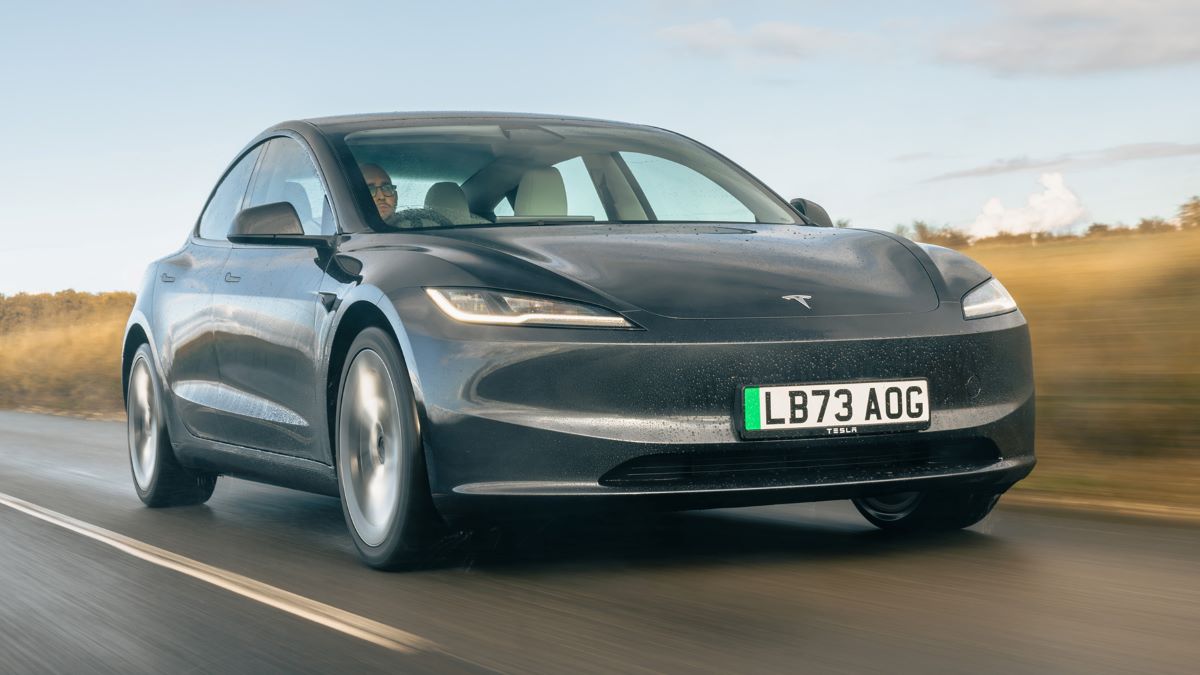
1. Tesla Model 3
The Tesla Model 3 is often associated with quick acceleration, yet at low speeds it tends to behave in a composed and predictable manner when the driver selects the gentler settings. The accelerator pedal has a wide range of control, which helps the car creep forward smoothly during stop and go conditions.
Drivers who want calm responses can adjust regenerative settings, allowing the car to slow gradually without sudden shifts in momentum. This balance between responsiveness and softness is part of what has made the Model 3 comfortable for people who spend time in busy areas where constant micro adjustments are needed.
The steering system also plays a role in the Model 3s traffic performance. At slow speeds the steering effort feels natural, and the car changes direction without twitchiness. This helps the driver maneuver through tight lanes with confidence. Suspension tuning, while firm at times, still keeps the body from moving too abruptly in small increments, which is important when inching forward repeatedly. A stable body response makes the driver feel more connected and secure rather than forced to manage every tiny motion.
The regenerative braking system also contributes to calm urban driving. By blending the motor’s energy recovery with conventional braking in a predictable way, the vehicle avoids sudden jerks that often unsettle passengers. Drivers can choose different levels of regenerative intensity, allowing them to create a style that feels natural and gentle during traffic. This flexibility is particularly valuable in crowded city conditions, where micro adjustments happen constantly.
Interior ergonomics complement the smooth driving experience. The low seating position, large touchscreen, and minimalistic layout all reduce distraction, letting the driver focus on subtle control inputs. In traffic, every small correction counts, and having controls and displays that are easy to interpret helps maintain smooth, measured movement.
The Model 3’s compact dimensions also aid in low-speed maneuvering. The short overhangs and tight turning radius allow the car to be positioned precisely in tight spots without requiring sharp jerks or abrupt pedal changes. This is especially noticeable in urban parking situations, where every millimeter counts and smooth adjustments make driving less stressful.
Finally, the Model 3 offers consistent weight distribution, which contributes to a predictable low-speed feel. The battery placement near the floor stabilizes the vehicle, preventing unwanted pitching or rolling when creeping forward. This creates a reassuring sense of control and makes the car feel grounded even in stop and go situations.
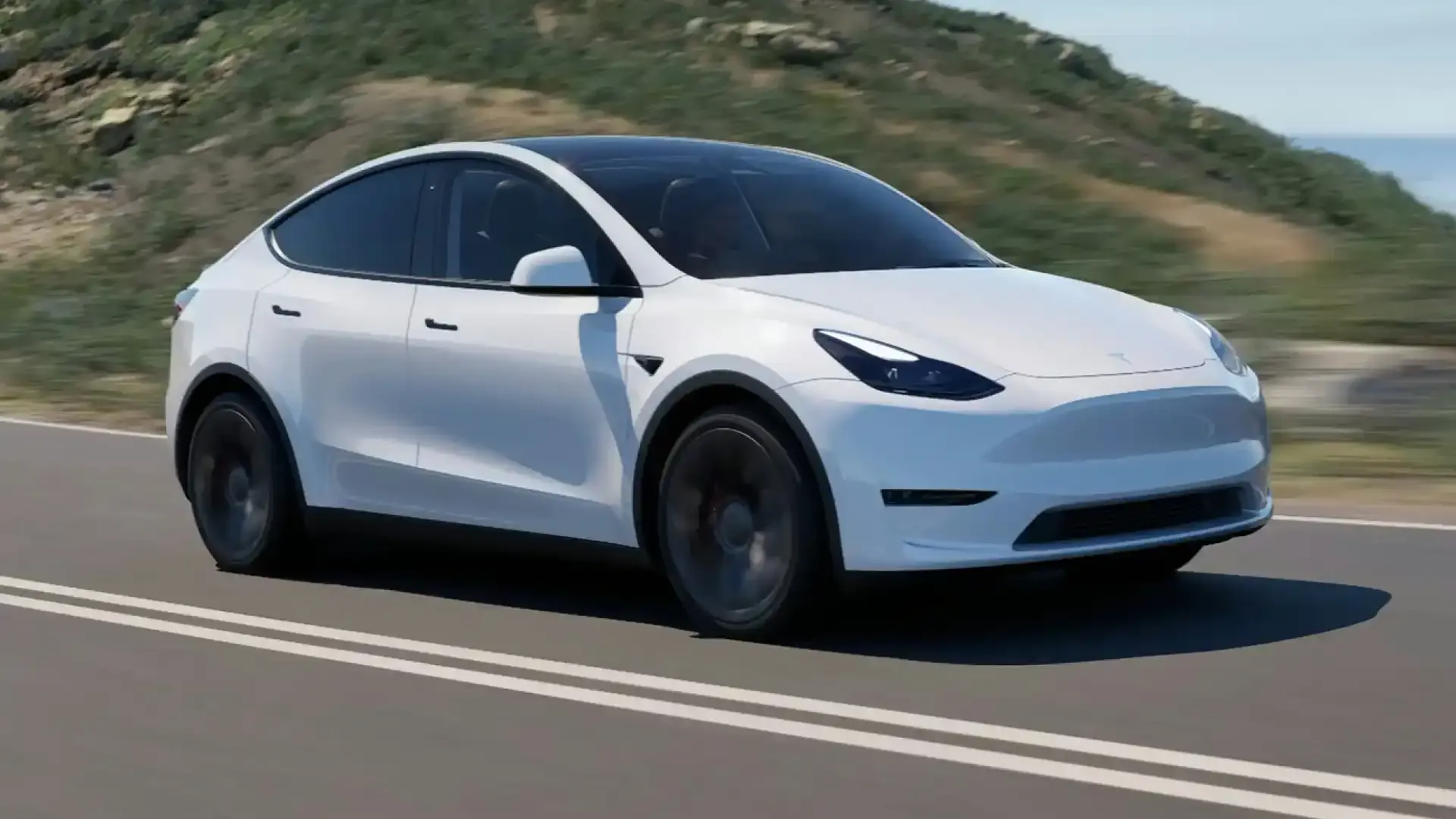
2. Tesla Model Y
The Model Y carries over many behaviors from its sedan sibling, and that includes stable low speed responses. Despite its higher stance and larger body, it still handles gradual speed changes gently, especially when set to lower regenerative modes. The accelerator pedal allows very fine adjustments, giving the driver enough range to avoid sudden movements when nudging forward in crowded settings. This makes the Model Y suitable for families and daily commuters who value a calmer experience.
Because the Model Y has a slightly softer suspension feel than the Model 3, it absorbs tiny bumps more gracefully in traffic. This keeps the body from reacting sharply, which is important when inching forward repeatedly. A car that darts or jolts at the smallest input can create discomfort over long commutes, but the Model Y maintains a steady line even when traveling at walking pace.
Regenerative braking behavior is adjustable, just as in the Model 3, and this eliminates abrupt transitions between slowing and creeping. Some EVs feel like they noticeably switch between braking systems, but the Model Y handles the blend smoothly enough for most drivers. This means that even in slow traffic, the vehicle seldom surprises the driver with sudden deceleration.
Steering at low speeds is light and responsive, which allows for easy adjustments in tight lanes or during parallel parking. Drivers can make smooth movements without needing sharp turns or overcorrection, which reinforces the calmness of the experience. This precision contributes to confidence during urban navigation.
The Model Y offers predictable energy recovery regardless of road conditions. Drivers can rely on the vehicle’s behavior to remain consistent even on uphill or downhill inclines, making stop and go driving less stressful. The ability to anticipate the car’s response adds to the perception of a jerky-free driving experience.
Finally, its wide track and well-distributed weight provide a solid foundation that minimizes unwanted swaying or pitching. Even when negotiating crowded intersections or merging lanes at low speed, the vehicle maintains composure, creating a reassuring sense of control for both the driver and passengers.
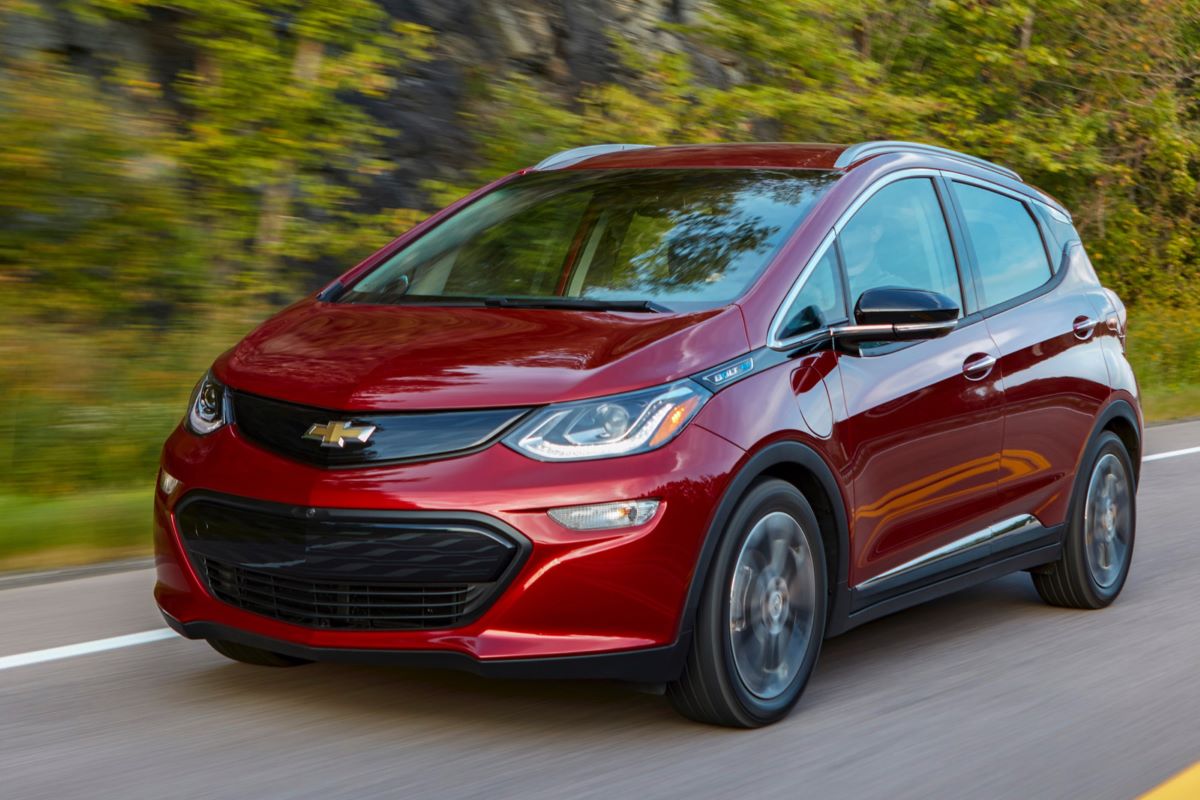
3. Chevrolet Bolt EV
The Chevrolet Bolt EV has long been appreciated for its gentle response at low speeds. Its motor tuning focuses on controlled acceleration rather than immediate bursts of torque. This makes it forgiving for new EV drivers who are still adjusting to the absence of engine lag. With careful pedal calibration, the Bolt EV lets the driver achieve inch by inch movement without feeling nervous about sudden leaps forward.
Cabin ergonomics also contribute to the Bolt EV’s ease of use at low speeds. The driver-oriented controls and intuitive layout allow smooth operation of buttons and pedals without distraction. Comfort and control work together, helping the driver maintain steady movement during congested drives.
Steering feel is light and predictable, providing confidence during slow maneuvering. Even during sharp turns or lane adjustments at low speed, the vehicle responds with smooth transitions rather than abrupt corrections. This level of predictability makes city commuting less stressful.
The vehicle’s battery placement contributes to a low center of gravity, which improves stability at crawling speeds. The car remains balanced during micro movements, which prevents a sense of sudden pitching or lurching. This stability helps passengers feel more comfortable and reduces fatigue for the driver.
Finally, visibility and compact design make negotiating traffic easy. Drivers can make precise adjustments without overcompensating, which keeps the motion smooth. This combination of pedal control, stability, and interior comfort makes the Bolt EV one of the more forgiving choices for stop and go urban driving.
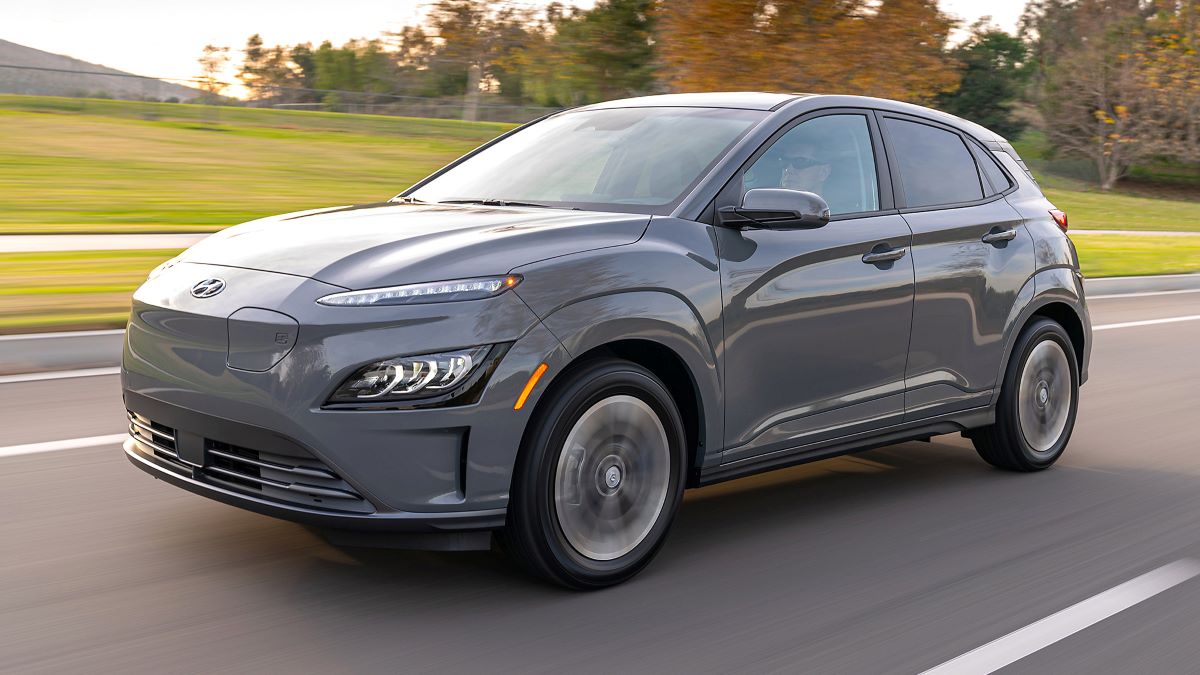
4. Hyundai Kona Electric
The Hyundai Kona Electric is known for calibrated responses that avoid twitchy behavior, especially at lower speeds. Its accelerator pedal provides a broad range where small motions result in small changes, making it easy to maintain a smooth crawl. Thanks to its balanced motor tuning, the Kona Electric does not jump forward aggressively when the driver applies slight pressure.
Its suspension feels composed over minor imperfections often found in slow city driving. That steadiness prevents the body from reacting too quickly to subtle movements. A stable platform is essential when navigating stop and go traffic because it keeps occupants comfortable even when movement is repetitive.
Drivers can adjust regenerative braking strength, which helps create gentle transitions between slowing and accelerating. The Kona Electrics systems rarely produce abrupt changes in momentum, contributing to a more predictable experience. This predictability is one of the reasons many commuters find it agreeable as a daily driver.
Interior layout and seating also support calm driving. Drivers are positioned comfortably and ergonomically, reducing fatigue during frequent stops and starts. Easy access to displays and controls allows focus on smooth inputs rather than constant adjustment, further reducing tension during urban driving.
The Kona Electric’s compact size improves low-speed agility, letting the driver place the vehicle precisely in crowded lanes or tight parking areas. This minimizes abrupt steering or acceleration corrections, keeping the ride steady and controlled.
Powertrain smoothness is a key feature. The Kona Electric progressively delivers torque, eliminating sharp bursts at minor pedal inputs. This refinement prevents jerky starts and stops, helping drivers feel in control during prolonged congestion.
Finally, suspension tuning combined with low center of gravity contributes to predictable movement. The car resists sudden pitch or roll during incremental speed changes, producing a stable and composed driving experience. This makes the Kona Electric particularly suitable for busy city streets or stop and go highway approaches.
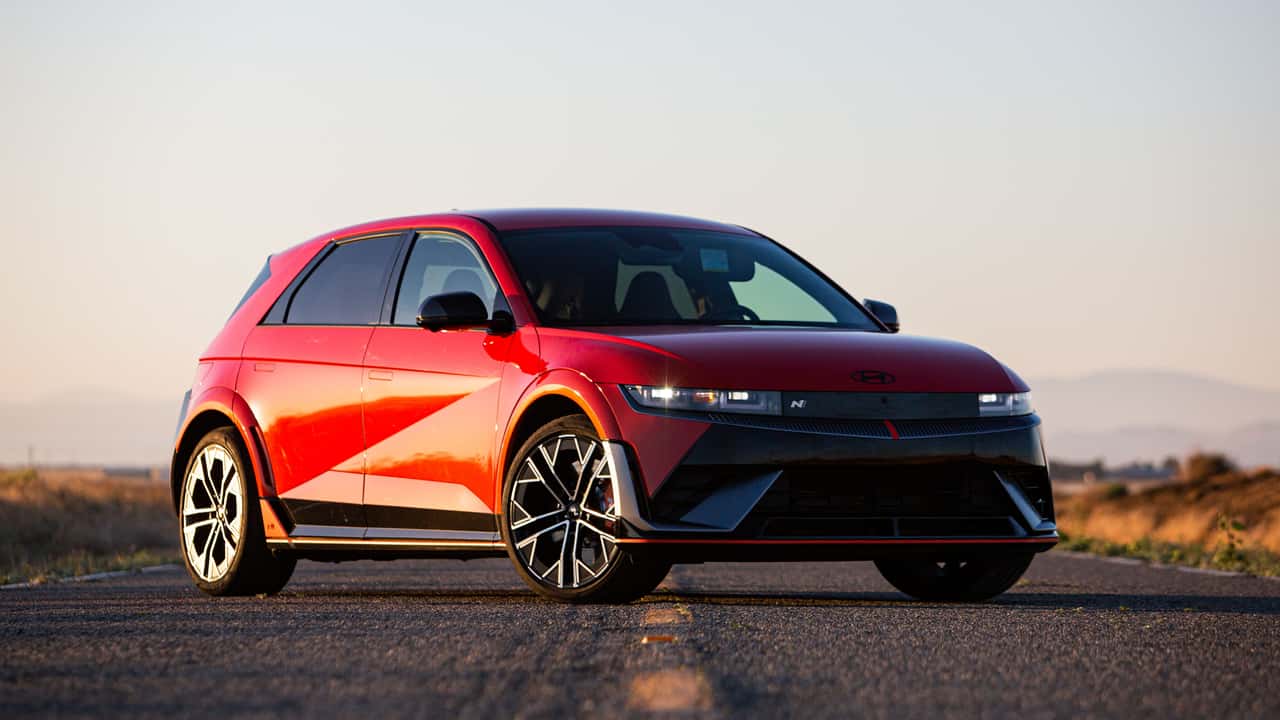
5. Hyundai Ioniq 5
The Ioniq 5 stands out for its polished and calm behavior, especially noticeable at creeping speeds. Its accelerator pedal has a gentle initial response, which helps reduce unintended jumps forward. The car is tuned for smoothness, giving drivers an effortless way to control momentum during urban driving.
Ride quality is a strong point, and its long wheelbase helps smooth out subtle road irregularities. When the body remains steady, drivers naturally maintain better control even at very slow speeds. This makes long commutes more pleasant because the car avoids jittery movement that can occur in many electric vehicles.
The interior layout supports calm driving as well. With clear lines of sight and a spacious cabin, drivers feel relaxed rather than tense. This relaxed state promotes smoother control inputs, which in turn reduces the chance of jerkiness.
The vehicle’s pedal feel is carefully engineered to provide progressive power delivery. Small foot movements translate to gentle acceleration, giving drivers confidence in managing tight traffic situations. This incremental response prevents sudden surges and keeps the ride calm.
The Ioniq 5’s suspension absorbs minor bumps effectively, preventing the body from reacting sharply in urban environments. This allows smooth transitions during start-stop traffic and contributes to comfort for both driver and passengers.
Battery placement and weight distribution also play a role in low-speed stability. A low center of gravity keeps the car balanced, reducing pitching or swaying that can make city driving uncomfortable. Drivers can focus on smooth movements rather than compensating for vehicle behavior.
Lastly, the Ioniq 5’s wide cabin and high seating position improve visibility, helping drivers anticipate traffic changes and maintain steady speed. Combined with controlled acceleration and regenerative settings, these qualities make it one of the most composed EVs in urban settings.
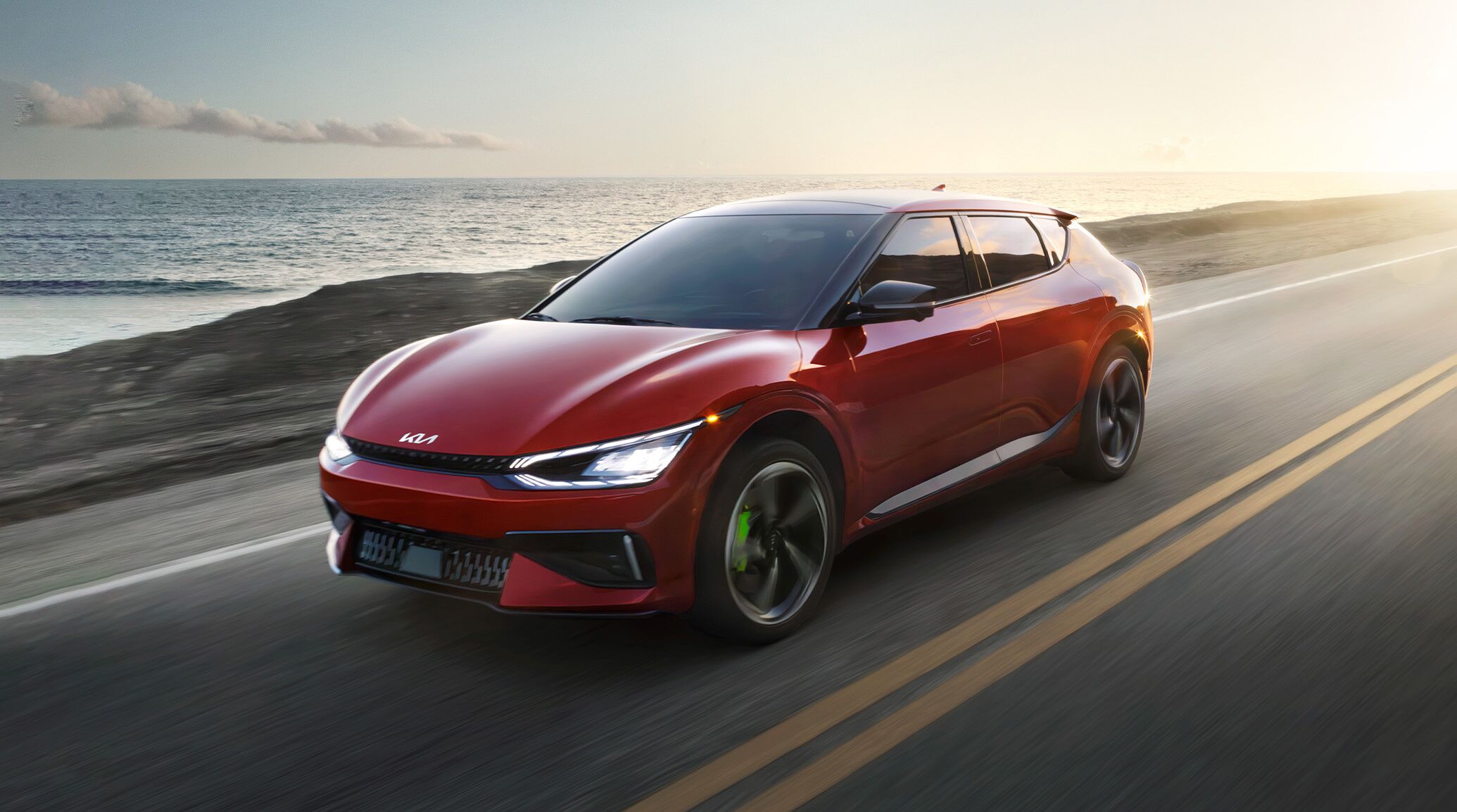
6. Kia EV6
The Kia EV6 shares its platform with the Ioniq 5, which gives it many similar strengths when navigating slow traffic. Its accelerator pedal is carefully tuned to prevent overreaction to minor inputs, allowing the car to creep forward with precision. This makes tight urban driving and stop and go traffic feel smooth and predictable, reducing driver fatigue.
The EV6’s suspension balances comfort with stability. While it can handle spirited driving at higher speeds, at low speeds it remains controlled, preventing sudden pitching or body roll. This makes it easier to maintain consistent motion when inching forward, especially in congested city conditions.
Regenerative braking in the EV6 is adjustable, allowing drivers to choose between strong, medium, or light energy recovery. At softer settings, deceleration is gradual and natural, which reduces the likelihood of abrupt stops that can unsettle passengers during traffic. This flexibility ensures that drivers can maintain a calm rhythm even on long urban commutes.
Steering precision is another factor that contributes to the EV6’s smooth low-speed performance. The system responds predictably, without sudden overcorrection, making maneuvering through tight lanes or parking spaces effortless. Confidence in steering inputs helps the driver maintain a consistent, jerky-free pace.
The cabin layout is designed with visibility and accessibility in mind. Large windows, a high seating position, and a clear dashboard display help drivers anticipate road conditions, allowing for smoother accelerations and braking. Better awareness of surroundings naturally encourages gentler movements and fewer abrupt corrections.
The EV6 also features precise throttle mapping, which allows drivers to modulate speed with minimal effort. This predictability prevents the vehicle from jerking forward unintentionally, creating a confident driving environment that is particularly valuable in urban settings.
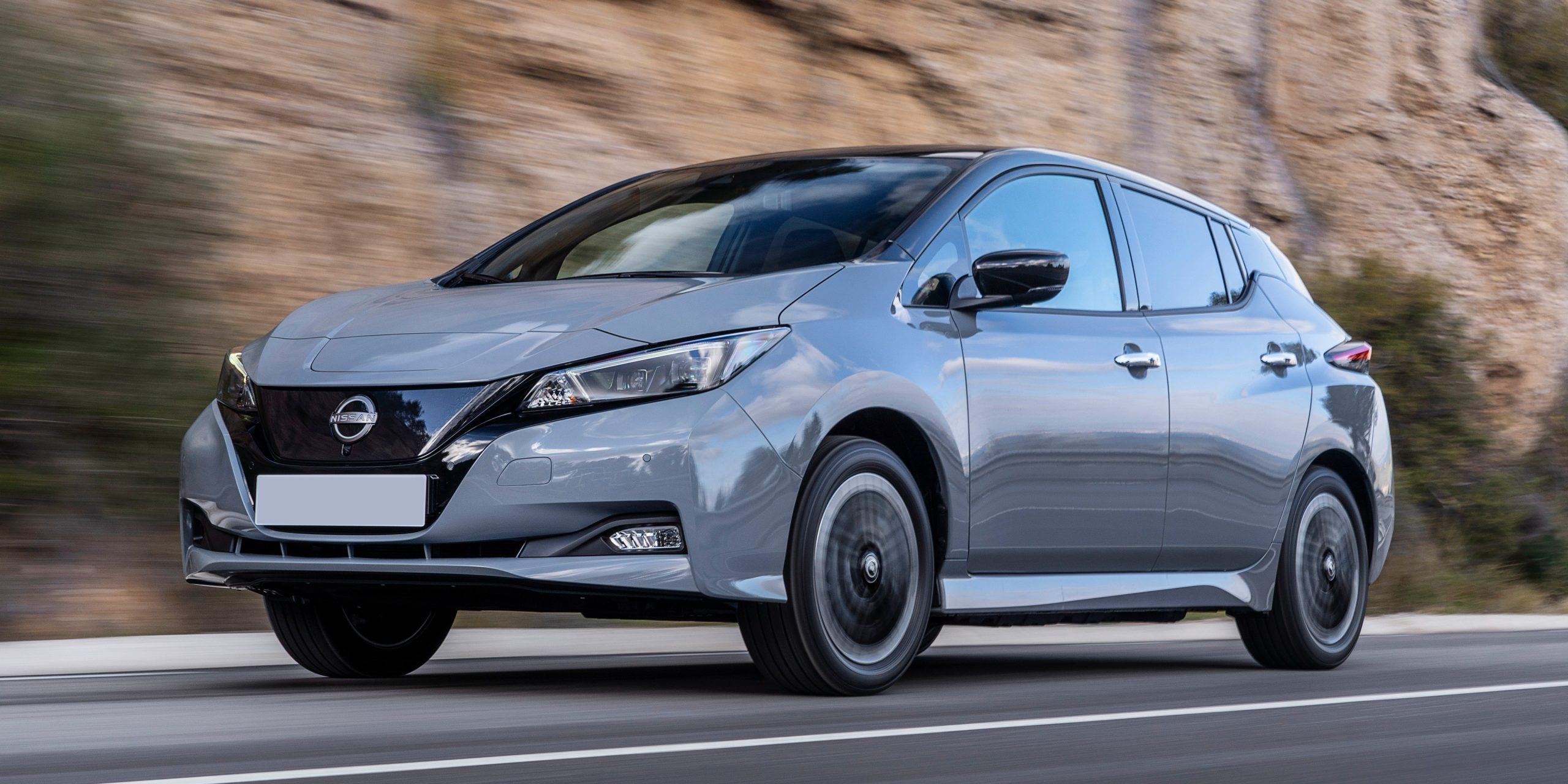
7. Nissan Leaf
The Nissan Leaf has long been known for its gentle low-speed behavior. Its power delivery is deliberately mild at slow speeds, making it easy for drivers transitioning from gasoline cars to maintain control. This prevents sudden bursts of acceleration that can feel startling in stop and go traffic.
Regenerative braking in the Leaf is moderate and consistent, ensuring that deceleration feels natural. The system does not switch abruptly between regenerative and friction braking, which prevents sudden slowing. Drivers can move inch by inch without unexpected shifts in momentum, adding to a calm driving experience.
Interior ergonomics support low-speed control. The driver’s seat provides excellent visibility, while controls are intuitive and within easy reach. Passengers benefit from stable motion, making long periods in traffic less stressful for everyone inside the vehicle.
The Leaf’s compact size contributes to maneuverability. Tight corners, narrow lanes, and parallel parking situations can be handled with precision, reducing the need for sharp corrections that could cause jerky movement. This compactness makes it one of the more approachable EVs in urban environments.
The Leaf’s motor tuning emphasizes linear acceleration, providing smooth throttle response across all low-speed ranges. This makes it easier to control forward momentum and reduces the sensation of sudden surges or jumps, which are common concerns for new EV drivers.
Battery placement also enhances stability. With a low center of gravity, the vehicle maintains balance even during micro adjustments of speed. This results in a calm and grounded feel that is particularly beneficial when crawling through traffic or navigating tight intersections.
Finally, the combination of pedal sensitivity, stable suspension, predictable regenerative braking, and compact design makes the Nissan Leaf exceptionally well-suited for traffic-heavy urban driving. Drivers can focus on navigating safely without the distraction of sudden jerks or inconsistent behavior.
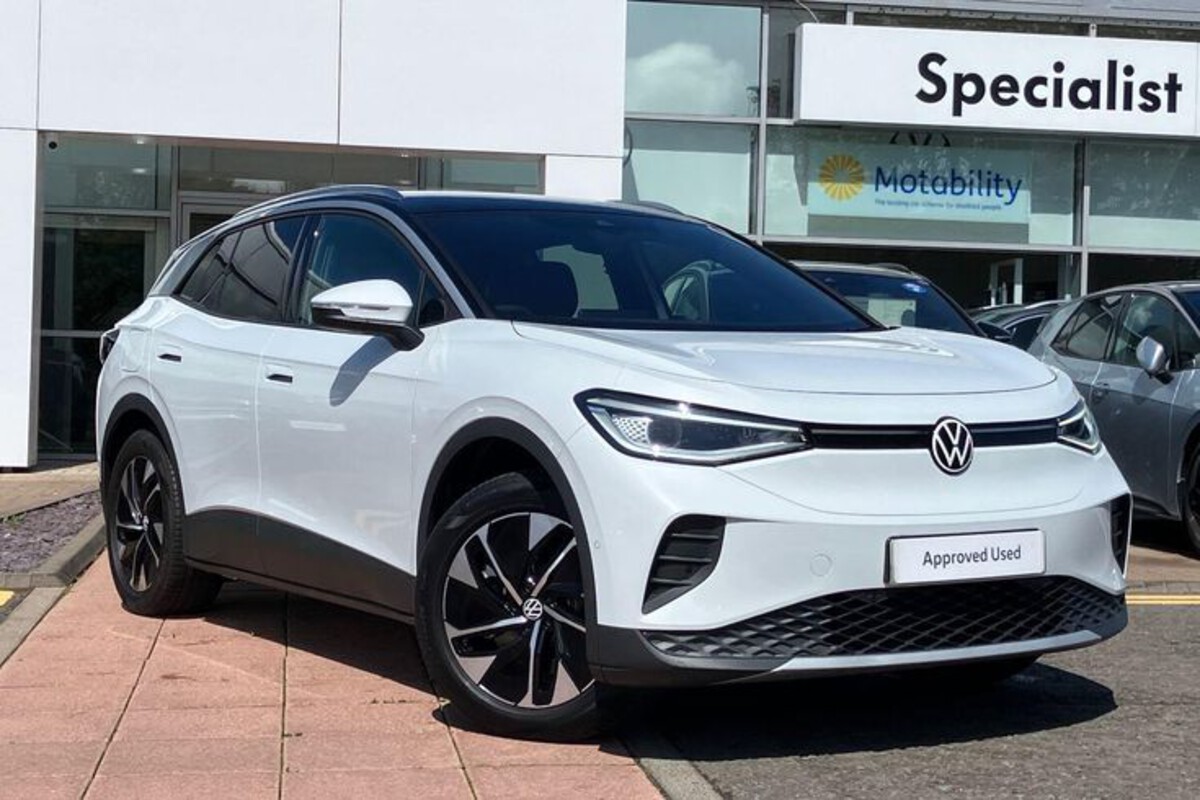
8. Volkswagen ID.4
The Volkswagen ID.4 is designed with composure in mind, particularly at low speeds. Its accelerator pedal is calibrated to deliver smooth and predictable power, helping drivers manage tight traffic conditions without abrupt reactions. This careful mapping ensures that small inputs translate to gentle forward movement.
Suspension tuning in the ID.4 absorbs minor road imperfections, preventing the body from pitching during incremental acceleration. This contributes to a steady feel that is particularly appreciated in stop-and-go city driving. Even over uneven surfaces, the car maintains controlled movement without abrupt shifts.
Regenerative braking is tuned to provide a balanced deceleration that mimics conventional braking. The smooth transition between energy recovery and friction braking reduces the potential for jerky stops. Drivers can rely on the vehicle’s behavior to remain consistent during daily urban commutes.
Steering precision is carefully calibrated, allowing small adjustments without sudden overcorrection. This is particularly helpful in crowded streets or tight parking situations, where minor corrections are frequent. The consistent steering feel improves driver confidence and reduces the sense of unpredictability.
Interior design and visibility also contribute to a calm driving experience. A high seating position, large windows, and ergonomically placed controls allow the driver to navigate with better awareness. Anticipating traffic changes helps maintain smooth, deliberate movements rather than reactive bursts.
The vehicle’s weight distribution adds to stability. With a low-mounted battery and balanced chassis, the ID.4 remains steady during micro adjustments of speed. This reduces pitching or swaying that could otherwise make low-speed traffic feel uncomfortable or jerky.
Throttle response is linear and forgiving. Small movements of the accelerator pedal result in proportionate acceleration, reducing the risk of sudden forward jumps. This feature is particularly valuable for drivers new to electric vehicles, who may still be learning how to modulate torque effectively.
Finally, the combination of controlled power delivery, precise steering, balanced suspension, and good visibility makes the ID.4 a highly composed option for urban driving. It is capable of maintaining a smooth, consistent pace even in dense traffic, keeping both drivers and passengers comfortable.
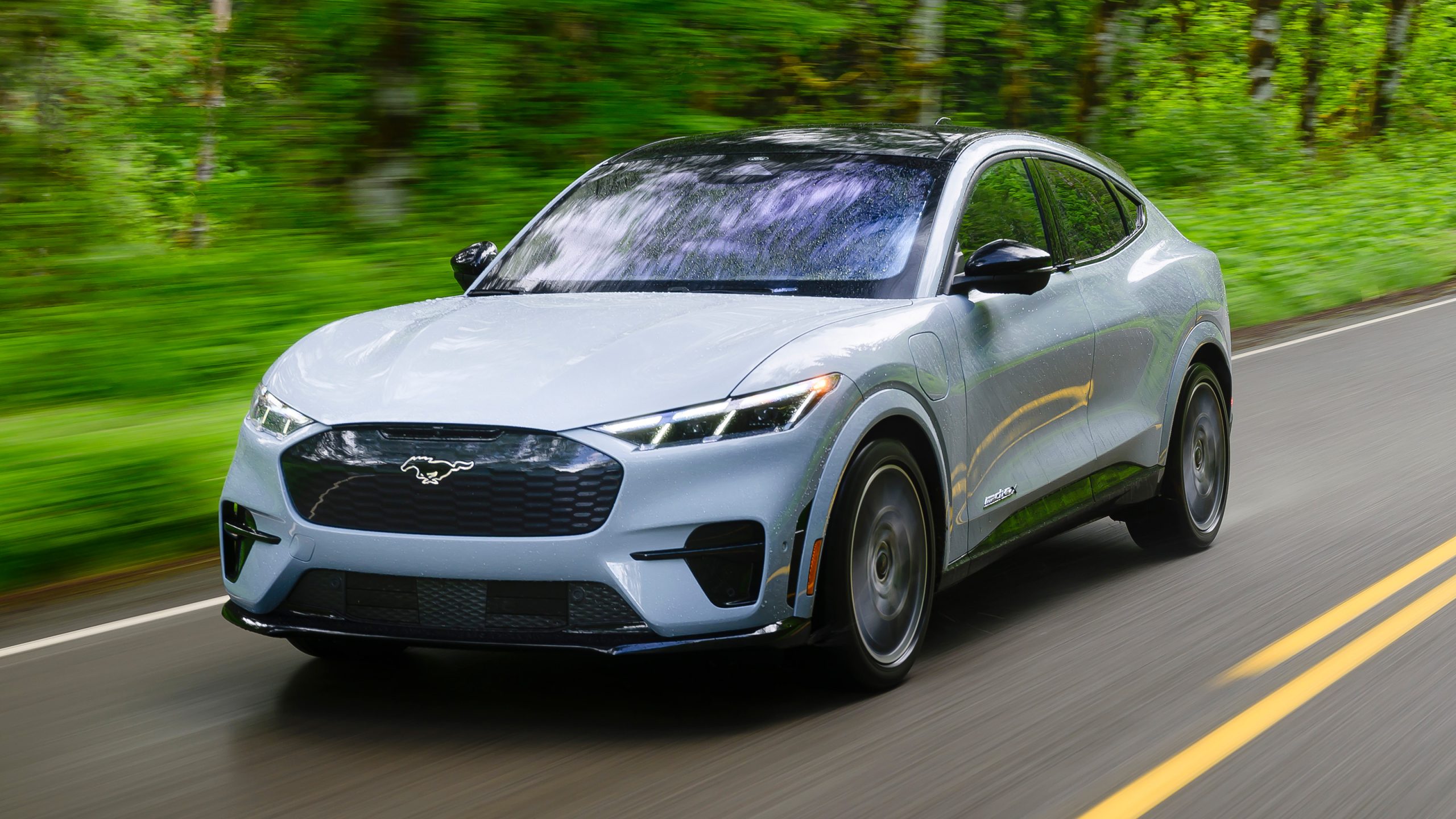
9. Ford Mustang Mach E
While the Mustang Mach E is marketed as a sporty EV, it also delivers smooth low-speed performance when set to gentler driving modes. Its accelerator pedal allows controlled modulation, enabling the vehicle to creep forward without abrupt surges. This dual personality makes it versatile for both spirited and city driving.
The suspension design strikes a balance between sportiness and comfort. At low speeds, the body remains composed even during small adjustments, preventing pitch and roll that could feel unsettling in stop-and-go traffic. Passengers experience consistent motion without sudden jolts.
Regenerative braking is adjustable, allowing drivers to select the amount of deceleration applied when lifting off the accelerator. Softer settings create a gradual slowdown that mimics traditional braking, minimizing jerky behavior in congested areas.
Steering feel is precise and responsive, allowing for smooth maneuvers through tight city streets. Minor adjustments do not result in overcorrection, which helps maintain controlled movement and reduces stress during urban driving.
The Mach E’s cabin design and visibility further contribute to calm handling. Large windows and intuitive controls help drivers anticipate surrounding traffic, enabling smoother throttle and brake inputs. Anticipation of traffic changes is key to maintaining fluid motion.
Weight distribution enhances stability. The battery placement provides a low center of gravity, keeping the vehicle grounded during incremental speed adjustments. This prevents the sense of sudden tipping or pitching that can make urban driving uncomfortable.
Throttle mapping is progressive, allowing drivers to maintain precise control over acceleration in dense traffic. Small inputs produce small responses, making the Mach E feel less intimidating for new EV owners and enhancing confidence during congested driving.
The combination of adjustable braking, stable suspension, predictable throttle response, and thoughtful cabin design allows the Mustang Mach E to remain composed even in the most stop-and-go traffic. It provides a smooth, controlled experience without sacrificing its sporty character.
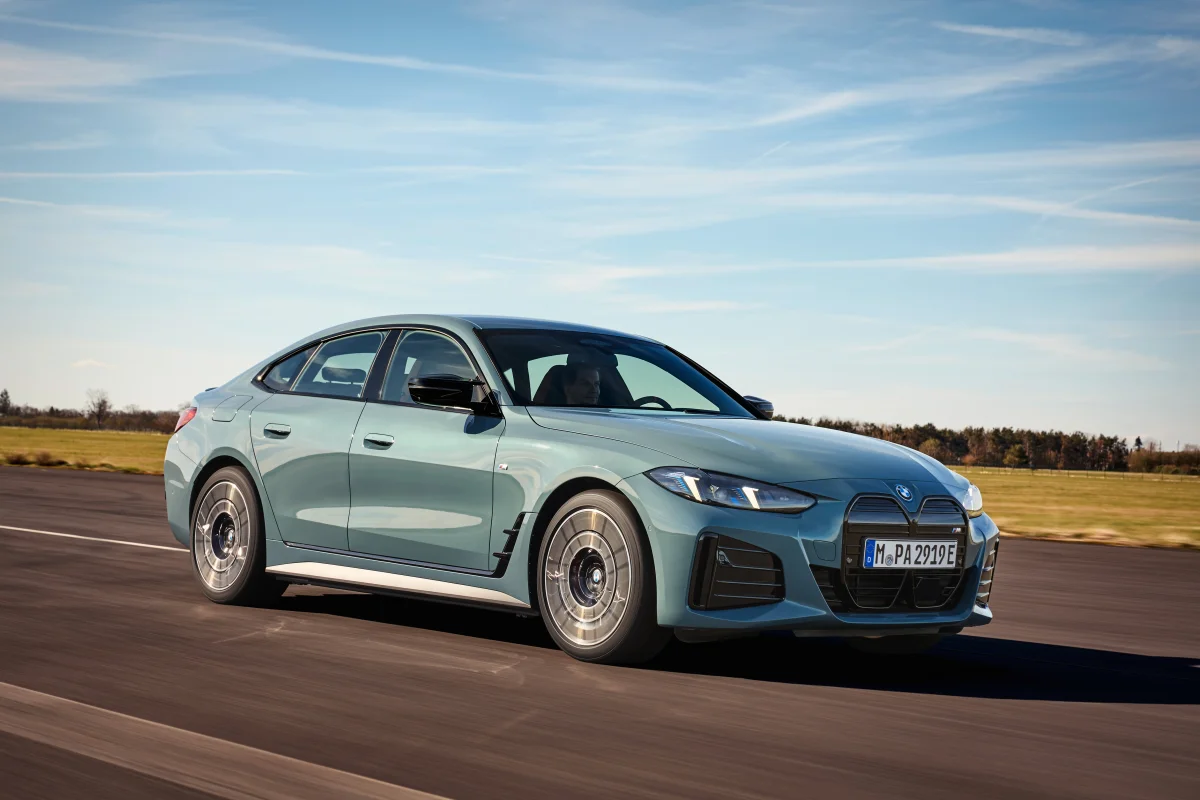
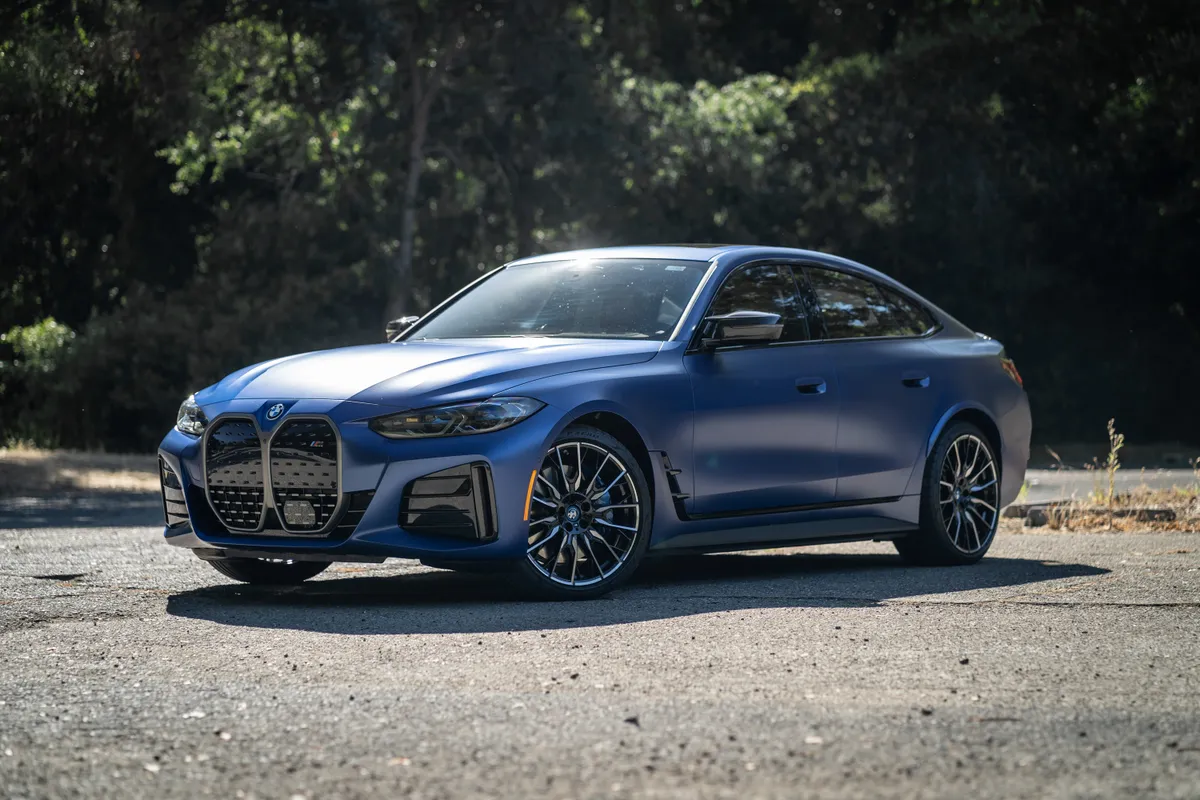
10. BMW i4
The BMW i4 emphasizes smooth power delivery at low speeds. Its accelerator pedal has a gentle initial response that prevents sudden forward surges, allowing drivers to creep forward with confidence. This makes it suitable for busy city streets and stop and go traffic.
Suspension tuning provides a stable and controlled ride. The vehicle absorbs minor road imperfections gracefully, preventing abrupt pitching or rolling during low-speed maneuvers. This stability contributes to a composed driving experience in urban settings.
Regenerative braking is carefully calibrated to provide consistent deceleration. Drivers can select from multiple modes, but even stronger settings maintain predictability and prevent sudden jolts. This allows for smoother transitions between braking and acceleration.
Steering at low speeds is precise yet forgiving. Small inputs result in proportional vehicle responses, reducing the risk of overcorrection in tight lanes or parking areas. This precision enhances confidence and helps maintain a jerky-free experience.
Interior ergonomics enhance the calm driving experience. The driver enjoys excellent visibility, intuitive controls, and an uncluttered layout, which supports smoother inputs and reduces the likelihood of abrupt movements.
Battery placement and weight distribution provide a low center of gravity, which stabilizes the vehicle during incremental speed adjustments. This minimizes pitching and swaying, keeping passengers comfortable even during frequent stops.
The i4’s throttle mapping is linear and responsive, translating small foot movements into smooth acceleration. This allows for gradual speed changes, making congested driving less stressful and more controlled.
Finally, the combination of suspension stability, predictable regenerative braking, linear throttle response, precise steering, and thoughtful interior design ensures that the BMW i4 maintains composure in city traffic. Drivers can confidently navigate urban environments while passengers enjoy a calm and smooth ride.
