

Comfort in a car goes far beyond just the softness of the cushions or the width of the legroom. For many drivers and passengers, the true measure of comfort lies in how a vehicle’s seats accommodate the body without constriction. One common complaint among sedan owners is that the seats can feel narrow across the shoulders, creating pressure points, fatigue, and a sense of being cramped during long drives.
This problem is not limited to a particular price range; both luxury and mainstream sedans can suffer from this design flaw. Searching for shoulder-friendly seating is an important consideration for anyone who spends significant time behind the wheel.
Seats that allow the shoulders to rest naturally and comfortably can transform a mundane commute into a more enjoyable experience. A well-designed seat will not only provide adequate width but also support proper posture, reduce strain, and allow for a sense of freedom in movement.
Features such as adjustable side bolsters, contoured padding, and careful attention to ergonomics are key to preventing the feeling of being squeezed. This is particularly important for taller individuals or those with broader frames, who often struggle to find a sedan that accommodates their body type without sacrificing support or aesthetics.
Beyond comfort, seat design influences driver focus and passenger satisfaction. A seat that constricts the shoulders can subtly force the spine into unnatural positions, increasing tension over time. On the other hand, a seat that balances firmness with width ensures that occupants remain comfortable even on extended drives.
Manufacturers have increasingly recognized this need, responding with sedans that combine sleek design with thoughtful ergonomics. These vehicles cater not only to physical comfort but also to the broader sense of well-being while driving, acknowledging that a relaxed driver is a safer driver.
This article highlights ten sedans that excel in providing seating that does not pinch the shoulders. Each entry includes insights into why the seats stand out, from their dimensions to material choices, ergonomic design, and adjustability.
By presenting a range of options across different price points and styles, this guide aims to help drivers and passengers find a sedan that prioritizes comfort without compromising performance or aesthetics. For anyone frustrated by narrow seats or simply seeking a more accommodating ride, these sedans offer practical solutions that enhance the driving experience and reduce fatigue on every journey.
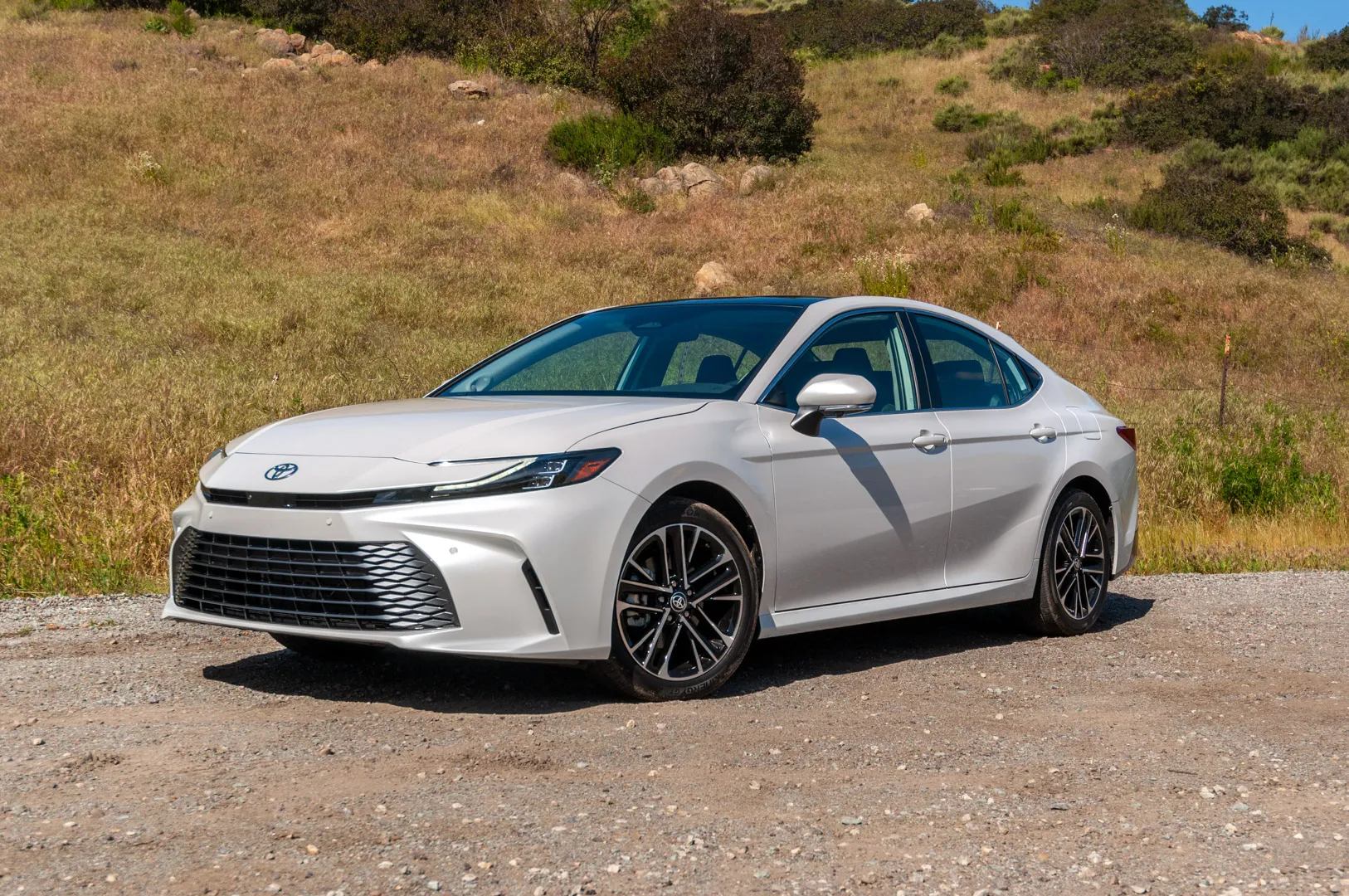
1. Toyota Camry
The Toyota Camry has long been praised for combining reliability with comfort, and its seating design reflects this commitment. One of the key elements contributing to shoulder comfort in the Camry is the thoughtful width of the front seats.
Unlike some sedans in its class that focus primarily on a sleek cabin look, Toyota engineers designed the Camry to provide ample lateral space for occupants. The contours of the seat follow the natural shape of the human body, allowing shoulders to rest without feeling squeezed. Even taller passengers can find a position that feels natural without compromising access to controls.
Adjustability is another factor that enhances the Camry’s comfort. The seats offer multiple ways to fine-tune both height and tilt, which can change how the shoulders align with the seatback. Some trim levels even include power lumbar support and adjustable side bolsters, providing a customizable fit.
This level of flexibility is especially important for drivers who spend long hours on the road, as small changes in posture can prevent tension and stiffness. The combination of width, contouring, and adjustability makes the Camry’s seating one of the most forgiving for the shoulders.
The materials used in the Camry also contribute to comfort. High-quality fabric and leather options are paired with padding that balances softness with support. The cushioning ensures that the shoulder area does not experience excessive pressure, while maintaining a firm base for proper posture.
Over long distances, this creates a sensation of support rather than restriction, allowing occupants to remain relaxed. Even in entry-level trims, the attention to ergonomics ensures that shoulder comfort is not sacrificed in favor of cost savings.
Finally, the Camry’s rear seats are also thoughtfully designed. Many sedans focus mainly on front-seat comfort, but the Camry provides adequate shoulder room for backseat passengers as well.
The rear bench offers a moderate width and supportive side bolsters, ensuring that the shoulders have space without pushing passengers toward the center. This makes the Camry not just a comfortable choice for the driver but also a family-friendly sedan where shoulder comfort extends to all occupants.
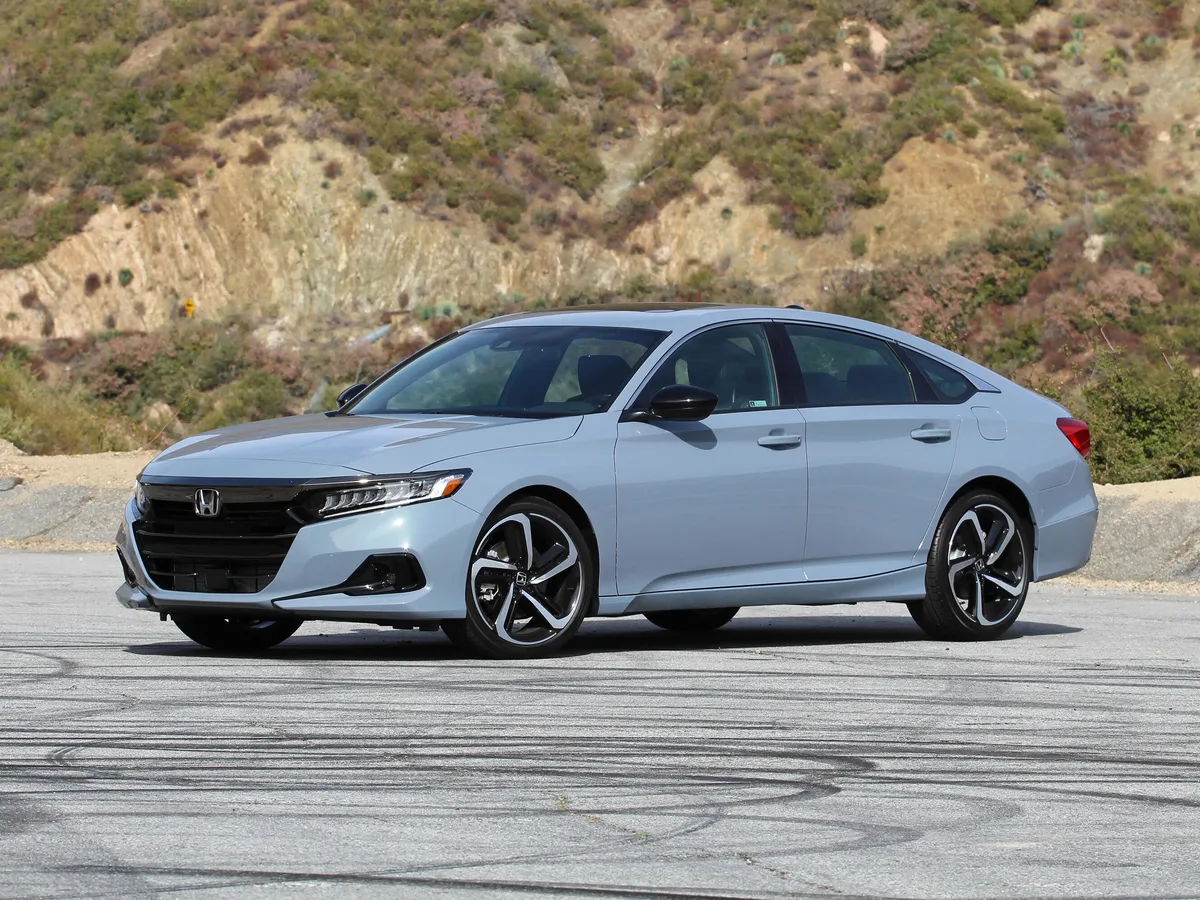
2. Honda Accord
The Honda Accord has earned a reputation for practical comfort, and its seating design highlights this strength. One of the most noticeable aspects of the Accord’s seats is their generous width across the shoulders.
Honda engineers designed the cabin to accommodate a broad range of body types, which prevents the feeling of being pinched during longer drives. The front seats, in particular, feature a slight outward curve that supports the natural alignment of the shoulders while keeping passengers secure.
Ergonomics are a strong focus in the Accord. Adjustable headrests, seat height, and tilt ensure that drivers can find the optimal position for both visibility and comfort. Power-adjustable options, available in higher trims, further enhance the shoulder experience by allowing precise customization.
Side bolsters provide subtle support without constricting, a balance that many sedans fail to achieve. This design reduces tension in the upper back and neck, which can accumulate when shoulders are pressed against narrow seat edges.
Material choice plays a significant role in comfort as well. Honda offers both cloth and leather options with padding that distributes pressure evenly across the shoulder area. The foam density is carefully calibrated to prevent sinking too deeply while still providing cushioning.
In combination with the contour of the seat, this ensures that shoulders remain in a natural position, even on longer trips. The Accord demonstrates that a mid-size sedan can deliver a high level of comfort without relying on oversized or overly plush seats.
Backseat passengers also benefit from the Accord’s design. The rear bench accommodates two adults comfortably with extra space for the shoulders, while a third passenger in the center experiences minimal intrusion from seat contours.
Honda’s approach to shoulder comfort reflects an understanding of ergonomics, ensuring that the car feels roomy and supportive for all occupants. This makes the Accord a consistent choice for drivers who prioritize comfort on every seat in the cabin.
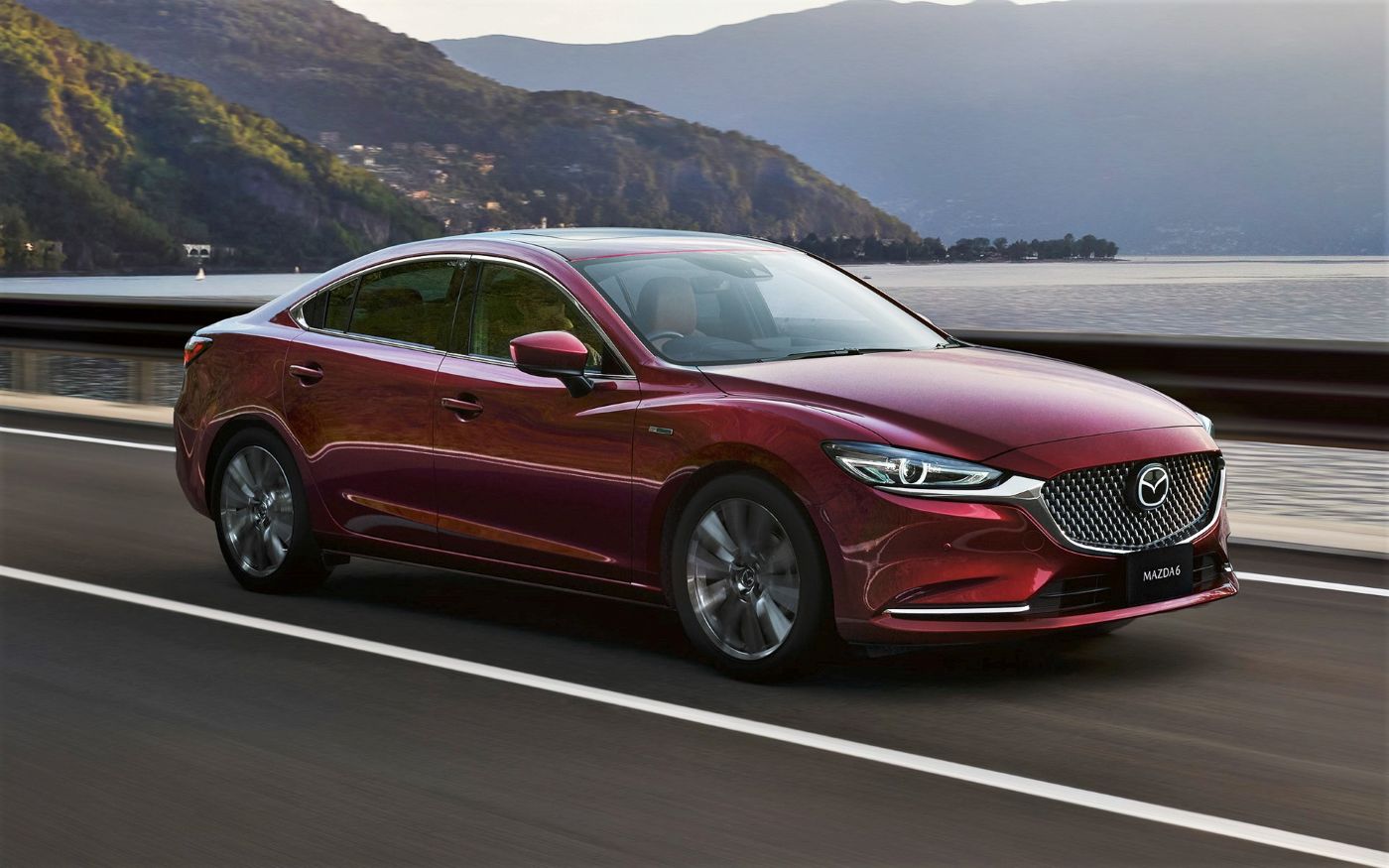
3. Mazda6
The Mazda6 stands out in the midsize sedan segment for combining a sporty feel with impressive comfort, particularly in its seating design. One of the most striking aspects of the Mazda6’s seats is their ability to accommodate the shoulders without any sense of pinching, which is a common complaint in sportier sedans that favor tighter, more supportive bolsters.
The front seats are thoughtfully sculpted, allowing the shoulders to rest naturally while still offering lateral support to keep the body stable during cornering. This balance between support and freedom of movement ensures that drivers and passengers alike experience minimal fatigue over extended journeys.
Ergonomics in the Mazda6 are refined and precise. The seats offer multiple power adjustments for height, tilt, and lumbar support, allowing for personalized alignment. For broader-shouldered drivers, the combination of adjustable side bolsters and seatback angle adjustments ensures that pressure points are minimized while maintaining proper posture.
Even in manual seat configurations, the seat width and contouring are generous enough to prevent a feeling of compression at the shoulders. Mazda clearly prioritizes creating an experience where comfort complements driving dynamics rather than compromising it.
Material quality further enhances the shoulder comfort in the Mazda6. Premium trims feature leather seating with a firm-yet-yielding foam that cushions the shoulder area while maintaining enough resistance to support proper posture.
Cloth seats in lower trims are designed with similar ergonomic principles, ensuring that comfort is not sacrificed for affordability. The padding and contouring are strategically placed to distribute weight evenly across the shoulders and upper torso, avoiding localized pressure points that can cause discomfort over time. This thoughtful approach extends the feeling of comfort across different trims and configurations.
The rear seating in the Mazda6 also deserves attention. While many sedans reduce shoulder space in the back to prioritize front seating or trunk space, the Mazda6 maintains a sense of openness. Rear passengers benefit from a slightly wider bench and supportive side contours that keep the shoulders from feeling crowded.
This makes the Mazda6 a sedan that truly considers comfort for every occupant, offering a cabin experience where both front and rear passengers can enjoy long drives without tension or restriction.
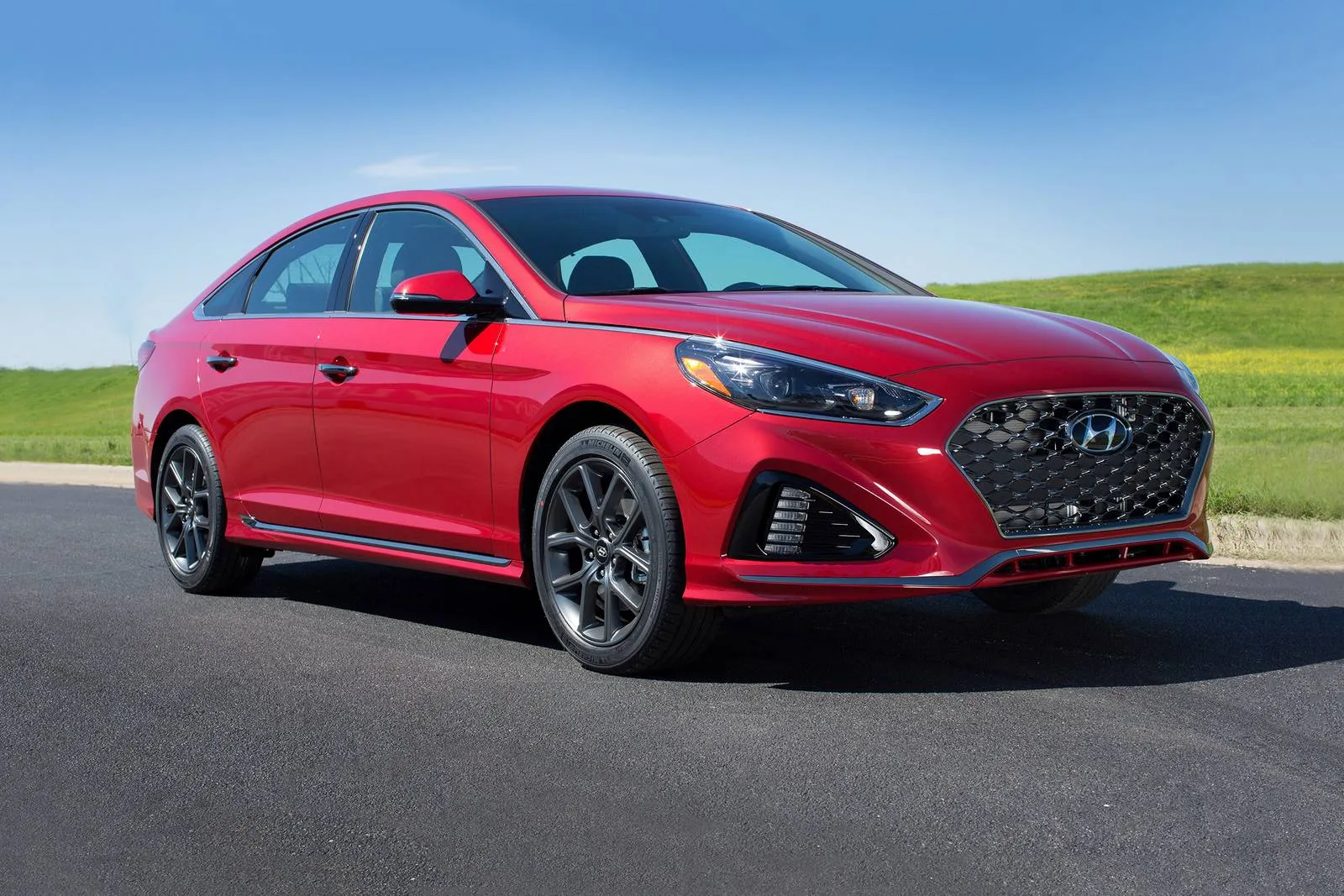
4. Hyundai Sonata
The Hyundai Sonata is recognized for combining value with well-executed interior design, particularly in its seating ergonomics. One of the most significant advantages of the Sonata is the width of its front seats, which allows for generous shoulder room without compromising the support needed for longer journeys.
Many sedans in its class employ aggressive side bolstering that can press into the shoulders, but the Sonata maintains a balance between contouring and freedom of movement. This design allows the upper body to rest naturally, reducing fatigue and enhancing comfort for drivers of various body types.
Adjustability plays a central role in the Sonata’s approach to shoulder comfort. Higher trims offer fully powered seats with multiple memory settings, enabling occupants to fine-tune seatback angles, height, and lumbar support. Even in mid-level trims, manual adjustments provide sufficient flexibility to accommodate different shoulder widths.
The side bolsters are supportive yet soft enough not to restrict motion, making it easier for drivers to change posture during extended trips. These features reflect Hyundai’s attention to human factors in design, ensuring that the seating experience is both customizable and universally comfortable.
The choice of materials in the Sonata further enhances the shoulder comfort experience. Premium leather options provide smooth, durable surfaces with strategically placed cushioning to reduce pressure on the shoulders. Cloth seats, meanwhile, are constructed with supportive padding that prevents sinking or uneven weight distribution.
This attention to detail ensures that passengers feel supported without feeling confined, even during long drives. Hyundai’s design philosophy emphasizes ergonomics over merely aesthetics, making the Sonata a strong contender for those who prioritize comfort.
Rear seating in the Sonata also contributes to the impression of shoulder-friendly design. The backbench offers adequate space for two adults to sit comfortably side by side, with shoulders naturally accommodated without crowding.
Additionally, the seatback contours allow passengers to remain well-supported while providing a sense of openness. These features collectively make the Sonata a sedan that values comfort for both front and rear passengers, offering a spacious cabin experience without feeling restrictive.
5. Kia K5
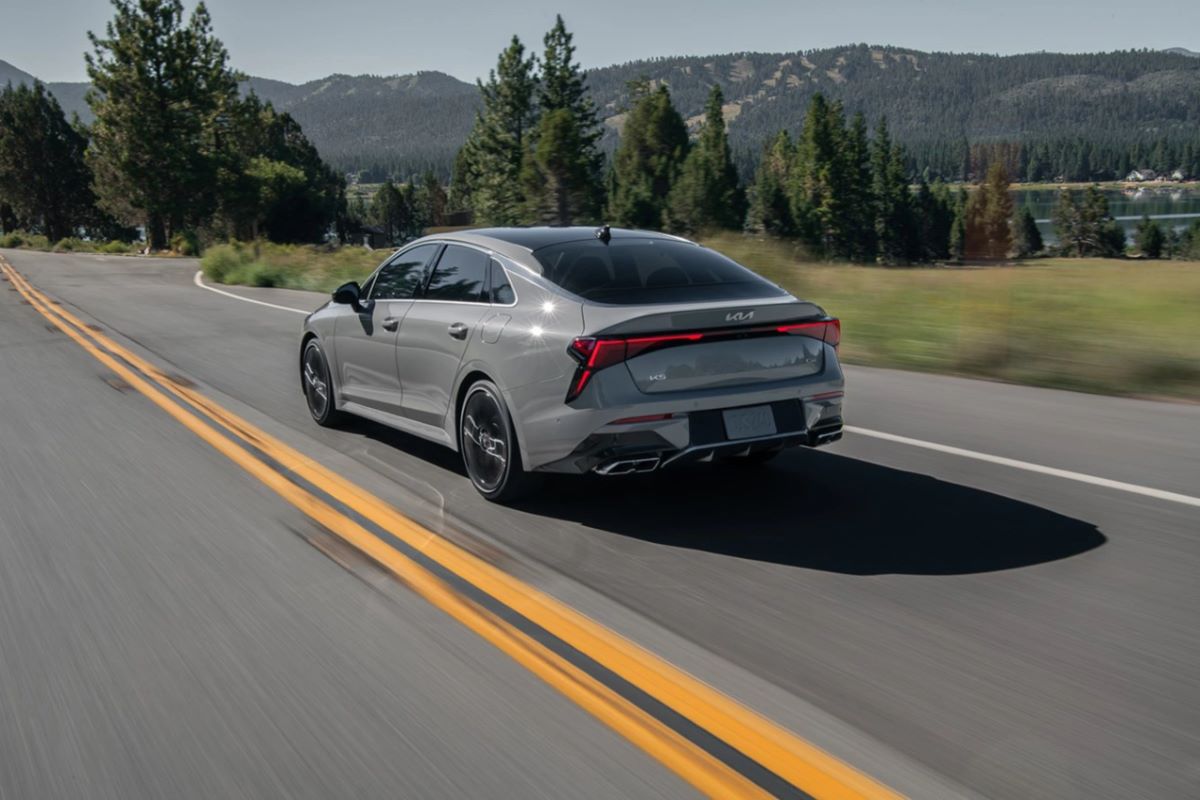
The Kia K5 offers a unique combination of style and comfort, particularly in its attention to seating ergonomics. One of the most features of the K5 is its front seat design, which provides ample shoulder space without sacrificing the sporty aesthetics of the cabin.
Unlike sedans that use overly tight bolsters to project a performance-oriented look, the K5’s seats allow for natural shoulder positioning, ensuring that drivers and passengers do not feel pinched or constrained. The seat contours align with the body’s natural curves, offering a comfortable balance between lateral support and openness.
Material choices in the K5 play a critical role in shoulder comfort. Leather seating in premium trims features a combination of softness and support, with padding designed to relieve pressure on the shoulders. Fabric options in base models are similarly ergonomically contoured, ensuring comfort without relying on luxury materials.
This thoughtful approach to cushioning and contouring contributes to an sensation of spaciousness, allowing shoulders to rest naturally. Kia clearly recognizes that the experience of driving is influenced by small ergonomic details that accumulate over time.
Rear seating in the K5 maintains this focus on shoulder comfort. The backbench provides sufficient width for adult passengers, with well-considered side bolsters that offer support without crowding the shoulders. Even with three occupants in the back, the shoulder space is generous enough to avoid feelings of compression.
The K5 demonstrates that a modern sedan can provide sporty styling without sacrificing the everyday comfort of its occupants, offering a cabin where both front and rear passengers are accommodated with attention to ergonomic detail.
6. Nissan Altima
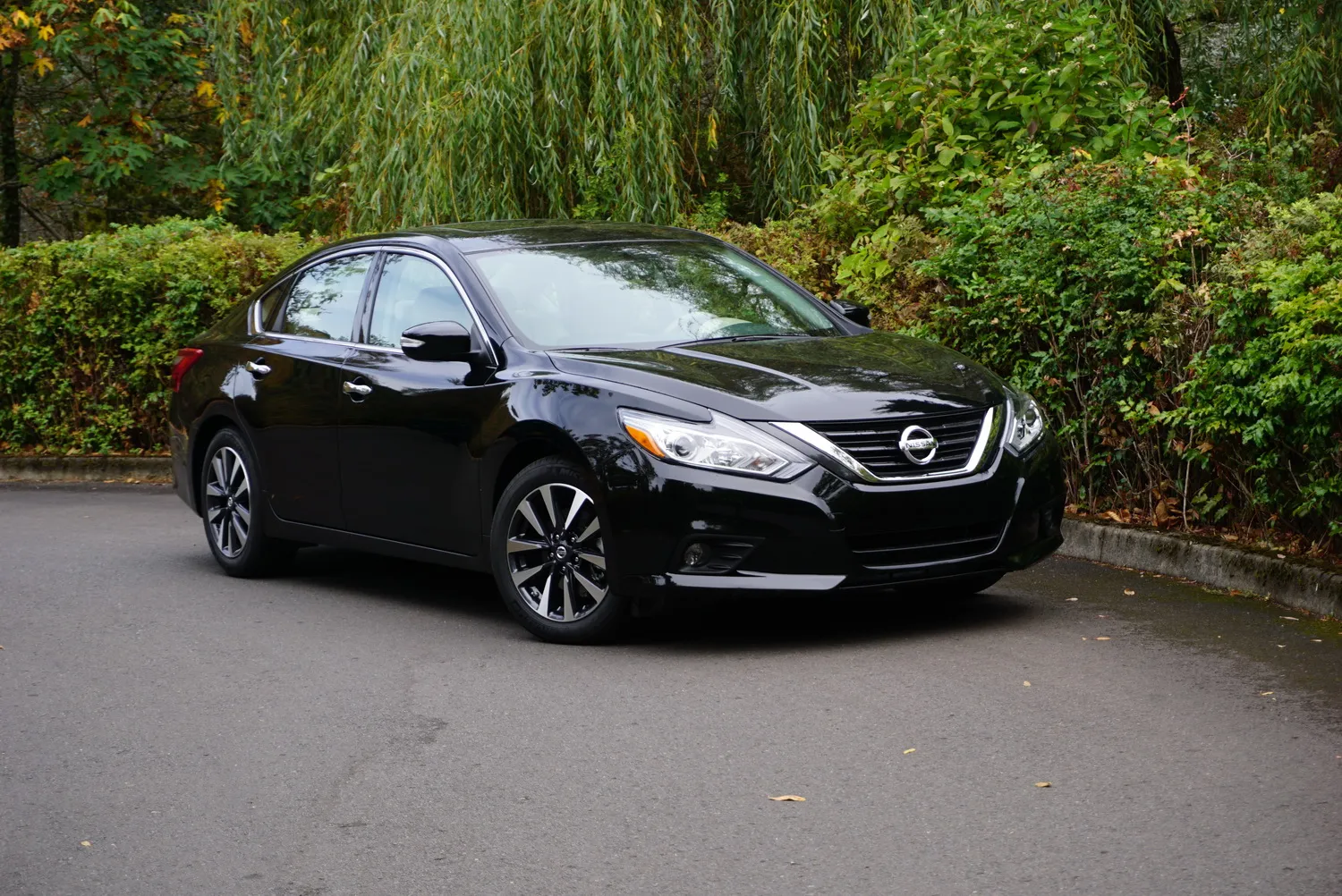
The Nissan Altima is a midsize sedan that emphasizes a balance between driving dynamics and passenger comfort. One of the standout features of the Altima is its front seat design, which accommodates a wide range of body types without pinching the shoulders. The seats are sculpted with subtle outward curves that allow the upper torso to rest naturally while providing firm lateral support.
This is particularly beneficial for longer drives, where narrow or overly bolstered seats can lead to tension in the shoulders and upper back. The Altima’s design ensures that occupants feel supported rather than confined, creating a relaxing experience in both city traffic and on highways.
Adjustability in the Altima is another factor that enhances shoulder comfort. Higher trims offer power-adjustable seats with multiple settings for height, tilt, and lumbar support, while standard models provide manual adjustments that are still effective in maintaining a natural seating posture.
The side bolsters are firm enough to provide stability but designed so they do not press uncomfortably against the shoulders. Drivers and passengers can fine-tune their seating positions to distribute weight evenly, reducing strain over time. This focus on ergonomic flexibility demonstrates Nissan’s attention to practical comfort as a core aspect of vehicle design.
Material choices in the Altima further contribute to a sense of comfort. Premium leather options feature supportive padding that cushions the shoulder area without excessive softness, allowing the upper body to maintain proper alignment.
Cloth seating in lower trims is crafted with similar ergonomics in mind, ensuring that even entry-level configurations provide a comfortable shoulder fit. The balance between padding and firmness helps prevent the feeling of sinking or pinching, particularly for individuals with broader shoulders. Nissan’s approach reflects a holistic understanding of how seat design affects both comfort and posture.
Rear seating in the Altima also accommodates shoulder space thoughtfully. The back bench is sufficiently wide to allow two adults to sit comfortably side by side, and even the middle passenger benefits from minimal intrusion from seat contours.
The rear seatbacks are slightly contoured to support the natural shape of the shoulders, preventing fatigue on longer journeys. By considering both front and rear shoulder comfort, the Altima demonstrates a commitment to a more inclusive design that prioritizes passenger well-being throughout the cabin.
7. Subaru Legacy
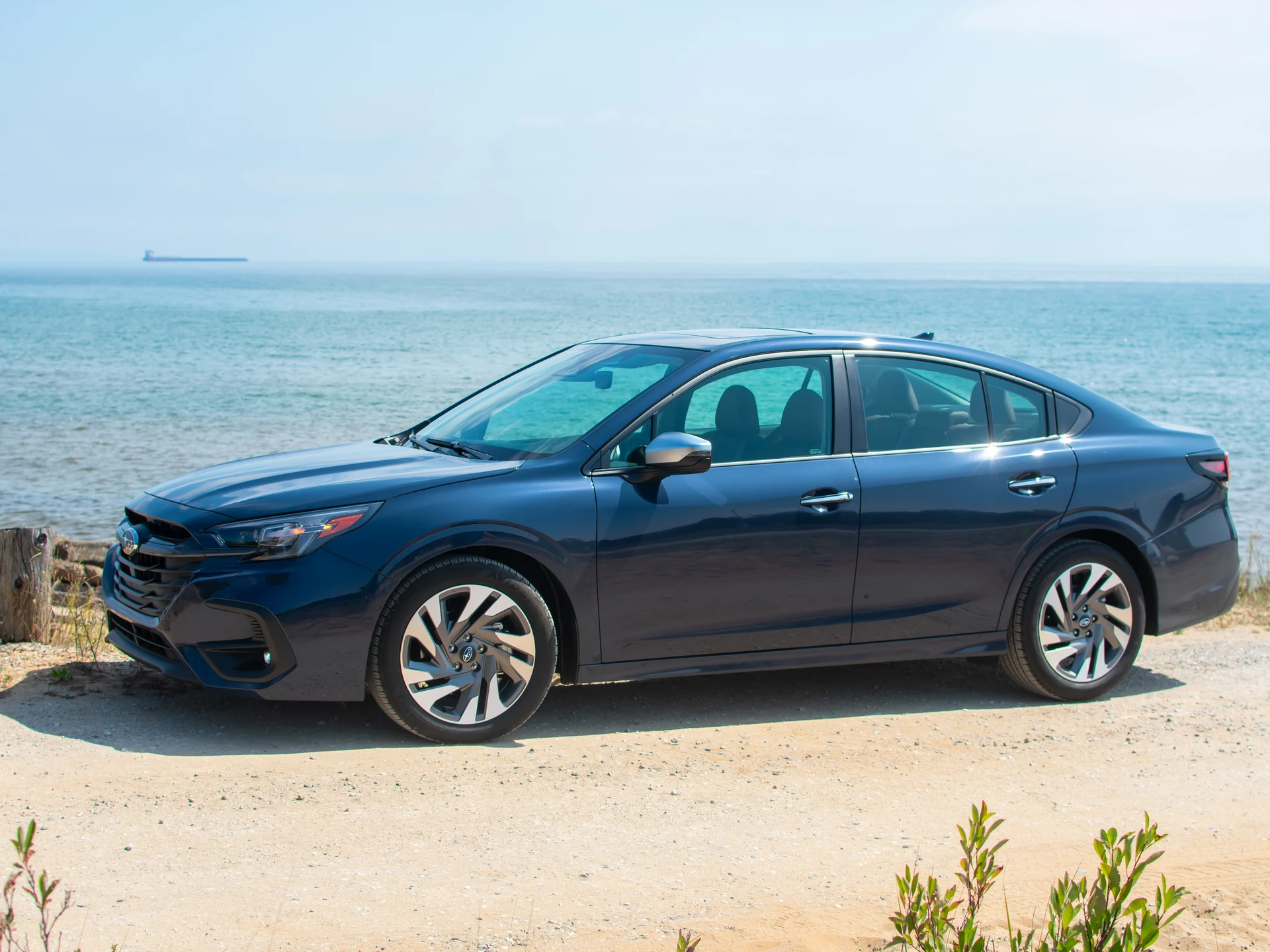
The Subaru Legacy is known for combining all-wheel-drive capability with comfortable, practical interiors. One of the defining aspects of the Legacy’s seating is its generous shoulder room in both front and rear seats.
The front seats feature gentle outward contours that allow shoulders to rest naturally without feeling compressed, a design choice that sets it apart from sportier sedans that often sacrifice width for aggressive bolstering. This creates a cabin environment that feels open and inviting, which is particularly beneficial for taller passengers or those with broader upper bodies.
Adjustable seating options in the Legacy further improve shoulder comfort. Higher trims feature power adjustments with multiple directions of movement, including height, tilt, and lumbar support. Even manual seats provide a natural alignment for the shoulders, allowing drivers to find positions that reduce upper body strain.
The side bolsters are supportive but not overly rigid, which provides a sense of security without pinching the torso. This combination of adjustability and design ensures that the Legacy caters to a broad spectrum of body types while maintaining long-term comfort.
Material selection in the Legacy is carefully considered to maximize comfort. Premium leather seats offer soft but firm padding that provides both cushioning and support to the shoulder area, preventing pressure points during long trips.
Cloth seating options are ergonomically designed with similar padding strategies, ensuring a consistent experience regardless of trim level. Subaru’s attention to material and contouring makes it clear that comfort is integrated into the design from the beginning, rather than added as an afterthought.
Rear seat design in the Legacy maintains the theme of shoulder comfort. The back bench is wide enough for two adults to sit comfortably without feeling squeezed, and the gentle side contours prevent the shoulders from being forced inward. Even with three passengers, the Legacy’s cabin provides enough lateral space to avoid discomfort.
These design considerations highlight Subaru’s commitment to offering a sedan where both front and rear passengers enjoy a relaxed and accommodating seating experience.
8. Volkswagen Passat
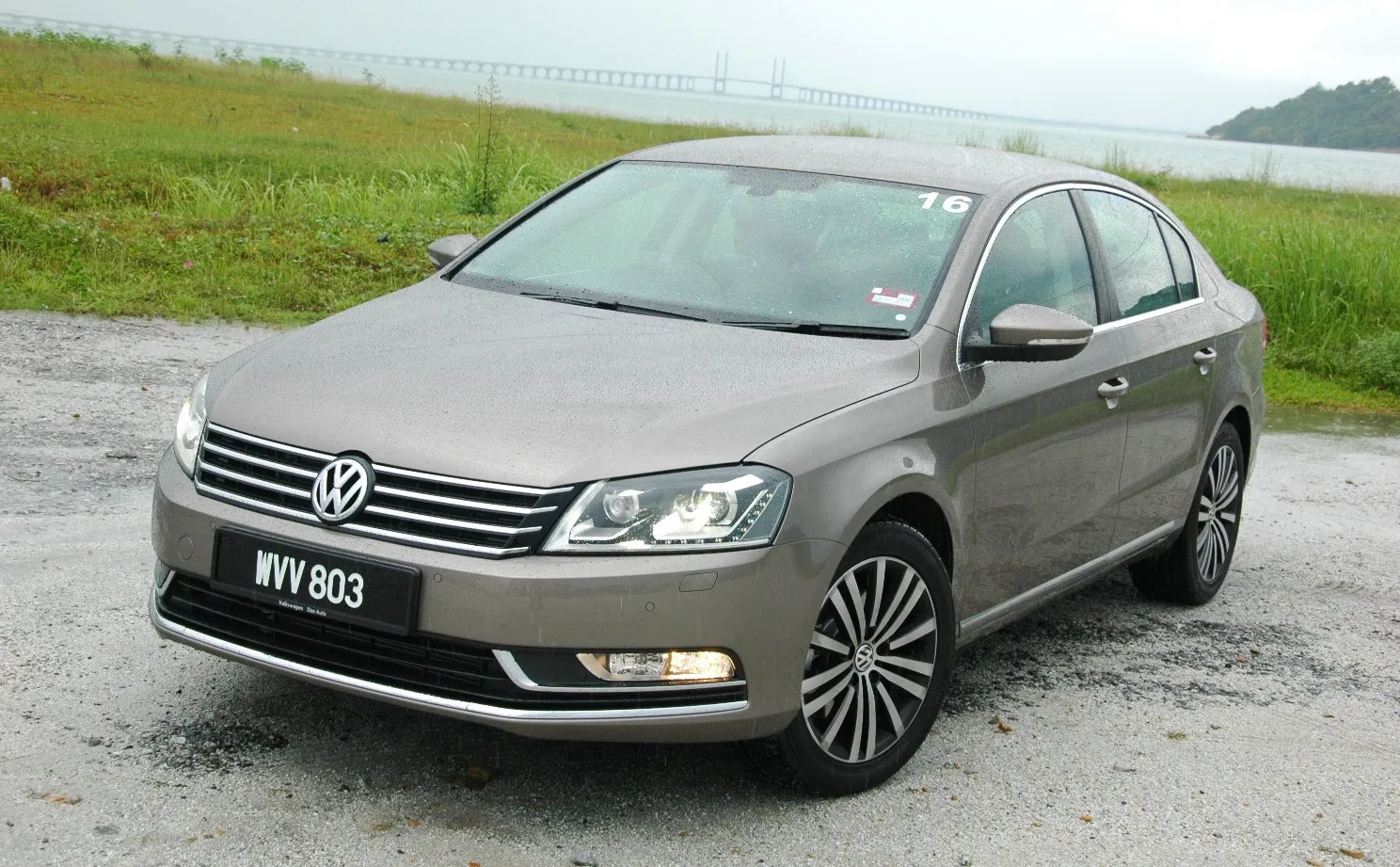
The Volkswagen Passat has consistently been recognized for its spacious interior and thoughtful seating ergonomics. A defining feature of the Passat’s front seats is the generous width across the shoulders, which accommodates a variety of body shapes without feeling constrictive.
Unlike many sedans that emphasize sporty styling at the expense of comfort, the Passat focuses on creating a welcoming and open seating environment. The seatback and cushion contours are engineered to support natural posture while ensuring that shoulders do not press against the side bolsters, which enhances comfort over long drives.
Adjustability in the Passat contributes to its shoulder-friendly design. Power seats with multiple settings, including height, tilt, and lumbar support, allow drivers and passengers to fine-tune their positioning for optimal comfort.
The side bolsters are firm enough to provide stability during turns but are shaped in a way that avoids pinching the upper torso. Even in non-luxury trims, manual adjustments are designed to provide adequate shoulder clearance. These features make it easier for passengers of all sizes to find a comfortable seating position.
Material quality in the Passat further enhances shoulder comfort. Leather-trimmed seats in higher trims are cushioned to relieve pressure while maintaining sufficient firmness to support posture.
Cloth seats in entry-level trims are similarly padded, with careful contouring that distributes weight evenly across the shoulders. This approach ensures that all occupants experience a comfortable ride, even during extended trips. The attention to detail in seat design reflects Volkswagen’s emphasis on combining comfort with practicality.
Rear seating in the Passat continues the focus on comfort and space. The back bench provides ample width for two adult passengers, with a gently contoured middle seat that reduces shoulder crowding.
Side bolsters offer support without restriction, ensuring that passengers remain comfortable during long journeys. By prioritizing shoulder space for all occupants, the Passat demonstrates that sedans can combine sleek European styling with a highly practical and comfortable interior.
9. Chevrolet Malibu
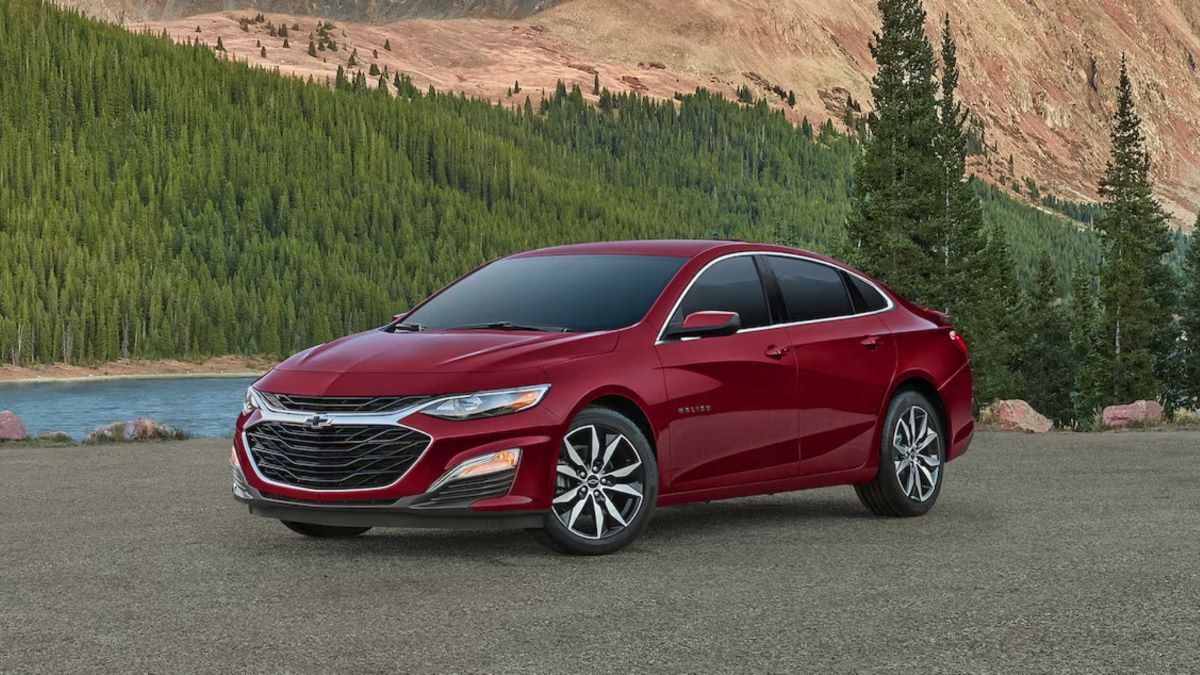
The Chevrolet Malibu is a midsize sedan that balances affordability with thoughtful seating design. One of its most features is the spaciousness of the front seats, particularly across the shoulders.
Unlike some competitors that prioritize narrow profiles to create a sporty look, the Malibu offers seats with enough lateral space to prevent pinching and discomfort. This creates a relaxed seating experience, making it easier for drivers and passengers to maintain good posture even on longer drives.
Seat adjustability is central to the Malibu’s shoulder comfort. Power seats are available in higher trims, offering multiple directions of adjustment, including lumbar support and tilt.
Manual seats are also designed with generous width and moderate side bolsters that provide support without constriction. These features ensure that the shoulders are not forced into unnatural positions, reducing fatigue over time and enhancing the driving experience.
Material choices in the Malibu support its ergonomic design. Leather-trimmed seats in premium trims feature padding that cushions the shoulders while maintaining sufficient firmness for posture.
Cloth seats are similarly designed, with well-distributed foam that prevents the feeling of being squeezed. Chevrolet’s approach ensures that comfort is consistent across trim levels, offering a balanced combination of support and softness.
Rear seating in the Malibu mirrors the attention given to front seats. The back bench is wide enough for two adults to sit comfortably, with shoulders naturally accommodated by the seat contours.
Even the middle passenger has sufficient space to avoid feeling crowded. By offering generous shoulder room in both front and rear seating areas, the Malibu demonstrates that midsize sedans can prioritize comfort for all occupants without sacrificing styling or features.
10. Ford Fusion
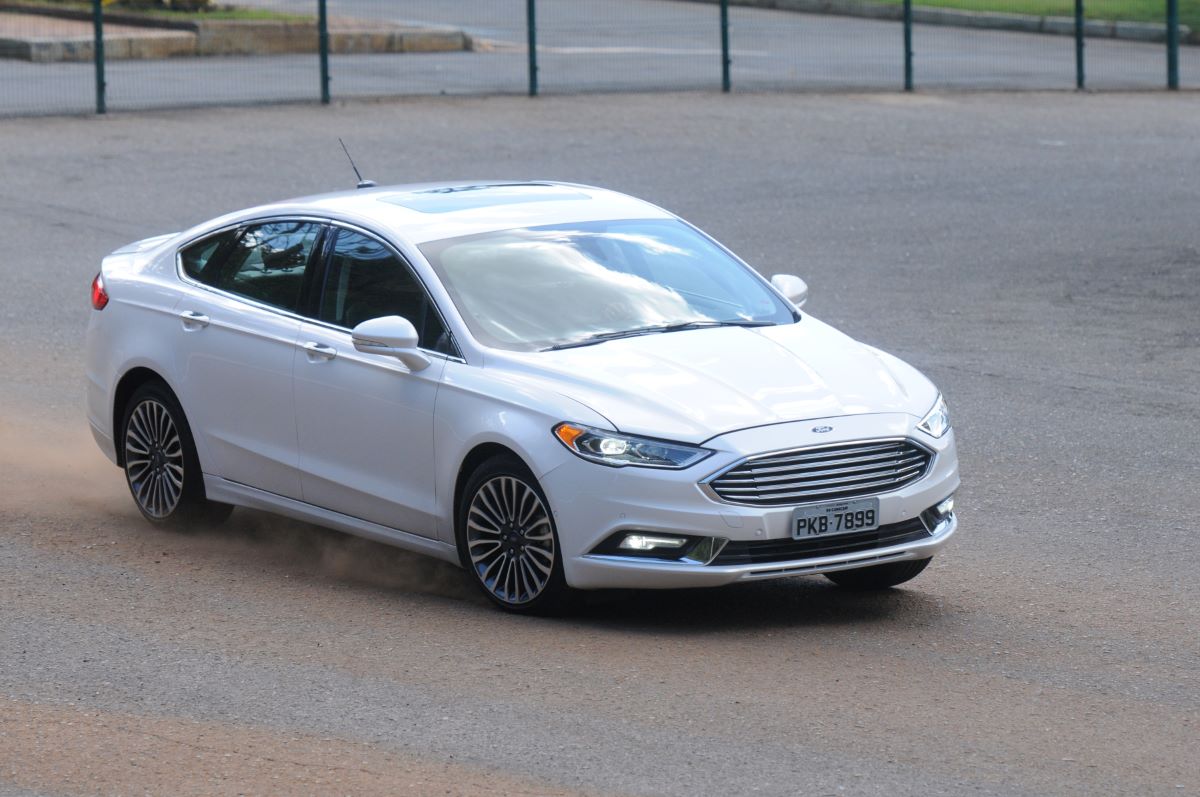
The Ford Fusion is a midsize sedan that combines responsive handling with a focus on interior comfort. One of Fusion’s strengths lies in its front seat design, which provides ample shoulder room without sacrificing support.
The seats are contoured to fit a variety of body types, with subtle side bolsters that provide stability without pressing against the upper torso. This design helps prevent tension in the shoulders and upper back, especially during long drives, creating a relaxed and natural seating experience.
Adjustability is an important aspect of the Fusion’s shoulder comfort. Power-adjustable seats, available in higher trims, allow drivers to fine-tune height, tilt, and lumbar support for optimal positioning. Even in manual seats, the Fusion provides generous width and carefully designed contours to ensure that the shoulders are not compressed.
The combination of adjustable ergonomics and seat design flexibility ensures that occupants can find a position that minimizes strain over extended periods.
Material quality contributes significantly to the comfort of the Fusion. Leather seating in higher trims is padded to provide both cushioning and support for the shoulders, while cloth options in lower trims offer similar ergonomics with strategically placed foam.
This thoughtful design prevents localized pressure points and promotes a natural resting position for the upper body. The Fusion balances comfort and functionality, ensuring that passengers of varying sizes experience a supportive ride.
Rear seating in the Fusion also benefits from careful design. The back bench provides ample width for two adults, with slight contours that prevent shoulder crowding. Even the center passenger has enough room to sit comfortably without feeling squeezed by the surrounding contours.
By maintaining a consistent focus on shoulder space in both front and rear seating, the Fusion demonstrates a holistic approach to passenger comfort, making it an excellent choice for those who prioritize an accommodating cabin.
