
Family cars serve as more than just a mode of transportation. For parents and guardians, they are miniature command centers, carrying everything from groceries to sports gear, school supplies, toys, and even pets. Yet, not all family cars are created equal when it comes to storage and organization.
Some vehicles seem almost designed to accommodate the daily chaos of family life, offering clever nooks, compartments, and flexible cargo areas that make life easier.
Others, while comfortable or stylish, seem to amplify clutter, leaving parents constantly shuffling items around or struggling to find space for essentials. Choosing the right vehicle can dramatically affect the day-to-day experience of family life, not just in terms of comfort or safety but in how easily the family can remain organized and stress-free.
Clever storage in family cars is not merely about having a large trunk or backseat space. It’s about thoughtful design features that make every inch count. This includes adjustable cargo areas, hidden compartments, under-seat storage, fold-flat seats, and innovative solutions for small items like snacks, toys, and electronics.
Cars with these features can help families keep the interior tidy, make trips more enjoyable, and even reduce stress during long drives. Parents no longer need to reach for loose items scattered across seats or dig through clutter to find an essential object.
On the other hand, some family vehicles, despite being roomy or powerful, lack these intelligent storage solutions. These cars can inadvertently encourage clutter because items have no designated place. Loose bags, toys, and other essentials can accumulate quickly, turning a family vehicle into a disorganized space that adds stress rather than reducing it.
Even a few missing features, such as cup holders, door pockets, or adjustable cargo floors, can have a surprising impact on organization. Families often underestimate the importance of storage design until they face the reality of a messy vehicle daily.
This article will compare five family cars known for their clever storage features with five cars that tend to become clutter magnets. By highlighting the strengths and weaknesses of each vehicle in terms of organization and storage, families can make informed decisions based not only on comfort or performance but also on practical everyday usability.
Choosing the right family car should balance space, flexibility, and thoughtful design so that parents can focus on their journey, not the mess inside the vehicle.
Five Family Cars with Clever Storage
1. Honda Odyssey
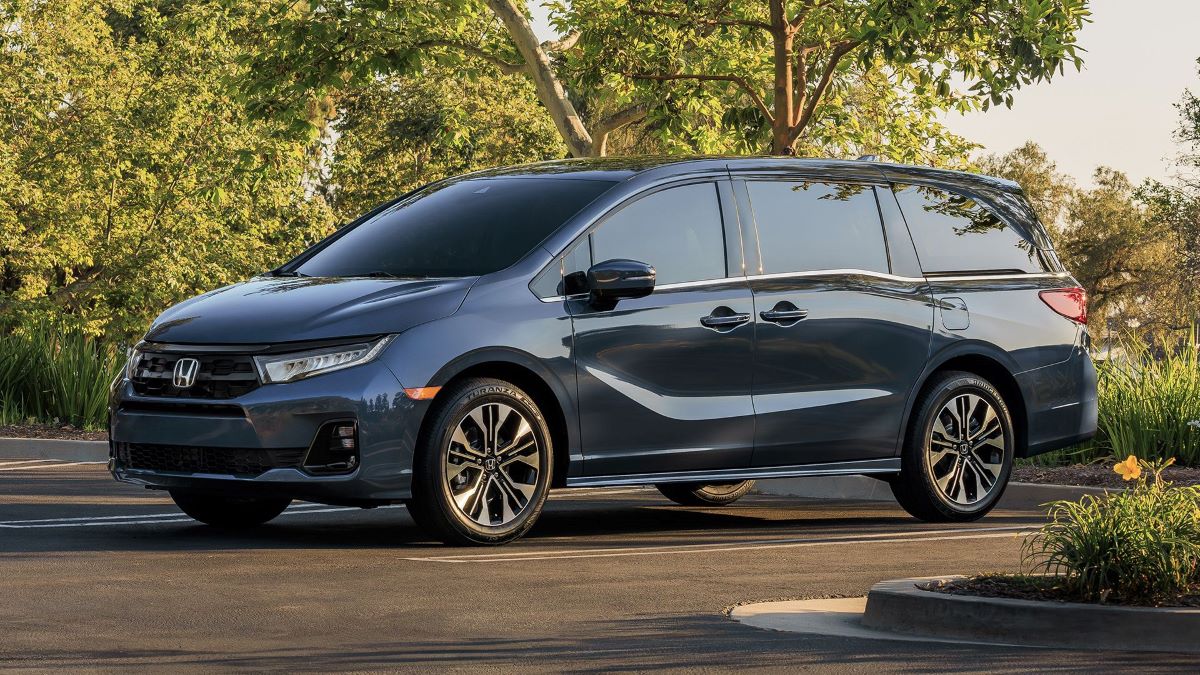
The Honda Odyssey has long been recognized as one of the most practical vehicles for families, particularly because of its thoughtful approach to interior storage. Its Magic Slide seats in the second row are not just convenient for moving passengers closer together or creating more legroom, they also allow families to maximize cargo space efficiently.
By adjusting the seats, parents can create a wide aisle for easier access to the third row or make room for larger items such as sports equipment or grocery hauls. In addition, the underfloor storage compartments in the rear are deep enough to store items that families might want to keep out of sight, like emergency kits, extra blankets, or seasonal clothing.
These hidden areas prevent the interior from looking cluttered, even on long road trips, and give parents peace of mind knowing valuable or fragile items are secure. The attention to detail in the placement of cupholders, side pockets, and storage bins ensures that snacks, drinks, and small accessories are within easy reach of passengers without taking up seating space.
Another advantage of the Odyssey is its integrated rear-seat entertainment system. Unlike many vehicles where electronics end up scattered on seats or floors, the Odyssey’s system incorporates dedicated compartments for DVDs, media players, and charging cables.
This setup allows children to remain entertained on long drives while parents avoid the frustration of loose cords and devices cluttering the cabin. Additionally, the vehicle provides a center console that can be shifted forward or backward, creating a flexible space for personal items, paperwork, or smaller toys.
For families with young children, this makes it easier to organize everything from coloring books to snack containers in a way that doesn’t interfere with seating comfort. Over time, these storage innovations make the Odyssey feel less like a van and more like a mobile organization hub, specifically designed for busy families.
The Odyssey’s rear cargo area is equally impressive. Its low load floor makes lifting heavy groceries, suitcases, or strollers straightforward, reducing the physical strain on parents. The combination of wide-opening rear doors and a large tailgate ensures that loading and unloading bulky items is much simpler than in most other minivans.
Families can also use the cargo space to separate items efficiently, placing groceries on one side and sports gear or luggage on the other. This separation reduces the risk of spills, scratches, or damage to delicate objects and helps maintain a sense of order throughout the vehicle. In practice, this can transform a chaotic school run or weekend trip into a more manageable, stress-free experience.
Finally, the Odyssey includes numerous smaller, thoughtful touches that enhance its status as a family-friendly vehicle. The dashboard and glovebox feature multiple compartments for documents, electronics, and personal items, while the door bins are sized to accommodate bottles, snacks, or small toys.
Families with multiple children can assign a specific compartment to each child, reducing arguments over space and keeping belongings contained. Even the roofline design ensures that taller items fit comfortably in the cargo area without impeding visibility or passenger comfort.
Collectively, these features demonstrate Honda’s commitment to integrating clever storage into every aspect of the vehicle’s design, making the Odyssey one of the most organized and adaptable family vehicles on the market.
2. Toyota Sienna
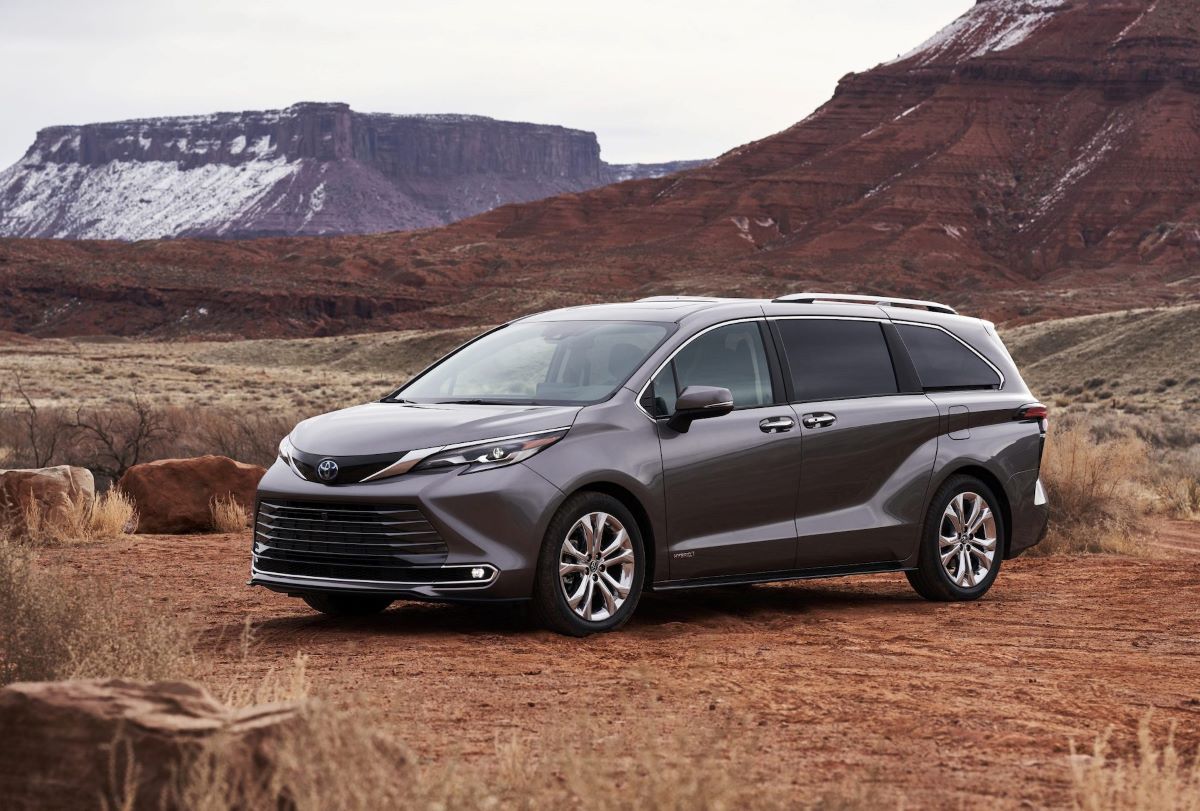
The Toyota Sienna is another minivan that excels in practical storage solutions for families. Its sliding doors, often praised for convenience, also contribute to more organized entry and exit, especially in tight parking spaces. Inside, the vehicle offers a range of compartments designed to keep belongings secure and accessible.
Deep door pockets, underfloor storage, and multi-level cargo arrangements allow parents to separate groceries, toys, electronics, and personal items efficiently. For example, one section of the cargo area can be dedicated to sports equipment, while another holds backpacks or shopping bags.
This separation ensures that items do not shift around during transit, maintaining a neat interior. The Sienna also offers fold-flat rear seats that allow for easy expansion of the cargo area, giving families the flexibility to carry large objects like bicycles, luggage, or multiple strollers with minimal hassle.
The under-seat compartments in the Sienna are particularly noteworthy. These bins, often overlooked in other vehicles, provide a secure place for smaller accessories, from first-aid kits to board games, without encroaching on passenger space.
For families taking long road trips, these compartments can store items that need to be accessible on demand but don’t need to clutter the main seating area. Coupled with strategically placed cupholders and media storage compartments, the Sienna reduces the risk of spills, messes, and disorganization.
Children can enjoy snacks or entertainment during a journey, while parents can focus on driving without constantly tidying up. This type of practical design demonstrates how thoughtful storage features can improve both comfort and functionality.
Another advantage of the Sienna is its modular seating system. The second and third rows can be reconfigured quickly, allowing families to balance passenger comfort with cargo needs. If a large item needs to be transported, a single row of seats can be removed or repositioned, expanding the cargo space without compromising access or legroom for other passengers.
This versatility is especially valuable for families who often transport a combination of passengers and belongings, from sports gear to groceries or camping equipment. In everyday use, it means fewer compromises and less need to cram items into unsuitable spaces, which naturally reduces clutter.
Finally, the Sienna extends its storage practicality beyond the interior. Roof rails and optional cargo carriers provide additional flexibility for families with extra gear or outdoor hobbies. Seasonal items, sporting equipment, and bulky luggage can be transported externally, freeing up the interior for passengers and other essentials.
These options, combined with the vehicle’s already impressive interior organization, make the Sienna a well-rounded choice for families who prioritize both order and convenience. The vehicle’s design emphasizes versatility, efficiency, and intelligent use of space, ensuring that organization remains achievable even on busy days or long trips.
3. Subaru Ascent
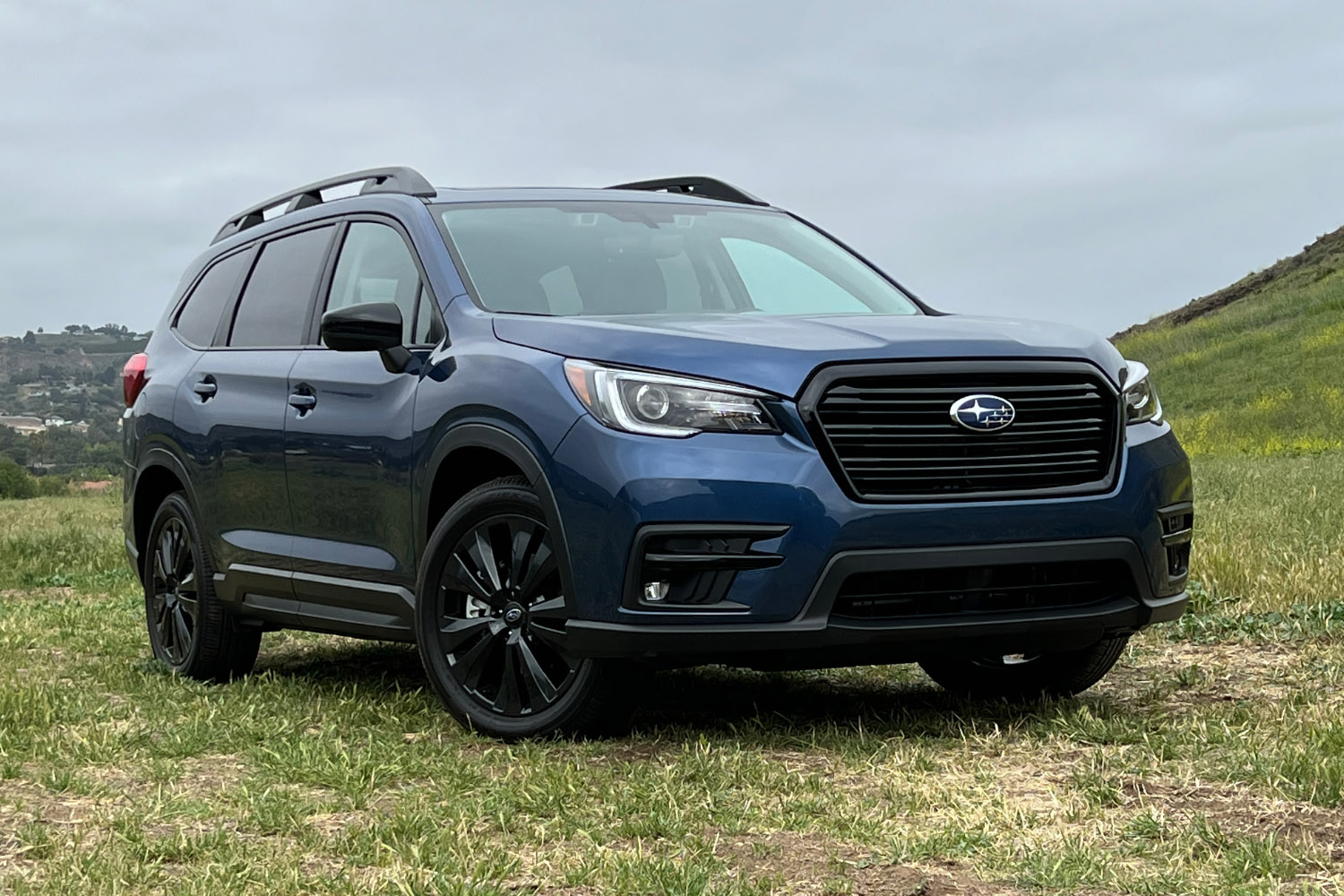
The Subaru Ascent is an SUV that skillfully integrates family-friendly storage solutions into a larger, versatile vehicle. Its interior includes several hidden compartments, such as under-seat bins and deep door pockets, which allow parents to stow away essential items without cluttering the cabin.
The second and third rows fold flat quickly and easily, creating a level cargo area ideal for transporting strollers, luggage, or sports equipment.
This fold-flat functionality provides the flexibility needed for a variety of everyday situations, from grocery runs to weekend family outings. Additionally, the center console is divided into several sections, enabling families to organize electronics, small toys, and personal items efficiently while keeping them within reach of passengers.
Practical storage extends to cupholders, trays, and storage spaces for both front and rear passengers. These compartments reduce the risk of spills and provide designated areas for snacks, drinks, or devices. For families with multiple children, this means each child can have their own section for personal belongings, reducing arguments and keeping the interior tidy.
Additionally, the thoughtfully placed storage options minimize the need to place items on seats or the floor, which can often contribute to clutter. Over time, these design choices make daily use of the vehicle more pleasant and organized.
Another highlight of the Ascent is its cargo-area organization system. Removable bins and dividers allow parents to separate groceries from sports gear, electronic equipment, or even pet supplies. This flexibility ensures that cargo remains organized during transport, reducing the need to constantly rearrange items mid-trip.
Whether carrying delicate objects or heavy items, the Ascent provides practical solutions for maintaining a tidy and functional interior. Families benefit from these design choices by having a vehicle that adapts to their evolving needs without sacrificing order or convenience.
The Subaru Ascent also offers exterior storage options, including roof rails and various cargo accessories. These features expand the vehicle’s carrying capacity while keeping the interior uncluttered. Families can transport camping gear, bicycles, or bulky items externally, leaving the cabin space for passengers and daily essentials.
This combination of intelligent internal and external storage solutions makes the Ascent an ideal vehicle for families seeking both versatility and organization, providing a harmonious balance between utility and comfort.
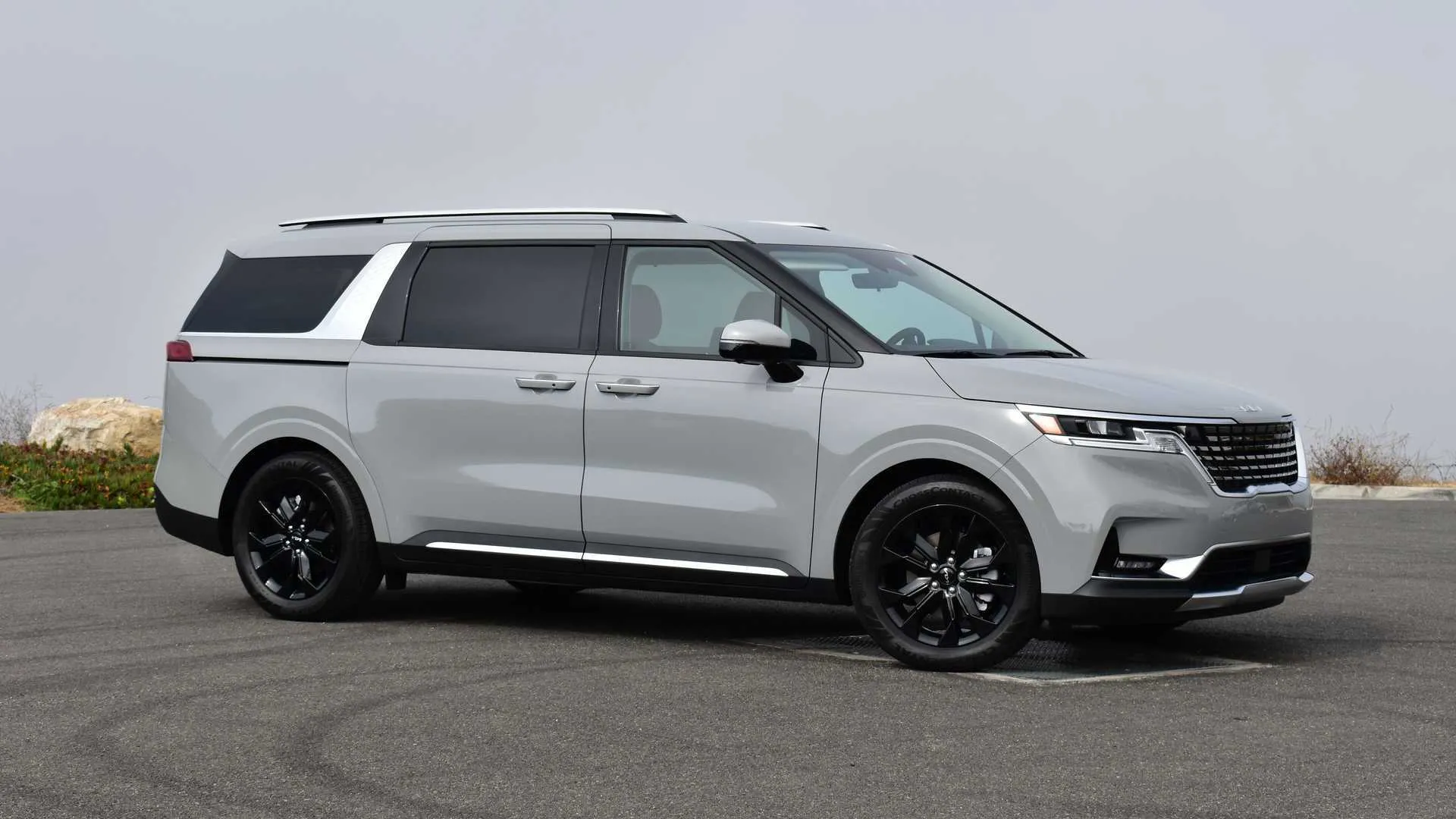
4. Kia Carnival
The Kia Carnival combines the space of a minivan with thoughtful storage innovations designed to simplify family life. Its sliding rear seats can be folded, slid, or removed, providing flexibility for various passenger and cargo configurations. Beneath the seats, hidden compartments allow for the storage of toys, electronics, emergency supplies, and personal items that would otherwise create clutter.
The low step-in height and wide sliding doors make it easy for children to access their seats without disturbing the organization of the cabin. These features collectively allow parents to maintain an orderly environment while accommodating multiple passengers and their belongings.
Inside, the Carnival includes a combination of overhead compartments, cupholders, and door bins that maximize the usability of every inch of cabin space. Families can store snacks, books, or small gadgets in designated areas, preventing items from rolling around during transit.
The modular seating system ensures that adjustments can be made quickly, whether a parent needs to transport extra passengers, large cargo, or a combination of both. By providing flexible storage solutions, the Carnival reduces stress and increases convenience during everyday use and long trips.
The rear cargo area of the Carnival is wide and deep, capable of handling larger items without crowding passenger space. Strollers, suitcases, and sports equipment fit comfortably while leaving room for additional items.
Hidden compartments under the floor offer storage for objects that are used less frequently but still need to remain accessible. These practical design choices give families the ability to maintain order even when transporting multiple types of items simultaneously, something that can be challenging in vehicles with less adaptable interiors.
Finally, the Carnival emphasizes convenience alongside functionality. Features such as sliding doors, low step-in height, and well-placed compartments ensure that family members can access belongings quickly and efficiently.
This allows parents to focus on driving and children to access their personal items independently, reducing tension and maintaining a sense of order. By combining clever storage solutions with practical design, the Carnival delivers an environment that makes family travel smoother, more organized, and less stressful.
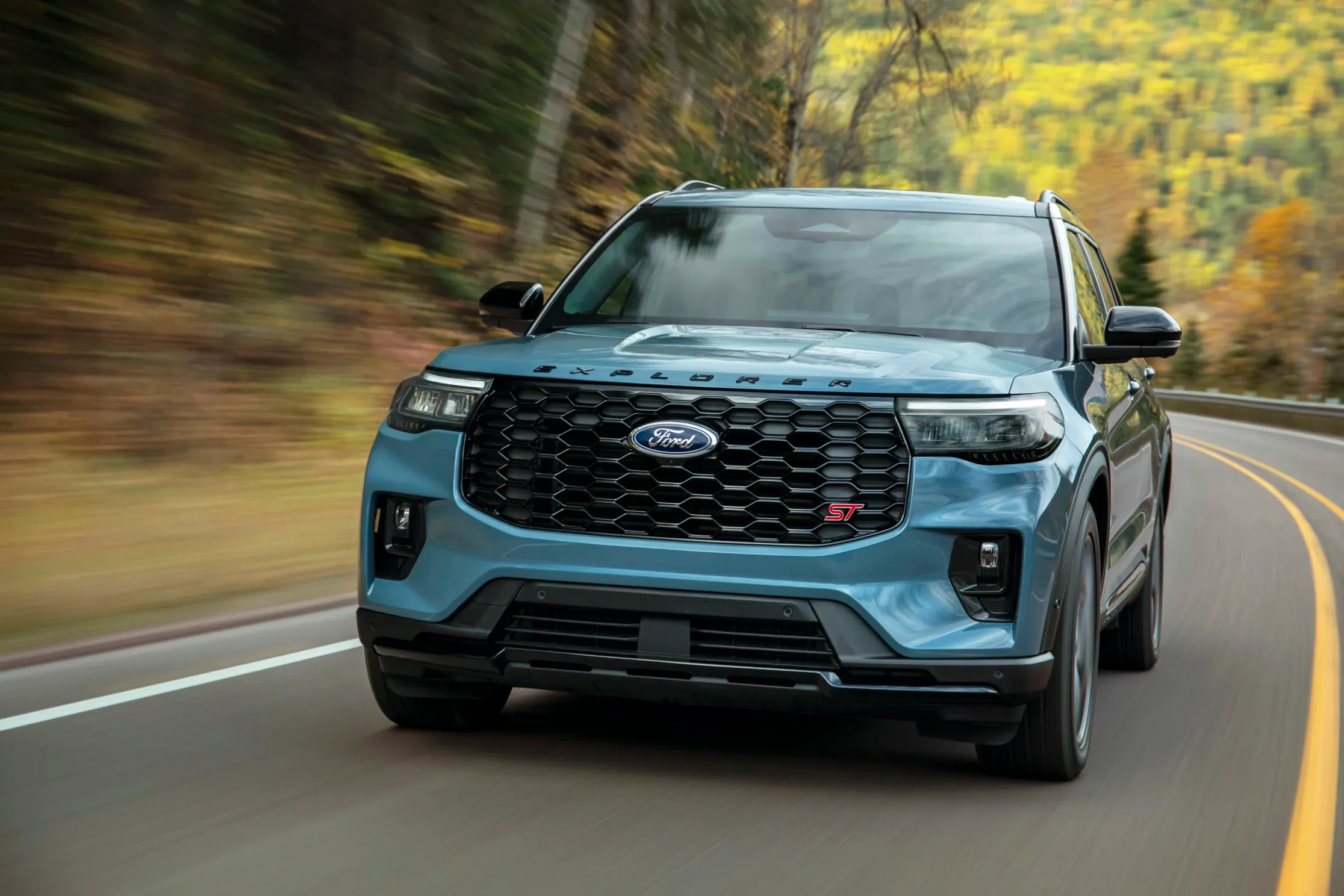
5. Ford Explorer
The Ford Explorer offers a versatile balance between utility and storage innovation, making it suitable for families with a range of needs. Its cabin includes under-floor storage compartments, deep door pockets, and a flexible cargo area that expands when the third-row seats are folded flat.
Families can use these areas to store groceries, electronics, sports equipment, and personal items, keeping belongings organized and accessible while reducing clutter. The interior layout encourages separation of items, which prevents items from sliding or becoming mixed during travel.
The Explorer also features a center console with multiple compartments and cupholders for both front and rear passengers. This layout ensures that drinks, snacks, and small items remain secure while traveling, and that passengers can access personal belongings without creating messes on the seats or floor.
Families quickly realize that having a designated space for each item reduces the stress of managing multiple children and their belongings during commutes or trips.
Finally, the Explorer’s exterior storage options, such as roof rails and cargo carriers, provide additional capacity for seasonal gear, sporting equipment, or bulky luggage. This allows families to keep the interior tidy while transporting everything they need.
By combining clever internal storage, modular seating, and external carrying solutions, the Ford Explorer demonstrates a comprehensive approach to family-friendly organization, making it a highly adaptable and practical option for households seeking both utility and order.
Five Family Cars That Tend to Create Clutter
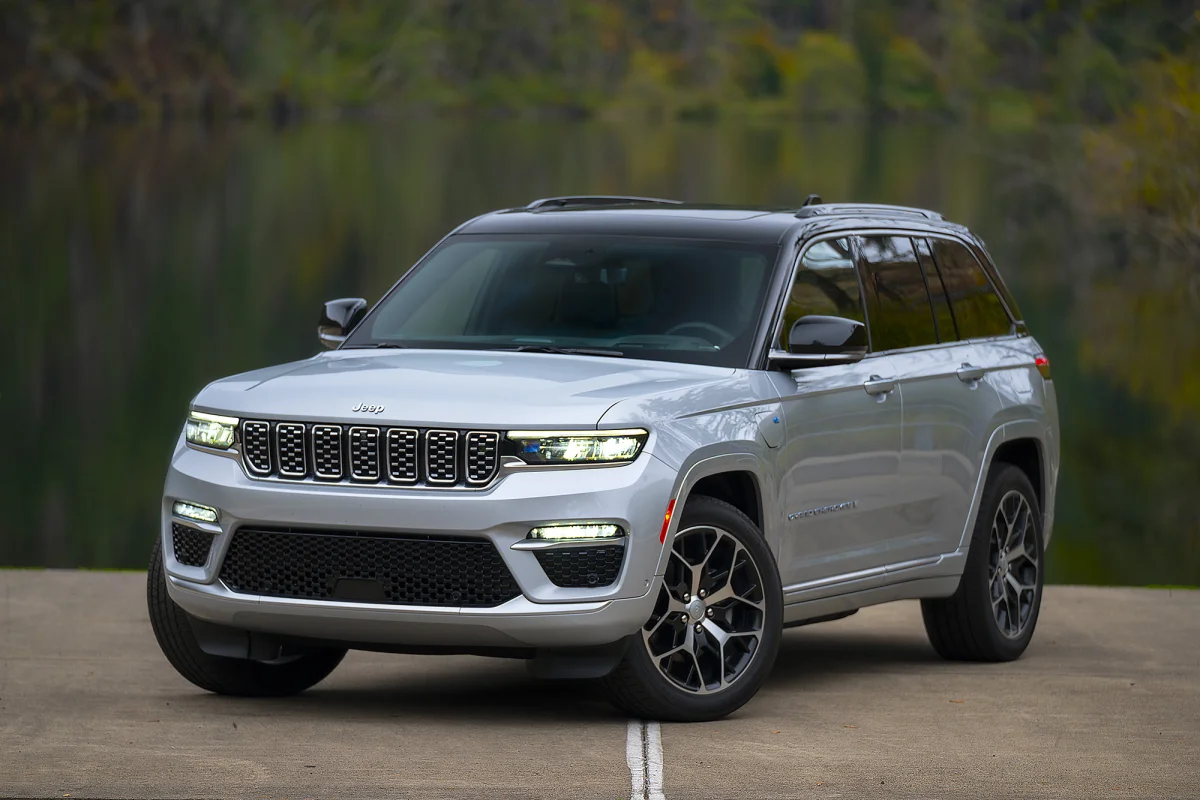
1. Jeep Grand Cherokee
The Jeep Grand Cherokee is widely praised for its comfort, off-road capabilities, and powerful performance, but when it comes to family-oriented storage, it often falls short. The cabin, while stylish and spacious, lacks numerous hidden compartments that could help organize items for daily family use.
In addition, the Grand Cherokee’s rear seating arrangement is less adaptable than other SUVs or minivans. While comfortable for passengers, the back seats do not fold flat in all models, limiting cargo flexibility and often forcing families to cram larger items into awkward spaces.
Cupholders and small item storage exist but are shallow and insufficient for the needs of a family with multiple children or long trips. Drinks, snacks, and small gadgets frequently end up on seats or the floor, contributing further to a cluttered interior.
The center console, though well-designed for personal items, is relatively shallow and cannot hold multiple small belongings efficiently. This limitation forces passengers to improvise with storage in less convenient locations, such as the floor, footwells, or passenger seats.
Over time, this can turn routine trips into frustrating experiences, as items shift during transit and become difficult to locate quickly. Parents may find themselves constantly reorganizing the cabin rather than focusing on driving or enjoying family time.
Finally, the Jeep Grand Cherokee’s rear cargo area lacks built-in organizational tools such as removable bins, dividers, or multi-level compartments. Without these features, bags and items shift during travel, creating further disorder.
Families are often forced to purchase aftermarket solutions like cargo organizers or storage containers, which can be cumbersome and detract from the vehicle’s clean interior aesthetic. While the Grand Cherokee offers many advantages in style and capability, it is not inherently designed to support family organization, making clutter a persistent challenge.
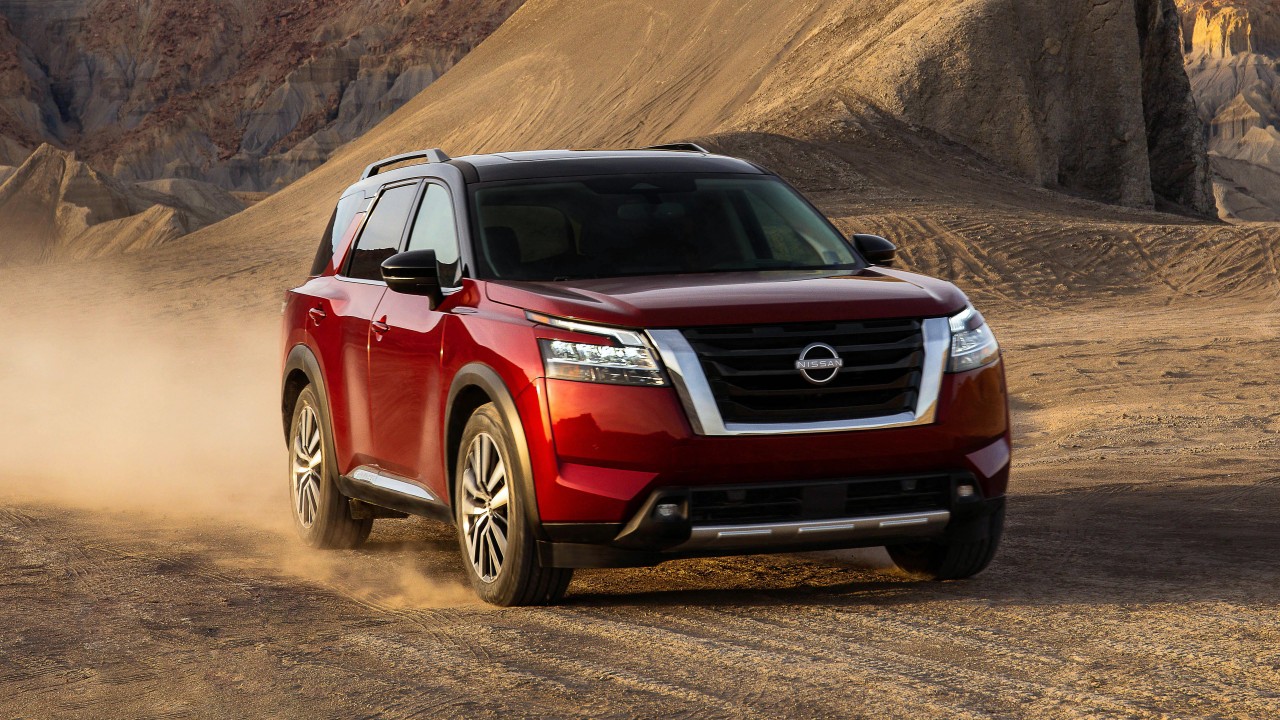
2. Nissan Pathfinder
The Nissan Pathfinder provides a comfortable ride and ample seating, but its storage design often falls short for families who need organization. The under-seat compartments are minimal, leaving parents without a secure place to store toys, electronics, or emergency supplies.
Door pockets and shallow bins can barely hold water bottles, small books, or snacks, often leaving items strewn across the cabin. Families with multiple children quickly find that items intended for storage in these limited compartments spill over into passenger space, creating a messy and disorganized environment.
Additionally, the center console in the Pathfinder is not highly segmented or designed to accommodate multiple small items efficiently. This lack of dedicated compartments often leads to miscellaneous objects being placed on the floor or passenger seats, creating a chaotic environment.
Families with children using tablets, books, or toys for long journeys can find themselves constantly shifting these items to avoid spills or obstruction, which detracts from the convenience of the vehicle.
Finally, the Pathfinder lacks significant exterior cargo solutions beyond a roof rack, meaning that larger seasonal items, sports equipment, or camping gear must either crowd the interior or be carried externally in a way that is less secure and convenient. The combination of minimal internal storage, shallow compartments, and limited flexibility makes the Pathfinder more prone to clutter than vehicles designed specifically with family organization in mind.
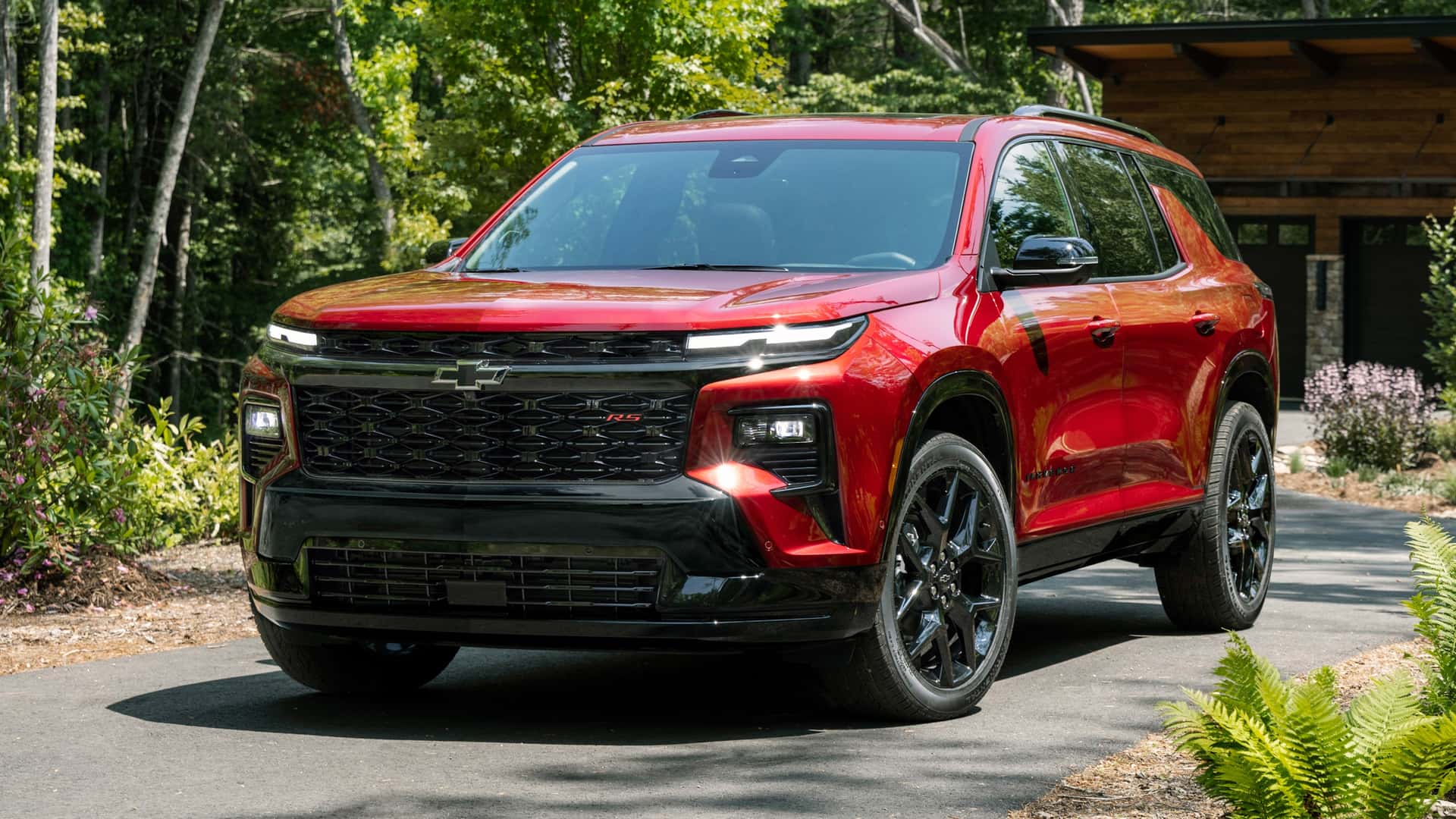
3. Chevrolet Traverse
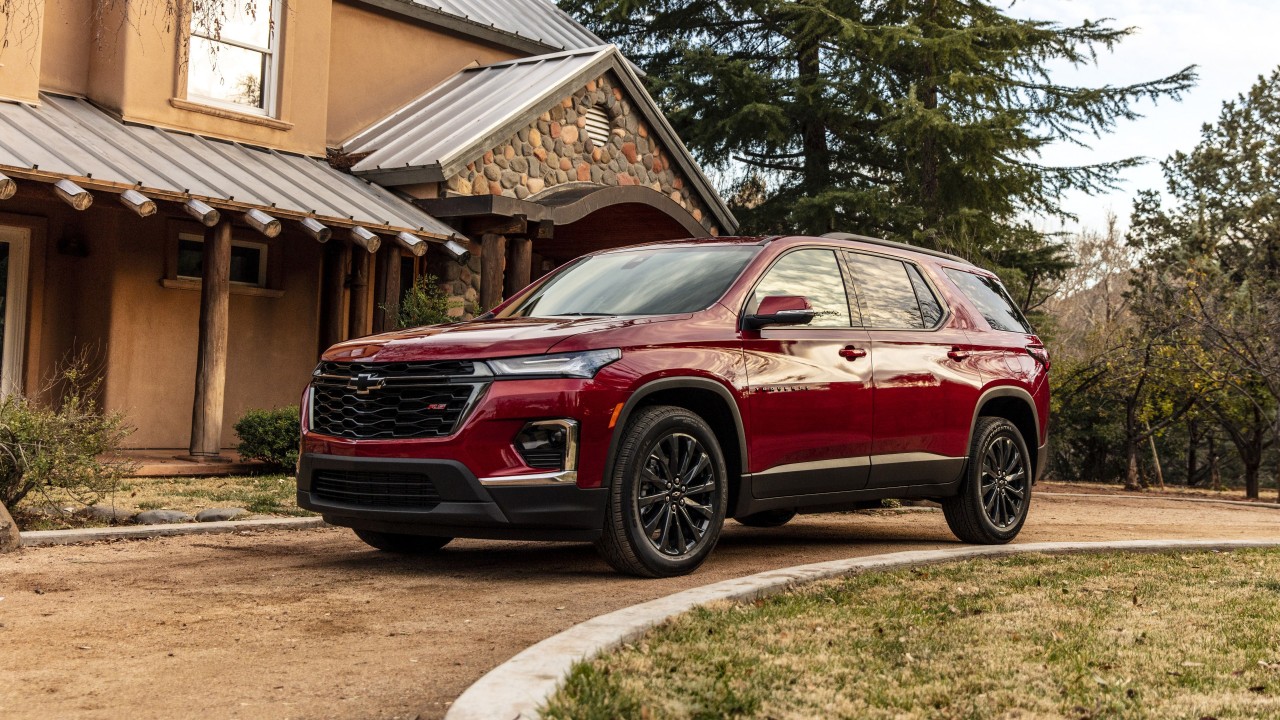
The Chevrolet Traverse offers generous seating and a spacious interior, yet it often struggles to keep a family organized during daily use. The cabin has fewer hidden compartments than comparable vehicles, leaving parents without secure places to store small essentials.
Door pockets and cupholders, while present, are shallow and cannot hold multiple items efficiently, which results in personal belongings, snacks, and toys ending up on seats or floors. On longer trips, this lack of organization becomes even more noticeable, as items pile up and are difficult to access quickly.
Another limitation is the center console, which provides storage but is not segmented effectively for multiple smaller items. This encourages passengers to place belongings on seats or floors, further contributing to clutter. Families with several children or individuals carrying work items, school supplies, or personal electronics may quickly encounter a sense of disorder, as items are scattered across the interior without a clear organizational system.
Finally, the Traverse’s third-row seating, while functional, is cumbersome to fold and may not create a fully flat cargo area. This makes it challenging to transport larger or irregularly shaped items without encroaching on passenger space.
For families that frequently need to balance passengers with cargo, this limitation often results in disorganized interiors and increased effort to maintain tidiness. While the Traverse offers comfort and space, it is not optimized to naturally support family organization, making clutter a common issue.
4. Volkswagen Atlas
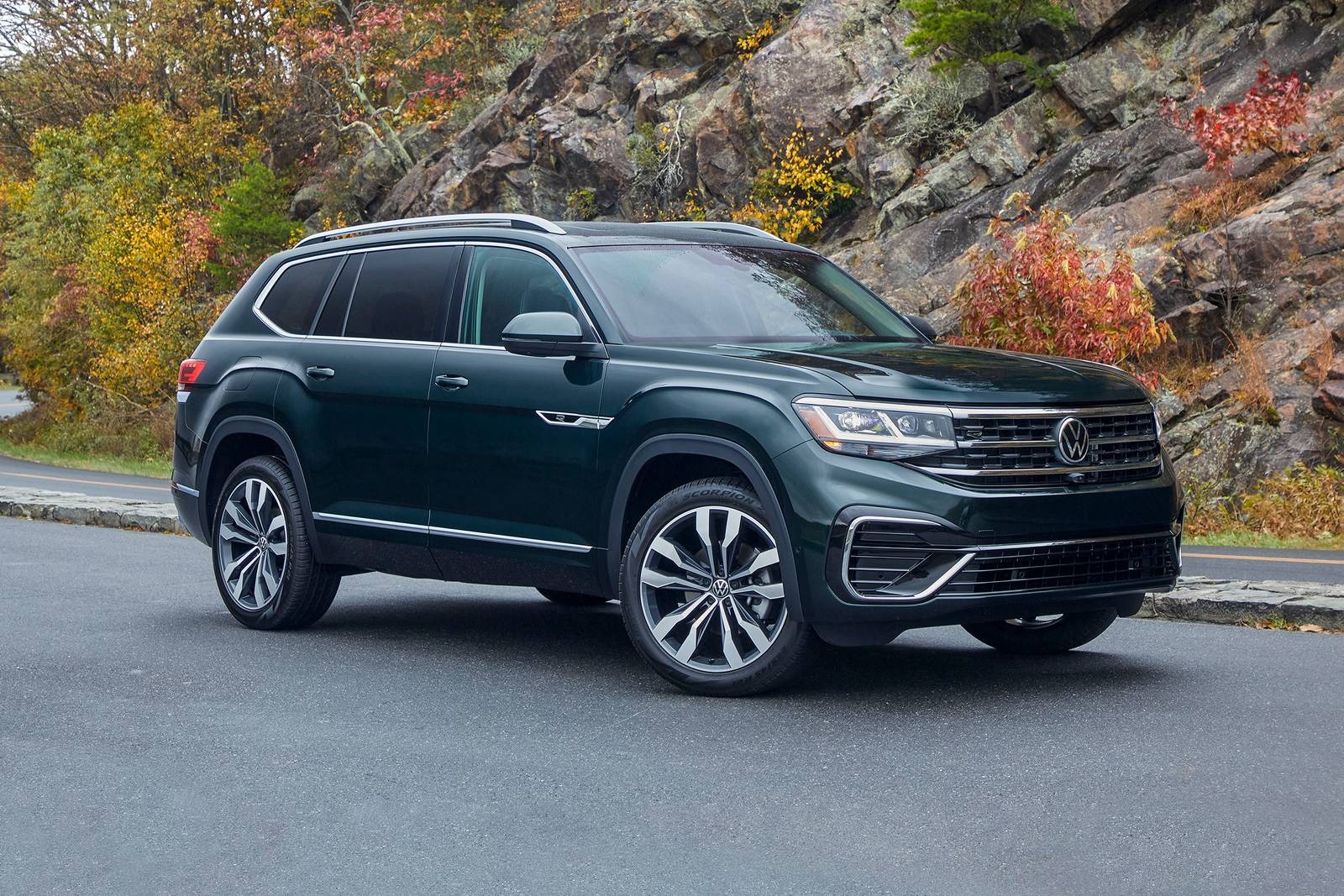
The Volkswagen Atlas is praised for its roomy interior and comfortable ride, but its storage options leave much to be desired for families seeking organization. Door pockets are shallow, and under-seat storage is minimal, offering few options to securely store small items.
As a result, toys, snacks, and personal belongings often accumulate on the floor or seats, particularly during long trips or busy daily routines. Families may notice that items can easily roll around during transit, increasing frustration and reducing convenience.
The Atlas does have foldable rear seats, but they do not always provide a fully flat surface, which limits the ability to create a level cargo area for larger objects.
Even short trips can feel chaotic if multiple children or passengers are involved, as the lack of clear storage paths results in scattered items throughout the cabin.
Finally, exterior cargo options are limited unless aftermarket solutions are added, making it difficult to transport larger or seasonal items without crowding the interior. Families carrying camping gear, sporting equipment, or extra luggage may find themselves struggling to keep the vehicle organized. The Volkswagen Atlas provides comfort and space but lacks practical storage solutions that would naturally encourage a tidy, organized environment for families.
5. Ford Edge
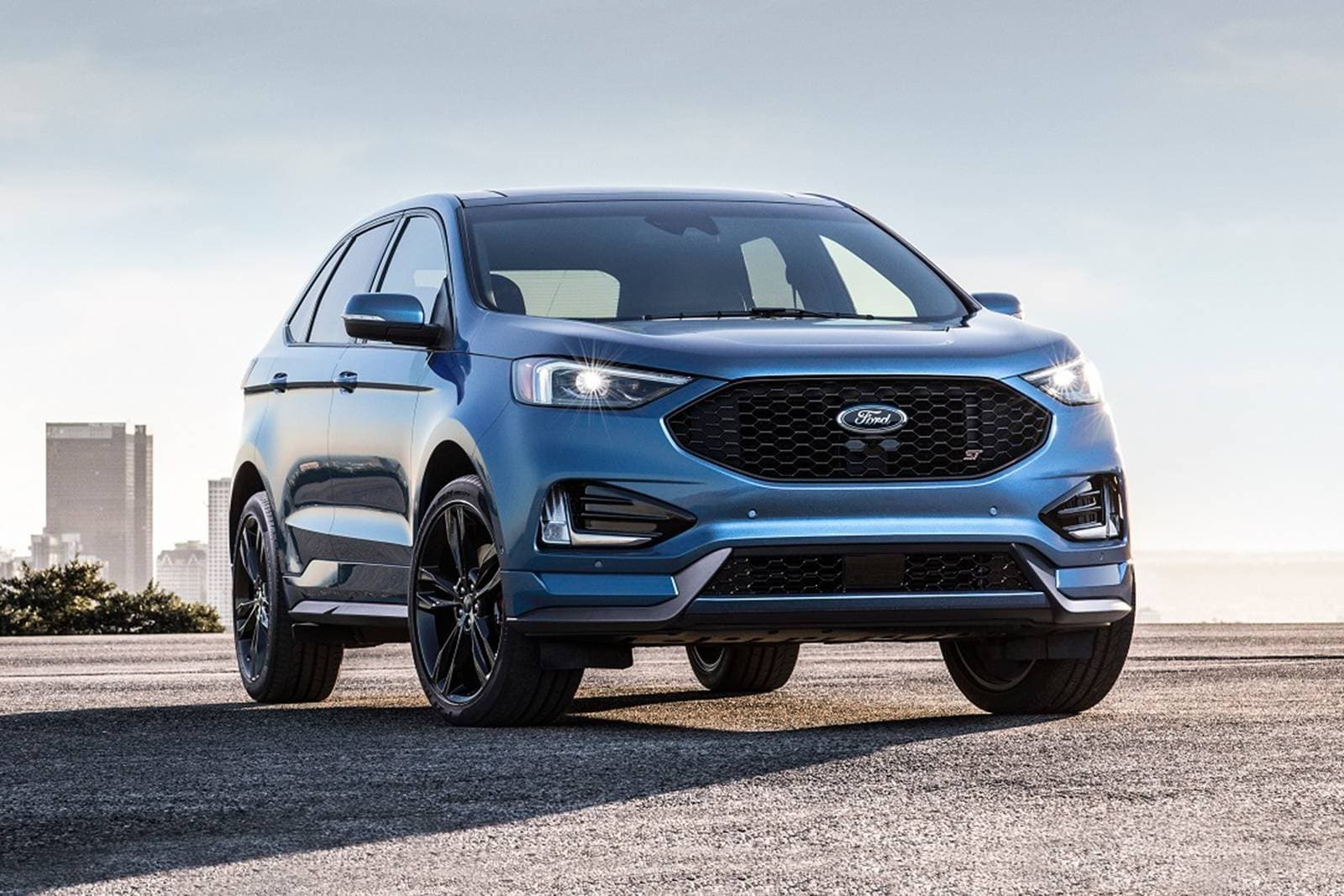
The Ford Edge is a comfortable SUV that delivers a smooth ride, but it is not especially well-suited for family organization. Its interior compartments are relatively shallow, and under-floor storage is limited, leaving few options for storing toys, electronics, or personal items out of the way.
Cupholders and door bins, while functional, do not provide enough capacity for multiple passengers carrying snacks, drinks, or small belongings. Over time, this can result in items scattered throughout the cabin, reducing convenience and increasing daily stress.
The rear seats fold partially flat, but cannot always accommodate larger objects efficiently. Parents attempting to transport bulky items, such as strollers or sports equipment, often find that these items encroach on passenger space, creating disorganization.
Families with multiple children or frequent errands may encounter repeated challenges in keeping the vehicle tidy, as the limited interior storage options do not support a natural system of organization.
Additionally, the center console is moderately sized but lacks sufficient divisions for smaller items, forcing passengers to place personal belongings on seats or floors.
This can create clutter, particularly during commutes, weekend trips, or long-distance travel, when multiple items are needed simultaneously. Even routine day-to-day use may result in scattered items, leaving passengers constantly reorganizing their space.
