
Small cars often carry a reputation for being cramped or tiring during long stretches on the road, yet many compact models manage to offer a surprising sense of calm, space, and steady ride quality.
People who commute significant distances or enjoy regular weekend road trips often appreciate the advantages of a compact vehicle, such as lighter steering, easier parking, and lower fuel consumption. But even with these strengths, comfort remains the deciding factor when hours pass behind the wheel.
A car that feels fine during a ten-minute run to the grocery store might feel quite different when the journey involves several hours of continuous driving.
Comfort, in this sense, goes beyond soft seats. It includes noise levels, how well the suspension absorbs rough pavement, the shape and support of the seating, the layout of the cabin, and the sense that the car does not strain during a long haul. Drivers want a car that stays pleasant even when the trip stretches further than expected.
As engineering improves, compact cars are no longer stuck with old drawbacks. Many small cars now borrow comfort features once reserved for larger sedans, including smoother ride tuning, clever seat shapes, supportive bolstering, and quieter cabins.
Some compact models even surprise their owners by feeling steady and relaxed during long highway runs, as if the car were designed with extended travel in mind.
A sense of balance is essential. A small vehicle that feels too firm can become tiring, while one that is too soft can feel unstable at higher speeds. The best ones strike a middle point, offering comfort that does not fade as the miles add up.
This article highlights ten small cars known for staying comfortable over long distances. These descriptions focus on the qualities that help each model reduce fatigue and improve the travel experience.
These are not technical evaluations based on specifications but instead general descriptions of the qualities that allow certain compact cars to stay welcoming and steady during long trips.
Long-distance comfort takes many shapes, and these ten models succeed in different ways. Some excel in quietness, others in seat comfort, others in ride balance. Each one brings something helpful for drivers who want a compact car that can handle a long road ahead without wearing them out.
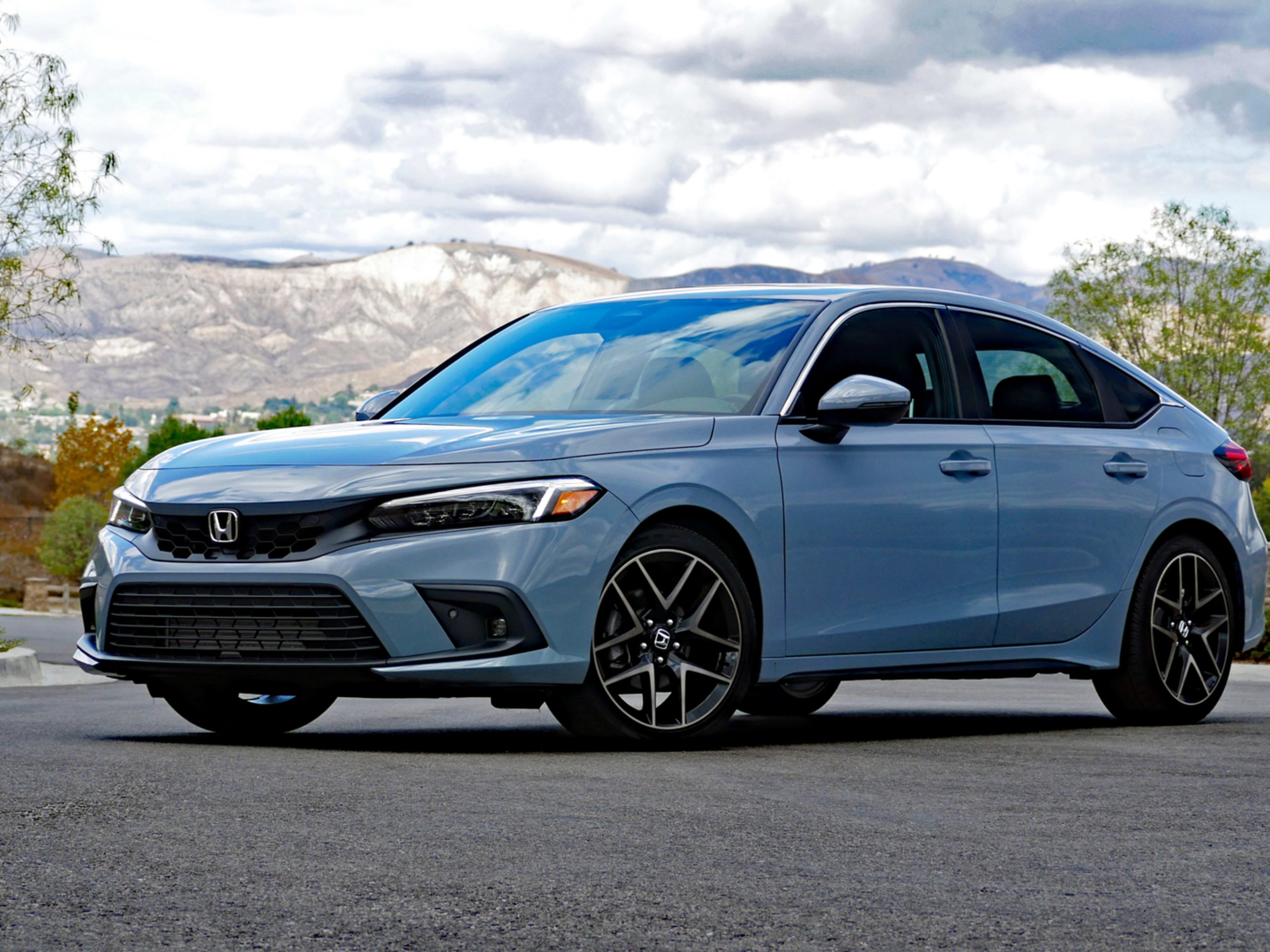
1. Honda Civic
The Honda Civic has built a reputation for comfort that holds up when miles start to stretch. Its seating tends to offer a pleasant blend of cushion softness and structural support. The shape of the seatback fits a wide range of body types, which helps prevent aches during extended driving.
Many drivers appreciate how the cabin gives a sense of room despite the car’s compact footprint. The placement of the controls reduces strain because everything feels close enough to reach without leaning or stretching. A reduction in unnecessary movement matters a lot during long trips, and the Civic usually gets this balance right.
Another reason the Civic stays comfortable on long drives is the way its suspension handles imperfections. Many small cars feel bouncy on rough pavement, but the Civic tends to keep body movements controlled. It absorbs small bumps without transmitting sharp jolts into the cabin, which helps passengers stay relaxed.
Even on long routes with uneven surfaces, the Civic maintains a steady rhythm that prevents fatigue. Drivers notice that the car neither floats nor jolts, which is a difficult balance to achieve in this size category.
Cabin quietness also contributes to long-distance comfort. While no compact car can eliminate all road noise, the Civic tends to limit wind and vibration compared to many of its competitors. This reduction in noise helps passengers feel less drained after hours of cruising.
The powertrain usually avoids sounding strained, especially at highway speeds, which keeps the driving environment pleasant. Quietness plays a larger role in comfort than many people realize, and the Civic performs well in this area.
The Civic also offers a sense of predictability during extended travel. The steering feels stable, allowing drivers to maintain lane position without constant small corrections. This contributes to a feeling of relaxation, because a car that demands constant attention can make a long drive feel twice as tiring.
Drivers who spend many hours behind the wheel often appreciate the Civic’s steadiness. It simply stays composed, which helps keep the journey smoother and less stressful.
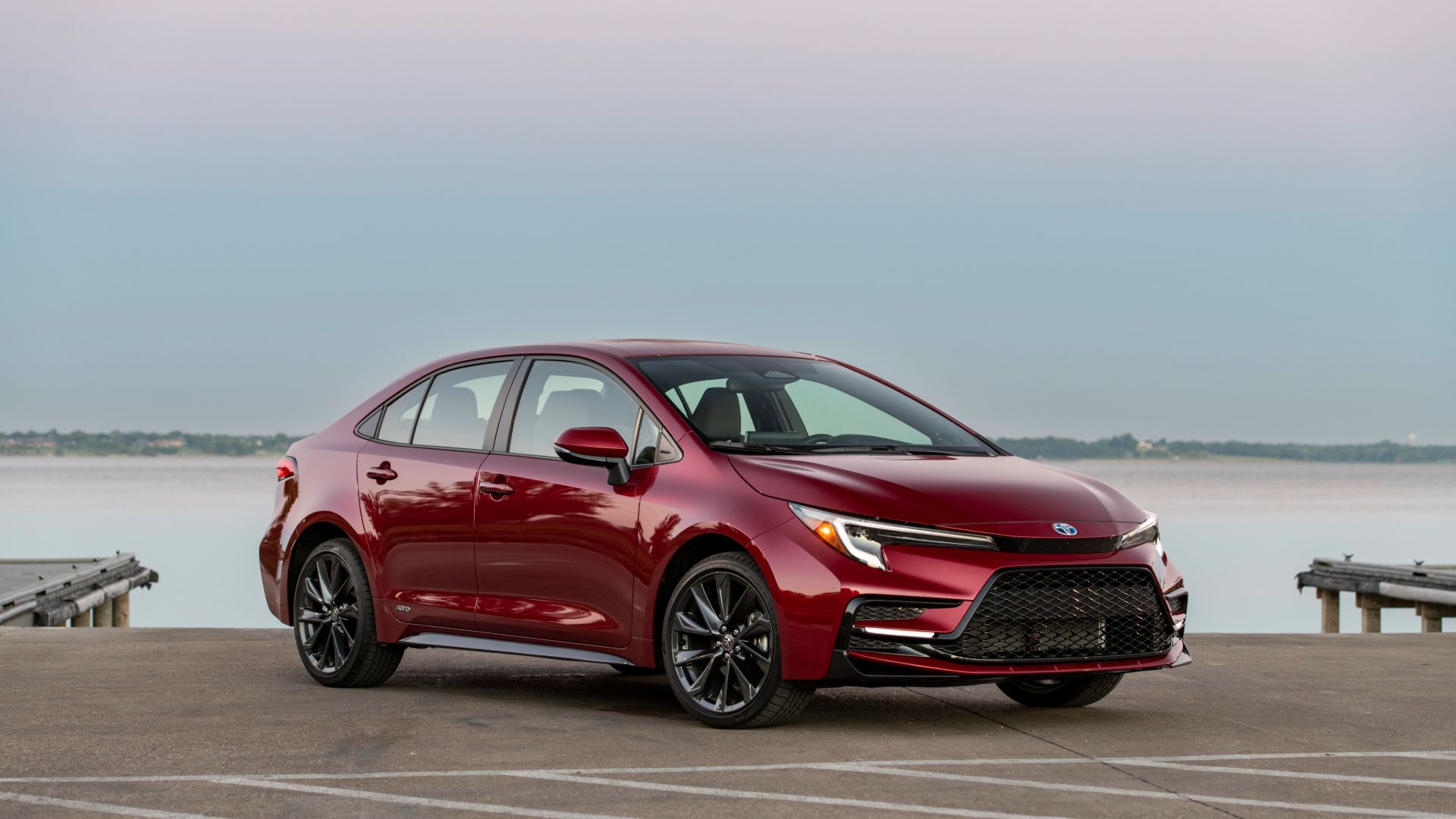
2. Toyota Corolla
The Toyota Corolla is widely known for reliability, yet it also provides a level of comfort that makes long road trips pleasant. Its seats have a gentle firmness that supports the back without feeling stiff.
Over long periods of driving, this helps reduce tension, which is especially important for people who spend many hours traveling at once. The Corolla’s seating position tends to feel natural for a wide range of drivers, which reduces the need for frequent adjustments during a long journey.
Ride comfort is another strength that helps the Corolla stay appealing for distance travel. Its suspension tuning usually leans toward the smoother side, which helps even rough roads feel manageable. Instead of sending sharp vibrations through the cabin, the Corolla often softens the impact.
This keeps passengers from feeling worn out as the hours pass. The suspension avoids excessive movement, which helps the car maintain its composure over long stretches of pavement.
The Corolla’s interior layout contributes to a sense of calm during travel. The dashboard is typically simple and easy to understand, reducing distractions. Long drives require attention to the road, and a cabin that avoids clutter can make this easier.
Airflow from the climate system tends to remain steady and unobtrusive, helping keep passengers comfortable without loud drafts or uneven temperature zones. All of these small factors add to the long distance experience.
Noise control also helps the Corolla excel on long trips. On highways, the car often keeps wind noise at a manageable level, allowing conversation and music to remain clear. Drivers appreciate the way the Corolla settles into a quiet rhythm at cruising speeds.
Over the span of several hours, this reduction in sound helps reduce fatigue. A comfortable driving environment is a combination of many small details working together, and the Corolla performs consistently in this regard.
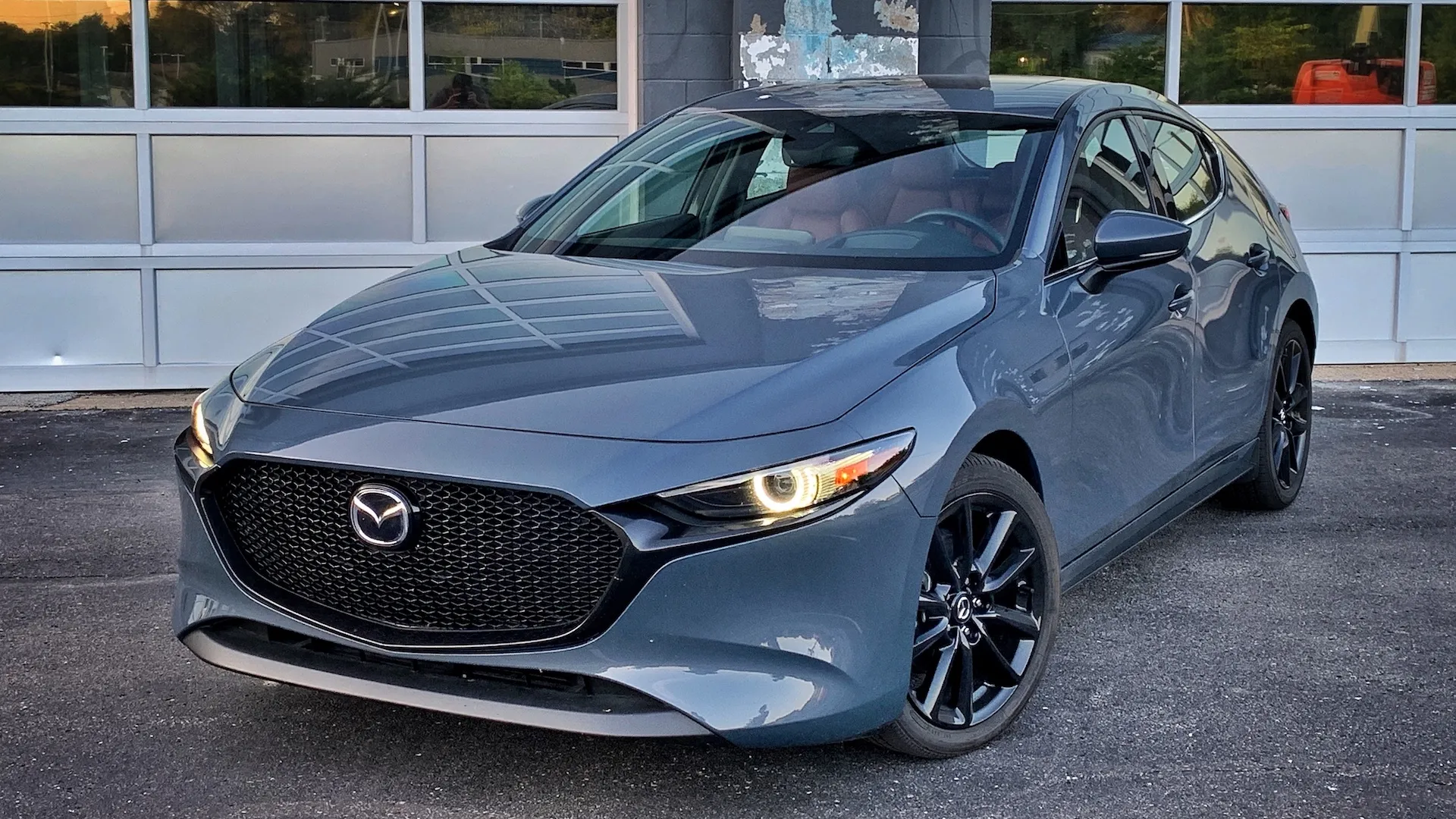
3. Mazda 3
The Mazda 3 is known for handling precision, but it also provides strong long distance comfort. Its seats often feel sculpted in a way that supports natural posture. During long drives, good support helps prevent the gradual buildup of tension in the back and shoulders.
Drivers who appreciate a firm yet comfortable seat tend to value the Mazda 3’s approach, which focuses on maintaining a stable seating position that remains comfortable over time.
One of the Mazda 3’s strongest comfort traits is its refined ride quality. Even though the car has a reputation for engaging driving dynamics, it avoids harshness on long trips. The suspension often softens rough pavement enough to keep the cabin calm while still maintaining a sense of control. This blend of comfort and steadiness reduces fatigue because the car does not feel jittery or unsettled over imperfections on the road.
Interior quietness plays a large role in keeping passengers relaxed. The Mazda 3 generally avoids excessive road noise, allowing drivers to settle into a peaceful rhythm. On long highway segments, the car maintains a consistent tone that does not become irritating over time.
This quietness helps conversations remain clear and music enjoyable. For long distance travel, a calm interior sound profile makes a significant difference in how refreshed people feel by the end of the trip.
The Mazda 3 also benefits from thoughtful cabin design. The layout of the controls usually encourages a comfortable driving posture, with minimal reaching required. Everything feels intentional, which helps reduce awkward movements during long periods behind the wheel.
When a car feels natural to operate, the drive becomes less tiring. The Mazda 3 provides this sense of harmony, allowing drivers to remain focused on the road while staying physically comfortable.
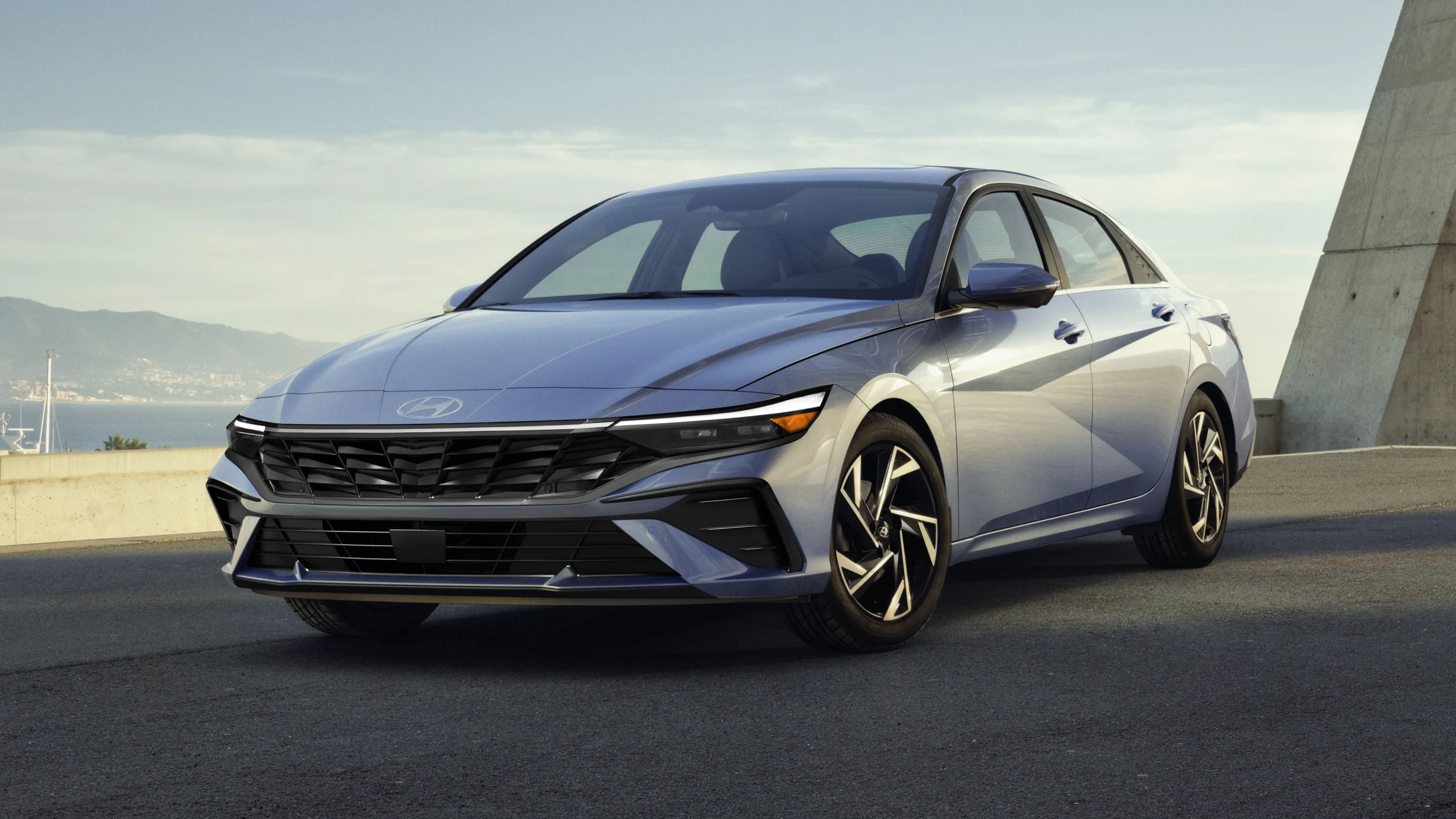
4. Hyundai Elantra
The Hyundai Elantra often surprises people with its level of comfort, especially during extended travel. The seats tend to offer a balance of softness and support, making them suitable for long periods of driving.
Many drivers appreciate the way the cushions maintain their comfort even as the hours add up. The seating position also tends to feel relaxed, reducing the need for frequent adjustments throughout a long journey.
Ride comfort is another area where the Elantra performs well. Its suspension generally absorbs rough pavement effectively, preventing excessive bounce or vibration. This balance helps keep passengers comfortable even on roads that are less than ideal.
A stable ride reduces driver fatigue, because the car does not require constant attention to remain smooth and controlled. Over long distances, this steadiness becomes one of the Elantra’s key strengths.
Interior space also contributes to the Elantra’s long-distance comfort. Although the car is compact, the cabin often feels roomy, giving passengers space to adjust their posture without feeling confined.
The climate system usually provides consistent airflow, helping maintain a comfortable temperature even during long periods of travel. These details help create an environment that remains pleasant throughout the journey.
Another comfort advantage is the Elantra’s quiet cabin. Noise from wind and pavement usually stays at manageable levels, especially on highways.
Over long drives, this quietness helps reduce fatigue, because constant noise can wear down concentration. With the Elantra, drivers often feel more refreshed at the end of a long trip thanks to the quieter atmosphere. Combined with its stable handling, the car provides a smooth and calm driving experience that holds up mile after mile.
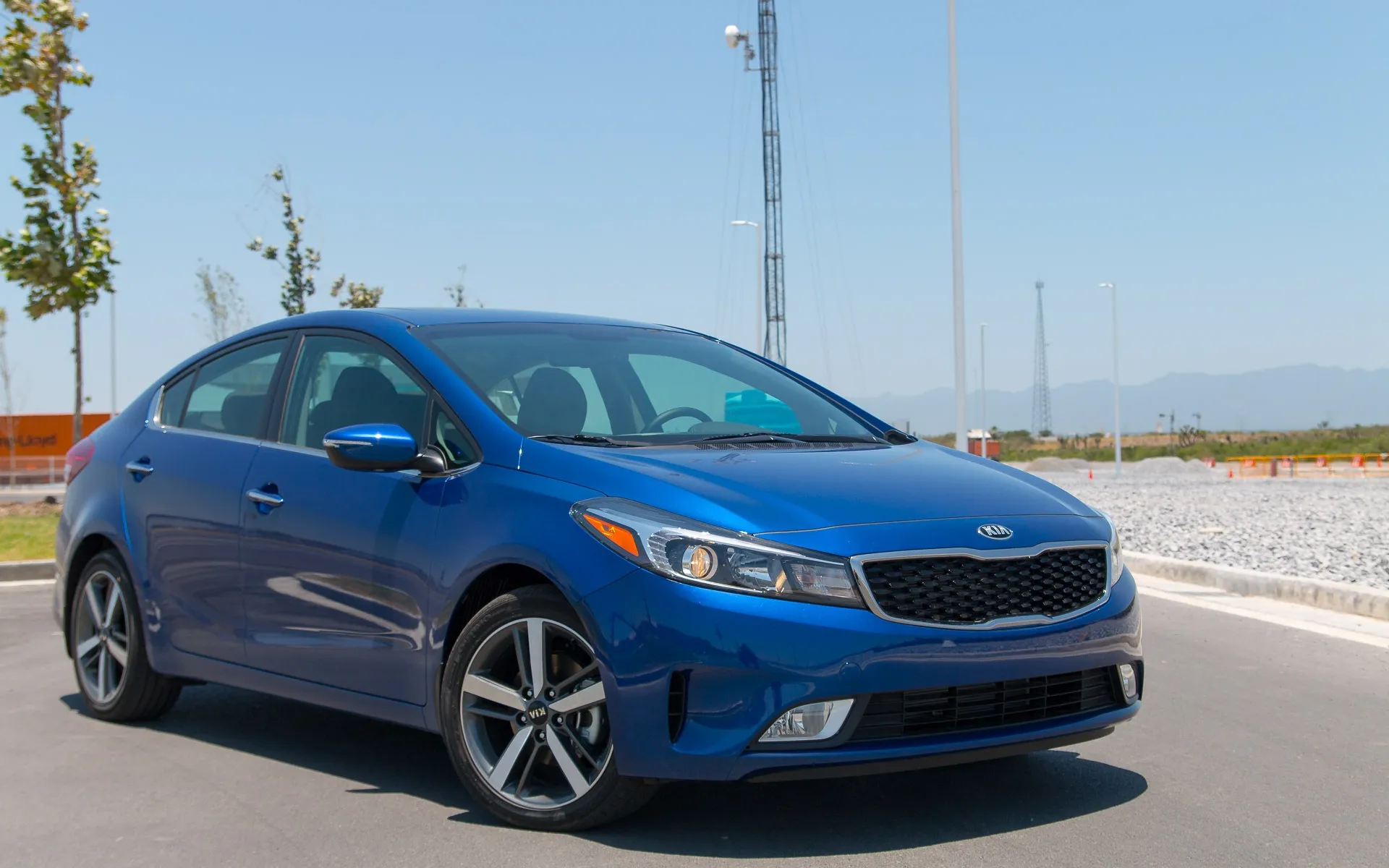
5. Kia Forte
The Kia Forte offers a combination of comfort and stability that works well for long-distance trips. The seats usually feel supportive and well-cushioned, helping drivers maintain a relaxed posture.
This reduces the chance of soreness during extended driving. The seating position is typically easy to adjust, allowing drivers to find a comfortable angle that suits their body shape.
Ride quality is one of the Forte’s stronger points. Its suspension tends to smooth out uneven pavement without making the car feel overly soft. This helps the vehicle stay controlled on long highway stretches.
Even when the road surface becomes rougher, the Forte manages to limit the amount of vibration reaching the cabin. This helps keep passengers comfortable and reduces fatigue over time.
The cabin layout also contributes to the Forte’s long-distance comfort. Controls are usually positioned in a way that feels natural, limiting unnecessary reaching.
This allows drivers to stay relaxed and focused during extended travel. The interior design tends to include supportive armrests, comfortable cushions, and clear displays, all of which make long journeys less tiring.
Noise levels inside the Forte are generally low enough to help passengers remain calm on long drives. Wind noise stays moderate, and the engine often maintains a steady sound that does not become intrusive. This quiet environment helps people stay refreshed as the journey progresses.
When combined with the car’s stable handling and predictable feel, the Forte becomes a strong candidate for anyone who wants a small car that remains comfortable mile after mile.
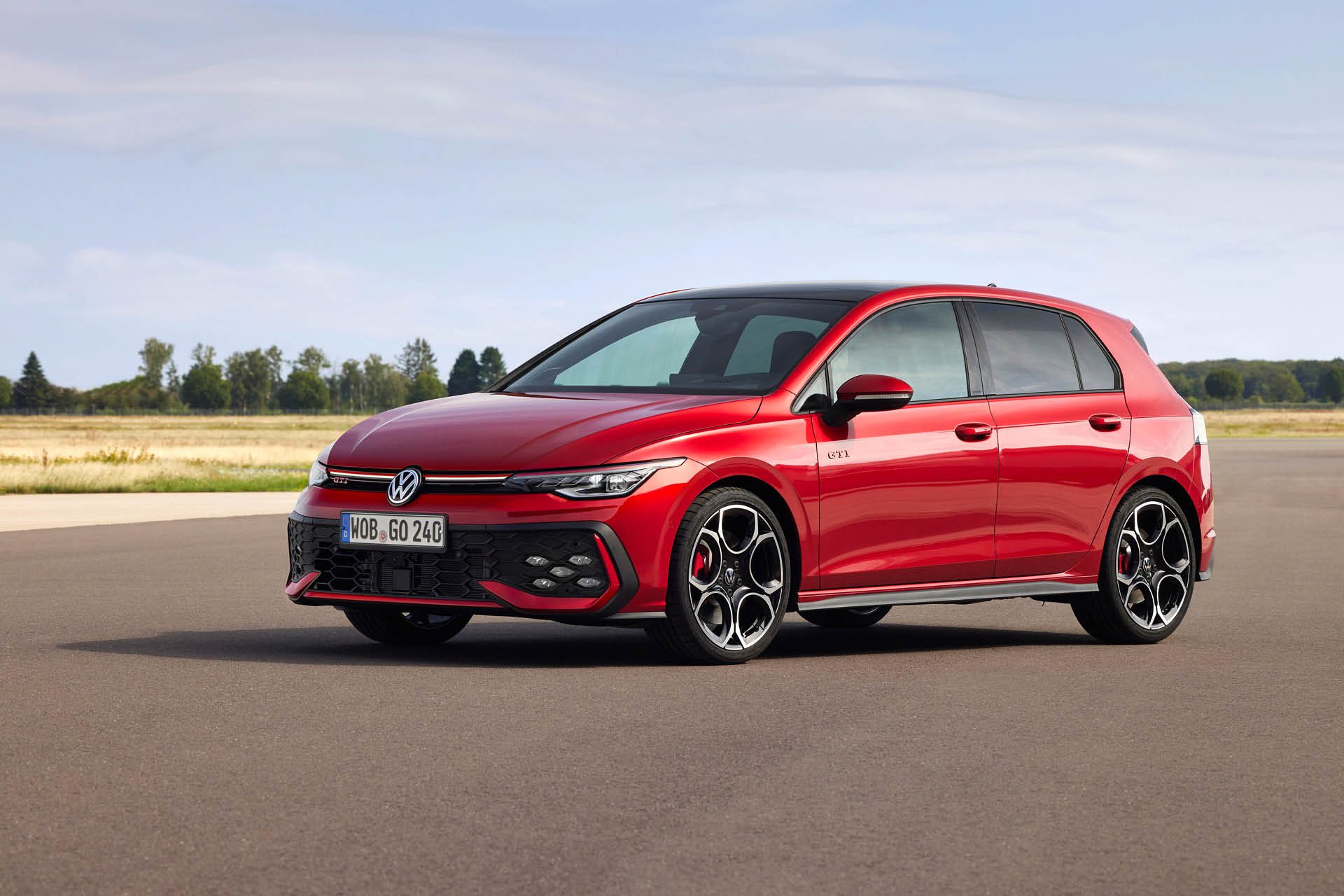
6. Volkswagen Golf
The Volkswagen Golf has long been praised for delivering comfort that feels mature and steady, even during long stretches of travel.
Its seats usually offer a confident mix of firmness and cushion that keeps the body supported during extended drives. This support helps reduce strain on the lower back and shoulders, which is important when the journey lasts several hours.
The Golf’s seating position also tends to feel natural and balanced, allowing drivers to maintain a relaxed posture without the constant need for readjustments. A comfortable position plays a major role in maintaining energy and attention over long periods of time.
Ride quality remains one of the Golf’s signature strengths. While compact in size, the car often handles rough pavement with a level of finesse that makes it feel more substantial than it is.
Instead of transmitting sharp jolts into the cabin, the suspension softens impacts and keeps the body movements under control. This controlled approach helps passengers avoid fatigue that can come from constant shaking or bouncing. Drivers who take frequent highway trips appreciate how the Golf keeps the journey calm and composed.
Noise levels in the Golf tend to remain reasonably low, which supports relaxation during long drives. Wind and road noise usually stay at moderate levels, allowing passengers to converse comfortably or listen to music without strain.
This quietness helps break the monotony of long-distance travel and prevents mental fatigue. The engine typically maintains a steady, non-intrusive sound at cruising speeds, adding to the sense of calm inside the cabin.
Another feature that makes the Golf pleasant for long-distance travel is its precise and stable steering. The car responds predictably to driver input, which reduces the amount of micro corrections needed to stay centered in the lane. This steadiness helps drivers maintain focus without feeling tense.
A car that requires minimal effort to keep on course helps conserve energy over long journeys, making the Golf a solid choice for people who value comfort in a compact size.
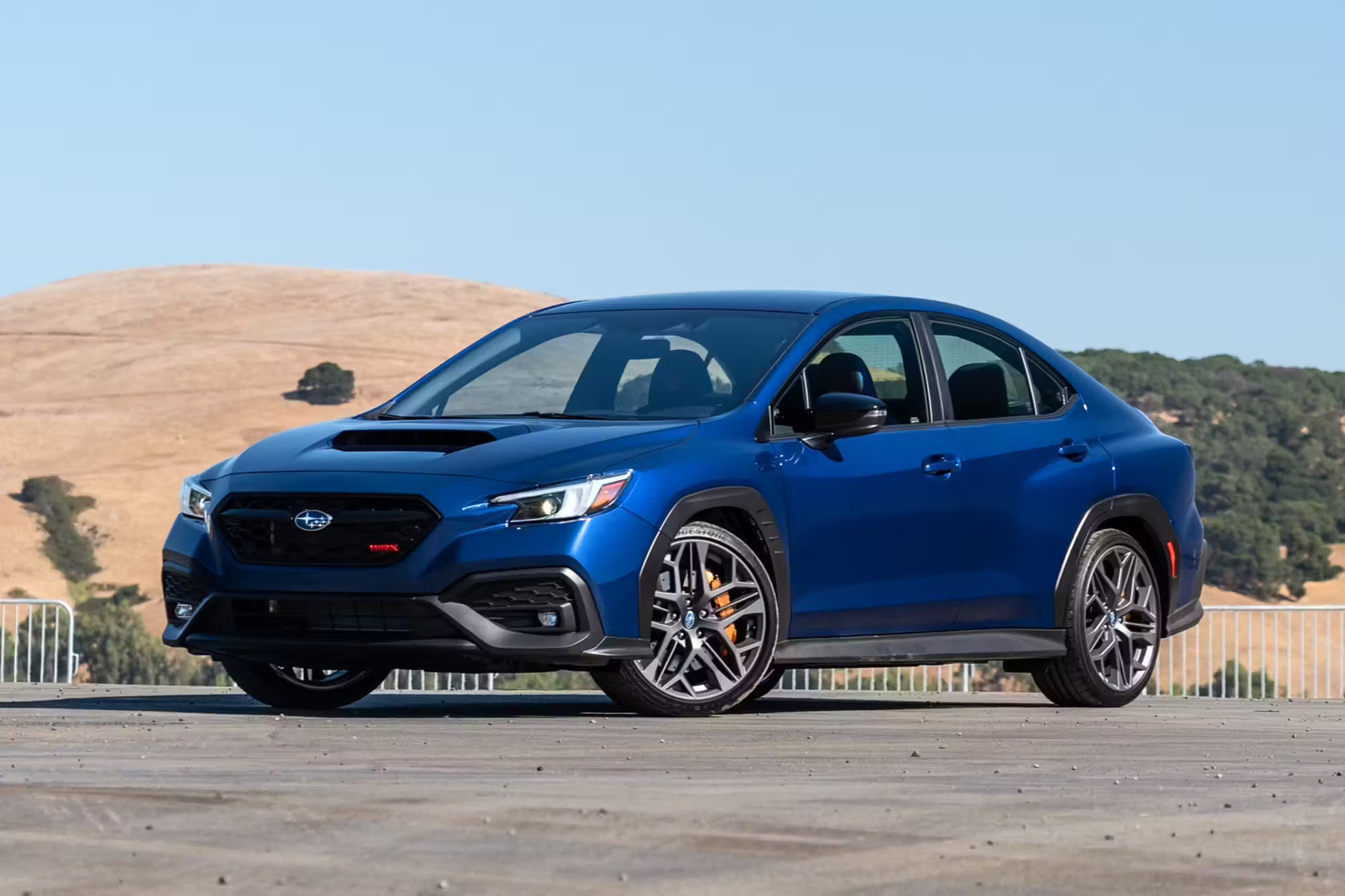
7. Subaru Impreza
The Subaru Impreza stands out for the way it handles long journeys with a sense of smoothness and security. Its seats are shaped to support a wide variety of body types, offering a gentle firmness that helps prevent fatigue during extended driving.
Passengers usually appreciate that the seats maintain their comfort even after several hours, providing consistent back and thigh support. This consistency helps keep muscles from tightening or growing stiff, which is crucial for long distance travel.
Ride comfort is a major advantage for the Impreza. Thanks to a suspension tuned for stability, the car often glides over imperfections without feeling unsettled. This reduces the amount of motion transmitted to the cabin, which helps passengers stay relaxed.
Whether traveling along country roads or lengthy stretches of interstate, the Impreza maintains a controlled and smooth demeanor that makes extended travel more pleasant. The car’s stability also helps drivers feel confident, reducing the mental effort required during long drives.
Cabin space also contributes to the Impreza’s comfort. Even though it is a compact car, it provides a roomy feeling, particularly in head and leg space. This allows passengers to stretch slightly and shift posture during long trips, which can greatly reduce stiffness.
The layout of the controls also tends to feel straightforward to reach, allowing drivers to adjust settings with minimal distraction. A clear and simple cabin helps reduce mental clutter and can make long journeys feel more manageable.
Noise levels inside the Impreza usually remain at a comfortable minimum. The car often keeps wind noise under control, and the engine remains steady and unobtrusive during cruising. This quietness helps preserve mental clarity on long routes, preventing the fatigue that can come from constant background noise.
Combined with the car’s smooth ride and stable handling, the Impreza provides a travel experience that remains comfortable and pleasant over many miles.
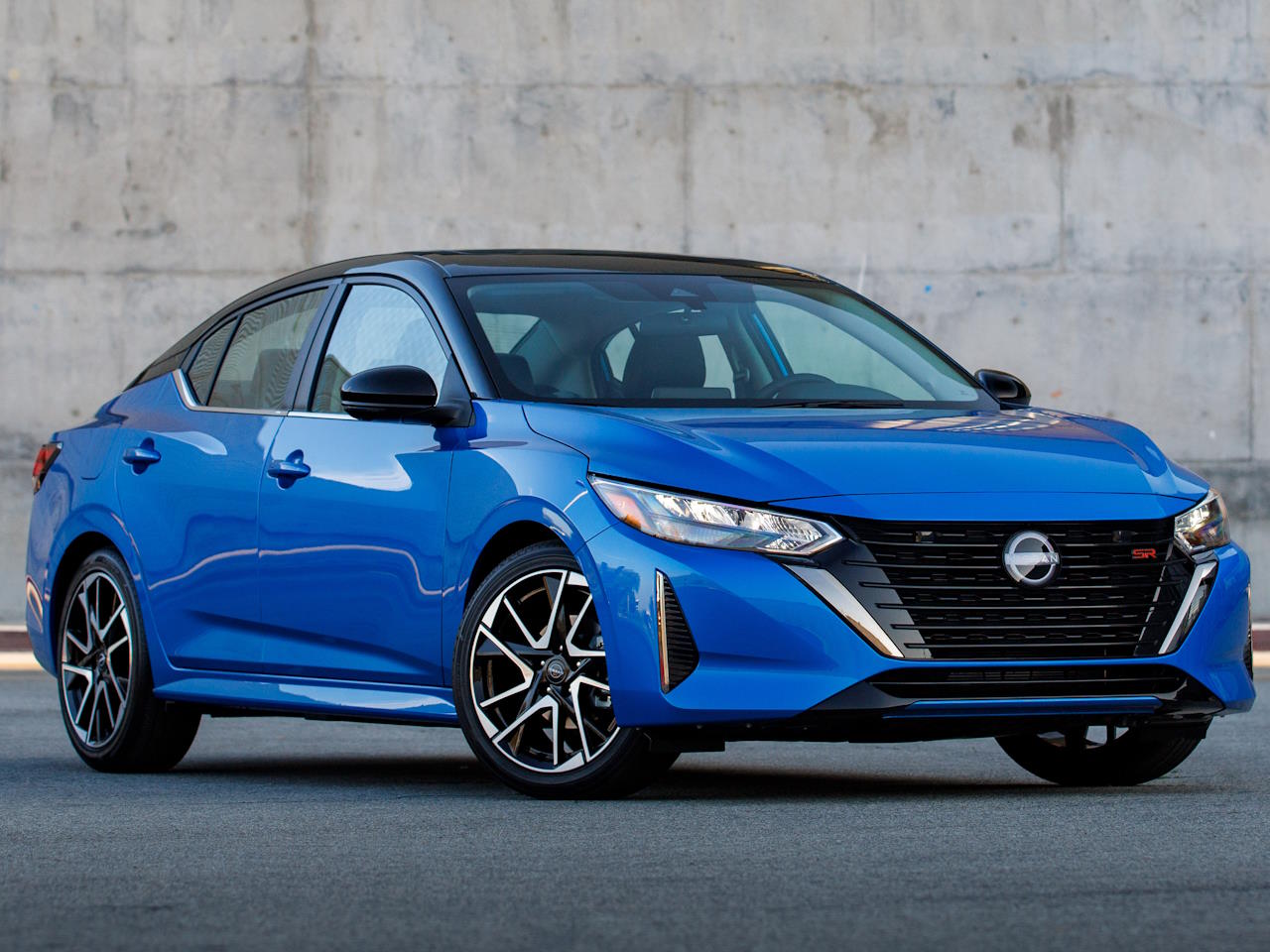
8. Nissan Sentra
The Nissan Sentra has earned appreciation for its comfort-oriented design, which makes long trips feel easier than one might expect from a compact vehicle. Its seats tend to be soft yet supportive, giving drivers and passengers the ability to settle in comfortably for extended periods.
The shape of the seats usually accommodates a broad range of preferences, reducing the likelihood of stiffness during multi-hour drives. This focus on seating quality is one of the Sentra’s strongest comfort traits.
Ride comfort is another highlight of the Sentra’s performance on long journeys. The suspension usually absorbs bumps in a smooth and measured way, preventing harsh vibrations from reaching the cabin. This helps passengers remain relaxed, even when the road surface becomes uneven.
The car maintains a sense of calm that helps reduce driver fatigue, especially during extended highway travel. This steady composure plays a vital role in making long-distance driving feel less taxing.
The Sentra’s cabin layout supports comfort through logical placement of controls and a spacious feel for a compact car. Drivers often find that the steering wheel, pedals, and displays align in a way that promotes good posture.
This reduces the physical strain that can build up over many hours of travel. Air circulation inside the cabin tends to remain consistent as well, which helps maintain a pleasant environment even during long periods behind the wheel.
Noise reduction is another advantage the Sentra offers during long drives. The car usually limits wind and road noise well, particularly at highway speeds. This creates a peaceful environment that allows passengers to relax without constant background distraction.
A quiet cabin helps reduce mental exhaustion, making it easier to stay focused on the road ahead. The Sentra’s combination of supportive seating, smooth ride quality, thoughtful interior design, and low noise levels makes it a comfortable choice for long journeys.
9. Ford Focus
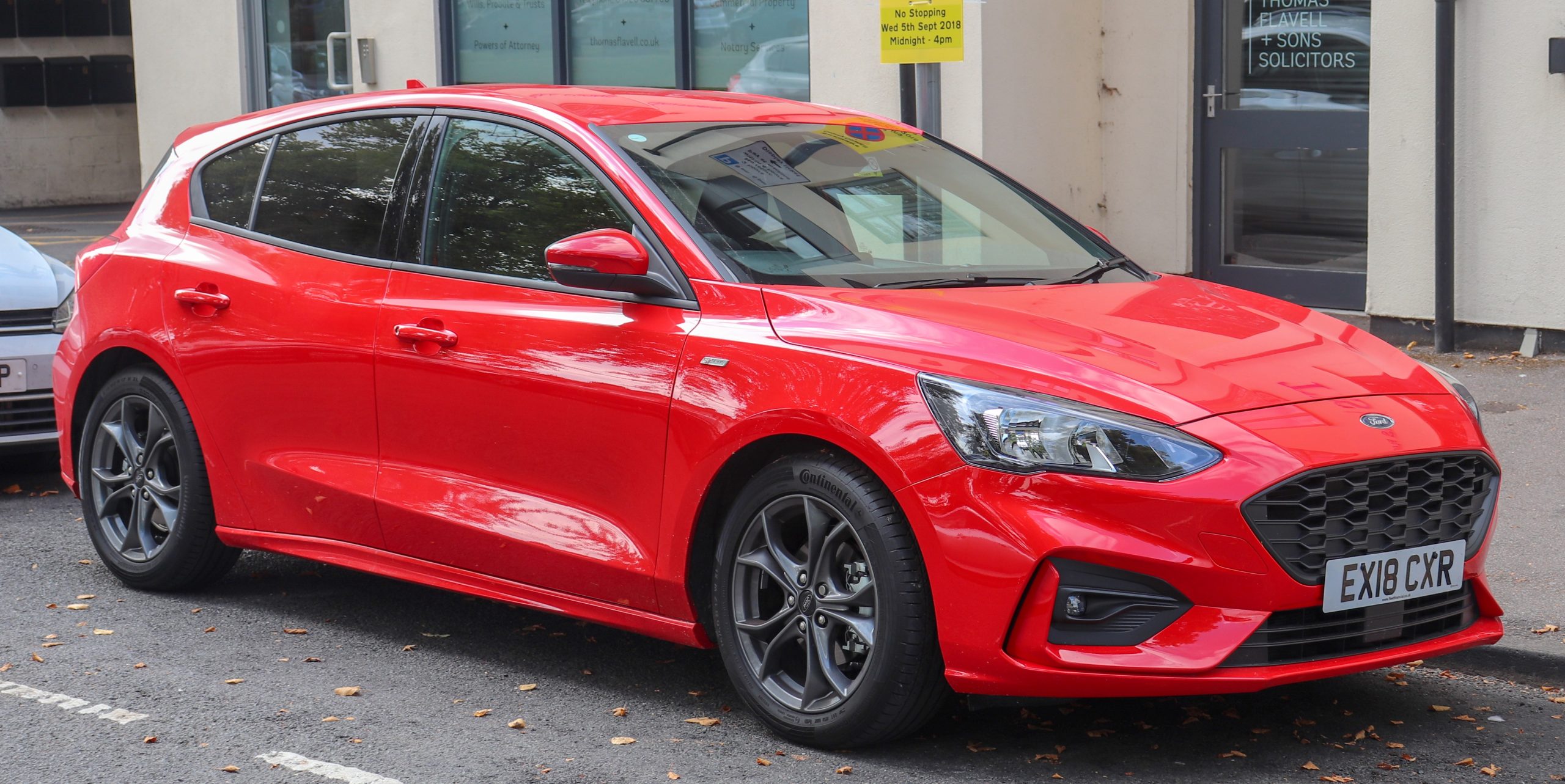
The Ford Focus has long been recognized for its balance of comfort and agility, making it well-suited for long-distance travel. Its seats tend to offer a firm but comfortable feel that supports the body during extended periods of sitting.
Drivers often find that the seating position is easy to adjust and promotes a natural posture. This is important for maintaining comfort during multiple hours on the road, since poor posture can lead to fatigue and soreness.
Ride quality in the Focus strikes a good balance between comfort and control. The suspension typically softens rough surfaces without allowing too much body motion.
This balance helps keep passengers from feeling jostled while still giving the driver a sense of stability at higher speeds. The result is a smooth and predictable ride that stays comfortable even when the journey covers a variety of road conditions. This steadiness helps reduce the stress that can come from constantly adapting to changing surfaces.
The cabin in the Focus is designed with user-friendly controls and a layout that reduces distraction. Drivers often appreciate that they do not need to reach far to operate essential functions, which helps maintain comfort and focus during long periods behind the wheel.
Armrests and seating cushions provide consistent support, making it easier to stay comfortable as the hours pass. Small ergonomic details combine to create a more relaxed driving experience.
Noise levels inside the Focus tend to remain manageable during highway travel. While no compact car is completely silent, the Focus usually keeps wind and road noise at levels that allow passengers to converse comfortably. This helps reduce fatigue, since constant noise can wear down concentration.
The engine also maintains a steady tone during cruising, contributing to the calm environment. When combined with the car’s stable handling and supportive seating, the Focus becomes a dependable choice for long-distance comfort.
10. MINI Cooper
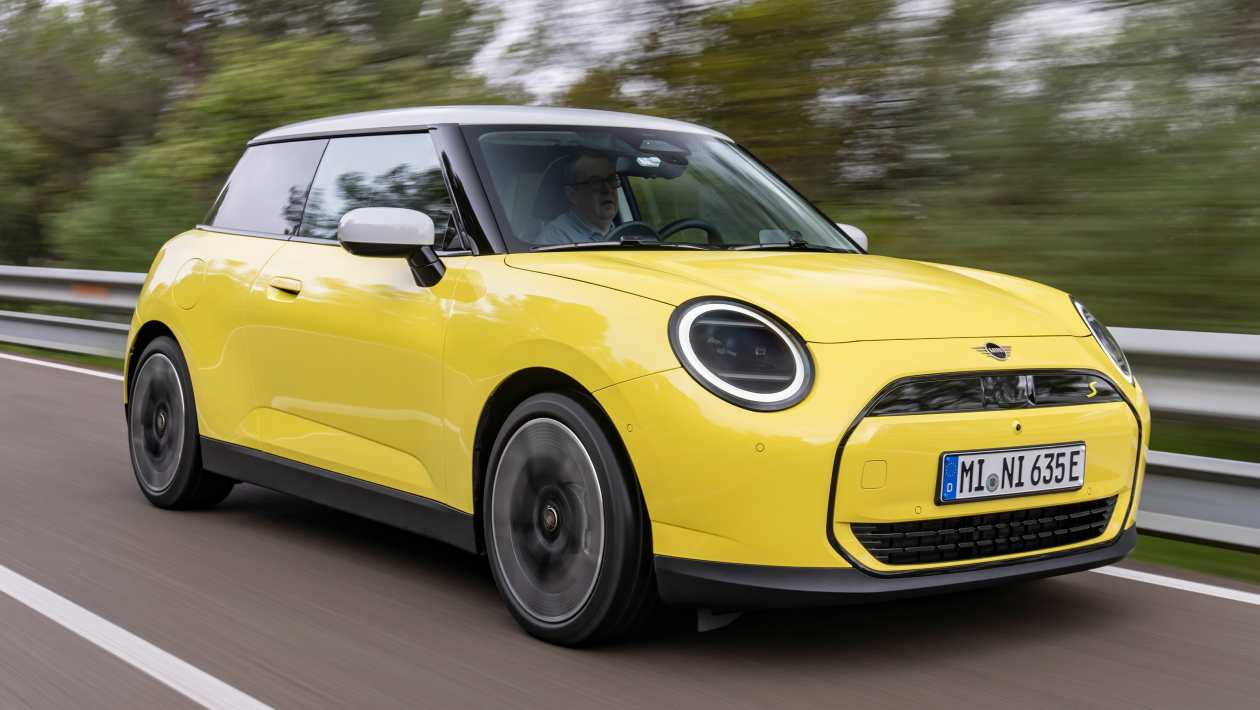
The MINI Cooper is known for its personality and fun nature, yet it also offers surprising comfort on long journeys. Its seats are usually well contoured, providing steady support for the lower back and upper body. Despite the car’s small size, the seating often feels accommodating and stable.
This helps prevent the stiffness that can come from sitting for extended periods. Many drivers appreciate the MINI’s ability to deliver long-distance comfort without sacrificing its compact spirit.
Ride quality in the MINI Cooper has improved significantly in many versions, making it smoother than people often expect. While the car still retains some firmness that contributes to its lively feel, it often avoids the harshness that might otherwise affect long trips.
The suspension manages to absorb imperfections more smoothly than its small size suggests. This creates a ride that feels controlled and steady over long distances, helping reduce fatigue.
The cabin layout in the MINI Cooper contributes to its comfort as well. The driving position tends to be upright and supportive, giving a clear view of the road without forcing the driver to stretch or slump.
Controls are typically within easy reach, allowing drivers to operate the car without awkward movements. This ease of use helps keep the body relaxed during extended travel, which becomes increasingly important as the hours accumulate.
Noise levels in the MINI Cooper usually remain moderate enough to keep passengers comfortable on long journeys. The car’s shape can allow some wind noise at high speeds, but it generally maintains a pleasant environment that does not overwhelm the senses.
The engine typically produces a steady hum that becomes part of the background rather than a distraction. When combined with the MINI’s supportive seating, stable ride, and ergonomic cabin design, the experience remains comfortable even during long periods on the road.
