
Parking a sedan in a tight urban space can often feel like a negotiation between the vehicle and the environment. Drivers who frequent crowded streets, narrow lots, or older neighborhoods with raised concrete edges know that a rear door that swings too low or too wide can become a daily irritation.
At times it results in small scratches that accumulate over the years, while in other instances it means passengers have to awkwardly contort themselves to step out safely. A sedan that avoids curb contact is not merely a convenience but an acknowledgment that thoughtful design matters.
The angle of the hinge, the position of the door cut, the height of the sill, and the way the frame rises above the curb all influence how well a car accommodates real life. Many sedans, despite offering comfortable interiors and reliable performance, end up with rear doors that scrape, tap, or snag when parked next to a typical curb, something that can cause long term wear or even reduce resale value.
Owners who frequently travel with children, older adults, or passengers carrying bags know how important it is to swing a door open confidently without hesitation.
A sedan that avoids curb conflict offers a surprisingly practical advantage that often goes unappreciated until the driver experiences the difference firsthand. The choice of hinge placement and the contour of the lower section of the door can allow the door to open fully while still clearing the raised concrete.
Some models use slightly higher bottoms on their rear doors, while others adopt hinge geometries that lift outward rather than swinging in a deep arc. The outcome is improved passenger access and smoother entry and exit in everyday situations. This level of convenience becomes even more valuable when parking on sloped roads or along uneven curbs where one side of the car sits lower than the other.
When evaluating sedans that avoid curb contact, it becomes clear that thoughtful engineering can enhance daily convenience more than many drivers realize.
The vehicles listed here represent a variety of design philosophies, ranging from sleek commuter-oriented models to more premium offerings. None rely on gimmicks. Instead, each uses design choices that quietly solve a problem every driver encounters at some point.
These sedans show that even small details like hinge geometry and door height can transform the ownership experience. What follows is a detailed look at ten sedans recognized for rear doors that reliably clear curbs, helping passengers step in and out without hassle.

1. Toyota Camry
The Toyota Camry has long been considered a reliable and practical choice for families, commuters, and anyone who values low-maintenance vehicles. One subtle strength of the Camry that often goes unnoticed is the practical height and swing of its rear doors.
Unlike some sedans, where the door can scrape the curb or require awkward angling when exiting tight spots, the Camry’s rear doors are designed with a slightly elevated lower edge. This small but significant design feature ensures that the door clears typical urban curbs when opened, reducing the risk of scratches, dents, and paint wear over time.
Additionally, the placement of the door relative to the vehicle’s body allows for a wider swing without compromising clearance, which is particularly helpful in crowded parking lots or narrow city streets. This attention to detail extends beyond aesthetics; it enhances the everyday usability of the vehicle for both drivers and passengers.
The Camry’s body structure has been refined over multiple generations, resulting in a combination of strength, stability, and practical convenience.
Engineers carefully adjusted the hinge placement, door taper, and sill height to allow the rear doors to rise slightly as they swing outward. This ensures that the lower portion of the door does not dip dangerously close to the curb, even in uneven parking spaces. The result is a smoother, safer entry and exit experience.
Families with children, older adults, or passengers carrying bags will particularly notice the advantage, as it reduces the need for awkward maneuvering or having to open the door cautiously to avoid scratches. The Camry’s careful engineering shows that even modest adjustments to door design can have a meaningful impact on daily usability.
Beyond mere clearance, the Camry’s rear doors offer a sense of confidence when opened, allowing passengers to exit the vehicle without hesitation. The controlled arc and reinforced hinge structure create a consistent movement that feels solid yet effortless.
This becomes especially valuable in real-world situations where the car may be parked at an angle or next to a sloped curb. The higher door cut, combined with the wide opening, makes it easier to load children into car seats, lift bulky items, or assist elderly passengers without worrying about the door striking the curb. This small design decision, though often overlooked, is a testament to Toyota’s understanding of practical, everyday challenges that drivers face.
From an ownership perspective, the Camry’s curb-friendly rear doors also contribute to long-term durability and aesthetics. Reduced risk of repeated scrapes and impacts helps maintain the car’s exterior condition, preventing chips and minor dents that could otherwise diminish resale value over time.
Drivers who frequently navigate city streets, tight parking areas, or uneven residential sidewalks will appreciate this thoughtful attention to detail. The combination of reliability, comfort, and subtle practical design elements makes the Camry an enduring choice for those seeking a midsize sedan that can withstand the demands of urban driving without compromising passenger convenience.
2. Honda Accord
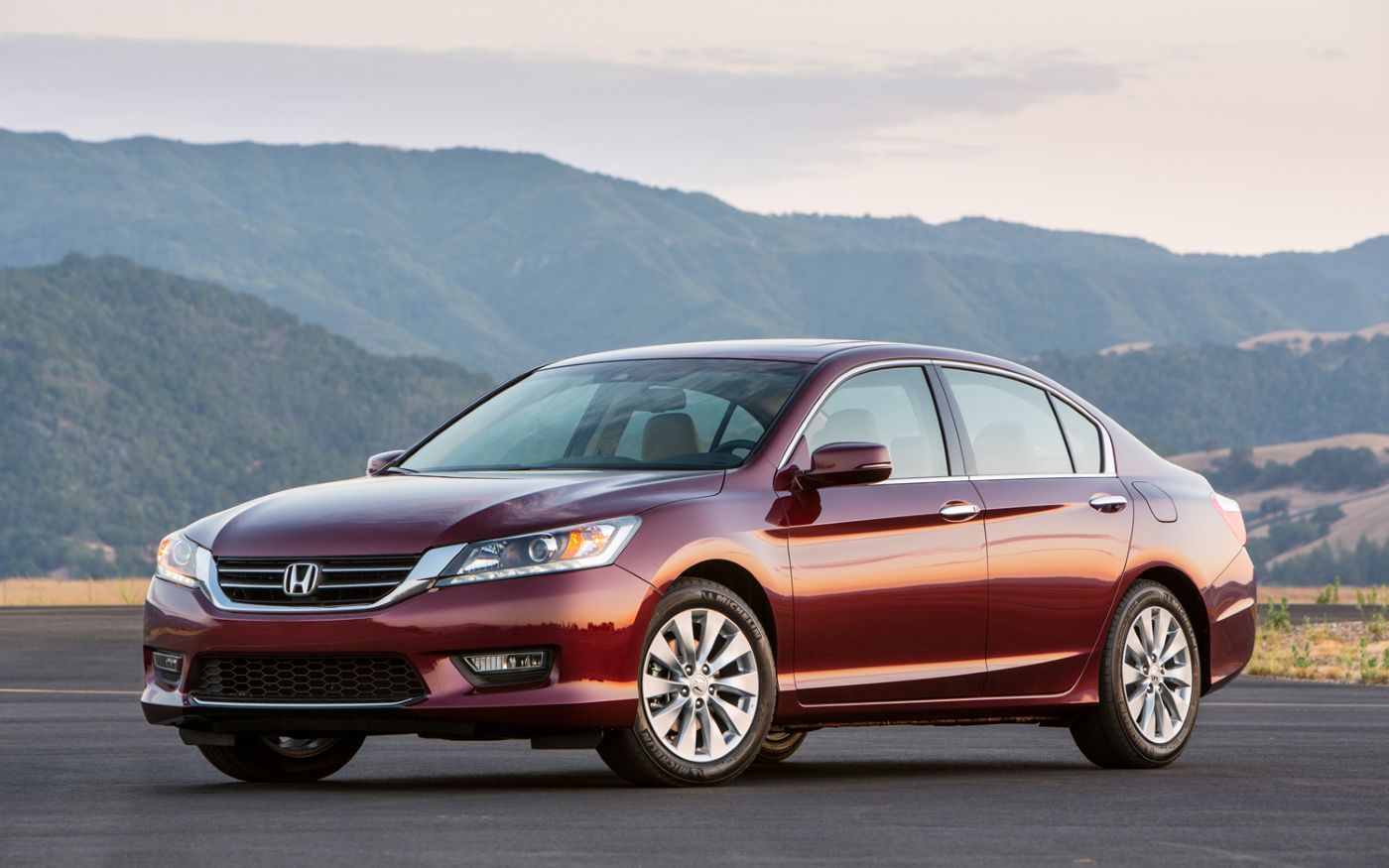
The Honda Accord has earned its reputation for spacious interiors, smooth driving experience, and everyday practicality. One of its less celebrated but highly useful features is the way its rear doors are designed to avoid contact with curbs.
Unlike vehicles where the door swings too low or requires careful angling to prevent scratches, the Accord’s lower door edges sit slightly higher. This subtle elevation allows passengers to step out comfortably without worrying about the door hitting raised pavement.
For drivers who frequently park along streets with uneven curbs or in dense city areas, this design provides a tangible, stress-reducing advantage. The elevated door cut also complements the sleek design of the Accord, ensuring that the practical aspect of door clearance does not interfere with the vehicle’s aesthetic appeal.
Hinge geometry is another critical factor in the Accord’s curb-friendly performance. Honda engineers angled the door outward and slightly upward to create a controlled swing arc that reduces the risk of the lower edge colliding with curbs. This motion feels smooth and natural, even for drivers who park on sloped roads or crowded lots.
Over multiple generations, Honda has refined these design elements to maintain a balance between aesthetics and usability. The result is a rear door that opens wide and remains reliably above obstacles, providing a predictable and safe exit for passengers, regardless of their age or mobility level.
Passengers benefit greatly from this design in practical scenarios. When stepping out of the Accord, they encounter a door that opens wide while maintaining a safe distance from the pavement, making it easier to carry groceries, luggage, or other items.
Parents installing car seats or assisting children will notice the difference compared to other sedans, as the elevated clearance eliminates the need for awkward maneuvering. Even passengers with limited mobility will appreciate the unobstructed path provided by the Accord’s rear doors. This kind of thoughtful engineering reflects Honda’s commitment to creating vehicles that prioritize convenience in everyday use.
Rear doors that consistently avoid curb contact experience less wear and tear, which contributes to maintaining the vehicle’s appearance and resale value. By reducing the risk of chips, scratches, and minor dents, the Accord preserves its exterior finish over years of regular use.
For drivers who navigate busy urban streets or frequently park in tight spaces, the Accord’s rear doors offer both peace of mind and a practical, daily convenience that many sedans fail to provide. This balance of functionality, safety, and design makes the Accord a standout in its segment.

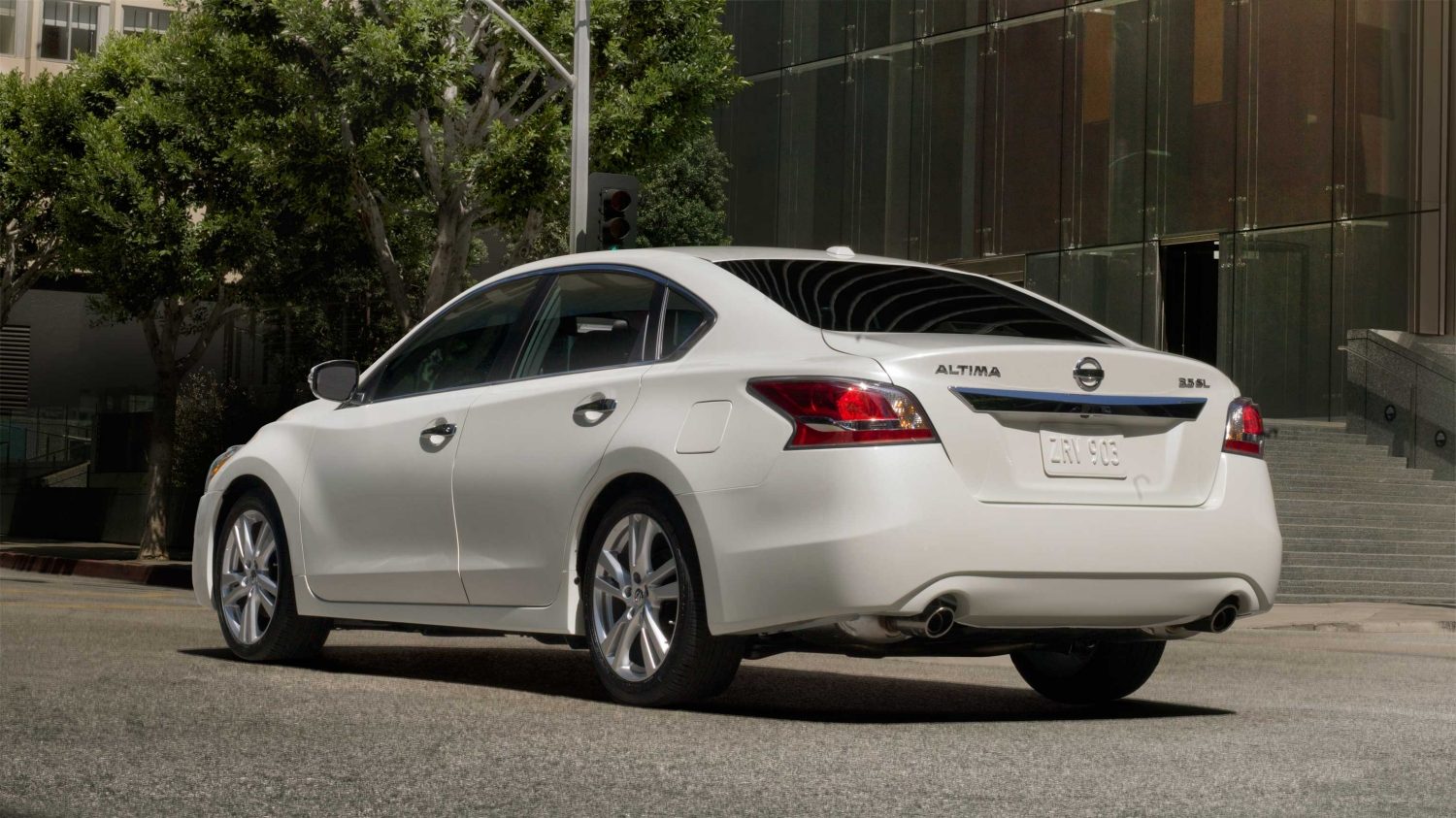
3. Nissan Altima
The Nissan Altima strikes a balance between style, performance, and everyday usability, and its rear doors exemplify this focus on practical design. The lower edge of the rear doors is subtly elevated, allowing them to swing open without hitting typical curbs.
This thoughtful design means passengers can exit the vehicle safely and confidently, even when parked on uneven pavement or in tight spaces. The sporty profile of the Altima does not come at the expense of practicality; instead, the car demonstrates that careful engineering can merge aesthetics with real-world functionality.
By raising the bottom edge of the door, Nissan provides a tangible benefit that reduces the risk of paint damage while improving accessibility.
The Altima’s hinge design plays a crucial role in its curb-friendly characteristics. The mechanism is engineered to tilt the door slightly upward as it swings outward, preventing the lower edge from scraping concrete surfaces. This feature is particularly useful in city driving conditions where curbs may vary in height or when the car is angled in a parking spot.
Unlike some sedans that require careful door handling to avoid contact with obstacles, the Altima’s design allows passengers to open the rear door fully and step out without hesitation. The smooth, upward motion of the hinge adds a sense of refinement to the vehicle and reinforces Nissan’s attention to practical details.
Passengers stepping out of the Altima benefit from a wide door opening combined with reliable clearance. Families with children, commuters carrying large bags, or passengers with limited mobility will find the process much easier compared to vehicles with poorly designed door swings.
The Altima’s rear door height provides a consistent and safe exit path, reducing the likelihood of sudden impacts with curbs that could cause damage or injury. This thoughtful consideration of real-world scenarios reflects the careful balance Nissan maintains between comfort, style, and practicality.
Over time, the Altima’s curb-friendly rear doors contribute to preserving the vehicle’s exterior condition. Frequent contact with curbs can result in minor paint chips, scratches, and long-term wear that may diminish the car’s visual appeal.
By designing doors that naturally avoid these obstacles, Nissan minimizes maintenance concerns and helps retain the Altima’s clean appearance. Drivers who navigate urban environments or tight parking spaces regularly will particularly appreciate this practical design, which exemplifies how subtle engineering choices can enhance the ownership experience.
4. Hyundai Sonata
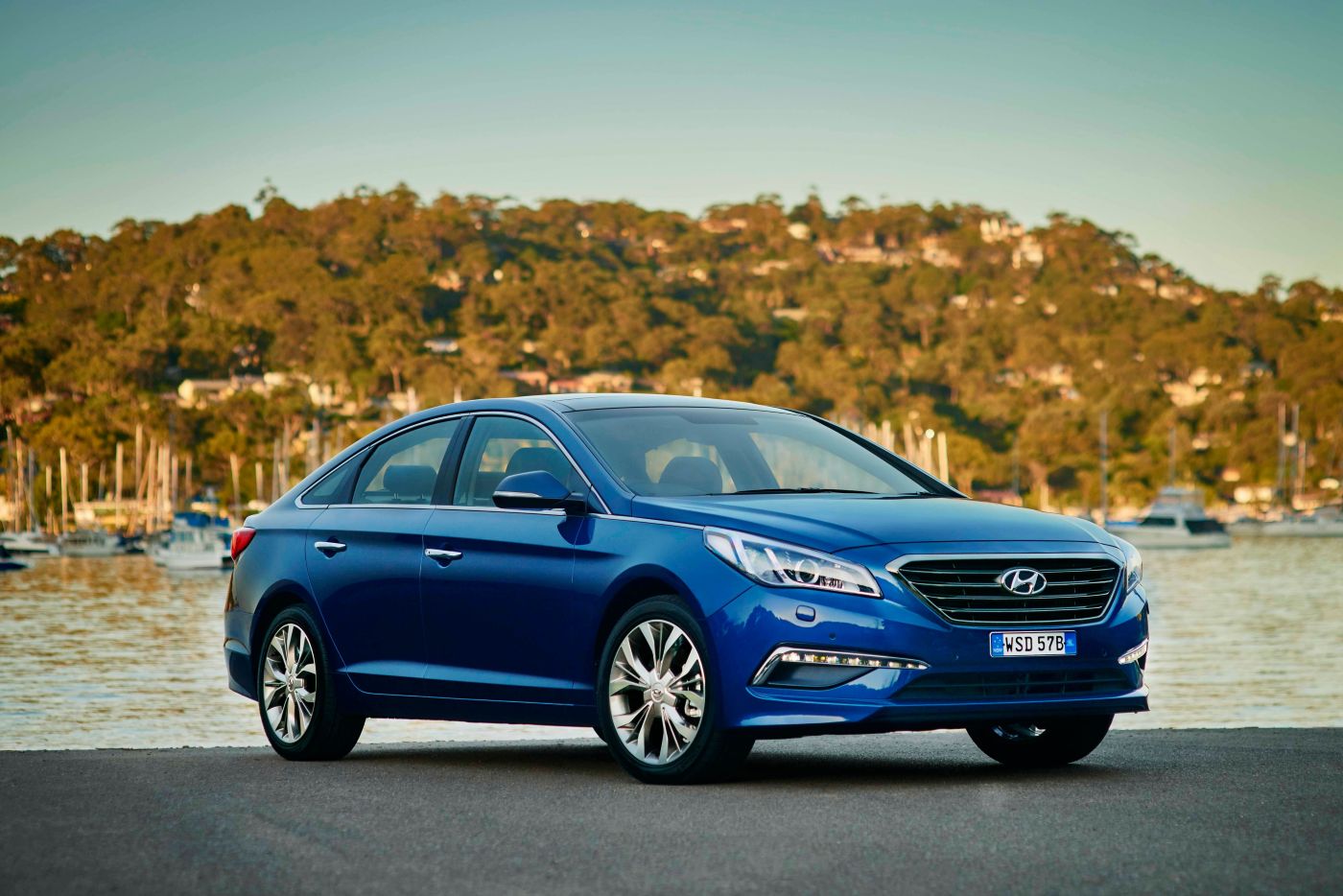
The Hyundai Sonata combines sleek design, a modern interior, and a strong focus on functionality, and its rear doors are a prime example of this balance. The bottom edges of the doors are slightly elevated, providing a crucial gap between the door and curbs in most parking scenarios.
This design allows passengers to open the rear doors fully without worrying about scraping or denting the lower panel. The thoughtful engineering ensures that the vehicle’s elegant silhouette does not compromise practical usability, allowing it to perform equally well in crowded urban parking lots and spacious suburban garages.
Hinge placement plays an essential role in the Sonata’s curb-friendly performance. The doors are designed to move outward and slightly upward during the opening process, ensuring that the lower edge does not come into contact with raised concrete surfaces.
This motion allows passengers to step out comfortably even when the car is parked close to a curb or at an uneven angle. Hyundai’s attention to the geometry of the hinge mechanism demonstrates an understanding of everyday driving challenges, especially for families, elderly passengers, or anyone who frequently loads and unloads items from the rear seats.
The Sonata’s rear door design benefits passengers in a variety of real-world scenarios. When stepping out of the car, passengers enjoy a wide, unobstructed opening with sufficient clearance from the pavement, making it easier to exit quickly and safely.
Parents installing child seats or carrying groceries will notice the practical advantage, as the door does not interfere with the curb or require awkward maneuvering. This design feature enhances convenience, showing that Hyundai has prioritized usability alongside the vehicle’s aesthetic qualities.
From a long-term perspective, the Sonata’s raised rear door edges help protect the car’s exterior finish. By reducing the likelihood of scratches and dents caused by repeated contact with curbs, Hyundai enhances the vehicle’s durability and preserves its visual appeal.
This practical consideration is particularly valuable for drivers who regularly park in tight urban spaces or areas with uneven sidewalks. The Sonata demonstrates how thoughtful engineering of even small elements, such as rear door height and hinge geometry, can significantly improve the ownership experience and satisfaction.

5. Kia K5
The Kia K5, known for its sporty appearance and aggressive styling, also emphasizes practicality in its rear door design. The bottom edges of the rear doors are slightly elevated, allowing passengers to exit safely without worrying about hitting curbs.
This feature is especially important in urban settings where parking spaces are narrow, sidewalks are raised, or cars are parked closely together. Despite the K5’s sleek, performance-oriented profile, the design ensures that everyday functionality is not compromised, demonstrating Kia’s attention to detail and user convenience.
The K5’s hinge mechanism contributes to its curb-friendly performance by allowing the rear doors to swing outward and gently upward. This controlled motion prevents the lower edges from striking pavement while maintaining a smooth and natural opening experience.
Drivers and passengers can confidently use the rear doors without having to adjust their movements to avoid scratches, dents, or paint damage. The combination of hinge design and door geometry reflects careful engineering aimed at reducing frustration during daily use.
Passengers benefit from the K5’s rear door design in multiple ways. The wide, unobstructed door opening allows easier entry and exit, which is particularly useful when carrying shopping bags, luggage, or assisting children.
Unlike vehicles with poorly positioned doors, the K5 allows for predictable movement and a safe exit path, regardless of the surrounding environment. Families and frequent commuters will find this feature especially convenient, as it minimizes the effort required to navigate tight or uneven parking spaces.
Over time, the K5’s curb-friendly design helps maintain the vehicle’s exterior condition by reducing the risk of repeated scuffs and dents. This protection preserves both the appearance and value of the car, which is important for owners who prioritize longevity and aesthetics. The raised rear door edges, combined with precise hinge geometry, demonstrate Kia’s commitment to creating a sedan that balances sporty styling with practical daily usability, enhancing ownership satisfaction.

6. Subaru Legacy
The Subaru Legacy has long been recognized for its reliability, all-weather capability, and thoughtful design choices, and its rear doors are no exception. One of the practical advantages of the Legacy is the slightly elevated bottom edge of its rear doors, which allows them to clear curbs and pavement edges effortlessly.
This feature is especially helpful for drivers who frequently park on city streets, suburban sidewalks, or uneven surfaces. The higher door edge reduces the risk of scraping the paint, which not only preserves the car’s exterior appearance but also minimizes long-term maintenance costs.
This attention to detail shows that Subaru designs vehicles with real-world driving conditions in mind, ensuring that practicality is integrated into both the interior and exterior elements.
The hinge design in the Legacy further enhances its curb-friendly characteristics. Rear doors open in a controlled motion that tilts slightly upward, ensuring the bottom panel avoids contact with raised curbs. This mechanism allows passengers to open the door fully without hesitation, even when the car is parked at an angle or on sloped terrain.
Families, seniors, and passengers carrying items will particularly notice the difference compared to other sedans whose rear doors scrape or require careful maneuvering. Subaru’s engineers have clearly prioritized predictable, safe door operation, making the Legacy a user-friendly option for daily urban and suburban driving.
The long-term benefits of the Legacy’s curb-friendly design are equally significant. Reduced contact with curbs prevents minor scratches, dents, and other forms of wear that typically accumulate over years of regular use. This protective feature helps maintain the vehicle’s aesthetic appeal, safeguarding resale value while keeping the car looking cleaner for longer.
Subaru demonstrates that even small details, like hinge geometry and door height, can contribute meaningfully to practical, everyday convenience, reinforcing the Legacy’s reputation as a thoughtful and durable midsize sedan.

7. Mazda6
The Mazda6 is widely admired for combining dynamic styling with practical usability, and its rear doors exemplify this balance. The lower edges of the rear doors are carefully designed to remain elevated enough to clear standard curbs, even in tighter parking situations.
This feature is particularly beneficial in urban environments where streets are narrow and sidewalks raised. By maintaining adequate clearance between the door and the pavement, Mazda allows passengers to step out confidently without concern for accidental scrapes or dents. The thoughtful design shows how attention to detail in vehicle engineering can enhance convenience in everyday scenarios.
Passengers entering or exiting the Mazda6 notice the difference immediately. The door opens widely, offering a clear and unobstructed path while remaining safely above the curb. This design accommodates people of all ages, from children to seniors, as well as passengers carrying luggage, groceries, or other bulky items.
For families and commuters, the curb-friendly doors make routine tasks less stressful, improving both convenience and satisfaction with the vehicle.
Over time, the Mazda6’s rear doors help preserve the car’s exterior condition. The raised bottom edges minimize scuffing, scratches, and other minor wear that can accumulate in dense urban parking conditions.
This feature supports long-term durability and aesthetics, allowing owners to enjoy the sleek styling of the vehicle without worrying about avoidable cosmetic damage. Mazda’s careful consideration of hinge design and door clearance demonstrates how small engineering decisions can have a major impact on daily usability and ownership experience.
8. Volkswagen Passat
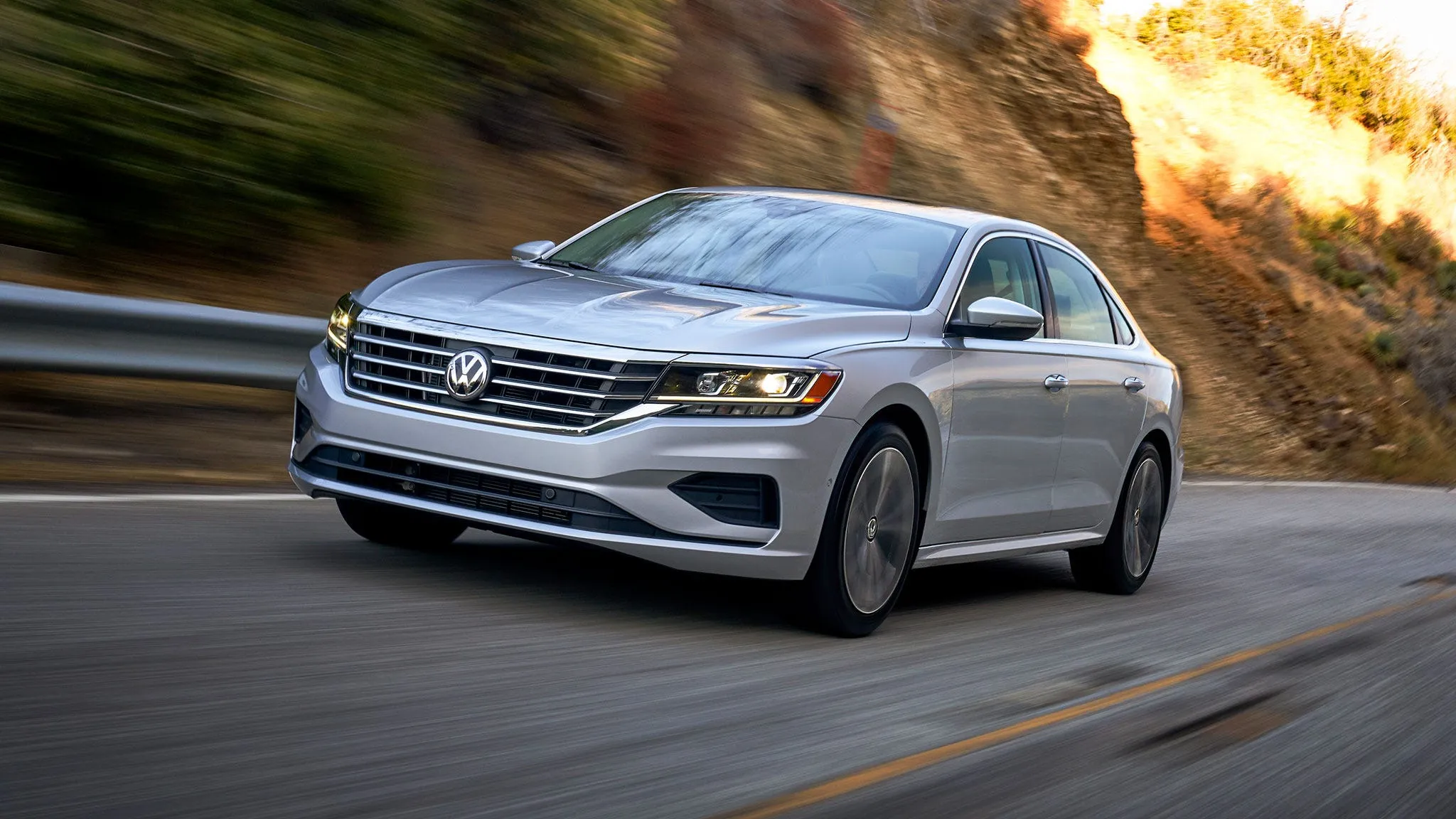
The Volkswagen Passat has earned a reputation for refinement, comfort, and thoughtful design, and its rear doors reflect these qualities. The lower edges of the doors are positioned to avoid common curbs, making them more practical for urban parking or narrow spaces.
This seemingly small feature provides a noticeable convenience, as passengers can open doors fully without worrying about contact with raised pavement. The Passat’s design successfully integrates aesthetic elegance with real-world functionality, demonstrating that style and practicality can coexist in a midsize sedan.
Rear passengers enjoy improved accessibility due to the Passat’s thoughtful door design. The wide opening and elevated clearance make exiting the vehicle easier, particularly for individuals carrying items or assisting children.
The design also reduces the risk of accidental collisions with curbs, contributing to passenger safety and comfort. For frequent commuters and families alike, this feature enhances convenience during daily routines and adds to the usability of the car.
Over the long term, the Passat’s curb-friendly rear doors help maintain the vehicle’s exterior finish, preventing minor chips and scratches caused by repeated contact with raised sidewalks or parking obstacles. This durability ensures the vehicle remains visually appealing while reducing maintenance concerns.
Volkswagen’s commitment to combining practical engineering with elegant design is evident in the rear doors, which provide a subtle yet meaningful improvement to the ownership experience.

9. Chevrolet Malibu
The Chevrolet Malibu is recognized for combining smooth styling, practical features, and a comfortable interior, and its rear doors exemplify the brand’s attention to daily usability. The lower edges of the doors are slightly elevated, which allows them to avoid typical curbs and pavement obstacles.
This feature is particularly advantageous for drivers who frequently park in urban areas or in close quarters where other vehicles and sidewalks limit space. By raising the door edges, Chevrolet ensures that passengers can enter and exit the vehicle without worrying about scraping the paint or damaging the door, creating a more stress-free experience for daily use.
Hinge placement and movement play a key role in the Malibu’s curb-friendly design. The doors open with a controlled outward and slightly upward motion, ensuring that the bottom panel does not contact raised surfaces. This reliable swing pattern allows passengers to step out safely, even in tight parking situations.
The careful engineering behind the door’s movement highlights Chevrolet’s commitment to practical usability, offering peace of mind for drivers who navigate crowded streets or uneven parking lots.
In the long term, the curb-friendly design protects the Malibu’s exterior finish, reducing the accumulation of minor scratches and dents that can occur with regular city driving. Maintaining a clean appearance over years of use helps preserve the vehicle’s value and reduces maintenance concerns.
Chevrolet’s thoughtful integration of design, hinge placement, and door clearance demonstrates that attention to small details can improve daily usability, comfort, and the ownership experience.

10. Volvo S60
The Volvo S60 is celebrated for combining premium design, safety, and practical usability, and its rear doors highlight these qualities. The bottom edges of the rear doors are elevated just enough to prevent contact with curbs, making the vehicle more practical for daily use.
This feature is particularly valuable for urban drivers who encounter narrow parking spaces or raised sidewalks, as it allows doors to swing open fully without scraping. Volvo’s attention to such details reinforces the brand’s commitment to creating vehicles that consider both aesthetics and everyday convenience.
The S60’s hinge mechanism plays a crucial role in its rear door performance. Doors open in a controlled, slightly upward motion that ensures the lower edges avoid obstacles and maintain a safe distance from the pavement. This engineering allows passengers to step out confidently, even when parking at angles or on uneven terrain. Families, commuters, and passengers with limited mobility benefit from this predictable and smooth operation, which reduces the risk of minor accidents or damage over time.
Over time, the S60’s rear doors help preserve the car’s exterior finish by reducing the chance of scratches, scuffs, and minor dents from curbs. Maintaining a clean and polished appearance enhances both the aesthetic appeal and long-term value of the vehicle.
Volvo’s focus on functional design choices, such as hinge geometry and door height, demonstrates how attention to small details can significantly improve the ownership experience. The S60’s combination of premium styling, safety, and practical usability makes it a standout sedan in its class.
