

When it comes to compact SUVs, stability on the highway is often one of the most critical factors for drivers who spend a significant amount of time on long-distance journeys.
Compact SUVs are designed to balance the convenience of a smaller vehicle with some of the capabilities of larger SUVs, offering enough space for passengers and cargo while still being maneuverable in urban settings. However, not all compact SUVs are created equal when it comes to highway performance.
Some models maintain a solid, predictable trajectory even at higher speeds, instilling confidence in the driver, while others tend to require constant steering corrections to stay on course.
The difference often lies in the vehicle’s suspension tuning, chassis design, weight distribution, tire choice, and even the precision of the steering system. Understanding these differences can make a significant impact on safety, comfort, and overall driving enjoyment.
Stable highway tracking in compact SUVs contributes to a sense of confidence for drivers, particularly during long stretches of road where fatigue can be a factor. Vehicles that track steadily reduce the need for continuous micro-adjustments, which not only minimizes driver effort but also enhances fuel efficiency by preventing subtle overcorrections.
Conversely, SUVs that require constant corrections can create tension during extended drives, increase tire wear, and may contribute to driver fatigue. The behavior of a vehicle on the highway can also influence its overall reputation, as buyers often associate stability with quality engineering and repeated steering adjustments with poor handling or suspension tuning.
Factors influencing highway stability in compact SUVs are varied. The wheelbase length, center of gravity, and suspension stiffness all play a role. A longer wheelbase generally promotes straight-line stability, while a lower center of gravity minimizes body roll during lane changes.
Tire width, compound, and alignment settings also affect tracking, as do electronic aids such as stability control systems. All these variables combine to create a vehicle that either feels planted or one that seems nervous on straight roads. For buyers focused on highway driving, knowing which models fall into each category can be crucial in the decision-making process.
This article examines ten popular compact SUVs, dividing them into two categories: those with stable highway tracking and those that tend to require constant corrections. Each group includes five models, highlighting the characteristics that contribute to their performance.
By comparing these vehicles, drivers can better understand what to expect from a long highway journey, whether they prioritize stability and comfort or are prepared to actively manage a vehicle that demands more attention. The goal is to provide a clear guide that emphasizes real-world handling and highway behavior, helping drivers make informed choices that align with their driving preferences and lifestyle.
5 Compact SUVs with Stable Highway Tracking
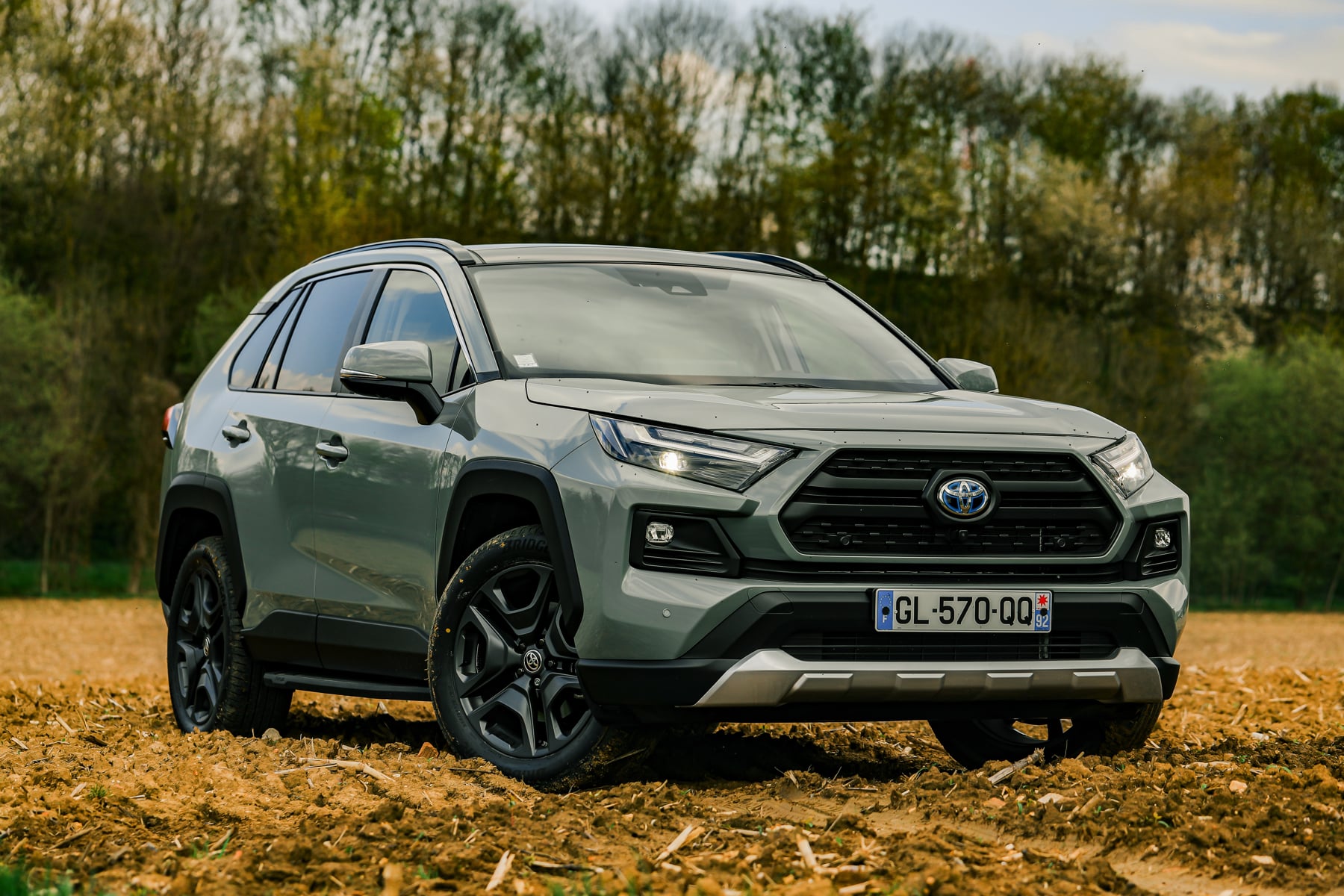
1. Toyota RAV4
The Toyota RAV4 has earned a strong reputation for stability and highway composure, and this begins with its suspension and chassis design. The suspension system has been carefully tuned to strike a balance between absorbing road imperfections and maintaining solid handling, which is crucial for a vehicle that is often used for long-distance travel.
Unlike softer, comfort-focused SUVs that tend to wander slightly at high speeds, the RAV4 stays confidently planted on the road, which reduces the stress on the driver during extended trips.
Its steering system is designed to provide precise feedback without being overly sensitive, allowing drivers to feel connected to the road while avoiding the jittery feeling that can lead to unnecessary corrections. This controlled responsiveness contributes to an overall driving experience that feels intentional and composed, even when the highway is crowded or the pavement is uneven.
Another factor enhancing the RAV4’s highway stability is its wheelbase and weight distribution. The relatively long wheelbase smooths transitions over bumps and undulations, preventing sudden shifts that can upset the vehicle’s alignment.
The distribution of weight between the front and rear axles helps maintain balance, which reduces body roll during lane changes or quick maneuvers. The combination of tire specifications, including compound and sidewall stiffness, and precise alignment further improves its straight-line tracking.
Even when subjected to gusty winds or the turbulence created by large trucks passing on multi-lane highways, the RAV4 tends to hold its line without requiring constant corrective input. This capability makes it a particularly attractive option for drivers who value predictability and comfort in their daily commutes or long road trips.
The electronic systems in the RAV4 further bolster its stability. Subtle interventions from stability control, traction management, and brake distribution systems ensure that minor deviations do not escalate into significant handling issues.
Unlike some vehicles where electronic aids feel intrusive or abrupt, the RAV4’s systems operate almost invisibly, only engaging when necessary to maintain composure. This seamless integration of mechanical and electronic features ensures that drivers can feel confident in various conditions, from dry pavement to wet or slightly uneven road surfaces.
The vehicle’s highway behavior reflects a design philosophy that prioritizes driver reassurance, allowing attention to remain on traffic and navigation rather than compensating for wandering tendencies.
The interior design and ergonomics of the RAV4 complement its highway performance. Driver seating is positioned for optimal control, visibility is unobstructed, and controls are placed intuitively, reducing the need for unnecessary movements that can distract from steering precision.
The cabin also dampens road noise and vibrations, allowing a calm environment that reduces fatigue over long stretches. Together, these factors create an experience in which highway stability feels effortless, reinforcing the perception that the RAV4 is engineered to provide both comfort and confidence over extended drives.
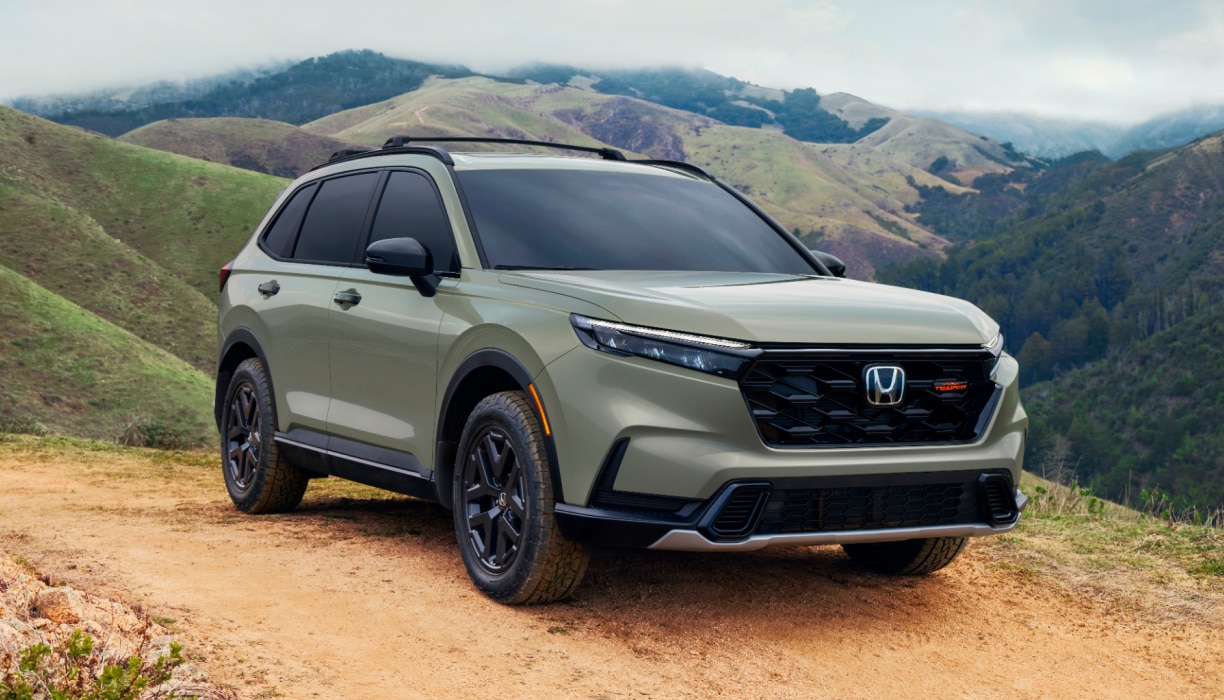
2. Honda CR-V
The Honda CR-V is widely recognized for its predictable behavior and smooth highway tracking, which stems from a combination of precise suspension tuning and a rigid chassis. The suspension provides enough compliance to absorb minor bumps and irregularities, while stiffness is sufficient to maintain alignment and prevent wandering.
Steering is well-weighted and consistent, delivering natural feedback without exaggerating minor imperfections in the road surface. This balance allows drivers to maintain a relaxed grip on the wheel while being assured that the vehicle will respond predictably to steering inputs. The CR-V’s handling characteristics make it particularly suitable for long highway drives, where subtle shifts in alignment or road surface could otherwise require constant corrections from the driver.
Aerodynamics also play a role in the CR-V’s highway stability. Its sculpted exterior minimizes turbulence around the body, which reduces the vehicle’s susceptibility to wind gusts and improves straight-line tracking.
Unlike SUVs with boxier shapes or higher drag coefficients, the CR-V’s design reduces external forces that can nudge the vehicle off course. Combined with carefully aligned tires and a suspension tuned for stability, this aerodynamic advantage ensures that drivers can maintain a steady path with minimal effort, even at highway speeds.
This creates a sense of composure that enhances confidence during long trips, especially on roads with frequent crosswinds or heavy traffic.
The CR-V’s cabin design supports its stability by promoting comfort and reducing fatigue. The seats provide excellent lumbar and lateral support, which prevents driver weariness during long hours on the road. Visibility is enhanced through thoughtful window placement and mirror design, ensuring that drivers can easily monitor lanes and traffic conditions.
Ergonomic placement of controls minimizes distraction, allowing drivers to focus on steering and highway awareness. Together with the mechanical and electronic features, the interior contributes to an overall feeling of confidence and control, making the CR-V one of the most highway-friendly compact SUVs available.
3. Mazda CX-5
The Mazda CX-5 is renowned for blending a sporty, responsive feel with stable highway performance, offering an experience that is both engaging and confidence-inspiring. Its suspension system is tuned with precision, allowing the vehicle to absorb road imperfections without sacrificing composure.
Body roll is minimized during lane changes, and the chassis remains planted, which gives the driver a sense of command even during rapid maneuvers. Steering is crisp and communicative, allowing drivers to feel the road surface and adjust inputs smoothly without the need for constant micro-corrections. This careful balance of performance and comfort is one of the reasons the CX-5 stands out in a segment often dominated by compromises between stability and ride quality.
Weight distribution in the CX-5 contributes significantly to its composure. Engineers have focused on maintaining balance between the front and rear axles, which reduces tendencies toward understeer or oversteer during highway driving. Tire selection complements this setup, with sidewall rigidity and tread compounds optimized to provide consistent grip.
These elements combine to ensure that the vehicle tracks in a straight line even over long distances, reducing driver fatigue and increasing confidence in the car’s predictable behavior. Whether navigating slight curves at high speed or maintaining lane position on long straights, the CX-5 exhibits minimal wandering.
Electronic assistance in the CX-5 is subtle yet effective. Stability control, adaptive steering, and traction management all intervene only when necessary, allowing the driver to retain control while benefiting from enhanced stability.
Unlike vehicles that feel over-reliant on electronics, the CX-5 preserves a natural connection between driver and road, reinforcing the feeling of precision and predictability. This combination of mechanical and electronic systems ensures a smooth, controlled highway experience, even in challenging weather or road conditions.
4. Subaru Forester
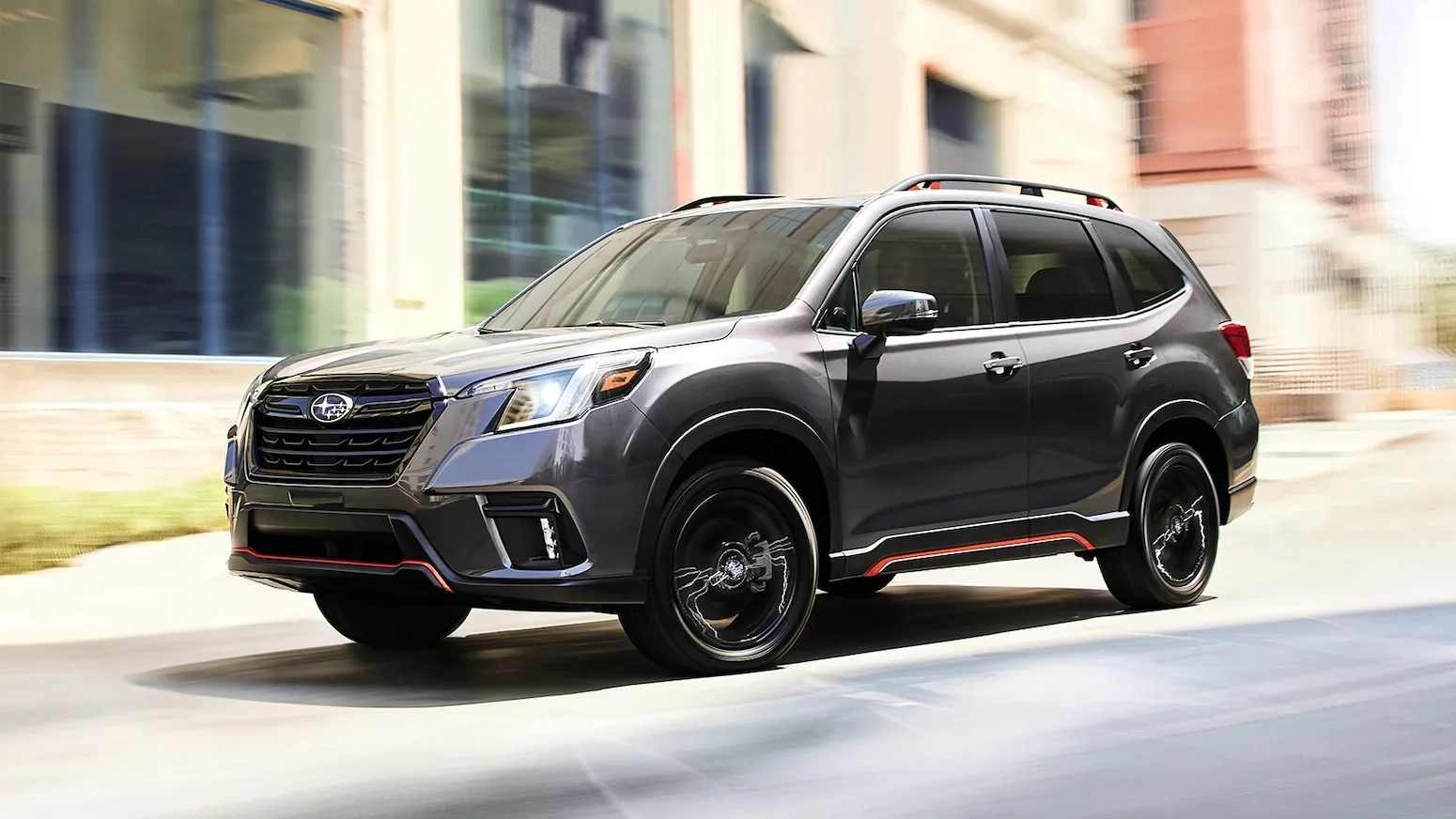
The Subaru Forester combines the benefits of all-wheel-drive capability with thoughtful suspension design to create a highly stable highway performer. Its suspension is engineered to handle uneven surfaces while maintaining composure at speed, providing a smooth and predictable ride.
The vehicle’s low center of gravity, achieved through Subaru’s boxer engine layout, minimizes body roll and enhances straight-line stability. Steering feel is responsive yet light, giving drivers confidence without requiring constant adjustments, which is particularly important for those who spend long hours on the highway.
The Forester’s all-wheel-drive system enhances stability by evenly distributing torque between front and rear axles, maintaining traction and reducing tendencies for understeer or oversteer. This feature proves particularly valuable in wet or slippery conditions, where consistent tracking becomes more difficult for conventional two-wheel-drive SUVs.
The wheelbase and suspension geometry are tuned to provide maximum predictability, allowing drivers to maintain a steady lane position with minimal effort. Even in challenging conditions such as strong crosswinds, the Forester remains reliably planted.
Electronic stability systems complement the mechanical stability of the Forester. Stability control, adaptive braking, and torque management subtly correct deviations caused by road imperfections or minor driver errors.
These interventions are smooth and transparent, enhancing confidence without feeling intrusive. Combined with the vehicle’s precise suspension and steering design, these features ensure that the Forester remains stable and predictable even during extended highway journeys.
The Forester’s interior contributes to its highway prowess by supporting long-duration driving. The cabin is designed for comfort and visibility, with well-cushioned seats and a commanding view of the road. Controls are ergonomically positioned to reduce unnecessary movement, minimizing distraction and fatigue.
Together with the mechanical and electronic attributes, these features create a holistic driving experience in which the Forester feels secure, composed, and effortless to manage at highway speeds, reinforcing its reputation as one of the most stable compact SUVs on the road.
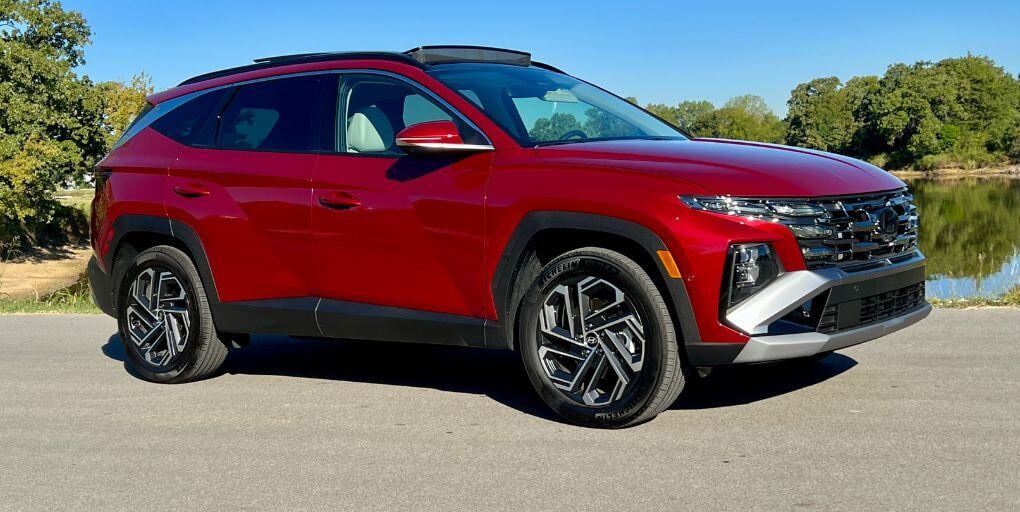
5. Hyundai Tucson
The Hyundai Tucson combines precise engineering with comfort-oriented design to achieve dependable highway stability. Its suspension is tuned to balance the absorption of road imperfections with the maintenance of a solid, planted feel, minimizing body roll and wandering.
Steering is responsive yet predictable, allowing the driver to maintain lane position with minimal effort. The Tucson’s low center of gravity and optimized chassis geometry further enhance straight-line stability, ensuring that even at high speeds, the vehicle feels connected and controllable.
Electronic stability systems support the Tucson’s mechanical stability without interfering with the natural driving experience. Lane assist, stability control, and traction management intervene only when necessary, preserving the driver’s sense of control while maintaining composure.
This integration of technology and engineering ensures the Tucson remains predictable in varying conditions, from smooth highways to imperfect pavement.
The cabin design completes the Tucson’s highway-friendly profile. Ergonomic seating, good visibility, and thoughtfully positioned controls allow the driver to maintain focus and comfort over long stretches of road. Noise and vibration are well-isolated, reducing fatigue and enhancing the sense of control.
5 Compact SUVs with Constant Corrections
1. Nissan Rogue
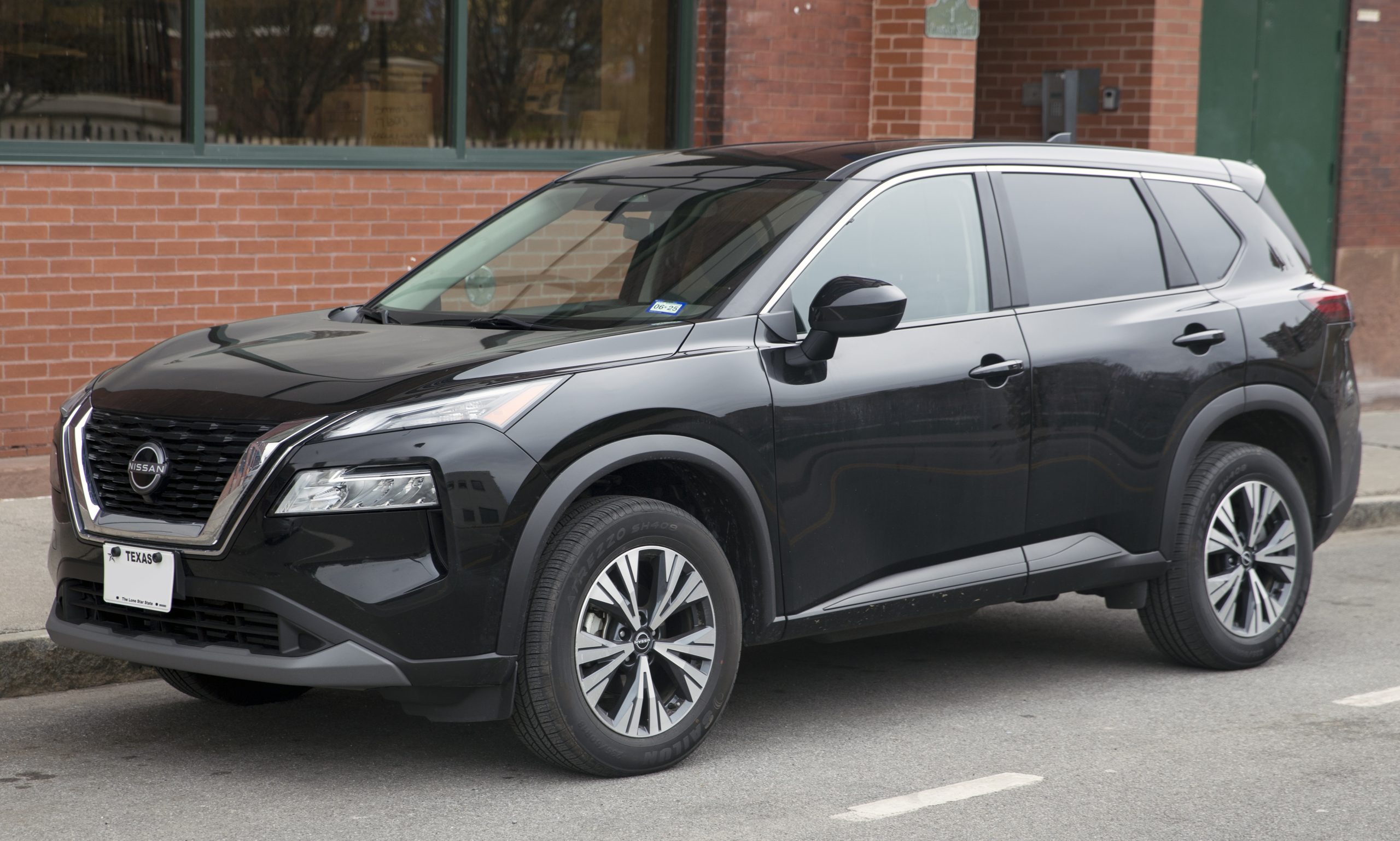
The Nissan Rogue, while popular for its practicality and features, often requires frequent steering adjustments on the highway. Its suspension is tuned more for comfort than precise handling, which means that at higher speeds, the vehicle can feel slightly unsettled.
Drivers may notice a tendency for the vehicle to drift or wander within the lane, particularly on long, straight stretches of road or during crosswinds. This subtle movement requires constant micro-corrections, which can increase driver fatigue over time, especially during extended journeys. While the Rogue remains safe and manageable, the highway experience can feel less confident compared to vehicles that maintain a more planted stance.
A significant factor contributing to the Rogue’s need for constant corrections is its soft suspension setup. While the compliance helps smooth out city streets and minor bumps, it also allows more body motion, making the SUV susceptible to lane wandering.
The tires and alignment, though adequate for general driving, do not provide the same degree of straight-line stability as those found in highway-focused vehicles. Drivers often find themselves adjusting the wheel to counteract subtle deviations caused by road imperfections or wind. This can create a feeling of extra effort required to maintain control, particularly during long trips when fatigue can amplify the effect of minor wanderings.
Electronic stability systems in the Rogue, such as traction control and lane-keeping assistance, are present but tend to be reactive rather than proactive. The vehicle often drifts slightly before the system intervenes, which means drivers cannot fully rely on electronics to maintain a perfectly straight path.
This contributes to the perception that the SUV demands constant attention on highways. Stability control can prevent more extreme deviations, but it does not eliminate the need for continuous steering input. Drivers may find themselves frequently checking their position within the lane to ensure they remain centered, which can detract from the ease of long-distance driving.
Steering feel also plays a role in the Rogue’s highway behavior. The wheel is lighter than some competitors, which can reduce the sense of connection with the road. While light steering can be an advantage in city driving and tight maneuvering, at high speeds it makes the vehicle more sensitive to minor disturbances, requiring additional adjustments.
Combined with the soft suspension and electronic system characteristics, this means that the Rogue often demands active driver engagement to maintain stable tracking, making it less relaxing for extended highway travel compared to more composed compact SUVs.
2. Chevrolet Equinox
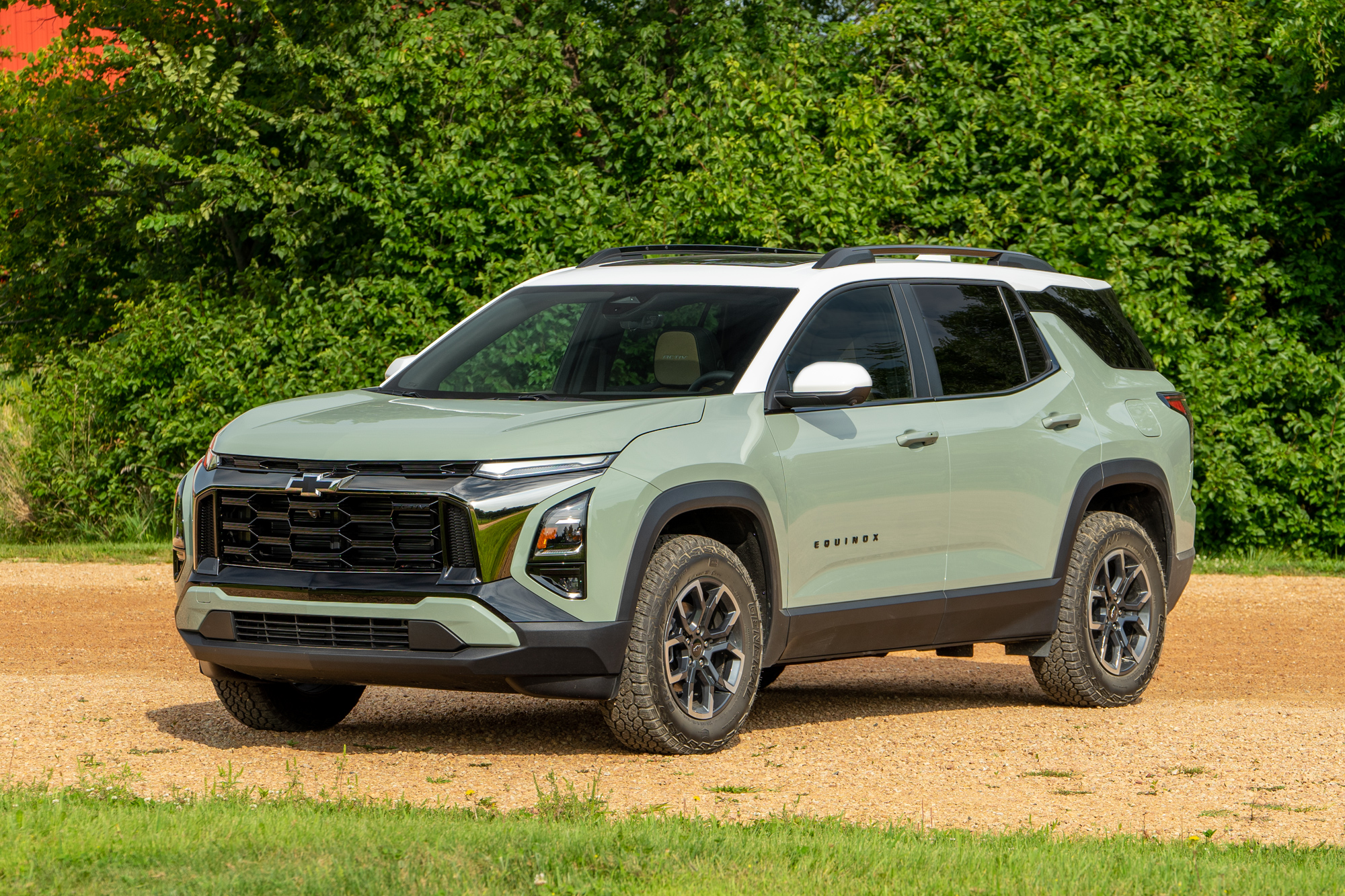
The Chevrolet Equinox is designed with comfort in mind, but this emphasis can lead to a less stable feel on highways. Its suspension is soft and designed to absorb bumps and road irregularities, yet this compromises straight-line stability.
Drivers frequently find themselves making subtle steering adjustments to maintain a lane, especially at higher speeds or when road conditions are uneven. Although the vehicle performs well in city and suburban environments, the experience on long stretches of highway can feel less assured, requiring more attention and effort to remain centered in the lane.
Weight distribution and chassis dynamics also contribute to the Equinox’s tendency to wander. The SUV has a slightly front-heavy bias, which can cause understeer during sudden lane changes or in response to crosswinds. Tires are comfortable and long-lasting, but they are not particularly aggressive in maintaining grip for precise highway tracking.
Alignment settings prioritize comfort over sharp handling, which further amplifies the vehicle’s subtle drifting tendencies. Drivers may notice that even minor road imperfections or wind gusts necessitate slight corrections, contributing to a perception of instability on long drives.
Electronic aids, such as lane-keeping assistance and stability control, provide some help but are not always sufficient to prevent constant corrections. Lane assist may intervene abruptly when the vehicle strays too far, creating a stop-start pattern rather than smooth guidance.
Stability control prevents extreme deviations but does not remove the need for continuous attention, requiring the driver to actively manage small deviations that occur naturally at highway speeds. This combination of mechanical softness and electronic limitations explains why the Equinox often demands more steering input than more stable compact SUVs.
The steering system itself also influences the need for continuous corrections. The wheel feels lighter and less connected at higher speeds, which reduces the sense of “anchoring” and makes minor drifting more noticeable.
Drivers may need to continuously adjust the wheel to compensate for the SUV’s sensitivity to road imperfections and wind forces. Over long drives, this can lead to fatigue, highlighting the Equinox’s trade-off between comfort and precise highway composure.
3. Ford Escape
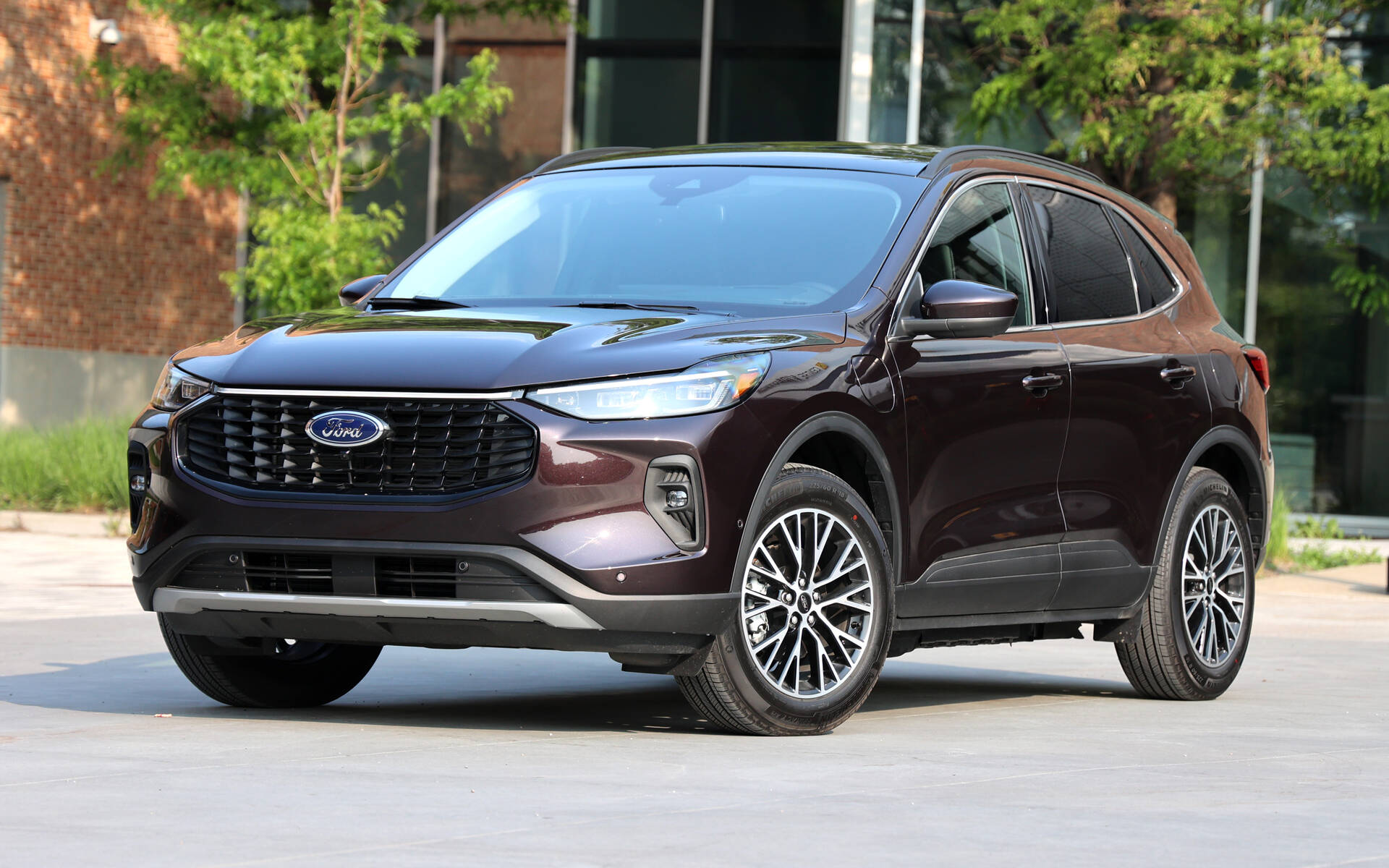
The Ford Escape is designed with city comfort and maneuverability in mind, but its highway performance can feel less composed. The suspension is tuned for softer, urban-oriented handling, which can allow the SUV to wander slightly on straight roads at higher speeds.
Drivers often notice subtle shifts that require micro-corrections, particularly when traveling long distances or in windy conditions. While the vehicle is safe and responsive, it demands more attention from the driver to maintain a straight trajectory, which can increase fatigue over extended trips.
The Escape’s steering system also contributes to its highway behavior. The steering is designed to be light and easy for urban driving, but at highway speeds, this can make the vehicle feel disconnected from the road.
Minor disturbances, such as road imperfections or air turbulence from nearby trucks, require compensatory steering adjustments. Weight distribution and body roll add to this effect, as the SUV has a higher center of gravity compared to some competitors, which magnifies small deviations from a straight path.
Electronic stability systems, including traction control and lane-keeping assist, provide some corrections but cannot entirely compensate for the mechanical characteristics. Drivers must still actively manage minor wandering and stay attentive to the lane position. Lane-keeping assist, while useful, can feel reactive, only engaging after the vehicle has drifted slightly, which reinforces the sense that the Escape requires constant attention.
Additionally, the tires and suspension setup, optimized for comfort rather than precision, contribute to the need for frequent adjustments. While this allows the Escape to absorb bumps and uneven surfaces effectively, it comes at the cost of straight-line stability.
Drivers who prioritize smooth, effortless highway driving may find that the Escape requires continuous input, making it less ideal for long, high-speed travel compared to vehicles engineered for stability.
4. Jeep Compass
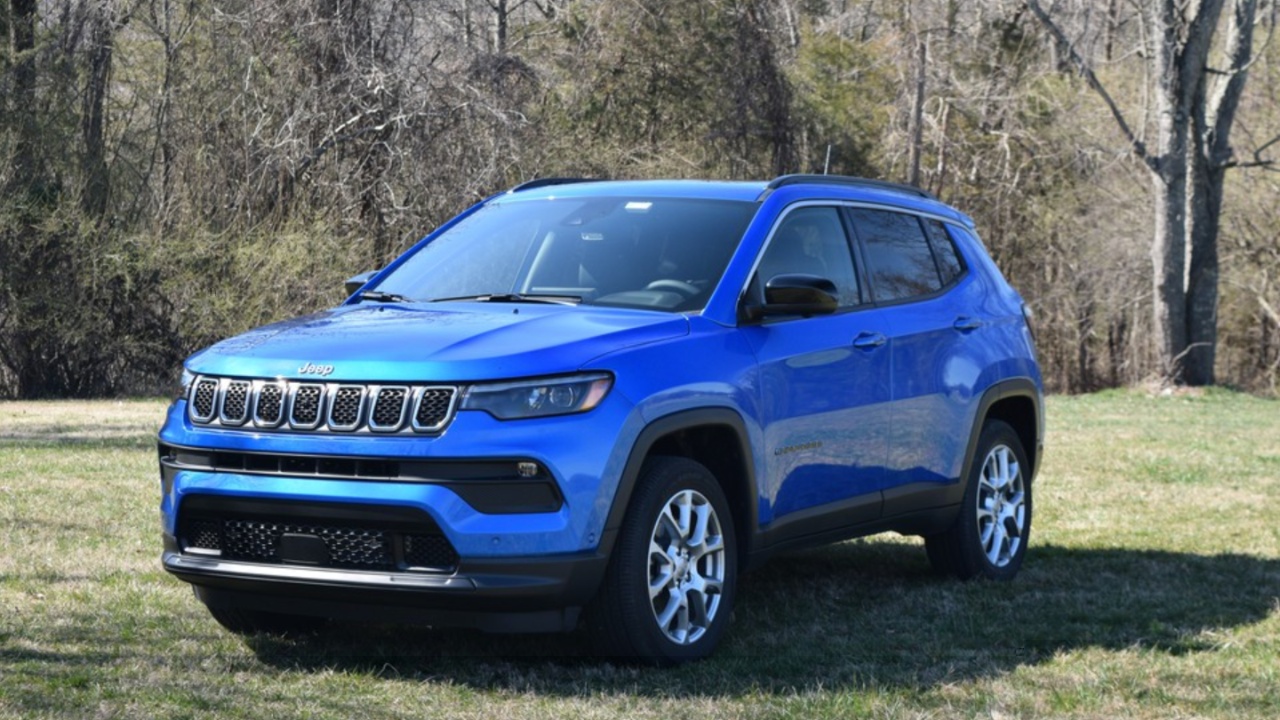
The Jeep Compass, known for its off-road capabilities, often requires more active driver input on highways. Its suspension is designed to handle varied terrains, but this compromises high-speed composure. On long, straight stretches, the Compass can wander slightly within its lane, requiring constant micro-corrections to maintain alignment.
While this does not compromise safety, it increases driver effort and can contribute to fatigue during extended trips. The combination of taller ride height and softer suspension amplifies body movement, making the vehicle feel less grounded at highway speeds.
The Compass’s tire design, optimized for mixed-terrain performance, also affects highway tracking. While excellent for traction on unpaved roads, these tires provide less stability when maintaining a straight line at high speeds.
The sidewalls flex more than highway-focused tires, contributing to subtle drifting that requires driver compensation. Weight distribution further impacts stability; the vehicle’s higher center of gravity can exaggerate small movements and increase sensitivity to crosswinds.
Steering characteristics amplify the need for corrections. The wheel is lighter and less communicative, which reduces feedback at higher speeds and makes minor deviations more noticeable.
The Compass excels in off-road situations, where suspension travel and tire design are advantages, but these same features compromise highway tracking, requiring drivers to maintain more active control than in compact SUVs designed for stable highway cruising.
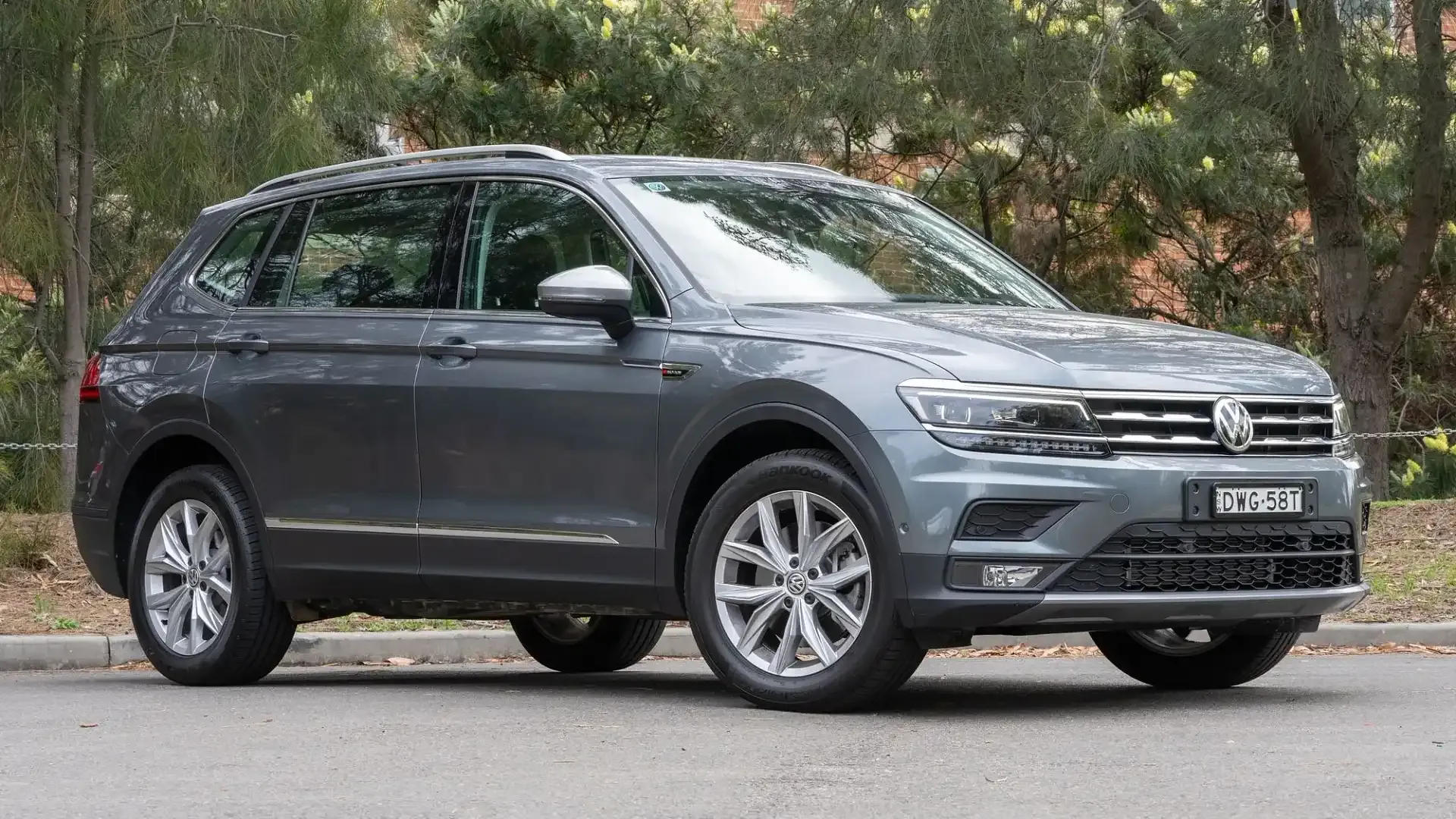
5. Volkswagen Tiguan
The Volkswagen Tiguan emphasizes comfort and smooth ride quality, but this focus can come at the expense of highway stability. Its suspension is relatively soft, allowing the vehicle to absorb bumps effectively, yet this softness contributes to slight wandering during high-speed driving.
Drivers often notice the need for repeated minor steering adjustments to maintain lane position, which can become tiresome on long trips. While safe and comfortable, the Tiguan does not feel as anchored as vehicles engineered for highway composure.
Chassis tuning and weight distribution in the Tiguan contribute to its tendency for micro-corrections. The front-heavy bias and soft suspension allow minor deviations from a straight line to occur more easily, particularly on uneven or rough pavement.
Tires and alignment are optimized for a smooth ride rather than precise straight-line tracking, which further amplifies the need for driver input. Small gusts of wind or turbulence from larger vehicles can also affect lane position, requiring continuous attention.
Electronic systems, including lane-keeping assist and stability control, are present but often react only after a deviation has occurred. The vehicle may drift slightly before the systems correct it, which means drivers still need to actively manage alignment. While these systems are helpful for safety, they do not create a feeling of effortless straight-line control, reinforcing the impression that the Tiguan requires constant engagement on highways.
Steering feel also influences the Tiguan’s highway behavior. The wheel is light and precise at lower speeds but becomes less communicative at high velocities. Minor drifting or deviations require the driver to make subtle adjustments, which can accumulate into noticeable effort over long distances.
Combined with the soft suspension and comfort-oriented design, this makes the Tiguan a compact SUV that demands active attention on highways, contrasting sharply with vehicles engineered for stability and effortless tracking.
