
Crossover vehicles have grown in popularity over the last decade, offering the versatility of SUVs with the comfort and drivability of sedans.
One factor that is often overlooked when evaluating these vehicles is cabin noise, particularly wind noise, which can have a significant impact on driving comfort.
Wind noise is generated when air flows over the body of the vehicle at higher speeds and interacts with components such as windows, mirrors, and roof rails.
This can become especially noticeable on highways, where prolonged exposure to wind noise can lead to fatigue and an less enjoyable driving experience.
Manufacturers have increasingly invested in aerodynamic designs, specialized seals, and acoustic glass to reduce wind intrusion and make cabins quieter.
For drivers who value calm and quiet interiors, understanding which crossover vehicles excel at keeping wind noise low can be an essential part of the purchasing decision.
Conversely, some vehicles, despite their performance or styling, are notorious for producing whistling sounds at speed. This typically occurs when air passes through gaps or improperly aligned trim components, around mirrors, or at edges of doors and sunroofs.
A car that whistles can be frustrating because the sound is often consistent, sharp, and difficult to ignore, detracting from the quality of the drive. It may also indicate less refined build quality or the prioritization of other design elements over acoustic comfort.
Some drivers may accept a small amount of wind noise in exchange for sportier handling or a lighter frame, while others prioritize tranquility above all else. Recognizing which vehicles are prone to this issue can help buyers avoid unexpected annoyances.
This article compares ten popular crossover vehicles, dividing them into two categories: five that are recognized for their quiet cabins and low wind noise, and five that tend to whistle at higher speeds.
The discussion will focus on aspects such as design features, construction quality, aerodynamics, and driver experiences.
By highlighting these characteristics, potential buyers can make more informed decisions based on their preferences for cabin serenity versus potential trade-offs in style or driving dynamics.
Each section offers detailed analysis to give a clear picture of how these vehicles perform in terms of wind noise and whistling tendencies, helping drivers prioritize comfort, quietness, and driving satisfaction.
5 Crossovers That Keep Wind Noise Low
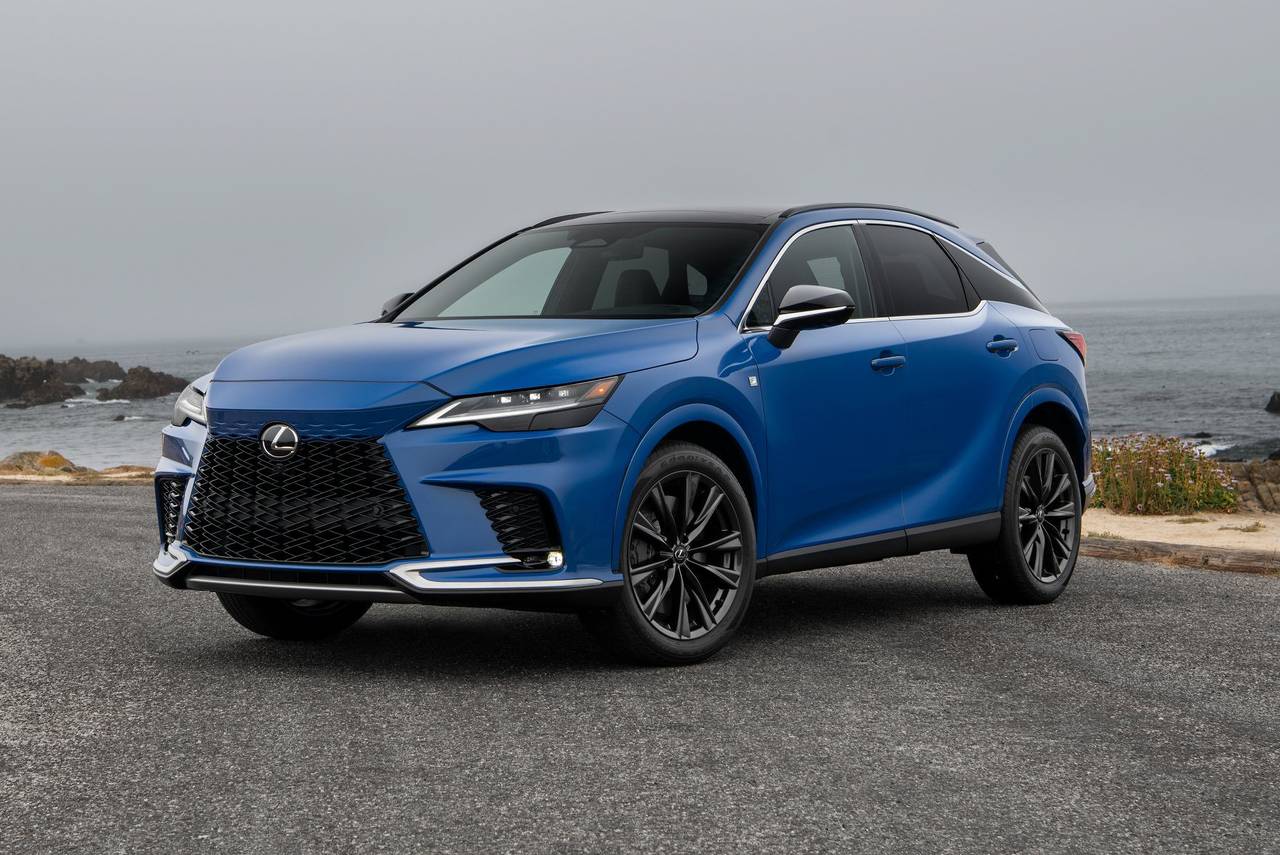
1. Lexus RX
The Lexus RX has long been praised for its exceptionally quiet cabin, even at highway speeds, making it a benchmark for those who prioritize tranquility. One of the primary reasons for this level of quietness is the vehicle’s aerodynamic design, which emphasizes smooth lines and carefully sculpted surfaces.
The roofline flows seamlessly into the rear, while the mirrors are positioned to minimize air turbulence along the side windows. These design choices reduce the chances of high-pitched wind sounds forming around critical areas, even when driving at sustained speeds.
Additionally, the RX utilizes high-quality weather stripping around doors and windows, ensuring that no gaps allow air to sneak inside. The result is a remarkably calm interior that feels insulated from the outside environment, even on windy highways or during storms.
The RX also employs laminated glass for the windshield and side windows, a feature more commonly associated with luxury sedans. This type of glass acts as a barrier, absorbing and dampening high-frequency noise before it reaches the cabin.
Combined with thick carpeting, soft-touch materials on the doors, and well-padded roof pillars, these measures significantly reduce wind intrusion.
The acoustic insulation extends to the firewall between the engine bay and the passenger compartment, meaning that even under heavier acceleration or crosswinds, the cabin remains serene. Passengers can hold conversations, listen to music, or simply enjoy silence without distraction.
Beyond materials and seals, the RX benefits from precise engineering of panel gaps and joints. Each door, hood, and trunk panel is designed with tight tolerances, ensuring uniformity and preventing micro-gaps that could create whistling sounds.
Even the mirrors, which are often the culprit for wind-related cabin noise, are carefully shaped with aerodynamic considerations, directing air away from sensitive edges.
Additional refinements, such as roof rail design and wheel arch liners further manage airflow, preventing any form of turbulence from reaching the cabin. These combined elements showcase Lexus’ dedication to noise reduction as an integral part of the vehicle’s design philosophy.
Finally, the RX’s engineering approach emphasizes comfort and refinement above aggressive styling or sporty performance. Suspension tuning minimizes road vibrations, which can otherwise amplify perceived wind noise, while the cabin’s layout and material choices further enhance the perception of quiet.
For long highway drives, the RX provides a retreat-like experience, where occupants can remain relaxed without being subjected to fatigue caused by prolonged exposure to external noise. For buyers seeking a crossover that offers a peaceful, high-end driving experience, the Lexus RX remains one of the most compelling options on the market.
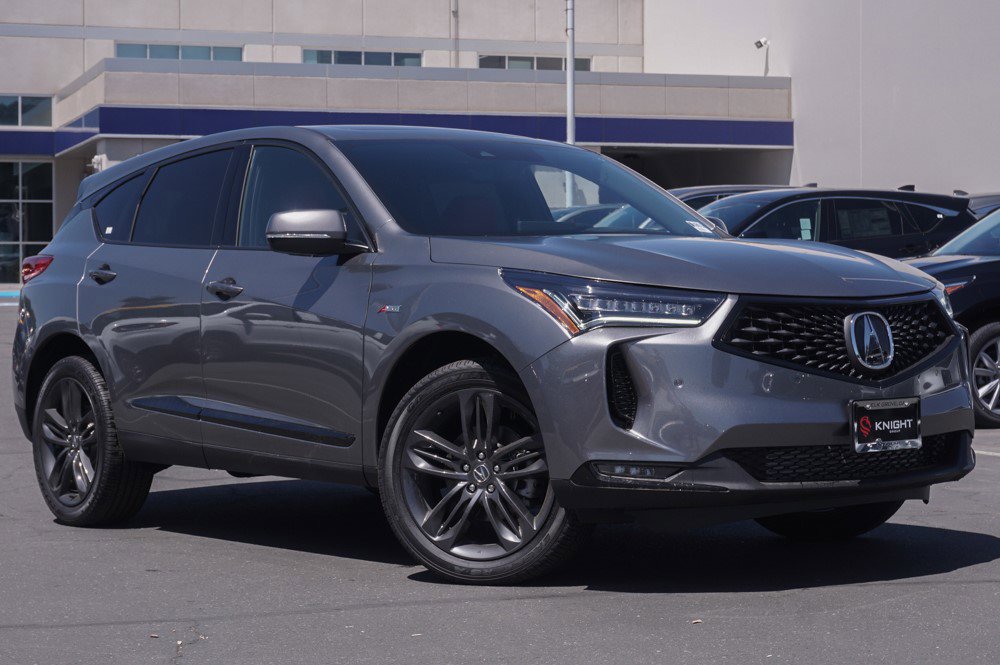
2. Acura RDX
The Acura RDX is a compact luxury crossover that consistently receives praise for its low wind noise, making it one of the quietest vehicles in its segment. A large part of this is due to its smooth, aerodynamic silhouette, which channels airflow cleanly around the body.
The side mirrors are positioned to minimize turbulence, while the front fascia and windshield angle are engineered to reduce eddies of air that could create whistling sounds.
The RDX also features thick door and window seals that provide a robust barrier against drafts, ensuring that the cabin remains calm even during extended highway cruising. These features work in unison to deliver an environment where conversation is effortless, and road fatigue from noise is minimized.
Inside, the RDX employs layered glass for the windshield and side windows, which helps block high-frequency sound while also providing thermal insulation. This, combined with padded interior surfaces, soft-touch plastics, and acoustic insulation panels, creates a cabin that feels luxurious and isolated from the outside world.
Even under crosswinds or when passing large vehicles at speed, the RDX maintains a sense of calm that many drivers appreciate. The engineering focus on minimizing the intrusion of external sounds demonstrates Acura’s commitment to a refined driving experience rather than simply performance or style.
Acura engineers also pay meticulous attention to details such as wheel arch liners, grille edges, and panel alignment. Small adjustments in these areas can significantly influence the way air flows around the vehicle, reducing turbulent pockets that can create unwanted cabin noise.
The underbody is designed to channel airflow efficiently, and the roof rails are shaped to minimize whistling tendencies. This combination of aerodynamic optimization and structural engineering ensures that the RDX performs quietly across a wide range of speeds and conditions.
The RDX’s suspension and chassis tuning also indirectly enhance acoustic comfort. Minimizing vibrations from road surfaces, it prevents the amplification of residual wind noise, keeping the cabin serene. Drivers and passengers alike can enjoy long-distance trips without the distractions or irritation of high-pitched whistling or hissing sounds.
For anyone seeking a balance of sporty handling, refined materials, and a quiet driving experience, the RDX is a highly competitive choice among compact luxury crossovers.
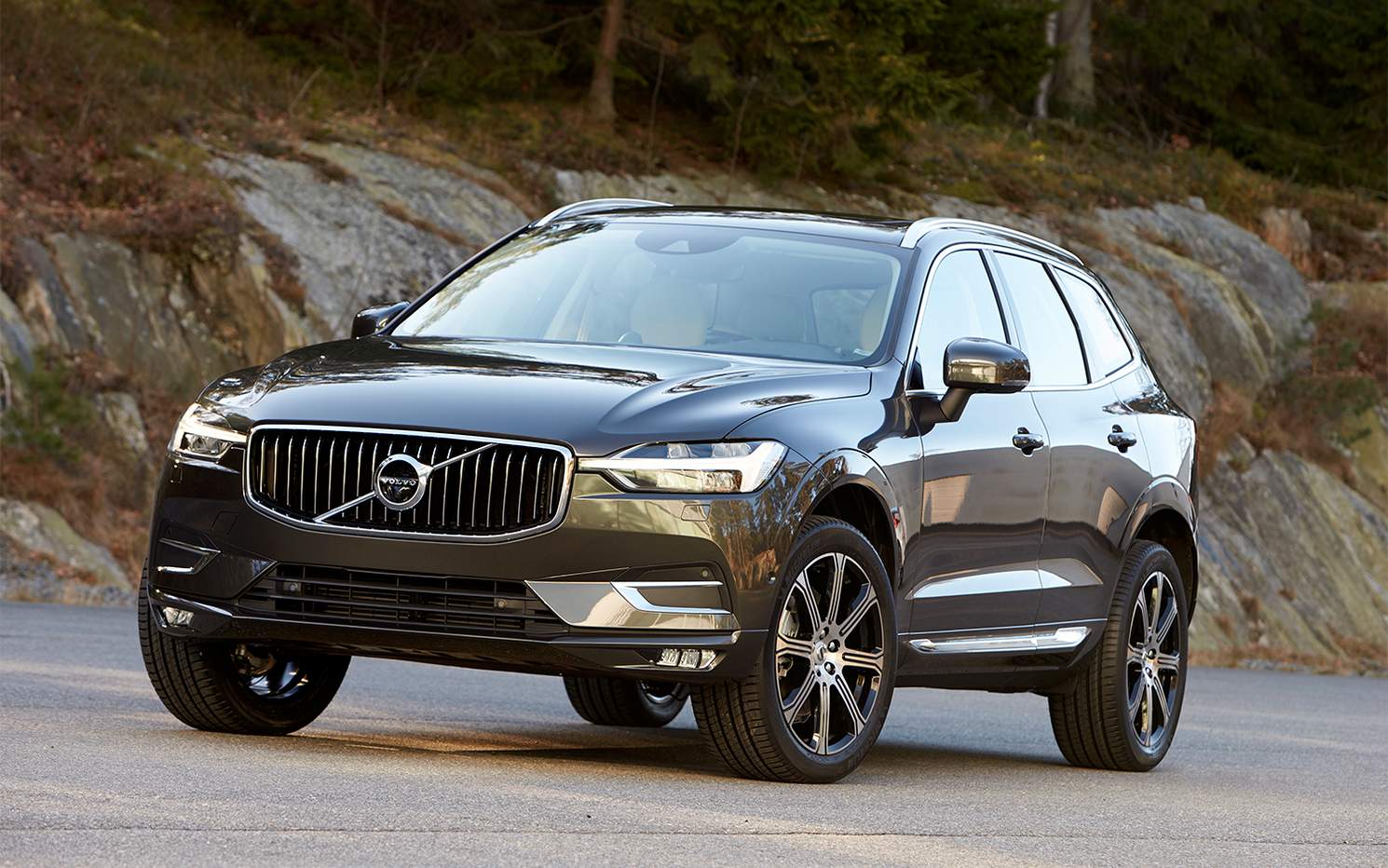
3. Volvo XC60
The Volvo XC60 is designed with a strong emphasis on occupant comfort, particularly acoustic comfort, making it a standout in its class. One of the ways Volvo achieves this is through the use of laminated glass and multiple layers of insulation in the doors, roof, and firewall.
These measures drastically reduce wind noise, even when driving at speeds above 70 miles per hour. The vehicle’s body is aerodynamically sculpted to manage airflow around mirrors, roof rails, and wheel arches, minimizing turbulence that could cause hissing or whistling.
This meticulous design ensures that passengers enjoy a cabin that feels calm and insulated from the external environment.
The door and window seals in the XC60 are also engineered to high standards, providing a tight fit that prevents drafts. This is especially important on highways, where even minor air intrusion can become amplified as a sharp or persistent noise.
In addition, Volvo employs soft interior materials, thick carpeting, and padded panels to absorb residual noise that may enter the cabin. These choices combine to create an environment that promotes comfort and minimizes fatigue during long drives.
Volvo engineers also use computer simulations to analyze airflow around the vehicle, identifying areas that could potentially generate wind noise. This approach allows the XC60 to address these issues at the design stage, rather than relying solely on trial and error.
The combination of predictive modeling, aerodynamic body shaping, and high-quality insulation ensures that the XC60 remains one of the quietest options in its segment. Passengers often note that even on rougher roads, the cabin remains calm, allowing them to focus on driving or enjoy conversation without distraction.
Finally, the XC60’s suspension and chassis are tuned to complement the acoustic design. By isolating vibrations from the road, the car prevents amplification of residual wind noise, further enhancing comfort.
Volvo’s commitment to serenity, safety, and refinement is evident in every aspect of the XC60’s design, from panel fit and material selection to aerodynamics. For drivers who prioritize a calm, peaceful interior without sacrificing luxury or performance, the XC60 remains a top choice among premium crossovers.

4. BMW X3
The BMW X3 is known for successfully balancing driving performance with a quiet and refined cabin. Its aerodynamic bodywork includes smooth transitions along the doors, roofline, and fenders, which reduce turbulent airflow that could generate whistling or hissing sounds.
Mirrors are carefully shaped and positioned to minimize wind resistance, and laminated glass in the windshield and side windows further blocks high-frequency noise. This attention to detail allows the X3 to maintain a quiet cabin even at highway speeds, contributing to an sense of refinement that is expected from the brand.
Doors and panel fit are precise, limiting potential areas for air leaks. Sound-absorbing materials are incorporated in critical regions such as the roof, floor, and pillars, preventing the transmission of both wind and road noise.
These measures ensure that the cabin remains calm during extended drives, even at higher speeds. Drivers often report that the interior feels stable and insulated, highlighting the effectiveness of BMW’s engineering approach to cabin quietness.
Aerodynamic enhancements also play a significant role in the X3’s acoustic performance. Features such as underbody panels, sculpted wheel arches, and optimized roof rails work together to reduce turbulence and manage airflow efficiently.
By addressing these minor but crucial elements, BMW minimizes sources of wind noise before they even become perceptible to occupants. This holistic approach to acoustic engineering ensures that the X3 stands out in a competitive luxury crossover market.
Finally, the X3’s suspension tuning complements its acoustic design. By controlling road vibrations and minimizing chassis flex, BMW prevents the amplification of residual wind noise within the cabin.
This combination of aerodynamics, sound insulation, and mechanical refinement creates a driving experience that is both engaging and peaceful. For buyers seeking a crossover that delivers precise handling alongside a calm, well-insulated interior, the BMW X3 remains a compelling option.
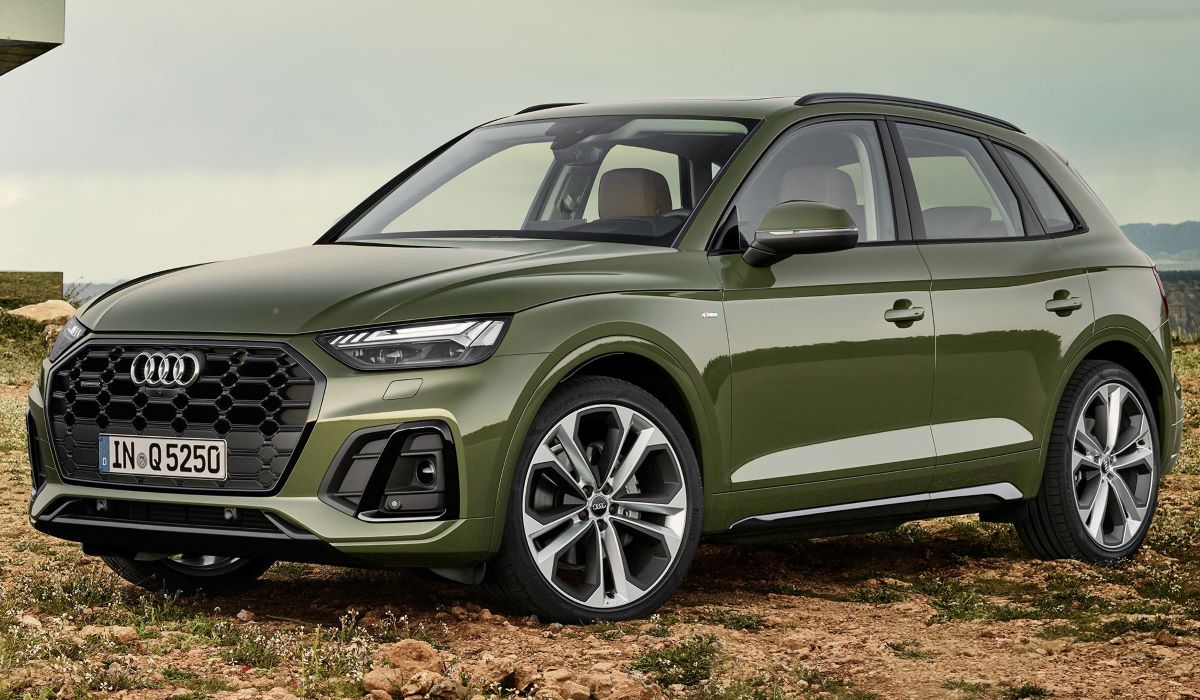
5. Audi Q5
The Audi Q5 is widely recognized for its quiet cabin and refined driving experience, particularly at highway speeds. Tight panel gaps, precise door fitment, and laminated glass contribute to its ability to block wind noise effectively.
The vehicle’s mirrors and roofline are aerodynamically optimized, ensuring smooth airflow and reducing areas where turbulence could generate whistling or hissing sounds. The result is a serene interior that allows drivers and passengers to focus on the driving experience without distraction.
The Q5 also uses thick insulation in doors, floor panels, and roof areas, which absorbs vibrations and reduces the transmission of external noise.
Interior materials such as leather, soft-touch plastics, and padded trim enhance the sense of quiet, creating a comfortable environment that feels insulated from the outside world. Even during extended highway drives, passengers can maintain conversations or enjoy audio systems without interference from wind noise.
Small design details, such as the alignment of window seals and trim elements, are optimized to prevent whistling or draft-related sounds. Roof racks, if present, are shaped to minimize disruption to airflow, and computational fluid dynamics is used to predict and address potential acoustic issues during the design phase.
These careful considerations reflect Audi’s commitment to providing an immersive, quiet, and high-quality driving experience.
Finally, the Q5’s suspension and chassis engineering further support acoustic comfort. By limiting vibrations from uneven roads, the vehicle ensures that wind noise is not amplified within the cabin. The result is a well-rounded, quiet, and luxurious driving experience, making the Q5 one of the most attractive options for drivers who value acoustic refinement as much as performance and style.
5 Crossovers That Tend to Whistle at Speed
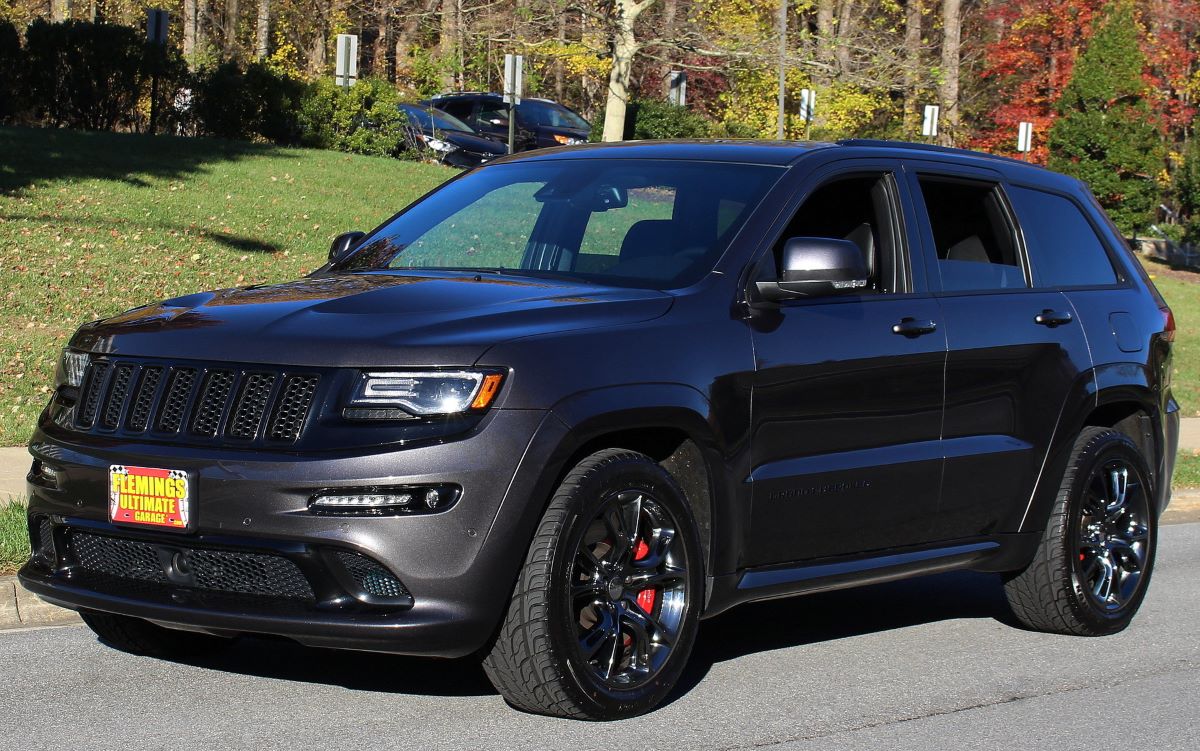
1. Jeep Cherokee
The Jeep Cherokee, while popular for its off-road capabilities and rugged styling, tends to produce whistling sounds at higher speeds, which can be a significant distraction on long drives. One of the primary causes is the shape and positioning of the side mirrors, which can generate turbulence as air flows past them.
Additionally, the A-pillars, which are relatively wide compared to other crossovers, can create pockets of air that interact with the mirrors and windows, resulting in a high-pitched noise.
Drivers frequently report that this sound becomes more pronounced when traveling above 60 miles per hour, particularly in windy conditions or when passing large trucks, making it difficult to ignore.
The door and window seals, although sufficient for basic insulation, sometimes allow small gaps that can permit air intrusion. Even minor imperfections in panel alignment can exacerbate the whistling, as air finds a path through tight spaces and amplifies the sound inside the cabin.
Over time, as seals age or expand slightly, the problem can worsen, making a previously tolerable noise much more noticeable. These small design imperfections highlight the delicate balance between styling, off-road design, and cabin quietness, which is often a trade-off in rugged crossovers like the Cherokee.
The angular bodywork and flat surfaces, characteristic of the Cherokee’s design, can further contribute to wind noise issues. Roof rails, door edges, and even the hood shape can create pockets of turbulent airflow, which resonate as sharp sounds inside the vehicle.
Many drivers notice that adding aftermarket accessories, such as crossbars or roof-mounted carriers, can amplify the whistling, making the issue more noticeable on highways or open roads. The combination of design choices aimed at off-road performance and aesthetic styling often comes at the cost of a quieter cabin.
Despite these drawbacks, the Cherokee remains a popular choice for those who value capability and rugged design over absolute refinement.
Drivers who are particularly sensitive to wind whistling may find it frustrating during long highway trips, but for many, the vehicle’s off-road prowess, ground clearance, and versatility outweigh the annoyance of occasional noise.
It serves as a reminder that not all crossovers prioritize acoustic comfort to the same degree, particularly when rugged functionality is emphasized.
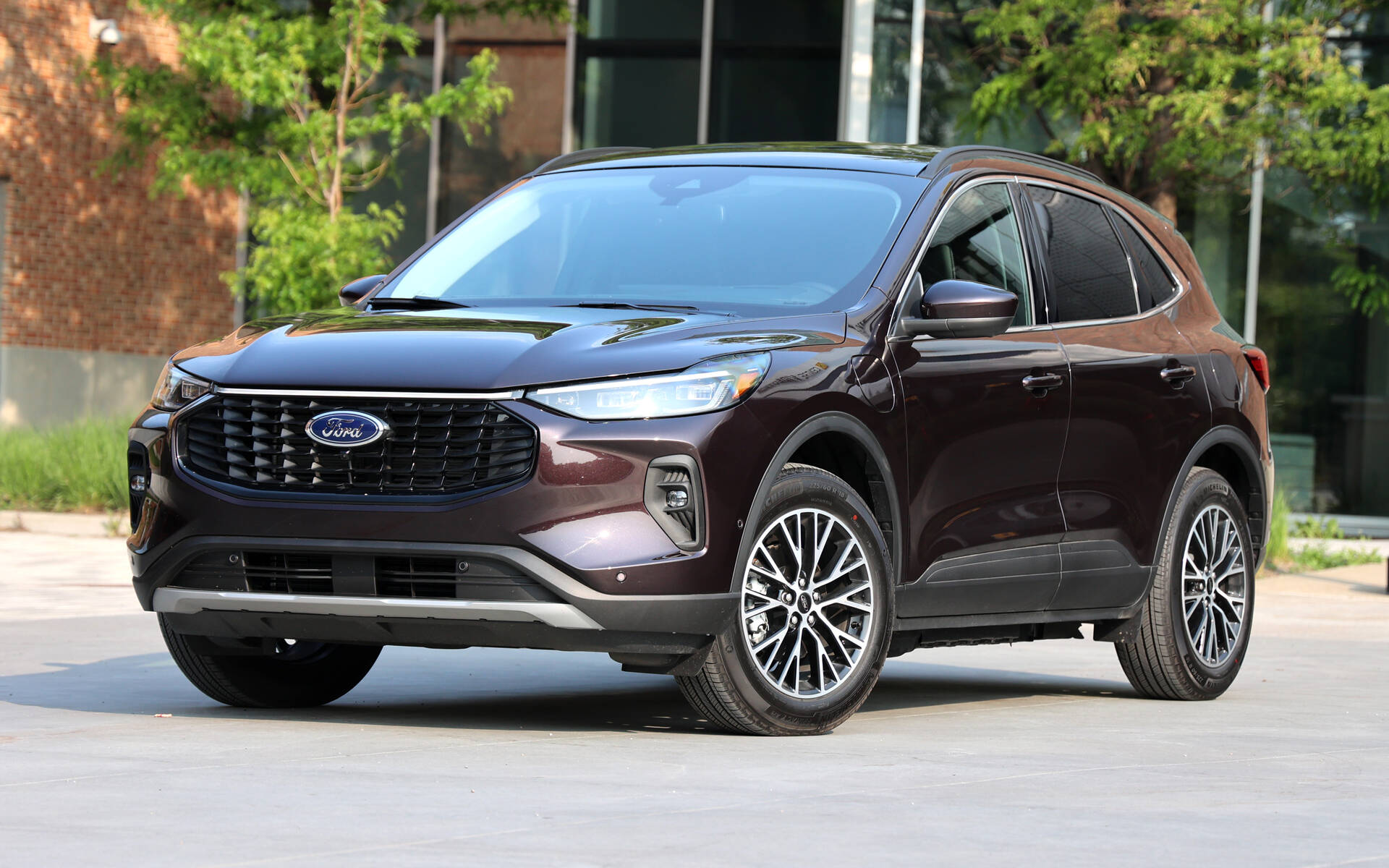
2. Ford Escape
The Ford Escape has occasionally been noted for producing wind whistling at highway speeds, which can detract from the otherwise comfortable driving experience. This noise is often linked to the aerodynamic profile of the vehicle, particularly around the side mirrors and the roofline.
Turbulence created in these areas can cause high-pitched sounds that are particularly noticeable when the vehicle is traveling at speeds above 65 miles per hour.
Drivers often report that the noise is most prominent during windy conditions or when overtaking larger vehicles, such as trucks or SUVs, which disturb the airflow.
Seals around doors and windows, while effective in most conditions, can sometimes fail to prevent minor drafts that contribute to the whistling. Over time, exposure to the elements can degrade these seals, slightly enlarging gaps and increasing the intrusion of air.
As a result, vehicles that may have been relatively quiet when new can become more prone to whistling as they age. This is an important consideration for prospective buyers, particularly those who plan to use the vehicle extensively on highways or in regions with strong winds.
Roof rails, sunroofs, and other external features can also exacerbate the problem. Air flowing over these components can produce resonance or whistling noises, which are further amplified by the cabin’s shape. Even small adjustments, such as slightly opening a window or repositioning a roof-mounted accessory, may have limited effect in reducing the sound.
This sensitivity to aerodynamic factors underscores the challenge of maintaining cabin quietness in crossovers with multiple functional exterior features.
Despite its tendency for wind whistling, the Escape is often praised for other qualities, including ride comfort, fuel efficiency, and interior space. Buyers who prioritize these features may consider the whistling a minor inconvenience rather than a deal-breaker.
Nevertheless, drivers who value a consistently quiet cabin may want to test the vehicle under highway conditions to determine whether the sound is tolerable for their preferences. The Escape’s example illustrates how functional design and moderate cost can sometimes lead to compromises in acoustic refinement.
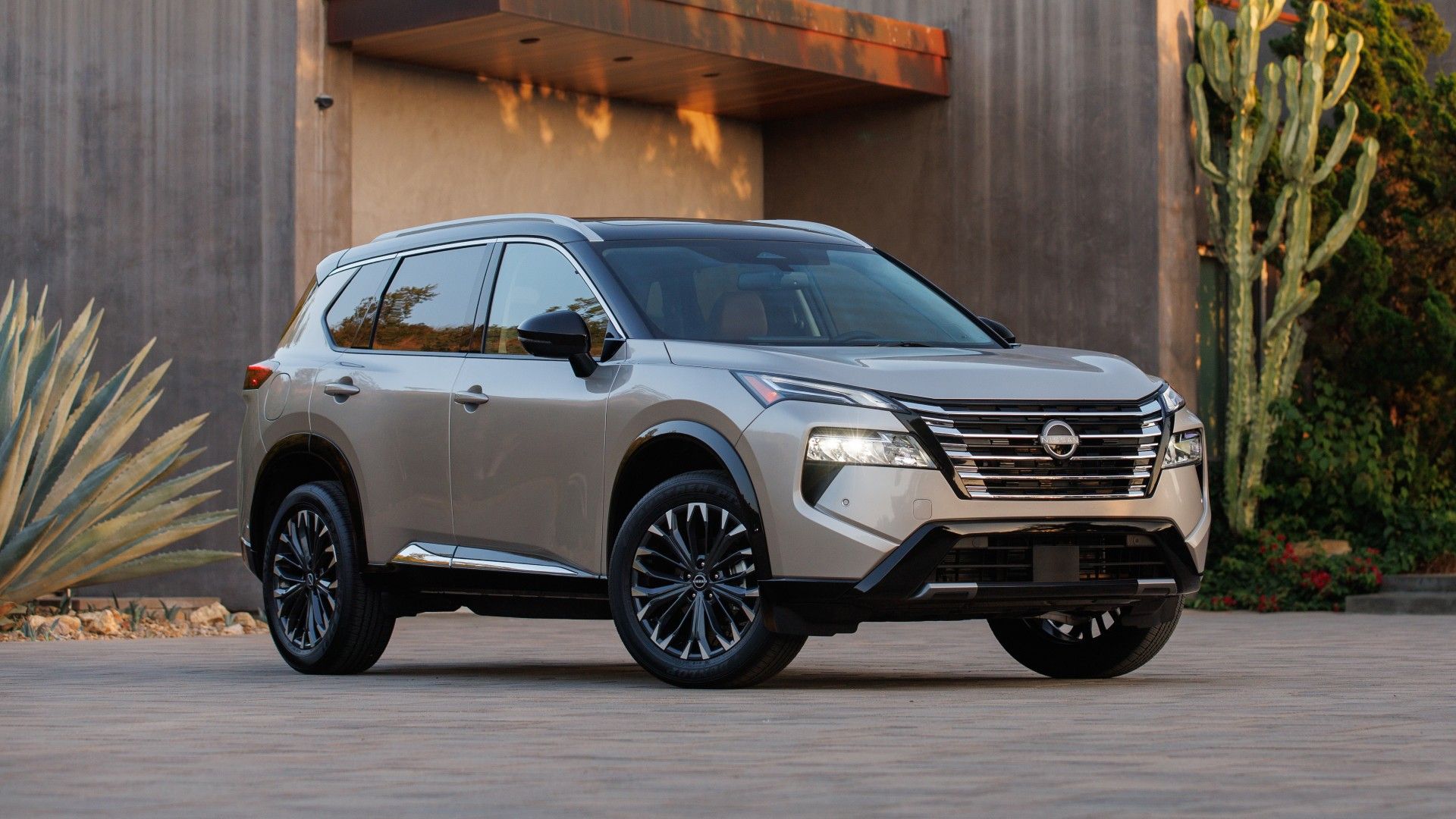
3. Nissan Rogue
The Nissan Rogue is another compact crossover that can be susceptible to wind-related whistling, particularly at higher speeds. Its aerodynamic profile, while efficient in terms of fuel economy, includes areas such as the mirrors, A-pillars, and roofline that can create turbulent airflow.
These turbulent pockets produce a characteristic high-frequency whistling sound, which often becomes noticeable above 65 miles per hour. The noise can be persistent, especially during highway driving or in windy conditions, and is often concentrated near the front doors, making it more apparent to driver and front-seat passenger.
Door and window seals in the Rogue are generally effective, but small gaps around edges or corners can allow air intrusion, exacerbating the whistling effect. Wear and tear over time can slightly increase these gaps, making the cabin noisier as the vehicle ages.
Additionally, optional features such as panoramic sunroofs or roof racks can further disrupt airflow, intensifying the sound. Drivers may find that even minor modifications, like the addition of a cargo box or aftermarket accessories, can worsen the whistling phenomenon.
Despite these acoustic shortcomings, the Rogue is a popular choice for many buyers due to its practical interior layout, ease of driving, and reliability. However, those sensitive to wind noise should be aware that highway driving may come with persistent whistling, particularly in certain trim levels or configurations.
Test-driving the vehicle at higher speeds is recommended for buyers seeking a quieter driving experience. The Rogue demonstrates how efficient design and affordability sometimes come at the cost of acoustic refinement.
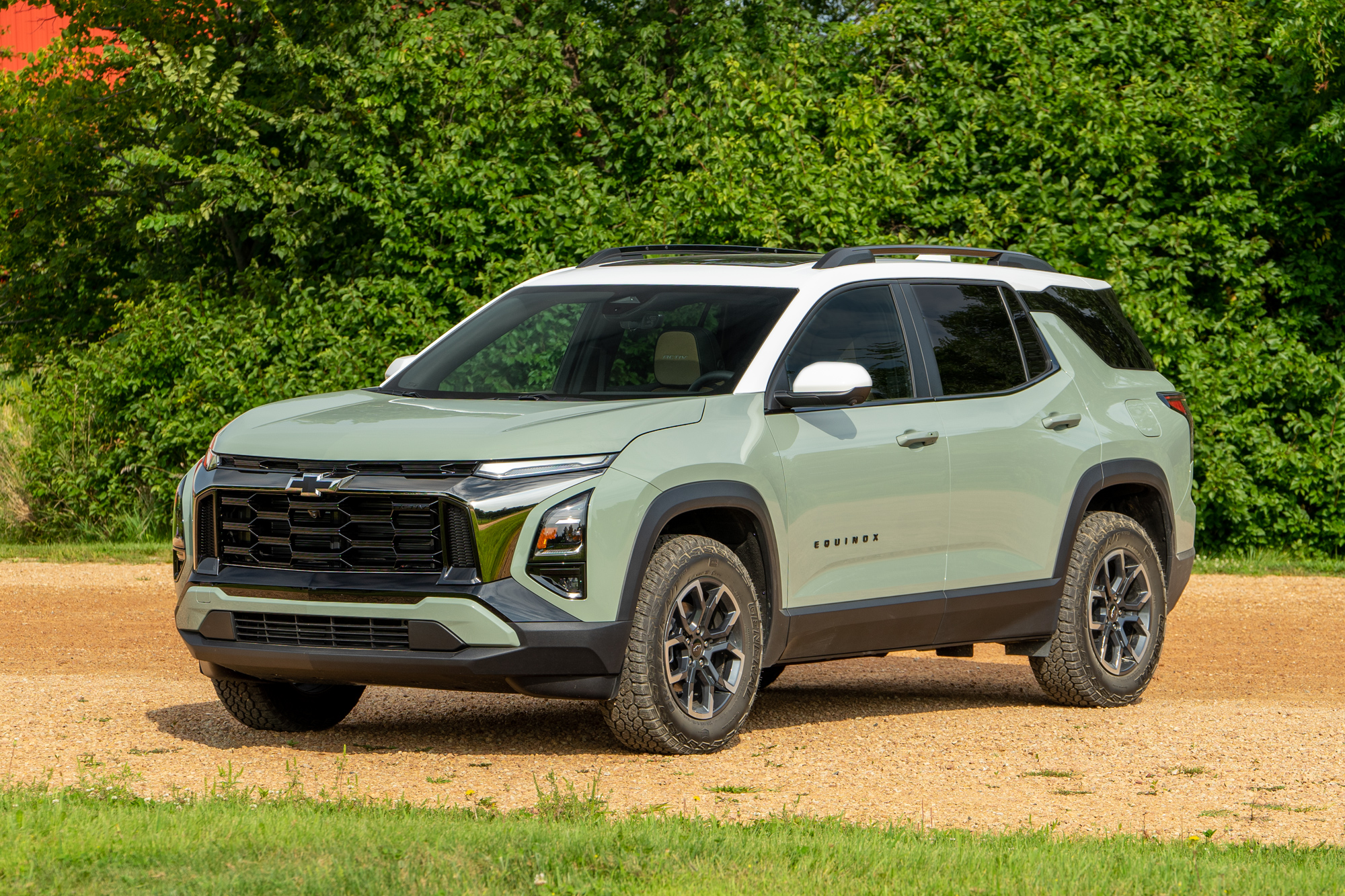
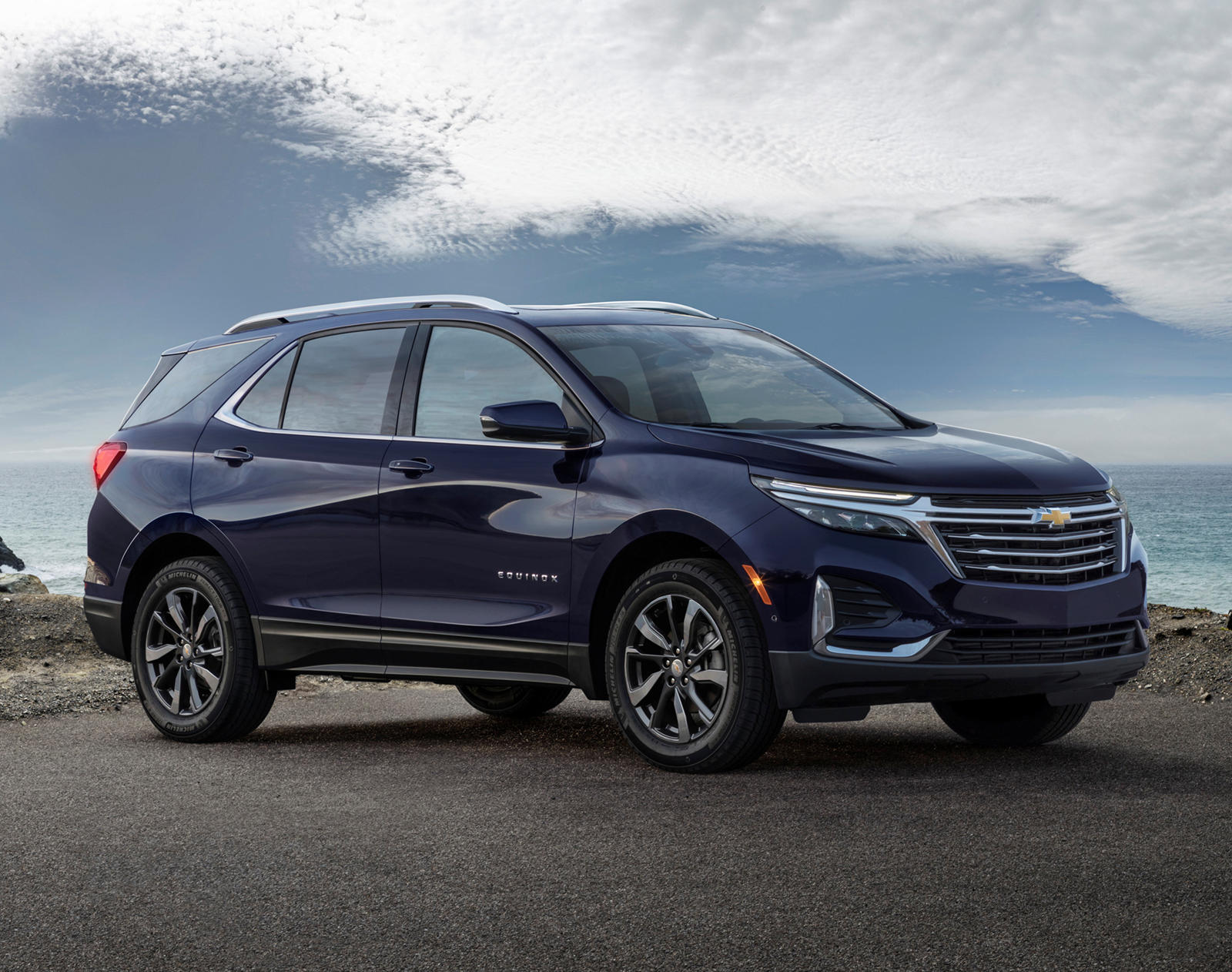
4. Chevrolet Equinox
The Chevrolet Equinox has occasionally been criticized for producing wind whistling at speed, an issue that affects some trim levels more than others. The primary sources of this noise are the mirrors, roof rails, and the shape of the front door edges.
As air flows around these areas, turbulence can occur, which resonates inside the cabin as a sharp or high-pitched sound. Drivers often report that the noise is most noticeable above 60 miles per hour, making it a concern for extended highway trips or long-distance commuting.
Aerodynamic considerations of the Equinox’s body shape also contribute to the issue. Slightly squared edges, protruding trim, and roof-mounted elements can interfere with smooth airflow, creating resonance inside the cabin.
Crosswinds can further exacerbate the problem, making the noise more noticeable during certain driving conditions. These factors collectively make the Equinox less refined acoustically compared to competitors that prioritize cabin quietness.
Despite these drawbacks, the Equinox remains a strong choice in the compact crossover segment for buyers who prioritize safety features, interior space, and affordability. Many drivers accept the occasional whistling as a minor inconvenience given the vehicle’s other strengths.
However, for those who value a consistently quiet cabin for long drives, the Equinox may be less suitable, particularly when compared to competitors known for better wind noise control.
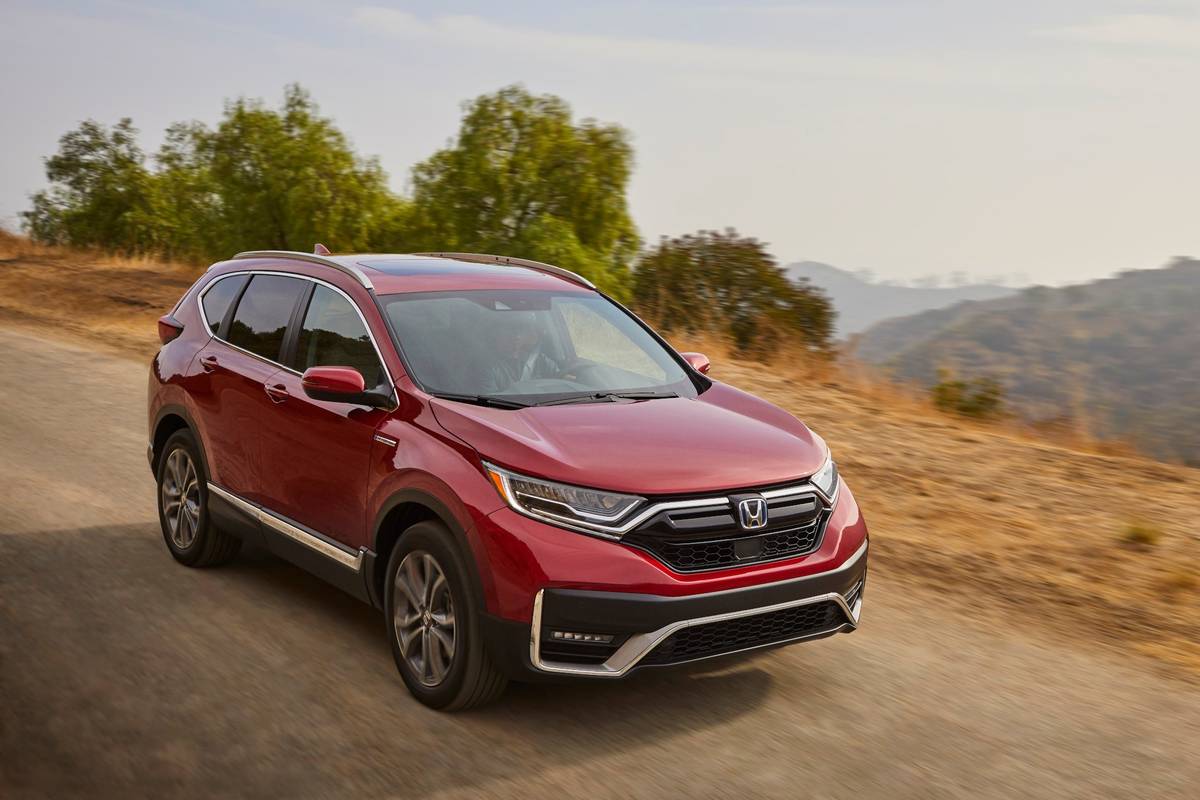
5. Honda CR-V
The Honda CR-V is widely regarded as a reliable and practical crossover, but it tends to whistle at higher speeds, which can detract from its otherwise comfortable cabin. The design of the mirrors, A-pillars, and upper door seals can channel air in a way that produces sharp, persistent noise.
Drivers often notice this whistling most prominently on highways or during crosswinds, and it is typically concentrated near the front seats, although it can occasionally be heard in the rear as well.
Window and door seals in the CR-V are generally effective at blocking drafts, but small gaps or minor misalignments can allow air to enter and create high-frequency whistling sounds. Over time, these seals may expand or wear, worsening the noise.
Sunroofs, roof racks, or aftermarket accessories can further amplify turbulence, making the cabin less serene during extended drives at high speeds. Drivers who prioritize acoustic comfort may find this particularly noticeable on longer trips.
Despite these acoustic shortcomings, the Honda CR-V remains extremely popular due to its well-rounded nature, dependable performance, and versatility. Many drivers accept occasional whistling as a minor trade-off for these benefits.
However, buyers who are sensitive to wind noise or frequently drive long distances may want to test the vehicle thoroughly at highway speeds.
The CR-V demonstrates how even well-engineered and reliable crossovers can encounter acoustic challenges, particularly in areas where efficiency and affordability are prioritized over cabin quietness.
